

Indoor Gardening Supplies: Essential Tools for a Successful Indoor Garden
When I first started indoor gardening, I thought plants alone were enough. I quickly realized the right supplies make the difference between struggling plants and healthy growth. Indoor gardening supplies are not about buying expensive equipment, but choosing practical tools that support daily care.
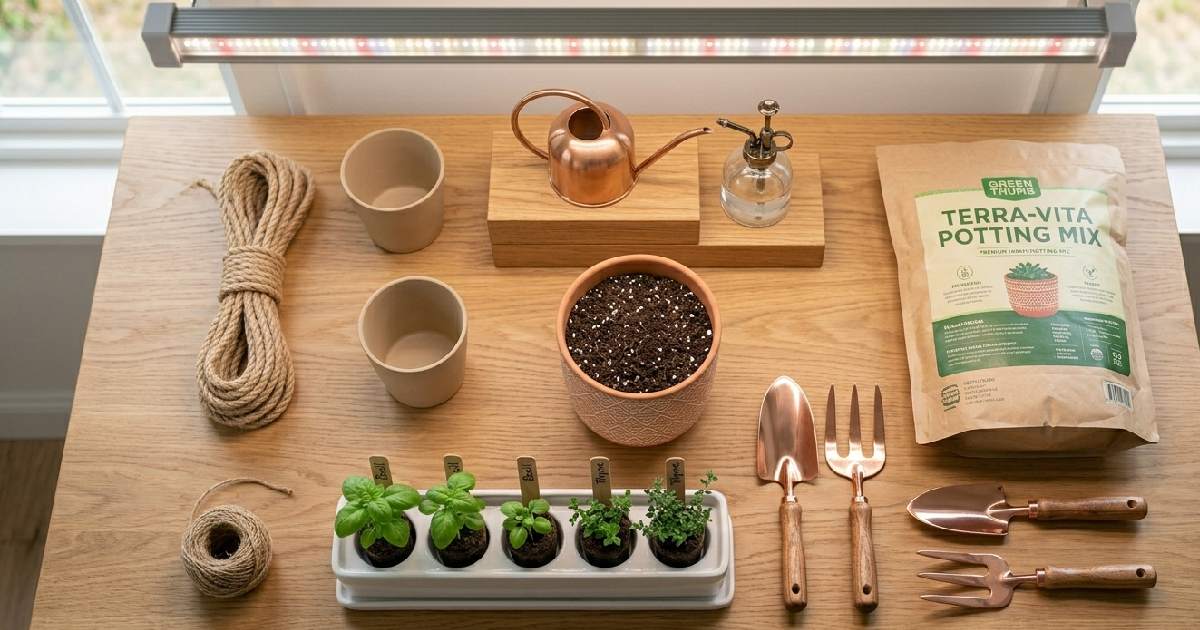
Trays, pots, soil, lights, and watering tools all play a role in creating a stable indoor setup. I learned that simple, reliable supplies save time and reduce mistakes. With the right essentials, even beginners can build an indoor garden that stays productive, organized, and much easier to manage over time.
Why Indoor Gardening Supplies Matter for Healthy Plant Growth
When I started indoor gardening, I used whatever I had at home. It worked for a while, but the plants were not stable. Some grew slowly, some struggled without a clear reason. Later, I understood that proper indoor gardening supplies create balance in the system.
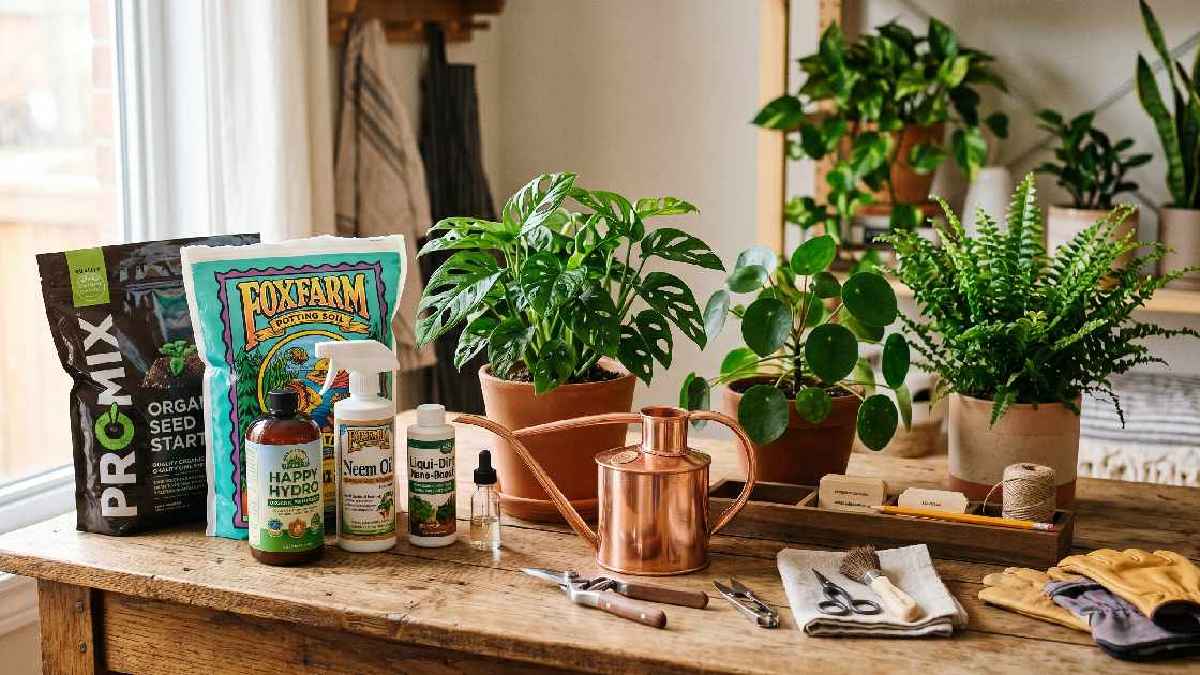
Tools and materials are not just extras; they directly affect plant health, growth speed, and survival. Once I upgraded basic equipment, results improved quickly, and the whole setup became easier to manage.
How the Right Supplies Improve Plant Health
Good supplies support plants in a simple but powerful way. Proper pots with drainage help roots breathe and prevent water buildup. Quality soil or growing medium gives nutrients and a stable structure. Grow lights provide consistent energy when sunlight is not enough.
Even simple tools like spray bottles help control watering. I noticed healthier leaves and faster growth when I used better materials. Everything works together, not separately. The right setup reduces stress on plants and creates steady, reliable indoor growth over time.
Common Challenges Without Proper Indoor Gardening Equipment
Without proper tools, indoor gardening becomes unpredictable. I faced weak roots because of poor drainage and overwatering. Plants stretched and became pale when there was not enough light. Some trays even developed mold due to excess moisture and no airflow control. Using random containers without a proper structure also created uneven growth.
I learned that missing basic equipment leads to repeated problems. Poor lighting, water imbalance, and weak soil conditions all connect to a lack of proper supplies. Good tools prevent most of these issues and make indoor gardening much more stable.
Must Have Indoor Gardening Supplies for Beginners
When I started indoor gardening, I didn’t use proper supplies, and the plants struggled. Later, I realized a few essential tools can completely change results. Grow lights, good pots, quality soil, watering tools, and fertilizers all work together to support healthy plant growth.
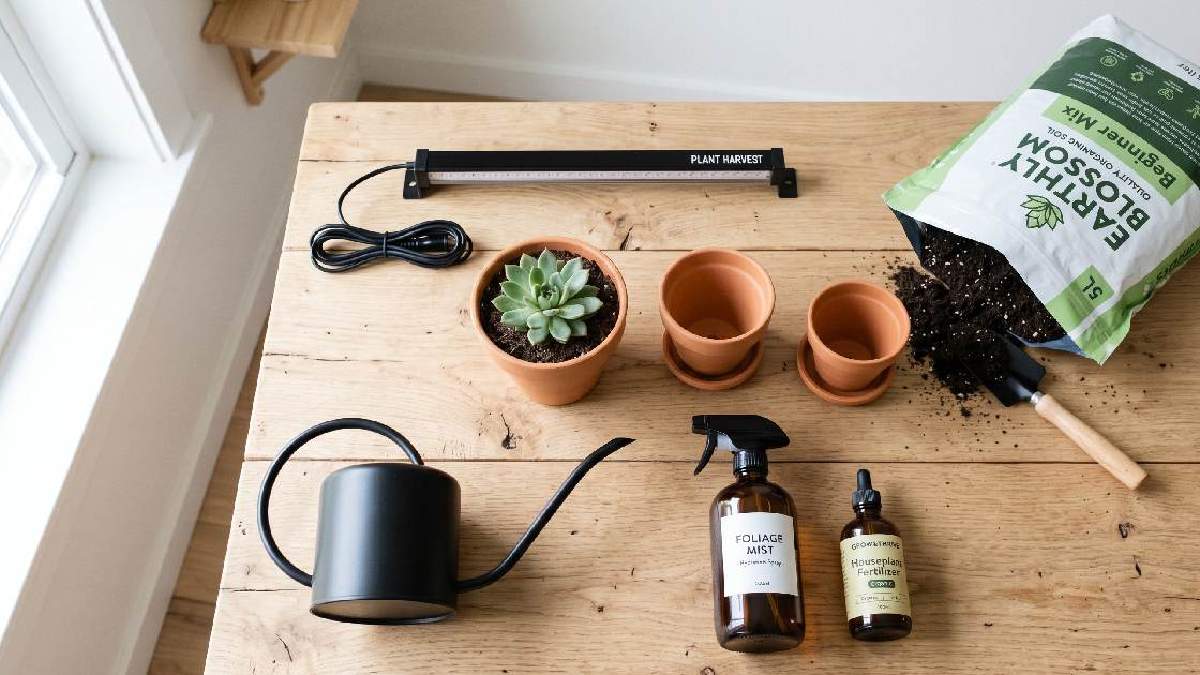
Beginners don’t need everything at once, but these basics make indoor gardening easier and more stable. I noticed better growth and fewer problems once I switched to proper equipment instead of random household items.
Grow Lights for Low-Light Spaces
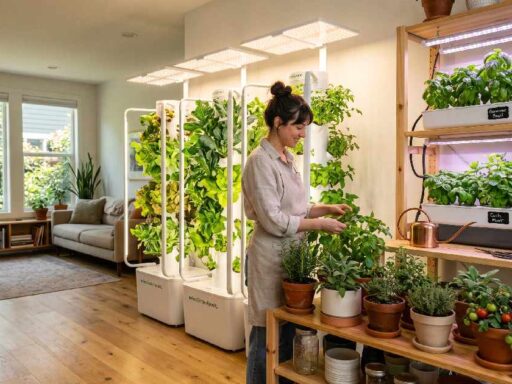
Grow lights are very helpful when natural sunlight is not enough. I used simple LED lights and saw faster, healthier growth compared to fluorescent ones. LEDs are energy-efficient, lasting, and provide balanced light for plants.
Fluorescent lights also work but generate more heat and consume more power. I prefer LEDs for indoor setups because they are safer and more consistent. Good lighting keeps plants compact, green, and strong, especially in rooms with limited sunlight.
Pots and Containers with Proper Drainage
Choosing the right pots is more important than I first thought. I used containers without drainage, and plants suffered from root rot. Proper drainage holes allow excess water to escape and keep roots healthy. Size also matters; small pots limit growth, while oversized ones hold too much moisture.
Plastic, clay, or ceramic all work if drainage is good. I now always check the container structure before planting. Proper pots create stable conditions and reduce watering mistakes in indoor gardening setups.
High-Quality Potting Soil for Indoor Plants
Soil quality directly affects plant health. I noticed poor soil holds too much water and lacks nutrients. Good potting soil should be light, well-draining, and rich in organic matter. It should retain moisture but not stay soggy. I sometimes mix coco peat or compost to improve texture.
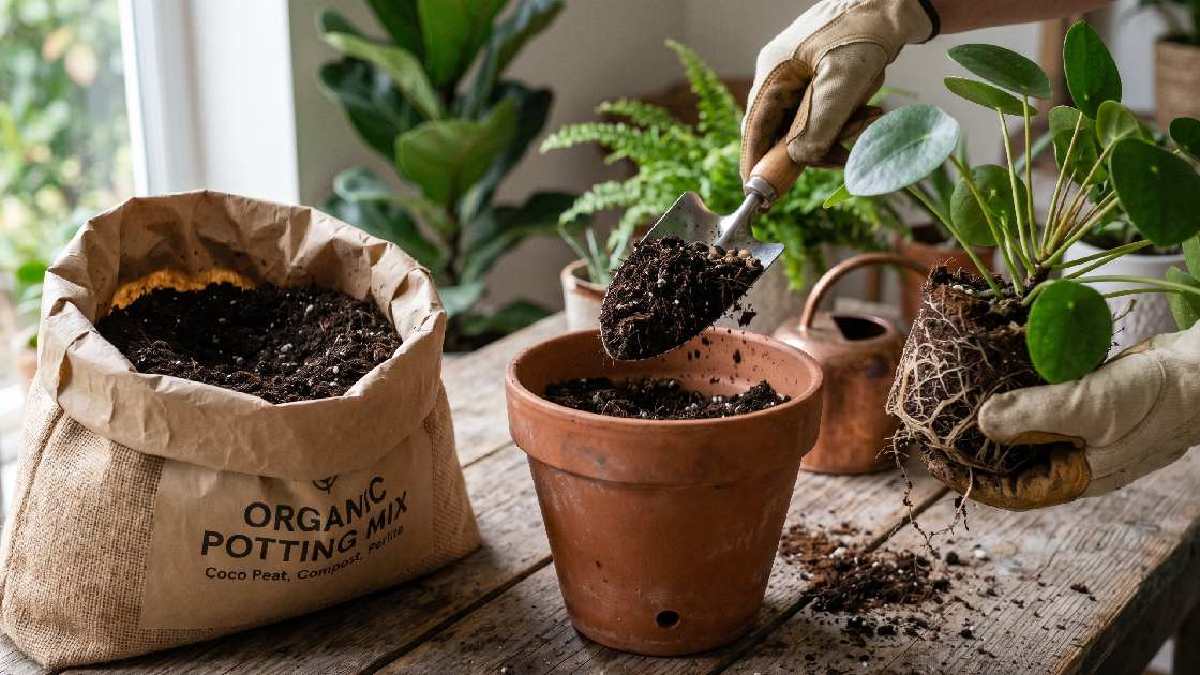
Healthy soil supports strong root development and steady growth. Beginners often ignore soil quality, but it is one of the most important factors for successful indoor gardening and long-term plant stability.
Watering Tools for Precision Care
Proper watering tools help avoid overwatering or underwatering. I use spray bottles for small plants and watering cans for larger pots. Spray bottles give controlled moisture without disturbing the soil. Moisture meters are also useful for checking soil conditions before watering.
I learned that guessing water needs often leads to mistakes. These tools make watering more precise and consistent. They help maintain balance, especially in indoor environments where evaporation is slower, and plants need careful moisture control.
Plant Fertilizers and Nutrient Solutions
Fertilizers provide essential nutrients that soil alone may not supply. I use both organic and synthetic options depending on plant needs. Organic fertilizers like compost or liquid seaweed improve soil health slowly and naturally. Synthetic fertilizers work faster but need careful usage to avoid overfeeding.
I noticed better growth when nutrients were balanced properly. Beginners should start with light feeding and increase gradually. Proper fertilization keeps plants healthy, improves leaf color, and supports consistent indoor gardening growth over time.
Advanced Indoor Gardening Supplies for Experienced Growers
When I moved beyond basic indoor gardening, I realized advanced supplies make a big difference in control and consistency. Simple setups work fine at the start, but experienced growers often need more precision. Hydroponics, humidity control, monitoring devices, and seed starting kits help manage plants more efficiently.
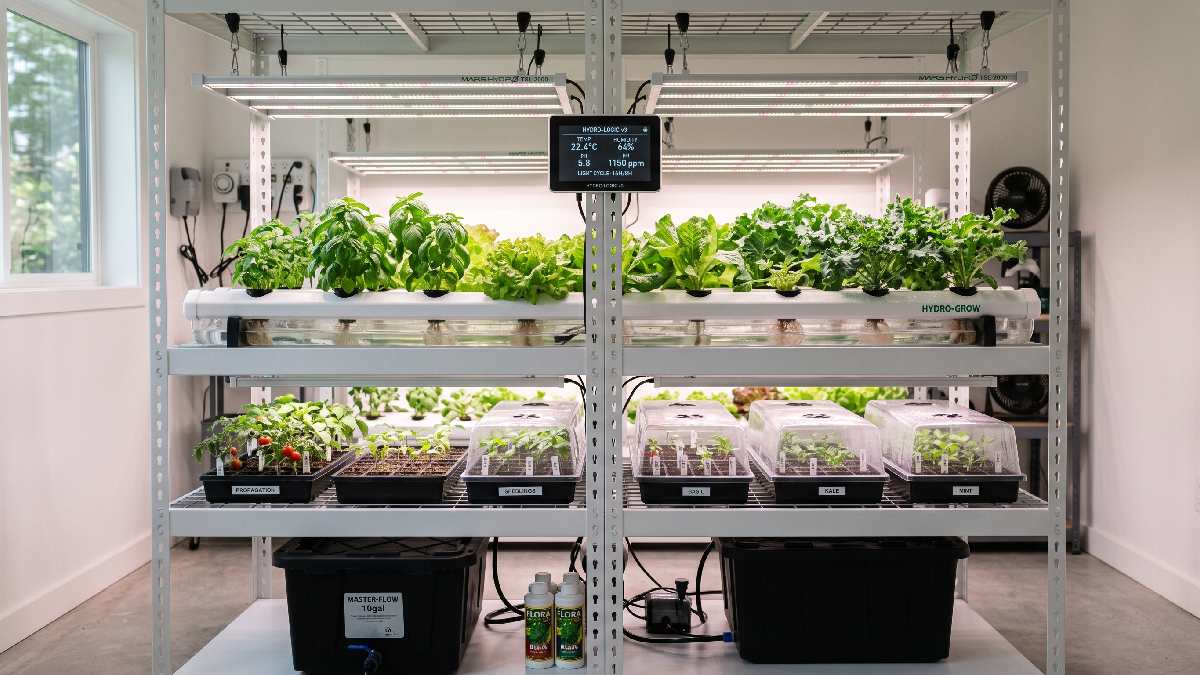
I tried upgrading step by step, and the results became more stable and predictable. These tools are not required for beginners, but they are useful when you want higher yield, faster growth, and better control over indoor plant environments.
Hydroponic Systems for Soil, Free Gardening
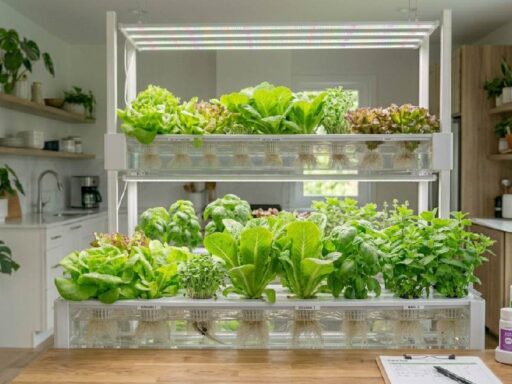
Hydroponic systems allow plants to grow without soil, using water and nutrient solutions instead. I found this method very clean and efficient once I understood the basics. Roots stay directly in nutrient-rich water, which improves growth speed in many cases.
The setup includes containers, pumps, and nutrient mixing. It takes some learning at the start, but the results are impressive. Hydroponics reduces mess and gives better control over feeding. It is ideal for growing herbs and leafy greens indoors with consistent output.
Humidity Control Tools for Tropical Plants
Humidity control becomes important for tropical indoor plants. I noticed some plants struggled in dry room conditions. Tools like humidifiers help maintain moisture in the air. Pebble trays are a simple alternative that slowly release humidity around plants.
Sensors can also monitor air moisture levels for better control. I use these tools when growing sensitive plants that need stable humidity. Proper moisture balance in the air prevents leaf drying and supports healthier growth in indoor environments with controlled conditions.
Temperature and Light Monitoring Devices
Monitoring devices help track indoor growing conditions more accurately. I started using simple thermometers to check room temperature changes. Later, I added smart sensors for both light and temperature. These tools help understand how the environment affects plant growth.
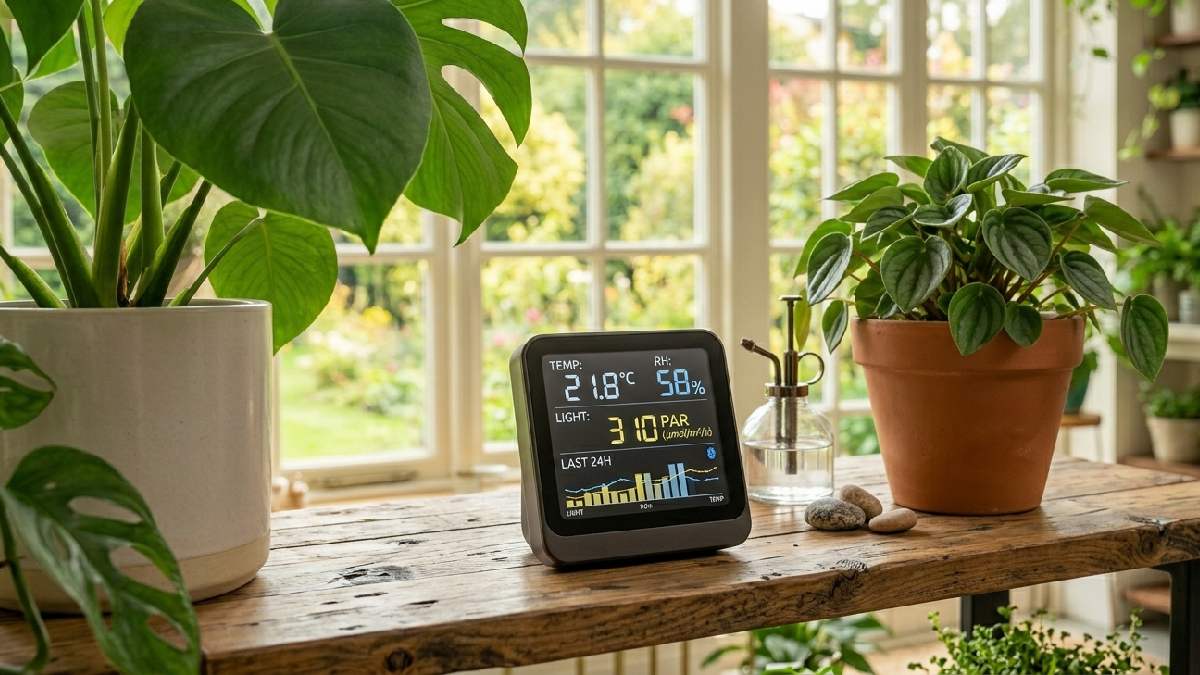
Sometimes plants slow down due to small temperature shifts that are not visible without monitoring. Light meters also help check if plants are getting enough exposure. These devices give better control and reduce guesswork in advanced indoor gardening setups for consistent results.
Seed Starting Kits for Indoor Propagation
Seed starting kits are very useful for growing herbs and vegetables from the beginning stage. I used them for basil, lettuce, and tomatoes indoors. These kits usually include trays, domes, and growing medium designed for germination. They create a controlled environment that improves seed success rate.
I noticed faster and more uniform sprouting compared to random setups. For experienced growers, these kits help scale production easily. They are especially helpful when growing multiple batches of plants in organized indoor systems.
How to Choose the Best Indoor Gardening Supplies
Choosing the right indoor gardening supplies is not about buying everything available. I learned this after wasting money on items I didn’t really need. The best approach is matching tools with your plants, space, and budget.
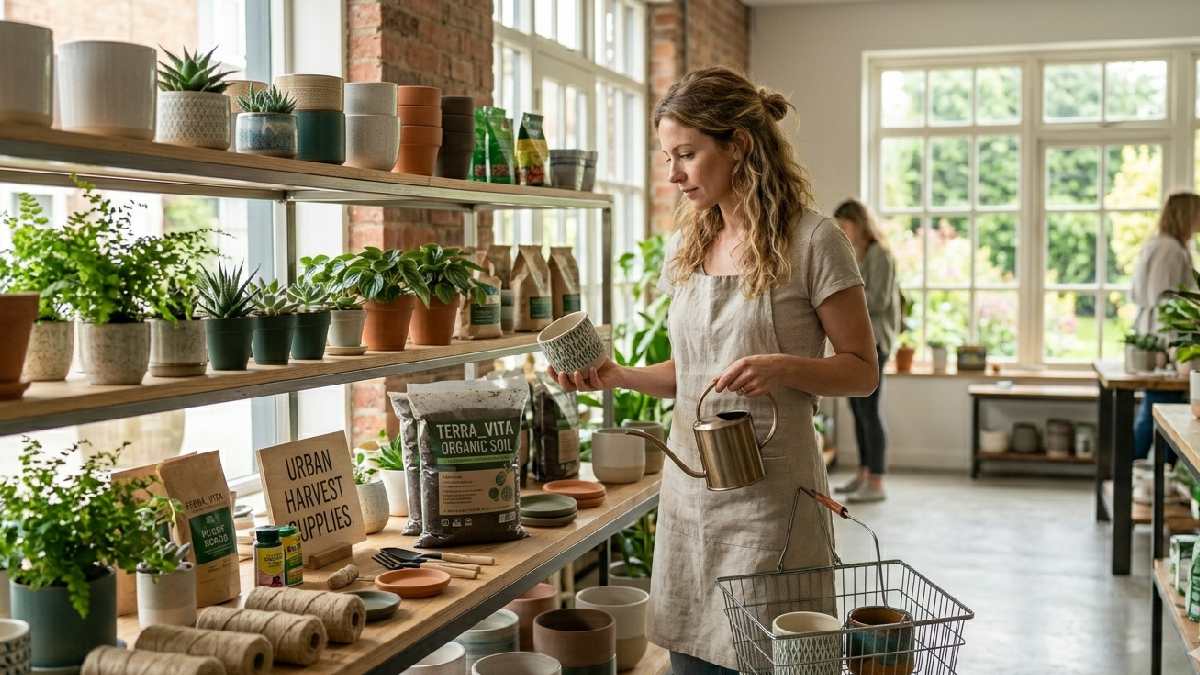
When supplies fit your setup, plants grow better, and problems reduce automatically. Beginners often feel confused by too many options, but a simple and planned choice always works better than random buying.
Match Supplies to Plant Type
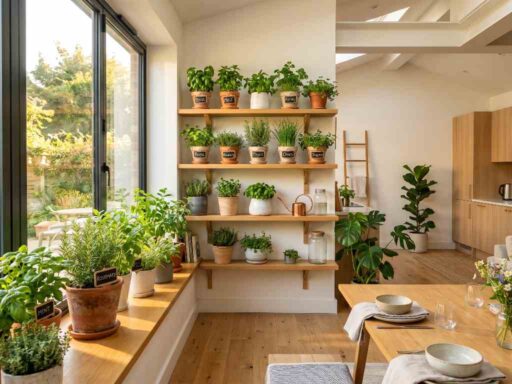
Different plants need different supplies for proper growth. I noticed herbs like basil and mint grow well in simple pots, while vegetables need deeper containers and better soil. Succulents require dry conditions, so drainage is very important. Flowering plants often need more light support.
When I started matching supplies to plant type, results improved quickly. Understanding plant needs first helps you choose the correct tools instead of guessing. This reduces failures and improves indoor gardening success.
Consider Your Indoor Space and Setup
Indoor space plays a big role in choosing supplies. I first tried large setups in a small apartment, and it became messy. Late,r I adjusted to compact shelves and small containers. If you have limited space, go for vertical or tabletop systems.
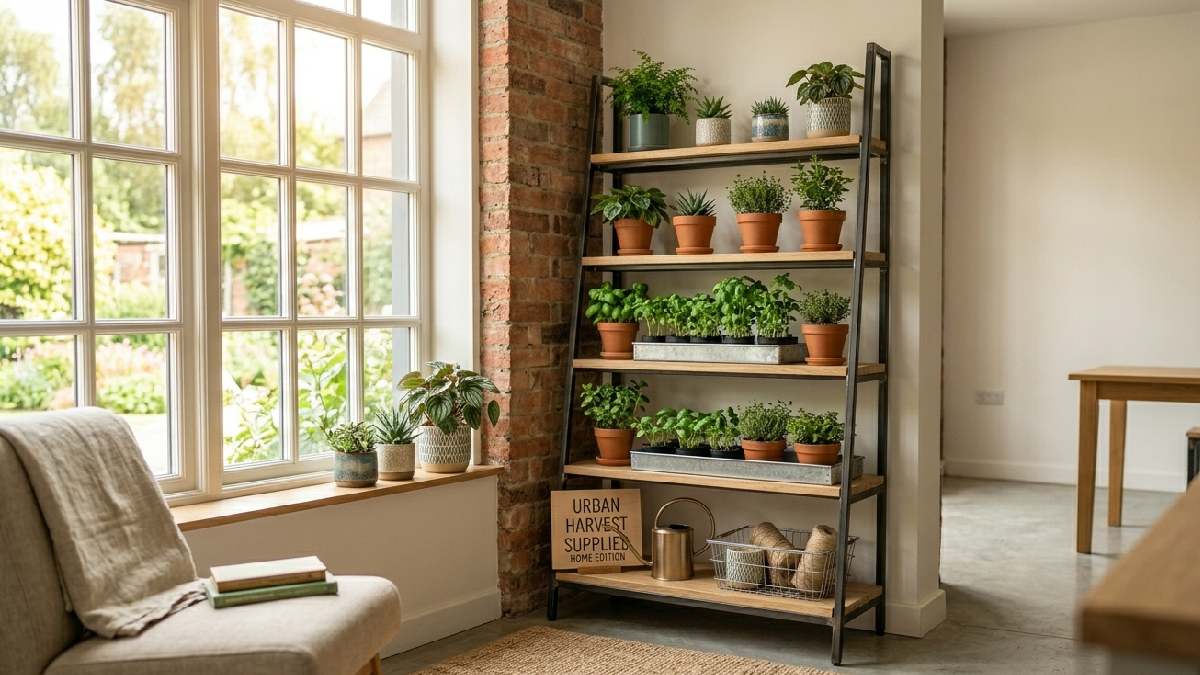
Larger rooms allow more flexible setups like grow racks. I realized space planning is as important as plant selection. Proper layout keeps things organized and makes maintenance easier in a daily indoor gardening routine.
Set a Budget Without Sacrificing Quality
Setting a budget helped me avoid unnecessary spending. I first bought many items at once, but only used a few of them. Now I prioritize essentials like pots, soil, and basic lighting first. Quality matters more than quantity in indoor gardening.
Cheap tools often fail early and create more problems later. I learned to invest slowly and upgrade gradually. A balanced budget ensures good results without overspending and keeps indoor gardening sustainable for long-term use.
Common Mistakes to Avoid When Buying Indoor Gardening Supplies
When I started indoor gardening, I bought many supplies without understanding their real purpose. Some items were unnecessary, and some important ones were missing. That led to weak plant growth and extra frustration. Over time, I learned that smart buying matters more than buying more.
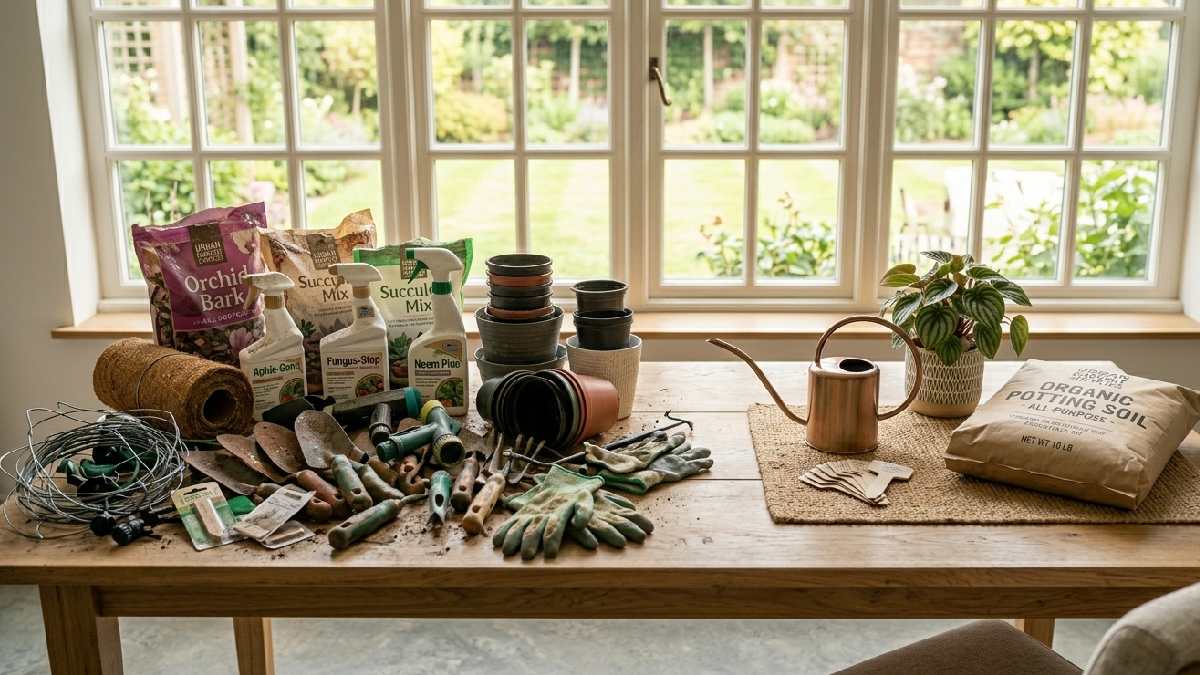
Indoor gardening success depends on choosing the right tools, not the most expensive or popular ones. Avoiding a few common mistakes can save money, improve plant health, and make your setup much more effective from the beginning.
Choosing the Wrong Pot Size
Pot size is more important than I first believed. I used small pots for fast growth, and roots became crowded quickly. This slowed growth and affected plant health. On the other hand, very large pots held too much moisture and caused drainage issues.
I learned that matching pot size with plant type is essential. Proper container sizing supports healthy root development and prevents many common indoor gardening problems related to growth imbalance.
Buying Cheap or Ineffective Grow Lights
I once bought very cheap grow lights, thinking they would work fine. They were weak and did not support proper plant growth. Plants became stretched and pale over time. Later, I switched to better LED lights,s and results improved significantly.
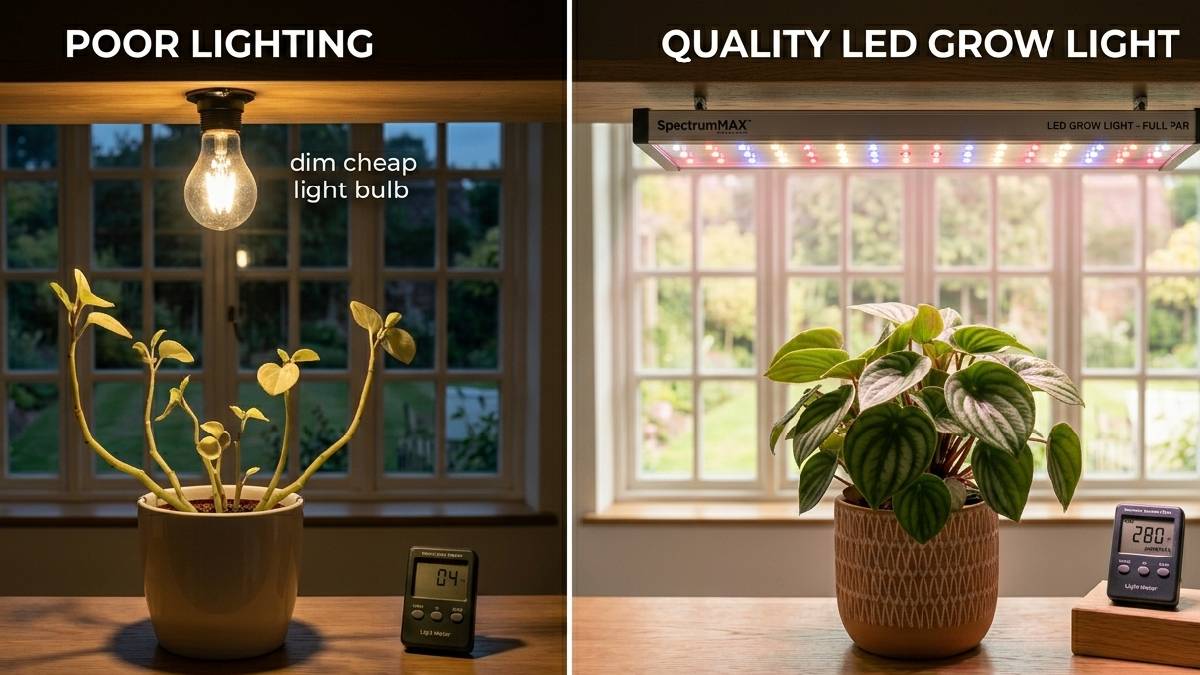
Grow lights are a long-term investment, not something to compromise on. Good lighting supports healthy structure, color, and growth speed. Poor lighting can damage plants slowly without showing immediate signs.
Ignoring Soil Quality and Drainage Needs
Ignoring soil quality caused many issues in my early gardening attempts. The soil stayed too wet or became too compact. This led to weak roots and sometimes root rot. I also used containers without proper drainage, which made the problem worse.
I learned that soil and drainage work together for plant health. Good soil should be light and well-draining. Proper drainage prevents water buildup and keeps indoor plants stable and healthy over time.
Best Places to Buy Indoor Gardening Supplies
Finding the right place to buy indoor gardening supplies makes a big difference in quality and cost. I tried different options over time and realized each source has its own benefits. Online stores offer variety, local garden centers provide guidance, and specialty shops give advanced tools.
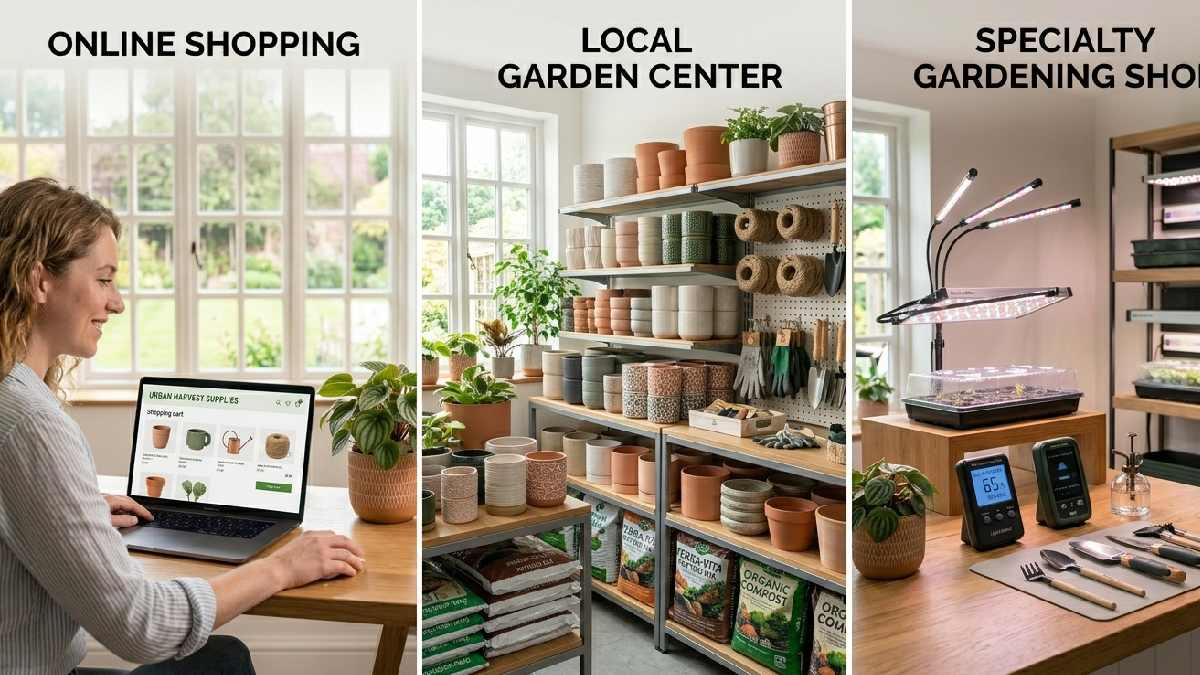
Choosing depends on your budget, experience level, and what you actually need for your indoor setup. A balanced approach works best instead of relying on just one source.
Online Stores for Variety and Convenience
Online stores are very convenient for buying indoor gardening supplies. I often use them when I need specific tools or plant accessories. They offer a wide range of products, from basic pots to advanced grow systems. Price comparison is also easier online.
Delivery at home saves time and effort. However, I always check reviews before buying to avoid low-quality items. Online shopping is best for variety and quick access to different indoor gardening products.
Local Garden Centers for Expert Advice
Local garden centers are useful when you need guidance. I often visit them to ask about soil types or plant care. Staff usually provide practical advice based on local conditions. You can also physically check product quality before buying.
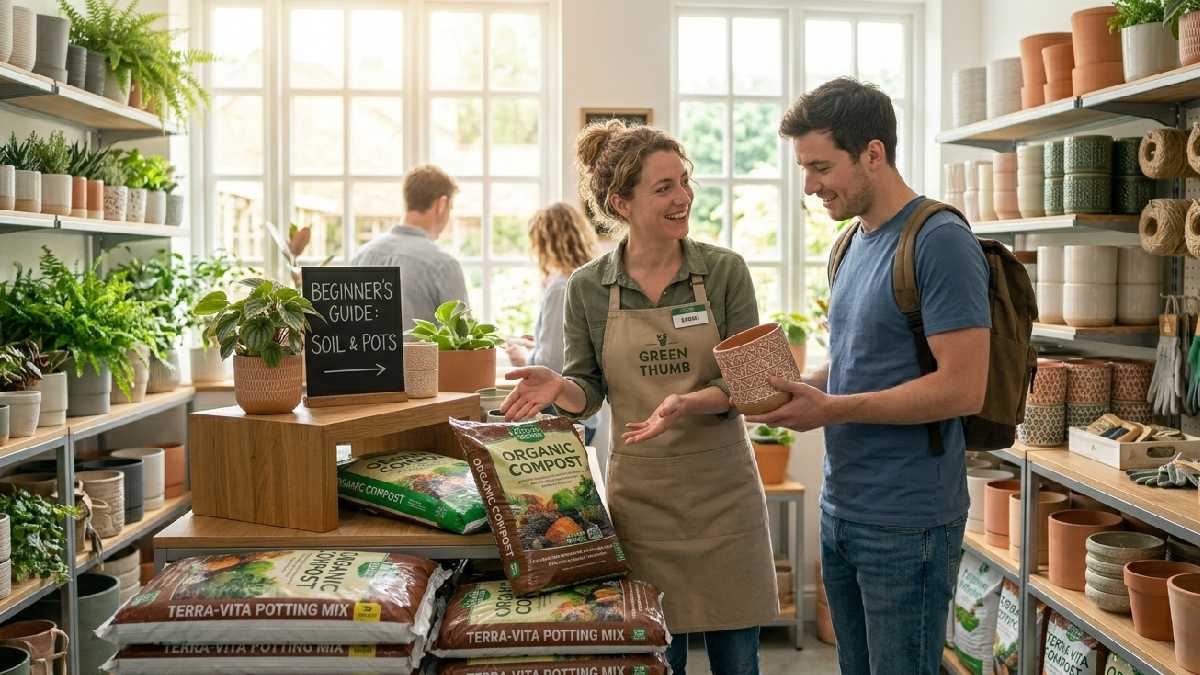
This reduces the risk of choosing the wrong items. I found this helpful when I was a beginner. Local stores are ideal for personalized recommendations and learning the basics of indoor gardening from experienced people.
Specialty Indoor Gardening Shops
Specialty indoor gardening shops focus on advanced tools and systems. I explored these when I wanted to upgrade my setup. They offer premium grow lights, hydroponic systems, and smart devices. Prices are usually higher, but quality is better and more reliable.
These shops are best for experienced growers who want better control and efficiency. I found them useful when expanding my indoor garden to a more professional level with improved results.
Indoor Gardening Supplies Checklist for New Gardeners
Starting indoor gardening becomes much easier when you have a clear checklist of basic supplies. I remember my first setup was confusing because I kept buying random items without planning. Later, I realized a simple list is enough to begin successfully. You don’t need everything at once, just the essentials that support healthy plant growth.
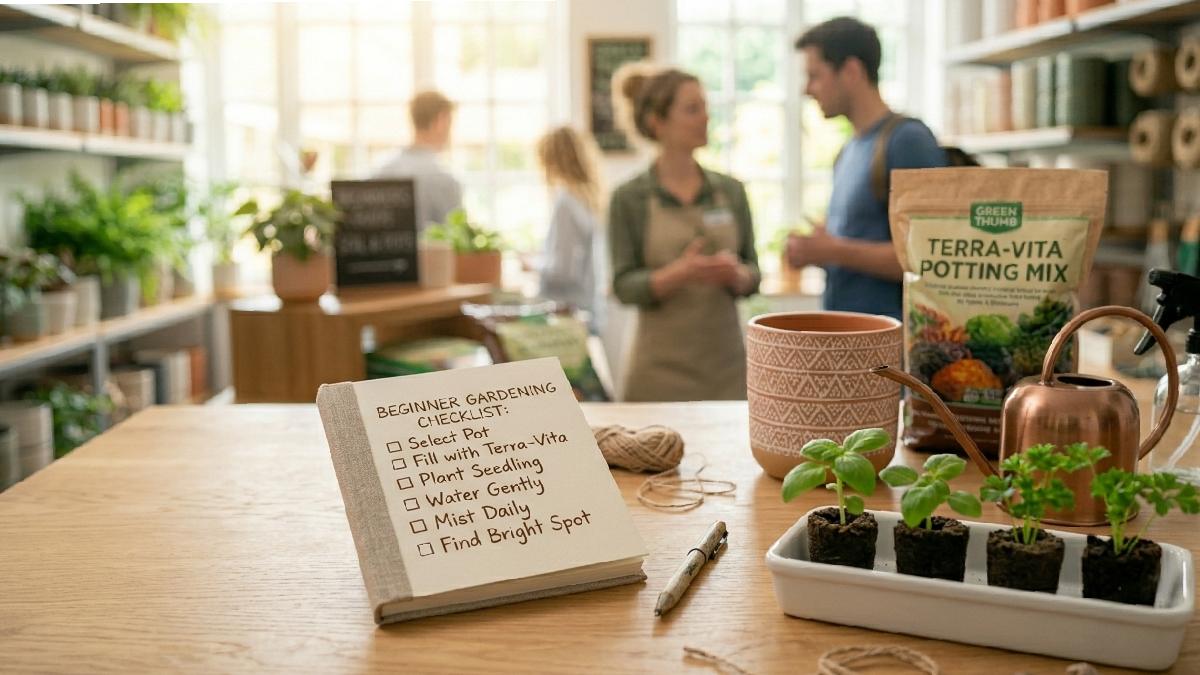
A proper checklist helps beginners stay organized, avoid unnecessary spending, and build a stable indoor garden step by step. It also reduces mistakes and makes the learning process smoother and more enjoyable.
Essential Items to Start Today
Basic indoor gardening supplies include pots with drainage, good-quality soil, seeds, and simple watering tools. I also recommend starting with basic LED lights if sunlight is limited. These essentials are enough to begin a small indoor garden.
I started with just these items and still got good results. Keeping the setup simple helps beginners learn faster. Essential tools focus on plant health and stability without unnecessary complexity or extra investment in the beginning stage.
Optional Upgrades for Better Results
Once the basic setup is stable, optional upgrades can improve results. I later added grow lights, moisture meters, and humidity control tools. These items give more control and better plant growth. Hydroponic systems and seed kits are also useful for expansion.
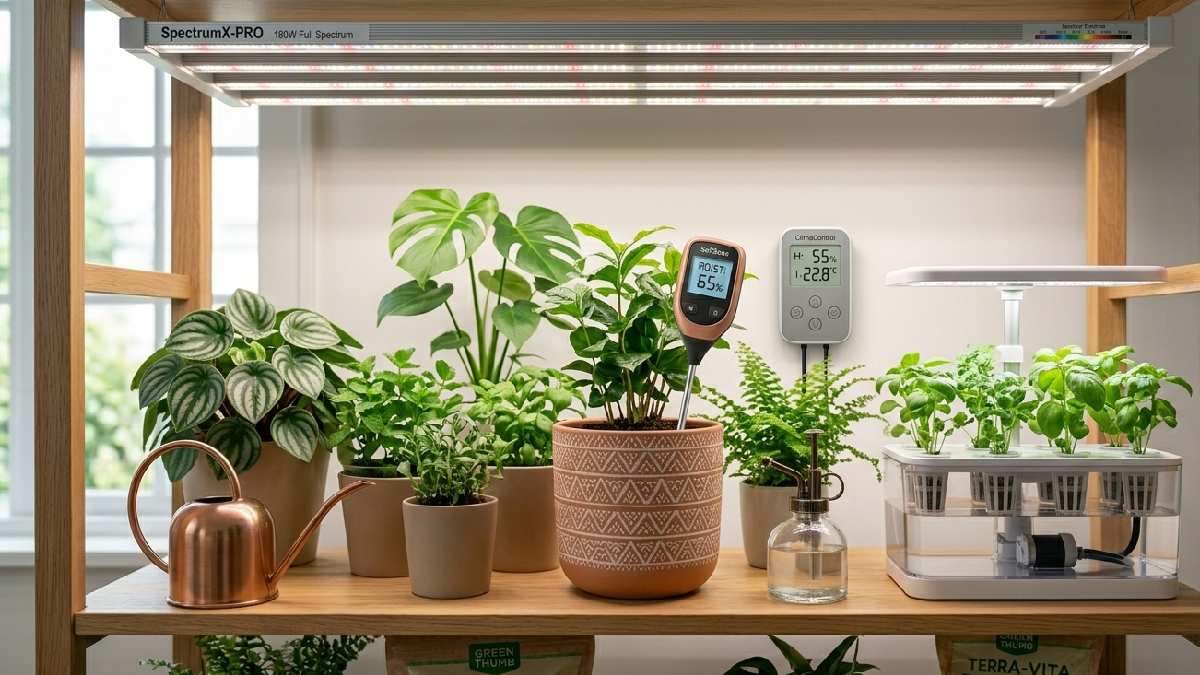
I learned upgrades should come step by step, not all at once. Optional tools improve efficiency and help scale indoor gardening. They are useful for people who want more advanced and consistent results over time.
Frequently Asked Questions About Indoor Gardening Supplies
What are the most important indoor gardening supplies?
Essential supplies include pots with drainage, quality soil, watering tools, and basic lighting. These basics support healthy plant growth and stability indoors.
Do I need grow lights for indoor gardening?
Grow lights are needed when natural sunlight is limited. They help plants grow properly, especially in low-light rooms or apartments.
What type of soil is best for indoor plants?
Light, well, draining potting soil is best. It should retain some moisture but not stay soggy, supporting healthy root development indoors.
Can I grow vegetables indoors with basic supplies?
Yes, vegetables like lettuce, spinach, and herbs grow indoors using basic pots, soil, light, and regular watering care.
How often should I fertilize indoor plants?
Most indoor plants need fertilizing every 2to 4 weeks during the growing season, using light doses to avoid overfeeding and root damage.
Conclusion
Indoor gardening becomes much easier when you understand the right supplies and how each one supports plant growth. I learned through experience that simple tools like good pots, proper soil, and balanced lighting make a big difference in results. Without these basics, plants often struggle even with regular care.
Once the setup is right, maintenance becomes smooth and predictable. You don’t need expensive equipment to start, just the essentials and a little patience. Over time, you can upgrade your tools as your garden grows. Indoor gardening is all about balance, consistency, and learning from small improvements every day.