

Indoor Gardening Systems: Complete Guide to Grow Fresh Food at Home
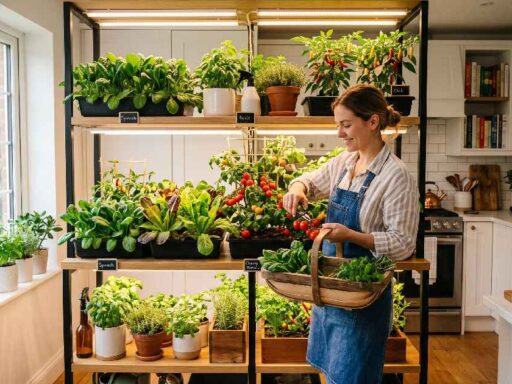
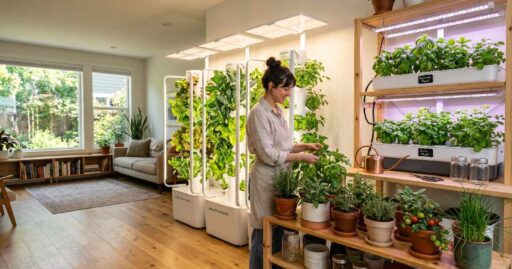
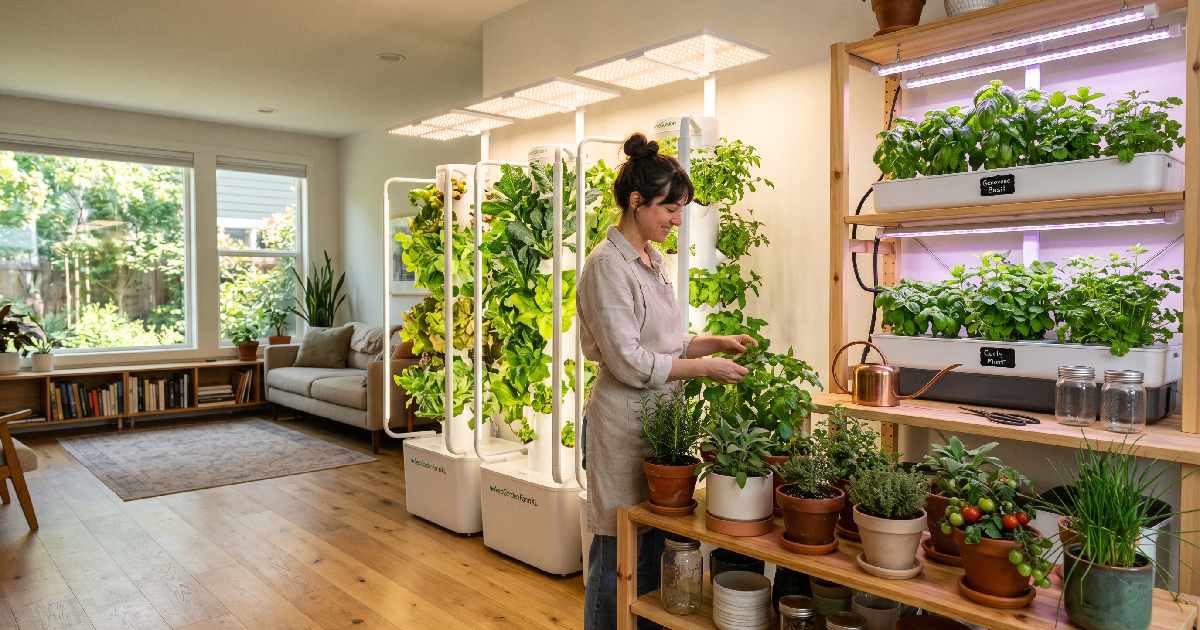
Indoor gardening systems feel like bringing a small farm inside your home. You set a corner, add lights, trays, maybe a water setup, then plants start their own slow routine. Nothing dramatic at first, just seeds sitting quietly. Then little green shows up, bit by bit, and space starts changing. I remember the first setup, which looked too simple to work, honestly. But it worked. Plants don’t care about outside weather her;, everything is controlled inside.
Light stays steady, water stays managed, nutrients added when needed. Sometimes you mess up a little, overwater or forget light timing, but still plants recover. Fresh food grows in a small space, a kitchen corner, or an alcove shelf. Herbs, greens, and even small vegetables start becoming part of daily life. Indoor gardening systems turn a regular home into a small growing space, calm but alive.
What Are Indoor Gardening Systems?
Indoor gardening systems are setups where plants grow inside homes instead of open fields or outdoor gardens. You control light, water, and nutrients in a small space, sometimes just a corner of a room. It can be simple trays with soil or more advanced hydroponic racks using water and pumps. I first thought it was just small plants on the shelf, but it feels more active when you use it daily.
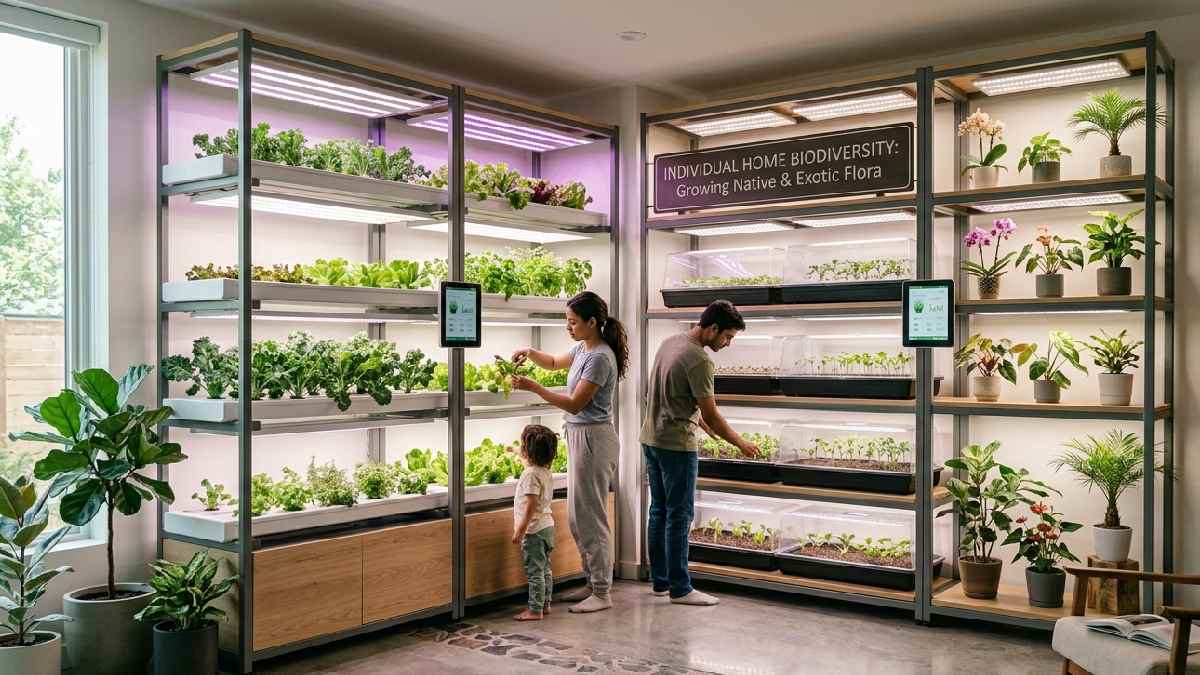
Plants don’t depend on rain or season here. Everything is managed inside, with steady conditions most of the time. Some days it works smoothly, some days you adjust the light or water again. Still, growth continues, slow but consistent, almost like a quiet routine inside the home.
Simple Definition of Indoor Gardening Systems
Indoor gardening systems are setups where plants grow inside a home instead of in outdoor soil. You use controlled light, water, and nutrients to support growth in a small space. It can be a tray on a table, shelves near a window, or a full hydroponic system in a room corner. I first saw it and thought it looked like just decoration, but it is more than that.
Plants don’t depend on the weather. Everything is managed by you or the system itself. Sometimes soil is used, sometimes only water. Growth still happens, steady and quiet. It feels simple, but every small change in setup affects how plants behave indoors.
How They Differ from Traditional Gardening
Indoor gardening systems feel quite different from traditional gardening outside in open soil. Outside, you depend on the weather, rain, seasons, and even insects sometimes decide results. Indoors, everything is controlled, light fixed, water measured, nutrients added by hand or system. I tried both once; the outside garden felt unpredictable, and the indoor one felt like a small lab in the corner of the room.
Traditional gardening needs space, soil digging, long waiting time. Indoor setups stay compact, sometimes just a shelf or table. Growth also feels faster indoors when conditions stay stable. Not perfect always, mistakes still happen, overwatering or light issues. Still, control stays in your hands most of the time; that’s the main difference, really.
How Indoor Gardening Systems Work
Indoor gardening systems work like a small controlled world inside the home. You set light, water, nutrients, and then plants just respond slowly at first. Roots stay in soil, water, or sometimes air setup, depending on system type. I remember the first time I tried it, it looked simple, felt easy, and I later realized small details matter a lot.
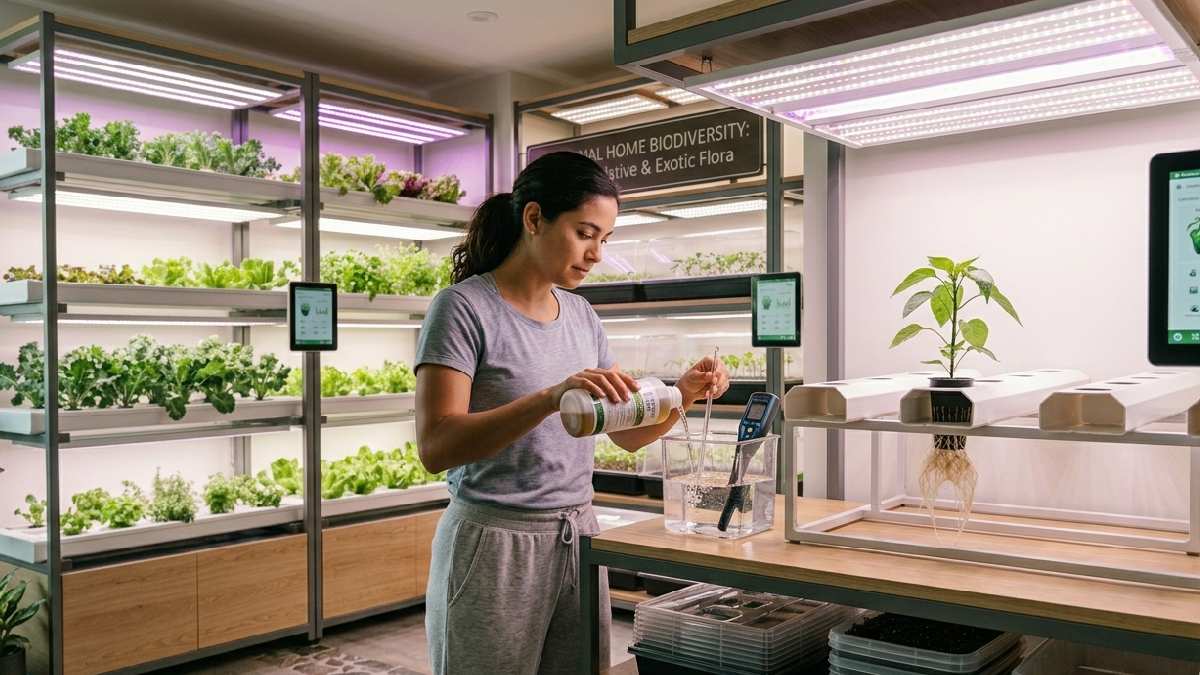
Light comes from a window or an LED, nothing random like the outside garden. Water given in small balance, not too much, not too little. Nutrients mixed in the solution or soil feed plants directly. Sometimes it works smoothly, sometimes you adjust again and again. Still, plants keep growing, quiet but steady inside the room.
Role of LED Grow Lights
LED grow lights act like artificial sun inside indoor gardening systems. They provide the exact light spectrum plants need for photosynthesis. Without natural sunlight, LEDs keep growth steady and healthily. You can adjust distance and timing depending on the plant stage. Young plants need softer light, mature ones need stronger exposure.
Lights stay on timers, so plants receive a fixed day and night cycle. The heat stays low, so leaves don’t burn easily. Even in small rooms, LEDs make growth possible. Many indoor gardeners rely on them completely. Simple setup, plug and grow, results show quickly on leaves.
Water Circulation in Hydroponic Systems
Water circulation in hydroponic systems keeps plants alive without soil. A pump moves water through channels where roots sit directly. This water carries oxygen and nutrients together, feeding plants continuously. Flow speed matters, too fast can stress roots, too slow reduces oxygen. Most systems recycle water, making it efficient and clean.
Roots stay moist but never drown. Algae buildup can happen if light hits the water directly. Regular checks keep the system stable. Plants respond quickly to water changes, so growth becomes visible daily. It feels almost mechanical, but living at the same time inside a controlled indoor setup.
Nutrient Delivery Process
Nutrient delivery in indoor gardening systems happens through water mixed with mineral solutions. These nutrients replace soil functions and go directly to plant roots. The solution usually contains nitrogen, phosphorus, potassium, plus trace minerals. Plants absorb them quickly because nothing blocks access like soil layers.
Balance is very important, too much burns roots, too little slows growth. Growers often check pH levels for stability. Nutrient water circulates or sits in reservoirs depending on the system type. Plants show signs fast if something is wrong. Leaves change color, and growth slows. When balanced, plants grow fast, green, and strong indoors.
Types of Indoor Gardening Systems
Indoor gardening systems come in different forms depending on how plants are grown and managed. Some systems use water instead of soil, while others still rely on soil but stay indoors under controlled conditions. Each system changes how roots receive nutrients, moisture, and oxygen. Some setups are simple and beginner-friendly, while others feel more technical and automated.
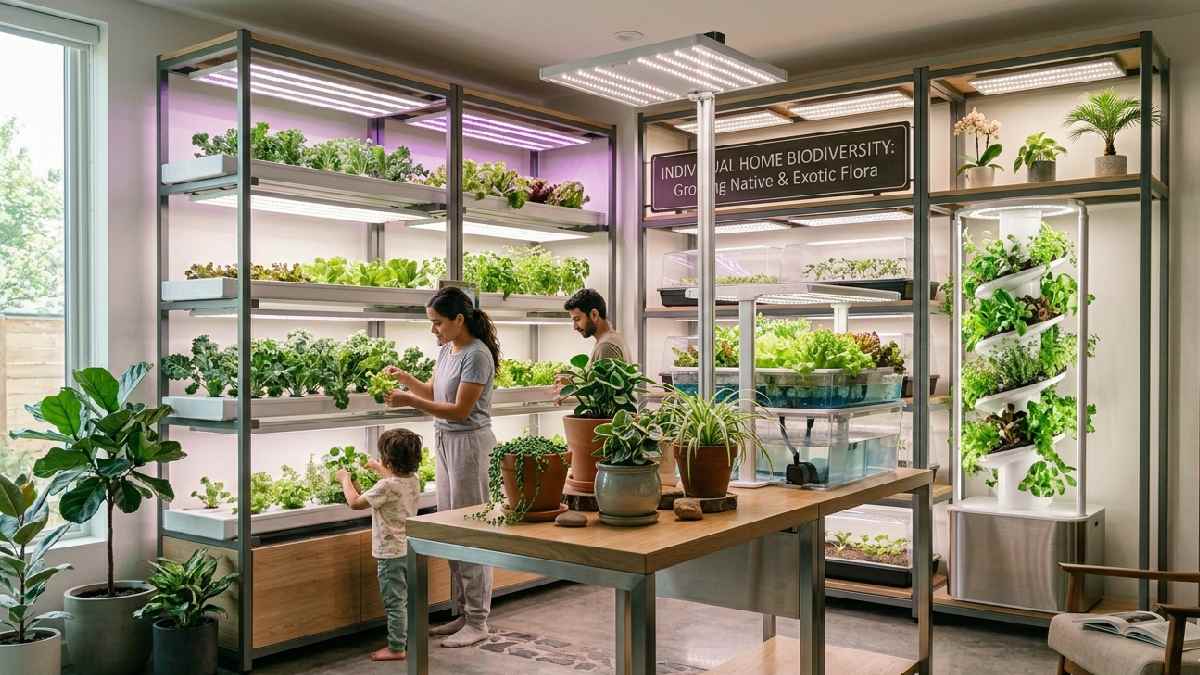
The main goal stays the same: steady plant growth inside the home environment. You can grow herbs, greens, and even small vegetables. Choice depends on space, budget, and how much effort you want to put in daily. Every system creates a small indoor ecosystem that supports plant life.
Hydroponic Systems Explained
Hydroponic systems grow plants without soil, only water mixed with nutrients. Roots sit directly in that solution or inside a medium that holds moisture. Everything stays controlled inside containers or pipes. Water keeps moving or gets refreshed regularly, so plants don’t feel dry or stressed. Growth often looks faster compared to the soil; leaves stay clean, too.
I remember the first time seeing roots inside water; it looked unusual, but simple at the same time. Pumps sometimes move water around; sometimes,s it’s still set up. Nutrients go straight into roots, no waiting for soil breakdown. It feels organized, almost like plants on a managed system schedule.
Aeroponic Systems Explained
Aeroponic systems grow plants in air instead of soil or standing water. Roots hang freely inside a closed setup. Nutrient mist sprays on them at regular intervals. Sounds a bit technical, but the concept is simple, really. Plants get food directly from the roots, with no soil blocking anything. Growth feels fast, sometimes faster than other systems.
I saw roots looking almost white and clean, hanging like threads. Then mist comes in short bursts, and plants just absorb it quietly. Timing matters a lot here. A missed cycle can stress plants quickly. It feels modern, slightly high-tech, but still just plants doing their normal growth thing.
SSoil: Based Indoor Gardening Systems
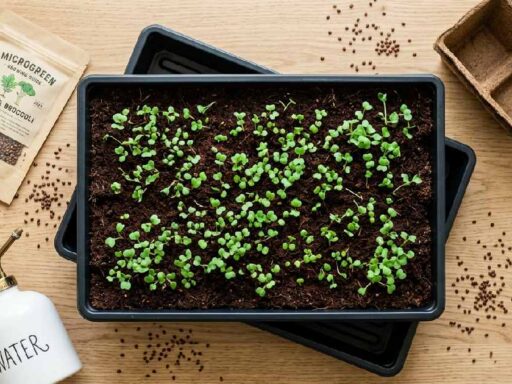
Soil-based indoor gardening systems use traditional soil, but inside controlled indoor spaces. Plants grow in pots, trays, or containers placed under artificial or natural light. Soil holds nutrients and moisture, giving roots a familiar growing environment. It feels simple and beginner-friendly compared to hydroponics or aeroponics.
Watering must be balanced, too much causes root rot, too little slows growth. Good drainage is important. Many people prefer soil because it feels natural and forgiving. Herbs and small vegetables grow well. Even though slower than water-based systems, the results feel stable and easy to manage at home.
Benefits of Indoor Gardening Systems
Indoor gardening systems bring fresh food production directly into home spaces. They reduce dependence on outdoor gardens and allow growing plants even in small apartments. You can control light, water, and nutrients easily. This leads to healthier and more consistent plant growth. Food becomes fresher because it is harvested at home.
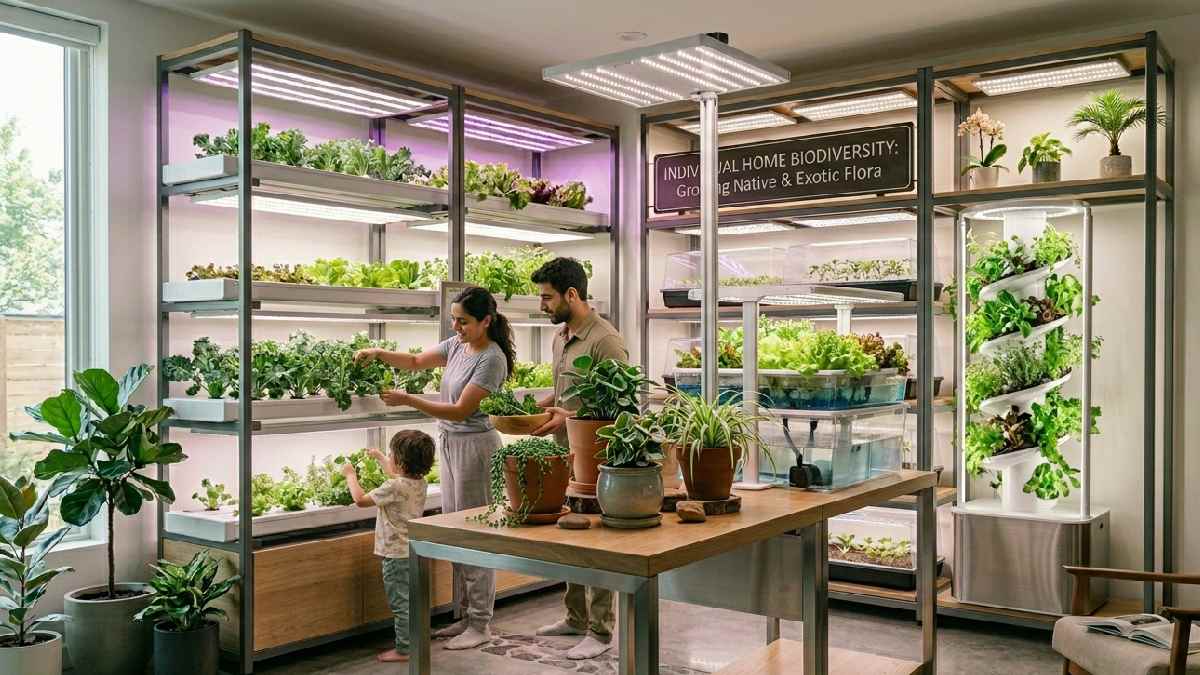
It also reduces grocery costs over time. The environment stays clean, no pesticides needed in most setups. Indoor systems also improve air quality and create a calming green space. Even beginners can start quickly. It combines convenience, health, and sustainability in one simple growing method.
Space Saving Advantage
Indoor gardening systems are perfect when space is limited. You do not need a backyard or a large garden area. Plants grow vertically or in compact trays placed on shelves, counters, or corners. Even small apartments can support multiple plants at once. This makes urban living more green and productive.
Vertical setups increase growing capacity without using extra floor space. Many systems are designed for tight indoor areas. You can grow herbs or greens in kitchen corners easily. Space efficiency is one of the biggest reasons people choose indoor gardening. It turns unused areas into productive growing spots.
Year: Round Growing Ability
Indoor gardening systems don’t care about seasons much. Summer or winter, plants keep doing their thing inside the home. Light stays controlled, water stays stable, and no sudden weather drama outside. You set conditions once, then just small checks here and there. Growth keeps moving, sometimes slow, sometimes surprisingly fast.
I noticed even in cold months, greens still pop up as if nothing has changed. That felt a bit strange, honestly. No waiting for spring anymore. You get herbs and leafy greens anytime you want. Not perfect every day, some mistakes happen, but still, plants don’t really stop. Indoor setup keeps the food cycle alive throughout the whole year.
Water Efficiency and Sustainability
Indoor gardening systems use water more efficiently compared to traditional gardening. Many systems recycle water, reducing overall consumption. In hydroponic setups, water is reused instead of being wasted. Only small amounts are needed to maintain plant health. This makes indoor gardening more sustainable and eco-friendly.
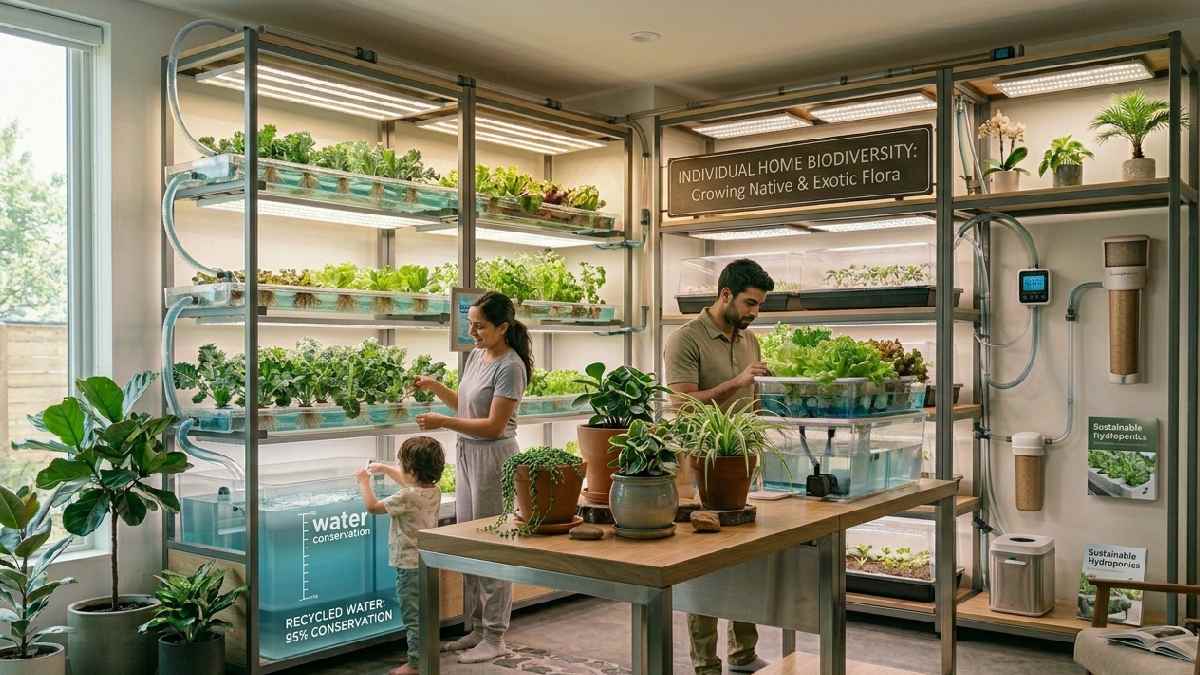
Plants receive water directly at the roots, reducing evaporation loss. Controlled usage also prevents overwatering issues. Less water waste means lower environmental impact. It supports modern sustainable living habits. Even small home setups contribute to saving resources. This efficiency makes indoor gardening suitable for cities where water conservation is important.
Chemical, Free Fresh Produce
Indoor gardening systems often produce chemical-free vegetables and herbs. Since plants grow in controlled environments, there is less need for pesticides or harmful sprays. You decide what goes into water or soil. This leads to cleaner, safer food for daily consumption. Many growers prefer organic methods in home systems.
Fresh harvests go directly from plant to plate without storage chemicals. Taste also feels fresher and more natural. It gives confidence in food quality. Even beginners can grow healthy produce easily. This makes indoor gardening a healthy lifestyle choice for families wanting safe and fresh food.
Best Plants for Indoor Gardening Systems
Indoor gardening systems support a wide range of plants depending on space and setup. Some plants grow faster and easier, while others need more care. Herbs, leafy greens, and small vegetables are the most common choices. These plants adapt well to indoor light and controlled conditions. Growth cycles are short, so harvest comes quickly.
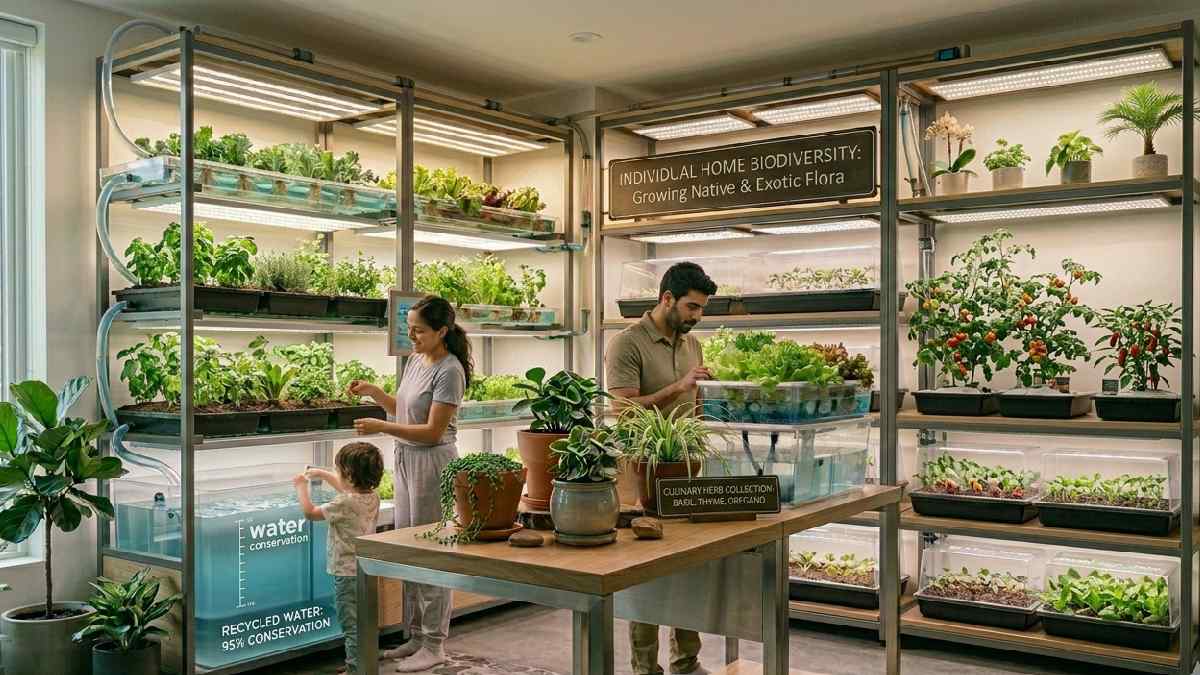
Beginners usually start with simple plants before trying advanced varieties. Indoor systems allow continuous planting cycles throughout the year. You can mix different plants in one setup. Selection depends on lighting, space, and maintenance level. Simple plants give faster and more reliable results indoors.
Herbs You Can Grow Indoors
Herbs are the easiest plants to grow indoors. Basil, mint, coriander, parsley, and thyme grow well in small containers or hydroponic systems. They need moderate light and regular watering. Herbs grow fast and can be harvested multiple times. Even a small kitchen setup is enough. Fresh herbs improve cooking flavor and reduce grocery costs.
They also release a fresh smell inside the home. Beginners prefer herbs because they are low-maintenance and forgiving. Growth is quick and visible, which keeps motivation high. Indoor systems make it easy to keep fresh herbs available all year round.
Leafy Greens for Indoor Growth
Leafy greens like lettuce, spinach, kale, and arugula grow very well in indoor gardening systems. They do not need deep soil and adapt easily to hydroponic or soil setups. Growth is fast, and leaves can be harvested multiple times. These plants prefer steady light and balanced nutrients.
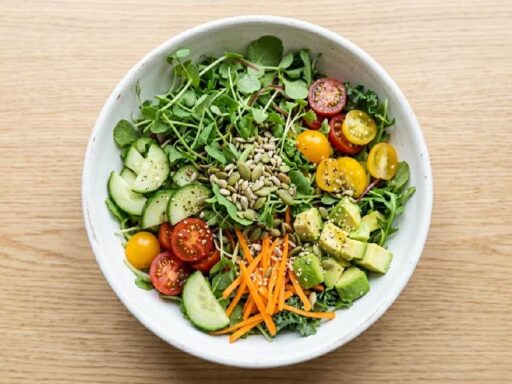
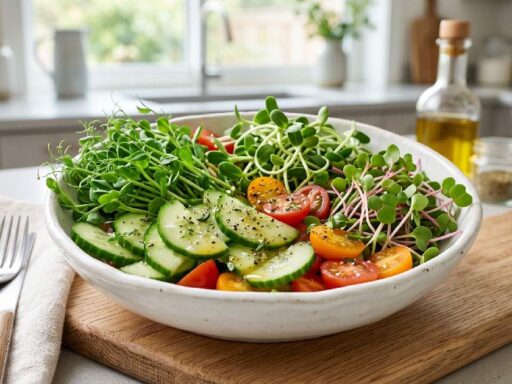
They are popular because they are healthy and easy to manage. Indoor conditions help them stay fresh and clean without pests. Many people grow them for daily salads and cooking. Their quick growth cycle makes them ideal for beginners. Fresh greens are always available with minimal effort indoors.
Small Vegetables Suitable for Indoor Setup
Small vegetables can also grow successfully in indoor gardening systems. Cherry tomatoes, chili peppers, cucumbers, and small beans are common choices. These plants need more space and stronger light compared to herbs and greens. Support structures may be required for proper growth. Indoor environments help control temperature and moisture, improving yield.
Growth takes longer, but results are rewarding. Many growers enjoy experimenting with vegetables indoors. Proper care, lighting, and nutrients are important. These plants bring variety to indoor gardens. Even limited space can produce fresh vegetables with the right system and consistent maintenance.
How to Choose the Right Indoor Gardening System
Choosing the right indoor gardening system depends on your space, budget, and experience level. Beginners usually prefer simple soil or basic hydroponic kits. Advanced users may choose automated or aeroponic systems. Each system offers different levels of control and maintenance.
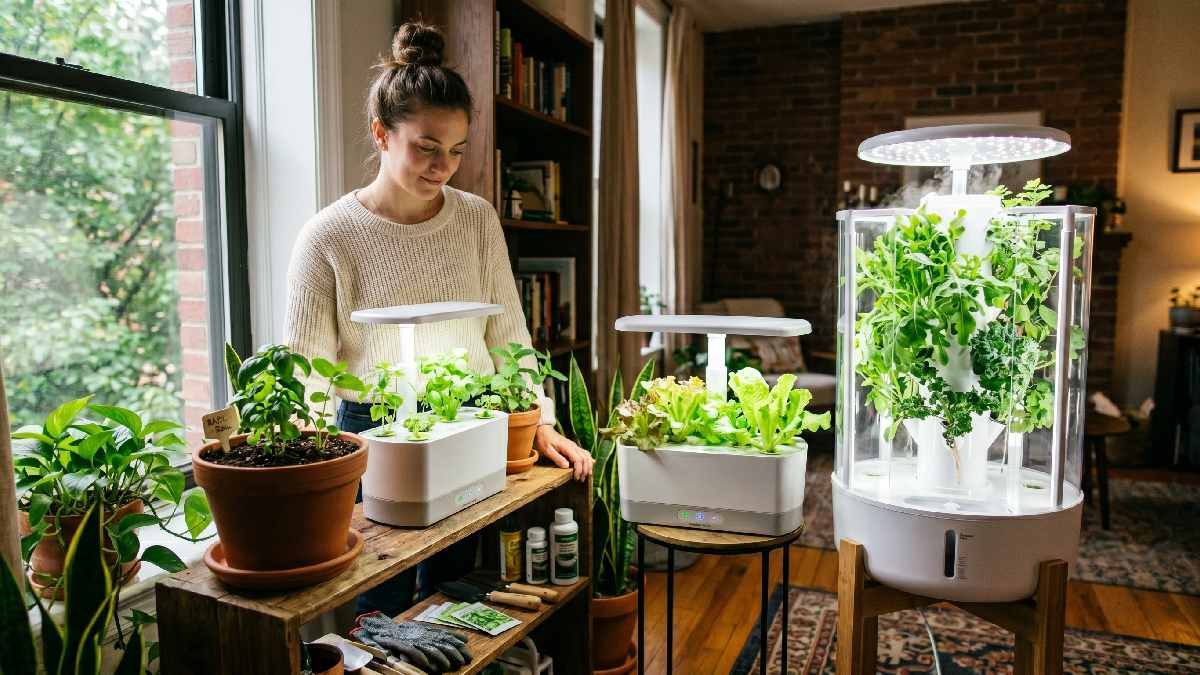
You should also consider what plants you want to grow. Some systems are better for herbs, others for vegetables. Lighting availability also matters. A good choice balances convenience and results. Start small if unsure, then expand later. The right system feels easy to manage daily and fits naturally into your home routine.
Based on Space Availability
Space plays a major role in selecting indoor gardening systems. Small apartments may need vertical or compact setups. Larger homes can handle multiple trays or shelves. Countertop systems are ideal for kitchens. Wall-mount or stackable designs save floor space. You should measure available areas before buying any system.
Proper spacing helps plants grow better with airflow and light access. Even a small corner can become productive with the right design. Efficient use of space ensures better plant health. Always choose a system that fits comfortably without making your home feel crowded or cluttered.
Based on the budget
Budget is an important factor when choosing indoor gardening systems. Simple soil kits are affordable and easy for beginners. Hydroponic systems cost more but give faster results. Advanced smart systems with automation are expensive but reduce manual effort. You should decide how much you want to invest before starting.
Low-budget setups still produce good results if maintained properly. Expensive systems offer convenience and precision. Maintenance cost also matters over time. It is better to start small and upgrade later. A balanced budget choice ensures long-term success without financial pressure or unnecessary complexity.
Based on Maintenance Level
Different indoor gardening systems need different maintenance levels. Soil-based systems require regular watering and cleaning. Hydroponic systems need water and nutrient monitoring. Aeroponic systems require frequent checks and precise control. Beginners usually prefer low-maintenance setups. Busy users may choose automated systems with timers and sensors.
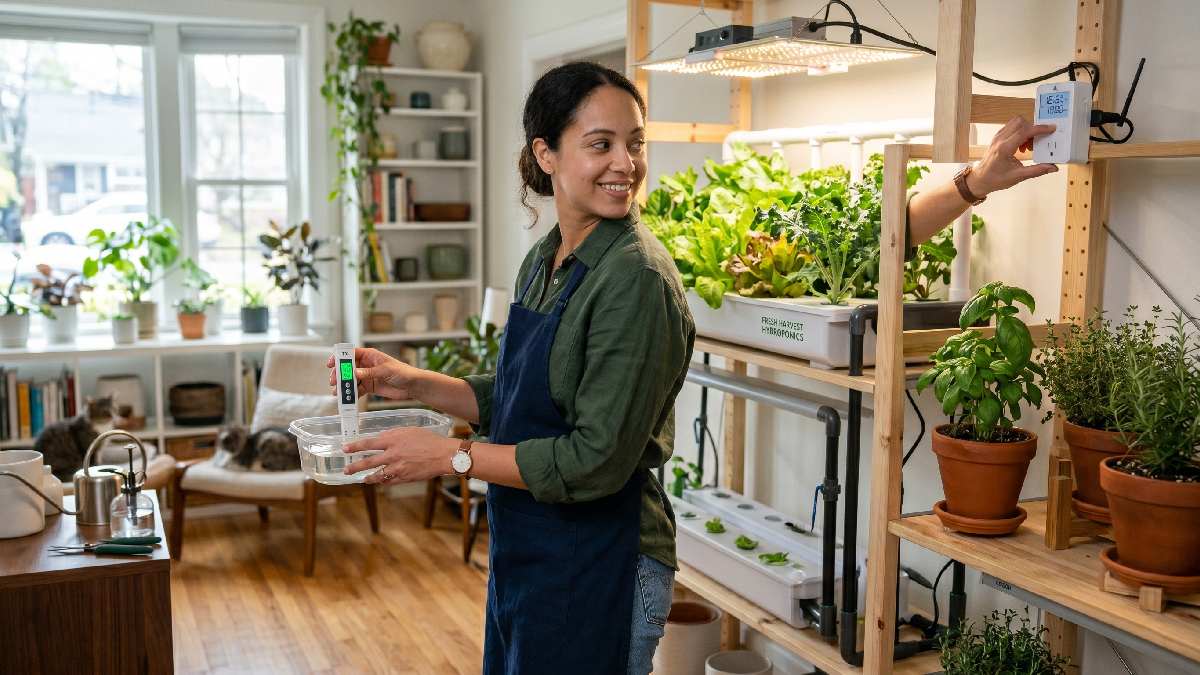
Maintenance includes cleaning trays, checking water levels, and adjusting the light. Choosing the right system depends on how much time you can give daily. Less maintenance means an easier growth experience. However, higher control systems offer better efficiency but require attention. Balance is important for long-term success.
Based on Plant Type
Plant type decides which indoor gardening system works best. Herbs and leafy greens grow easily in most systems. Hydroponics suits fast-growing greens. Soil systems support a wider range of vegetables. Aeroponics works well for high-efficiency growth of delicate plants. Some vegetables need more space and nutrients, so system choice matters.
Light requirements also differ between plants. Beginners should match plants with simple systems first. Advanced users can experiment with mixed setups. Choosing based on plant type ensures healthy growth and better yield. Each plant responds differently, so system compatibility is very important.
Common Mistakes to Avoid in Indoor Gardening
Indoor gardening mistakes can slow plant growth or damage results. Overwatering is very common and causes root problems. Poor lighting leads to weak, stretched plants. Wrong plant selection makes growth difficult. Ignoring nutrients reduces plant health quickly. Beginners also forget airflow, which increases mold risk. Using dirty containers spreads disease.
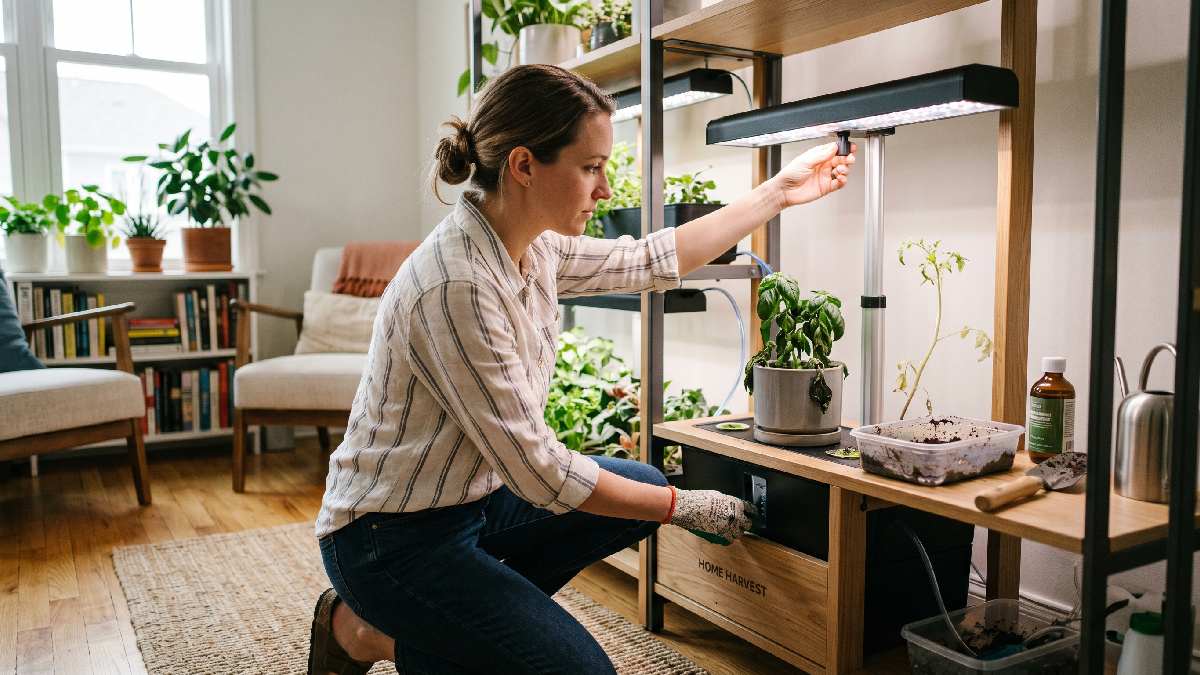
Small mistakes affect the entire harvest. Monitoring daily helps prevent issues early. Indoor systems need balance, not overcare or neglect. Learning from mistakes improves results over time. Simple observation and adjustment are key. Avoiding these errors ensures healthy, consistent plant growth indoors.
Overwatering Issues
Overwatering is one of the most common indoor gardening mistakes. Too much water blocks oxygen from reaching the roots. This leads to root rot and weak plant growth. Leaves may turn yellow or droop. Soil becomes soggy and unhealthy. Beginners often water without checking moisture levels. The correct approach is light and controlled watering.
Hydroponic systems also suffer if water flow is unbalanced. Proper drainage is important in all setups. Checking the soil or medium before watering helps avoid problems. Plants recover slowly from overwatering, so prevention is important. Balance keeps roots healthy and growth stable.
Poor Lighting Setup
Poor lighting directly affects plant health in indoor gardening systems. Without enough light, plants become weak and stretched. Leaves lose color, and growth slows down. Natural light is not always enough indoors. Artificial grow lights help maintain proper growth conditions. Placement and timing of lights are important.
Too close can burn plants, too far reduces effectiveness. Many beginners ignore lighting needs at the start. Plants show clear signs when the light is wrong. Adjusting the light improves growth quickly. Proper lighting ensures strong stems, healthy leaves, and steady plant development throughout the growth cycle.
Wrong Plant Selection
Choosing the wrong plants for indoor systems leads to poor results. Some plants need more space, light, or nutrients than others. Beginners often pick difficult plants without experience. This causes slow growth or plant failure. Indoor systems work best with herbs and leafy greens at the start.
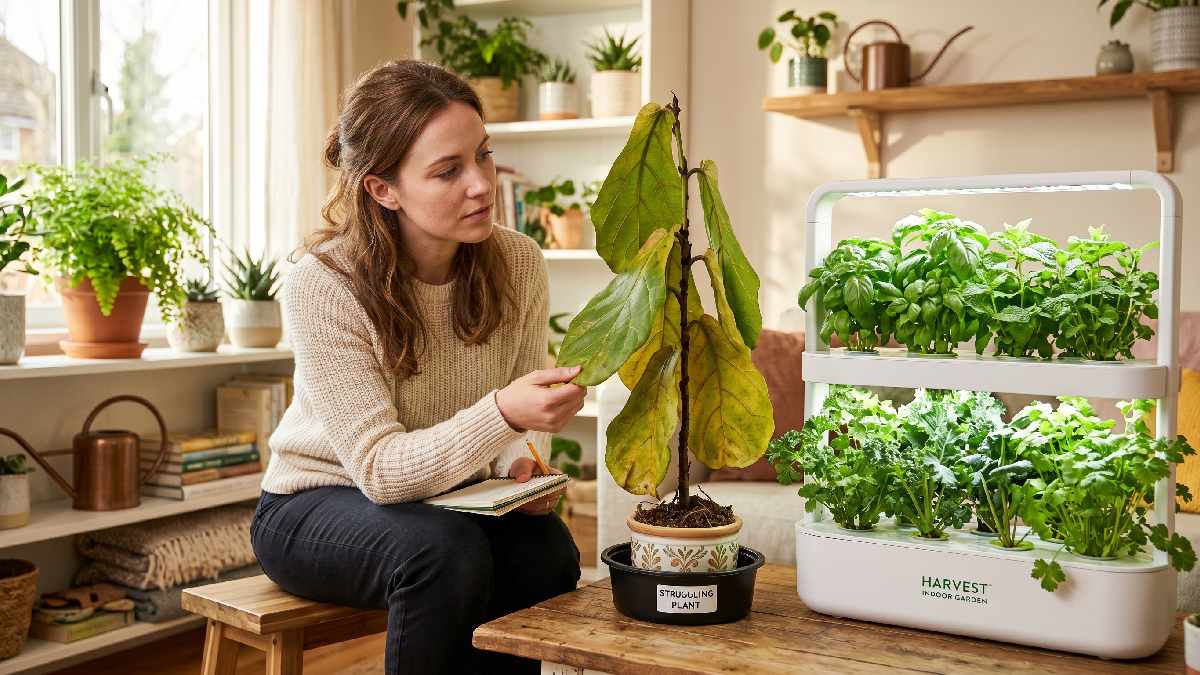
Understanding plant requirements is important before planting. Matching plants with system type improves success rate. Fast-growing and low-maintenance plants are ideal for beginners. Wrong selection wastes time and effort. Proper planning ensures a better harvest and learning experience. Start simple, then move to advanced plants gradually.
Ignoring Nutrient Balance
Ignoring nutrient balance affects plant health in indoor gardening systems. Plants need proper minerals for growth, especially in hydroponics. Too much nutrient burns roots, too little slows development. Balanced feeding ensures strong leaves and stems. Many beginners skip regular checks, causing imbalances.
Nutrient solutions must be mixed correctly and monitored often. pH levels also matter for absorption. Plants show signs like discoloration when nutrients are wrong. Regular adjustments improve results quickly. A healthy nutrient balance leads to fast and stable growth. Consistency is important for long-term success in indoor gardening systems.
Indoor Gardening Systems for Beginners vs Advanced Users
Indoor gardening systems vary based on user experience. Beginners need simple, easy, to, use setups with low maintenance. These systems focus on basic watering and lighting. Advanced users prefer automated or hydroponic systems with more control. They can manage nutrients, pH, and light cycles. Beginners learn step by step, while advanced users optimize performance.
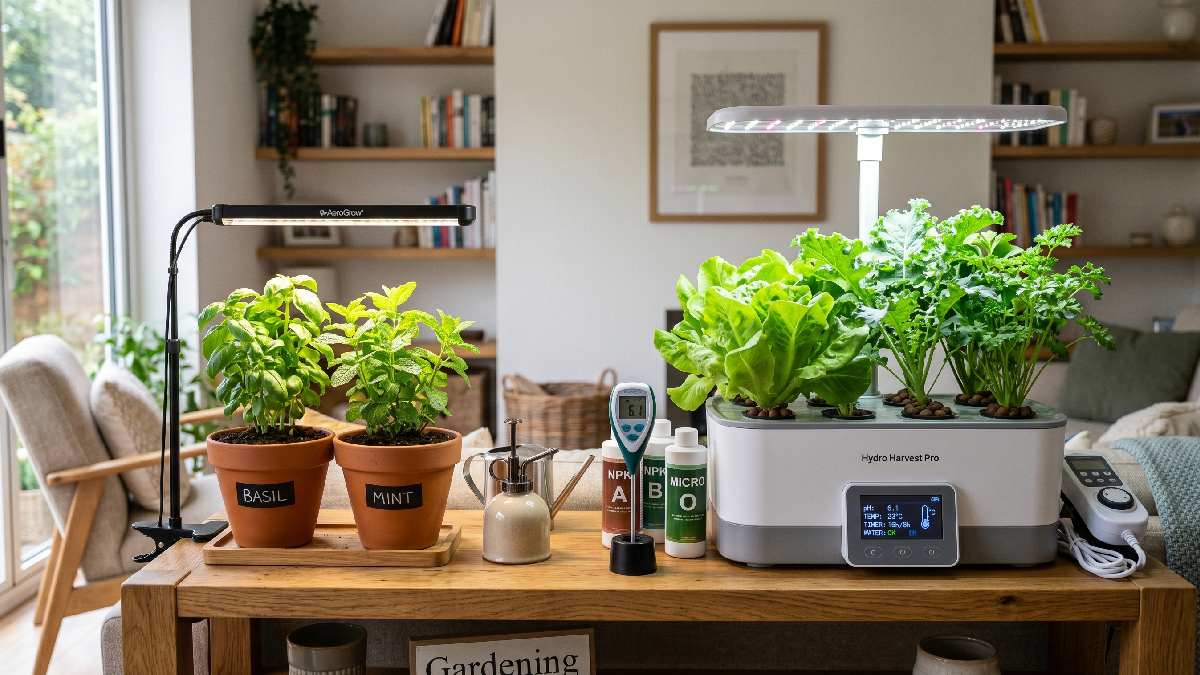
Complexity increases with system type. Starting simple helps build confidence and understanding. Advanced systems give higher yield but require knowledge. Choosing the right level ensures better results. Both types support indoor plant growth, but usage style and effort are different for each user.
H3: Beginner, Friendly Systems
Beginner-friendly systems are simple and easy to manage. They usually include soil trays or basic hydroponic kits. No complex setup is required. Watering and lighting are minimal and easy to understand. These systems help users learn plant care step by step. Growth is visible quickly, which builds confidence.
Maintenance is low and forgiving of small mistakes. Herbs and leafy greens grow best in these setups. Beginners can start small and expand later. These systems are ideal for learning without stress. They focus on simplicity, consistency, and easy results for new indoor gardeners.
H3: Advanced Smart Hydroponic Systems
Advanced smart hydroponic systems use automation and sensors for plant growth. They control water, nutrients, and light automatically. Users can monitor everything through apps or control panels. These systems provide precise growing conditions. Plants grow faster and more efficiently. They are ideal for experienced gardeners or commercial use.
Maintenance is lower, but technical understanding is required. The initial cost is higher compared to basic systems. However, yield and control are much better. These systems reduce manual effort significantly. Advanced setups represent modern indoor farming technology with high efficiency and consistent plant production.
Maintenance Tips for Indoor Gardening Systems
Proper maintenance keeps indoor gardening systems healthy and productive. Regular cleaning prevents mold and bacteria growth. Water levels and nutrients should be checked often. Lighting schedules must stay consistent for proper growth. Airflow helps prevent disease and strengthens plants. Containers and trays should be cleaned between cycles.
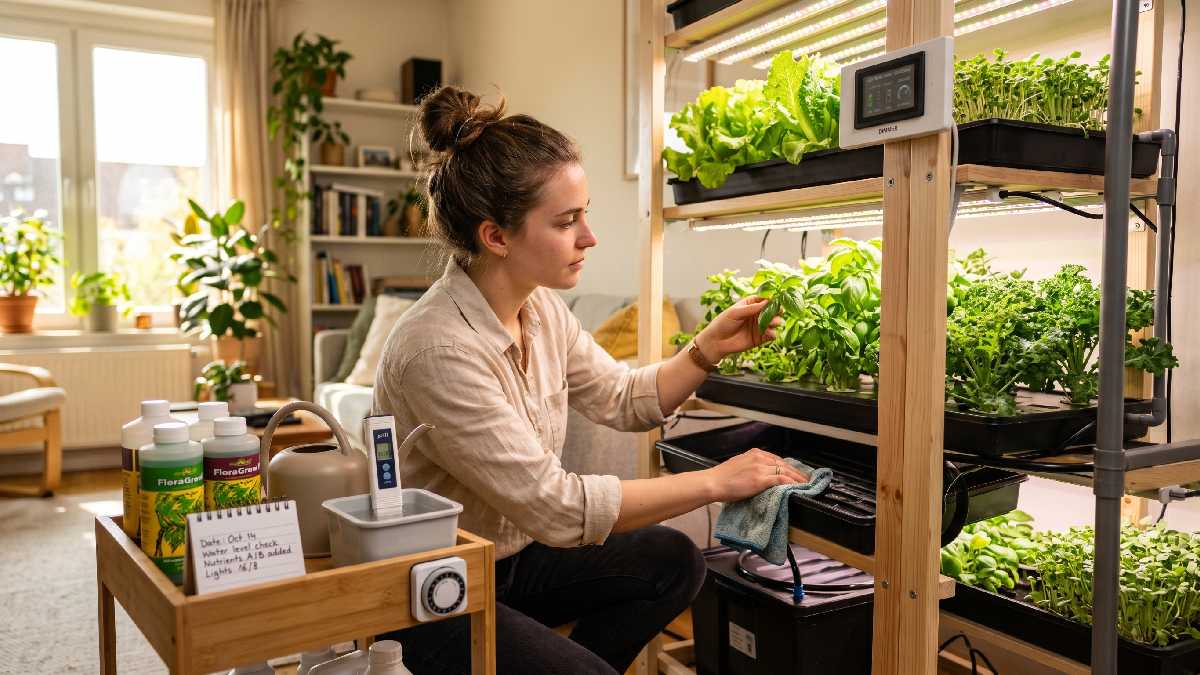
Monitoring plant health daily helps catch issues early. Simple adjustments improve results quickly. Neglecting maintenance reduces yield and plant quality. Even small routines make a big difference. Consistency is key to long-term success. Well-maintained systems produce healthy plants continuously with less risk of failure or problems.
Cleaning and Hygiene Practices
Cleaning is very important in indoor gardening systems. Dirty trays or containers can spread mold and disease. After every cycle, the equipment should be washed properly. Removing old roots and residue helps prevent contamination. Clean tools ensure healthier plant growth. Water systems also need regular cleaning to avoid buildup.
Hygiene practices reduce pest risks. Beginners often ignore cleaning, which leads to problems later. Simple habits like wiping surfaces and washing trays improve results. Clean systems support stronger plants. Regular maintenance keeps everything safe and efficient. Hygiene directly affects plant health and final harvest quality.
Water and Nutrient Management
Water and nutrient management are key in indoor gardening systems. Plants need the right balance for healthy growth. Overfeeding or underfeeding affects development. Water should be clean and measured properly. Hydroponic systems require regular nutrient checks. pH balance also plays a role in absorption.
Plants show clear signs when something is wrong. Adjustments must be made carefully. Beginners should follow simple schedules. Consistency ensures stable growth. Proper management leads to strong leaves and fast development. Ignoring balance causes weak plants and poor yield. Careful monitoring improves overall system performance.
Lighting Schedule Optimization
Lighting schedules control plant growth in indoor systems. Plants need a balance of light and rest. Too much light can stress plants, too little slows growth. Most systems use 12to 16 hours of light daily. Timers help maintain consistency. LED grow lights make control easier. Plants respond quickly to lighting changes.
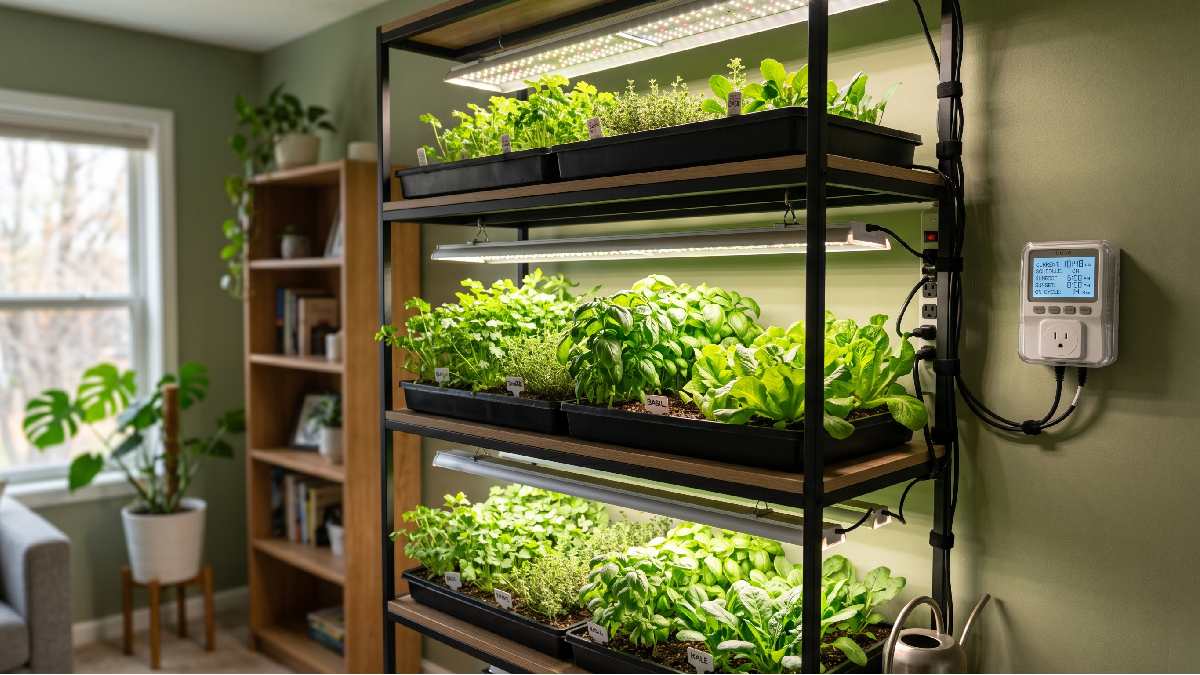
Adjusting distance and timing improves results. Beginners should follow basic schedules first. Proper lighting supports photosynthesis and healthy development. Consistent light cycles produce strong, green plants. Ignoring schedules leads to weak and uneven growth. Optimization ensures stable and productive indoor gardening results.
Frequently Asked Questions
What is an indoor gardening system?
An indoor gardening system is basically plants growing inside a home setup. Light controlled, water controlled, nutrients given properly. No outdoor soil is needed; the weather does not involve much.
Do indoor gardening systems need sunlight?
Sunlight is sometimes used near windows, sometimes not. LED lights also work fine indoors. Plants adjust slowly; they just need steady light, not perfect sunshine.
What can I grow indoors easily?
Basil, mint, and coriander grow very easily indoors. Lettuce and spinach are also fine. Chili plants, small ones work too. Simple greens, no heavy care needed.
Are indoor gardening systems expensive?
Some setups are cheap, basic trays, nothing fancy. Some hydroponic systems cost more, depending on tech level, lights, automation, size of your setup, honestly.
Conclusion
Indoor gardening systems slowly change how a home feels. You start with a simple tray or small setup. Nothing special at first glance. Seeds go in, water added, light adjusted. Then something starts happening quietly, almost unnoticed at the beginning. Green shows up, small but real. The kitchen corner is not the same anymore; it feels occupied, living somehow. Sometimes mistakes happen, too much water, wrong light angle, plants still push through.
Herbs grow near the stove, greens sit near the window, and small vegetables take their own space. Indoor gardening systems don’t demand perfection; they react to care. Some days growth looks slow, some days suddenly everything changes. You watch it, learn it, and adjust a bit. Home starts carrying this soft green rhythm, not loud, just steady.