
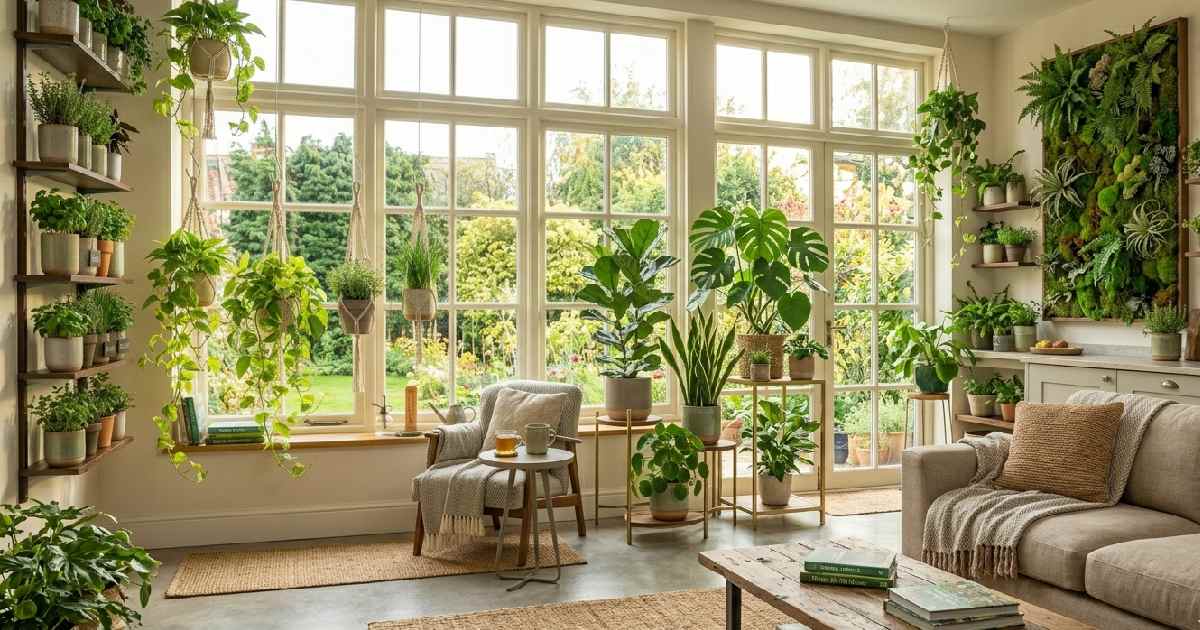

Indoor Gardens: The Ultimate Guide to Growing Plants Indoors
Indoor gardens changed the way I looked at unused space inside a home. What seemed like empty corners slowly turned into growing areas filled with herbs, greens, and decorative plants. I started small, one tray, one pot, one shelf. Nothing advanced. Over time, I understood that indoor gardening is not just about plants.
It is about building a controlled environment where nature fits into daily life. Indoor gardens work in apartments, offices, and compact homes. They bring greenery closer, even where outdoor land does not exist. With the right setup, anyone can create a thriving indoor garden for beauty, food, and peace.
What Are Indoor Gardens?
Indoor gardens are spaces inside homes or buildings where plants are grown intentionally. I first thought it only meant decorative pots, but it includes herbs, vegetables, microgreens, and even vertical plant systems. These gardens rely on containers, shelves, grow lights, or windows for support.
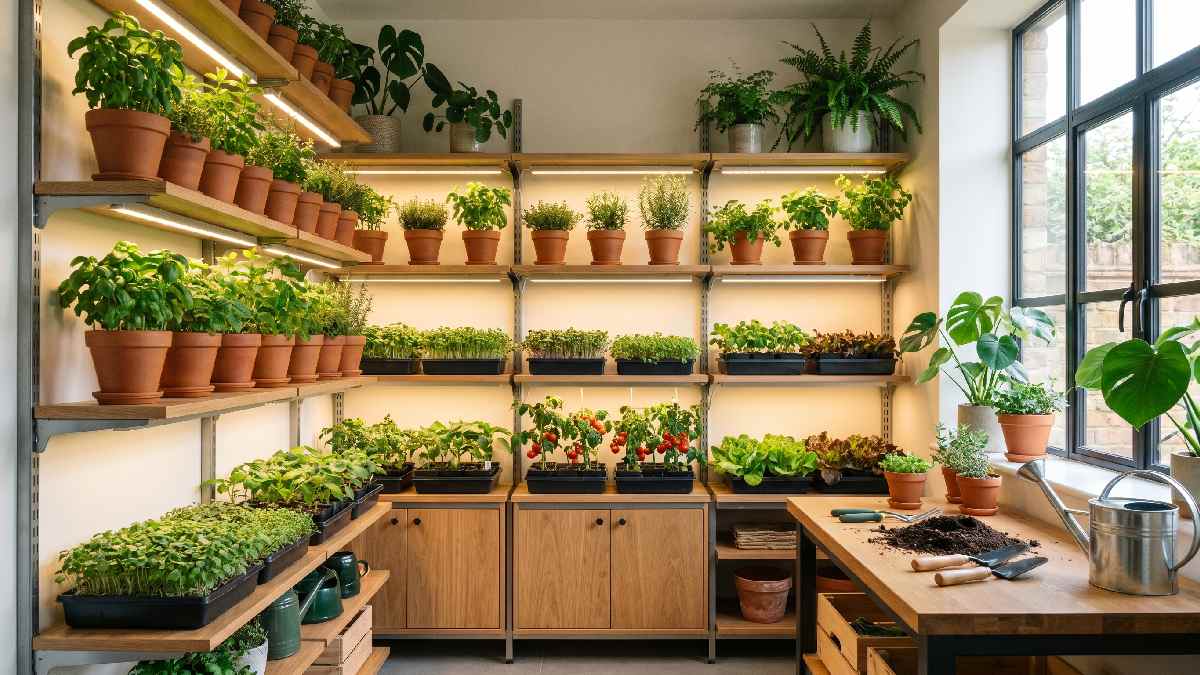
Unlike outdoor setups, conditions are managed indoors. That gives more control over watering, light, and temperature. Indoor gardens can be as simple as a few pots on a table or as structured as a dedicated plant room. Their flexibility makes them practical for beginners and experienced growers in limited spaces.
Definition of Indoor Gardens
Indoor gardens are organized plant-growing spaces inside enclosed areas like homes, offices, or apartments. They use pots, trays, shelves, or hydroponic systems instead of open ground. I realized an indoor garden can be very small or highly structured, depending on the goal. Some people grow food, others focus on decoration.
What defines it is the controlled indoor environment. Plants grow under managed light, water, and temperature conditions. This creates a self-contained growing system within everyday living spaces.
Why Indoor Gardens Are Popular
Indoor gardens became popular because modern living spaces often lack outdoor land. I noticed more people want greenery without needing a backyard. Apartments, urban homes, and offices benefit from compact plant setups.
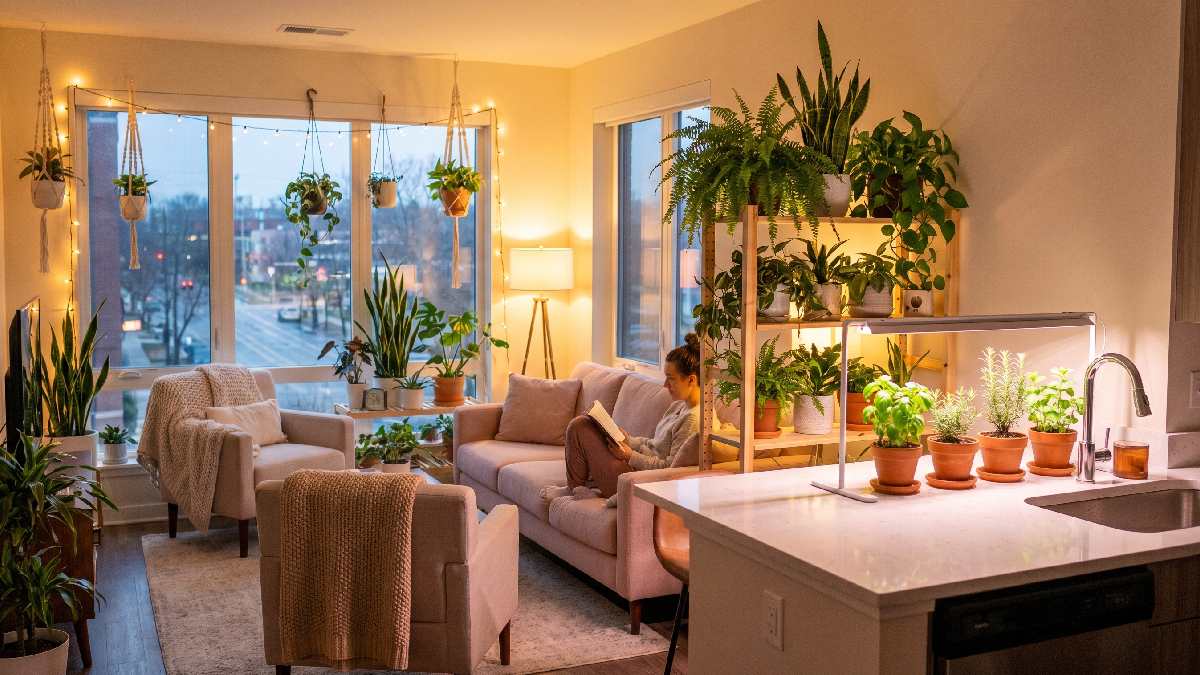
They also provide year-round growing opportunities, which outdoor gardening cannot always offer. Beyond practicality, indoor gardens improve mood and create visual comfort. They turn unused areas into productive or relaxing spaces. Their accessibility and flexibility make them attractive for people of all skill levels.
Different Types of Indoor Gardens
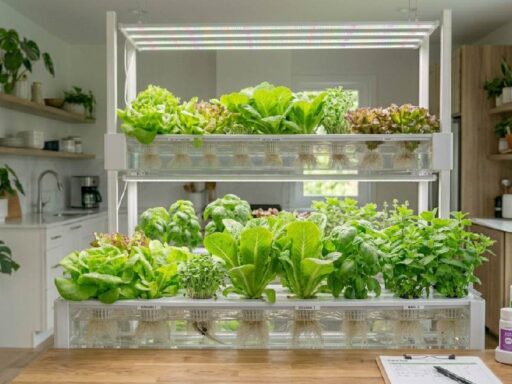
There are many types of indoor gardens, each serving different needs. I started with container gardening, using pots for herbs and small vegetables. Later, I explored vertical gardens, which save space by growing upward on walls or racks. Hydroponic systems grow plants without soil, ideal for controlled setups.
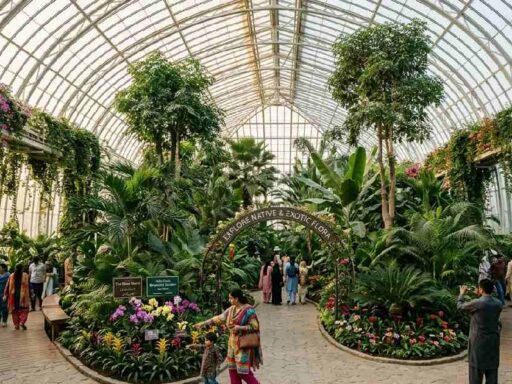
Decorative indoor gardens focus on houseplants for aesthetics. Microgreen trays offer quick harvests in small areas. Each type suits different goals, from food production to home decoration, depending on available space and resources.
Benefits of Indoor Gardens
Indoor gardens offer much more than decoration. I first started one for fresh herbs, but the benefits quickly expanded beyond food. The space felt healthier, calmer, and more alive. Plants inside the home create both practical and emotional value. They improve air quality, support mental wellness, and make everyday living spaces more inviting.
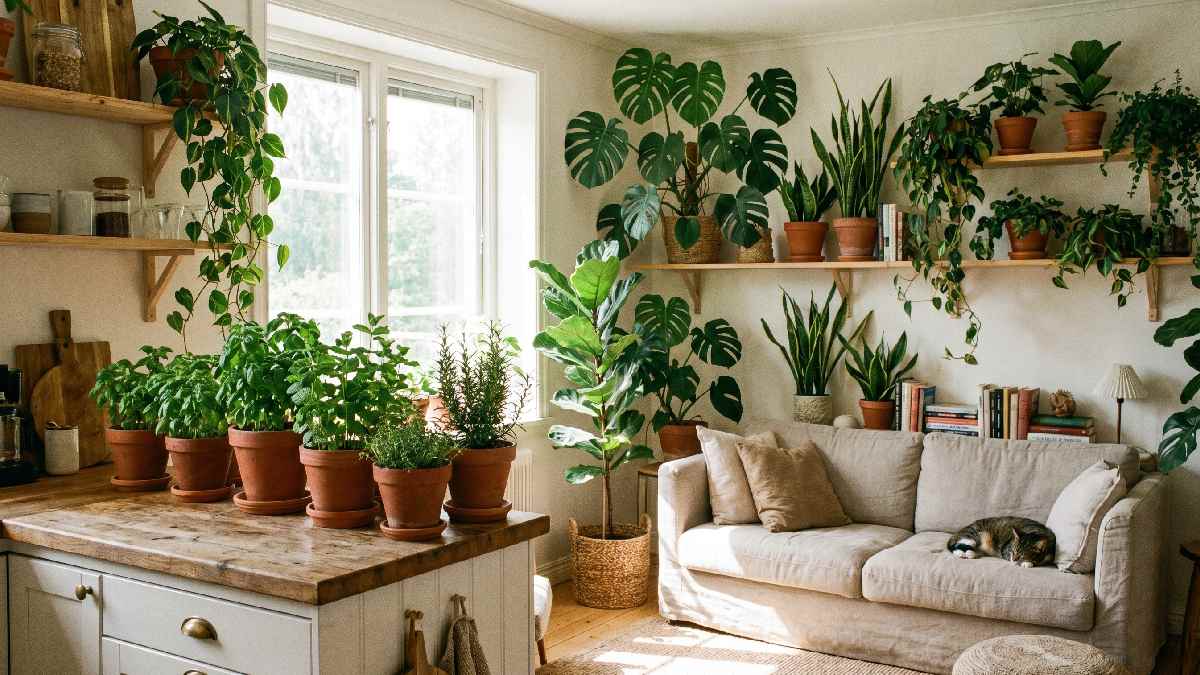
Even a small indoor garden can change the atmosphere of a room. Over time, I saw it as more than a hobby. It became part of a healthier lifestyle, combining nature, convenience, and personal satisfaction in one controlled indoor environment.
Better Air Quality
Indoor gardens contribute to better air quality by increasing oxygen and creating a fresher environment. I noticed rooms with plants felt less stale and more comfortable over time. While they are not a replacement for ventilation, plants still support a healthier indoor atmosphere.
Certain varieties also help reduce airborne pollutants in small ways. The presence of greenery itself makes the environment feel cleaner. This subtle effect improves comfort and the overall indoor living experience.
Fresh Herbs and Vegetables
One of the most practical benefits is access to fresh herbs and vegetables at home. I often harvested basil, mint, and leafy greens directly from my indoor setup. This convenience saves trips to the store and ensures freshness.
Homegrown produce also gives confidence in quality, as you control the growing conditions. Even small indoor gardens can provide regular harvests. It adds both flavor and nutritional value to daily meals.
Improved Mental Well-Being
Indoor gardens support mental well-being in quiet but noticeable ways. Caring for plants created a calming routine in my day. Watching growth over time brought satisfaction and reduced stress. Green spaces indoors can improve focus and create a sense of balance in busy environments.
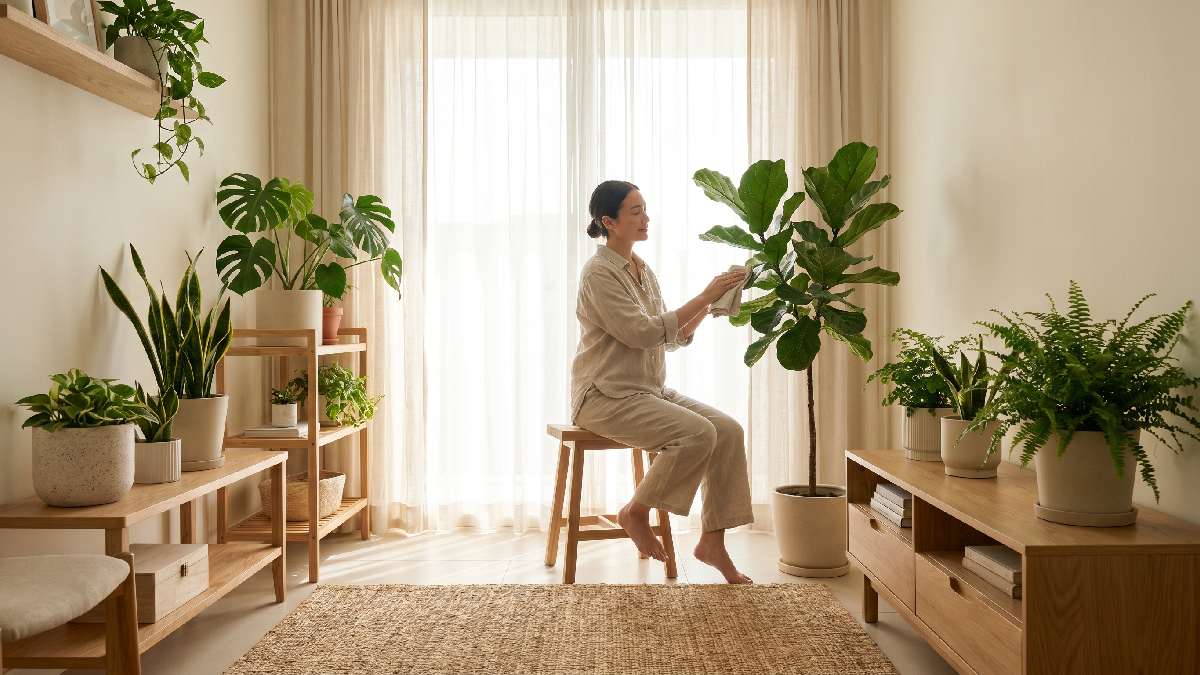
The act of tending plants also encourages mindfulness. Over time, I realized the emotional benefit was just as valuable as the practical one. It became a source of relaxation and stability.
Enhanced Home Aesthetics
Indoor gardens also enhance home aesthetics by adding natural beauty to living spaces. Plants bring color, texture, and life into rooms that might otherwise feel plain. I found that even a few well-placed pots changed the entire atmosphere. They create warmth and make interiors feel more welcoming.
Decorative arrangements can also reflect personal style. Indoor gardens function as living design elements, blending practicality with visual appeal in everyday spaces.
How to Start an Indoor Garden
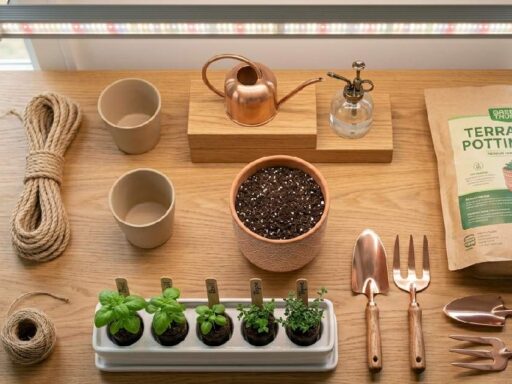
Starting an indoor garden feels simple at first, but success depends on planning the basics correctly. I learned this after trying random plant placements and inconsistent care. The right space, proper containers, balanced lighting, and controlled watering all shape plant health. Indoor gardening is about creating a stable environment where plants can adapt and grow over time.
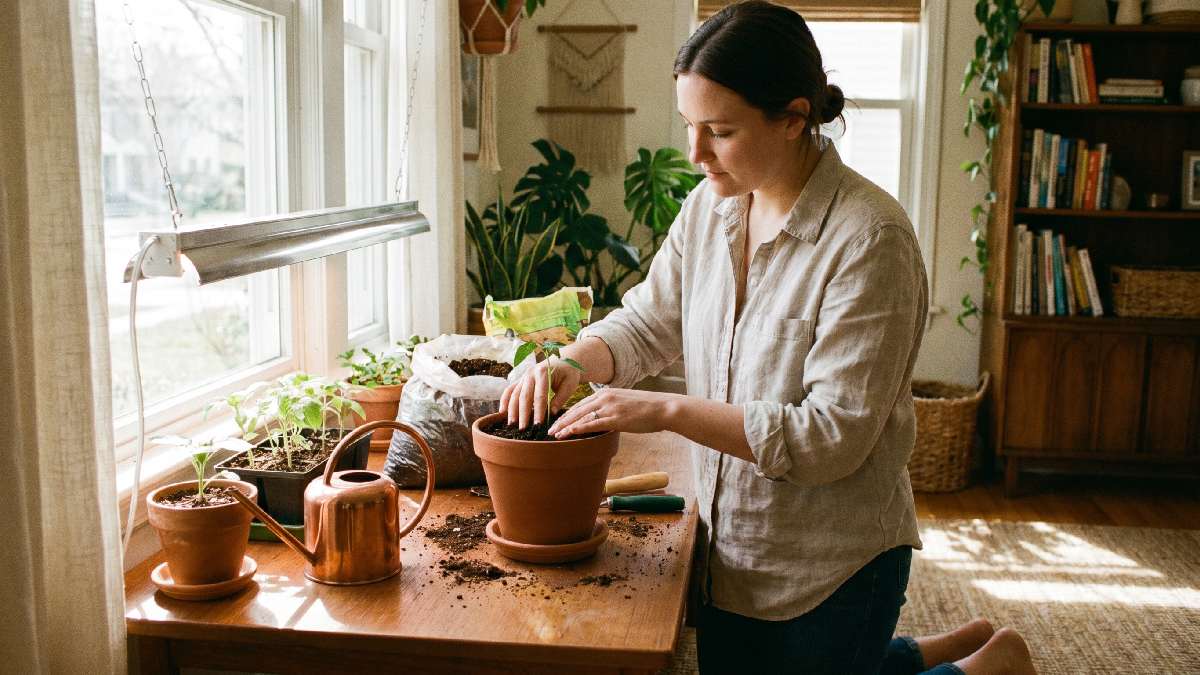
Once these foundations are clear, maintaining an indoor garden becomes easier and more rewarding. Beginners should start small, observe plant behavior, and build confidence gradually. A thoughtful setup reduces mistakes and creates a stronger base for long-term indoor gardening success.
Choosing the Right Space
The location of your indoor garden matters more than I expected. I first placed plants in decorative spots, but many lacked enough light. A suitable space should have access to sunlight, a stable temperature, and some airflow.
Windowsills, shelves near bright windows, or dedicated corners often work best. Avoid placing plants near heaters or cold drafts. When the environment feels balanced, plants settle in more naturally and show stronger growth over time.
Selecting Suitable Containers
Containers influence drainage, root health, and overall plant stability. I learned that size and structure matter as much as appearance. Pots, trays, and recycled containers can all work if they provide enough root space and drainage holes.
Decorative pots without drainage often caused water buildup in my early attempts. Matching the container to the plant type improves long-term results. Practicality should come before style when choosing containers for an indoor garden.
Understanding Light Requirements
Light is one of the biggest factors in indoor gardening success. I underestimated this in the beginning, assuming any bright room would work. Different plants require varying levels of sunlight. Herbs and vegetables usually need stronger light, while decorative plants may tolerate lower levels.
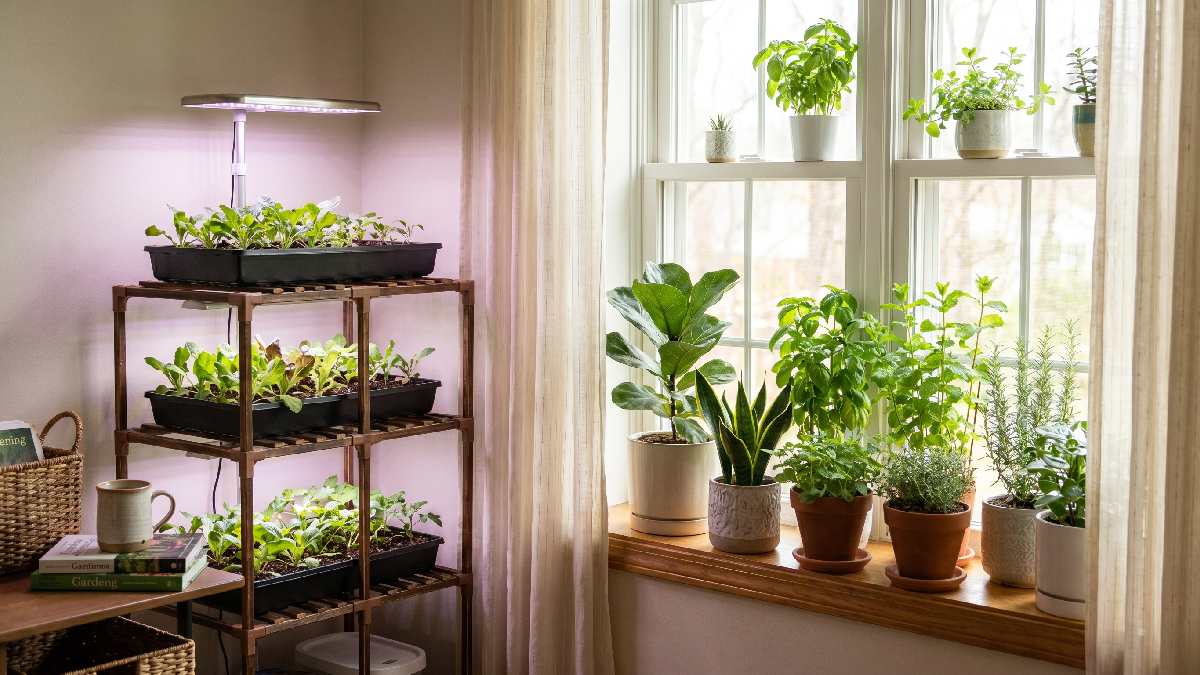
If natural light is limited, grow lights become useful. Observing plant response helps determine if lighting conditions are sufficient. Healthy leaves and steady growth often indicate proper light balance.
Watering and Humidity Basics
Watering indoors requires more control than outdoor gardening. I used to overwater, thinking frequent moisture was always beneficial. In reality, roots need balance. Soil should dry slightly between watering for many plants.
Humidity also plays a role, especially in dry indoor environments. Some plants prefer added moisture in the air. Simple habits like checking soil texture and monitoring leaf condition help prevent common watering mistakes and improve overall plant health.
Best Plants for Indoor Gardens
Choosing the right plants makes indoor gardening much easier. I learned this after struggling with plants that didn’t suit indoor conditions. Some needed too much light, others required constant care. Over time, I focused on plants that adapt well to indoor homes.
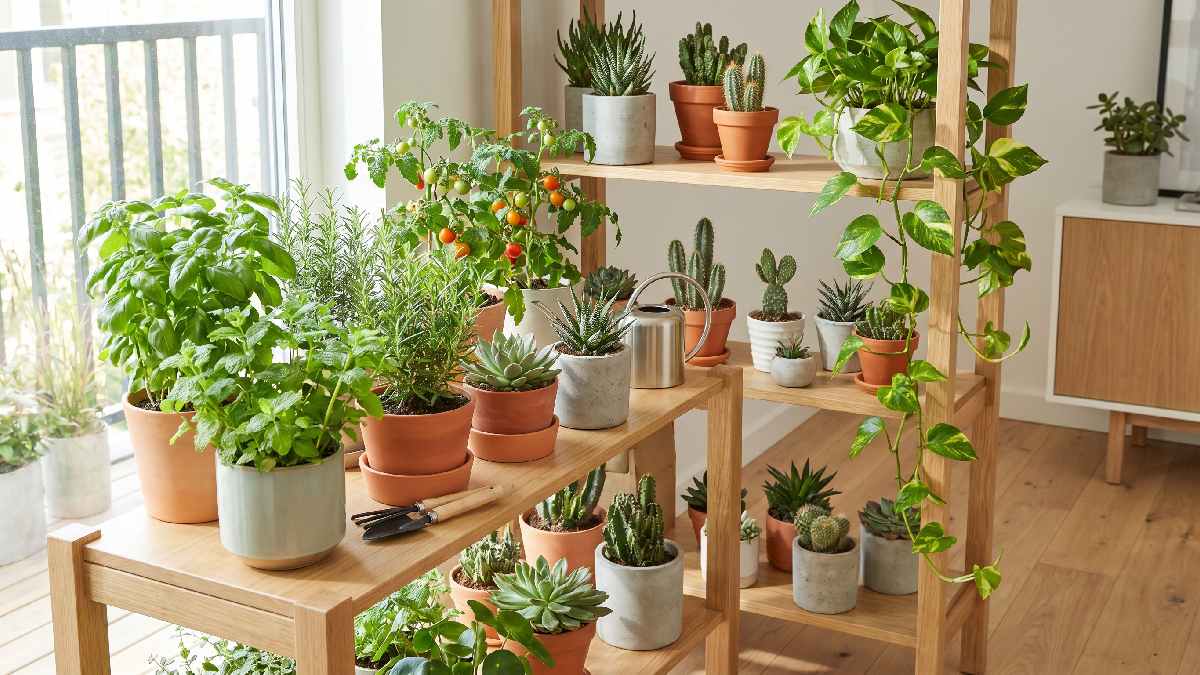
Herbs, vegetables, decorative plants, and low-maintenance options all perform differently but work well when matched correctly to space and light. Starting with the right plants reduces failure and builds confidence. Indoor gardens become more stable when plant selection is simple, practical, and suited to everyday home environments.
Herbs for Indoor Gardening
Herbs are the easiest and most useful plants for indoor gardening. I often grow basil, mint, and parsley on my kitchen shelf. They grow well in small pots and need moderate sunlight. Fresh herbs are always convenient for cooking.
I noticed they recover quickly, even after small mistakes in watering or trimming. Their fast growth makes them ideal for beginners. Herbs also add fragrance and freshness to indoor spaces, making them both practical and enjoyable.
Vegetables for Indoor Spaces
Some vegetables can grow successfully indoors with proper care. I tried lettuce, spinach, and small tomatoes in containers near windows. They need more light compared to herbs, but still adapt well indoors. Regular watering and stable temperature are important for healthy growth.
I found leafy vegetables easier than fruiting ones. Indoor vegetable gardening provides fresh produce at home and reduces dependency on market vegetables. Even small harvests make a noticeable difference in daily meals.
Decorative Indoor Plants
Decorative plants bring natural beauty into indoor spaces. I added pothos and snake plants to my room, and the atmosphere changed instantly. These plants are mostly grown for appearance rather than food. They require less maintenance and can survive in low-light conditions.
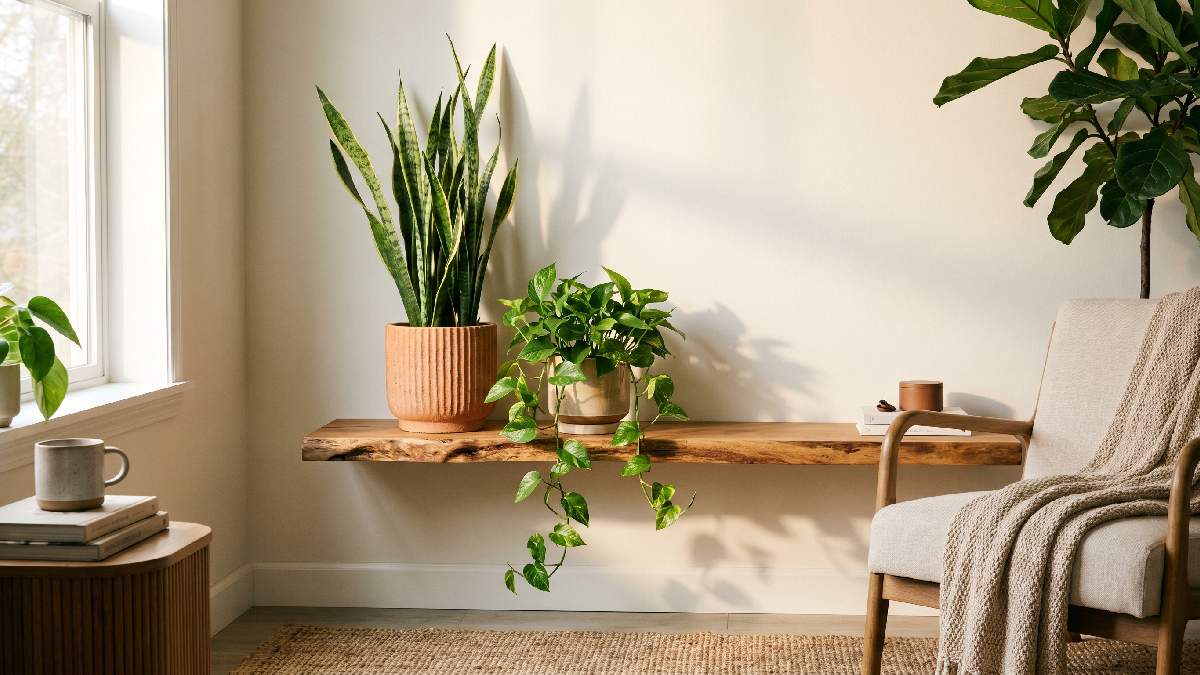
I noticed they also improve room comfort visually. Decorative plants help balance functionality with aesthetics. They are perfect for people who want greenery without complex care routines or frequent maintenance tasks.
Low-Maintenance Plant Choices
Low-maintenance plants are perfect for beginners or busy routines. I often recommend snake plants, pothos, and ZZ plants. They tolerate irregular watering and low light conditions. I learned these plants survive even when care is not perfect. This makes them reliable for indoor setups where attention may vary.
They also grow slowly but steadily over time. Choosing low-maintenance plants reduces stress and helps beginners build confidence in indoor gardening without frequent failures or complicated care requirements.
Common Indoor Gardening Mistakes
Indoor gardening looks simple, but I made many mistakes when I started. Some plants failed, others grew weak without a clear reason at first. Later, I realized most problems were basic care errors, not the plants themselves. Overwatering, poor lighting, wrong plant choices, and missing drainage were the main issues.
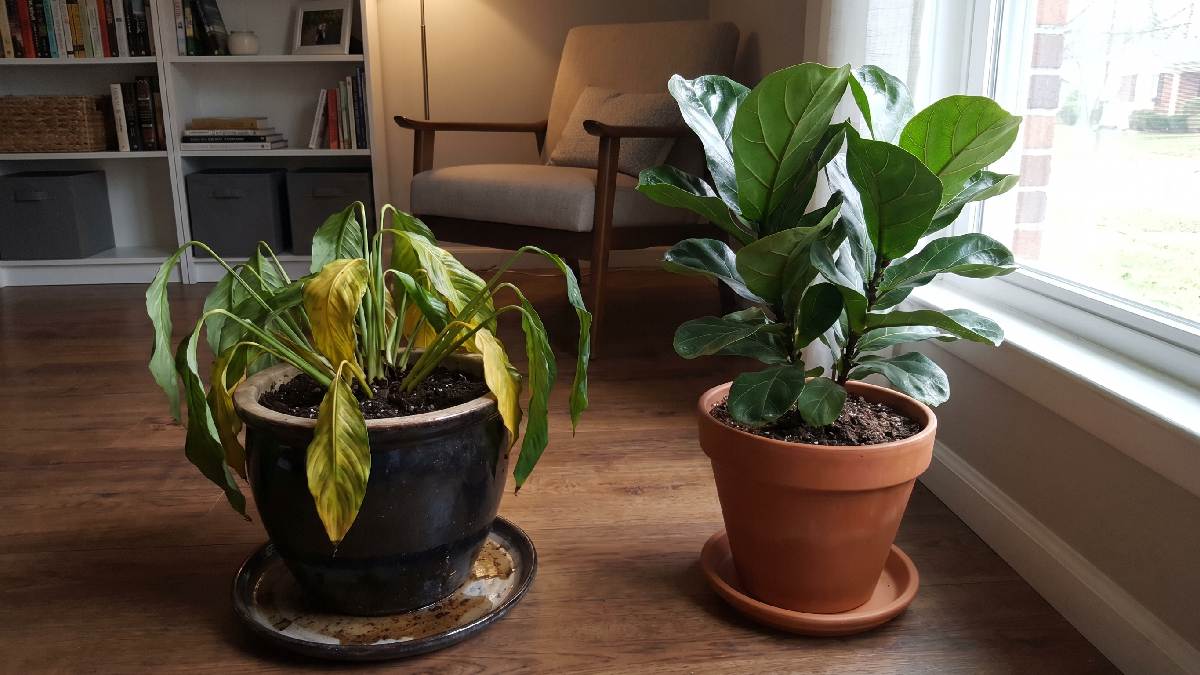
Once I corrected these, the results improved quickly. Indoor gardening becomes stable when these mistakes are avoided. Beginners often repeat them unknowingly, but small awareness can save many plants and make home gardening more successful and less frustrating overall.
Overwatering Plants
Overwatering was my most common mistake in indoor gardening. I used to think more water means faster growth, but it caused root rot and weak plants. The soil stayed wet for too long, and plants slowly started dying. I learned that most indoor plants need time for the soil to dry slightly between watering.
Now I check the moisture before adding water. Balanced watering keeps roots healthy and prevents many common plant problems in home environments.
Ignoring Lighting Needs
I ignored lighting needs in the beginning and placed plants anywhere in the room. Many of them became weak, pale, and stretched toward light sources. I later understood that each plant has different light requirements. Some need direct sunlight, while others prefer indirect light.
When natural light is not enough, grow lights help a lot. Proper lighting improves plant strength, color, and overall growth. It is one of the most important factors in indoor gardening success.
Poor Plant Selection
Choosing the wrong plants caused many failures in my early indoor garden. I picked plants that needed strong outdoor conditions, which did not work indoors. They struggled from the start and eventually died. Later, I switched to easy indoor plants like pothos, mint, and lettuce.
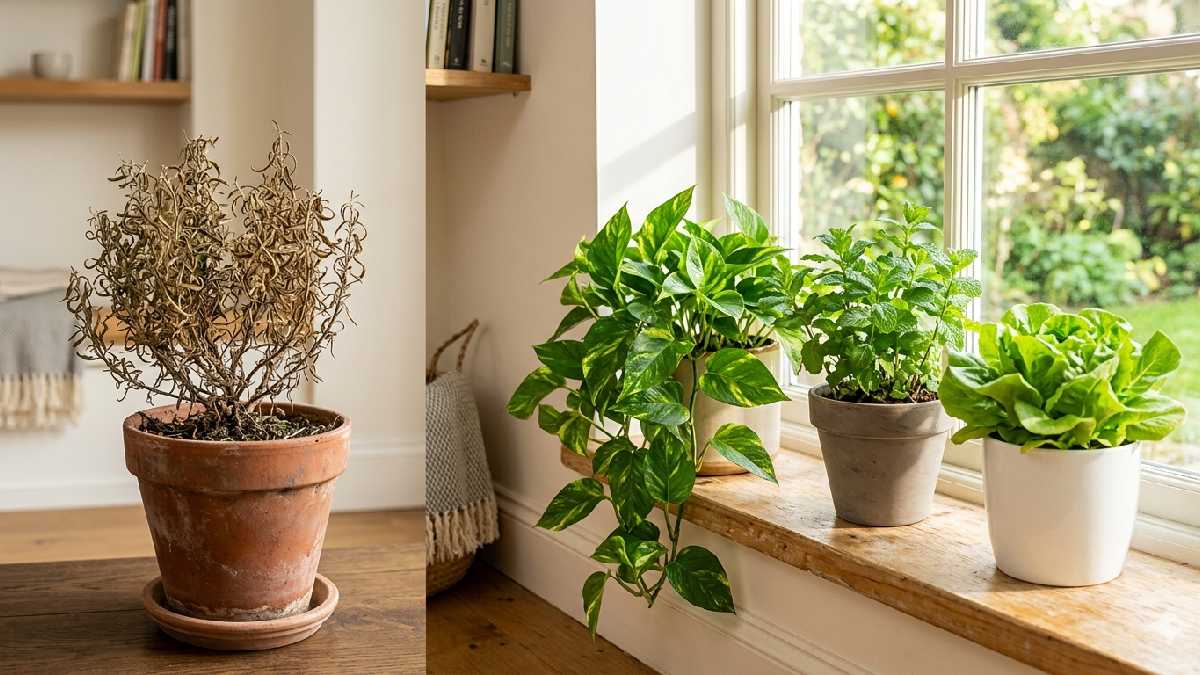
These adapted quickly and grew better. Selecting plants based on indoor conditions is very important. It saves time, effort, and reduces disappointment in early gardening experiences at home.
Lack of Drainage
Lack of drainage created serious problems in my indoor plants. I used decorative pots without holes, which caused water to collect at the bottom. Roots stayed wet for too long, and plants became weak or started rotting. I learned that drainage is essential for healthy root growth.
Now I always use pots with proper drainage holes or add a drainage layer. Good drainage prevents water buildup and keeps indoor plants healthier and more stable over time.
Indoor Garden Maintenance Tips
Maintaining an indoor garden is not difficult, but it requires consistency. I learned this after ignoring small issues that later became bigger problems. Plants need regular care, not constant attention, but a simple routine works best. Checking soil, observing leaves, and adjusting light or water keeps everything balanced.
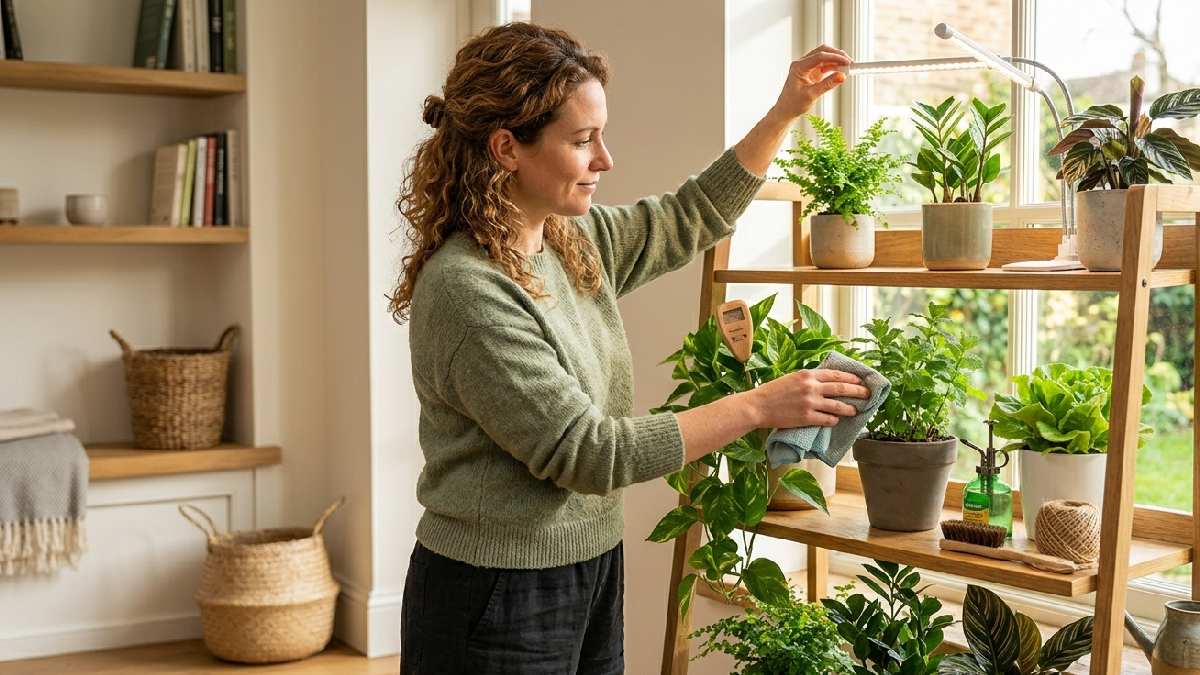
Over time, I built a habit of weekly maintenance, which made my plants healthier and more stable. Indoor gardening improves when care becomes part of routine life rather than an occasional effort or reaction to problems.
Weekly Care Routine
I follow a simple weekly routine for indoor plants. Once a week, I check soil moisture, leaf condition, and overall plant health. This helps me catch early signs of problems before they grow. I also rotate pots so all sides get equal light.
Light watering is done only when needed, not on a fixed schedule. Cleaning leaves from dust is also important for healthy growth. This routine keeps plants stable and reduces unexpected issues in an indoor gardening setup.
Pest Prevention
Pest problems can appear even in indoor gardens. I faced small insects on leaves when I first started. I learned prevention is easier than treatment. Keeping plants clean and avoiding overwatering helps a lot. I also check leaves regularly for early signs of pests.
Natural sprays like neem oil can help when needed. Good airflow reduces pest chances as well. Regular inspection keeps problems under control and protects plants from damage in a home gardening environment.
Seasonal Adjustments
Indoor plants still react to seasonal changes, even inside homes. I noticed growth slows in winter and becomes faster in warmer months. During colder seasons, I reduce watering because the soil stays wet longer. In summer, plants may need more moisture and slightly more attention.
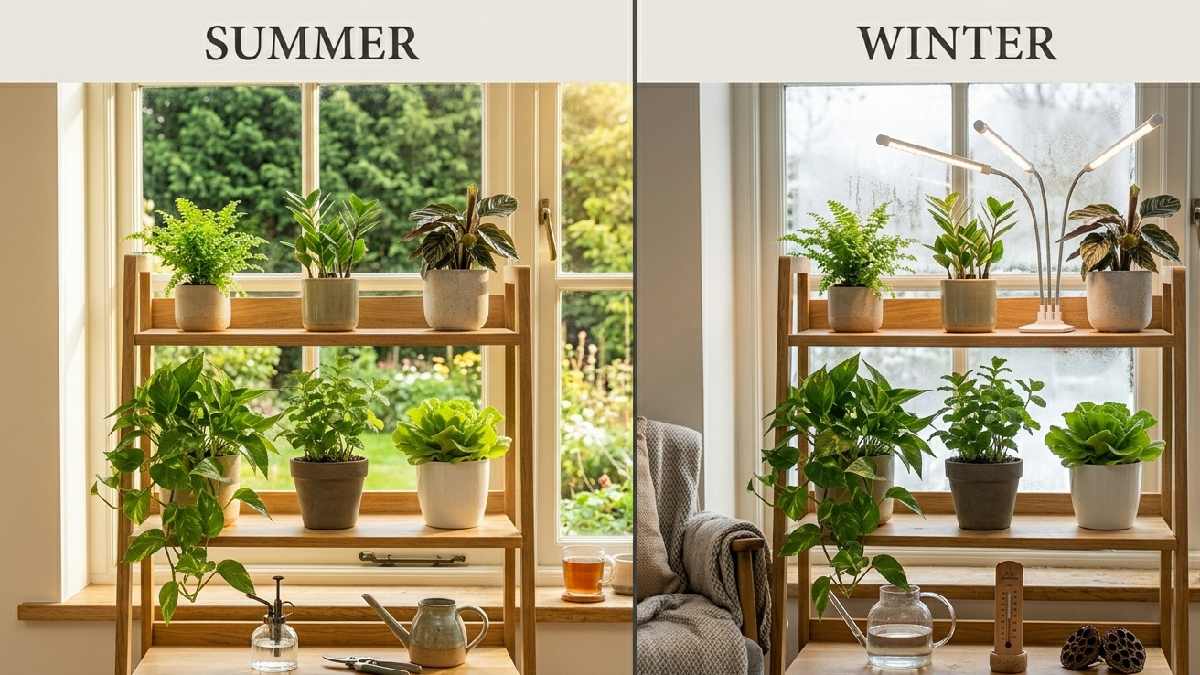
Light conditions also change with seasons, so I adjust placement or use grow lights if needed. Understanding these changes helps maintain steady plant health throughout the year in indoor gardening setups.
Pruning and Repotting
Pruning helps keep plants healthy and organized. I trim dry or damaged leaves regularly to encourage new growth. It also improves plant appearance and airflow. Repotting is needed when roots outgrow containers. I usually check roots every few months.
If they look crowded, I move the plant to a larger pot. Fresh soil during repotting also improves growth. These simple actions help plants stay strong and prevent long-term issues in indoor gardening environments.
Indoor Garden Ideas for Small Spaces
Small spaces do not limit indoor gardening if you plan smartly. I started with almost no room, just a corner near my window. Slowly, I learned how vertical, hanging, and shelf setups can change everything. Even a tiny apartment can hold a productive garden with the right arrangement.
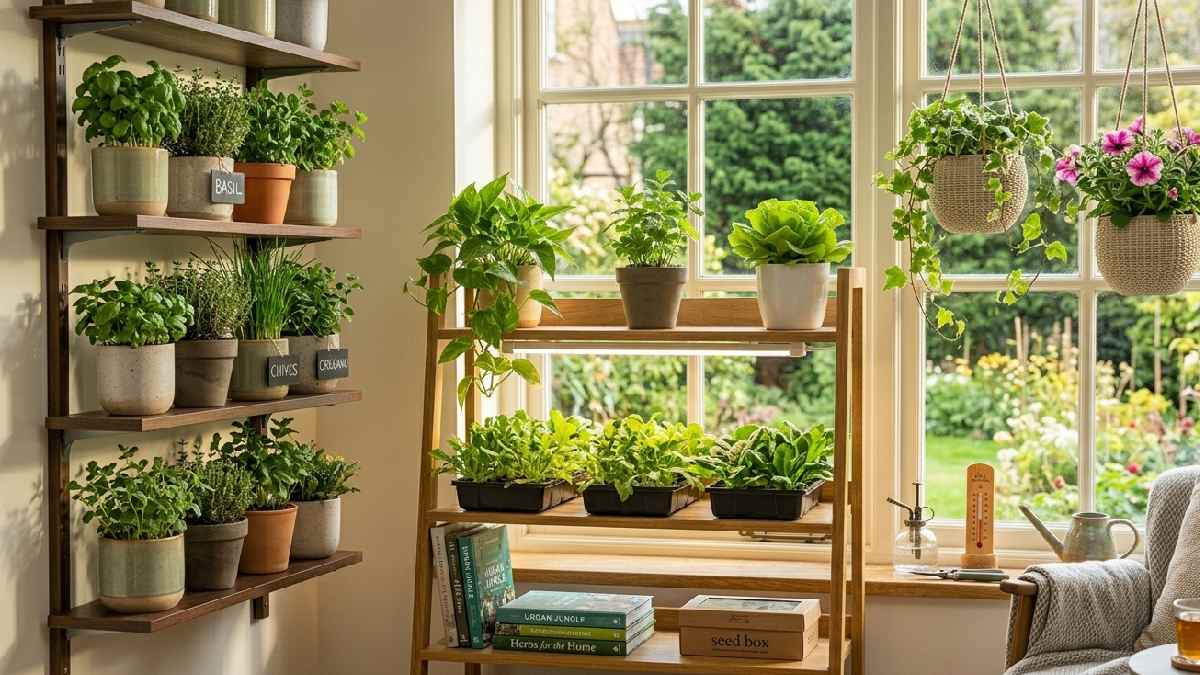
I tested different ideas and saw that space-saving methods often work better than large setups. The key is using height, walls, and unused areas efficiently to grow plants without cluttering the home environment.
Vertical Gardens
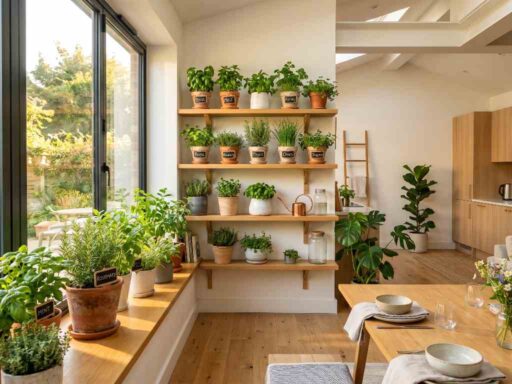
Vertical gardens use wall space instead of floor area. I tried this when my room had no extra space left. Plants are arranged upward using racks, panels, or wall holders. It saves space and looks visually appealing. Herbs and small leafy plants grow well in vertical setups.
I noticed better organization and easier access to care. This method is perfect for small apartments where floor space is limited, but wall space is available for growing plants efficiently.
Windowsill Herb Gardens
Windowsill gardens are one of the simplest indoor gardening ideas. I placed small pots of basil and mint directly on my window shelf. They receive natural sunlight throughout the day. This setup requires very little equipment and works well for beginners.
Herbs grow steadily in this space and are easy to harvest. I found it convenient for cooking because fresh herbs are always within reach. It turns unused window space into a productive growing area.
Hanging Planters
Hanging planters help creatively use vertical space. I started using them for trailing plants like pothos and small herbs. They hang from ceilings or wall hooks, freeing up table space. This setup also improves room aesthetics and adds greenery at different heights.
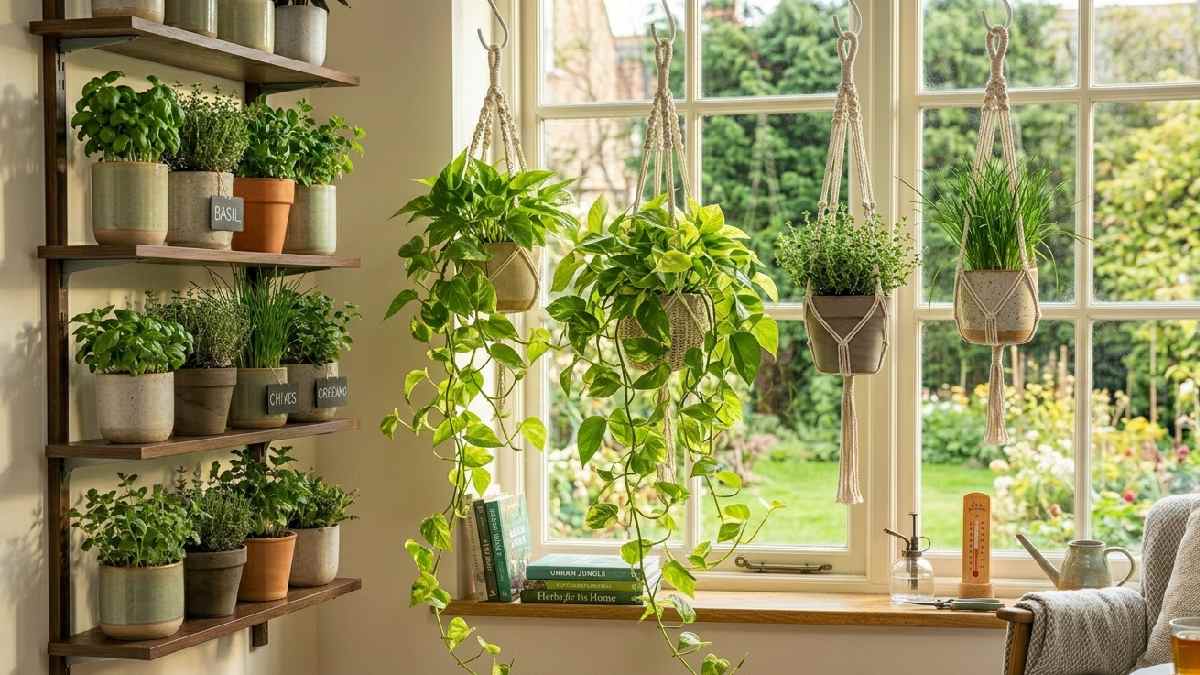
Watering needs to be careful to avoid spills. I noticed hanging plants make the room feel more lively and natural. It is a smart option for compact indoor gardening setups.
Shelf-Based Setups
Shelf-based gardening is very useful for organizing multiple plants in small spaces. I use simple shelves to place pots and trays in layers. Each shelf receives light depending on placement. LED grow lights can be added for lower levels.
This system helps grow more plants in a limited area without clutter. I found it easy to manage watering and maintenance. It is a practical solution for indoor gardening when space is tight, but plant variety is desired.
Frequently Asked Questions About Indoor Gardens
What are the easiest plants for beginners?
Easy plants include pothos, mint, basil, and snake plant. They grow well indoors and need very little care, making them perfect for beginners.
How much sunlight do indoor gardens need?
Most indoor gardens need 4to 6 hours of indirect sunlight daily. If natural light is low, grow lights help maintain healthy plant growth indoors.
Can vegetables grow indoors?
Yes, vegetables like lettuce, spinach, tomatoes, and peppers can grow indoors with proper light, containers, and regular watering for healthy development.
Are indoor gardens expensive?
No, indoor gardens are usually affordable. You can start small with basic pots, soil, and simple lights, then expand gradually over time.
Conclusion
Indoor gardening is a simple way to bring nature inside your home. I started with very small setups and slowly learned how plants respond to light, water, and care. Over time, it became a useful habit instead of just a hobby. Even small spaces can turn into green areas with proper planning.
Indoor gardens improve air quality, provide fresh herbs, and make homes more peaceful. Mistakes are normal in the beginning, but learning from them makes growth better. With patience and consistency, anyone can build a healthy indoor garden and enjoy greenery throughout the year in everyday living spaces.