

Indoor Botanical Gardens Near Me: Best Places & Home Inspiration
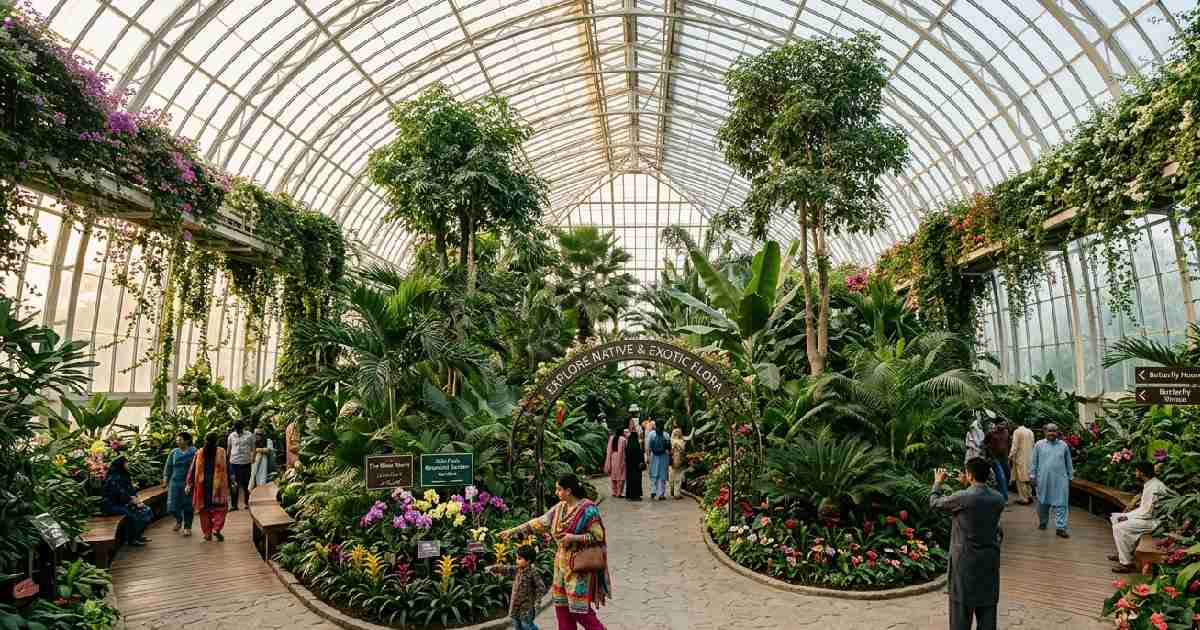
Searching for indoor botanical gardens near me started as a simple idea; I just wanted a green place without going too far. I visited a few local indoor plant spaces, some small, some surprisingly detailed. Walking inside felt different: a controlled climate, soft light, plants growing in calm silence. It gives ideas without trying too hard.
Indoor botanical gardens are not just public spaces; they also inspire home setups. I came back and tried small indoor arrangements, nothing perfect, but it worked. Even a corner can feel like a mini garden. That’s how it usually begins.
What Is an Indoor Botanical Garden?
An indoor botanical garden is a controlled space where plants grow inside buildings instead of outdoors. I remember walking into one for the first time; the air felt different, slightly humid, quiet, almost like stepping into another environment. These gardens are designed to grow a wide range of plants in stable indoor conditions.
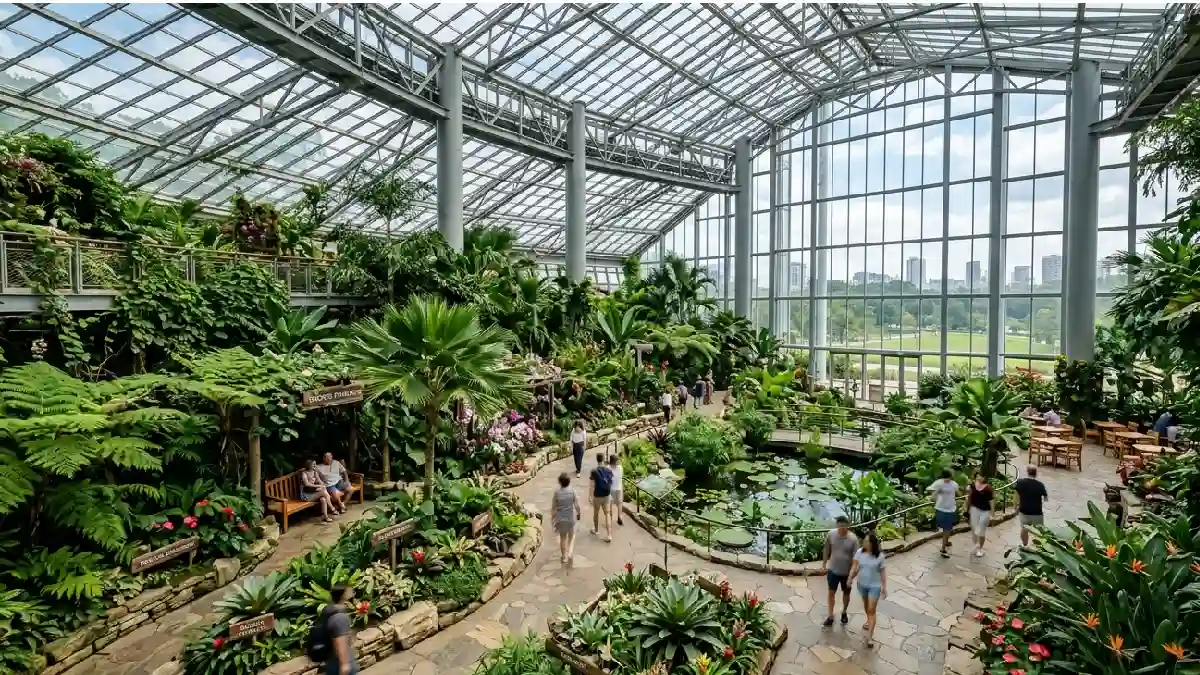
Light, temperature, and moisture are managed carefully. It is not just decoration, it’s more like recreating nature in a controlled setting. Some are large public spaces, others can be small setups at home. The idea stays the same, bringing natural plant life into indoor environments.
Definition of Indoor Botanical Gardens
Indoor botanical gardens are specially designed indoor spaces where plants are grown, displayed, and sometimes studied under controlled conditions. I used to think they were just decorative greenhouses, but they are more structured than that. They can include rare plants, tropical species, or simple greenery arranged in an organized way.
These gardens exist in buildings, museums, or even homes. The focus is not only on beauty, but also on plant care, preservation, and creating a natural environment inside enclosed spaces.
How Indoor Gardens Replicate Natural Ecosystems
Indoor gardens aim to replicate natural ecosystems through controlled systems. I noticed how temperature, humidity, and lighting are adjusted to match outdoor conditions. Tropical plants, for example, are kept in warm and humid sections. Some setups use artificial lighting and mist systems to maintain balance.
It is not the same as nature, but close enough for plants to grow comfortably. This controlled environment allows plants from different climates to survive indoors, which normally wouldn’t be possible outside their natural habitat.
Best Indoor Botanical Gardens Around the World
I once thought indoor plant spaces were small and simple. Then I saw large indoor botanical gardens, completely different feeling. Huge glass structures, controlled climate, plants from all over the world. It felt like stepping into another environment. These places are not just for viewing; they teach how plants survive in different conditions. Some focus on tropical ecosystems, others show rare collections.
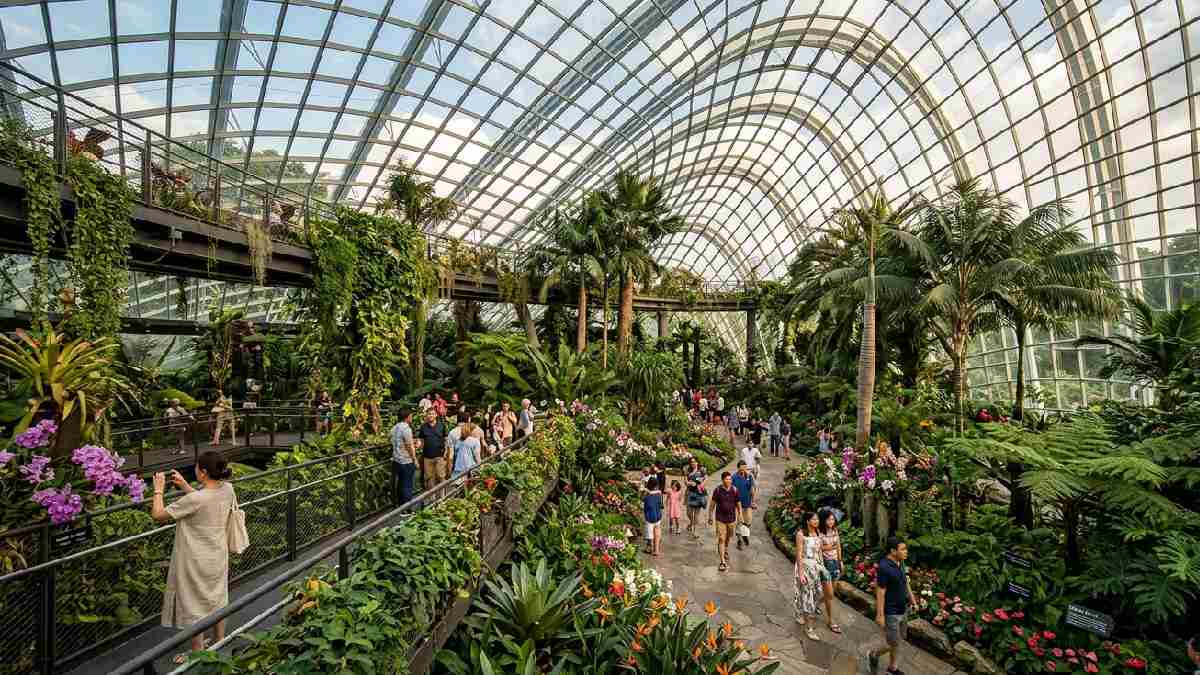
Urban areas also use indoor gardens as green escapes. Every garden has its own style, purpose, and atmosphere. Visiting them changes how you see indoor growing completely.
Tropical Indoor Botanical Gardens
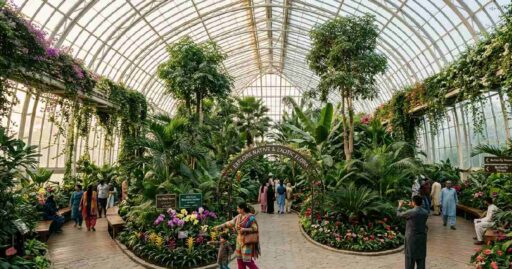
Tropical indoor gardens feel warm and humid, almost like a rainforest inside a building. I remember walking through one; the air felt heavy, leaves everywhere. Plants grow tall, dense, overlapping each other. These gardens recreate a tropical climate using controlled systems. You see palms, orchids, and ferns all in one space.
Light filters through the glass roof, soft and natural. It doesn’t feel artificial at all. These spaces show how indoor environments can support complex ecosystems. Visitors experience a real jungle feeling without leaving the city. It changes the perspective on indoor gardening possibilities.
Urban Indoor Botanical Spaces
Urban indoor gardens are usually smaller but very thoughtful in design. I saw one inside a city building, and felt calm compared to the outside noise. These spaces focus on relaxation and greenery in a limited area. Plants are arranged neatly, not wild like tropical gardens. Light setup is controlled, sometimes using LEDs.
They act as a green escape from city life. People sit, walk, and observe quietly. It shows how indoor growing fits a modern lifestyle. Even small spaces can become refreshing if planned properly. Simple idea, but strong impact in crowded urban environments.
Educational Botanical Conservatories
Some indoor gardens focus more on learning than just beauty. I visited one where every plant had an explanation beside it. Climate zones were separated: desert, tropical, and temperate, all in one building. It felt like walking through different worlds. These conservatories teach how plants adapt and survive.
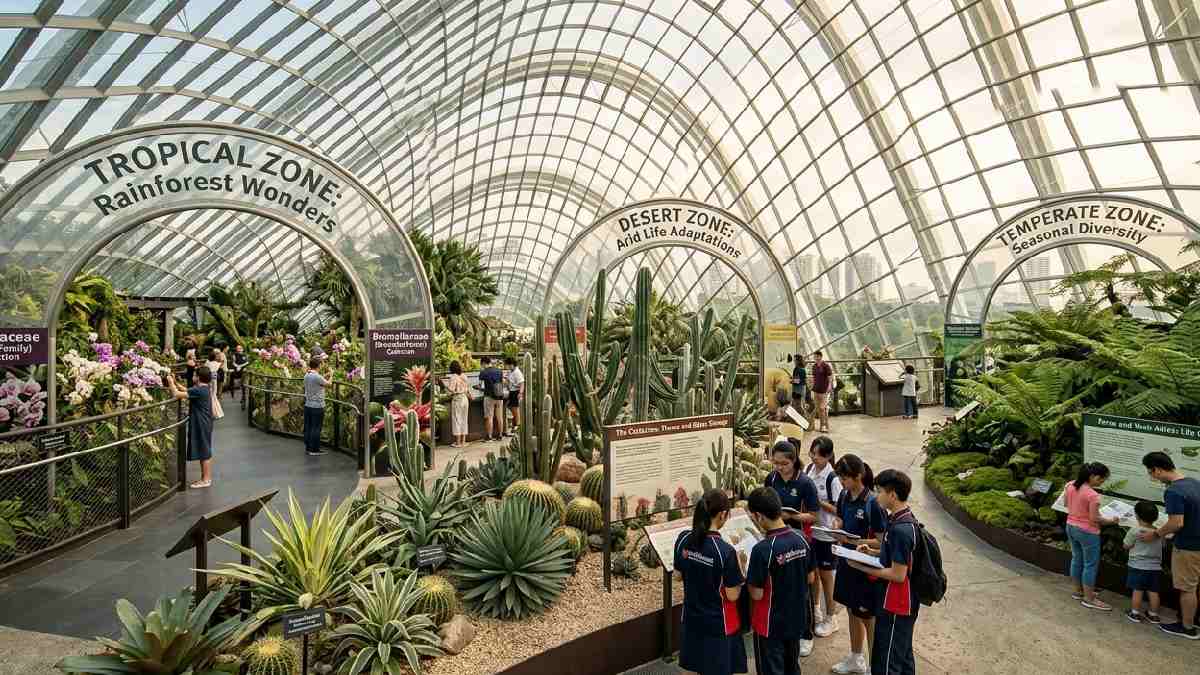
Students and visitors both learn from real examples. A controlled environment helps maintain rare species. It’s not just a display, it’s also a research space. These places make plant science easier to understand. Indoor setup becomes a living classroom instead of just decoration.
Unique Indoor Botanical Garden Experiences
Some indoor gardens offer very unique experiences. I saw one with suspended walkways above trees, a completely different view. Another had night lighting, and plants looked totally different in the dark. Some include water features, small streams flowing inside. It creates an immersive feeling, not just observation.
These gardens mix design with nature carefully. Visitors feel part of the environment, not outside it. Indoor gardening here becomes more than growing plants; it becomes an experience. Each visit feels different depending on the setup. It shows how creative indoor plant spaces can become when design and nature work together.
How to Find Indoor Botanical Gardens Near Me
I usually start searching for indoor botanical gardens when I feel like seeing real plant setups. First instinct is always phone. Simple search, then scrolling through results. Some places don’t even show clearly at first. You have to dig a little. Maps help a lot, and reviews also give hints.
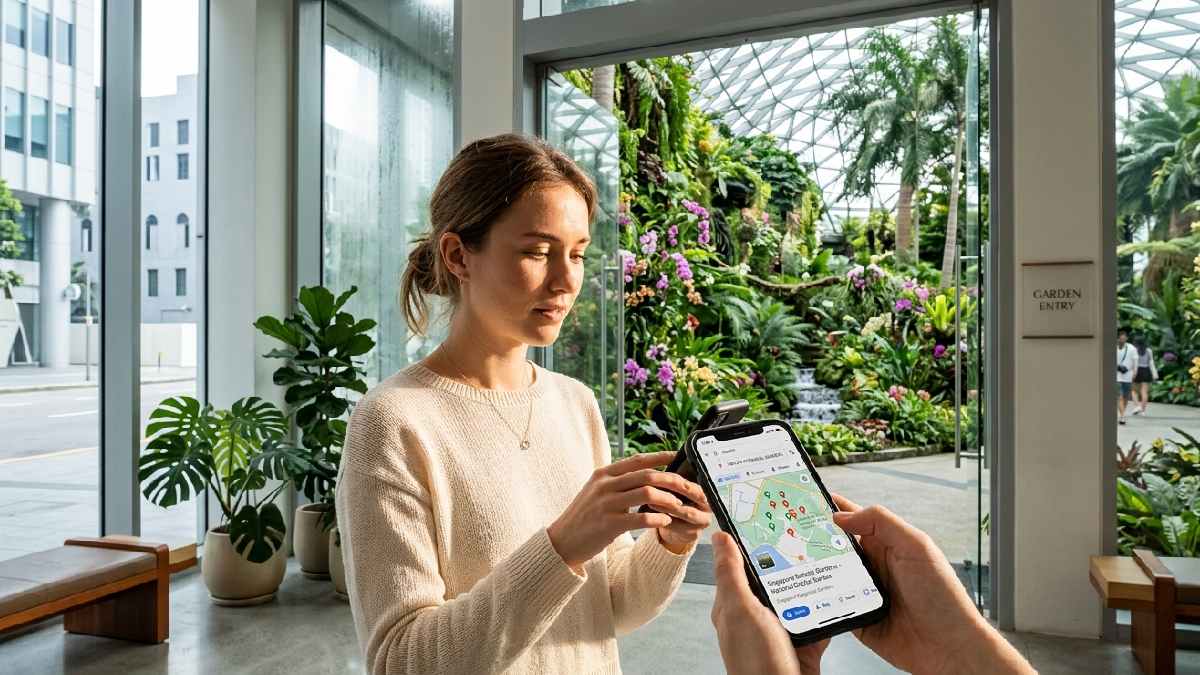
I once found a hidden garden inside a mall, didn’t expect that. Indoor gardens are not always labeled properly. With a bit of searching, you start noticing patterns. It becomes easier next time. Small effort, but worth it when you find a good place.
Using Google Maps and Search Tips
I open Google Maps and type simple terms like indoor botanical garden or plant conservatory near me. Results vary sometimes, not always accurate. I zoom in on the map, check green areas, museums, and large buildings. Reviews help a lot, and photos show actual indoor setups.
I also try different keywords, sometimes that changes the results. It takes a few minutes, but useful places appear. I save locations for later visits. Searching becomes easier with practice.
Common Places Where Indoor Gardens Exist
I noticed indoor botanical gardens are often inside big public spaces. Museums, universities, and shopping malls sometimes have hidden plant sections. Airports and hotels also include indoor gardens for decoration. I once saw a small greenhouse inside a cultural center. These places don’t always advertise clearly.
You have to explore a bit. Botanical conservatories are more obvious, but smaller indoor gardens stay unnoticed. City buildings sometimes include green zones as well. Once you know where to look, you start finding them more easily in everyday places.
Benefits of Visiting Indoor Botanical Gardens
Indoor botanical gardens give a quiet escape from busy city life. Walking inside feels calm, almost like stepping into another world. Green plants surround you, the air feels lighter, mind slows down. Stress drops without even trying. You notice colors, shapes, and small details you usually ignore outside.
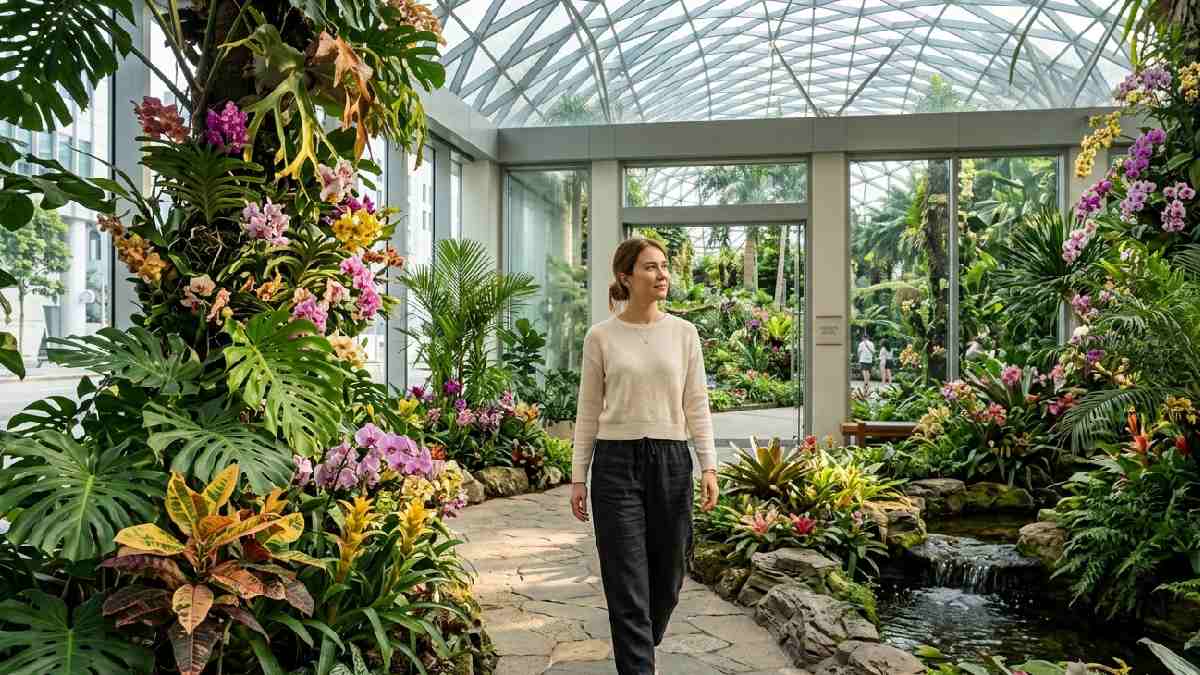
Families, students, and solo visitors all find something different. Some learn, some relax, some just breathe. No weather problems, no noise of traffic outside. Every visit feels slightly different depending on the season and display. Indoor gardens quietly refresh mood, energy, and focus in a simple, natural way.
Mental Health and Relaxation Benefits
Walking inside an indoor botanical garden feels like the pressure drops instantly. Mind slows without effort. Green plants around you create a calm feeling, almost quiet inside your head. Stress reduces, and breathing becomes steady. People often sit longer than planned, just watching leaves move.
Soft light and natural sounds make thoughts lighter. Even a short visit can reset the mood. Some feel less anxious, others just feel peaceful. It’s not loud or forced relaxation. It happens slowly, naturally, like the body agrees to rest for a while among plants.
Educational and Environmental Awareness
Indoor botanical gardens teach quietly while you walk. You see different plant species, learn names, shapes, and growth styles. Signs explain how ecosystems work and how plants survive indoors. Kids and adults both notice things they never thought about before. You understand how water, light, and soil connect.
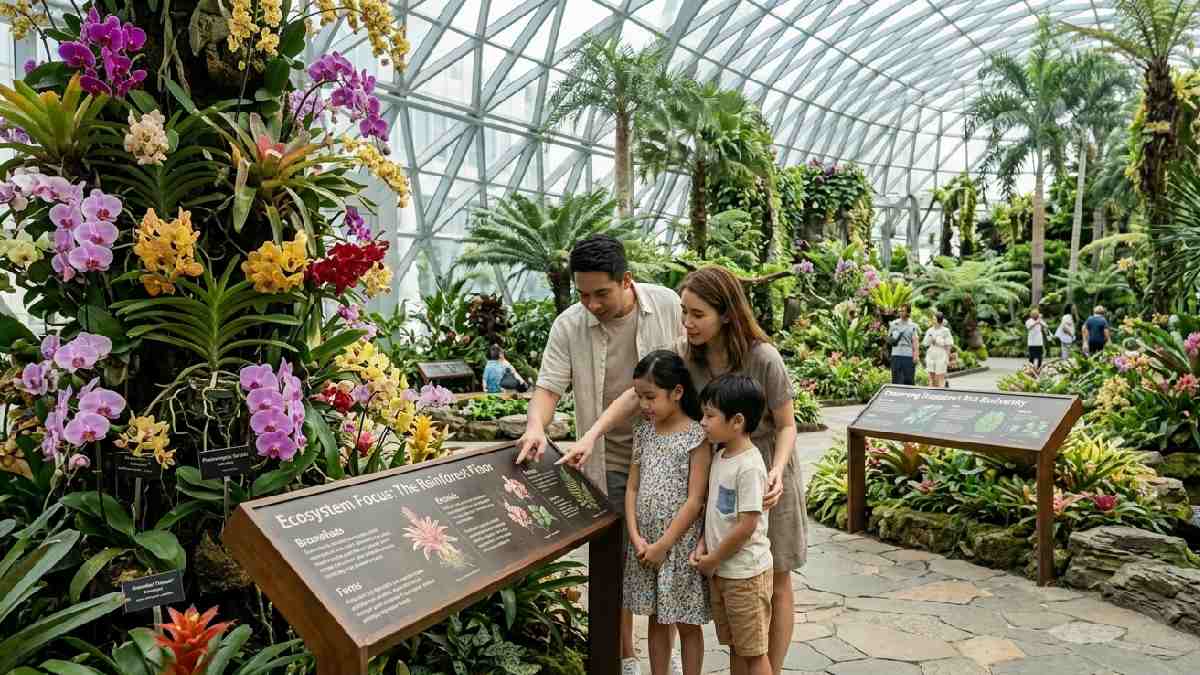
It builds awareness about nature and the environment without feeling like a classroom. People start respecting plants more. Small details like leaf structure or humidity control become interesting. Learning happens naturally while observing real living systems all around you.
Year-Round Access to Nature
Indoor botanical gardens stay open all year, no matter the weather outside. Rain, heat, or winter doesn’t affect the experience inside. You can walk through greenery anytime and still feel connected to nature. Seasonal plants are displayed in controlled environments, so there’s always something fresh to see.
This makes it easy for people in cities to enjoy green space regularly. Even short visits give a natural refresh feeling. Families often come because it’s reliable and consistent. Nature becomes accessible daily, not limited by outdoor conditions or seasons.
How to Create an Indoor Botanical Garden at Home
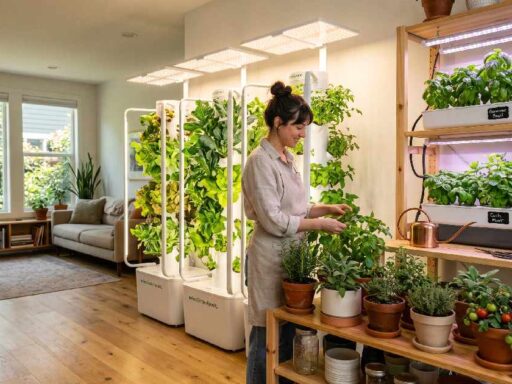
Creating an indoor botanical garden at home starts with a simple idea: bring nature inside your space. You don’t need a big room; even a corner can work. Pick plants that match the light and care level. Add layers of greenery, mix heights, textures, and colors. Keep watering simple and consistent.
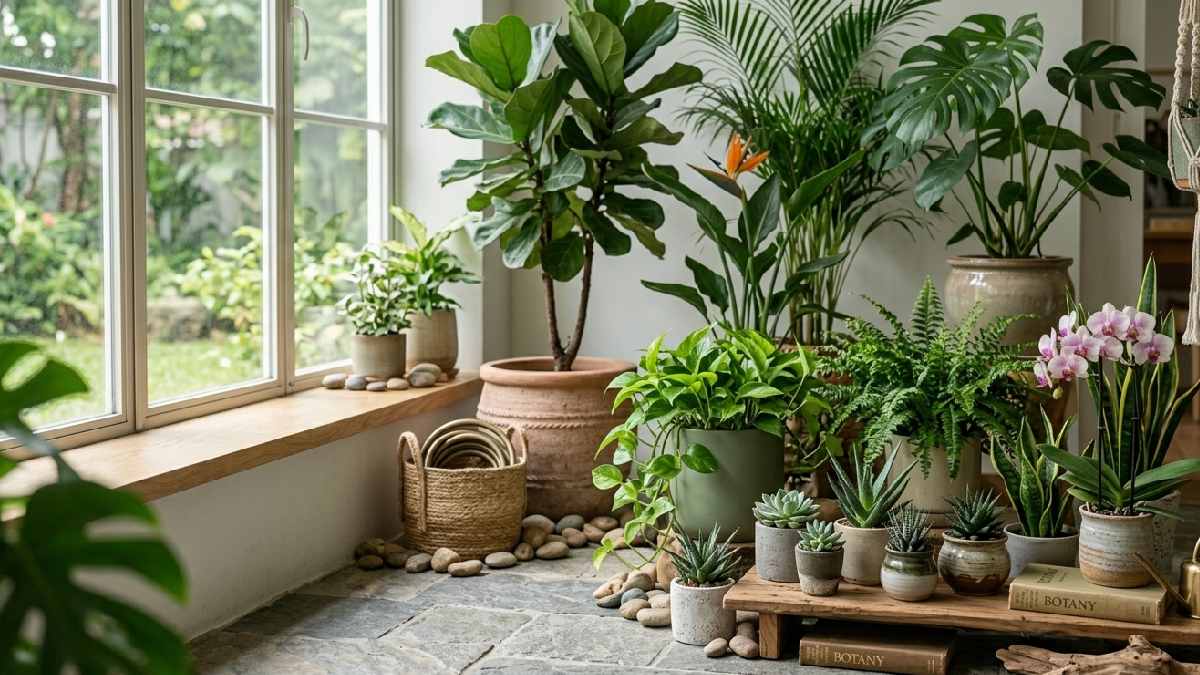
Good air, some humidity, and natural light help everything grow better. You can add small lights if the sunlight is low. Decor matters too, pots, stones, wood, all change the feel. Slowly, your home turns green, calm, and more alive than before.
Choosing the Right Space
The right space makes everything easier. Look for a spot with natural light, like near a window or balcony door. Avoid places with constant dark corners or strong drafts. Small spaces work fine if you plan well. Even a shelf or wall corner can become a mini garden.
Think about access too, you should reach plants easily for watering. Quiet areas are better because plants stay undisturbed. Once space is chosen, everything else feels more organized and natural, like the garden already knows where to grow.
Best Plants for Indoor Botanical Gardens
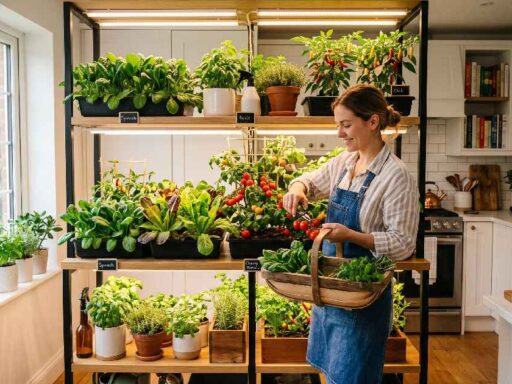
Some plants adjust easily indoors, making them perfect for beginners. Ferns, peace lilies, snake plants, and pothos grow well with low care. Herbs like mint and basil also work nicely and add freshness. Succulents bring structure and need very little water.
Mixing plant types creates balance in look and growth. Choose plants based on the light in your space. Don’t overcomplicate at the start. A few healthy plants look better than many struggling ones. Slowly, you can expand your collection as confidence builds naturally over time.
Layering and Plant Arrangement Techniques
Layering gives your indoor garden depth and beauty. Place tall plants at the back, medium ones in the middle, and small ones in front. Hanging pots can add another level above eye line. Mixing leaf shapes and colors creates a natural flow. Avoid placing everything in a straight line; it looks flat.
Group plants in small clusters for a more natural feel. Leave some open space so everything doesn’t feel crowded. Over time, arrangements can change as plants grow and your style develops.
Managing Humidity and Temperature
Indoor plants need stable conditions to stay healthy. Too much heat dries leaves, too much cold slows growth. Keep the temperature moderate and steady if possible. Humidity matters too, especially for tropical plants. You can mist leaves lightly or use a small water tray nearby.
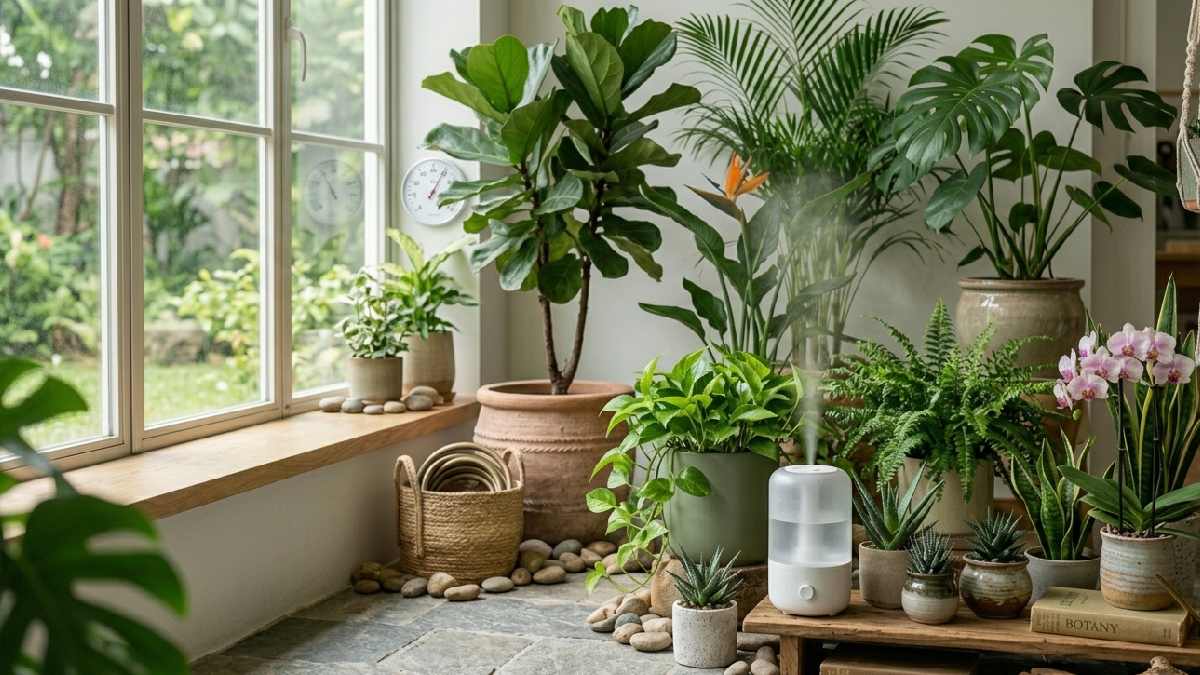
Avoid placing plants near heaters or AC vents. Good airflow helps prevent mold and keeps leaves fresh. Check plants often for signs of stress. Small adjustments inthe environment can make a big difference in how your indoor garden grows.
Decor and Natural Elements
Decor brings life to your indoor botanical garden. Simple pots, wooden stands, or clay containers make plants stand out. Natural stones or pebbles add texture to the soil surface. Some people add small water bowls or moss for an extra greenery feel.
Lighting also plays a decorative role; soft, warm lights createa cozy atmosphere. Keep it simple, don’t overfill space with objects. The goal is a balance between nature and design. When done right, your indoor garden feels like a peaceful living corner inside your home.
Indoor Botanical Garden Design Ideas
Indoor botanical garden design depends on space, mood, and how much greenery you want around you. Some people like dense plant setups, others prefer clean, simple layouts. You can turn a small corner into a green zone or fill an entire room with layered plants. Lighting, pots, and arrangement all change the final feel.
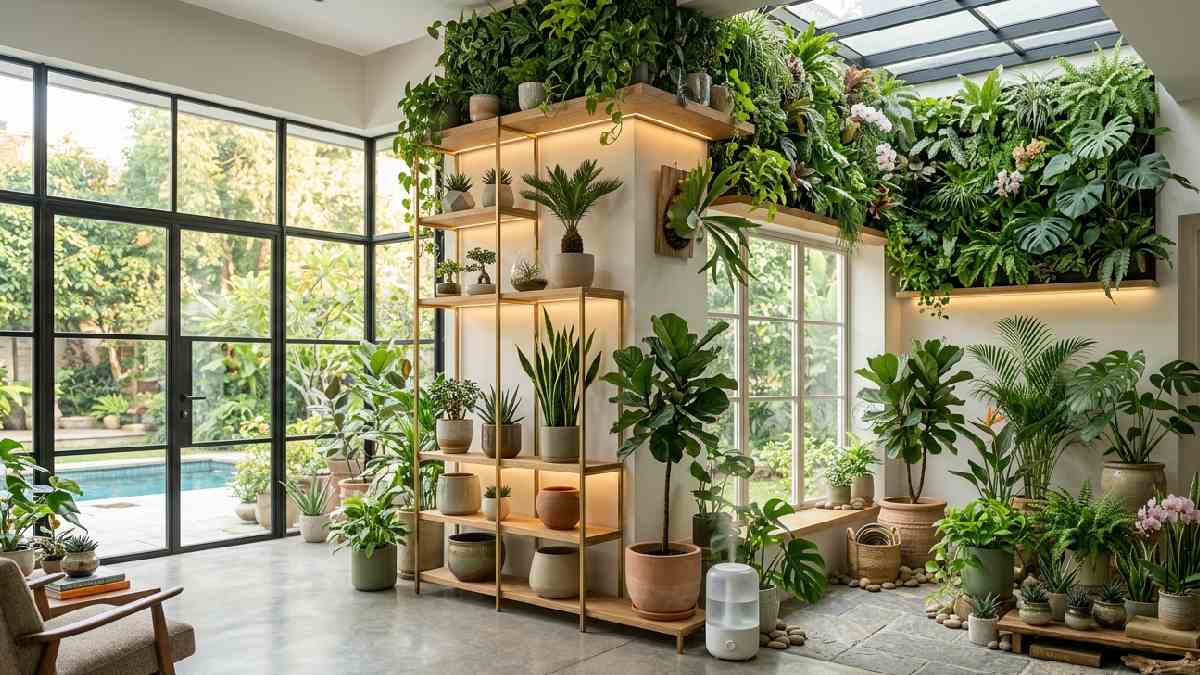
There is no fixed rule, onlya balance between nature and comfort. Some designs feel wild and full, others calm and minimal. Each idea creates a different indoor atmosphere, from a peaceful retreat to a vibrant jungle inside your home.
Small Apartment Botanical Setup
Small apartments can still hold a beautiful botanical setup with smart planning. Use vertical space like walls, shelves, and hanging pots. Choose compact plants such as pothos, snake plants, and small ferns. Place them near windows for natural light. Avoid overcrowding because space already feels limited.
A single green corner can change the whole room’s mood. Add small planters on tables or window edges. Keep watering simple and routine-based. Mirrors can also reflect greenery and make the space feel larger. Even in tight spaces, plants bring freshness, calm, and a natural living atmosphere.
Indoor Jungle Style
Indoor jungle style is about creating a rich, dense plant environment. Fill space with different plant sizes, tall leafy plants, trailing vines, and bushy greens. Let plants grow freely without strict arrangement. Mix textures and shades of green for a wild, natural look.
Use natural pots like clay or woven baskets. Lighting should be soft and warm to enhance a jungle feel. The goal is controlled chaos that still feels balanced. Walking into such a room feels like entering a mini rainforest. It feels alive, immersive, and full of natural energy.
Minimalist Botanical Design
Minimalist botanical design focuses on simplicity and clean space. Instead of many plants, use a few well-placed ones. Choose structured plants like snake plants, succulents, or peace lilies. Keep pots uniform in color and style for visual harmony. Space between plants matters as much as the plants themselves.
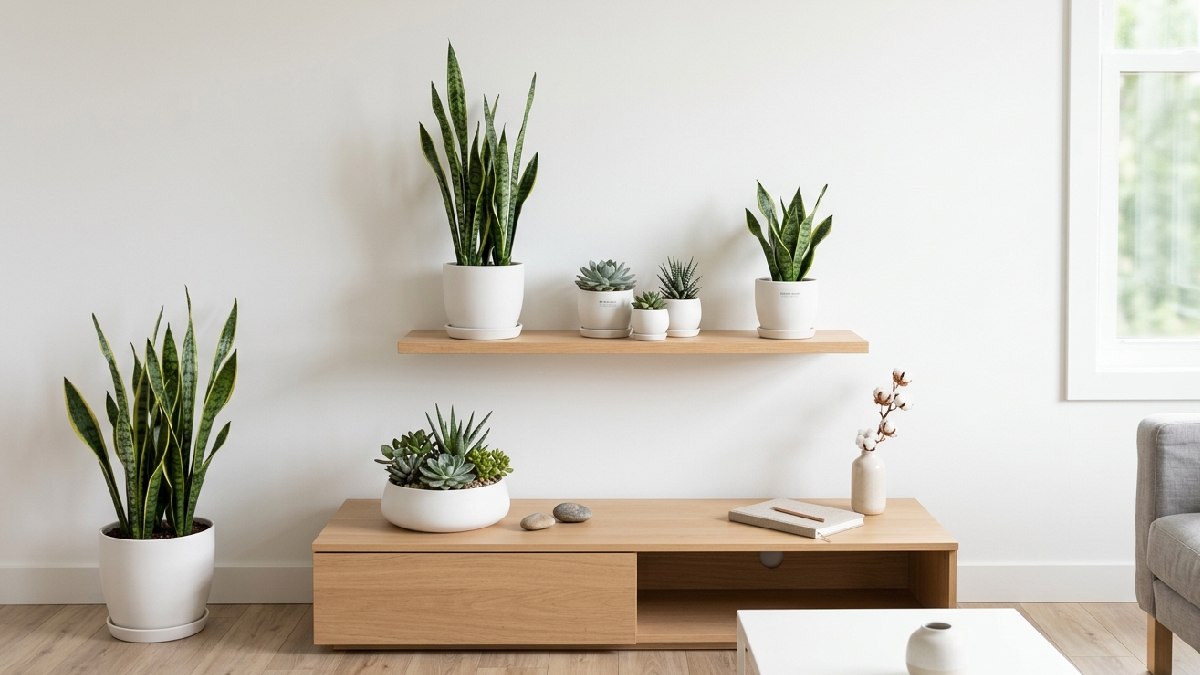
White walls and open surfaces enhance the calm feeling. Avoid clutter and unnecessary decoration. Every plant stands out on its own. This style creates a peaceful, organized environment where greenery adds life without overwhelming the room. It feels calm, modern, and refreshing.
Balcony Greenhouse Concept
A balcony greenhouse turns outdoor space into a productive green area. Use shelves, railing planters, and small pots to maximize space. Transparent covers or simple frames help protect plants from weather changes. Choose plants that enjoy sunlight, like herbs, leafy greens, or small flowering plants.
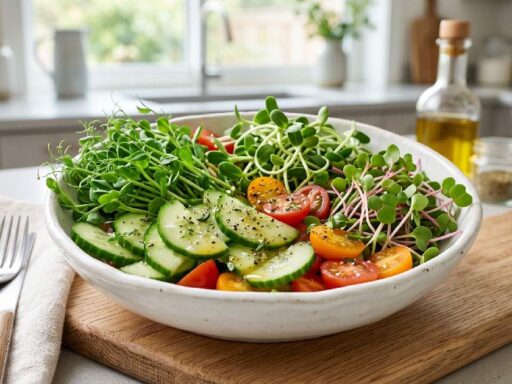
Proper drainage is important to avoid water buildup. You can even grow microgreens or vegetables in trays. The balcony becomes a mix of garden and greenhouse, giving fresh air and greenery together. It feels like a private outdoor escape attached to your home.
Frequently Asked Questions
What is an indoor botanical garden?
An indoor botanical garden is a space inside buildings filled with plants. It recreates nature indoors, offering greenery, relaxation, and education without needing outdoor soil or weather conditions.
How can I find indoor botanical gardens near me?
Search online maps or use Google with your location name plus indoor botanical garden. Local tourism websites and social media also list nearby green spaces, conservatories, or plant exhibitions.
Can I create an indoor botanical garden at home?
Yes, you can easily create one at home using indoor plants, pots, shelves, and proper lighting. Even small corners can become green spaces with simple planning and care routines.
What plants work best in indoor botanical gardens?
Low-maintenance plants like ferns, pothos, snake plants, peace lilies, and succulents work best indoors. They adapt easily, need less light, and stay healthy in controlled indoor environments.
Conclusion
Indoor botanical gardens near me are more than just green space; they feel like a quiet break from busy life. When you step inside, plants, light, and calm air change your mood instantly. You don’t need to travel far; these gardens are often close in cities, hidden in parks, museums, or conservatories.
Visiting them helps you relax, learn about nature, and feel refreshed. Even a short walk among plants makes a difference in stress and focus. Whether alone or with family, indoor botanical gardens near me offer simple nature therapy anytime you need it, all year round.