
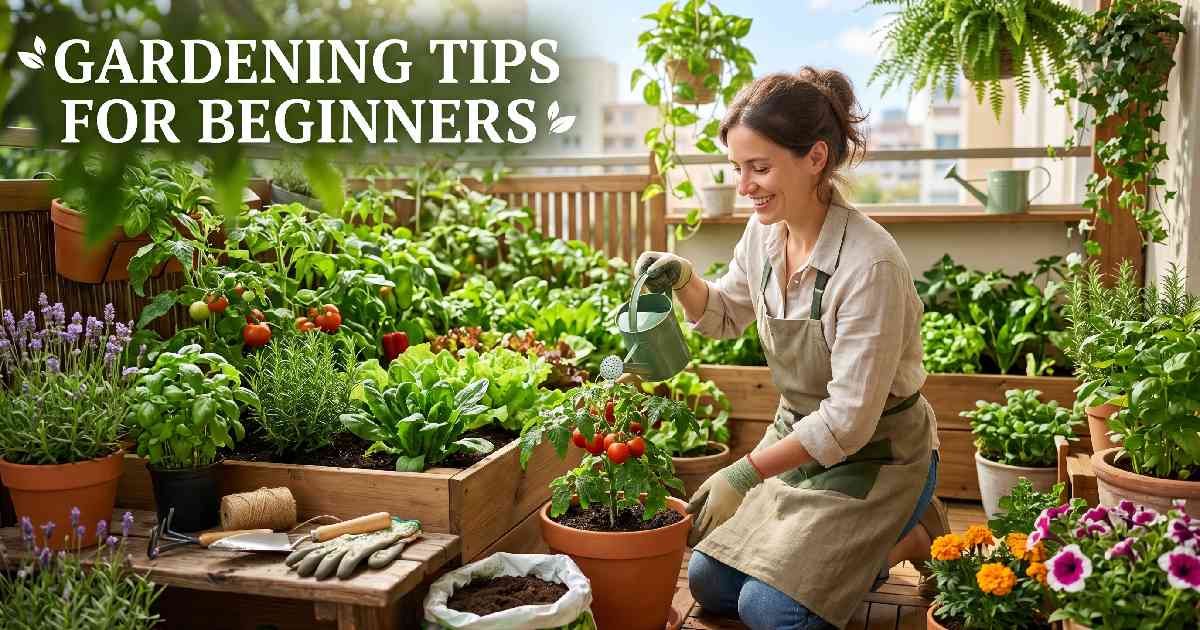

Gardening Tips for Beginners: Complete Guide to Starting Your First Garden
Starting a garden for the first time can feel exciting and confusing at the same time. Many beginners think gardening is difficult, but it becomes easier once you learn the basics. I remember seeing small plants grow for the first time, and it made the whole process feel rewarding.
You do not need a big backyard or expensive tools to begin. A few pots, good soil, sunlight, and regular care are usually enough. Beginner gardening is more about patience and learning step by step. Even small mistakes help you understand plants better and improve your gardening skills over time.
Choosing the Right Location for Your Garden
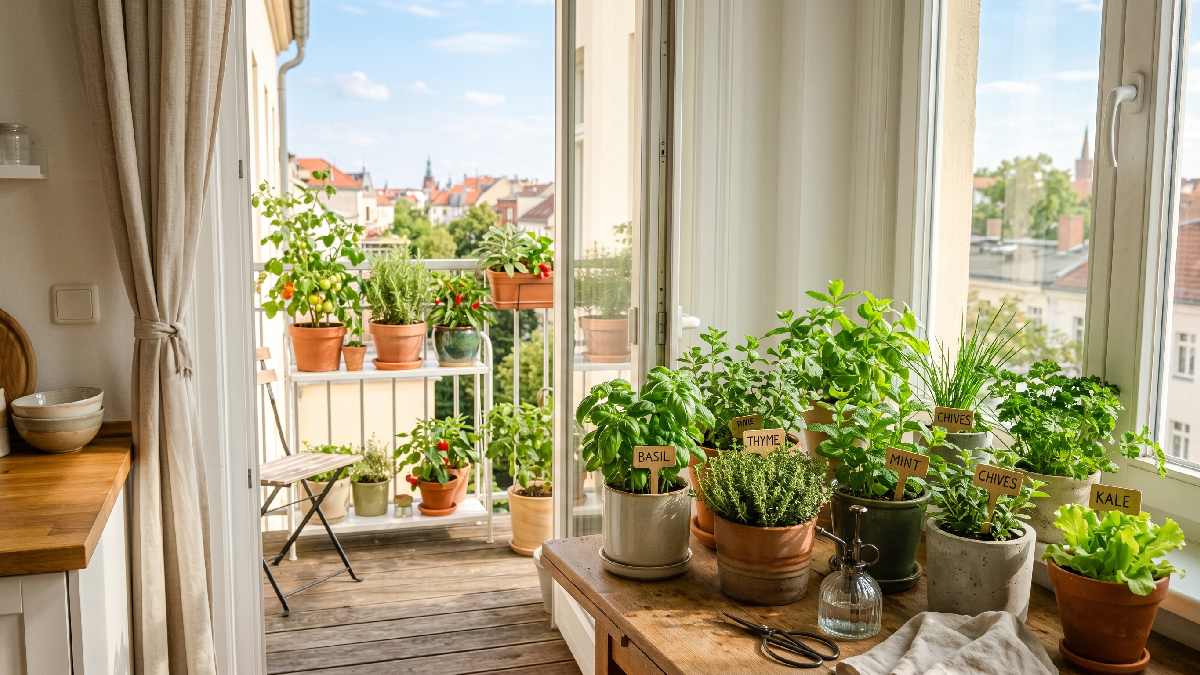
Choosing the right location is one of the first steps in gardening. Plants need sunlight, fresh air, and enough space to grow properly. I once placed a pot in a dark corner, and the plant slowly stopped growing. That made me realize location matters more than tools or soil sometimes.
A good spot is where plants can get natural light during the day. Small balconies, windowsills, and open corners often work better than expected for beginners.
Understanding Sunlight Requirements
Sunlight plays a big role in plant growth. Some plants need full sun, others grow well in partial shade. I noticed my herbs became healthier after moving them closer to a bright window. Most plants need several hours of light daily to stay strong.
Without proper sunlight, leaves become weak and growth slows down. Beginners should observe light patterns in their home before placing plants. Even small adjustments in position can improve plant health over time.
Finding the Best Space for Plants
Finding the best space for plants depends on light, airflow, and available room. Many beginners think they need a large garden, but small spaces often work just fine. I once kept plants on a narrow shelf in the kitchen, and they still grew well.
Plants should not feel crowded because that affects airflow and growth. Balconies, corners, and windowsills are common choices. The key is to use space wisely rather than looking for a perfect setup.
Indoor vs Outdoor Gardening
Indoor gardening and outdoor gardening both have different needs and advantages. Indoor gardening works well in apartments or places with limited outdoor space. Outdoor gardening usually gives better sunlight and natural airflow. I started with indoor plants because they felt easier to manage at first.
Indoor plants need careful attention to light and watering. Outdoor plants depend more on weather conditions. Beginners can choose based on their space and comfort level without overthinking too much.
Start with the easy, to Grow Plants
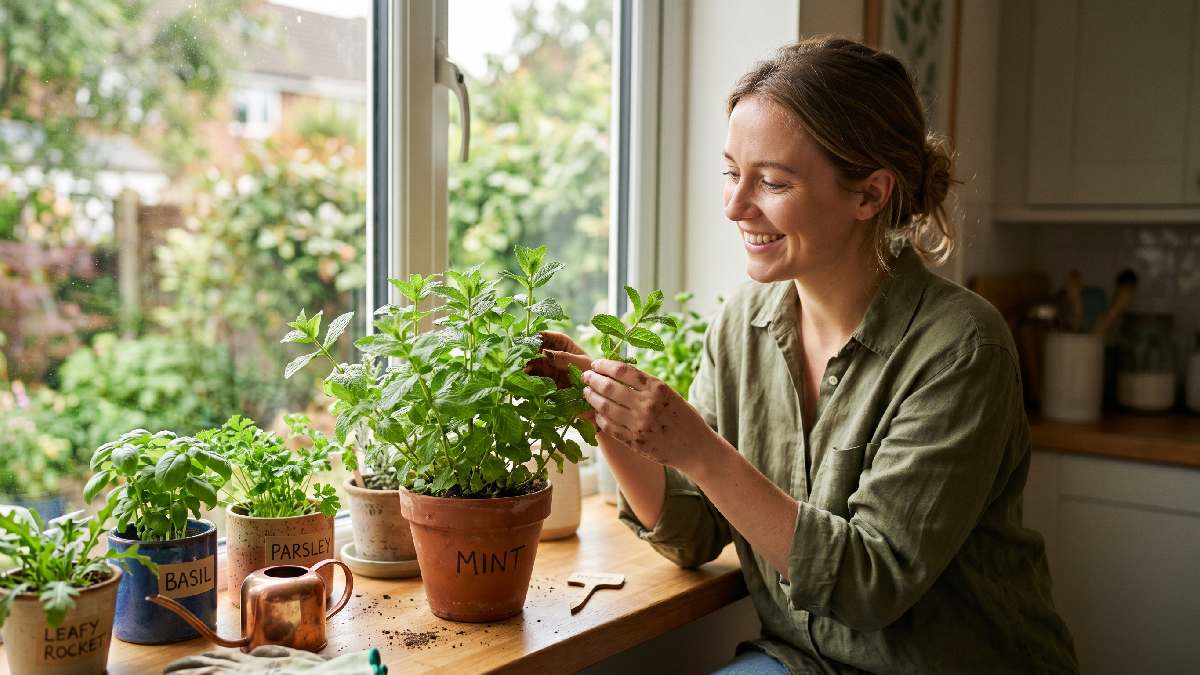
Starting with easy plants helps beginners learn without stress. Some plants grow quickly and need very little care. I remember starting with mint because it kept growing even when I made mistakes. Easy plants help you understand the basics of watering, sunlight, and soil.
They also give faster results, which keeps motivation high. Herbs, leafy vegetables, and simple flowers are usually best for new gardeners. Small success at the start builds confidence for more gardening later.
Best Vegetables for Beginners
Some vegetables are perfect for beginners because they grow easily and do not need complex care. Tomatoes, lettuce, spinach, and radishes are common choices. I once planted spinach in a small pot, and it grew better than I expected.
These vegetables help beginners understand basic gardening needs like watering and sunlight. They also grow fast, which makes gardening more interesting. Seeing quick results helps people stay consistent and enjoy the learning process more naturally over time.
Beginner-Friendly Herbs
Herbs are simple and very beginner-friendly. Mint, basil, parsley, and cilantro grow well in small pots or containers. I started with mint, and it kept growing without much effort. Herbs are also useful in cooking, which makes them more practical.
Most herbs need sunlight and regular watering, but nothing complicated. They can grow indoors or outdoors easily. Beginners like herbs because they show quick growth and make gardening feel more rewarding in daily use.
Low-Maintenance Flowers
Low-maintenance flowers are great for beginners who want simple gardening. Marigolds, sunflowers, and zinnias are easy to grow. I planted marigolds once, and they kept blooming with very little care. These flowers add color and life to small spaces.
They usually need sunlight, basic soil, and regular watering. Nothing too advanced. Beginners can enjoy visible results without much effort. Flowers also make gardens feel more lively and give motivation to continue gardening.
Learn the Basics of Healthy Soil
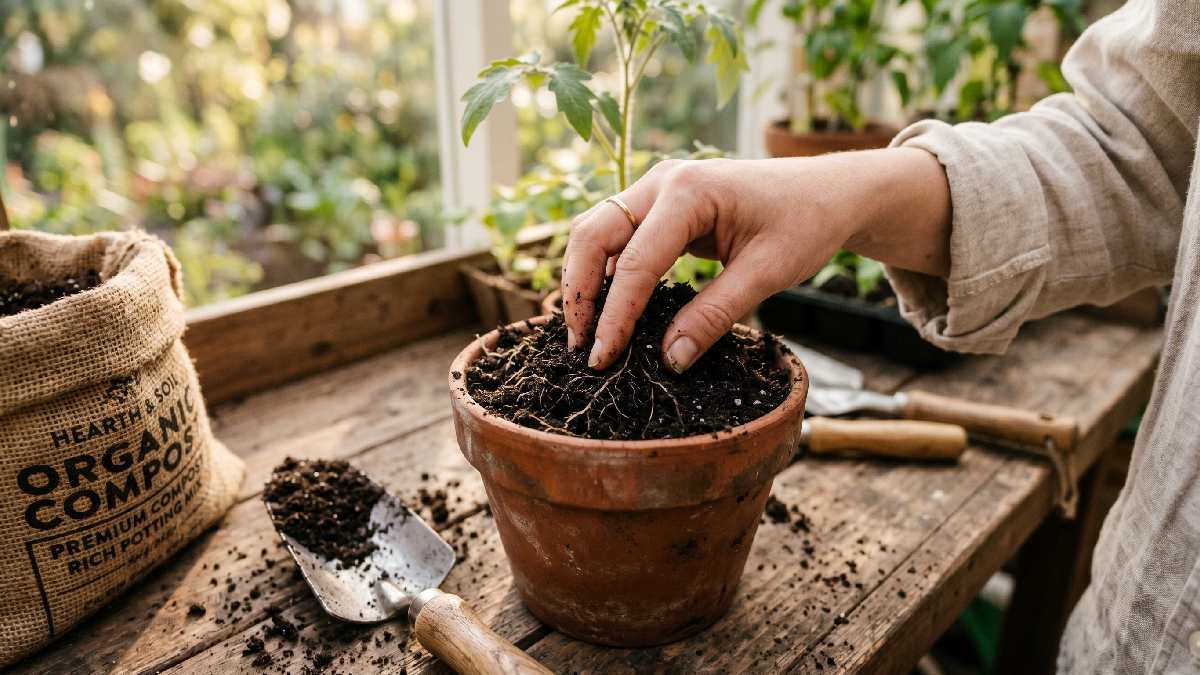
Healthy soil is the base of successful gardening. Plants depend on soil for nutrients, water, and support. I once used poor soil and noticed plants growing very slowly. Good soil feels soft and balanced, not too dry or too wet. Beginners often focus on watering but ignore soil quality.
That can limit plant growth. Understanding soil basics helps improve plant health and makes gardening easier in the long run. Strong soil means stronger plants.
Why Soil Quality Matters
Soil quality directly affects how well plants grow. Good soil gives nutrients and supports root development. Poor soil can slow growth even if water and sunlight are enough. I noticed a big change when I switched to better potting soil. Plants looked healthier and grew faster.
Healthy soil also improves drainage and airflow. Beginners should always check the soil before planting. It is one of the most important parts of gardening success and long-term plant health.
Using Compost and Organic Fertilizers
Compost and organic fertilizers improve soil naturally. They add nutrients and help plants grow stronger. I started using kitchen compost and saw better plant growth within weeks. Organic materials also improve soil texture and moisture balance.
Many beginners prefer them because they are simple and safe. Compost reduces waste and supports healthy gardening at home. Regular use keeps soil rich and helps plants grow without needing chemical products or complicated treatments.
How to Improve Garden Soil
Improving soil takes small but consistent steps. Adding compost, organic matter, and proper drainage materials helps a lot. I once mixed compost into dry soil, and plants responded quickly. Good soil should feel light and balanced, not compact or heavy.
Beginners can improve soil over time with simple care. It does not need expensive products. Healthy soil creates a strong base for plants and makes gardening easier and more successful in everyday practice.
Watering Plants the Right Way
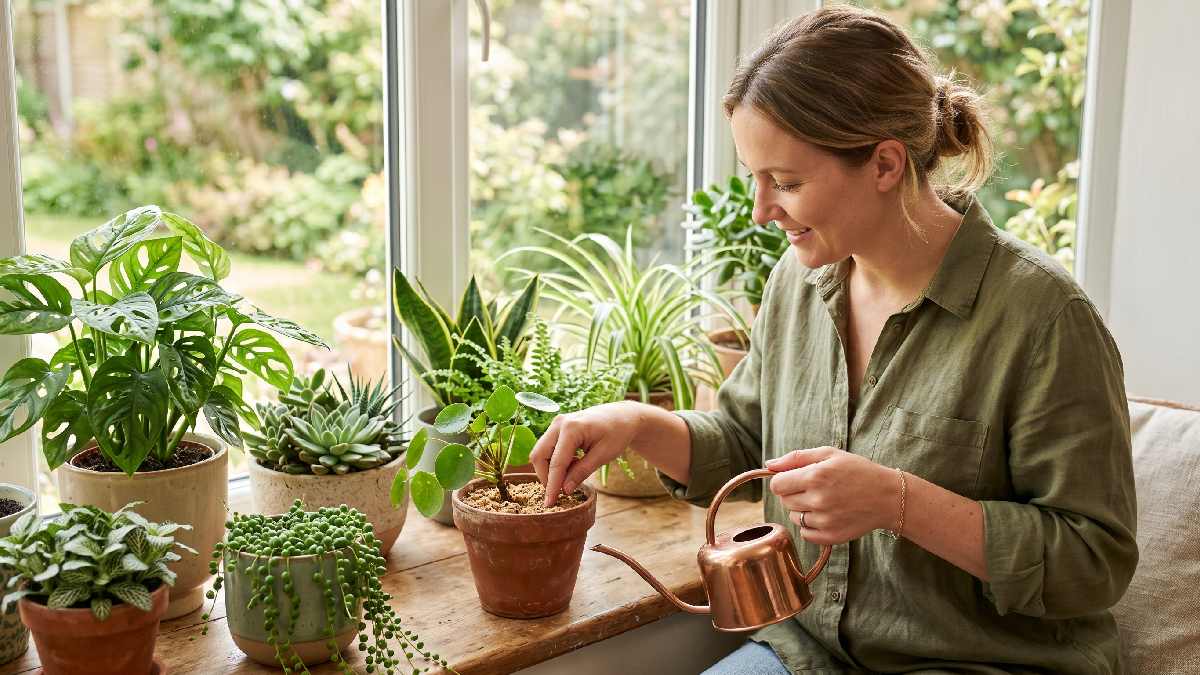
Watering plants the right way is important for healthy growth. Plants need water to survive, but too much or too little can cause problems. I once watered a plant every day, and it started looking weak instead of healthy. That taught me balance matters more than frequency.
Soil type, plant size, and weather all affect watering needs. Beginners should always check the soil before watering. If it feels dry, water gently. If it is still moist, wait a bit longer.
How Often to Water Plants
How often you water plants depends on their type and environment. Some plants need water every few days, while others prefer less frequent watering. I noticed my indoor plants needed less water than the outdoor ones. The weather also plays a big role in this.
Hot days dry the soil faster, so watering increases. Cold seasons reduce water needs. Beginners should not follow a strict schedule. It is better to observe soil and plant conditions before deciding when to water.
Signs of Overwatering
Overwatering is a common mistake in beginner gardening. Plants show signs like yellow leaves, soft stems, and slow growth. I once kept watering a plant daily, and the leaves started turning weak and droopy. That was a clear sign of too much water.
Soil may also stay wet for too long and smell bad. Roots can get damaged if water does not drain properly. Beginners should always check soil moisture before adding more water to avoid these problems.
Best Time to Water Your Garden
The best time to water plants is usually early morning. At this time, the temperature is cooler, and plants absorb water better. I noticed plants looked fresher when I watered them in the morning instead of the afternoon. Evening watering can also work, but it may keep the soil wet for too long.
Midday watering is not ideal because water evaporates quickly. Beginners should choose a consistent time and avoid random watering throughout the day for better plant health.
Essential Gardening Tools for Beginners
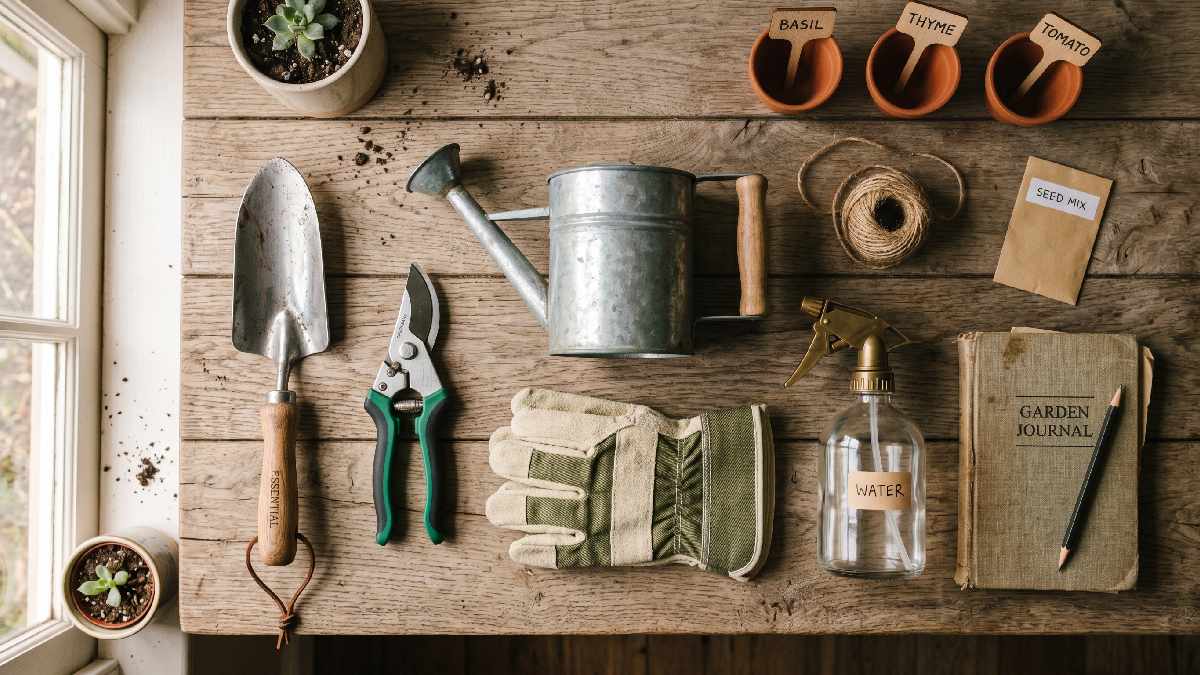
Essential gardening tools help beginners work easily and safely in the garden. Simple tools make planting, digging, and trimming much easier. I remember struggling without proper tools when I first started gardening. Even basic equipment can save time and effort.
Beginners do not need expensive tools at the start. A few useful items are enough to manage small gardens. Choosing the right tools helps make gardening more enjoyable and less tiring for daily plant care tasks.
Hand Tools Every Beginner Needs
Hand tools are important for small gardening tasks. Items like trowels, small shovels, and pruners help with planting and trimming. I used a simple trowel for my first plants, and it made digging much easier. These tools are lightweight and easy to handle.
Beginners should start with basic hand tools before buying advanced equipment. They help in planting seeds, moving soil, and maintaining small garden areas. Simple tools are enough for most beginner gardening work.
Choosing the Right Gardening Gloves
Gardening gloves protect hands from dirt, thorns, and rough soil. I once worked without gloves and ended up with scratches and dirty hands. After that, I always used gloves while gardening. Good gloves should feel comfortable and allow easy movement.
They should also be strong enough to protect the hands from damage. Beginners should choose gloves that fit well and are easy to clean. A simple pair of gloves makes gardening safer and more comfortable.
Basic Garden Maintenance Tools
Basic garden maintenance tools help keep plants healthy and organized. Items like watering cans, small rakes, and spray bottles are very useful. I used a simple watering can when I started gardening, and it helped control water flow better.
These tools make daily plant care easier. Beginners should focus on simple maintenance tools first. They help manage watering, cleaning, and light pruning. With basic tools, maintaining a small garden becomes simple and more enjoyable.
Understanding Plant Care Basics
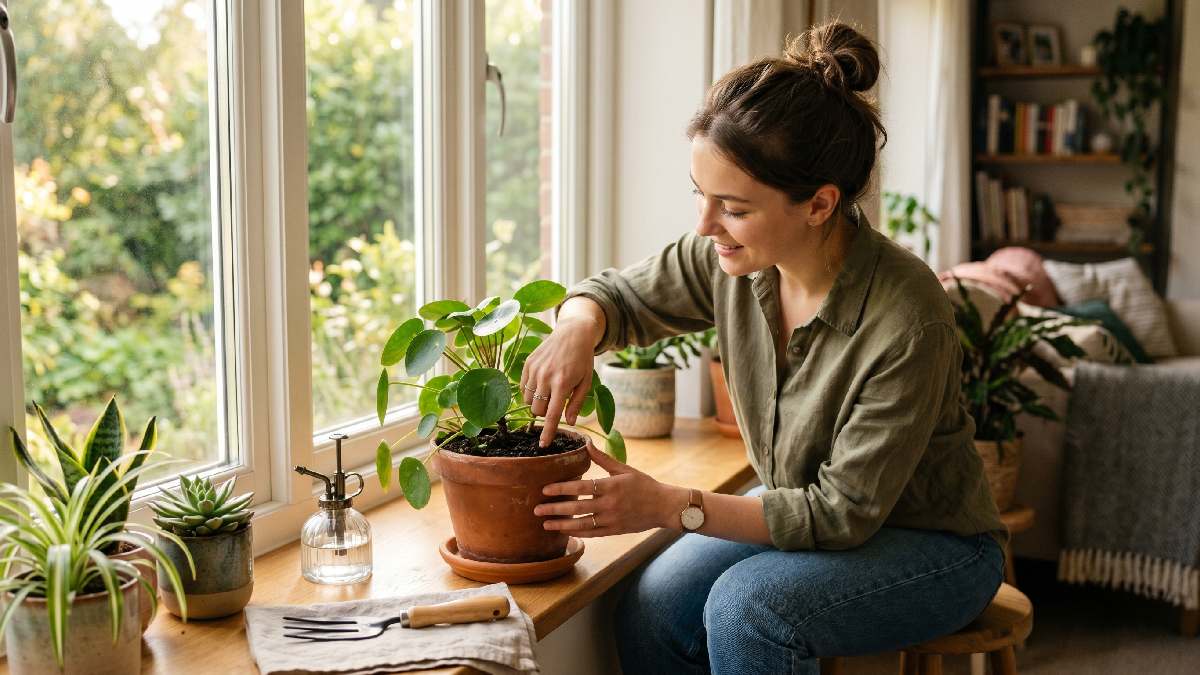
Understanding plant care basics is important for successful gardening. Plants need proper space, water, sunlight, and care to grow well. I learned early that small mistakes can affect plant health quickly. Once you understand the basics, gardening becomes easier and more predictable.
Beginners should focus on learning slowly instead of rushing. Simple habits like checking soil and observing plant growth help improve care. Good plant care creates stronger and healthier plants over time.
Proper Plant Spacing
Proper plant spacing helps plants grow without competition. When plants are too close, they block sunlight and airflow. I once planted seeds too close together, and they grew weak. After spacing them properly, growth improved. Plants need enough room for roots and leaves to expand.
Good spacing also reduces the risk of pests and disease. Beginners should always read spacing instructions on seed packets. Giving plants space leads to healthier and stronger growth over time.
Pruning and Trimming Tips
Pruning and trimming help plants grow better and stay healthy. Removing dry or dead parts allows new growth to develop. I once trimmed a plant lightly, and it started growing more fresh leaves. It is important not to overcut, as plants need leaves for energy.
Use clean tools while trimming to avoid damage. Beginners should start with small cuts and observe plant response. Regular pruning improves shape, health, and overall plant appearance in simple gardening.
Protecting Plants From Pests
Protecting plants from pests is an important part of gardening care. Insects can damage leaves, stems, and growth. I once noticed small bugs on my plants, and growth slowed down quickly. Simple methods like cleaning leaves and using natural sprays can help control pests.
Keeping plants healthy also reduces pest problems. Beginners should check plants regularly for early signs. Early action is important because small issues can become bigger if ignored for too long.
Common Gardening Mistakes to Avoid
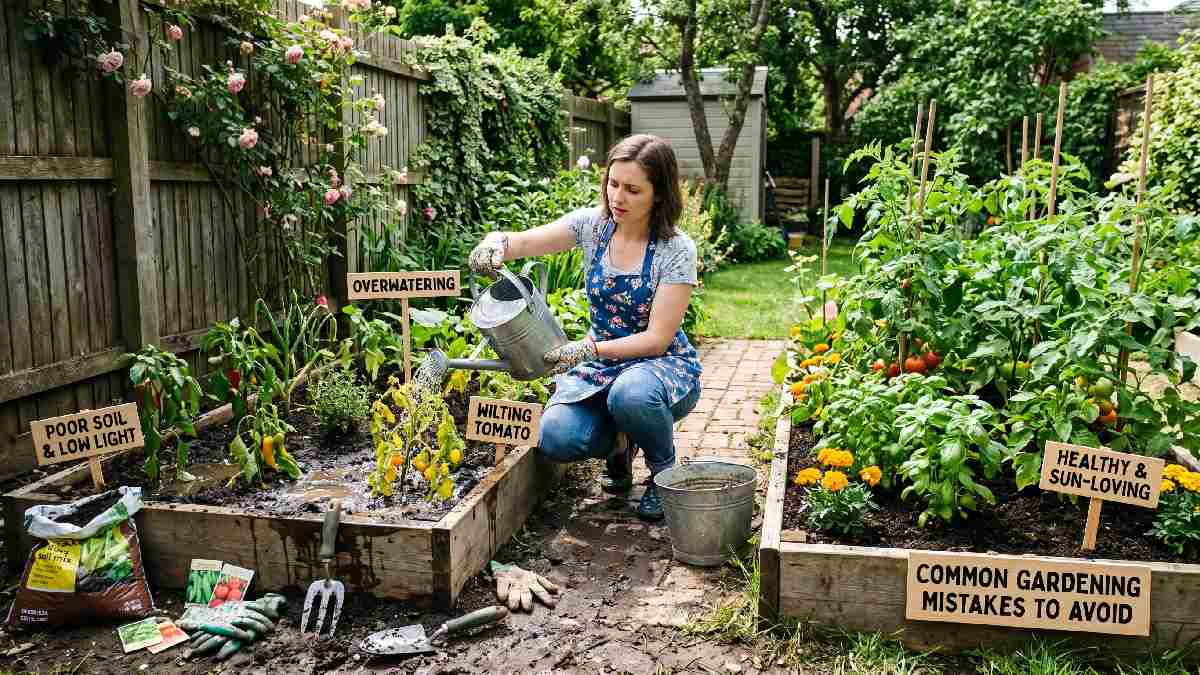
Common gardening mistakes often happen when beginners lack experience. These mistakes can slow plant growth or damage plants. I made many mistakes when I first started gardening, especially with watering and soil. The good thing is that most problems are easy to fix once you understand them.
Beginners should learn from simple errors and improve step by step. Avoiding common mistakes helps plants grow stronger and makes gardening more successful and enjoyable over time.
Overwatering Plants
Overwatering is one of the most common gardening mistakes. Too much water can damage roots and slow plant growth. I once watered my plants daily, and they started looking weak. The soil stayed wet for too long, and plants suffered. Beginners should always check the soil before watering.
If it feels moist, wait before adding more water. Balanced watering helps plants stay healthy and prevents root damage that often comes from excess moisture.
Planting in Poor Soil
Planting in poor soil can stop plants from growing properly. Soil without nutrients cannot support healthy plant development. I once used low-quality soil, and my plants grew very slowly. After switching to better soil, results improved quickly.
Good soil should feel light and rich in nutrients. Beginners should always choose a proper potting mix or improve the soil before planting. Healthy soil is the foundation of strong plant growth and better gardening results over time.
Ignoring Sunlight Needs
Ignoring sunlight needs can affect plant health badly. Different plants need different levels of light to grow. I placed a plant in a dark corner once, and it stopped growing. After moving it near sunlight, it improved quickly. Beginners should always check light requirements before planting.
Without enough sunlight, plants become weak and slow. Proper light placement is one of the easiest ways to improve plant growth and overall gardening success.
Using Too Much Fertilizer
Using too much fertilizer can harm plants instead of helping them. Excess nutrients can burn roots and damage growth. I once added extra fertilizer, thinking it would help plants grow faster, but it caused leaf damage. Beginners should always follow recommended amounts.
Small and balanced feeding is enough for healthy growth. Overuse can create more problems than benefits. Proper fertilizer use supports plants, but too much can easily disturb their natural growth cycle.
Best Gardening Tips for Small Spaces
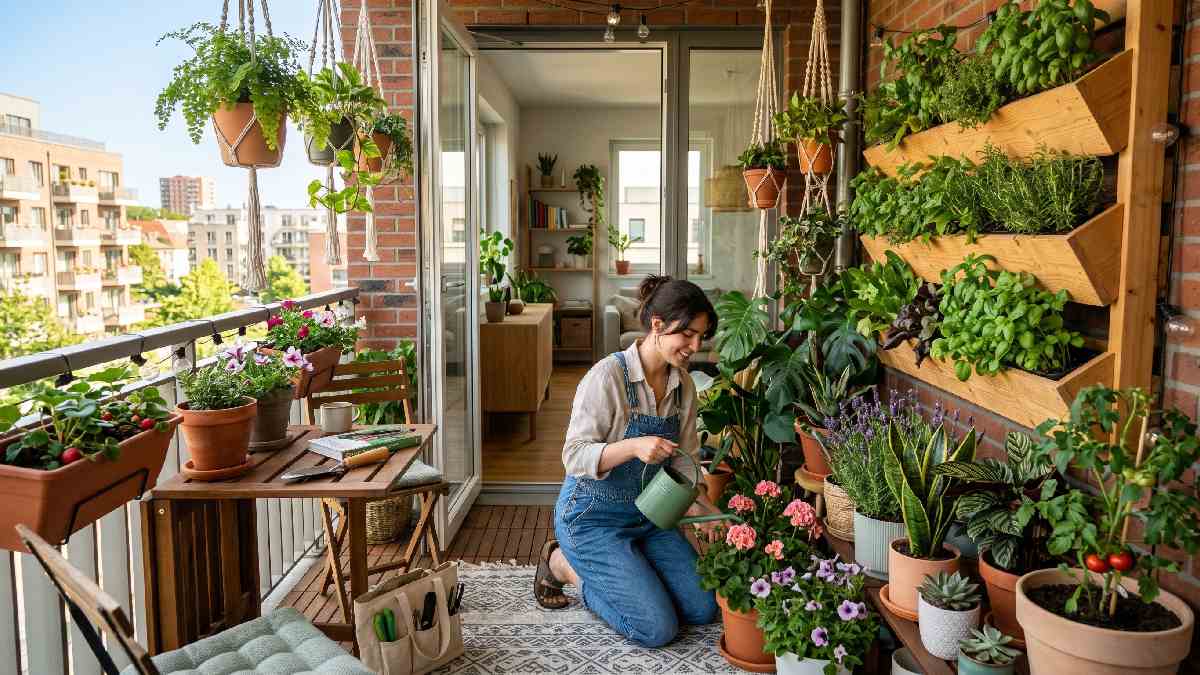
Small space gardening is possible with simple planning and creativity. Even a balcony, window, or small corner can become a green area. I started gardening in a small apartment space, and it worked better than expected. The key is using space wisely and choosing the right plants.
Beginners should focus on compact setups that are easy to manage. Small gardens can still look fresh and beautiful with proper care and regular attention.
Balcony Gardening Ideas
Balcony gardening is perfect for growing plants in small homes. Pots, hanging baskets, and vertical stands can be used to save space. I once turned a small balcony corner into a green space using simple pots. It made the area feel fresh and relaxing.
Beginners can grow herbs, flowers, or small vegetables. Proper sunlight and watering are important. Balcony gardening allows people to enjoy nature even in limited urban living spaces.
Vertical Gardening for Beginners
Vertical gardening uses wall space to grow plants instead of ground space. It is very useful for small homes. I saw plants growing on a wall rack, and it looked very organized. This method helps save space and keeps plants arranged neatly.
Beginners can use shelves, hanging pots, or wall planters. It works well for herbs and small plants. Vertical gardening is a smart way to grow more plants in less space easily.
Indoor Gardening Tips
Indoor gardening is ideal for homes without outdoor space. Plants can grow near windows or under artificial lights. I once kept small herbs in my kitchen, and they stayed fresh with simple care. Indoor plants need regular watering and good light.
Beginners should choose easy plants like herbs or small greens. Clean air and proper placement help plants grow better. Indoor gardening makes it possible to enjoy greenery even inside apartments.
Seasonal Gardening Tips for Beginners
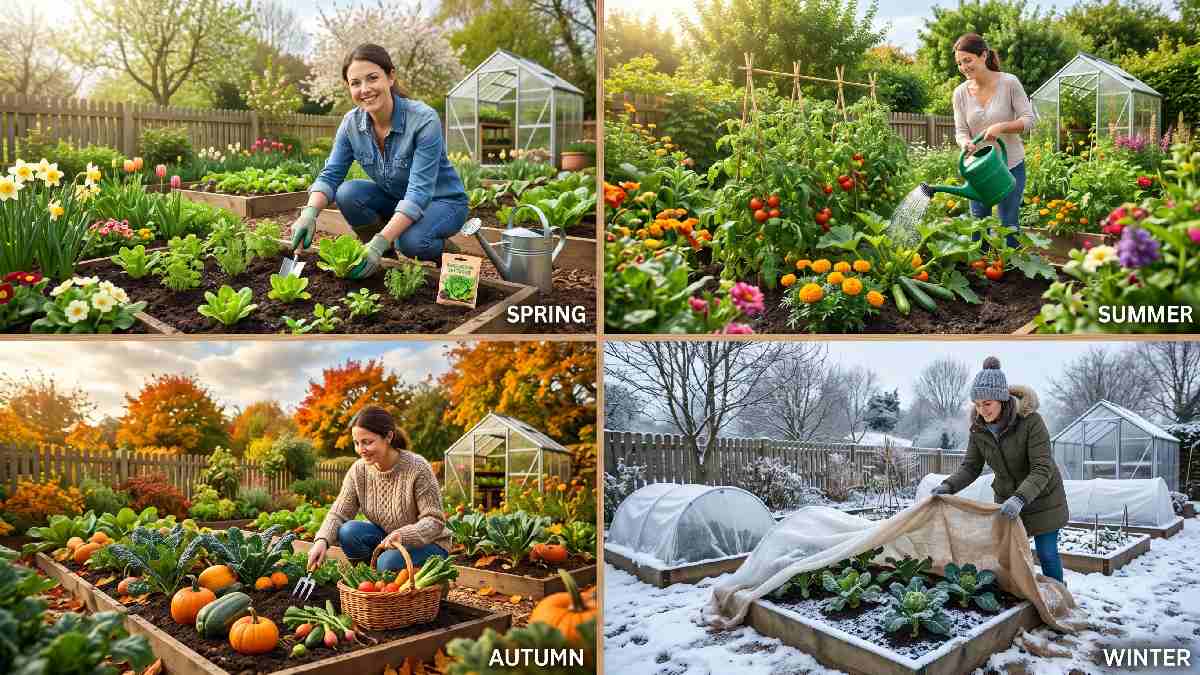
Seasonal gardening means adjusting plant care based on weather changes. Plants behave differently in summer, winter, and spring. I noticed my plants grew faster in warm seasons and slower in cold weather. Beginners should understand seasonal needs to avoid plant stress.
Watering, sunlight, and protection all change with the seasons. Learning these patterns helps improve plant survival and growth. Simple seasonal care keeps gardens healthy throughout the year without complicated gardening methods.
Spring Gardening Tips
Spring is one of the best seasons for gardening. Plants grow faster, and new seeds sprout easily. I started most of my plants in the spring and saw good results quickly. It is a good time for planting vegetables and flowers. Soil also becomes more active during this season.
Beginners should focus on regular watering and sunlight. Spring gardening feels easier because natural conditions support plant growth and reduce extra care requirements.
Summer Plant Care Tips
Summer heat can affect plant growth if not managed properly. Plants need more water during hot weather. I once noticed leaves drying quickly in direct sunlight during summer. Providing shade during peak heat helps protect plants. Morning watering works best in this season.
Beginners should avoid overexposure to strong sunlight. Regular checking helps prevent heat stress. Summer care focuses on balancing water and protecting plants from excessive heat damage.
Winter Garden Protection
The winter season slows down plant growth and requires extra care. Cold weather can damage sensitive plants if not protected. I moved my plants indoors during winter, and they stayed healthier. Covering plants or reducing watering helps during cold months. Beginners should keep plants away from frost or strong, cold winds. Light and temperature control are important in winter. Proper protection helps plants survive and stay ready for better growth in the next season.
Frequently Asked Questions
No schema found.Conclusion
Gardening is a simple activity that anyone can start with basic knowledge and small steps. I have seen many beginners succeed by starting small and learning slowly. You do not need perfect tools or a big space to begin. A few plants require proper sunlight, and regular care is enough.
Mistakes are normal in the beginning and help you improve over time. Gardening becomes more enjoyable as you understand plants better. With patience and practice, even small gardens can grow healthy and beautiful.