



Gardener’s Supply Tool Belt: Complete Guide for Organized Gardening
Gardening is a rewarding activity that requires the right tools at the right time. A gardener’s supply tool belt is one of the most practical accessories any gardener can own. Whether you are tending to a small backyard garden or managing a large landscape, having your tools organized and within reach makes every task smoother.
This complete guide covers everything you need to know about gardening tool belts, from features and benefits to expert tips for staying organized and efficient throughout your gardening sessions.
What Is a Gardener’s Supply Tool Belt?

A gardener’s supply tool belt is a wearable storage accessory designed to hold gardening tools securely around your waist. It allows gardeners to carry essential tools hands-free while moving through the garden. Made from durable materials like canvas, leather, or nylon, these belts feature multiple pockets and holders.
They are built to withstand outdoor conditions including moisture, dirt, and sunlight. A quality tool belt keeps your most-used gardening tools organized, accessible, and protected, making it an essential piece of equipment for both beginner and experienced gardeners.
Purpose of a Gardening Tool Belt
A gardening tool belt serves one primary purpose keeping your tools close and organized. It eliminates constant trips back to a toolbox or storage shed. Gardeners can carry trowels, pruners, gloves, and more in dedicated pockets. The belt allows smooth, uninterrupted workflow while working in garden beds or containers.
It is designed for active use, providing quick access to every tool without searching or bending. A well-designed tool belt improves focus and reduces frustration during gardening tasks, making the entire experience more enjoyable and productive for gardeners of all skill levels.
How It Helps Gardeners Stay Organized
A gardening tool belt brings organization directly to the garden by giving every tool a dedicated place. When tools are sorted into specific pockets, gardeners never waste time searching. This organized system creates a natural routine each tool goes back to its spot after use.
It prevents tools from being misplaced in soil or among plants. With everything visible and accessible, gardeners can focus entirely on their work. Tool belts also reduce clutter in the garden space, creating a cleaner and safer working environment that supports better concentration and more efficient completion of gardening tasks.
Tool Belt vs Traditional Toolbox
A traditional toolbox stores tools in one location, requiring gardeners to walk back repeatedly during tasks. A tool belt eliminates that problem entirely by traveling with the gardener. Toolboxes are great for storage but impractical during active gardening. A tool belt keeps essential tools on your body, saving time and energy.
It is especially useful in large gardens where tools are needed across different areas. While a toolbox holds more tools, a belt prioritizes convenience and accessibility. For active gardening sessions, a tool belt is clearly the more practical, efficient, and user-friendly choice over a stationary toolbox.
Benefits of Using a Gardening Tool Belt

Using a gardening tool belt offers multiple practical benefits that enhance the overall gardening experience. It keeps tools organized and within arm’s reach at all times. Gardeners save valuable time by eliminating unnecessary trips to retrieve tools. It reduces physical strain by minimizing repetitive bending and walking.
The belt improves workflow efficiency, allowing gardeners to complete tasks faster and with less effort. Whether you garden casually or professionally, a tool belt adds a level of convenience that transforms how you work outdoors. Investing in a quality gardening tool belt is one of the best decisions any gardener can make.
Keeps Essential Tools Within Reach
One of the greatest benefits of a gardening tool belt is immediate access to essential tools. Instead of setting tools down on the ground or walking to a storage area, every tool stays right on your waist. This constant accessibility speeds up your work significantly. Pruning, planting, and weeding become seamless when the right tool is always at your fingertips.
Gardeners spend less time hunting for tools and more time actually gardening. This benefit alone makes a tool belt an invaluable accessory for anyone who wants to work smarter and more comfortably in the garden every single day.
Saves Time During Gardening Tasks
Time is precious in the garden, especially during busy planting or harvesting seasons. A gardening tool belt eliminates the time wasted on retrieving, locating, and returning tools. With every tool stored in a designated pocket, transitions between tasks become instant. You can move from pruning to planting to weeding without pause.
Over a full gardening session, these small time savings add up significantly. Professional gardeners and landscapers especially benefit from this efficiency boost. A tool belt turns a disorganized, stop-and-go workflow into a smooth, continuous gardening process that gets more done in less time with far less frustration.
Reduces Bending and Physical Strain
Bending repeatedly to pick up tools from the ground creates significant physical strain over time. A gardening tool belt eliminates this problem by keeping every tool at waist height. This simple adjustment reduces stress on the back, knees, and joints during long gardening sessions. Older gardeners and those with physical limitations benefit greatly from this ergonomic advantage.
Instead of crouching down for tools, you simply reach to your side. Over weeks and months of gardening, this reduction in unnecessary movement protects the body from fatigue and injury, making gardening a more sustainable and comfortable activity for people of all ages.
Improves Gardening Efficiency
Efficiency in gardening means accomplishing more with less effort and time. A tool belt directly supports this by streamlining how tools are accessed and used. Gardeners develop a faster, more rhythmic workflow when tools are always in the same place. There is no confusion, no searching, and no unnecessary movement.
Tasks like planting rows of seeds, trimming hedges, or weeding large beds become significantly faster. The belt also encourages gardeners to carry only what they need, preventing the clutter of carrying too many tools. Overall, a gardening tool belt is a simple upgrade that delivers noticeable improvements in daily gardening efficiency.
Key Features to Look for in a Garden Tool Belt
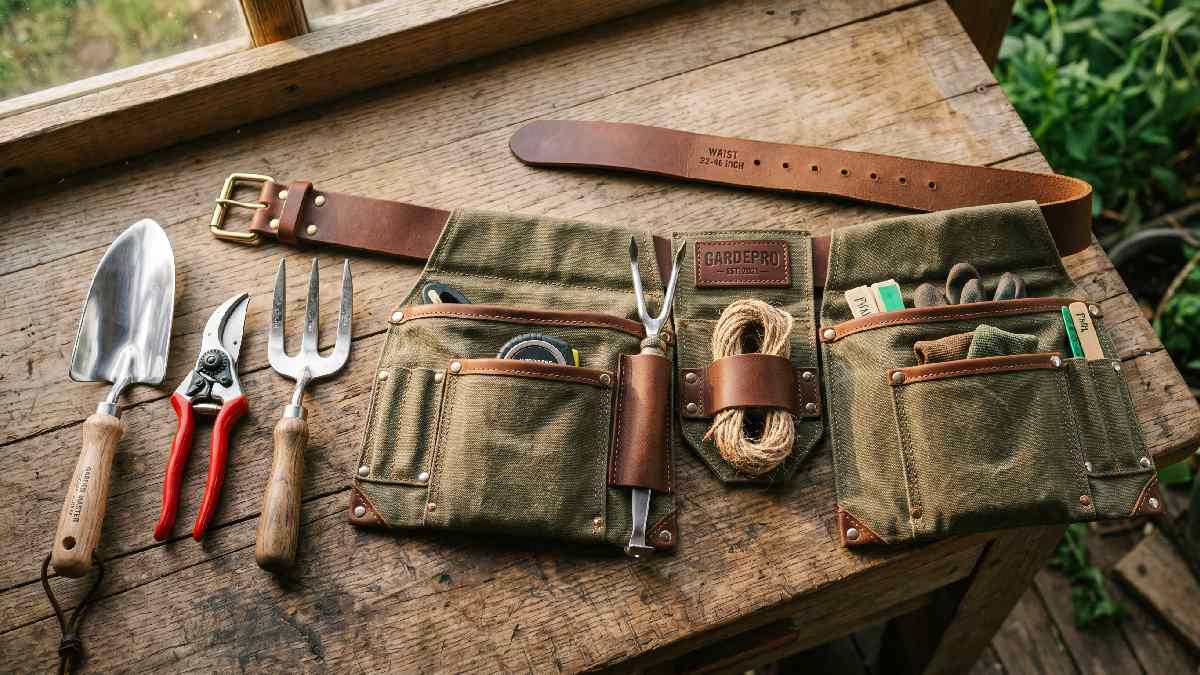
Not all gardening tool belts are created equal. When shopping for one, it is important to understand which features matter most for your specific needs. Look for durable materials that resist weather and wear. Multiple pockets and specialized tool holders are essential for proper organization.
An adjustable waist strap ensures a comfortable, secure fit for different body sizes. The belt should be lightweight enough for extended wear without causing discomfort. Evaluating these features carefully before purchasing ensures you invest in a tool belt that truly serves your gardening needs and lasts through many seasons of regular outdoor use.
Durable and Weather-Resistant Materials
Garden tool belts are exposed to dirt, moisture, sunlight, and rough handling. Choosing a belt made from durable, weather-resistant materials is essential for long-term use. Canvas is a popular choice due to its strength and breathability. Leather offers excellent durability and a classic look but requires more maintenance.
Nylon is lightweight and highly water-resistant, making it great for wet conditions. Look for reinforced stitching and metal or heavy-duty plastic hardware at stress points. A weather-resistant material ensures the belt maintains its shape, strength, and appearance even after extensive outdoor use in varied and challenging garden environments.
Multiple Pockets and Tool Holders
The best gardening tool belts feature multiple pockets and dedicated tool holders designed for specific items. Look for a belt with a variety of pocket sizes large pockets for bulky items and smaller ones for seeds, markers, or small tools. Dedicated slots for pruners, trowels, and screwdrivers keep sharp tools organized and safe.
Side loops for hanging gloves or a water bottle add extra functionality. The more organized and versatile the pocket layout, the more useful the belt becomes in the garden. A well-designed pocket system makes every tool easy to find and quickly accessible during any gardening task.
Adjustable Waist Straps
A proper fit is crucial for comfort and safety when wearing a tool belt for extended periods. Adjustable waist straps allow gardeners of all body sizes to find their ideal fit. A belt that is too loose will shift and cause tools to bounce uncomfortably. One that is too tight restricts movement and causes discomfort.
Look for belts with easy-to-adjust buckles or hook-and-loop closures. Some belts also feature padded waist sections for added comfort during long sessions. An adjustable strap ensures the belt stays securely in place while you bend, kneel, and move freely throughout the garden without restriction.
Lightweight and Comfortable Design
A gardening tool belt is only useful if it is comfortable enough to wear for extended periods. Heavy or bulky belts cause fatigue and discourage regular use. Look for belts that balance durability with a lightweight construction. Padded backing or breathable mesh panels prevent sweating and skin irritation during warm weather gardening.
The belt should sit comfortably on the hips without digging in or creating pressure points. Ergonomic designs that distribute weight evenly across the waist are especially important when carrying a full load of tools. Comfort-focused design features ensure the belt remains wearable and enjoyable throughout long gardening sessions.
Who Can Benefit from a Gardening Tool Belt?
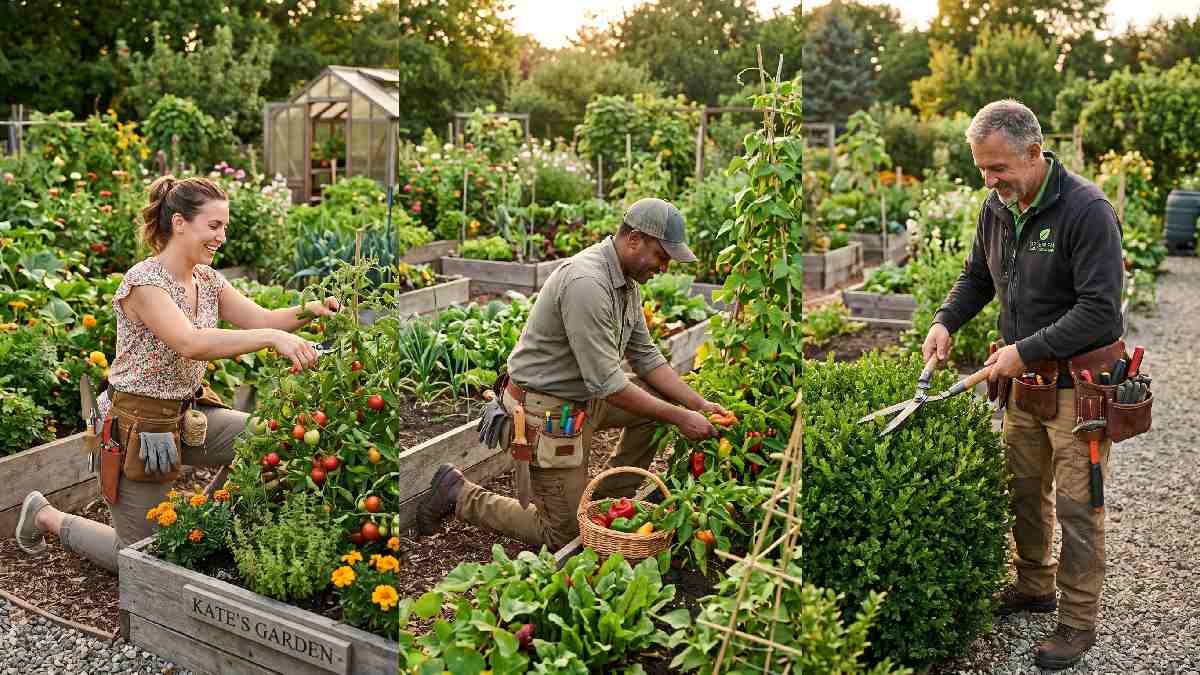
A gardening tool belt is not limited to professional gardeners. It is a versatile accessory that benefits a wide range of users across different gardening styles and environments. Home gardeners, vegetable growers, raised bed enthusiasts, and professional landscapers all find value in wearing a tool belt.
Anyone who regularly spends time working in the garden can benefit from the organization, efficiency, and convenience a good tool belt provides. Regardless of experience level or garden size, wearing a tool belt transforms the gardening experience into something more organized, enjoyable, and physically comfortable for every type of outdoor gardener.
Home Gardeners
Home gardeners are perhaps the most common users of gardening tool belts. Whether maintaining flower beds, tending a small vegetable patch, or caring for shrubs and trees, home gardeners benefit from having tools close at hand. A tool belt allows casual gardeners to enjoy their hobby without the frustration of misplaced tools.
It adds a level of professionalism and organization to weekend gardening routines. Home gardeners often multitask across different garden areas, and a tool belt makes transitioning between zones easy. Even for light gardening, a belt simplifies the experience and helps home gardeners make the most of their time outdoors.
Vegetable Gardeners
Vegetable gardening involves frequent tasks like seeding, pruning, harvesting, and soil checking often switching between tools rapidly. A gardening tool belt is perfectly suited for this dynamic workflow. Vegetable gardeners can keep pruning shears, a trowel, plant markers, seed packets, and other essentials all in one organized place.
This quick access is especially helpful during harvest time when speed and efficiency matter most. A tool belt prevents tools from being accidentally left in garden beds among plants. For anyone growing vegetables regularly, a well-organized tool belt becomes an indispensable part of the daily gardening routine and significantly improves productivity.
Raised Bed Gardeners
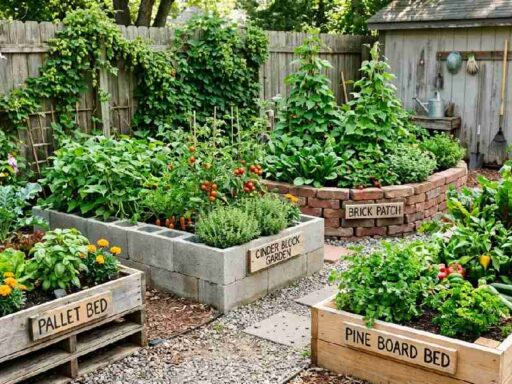
Raised bed gardening presents unique challenges limited space, defined growing areas, and the need for precision tools. A gardening tool belt is ideal for raised bed gardeners because it keeps compact tools organized without cluttering the bed edges. Gardeners working across multiple raised beds benefit from carrying everything with them as they move from bed to bed.
Narrow trowels, hand forks, dibbers, and gloves all fit comfortably in a tool belt designed for raised bed use. The belt prevents tools from being set down on soil surfaces or forgotten between beds. It is a smart organizational solution for dedicated raised bed gardening enthusiasts.
Professional Landscapers
Professional landscapers work long hours across large properties with many different tools. A gardening tool belt is an essential part of their daily gear. It keeps frequently used tools immediately accessible, saving valuable time on professional jobs. Landscapers often cannot afford the time to return to a truck or equipment bag for every small tool.
A durable, high-capacity tool belt allows professionals to carry everything needed for a task in one organized setup. Heavy-duty belts with reinforced materials and extra pockets are especially suited for professional use. A quality tool belt improves productivity, professionalism, and the overall quality of landscaping work delivered daily.
How to Organize a Gardening Tool Belt Effectively
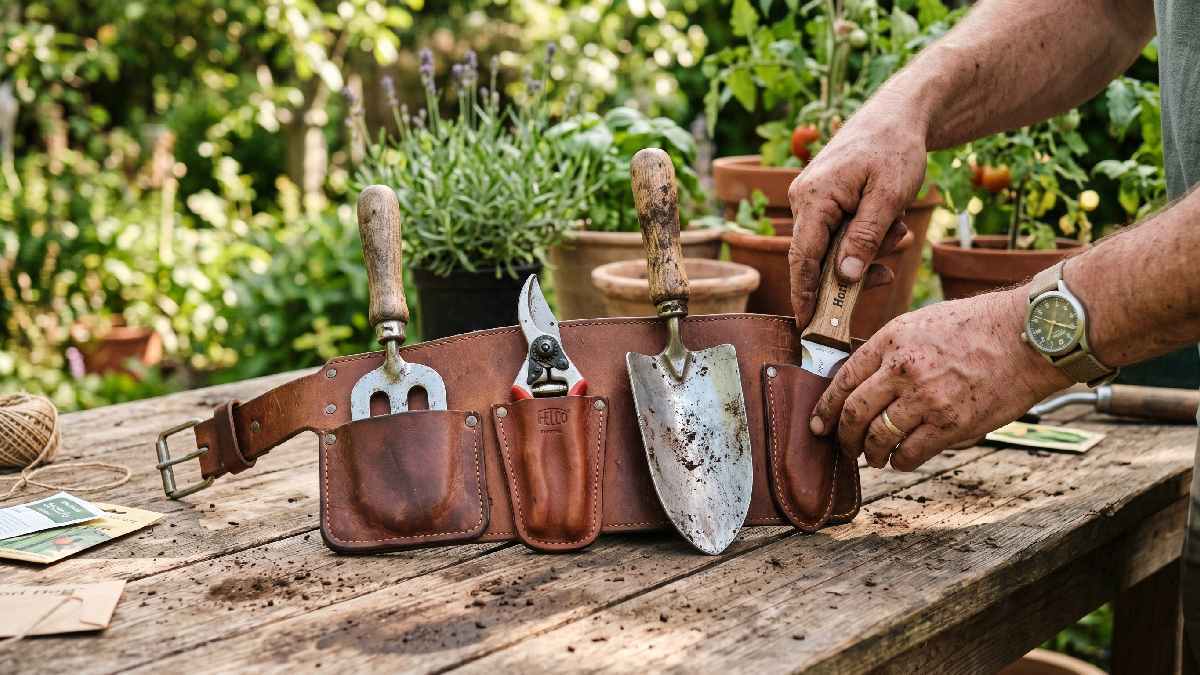
Owning a gardening tool belt is only half the solution knowing how to organize it properly is equally important. Strategic organization maximizes the belt’s usefulness and ensures every tool is exactly where you expect it. Store your most frequently used tools in the most accessible pockets. Keep sharp tools safely secured to prevent accidents.
Distribute weight evenly to maintain comfort throughout the day. Regular cleaning and maintenance extend the belt’s lifespan. Following these simple organization principles ensures your tool belt works at its best every time you step into the garden, making your gardening experience more enjoyable and productive with every session.
Store Frequently Used Tools in Front Pockets
The front pockets of a tool belt are the most easily accessible storage zones. Placing your most frequently used tools such as pruning shears, a hand trowel, or plant markers in front pockets saves time and effort. You should not have to search or reach awkwardly for tools you use constantly.
Organize by frequency of use: the tools you reach for most go in the easiest spots. Less commonly used items can go in side or rear pockets. This intuitive front-pocket system creates a natural, efficient workflow that speeds up every gardening task and makes the belt feel like a seamless extension of your hands.
H3: Keep Sharp Tools Secure
Sharp gardening tools like pruning shears, knives, and dibbers pose a safety risk if stored carelessly in a tool belt. Always place sharp tools in dedicated, reinforced pockets or sheaths designed to hold them securely. The blade or sharp tip should always point downward or be covered.
Never store sharp tools loosely in open pockets where they can shift and cause injury. Many quality tool belts include purpose-built holders with secure closures for sharp items. Making safe tool placement a habit protects you from accidental cuts during gardening. Safety should always be the top priority when organizing any sharp tools in your belt.
Balance Weight Across the Belt
An unevenly loaded tool belt becomes uncomfortable quickly and can cause back or hip strain over time. Distribute the weight of your tools evenly across both sides of the belt whenever possible. Place heavier tools like a full water bottle or large trowel on one side and balance with medium-weight items on the other.
Avoid overloading one side while leaving the other empty. A well-balanced belt sits flat and stable on the waist without pulling uncomfortably to one side. Checking the weight balance before heading into the garden takes only seconds and makes a significant difference in comfort during long gardening sessions.
Clean and Maintain the Belt Regularly
A gardening tool belt collects dirt, moisture, and debris with regular use. Regular cleaning prevents material breakdown, mold growth, and unpleasant odors. After each gardening session, shake out loose dirt from pockets and wipe down the exterior with a damp cloth. For deeper cleaning, follow the manufacturer’s instructions for washing canvas or nylon belts.
Leather belts benefit from occasional conditioning to prevent cracking. Inspect stitching, buckles, and pockets regularly for signs of wear. Replacing worn components early extends the belt’s overall lifespan significantly. A well-maintained tool belt performs better, lasts longer, and remains a reliable gardening companion for many growing seasons.
Gardening Tool Belt vs Gardening Apron
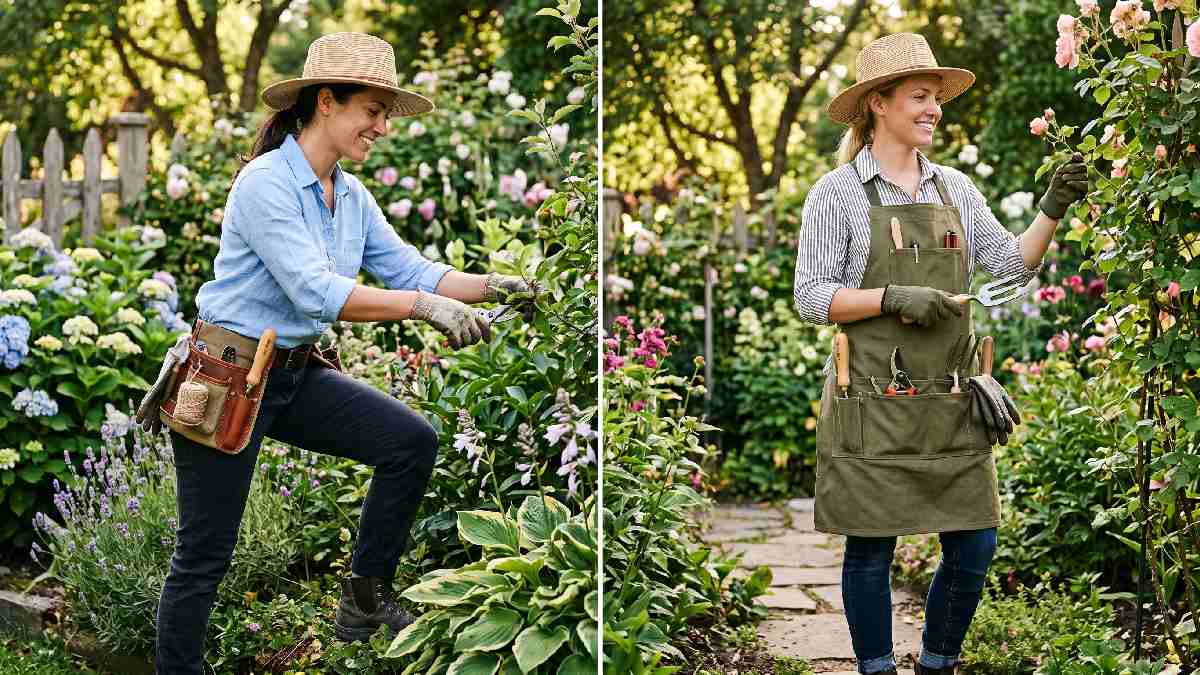
Gardening tool belts and gardening aprons are both popular accessories for organized gardening, but they serve slightly different purposes. Understanding the key differences helps gardeners choose the right option. Tool belts sit around the waist and focus on carrying tools. Aprons cover the front of the body and offer broader coverage with large front pockets.
Both options have their advantages depending on gardening style, body preference, and the type of tasks involved. Comparing storage capacity, comfort, mobility, and practical use cases helps clarify which accessory better suits your specific gardening habits and needs throughout the season.
Storage Capacity Comparison
When it comes to storage capacity, gardening tool belts generally outperform aprons in terms of organized, specialized storage. Tool belts feature multiple designated pockets and holders designed specifically for individual tools. Aprons typically offer larger, open-style front pockets ideal for carrying harvested vegetables, seed packets, or general supplies.
If you need highly organized, tool-specific storage, a belt is the better choice. If you need general carry capacity for bulkier or irregularly shaped items, an apron works well. Many serious gardeners choose to use both an apron for carrying harvest and a belt for organized tool storage during active gardening work.
Comfort and Mobility
Comfort and mobility are critical factors in choosing between a tool belt and a gardening apron. A tool belt wraps around the waist, sitting low on the hips and allowing full freedom of movement for the upper body. It does not interfere with arm movement or bending forward. An apron covers the torso and can feel warmer and more restrictive, especially in hot weather.
For gardeners who kneel, bend, and move frequently, a tool belt typically offers superior mobility. Aprons are more comfortable for stationary tasks like potting or harvesting. Choosing based on your most common gardening movements ensures the best comfort and wearability throughout the day.
Which Option Is Better for Different Gardeners?
The best choice between a tool belt and an apron depends entirely on the gardener’s specific needs and style. Active gardeners who move frequently through large gardens benefit more from a lightweight, mobile tool belt. Those who spend time potting plants, harvesting produce, or working at a stationary bench may prefer the coverage and large storage of a gardening apron.
Beginners often start with an apron for its simplicity. Experienced gardeners typically prefer the organized, tool-specific design of a belt. Some gardeners invest in both for different situations. Evaluating your gardening habits honestly leads to the right choice for maximum comfort, organization, and productivity.
Common Mistakes to Avoid When Using a Tool Belt
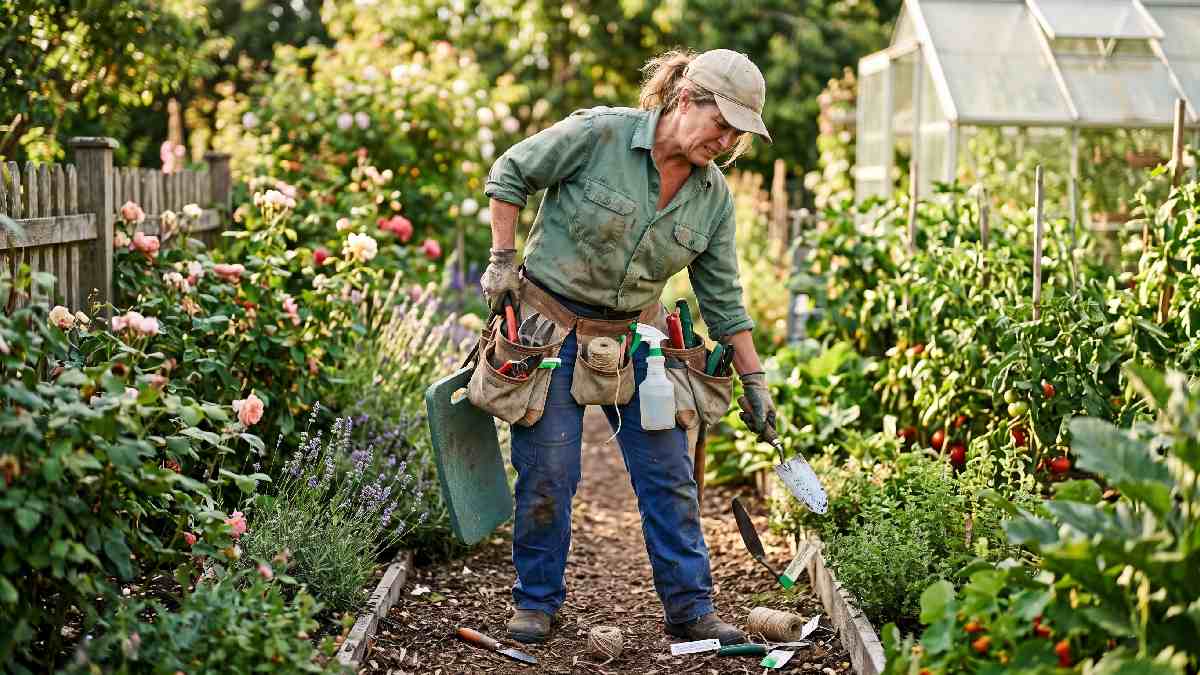
A gardening tool belt is an excellent investment, but using it incorrectly reduces its effectiveness and lifespan. Many gardeners make avoidable mistakes that lead to discomfort, disorganization, or premature wear. Overloading the belt with too many tools strains the material and the wearer’s body. Poor tool placement creates confusion and safety risks.
Ignoring regular maintenance allows the belt to deteriorate faster than necessary. Being aware of these common mistakes and actively avoiding them ensures your tool belt delivers maximum performance and comfort. Learning proper tool belt habits early makes the gardening experience more organized, safe, and enjoyable in the long run.
Overloading the Belt
One of the most common mistakes gardeners make is overloading their tool belt with too many tools. A belt has a practical weight limit, and exceeding it causes discomfort, back strain, and potential damage to the belt’s material and stitching. Carry only the tools you genuinely need for the current gardening session.
Leave behind tools that are unlikely to be used that day. A lighter, well-selected load is always more practical than stuffing every pocket full. Overloading also makes it harder to find specific tools quickly. The key is disciplined packing bringing the right tools, not every tool, for each gardening task.
Poor Tool Placement
Placing tools randomly in a tool belt without a consistent system creates confusion and wastes time. If tools are not stored in the same place every session, you will find yourself searching through pockets rather than working efficiently. Poor placement of sharp tools is also a serious safety hazard.
Develop a consistent system where each tool always returns to the same designated pocket after use. This habit builds muscle memory, allowing you to reach for any tool instinctively without looking. Thoughtful tool placement is the foundation of a truly effective and organized gardening tool belt system that works reliably every time.
Ignoring Maintenance
Neglecting regular maintenance is one of the fastest ways to shorten a tool belt’s lifespan. Dirt buildup, moisture exposure, and worn hardware all accelerate deterioration when left unaddressed. Many gardeners use their belt daily without ever cleaning it, leading to fabric weakening, stuck zippers, or broken buckles.
A quick wipe-down after each use and periodic deeper cleaning takes minimal effort but delivers significant results. Checking buckles, straps, and stitching regularly allows you to catch small issues before they become major problems. Treating maintenance as a regular habit rather than an occasional chore keeps your tool belt in excellent working condition for many seasons.
How to Choose the Best Gardener’s Supply Tool Belt

Choosing the best gardener’s supply tool belt requires careful consideration of several important factors. The right belt should match your gardening style, physical needs, and the types of tools you regularly use. Material quality determines durability and weather resistance. The pocket layout affects how well the belt fits your organizational habits.
Comfort features like padding and adjustability impact how long you can wear it comfortably. Comparing options across all these factors helps you make a confident, informed purchase. Investing time in choosing the right belt upfront saves money and frustration later by ensuring the belt truly meets your real gardening needs.
Consider Your Gardening Style
Your personal gardening style is the most important factor in choosing the right tool belt. An active gardener who moves constantly across a large property needs a lightweight, minimalist belt that does not restrict movement. A detail-oriented gardener working in raised beds needs a compact belt with specialized pockets for small precision tools.
A professional landscaper requires a heavy-duty, high-capacity belt that handles daily intense use. Think about how you garden the tasks you perform most, the tools you use most often, and the conditions you work in. Matching the belt to your actual gardening habits ensures it becomes a genuinely useful daily accessory.
Check Material Quality
Material quality directly determines how long a gardening tool belt will last and how well it performs under outdoor conditions. Inspect the fabric thickness, stitching quality, and hardware durability before purchasing. Canvas belts should feel heavy and tightly woven. Nylon should be thick and tear-resistant. Leather should be full-grain or top-grain for maximum durability.
Check that all seams are double-stitched and that buckles and clips are made from metal or high-grade plastic. Poor-quality materials may cost less upfront but wear out quickly under regular gardening conditions. Investing in a higher-quality belt saves money over time by avoiding frequent replacements.
Evaluate Pocket Layout
The pocket layout of a gardening tool belt determines how well it matches your organizational needs. Look at the number, size, and placement of pockets before buying. Consider whether the belt has dedicated holders for your most-used tools like pruning shears or a trowel. Check for pockets with closures to secure small items like seeds or labels.
Side pockets for gloves or a phone add practical value. A good pocket layout should feel intuitive everything should have a logical place that makes sense during active gardening. Test the layout mentally against your usual tool list to ensure the belt genuinely fits your organizational style.
Compare Comfort Features
Comfort features make the difference between a tool belt you wear happily all day and one that gets abandoned after an hour. Look for belts with padded waist sections that prevent pressure points during extended wear. Breathable materials or mesh backing reduce heat buildup in warm weather. Adjustable straps ensure the belt fits securely without being too tight or too loose.
Check that the overall weight of the empty belt feels manageable. Ergonomic designs that distribute tool weight evenly across the hips are especially important for longer gardening sessions. Prioritizing comfort features ensures the belt becomes a daily gardening companion rather than an uncomfortable inconvenience.
Frequently Asked Question
What tools can fit in a gardening tool belt?
Most belts fit trowels, pruners, gloves, plant markers, seeds, a hand fork, and small spray bottles comfortably.
Are gardening tool belts comfortable for daily use?
Yes, quality belts with padded straps and lightweight materials are designed for comfortable all-day wear in the garden.
What is the best material for a gardening tool belt?
Heavy-duty canvas or thick nylon offers the best balance of durability, weather resistance, and lightweight comfort for gardeners.
Can beginners use a gardening tool belt?
Absolutely. A tool belt is ideal for beginners because it encourages organization and helps build efficient, productive gardening habits early.
Conclusion
A gardener’s supply tool belt is far more than a simple accessory it is an investment in organized, efficient, and enjoyable gardening. From keeping essential tools within reach to reducing physical strain and saving valuable time, the benefits of a quality tool belt are clear and significant.
Choosing the right belt based on your gardening style, material preference, pocket layout, and comfort needs ensures maximum value from your purchase. By using it correctly organizing tools thoughtfully, maintaining the belt regularly, and avoiding common mistakes your tool belt will serve as a reliable, practical companion through every gardening season for years to come.