

Gardening Journal: Complete Guide for Beginners
A gardening journal is a simple way to keep track of what happens in your garden over time. Many beginners plant seeds and just hope everything works out, but later they forget watering dates, fertilizer use, or even plant names. I did the same in the beginning. One plant grew well, another suddenly dried, and honestly, I had no idea why.
That’s when I started writing small notes. Nothing fancy, just basic details in a notebook. A gardening journal helps you notice patterns, seasonal changes, pest problems, and plant growth slowly. It feels simple, almost casual, but over time, it actually makes gardening easier and more organized.
What Is a Gardening Journal?
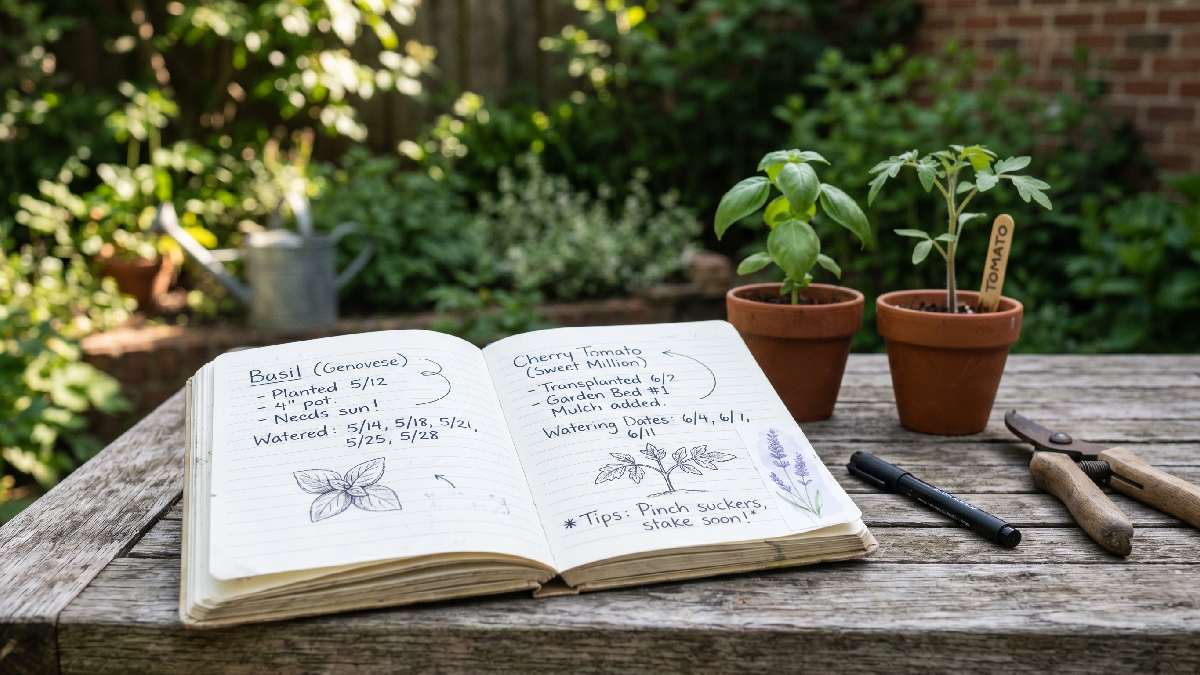
A gardening journal is a simple record in which you note what happens in your garden. It can be a notebook, diary, or phone app, nothing fancy needed. Many beginners think they will remember everything, but later things get confusing. I also forgot watering dates and plant names at the start, which created a small mess in my garden routine.
Writing small notes gradually changed that habit. A gardening journal helps track plant growth, soil conditions, weather changes, and basic care work. It looks simple on paper, but over time, it becomes useful for real gardening decisions and learning patterns.
Why Gardeners Keep Journals
Gardeners keep journals to understand what actually works in their garden. Plants behave differently in every season; small changes matter more than people think. I once used a fertilizer and forgot the name after a few days, and then I could not repeat the same result again. That moment made journaling important for me.
It helps track watering, growth speed, pest issues, and even small plant reactions. Some people write short notes, others add details. Style does not matter much. What matters is consistency. Slowly, those notes turn into an experience that you can actually use for better plant care.
Physical vs Digital Gardening Journals
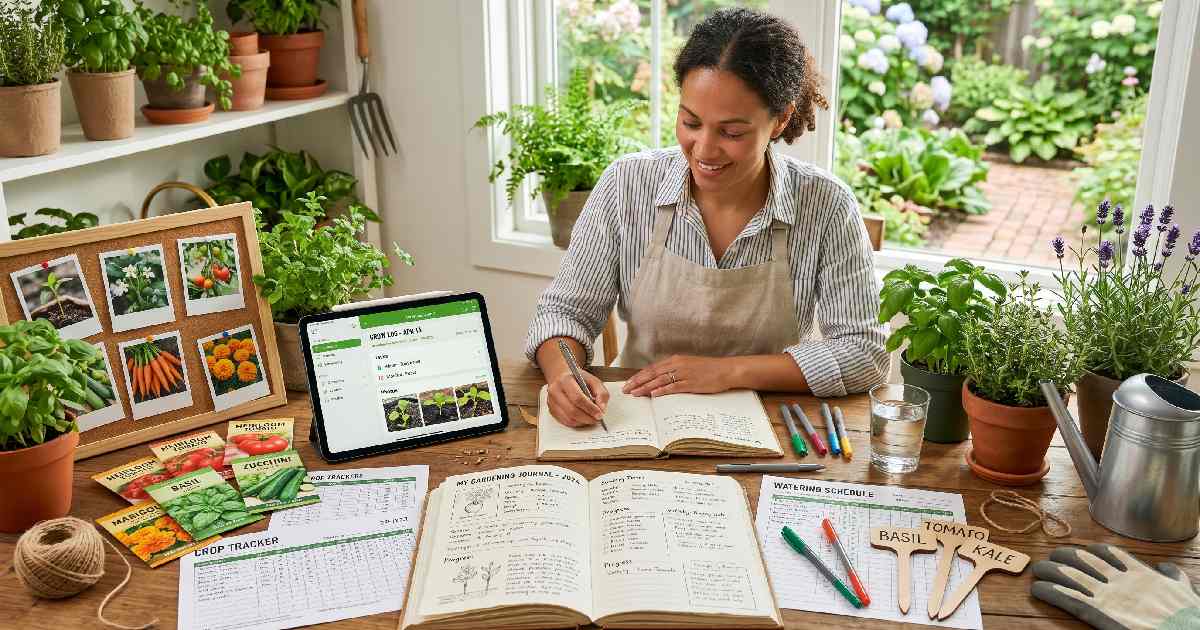
Physical gardening journals feel very natural, just pen and notebook in hand. You can write quickly while standing near plants, no setup needed. I still use a small notebook sometimes; it feels easy and direct. Digital journals work in a different way, more organized and structured. You can add photos, reminders, and even weather updates in one place.
Both methods are useful, depending on habit and comfort. Some gardeners switch between both, using a phone for quick notes and a notebook for deeper tracking. Format is not important here; regular writing is what actually improves gardening understanding over time.
What Can You Track in a Gardening Journal?
A gardening journal can include many small details from daily garden life. People usually write planting dates, watering routine, fertilizer use, and weather conditions. I started adding pest notes after forgetting when insects first appeared on plants. That helped me control them better later. Some gardeners track soil changes, seed types, and growth stages week by week.
Harvest dates also help in planning the next cycles. Even small things like leaf color or plant height can be useful later. It does not need a perfect structure, just simple observations that slowly build a clear picture of your garden journey over time.
Benefits of Keeping a Gardening Journal
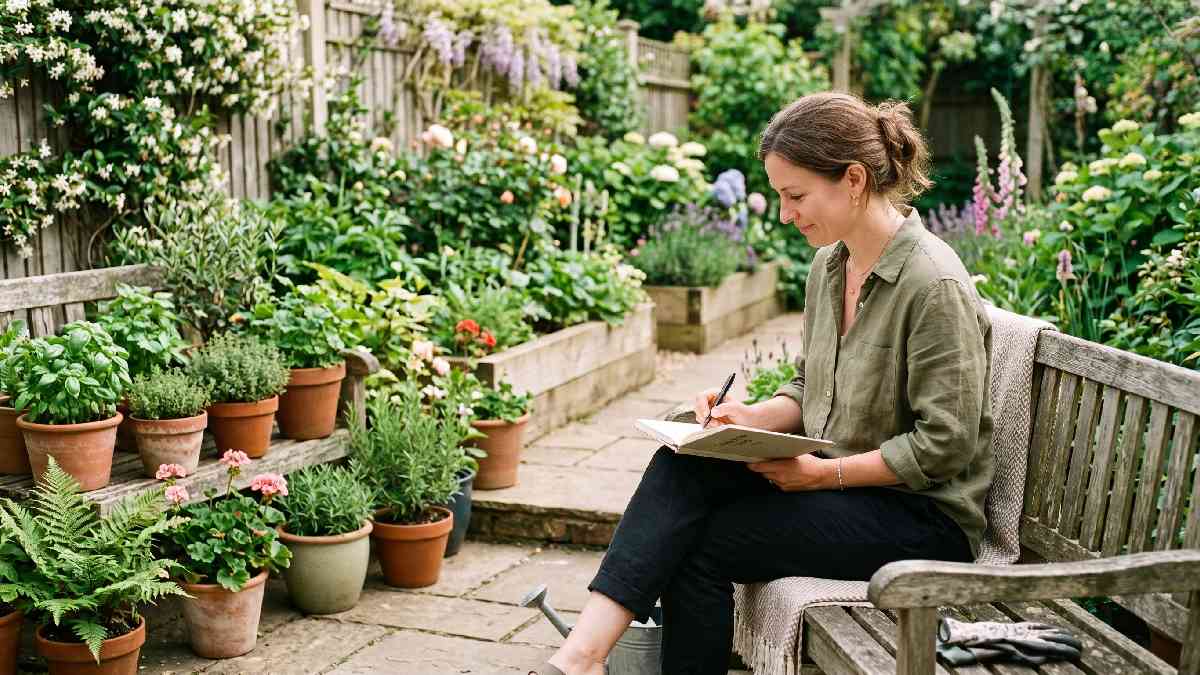
Keeping a gardening journal gives real practical benefits for anyone who grows plants at home. It makes gardening less random and more understandable. I started noticing small changes in my garden only after I began writing things down. Before that, everything felt like guesswork. A journal helps you see patterns in plant behavior, mistakes, and care routines.
It also keeps your gardening history in one place. Over time, it feels like a personal record of your garden journey. Not perfect writing needed, just simple notes that slowly turn into useful information for better plant care decisions.
Track Plant Growth and Progress
A gardening journal helps you simply track plant growth. You can write how plants change in height, leaf size, and color over time. I remember one plant growing faster than others, and I had no clue why at first. After noting the details, the reason became clearer slowly.
Small weekly notes make big differences later. You start seeing patterns that were invisible before. Weak plants and strong plants become easier to compare. It feels basic while writing, but later becomes a full-growth story of your garden that actually helps in better care decisions.
Improve Watering and Fertilizing Schedules
Watering and fertilizing become more balanced with a gardening journal. You note down every watering day and fertilizer use, even small changes. I used to forget these details and sometimes repeat mistakes like overwatering the same plants. After writing things, my routine got more stable, not perfect, but better.
Fertilizer tracking also stops confusion about what was used earlier. Plants respond better when care is consistent. A journal slowly fixes guesswork and turns it into simple routine data. It does not feel technical, just a habit that quietly improves plant health over time with regular attention.
Monitor Pests and Plant Diseases
A gardening journal helps you notice pests and diseases at an early stage. You can record when insects first appear or when leaves look unusual. I once ignored small spots on leaves, and later the damage spread fast. After that experience, I started writing everything small. It helped me react quicker next time.
You also learn which problems repeat in which season. Treatment results can also be compared easily. Sometimes natural spray works, sometimes not. A journal shows that clearly. It slowly builds awareness and makes pest control more planned instead of last-minute panic actions in garden care.
Learn From Seasonal Gardening Patterns
Seasonal changes affect every garden in different ways, and a journal helps you see that clearly. You write what happens in summer, winter, spring, and autumn. I noticed my plants reacting differently in the heat compared to cooler months after tracking them properly. These small notes slowly show a pattern.
Some plants thrive in one season, struggle in another. Water needs also change without clear warning. A journal removes confusion and replaces it with real experience. It feels simple while writing, but later becomes a strong reference for understanding how your garden behaves across different seasons every year.
Plan Future Gardens More Efficiently
Planning future gardens becomes easier when you have records. A gardening journal shows what worked and what failed in earlier seasons. I once repeated the same mistake of planting at the wrong time, then journal notes reminded me later. It helps choose better plants, better timing, and better soil use.
You also understand space management more clearly over time. Instead of starting fresh every season, you build on experience. It feels like a small memory support for your garden. Slowly, your decisions become more confident and less random, improving overall garden results without extra complicated effort or tools needed.
What to Include in a Gardening Journal
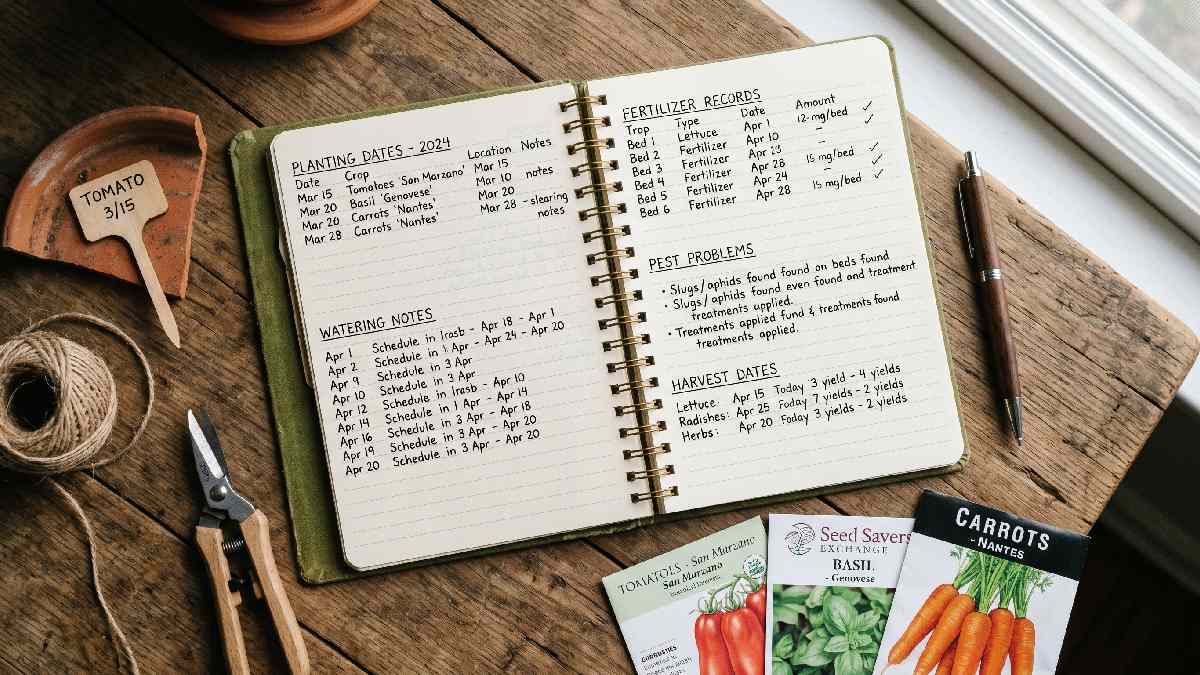
A gardening journal should include all the basic details that help you understand your plants better over time. It is not about writing long paragraphs, just simple and clear records. I started by adding only plant names and watering notes; later, I added more details. Slowly, it became more useful than I expected.
You can include planting dates, fertilizer use, weather, pest problems, and harvest records. These small notes help you see patterns in your garden. Over time, this information becomes a personal guide that improves your gardening decisions and makes plant care easier and more organized.
Plant Names and Seed Varieties
Plant names and seed varieties are important to record in a gardening journal. Many beginners forget what they planted after a few weeks. I also faced this problem when different seeds looked similar after germination. Writing names helps avoid confusion later. You can also note hybrid or organic seed types for better tracking.
This information helps you understand which varieties grow better in your garden. It also makes planning easier for future seasons. Over time, you can compare results between different seeds and choose the best ones for your soil and climate conditions more effectively.
Planting Dates and Germination Notes
Planting dates and germination notes help you understand growth timing clearly. You can write when seeds were planted and how many days they took to sprout. I once forgot planting dates and could not understand the slow growth later. After writing them down, everything became easier to follow.
Germination notes also show which seeds perform better in your conditions. Some sprout quickly, others take time. These small details help you plan future planting more accurately. It becomes easier to manage seasons and predict growth patterns when you keep simple records of planting and early plant development stages.
Watering and Fertilizer Records
Watering and fertilizer records help maintain a balanced plant care routine. You can note how often you water and what type of fertilizer you use. I used to forget these details and sometimes repeat mistakes like overfeeding plants. After writing everything down, my routine became more controlled.
These records also help you understand what works best for different plants. Some need frequent watering, others less. Fertilizer timing also becomes clearer. Over time, this information reduces confusion and helps you maintain healthier plants with a steady care system based on real gardening experience instead of guessing.
Weather and Temperature Tracking
Weather and temperature tracking are useful for understanding plant behavior in different conditions. You can note hot, cold, rainy, or windy days and how plants respond. I noticed my plants growing differently during heatwaves compared to cooler days after tracking the weather regularly. These small notes help explain sudden changes in growth or health.
Temperature also affects watering needs and soil conditions. By recording weather patterns, you start predicting plant needs better. It becomes easier to adjust care routines based on real conditions instead of assumptions, making your gardening more stable and reliable throughout changing seasons.
Pest and Disease Observations
Pest and disease observations help you protect plants early before damage spreads. You can record when insects appear or when leaves show unusual spots. I once ignored small pest signs and later lost part of a plant. After that, I started noting every small change. These records help you understand which pests appear in which season.
You can also track treatment results over time. Some methods work better than others depending on conditions. A journal makes pest control more organized and less stressful, turning random reactions into a planned and more effective plant protection routine.
Harvest Dates and Yield Tracking
Harvest dates and yield tracking help you understand how productive your garden is. You can note when plants are ready to harvest and how much they produce. I started tracking this after forgetting when to pick vegetables at the right time. These notes help improve timing for future crops.
You also learn which plants give better results in your soil. Yield tracking shows overall garden performance clearly. Over time, it becomes easier to plan what to grow next season based on real output instead of guesswork, improving both efficiency and satisfaction in your gardening results.
How to Start a Gardening Journal
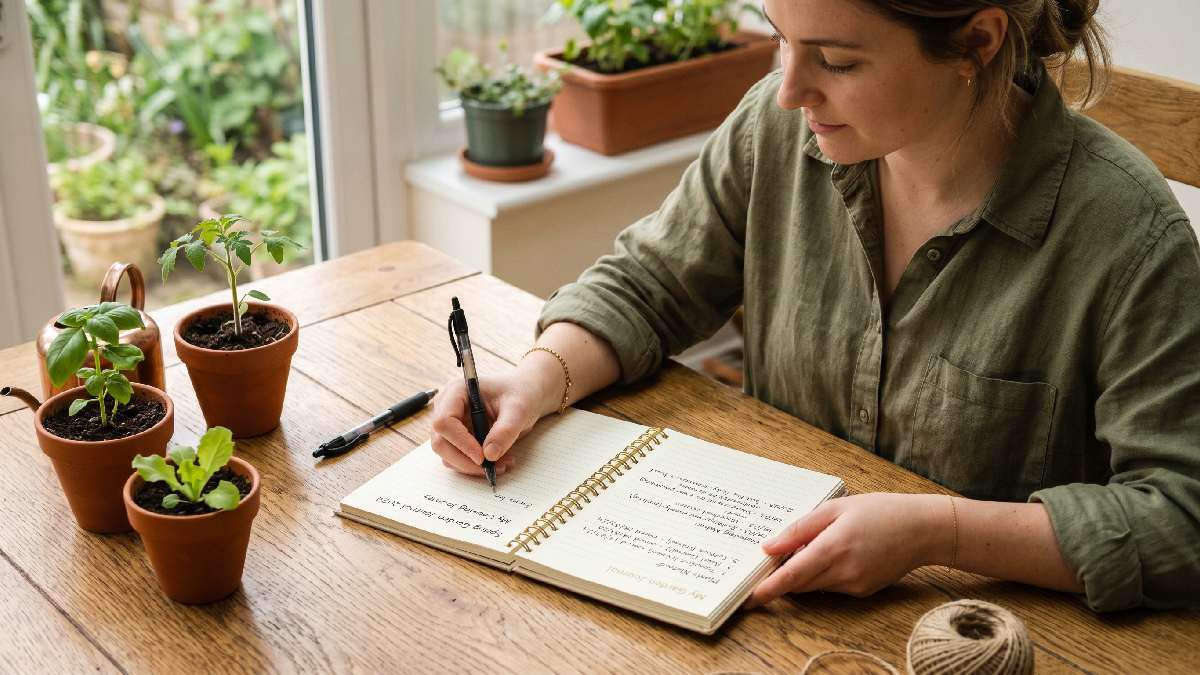
Starting a gardening journal is simple and does not need any special tools. You just need a notebook, an app, or anything you can write on regularly. I began with a small notebook and basic notes, nothing organized at first. Slowly, it became more structured as I kept using it.
The key is consistency, not perfection. You can start with plant names and watering notes, then add more details later. A journal grows with your gardening experience. It becomes more useful over time as you keep adding simple daily or weekly observations from your garden.
Choose the Right Journal Format
Choosing the right journal format depends on your comfort and routine. Some people prefer notebooks, while others use mobile apps or spreadsheets. I started with a paper notebook because it felt easier in the garden. Later, I tried digital notes for quick updates. Both formats work fine if you use them regularly.
The goal is not design, but habit. A simple format is better than a complicated one. You should pick something that fits your lifestyle and makes writing easy. Over time, the format matters less than the consistency of your gardening records.
Create Separate Tracking Sections
Creating separate tracking sections makes your gardening journal more organized. You can divide pages for watering, planting, pests, and weather notes. I first wrote everything in one place, and it became confusing later. After separating sections, it became easier to understand my garden progress.
Each section helps you find information quickly when needed. It also improves clarity when reviewing records. You do not need a perfect structure, just basic separation. This simple step makes your journal more useful and saves time when checking specific plant details or care history later in your gardening routine.
Record Garden Updates Regularly
Recording garden updates regularly is important for keeping accurate information. You do not need long entries, just short notes about what changed. I sometimes skipped writing for days and later forgot important details. After that, I started writing small updates daily or weekly. Regular recording helps you stay connected with your garden progress.
It also makes it easier to notice problems early. Even five minutes of writing is enough. Over time, these small updates build a complete picture of your garden and help improve your plant care decisions based on real experience.
Add Photos and Garden Sketches
Adding photos and garden sketches makes your journal more visual and helpful. Pictures show the real plant condition better than words sometimes. I started taking simple photos of my plants weekly and noticed changes clearly later. Sketches also help you remember garden layout and plant placement.
This is useful when planning future changes. You do not need artistic skills, just basic drawings or phone photos. These visuals support written notes and make your journal more complete. Over time, you can compare past and present growth easily and understand your garden progress in a clearer way.
Review Notes Every Growing Season
Reviewing notes every growing season helps you learn from experience. You can see what worked well and what did not. I started checking my old journal before each new planting season, and it improved my results. It helps avoid repeating mistakes and improves planning.
Seasonal review also shows long-term patterns in plant growth. You begin to understand soil behavior, weather impact, and plant performance better. This step turns your journal into a learning tool. Instead of just writing, you use records to make smarter gardening decisions for future seasons.
Gardening Journal Ideas for Different Garden Types
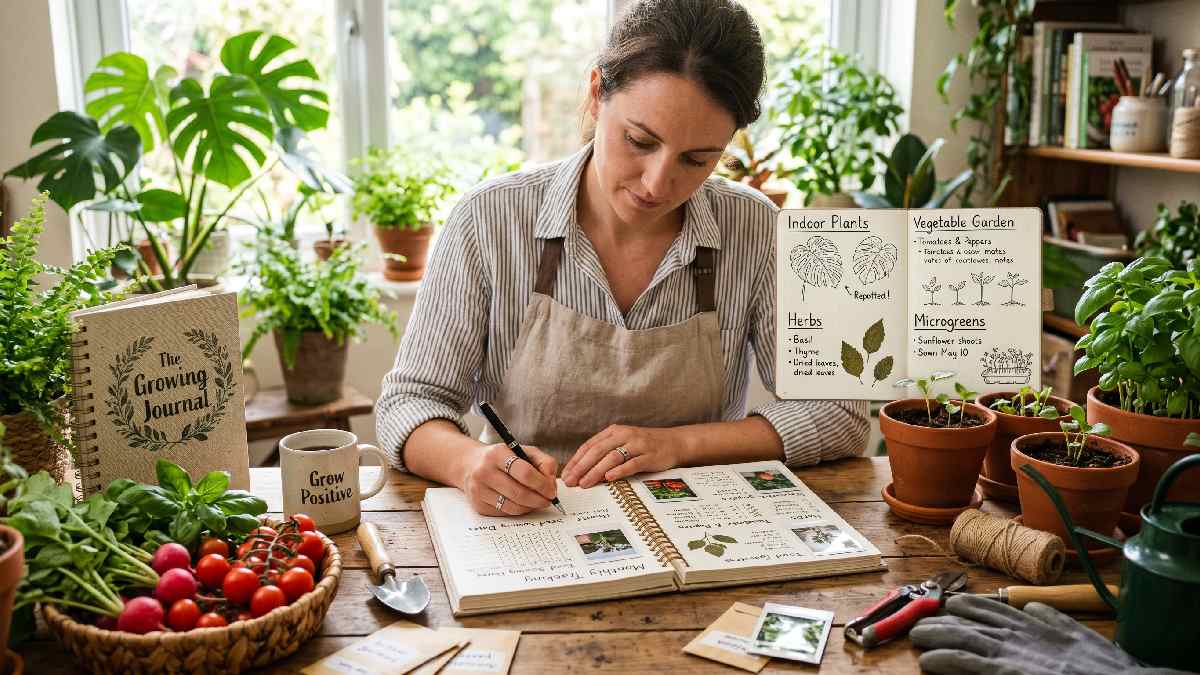
Gardening journals can be customized based on different garden types. Every garden has different needs and tracking styles. I realized this when I compared my indoor plants and vegetable garden notes; both needed different details. A single format does not always fit all gardens. You can adjust your journal depending on space, plants, and goals.
This makes tracking more practical and useful. Whether you grow vegetables, indoor plants, or microgreens, a personalized journal helps you understand each garden type better and improves your overall gardening experience with simple, organized records.
Vegetable Gardening Journal
A vegetable gardening journal focuses on edible plants and their growth cycle. You can track planting dates, watering, fertilizer use, and harvest timing. I started one for my vegetable garden, and it helped me improve crop timing. Vegetables need more regular care compared to other plants.
Recording their progress helps increase yield and quality. You can also note pest problems specific to vegetables. Over time, this journal helps you understand which crops grow best in your soil and climate, making vegetable gardening more productive and easier to manage season by season.
Indoor Plant Journal
An indoor plant journal helps track houseplants and their care routine. You can record light exposure, watering schedule, and growth changes. I noticed my indoor plants improved when I started noting their light needs properly. Indoor environments are different from outdoor gardens, so tracking becomes important.
Some plants need more light, others need less water. Writing these details helps avoid common mistakes like overwatering. A journal also helps identify which plants suit your home environment better. Over time, it becomes a useful guide for maintaining healthy and attractive indoor plants with less confusion.
Balcony Garden Tracker
A balcony garden tracker is useful for small space gardening setups. You can record plant placement, sunlight hours, and watering routine. I started balcony gardening with limited space, and tracking helped me organize plants better. Sunlight direction changes during the day, so notes help adjust plant positions.
It also helps manage container plants more efficiently. You can track which plants perform well in a limited space. Over time, this journal improves plant arrangement and growth results. It makes balcony gardening more structured and helps you use small areas effectively for healthy plant growth.
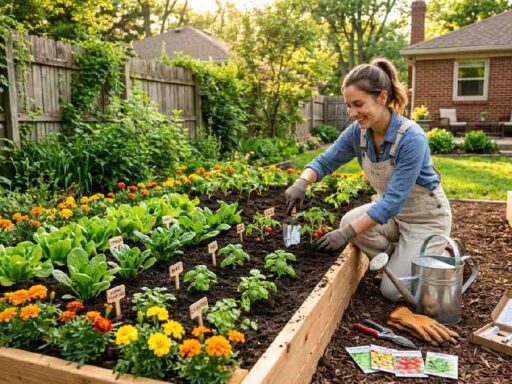
Raised Bed Garden Journal
A raised bed garden journal focuses on soil quality, crop rotation, and bed organization. You can track what was planted in each bed and when. I used raised beds and noticed soil changes faster, so journaling helped a lot. It helps avoid repeating crops in the same soil, which improves long-term fertility.
You can also record compost use and watering patterns. This type of journal improves planning and soil health management. Over time, it becomes a clear guide for maintaining productive raised beds with better structure and balanced plant growth across seasons.
Microgreens Growth Journal
A microgreens growth journal helps track fast-growing small plants. You can note seed type, germination time, and harvest days. I started microgreens at home and was surprised by how fast things changed daily. Tracking helped me understand which seeds grow best. Microgreens need short cycles, so every detail matters.
You can also record light and watering conditions. This journal helps improve yield and quality over time. It is very useful for beginners because microgreens grow quickly and give fast feedback, making it easy to learn and improve growing techniques step by step.
Printable vs Digital Gardening Journals
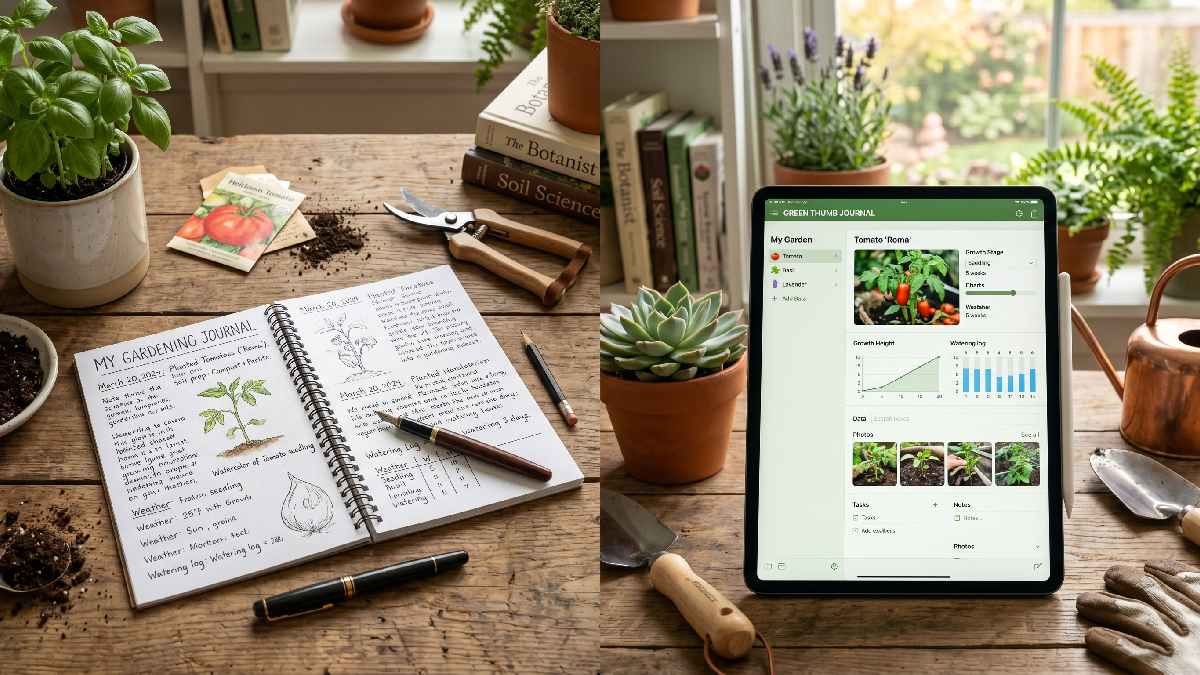
Printable and digital gardening journals both help track plant growth, but they work in different ways. Printable journals feel more hands-on and simple, while digital ones are more flexible and organized. I tried both styles and noticed each has its own comfort level. Printable journals are good for quick notes in the garden, while digital tools are better for storing data and photos.
The choice depends on personal habit and routine. Some gardeners even use both together. The main goal is consistency, not the format, because regular tracking is what actually improves gardening results over time.
Benefits of Printable Gardening Journals
Printable gardening journals are easy to use and do not need any technology. You can quickly write notes while working in the garden. I prefer printable sheets when I am outside because it feels natural and fast. They also help reduce screen use and distractions. You can design pages your own way and keep everything simple.
Printable journals are also affordable and easy to customize. They work well for beginners who want basic tracking without complexity. Over time, they create a physical record of your garden that feels personal and easy to review anytime.
Benefits of Digital Gardening Journals
Digital gardening journals offer more features and flexibility for tracking plant data. You can add photos, reminders, and detailed notes in one place. I started using a digital app later and found it useful for organizing everything. It is easy to search records and compare plant growth.
Digital tools also help with weather updates and automatic reminders. They are great for gardeners who like structured data. You can access your journal from anywhere using a phone or computer. Over time, digital journals make gardening more organized and help manage larger gardens more efficiently.
Which Gardening Journal Option Is Better?
Both printable and digital gardening journals are useful, but the better option depends on personal preference. Printable journals are simple and quick for outdoor use, while digital ones offer more features and storage. I personally switch between both depending on the situation. When I am in the garden, I prefer paper notes, but at home I use digital records.
Neither option is perfect alone. What matters most is consistency in recording information. A gardener who writes regularly, in any format, will always understand their plants better and improve gardening results over time with practice.
Common Gardening Journal Mistakes to Avoid
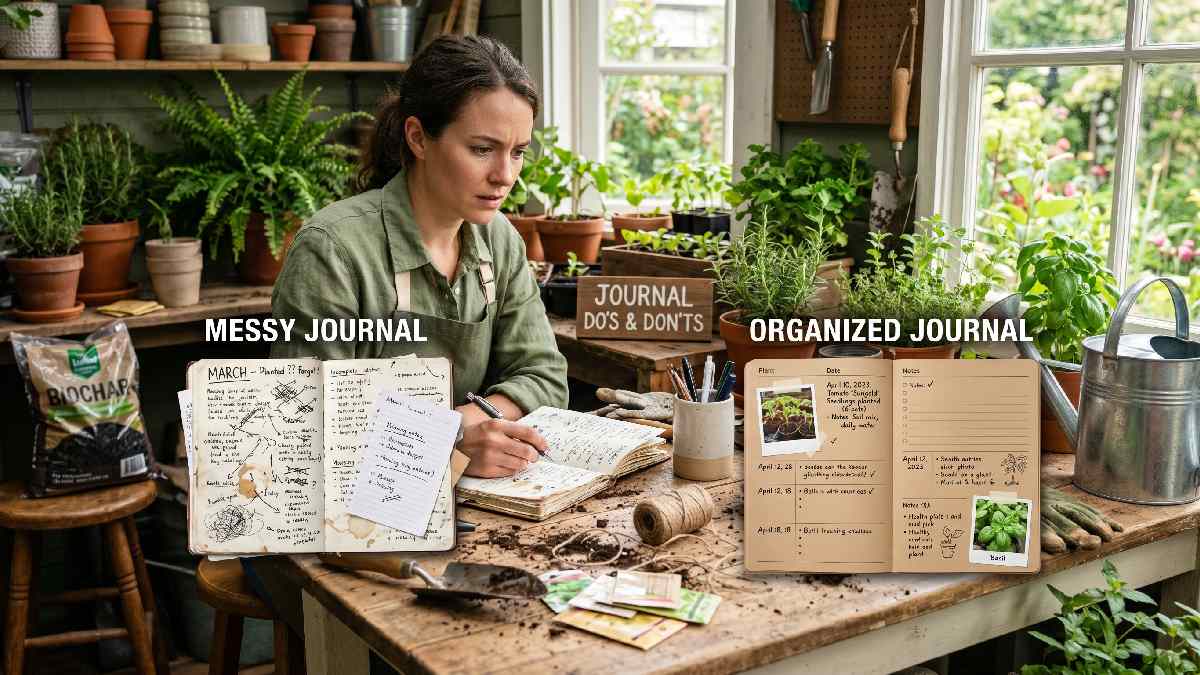
Many beginners make small mistakes while keeping a gardening journal, which reduces its usefulness. I also made similar errors when I first started journaling. Sometimes I forgot to write updates, and other times I wrote too much unnecessary information. A journal works best when it is simple and consistent.
Overloading or ignoring it completely can break the habit. Weather, plant changes, and care routines should be recorded properly. Avoiding these common mistakes helps you build a clear and useful gardening record that supports better plant care and long-term garden improvement.
Forgetting to Update Your Journal
Forgetting to update your gardening journal is a common mistake that reduces its value. If you miss regular entries, important details get lost over time. I also skipped updates during busy days and later struggled to remember plant changes. A journal only works when it is used consistently.
Even short notes are better than nothing. Regular updates help track progress and problems clearly. Without updates, patterns become hard to understand. Making journaling a small daily or weekly habit keeps your records useful and ensures you always have accurate information about your garden activities.
Tracking Too Much Information
Tracking too much information in a gardening journal can make it confusing and difficult to use. Some beginners try to write every small detail and lose focus. I also overcomplicated my journal at the start and stopped using it properly. A good journal should stay simple and practical.
Only important details like watering, growth, and issues are enough. Too many notes can reduce clarity instead of helping. Keeping it balanced makes journaling easier to maintain. A clean and simple record is always more useful than a crowded page filled with unnecessary information.
Ignoring Weather Conditions
Ignoring weather conditions in a gardening journal can lead to missing important plant behavior patterns. Weather affects watering, growth, and pest activity. I once could not understand why my plants were struggling until I checked temperature changes. Recording weather helps explain sudden plant changes.
Rain, heat, and cold all impact garden health. Without this information, you may misjudge plant needs. Simple weather notes make your journal more complete and useful. Over time, it helps you predict plant behavior and adjust care routines according to real environmental conditions instead of guessing.
Not Taking Progress Photos
Not taking progress photos is a mistake that removes visual learning from your gardening journal. Photos help you see plant changes more clearly than written notes alone. I started taking weekly pictures and noticed improvements I had missed before. It becomes easier to compare growth stages over time.
Written notes are useful, but visuals make understanding faster. Without photos, some changes go unnoticed. Adding simple images creates a complete record of your garden. Over time, it helps you clearly see success, mistakes, and overall plant development more accurately and helpfully.
Using an Unorganized Layout
Using an unorganized layout in a gardening journal makes it difficult to find information later. When everything is written randomly, tracking becomes confusing. I faced this issue when my notes were scattered without structure. Later, I separated sections for better clarity. A simple layout with headings for watering, planting, and pests works better.
Organization helps you quickly review records. Without structure, even useful information becomes hard to use. A clean layout improves readability and makes your gardening journal more practical, saving time and helping you understand plant history more effectively.
Best Supplies for a Gardening Journal
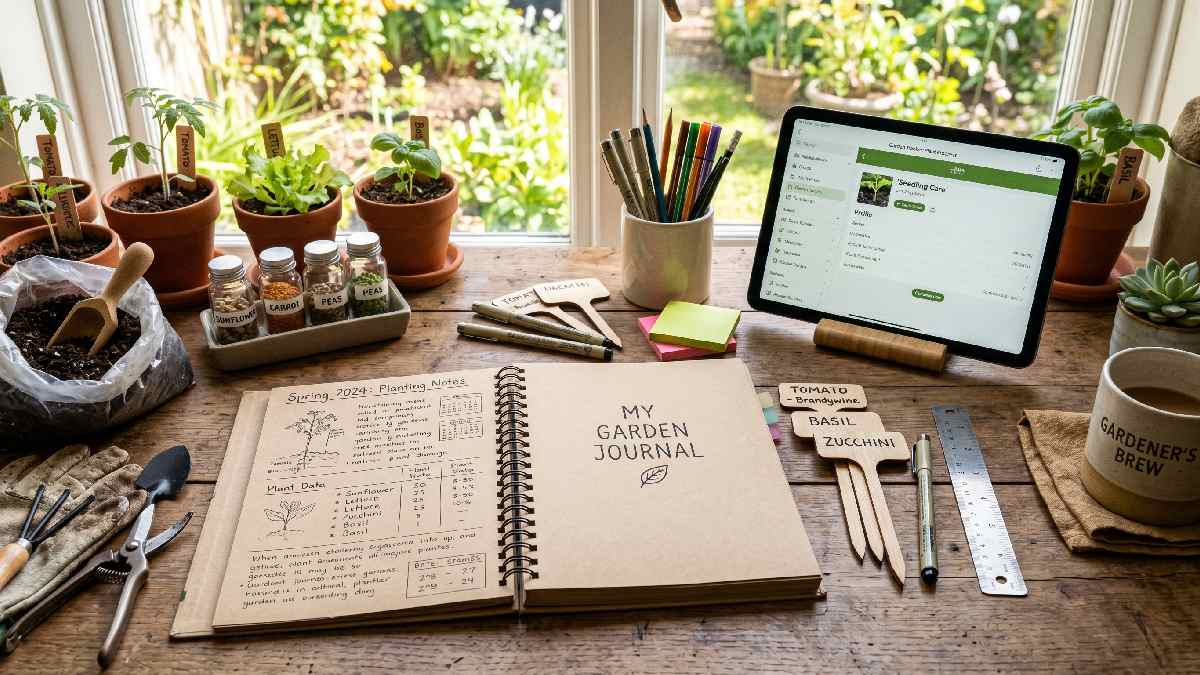
Having the right supplies makes gardening journaling easier and more consistent. You do not need expensive tools, just simple items that support regular writing and tracking. I started with basic materials and slowly added better tools over time. The goal is to make journaling comfortable and practical.
Supplies like notebooks, pens, and labels help you stay organized. Digital tools can also be useful for advanced tracking. Choosing simple and reliable supplies ensures you can maintain your journal without difficulty and keep your gardening records clear and useful throughout the growing seasons.
Waterproof Notebooks
Waterproof notebooks are useful for outdoor gardening because they can handle water, soil, and weather conditions. I used a normal notebook once, and it got damaged during watering. After that, I switched to a waterproof one, and it lasted much longer. These notebooks are durable and easy to carry in the garden.
You can write notes without worrying about moisture or dirt. They are especially helpful during rainy seasons or watering tasks. A waterproof notebook keeps your gardening records safe and ensures your important notes remain readable even in tough outdoor conditions.
Garden Planning Printables
Garden planning printables help organize your gardening tasks in a structured way. They include layouts for planting, watering schedules, and growth tracking. I used printable sheets when planning my vegetable garden and found them very helpful. They make it easier to visualize garden space and manage tasks.
You can print new sheets whenever needed and customize them for different plants. Printables are simple and beginner-friendly. They help keep everything organized on paper. Over time, they improve planning and reduce confusion, making gardening more efficient and easier to manage step by step.
Colored Pens and Highlighters
Colored pens and highlighters make gardening journals more organized and easier to read. You can use different colors for watering, pests, and planting notes. I started using colors in my journal, and it became much easier to find information quickly. It adds visual structure to simple notes.
You do not need many colors; just a few basic ones are enough. This small change improves clarity and makes journaling more enjoyable. Over time, colored notes help you understand your garden records faster and keep everything neat and well-arranged for quick reference.
Plant Labels and Markers
Plant labels and markers help you identify plants clearly in your garden and journal. Many beginners forget which plant is which after a few weeks. I also faced this problem when similar seedlings started growing together. Labels solve this confusion easily. You can write plant names, planting dates, or seed types.
They are especially useful for vegetable and herb gardens. Markers are simple but very effective tools. They help connect your journal notes with real plants. Over time, labeling improves organization and reduces mistakes in tracking plant growth and care routines.
Gardening Apps and Digital Tools
Gardening apps and digital tools help you manage your journal more efficiently. They allow you to store notes, photos, and reminders in one place. I tried a gardening app and found it useful for tracking watering schedules and plant growth. Digital tools also provide weather updates and notifications.
They are helpful for gardeners who prefer organized data. You can access your journal anytime on your phone. Over time, these tools make gardening more structured and easier to manage. They are a good option for people who want advanced tracking without using paper notebooks.
Frequently Asked Questions
What is a gardening journal used for?
A gardening journal is used to track plant growth, watering schedules, weather changes, and garden care activities regularly.
How often should you update a gardening journal?
You should update your gardening journal weekly or whenever you water, plant, or notice changes in your garden.
What should beginners include in a gardening journal?
Beginners should include plant names, watering dates, soil notes, weather conditions, and basic observations about plant growth.
Is a digital gardening journal better than paper?
Digital journals offer more features, but paper journals are simpler; both are equally useful depending on preference.
Can a gardening journal improve plant growth?
Yes, a gardening journal improves plant growth by helping track care routines, mistakes, and better gardening decisions.
Conclusion
A gardening journal is a simple but powerful tool for every gardener. It helps you understand plant behavior, track daily care, and improve results over time. I started journaling with basic notes and slowly noticed better control over my garden. It reduces confusion and helps avoid repeated mistakes.
Whether you use paper or digital format, consistency matters more than style. Small records like watering, weather, and growth notes build useful knowledge. Over time, your journal becomes a personal guide that makes gardening easier, more organized, and more successful with every season and new planting experience you take on.