
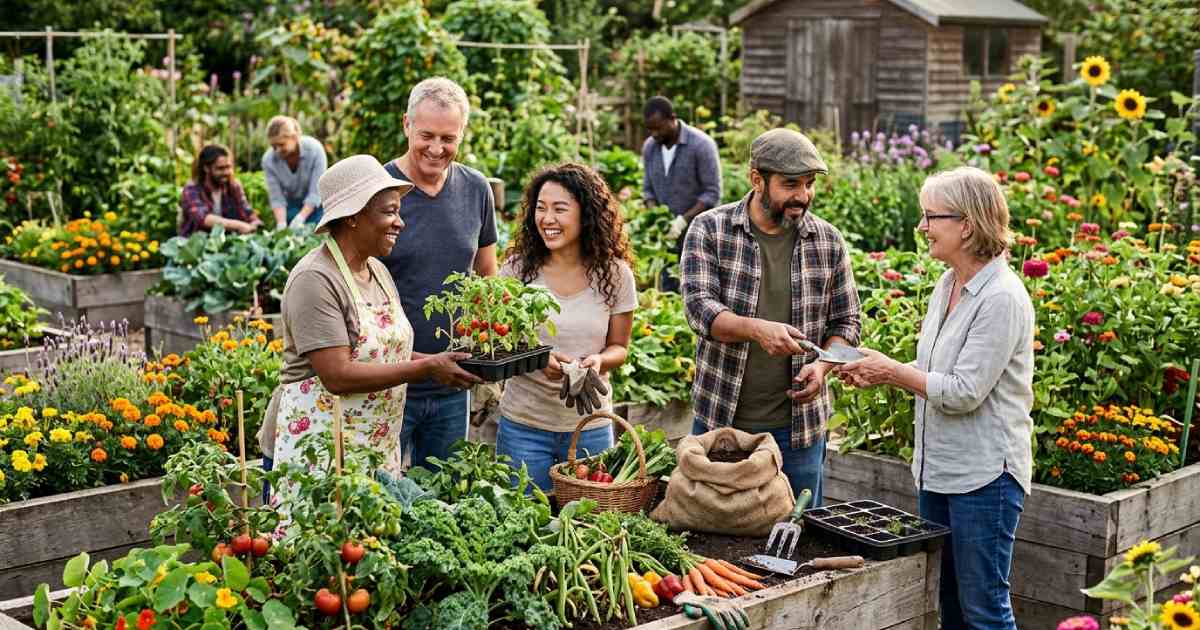

Every gardener has a story about the tomato plant that died for no clear reason. Or the rose bush that bloomed like crazy for one neighbor and sulked for you. You read the blogs, watch the videos, and still the leaves turn yellow.
Then you talk to someone who has gardened in your area for twenty years. In five minutes they tell you your soil is too alkaline, you’re watering at the wrong time, and you should have planted a month earlier. That is the real power of a local gardening group.
If you have searched for gardening groups near me, you are probably looking for that kind of help. Maybe you’re new and overwhelmed. Maybe you’re experienced and want people who speak your language. Maybe you have too many seedlings and no space, or you just want to get out of the house and meet people who care about the same things you do.
This guide covers everything: the types of groups out there, how to find them, what to ask before joining, how plant swaps work, how to behave at your first meeting, and how to start your own group if nothing exists nearby.
Why Local Gardening Groups Are Worth Your Time
Books and websites can teach you general rules. They can’t tell you what works on your street.
Gardening is local. Rainfall, frost dates, soil type, pests, water quality, and even the wind in your neighborhood shape what will grow. A gardener two towns away may have completely different conditions. Someone on your own block has probably already made the mistakes you’re about to make.
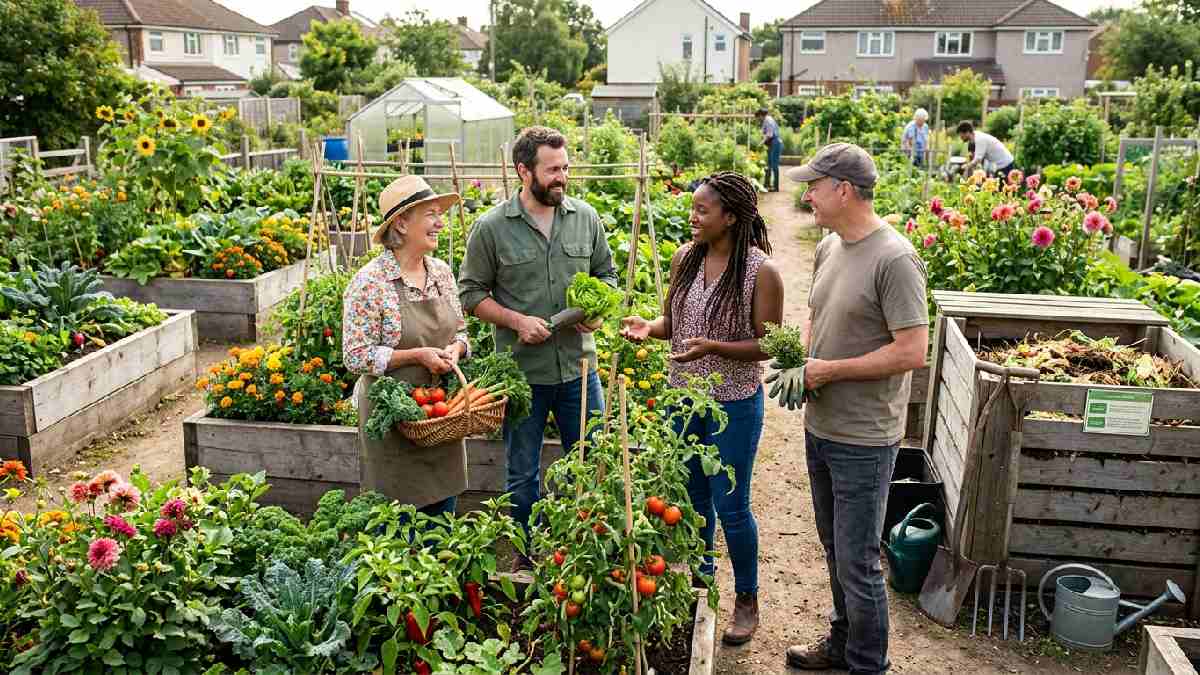
Here is what a good group gives you.
Advice that fits your conditions. When a member says “plant your beans after the last cold snap, usually around the third week of March here,” that is worth more than a generic planting chart.
Free and cheap plants. Most groups swap cuttings, seedlings, bulbs, and seeds. Many gardeners never pay for a plant again once they join a swap circle.
A shortcut through the learning curve. Ask a question in a group and you’ll often get five answers within a day. Some will disagree with each other, which is actually useful. You start to see there are several ways to grow almost anything.
Tools and equipment. Some clubs share wheelbarrows, pruners, tillers, or compost bins. Why buy a chipper you’ll use twice a year?
Company. Gardening can be lonely, and it can also be discouraging when things fail. A friend who says “mine died too, don’t worry” helps more than you’d expect.
Motivation. It’s easier to keep going when someone asks how your peppers are doing.
Community impact. Many groups run school gardens, beautify public spaces, donate produce to food banks, and support pollinators. You get to be part of something bigger than your own backyard.
The Different Kinds of Gardening Groups
Not all groups are the same. Knowing the types helps you choose the one that suits you, instead of joining something that feels like the wrong fit.
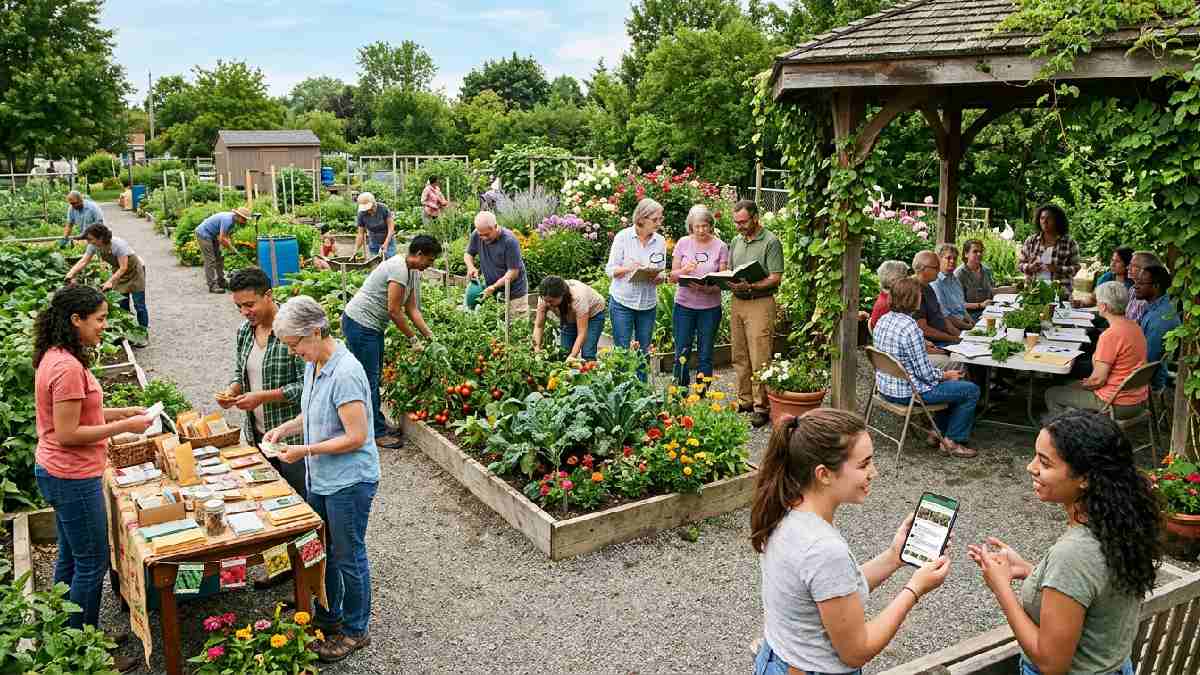
General Garden Clubs
These are the classic clubs. They usually meet monthly, often with a guest speaker, a plant sale, a garden tour, or a seasonal workshop. Members range from total beginners to people with decades of experience.
If you want a broad, friendly introduction to gardening, start here. Some are affiliated with larger organizations. In the United States, for example, there are national networks such as The Garden Club of America and National Garden Clubs, Inc. In the United Kingdom, the Royal Horticultural Society supports local groups and affiliated societies. Many other countries have similar bodies.
Community Gardens
A community garden is a shared piece of land divided into plots. Members rent or are assigned a plot and grow whatever they like, within the garden’s rules. There is usually a coordinator, work days, and a shared compost area.
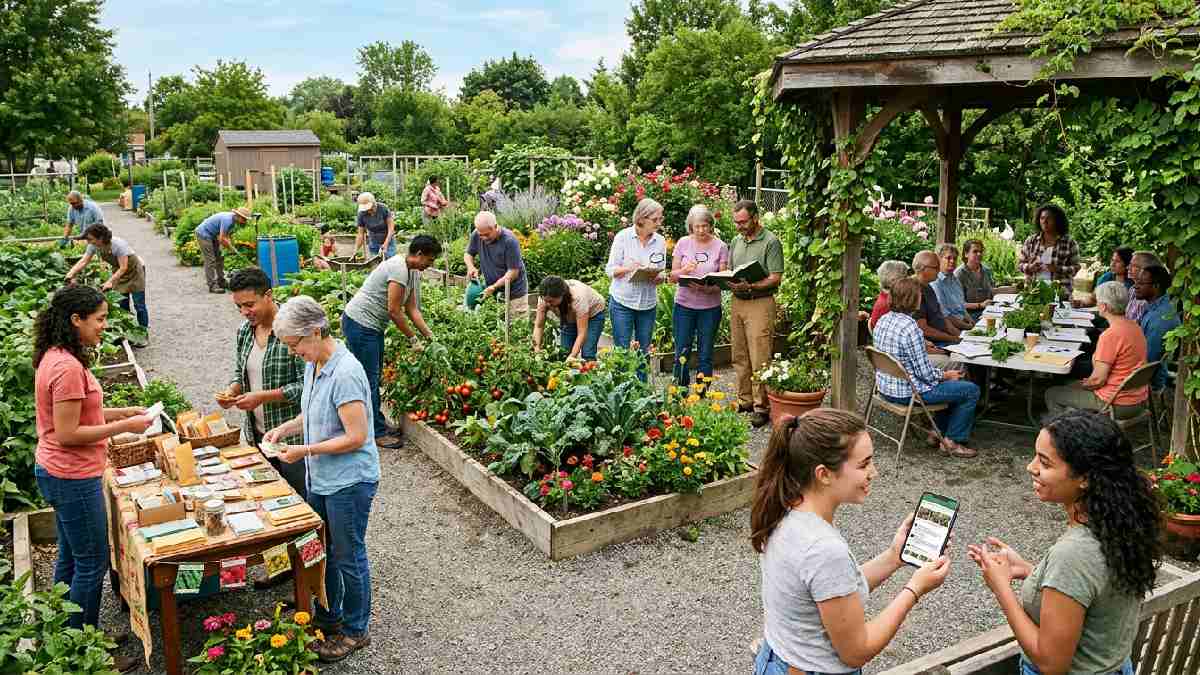
This is excellent if you have no yard of your own, such as apartment dwellers. You get land, neighbors, and instant advice from the person in the next plot.
Plant Societies and Special-Interest Groups
Some people fall deeply in love with one type of plant. There are societies for roses, orchids, succulents, native plants, herbs, ferns, dahlias, bonsai, and more.
These groups go deep. If you already know you love a particular plant family, a specialty group will teach you things a general club never covers. Members often hold shows, exchange rare varieties, and run identification sessions.
Master Gardener Programs
In the United States, many university extension offices run Master Gardener programs. Volunteers get trained in horticulture, then give back by answering questions, running demonstration gardens, and teaching classes. Even if you don’t join the program, many local chapters hold public events or clinics where you can bring a sick plant and ask for help.
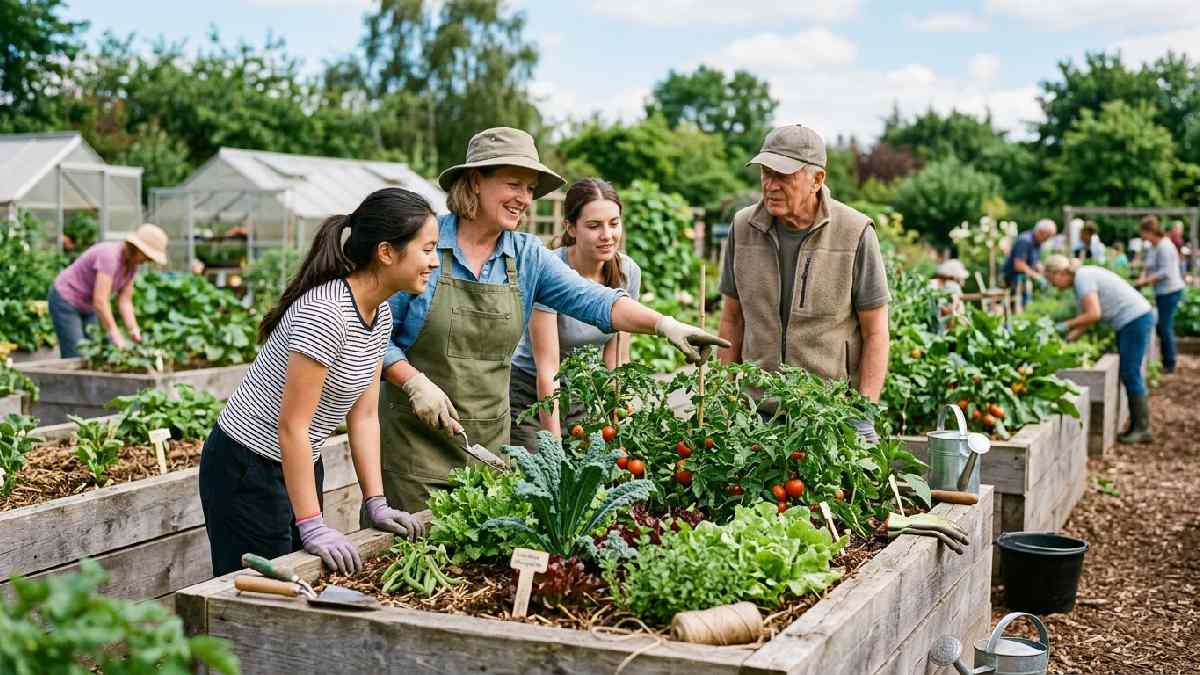
Other countries have their own equivalents through agricultural universities, horticulture departments, and botanical gardens. Check with your local agriculture or horticulture office.
Online Local Groups
Facebook Groups, Meetup, Nextdoor, WhatsApp communities, Reddit, and Telegram channels host thousands of neighborhood gardening groups. These are easy to join and give quick answers. Photos make diagnosing problems much easier.
Online groups are also a good way to learn about local plant swaps, nursery sales, and seed exchanges.
Seed Libraries and Seed-Saving Groups
A seed library works like a normal library, but you borrow seeds. You grow the plants, let a few go to seed, and return some seeds for others. These are often based in public libraries, community centers, or run by local volunteers.
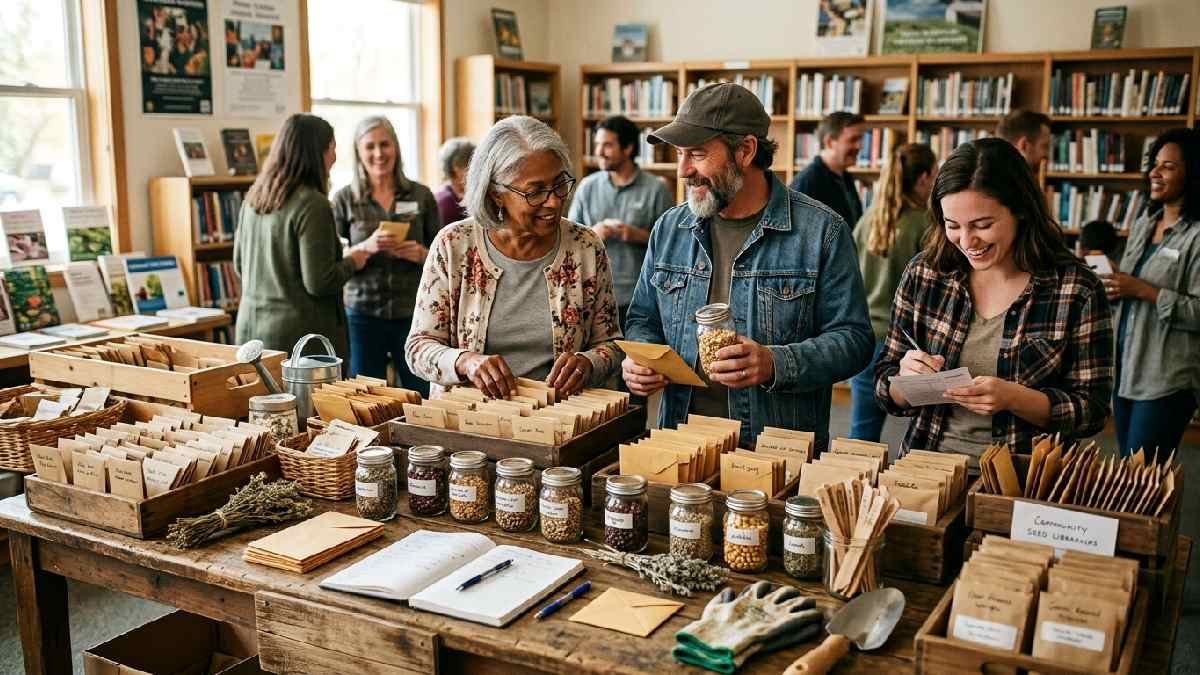
They preserve varieties that suit your region and cost almost nothing.
Food-Growing and Permaculture Groups
If your goal is growing your own vegetables, fruit, or herbs, a food-focused group may suit you better than an ornamental club. These groups discuss soil health, composting, water-saving methods, companion planting, and sometimes raising chickens or bees.
Youth, School, and Family Groups
Some groups are built for children or families, with school gardens, scouting programs, and weekend workshops. Kids who dig in dirt tend to eat more vegetables, and they get curious about nature quickly.
Women’s, Seniors’, and Accessibility-Focused Groups
Certain clubs focus on specific communities. Some offer raised beds for wheelchair users, ergonomic tools, or gentle gardening sessions for seniors. Therapeutic and horticultural therapy groups also exist in many areas.
How to Find Gardening Groups Near You
You may be surprised how many groups already exist in your area. They just don’t advertise loudly. Here are the most reliable ways to find them.
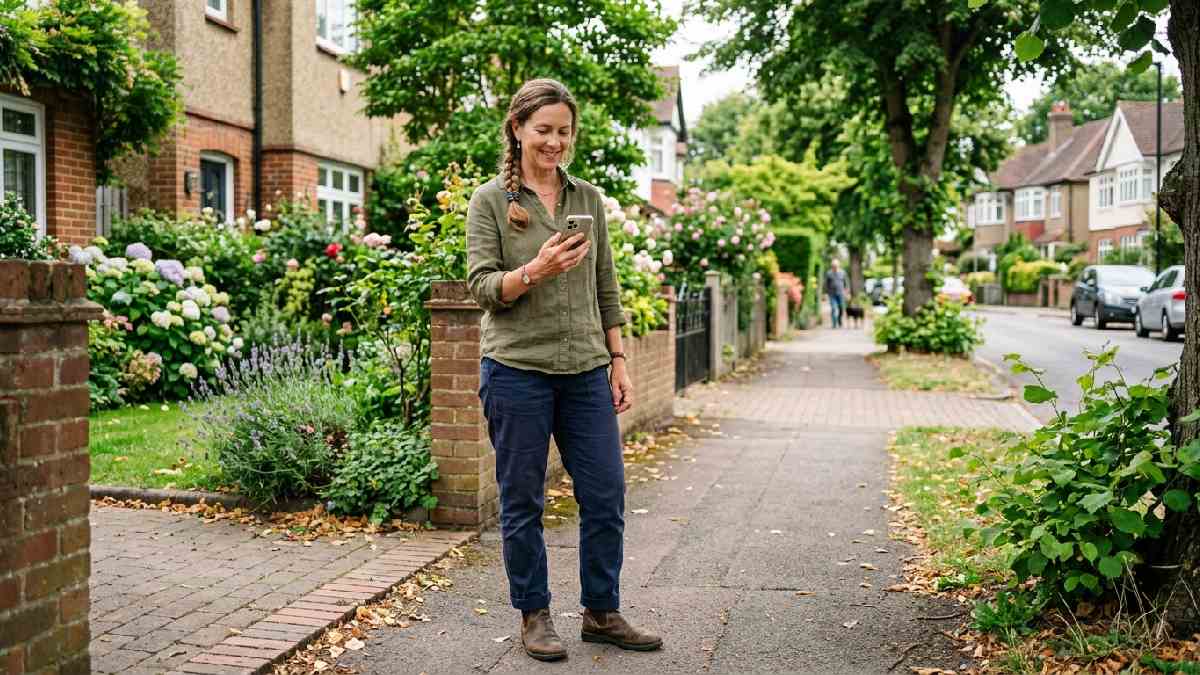
1. Search Smartly
Typing gardening groups near me into Google is a fine start, and it usually works, especially if your location settings are on. But you’ll get better results if you try variations:
- “garden club
- “community garden
- “gardening meetup
- “plant swap
- “seed exchange
- gardeners Facebook group”
- “rose society or another plant name
- “master gardener
Search Google Maps as well. Type “community garden” or “garden club” and check the pins around you. Many small clubs show up on maps with a phone number or a link.
2. Try Social Media
Facebook is still the biggest source. Search for “[your city] gardening” or “[your area] plant swap” and filter by Groups. Read the group description and scroll through a few posts. An active group has recent posts and helpful comments. A dead group has unanswered questions from months ago.
Also check Instagram hashtags such as #yourcitygardening or #yourcitygardeners, and look at who is posting. Many local gardeners are happy to point you toward their clubs.
Meetup.com lists organized gatherings with dates, so it’s useful if you want in-person events.
3. Visit Local Nurseries and Garden Centers
Nurseries know their customers. Ask the staff whether they know of any garden clubs. Many keep flyers on a notice board or run classes themselves. Some even host their own gardening groups or informal weekend meet-ups.
4. Ask at Libraries and Community Centers
Public libraries often host garden talks, seed libraries, and club meetings. Notice boards near the entrance are worth a look. Community centers and town halls do the same.
5. Contact Your Local Extension or Agriculture Office
Agricultural extension offices, horticulture departments, and university agriculture faculties usually know every serious gardening group in the region. A short phone call or email can save you hours of searching.
6. Check Botanical Gardens and Parks
Botanical gardens and public parks frequently run volunteer programs, workshops, and friends-of-the-garden groups. You don’t have to be an expert. Many welcome complete beginners for planting and weeding days.
7. Talk to Your Neighbors
If you see a beautiful garden while walking, tell the owner you like it. Gardeners love compliments. Most will chat for ten minutes and mention the club they belong to or the online group where they learned everything.
8. Check Local Events and Markets
Farmers’ markets, seasonal fairs, and flower shows often have club stalls. Members are usually eager to talk. Grab a leaflet, ask when the next meeting is, and go.
9. Ask Schools and Places of Worship
Schools, colleges, and religious centers often run gardens or know people who do. A short message to the office can lead you to a group you’d never have found online.
What If You Live in a Small Town or Rural Area?
Fewer people can mean fewer official clubs. It does not mean fewer gardeners. Try these:
- Join a regional online group that covers several towns.
- Attend a club in the nearest larger town, even if it’s a 30-minute drive. Many members carpool.
- Ask at agricultural cooperatives, farm supply stores, and village councils.
- Post a simple message on a community board: “Looking for other people who enjoy gardening. Interested in swapping plants and tips.
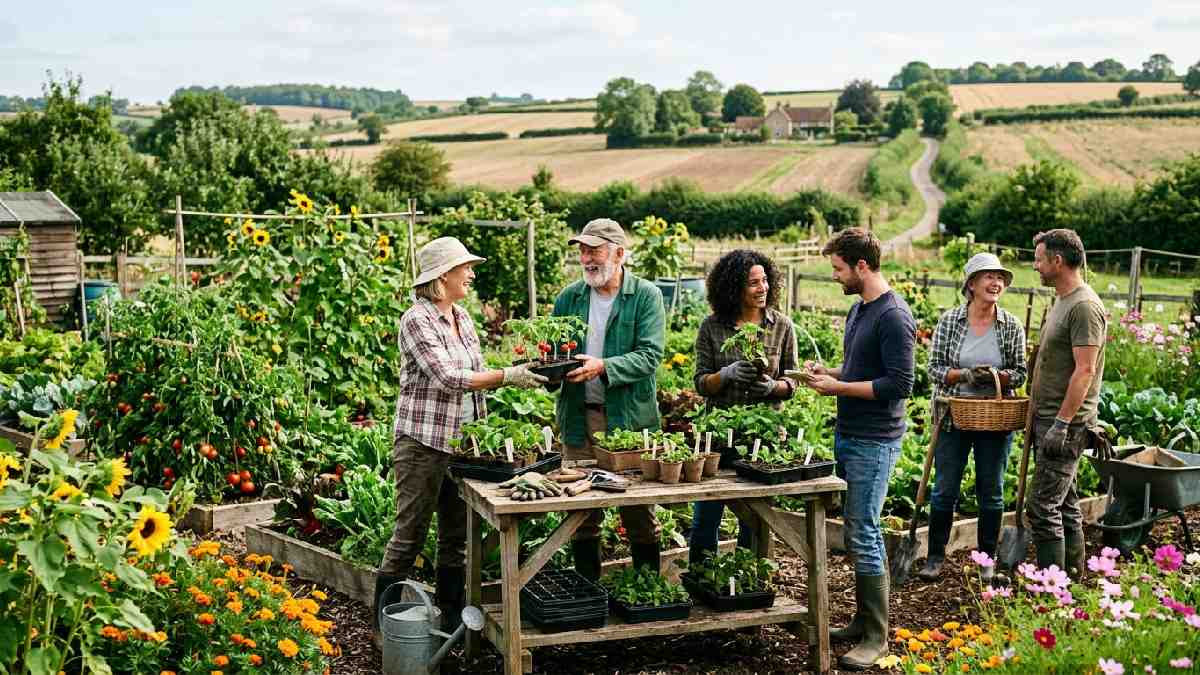
You’ll probably discover that a few people have been hoping someone would start something.
How to Choose the Right Group
Finding a group is step one. Finding the right one is what keeps you coming back. Before committing, think through the following.
What do you want from it? Learning, socializing, free plants, land, a project, or all of these? Be honest. Someone who wants a plot to grow tomatoes will be frustrated in a club that only listens to lectures about flower arranging.
How active is the group? Check the date of the last post or event. Regular meetings, even if small, are a good sign.
What is the atmosphere? Some groups are relaxed and welcoming. Others are formal and competitive, with judging and rules. Neither is bad, but one will suit you better.
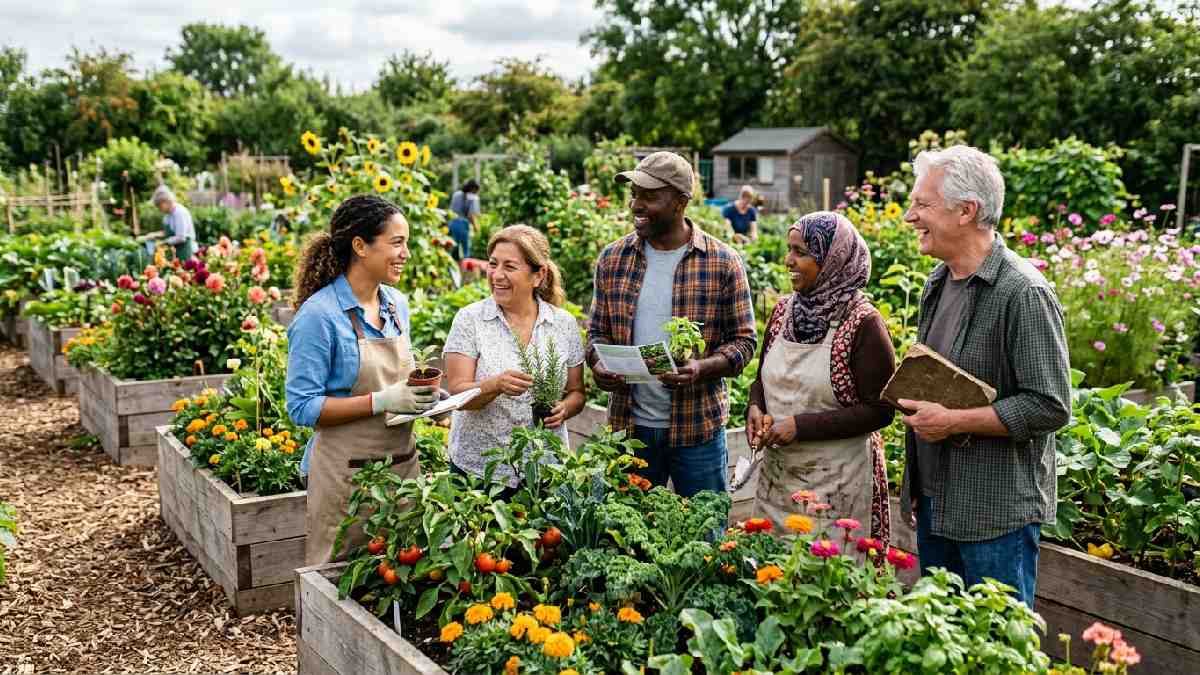
What does it cost? Many clubs charge a small annual fee for insurance, newsletters, and guest speakers. Community garden plots often have a yearly rent or deposit. Many online groups are free. Ask upfront so there are no surprises.
Is it beginner-friendly? A good sign is a group that says beginners are welcome, and members who don’t roll their eyes at basic questions.
Where and when do they meet? A perfect group that meets on Tuesday mornings across town isn’t perfect if you work then. Practical details matter.
Does it match your interests? Vegetable growers, native plant fans, and rose enthusiasts each tend to feel most at home with their own kind.
If you can, attend one or two meetings before paying anything. Most clubs allow a trial visit.
Your First Meeting: What to Expect
Walking into a room of strangers can feel awkward, even if you love the topic. Here’s what usually happens and how to make it easier.
The format. Most meetings start with a bit of socializing, tea and snacks, then announcements, then a speaker or activity. After that comes more chatting, often the best part.
What to bring. A notebook, a pen, and an open mind. If you’re going to a swap, bring plants or seeds. If you’re not sure, ask beforehand.
How to introduce yourself. Keep it simple. “Hi, I’m new to the area and just started gardening. What do you grow?” People love talking about their gardens, and that question opens doors.
Ask questions, but pace yourself. Nobody minds questions. But don’t try to solve every gardening problem you’ve ever had in the first hour. Pick your top one or two.
Listen more than you talk at first. You will pick up local names for plants, favorite nurseries, and unwritten rules.
Offer to help. Stacking chairs, setting out cups, or helping with the raffle table is the fastest way to become part of the group.
Follow up. If someone was kind, message them afterward or say hello at the next meeting. Friendships start with small repeated contact.
Group Etiquette: How to Be a Good Member
The best groups run on goodwill. A few simple habits keep it that way.
- Be respectful of different methods. Organic, conventional, no-dig, raised beds, hydroponics: people have strong opinions. You can disagree politely.
- Share generously. If you have extra seedlings or a technique that worked, offer it.
- Be honest about plants. Mention if a plant is invasive, prone to disease, or spreads aggressively. Nobody wants a surprise bindweed.
- Follow the rules. Whether it’s community garden hours, water usage, or swap limits, rules exist because someone once had a bad experience.
- Take care of shared spaces. Clean tools, close gates, and don’t leave a mess.
- Give credit. If someone helps you, thank them, and say so publicly if it’s an online group.
- Don’t spam. In online groups, avoid selling constantly or posting off-topic content.
Plant Swaps: The Best Perk of Joining a Group
A plant swap is an informal gathering where gardeners trade plants, cuttings, seeds, bulbs, and sometimes tools or pots. Nobody buys anything. You bring what you have extra of and take what you like.
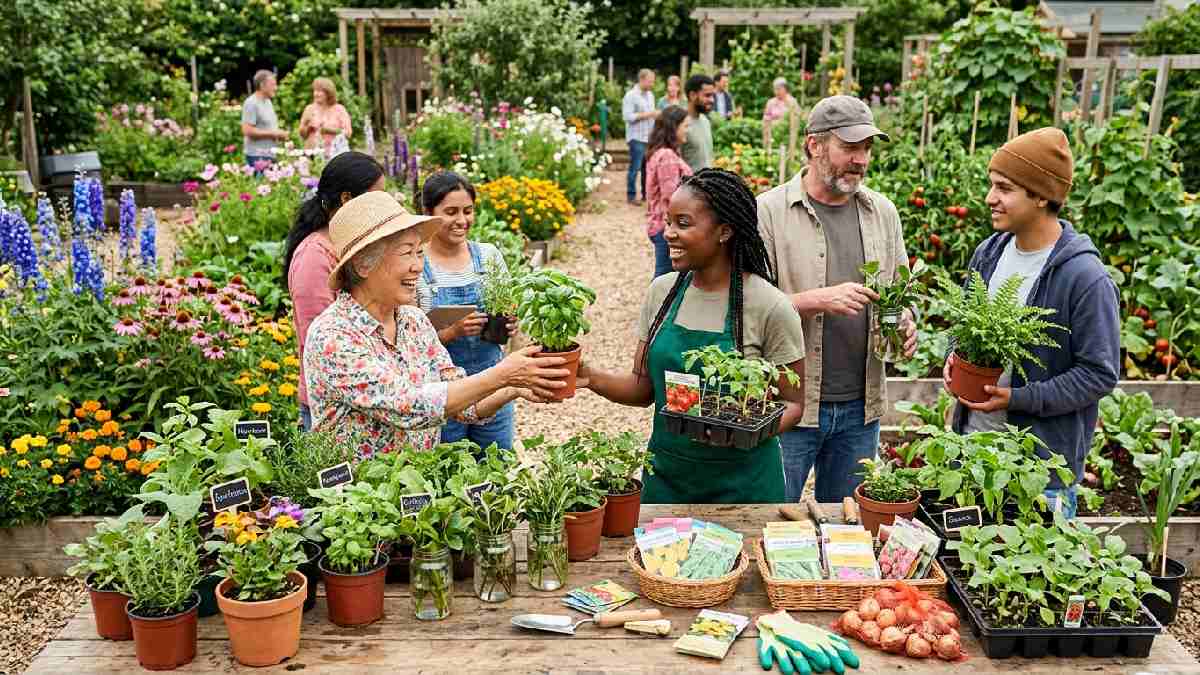
It’s arguably the most fun part of any garden club.
What You Can Swap
- Seedlings you grew too many of
- Cuttings from houseplants, herbs, and shrubs
- Divisions of perennials (hostas, daylilies, irises, and so on)
- Seeds, ideally labeled and dated
- Bulbs and tubers
- Potted plants and succulents
- Gardening books and magazines
- Spare pots, trays, and small tools
How to Prepare for a Swap
- Label everything. Write the plant name, whether it likes sun or shade, and any special care. If you don’t know the exact name, describe it honestly (“pink flowers, blooms in spring, grows about knee-high”).
- Choose healthy plants. Don’t bring diseased or pest-ridden material. That’s how problems spread through a whole community.
- Pot cuttings properly. A rooted cutting in damp soil travels much better than a bare stem.
- Bring a way to carry your finds. Boxes, trays, and old carrier bags help.
- Keep it fair. Most swaps are informal, but some use a ticket system: each plant you bring earns a ticket to take one home. Follow the group’s approach.
Being Careful With Swapped Plants
Some plants are invasive or restricted in certain regions. Before you bring or take anything, check that it isn’t a plant your local authority discourages. Quarantine new plants for a week or two away from your other plants, just to make sure there are no hitchhiking pests. Wash your hands and tools if you move between plants.
No Swap Nearby? Start a Small One
A plant swap can be as simple as five neighbors meeting in a driveway on a Saturday morning. Pick a date, tell people, put out a table, and you’re done. If it goes well, do it every season.
Local Gardening Events Worth Looking For
Groups are also your gateway to events. Watch for these.
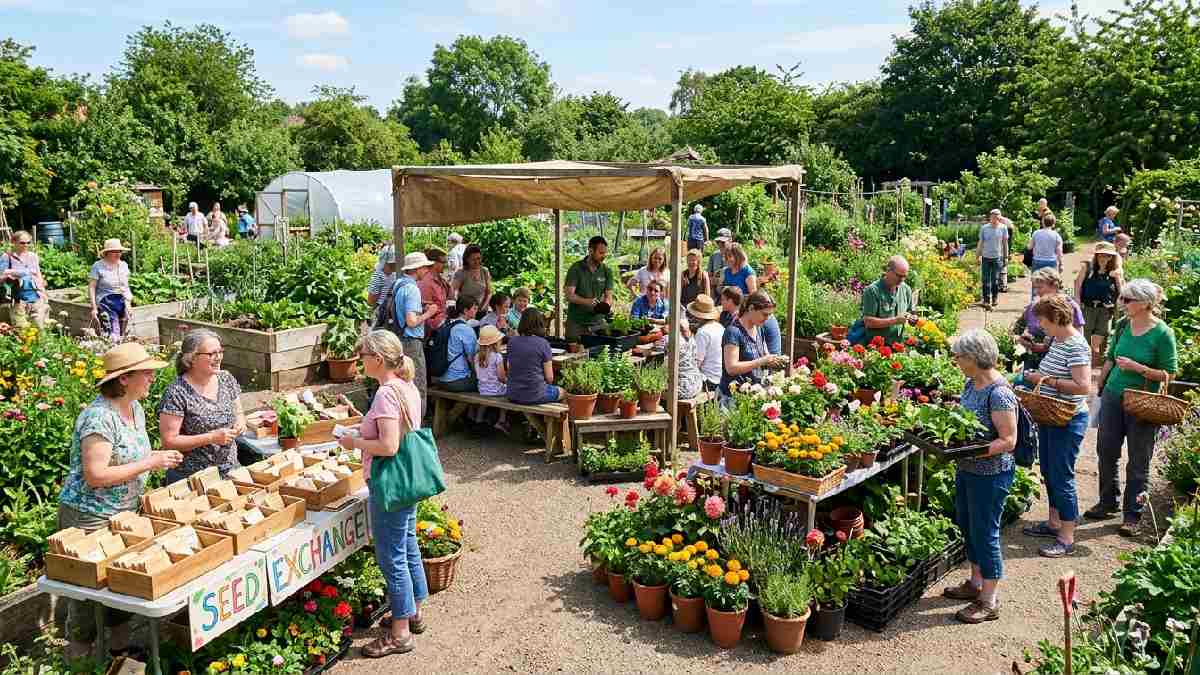
Plant sales. Clubs often grow plants specifically for sale. Prices are lower than commercial nurseries, and the plants are adapted to local conditions.
Garden tours. Members open their gardens to visitors. It’s the best inspiration you’ll find, and you can ask the owner questions directly.
Workshops. Typical topics include pruning, composting, seed starting, grafting, container gardening, and pest control. Hands-on sessions teach more than videos do.
Flower and vegetable shows. Competitions are friendly, and you’ll see varieties you didn’t know existed. Entering is fun even if you don’t win.
Guest talks. Local experts, botanists, and nursery owners share knowledge specific to your region.
Seed exchanges. Often held in late winter or early spring, just before planting season.
Volunteer days. Planting trees, restoring a park bed, or tidying a school garden gives you exercise, company, and a good feeling.
Seasonal festivals. Harvest festivals, spring bulb days, and holiday wreath-making sessions are common.
To keep track, subscribe to club newsletters, follow their social media pages, and check community calendars at libraries and town websites.
Gardening Groups for Special Situations
If You’re a Complete Beginner
Look for groups that mention beginners or new gardeners. Community gardens with experienced neighbors are also ideal. Start with easy plants such as herbs, lettuce, radishes, marigolds, or zucchini, and ask your group what grows reliably in your area.
If You Have Very Little Space
Balcony and container gardening groups are growing quickly. You can grow surprisingly well in pots, vertical planters, and window boxes. Ask a group about compact varieties and good potting mixes.
If You’re a Busy Professional
Choose groups with evening or weekend events, or stick to online communities that fit around a schedule. Even fifteen minutes on a quick question thread can save a plant.
If You Garden With Kids
Search for family gardening sessions, school garden projects, or children’s workshops. Keep sessions short, let kids get dirty, and grow fast, colorful plants like sunflowers and cherry tomatoes.
If You’re a Senior Gardener
Look for clubs offering raised beds, lightweight tools, seating, and shorter work sessions. Many seniors say gardening groups are what keep them active and connected.
If You Have a Disability
Ask about accessible plots, adaptive tools, and inclusive events. Therapeutic gardening programs exist in many regions. Most groups are happy to adjust if you tell them what you need.
What If There’s No Gardening Group Near You?
Sometimes you search and find nothing. That is an opportunity, not a dead end. Starting a group is easier than most people imagine, and you don’t need to be an expert.
Step 1: Test the Interest
Post in a neighborhood group, put a note at a nursery or library, or simply ask friends: “I’m thinking of starting a local gardening group. Would anyone be interested?” You only need a handful of people to begin.
Step 2: Decide on a Simple Purpose
Keep it clear. For example: “A monthly meetup for local gardeners to share tips and swap plants.” A focused idea attracts the right people.
Step 3: Pick a Regular Time and Place
Meeting in a park, someone’s garden, a library room, or a café corner is enough. Regular timing, such as the first Saturday of every month, builds habit.
Step 4: Set Up an Easy Way to Communicate
A WhatsApp group, Facebook group, or email list works fine. Pick one main channel so information doesn’t scatter.
Step 5: Start Small, Then Grow
Your first meeting might have four people. That’s fine. Share tea, walk around a garden, swap a few seeds. Word spreads faster than you’d expect.
Step 6: Share the Work
Ask members to take turns hosting, organizing swaps, or inviting speakers. A group that depends on one person tends to fade when that person gets busy.
Step 7: Keep a Simple Schedule
Plan the year around the seasons: seed starting in early spring, a swap in late spring, a harvest share in summer, bulb planting in autumn, and a planning session in winter.
Step 8: Stay Welcoming
Make sure newcomers are greeted, questions are answered kindly, and nobody is made to feel foolish. That single habit decides whether a group survives.
Tips for Getting More From Your Group
Joining is the start. Here’s how to make it valuable.
Keep a garden journal. Write down what you plant, when, what worked, and what failed. Bring it to meetings when you’re asking for advice.
Take photos. In an online group, a clear photo of the whole plant, the leaf up close, and the soil around it helps others diagnose problems. Add your location and recent weather.
Share your failures too. Some of the most useful posts are honest ones: “Here’s what went wrong and what I learned.”
Volunteer for something small. Newcomers who help quickly become known and trusted.
Learn from more than one person. Two experienced gardeners might give opposite advice. Test both on small sections and see which suits your garden.
Attend outside your comfort zone. Go to a talk on a plant you’ve never grown. You might find a new passion.
Pass it on. After a year or two, you’ll be the person answering a newcomer’s question. That’s how the cycle continues.
Common Mistakes to Avoid
Joining too many groups at once. You’ll spread your attention thin. Choose one or two and commit.
Expecting instant results. Gardening is slow. Groups help, but plants still need time to grow.
Taking every piece of advice as a rule. Even experts are working from experience in their own gardens. Test before you commit fully.
Ignoring safety advice. When using pesticides, fertilizers, or power tools, follow instructions and local guidance, and don’t rely on a random comment.
Sharing too much personal information online. Avoid posting your exact address, travel dates, or other private details in public groups. A general area is enough.
Ignoring group rules. Every group has its own culture and rules. Read the pinned post or ask an admin.
Only taking. Groups thrive when people give too. Bring extra seedlings, answer a question, or help at an event.
Safety and Common Sense When Meeting Strangers
Most gardening groups are safe, friendly places. Still, use ordinary caution, especially with online groups.
- Meet in public places for the first time, or attend official club events.
- Tell a friend or family member where you’re going.
- Don’t share sensitive personal or financial information.
- Be careful with unsolicited sales or “too good to be true” plant offers.
- If someone makes you uncomfortable, leave and tell a group admin.
The Benefits Beyond the Garden
People often join a gardening group for plants and stay for people. Studies and health organizations regularly highlight that time outdoors, gentle physical activity, and social connection support mental and physical wellbeing. Gardening offers all three at once.
Members often talk about the calm of working with soil, the satisfaction of eating something they grew, and the comfort of belonging to a community. Some groups grow food for neighbors in need. Others restore wild corners for bees and butterflies. A few small flower beds can change how a neighborhood feels.
You don’t need to be an expert to enjoy any of this. You only need to show up.
Frequently Asked Questions
How do I find gardening groups near me?
Search online for "garden club" or "community garden" plus your city, check Facebook Groups and Meetup, ask at local nurseries and libraries, and contact your local agriculture or extension office. Also ask neighbors whose gardens you admire.
Are gardening groups free to join?
Many online groups and informal meetups are free. Formal garden clubs often charge a small yearly membership fee, and community garden plots may cost rent. Ask before joining.
What is a plant swap and how does it work?
It's a gathering where people exchange plants, cuttings, seeds, and supplies. You bring what you have extra of, take what you like, and label everything so others know what they're getting.
Can I join a group if I only have a balcony?
Yes. Container and balcony gardeners are common, and many groups have dedicated sessions for small-space growing.
How can I find local gardening events?
Follow club newsletters and social pages, check community calendars, and look at notice boards in libraries, nurseries, and community centers. Meetup and Facebook Events are also useful.
Conclusion
Gardening looks like a solitary hobby, but the best gardeners rarely work alone. They swap seeds over fences, compare notes at club meetings, and pass down tricks that no book quite captures.
If you’ve been searching for gardening groups near me, take the first small step this week. Search your area, send one message, or show up at a meeting. You don’t need perfect soil, a big yard, or years of experience. You need curiosity and a willingness to learn from the people around you.
Somewhere close by, a group of local gardeners is probably tending their beds, trading cuttings, and wondering if anyone new will drop by. That could be you. And if no group exists yet, you might be the one to start it.
Your garden will thank you, and so will the people you meet along the way.