

Can You Eat Microgreen Roots Without Any Risk?
Many home growers and urban gardeners ask this important question every single day without finding a clear and confident answer. Can you eat microgreen roots safely without any health risk at all? The direct and honest answer is yes, microgreen roots are safe to eat in most cases when properly cleaned and grown in certified organic mediums at home.
However, taste, texture, and the type of growing medium used all play important roles in your personal decision every harvest. Understanding exactly how roots develop and what they contain helps every home grower make the best and most informed choice possible.
What Are Microgreen Roots and How Do They Form?
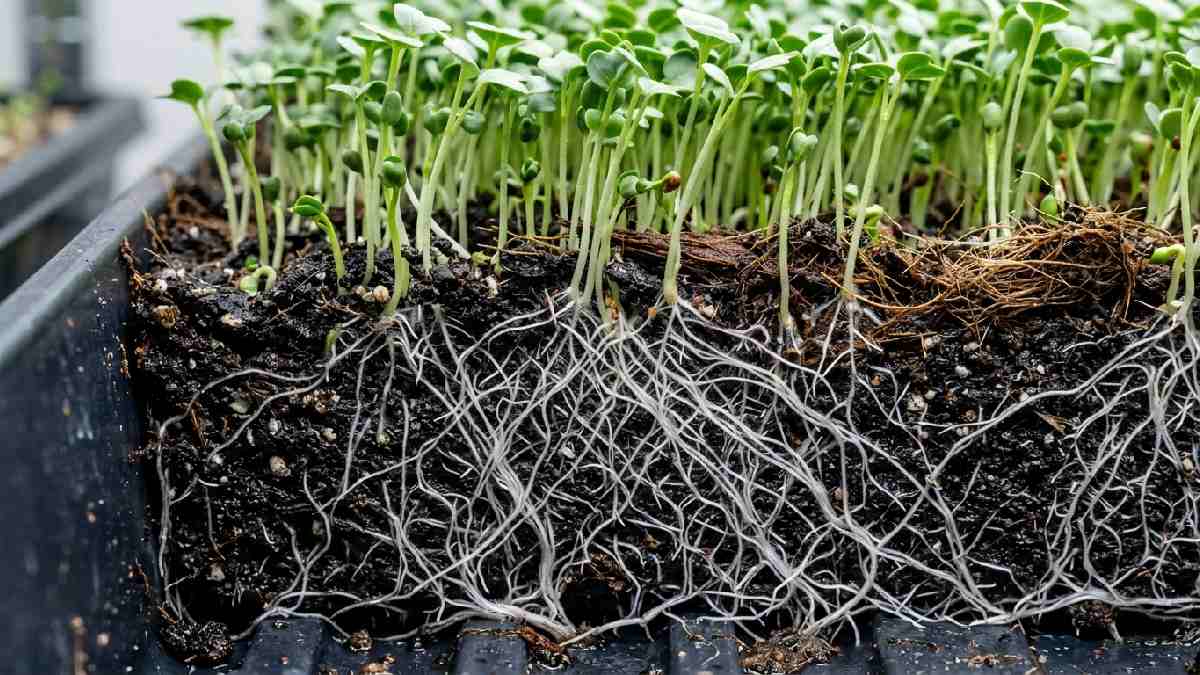
Microgreen roots are thin thread-like structures that anchor young seedlings firmly into the growing medium throughout the growth cycle. They absorb essential water and vital nutrients from soil, coco coir, or growing mats every single day during growth. These roots develop very rapidly during early germination.
By harvest time, roots are fully developed and densely packed deep into the medium below the tray surface. Most growers simply cut green shoots above and leave roots behind without ever stopping to ask can you eat microgreen roots or whether they have any real food value worth exploring at all.
How Microgreen Roots Develop During the Growing Cycle
Microgreen roots begin forming within the first twenty four hours after seeds make contact with the moist growing medium surface. Tiny white root hairs emerge and push steadily downward seeking water and nutrients for early growth. By day three, roots become noticeably thicker and well established throughout the tray.
At harvest time between seven and fourteen days, roots form a dense and tightly woven mat under the surface. Most growers cut green shoots above the root line and completely discard what remains in the tray. This is why many people never think to ask can you eat microgreen roots as a real food option worth trying.
How Growing Medium Affects Root Cleanliness and Edibility
The cleanliness of microgreen roots depends entirely on which growing medium is used during cultivation at home. Soil grown roots are deeply embedded in dark earthy material that is very difficult to fully clean before safe eating. Coco coir roots are slightly easier to rinse but fibrous particles still cling stubbornly to delicate root hairs throughout.
Hydroponic growing mats like jute and hemp always produce the cleanest and most easily rinsable roots of all available options for home growers today. If you wonder can you eat microgreen roots from hydroponic setups, the answer is far more practical and realistic compared to soil grown alternatives.
The Key Difference Between Sprout Roots and Microgreen Roots
Sprouts and microgreens are two completely different plants that many people commonly confuse with one another every day. Sprouts grow entirely in water and the whole plant including clean crisp roots is always eaten completely without any hesitation. Microgreens grow in soil or a growing medium and only the green shoots above are typically cut and eaten fresh.
Sprout roots are naturally clean, crisp, and designed for full consumption from the very beginning of the process. When asking can you eat microgreen roots it is very helpful to understand this important difference between sprouts and microgreens for complete clarity and better personal decision making at home always.
Why Most People Discard Microgreen Roots After Harvesting
Most home growers and commercial producers cut microgreen shoots well above the root zone at harvest time always. Roots are left behind in the growing tray along with the medium beneath them after every cut. Many people discard roots simply out of long-standing habit and common practice they have always followed without question or curiosity.
Others avoid eating roots because of their stringy and slightly chewy texture compared to the very tender green shoots growing above them. Taste is another primary reason people skip roots during everyday meal preparation. The bright green shoots above are far more flavorful, nutritious, and visually appealing for fresh salads and daily dishes.
Is It Safe to Eat Microgreen Roots Every Day at Home?
Can you eat microgreen roots every single day without any health concerns at all? Generally yes, microgreen roots are not toxic or harmful to the human body when properly cleaned and prepared before eating. Safety depends entirely on how microgreens were grown and which growing medium was used throughout the entire cycle.
Roots grown in clean certified organic soil or growing mats are always the safest daily eating option without worry. Roots grown with chemical fertilizers or treated growing mediums should never be eaten under any circumstances whatsoever. Always rinse roots very thoroughly before consuming them to remove all particles and surface bacteria from every root hair completely.
Nutritional Value Found Inside Microgreen Roots
Can you eat microgreen roots and still receive meaningful and useful nutrition from them at home? Yes, microgreen roots do contain some genuine nutritional value worth knowing about. They carry small amounts of dietary fiber, trace minerals, and beneficial plant compounds absorbed during the active growing process below the surface.
However, the bright green leafy shoots above always contain significantly higher concentrations of vitamins, minerals, and powerful antioxidants overall. Roots alone are not a major nutritional source when directly compared to the shoots. Eating them does add minor useful fiber to your daily diet that actively supports healthy and comfortable digestion over time every day.
Real Health Risks of Eating Uncleaned Microgreen Roots
While microgreen roots are generally safe, there are some real and important risks worth understanding before consuming them at home. Roots grown in non-organic or chemically treated soil may absorb harmful substances during active plant growth. Mold can develop rapidly at the root level if trays are consistently overwatered or have poor airflow during cultivation at home.
Eating moldy roots is always dangerous and must be completely avoided without any exception whatsoever under any circumstances. Growing medium particles clinging tightly to roots can also cause digestive discomfort if not thoroughly removed before eating. Always inspect roots carefully and wash them very well under cool running water before any consumption attempt.
Step-by-Step Guide to Cleaning Microgreen Roots Properly
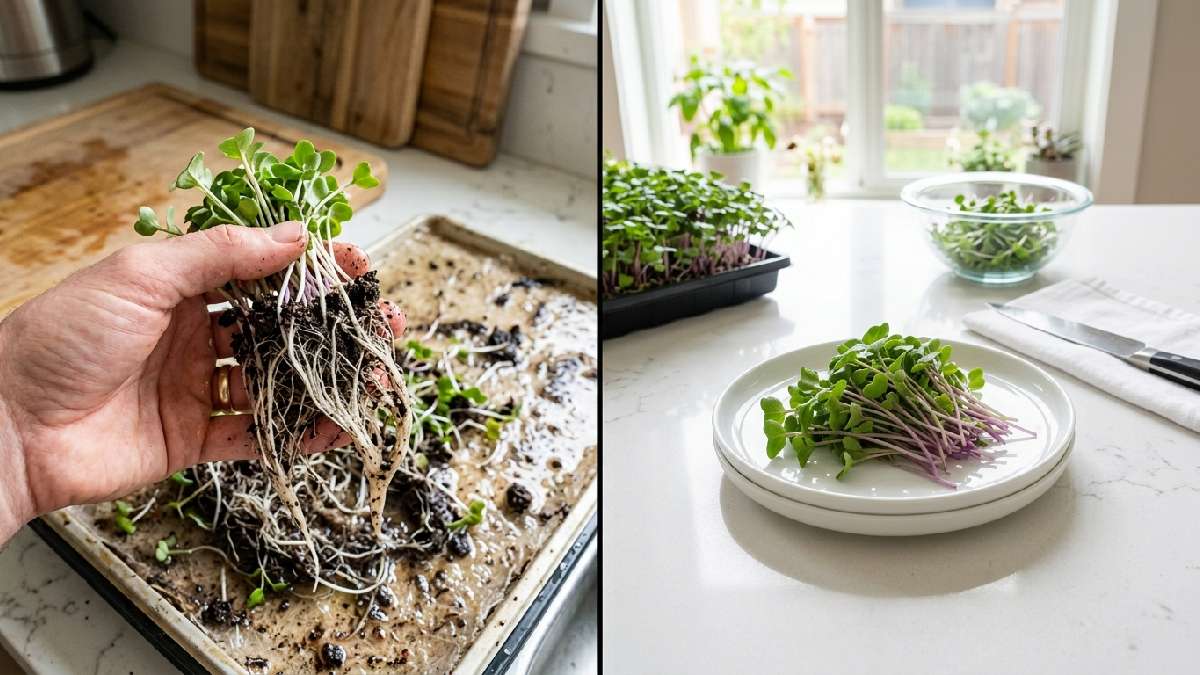
Properly cleaning microgreen roots is the single most important step before consuming them safely at home each harvest. Gently separate the entire root mat from the growing tray without breaking the delicate individual root hairs at all. Hold roots under cool clean running water and rinse thoroughly for at least thirty full seconds per handful you clean carefully.
Use your fingers to gently work away soil, coco coir, or growing mat fibers clinging between the roots and root hairs. Pat completely dry with a clean paper towel before adding roots to any recipe or dish you are preparing today. Properly cleaned roots from certified organic mediums are genuinely safe and ready for eating without any major concerns.
Which Microgreen Varieties Produce the Safest Edible Roots?
Not all microgreen varieties produce roots that are equally suitable or genuinely pleasant for everyday eating purposes at home. Some roots are clean, tender, and truly enjoyable, while others are tough, bitter, or strongly flavored and deeply unpleasant when eaten raw. Knowing which varieties produce the best-tasting and most pleasant roots helps you make smarter growing choices every single season ahead.
Always grow microgreens in certified clean organic mediums if you plan to consume roots alongside the green shoots above them regularly. Pea shoots and sunflower microgreens consistently produce the most pleasant, cleanest, and most enjoyable roots among all commonly grown varieties available today for regular home eating.
How Do Microgreen Roots Actually Taste and Feel?
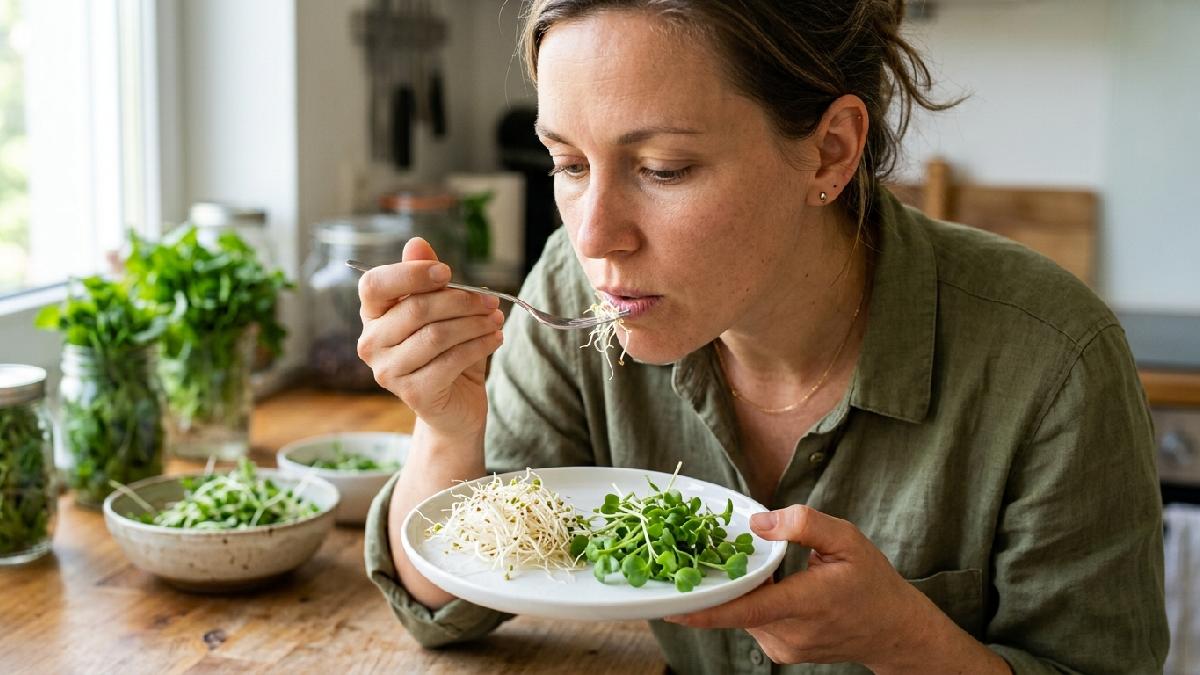
Can you eat microgreen roots and actually enjoy the entire taste and texture experience in your everyday kitchen? That depends entirely on your personal taste preferences and individual texture tolerance as a curious food explorer at home. Microgreen roots have a mild, slightly earthy flavor that is far less intense than the vibrant green shoots growing directly above them in the tray.
The texture is noticeably stringy, slightly chewy, and fibrous compared to the soft and very tender greens that most people strongly prefer eating fresh every day. Taste testing thoroughly cleaned roots from a clean hydroponic setup is always the smartest and most practical first experiment to try personally at home.
Flavor Profiles of Common Microgreen Roots by Variety
Different microgreen varieties produce roots with noticeably different and interesting flavor profiles that are worth exploring in your home kitchen. Sunflower microgreen roots have a pleasant, mild nutty taste that blends very beautifully into green smoothies and fresh cold-pressed juices daily.
Pea shoot roots are naturally sweet and relatively tender, making them one of the most enjoyable microgreen roots to eat raw without much extra preparation needed. Radish microgreen roots carry a slightly spicy and peppery bite very similar to the vibrant shoots growing above them each and every day. Broccoli and kale roots taste very mild and pleasantly earthy with little distinguishing flavor on their own when eaten raw or lightly cooked in dishes.
Understanding the Texture Difference Between Roots and Shoots
The texture difference between microgreen roots and their green shoots above is very significant and immediately noticeable to everyone who tries eating both parts together. Green shoots are beautifully soft, delicate, and melt very easily in your mouth with every pleasant and satisfying fresh bite you take. Roots are visibly fibrous, noticeably tougher, and require more chewing effort before you can swallow them comfortably without any struggle or unpleasantness.
This strong texture difference is the primary reason most people choose to cut and completely discard roots during harvesting time every single week at home. Blending roots into green smoothies fully eliminates the tough chewy texture problem making daily consumption much more enjoyable and easy for most people everywhere.
Best Creative Ways to Use Microgreen Roots in Your Kitchen
If you decide to use microgreen roots in your everyday kitchen routine, several very creative and practical methods work extremely well for most home cooks. Blending thoroughly cleaned roots directly into fresh green smoothies is the easiest and most widely used method among experienced home growers everywhere today. Adding very finely chopped roots to hot soups and warm stews softens them nicely during cooking and adds a mild earthy, natural depth of flavor to the dish.
Mixing roots into fresh homemade salad dressings adds a subtle and very pleasant earthy note that complements leafy greens and herbs beautifully in every bowl. Fermenting thoroughly cleaned roots into simple homemade kimchi or pickles is another creative and genuinely nutritious kitchen application worth exploring regularly.
Why Home-Grown Microgreen Roots Are the Safest to Eat
Growing your own microgreens at home gives you complete and total control over root cleanliness and overall food safety at every important stage of the process. You personally choose the growing medium, seed quality, and water source used from the very beginning of the entire growing cycle at home.
Can you eat microgreen roots confidently when you grow them yourself from quality certified organic seeds? Absolutely yes, because you know exactly what went into growing them from seed to final harvest every single time you grow a new tray.
Using only certified organic seeds, clean filtered water, and trusted certified growing mediums makes your roots completely safe to eat regularly at home. Home growing saves you money and provides fresh, usable roots available whenever you truly need them.
How to Set Up Your Home Growing Station for Clean Edible Roots
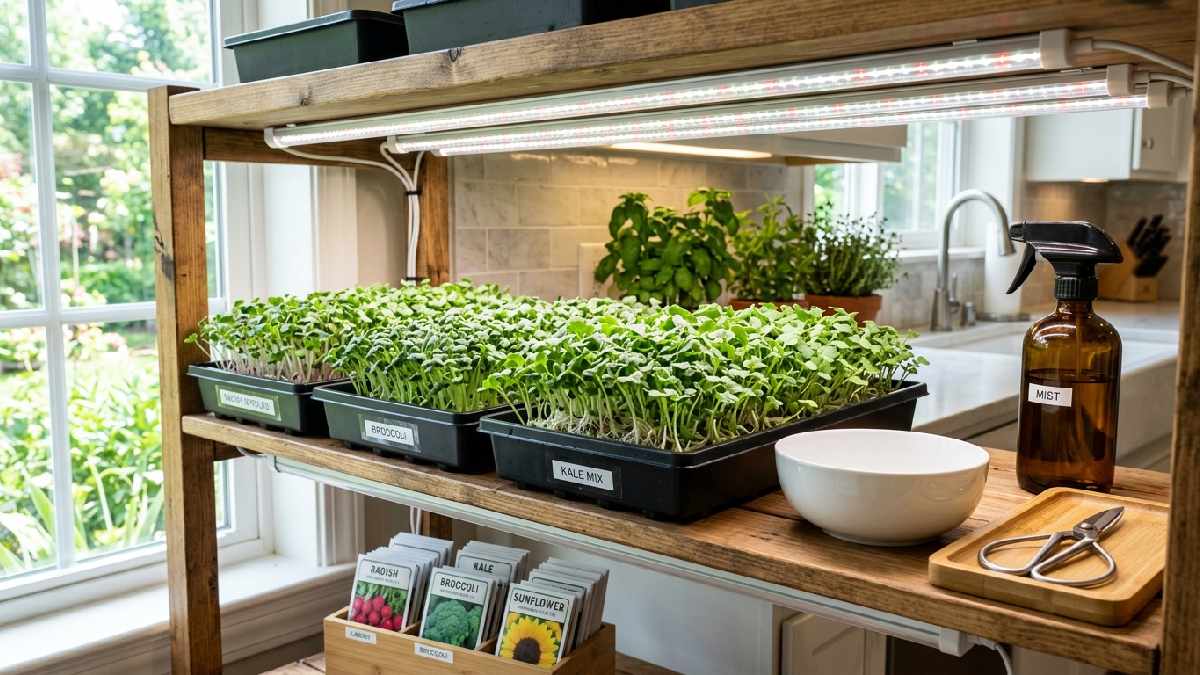
Setting up your home microgreen growing station correctly from the very beginning produces the cleanest and safest possible roots for regular daily consumption. Use shallow growing trays with proper drainage holes to completely prevent dangerous water pooling and mold growth at the root level below.
Choose certified organic growing mats or clean coco coir as your primary growing medium for the very cleanest and most genuinely edible root results every cycle.
Plant seeds evenly and carefully across the entire tray surface to prevent unhealthy overcrowding and very poor airflow problems during the growing cycle. Keep your growing area consistently clean, well organized, and properly ventilated throughout every single growing cycle you complete successfully at home.
Watering Practices That Keep Microgreen Roots Clean and Healthy
Proper and very consistent watering practice is extremely important for maintaining genuinely clean and very healthy microgreen roots throughout the entire growing cycle. Bottom watering is always strongly recommended because it keeps green shoots completely dry and totally mold-free during active daily growth at home.
Pour clean filtered water directly into the solid bottom tray and allow roots to absorb moisture naturally from below at their own comfortable pace without rushing the process.
Never splash water carelessly onto the growing medium surface because this spreads particles directly onto the developing root zone beneath all your plants. Overwatering consistently creates very wet conditions that strongly encourage dangerous mold growth right at the root level below.
How to Harvest Microgreens While Preserving Roots for Eating
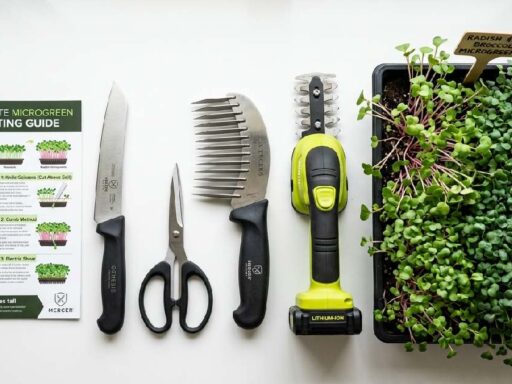
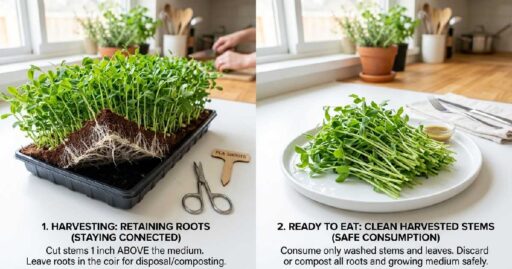
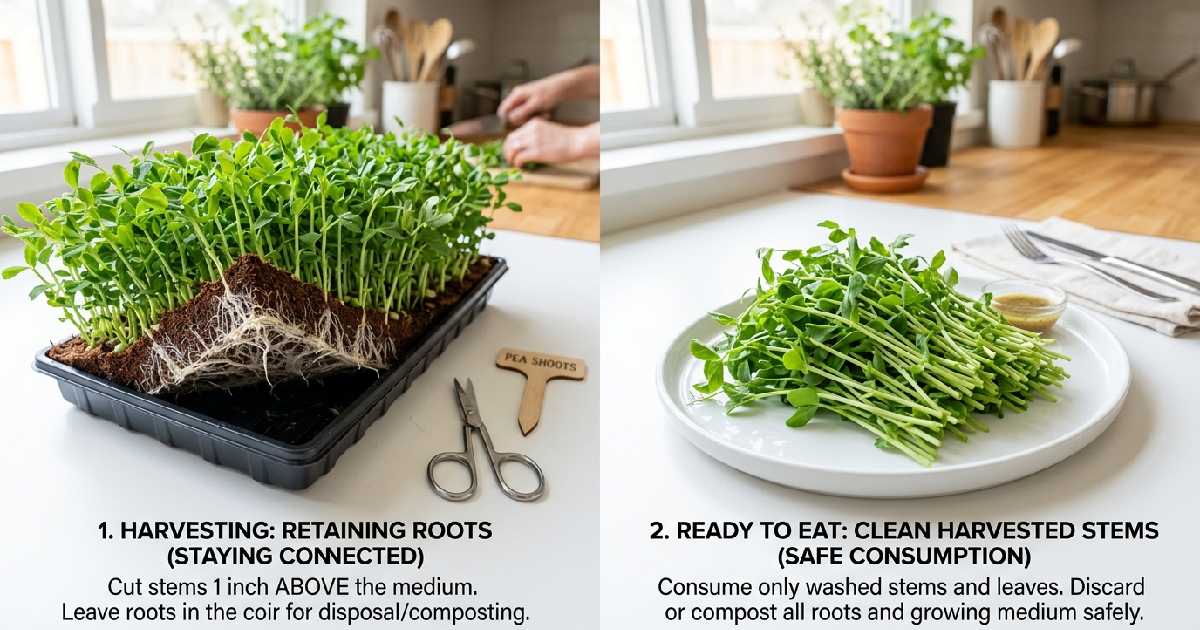
Harvesting microgreens correctly allows you to preserve the roots in perfect condition for eating or composting immediately afterward every single harvest time. Use a very sharp, clean knife or good scissors to cut all green shoots just above the root line in one smooth and clean cutting motion.
Leave the complete intact root mat carefully in the growing tray after cutting all the green shoots cleanly above it without disturbing the roots. Immediately lift the entire root mat gently from the tray and hold it under cool, clean running water for very thorough and complete rinsing.
Gently separate individual roots while rinsing to remove all growing medium particles and debris from every surface completely. Use cleaned roots immediately for the very best possible flavor, texture, and maximum nutritional quality every time.
Best Growing Mediums for Producing Clean Edible Microgreen Roots
Choosing the right growing medium has the single biggest and most direct impact on whether your microgreen roots are genuinely edible and truly enjoyable. Soil grown roots absorb more trace minerals but are extremely difficult to completely clean and safely prepare before eating them at home.
Coco coir produces slightly cleaner roots but small fibrous particles still stubbornly cling to the delicate individual root hairs throughout the mat. Hydroponic growing mats like jute or hemp consistently produce the cleanest and most easily rinsed roots of all available growing options for home growers today.
Always choose completely organic and untreated growing mediums to produce the very safest possible roots for regular human consumption without any chemical concerns whatsoever always.
Best Microgreen Varieties to Grow for Eating the Roots
Pea shoot microgreens consistently produce some of the most enjoyable and genuinely pleasant-tasting roots among all commonly grown home varieties available today. Their roots are naturally sweet, relatively tender, and very easy to clean thoroughly before eating without much effort or frustration at all for most people.
Sunflower microgreens also produce thick, clean, and quite substantial roots that blend very beautifully into fresh morning smoothies and cold pressed juices. Wheatgrass roots are notably tough but are widely used in dedicated juicing because of their exceptionally high nutrient and impressive mineral content.
Lentil sprout roots are very mild and crisp making them among the easiest and most accessible roots to incorporate into everyday home cooked meals and fresh dishes regularly.
Creative Kitchen Uses for Microgreen Roots Every Day
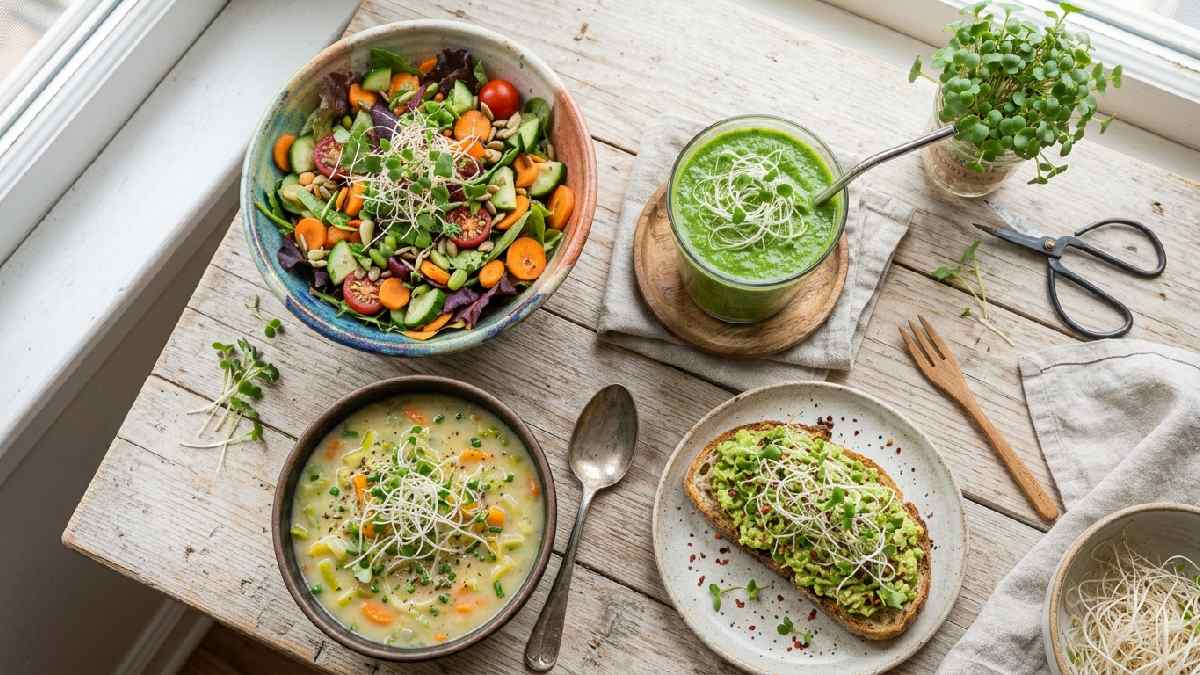
Once you have thoroughly cleaned your microgreen roots, using them creatively in your everyday kitchen becomes surprisingly simple and genuinely rewarding for any home cook. There are several very practical and creative ways to incorporate roots into your daily meals, healthy drinks, and fermented foods without any waste at all.
Smoothies, hot soups, fermented vegetables, and nourishing homemade broths all benefit from the mild earthy flavor and added dietary fiber that properly cleaned roots naturally provide.
Reducing growing tray waste by eating or composting roots makes your entire home microgreen operation much more sustainable and environmentally conscious overall. Creative daily use of roots turns your growing hobby into a truly impressive zero-waste urban gardening practice at home.
Adding Microgreen Roots to Green Smoothies for Extra Nutrition
Blending cleaned microgreen roots into fresh green smoothies is by far the most practical and widely used kitchen application available to any home grower today. The blender completely and very effectively breaks down the tough fibrous texture of roots making them totally undetectable in the final blended and smooth drink. Add a small, clean handful of pea shoots or sunflower roots to your regular morning green smoothie for extra beneficial fiber and mild gentle nutrition every day.
Combine with ripe banana, fresh baby spinach, creamy oat milk, and a generous spoonful of your favorite almond butter for a very well-balanced and deeply satisfying morning breakfast. The mild earthy flavor of well-cleaned roots blends very seamlessly with sweet fresh fruits and leafy greens without overpowering the overall pleasant taste at all.
Cooking With Microgreen Roots in Soups and Warm Dishes
Adding very finely chopped and thoroughly cleaned microgreen roots to hot soups, clear broths, and warm hearty stews is another very practical and genuinely useful kitchen application for any home cook. The natural heat from cooking effectively and quickly softens the fibrous texture of roots significantly, making them much more pleasant and comfortable to eat in any cooked dish.
Chop roots into very small fine pieces before adding them to your pot during the final five minutes of the total cooking time to preserve texture. Warming vegetable broths, comforting lentil soups, and hearty classic minestrone all benefit noticeably from the mild, earthy natural flavor and added healthy fiber that roots provide every time. This simple method reduces daily food waste while adding genuine nutritional value to your everyday home cooked meals.
Fermenting Microgreen Roots Into Probiotic Foods at Home
Fermenting thoroughly cleaned microgreen roots into simple homemade kimchi, easy vegetable pickles, or mixed fermented vegetable blends is a truly creative and very nutritious kitchen option worth exploring. Natural fermentation transforms the tough fibrous texture of roots into something noticeably softer, pleasantly tangy, and much more enjoyable and easy to eat every day.
Combine very finely chopped cleaned roots with fresh shredded cabbage, freshly grated ginger, minced garlic, dried chili flakes, and good quality sea salt for a simple and very tasty homemade kimchi to enjoy.
Allow the mixture to naturally ferment at comfortable room temperature for two to five full days before moving to the refrigerator for safe longer-term storage. Fermented microgreen roots provide both useful dietary fiber and very beneficial probiotic bacteria that actively support healthy gut function daily.
Composting Microgreen Roots to Eliminate Growing Waste
Composting microgreen roots you choose not to eat is always the most sustainable and environmentally responsible option for managing leftover root mats from every single harvest you complete. After cutting your green shoots cleanly, the entire remaining root mat can go directly into your home compost bin or active worm farm without any special preparation needed at all.
Microgreen roots break down very rapidly in compost because they are still very young, tender, and moisture rich plant material at the exact time of harvest. The rich nutrients released during their natural decomposition return directly back to your growing soil and future growing medium improving its quality and fertility meaningfully over time.
Composting roots cleanly closes the complete growing cycle and eliminates all unnecessary food waste from your entire microgreen growing operation at home every cycle always.
FAQ
Can you eat microgreen roots without getting sick at home?
Yes, properly cleaned microgreen roots grown in certified organic mediums are completely safe to eat without causing any illness.
Do microgreen roots taste good blended into green smoothies daily?
Yes, blended roots add mild earthy flavor and useful fiber while the powerful blender eliminates any tough or unpleasant texture.
Are microgreen roots as nutritious as the green shoots growing above?
No, green shoots contain far more vitamins and antioxidants, but roots do provide small and beneficial amounts of important dietary fiber.
Can you eat microgreen roots that were grown in regular garden soil?
Yes, but soil grown roots must be washed extremely and very thoroughly to completely remove all soil particles before any safe consumption.
Which microgreen roots taste the best for regular everyday eating at home?
Pea shoot and sunflower roots taste the very best and are consistently the easiest and most enjoyable microgreen roots to eat regularly.
Should you ever eat moldy microgreen roots found in your growing tray?
Never eat moldy microgreen roots because mold at the root level can cause very serious digestive illness and significant health problems.
Can young children safely eat thoroughly cleaned microgreen roots at home?
Yes, children can safely eat thoroughly cleaned microgreen roots grown in certified organic mediums without any significant health concerns at all.
Conclusion
So can you eat microgreen roots safely and enjoyably at home every single day? The clear and confident answer is absolutely yes, with the right proper preparation and correct organic growing practices always firmly in place throughout your entire home growing cycle. Microgreen roots are genuinely safe, mildly nutritious, and surprisingly versatile in the everyday kitchen when handled and thoroughly cleaned correctly every single harvest time you complete.
Always grow microgreens in certified organic mediums, water consistently from below using the bottom tray method, and rinse roots very thoroughly before using them in any recipe or dish you prepare at home. Choose popular easy-to-clean varieties like pea shoots and sunflowers for the very best and most pleasant root eating experience every single harvest day throughout the growing season.
Always completely avoid chemically treated soils and immediately discard any roots showing visible signs of dangerous mold or contamination without any hesitation whatsoever. Visit RootedUrban.com today for more trusted detailed microgreen growing tips, helpful in-depth urban gardening guides, and genuinely honest expert advice that makes growing fresh healthy food at home simple, completely safe, and deeply enjoyable every single day of the year.