

Gardening Skills Every Beginner Should Learn (15 Core Techniques)
Most people don’t fail at gardening because they lack a green thumb; they fail because nobody taught them the right gardening skills. They fail because nobody ever taught them the handful of core skills that separate a thriving garden from a pile of dead stems. Gardening isn’t instinct; it’s a set of learnable techniques, and once you understand them, plants stop feeling unpredictable.
This guide walks through the gardening skills that actually matter the gardening skills you’ll use in almost every season in the order you’ll need them: from picking a spot and understanding your soil, to watering, feeding, pruning, and troubleshooting when something goes wrong. Master these, and you’ll spend a lot less time replacing dead plants and a lot more time enjoying what you grew.
Reading Your Site: Sunlight, Space, and Drainage
Before you plant anything, you need to understand the space you’re working with. This is the single most overlooked of all gardening skills, and it’s the reason so many beginner gardens struggle from day one.
Track your sunlight. Most vegetables and flowering plants need at least six hours of direct sun a day. Spend a day watching your yard or balcony; note which areas get full sun, partial sun, and shade, and at what times. A spot that looks sunny at noon might be shaded by a fence or tree by 4 pm.
Check your drainage. This is one of the first gardening skills to practice: dig a hole about a foot deep, fill it with water, and see how long it takes to drain. If water is still sitting there after a few hours, you have a drainage problem that will drown plant roots regardless of how well you water. Raised beds or added compost can fix this.
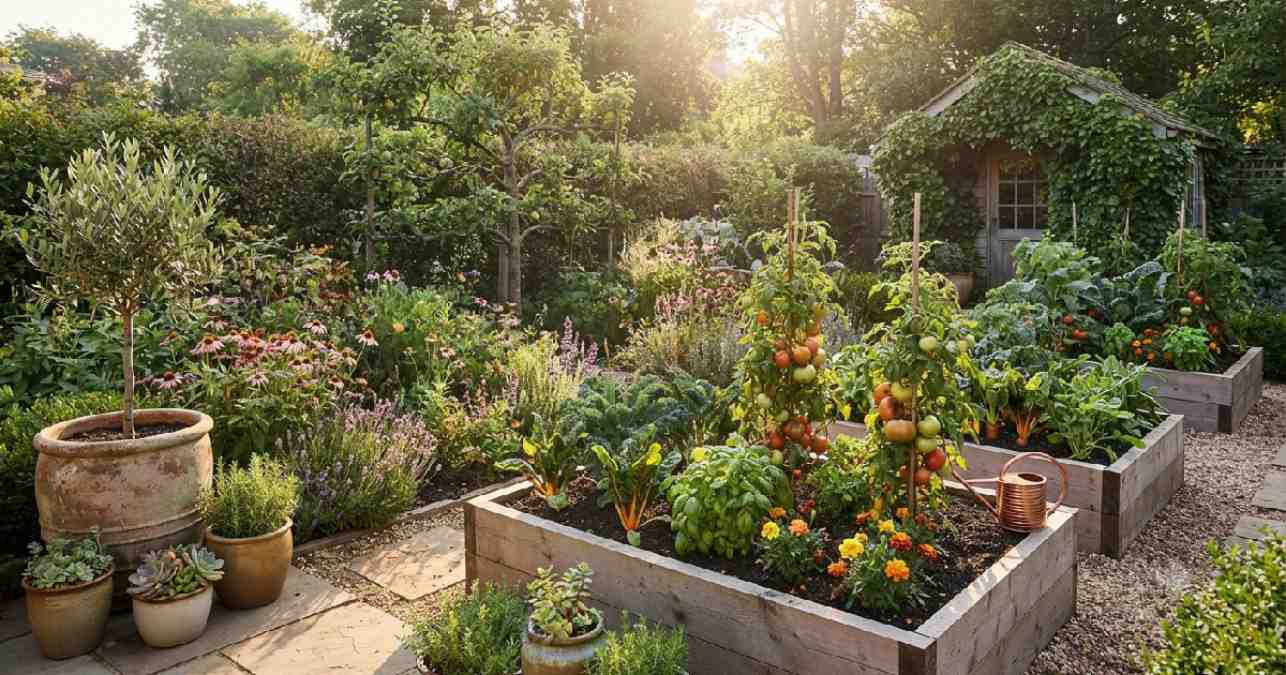
Understand your space constraints. A balcony, a small yard, and a half-acre lot all call for different approaches. Container gardening, vertical trellises, and raised beds all let you garden productively in tight spaces you don’t need a large plot to grow real food.
Understanding Soil (Not Just Dirt)
Soil is the foundation of every successful garden, and learning to read it is one of the core gardening skills that pays off for years.
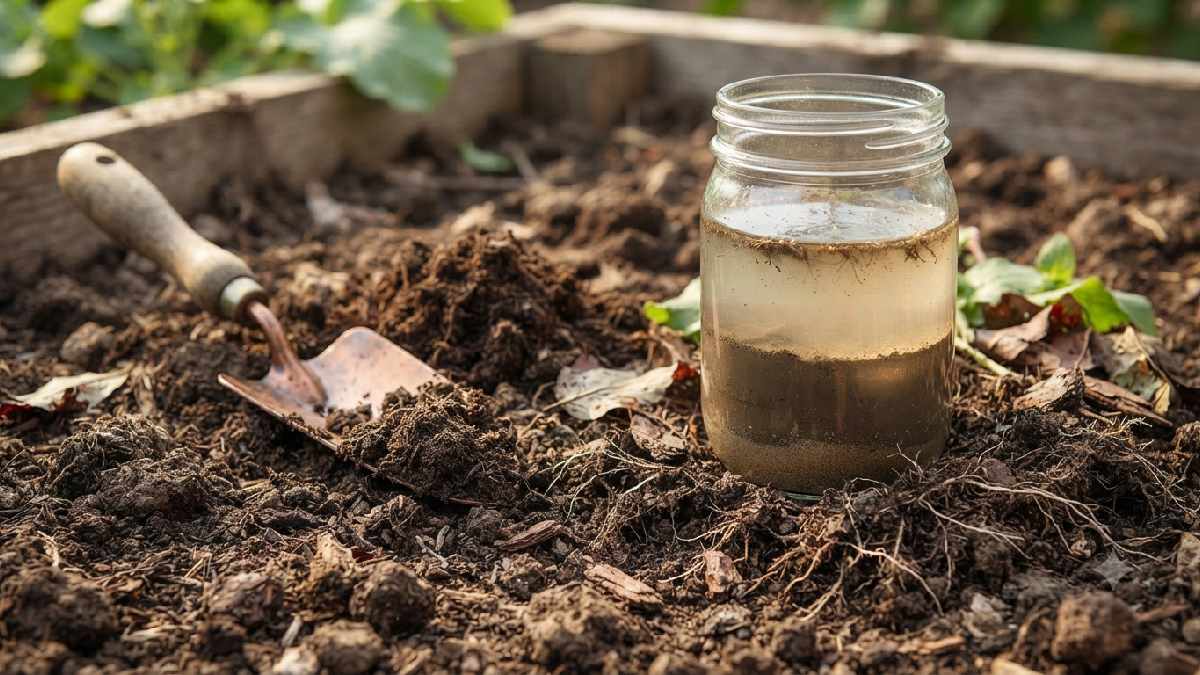
Learn your soil type. This is one of the foundational gardening skills: sandy soil drains fast but doesn’t hold nutrients well. Clay soil holds water and nutrients but compacts easily and drains poorly. Loam, a balanced mix of sand, silt, and clay, is the ideal middle ground most gardeners aim for. A simple jar test (shake soil and water in a clear jar, let it settle overnight) shows you the ratio in your own yard.
Test your pH. Most vegetables and flowers prefer slightly acidic to neutral soil, roughly 6.0 to 7.0 on the pH scale. Cheap soil test kits from any garden center will tell you where you stand, and the result determines whether you need to add lime (to raise pH) or sulfur (to lower it).
Build soil health with organic matter. Compost, aged manure, and leaf mold all improve soil structure, feed beneficial microbes, and help both sandy and clay soils behave more like loam. This is one gardening skill worth investing time in early, since healthy soil solves more problems than any fertilizer bottle.
Choosing the Right Plants for Your Conditions
One of the most practical gardening skills is matching plants to conditions instead of fighting them. A huge number of beginner gardening failures come down to one thing: fighting your conditions instead of working with them.
Know your hardiness zone. Understanding zones is a basic gardening skill; the USDA Plant Hardiness Zone map tells you which perennial plants can survive your area’s winter lows. Planting something rated for a warmer zone than yours is a common and avoidable mistake.
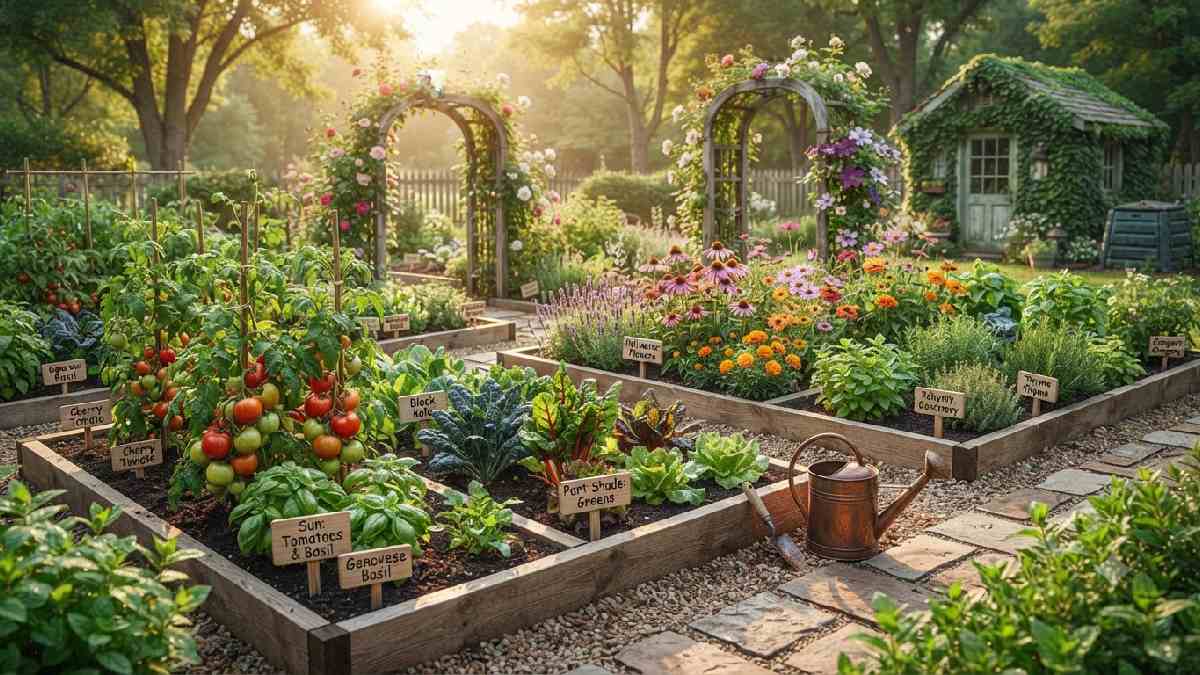
Start with forgiving plants. Tomatoes, peppers, zucchini, beans, marigolds, and herbs like basil and mint are famously tolerant of beginner mistakes. Save the finicky plants orchids, delicate perennials, anything with very narrow watering windows for after you’ve built confidence with the easy stuff.
Match sun and soil needs to what you actually have. A packet of seeds or a plant tag will tell you the light, water, and soil requirements. Read them before you buy, not after the plant is already struggling in the wrong spot.
Group plants with similar needs together. This practice, sometimes called hydrozoning, means putting thirsty plants near each other and drought-tolerant ones elsewhere, rather than scattering both types randomly across a bed. It makes watering far more efficient and prevents the common problem of overwatering drought-tolerant plants just to keep their thirstier neighbors happy.
Starting From Seed vs. Buying Transplants
Both approaches are valid gardening skills, and knowing when to use each is one of the more practical gardening skills for saving time and money.
Seed starting is one of the more rewarding gardening skills; it’s cheaper and gives you access to far more varieties than a garden center carries. It requires more patience; some seeds need 6 to 8 weeks indoors before your last frost date and a bit of setup: trays, a light source, and consistent moisture. Fast growers like beans, squash, and radishes can often be direct-sown straight into the garden.
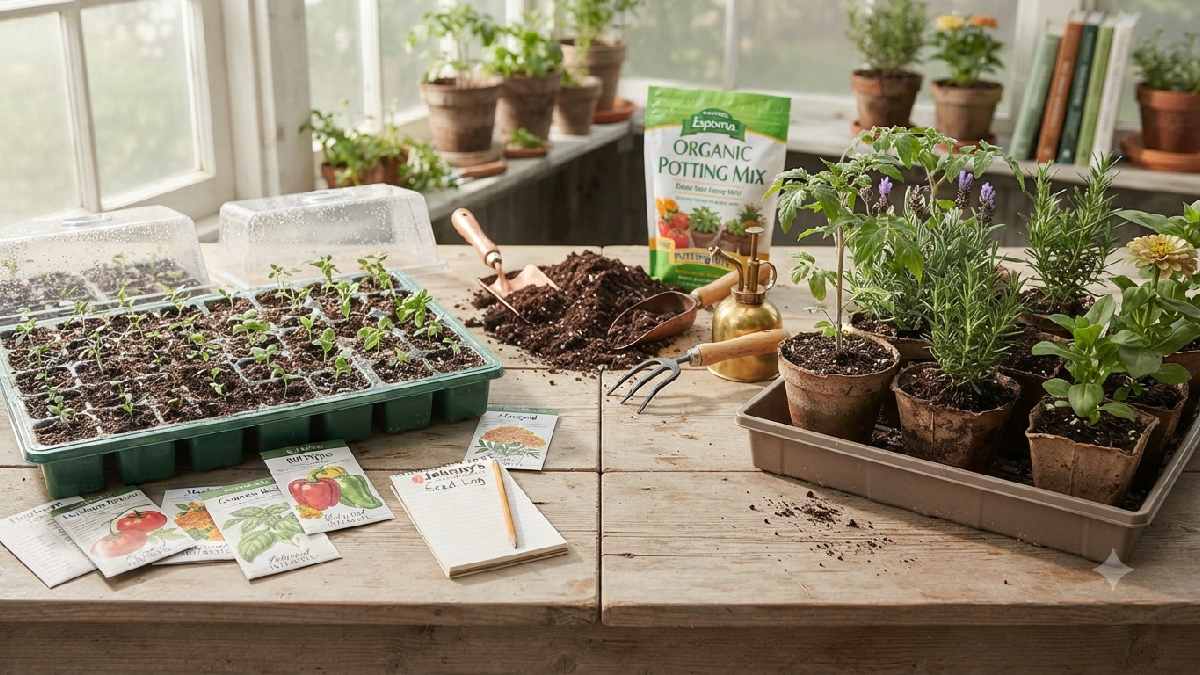
Transplants (starter plants bought from a nursery) skip the riskiest early weeks of a plant’s life and give you a head start on the growing season. They cost more per plant but are far more forgiving for slow-growing or finicky crops like tomatoes and peppers.
A practical rule: direct-sow anything that dislikes having its roots disturbed (carrots, beans, corn, most root vegetables), and start indoors or buy transplants for anything that benefits from a longer head start (tomatoes, peppers, broccoli).
Watering the Right Way
Overwatering kills more houseplants and garden plants than underwatering does, which makes proper watering one of the more counterintuitive gardening skills to master.
Water deeply, not frequently. This is the single most important of all watering-related gardening skills a light daily sprinkle only wets the top inch of soil, encouraging roots to stay shallow and making plants more vulnerable to drought. Watering deeply once or twice a week (roughly one inch of water total) encourages roots to grow down, where moisture is more stable.
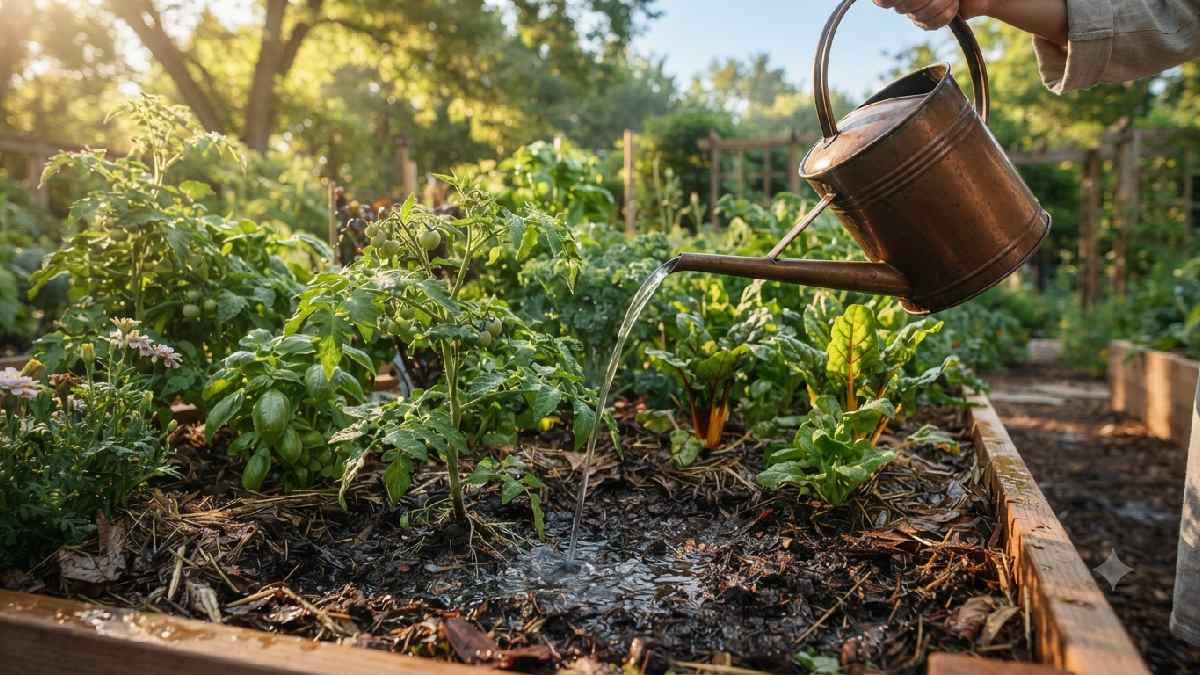
Check before you water. Stick a finger about two inches into the soil. If it’s still damp, hold off. This one habit prevents more plant deaths than any watering schedule you’ll find online.
Water at the base, not the leaves. Wetting foliage especially in the evening creates ideal conditions for fungal disease. Water at soil level, ideally in the morning, so any splashed leaves dry out during the day.
Mulch to retain moisture. A two- to three-inch layer of mulch (straw, wood chips, shredded leaves) slows evaporation, keeps soil temperature more stable, and cuts down significantly on how often you need to water.
Adjust for containers versus in-ground beds. Container plants dry out much faster than in-ground plants because their roots have a limited soil volume and more exposed surface area. In hot weather, containers may need daily watering, while an established in-ground bed might go several days between waterings without stress.
Watch for signs of both extremes. Underwatered plants wilt but usually perk back up within hours of a good soak. Overwatered plants also wilt, but the soil stays soggy, and leaves often turn yellow before dropping. Confusing the two is one of the most common beginner mistakes always check the soil before assuming a wilting plant needs more water.
Feeding Plants Without Overdoing It
Fertilizing is one of the gardening skills built on restraint as much as application too much is often worse than too little.
Understand N-P-K. This is a core feeding-related gardening skill. Fertilizer labels show three numbers for nitrogen (N), phosphorus (P), and potassium (K). Nitrogen drives leafy growth, phosphorus supports roots and flowers, and potassium supports overall plant health and disease resistance. A balanced fertilizer works for most general use; leafy greens benefit from extra nitrogen, while flowering and fruiting plants benefit from more phosphorus.
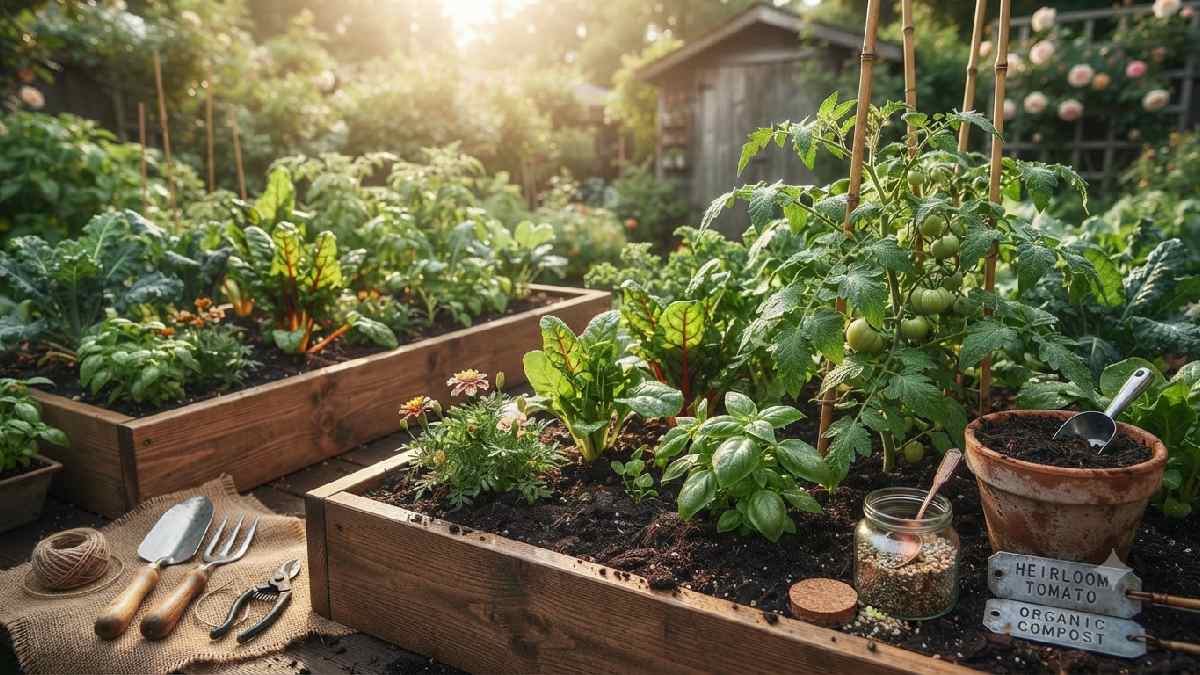
Feed the soil, not just the plant. Compost and organic matter release nutrients slowly and improve soil structure at the same time a more sustainable approach than relying purely on synthetic fertilizer.
Don’t over-fertilize. Too much fertilizer, especially nitrogen, can burn roots, cause excessive leafy growth at the expense of flowers or fruit, and even kill plants outright. Follow label instructions and resist the urge to add “a little extra” for faster results.
Pruning and Deadheading
Cutting parts off a healthy-looking plant feels wrong to most beginners, which is exactly why this is one of the gardening skills that takes deliberate practice to learn.
Deadheading is one of the simpler gardening skills removing spent flowers before they go to seed encourages many plants to keep producing new blooms instead of putting energy into seed production. Most annuals and many perennials benefit from regular deadheading throughout the growing season.
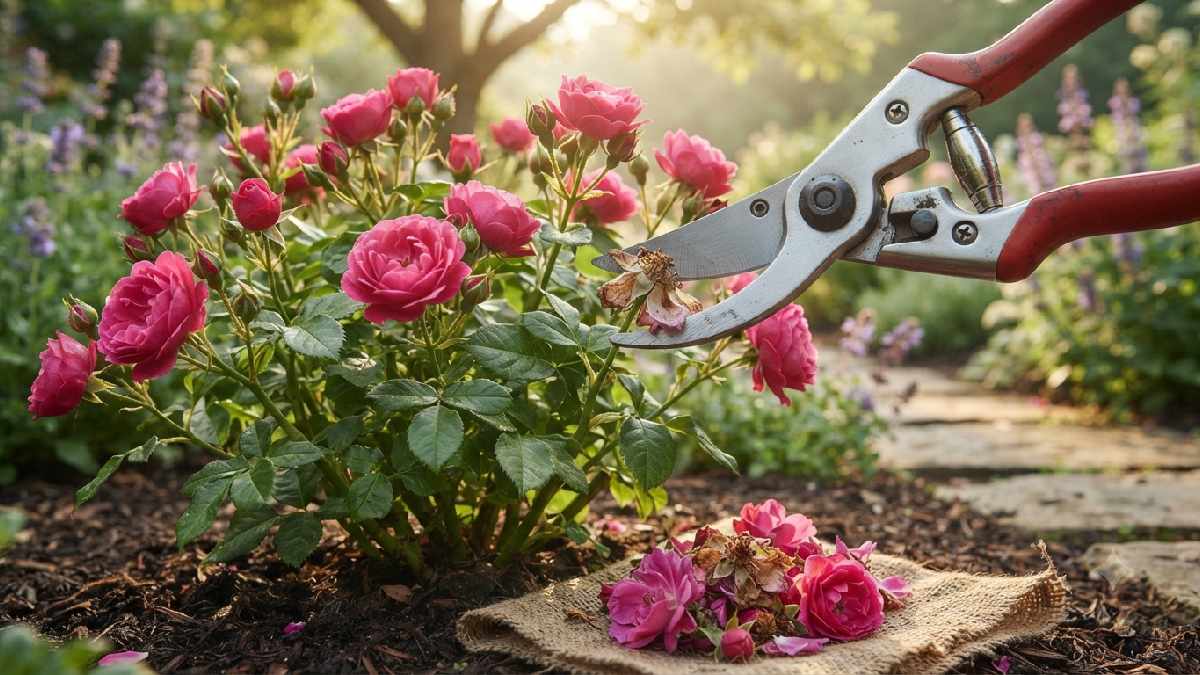
Pruning removes dead, damaged, or overcrowded growth, improving airflow (which reduces disease risk) and redirecting the plant’s energy toward healthier branches. For most shrubs and trees, late winter or early spring before new growth starts is the safest time to prune.
Pinching young plants like basil and tomatoes encourages bushier growth rather than a single tall, leggy stem. For tomatoes specifically, removing the small shoots that grow between the main stem and branches (called suckers) directs more energy into fruit production.
Weed Control That Actually Works
Weeds compete with your plants for water, nutrients, and light, and managing them is one of the more time-consuming gardening skills but a few habits make it far more manageable.
Mulch aggressively. This weed-control gardening skill is easy to master a thick layer of mulch blocks light from reaching weed seeds, dramatically cutting down how many actually germinate.
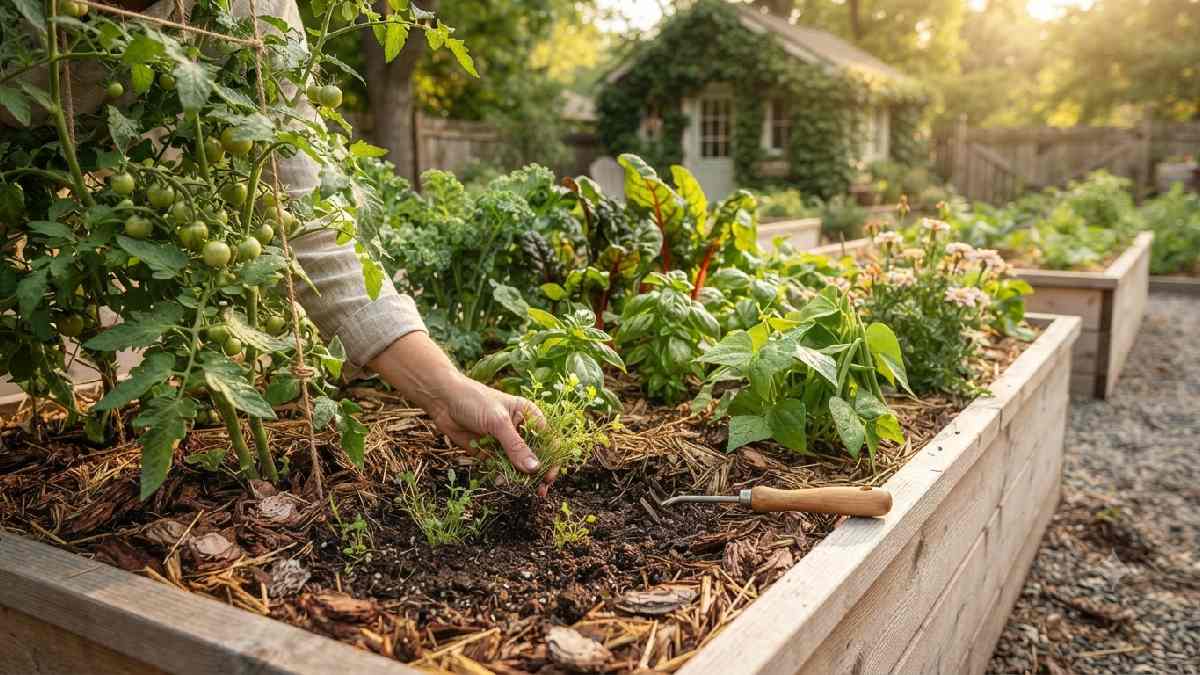
Pull weeds early and often. Young weeds come out easily, roots and all. Established weeds develop deep root systems that regrow even after you pull the visible top growth. A weekly five-minute check is far more effective than an occasional major weeding session.
Weed after rain. Damp soil releases weed roots far more easily than dry, compacted soil, saving you time and effort.
Recognizing and Managing Pests and Disease
Every garden eventually deals with pests or disease this gardening skill isn’t about avoiding them entirely, it’s catching problems early and responding appropriately.
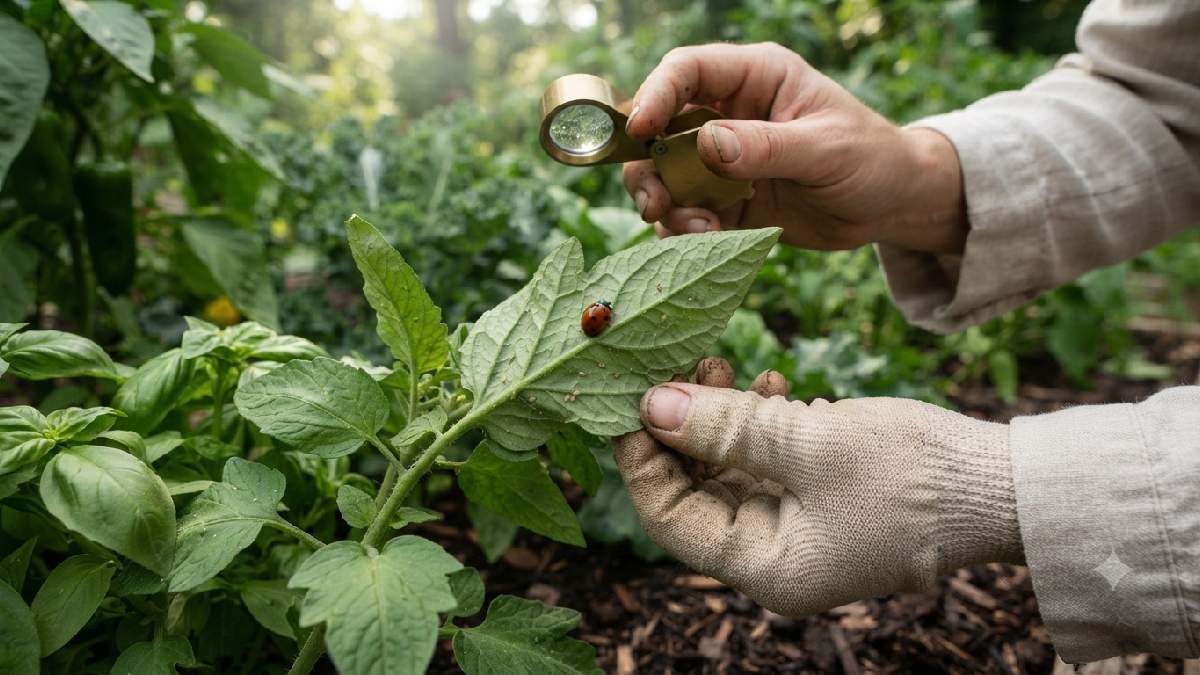
Inspect regularly. This is one of the most valuable pest-management gardening skills check the undersides of leaves, stems, and new growth every few days. Early infestations of aphids, spider mites, or fungal spots are far easier to manage than established ones.
Identify before you treat. Not every insect on your plant is a pest many are beneficial predators (ladybugs, lacewings, parasitic wasps) that are actually controlling the real problem for you. Misidentifying and spraying broadly can do more harm than good.
Start with the least aggressive treatment. Hand-picking pests, a strong spray of water, or insecticidal soap handle most minor infestations without resorting to stronger chemical treatments. Save more aggressive options for problems that don’t respond to gentler methods.
Improve conditions, not just symptoms. Many fungal diseases are a symptom of poor airflow or overwatering rather than a random attack. Spacing plants properly and watering at the base addresses the root cause, not just the visible problem.
Encourage natural predators. Planting flowers like dill, fennel, and yarrow attracts beneficial insects that prey on common garden pests, reducing how often you need to intervene manually. A garden with a healthy mix of plants tends to regulate its own pest populations far better than a monoculture of a single crop.
Rotate treatment methods if a pest persists. Insects can develop resistance to a single repeated treatment over time, much like bacteria can develop resistance to antibiotics. If one approach stops working, switching methods rather than simply applying more of the same product is usually more effective.
Composting
Composting turns kitchen scraps and yard waste into one of the best soil amendments available, and it’s one of the gardening skills that pays for itself repeatedly.
Balance greens and browns. Composting is a gardening skill built on ratios “green” materials (vegetable scraps, coffee grounds, fresh grass clippings) provide nitrogen. “Brown” materials (dried leaves, cardboard, straw) provide carbon. A rough ratio of two to three parts brown to one part green keeps a compost pile breaking down efficiently without smelling bad.
Turn it regularly. Turning your compost pile every week or two introduces oxygen, which speeds decomposition and prevents the pile from turning anaerobic (and smelly).
Be patient. A well-maintained compost pile can be ready in a few months; a neglected one might take a year or more. Either way, the finished product dark, crumbly, earthy-smelling compost is worth the wait.
Know when it’s finished. Finished compost looks dark and crumbly, smells earthy rather than sour or rotten, and no longer resembles the original food scraps or yard waste that went into it. Using unfinished compost can actually rob nitrogen from your soil as it continues breaking down, so it’s worth waiting until it’s fully ready before working it into a bed.
Consider a smaller-scale option if space is limited. Worm composting (vermicomposting) works well in small apartments or balconies, using a contained bin and red wiggler worms to break down food scraps quickly without needing a large outdoor pile.
Succession Planting and Crop Rotation
These two gardening skills separate casual gardeners from people who get a genuinely productive harvest season after season.
Succession planting is an intermediate gardening skill that means staggering plantings of the same crop every couple of weeks, rather than planting everything at once. This spreads your harvest out over a longer period instead of getting overwhelmed with 40 lettuce heads ready on the same day.
Crop rotation means not planting the same family of vegetables in the same spot year after year. Different plant families draw different nutrients from soil and are vulnerable to different pests and diseases; rotating disrupts pest life cycles and prevents specific nutrient depletion.
Keeping Garden Records
This is the most underrated of all the gardening skills on this list, and the one most beginners skip entirely.
This record-keeping gardening skill is simple: jot down what you planted, when, where, and how it turned out. Note which varieties thrived, which struggled, and what the weather did that season. Over a few years, this record becomes more valuable than any generic gardening guide, because it’s specific to your exact soil, climate, and conditions information no book or website can give you.
Even a simple notebook or phone notes app works. The point isn’t a polished system; it’s just capturing enough detail that next season you’re building on real data instead of guessing again from scratch.
Tool Care and Basic Equipment Skills
Good tools, kept in good condition, make every other item on this gardening skills list easier. Bad or neglected tools make simple jobs frustrating and can even damage plants.
Start with a core set, not a full shed. Tool care is a foundational gardening skill a hand trowel, pruning shears, a digging fork or spade, a rake, and a watering can or hose cover the vast majority of beginner gardening tasks. Specialty tools can wait until you know you actually need them.
Clean tools after use. Dirt left on blades and edges holds moisture and speeds up rust, and soil-borne diseases can spread from plant to plant on unwashed pruning shears. A quick wipe-down after each use adds years to a tool’s life.
Sharpen cutting tools regularly. Dull pruning shears crush plant stems instead of cutting them cleanly, leaving ragged wounds that heal slowly and invite disease. A sharp, clean cut heals faster and puts less stress on the plant.
Disinfect between plants when dealing with disease. If you’re pruning a plant showing signs of fungal or bacterial infection, wipe blades with rubbing alcohol before moving to the next plant. Skipping this step is one of the most common ways gardeners accidentally spread disease through their own garden.
Reading Plant Stress Signals
Plants can’t tell you what’s wrong directly, but they communicate clearly if you know what to look for. This diagnostic skill is one of the harder gardening skills to build, taking longer than most others on this list, but it’s what separates gardeners who catch problems early from those who lose plants without understanding why.
Yellowing leaves diagnosing this is one of the more advanced gardening skills can mean several different things depending on the pattern: overwatering, nitrogen deficiency, or natural aging of older lower leaves are the most common causes. Check soil moisture first, since overwatering is the most frequent culprit.
Brown, crispy leaf edges often signal underwatering, low humidity, or fertilizer burn from over-application. Brown spots with a yellow halo, on the other hand, are more often a sign of fungal or bacterial disease.
Leggy, stretched growth with unusually long gaps between leaves typically means insufficient light. The plant is stretching to reach more sun, at the cost of sturdier, bushier growth.
Stunted growth with no obvious pest or disease symptoms often points to poor soil, nutrient deficiency, or root-bound conditions in a container that’s become too small.
Learning to read these signals takes repetition you’ll misdiagnose plants sometimes, especially early on. But over a season or two, pattern recognition becomes second nature, and you’ll start catching problems within days instead of weeks.
Adapting Your Garden to the Seasons
Gardening isn’t a one-time setup seasonal adjustment is one of the ongoing gardening skills you’ll keep refining as conditions change throughout the year.
Spring calls on nearly every gardening skill at once: working compost into beds, hardening off seedlings started indoors, and planting once your last frost date has passed for tender crops.
Summer shifts the focus to maintenance: consistent watering, mulching to conserve moisture, monitoring for pests that thrive in warm weather, and succession planting to keep beds productive.
Fall is the season most beginners underuse. Many cool-season crops lettuce, spinach, kale, peas actually grow better in fall’s milder temperatures than in the heat of summer. It’s also the ideal time to plant most perennials, since cooler air and still-warm soil let roots establish before winter dormancy.
Winter is when you sharpen gardening skills through planning: reviewing your garden notes from the year, ordering seeds, planning crop rotation, and where the ground doesn’t freeze, sometimes growing cold-hardy crops under simple protection like row covers or cold frames.
Learning to work with your local seasonal rhythm, rather than fighting it, is one of the clearest markers of strong, well-rounded gardening skills.
Frequently Asked Questions About Gardening Skills
What's the most important gardening skill for a beginner to learn first?
Understanding your site's sunlight and soil conditions comes first nearly every other gardening skill depends on knowing what you're working with before you plant anything.
How long does it take to get good at gardening skills?
Most people see a noticeable jump in gardening skills and confidence after one full growing season, since so much of gardening is learned through direct trial and error rather than theory alone.
Do I need a big yard to practice real gardening skills?
No. Container gardening, vertical trellises, and raised beds let you practice nearly every core gardening skill soil management, watering, pruning, pest control on a balcony or small patio just as effectively as in a large yard.
What's the biggest mistake beginners make when building gardening skills?
Overwatering is the most common one, closely followed by planting in the wrong light conditions for the plant chosen. Both come down to skipping step one: understanding your site before you plant.
Is composting one of the essential gardening skills for a beginner?
It's not required, but it's one of the highest-value gardening skills to learn early, since it improves soil health, reduces the need for fertilizer, and turns waste you'd otherwise throw away into something useful.
Conclusion
Gardening skills build on each other, and that’s the real key to developing strong gardening skills over time. Understanding your site leads naturally into understanding your soil, which shapes what you plant, which determines how you water and feed, and so on. None of these skills require special talent they’re learned through observation, a bit of trial and error, and paying attention to what your specific garden is telling you.
Start with the fundamentals site, soil, and plant selection before worrying about pruning techniques or composting ratios. Building gardening skills in this order means most of the problems beginner gardeners run into simply won’t happen in the first place.