

Gardening Rocks: How to Use Rocks to Transform Your Garden Space
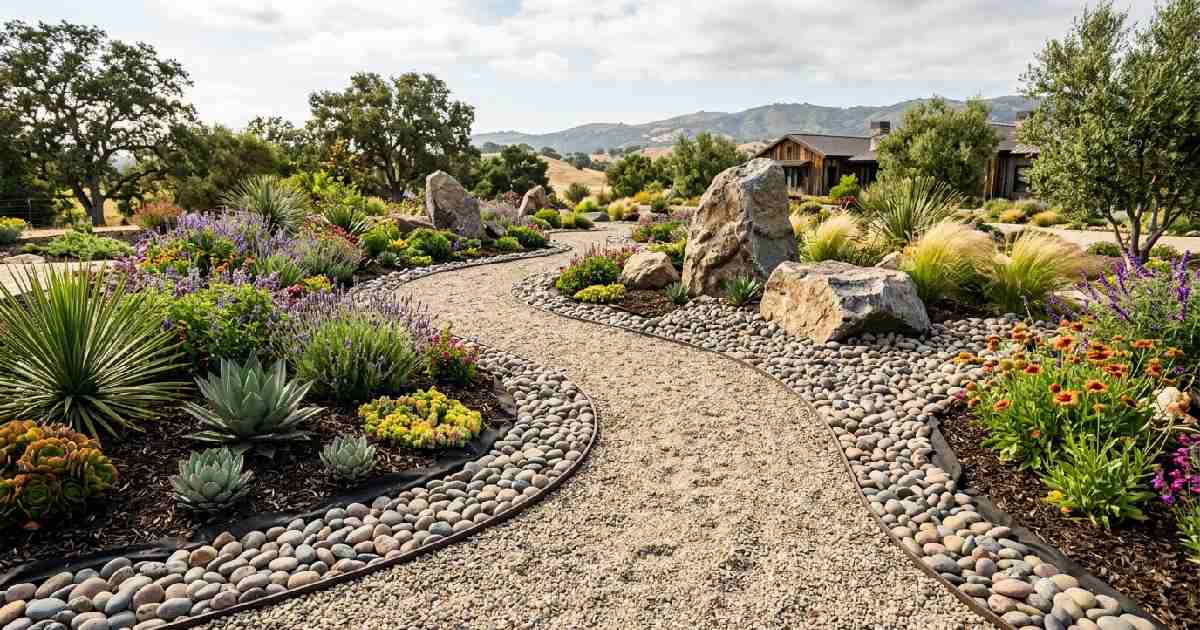
Gardening rocks are one of the most powerful and versatile tools available to any gardener today. They add natural texture, bold color, and lasting structure to any outdoor space. Unlike mulch or soil, rocks do not break down over time. They stay in place through heavy rain, strong wind, and seasonal changes. Gardening rocks reduce weeds, improve drainage, and lower overall maintenance significantly.
Whether you want a simple rock border or a full rock garden design, stones can completely transform how your garden looks and functions. They suit every style from modern minimalist to rustic cottage. Using rocks smartly makes any garden more beautiful, practical, and sustainable throughout every season of the year.
What Are Gardening Rocks and Why Use Them?
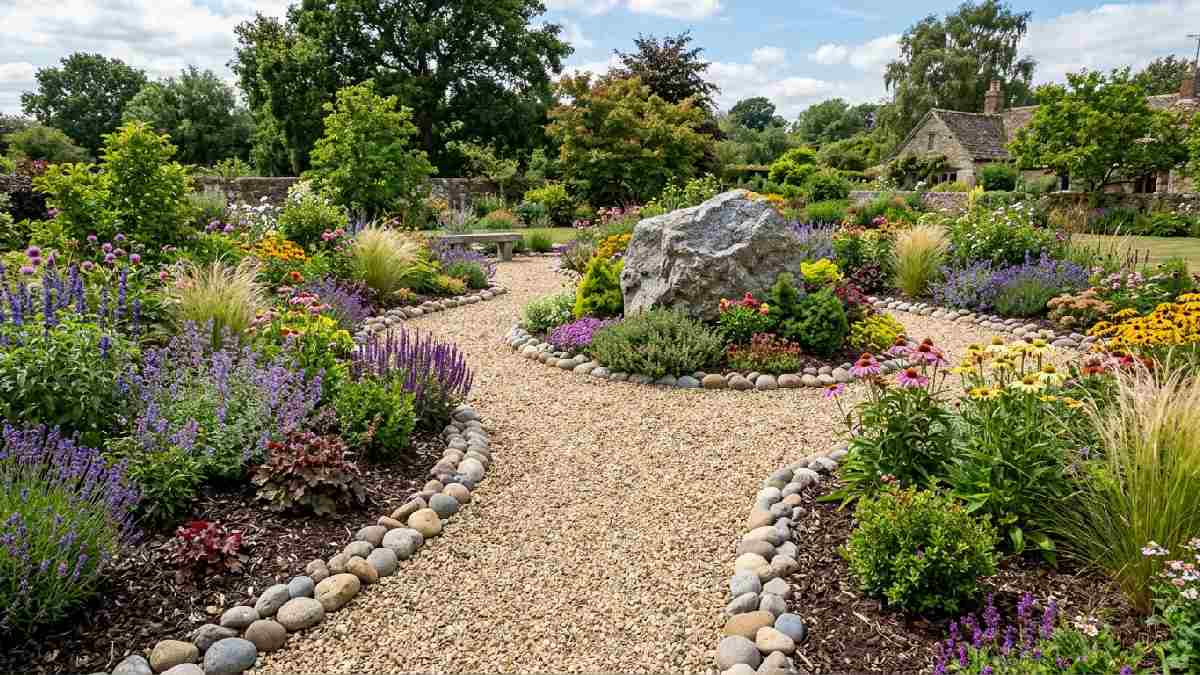
Gardening rocks are natural or decorative stones used in outdoor spaces to enhance design, improve drainage, and reduce maintenance. They replace mulch or bare soil in garden beds, pathways, and borders. Rocks come in many types, sizes, and colors to suit every garden style and budget. Unlike organic mulch, gardening rocks last for many years without needing replacement.
They suppress weeds effectively when used with quality landscape fabric underneath. Rocks protect soil from erosion during heavy rainfall and reduce water evaporation from the ground. They create clean, polished borders that make gardens look neat and intentional year-round. Adding gardening rocks is a smart, long-term investment in any outdoor space.
The Basic Definition of Gardening Rocks
Gardening rocks are stones placed in garden beds, pathways, and landscaped areas for both practical and decorative purposes. They range from tiny pea gravel to large boulders depending on the design goal. Natural stone types include river rock, lava rock, flagstone, and granite.
Decorative options include marble chips, slate, and crushed limestone. Each type serves a different function in the garden. Choosing the right rock type for each specific garden area determines how well it performs and how long it lasts over time.
Why Gardening Rocks Beats Traditional Mulch
Traditional wood mulch breaks down within one to two years and needs regular replacement. Gardening rocks last indefinitely with minimal maintenance needed. Rocks do not attract insects or harbor fungal diseases like organic mulch can. They hold their color and shape far longer through seasons and weather changes.
Rocks also handle irrigation overspray cleanly without creating muddy patches or splashback on walls. For gardeners wanting a low-maintenance, long-lasting ground cover solution, gardening rocks are almost always the smarter and more cost-effective long-term choice overall.
Practical Benefits of Using Rocks in Gardens
Gardening rocks offer multiple practical advantages beyond just good looks. They prevent soil erosion by protecting the ground during heavy rainfall. They reduce water evaporation, keeping soil moist longer between watering sessions. Weed growth is significantly reduced when rocks are paired with landscape fabric.
Rocks create cleaner edges around garden beds and pathways. They also improve drainage in areas with poor soil structure. In sloped gardens, rocks slow water runoff and prevent topsoil loss. These combined practical benefits make gardening rocks a highly functional addition to any outdoor garden space.
Aesthetic Appeal of Gardening Rocks
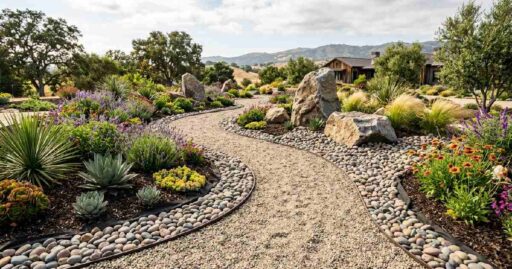
Beyond their practical uses, gardening rocks bring powerful visual appeal to any outdoor space. They add natural texture, depth, and contrast that plants alone cannot provide. Large boulders create dramatic focal points while small pebbles fill gaps elegantly. Rock colors range from bright white marble to dark black slate, suiting any design style.
Modern gardens use clean geometric rock arrangements for a sleek, architectural look. Cottage gardens use weathered stones for a relaxed, natural feel. The right combination of rocks and plants creates a stunning garden landscape that looks beautiful across every season throughout the entire year.
Types of Gardening Rocks and Their Best Uses
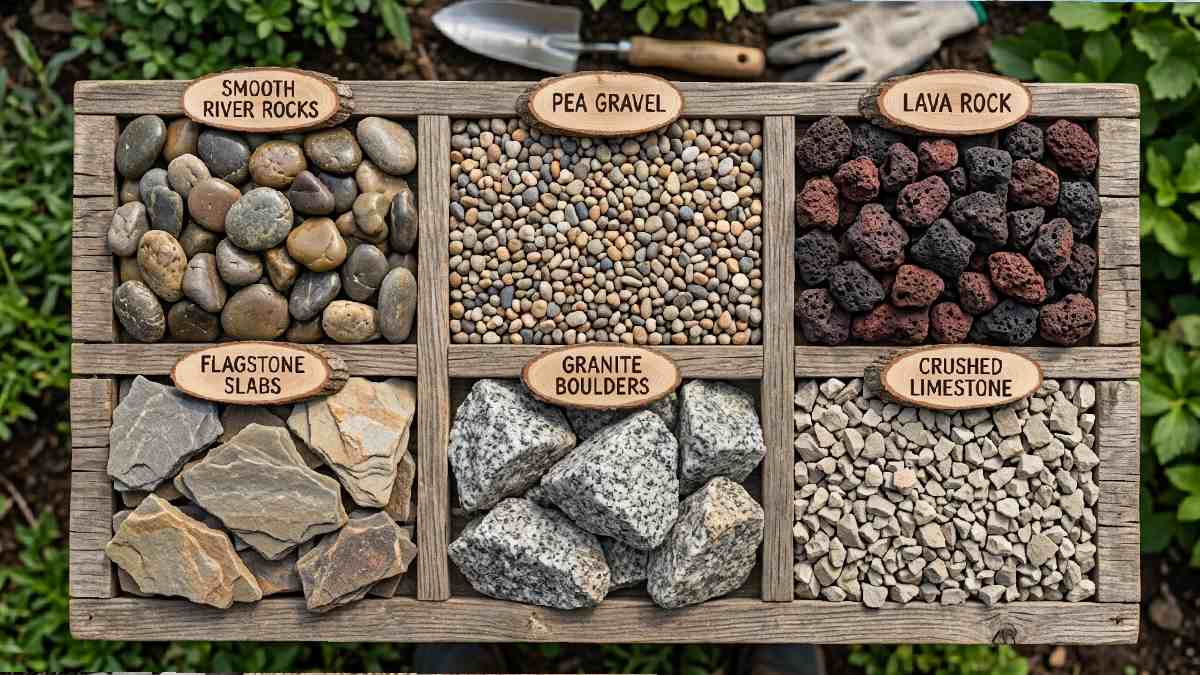
Choosing the right type of gardening rocks is essential for achieving the desired look and function in your outdoor space. Different rock types work better in specific garden situations. River rock suits drainage areas and dry creek beds perfectly. Lava rock works well in plant beds due to its lightweight nature and rich color.
Pea gravel creates comfortable, walkable garden paths. Flagstone builds solid stepping stone pathways and patio surfaces. Marble chips add bright contrast to formal garden designs. Decomposed granite works excellently for driveways and low-maintenance pathways. Understanding each rock type helps gardeners make smarter, more informed decisions before purchasing and installing any stones.
River Rock for Drainage and Garden Borders
River rock is smooth, rounded stone available in many neutral colors including gray, tan, and brown. It is one of the most popular types of gardening rocks for home gardens. River rock works best around shrubs, foundation plantings, and dry creek bed designs. Its smooth surface handles foot traffic without sharp edges.
It improves drainage naturally in areas prone to waterlogging. River rock is easy to rake and rearrange as garden designs change. It creates clean, natural-looking borders around garden beds and pathways, making it a top choice for gardeners wanting a classic and timeless outdoor landscape aesthetic.
Lava Rock for Plant Beds and Mulch Replacement
Lava rock is lightweight, porous volcanic stone available in deep red and black colors. It is an excellent mulch replacement in garden beds around trees and shrubs. Because of its low weight, lava rock covers more area per ton than denser stone options. Its rich, dark color makes surrounding green plants and flowers stand out dramatically.
Lava rock improves soil aeration and drainage due to its porous structure. However, it can be brittle under heavy foot traffic so it works best in low-traffic garden bed areas rather than high-use garden walkways or driveways.
Pea Gravel for Garden Paths and Play Areas
Pea gravel consists of small, smooth, rounded stones typically available in beige, gray, and white. It is one of the most affordable and versatile types of gardening rocks available. Pea gravel is ideal for garden pathways because it feels smooth and comfortable underfoot. It drains water quickly and does not become muddy after rainfall.
Children’s play areas also use pea gravel as a soft, safe ground covering. It works well around fire pits and seating areas too. Pea gravel is widely available at most garden and landscape supply stores, making it an accessible rock choice for beginner and experienced gardeners alike.
Flagstone and Decomposed Granite for Surfaces
Flagstone is flat, natural stone used for creating garden pathways, patios, and stepping stone areas. Its smooth surface is safe for walking and handles heavy foot traffic well. Flagstone comes in various colors including sandstone, slate, and limestone. Decomposed granite is crushed granite available in gold, gray, and brown shades.
It compacts firmly underfoot, making it ideal for driveways, pathways, and garden bed ground cover. Both flagstone and decomposed granite provide practical, durable garden surfaces that look natural and remain easy to maintain over many years of regular outdoor use and weather exposure.
How to Design a Beautiful Rock Garden
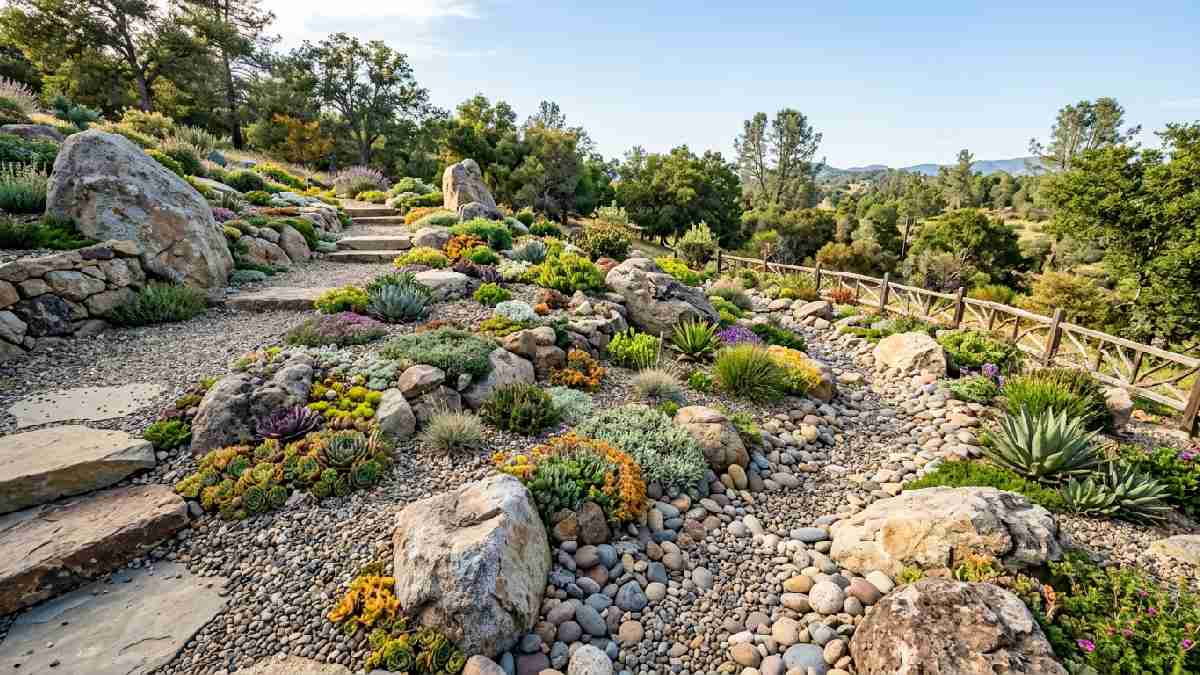
Designing a rock garden requires thoughtful planning before placing a single stone. First, decide on the style you want — modern, Japanese zen, cottage, or naturalistic. Choose a location with good natural light and adequate drainage. Sketch a simple layout showing where large anchor rocks will sit and where plants will grow.
Select rocks in complementary shapes, sizes, and colors that work together visually. Always bury at least one-third of large rocks below soil level so they look naturally settled. Mix rock sizes for visual interest — avoid placing all stones of the same size together. Add plants between rocks to soften the overall look and bring life to the design.
Planning Your Rock Garden Layout
Good planning is the most important step in rock garden design. Decide first whether rocks or plants will be the primary visual focus of the space. Sketch the overall shape and size of the garden on paper before buying any materials. Consider sunlight levels, drainage, and how the garden connects to surrounding landscape features.
Identify where large anchor boulders will sit as focal points. Plan planting pockets between rocks where soil will collect and plants can grow. Reviewing the layout from multiple angles before beginning ensures the final design looks natural and intentional rather than randomly arranged or artificially placed.
Choosing the Right Rock Sizes and Colors
Rock size selection dramatically impacts the visual result of any gardening rocks project. Large boulders create bold focal points and anchor the overall garden design. Medium stones fill in structure and create natural-looking groupings around larger rocks. Small gravel fills gaps, defines pathways, and creates smooth ground cover in open areas.
Color coordination matters equally — neutral gray and brown rocks suit most garden styles. White marble chips add bright contrast in formal gardens. Dark black rocks create dramatic modern effects. Matching rock colors to existing outdoor furniture, paving, and plant tones creates a cohesive, polished garden landscape design overall.
Selecting Plants That Pair Well With Gardening Rocks
The best plants for rock gardens are drought-tolerant, low-maintenance species that thrive in well-drained soil. Succulents and cacti are top choices because they store water in their leaves and need minimal care. Lavender grows beautifully between rocks, adding soft purple color and fragrance. Creeping thyme fills ground-level gaps with fine texture and small seasonal flowers.
Ornamental grasses add movement and height to rock garden designs. Sedum varieties spread naturally between stones, creating living carpet effects. Perennial plants that keep leaves year-round are ideal since they maintain visual interest across all seasons without requiring replanting each year.
Adding Water Features to Rock Gardens
Water features enhance rock gardens significantly, adding sound, movement, and tranquility to the overall design. A small pond lined with smooth stones creates an instant focal point and attracts birds and wildlife. A dry creek bed made from river rocks mimics natural waterways without requiring actual water flow.
Recirculating fountain rocks add a gentle water sound to garden seating areas. Even in very small garden spaces, a simple birdbath surrounded by smooth pebbles adds visual depth and natural appeal. Water and rocks have been paired together in Japanese zen garden designs for centuries because of the powerful calm they create together in any outdoor setting.
Step-by-Step Guide to Installing Gardening Rocks
Installing gardening rocks correctly ensures long-lasting results and a professional finish. Begin by clearing the installation area of all existing plants, weeds, and debris completely. Test soil drainage to identify any problem areas before laying stones. Install high-quality landscape fabric over the cleared area to prevent weed growth underneath rocks.
Secure the fabric edges with landscape staples or heavy rocks around the perimeter. Begin placing large anchor rocks first, burying them slightly to look naturally settled. Add medium rocks next to fill structure around the anchors. Finally, pour and spread smaller gravel or pea gravel to fill remaining gaps. Rake evenly for a smooth, finished appearance across the entire garden area.
Preparing the Ground Before Installing Rocks
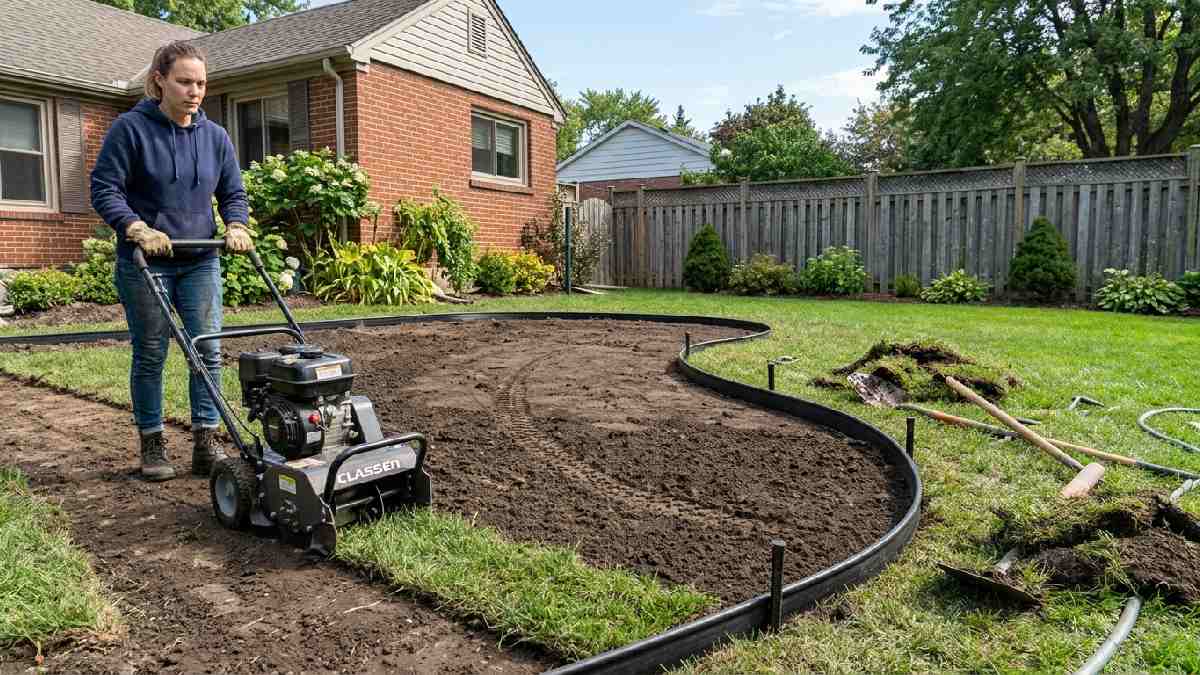
Ground preparation is critical before installing any gardening rocks. Remove all existing grass, weeds, and plant debris from the target area completely. Grade the soil surface so water drains away from structures and does not pool under rocks. Compact loose soil slightly to create a stable base for heavy stones.
For garden beds, add a two to three inch layer of good quality soil amendment before laying fabric. Mark underground utility lines before digging or placing heavy boulders in any area. Proper ground preparation prevents rocks from sinking, shifting, or mixing with soil over time, ensuring the installation looks clean and professional for many years.
Using Landscape Fabric Under Gardening Rocks
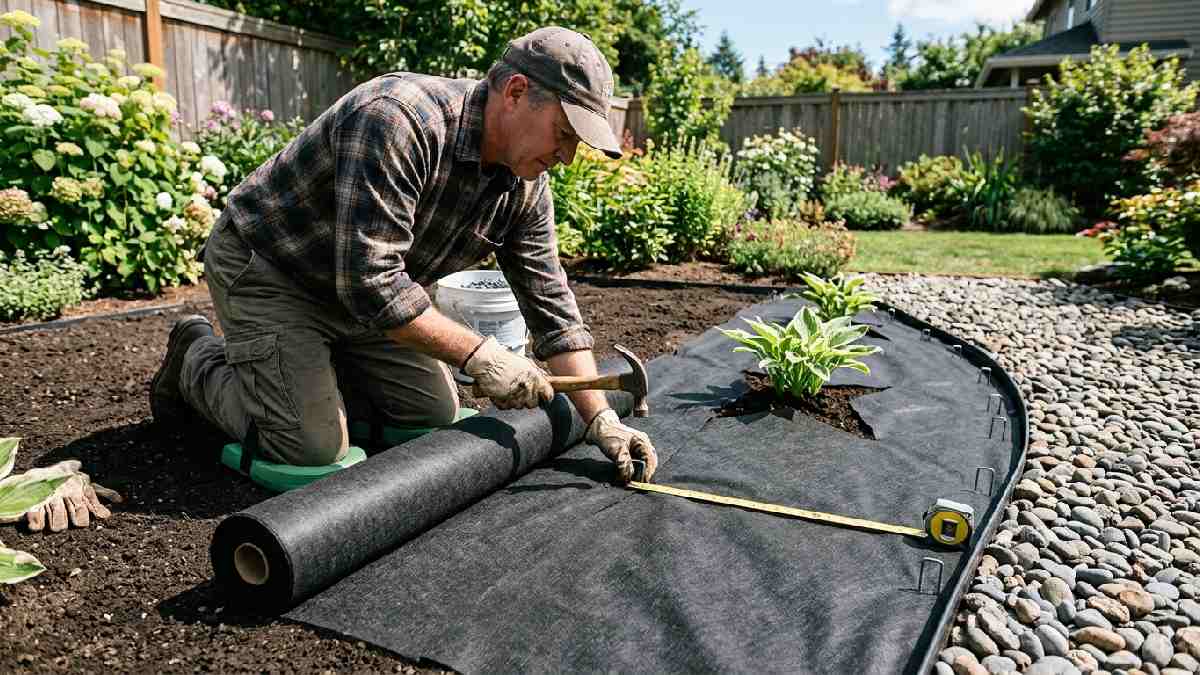
Landscape fabric is essential for preventing weeds from growing through gardening rocks over time. Without it, soil and rocks mix together creating a patchy, untidy appearance within a few seasons. Use heavy-duty woven landscape fabric rated for long-term outdoor use rather than thin plastic sheeting. Overlap fabric edges by at least six inches where sections meet to prevent gaps.
Cut small X-shaped holes where plants will grow through the fabric. Secure all edges firmly with landscape staples every twelve inches. Quality landscape fabric keeps gardening rocks looking clean, weed-free, and well-maintained for many years without requiring significant ongoing maintenance or repeated intervention.
Calculating How Much Rock You Need
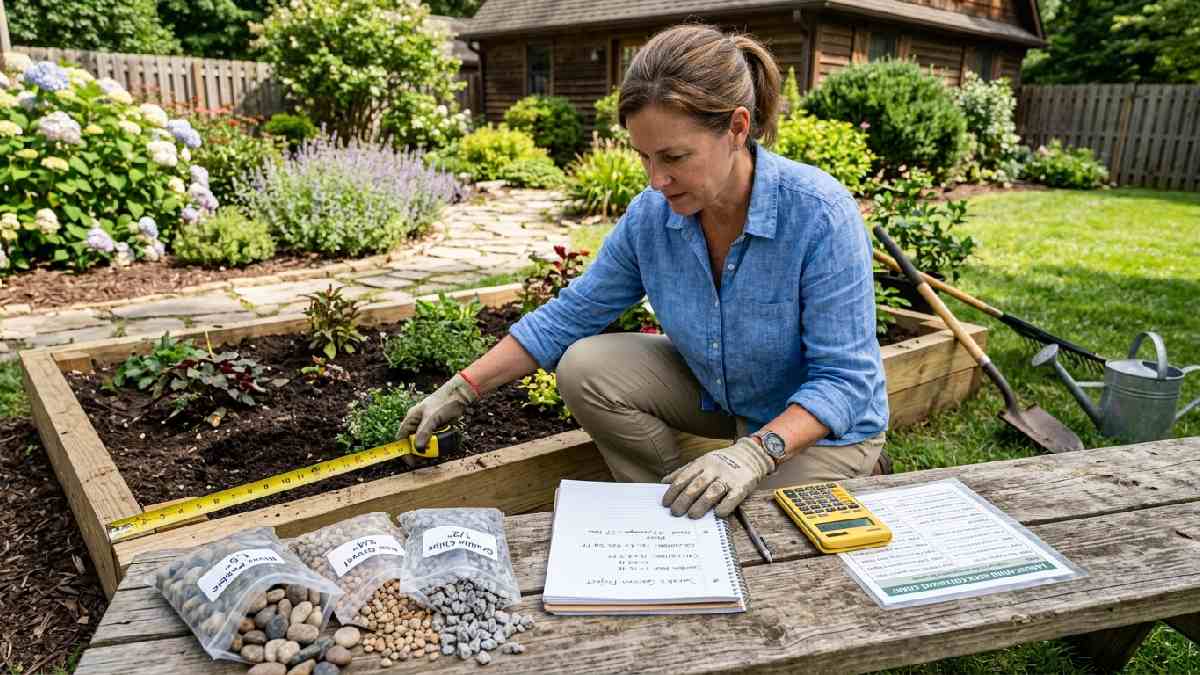
Calculating the correct amount of gardening rocks prevents costly over-ordering or frustrating under-ordering. One cubic yard of landscape rock covers approximately one hundred square feet at three inches deep. For decorative garden beds, plan for two to three inches of rock depth minimum. For pathways and functional areas, three to four inches provides better coverage and stability.
Measure the length and width of each area in feet and multiply together to get square footage. Divide by the coverage rate for your chosen rock type. Always add five to ten percent extra for settling and waste during installation to ensure complete coverage across the entire project area.
Maintaining Gardening Rocks After Installation
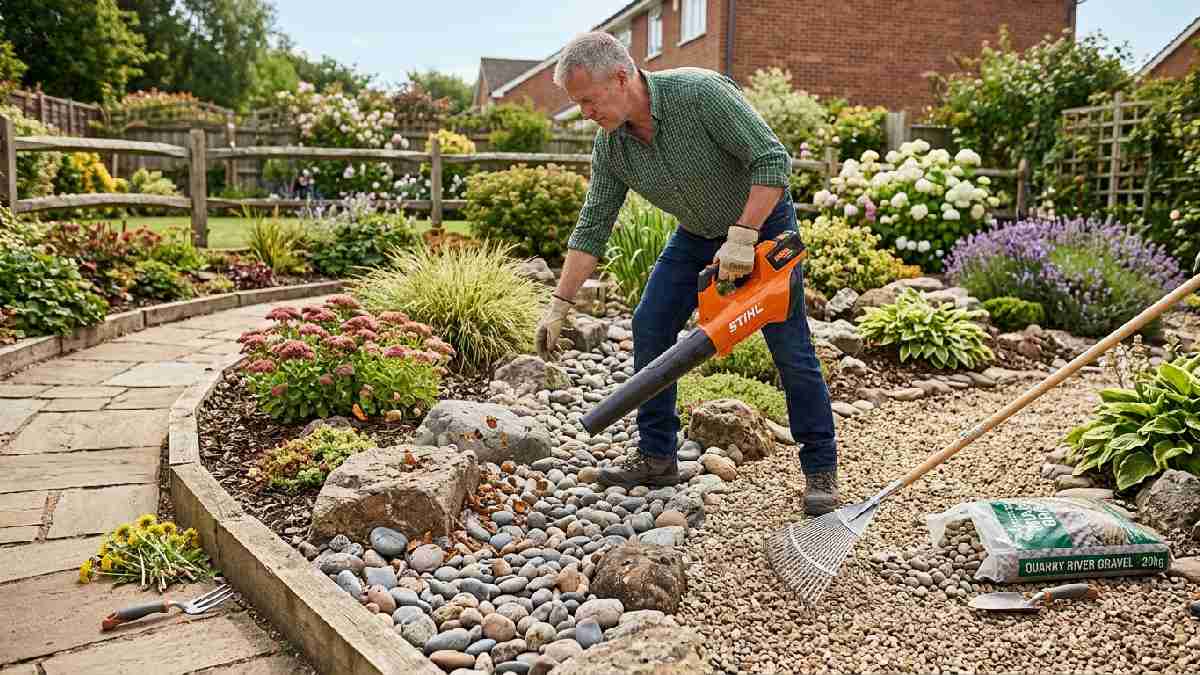
Maintaining gardening rocks is simple and requires very little time compared to traditional gardens. Rake rocks periodically to redistribute settling and keep surfaces level and neat. Remove fallen leaves and organic debris before they decompose and create soil between stones. Inspect landscape fabric edges occasionally for any gaps where weeds might break through over time.
Top up areas where rocks have shifted or thin spots appear due to natural settling. Rinse rocks with water occasionally to remove dust and restore their natural color and brightness. Well-maintained gardening rocks continue looking beautiful and performing effectively for many years with only minimal routine care needed throughout the entire year.
Common Mistakes to Avoid With Gardening Rocks
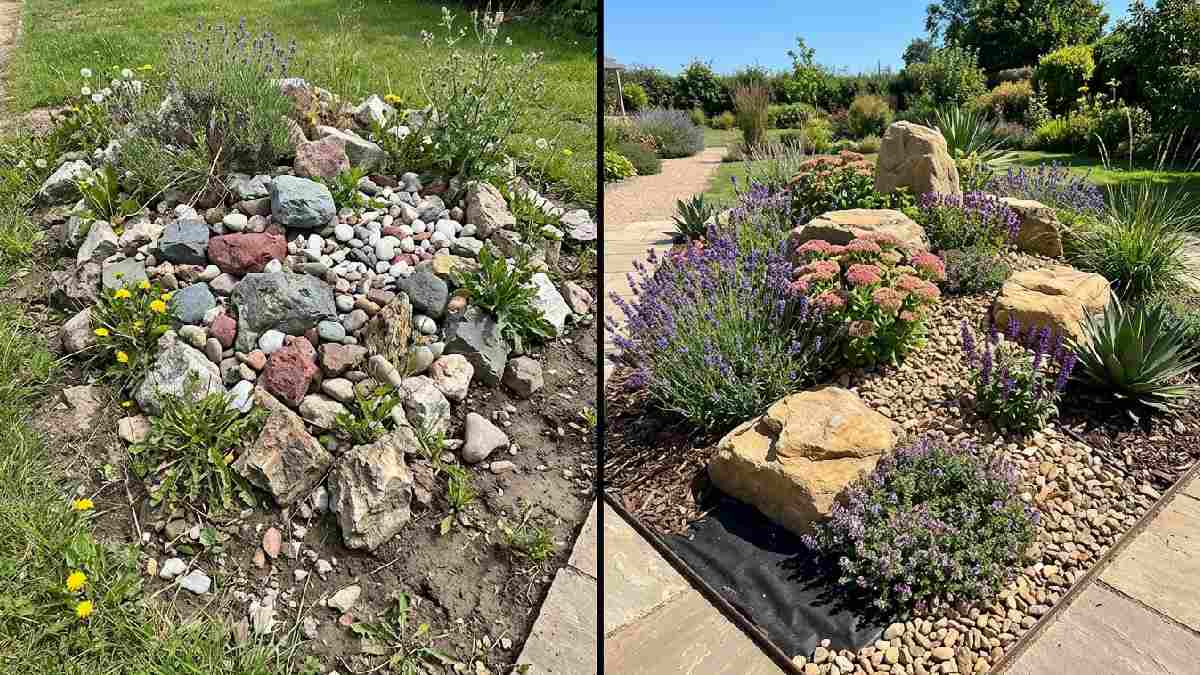
Many gardeners make avoidable mistakes when working with gardening rocks for the first time. The most common error is skipping landscape fabric, which allows weeds to grow through rocks within the first season. Another mistake is using rocks that are too small for the scale of the garden, making the design look insignificant and out of proportion.
Placing all rocks in uniform rows creates an artificial look that feels unnatural. Not burying large rocks slightly underground makes them appear randomly dropped rather than naturally placed. Using rocks in shaded, moist areas can promote moss and algae growth over time. Choosing the wrong rock color that clashes with surrounding structures is also a frequent and costly mistake for beginner gardeners.
Skipping Landscape Fabric Underneath Rocks
Laying gardening rocks without landscape fabric underneath is the single biggest mistake gardeners make. Without fabric, soil and rocks mix together within one to two seasons, creating an unattractive patchy appearance. Weeds grow freely through soil gaps making maintenance difficult and time-consuming.
Reinstalling rocks after soil mixing requires complete removal and reinstallation of all materials. Quality landscape fabric costs little compared to the time and labor saved over many years. Always install heavy-duty woven landscape fabric before placing any type of gardening rocks in beds, pathways, or any other landscaped area across the entire garden project.
Choosing the Wrong Rock Size for Your Space
Rock size must match the scale of the garden space to look visually balanced and proportional. Very small pea gravel in a large, open garden area looks visually sparse and insignificant. Oversized boulders in a tiny courtyard garden feel overwhelming and out of place. Medium rocks generally work well in most average residential garden spaces and bed sizes.
Always view rock samples in person before purchasing large quantities to judge real-world scale accurately. Placing temporary marker rocks in the garden before buying the full amount helps visualize how different sizes will actually look in the specific space being designed and landscaped.
Poor Rock Placement and Unnatural Arrangements
Placing gardening rocks in perfectly uniform rows or symmetrical patterns looks artificial and forced outdoors. Nature never arranges rocks in straight lines or with identical spacing in real landscapes. Group rocks in odd numbers, three, five, or seven together, which always looks more natural than even-numbered groupings.
Vary the angles and depths at which rocks sit in soil for a more authentic, settled appearance. Mix rock sizes within the same area rather than segregating by size. Step back frequently during placement to assess the overall arrangement from multiple viewing angles before committing to any permanent positioning of heavy landscape stones.
Ignoring Drainage Requirements Before Installing Rocks
Installing gardening rocks over areas with poor drainage creates serious long-term problems. Water pooling under rocks creates muddy conditions that can damage plant roots and landscape fabric. In areas with clay soil, water may sit beneath rock layers for days after heavy rainfall events. Always assess natural drainage patterns before choosing where to install rocks.
Improve drainage by grading soil away from structures or adding a gravel base layer beneath decorative top rocks. In severely poorly drained areas, install perforated drainage pipes before laying landscape fabric and rocks. Addressing drainage issues first ensures gardening rocks perform correctly and last much longer in any garden environment.
FAQs
What are gardening rocks best used for?
Gardening rocks are best for ground cover, pathways, borders, drainage improvement, weed suppression, and decorative rock garden designs.
Do I need landscape fabric under gardening rocks?
Yes, always use landscape fabric under gardening rocks to prevent weeds and stop soil mixing with stones over time.
Which type of rock is best for garden beds?
Lava rock and river rock are top choices for garden beds due to their drainage benefits and attractive natural appearance.
How deep should gardening rocks be installed?
Install gardening rocks two to three inches deep for decorative beds and three to four inches for pathways and functional areas.
Are gardening rocks better than mulch?
Yes, gardening rocks last longer, require less maintenance, do not decompose, and provide better weed control than traditional wood mulch.
What plants grow best between gardening rocks?
Succulents, lavender, creeping thyme, sedum, and ornamental grasses grow excellently between gardening rocks with minimal watering needs.
How do I calculate how many rocks I need?
Measure the area in square feet and divide by the coverage rate for your chosen rock type, then add ten percent extra for waste.
Conclusion
Gardening rocks are one of the smartest investments any homeowner or gardener can make for their outdoor space. They reduce weeding, improve drainage, and create stunning visual effects that last for many years without constant upkeep. From river rock borders to full zen rock garden designs, the creative possibilities are endless.
Choosing the right rock types, installing landscape fabric correctly, and selecting suitable drought-tolerant plants ensure long-term success. Whether you are a beginner or an experienced gardener, adding gardening rocks transforms ordinary outdoor spaces into beautiful, low-maintenance landscapes that look impressive in every season.