

Urban Farming at Home Guide 2026: Complete Beginner Setup for Small Spaces
Urban farming at home is becoming a popular way to grow fresh food in cities. It allows people with limited space to easily grow vegetables, herbs, and fruits. The Urban Farming at Home Guide 2026 covers everything beginners need to start successfully. You do not need a large backyard or farmland to begin growing your own food.
Balconies, rooftops, and indoor spaces all work well for urban farming setups. This complete guide explains spaces, plants, tools, and methods to help you build a thriving urban farm at home this year.
What is Urban Farming at Home?
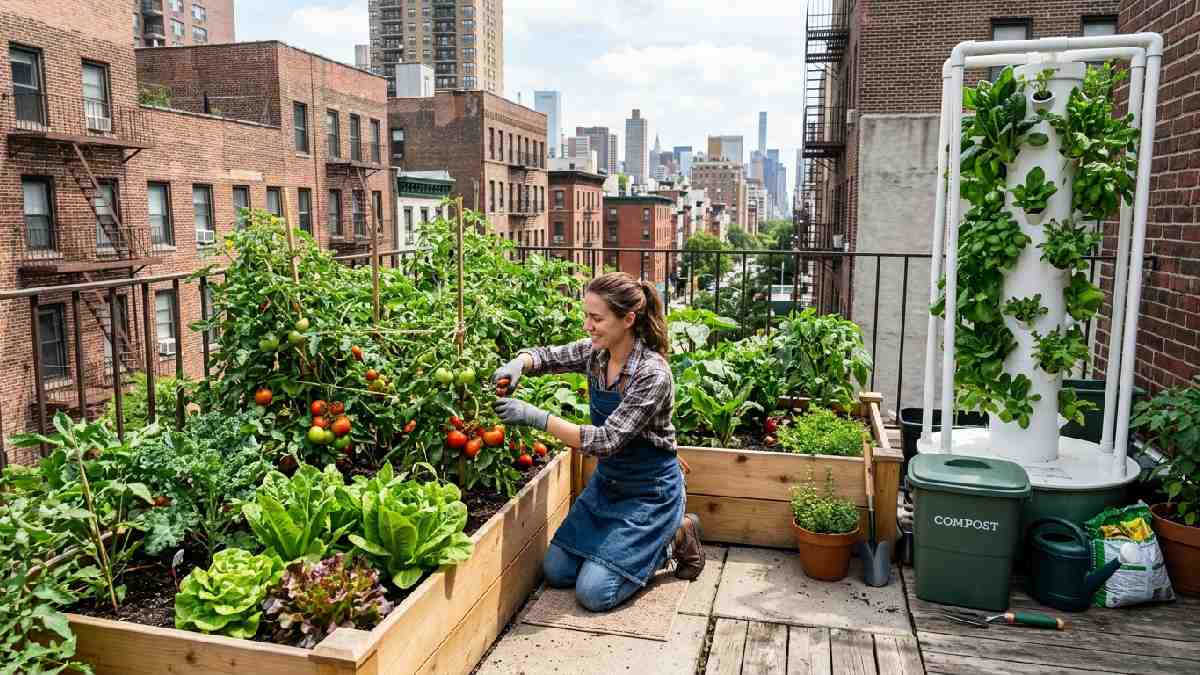
Urban farming at home means growing food and plants within city living spaces. It uses balconies, rooftops, indoor areas, and small yards for cultivation purposes. This practice allows urban residents to produce their own vegetables, herbs, and fruits. Urban farming at home guide 2026 highlights how technology and creativity make this possible everywhere.
Methods include container gardening, vertical gardening, hydroponics, and simple balcony setups. Understanding these basics helps anyone start their own urban farming journey with confidence and success, regardless of how much space they actually have available at home.
Definition of Urban Farming
Urban farming refers to growing crops and raising plants within city or suburban areas. It transforms unused spaces like balconies, rooftops, and walls into productive growing areas. Urban farming at home guide 2026 emphasizes accessible methods for people with limited outdoor space.
This practice differs from traditional farming by using small, contained growing systems instead. It focuses on efficiency, sustainability, and maximizing yield from minimal available square footage. Urban farming makes fresh food production possible for almost anyone living in a city.
Types of Urban Farming
Urban farming includes several popular methods suited for different spaces and skill levels. Container gardening uses pots and boxes for growing vegetables and herbs easily. Vertical gardening maximizes wall space by stacking plants upward instead of outward.
Hydroponics grows plants in water without soil, ideal for indoor urban farming setups. Balcony gardening combines several techniques in small outdoor spaces attached to apartments. Urban farming at home guide 2026 recommends trying different types based on available space.
Benefits of Urban Farming at Home
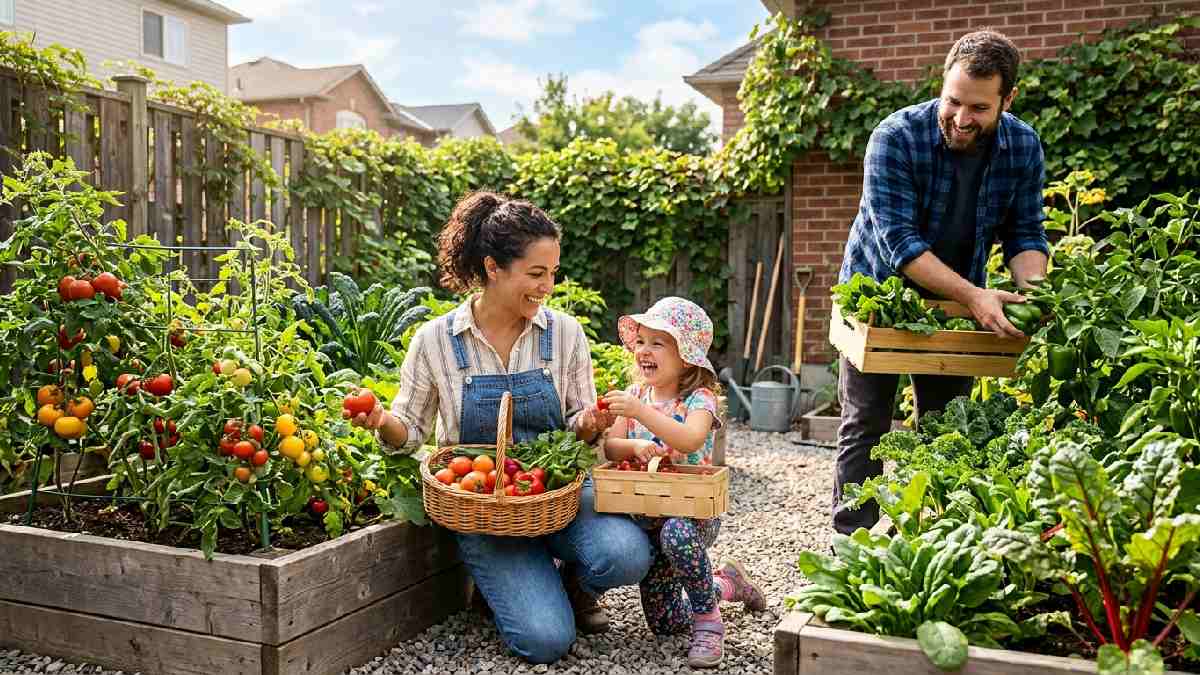
Urban farming at home offers numerous advantages for individuals and entire communities alike. It saves money on grocery bills by providing free, homegrown produce regularly. Growing your own food ensures organic, chemical-free meals for healthier daily living. Urban farming at home guide 2026 highlights its positive environmental impact through reduced transportation needs.
It also improves mental health by connecting people with nature and nurturing routines. These combined benefits explain why urban farming continues growing in popularity across cities worldwide, offering both practical and emotional rewards for people of every age and background.
Saves Money on Grocery Bills
Urban farming at home significantly reduces monthly grocery expenses for many households today. Growing your own vegetables and herbs eliminates the need to buy them regularly. Urban Farming at home guide 2026 shows how small investments yield long-term financial savings.
Fresh produce from supermarkets can be expensive, especially for organic varieties and herbs. Homegrown food provides the same quality without the high recurring grocery store costs. Over time, these savings add up significantly for dedicated urban farming households everywhere.
Organic and Healthy Food Supply
Growing your own food through urban farming ensures a truly organic and healthy supply. You control exactly what goes into the soil, avoiding harmful pesticides and chemicals. Urban farming at home guide 2026 encourages natural growing methods for better nutrition outcomes.
Homegrown vegetables and herbs often taste fresher and contain more nutrients overall. This practice supports healthier eating habits for individuals and families consistently. Urban farming gives people direct control over their food’s quality and safety.
Eco-Friendly Lifestyle
Urban farming at home supports a more environmentally friendly and sustainable lifestyle overall. Growing food locally reduces the carbon footprint associated with transportation and packaging. Urban farming at home guide 2026 emphasizes sustainability as a core benefit of this practice.
It also reduces food waste since produce is harvested fresh as needed. Urban farms can use compost and natural fertilizers instead of harmful chemicals. This eco-conscious approach benefits both the environment and surrounding urban communities significantly.
Mental Health Benefits
Urban farming at home provides significant mental health and emotional well-being benefits regularly. Gardening reduces stress and anxiety and promotes a sense of calm and accomplishment. Urban farming at home guide 2026 notes how nurturing plants creates a rewarding daily routine.
Caring for living plants connects people with nature, even within busy city environments. This hobby also provides a creative outlet and a break from screen time. These mental health advantages make urban farming valuable beyond just food production.
Best Spaces for Urban Farming
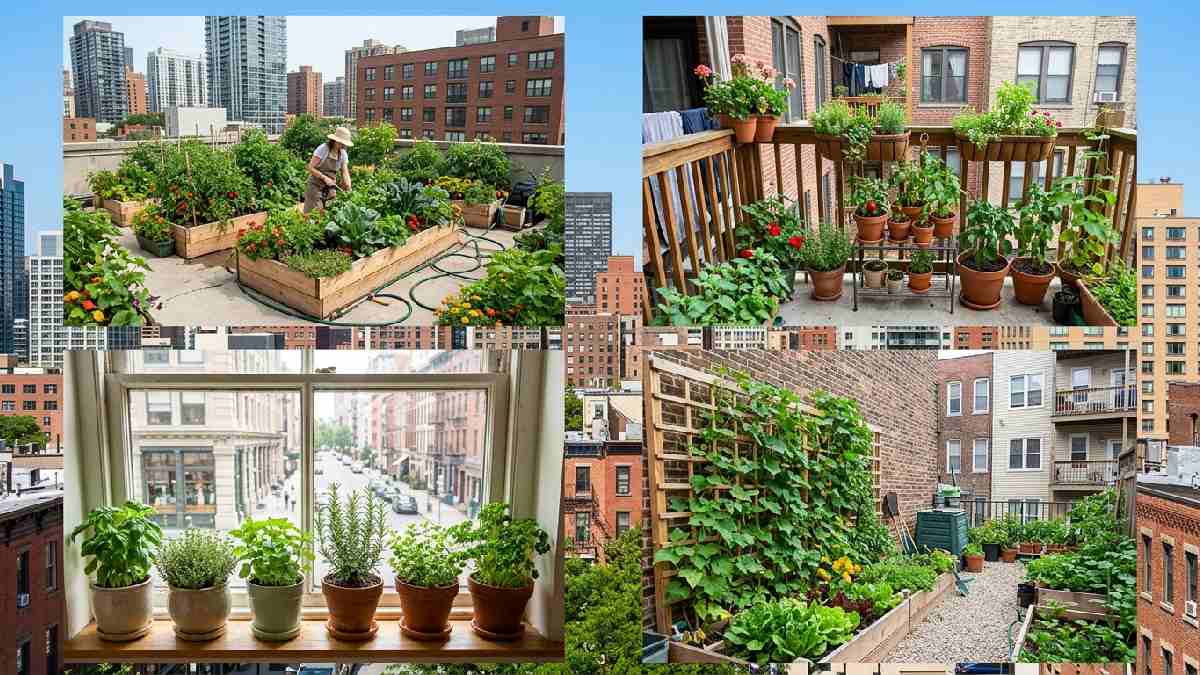
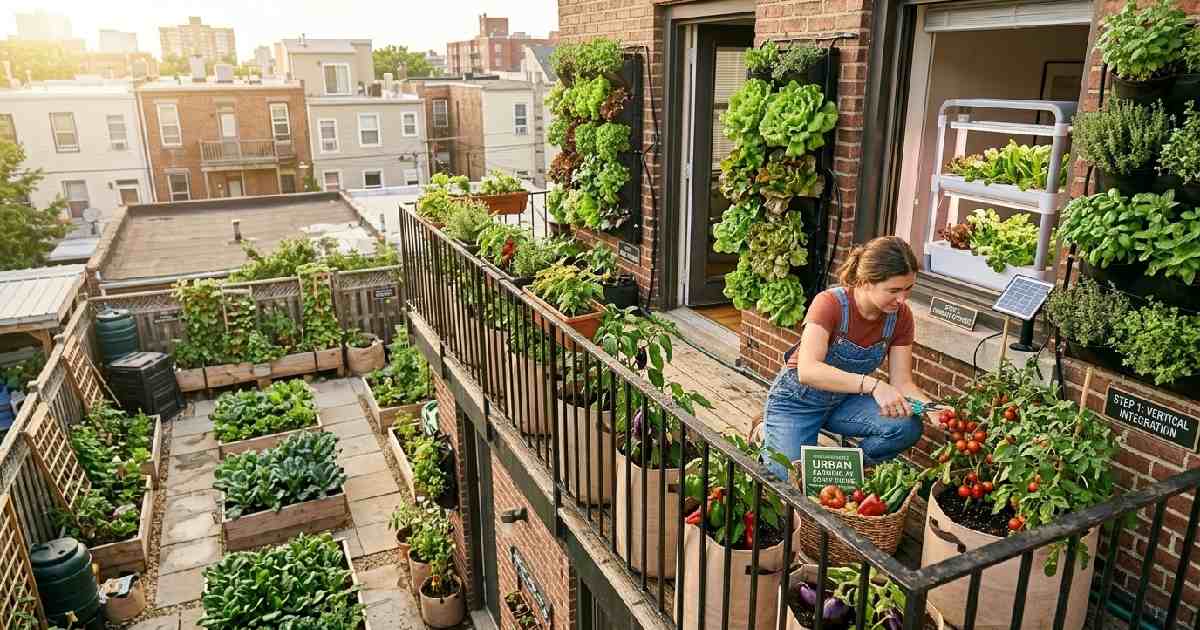
Choosing the right space is essential for successful urban farming at home setups. Balconies work well for container gardens, hanging planters, and railing pots. Rooftops offer larger areas suitable for bigger containers and raised garden beds. Indoor spaces near sunny windows support herbs and small leafy vegetables effectively.
Urban farming at home guide 2026 explains how each space requires different planning considerations. Selecting the best location based on sunlight and accessibility ensures long-term growing success, regardless of whether you live in an apartment, house, or shared building.
Balcony Farming Setup
Balconies are one of the most popular spaces for urban farming at home setups. They typically receive good sunlight, making them ideal for vegetables and herbs. Urban farming at home guide 2026 recommends using railing planters and hanging baskets here.
Vertical shelves can also maximize limited balcony space for additional plant growth. Proper drainage and weight considerations are important when setting up balcony gardens. With smart planning, even small balconies become productive urban farming spaces.
Rooftop Farming Setup
Rooftops provide larger growing areas, making them excellent spaces for urban farming at home. They often receive abundant sunlight throughout the day, benefiting most plant varieties. Urban farming at Home Guide 2026 suggests checking structural support before adding heavy containers.
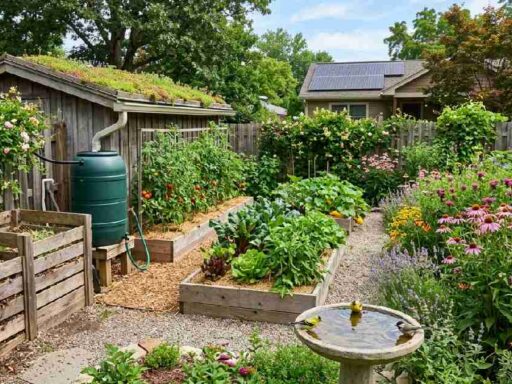
Raised beds, large pots, and even small greenhouses work well on rooftops. Wind protection and proper drainage systems are essential for rooftop farming success. This space allows for more ambitious urban farming projects compared to balconies.
Indoor Farming Setup
Indoor spaces offer year-round growing opportunities for urban farming at home enthusiasts. Sunny windowsills work well for herbs, small vegetables, and leafy greens. Urban farming at home guide 2026 highlights grow lights as helpful tools for low-light areas.
Hydroponic systems are particularly suited for indoor urban farming without traditional soil. Indoor farming protects plants from harsh weather and seasonal temperature changes. This setup is ideal for apartment dwellers without an outdoor balcony or rooftop access.
Step, by, Step Guide to Start Urban Farming at Home
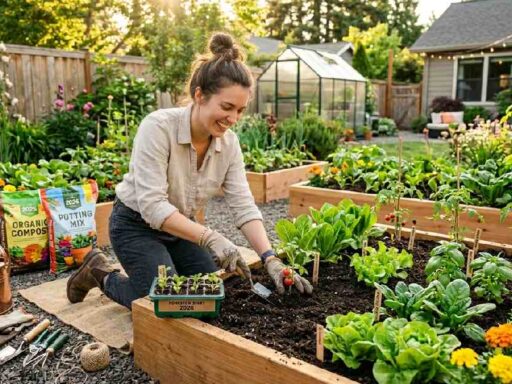
Starting urban farming at home becomes simple when following clear, organized steps carefully. First, choose your available space based on sunlight and accessibility considerations. Next, select appropriate containers suited to your chosen plants and growing space. Then prepare a proper soil mix for healthy root development and growth.
Choose beginner-friendly crops that forgive small mistakes during the learning process. Finally, establish a consistent watering and maintenance routine for long-term success. Urban farming at home guide 2026 makes this process approachable for absolute beginners, ensuring steady progress and confidence with every small step taken along the way.
Step 1: Choose Your Space
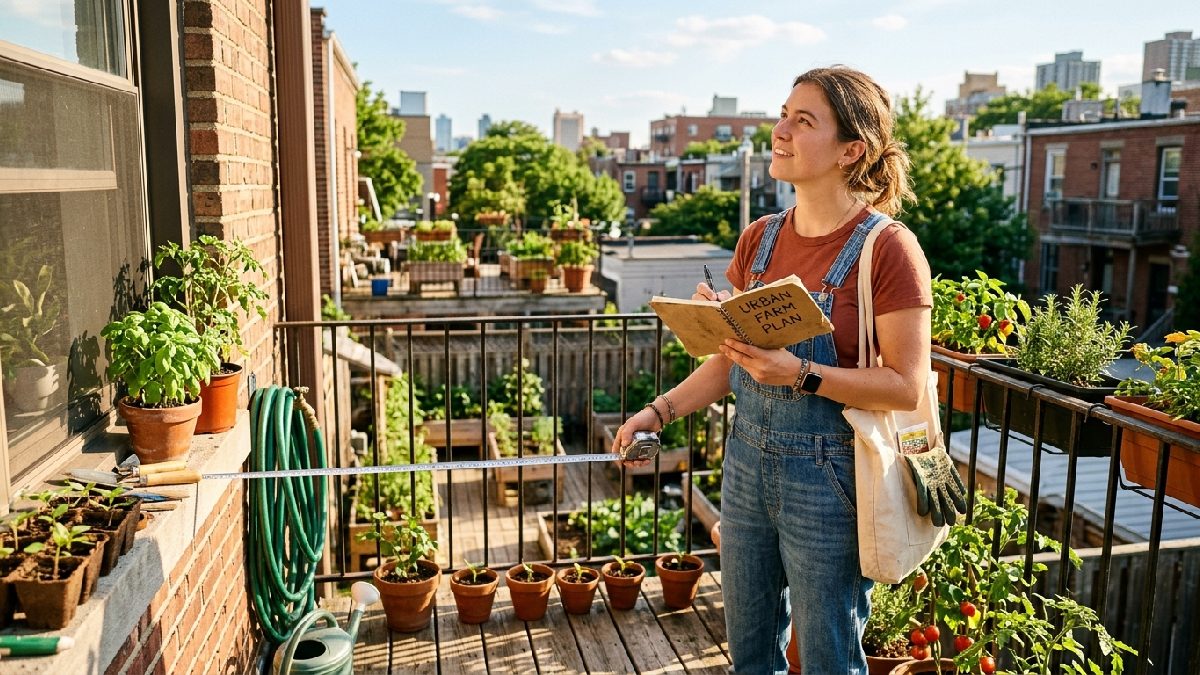
Choosing your space is the first step in urban farming at home setups. Observe how much sunlight different areas receive throughout the entire day. Urban farming at home guide 2026 recommends at least six hours of sunlight for vegetables.
Balconies, rooftops, and sunny indoor spots all work well for different crops. Consider accessibility for regular watering and maintenance tasks during this process. Selecting the right space sets a strong foundation for successful urban farming.
Step 2: Select Containers
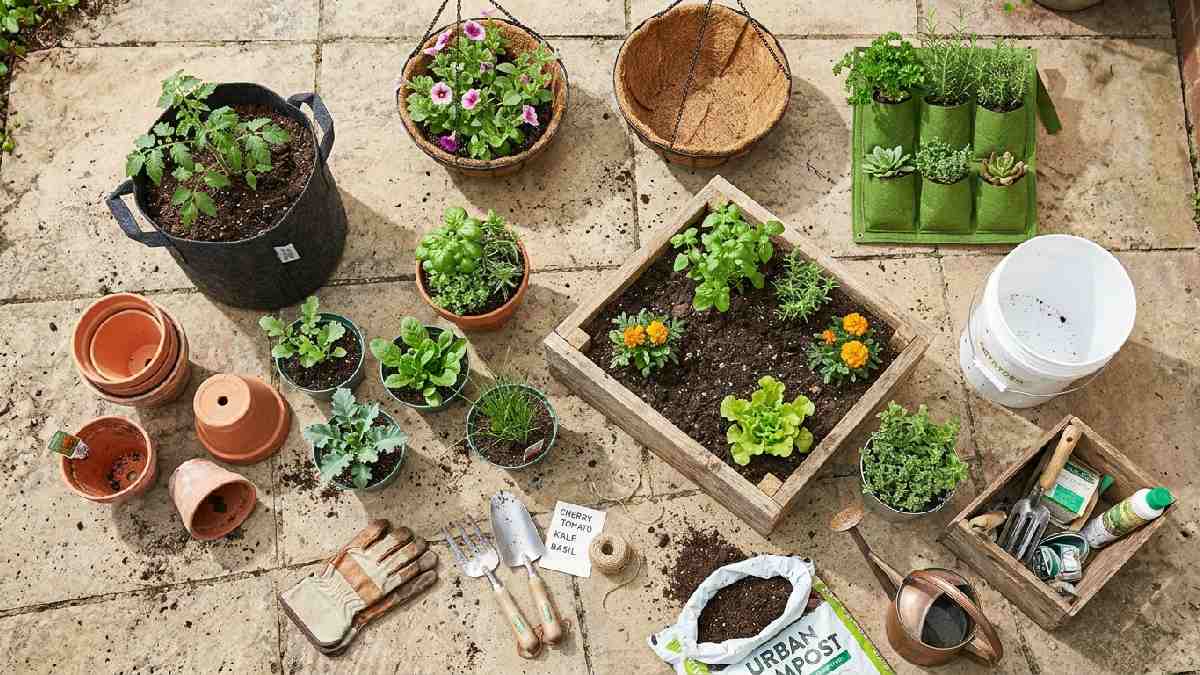
Selecting the right containers is essential for successful urban farming at home setups. Match container size to the mature size of your chosen plants carefully. Urban farming at home guide 2026 suggests ensuring every container has adequate drainage holes.
Plastic, clay, and wooden containers all offer different benefits for various plants. Lightweight options work well for balconies while heavier pots suit rooftops better. Proper container selection supports healthy root growth and long-term plant success.
Step 3: Prepare Soil Mix
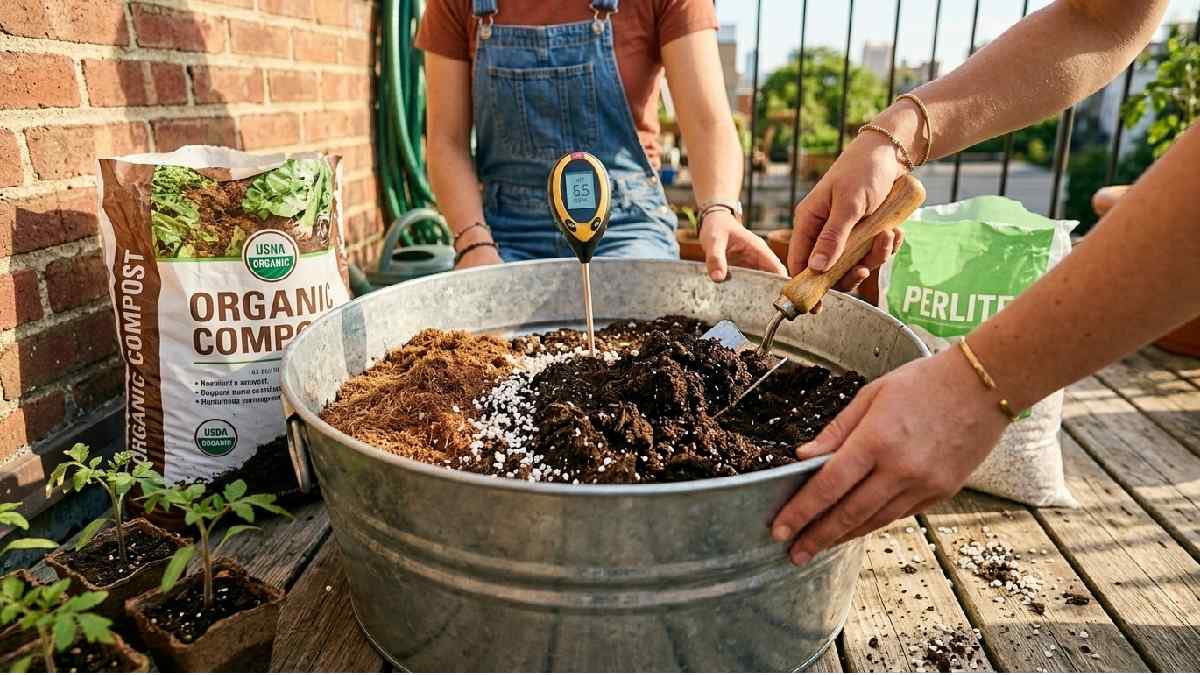
Preparing a proper soil mix is crucial for successful urban farming at home setups. Use a lightweight potting mix instead of heavy garden soil for containers. Urban farming at home guide 2026 recommends adding compost for extra organic nutrients.
Ensure good drainage by adding a layer of gravel at the container bottom. Avoid compacting soil too tightly, as roots need room to breathe. This preparation step ensures healthy growth for your urban farming plants.
Step 4: Choose Crops
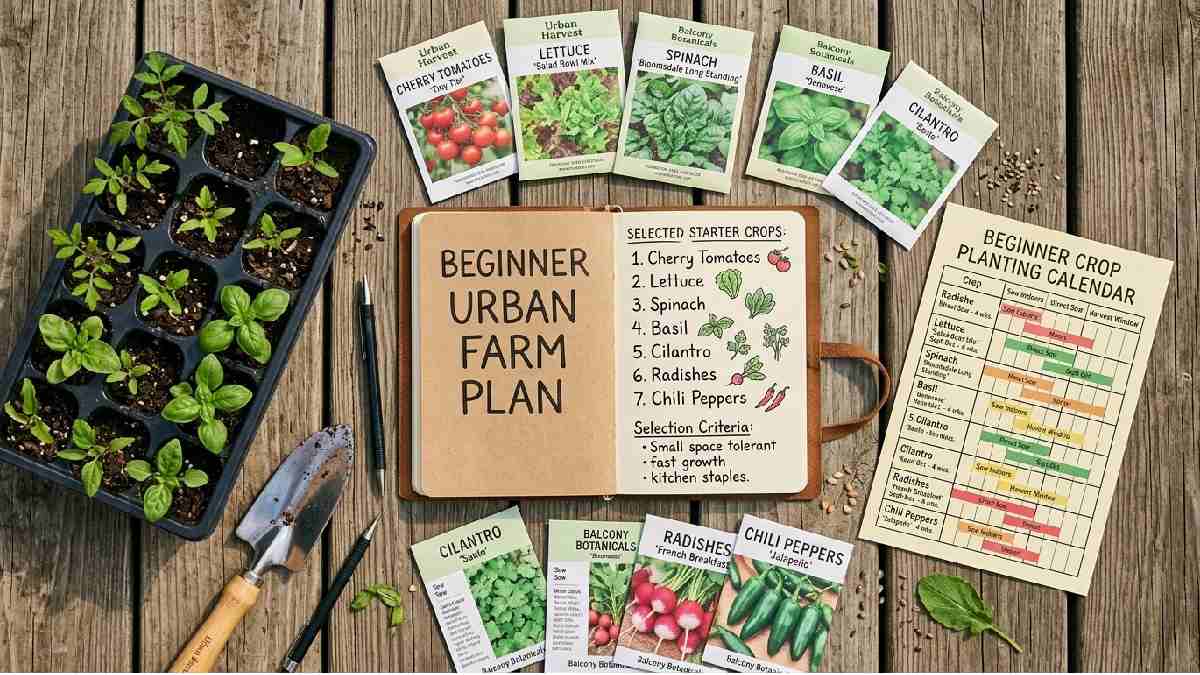
Choosing the right crops is important for early success in urban farming at home. Start with easy plants like herbs, leafy greens, and small vegetables. Urban farming at home guide 2026 suggests spinach, lettuce, mint, and tomatoes for beginners.
Avoid delicate or highly demanding plants until you gain more growing experience. Consider your available sunlight and space when selecting specific crop varieties. The right crop choices make urban farming enjoyable and rewarding from the start.
Step 5: Watering & Maintenance
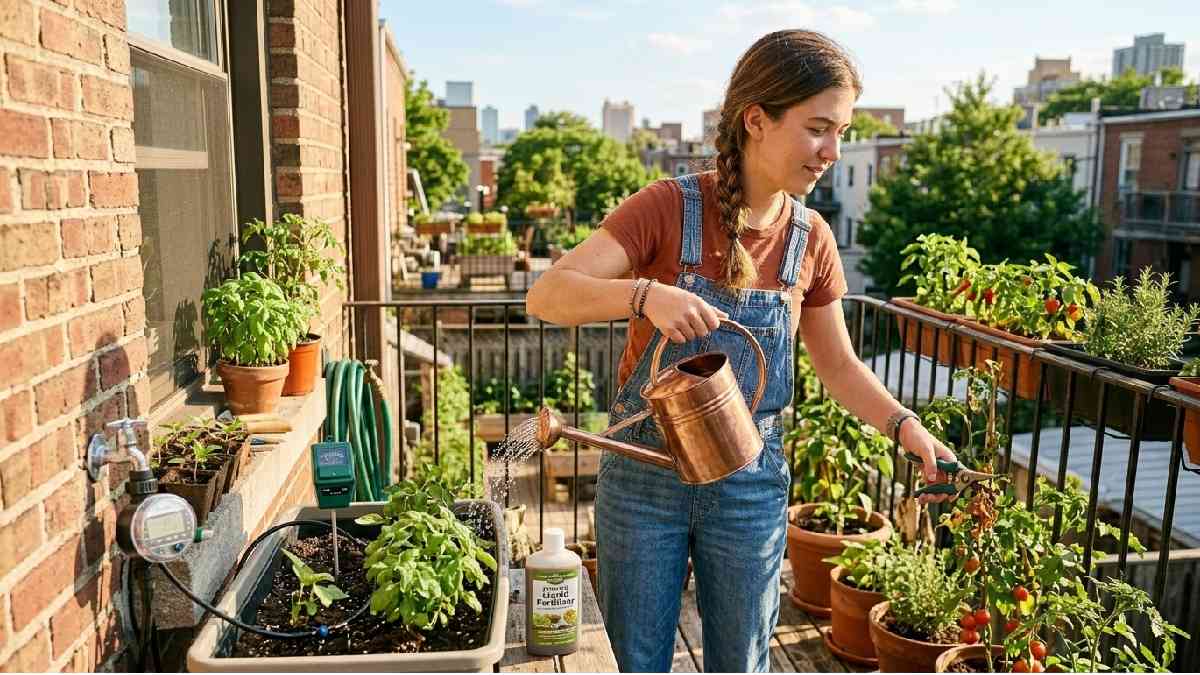
Establishing a watering and maintenance routine completes your urban farming at home setup. Check soil moisture regularly by inserting a finger about one inch deep. Urban farming at home guide 2026 recommends watering thoroughly until liquid drains from the container holes.
Remove dead leaves and harvest crops regularly to encourage continued healthy growth. Fertilize occasionally according to each plant’s specific needs and growing season. Consistent care ensures your urban farming setup remains healthy and productive year-round.
Best Plants for Urban Farming (2026 List)
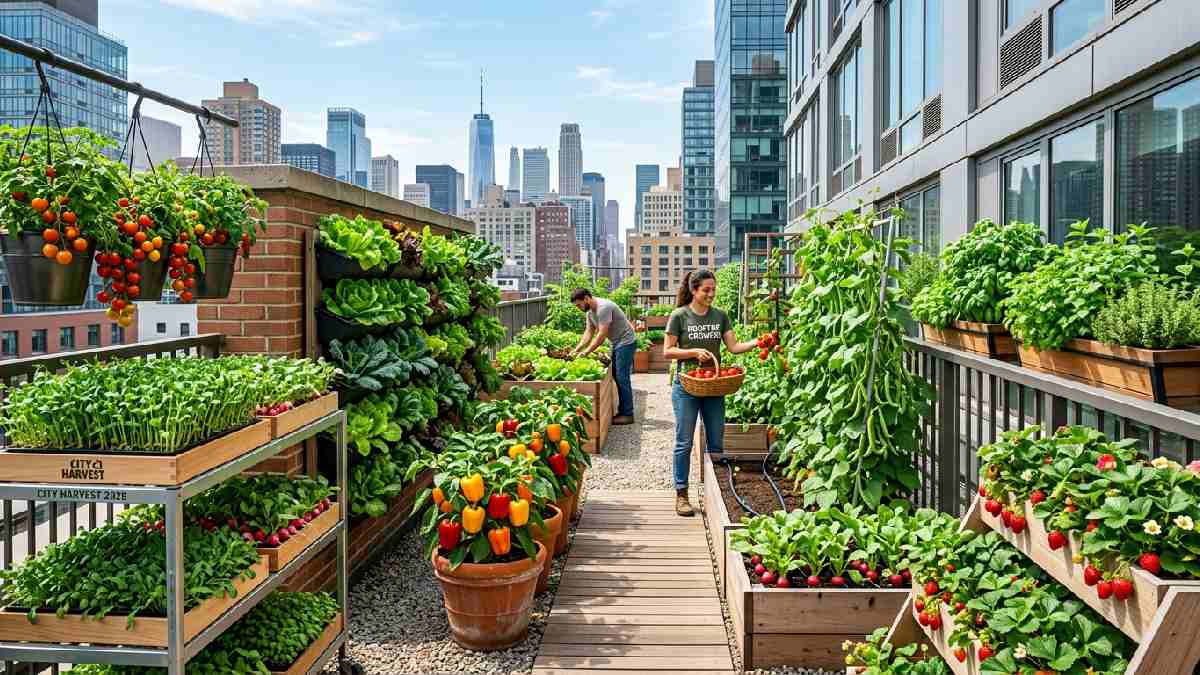
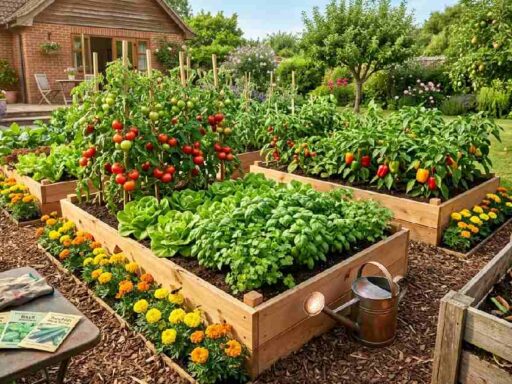
Choosing the right plants makes urban farming at home far more successful and enjoyable. Leafy vegetables like spinach and lettuce grow quickly in small containers easily. Herbs such as mint and coriander require minimal space and care overall. Vegetables, including tomatoes and chilies, provide satisfying harvests within a few months.
Urban farming at home guide 2026 recommends these reliable plants for beginners specifically. Starting with these forgiving options builds confidence before attempting more challenging crops later, ensuring a positive and rewarding first growing season for every new urban farmer.
Leafy Vegetables
Leafy vegetables are excellent choices for beginners starting urban farming at home today. They grow quickly and require relatively simple care compared to other crops. Urban farming at home guide 2026 highlights spinach and lettuce as top recommendations.
Both thrive in containers with adequate sunlight and consistent watering schedules. These vegetables can be harvested multiple times throughout a single growing season. Leafy greens provide fast, satisfying results for new urban farming enthusiasts.
Herbs
Herbs are perfect additions to any urban farming at-home growing space. They require minimal space and thrive well in small pots or containers. Urban farming at home guide 2026 recommends mint and coriander for their easy care needs.
Both herbs grow quickly and can be harvested repeatedly throughout the season. Fresh herbs also enhance home cooking while reducing grocery store purchases significantly. These low-maintenance plants are ideal starting points for new urban farmers.
Vegetables
Vegetables add variety and substantial nutrition to your urban farming at-home garden. Tomatoes thrive in containers with good sunlight and regular watering schedules. Urban farming at home guide 2026 suggests chilies as another hardy, productive option.
Both vegetables provide satisfying harvests within just a few growing months. They require slightly more attention than herbs but reward growers generously. These vegetables make urban farming both practical and genuinely rewarding overall.
Common Mistakes in Urban Farming
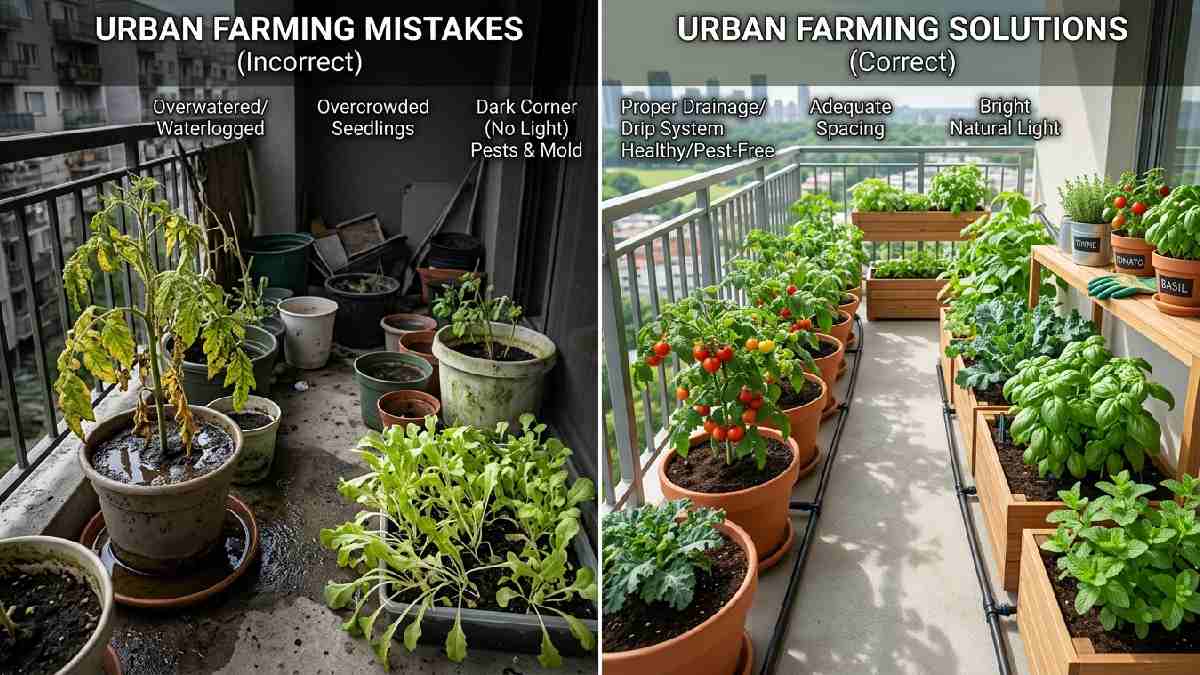
Avoiding common mistakes greatly improves success rates for urban farming at home beginners. Overwatering plants remains one of the most frequent errors among new urban farmers. Poor drainage systems lead to root rot and unhealthy plant growth quickly. Wrong sunlight placement causes weak growth or damaged leaves for many plants.
Using low-quality soil restricts root development and overall plant health significantly. Urban farming at home guide 2026 emphasizes recognizing these pitfalls early to ensure a thriving, productive garden throughout every season, helping beginners avoid frustration and wasted time, money, and effort.
Overwatering Plants
Overwatering is one of the most common mistakes in urban farming at home setups. Too much water deprives roots of oxygen and encourages dangerous root rot. Urban farming at home guide 2026 recommends checking soil moisture before watering plants.
Always allow soil to dry slightly between waterings for most container plants. Containers with poor drainage are especially vulnerable to overwatering-related problems. Correcting this habit significantly improves plant health in urban farming setups.
Poor Drainage System
Poor drainage is a common problem affecting urban farming at home, in container gardens. Containers without adequate drainage holes trap water and suffocate plant roots. Urban farming at home guide 2026 stresses choosing pots with sufficient drainage holes always.
This issue commonly leads to root rot, fungal growth, and plant death. Adding gravel at the container bottom helps improve drainage significantly overall. Proper drainage setup from the start keeps urban farming plants healthy.
Wrong Sunlight Placement
Wrong sunlight placement is a frequent mistake in urban farming at home setups. Placing shade-loving plants in full sun can burn and damage their leaves. Urban farming at home guide 2026 recommends observing sunlight patterns before placing containers.
Putting sun-loving plants in deep shade causes weak, leggy, unhealthy growth instead. Matching each plant’s light needs to your available space prevents many problems. Getting sunlight placement right ensures thriving plants throughout the growing season.
Using Low-Quality Soil
Using low-quality soil often causes problems in urban farming at home gardens. Heavy garden soil compacts inside containers, restricting drainage and root growth significantly. Urban farming at home guide 2026 recommends using a proper potting mix instead.
Poor soil quality leads to weak plants, nutrient deficiencies, and stunted growth. Always choose soil specifically formulated for container and urban farming applications. Quality soil makes a significant difference in overall plant health and yield.
Advanced Urban Farming Methods
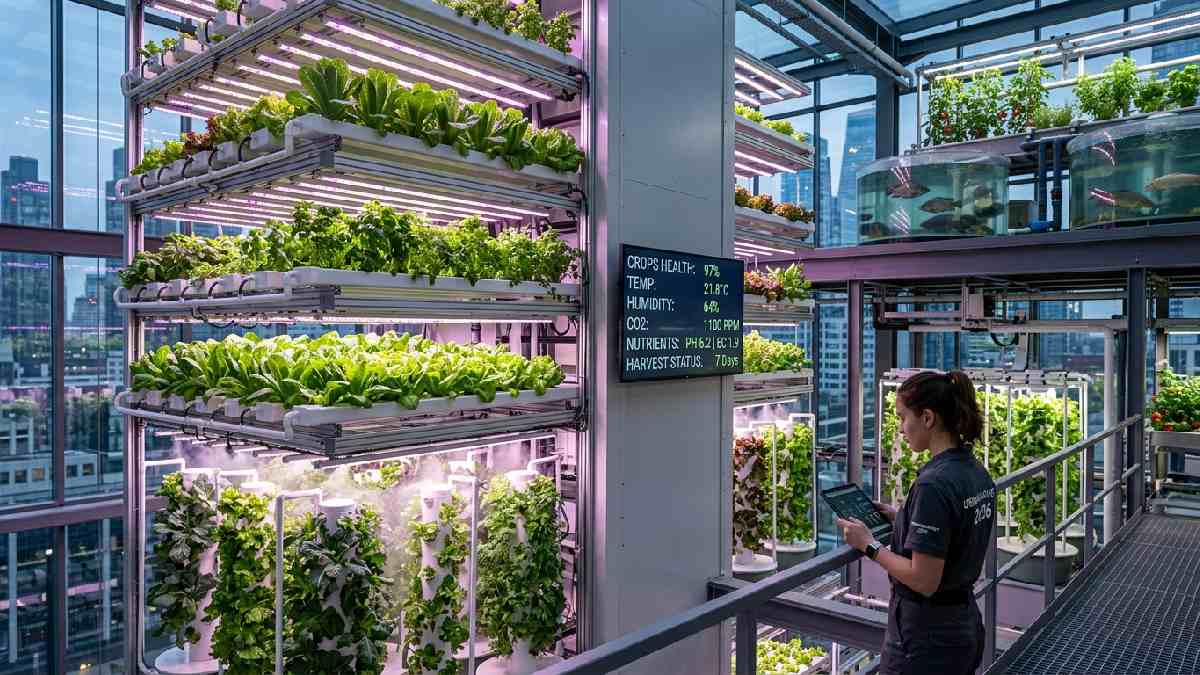
Advanced methods take urban farming at home to the next level for enthusiasts. Hydroponic farming grows plants in nutrient-rich water without using any soil. Vertical farming systems stack plants upward to maximize limited growing space efficiently. Smart gardening tools use technology to automate watering, lighting, and monitoring tasks.
Urban farming at home guide 2026 highlights these innovations as the future of city growing. These advanced techniques allow experienced urban farmers to increase yield significantly while saving time, space, and resources compared to traditional growing methods used in smaller home setups.
Hydroponic Farming
Hydroponic farming represents an advanced method within urban farming at-home practices. This technique grows plants in nutrient-rich water instead of traditional soil. Urban farming at home guide 2026 explains how hydroponics saves space and water significantly.
Plants often grow faster due to direct access to nutrients and oxygen. This method works particularly well for indoor urban farming setups year-round. Hydroponic systems require more initial investment but offer impressive growing results.
Vertical Farming Systems
Vertical farming systems maximize space efficiency within urban farming at home setups significantly. These systems stack plants upward using shelves, towers, or wall-mounted structures. Urban farming at home guide 2026 recommends vertical systems for very limited growing areas.
This method allows growing more plants without requiring additional floor space. Vertical systems work well for herbs, leafy greens, and strawberries especially. This approach represents an efficient solution for serious urban farming enthusiasts.
Smart Gardening Tools
Smart gardening tools enhance efficiency within modern urban farming at home setups today. These tools include automated watering systems, smart sensors, and grow light timers. Urban farming at home guide 2026 highlights how technology simplifies plant care significantly.
Sensors monitor soil moisture and automatically adjust watering schedules as needed. Smart lighting systems provide optimal light conditions for indoor growing setups. These tools make advanced urban farming accessible even for busy beginners.
Tools You Need for Urban Farming
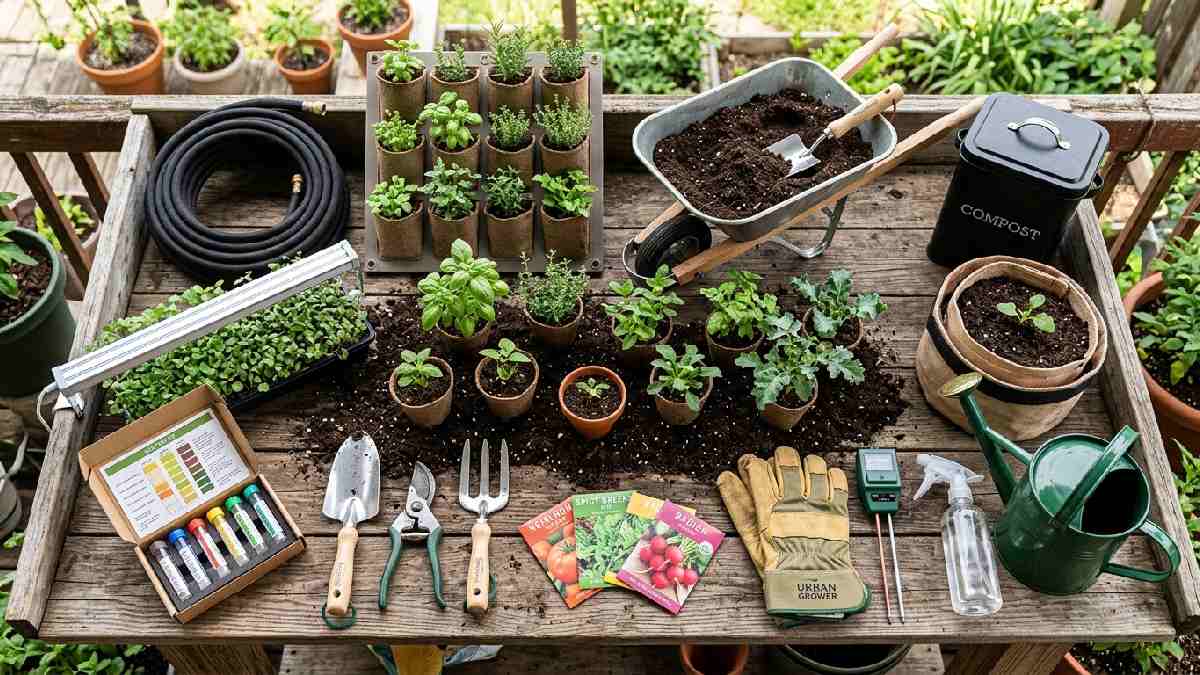
Having the right tools makes urban farming at home significantly easier and more enjoyable. Basic gardening tools include trowels, pruners, and watering cans for daily tasks. Soil and compost materials provide essential nutrients for healthy plant growth overall. Watering equipment ranges from simple cans to automated drip irrigation systems.
Urban farming at home guide 2026 recommends starting with basic, affordable tools first. Investing in quality equipment gradually as your urban farming skills and garden expand ensures long-term success without unnecessary upfront costs for beginners just starting their growing journey.
Basic Gardening Tools
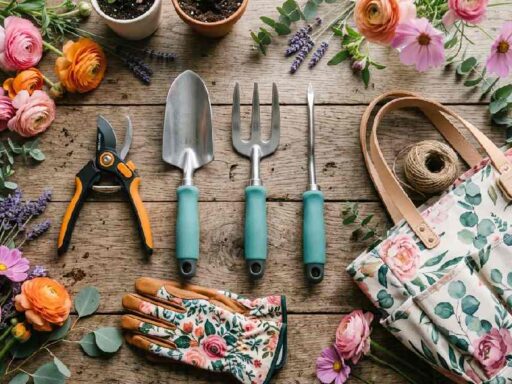
Basic gardening tools are essential for anyone starting urban farming at home today. A small trowel helps with planting and transplanting seedlings into containers easily. Urban farming at home guide 2026 recommends pruning shears for trimming and harvesting plants.
Gloves protect hands while working with soil and handling thorny plants. A watering can or hose provides essential hydration for your growing plants. These basic tools cover most needs for beginning urban farming projects.
Soil and Compost Materials
Soil and compost materials form the foundation of successful urban farming at home setups. A quality potting mix provides proper drainage and aeration for container plants. Urban farming at home guide 2026 recommends adding compost for extra organic nutrients regularly.
Compost can be made at home using kitchen scraps and yard waste. Good soil materials directly impact plant health, growth rate, and overall yield. Investing in quality soil ensures better results for urban farming efforts.
Watering Equipment
Watering equipment is essential for maintaining healthy plants in urban farming at home setups. A simple watering can works well for small container gardens initially. Urban farming at home guide 2026 suggests drip irrigation systems for larger setups eventually.
Self-watering containers reduce maintenance for busy urban farmers with limited time. Proper watering equipment ensures consistent moisture without overwatering or underwatering plants. Choosing the right tools simplifies daily maintenance for any urban farming setup.
Frequently Asked Questions
Can I start urban farming in a small apartment?
Yes, apartments work well for container gardening, indoor herbs, and balcony setups using minimal available space.
What is the easiest crop to grow?
Leafy greens like spinach and herbs like mint are easiest, requiring minimal care and growing quickly in containers.
Do I need expensive equipment?
No, basic tools like pots, soil, and a watering can are enough to start successfully without spending much.
How much space is required?
Even a small balcony, windowsill, or a few square feet of rooftop space is enough to begin growing.
Conclusion
Urban farming at home guide 2026 proves that anyone can grow fresh food regardless of space limitations. With the right tools, plants, and methods, success comes naturally for dedicated beginners. Avoiding common mistakes like overwatering and poor drainage ensures healthier, more productive plants overall.
Starting with easy crops builds confidence before exploring advanced methods like hydroponics later. Urban farming at home connects people with nature while providing fresh, organic food. With patience and consistent care, your urban farming setup will flourish and provide lasting rewards for years to come.