
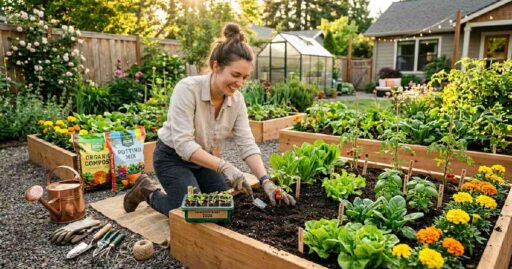
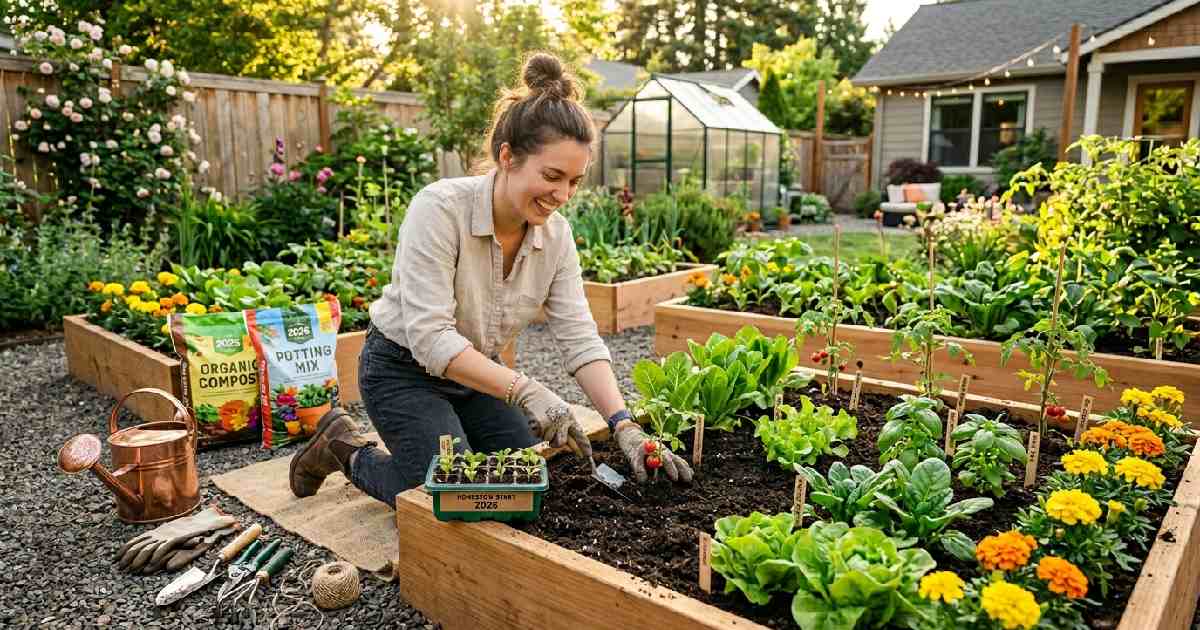

How to Grow Food at Home for Beginners
Learning how to grow food at home for beginners is easier than most people think. You do not need a large garden or farming experience. A balcony, rooftop, or sunny windowsill is enough to start. Growing food at home saves money, improves your health, and connects you with what you eat.
This guide walks complete beginners through every step. From choosing the right space to harvesting your first crops, everything is covered clearly. Start small, stay consistent, and enjoy the reward of eating food you grew yourself.
Introduction to Home Food Growing
More people are learning how to grow food at home for beginners every single year. Rising food costs and concerns about food quality are pushing many families toward home gardening. The good news is that growing food at home does not require much space, money, or experience.
Even a few pots on a balcony can produce fresh herbs and vegetables regularly. This guide is designed to make how to grow food at home for beginners simple and achievable for anyone starting from zero with no prior gardening knowledge at all.
Why Growing Food at Home Matters Today
Food prices are rising and grocery store produce travels long distances before reaching your plate. Understanding how to grow food at home for beginners gives you direct access to fresh, chemical-free food. You know exactly what went into your soil and onto your plants.
Home-grown food is fresher, more nutritious, and often tastier than store-bought alternatives. It also reduces your dependence on supply chains and packaging waste. Starting a home food garden is one of the most practical and rewarding decisions any beginner can make today.
Who This Guide Is For
This guide is written specifically for anyone who wants to learn how to grow food at home for beginners with no prior experience. It suits apartment dwellers with only a balcony, homeowners with small yards, and anyone curious about growing their own vegetables and herbs.
You do not need special tools or a large budget to begin. If you have never grown anything before, this guide starts from the very beginning and walks you through every step at a comfortable and manageable pace.
What You Will Learn in This Guide
This guide covers every essential aspect of how to grow food at home for beginners. You will learn which foods are easiest to start with. You will discover how to choose and set up your growing space. You will understand what soil, containers, and tools you actually need.
A step-by-step planting and care guide walks you through the entire process. Common beginner mistakes are addressed so you can avoid them. By the end, you will have everything needed to grow your first successful crop at home.
Benefits of Growing Food at Home
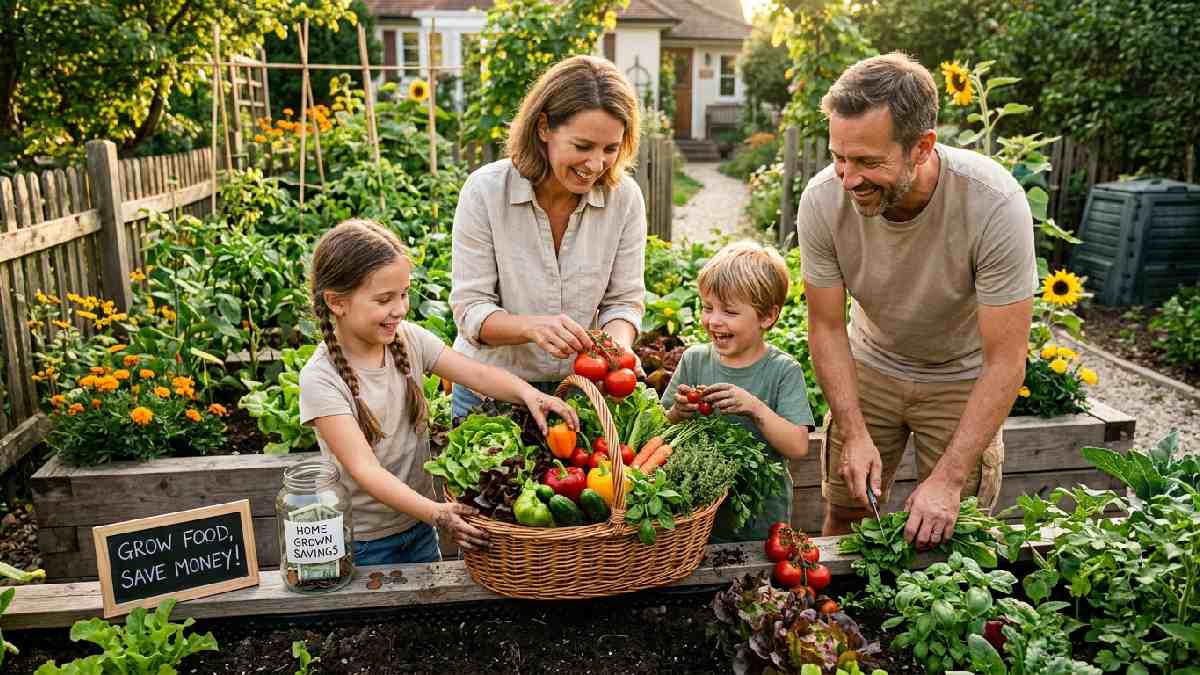
Understanding the benefits helps beginners stay motivated when learning how to grow food at home for beginners. The benefits go far beyond just having fresh vegetables available. Home food growing improves your physical health, saves real money, and supports a more sustainable lifestyle.
It also has surprising positive effects on mental well-being. Once you experience your first successful harvest, those benefits become very personal and very real. Here are the four most important reasons beginners choose to start growing food at home today.
Health Benefits of Fresh Home-Grown Food
Store-bought vegetables are often harvested early and treated with preservatives to survive transport. When you grow food at home for beginners, you harvest at peak ripeness. That means higher nutrient content and better flavor in every meal. You also control what goes on your plants.
No unknown pesticides or chemical treatments. Eating more fresh vegetables naturally improves diet quality. Many beginners who start growing food at home report eating more vegetables simply because they enjoy eating what they grew themselves.
Saving Money on Groceries
A single packet of herb seeds costs less than one bunch from the supermarket. Once established, herbs like mint, basil, and coriander produce continuously for months. Vegetables like spinach and chilies give multiple harvests from one planting.
Knowing how to grow food at home for beginners is one of the most cost-effective ways to reduce your grocery bill. The initial setup cost is small and pays for itself quickly. Families who commit to home food growing consistently report noticeable savings on their weekly grocery spending.
Environmental and Sustainability Benefits
Growing food at home for beginners reduces your environmental footprint in several practical ways. You eliminate packaging waste from store-bought produce. You cut down on the carbon emissions associated with transporting food from farms to supermarkets. Home composting turns kitchen scraps into rich soil rather than landfill waste.
Growing organically at home means fewer synthetic chemicals entering the soil and water supply. Every small home garden contributes to a larger shift toward more sustainable and locally produced food systems that benefit communities and the environment together.
Mental Health and Lifestyle Benefits
Spending time tending a garden has well-documented mental health benefits. Digging soil, watering plants, and watching seeds sprout reduces stress and improves mood. Learning how to grow food at home for beginners gives you a daily routine built around care and patience.
That sense of nurturing something living has a calming effect that many beginners find surprising. Harvesting your first home-grown tomato or handful of fresh herbs brings genuine satisfaction. It is a simple and grounding activity that connects you to natural rhythms in a way that most modern daily life simply does not.
Best Foods for Beginners to Grow at Home
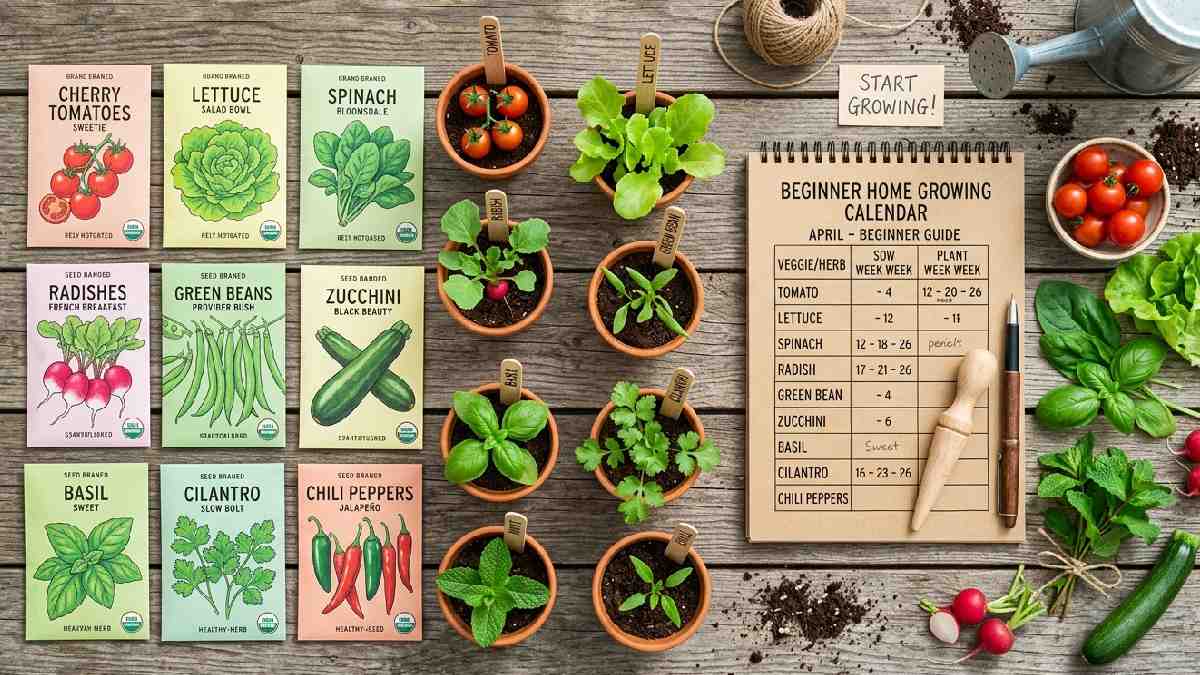
Choosing the right plants is the most important early decision when learning how to grow food at home for beginners. Some plants are forgiving, fast-growing, and productive even without perfect conditions. Others demand experience and specific care that makes them frustrating for first-time growers.
Starting with easy and rewarding plants builds your confidence quickly. Success early on keeps you motivated to expand your home garden over time. These are the best and most beginner-friendly food plants to start with right now.
Easy Herbs (Mint, Coriander, Basil)
Herbs are the perfect starting point for anyone learning how to grow food at home for beginners. Mint grows aggressively in almost any container with minimal attention. Coriander germinates quickly and is ready to harvest within three to four weeks of planting. Basil thrives on a sunny windowsill and produces continuously when harvested correctly.
All three herbs are used regularly in everyday cooking, which makes growing them immediately practical and satisfying. A single pot of any of these herbs gives you weeks of fresh flavor from one small investment in seeds.
Easy Vegetables (Spinach, Tomatoes, Chilies)
Spinach is one of the fastest and most reliable vegetables for beginners growing food at home. It grows in cool weather, needs moderate sunlight, and is ready to eat in about four weeks. Tomatoes take longer but are enormously rewarding and well-suited to containers on sunny balconies.
Chilies are extremely productive in warm climates, and one plant can produce dozens of chilies over a full season. These three vegetables give beginners a good mix of quick results and longer-term productive plants to keep the home garden interesting throughout the season.
Fast-Growing Crops for Quick Results
One challenge beginners face when figuring out how to grow food at home for beginners is waiting for results. Fast-growing crops solve that problem. Radishes are ready in as little as three weeks. Spring onions are harvestable within four to five weeks of planting.
Lettuce leaves can be picked just three weeks after seeds sprout. These fast crops keep you engaged during the early stages of home food growing. They also allow you to practice planting, watering, and harvesting quickly so you build hands-on experience before moving on to slower crops.
Choosing the Right Space for Gardening
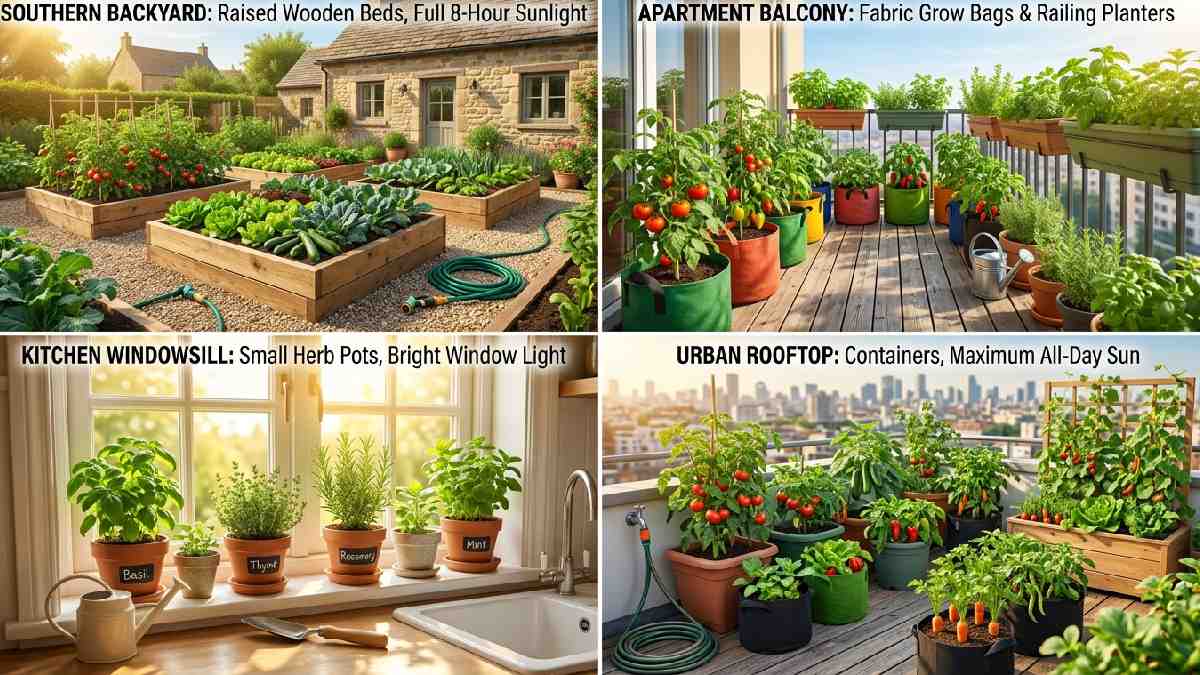
One of the biggest misconceptions about how to grow food at home for beginners is that you need a large outdoor garden. You do not. Most productive home food gardens start in very small spaces. The key is understanding how to work with the space you already have.
Whether you live in an apartment or a house, there is almost always a suitable spot available. Sunlight, airflow, and access to water are the three things any growing space genuinely needs. Here are the four most common setups beginners use successfully.
Balcony Gardening Setup
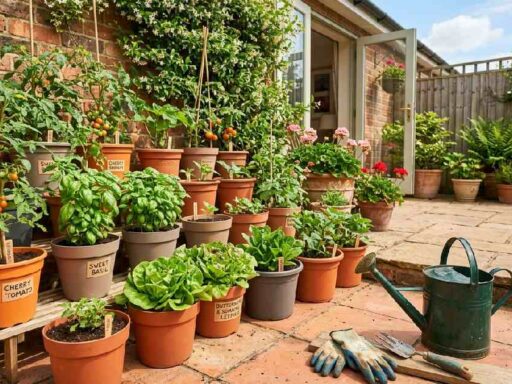
A balcony is one of the best spaces for growing food at home for beginners in urban settings. Most balconies receive several hours of direct sunlight which is enough for herbs, chilies, and tomatoes. Use a combination of pots, troughs, and hanging planters to maximize your available floor and railing space.
Lightweight containers are ideal for balconies where weight limits may apply. Ensure good drainage so excess water does not pool on your balcony floor. A well-organized balcony garden can produce a surprising variety of fresh food throughout the growing season.
Rooftop Gardening
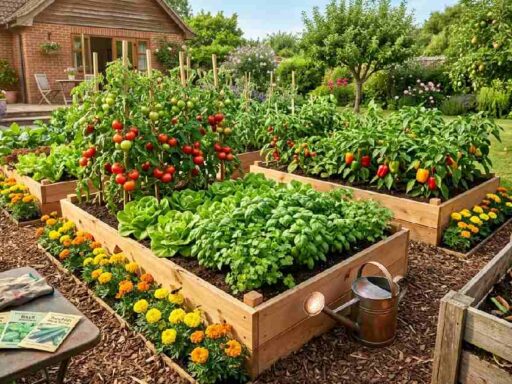
Rooftop spaces offer excellent sun exposure and airflow, making them very productive for growing food at home. They work particularly well for larger containers and raised bed setups. Wind can be stronger on rooftops, so staking taller plants like tomatoes is important.
Check the load-bearing capacity of the roof before placing heavy containers or soil bags. Raised beds made from lightweight materials work well in this environment. Rooftop gardens give beginners the most growing space outside of a traditional ground-level garden and can produce large quantities of home-grown food through the season.
Windowsill and Indoor Gardening
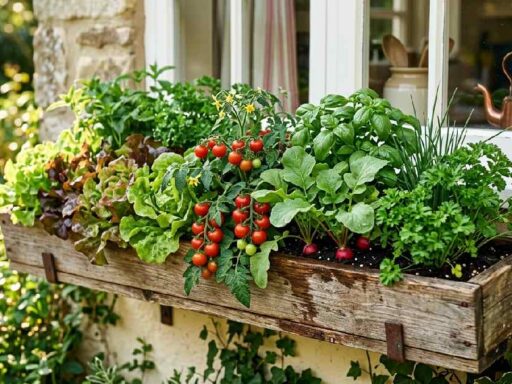
A sunny south-facing windowsill is a perfectly viable space for growing food at home for beginners. Herbs like basil, mint, and coriander thrive indoors with four to six hours of sunlight per day. Small lettuce varieties and microgreens also grow well on windowsills without needing outdoor conditions.
Keep containers small and well-drained to suit the limited space. Rotate pots regularly so all sides of the plant receive even light exposure. Indoor growing works year-round in most climates, which is a significant advantage over outdoor setups limited to specific growing seasons.
Small-Space Vertical Gardening
Vertical gardening is one of the smartest solutions when learning how to grow food at home for beginners with very limited floor space. Wall-mounted planters, stacked pocket gardens, and tiered shelving all allow you to grow upward rather than outward. Herbs, lettuce, and strawberries are particularly well-suited to vertical setups.
A single wall panel can hold dozens of individual plants in a very compact footprint. Vertical systems also improve airflow around plants, which reduces the risk of mold and pest problems. They are an efficient way to maximize any small growing space.
What You Need to Start Growing Food at Home
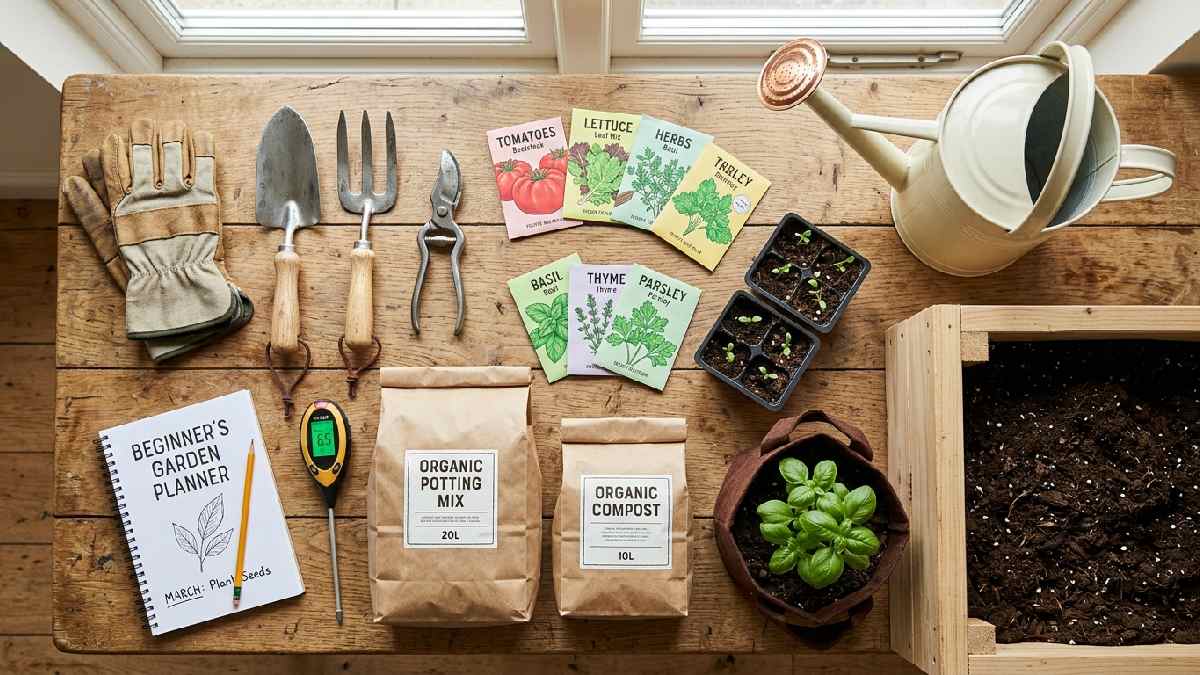
Many beginners assume that learning how to grow food at home for beginners requires a large investment in equipment. It does not. The essential supplies are affordable and available at most garden centers or online. Getting the basics right from the start saves you frustration later.
Cheap shortcuts in soil or containers often lead to poor plant growth and wasted effort. Investing a small amount in the right foundational supplies makes the entire process of growing food at home much more successful and enjoyable from your very first planting day.
Containers and Pots
Almost any container can work for growing food at home for beginners as long as it has drainage holes. Purpose-made plastic or terracotta pots are the most common and practical options. Use deeper containers for vegetables like tomatoes and chilies which develop larger root systems. Shallower containers suit herbs and lettuce well.
Fabric grow bags are a popular choice because they are lightweight, breathable, and very affordable. Avoid containers without drainage holes as waterlogged soil quickly kills plant roots. Size matters more than aesthetics when choosing containers for productive home food growing.
Soil and Compost Basics
Regular garden soil from the ground is not suitable for container growing when starting how to grow food at home for beginners. It compacts too easily and drains poorly in pots. Use a quality potting mix designed specifically for container growing. Adding compost to your potting mix improves nutrient content and soil structure significantly.
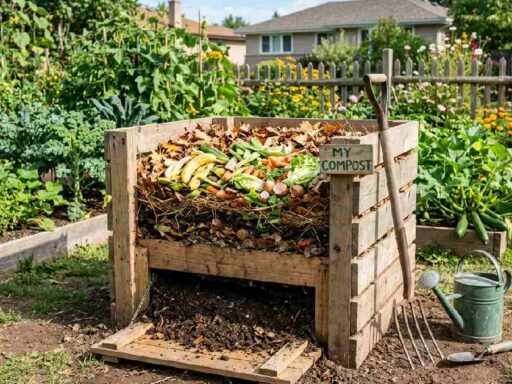
Compost can be homemade from kitchen scraps or purchased cheaply in bags. Good soil is the single most important investment you will make in your home food garden. Plants grown in poor soil struggle regardless of how well you water and care for them.
Seeds vs Seedlings
Both seeds and seedlings are valid options for beginners growing food at home. Seeds are much cheaper and give you a wider variety of plant choices. They require more patience as germination takes time before visible growth begins. Seedlings are young plants already past the germination stage.
They give you a head start and are ideal for beginners who want faster results. For your first home food garden, consider starting with seedlings for vegetables and seeds for fast-germinating herbs like coriander and basil. This combination gives you quick early results while building your seed-starting experience gradually.
Watering Tools and Sunlight Needs
A simple watering can with a gentle rose head is all you need for most home food growing setups. It gives you control over where and how much water you apply to each plant. Most food plants need six to eight hours of direct sunlight per day to grow productively. Herbs tolerate slightly less light than fruiting vegetables like tomatoes and chilies.
Observe your growing space at different times of day before deciding where to place your containers. Matching your plant choices to the actual sunlight your space receives is one of the most important early decisions in home food growing.
Step-by-Step Guide to Growing Food at Home
Following a clear process makes learning how to grow food at home for beginners much more straightforward. Each step builds on the one before it. Skipping steps or rushing the process is one of the most common reasons beginners struggle with their first home food garden.
Take your time with preparation, and the growing process becomes significantly easier. These five steps cover everything from initial setup through to your first successful harvest of home-grown food.
Step 1: Preparing Soil and Containers
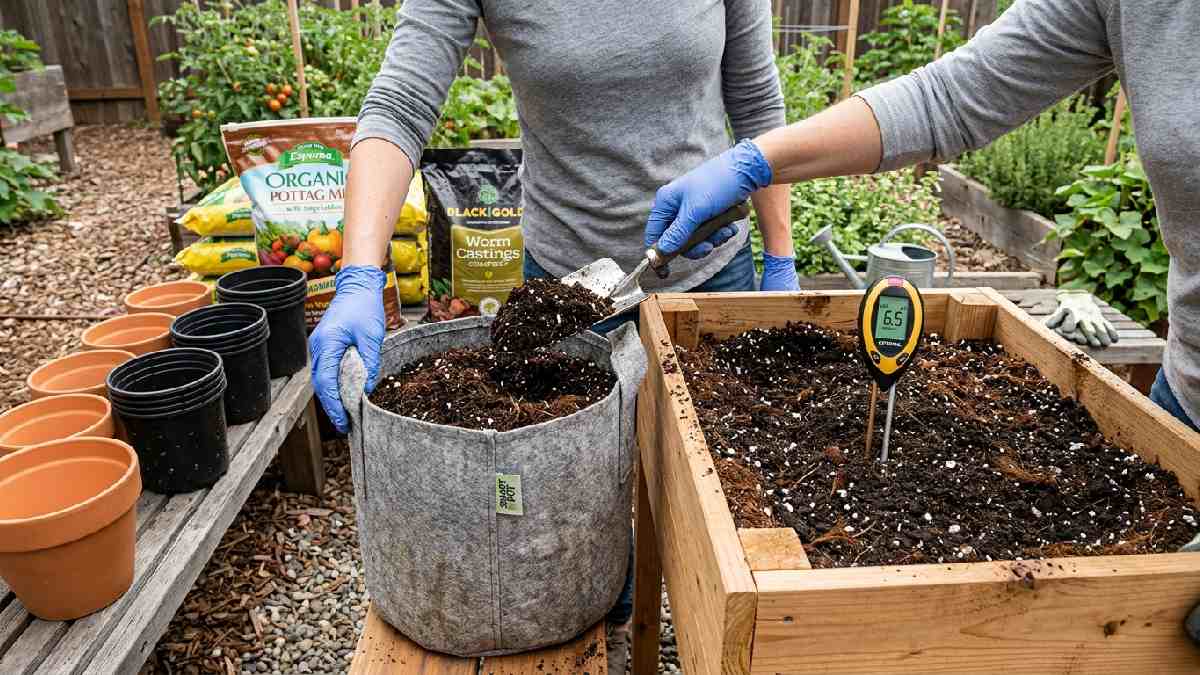
Start by cleaning your containers thoroughly if they have been used before. Fill them with fresh potting mix combined with compost in roughly a three-to-one ratio. Leave about two centimeters of space at the top to make watering easier without overflow. Water the soil lightly before planting so it is moist but not waterlogged.
Moist soil helps seeds and seedlings settle in without stress. Good preparation at this stage creates the right environment for strong early root development, which directly affects how well your plants grow throughout the season.
Step 2: Planting Seeds Correctly
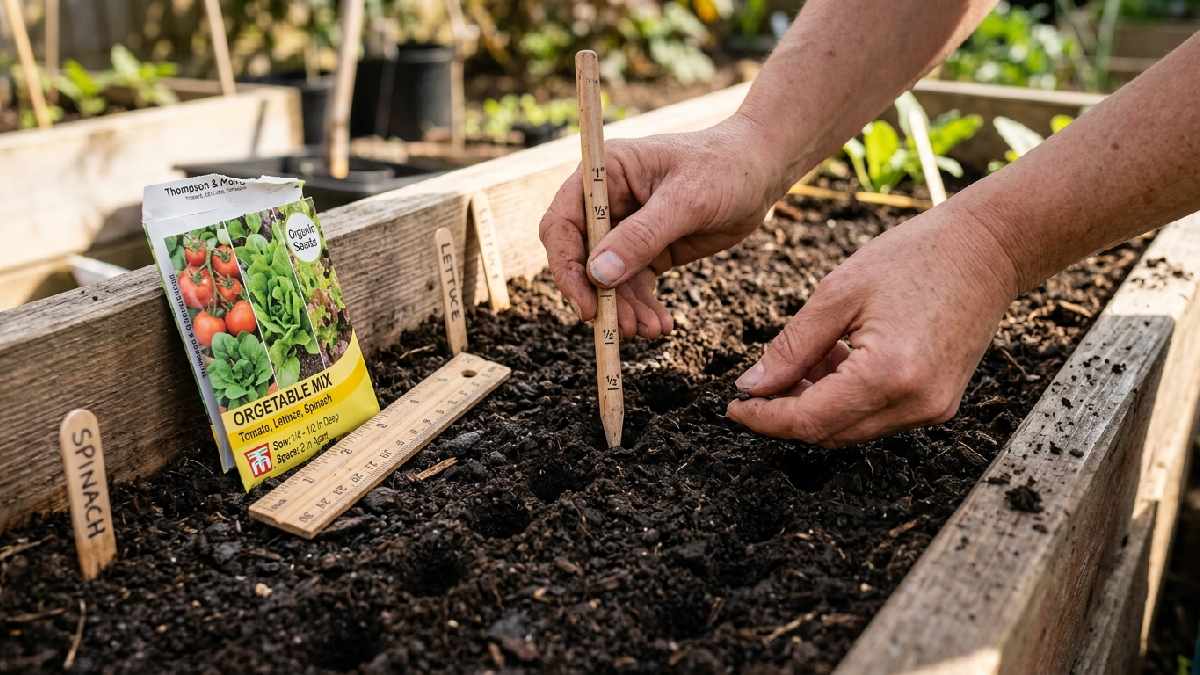
Sow seeds at the depth recommended on the seed packet, usually two to three times the seed diameter. Planting too deep slows germination significantly. Press soil gently over seeds without compacting it. Label your containers clearly so you remember what is planted where. Water lightly after sowing using a gentle spray to avoid disturbing seeds.
Place containers in a warm spot with good light to encourage quick and even germination. Most common food plant seeds germinate within five to fourteen days under the right conditions. Patience during this stage is an important part of learning how to grow food at home.
Step 3: Watering and Sunlight Requirements
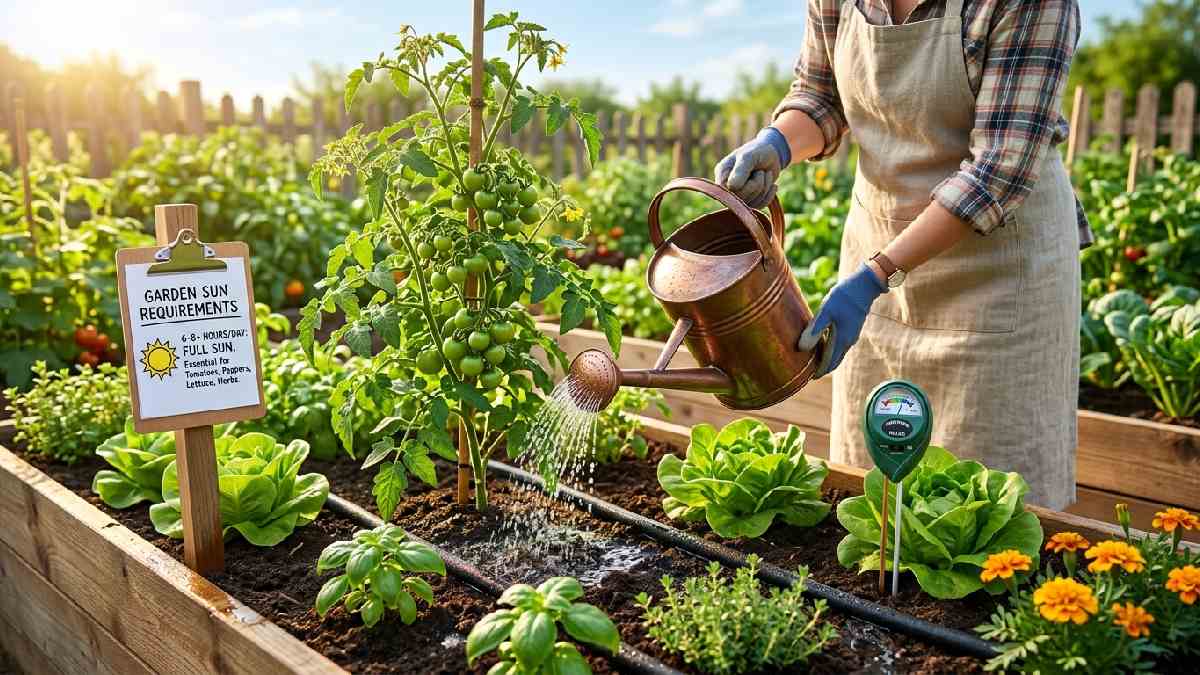
Consistent watering is critical for beginners growing food at home. Check soil moisture daily by pressing your finger about two centimeters into the soil. Water when the top layer feels dry rather than on a fixed schedule. Most vegetables and herbs prefer morning watering, which reduces evaporation and fungal issues.
Ensure containers receive their required daily sunlight by placing them in the most exposed spot available. Rotate pots every few days if some sides are receiving less light. Consistent light and appropriate watering together account for the majority of your plant’s success during the growing period.
Step 4: Caring for Plants as They Grow
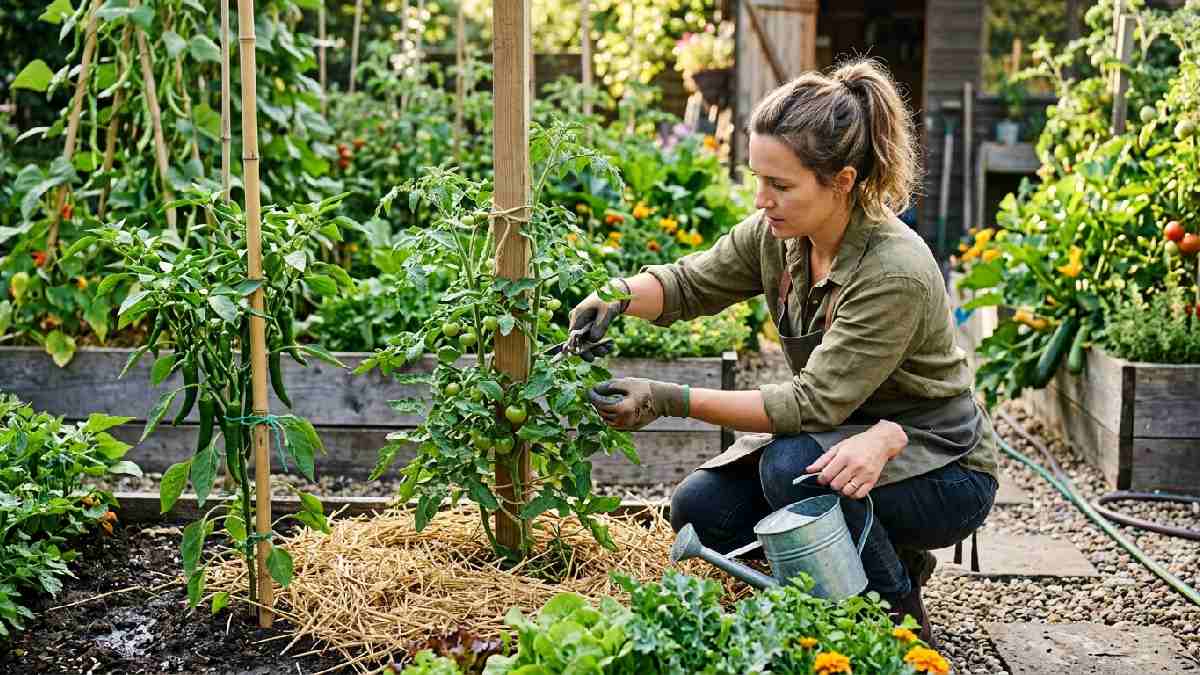
As your plants establish themselves, remove any yellowing or dead leaves promptly. Feed plants with a liquid fertilizer every two weeks once they begin active growth. Check regularly for signs of pests such as holes in leaves or visible insects on stems. Remove weeds from containers as soon as they appear so they do not compete for nutrients.
Stake taller plants like tomatoes early before they become too heavy to support themselves. Regular attention during the growth stage prevents small problems from becoming serious ones that damage your home food garden.
Step 5: Harvesting Your First Crops
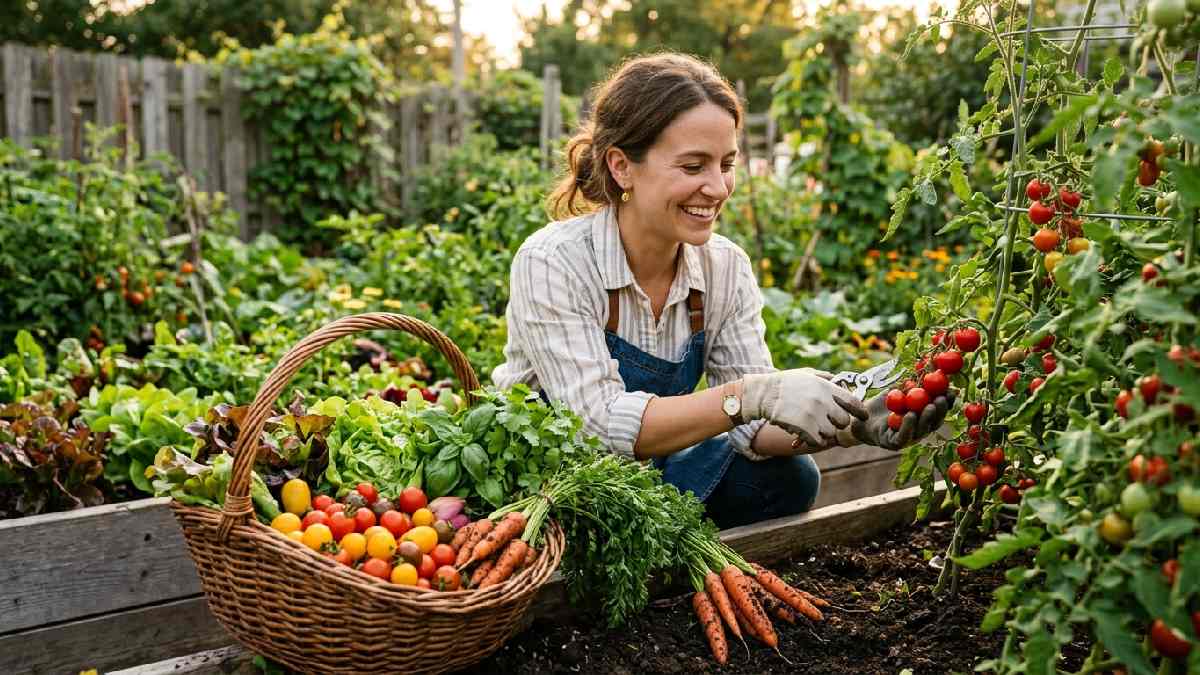
Harvesting at the right time encourages plants to keep producing rather than stopping growth. Pick herbs regularly by taking outer leaves and stems rather than stripping the entire plant. Harvest leafy vegetables like spinach from the outside inward to extend the productive life of each plant.
Tomatoes and chilies are ready when they reach full color and feel firm but slightly yielding to gentle pressure. Regular harvesting signals the plant to continue producing more. Your first home-grown harvest is a genuinely exciting moment that makes all the effort of learning how to grow food at home completely worthwhile.
Common Mistakes Beginners Should Avoid
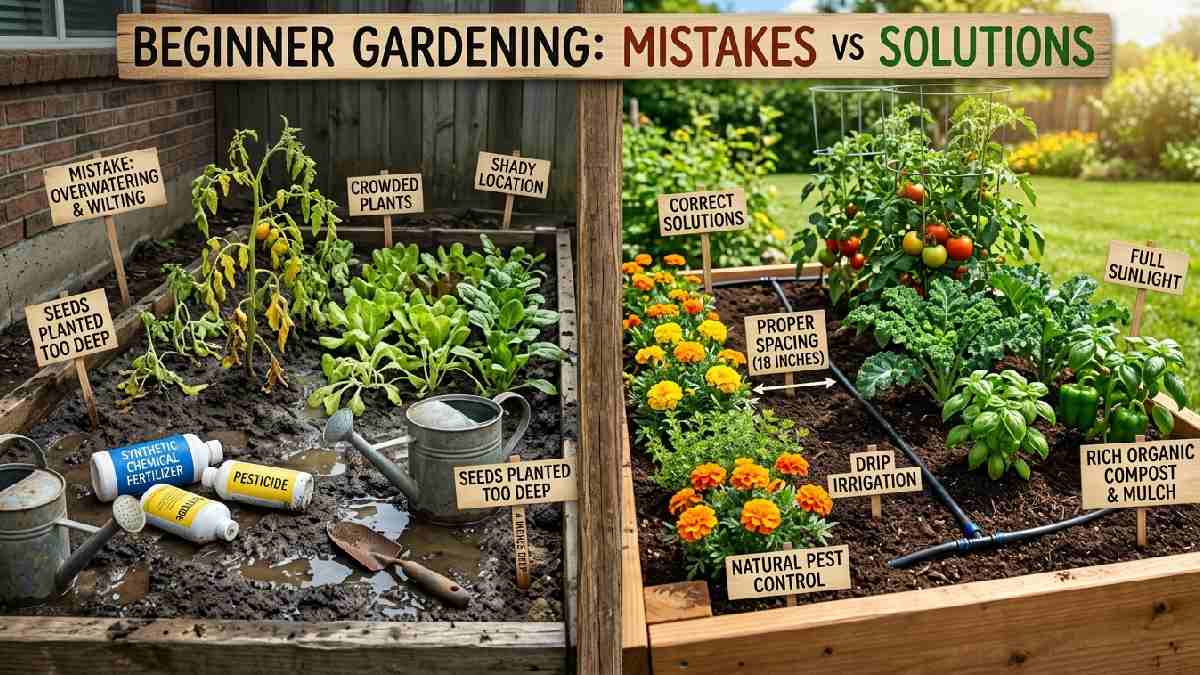
Even well-intentioned beginners make mistakes when first learning how to grow food at home for beginners. Knowing the most common pitfalls before you start helps you avoid them entirely. These five mistakes account for the majority of problems beginners encounter in their first season.
They are all avoidable with the right knowledge. Learning from other people’s early mistakes is one of the fastest ways to shortcut your way to a successful and productive first home food garden without unnecessary setbacks along the way.
Overwatering Plants
Overwatering is the number one mistake beginners make when growing food at home. More water does not mean faster or healthier growth. Waterlogged soil suffocates roots and creates conditions where root rot thrives. Most plants prefer soil that dries slightly between waterings rather than staying constantly wet.
Always check soil moisture before watering rather than watering on a fixed daily schedule. Containers must have drainage holes so excess water can escape freely. If your plant leaves are yellowing without obvious pest damage, overwatering is almost always the most likely cause to investigate first.
Using Poor Soil Quality
Beginners sometimes use garden soil or very cheap potting mixes to save money. Poor quality soil compacts quickly in containers, drains poorly, and lacks the nutrients plants need to grow well. This leads to stunted growth and disappointing results that discourage beginners from continuing.
Good quality potting mix with added compost is worth every extra penny spent. It creates the right environment for healthy root development and consistent plant growth. Soil quality has a bigger impact on how to grow food at home for beginners successfully than almost any other single factor.
Lack of Sunlight
Placing containers in shaded spots is a very common early mistake in home food growing. Most food plants are sun-loving and simply will not produce well without adequate direct light. Herbs become leggy and flavorless. Tomatoes fail to set fruit. Chilies stay small and unproductive.
Assess your available space honestly for sunlight hours before choosing what to grow. If your best spot only receives three to four hours of direct sun, focus on shade-tolerant plants like spinach, mint, and lettuce rather than forcing sun-demanding plants into unsuitable growing conditions.
Planting Too Many Crops at Once
Enthusiasm leads many beginners to plant far more than they can realistically manage. Too many plants at once means divided attention and inconsistent care across the whole collection. Plants get neglected, problems go unnoticed, and results are disappointing across the board. Start with three to five different plants in your first season of growing food at home.
Give each one the attention and observation it deserves. Build your skills and confidence gradually. A small collection of thriving plants is far more rewarding and educational than a large, struggling garden that overwhelms you before you gain the experience to manage it.
Ignoring Pests and Plant Health
Pests move fast in a home garden. A small aphid colony can double in size within days if left unchecked. Beginners sometimes notice early warning signs but delay action, hoping the problem resolves itself. It rarely does. Check your plants every two to three days for signs of insect damage, discoloration, or disease.
Act immediately when something looks wrong. Remove affected leaves, isolate affected plants, and treat with a gentle natural solution like diluted neem oil. Early intervention almost always resolves pest problems quickly before they spread through your entire home food garden.
How to Maintain Your Home Garden
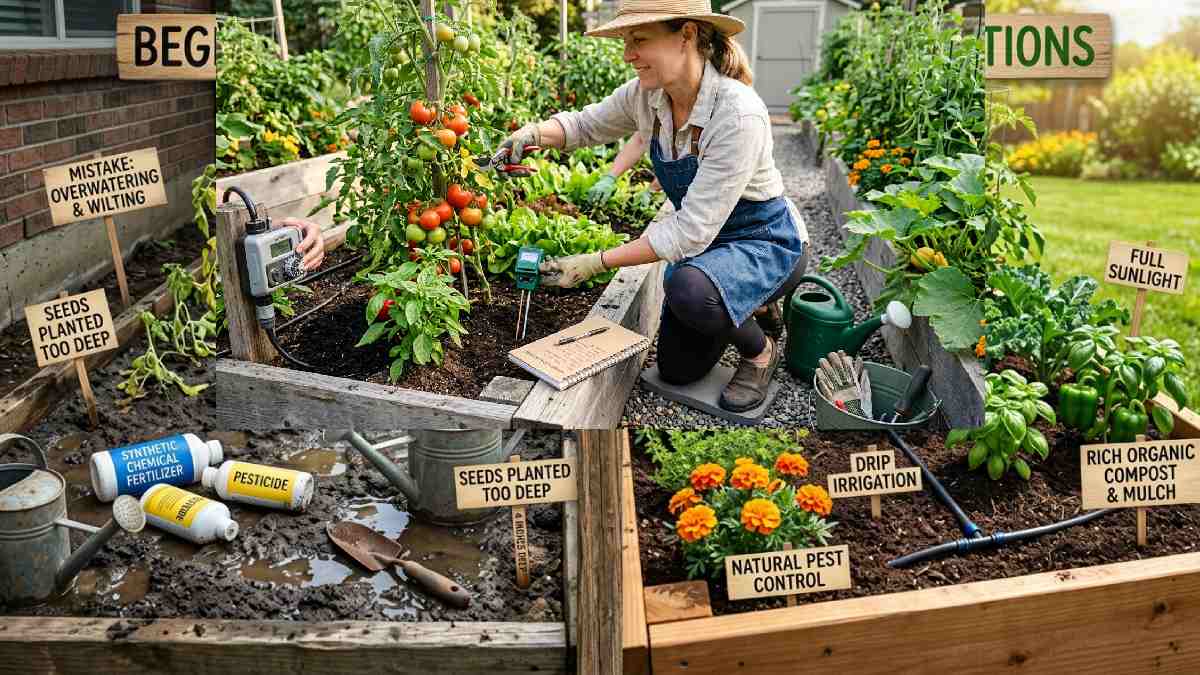
Growing food at home for beginners does not stop at the first harvest. Consistent maintenance is what keeps a home food garden productive through the entire season. The good news is that maintenance does not need to be complicated or time-consuming. A simple daily and weekly routine covers most of what your garden needs.
Understanding how to maintain your garden properly is the skill that separates a one-season beginner from someone who grows food at home successfully year after year with increasing confidence and better results every season.
Daily and Weekly Care Routine
Daily tasks take only five to ten minutes and make a significant difference. Check soil moisture, look for pest activity, and remove any dead or damaged leaves each day. Weekly tasks include feeding plants with liquid fertilizer, checking that containers are draining properly, and harvesting any crops that are ready.
Consistency in this routine prevents small problems from escalating into serious ones. A quick daily check means you notice changes in your plants early. Early noticing means early action. That simple habit is the foundation of successful long-term growing food at home for any beginner.
Natural Pest Control Methods
Chemical pesticides can harm beneficial insects and contaminate home-grown food. Natural pest control methods work effectively without those risks. Neem oil diluted in water and sprayed on affected plants controls a wide range of common garden pests. Introducing or encouraging natural predators like ladybugs reduces aphid populations naturally.
Companion planting, such as growing basil near tomatoes, naturally deters certain pest species. Removing affected leaves promptly prevents pests from spreading further. Natural methods keep your home food garden healthy without compromising the quality of what you eat and grow.
Pruning and Plant Maintenance
Regular pruning keeps plants healthy and productive through the growing season. Remove dead, yellowing, or diseased leaves as soon as you spot them. Pinch back the growing tips of herbs like basil to encourage bushy growth rather than tall, leggy stems. Remove suckers from tomato plants to direct energy toward fruit production.
Trim away overcrowded growth to improve airflow through the plant canopy. Pruning might feel counterintuitive at first, but it consistently leads to healthier plants and higher yields. It is a simple skill every beginner growing food at home should develop early in their journey.
Seasonal Care Tips
Different seasons bring different challenges and opportunities for home food growing. In warmer months, water more frequently as soil dries faster in heat. Provide shade cloth protection during extreme heat to prevent leaf scorch on sensitive plants. In cooler months, reduce watering frequency and focus on cold-tolerant crops like spinach and leafy greens.
Use the end of each growing season to refresh your potting mix with added compost before replanting. Keeping simple notes about what worked and what did not each season helps you improve your approach. Seasonal awareness is a key part of how to grow food at home for beginners successfully over time.
FAQs About Growing Food at Home
What Is the Easiest Food to Grow at Home?
Herbs like mint, coriander, and basil are the easiest foods to grow at home for beginners. They germinate quickly, need minimal space, and produce continuously with basic care. Spinach and radishes are the easiest vegetables to start with for fast and reliable results.
Can I Grow Food Without a Garden?
Yes. Growing food at home for beginners is very achievable without a traditional garden. Balconies, rooftops, windowsills, and indoor spaces all work well. Containers, grow bags, and vertical planters make home food growing possible in almost any living situation, regardless of available outdoor space.
How Much Sunlight Do Plants Need?
Most food plants need six to eight hours of direct sunlight daily to grow productively. Leafy greens and herbs tolerate three to four hours. Fruiting plants like tomatoes and chilies need the most sun to produce well. Always match your plant choices to the actual sunlight your growing space receives each day.
What Is the Best Soil for Home Gardening?
A quality potting mix combined with compost is the best soil option for growing food at home for beginners in containers. Avoid using garden soil directly in pots as it compacts too easily. Good potting mix drains well, holds moisture appropriately, and provides the nutrients young plants need to establish and grow.
How Long Does It Take to Grow Vegetables?
It depends on the crop. Radishes are ready in three weeks. Spinach takes four weeks. Herbs like coriander are harvestable within three to four weeks. Tomatoes and chilies take two to three months from transplanting to first harvest. Fast-growing crops give beginners quicker results, while longer crops build patience and longer-term growing experience.
Conclusion
Learning how to grow food at home for beginners is one of the most rewarding decisions you can make. It improves your diet, reduces your grocery spending, and gives you a meaningful daily connection to what you eat. You do not need a large space, expensive equipment, or years of experience to begin.
Start with a few pots, quality soil, and easy, beginner-friendly plants. Follow the steps in this guide and stay consistent with your care routine. Your first successful harvest will motivate you to expand and improve your home food garden every season from this point forward.