


Smoothies are already a favorite morning drink for many people. But have you ever added microgreens to yours? A microgreen smoothie takes a normal smoothie and makes it even healthier. It is fresh. It is easy to make. And it tastes better than you might think.
Microgreens are small, but they are packed with nutrition. Adding them to a smoothie is one of the easiest ways to enjoy their benefits. You do not need fancy equipment. You do not need special skills. You just need a blender and a few simple ingredients.
In this guide, we will explain what a microgreen smoothie is. We will share why it is good for your health. We will list the best greens to use. We will give you easy recipes to try. We will also share simple tips to help you make the best smoothie at home.
By the end, you will feel ready to blend up your very first microgreen smoothie.
What Is a Microgreen Smoothie?
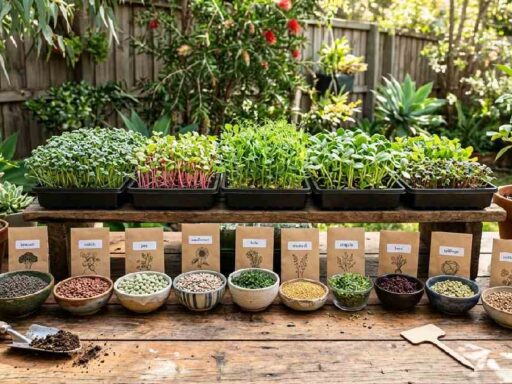
A microgreen smoothie is a smoothie made with microgreens blended inside. Microgreens are young vegetable and herb plants. Farmers grow them for just one to three weeks before harvest.
These tiny plants may look small, but they hold big nutrition. Many studies show microgreens can have far more vitamins than full-grown vegetables. Some have shown levels up to forty times higher.

When you blend microgreens into a smoothie, you get all that goodness in one drink. The fruit and other ingredients help hide any strong taste. This makes microgreens easy to enjoy, even for picky eaters.
Microgreens vs. Regular Greens in Smoothies
Many smoothie recipes use spinach or kale as the main green. Microgreens work a bit differently. They are smaller and often more nutrient-dense than mature greens.
Microgreens also tend to have a milder taste in many cases. This makes them a great choice for beginners who find strong greens hard to enjoy. Some microgreens, like pea shoots, taste sweet and fresh. Others, like radish microgreens, bring a spicy kick.

Using microgreens instead of, or along with, regular greens can boost the nutrition of your smoothie even further.
Why Add Microgreens to Your Smoothie?
You might wonder if microgreens are really worth adding. The answer is yes, and here is why.
Microgreens are small, so they blend very easily. You do not need to chop them or cook them first. Just toss a handful into your blender and go.

They also add extra nutrition without adding many calories. This makes microgreen smoothies a smart choice if you care about your health but do not want to overthink your diet. A smoothie already feels like a treat. Adding microgreens makes it a treat that also does your body good.
Top Health Benefits of Microgreen Smoothies
Microgreen smoothies offer many health benefits in one glass. They support your immune system, skin, and energy levels. They can also help your digestion and heart health. Let’s look at each benefit closely.

1. Full of Vitamins and Minerals
Microgreens carry vitamins A, C, E, and K. They also have minerals like iron and potassium. As mentioned earlier, these levels can be much higher than in full-grown plants. This means your smoothie packs a serious nutrient punch.
2. Supports a Strong Immune System
Many microgreens are rich in vitamin C. This vitamin plays a big role in immune health. Drinking a microgreen smoothie often may help your body fight off colds and illness more easily.
3. Helps With Healthy Digestion
Some microgreens, like broccoli and radish, contain natural enzymes. These enzymes may support smooth digestion. Blending them into a smoothie also keeps the fiber intact, unlike juicing.
4. Supports Skin Health
Vitamins A and C found in many microgreens help support collagen and skin repair. Drinking a smoothie with these greens regularly may lead to a healthier, brighter complexion over time.
5. May Support Weight Management
Microgreen smoothies can be low in calories but still filling. Adding protein sources like yogurt or nut butter can make them even more satisfying. This can help support healthy weight goals.
6. Fights Inflammation
Many microgreens, like broccoli and red cabbage, are rich in antioxidants. These compounds may help lower inflammation in the body over time. Less inflammation often means better overall health.
7. Supports Heart Health
Some microgreens support healthy blood pressure and cholesterol levels. Red cabbage microgreens, for example, contain heart-friendly antioxidants. A daily smoothie could be a small step toward a stronger heart.
8. Gives You Steady, Natural Energy
Unlike sugary drinks or coffee, a microgreen smoothie offers steady energy. It combines real vitamins with natural fruit sugars. This means less of a crash later in the day.
9. Easy Way to Eat More Greens
Not everyone enjoys eating salads every day. A smoothie makes it much easier to get greens into your diet. The fruit flavor helps mask any strong taste from the greens.
10. Supports Healthy Eyes
Many microgreens, especially kale and broccoli, contain vitamin A. This vitamin plays an important role in eye health. Drinking microgreen smoothies regularly may support good vision over time.
Best Microgreens for Smoothies
Not every microgreen works the same way in a smoothie. Some blend better and taste better than others. Here are the best ones to try.

1. Sunflower Microgreens
Sunflower microgreens have a mild, nutty flavor. They are rich in protein, vitamin E, and healthy fats. They blend easily into almost any smoothie recipe.
2. Pea Shoots
Pea shoots taste sweet and fresh, similar to peas. They are packed with vitamin C and folate. Their gentle flavor makes them perfect for beginners.
3. Kale Microgreens
Kale microgreens carry vitamin K, vitamin A, and calcium. Their taste is a bit bold and earthy. Pairing them with banana or mango helps balance the flavor.
4. Broccoli Microgreens
Broccoli microgreens are known for containing sulforaphane, a helpful plant compound. Their taste is slightly peppery, so mixing them with sweet fruit works well.
5. Wheatgrass
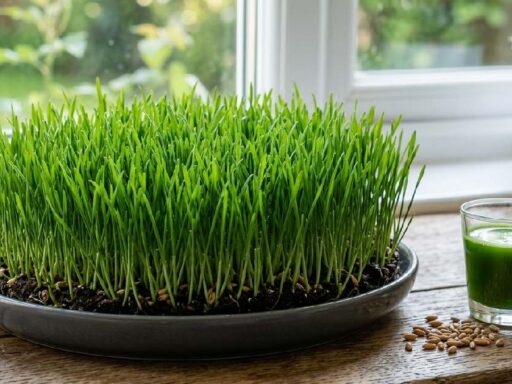
Wheatgrass is popular in smoothies for its detox-supporting properties. It also carries high chlorophyll levels. Its taste is strong, so start with a small amount.
6. Radish Microgreens
Radish microgreens bring a spicy kick to smoothies. They are rich in vitamin C. A small handful adds a bold, unique flavor.
7. Beet Microgreens
Beet microgreens are full of iron and antioxidants. They taste earthy and slightly sweet. They also give your smoothie a lovely pink color.
8. Cilantro Microgreens
Cilantro microgreens support the body’s natural detox process. Their bright, herby flavor pairs nicely with citrus fruits like orange or lime.
9. Arugula Microgreens
Arugula microgreens have a sharp, peppery bite. They are rich in vitamin K and folate. Use a small amount, since their flavor is strong.
Other Ingredients That Pair Well With Microgreens
A great microgreen smoothie needs more than just greens. Here are ingredients that pair well and boost both taste and nutrition.

Fruits
Bananas add natural sweetness and a creamy texture. Berries bring antioxidants and a tart flavor. Mangoes and pineapples add tropical sweetness that balances stronger greens.
Liquids
Water works fine for a light smoothie. Coconut water adds natural electrolytes. Almond milk or oat milk adds creaminess without dairy.
Protein Boosters
Greek yogurt adds protein and a creamy texture. Nut butters like almond or peanut butter add healthy fats. Protein powder is another easy option for extra staying power.
Natural Sweeteners
A small amount of honey or maple syrup can help balance stronger greens like wheatgrass or radish microgreens. Dates are another natural way to add sweetness.
Extra Boosters
Chia seeds add fiber and healthy fats. Flaxseeds offer similar benefits. A small piece of fresh ginger can add warmth and support digestion.
Tools You Need to Make a Microgreen Smoothie
You do not need much to get started. Here are the basic tools.
- A blender. A regular blender works fine for most microgreen smoothies.
- A cutting board and knife. Useful for chopping fruit before blending.
- Measuring cups. These help keep your recipes consistent each time.
- A glass or reusable cup. For serving your fresh smoothie.
- Ice cube trays. Handy for freezing extra fruit or smoothie portions.
Easy Microgreen Smoothie Recipes
Making your own microgreen smoothie is easier than you think. You just need a blender and a few fresh ingredients. Each recipe below uses simple, easy-to-find items. Try one today and see which flavor you like best

Recipe 1: Classic Green Banana Smoothie
Ingredients:
- 1 cup sunflower microgreens
- 1 ripe banana
- 1 cup almond milk
- 1 tablespoon almond butter
- A few ice cubes
Instructions:
- Add all ingredients to your blender.
- Blend until smooth and creamy.
- Pour into a glass and enjoy right away.
Recipe 2: Berry Pea Shoot Smoothie
Ingredients:
- 1/2 cup pea shoots
- 1 cup mixed berries
- 1 cup coconut water
- 1 tablespoon chia seeds
Instructions:
- Add all ingredients to your blender.
- Blend until fully smooth.
- Let it sit for a minute so the chia seeds soften slightly.
- Pour and serve chilled.
Recipe 3: Tropical Kale Microgreen Smoothie
Ingredients:
- 1/2 cup kale microgreens
- 1/2 cup pineapple chunks
- 1/2 banana
- 1 cup coconut milk
Instructions:
- Add all ingredients to your blender.
- Blend until smooth and creamy.
- Pour into a glass and enjoy the tropical flavor.
Recipe 4: Spicy Radish Green Detox Smoothie
Ingredients:
- 1/4 cup radish microgreens
- 1 green apple
- 1/2 cucumber
- 1/2 lemon, peeled
- 1 cup water
Instructions:
- Chop the apple and cucumber into small pieces.
- Add all ingredients to your blender.
- Blend until smooth.
- Serve fresh over ice.
Recipe 5: Pink Beet and Berry Smoothie
Ingredients:
- 1/2 cup beet microgreens
- 1 cup strawberries
- 1/2 banana
- 1 cup yogurt
Instructions:
- Add all ingredients to your blender.
- Blend until smooth and creamy.
- Pour into a glass and enjoy the bright pink color.
Recipe 6: Broccoli Mango Refresher
Ingredients:
- 1/2 cup broccoli microgreens
- 1 cup mango chunks
- 1 cup orange juice
- A few ice cubes
Instructions:
- Add all ingredients to your blender.
- Blend until fully smooth.
- Pour and enjoy the sweet, tropical taste.
Recipe 7: Wheatgrass Citrus Green Smoothie
Ingredients:
- 1/4 cup wheatgrass
- 1 orange, peeled
- 1/2 banana
- 1 cup water
Instructions:
- Add all ingredients to your blender.
- Blend until smooth.
- Since wheatgrass is strong, start with a small glass.
Microgreen Smoothie vs. Microgreen Juice: What Is the Difference?
Many people wonder if smoothies and juice are the same. They are not. Juicing removes the fiber from the plant, leaving just the liquid. Smoothies keep the whole plant blended in, including the fiber.

This means smoothies are usually more filling than juice. They can work well as a light meal, while juice often works better as a quick nutrient boost. Both are healthy choices. It really comes down to personal preference and your goals.
Best Time of Day to Drink a Microgreen Smoothie
Many people enjoy microgreen smoothies in the morning as a healthy breakfast. It is fast, filling, and easy to prepare before a busy day.
Others prefer it as an afternoon snack instead of chips or sweets. Some even drink a smaller version after a workout, since it offers a good mix of nutrients and natural sugar for recovery. There is no single right time. Choose what fits best into your daily routine.
Simple Tips for Making a Tasty, Nutrient-Rich Smoothie
Making a tasty smoothie does not need special skills. A few simple tricks can make a big difference in taste. The right mix of greens and fruit keeps the flavor balanced. Using fresh ingredients always gives the best results. Small changes, like adding protein or ice, can improve texture too. These easy tips help you build a smoothie you will enjoy every time.

1. Start With a Small Amount of Microgreens
If you are new to microgreens, start small. A quarter cup is a good starting point. You can add more as you get used to the taste.
2. Balance Strong Greens With Sweet Fruit
Bold greens like wheatgrass or radish microgreens taste best when paired with sweet fruit. Bananas, mangoes, and berries work especially well.
3. Use Frozen Fruit for a Thicker Texture
Frozen bananas or berries make your smoothie thicker and colder. This gives it a milkshake-like texture without added sugar.
4. Add a Protein Source
Adding yogurt, nut butter, or protein powder helps keep you full longer. This is especially helpful if you are drinking your smoothie as a meal.
5. Wash Your Microgreens First
Even tiny plants can carry dirt. Always rinse your microgreens under cold water before blending.
6. Blend Greens First for a Smoother Texture
Adding your liquid and greens first, before other ingredients, often leads to a smoother final blend. This helps break down the greens fully.
7. Drink It Fresh
Smoothies taste best right after blending. Nutrients can start to break down over time, so try to enjoy your smoothie soon after making it.
8. Rotate Your Greens
Do not use the same microgreen every single day. Rotating different types gives your body a wider mix of nutrients and keeps things interesting.
Common Mistakes to Avoid When Making a Microgreen Smoothie
Even a simple smoothie can go wrong. Here are common mistakes and how to avoid them.
- Adding too many strong greens at once. Start small and build up slowly.
- Skipping the fruit. Fruit helps balance flavor and makes the smoothie enjoyable.
- Using old or wilted microgreens. Always choose fresh, vibrant greens.
- Forgetting protein or fat. This can leave your smoothie less filling than it could be.
- Not washing microgreens first. Always rinse away dirt before blending.
- Making too much at once. Smoothies taste best fresh, so avoid making huge batches that sit around.
How to Store Microgreens for Smoothies
Keeping your microgreens fresh matters for both taste and nutrition. Store them in the fridge, ideally in a container lined with a paper towel. This helps absorb extra moisture and keeps them from getting soggy.
Try to use your microgreens within about a week for the best flavor. Avoid washing them until right before you plan to use them, since extra moisture can cause them to spoil faster.
Can You Freeze Microgreen Smoothies?
Yes, you can freeze extra smoothie in ice cube trays. This is a great way to avoid waste if you make too much. Simply pop a few frozen smoothie cubes into your blender next time for a quick, cold treat.
Keep in mind that freezing may slightly change the texture. Fresh smoothies almost always taste best, but freezing is a smart backup option.
Growing Your Own Microgreens for Smoothies
You do not have to buy microgreens every week. Growing your own is easy and affordable. All you need is a shallow tray, some soil, seeds, and a sunny windowsill.
Most microgreens are ready to harvest in one to two weeks. This makes them one of the fastest home-grown foods available. Simply snip the greens with scissors right before you plan to blend them.
Growing your own microgreens also means you always have a fresh supply on hand. There is no need to worry about wilted greens from the store. It can also save you money over time, since seeds are quite inexpensive.
Microgreen Smoothies for Athletes and Active People
If you work out often, a microgreen smoothie can be a smart addition to your routine. It offers real vitamins and minerals without added sugar or artificial ingredients.
Adding a source of protein, like yogurt or protein powder, can help support muscle recovery after exercise. Beet microgreens, in particular, may help support healthy blood flow during physical activity.
A smoothie before a workout can offer light, natural energy. One after a workout can help refuel your body with real nutrients. It is not a replacement for balanced meals, but it can be a helpful addition to an active lifestyle.
Cost of Homemade Microgreen Smoothies vs. Store-Bought
Buying pre-made smoothies from a shop can be expensive. A single cup can cost several dollars, and prices add up quickly if you drink one daily.
Making your own microgreen smoothie at home is far more affordable. A bag of microgreens often costs just a few dollars and can be used across several smoothies. Growing your own microgreens makes it even cheaper.
Homemade smoothies also let you control exactly what goes inside. You can avoid added sugars and preservatives often found in store-bought versions. Over time, making your own smoothies can save real money while also being healthier.
Combining Microgreen Smoothies With a Healthy Lifestyle
A smoothie alone will not fix an unhealthy diet. But paired with good daily habits, it can make a real difference in how you feel.
Try drinking your smoothie alongside a balanced diet full of whole foods. Pair it with regular movement, even if it is just a short daily walk. Make sure you are drinking enough water throughout the day as well. Getting enough sleep also plays a big role in how your body uses the nutrients you give it.
When all these habits work together, a simple microgreen smoothie becomes part of a much bigger, healthier picture.
Two More Recipes to Try
Here are two extra recipes if you want to keep experimenting.
Recipe 8: Creamy Arugula Green Smoothie
Ingredients:
- 1/4 cup arugula microgreens
- 1 banana
- 1 cup almond milk
- 1 tablespoon peanut butter
Instructions:
- Add all ingredients to your blender.
- Blend until smooth and creamy.
- Pour into a glass and enjoy the bold, nutty flavor.
Recipe 9: Cilantro Citrus Cooler
Ingredients:
- 1/4 cup cilantro microgreens
- 1 orange, peeled
- 1/2 cup pineapple chunks
- 1 cup coconut water
Instructions:
- Add all ingredients to your blender.
- Blend until fully smooth.
- Serve chilled for a bright, refreshing drink.
Are There Any Side Effects of Microgreen Smoothies?
Microgreen smoothies are safe for most people when eaten in normal amounts. Still, a few things are worth knowing before you start.
Drinking too much smoothie too quickly may cause an upset stomach, especially if your body is not used to extra fiber. Starting with smaller portions helps your body adjust over time.
Some microgreens, like kale, are high in vitamin K. This can matter if you take blood-thinning medication. Always check with your doctor if you have any health conditions or concerns before adding new foods to your diet.
Meal Prepping Microgreen Smoothies for the Week
Busy mornings can make it hard to blend a fresh smoothie every single day. Meal prepping is a great solution. You can prepare smoothie packs ahead of time to save effort later.
Start by portioning out your fruit and microgreens into small freezer bags. Store them flat in the freezer so they stack easily. On busy mornings, simply dump one bag into the blender with your choice of liquid.
This method keeps most of the nutrition intact, since freezing does not remove vitamins the way heat can. It also saves time, since all the chopping and portioning is already done. Many busy parents and professionals use this trick to stay consistent with healthy eating.
Frequently Asked Questions
Can I use frozen microgreens in a smoothie?
Fresh microgreens usually taste and blend better. However, some brands do sell frozen microgreens, which can work in a pinch.
Do microgreen smoothies taste bitter?
Not usually. Most microgreens have a mild taste, and pairing them with fruit helps balance any bitterness.
How many microgreens should I add to one smoothie?
A good starting point is a quarter cup to half a cup per smoothie. You can adjust based on your taste preference.
Can kids drink microgreen smoothies?
Yes, in reasonable amounts. Using sweet fruits like banana or mango can help make it more enjoyable for children.
Is a microgreen smoothie good for breakfast?
Yes, it can make a filling, nutrient-rich breakfast, especially when you add protein like yogurt or nut butter.
Conclusion
A microgreen smoothie is a simple, tasty way to boost your daily nutrition. These tiny greens carry big benefits, from immune support to healthy skin and steady energy. They fit easily into a busy lifestyle, since blending only takes a few minutes.
Whether you choose sunflower, pea shoots, kale, or wheatgrass, there is a recipe here for everyone. Start small, mix in your favorite fruits, and find the flavors that work for you. Do not be afraid to experiment with new combinations as you go.
With just a few minutes each day, you can enjoy a fresh, homemade smoothie that supports your body from the inside out. It is an easy habit that can grow into a lasting part of your daily routine. So grab your blender, pick your favorite microgreens, and start blending your own microgreen smoothie today.