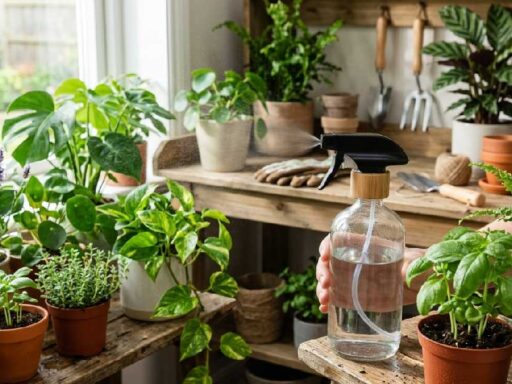

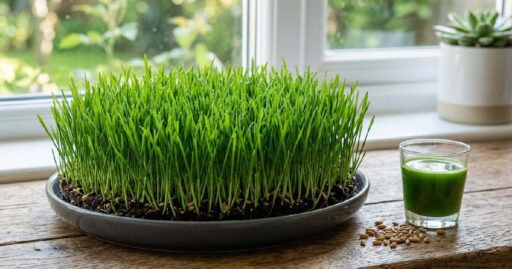
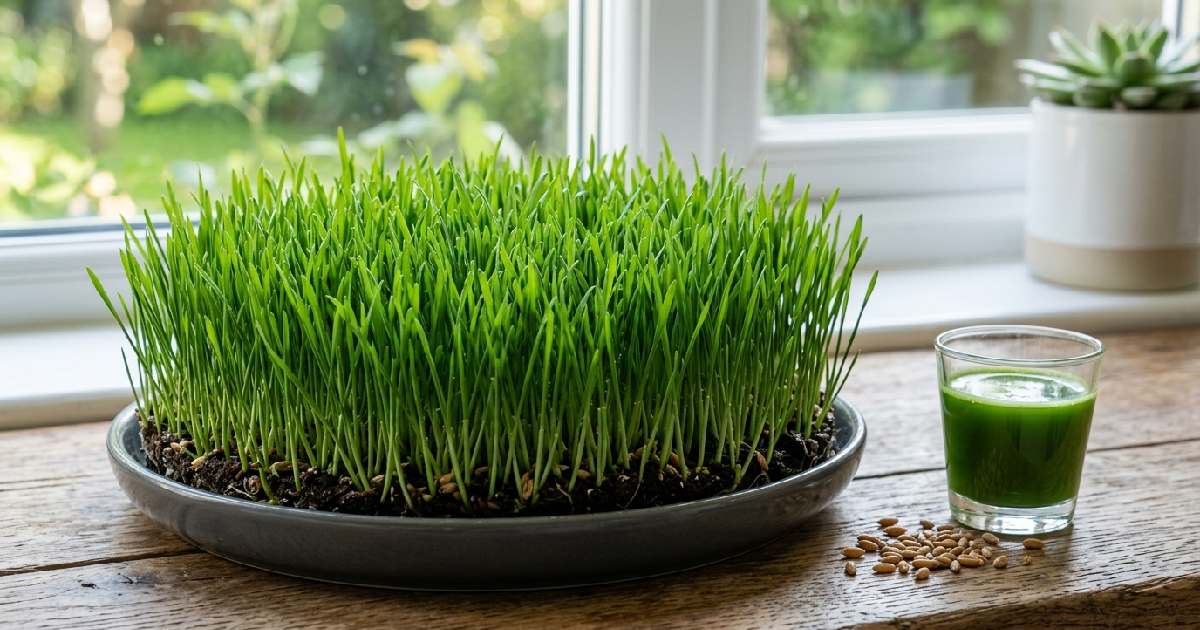

Have you ever seen those small shots of bright green juice at a health food store? Chances are, that juice came from wheatgrass. Wheatgrass microgreens are one of the easiest and most popular greens to grow at home. They’re simple to plant, quick to grow, and packed with good nutrients.
In this guide, we’ll walk through everything you need to know about wheatgrass microgreens. We’ll cover the benefits, how to grow them, when to harvest, and simple ways to enjoy them at home. No confusing steps. Just clear, easy tips anyone can follow.
Let’s get started.
What Is Wheatgrass Microgreen?
Wheatgrass microgreens come from young wheat shoots. It’s harvested early, usually within seven to ten days after planting, while the blades are still soft and green.
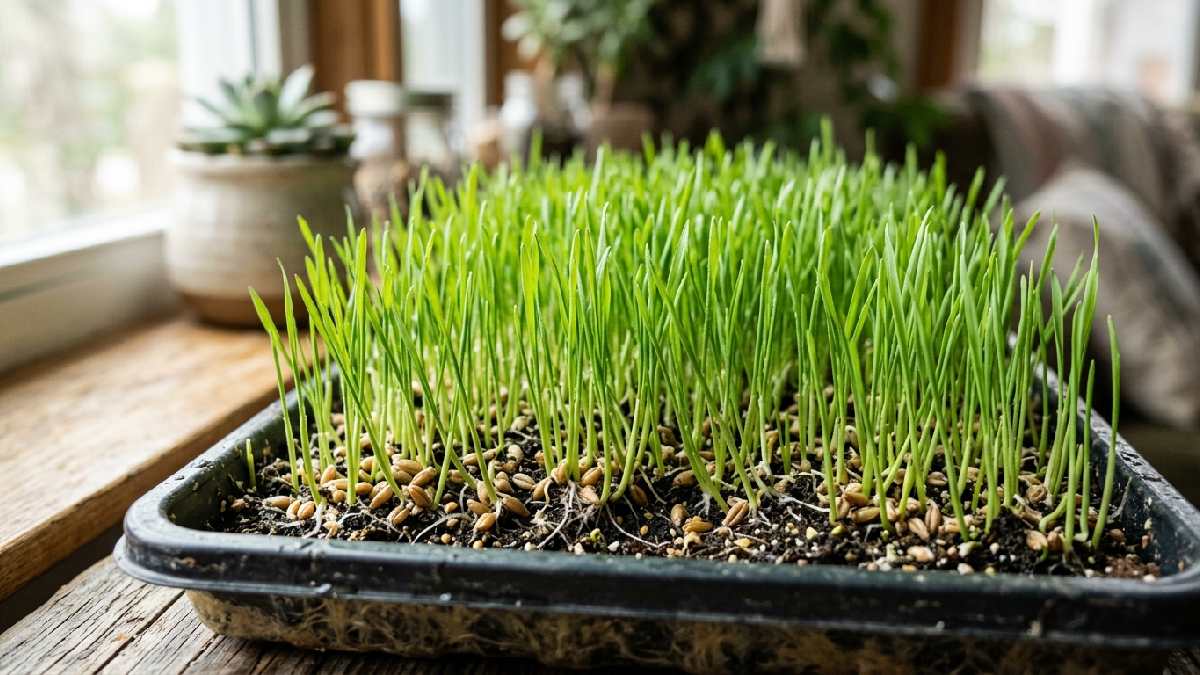
Unlike regular wheat grown for grain, wheatgrass is never allowed to fully mature. It’s grown just for its leaves, then cut and used fresh. Many people juice it, blend it into smoothies, or chew small amounts directly.
Wheatgrass has been popular in health circles for decades. It’s often praised for its bright color, fresh taste, and long list of nutrients packed into a tiny blade of grass.
Why People Love Wheatgrass Microgreens
There are many reasons wheatgrass has stayed popular for so long. Let’s look at some of the biggest ones.
Easy to grow at home. Wheatgrass doesn’t need special equipment or a lot of space. A simple tray, some soil, and a sunny spot are often enough to get started.
Fast-growing cycle. Most wheatgrass trays are ready to harvest within seven to ten days. This makes it one of the quickest greens you can grow indoors.
Rich in plant nutrients. Wheatgrass is often praised for containing a wide range of vitamins, minerals, and plant compounds packed into its bright green blades.
Fresh, mild flavor. Many people enjoy the fresh, grassy taste of wheatgrass, especially when mixed into juices or smoothies with fruit.
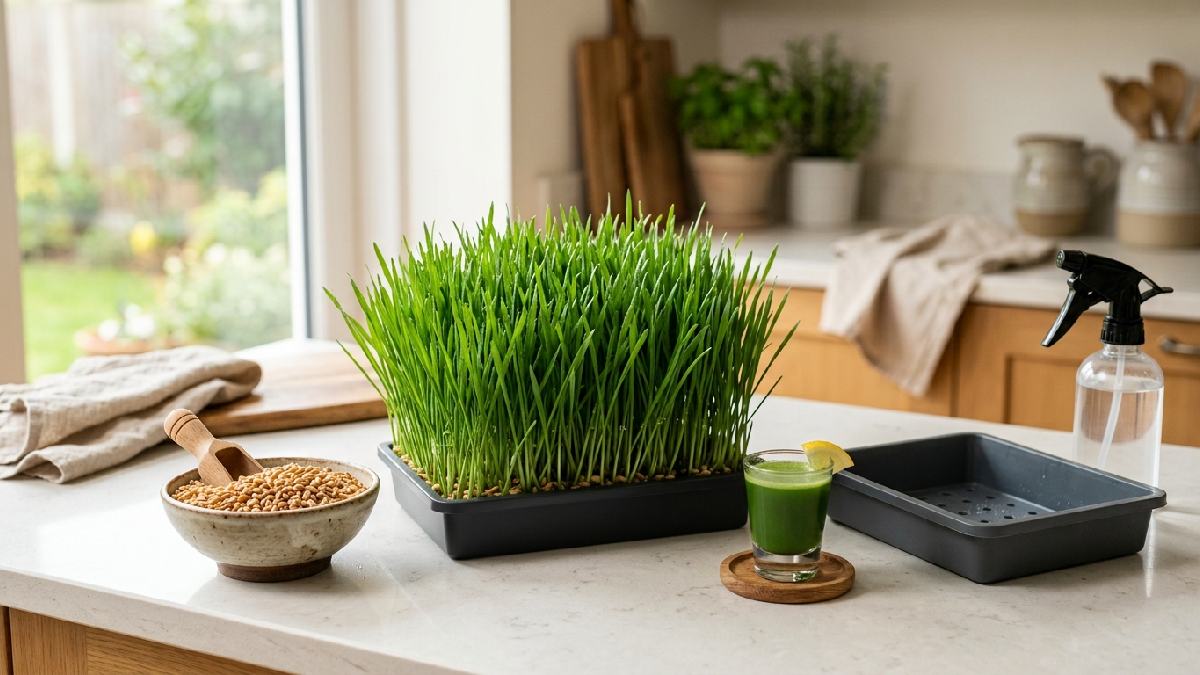
Budget-friendly. A small bag of wheat seeds can produce several trays of fresh wheatgrass, making it one of the more affordable greens to grow regularly.
Great for daily routines. Many people enjoy a small shot of wheatgrass juice each morning as part of a simple health habit.
If you’re looking for an easy, low-cost way to add fresh greens to your daily routine, wheatgrass microgreens are a great place to start.
Wheatgrass Microgreen Benefits
Wheatgrass has built a strong reputation in the health world. Let’s look at some of the reasons people include it in their diet.
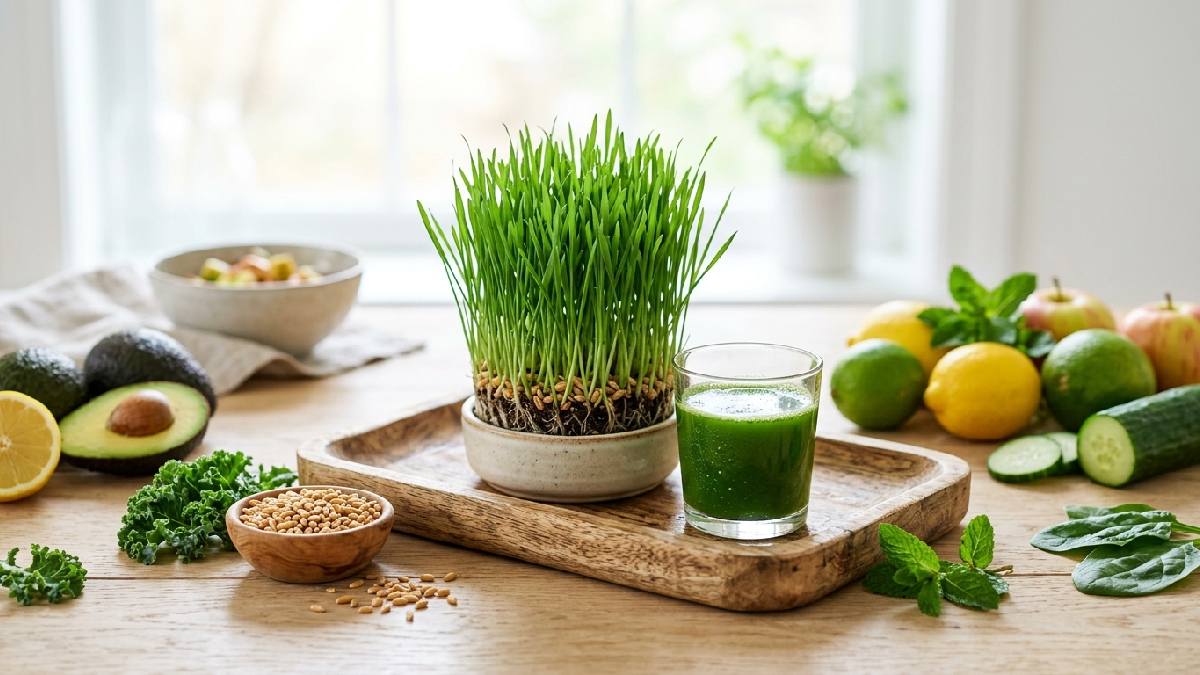
Packed with nutrients. Wheatgrass is known for containing vitamins like A, C, and E, along with minerals such as iron and calcium. These nutrients support overall health in small daily amounts.
Contains chlorophyll. The bright green color in wheatgrass comes from chlorophyll, a plant compound often linked to supporting healthy digestion and overall wellness.
Offers plant antioxidants. Antioxidants help protect the body’s cells from everyday stress. Wheatgrass is often included in diets for this reason.
Easy way to add greens to your diet. Not everyone enjoys eating a big plate of leafy vegetables every day. A small shot of wheatgrass juice offers a quick, easy way to add greens without much effort.
Naturally low in calories. Since it’s consumed in small amounts, wheatgrass adds very few calories while still offering a boost of nutrients.
May support energy levels. Many people say they feel more refreshed after including wheatgrass in their morning routine, though this can vary from person to person.
While wheatgrass isn’t a cure for any illness, it can be a simple, healthy addition to a balanced diet when enjoyed in normal amounts.
What You Need to Grow Wheatgrass at Home
Growing wheatgrass is simple, and you don’t need much to get started. Here’s a basic list of supplies.
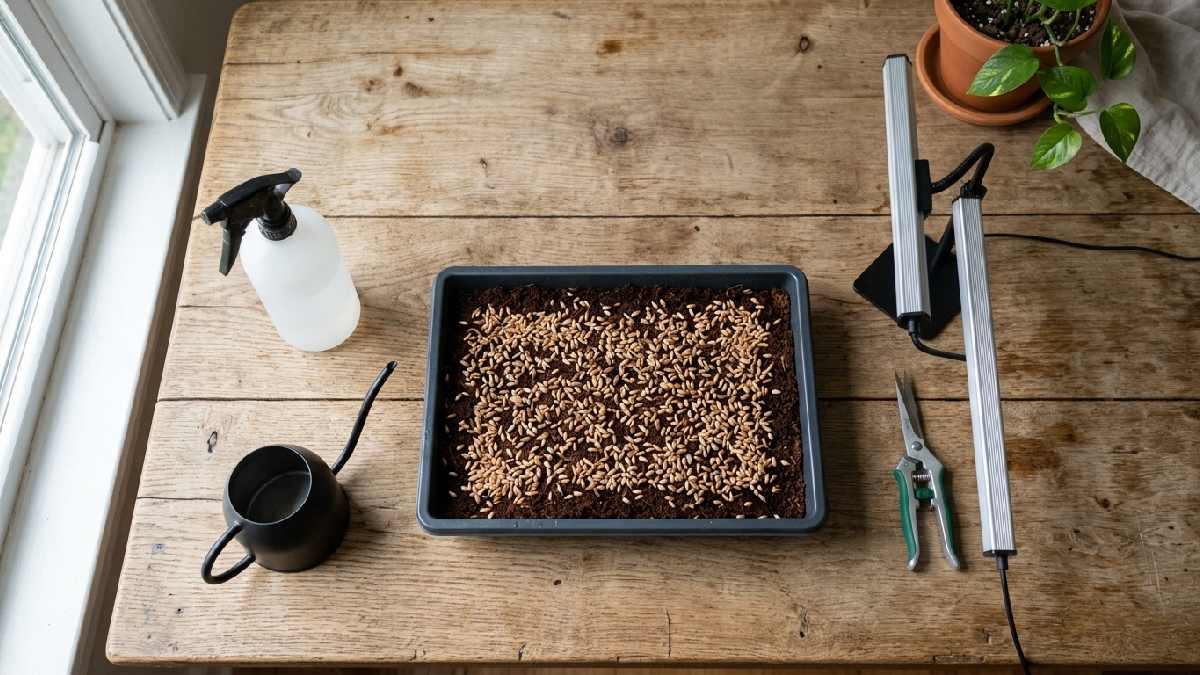
Wheatgrass seeds (wheat berries). Look for seeds labeled specifically for sprouting or microgreens. These are usually untreated and ready to plant.
A shallow tray. A standard 10×20 inch tray works well, though any shallow container with good drainage can work too.
Growing medium. Soil, coco coir, or a hemp growing mat all work well for wheatgrass. Coco coir is a popular choice since it’s clean and easy to manage.
A spray bottle or watering can. This helps you water your wheatgrass gently without disturbing the seeds or young shoots.
A sunny spot or grow light. Wheatgrass grows well with natural sunlight, though a simple grow light also works if your space doesn’t get much sun.
A humidity dome or extra tray. Covering your tray during the first few days helps trap moisture and speeds up germination.
With just these few simple supplies, you can start growing wheatgrass at home in almost any small space, even a kitchen counter or windowsill.
How to Grow Wheatgrass Microgreens Step by Step
Now let’s walk through the full growing process, from planting your seeds to preparing for harvest.
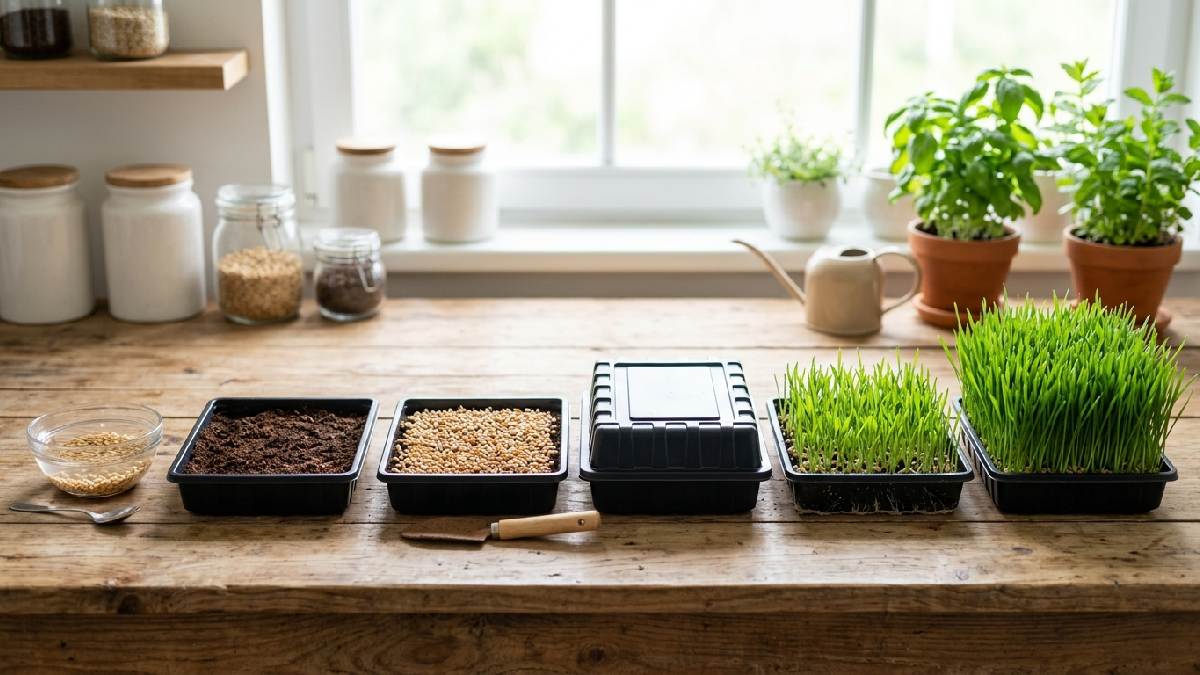
Step one: Soak your seeds. Wheatgrass seeds grow best after a good soak. Place your seeds in a bowl of water for eight to twelve hours before planting.
Step two: Rinse and drain. After soaking, rinse the seeds well and drain off any extra water. This helps prevent mold in the early growing stage.
Step three: Prepare your tray. Add a thin, even layer of your growing medium into your tray. Press it down gently so the surface is flat.
Step four: Spread the seeds evenly. Scatter your soaked seeds across the surface in a single, even layer. Try not to overcrowd them, since this can lead to mold later on.
Step five: Cover and press down. Place another tray on top, or press the seeds gently into the growing medium. This helps the seeds make good contact with the surface below.
Step six: Keep in a dark spot. For the first two to three days, keep your tray in a dim or dark area. This encourages strong root growth before the shoots start reaching for light.
Step seven: Water daily. Mist your tray once or twice a day to keep the growing medium moist, but not soaking wet. Overwatering can lead to mold, so check the moisture level often.
Step eight: Move into light. Once you see the shoots starting to turn green, move your tray into a sunny spot or under a grow light. Wheatgrass needs good light to develop its rich color.
Step nine: Continue watering. Keep watering gently each day. Your wheatgrass will grow quickly from this point, often gaining noticeable height within just a few days.
Most wheatgrass trays are ready to harvest within seven to ten days from the day you first planted your seeds.
When to Harvest Wheatgrass Microgreens
Timing matters when it comes to harvesting wheatgrass. Cutting too early means less flavor and fewer nutrients. Cutting too late can make the blades tough or bitter.
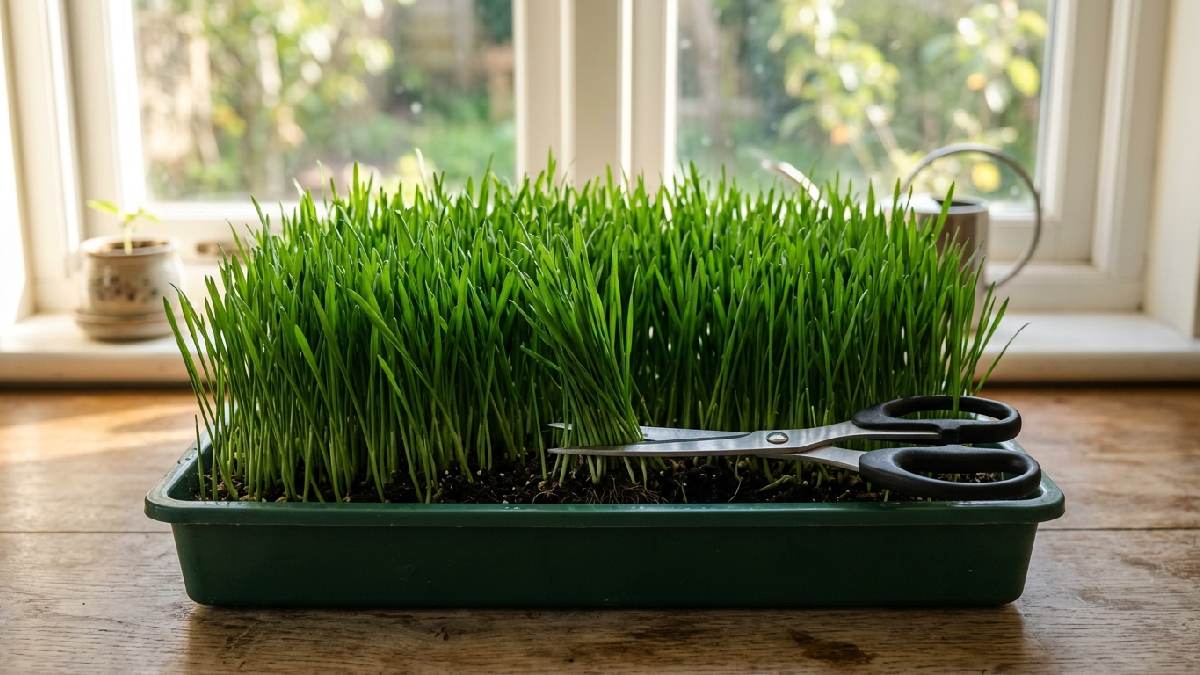
Look for a good height. Most wheatgrass is ready to harvest once it reaches about four to seven inches tall.
Check the color. Fully grown wheatgrass should have a rich, deep green color. Pale or yellow blades often mean the grass needs more time or more light.
Watch for the second cut leaf. Many growers wait until they see a small second blade forming at the base, which is often a sign the grass is at its peak for cutting.
Harvest in the morning. Cutting your wheatgrass early in the day, before the heat builds up, often gives you the freshest flavor and best texture.
Use a sharp tool. A clean, sharp pair of scissors or a knife works best for cutting wheatgrass cleanly, just above the soil line.
Once harvested, wheatgrass is best used fresh, though it can be stored for a short time if needed.
How to Store Fresh Wheatgrass
If you’re not using your wheatgrass right away, proper storage helps keep it fresh for a few extra days.
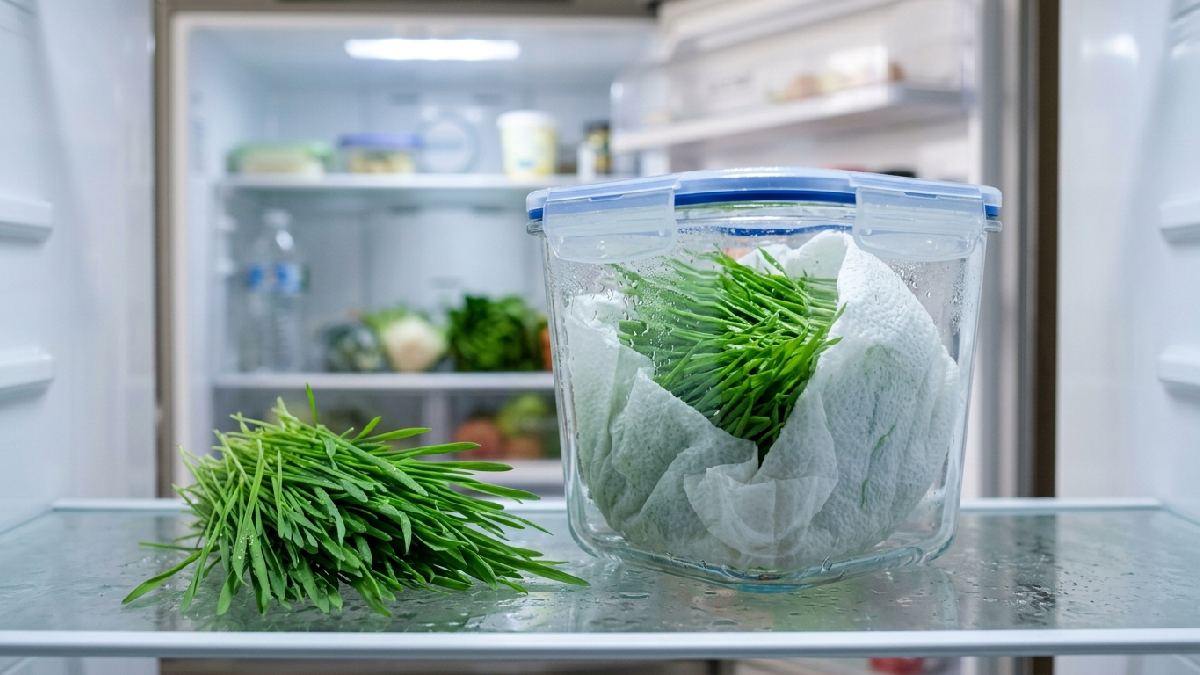
Wrap it gently. Place your freshly cut wheatgrass in a damp paper towel, then store it in a sealed container or bag.
Keep it in the fridge. Cold temperatures help slow down wilting and keep the blades fresh for longer.
Use within a few days. Wheatgrass tastes best when used within three to five days of harvesting. After that, the flavor and nutrients start to fade.
Avoid soaking it in water. Storing wheatgrass directly in water can cause it to become slimy or spoil faster than expected.
For the best taste and the most benefits, try to harvest only what you plan to use within a few days at a time.
Simple Ways to Enjoy Wheatgrass Microgreens
Once you’ve grown and harvested your wheatgrass, there are many simple ways to enjoy it at home.
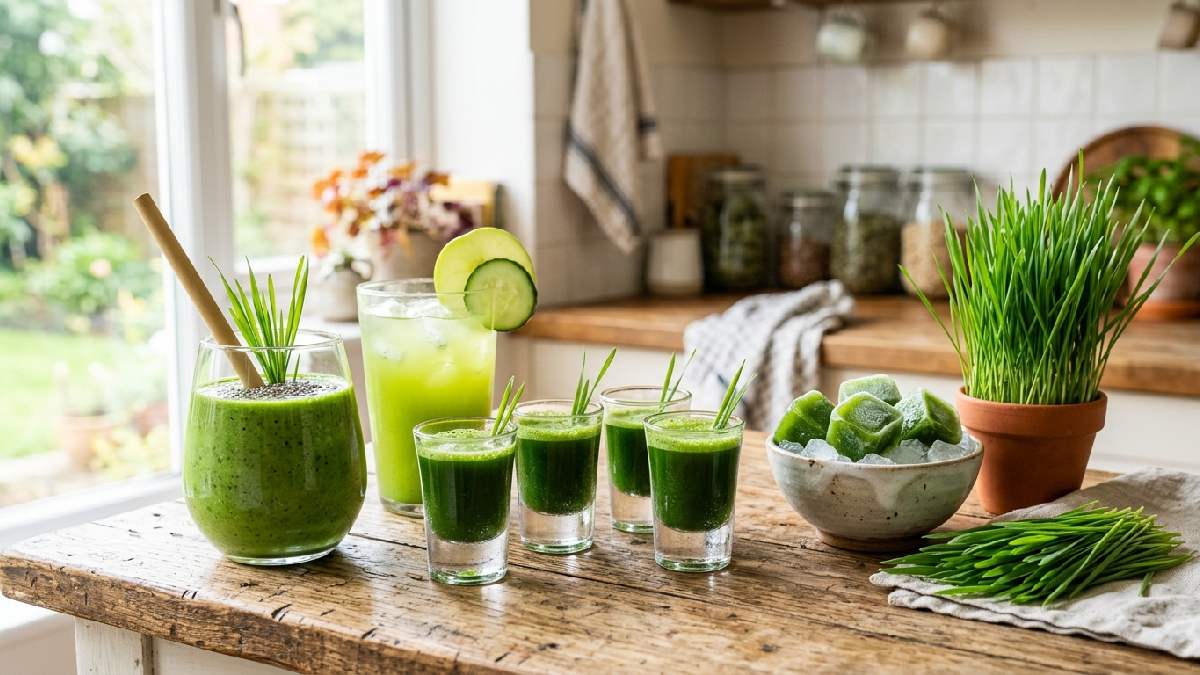
Wheatgrass shots. The most popular way to enjoy wheatgrass is as a small juiced shot, often taken first thing in the morning.
Blended into smoothies. Add a small handful of wheatgrass to your favorite fruit smoothie for a fresh, earthy boost.
Mixed into juice blends. Combine wheatgrass juice with apple, cucumber, or citrus juice to balance out its strong, grassy flavor.
Added to salads. While less common, some people enjoy chopping a small amount of wheatgrass into salads for extra texture and color.
Frozen into ice cubes. Freeze wheatgrass juice into small ice cubes, then add them to drinks or smoothies whenever needed.
Chewed directly. Some people enjoy chewing small amounts of wheatgrass directly, swallowing the juice and spitting out the fibrous pulp.
Since wheatgrass has a strong, earthy taste, many people prefer mixing it with other fruits or juices to soften the flavor, especially when just starting out.
Common Mistakes to Avoid
Even a simple crop like wheatgrass can run into a few common problems. Here’s what to watch out for.
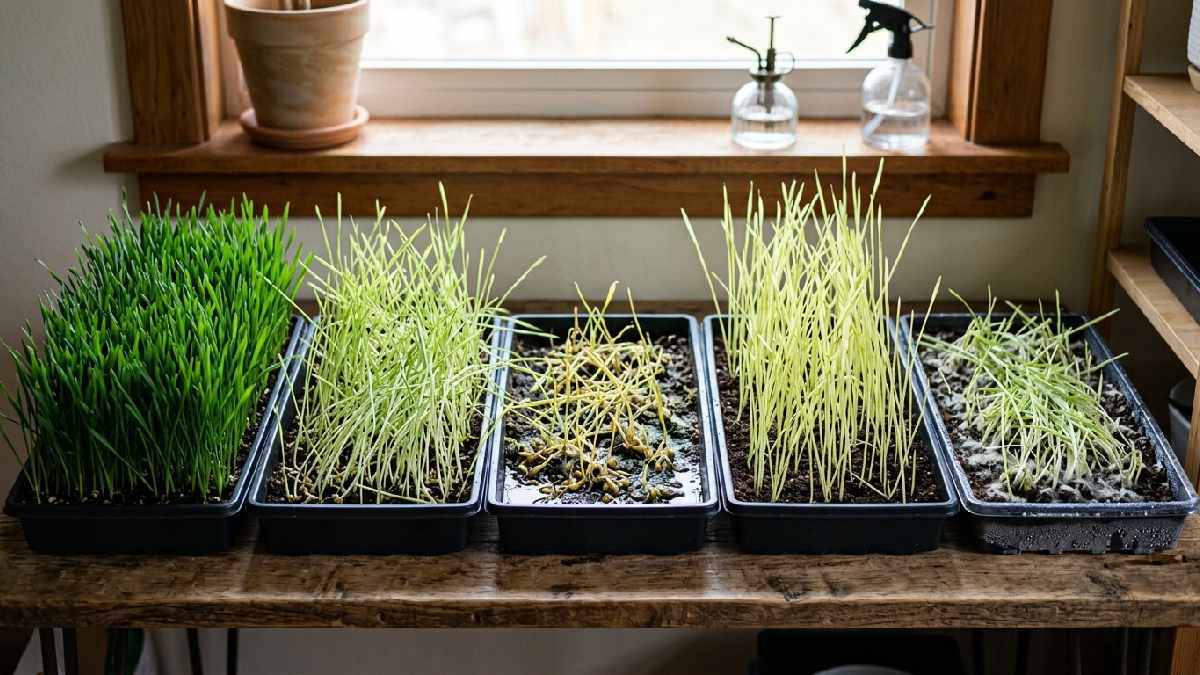
Skipping the soak step. Wheatgrass seeds sprout much better after a proper soak. Skipping this step can lead to slow or uneven growth.
Overwatering your tray. Too much water invites mold, which is one of the most common problems new growers face with wheatgrass.
Not enough light. Wheatgrass needs good light to develop its color and flavor. Without enough light, the blades can turn pale and weak.
Harvesting too early or too late. Cutting before the grass reaches a good height, or waiting too long, can affect both taste and texture.
Poor airflow. Stagnant air can lead to mold, especially in the early growing stages. A small fan nearby can help keep the air moving.
Reusing old, dirty trays. Always clean your trays well between batches to avoid carrying over mold spores or bacteria into your next crop.
Avoiding these small mistakes can make a big difference in how healthy and flavorful your wheatgrass turns out.
Wheatgrass Microgreen vs Wheatgrass Grown in Soil Outdoors
Some people wonder if there’s a difference between growing wheatgrass indoors as a microgreen versus growing it outdoors in a garden.
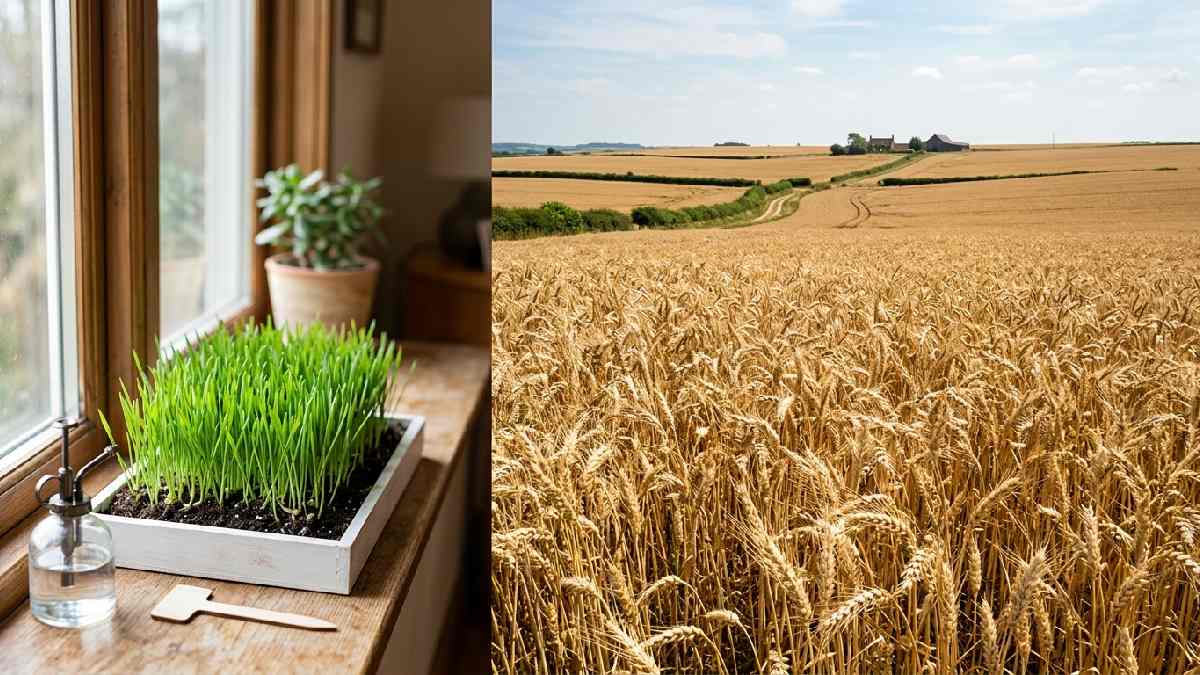
Growing time. Indoor wheatgrass microgreens grow much faster, usually ready within seven to ten days, compared to outdoor wheat, which takes months to fully mature.
Purpose. Wheatgrass microgreens are grown just for their fresh, young blades, while outdoor wheat is typically grown for its grain, used in flour and other products.
Control over conditions. Growing indoors gives you full control over light, water, and temperature, which often leads to more consistent results.
Space needed. Indoor wheatgrass trays take up very little space compared to a full outdoor wheat field, making it accessible for almost anyone with a small corner to spare.
For home growers interested in fresh, healthy greens, growing wheatgrass indoors as a microgreen is by far the simpler and more practical option.
Wheatgrass for Juicing vs Wheatgrass Powder
Many people wonder whether fresh wheatgrass or powdered wheatgrass is the better choice. Here’s a simple comparison.
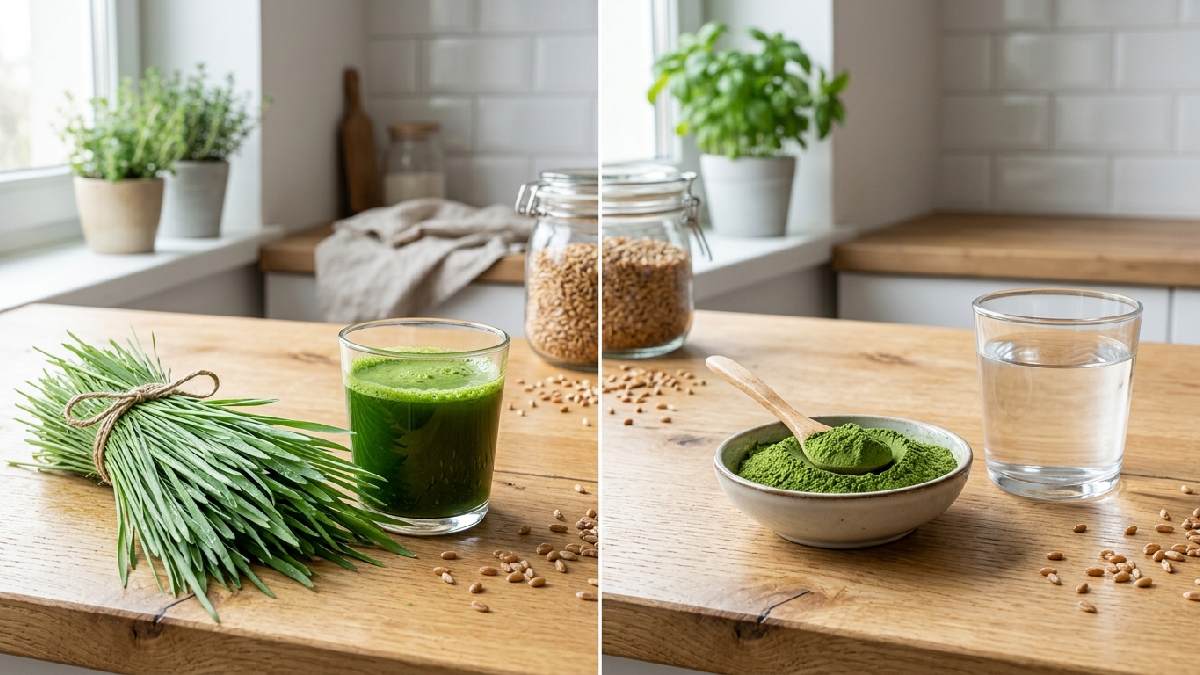
Fresh wheatgrass offers the brightest flavor and the most nutrients, since nothing has been processed or dried. It does require more effort, since you need to grow and juice it yourself.
Wheatgrass powder is more convenient, since it can be mixed into drinks without any growing or juicing involved. However, some nutrients may be reduced during the drying process compared to fresh wheatgrass.
Cost differences. Growing your own wheatgrass at home is often more affordable over time compared to regularly buying pre-made powder or juice shots.
Convenience. If you travel often or don’t have space to grow your own, powder can be a simple backup option to keep on hand.
Many people choose to grow fresh wheatgrass at home for daily use, while keeping powder on hand for busy days or travel.
Tips for Growing Wheatgrass Successfully Every Time
A few extra habits can help you get consistent, healthy trays of wheatgrass with every batch you grow.
Stick to a regular watering schedule. Watering at the same times each day helps keep your growing medium consistently moist without overdoing it.
Rotate your trays. If using natural sunlight, turning your tray occasionally helps the grass grow more evenly instead of leaning toward one side.
Keep a growing journal. Writing down your planting and harvest dates helps you fine-tune your timing with each new batch.
Use fresh seeds each time. Old, poorly stored seeds can lead to weak or uneven growth, so always check your seed quality before planting a new tray.
Clean your tools regularly. Wash your trays, scissors, and containers after each harvest to avoid spreading mold or bacteria into future batches.
With a bit of practice, growing wheatgrass becomes a simple, repeatable routine that fits easily into a busy weekly schedule.
A Short History of Wheatgrass
Wheatgrass has been around for a long time, but it became popular in health circles in the early 1900s. A woman named Ann Wigmore is often credited with making wheatgrass juice popular in the United States.
She believed fresh, young plants held strong healing power. She started growing wheatgrass at home and sharing it with others. Over time, more people began trying it, and it slowly became part of health food culture around the world.
Today, wheatgrass is easy to find in juice bars, health stores, and even some cafes. But many people still choose to grow it at home. This way, they know exactly how fresh it is, and they can control the whole process from seed to shot.
Knowing a bit of this history can make growing your own wheatgrass feel more special. You’re taking part in a habit that has been around for many decades, one small tray at a time.
Choosing the Right Wheat Seeds
Not all wheat seeds work the same for growing wheatgrass. A few small choices can help you get better results.
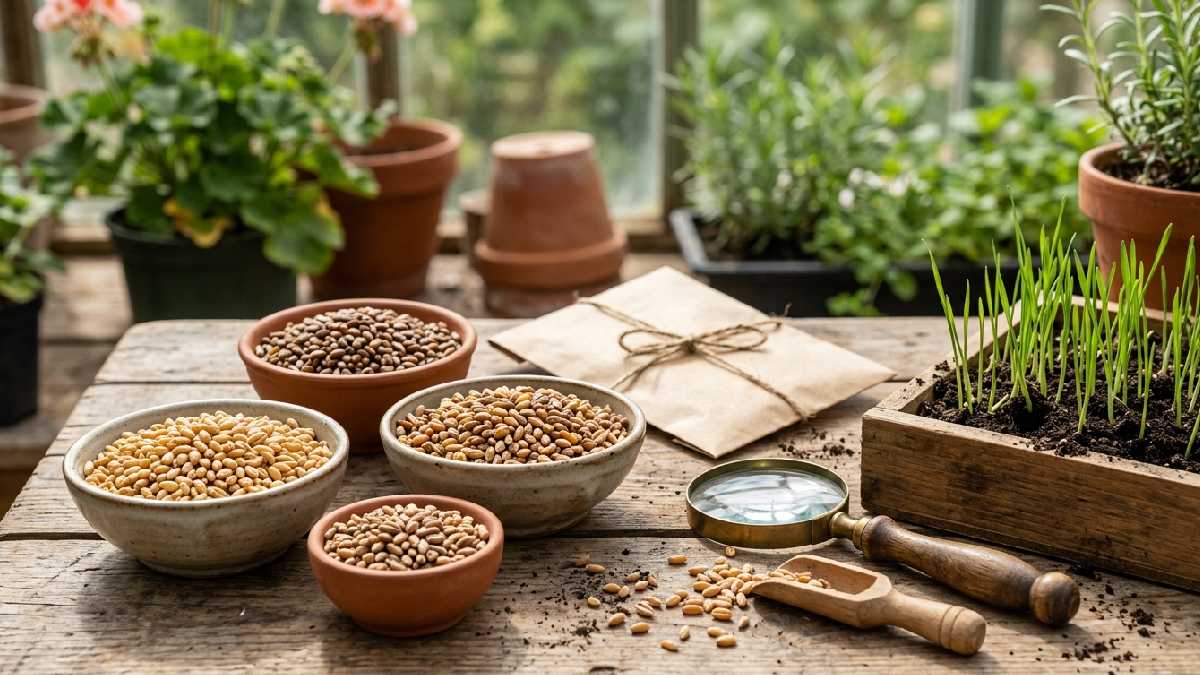
Look for seeds labeled for sprouting. These are usually untreated and chosen for fast, even growth, which works well for a short growing cycle like wheatgrass.
Hard red wheat vs soft wheat. Hard red winter wheat is a common choice for wheatgrass, known for producing strong, healthy blades. Soft wheat can also work, though results may vary slightly.
Organic seeds. Many growers prefer organic wheat seeds, especially since wheatgrass is often juiced and consumed in concentrated form.
Check for a fresh pack date. Like most seeds, wheat seeds lose some of their sprouting power over time. A fresh pack date helps ensure better germination.
Buy from a trusted seller. A seller who focuses on sprouting or microgreen seeds is more likely to offer clean, high-quality wheat berries suited for this purpose.
Taking a little extra care when choosing your seeds can lead to fuller, healthier trays with less effort on your part.
Troubleshooting Common Wheatgrass Problems
Even with careful growing, you might run into a few issues along the way. Here’s how to fix some common ones.
Mold appearing on the tray. This is usually caused by too much water or poor airflow. Try reducing watering slightly and add a small fan nearby to keep air moving.
Slow or uneven growth. This can happen if seeds weren’t soaked long enough, or if the tray isn’t getting enough light. Check your soaking time and light source.
Yellow or pale blades. This is often a sign of not enough light. Move your tray to a sunnier spot or add a grow light for a few extra hours each day.
Seeds not sprouting at all. This could mean the seeds were old, poorly stored, or not soaked properly. Always check your seed freshness before planting a new batch.
Grass falling over or looking weak. This can happen if the tray was overcrowded with too many seeds. Try spreading seeds a bit thinner next time for stronger, sturdier blades.
Most problems with wheatgrass come down to water, light, or seed quality. Once you adjust these three things, your results usually improve quickly.
Is Wheatgrass Safe for Kids and Pets?
Many households wonder whether wheatgrass is safe to share with children or pets. Here’s a simple overview.
For children, small amounts of wheatgrass juice are generally considered safe for most people, though it’s always smart to start slow and watch how a child responds.
For pets, many cats and dogs naturally enjoy chewing on grass, including wheatgrass, and it’s often sold specifically as a pet-friendly plant in stores.
Keep portions small. Whether for kids or pets, small amounts are best, since wheatgrass has a strong flavor and concentrated nutrients.
Watch for any reactions. As with any new food, it’s smart to watch for any unusual reactions the first few times it’s introduced.
If you ever have specific health concerns for a child or pet, it’s a good idea to check with a doctor or vet before adding wheatgrass to their routine.
Growing Wheatgrass Alongside Other Microgreens
If you already grow other microgreens at home, wheatgrass can be a simple addition to your setup.
Similar growing needs. Wheatgrass shares many of the same basic needs as other microgreens, such as good light, steady moisture, and clean trays.
Different harvest timing. Since wheatgrass often takes a bit longer than some faster microgreens like radish, it helps to plan your planting schedule so everything doesn’t need harvesting on the same day.
Pairing flavors. Wheatgrass has a strong, earthy taste, so it pairs well with milder microgreens like pea shoots or sunflower when mixed into juices or smoothies.
Shared equipment. Many of the same tools, trays, and shelving used for other microgreens work just as well for growing wheatgrass, making it easy to add without buying much new equipment.
Growing a small variety of greens together, including wheatgrass, gives you more options for daily meals, snacks, and drinks throughout the week.
A Few Extra Tips Before You Start
Before you begin, here are a few last tips to help your first tray go well.
Start with just one tray. It’s easier to learn the basics with one tray first.
Check your tray each day. A quick daily check helps you catch mold or dryness early.
Don’t worry about small mistakes. Your first batch may not be perfect. Each try teaches you something new.
Ask other growers for tips. Local gardening groups and online forums are full of helpful advice.
Enjoy the process. Growing your own wheatgrass can be a fun, simple hobby that fits into any busy week.
With a little patience, you’ll soon have fresh, healthy wheatgrass ready to enjoy at home.
Frequently Asked Questions
How long does it take to grow wheatgrass microgreens?
Most wheatgrass is ready to harvest within seven to ten days after planting, depending on light and temperature conditions.
Can I regrow wheatgrass after cutting it?
Some growers report a second, smaller regrowth after the first cut, though the quality and flavor are usually not as strong as the first harvest.
Is wheatgrass safe to eat every day?
Many people enjoy small daily amounts of wheatgrass as part of a balanced diet, though it's always a good idea to start with small amounts and see how your body responds.
Do I need a juicer to enjoy wheatgrass?
Not necessarily. While a juicer makes it easier to extract wheatgrass juice, you can also blend it into smoothies or chew small amounts directly.
Can I grow wheatgrass without soil?
Yes, many growers use coco coir or hemp mats instead of soil, which can be cleaner and easier to manage for indoor growing.
Conclusion
Wheatgrass microgreens are one of the easiest, most rewarding greens you can grow at home. With just a few simple supplies and a week or two of patience, you can enjoy fresh, nutrient-rich wheatgrass right from your own kitchen or windowsill.
Whether you enjoy it as a morning juice shot, blended into a smoothie, or mixed into your favorite juice blend, wheatgrass offers a simple, natural way to add more freshness to your daily routine.
So, are you ready to plant your first tray of wheatgrass?