

How to Build a Vertical Garden Wall (Complete DIY Guide)
Learning how to build a vertical garden wall is a great way to add greenery to small spaces. It allows you to grow plants upward instead of relying on a limited floor area. With simple materials like wood, frames, and planters, anyone can build one easily.
This guide covers everything from planning and materials to step-by-step building instructions. Whether you want it indoors or outdoors, there is a setup option for you. Follow these steps to create a stunning, space-saving vertical garden at home today.
Introduction
Knowing how to build a vertical garden wall opens up exciting possibilities for small-space gardening. This method uses wall space instead of valuable floor area for growing plants. Many people choose vertical gardens because they work well in apartments and tight yards.
Learning how to build a vertical garden wall also adds beauty and texture to plain walls. The process involves planning, gathering materials, and careful step-by-step construction work. Understanding these basics helps anyone start their own vertical garden project with confidence.
What is a Vertical Garden Wall?
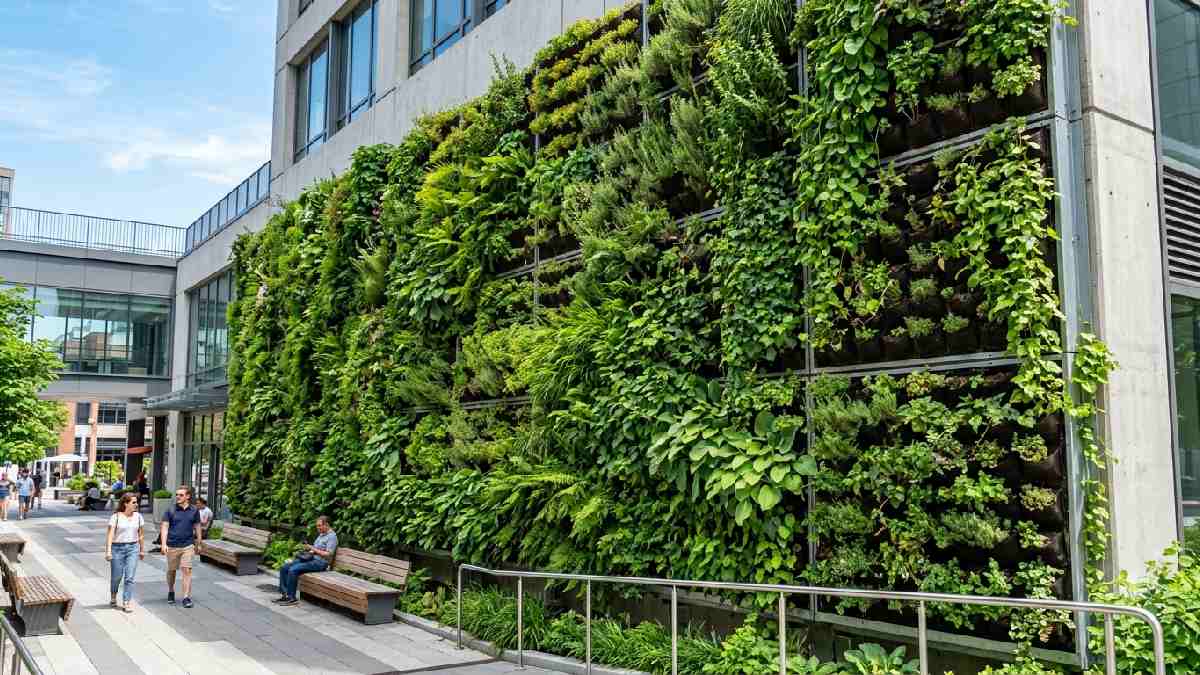
A vertical garden wall is a structure that allows plants to grow upward along a wall. Understanding how to build a vertical garden wall starts with knowing the basic concept clearly. This setup uses pockets, frames, or panels to hold soil and plants vertically.
Vertical gardens can be built indoors or outdoors depending on available space and lighting. They transform plain walls into living, green features that improve any environment. Learning the different types helps you choose the best approach for your specific space.
Definition of Vertical Garden
A vertical garden is a growing system that uses wall space instead of ground area. It allows multiple plants to grow upward in a compact, space-saving arrangement. This method differs from traditional gardening by maximizing vertical rather than horizontal space.
Vertical gardens can include herbs, flowers, vegetables, or decorative foliage plants easily. They work well in small apartments, balconies, or as decorative outdoor wall features. This basic concept forms the foundation for building your own vertical garden wall.
Types of Vertical Garden Walls
There are several popular types to consider when learning how to build a vertical garden wall. The pocket system uses fabric pockets attached to a wall for planting. The frame system uses wooden or metal frames to hold individual planters securely.
Hydroponic systems grow plants in water without soil, ideal for indoor setups. The trellis system supports climbing plants that naturally grow upward along structures. Choosing the right type depends on your space, budget, and desired plant varieties.
Planning Your Vertical Garden Wall
Proper planning is essential before learning how to build a vertical garden wall successfully. Choosing the right wall involves checking sunlight exposure and structural support carefully. Deciding between an indoor or outdoor setup affects material choices and watering needs.
Size and design planning ensures your vertical garden fits well within your available space. Taking time to plan these details prevents costly mistakes during the building process. This preparation stage sets a strong foundation for a successful and long-lasting vertical garden wall.
Choosing the Right Wall
Choosing the right wall is a crucial first step in how to build a vertical garden wall. Look for a wall that receives adequate sunlight for your chosen plants. Check the wall’s structural strength to ensure it can support the garden’s weight.
Avoid walls with existing moisture problems or poor drainage issues nearby. Consider accessibility for regular watering and maintenance tasks throughout the growing season. Selecting the right wall ensures your vertical garden thrives long-term successfully.
Indoor vs Outdoor Setup
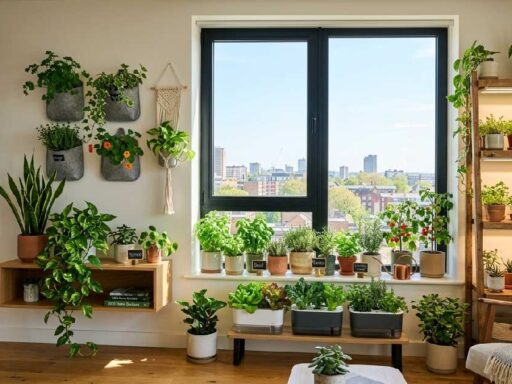
Deciding between indoor and outdoor setups matters when learning how to build a vertical garden wall. Indoor setups require grow lights if natural sunlight is insufficient for plants. Outdoor setups need weatherproof materials that withstand rain, wind, and temperature changes.
Indoor vertical gardens often use lighter plants suited to controlled indoor conditions. Outdoor gardens can support a wider variety of robust, weather-resistant plant species. This decision significantly influences your material choices and overall maintenance routine.
Size and Design Planning
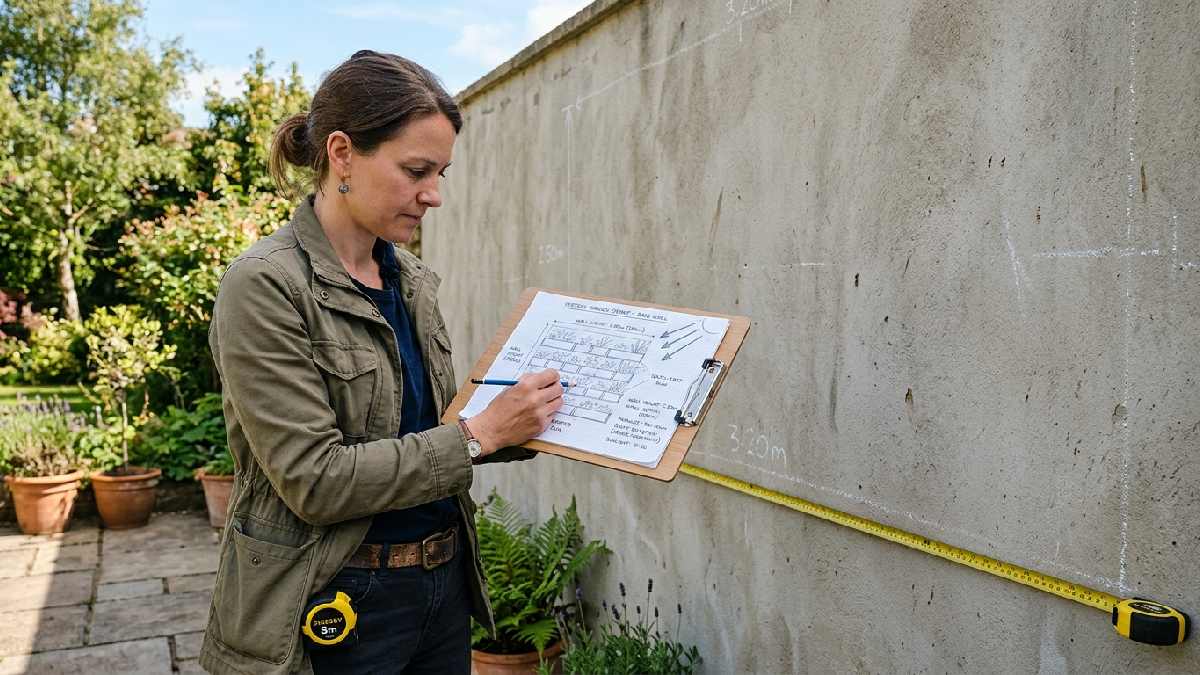
Size and design planning are important steps in how to build a vertical garden wall. Measure your available wall space before deciding on the garden’s overall dimensions. Consider the weight of soil, plants, and water when planning structural support.
Sketch your design to visualize plant placement and overall aesthetic appeal beforehand. Planning for irrigation access also matters during this early design stage. Careful planning here prevents costly adjustments during the actual building process.
Materials Required for Vertical Garden Wall
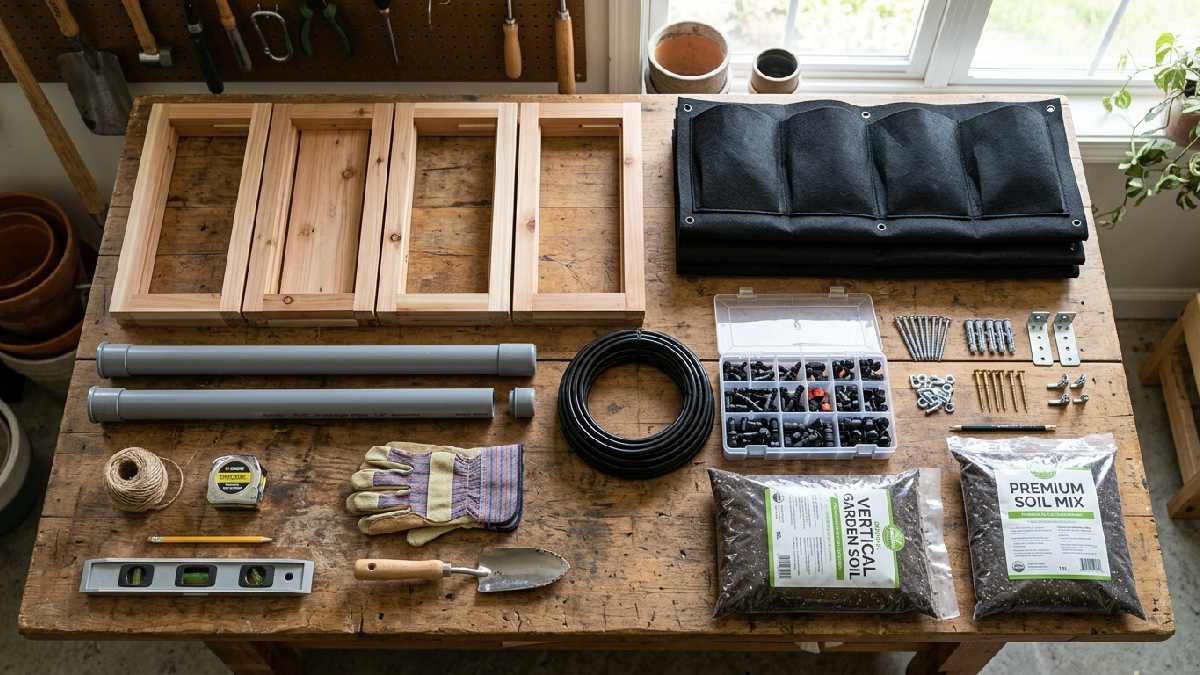
Gathering the right materials is essential before starting your vertical garden wall project. Frame materials like wood or metal provide the structural support for your garden. A waterproof layer protects walls from moisture damage caused by regular watering. Planters and soil hold the plants and provide necessary nutrients for healthy growth.
Basic tools like drills, screws, and levels make construction significantly easier overall. Having these materials ready ensures a smooth, efficient process when learning how to build a vertical garden wall at home.
Frame Materials (Wood/Metal)
Frame materials form the backbone of any successful how to build a vertical garden wall project. Wood frames offer a natural look and are relatively easy to work with. Metal frames provide superior durability and resistance to rotting or weather damage.
Choosing between wood and metal depends on your budget, climate, and aesthetic preference. Both materials require proper treatment to withstand moisture from regular watering sessions. Selecting quality frame materials ensures your vertical garden lasts for many years.
Waterproof Layer
A waterproof layer is essential when learning how to build a vertical garden wall properly. This layer protects your wall from water damage caused by frequent watering. Plastic sheeting or specialized waterproof membranes work well for this important purpose.
Installing this layer correctly prevents mold, mildew, and structural damage over time. This step is especially important for indoor vertical gardens near walls or furniture. A proper waterproof layer significantly extends the lifespan of your entire setup.
Planters and Soil
Planters and soil are crucial components when learning how to build a vertical garden wall. Choose planters sized appropriately for your chosen plants and frame system. Lightweight potting mix works best to reduce overall weight on the wall structure.
Good drainage within planters prevents waterlogging and potential root rot problems. Quality soil with added compost supports healthy plant growth throughout the garden. Selecting the right planters and soil ensures long-term success for your vertical garden.
Tools Required
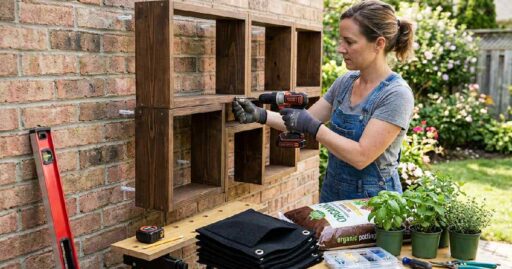
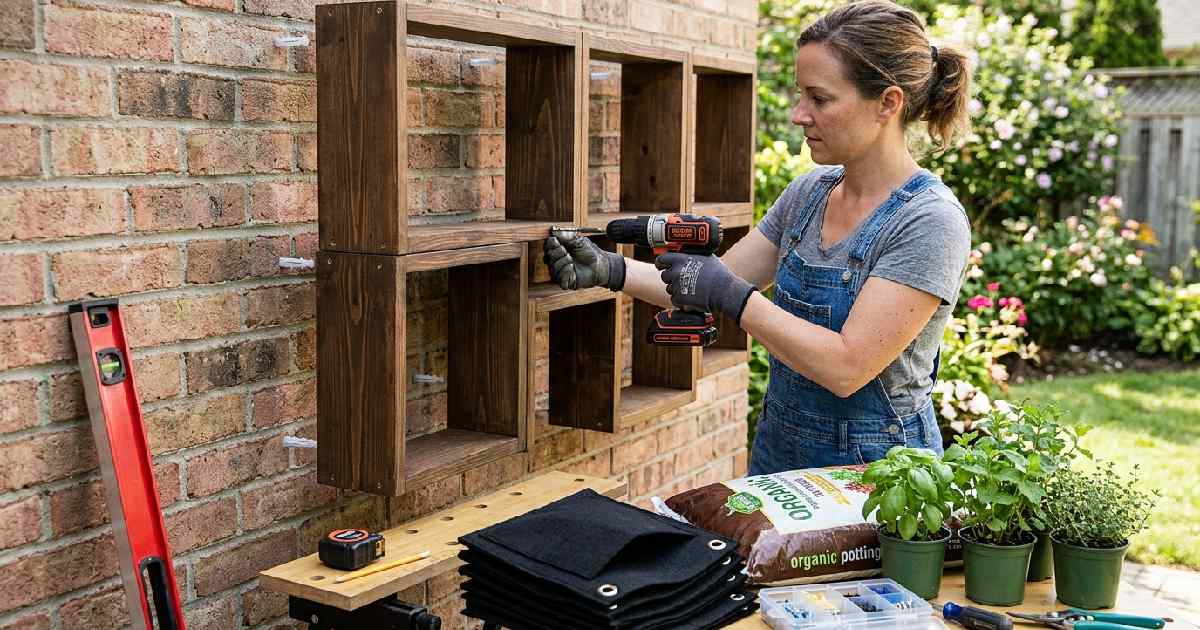
Having the right tools simplifies the process of how to build a vertical garden wall significantly. A drill helps secure frames, planters, and waterproof layers to the wall. A level ensures your structure remains straight and properly aligned throughout construction.
Screws, anchors, and brackets provide secure attachment points for heavier garden components. Gloves and basic safety equipment protect you during the building process. These essential tools make construction smoother and more efficient for any skill level.
Step-by-Step Guide to Build Vertical Garden Wall
This step-by-step guide on how to build a vertical garden wall covers the entire process clearly. First, build the frame using your chosen wood or metal materials securely. Next, install the waterproof layer to protect your wall from moisture damage. Then attach your planting system, whether pockets, panels, or individual planters.
Add soil and plants according to your design and chosen plant varieties. Finally, install a watering system to keep your vertical garden healthy long-term. Following these steps makes the entire project manageable for beginners and experienced gardeners alike.
Step 1: Build the Frame
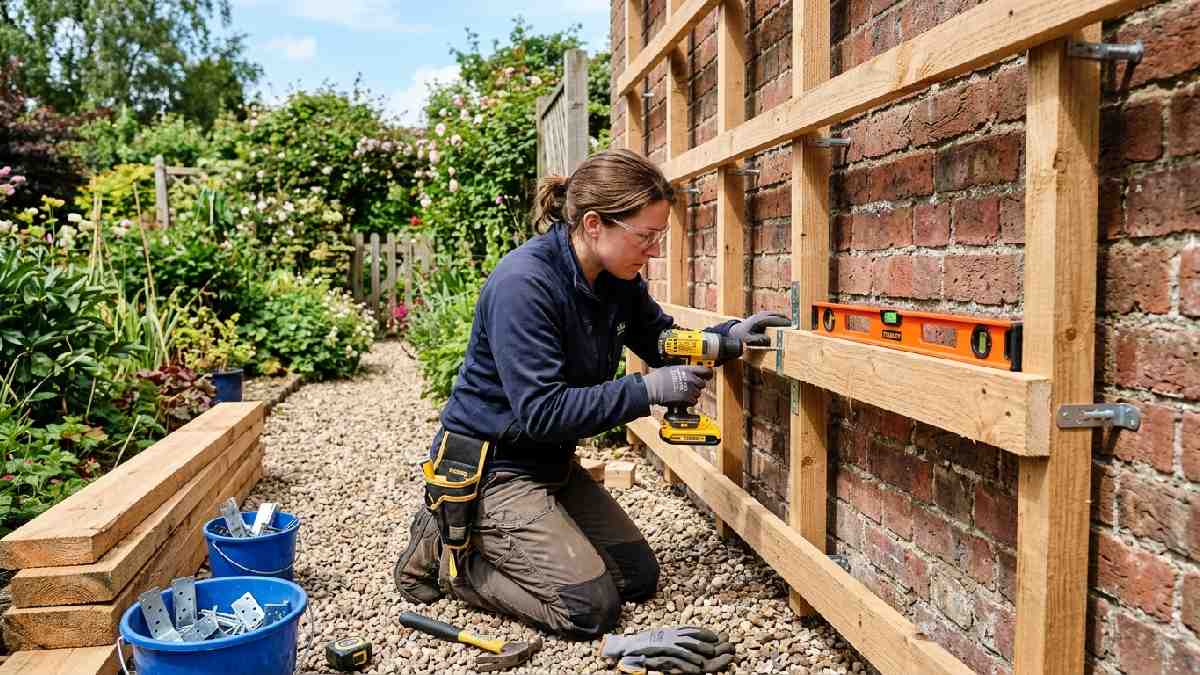
Building the frame is the first step in how to build a vertical garden wall successfully. Cut your chosen wood or metal materials according to your planned design dimensions. Assemble the frame pieces using screws, brackets, or welding depending on material choice.
Ensure the frame is sturdy enough to support the weight of soil and plants. Secure the frame to studs or a strong structural support within the wall. This frame becomes the foundation for all subsequent vertical garden components.
Step 2: Install Waterproof Layer
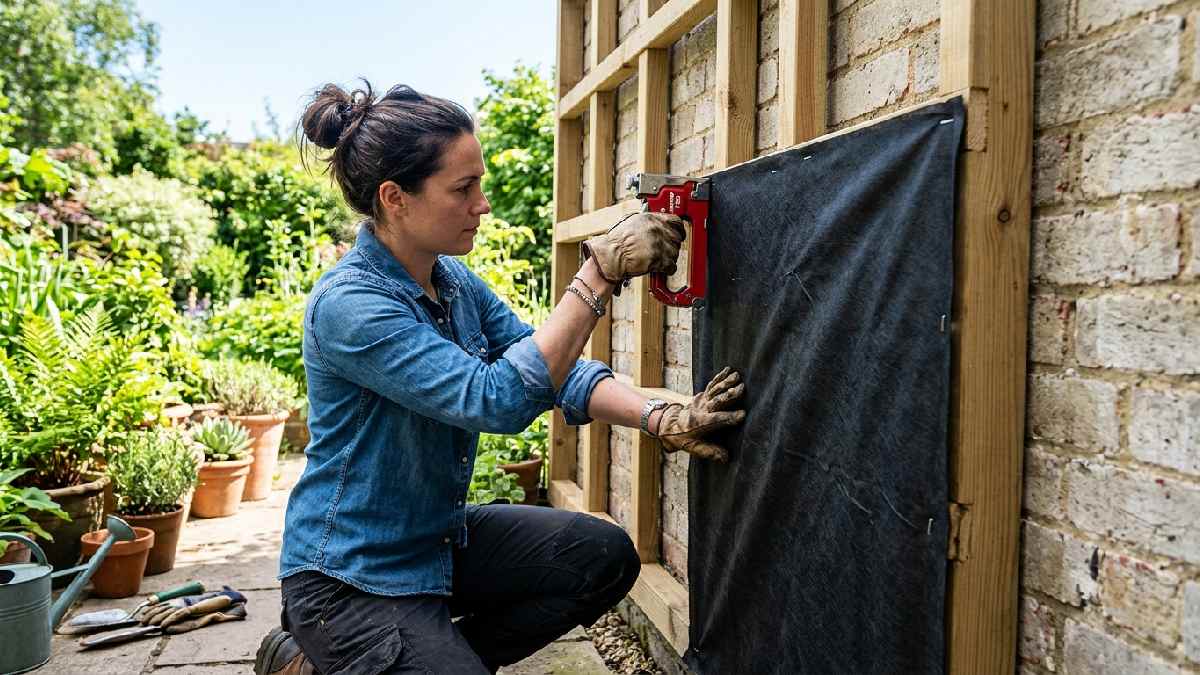
Installing the waterproof layer is essential in how to build a vertical garden wall projects. Attach plastic sheeting or a waterproof membrane directly behind your frame structure. Ensure complete coverage to prevent any water from reaching the wall surface.
Seal edges and seams carefully to avoid gaps where moisture could escape. This protective layer prevents mold, mildew, and structural damage over time. Proper installation here protects your wall throughout the garden’s entire lifespan.
Step 3: Attach Planting System
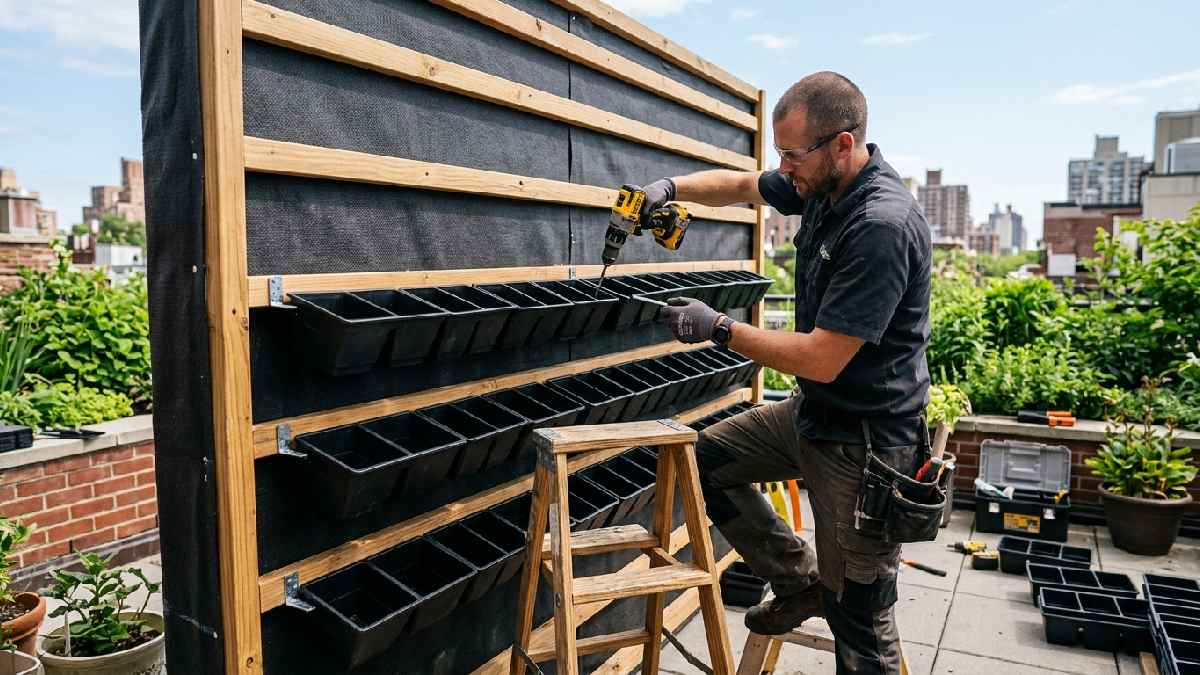
Attaching the planting system comes next in how to build a vertical garden wall. Secure pockets, panels, or individual planters firmly to your frame structure. Ensure even spacing between planting sections for balanced plant growth and appearance.
Check that each planter or pocket is securely attached to prevent future sagging. This system holds the soil and plants throughout the entire vertical garden. Proper attachment ensures stability and longevity for your finished project.
Step 4: Add Soil and Plants
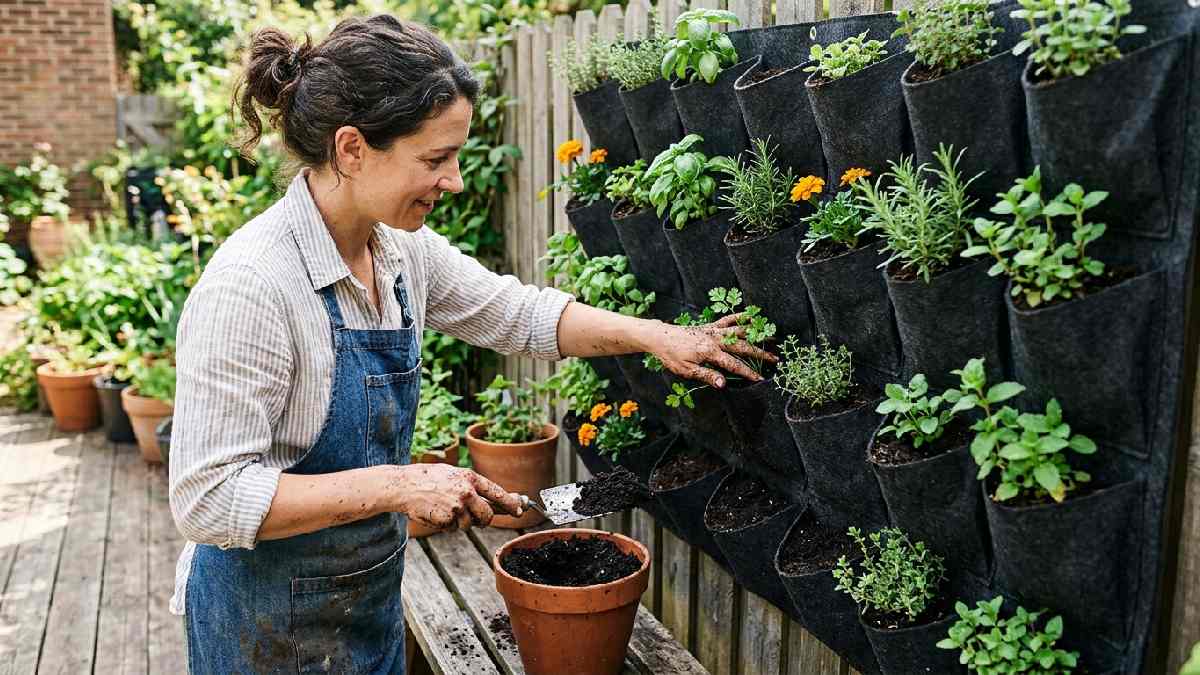
Adding soil and plants is a rewarding step in how to build a vertical garden wall. Fill each planter or pocket with lightweight, well-draining potting mix completely. Carefully place your chosen plants into the soil at appropriate spacing intervals.
Gently firm the soil around each plant’s roots for stability and support. Water lightly after planting to help plants settle into their new positions. This step brings your vertical garden wall to life with greenery.
Step 5: Install Watering System
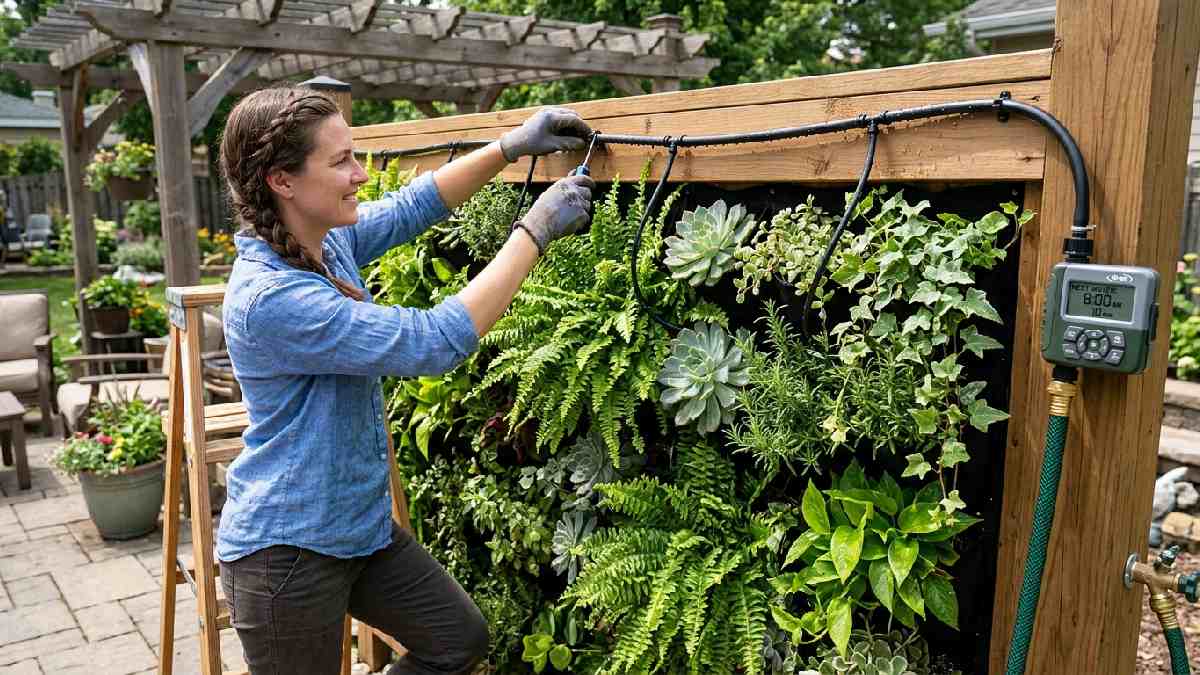
Installing a watering system completes the construction phase of how to build a vertical garden wall. Drip irrigation lines work well for delivering consistent moisture throughout the garden. Connect tubing to a water source, using gravity or a small pump if needed.
Position emitters near each plant to ensure even, adequate water distribution. Consider adding a timer for automated, consistent watering without daily manual effort. This system ensures your vertical garden remains healthy with minimal ongoing maintenance.
Best Plants for Vertical Garden Wall
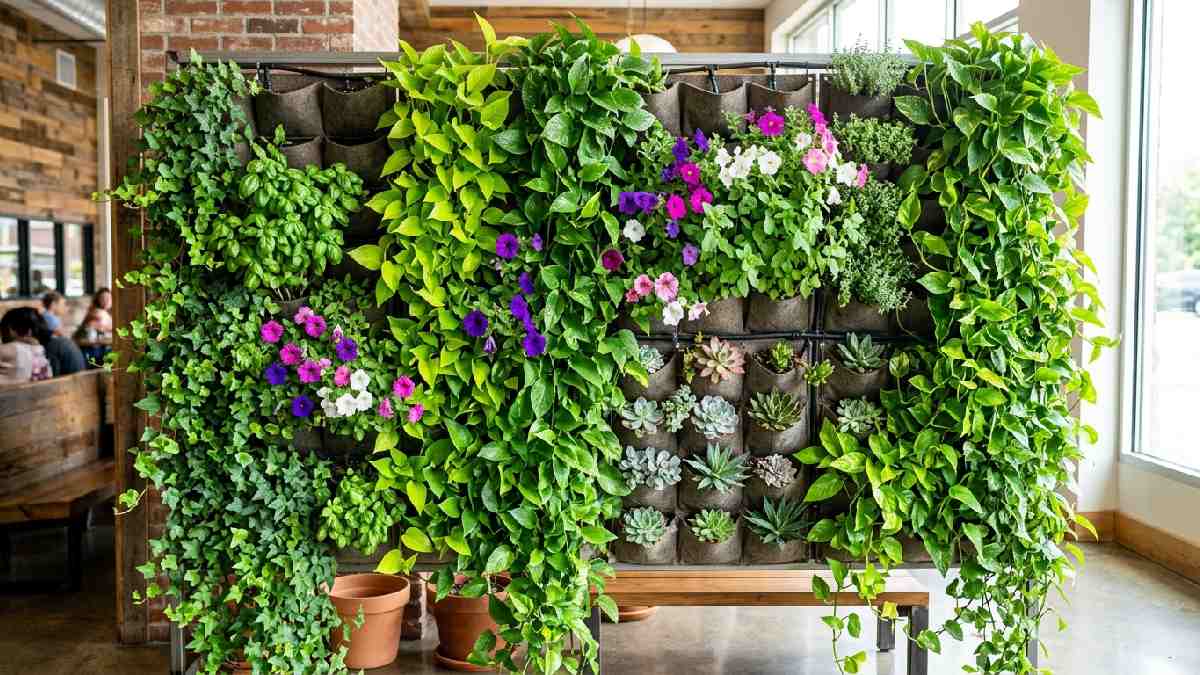
Choosing the right plants makes how to build a vertical garden wall project more successful overall. Herbs like mint, basil, and thyme thrive well in vertical garden conditions. Flowers add color and beauty, attracting pollinators to your vertical garden wall. Indoor plants such as pothos and ferns work well in shaded vertical setups.
Vegetables like lettuce and strawberries can also grow successfully in vertical arrangements. Selecting plants suited to your specific lighting and space conditions ensures a thriving, beautiful vertical garden wall.
Herbs
Herbs are excellent choices for anyone learning how to build a vertical garden wall successfully. Mint, basil, and thyme grow well in the compact spaces vertical gardens provide. These herbs require minimal soil depth, making them ideal for pocket or panel systems.
Fresh herbs also enhance home cooking while reducing grocery store purchases significantly. Most herbs tolerate the slightly variable watering conditions common in vertical setups. These low-maintenance plants are perfect starting points for new vertical gardeners.
Flowers
Flowers add vibrant color and beauty to any how to build a vertical garden wall project. Petunias, pansies, and trailing flowers work particularly well in vertical arrangements. These plants attract pollinators like bees and butterflies to your garden space.
Choosing flowers suited to your specific sunlight conditions ensures healthy, vibrant blooms. Mixing different colors creates a visually stunning living wall display overall. Flowers transform a simple vertical garden into a beautiful focal point.
Indoor Plants
Indoor plants are ideal choices when learning how to build a vertical garden wall indoors. Pothos, ferns, and spider plants thrive in the lower light conditions found indoors. These plants are generally low-maintenance and tolerate occasional watering inconsistencies well.
Indoor vertical gardens benefit from plants that adapt easily to controlled environments. Choosing the right indoor plants ensures your living wall stays healthy year-round. These resilient options work particularly well for beginners building indoor vertical gardens.
Vegetables
Vegetables can also thrive in projects focused on how to build a vertical garden wall. Lettuce, spinach, and strawberries grow well in vertical pocket or panel systems. These plants require adequate sunlight and consistent watering for healthy, productive growth.
Vertical vegetable gardens provide fresh produce while saving valuable ground space. Proper spacing ensures each plant receives enough light and room to develop. Growing vegetables vertically makes practical use of the limited gardening space available.
Maintenance Tips for Vertical Garden Wall
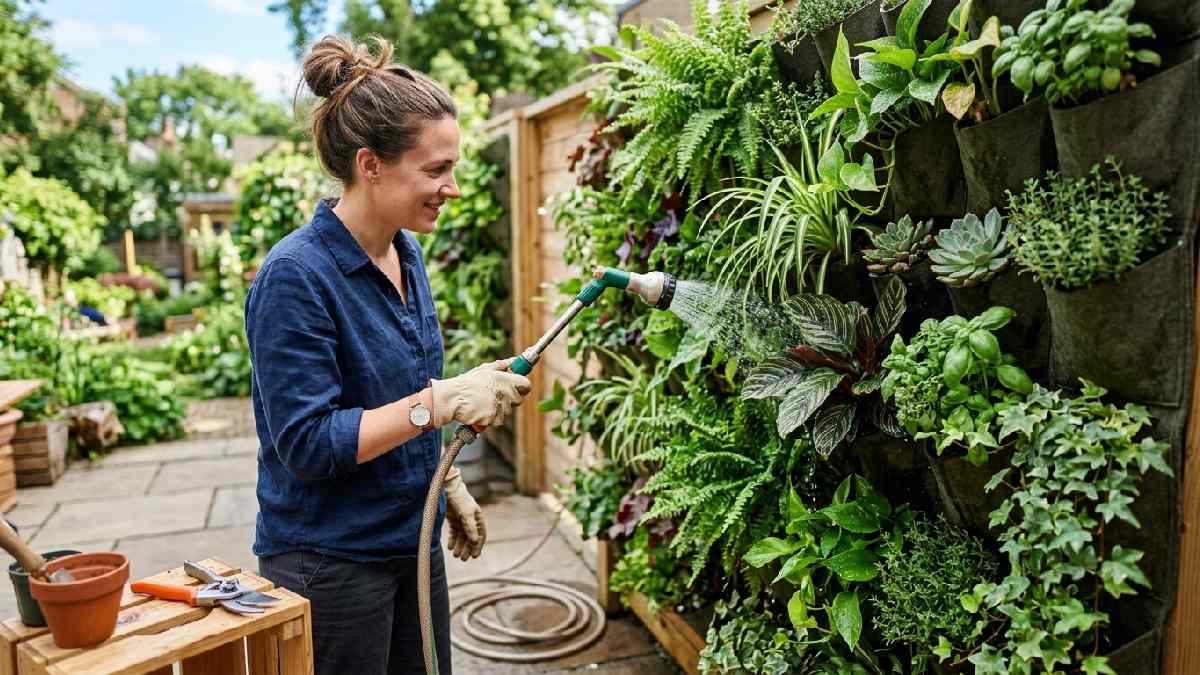
Regular maintenance ensures long-term success for anyone who learns how to build a vertical garden wall. A consistent watering schedule keeps plants healthy without risking overwatering or underwatering issues. Regular fertilizer use provides essential nutrients that support continued healthy plant growth.
Pruning and care help maintain your garden’s appearance while encouraging fuller plant growth. Following these simple maintenance habits keeps your vertical garden wall thriving throughout every season and ensures your investment of time and materials continues paying off for years to come.
Watering Schedule
Establishing a watering schedule is important for anyone maintaining how to build a vertical garden wall project. Check soil moisture regularly since vertical gardens often dry out faster than ground beds. Most setups benefit from watering every one to two days, depending on the climate.
Automated drip systems simplify this process, ensuring consistent moisture without daily manual effort. Adjust watering frequency based on season, temperature, and specific plant water needs. A reliable watering schedule keeps your vertical garden healthy and thriving consistently.
Fertilizer Use
Proper fertilizer use supports healthy growth in any how to build a vertical garden wall setup. Vertical gardens often need more frequent feeding since nutrients wash out quickly. Use a balanced liquid fertilizer every two to four weeks during the growing season.
Organic options like compost tea provide gentle, natural nutrients for your plants. Avoid over-fertilizing, as this can damage roots and harm overall plant health. This consistent feeding approach keeps your vertical garden lush and productive.
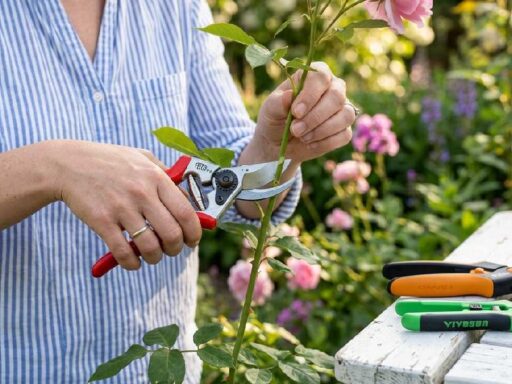
Pruning and Care
Regular pruning and care are essential for maintaining how to build a vertical garden wall project. Remove dead or yellowing leaves to encourage continued healthy plant growth. Trim overgrown plants to maintain a neat, attractive appearance throughout the season.
Check for pests regularly and address problems before they spread significantly. Rotating or rearranging plants occasionally can improve overall garden appearance and health. This ongoing care keeps your vertical garden wall looking beautiful and thriving.
Common Mistakes to Avoid
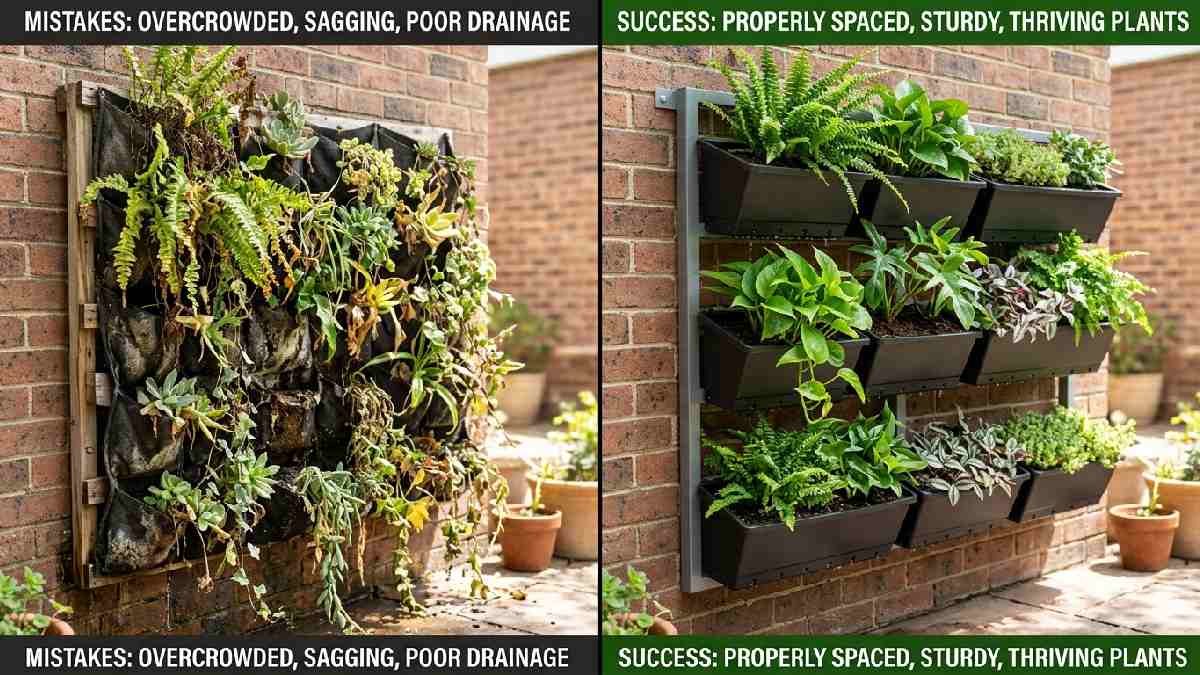
Avoiding common mistakes improves success when learning how to build a vertical garden wall project. Wrong wall selection can lead to structural problems or poor plant growth. Overwatering causes root rot and damages plants in confined vertical garden spaces.
Poor plant choice results in unsuitable species struggling in vertical growing conditions. A weak structure risks collapse, especially with heavier soil and mature plants. Recognizing these pitfalls early ensures your vertical garden wall remains stable, healthy, and successful long-term.
Wrong Wall Selection
wall selection is a common mistake when learning how to build a vertical garden wall. Choosing a wall with poor sunlight results in weak, struggling plant growth. Walls with existing moisture problems can worsen with the addition of regular watering.
Always verify structural strength before attaching heavy frames, soil, and planters. Checking these factors beforehand prevents costly problems after construction begins. Proper wall selection sets the foundation for a successful vertical garden.
Overwatering
Overwatering is a frequent mistake in projects focused on how to build a vertical garden wall. Confined planting spaces drain less effectively than traditional ground-level garden beds. Too much water leads to root rot and can damage the wall structure.
Always check soil moisture before watering instead of following a rigid schedule. Ensuring proper drainage within planters helps prevent this common overwatering problem. Correcting this habit significantly improves plant health in vertical garden setups.
Poor Plant Choice
Poor plant choice frequently causes problems for those learning how to build a vertical garden wall. Selecting plants unsuited to your wall’s sunlight or indoor conditions leads to failure. Heavy or deep-rooted plants may not thrive in shallow vertical planting systems.
Always research each plant’s specific requirements before adding it to your design. Choosing appropriate plants for your space significantly increases your gardening success rate. The right plant choices make vertical gardening enjoyable and rewarding overall.
Weak Structure
A weak structure poses serious risks for anyone attempting how to build a vertical garden wall. Insufficient support can lead to collapse, especially once plants mature and grow heavier. Always use sturdy materials and proper anchoring when securing your frame to walls.
Testing the structure’s strength before adding full soil and plants prevents accidents. Reinforcing weak points early saves you from costly repairs and plant losses. A strong, secure structure ensures your vertical garden wall lasts for years.
Benefits of Vertical Garden Wall
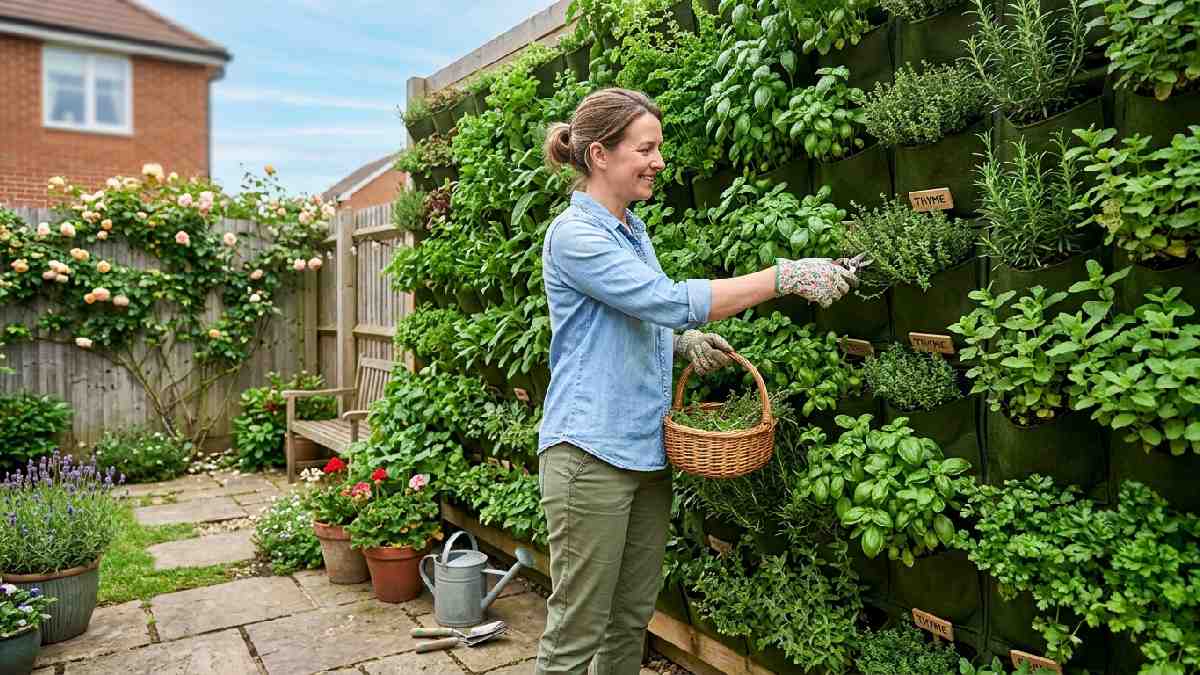
Understanding how to build a vertical garden wall reveals numerous benefits beyond just aesthetic appeal. This setup saves valuable space, making it perfect for small homes and apartments. Vertical gardens also improve air quality by filtering pollutants and producing fresh oxygen.
They add significant aesthetic value, transforming plain walls into stunning living features. Caring for plants in a vertical garden also reduces stress and improves mental wellbeing. These combined benefits make learning how to build a vertical garden wall a truly worthwhile investment.
Space Saving
Space saving is one of the greatest benefits of learning how to build a vertical garden wall. This method uses wall space instead of valuable floor area for growing plants. It allows apartment dwellers and small homeowners to enjoy gardening without large yards.
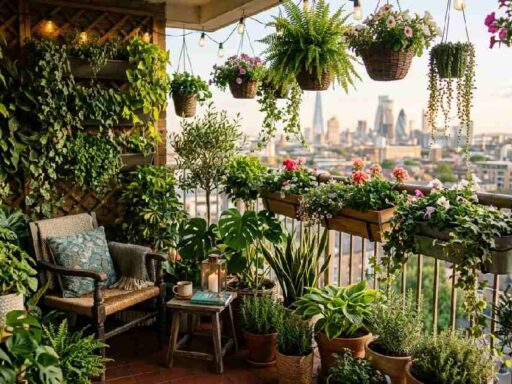
Vertical gardens can fit in tight corners, balconies, or small patio spaces easily. This efficient use of space makes gardening accessible to nearly everyone today. Space-saving design remains a top reason people choose vertical garden walls.
Air Quality Improvement
Air quality improvement is a significant benefit of how to build a vertical garden wall projects. Plants naturally filter pollutants from the air while producing fresh oxygen continuously. Indoor vertical gardens are particularly effective at improving air quality within homes.
This benefit makes vertical gardens valuable for both health and environmental reasons. More plants packed into vertical spaces means greater air-purifying potential overall. This advantage adds genuine value beyond just the visual appeal of greenery.
Aesthetic Value
Aesthetic value is a major draw for anyone interested in how to build a vertical garden wall. These living walls transform plain, boring surfaces into stunning green features instantly. The combination of different plants, colors, and textures creates visual interest naturally.
Vertical gardens can serve as eye-catching focal points in homes or outdoor spaces. This beauty adds value to properties while bringing nature closer to daily life. The aesthetic appeal alone makes the building effort worthwhile for many people.
Stress Reduction
Stress reduction is an often-overlooked benefit of learning how to build a vertical garden wall. Caring for plants has been shown to reduce anxiety and promote relaxation. The visual presence of greenery creates a calming atmosphere within any living space.
Tending to a vertical garden provides a therapeutic, mindful activity for many people. This connection with nature offers mental health benefits beyond just food production. These wellbeing advantages make vertical gardening rewarding far beyond its practical uses.
Frequently Asked Questions (FAQ)
How do you build a vertical garden wall cheaply?
Use recycled pallets, fabric pockets, or plastic bottles as affordable planters to reduce overall material costs significantly.
Can I build it indoors?
Yes, indoor vertical gardens work well with grow lights and lightweight plants suited to controlled indoor conditions.
What plants are best for vertical gardens?
Herbs, ferns, pothos, and trailing flowers work best due to their compact size and adaptable growing needs.
How often should I water it?
Most vertical gardens need watering every one to two days, depending on climate, plant type, and drainage.
Does it damage walls?
Proper waterproofing and structural support prevent damage, making vertical gardens safe for both indoor and outdoor walls.
Conclusion
Learning how to build a vertical garden wall is a rewarding way to bring greenery into any space. With proper planning, the right materials, and careful construction, success comes naturally for beginners. Avoiding common mistakes like weak structures or poor plant choices ensures long-term garden health.
Choosing suitable plants and maintaining a consistent care routine keeps your wall thriving year-round. This project offers space-saving benefits, improved air quality, and genuine aesthetic value for any home. With patience and creativity, your vertical garden wall will provide lasting beauty for years to come.