

Best Pruning Shears for Small Hands (Comfort & Precision Guide)
Standard pruning shears are built for average hand sizes. For people with small hands, they cause real problems. Gripping oversized handles leads to fatigue, poor control, and sometimes injury. The right pruning shears feel like a natural extension of your hand.
They cut cleanly, open and close smoothly, and never strain your fingers. This guide helps you find exactly that. You will learn what features matter, which options perform best, and how to protect your hands during every pruning session.
Introduction
Pruning is one of the most important tasks in gardening, but using the wrong tools can quickly turn it into a tiring and uncomfortable job. For people with small hands, standard pruning shears often feel too large, heavy, and difficult to control, leading to hand strain and reduced cutting precision. Choosing the right pruning shears designed specifically for smaller hands can completely change your gardening experience.
These tools are built with ergonomic grips, lighter materials, and better balance so you can work longer without discomfort. In this guide, you’ll learn what makes pruning shears suitable for small hands, what features to look for, and which options are best for comfort, control, and long-term use.
Why Small-Handed Gardeners Need Special Pruners
Most pruning shears are designed around an average male hand size. For gardeners with smaller hands, this creates an immediate problem. The handles sit too wide apart at rest. Closing them fully requires more force than your hand can comfortably generate.
Over time, this leads to soreness, reduced control, and a frustrating pruning experience. Shears built for smaller hands close more easily, feel more balanced, and give you far better precision on every cut you make.
Common Problems With Standard Pruning Shears
The most common complaint is that standard shears simply do not close properly in a small hand. You end up using your whole arm rather than just your fingers to generate cutting force. The handle span at rest is too wide, causing your hand to stretch uncomfortably with each cut.
Some gardeners develop blisters from repeated friction against an oversized grip. Others experience wrist strain from compensating for poor tool fit during longer pruning sessions in the garden.
What You Will Learn in This Guide
This guide covers every important aspect of choosing pruning shears for small hands. You will learn which features to prioritize and why they matter for comfort and performance. You will get clear recommendations across different budgets and use cases.
You will also find practical tips on technique, hand care, and tool maintenance. By the end, you will have everything you need to make a confident purchase and protect your hands through every season of pruning work ahead.
Why Choosing the Right Size Pruning Shears Matters
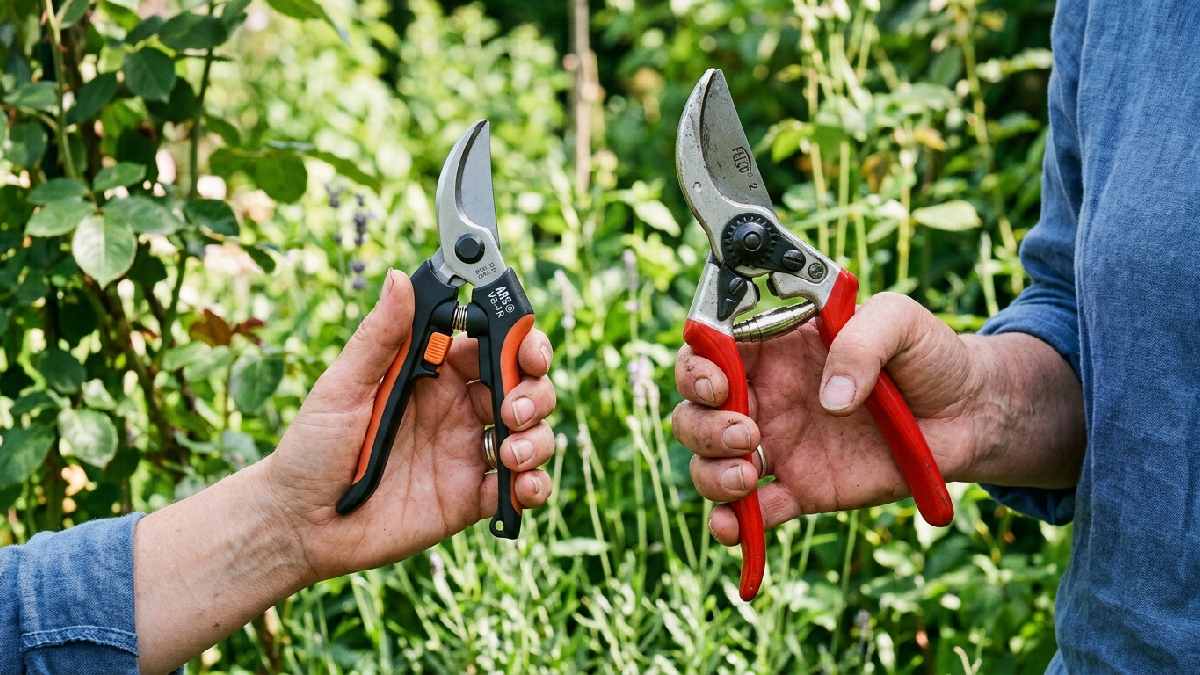
Using the wrong size tool affects more than just comfort. It changes how accurately you cut, how quickly you tire, and how much strain builds up in your joints over time. A shear that fits well works with your hand rather than against it.
The force needed to cut transfers efficiently from your fingers to the blade. Nothing is wasted fighting an awkward grip. Size is not a minor detail in pruning shears. It is one of the most important factors determining whether the tool actually works well for you.
Grip Size and Hand Comfort
The distance between the two handles when the shears are open is called the grip span. For small hands, a wide grip span means your fingers never fully wrap around the handles. This forces an inefficient and uncomfortable grip from the very first cut.
Shears designed for small hands have a narrower grip span that lets your fingers close naturally. You maintain control without straining. Comfort during repeated cuts comes directly from how well that span matches the actual size of your hand.
Impact on Cutting Accuracy
A secure grip translates directly into accurate cuts. When handles are too large, your hand shifts position mid-cut. The blade moves slightly off target as a result. For delicate pruning work near buds or along thin stems, this inaccuracy causes real plant damage.
A well-fitted shear keeps the blade exactly where you place it through the full cutting motion. Precision improves noticeably when the tool fits your hand rather than when your hand is forced to adapt to the tool.
Reducing Hand Fatigue and Strain
Every cut you make with an oversized shear demands more muscular effort than necessary. That extra effort accumulates quickly during a long pruning session. What starts as mild discomfort becomes genuine soreness in your fingers, palm, and wrist.
Shears sized for smaller hands reduce the force required per cut significantly. Your muscles handle the session more easily and recover faster afterward. Over a full gardening season, that difference in daily strain adds up to meaningful protection of your long-term hand health.
Key Features to Look for in Pruning Shears for Small Hands
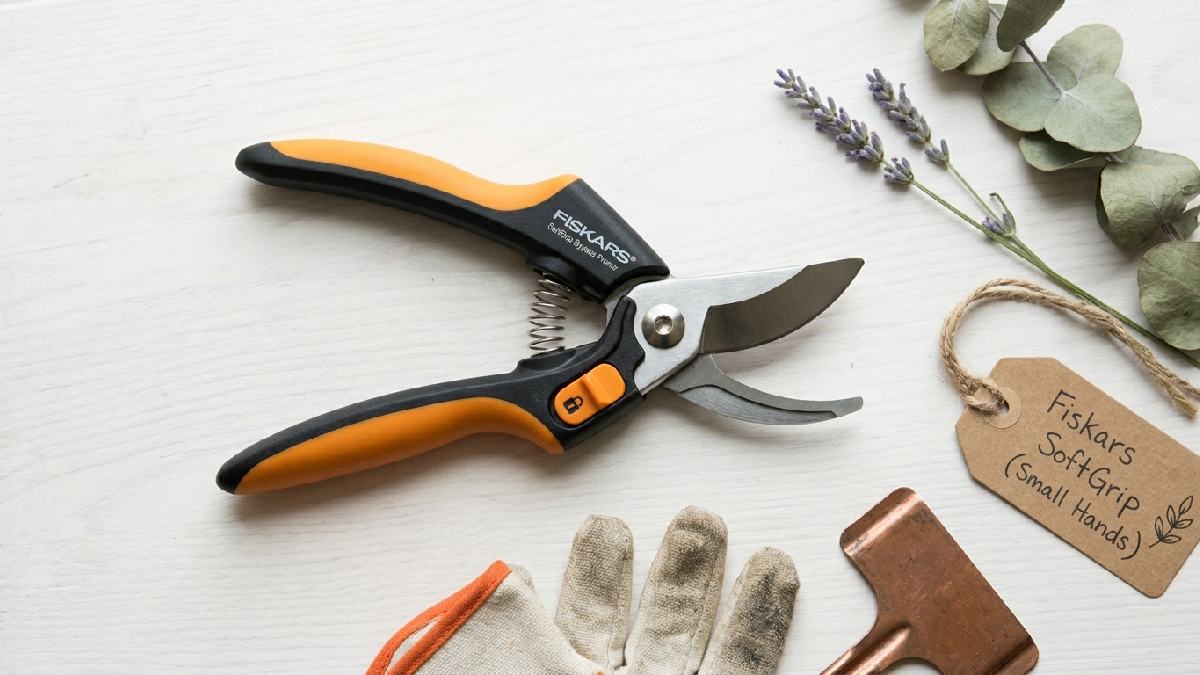
Not every lightweight or compact pruning shear is genuinely suited for small hands. Specific design features separate tools that simply look small from tools that actually perform well for smaller hand sizes. Understanding these features helps you evaluate any pair of shears with confidence.
Each feature below addresses a real and common issue that small-handed gardeners face. Look for all of them when comparing options rather than relying on size or price alone as your primary guide.
Ergonomic Handle Design for Better Grip
An ergonomic handle follows the natural curve of your fingers and palm. It reduces pressure points that cause blisters and soreness during extended use. Cushioned rubber or soft-touch coating adds comfort and prevents slipping in wet or muddy conditions.
Some handles include a finger groove that positions your hand correctly without any adjustment. This kind of thoughtful design means less effort spent managing your grip and more focus on making accurate and controlled cuts through stems and branches.
Lightweight Construction for Easy Use
Weight matters more than most people expect with hand tools used repetitively. A heavier shear tires your wrist and forearm faster than a lighter one. For small-handed gardeners who already work harder per cut than those with larger hands, reducing tool weight helps significantly.
Look for shears with aluminum alloy handles or lightweight composite materials. The cutting head should use high-quality steel that stays strong without adding unnecessary bulk. Under 200 grams is a good target for comfortable all-day pruning use.
Bypass vs Anvil Cutting Mechanism
Bypass pruners work like scissors with two blades that pass each other during cutting. They produce clean, precise cuts and work best on living plant tissue. Anvil pruners have one blade that closes against a flat surface. They require more squeezing force but handle thicker and tougher stems more easily.
For small hands, bypass pruners are generally the better choice. The cutting action requires less grip strength and causes less bruising to delicate stems. Anvil shears suit gardeners cutting a lot of dry or woody material regularly.
H3: Spring-Loaded System for Smooth Operation
A spring-loaded mechanism opens the shears automatically after each cut. Without it, your fingers must actively pull the handles apart between every single cut. Over dozens or hundreds of cuts per session, that repeated pulling motion strains the muscles on the back of your hand significantly. A quality spring system does that work for you. Your hand only needs to squeeze to cut and then relax. This halves the muscular effort required per cut and dramatically reduces fatigue during longer pruning sessions in the garden.
Best Pruning Shears for Small Hands (Top Picks)
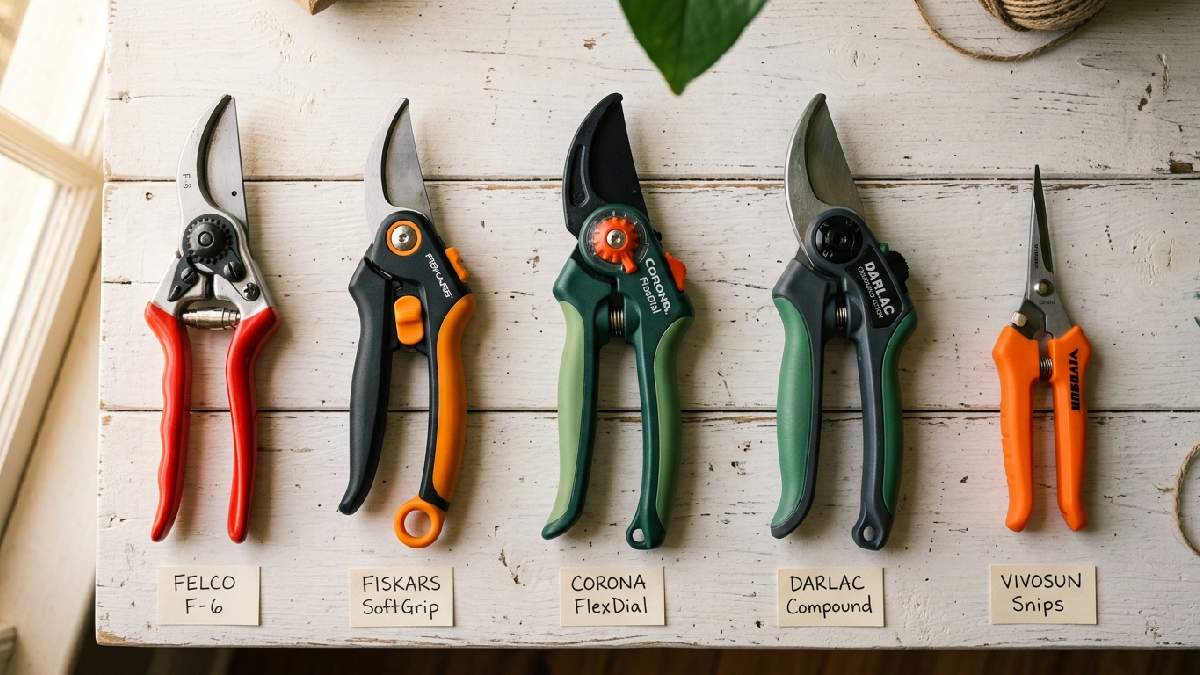
Finding the right pair takes research because the market is full of options that look suitable but fall short in actual use. These four picks represent different priorities and budgets while all delivering genuine comfort and performance for smaller hands.
Each recommendation is based on the key features covered earlier in this guide. Whether you are buying your first pair or upgrading from a standard shear that never quite fit, one of these options will suit your specific needs and gardening style well.
Best Overall Pruning Shears for Small Hands
The best overall option balances grip comfort, cutting performance, and durability without requiring a premium budget. Look for a bypass pruner with a narrow grip span under 2.5 inches, a spring-loaded opening mechanism, and non-slip cushioned handles.
Stainless steel blades that stay sharp through a full season of regular use are a must. A safety lock that operates with one hand adds convenience and safe storage. This type of shear handles everything from light trimming to stems up to three-quarters of an inch thick with minimal effort.
Best Budget-Friendly Option
A good budget shear does not need to sacrifice the features that matter most for small hands. Narrow grip span and a functioning spring mechanism are non-negotiable even at a lower price point. Carbon steel blades sharpen easily and perform well when maintained properly.
The handles may use basic plastic rather than cushioned rubber, but a gardening glove compensates for that difference comfortably. Avoid the cheapest options where the spring fails quickly or the blade loses its edge after minimal use. Mid-budget options in the fifteen-to-twenty-five-dollar range offer real value.
Best Lightweight Pruning Shears
For gardeners who prune frequently or for extended sessions, weight is the top priority. The lightest quality shears use aluminum alloy handles combined with hardened steel blades. This combination keeps the total weight under 150 grams without compromising cutting strength.
A rotating handle design on some lightweight models further reduces the twisting force your wrist absorbs during each cut. These shears feel almost effortless during long sessions compared to heavier standard options. They suit flower gardeners, topiary work, and anyone who prunes delicate plants regularly throughout the growing season.
Best Premium Ergonomic Pruners
Premium ergonomic shears are engineered specifically around hand comfort and long-term use. They often include a rotating lower handle that moves with your palm during the cutting motion. This eliminates the friction between handle and skin that causes blisters during extended sessions.
High-end blades use Japanese or German steel that holds an edge through an entire season without resharpening. The grip span is precisely calibrated for smaller hands with a narrower default opening. If you garden seriously and prune regularly, the investment in a premium pair pays back quickly in comfort and consistent performance.
How to Choose the Right Pruning Shears for Your Hands
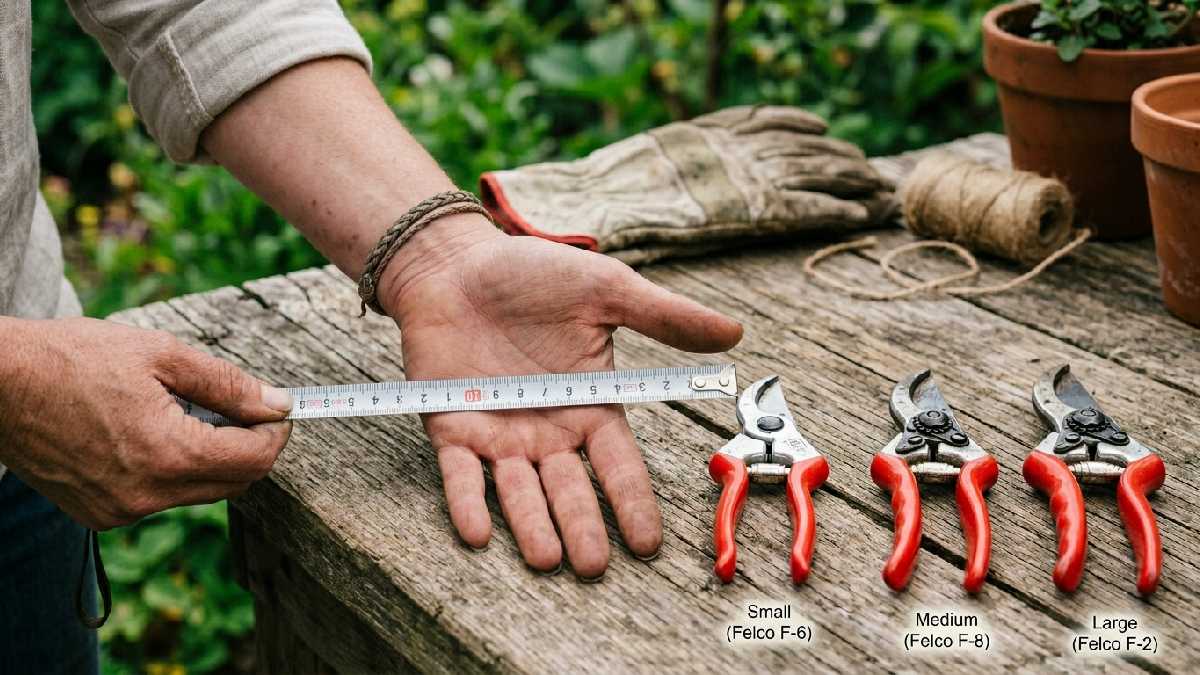
Reading about features and recommendations helps, but choosing the right pair ultimately comes down to your specific hand. Two people with similar hand sizes can still find different shears more comfortable based on grip strength, finger length, and how they naturally hold tools.
These three steps give you a practical framework for making the right choice rather than guessing based on product descriptions alone. Take your time with this process, and the shear you land on will serve you well for many seasons of gardening ahead.
Measuring Your Hand Size Correctly
Measure the length of your hand from the base of your palm to the tip of your middle finger. Also measure the width across your knuckles with your fingers held together. Most manufacturers who design for small hands specify a grip span suited to hands under 6.5 inches in length.
Knowing your measurements lets you compare them against product specifications with confidence. This eliminates guesswork and narrows your options quickly. Hand measurement takes less than a minute and makes a significant difference in your final purchase decision.
Testing Grip Comfort Before Buying
If you can test shears in person before buying, do it. Hold the shears in your normal pruning grip and open and close them ten times. Notice whether your fingers wrap fully around both handles at the closed position. Check that you are not straining to reach the lower handle at the open position.
Pay attention to whether any part of the handle digs into your palm. That discomfort during a brief test becomes significant pain during an hour-long pruning session. Online shoppers should look for detailed reviews that specifically address grip comfort for smaller hands.
Choosing Weight and Material
Steel blades on aluminum handles offer the best balance of performance and low weight for most gardeners. Full stainless steel construction is heavier but more durable in wet and muddy conditions. Carbon steel blades perform excellently when kept dry and sharpened regularly. Match the material to your gardening environment and maintenance habits honestly.
A high-performance carbon steel blade that you cannot commit to oiling and drying regularly will underperform a basic stainless option that you simply rinse and store properly. Choose based on how you actually garden rather than what sounds best on paper.
Tips to Reduce Hand Strain While Pruning
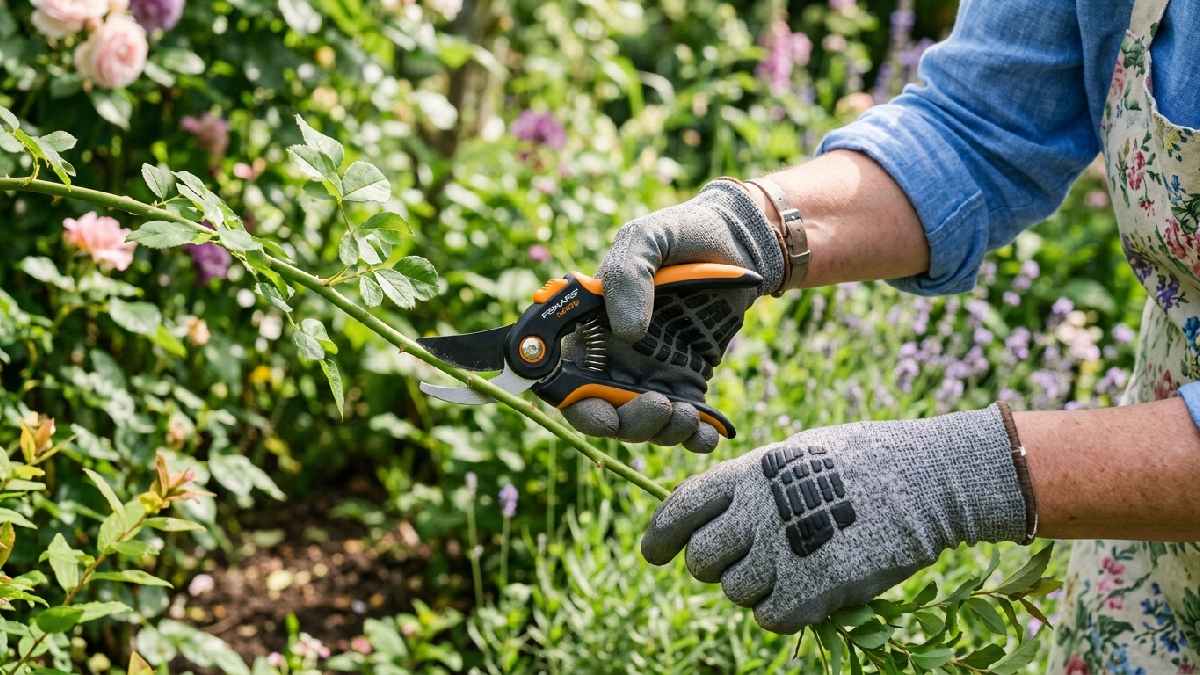
Even perfectly fitted shears cannot fully protect your hands if your technique or habits work against you. Small adjustments to how you prune make a meaningful difference in how your hands feel during and after a session. These three tips apply regardless of which shears you use.
They are simple to implement and effective from the very first time you try them. Think of them as the other half of comfortable pruning alongside choosing the right tool for your specific hand size and gardening needs.
Proper Cutting Technique
Position the stem as deep into the blade as possible rather than cutting near the tip of the shears. Cutting near the tip forces your hand to work much harder for the same result. Keep your wrist straight rather than angled during the cut.
A bent wrist transfers stress to the tendons rather than the stronger muscles of your hand. Cut in one smooth motion rather than sawing back and forth. Repeated partial cuts damage plant tissue and tire your hand faster than a single clean cut through the stem.
Taking Breaks During Gardening Work
Continuous pruning without rest builds fatigue in specific hand muscles faster than most gardeners expect. A five-minute break every thirty to forty minutes lets those muscles recover before the soreness becomes distracting. Use break time to gently open and close your hand fully a few times to restore circulation.
Shake your wrists loosely to release any built-up tension. These micro-recovery periods extend how long you can work comfortably and reduce the soreness you feel the following day after a long pruning session.
Using Sharp Blades for Less Effort
A dull blade requires significantly more squeezing force to cut through the same stem. That extra force is the most common cause of hand fatigue and blisters during pruning. A sharp blade glides through stems with minimal effort and produces cleaner cuts that heal faster on the plant.
Test sharpness by cutting a thin piece of paper. A sharp pruning blade should cut cleanly without tearing or dragging. Sharpen your blades at the start of each season and again mid-season if you prune frequently. It takes minutes and makes a noticeable difference immediately.
Maintenance Tips for Long-Lasting Use
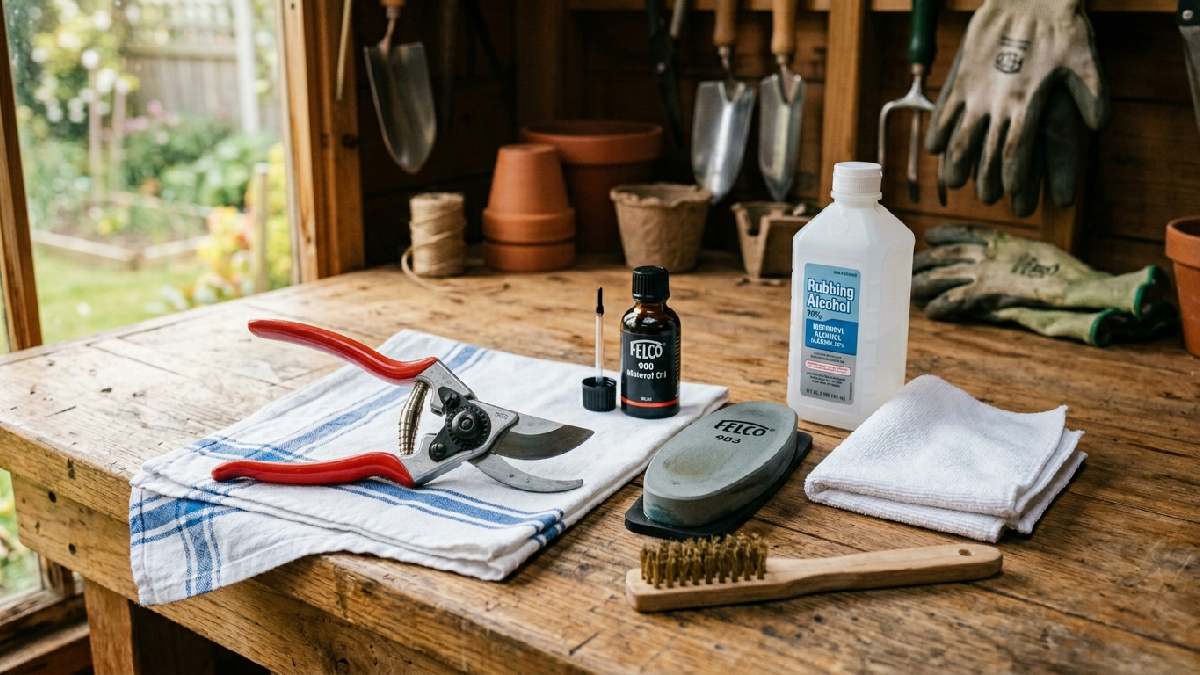
A quality pair of pruning shears can last a decade or more with basic care. Neglected shears rust, dull, and seize up within a single season. Maintenance does not require special tools or much time. A few minutes after each use and a proper session at the start and end of each gardening season cover everything your shears need.
These three habits protect your investment and ensure your shears perform at their best every time you pick them up during the growing season.
Cleaning After Every Use
Plant sap, soil, and moisture left on blades cause rust and corrosion to develop quickly. Wipe both blades clean with a dry cloth immediately after finishing your pruning work. For stubborn sap residue, a small amount of rubbing alcohol on a cloth removes it without damaging the blade surface.
Pay attention to the pivot point where debris collects and restricts smooth movement over time. A quick clean takes under two minutes and prevents the kind of buildup that eventually requires much more effort to remove or causes permanent blade damage.
Oiling the Moving Parts
The pivot bolt and spring mechanism need occasional lubrication to operate smoothly. A drop of light machine oil or dedicated tool oil at the pivot point every few weeks during active use is sufficient. Open and close the shears several times after applying oil to work it into the joint evenly.
Wipe away any excess to prevent it from transferring to plant stems during pruning. Well-lubricated shears open and close with noticeably less resistance. That reduced friction means less force required per cut and less wear on the mechanical parts over the lifespan of the tool.
Sharpening the Blades Properly
Use a fine whetstone or a dedicated pruner sharpening tool to maintain blade edge quality. Sharpen only the beveled side of the bypass blade, not the flat back side. Hold the sharpening tool at the same angle as the existing bevel and stroke from base to tip in smooth, consistent passes.
Five to ten strokes are usually enough to restore a working edge. Remove the metal burr that forms on the flat side by making one or two light passes with the stone held flat against the blade. Properly sharpened blades make every cut noticeably easier and cleaner.
Frequently Asked Questions (FAQs)
What are the best pruning shears for small hands?
The best options have a narrow grip span, spring-loaded opening, cushioned non-slip handles, and lightweight construction. Bypass pruners suit most small-handed gardeners better than anvil-style shears for everyday pruning work.
What size pruning shears should I buy?
Look for shears with a grip span under 2.5 inches at the open position. If your hand measures under 6.5 inches from palm base to middle fingertip, compact or small-hand specific models will fit you most comfortably.
Are bypass pruners better for small hands?
Yes in most cases. Bypass pruners require less squeezing force than anvil pruners and produce cleaner cuts on living stems. The scissor-like action suits smaller hands better because the cutting motion is more efficient with less grip strength needed.
How do I reduce hand pain while pruning?
Use sharp blades to minimize cutting effort. Cut with the stem deep in the blade rather than near the tip. Take short breaks every thirty minutes. Keep your wrist straight during cuts and stretch your hands gently before starting each pruning session.
Can pruning shears be sharpened at home?
Yes. A fine whetstone or dedicated pruner sharpening tool works well at home. Sharpen only the beveled blade edge at the original angle. Five to ten smooth strokes restores a working edge on most standard pruning shear blades without any special skills or equipment needed.
Conclusion
Pruning shears that fit your hands properly change the entire experience of working in your garden. The right pair cuts cleanly, opens smoothly, and never fights your grip. For small-handed gardeners, that means looking beyond standard options and focusing on grip span, spring mechanism quality, and ergonomic handle design.
Start with the features that matter most for your hand size, then narrow your options by budget and gardening style. Maintain your shears well, and they will serve you reliably for many seasons. Comfortable pruning is not a luxury. It is simply what happens when the tool actually fits the person using it.