
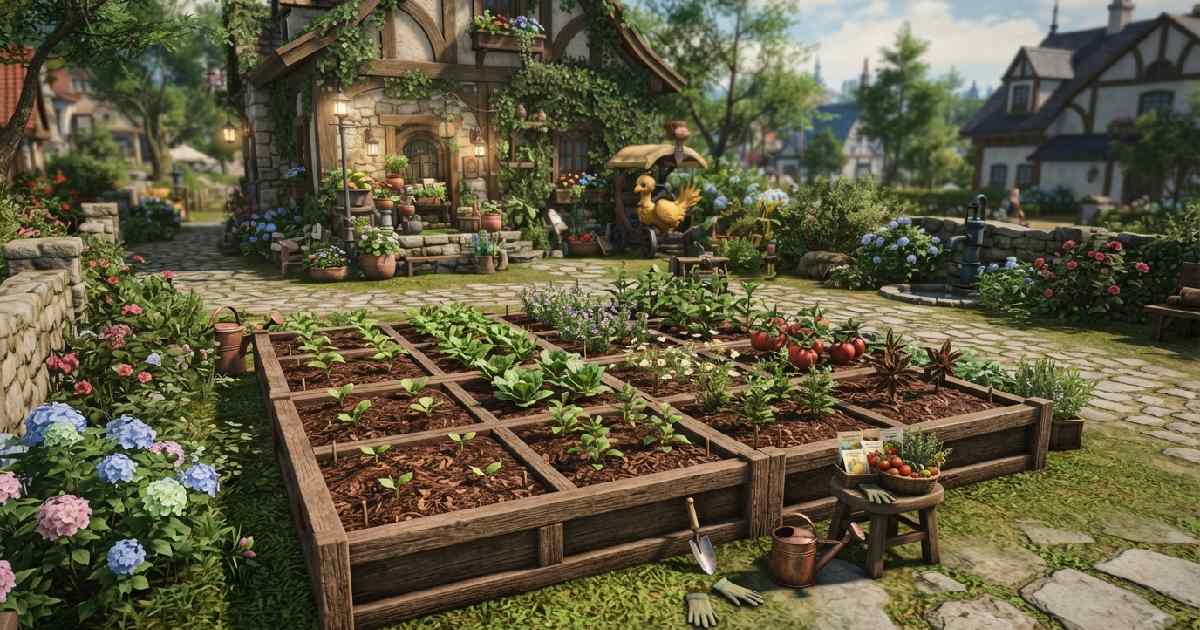

There’s a quiet corner in most FFXIV houses that new players walk right past. A small wooden patch, sitting empty, waiting for someone to notice it. That patch is where FFXIV gardening happens, and once you get into it, it turns into one of the most relaxing side activities the game has to offer. No combat, no timers ticking down your patience, just seeds, soil, and a bit of daily care.
A lot of players skip gardening early on because it looks confusing at first glance. Seeds, soil grades, crossbreeding charts- all of it can feel like too much just to grow a plant. But once you break it down piece by piece, it stops being confusing and starts being kind of fun. You get crafting materials, rare crops, minion ingredients, and even seeds that can’t be bought or gathered any other way.
This guide walks through everything you need to know about FFXIV gardening. We’ll cover the basics of seeds and soil, how crossbreeding actually works, which rare crops are worth chasing, and how to keep your garden healthy without spending hours babysitting it every day.
Whether you’re a brand new gardener with an empty patch staring back at you, or someone who’s already dabbled a bit but keeps getting confused by crossbreeding charts, this guide is written to actually make sense of it. No wall of technical jargon, no assuming you already know half the terms. Just a clear walkthrough from start to finish.
What You Need to Start FFXIV Gardening
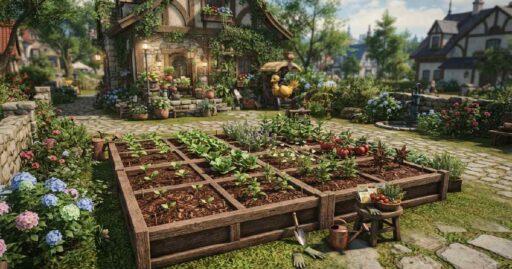
Before planting anything, you need a garden patch. This means you’ll need a house, whether it’s a personal house, a Free Company house, or an apartment with access to an indoor garden. Housing vendors in each ward sell garden patches, and there are two main types to choose from.
Indoor patches sit inside apartments or private rooms and work fine for basic planting. Outdoor patches, especially the Deluxe Garden Patch, hold up to eight beds and allow full crossbreeding. If you’re serious about growing rare crops, the outdoor Deluxe patch is really the one worth getting, since crossbreeding only works outdoors.
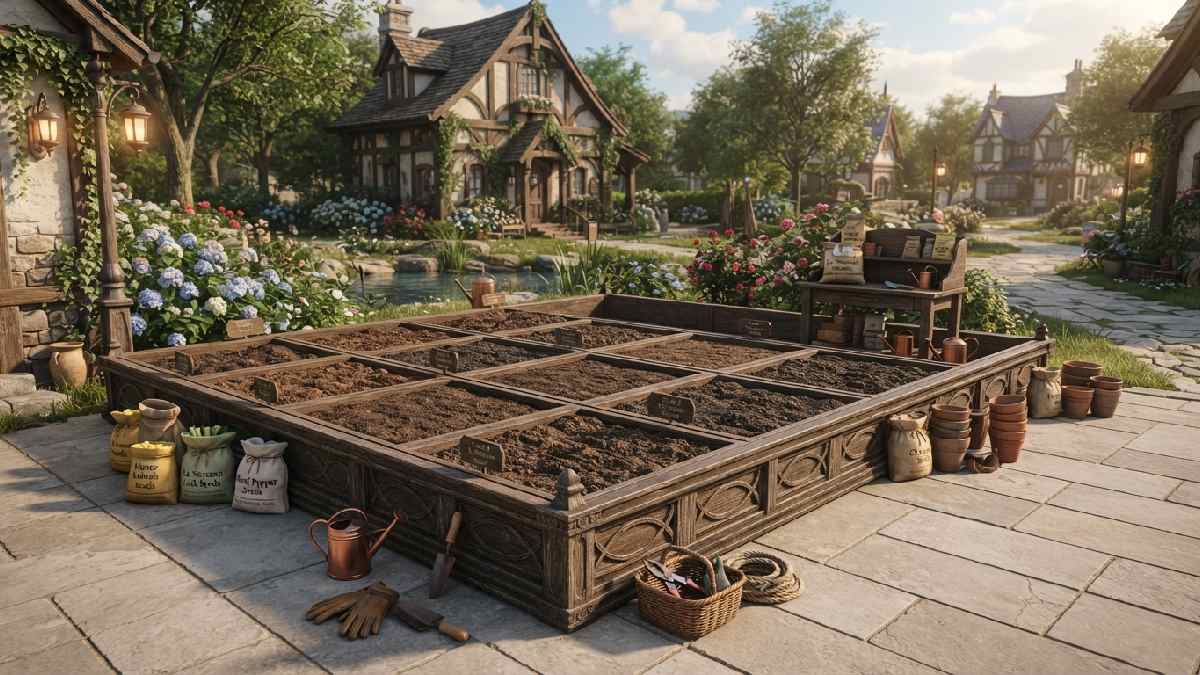
Each bed inside a garden patch needs two things to grow anything. A seed and a batch of soil. Seeds come from Botanists, either gathered directly out in the field or bought off the market board from other players. Soil comes from Miners, gathered similarly. You don’t need to be a gatherer yourself to garden, since almost everything needed can be bought through the market board if your gil supply allows it.
Once a seed and soil are placed in a bed, the plant starts growing on its own. It just needs regular care to survive and thrive, which we’ll get into a little further down.
Understanding Seeds and Soil
Seeds and soil work as a team, and getting either one wrong can waste your time and your gil. Here’s a breakdown of both.
Choosing the Right Seeds
Seeds in FFXIV come in a huge range, easily thirty or more types across different expansions. Most basic seeds grow plants that are just as easy to gather out in the wild, so growing them yourself mainly saves travel time or lets you farm a steady supply without waiting on gathering nodes to refresh.
The real value shows up with seeds that can only be obtained through crossbreeding. These are plants you simply cannot find anywhere else in the game world. Broombush, Glazenut, Royal Fern, and Thavnairian Onion are a few well-known examples. None of these grow naturally out in the field. The only way to get them is by setting up the right crossbreeding pair inside your garden.
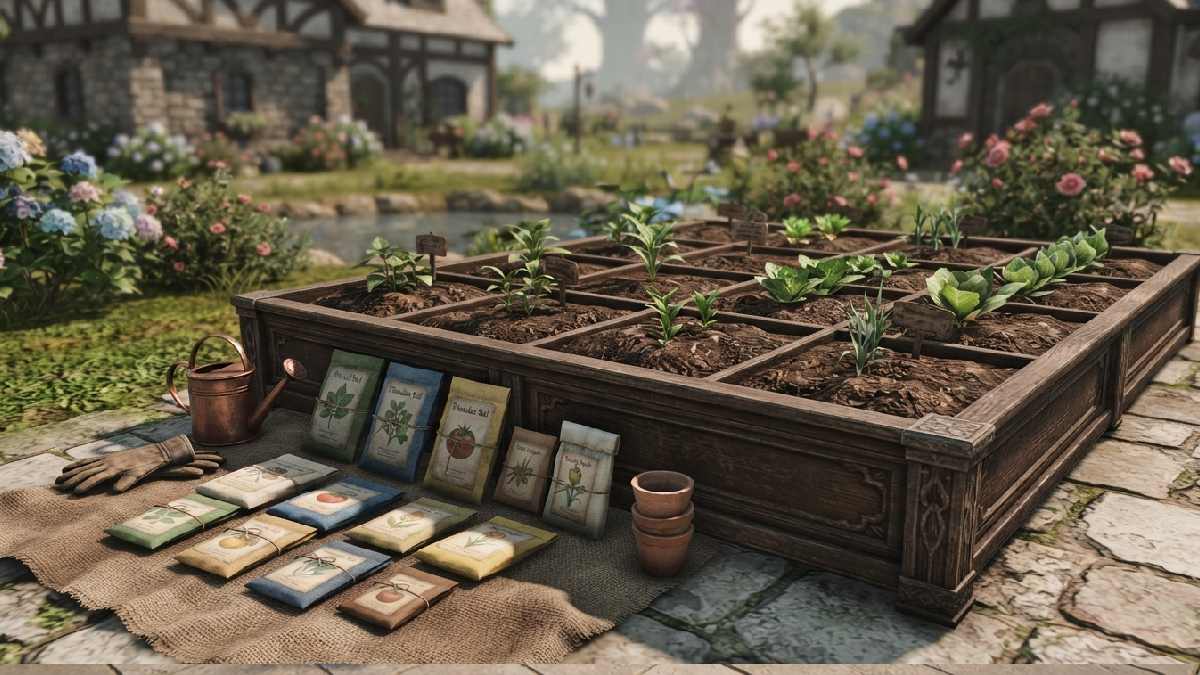
When picking seeds to plant, always check what tier or generation they belong to. First-generation seeds are usually easy to get and cheap. Later-generation seeds, the ones bred from crossbreeding chains, tend to be worth more and take more planning to produce consistently.
It also helps to think about why you’re planting a certain seed before you commit a bed to it. Are you growing something for a crafting recipe you need right now, or are you setting up a long-term seed farm to keep a steady supply flowing for weeks to come? These two goals call for different setups, and mixing them together in one small patch usually just slows everything down.
Picking the Right Soil
Soil in FFXIV comes in three regional types: Thanalan Topsoil, Shroud Topsoil, and La Noscean Topsoil. Each one affects your crop differently, and each also comes in different quality grades, usually one through three.
Thanalan Topsoil raises the chance of a successful crossbreed happening when you harvest. This makes it the go-to soil for anyone actively chasing rare crossbred seeds. Shroud Topsoil boosts how much you get per harvest, meaning more crops or seeds per plant, though this effect caps out for certain rare items that can only ever yield one at a time.
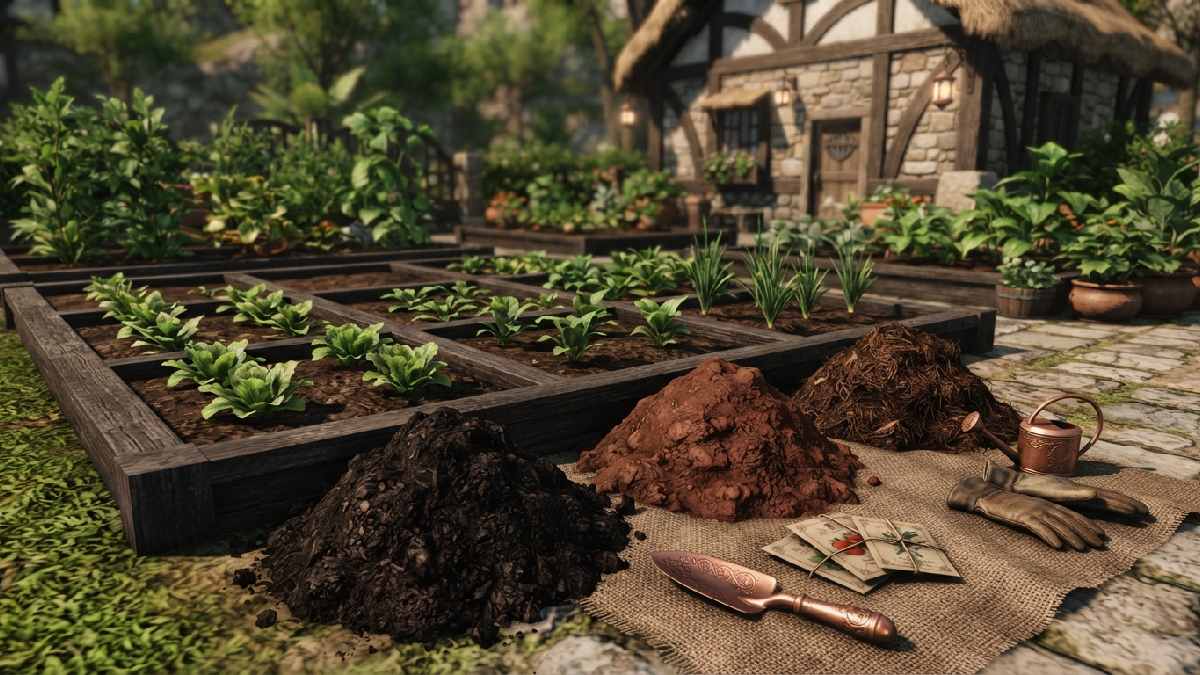
La Noscean Topsoil used to improve item quality back when high-quality gathered goods mattered more, but that effect lost most of its relevance after quality tiers on gathered items were removed from the game.
If you can afford or gather Grade 3 soil, it’s almost always worth using over Grade 1 or 2, since higher grades simply perform better with no real downside besides cost. For most gardeners chasing rare seeds, Thanalan Topsoil at the highest grade you can manage becomes the default choice.
How Crossbreeding Works in FFXIV
This is the part that trips up most new gardeners, but it’s really not as complicated as the charts make it look.
Crossbreeding happens when two different, compatible seeds get planted right next to each other in the same garden patch. The moment you plant a seed next to a matching partner, there’s a chance the game rolls a crossbreed result. When you later harvest that plant, alongside the normal crop, you might also receive a brand new seed type, one that didn’t exist in either of the two original plants.
A few important details make or break your crossbreeding results. First, crossbreeding only triggers at the moment of planting, not later. If you plant a seed alone and add a neighbor afterward, it won’t count. Both seeds need to go into the ground while sitting next to each other from the start. Second, crossbreeding only works in outdoor patches, which is why the Deluxe Garden Patch matters so much for anyone chasing rare seeds.
A simple crossbreeding example looks like this. Planting a Coerthan Tea seed next to a Halone Gerbera seed gives you a chance of producing a Broombush seed when you harvest either plant. Some crossbreeding pairs also create what’s called a loop, meaning once you get the rare seed once, you can then pair that same rare seed with one of the original plants to keep producing more of it without needing outside seeds again.
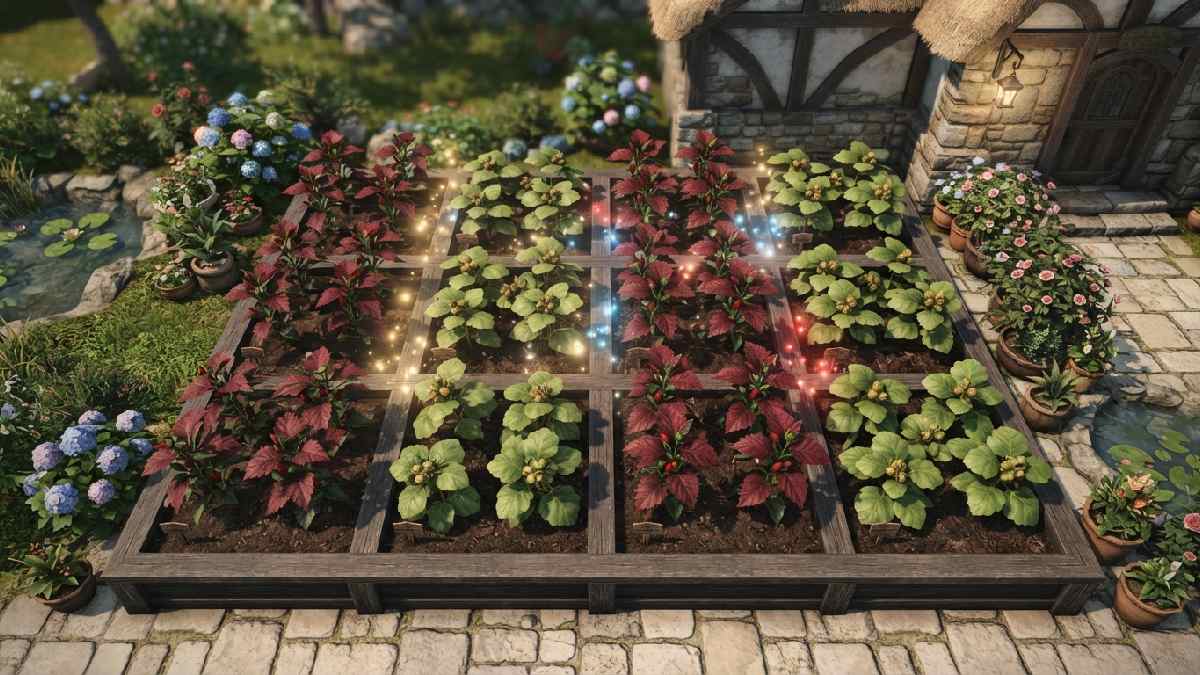
Because a Deluxe patch holds eight beds, most gardeners set up four beds of one seed and four beds of its crossbreeding partner, alternating them around the patch. This keeps every plant next to a valid crossbreeding neighbor at all times, maximizing your chances each harvest cycle.
Crossbreeding results are random, not guaranteed, which is something new gardeners often overlook. Planting the right pair increases your odds of a successful cross, but it won’t happen on every single harvest. This is exactly why keeping a full patch running with the correct pairing matters so much. More attempts over time simply means more chances for that rare seed to show up in your harvest basket.
Growing and Tending Your Garden
Planting the right seed with the right soil is only half the job. Keeping your garden alive day to day matters just as much, and this is where a lot of new gardeners lose progress without realizing it.
Daily Care and Watering
Plants need regular tending, or they’ll wither and eventually die, wasting both the seed and the soil you used. Most crops need attention at least once a day in real-world time, though some rarer or slower-growing plants may need more frequent care. Logging in once a day, even just to water your patch, is usually enough to keep things healthy.
Fertilizer, most commonly Fish Meal, speeds up growth time. It’s optional, but most active gardeners use it anyway since it shortens the wait between planting and harvest. Fish Meal can be bought from housing vendors or crafted by Culinarians, so it’s easy to keep a steady supply on hand.
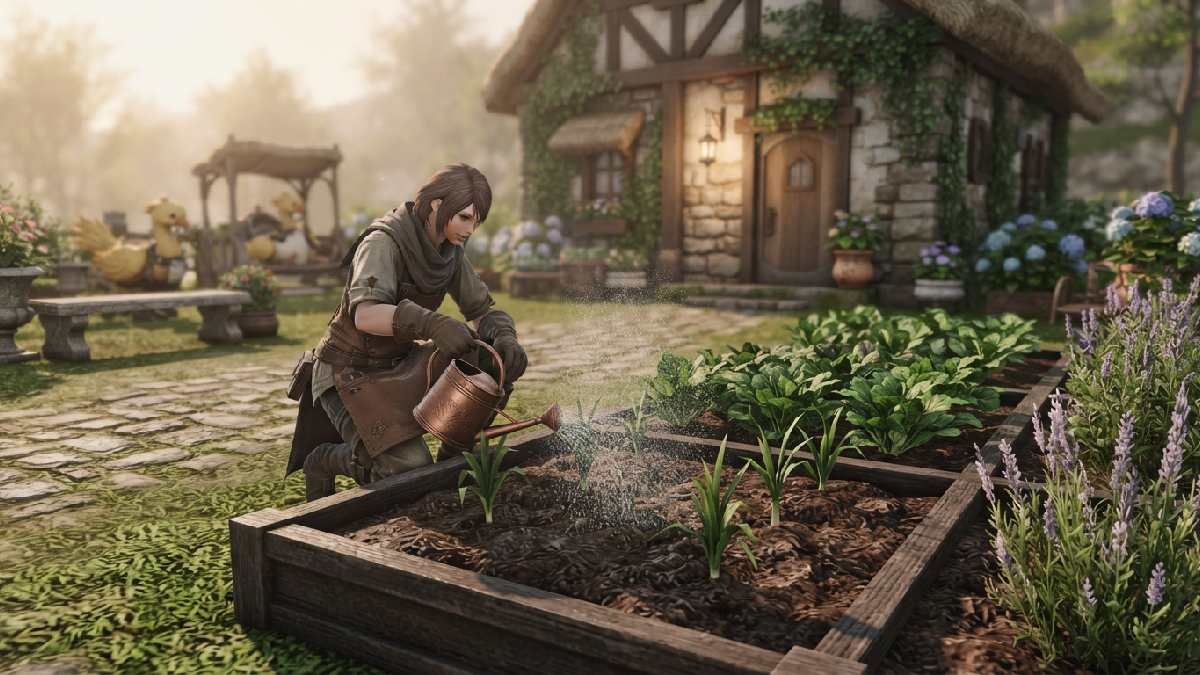
Growth time itself varies by seed, usually somewhere between three and five real-world days depending on the plant. Checking your garden daily helps you catch wilting plants early, before they die off completely and force you to start that bed over from scratch.
Dealing With Wilted or Dying Plants
Every gardener eventually logs in to find a sad, drooping plant sitting in one of their beds. It happens to everyone, even players who’ve been gardening for years. Real life gets busy, work trips happen, and sometimes a garden just gets forgotten for a day or two.
A wilted plant isn’t dead yet. It’s a warning sign, not a final result. Watering it as soon as you notice the wilting usually brings it back to normal within a day. The real danger comes when a plant is left wilted for too long without any care, at which point it dies completely, and the bed needs to be cleared out and replanted from scratch.
If you know you’ll be away from the game for several days, it’s worth either harvesting early if the crop is close to ready, or simply leaving that bed empty until you’re back. Losing a bed full of soil and a rare seed to neglect stings a lot more than an empty patch waiting for your return. Some players also ask Free Company members or friends with house access to water their patch while they’re away, which works well if your house allows outside visitors to interact with the garden.
Rare Crops and Crossbreeding Targets Worth Growing
Once the basics click, most players start chasing specific rare crops. Here are a few worth knowing about.
Glazenut is one of the more popular crossbreeding targets, produced by pairing something like Prickly Pineapple with Old World Fig. It’s used in a handful of crafting recipes and can’t be gathered anywhere in the open world, only grown.
Thavnairian Onion Seeds are prized by players raising chocobos, since the resulting crop helps level up chocobo companions faster than standard feed. These seeds only come from specific crossbreeding pairs, making a dedicated onion patch a smart long-term investment for chocobo trainers.
Royal Fern Sori produces Royal Fern, a crafting material tied to certain rare minions. Players hunting minion completion often keep a permanent Royal Fern patch running in the background while they focus on other content.
Broombush, mentioned earlier as a crossbreed result of Coerthan Tea and Halone Gerbera, gets used across several crafting recipes and stays in steady demand on most market boards, making it a reliable seed to farm and sell if you want gardening to help fund other in-game goals.
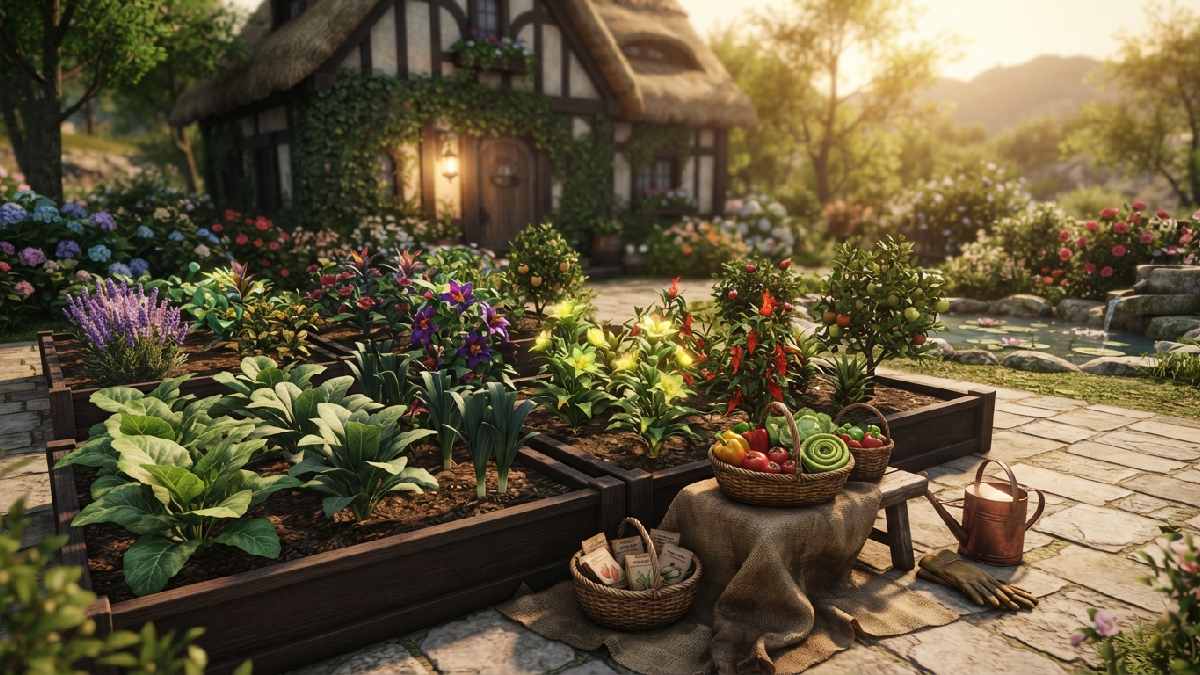
La Noscean Leek is another useful crossbreed, often produced by pairing something like Prickly Pineapple with Dzemel Tomato. It shows up in various cooking recipes and stays a steady seller since food crafters need a reliable supply. Chive is a similar case, useful in low-level cooking recipes but still worth farming if you enjoy keeping a busy market board list running in the background.
Keeping at least four of each important seed in reserve is a smart habit. This way, if a crossbreeding attempt fails or a bed dies from neglect, you’re not left starting completely from zero. Rare seeds especially are worth protecting once you finally get your hands on them, since some can take a long chain of crossbreeding steps to reproduce if you run out entirely.
Making the Most of Your Harvest
Growing the crop is only step one. What you do with it afterward decides whether your garden actually pays off, whether that means gil, crafting materials, or just personal satisfaction.
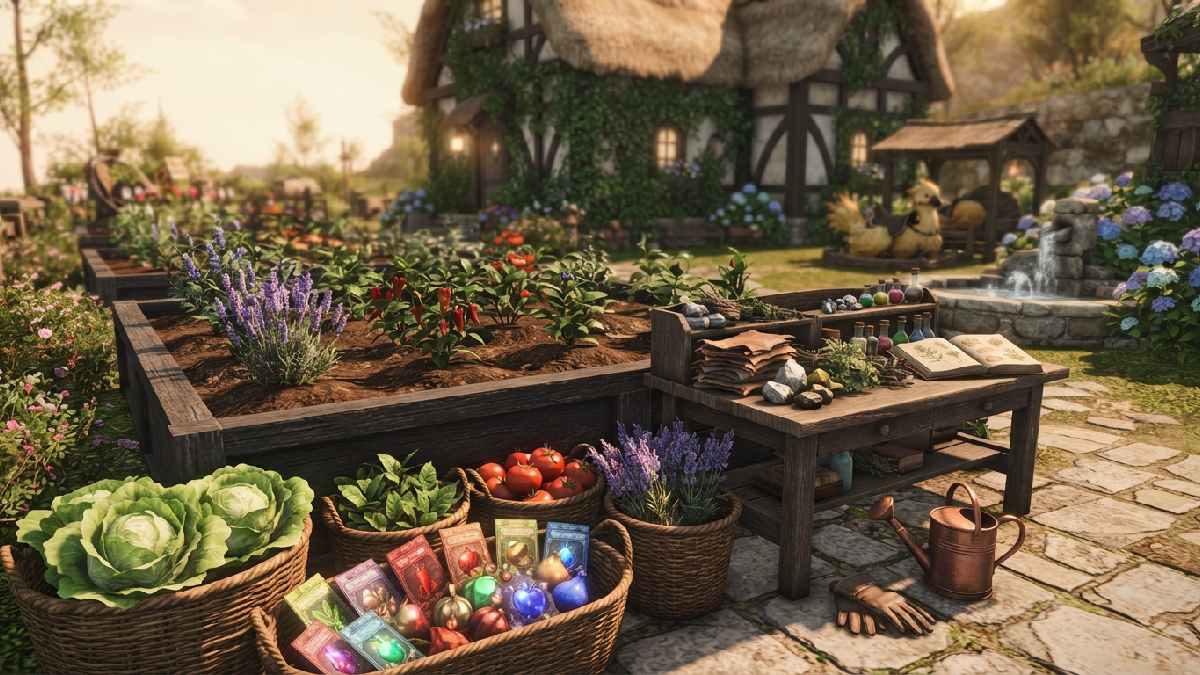
Where to Sell or Use Your Harvest
Crafting classes like Culinarian, Alchemist, and Botanist itself often need a steady flow of gardened crops for recipes. If you already play one of these jobs, growing your own supply saves a surprising amount of gil compared to buying everything off the market board every time you need materials.
For crops you don’t personally need, the market board is the obvious next stop. Rare crossbred seeds especially tend to hold their value well, since not every player wants to deal with the setup and daily care needed to produce them. Checking current prices before listing anything helps you avoid underselling something that’s actually in high demand.
Some players treat gardening purely as a personal project, growing crops just to complete a collection or supply their own Free Company kitchen. There’s no wrong way to use a harvest. Whether it feeds your crafting hobby, funds your gil purse, or just sits in a chest as a small personal achievement, the choice is entirely yours.
Tips for Smarter, More Efficient Gardening
A few small habits make a big difference over time. Keep a simple note, either in-game or on paper, tracking which crossbreeding pairs you’re running in each bed. It’s easy to forget which combination you set up weeks ago, especially if you’re managing more than one garden patch.
Stick to a single crossbreeding target per patch whenever possible. Mixing too many different pairs in one small area gets confusing fast and lowers your overall efficiency. A focused patch producing one rare seed reliably beats a messy patch producing a bit of everything.
Check market board prices before committing to a specific rare crop. Some rare seeds sell for a solid profit, while others barely move at all. A little research beforehand saves wasted time on crops nobody’s buying. Prices also shift over time as more players discover a good crossbreed pair, so it’s worth checking back every so often rather than assuming last month’s numbers still hold.
It’s also worth talking to Free Company members who garden themselves. Trading spare seeds, sharing which crossbreed pairs actually worked for them, and splitting the cost of soil in bulk can all speed up your progress. Gardening doesn’t have to be a solo grind, even though it often gets treated that way by players working through it alone.
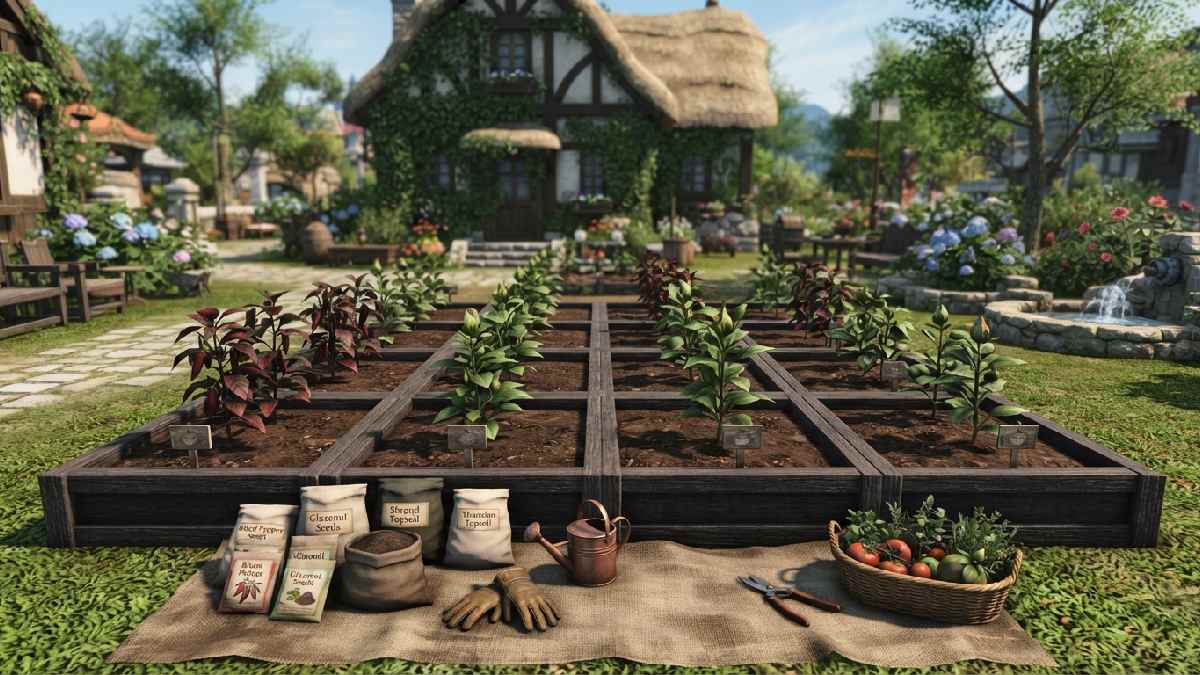
Lastly, don’t feel pressured to master everything at once. Gardening rewards patience more than speed. Start with one simple crossbreeding pair, get comfortable with the daily watering routine, and expand from there once it feels natural instead of overwhelming.
It also helps to treat gardening as a background activity rather than a main task. Log in, water your patch, check on progress, then go do whatever else you enjoy in the game that day. Dungeons, raids, crafting, or just chatting in your Free Company. A good garden runs quietly in the background without demanding your full attention, which is really what makes it such a relaxing part of the game once the setup phase is done.
FAQ
Do I need a house to start gardening in FFXIV?
Yes, gardening requires access to a garden patch, which means owning a personal house, a Free Company house, or an apartment with an indoor patch.
Can I crossbreed in an indoor garden patch?
No, crossbreeding only works in outdoor garden patches, so an outdoor or Deluxe patch is required for chasing rare crossbred seeds.
How often do I need to water my crops?
Most crops need tending at least once a day in real-world time, though some rarer plants may need more frequent care to stay healthy.
What's the best soil for crossbreeding?
Thanalan Topsoil increases your chances of a successful crossbreed, making it the top pick for anyone focused on rare seeds rather than yield.
Why didn't my crossbreed work?
Crossbreeding only triggers at the moment of planting, so both seeds need to be placed together from the start rather than one added later.
Conclusion
FFXIV gardening looks intimidating at first, with all its soil types, crossbreeding charts, and rare seed chains. But underneath all that, it’s really just a simple loop of planting, watering, and harvesting, repeated with a bit of planning. Once you set up your first successful crossbreed and see a rare seed appear in your harvest, the whole system starts making sense in a way no guide can fully explain on its own.
Start small: pick one crossbreeding pair, gather the right soil, and give it a few days of consistent care. From there, expanding into rare crops, chocobo feed, and minion materials becomes a natural next step rather than a confusing leap. A well-tended garden ends up being one of the most quietly rewarding corners of the entire game.
Gardening also has a way of pulling players into other parts of the game they might have skipped otherwise. Chasing a rare crossbreed might send you into Botany leveling to gather a needed seed, or into cooking recipes to actually use what you’ve grown. It quietly connects to more of FFXIV than it first appears to, which is part of why so many longtime players keep a garden running years into their playtime, long after the initial confusion wears off.
At the end of the day, gardening is just a small habit. Water your plants, check your beds, swap in new seeds when it’s time. That’s really all it takes. Give it a few weeks, and it stops feeling like a task. It starts feeling like a normal part of your daily routine, right next to checking your mail or turning in a quick roulette.