

Raised Bed Vegetable Gardening for Beginners: Start Growing Your Own Food Today
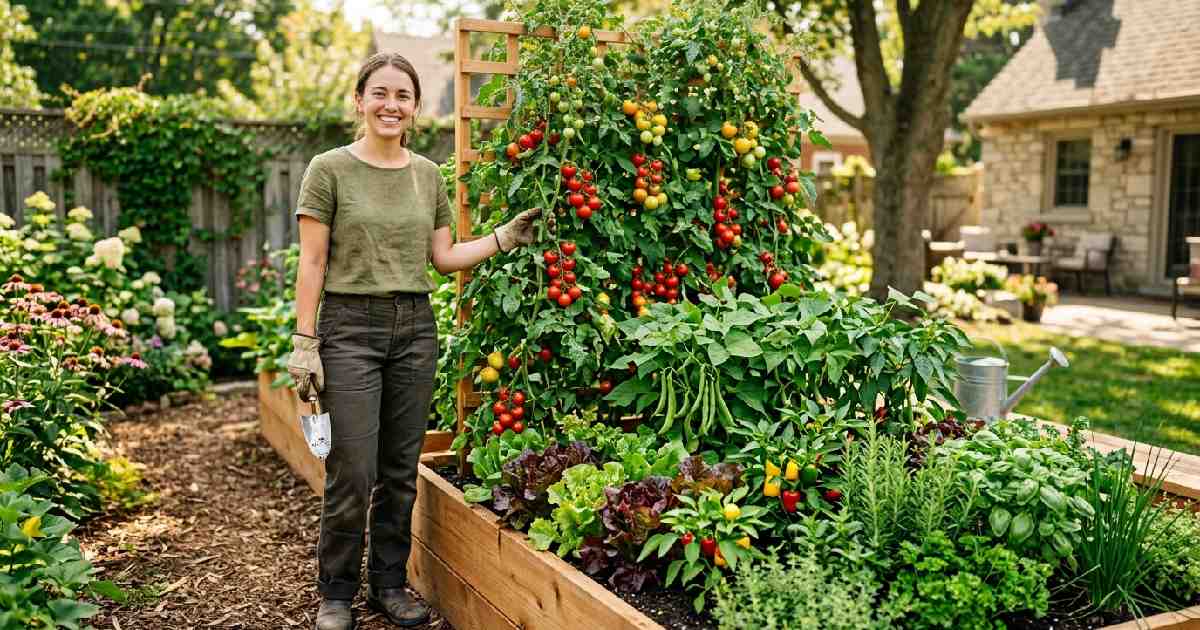
Raised bed vegetable gardening for beginners is the easiest way to grow fresh food at home. You do not need gardening experience or a large yard to start. A simple wooden frame filled with rich soil is enough to begin. Beginners love raised beds because they are clean, organized, and easy to manage every day.
You control the soil, water, and spacing completely. Raised bed vegetable gardening for beginners saves time, reduces weeds, and gives better harvests than traditional ground gardening methods available today.
What Is Raised Bed Vegetable Gardening for Beginners?
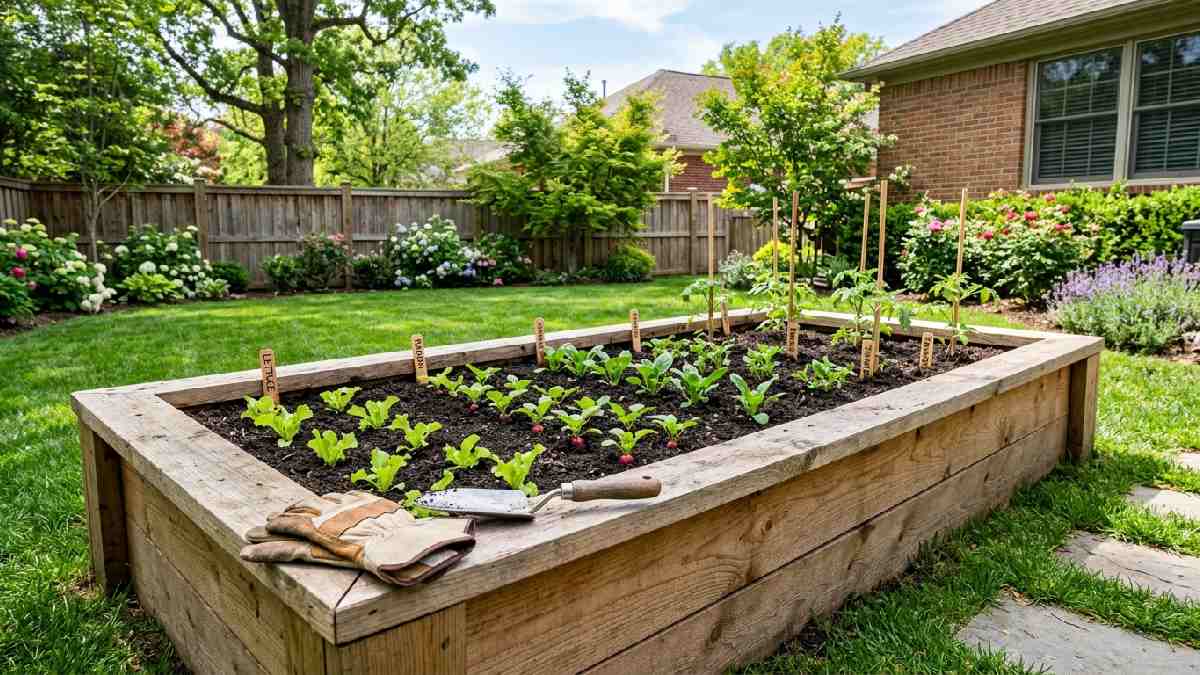
Raised bed vegetable gardening for beginners means growing vegetables in a framed box above ground level. You fill the box with high-quality soil instead of using the existing soil. This gives you full control over drainage, nutrients, and plant spacing from day one. Raised beds warm up faster in spring, so you plant earlier than normal.
Weeds stay low because you control everything that goes into the bed. This method is perfect for small spaces, patios, and backyards. Beginners get better results faster with raised beds than with traditional in-ground gardening methods used by most people.
Key Benefits of Raised Bed Gardening
Raised bed vegetable gardening for beginners offers many strong benefits every new gardener will love immediately. Soil stays loose and drains well for deep root growth. Weeds grow much less because clean soil is used from the start. Water goes directly to plant roots and saves time daily.
Pests are easier to spot and control in a small raised space. Your back hurts less because beds are higher off the ground level. Plants grow closer together and produce more food in less space overall every single growing season.
Why Beginners Prefer Raised Beds Over Ground Gardens
Most beginners prefer raised bed vegetable gardening because it is simple and produces fast results. Ground soil is often poor, compacted, and full of weed seeds that cause problems. Raised beds use fresh, rich soil that plants love from the very first day. You do not need to dig or till hard ground before planting your vegetables.
Raised beds look neat and organized in any backyard or small outdoor space. Beginners feel more confident when they see fast plant growth and early harvests coming from their first raised bed garden built at home.
Is Raised Bed Gardening Good for Small Spaces?
Yes, raised bed vegetable gardening for beginners works perfectly in small spaces and tight areas. You can build a raised bed on a patio, balcony, rooftop, or small backyard easily. Even a four-by-four-foot bed can produce a surprising amount of fresh food. Vertical growing tricks like trellises help you grow more plants in less horizontal space.
Small beds are easier to water, weed, and manage than large in-ground garden plots. Beginners with limited outdoor space still enjoy a full growing season with fresh vegetables using compact raised bed setups built affordably.
Cost of Starting a Raised Bed Vegetable Garden
Starting raised bed vegetable gardening for beginners does not cost a lot of money at all. A basic wooden raised bed costs between fifty and one hundred dollars to build yourself. Cedar wood is affordable and lasts many years without rotting or needing replacement soon. Soil and compost are the highest upfront costs, but pay off with big harvests later.
Seeds cost very little and produce hundreds of vegetables over one full growing season easily. Over time, your raised bed saves money on grocery bills and delivers fresh organic food grown right at home every season.
How to Choose the Best Location for Your Raised Bed
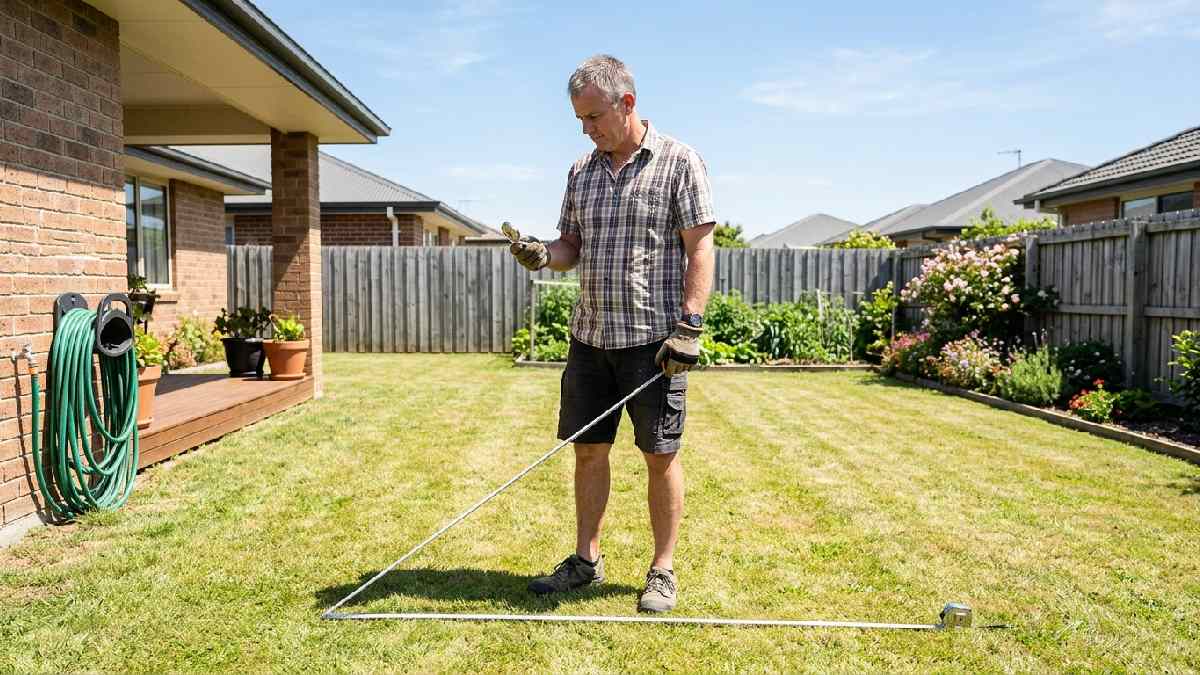
Location is the most critical decision in raised bed vegetable gardening for beginners starting out. Your bed needs six to eight hours of direct sunlight every single day without fail. Most vegetables need full sun to grow strong, healthy, and productive all season. Avoid placing your bed under large trees because shade and roots cause serious damage.
Choose a flat area close to a water source for convenient and easy daily watering. Good air circulation prevents mold and plant disease from spreading through your garden fast. A convenient location means you visit your garden regularly and give plants the daily care they need.
Sunlight Requirements for Raised Bed Vegetables
Sunlight is the most important factor in raised bed vegetable gardening for beginners to understand fully. Most vegetables need at least six hours of direct sun every day to grow well. Tomatoes, peppers, and cucumbers need eight or more hours for the best food production. Leafy greens like lettuce and spinach can grow in four to six hours of sunlight.
Watch your chosen location for a full day before building your raised bed there. Shadows from fences, buildings, or trees reduce sunlight and hurt plant growth significantly. Always choose the sunniest spot available in your yard for the best possible vegetable harvest results.
How Far Should a Raised Bed Be From Your House?
Place your raised bed close enough to your house for easy and convenient daily access. A short walk means you check plants more often and catch problems before they get serious. Keep the bed at least one foot away from house walls for good airflow around plants. Avoid placing beds directly against walls where water collects and causes moisture-related disease problems.
Close placement to a water hose connection makes daily watering much faster and more convenient. Beginners who place beds in easy-to-reach locations tend to maintain their gardens better and harvest more food throughout the entire growing season.
Can You Place a Raised Bed on Grass or Dirt?
Yes, raised bed vegetable gardening for beginners works well when placed directly on grass or bare dirt. You do not need to remove grass before placing your raised bed frame on top. Lay cardboard or newspaper under the bed to kill grass naturally without using chemicals used. The cardboard breaks down over time and adds organic matter to your soil below.
Worms will come up from the ground into your raised bed through the open bottom. This improves soil quality and drainage naturally throughout the entire growing season without extra effort. Never place raised beds on surfaces that flood or hold standing water after heavy rainfall occurs.
Best Raised Bed Size for Beginners
The best size for raised bed vegetable gardening for beginners is four feet wide and eight feet long. This size lets you reach the center from both sides without stepping inside the bed. Never step inside your raised bed because foot traffic compacts the soil and damages roots. A twelve-inch depth works well for most common vegetables grown by beginners at home.
Go deeper to eighteen inches for root vegetables like carrots and potatoes needing more space. Beginners should start with one or two beds before expanding to avoid feeling overwhelmed by garden management responsibilities during the first growing season outdoors.
Best Soil Mix for Raised Bed Vegetable Gardening for Beginners
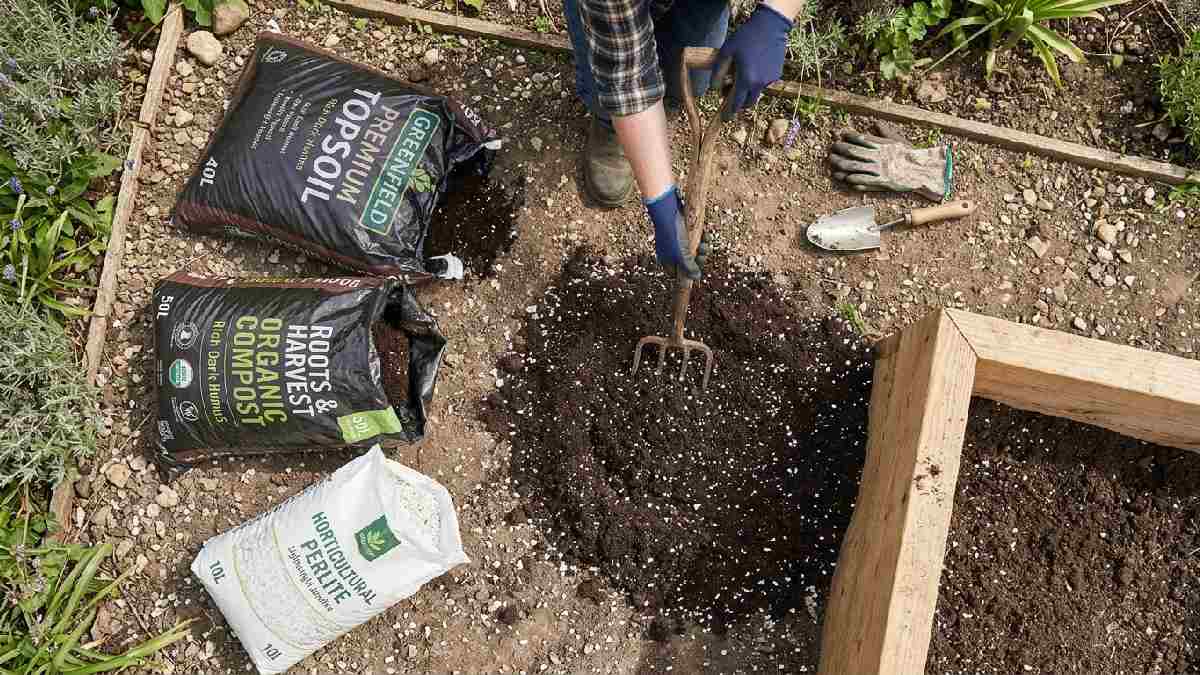
Soil quality determines everything in raised bed vegetable gardening for beginners learning to grow food. Never use plain garden soil because it is too heavy and compacts inside raised beds quickly. The best beginner soil mix is one-third compost, one-third peat moss, and one-third vermiculite. This combination drains perfectly, holds enough moisture, and stays loose for easy root growth.
Compost adds slow-release nutrients that vegetables need throughout the entire growing season. Refresh your soil every season by adding two inches of fresh compost on top. Good soil is your most important investment in a productive and successful raised bed vegetable garden every year.
How to Make Your Own Compost for Raised Beds
Making compost at home saves money and greatly improves your raised bed vegetable gardening for beginners results greatly. Start a compost pile with kitchen scraps like fruit peels, vegetable waste, and coffee grounds daily. Add dry materials like leaves, cardboard, and straw to balance the compost pile’s moisture properly.
Turn the pile every week to speed up the natural breakdown process happening inside it. Compost is ready when it smells like earth and looks dark, rich, and crumbly in texture. Apply finished compost to your raised bed every season for free, natural, organic plant nutrition always. Homemade compost is better than store-bought fertilizers for building long-term healthy soil in raised beds.
Should You Add Sand to Raised Bed Soil?
Adding coarse sand to raised bed vegetable gardening for beginners soil can improve drainage in wet climates. Use coarse builder sand, never fine beach sand, because fine sand makes soil hard like concrete quickly. Mix a small amount of sand into your soil blend only if your area receives very heavy rainfall.
Most beginners do not need sand if they use the standard compost, peat, and vermiculite mix correctly. Vermiculite already improves drainage and aeration without the problems that come with using sand incorrectly. Test your soil drainage by watering heavily and watching how fast water drains down through the bed completely.
How Often Should You Refresh Raised Bed Soil?
Refreshing soil is an important part of raised bed vegetable gardening for beginners every single growing season. Add two to three inches of fresh compost on top of your bed at the start of each season. This replaces nutrients used by plants during the previous growing period naturally and affordably. Full soil replacement is only needed every four to five years when soil becomes too compacted.
Add worm castings in spring for a powerful natural nutrient boost before planting begins outdoors. Healthy, refreshed soil grows stronger plants, produces more vegetables, and prevents disease from spreading through your raised bed garden season after season with consistent proper maintenance and care applied regularly.
Testing Your Raised Bed Soil Quality
Testing soil is a smart step in raised bed vegetable gardening for beginners who want the best results. Buy an inexpensive soil test kit from any garden center or hardware store near your home. Test for pH level, nitrogen, phosphorus, and potassium before planting your first vegetables this season. Most vegetables grow best in soil with a pH between six and seven for proper nutrient uptake.
If pH is too high, add sulfur to lower it to the correct level for plants. If pH is too low, add garden lime to raise it up to the right range needed. Soil testing removes guesswork and helps beginners make smart decisions about fertilizing and amending their raised bed garden soil.
Best Vegetables for Raised Bed Vegetable Gardening for Beginners
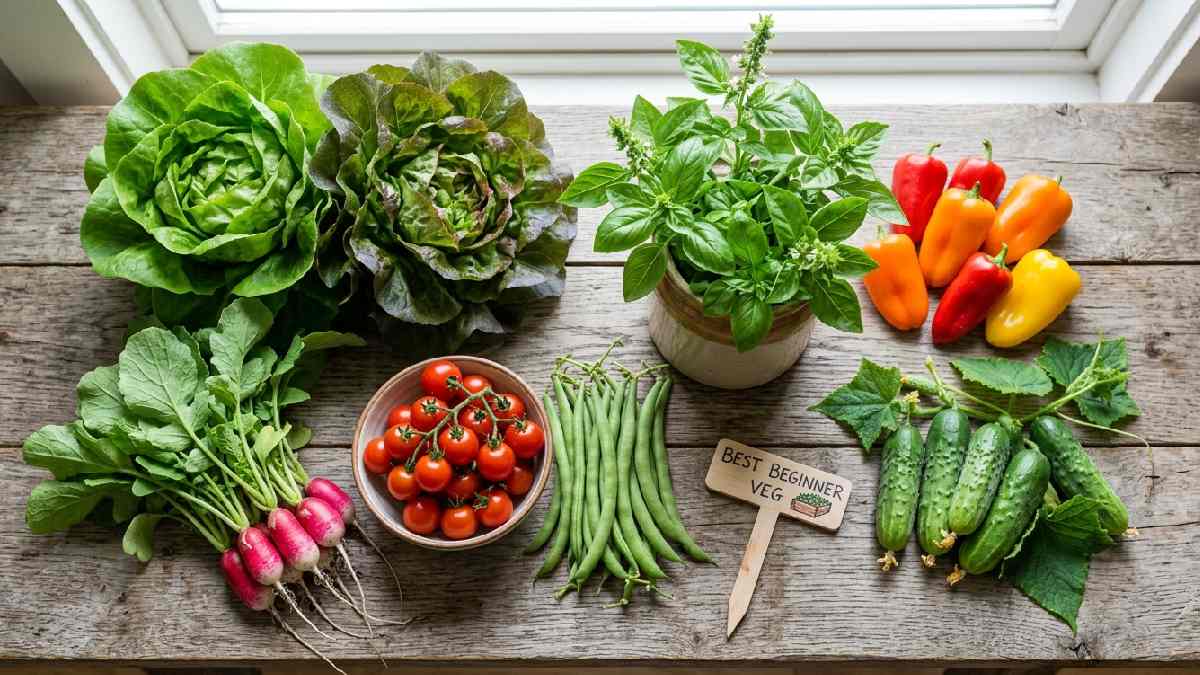
Choosing easy vegetables makes raised bed vegetable gardening for beginners fun and rewarding from day one. Tomatoes are the most popular raised bed vegetable because they produce food all summer long. Lettuce and spinach grow fast and are ready to harvest in just four to six weeks. Green beans are reliable, easy, and produce food continuously throughout the entire warm growing season.
Zucchini grows very fast and needs almost no special care after planting in warm soil. Radishes are ready to eat in only twenty-five days, making them perfect for impatient beginners. Herbs like basil, parsley, and chives grow well in raised beds and improve every meal you cook at home this season.
How to Space Vegetables in a Raised Bed
Proper spacing is important in raised bed vegetable gardening for beginners to maximize food production. Use square foot gardening rules to fit more plants into a small raised bed space efficiently. Tomatoes need one square foot each, while lettuce can grow four plants per square foot easily. Overcrowding causes poor airflow, disease spread, and competition for water and nutrients between plants.
Read seed packets carefully because they always show the correct spacing for each vegetable type. Taller plants go on the north side of the bed so they never shade shorter plants growing nearby. Good spacing means every plant gets enough light, water, and nutrients to grow strong all season.
Fast-Growing Vegetables for Beginner Raised Beds
Fast-growing vegetables are ideal for raised bed vegetable gardening for beginners who want quick results. Radishes are the fastest and are ready to harvest in only twenty to twenty-five days after planting. Baby lettuce leaves can be harvested in just three weeks after seeds germinate and sprout. Green onions are ready in about thirty days and can be cut repeatedly throughout the season.
Spinach grows fast in cool weather and is ready to pick in thirty to forty days. Bush beans produce pods in about fifty days from planting seeds directly into the raised bed soil. Fast crops keep beginners motivated, excited, and confident throughout their very first vegetable gardening experience at home.
Companion Planting in Raised Beds for Beginners
Companion planting improves raised bed vegetable gardening for beginners by pairing plants that help each other grow. Tomatoes and basil grow very well together, and basil repels harmful insects naturally. Carrots and onions planted together confuse pests that attack each crop separately. Marigolds planted around the edges repel aphids, whiteflies, and other damaging insects all season.
Three Sisters planting uses corn, beans, and squash together in a traditional and productive combination. Beans fix nitrogen in the soil, which feeds heavy-feeding vegetables like corn and tomatoes growing nearby. Smart companion planting reduces pest problems, improves flavor, and increases total harvest from your raised bed garden.
Vegetables to Avoid as a Beginner in Raised Beds
Some vegetables are too difficult or too large for raised bed vegetable gardening for beginners starting out. Corn needs many plants growing close together for proper wind pollination to produce full ears. Pumpkins and watermelons spread very widely and quickly take over an entire small raised bed space. Artichokes take two full years to produce food and need special care during cold winter months.
Celery requires very precise moisture, nutrients, and growing conditions that are hard for beginners to manage. Sweet potatoes spread underground and are very difficult to harvest from a raised bed setup. Start with easy, fast crops and add harder vegetables after gaining experience and confidence in future seasons ahead.
Watering Guide for Raised Bed Vegetable Gardening for Beginners
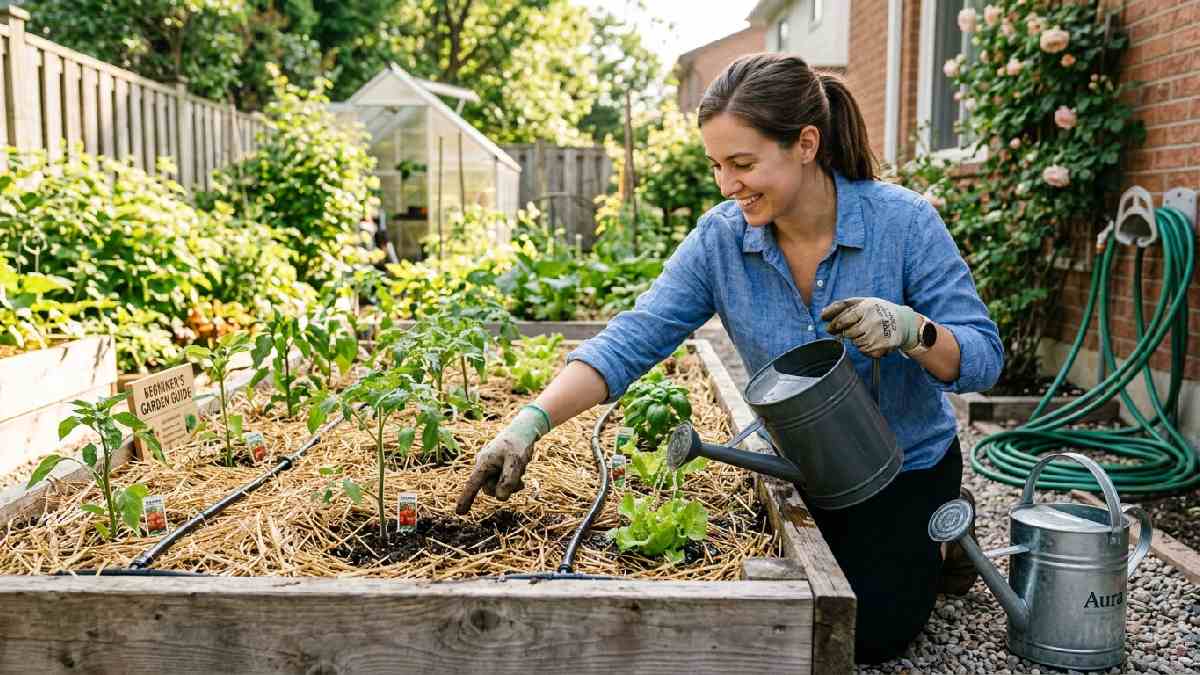
Watering correctly is one of the most important skills in raised bed vegetable gardening for beginners. Raised beds dry out faster than ground gardens because drainage is better and airflow is higher. Most vegetables need about one inch of water every week to stay healthy and productive. Water deeply and less often rather than giving plants a small amount every single day.
Deep watering pushes roots down into the soil, where moisture stays longer during hot days. Morning watering is always best because leaves dry quickly and fungal disease stays low and controlled. A consistent watering schedule gives vegetables the steady moisture they need to grow strong and produce food.
Drip Irrigation vs Hand Watering for Raised Beds
Drip irrigation is the best watering system for raised bed vegetable gardening for beginners with limited time. Drip systems deliver water directly to roots and reduce water waste by up to fifty percent. They run on a timer so your garden gets watered even when you are away from home. Hand watering with a watering can or hose works fine for one or two small raised beds.
Use a gentle spray to avoid washing soil away or compacting the surface with heavy water pressure. Soaker hoses are a budget-friendly middle option between drip systems and full hand-watering methods. Whatever method you choose, consistency is always more important than the tool or system you use daily.
How to Know When Your Raised Bed Needs Water
Knowing when to water is a key skill for beginners in raised bed vegetable gardening to master quickly. Stick your finger two inches deep into the soil to check the moisture level before watering plants. If the soil feels dry at that depth, your vegetables need water immediately without further delay. Wilting leaves in the early morning are a clear and urgent sign of severe water stress in plants.
Leaves that wilt only in afternoon heat but recover by evening are usually not water stressed yet. Yellowing lower leaves that drop off often mean overwatering rather than drought conditions in the bed. Check soil moisture every day in hot summer weather to prevent stress and keep plants growing healthy.
Overwatering vs Underwatering Raised Bed Vegetables
Both overwatering and underwatering cause serious problems in raised bed vegetable gardening for beginners at home. Overwatering causes root rot, which kills plants faster than drought ever will during any growing season. Signs of overwatering include yellow leaves, wilting despite wet soil, and mold growing on the soil surface. Underwatering causes dry, crispy leaf edges, slow growth, and early flower or fruit drop from plants.
Root rot cannot be reversed once it sets in, so always check the soil before adding more water. Allow soil to dry slightly between waterings to give roots oxygen and prevent fungal disease spread below. Consistent moisture without waterlogging is the perfect balance every beginner vegetable gardener should always aim to achieve.
Mulching to Retain Moisture in Raised Beds
Mulching is a simple trick that saves water in raised bed vegetable gardening for beginners every season. Apply two to three inches of straw, shredded leaves, or wood chips on top of your soil surface. Mulch slows water evaporation and keeps soil consistently moist between watering sessions throughout summer. It also blocks weed seeds from germinating and competing with your vegetable plants for nutrients and water.
Keep mulch a few inches away from plant stems to prevent rot and moisture-related disease problems. Organic mulch breaks down slowly and adds nutrients back into the soil as it decomposes naturally over time. Mulching is one of the easiest and most effective habits any beginner gardener can develop early on.
FAQ
How deep should a raised bed be for vegetables?
A raised bed should be at least twelve inches deep for most vegetables to grow healthy strong roots.
What wood is best for building a raised bed?
Cedar wood is best because it resists rot naturally, lasts many years, and contains no harmful chemicals at all.
Can I put a raised bed on concrete or pavement?
Yes, you can place a raised bed on concrete if it is at least twelve inches deep for proper root growth.
How often should I replace raised bed soil?
Add fresh compost every season. Fully replace soil every three to five years to maintain good nutrient levels always.
Do raised beds need a bottom?
No bottom is needed. Open bottoms allow roots to grow deep and let worms enter the soil naturally.
How many plants can I grow in a four by eight bed?
You can grow sixteen tomato-sized plants or many more small plants like lettuce using square foot gardening methods.
Is raised bed gardening expensive to start?
Basic raised beds cost fifty to one hundred dollars to build. They save money long-term through food production and lower grocery bills.
Conclusion
Raised bed vegetable gardening for beginners is one of the best decisions any new gardener can make today. You get full control over soil quality, water, pest management, and plant spacing in one small, organized space. Start with a simple four-by-eight-foot bed placed in the sunniest spot in your yard. Fill it with quality soil mix, choose easy, fast-growing vegetables, and water consistently every single day.
Add compost every season to keep soil rich, healthy, and productive for many growing seasons ahead. Raised bed vegetable gardening for beginners gives you fresh food, saves money on groceries, and brings joy to your daily routine. Start small today, learn from every season, and enjoy the incredible reward of growing your own fresh food at home every day.