

DIY Greenhouse Ideas for Small Garden: Smart & Space-Saving Designs
A DIY greenhouse ideas for small garden can change the way you grow plants. You do not need a big backyard to build one. Smart, space-saving designs work beautifully on patios, balconies, and tiny yards. Building your own greenhouse saves money. It also gives you full control over your growing space.
This guide covers the best and most practical DIY greenhouse ideas for small garden spaces. Whether you are a beginner or experienced gardener, these designs will help you grow more, spend less, and enjoy gardening year-round.
Introduction to DIY Greenhouse Ideas for Small Garden
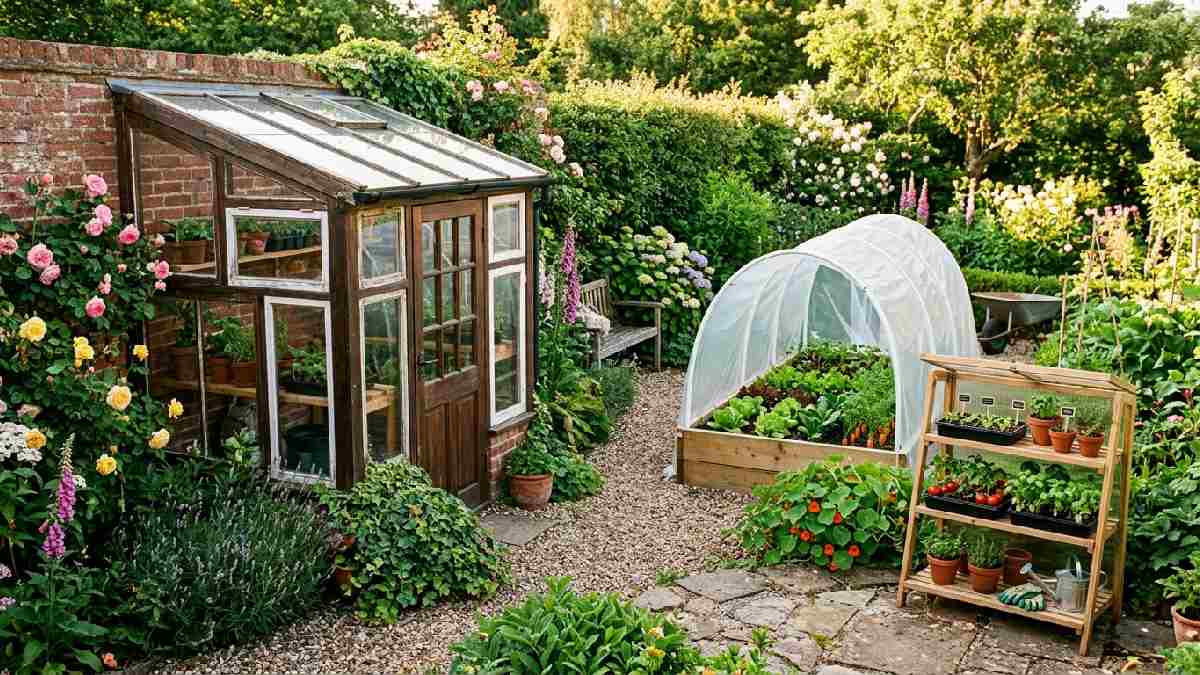
More gardeners are turning to DIY greenhouse ideas for small garden setups in 2026. Store-bought greenhouses can be very expensive. DIY options let you build smart structures using low-cost or recycled materials. A small greenhouse protects your plants from cold weather, rain, and pests.
It also extends your growing season by weeks or even months. You do not need special skills to build one. Simple tools and basic materials are enough. This guide covers everything from shelving unit greenhouses to PVC hoop designs and cold frames.
Why Small Gardens Need Greenhouses
Small gardens face many challenges throughout the year. Cold weather kills tender plants quickly. Rain, wind, and pests damage crops without warning. A greenhouse creates a safe, controlled space for your plants. It traps heat and blocks harsh weather naturally. Even a tiny greenhouse extends your growing season significantly.
You can start seeds earlier and harvest later into the year. DIY greenhouse ideas for small garden spaces solve these problems without spending a lot of money. Any small balcony, patio, or yard can benefit from a simple greenhouse structure built with affordable materials.
Benefits of DIY Approach
Building your own greenhouse has clear advantages. The cost is far lower than buying a ready-made one. You can customize the size to fit your exact space. Recycled materials like old windows or shelving units work perfectly. You learn new skills while building something useful.
DIY designs are also easy to modify or expand later. You choose the materials, the layout, and the covering. This flexibility makes DIY greenhouse ideas for small garden spaces ideal for anyone. Even complete beginners can build a functional greenhouse in just one weekend with basic tools and a clear plan.
Benefits of Having a Small DIY Greenhouse
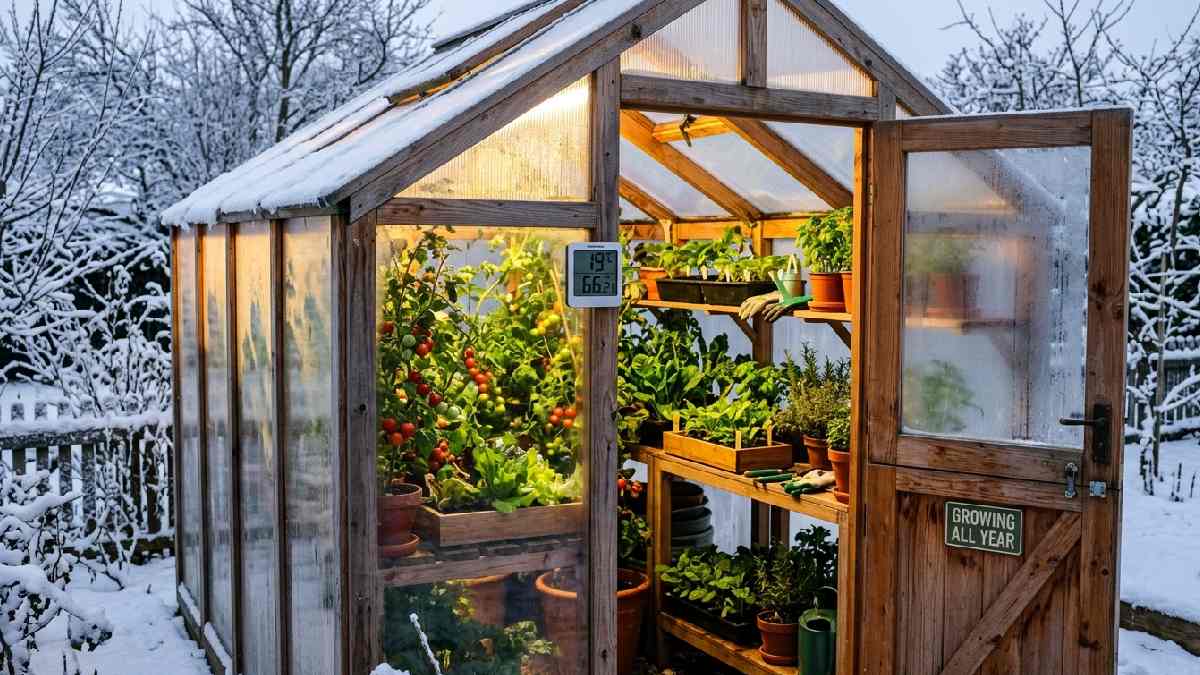
A small DIY greenhouse brings many benefits to home gardeners. It gives you control over temperature, humidity, and light. Your plants stay protected all year long. Even a simple structure built from PVC pipes or old windows delivers excellent results.
The best DIY greenhouse ideas for small garden setups are affordable, practical, and beginner-friendly. Once you build one, you will wonder how you ever gardened without it. Here are the top three benefits that make small greenhouses worth every effort for any home gardener.
Grow Plants Year-Round
A greenhouse lets you grow plants in every season. Cold winters and rainy springs no longer stop your garden. You can start seeds weeks earlier than outdoor planting dates. Leafy greens and herbs stay productive even in winter months. Tropical plants survive cold snaps inside a protected greenhouse.
Year-round growing means fresh food on your table every month. A small DIY greenhouse gives you this power without spending a fortune. It is one of the greatest advantages of building your own growing space at home, no matter how small your garden area actually is.
Protection from Weather & Pests
Weather and pests are two biggest threats to any home garden. Heavy rain, frost, and strong winds can destroy your plants overnight. A greenhouse acts as a physical barrier against all of these. It also blocks insects, birds, and other pests naturally. You do not need to rely heavily on pesticides inside a greenhouse.
The controlled environment keeps most common garden pests away. DIY greenhouse ideas for small garden spaces offer this protection at very low cost. Even a simple plastic-covered frame dramatically reduces crop losses from weather damage and pest attacks throughout the year.
Best Use of Limited Space
Small gardens need smart space solutions. A greenhouse maximizes every inch of your garden area. Vertical shelving inside lets you grow more plants in a tiny footprint. Use tiered shelves, hanging planters, and compact containers to multiply your growing space. A small greenhouse forces you to think creatively about plant placement.
You grow more in less space with better results. DIY greenhouse ideas for small garden areas are specifically designed for this purpose. Even a 2×4 foot structure can house dozens of plants when set up with proper shelving and a smart layout inside.
DIY Mini Greenhouse Using Shelving Unit
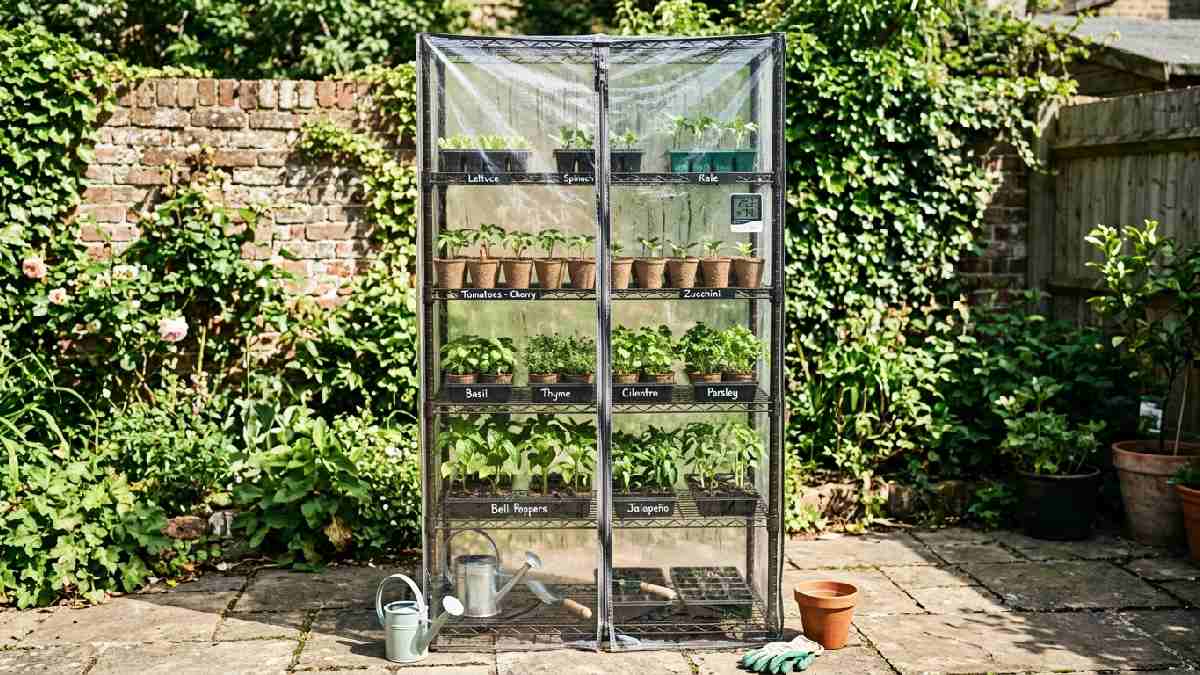
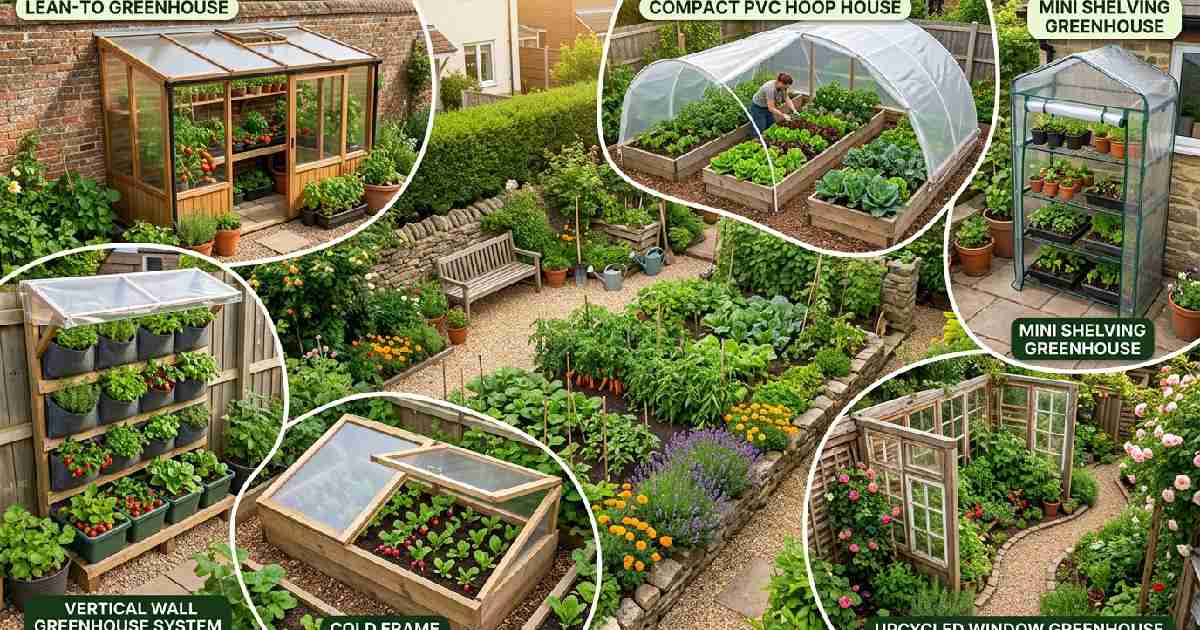
A shelving unit greenhouse is one of the easiest DIY greenhouse ideas for small garden beginners. You only need a metal or wooden shelf and a clear plastic cover. The result is a compact, multi-tiered growing space that fits perfectly on a balcony or patio. This design is affordable, quick to set up, and easy to customize.
You can find shelving units at any furniture or hardware store. Add a clear zipper cover and your greenhouse is ready. It is a perfect starting point for any gardener with limited space and budget.
Materials You Need
Building a shelving unit greenhouse needs very few materials. You need a sturdy metal or wood shelving unit with three to five shelves. A clear plastic zipper cover is essential for trapping heat and light. Drip trays go under each shelf to catch water runoff. A small clip-on fan helps with air circulation inside.
You may also want LED grow lights for darker spots. Zip ties or clips secure the plastic cover tightly. Most of these materials cost very little at a local hardware store. A complete shelving unit greenhouse can be built for under fifty dollars using basic, easy-to-find supplies.
Step-by-Step Construction
Building this greenhouse is simple and fast. First, assemble your shelving unit fully on a flat, stable surface. Place drip trays on each shelf before adding any plants. Set up your grow lights above each shelf level if needed. Slide the clear plastic zipper cover over the entire unit.
Secure the cover tightly at the bottom using clips or zip ties. Attach your small fan inside to one of the shelf poles. Add your plant pots or seed trays to each shelf. Open the zipper daily for watering and ventilation. Your shelving unit greenhouse is now ready to use. The whole build takes less than one hour.
Best Location for Setup (Balcony / Patio)
Location is very important for any greenhouse setup. Choose the sunniest spot on your balcony or patio. South-facing walls receive the most sunlight throughout the day. Place the shelving unit greenhouse near a wall for wind protection. Avoid shaded corners or spots blocked by taller structures.
Check that the floor surface is stable and level before setting up. If your balcony gets strong winds, anchor the unit securely to a wall. A shelving unit greenhouse works beautifully in small outdoor spaces. It takes up minimal floor space while giving your plants maximum sun exposure and protection from weather all season long.
PVC Pipe Hoop Greenhouse Idea
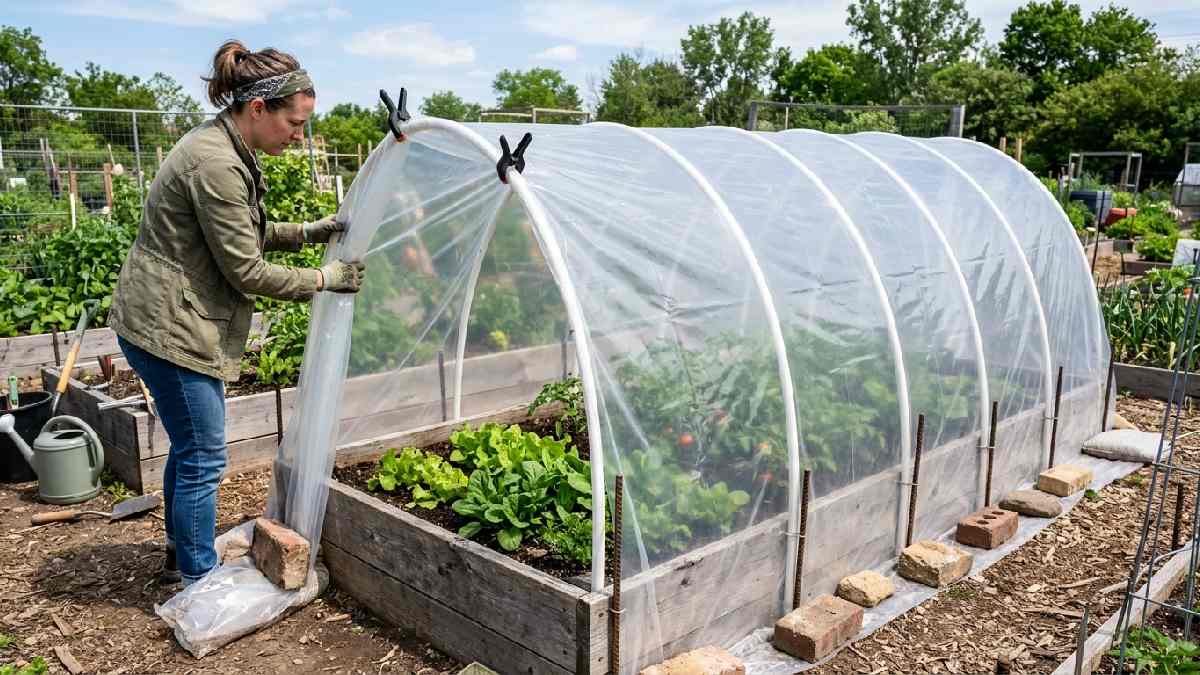
A PVC hoop greenhouse is one of the most affordable DIY greenhouse ideas for small garden spaces. It uses flexible PVC pipes bent into arch shapes and covered with clear plastic sheeting. The structure is lightweight, easy to build, and simple to take down when needed.
It protects plants from frost, rain, and wind effectively. You can build a basic PVC hoop greenhouse for as little as thirty to fifty dollars. This design is perfect for raised garden beds, small patios, and compact outdoor growing spaces of any size.
How to Build PVC Hoop Greenhouse
Building a PVC hoop greenhouse is straightforward. Measure and mark your growing area first. Push short rebar stakes into the ground along both sides of the bed at even intervals. Slide flexible PVC pipes over the rebar stakes on each side to create arches. Connect all arches with a horizontal PVC spine pipe along the top using zip ties.
Stretch clear UV-resistant plastic sheeting over the entire frame. Secure the plastic edges tightly with wood battens or clamps along the base. Add a simple opening at one end for access and ventilation. Your PVC hoop greenhouse is complete and ready for planting in just a few hours.
Cost and Durability
A PVC hoop greenhouse is the most budget-friendly option available. Basic materials cost between thirty and two hundred dollars depending on size. PVC pipe is lightweight, flexible, and easy to cut with a simple hand saw. UV-resistant plastic sheeting lasts for two to three growing seasons before needing replacement.
The entire structure can be dismantled and stored during off-seasons easily. It handles moderate wind and rain well when secured properly. For the price, a PVC hoop greenhouse delivers excellent value. It is the top choice among all DIY greenhouse ideas for small garden setups when budget is the most important factor to consider.
Ideal Plants for This Setup
Many plants grow very well inside a PVC hoop greenhouse. Leafy greens like lettuce, spinach, and kale thrive in the protected cool environment. Herbs such as coriander, parsley, and basil grow beautifully in this setup. Radishes and spring onions produce fast harvests inside the hoop. Seedlings of tomatoes and peppers can be started here before transplanting.
The protected, humid environment inside speeds up germination significantly. Avoid very tall plants that might press against the plastic covering. This greenhouse style suits low to medium height crops perfectly. It is ideal for cool-season vegetables that benefit most from frost and wind protection throughout early spring and late autumn.
Upcycled Window Greenhouse Idea
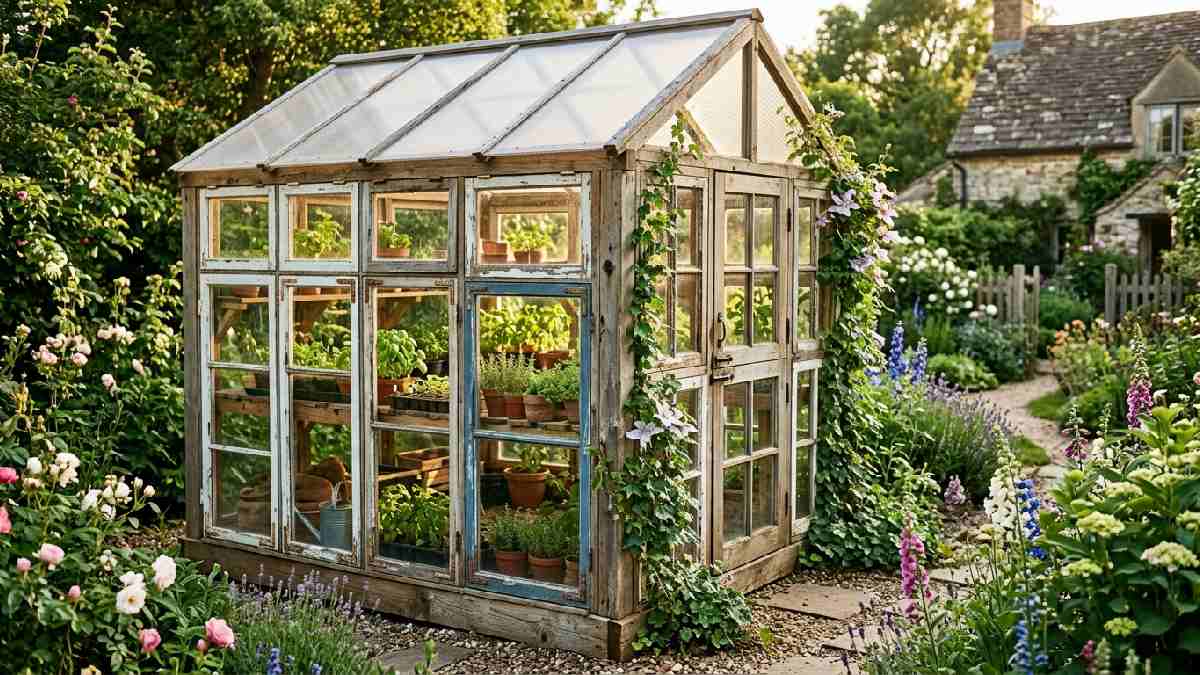
Using old windows to build a greenhouse is one of the most creative DIY greenhouse ideas for small garden lovers. Salvaged windows are often free or very cheap. They create a beautiful, rustic structure that looks stunning in any garden. Old windows trap heat efficiently and let in maximum sunlight.
This eco-friendly approach gives new life to materials that would otherwise go to waste. A window greenhouse adds charm and character to your outdoor space. It is a great conversation starter and a genuinely functional growing structure that works well in any small garden or backyard setting.
Using Old Windows for Structure
Collect four to six matching old windows from salvage yards or neighbors. Build a simple wooden frame base to the same size as your windows. Stand the windows upright to form the four walls of your greenhouse. Secure each window panel to the wooden frame using hinges and screws. Use a hinged window on top as the roof panel for easy ventilation access.
Seal all gaps between frames with weatherstripping or caulk. Add wooden shelves inside for plant displays. The result is a solid, attractive greenhouse structure. It takes a weekend to build but lasts for many years with basic maintenance. Old windows make for excellent greenhouse walls that insulate and illuminate beautifully.
Rustic and Aesthetic Benefits
A window greenhouse looks absolutely stunning in any small garden. The combination of aged wood frames and glass panels creates a charming, cottage-style structure. It fits naturally into garden aesthetics far better than plastic alternatives. Paint the wooden frame any color to match your garden design. Add hanging plants inside for a lush, green interior look.
The glass panels allow maximum natural light to reach every plant. This structure becomes a true focal point and feature in your garden. Among all DIY greenhouse ideas for small garden spaces, the window greenhouse is the most visually appealing and adds genuine decorative value to your outdoor living space.
Eco-Friendly Advantages
Building with old windows is extremely eco-friendly. You keep usable materials out of landfills completely. No new resources are required for the main structure. Old glass has excellent thermal properties for heat retention. The wooden frames are often stronger than new lightweight alternatives. Upcycling reduces your carbon footprint significantly. You spend very little money while creating something durable and beautiful.
This approach aligns perfectly with sustainable gardening values. Among all DIY greenhouse ideas for small garden projects, the upcycled window greenhouse is the greenest choice. It proves that the most environmentally responsible option is often also one of the most attractive and cost-effective building solutions available.
Cold Frame Greenhouse for Tiny Spaces
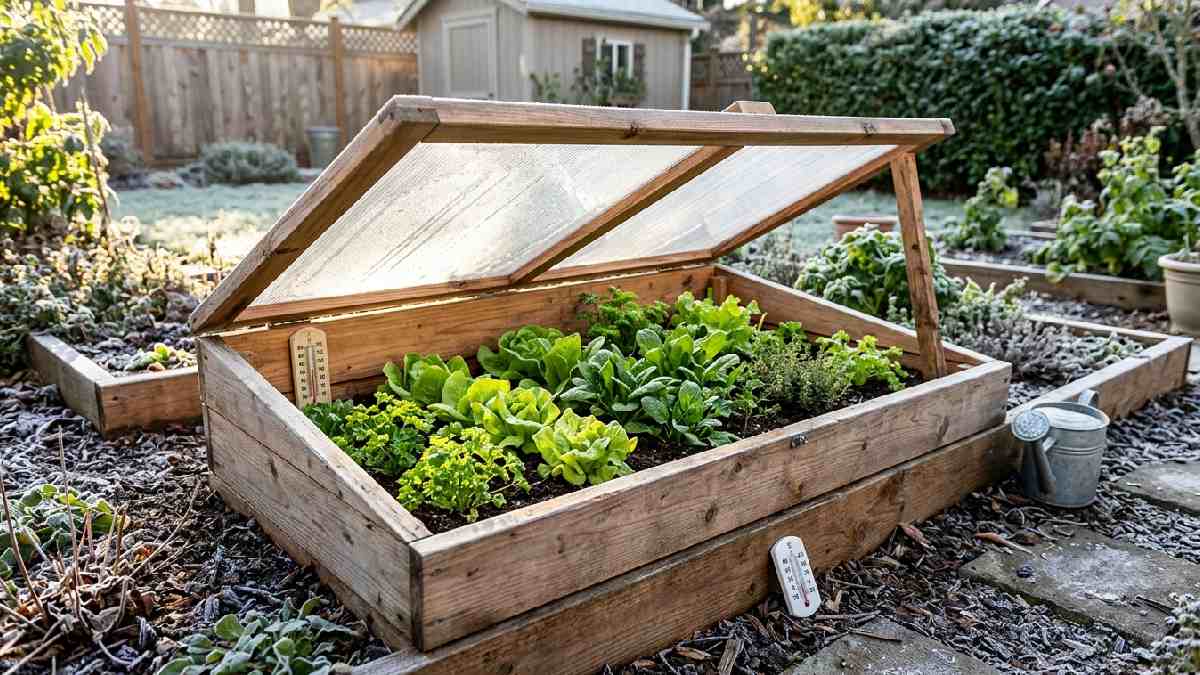
A cold frame is the simplest and smallest of all DIY greenhouse ideas for small garden spaces. It is a low box structure with a transparent lid. Cold frames sit directly on the ground over your plants. They trap solar heat during the day and hold it overnight. This small temperature increase protects plants from frost and cold snaps.
Cold frames are perfect for the smallest gardens, balconies, and even window boxes. They cost very little to build and require almost no maintenance. Any beginner can build and use a cold frame successfully on their first attempt.
What is a Cold Frame
A cold frame is a simple bottomless box with a clear lid. The lid can be glass, polycarbonate, or thick plastic sheeting. Sunlight enters through the clear top and warms the air and soil inside. The box walls hold the heat overnight to protect plants. Cold frames act like miniature greenhouses sitting right on the ground.
They are ideal for starting seeds, hardening off seedlings, and protecting cool-season crops. Cold frames have been used in gardening for hundreds of years. They remain one of the most effective and affordable DIY greenhouse ideas for small garden spaces because of their simplicity and reliable performance in extending growing seasons.
How to Build It
Building a cold frame is very simple. Use four wooden planks or old bricks to form a rectangular box. Make the back wall slightly higher than the front wall. This angle allows rainwater to run off and maximizes sunlight entry. Attach an old window frame or clear polycarbonate sheet as the hinged lid on top.
Hinge the lid at the back so it opens easily for ventilation and access. Place the cold frame directly on soil or over a raised bed. Add your plants or seeds inside and close the lid. Prop the lid open slightly on warm days to prevent overheating. Your cold frame greenhouse is complete, functional, and costs almost nothing to build.
Best Usage Tips for Small Gardens
Cold frames work best for cool-season crops and seed starting. Place them in the sunniest part of your small garden. Open the lid every morning on sunny days to release excess heat. Close the lid every evening to trap warmth for overnight protection. Water plants inside carefully to avoid overwatering in the enclosed space. Use cold frames to harden off seedlings before moving them outdoors fully.
They work excellently for lettuce, spinach, radishes, and herbs in early spring. Remove the lid completely during warm summer months. A cold frame is the most low-maintenance of all DIY greenhouse ideas for small garden setups and performs reliably season after season with minimal effort.
Best Plants for Small DIY Greenhouses
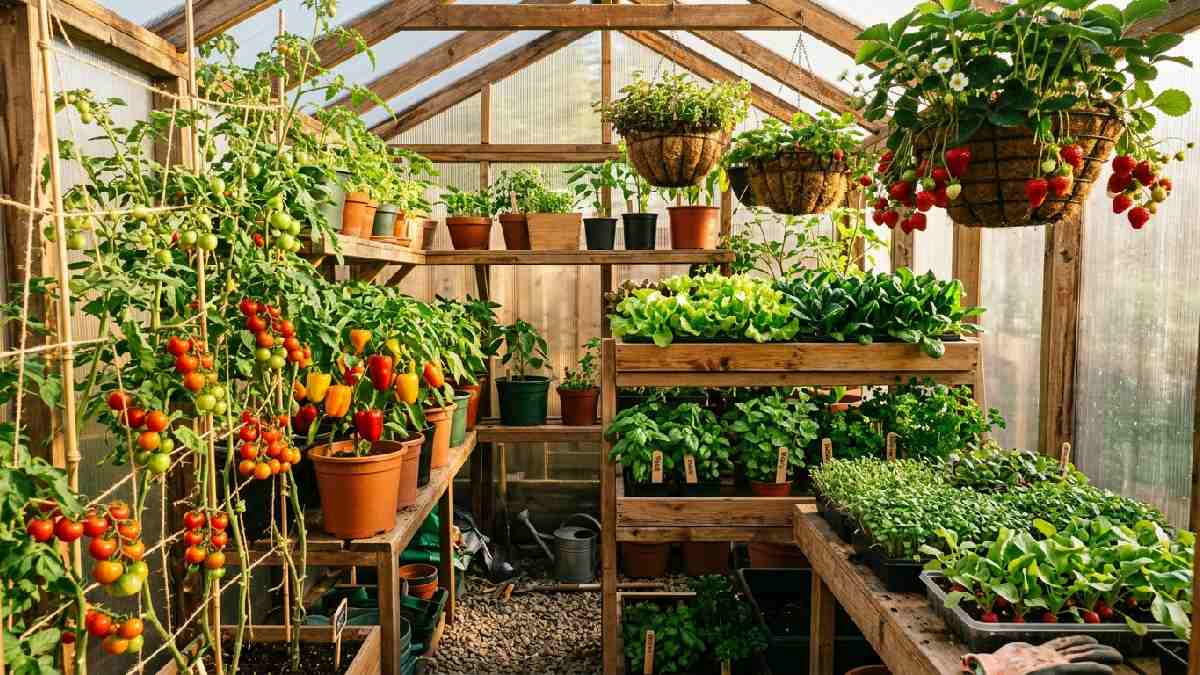
Choosing the right plants makes your small greenhouse far more productive. Not every plant suits an enclosed, compact growing space. The best plants for DIY greenhouse ideas for small garden setups are compact, fast-growing, and suited to protected environments. Herbs, vegetables, and certain flowers all perform exceptionally well inside small greenhouses.
Matching your plants to your greenhouse type ensures better harvests and healthier growth. This section covers the top plant choices for every small DIY greenhouse structure you decide to build at home.
Herbs You Can Grow
Herbs are perfect for small greenhouses. Basil, coriander, parsley, and mint grow beautifully in compact pots inside. They need moderate light and consistent moisture. Herbs grow fast and provide continuous harvests. They also improve air quality inside the greenhouse naturally. Place herb pots on the higher shelves where light is strongest.
Most herbs prefer temperatures between 15 and 25 degrees Celsius. A small greenhouse maintains these temperatures perfectly through most of the year. Growing herbs in a greenhouse gives you a constant supply of fresh flavor for cooking. They are among the easiest and most rewarding plants for any small DIY greenhouse space.
Vegetables for Small Greenhouses
Many vegetables thrive inside small greenhouses. Lettuce and spinach grow quickly in cool, protected conditions. Radishes produce a full harvest in just three to four weeks. Spring onions stay productive in shallow pots throughout the year. Cherry tomatoes and dwarf cucumbers grow well with vertical support inside. Chilies and peppers love the warm, sheltered greenhouse environment.
Start all vegetable seeds inside the greenhouse for an earlier growing season. The protected conditions reduce pest damage and improve yields significantly. Choose compact or dwarf varieties specifically bred for container and greenhouse growing. These plants maximize every inch of your small greenhouse growing space efficiently.
Flowers That Grow Well
Flowers add color and attract pollinators to your small greenhouse. Marigolds grow well in containers and repel pests naturally. Pansies and violas thrive in cool greenhouse conditions through winter and spring. Petunias add bright color and grow compactly in hanging pots inside. Nasturtiums are edible, fast-growing, and very easy to manage in small spaces.
Lavender grows well in small pots and adds a beautiful fragrance. Begonias stay colorful in lower light conditions inside the greenhouse. Growing flowers alongside vegetables improves the overall health of your greenhouse. They attract beneficial insects and create a visually stunning growing environment inside your DIY greenhouse ideas for small garden setup.
Maintenance Tips for Small Greenhouses
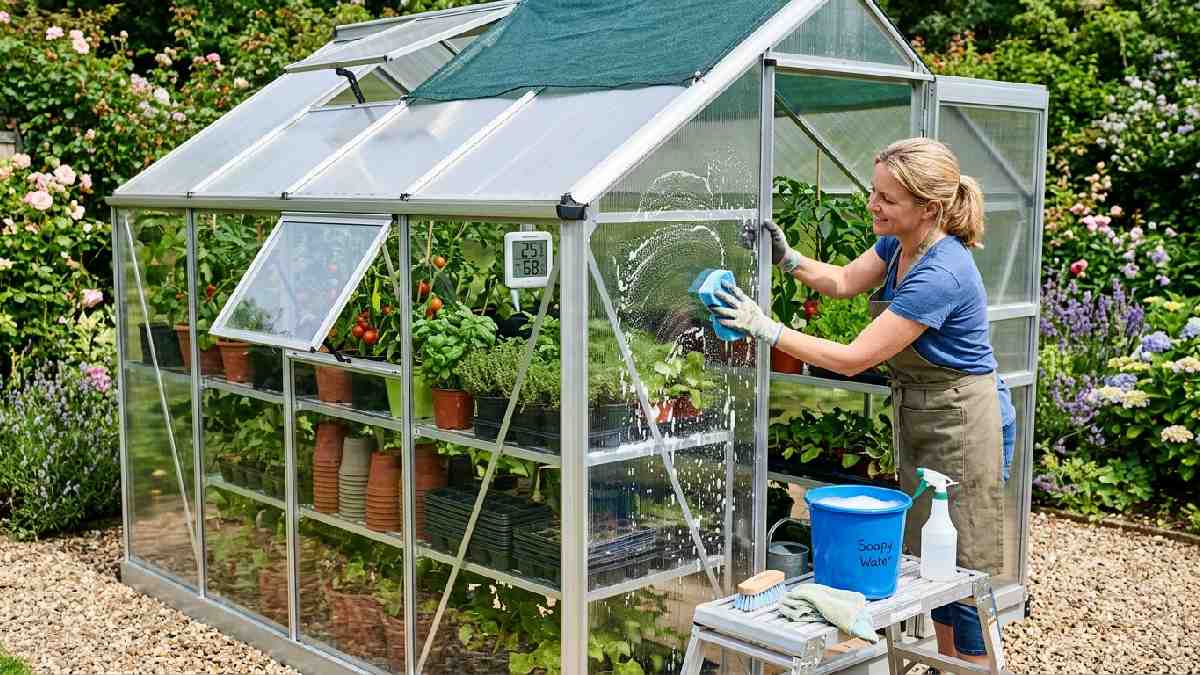
A small greenhouse needs regular care to stay productive. Without proper maintenance, problems like overheating, mold, and pests develop quickly. The best DIY greenhouse ideas for small garden spaces include a consistent care routine. Ventilation, watering, temperature control, and pest prevention are the four key maintenance areas.
Address each one weekly and your greenhouse will thrive all year. Small greenhouses are easier to maintain than large ones because of their compact size. Set a simple weekly routine and your plants will stay healthy, productive, and pest-free throughout every growing season.
Proper Ventilation
Good airflow is essential inside any small greenhouse. Without ventilation, heat builds up rapidly and humidity causes mold and disease. Open vents, windows, or doors every morning during warm weather. Aim for vent openings that cover at least 20 percent of your greenhouse floor area. Use a small clip-on fan to keep air moving in compact shelf-style greenhouses.
Open both top and bottom vents to create a natural chimney airflow effect. Close all openings every evening during cold weather to retain heat. Leave space between plant pots for air to move freely around leaves. Good ventilation is the single most important maintenance habit for any small greenhouse structure.
Watering Schedule
Watering inside a greenhouse requires more care than outdoor gardening. The enclosed space reduces evaporation and holds moisture longer. Check soil moisture before every watering session. Stick your finger one inch into the soil to test for dryness. Water deeply when the top inch feels dry. Avoid splashing water on leaves to reduce disease risk.
Water in the morning so plants dry before nighttime temperatures drop. Use a gentle watering can for even distribution across all pots. Reduce watering frequency during cooler months when evaporation slows down. Consistent but careful watering prevents both drought stress and root rot in greenhouse plants.
Temperature Control
Temperature management is critical in small greenhouses. Small structures heat up and cool down faster than large ones. Open vents during the day to release excess heat in warm weather. Use a small thermometer inside to monitor temperatures daily. Ideal growing temperatures range from 15 to 28 degrees Celsius for most vegetables.
Add a small electric heater during very cold nights if needed. Bubble wrap insulation on inside walls helps retain warmth in winter. Use shade cloth over the roof in summer to block intense midday heat. Temperature control keeps plants growing steadily and prevents heat stress or frost damage inside your DIY greenhouse ideas for small garden structures throughout the year.
Pest Prevention
Pests can still enter small greenhouses despite the protection they offer. Inspect plants every week for signs of aphids, spider mites, and fungus gnats. Remove any infected leaves immediately to stop the spread. Keep the greenhouse clean and free of dead plant material. Good ventilation reduces the humidity that mold and pests love.
Use sticky yellow traps to catch flying insects before populations grow. Introduce beneficial insects like ladybugs if aphid problems become serious. Avoid overwatering as wet soil attracts fungus gnats quickly. A clean, well-ventilated greenhouse stays mostly pest-free naturally. Regular inspection is the most effective pest prevention strategy for any small greenhouse garden setup.
Common Mistakes to Avoid
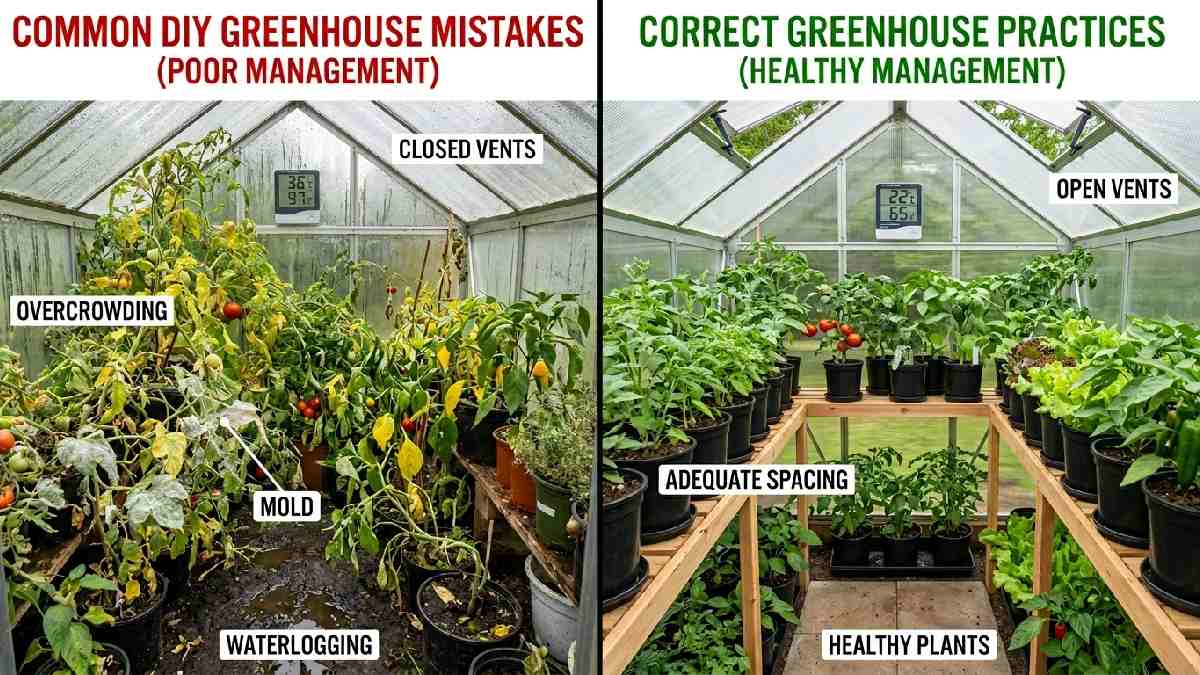
Many beginners make avoidable mistakes that harm their greenhouse plants. Knowing these errors saves you time, money, and frustration. The best DIY greenhouse ideas for small garden projects still fail when basic rules are ignored. Overwatering, poor airflow design, and wrong material choices are the three most common problems.
Understanding these mistakes before you build and plant helps you avoid them completely. A little knowledge upfront makes a huge difference to your greenhouse success. Read these common errors carefully and make sure you do not repeat them in your own small garden greenhouse.
Overwatering Plants
Overwatering is the most common mistake inside small greenhouses. The enclosed environment holds moisture much longer than outdoor conditions. Plants sitting in wet soil develop root rot and fungal diseases quickly. Always check the soil before adding more water. Water only when the top inch of soil is dry to the touch. Ensure all pots have proper drainage holes at the bottom.
Empty drip trays after watering to avoid standing water beneath pots. Reduce watering frequency during cool and cloudy weather periods. Overwatering kills more greenhouse plants than any pest or disease. Careful, consistent watering habits are essential for healthy plants in any small enclosed greenhouse structure.
Poor Airflow Design
Building a greenhouse without thinking about airflow is a serious mistake. Stagnant, humid air inside a small greenhouse causes mold, mildew, and plant disease rapidly. Every greenhouse needs at least one opening for fresh air exchange. Design vents or windows into your structure from the very beginning. Add a small fan if natural airflow is insufficient for your setup.
Leave gaps between plant pots so air reaches all leaves. Do not pack your greenhouse too tightly with plants and containers. Good airflow design must be planned before construction begins, not added as an afterthought later. Proper ventilation separates successful greenhouses from ones that constantly struggle with disease and moisture problems.
Wrong Material Selection
Choosing the wrong covering material ruins your greenhouse performance. Thin plastic sheeting tears easily in wind and degrades quickly in sunlight. Always use UV-resistant polycarbonate panels or proper greenhouse-grade plastic. Old windows are excellent but need careful sealing to prevent drafts. PVC pipe is lightweight and flexible but must be thick enough for durability. Avoid untreated wood for frames as it rots quickly in the humid greenhouse environment.
Use pressure-treated or rot-resistant lumber for all wooden structural components. Research each material before purchasing it for your build. The right materials make your DIY greenhouse ideas for small garden projects last for many growing seasons without costly repairs or early replacement.
FAQ: DIY Greenhouse Ideas for Small Garden
No schema found.Conclusion
DIY Greenhouse Ideas for Small Garden spaces are practical, affordable, and rewarding for gardeners of all skill levels. You can build a shelving unit greenhouse, a PVC hoop structure, an upcycled window design, or a simple cold frame. These DIY Greenhouse Ideas for Small Garden setups fit different budgets and space requirements while supporting year-round plant growth.
Avoid common mistakes like overwatering, poor airflow, and using unsuitable materials. With regular ventilation, careful watering, and pest inspections, DIY Greenhouse Ideas for Small Garden can stay productive throughout the year. Start building today and see how DIY Greenhouse Ideas for Small Garden projects can transform any small outdoor space into a thriving garden.