

Container Gardening for Beginners: A Complete Guide to Start Growing at Home
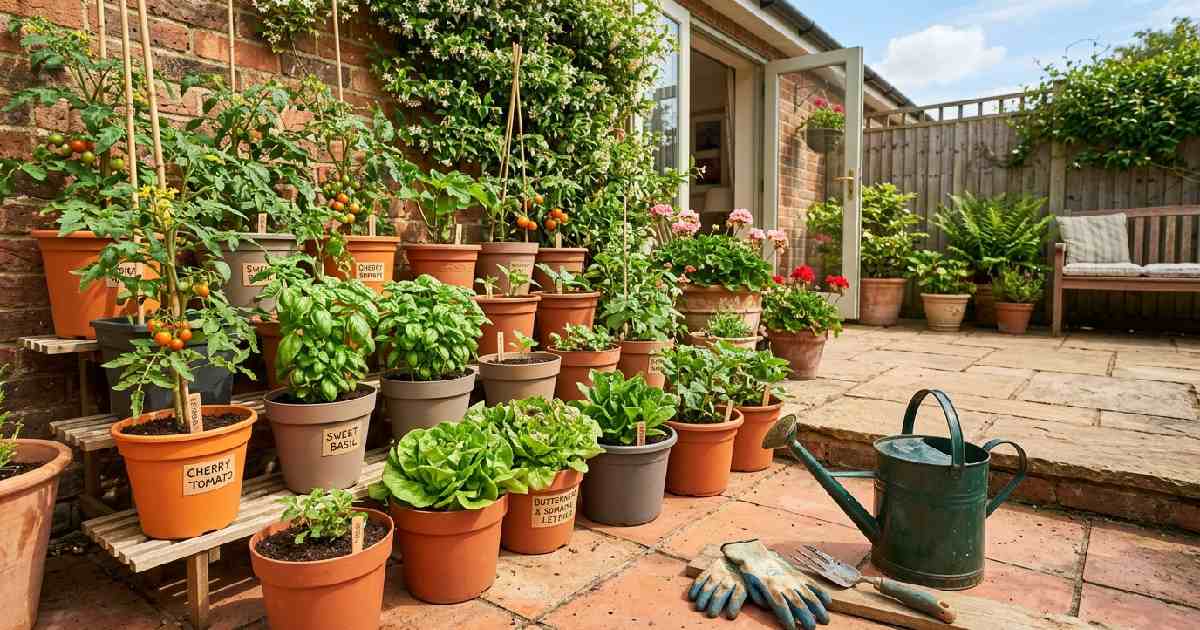
Container gardening for beginners is the easiest way to start growing plants at home. You do not need a large yard or garden to enjoy fresh greenery. Container gardening for beginners works perfectly on balconies, rooftops, and even indoor windowsills.
With the right containers, soil, and plant choices, anyone can succeed quickly. This guide covers everything you need to know about container gardening for beginners, from choosing pots to avoiding common mistakes, so you can start your green journey with confidence today.
Introduction to Container Gardening
Container gardening for beginners opens the door to growing plants anywhere you live. Whether you have a tiny apartment balcony or a sunny rooftop, containers make it possible. More people are discovering this method every year because it is flexible, affordable, and easy to manage.
You do not need perfect weather or outdoor space to succeed. This introduction explains why container gardening works so well for people who are just starting and what makes it different from other gardening methods available today.
Why Container Gardening Is Perfect for Beginners
Container gardening for beginners removes most of the barriers that make traditional gardening feel overwhelming. You start small and grow at your own pace. Mistakes affect only one pot rather than an entire garden bed. You can move containers to better light or shelter when needed.
The setup cost is very low compared to building raised beds or preparing the ground soil. Everything you need fits in a small space. That simplicity and flexibility are exactly why container gardening for beginners has become the most popular starting point for new home gardeners worldwide.
Benefits of Growing Plants in Containers
Growing plants in containers gives you control that traditional gardening simply cannot offer. You choose the exact soil mix your plants need. You control how much water each plant receives. You can place containers wherever light conditions are best. Pests and weeds are far easier to manage in contained soil.
Container gardening for beginners also means you can garden year-round by moving pots indoors during cold months. Every aspect of the growing environment is within your control, making learning faster and results more predictable from your very first planting attempt.
Who Should Try Container Gardening
Container gardening for beginners suits almost anyone, regardless of living situation. Apartment dwellers with only a small balcony can grow a productive collection of herbs and vegetables. Seniors who find bending and kneeling difficult benefit from raised container setups. Busy people appreciate how little time daily container maintenance actually requires.
Anyone who has tried traditional gardening and found it too demanding will find containers a much more manageable approach. If you want to grow your own food but feel uncertain where to start, container gardening for beginners is the right place to begin.
What Is Container Gardening?
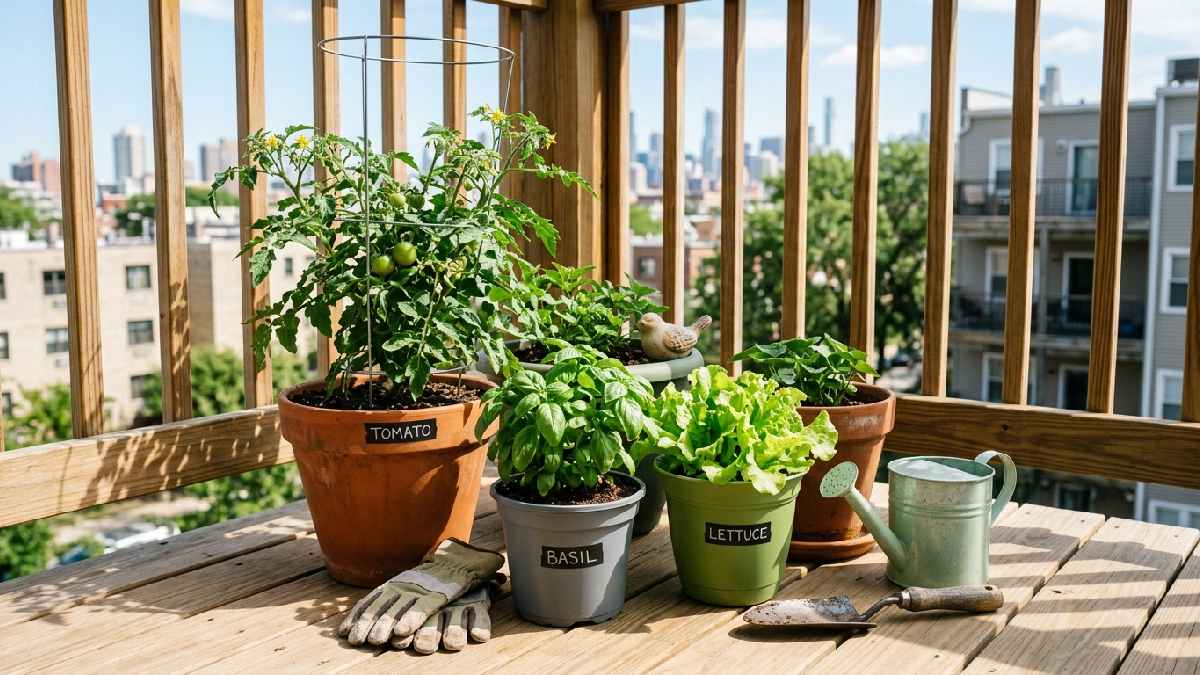
Container gardening for beginners simply means growing plants in pots instead of the ground. This method uses contained soil in a defined space like a pot or box. Container gardening for beginners can happen anywhere, indoors or outdoors, with proper planning.
It gives gardeners full control over soil quality, drainage, and plant placement. Unlike traditional gardens, containers can be rearranged whenever needed for better sunlight access. Understanding this basic concept helps beginners feel confident starting their very first container garden project.
Simple Definition
Container gardening means growing plants in portable vessels filled with potting mix rather than planting directly into the ground. The container holds the soil, roots, water, and nutrients your plant needs to grow. Any vessel with drainage holes can technically serve as a container.
Pots, buckets, grow bags, wooden crates, and even repurposed household items all work well. Container gardening for beginners is appealing because the concept is so straightforward. You fill a container with good soil, plant something, water it, give it light, and watch it grow without needing any specialized knowledge or equipment.
How It Is Different from Traditional Gardening
Traditional gardening uses the existing ground soil in a yard or plot. Container gardening gives you a completely controlled growing environment. Ground soil varies in quality, drainage, and nutrient content. Container soil is chosen specifically to suit your plants. Traditional gardens are fixed in one location. Containers can be moved whenever conditions change.
Weeds spread easily in open ground but rarely appear in contained potting mix. Container gardening for beginners removes many unpredictable variables that make traditional gardening challenging. That control makes success much more achievable for someone growing plants for the first time.
Where You Can Practice It
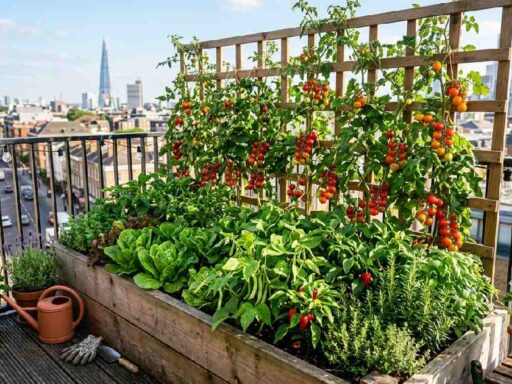
One of the greatest strengths of container gardening for beginners is how many different spaces it suits. A balcony with a few hours of daily sunlight is enough for herbs and chilies. A rooftop provides excellent light and space for tomatoes, peppers, and leafy greens. A south-facing windowsill works perfectly for basil, coriander, and mint grown indoors.
Even a small kitchen counter can host a pot of fresh herbs. Container gardening for beginners works wherever you can place a pot and provide adequate light. Almost no living situation is too small or unsuitable for at least a basic container garden setup.
Benefits of Container Gardening for Beginners
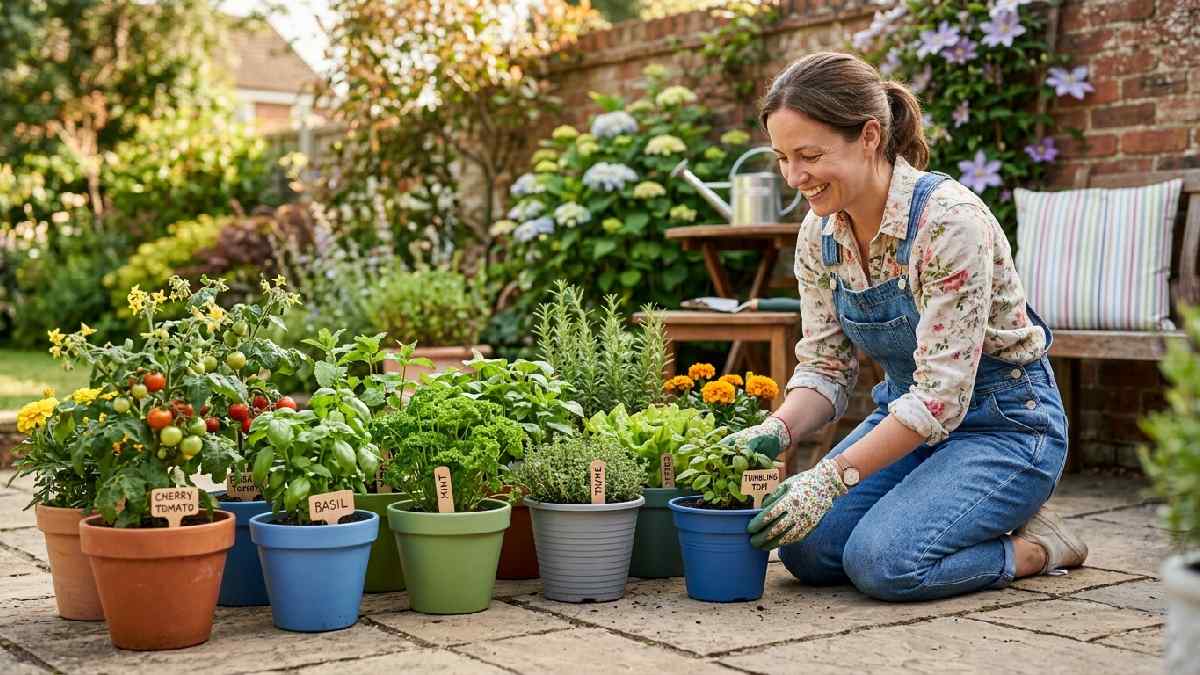
The benefits of container gardening for beginners go well beyond just saving space. This method actively makes the learning process easier and more forgiving. Beginners gain hands-on experience faster because containers are simpler to manage than traditional garden beds.
Results come quicker, and problems are easier to identify and fix. Understanding these four key benefits helps you appreciate why container gardening for beginners is consistently recommended as the best starting point for anyone new to growing plants at home for the very first time this season.
Works in Small Spaces
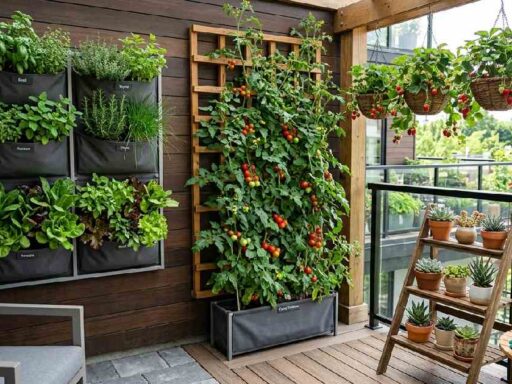
Space is rarely a genuine obstacle in container gardening for beginners. A single square meter of balcony space can hold four to six productive containers. Vertical planters and tiered shelving multiply your growing capacity without using extra floor space. Window boxes extend your growing area along railings and ledges.
Even indoors, a few well-placed pots produce a meaningful supply of fresh herbs. Container gardening proves that productive home growing does not require land. It requires only light, good soil, and containers sized appropriately for the plants you want to grow in your available space.
Easy Maintenance and Control
Container gardening for beginners requires far less maintenance than traditional gardening methods. You water individual pots rather than large beds. You feed each plant according to its specific needs. Pest problems stay contained and are caught quickly before they spread. Weeds rarely appear in fresh potting mix, which eliminates one of the most time-consuming traditional gardening tasks.
You can check every plant in a few minutes each day. That manageable daily routine makes container gardening sustainable for beginners with busy schedules who want fresh plants without committing hours of work every week throughout the growing season.
Faster Learning for New Gardeners
Container gardening for beginners speeds up the learning process significantly. Because containers are small and manageable, you observe your plants closely every day. You notice quickly when something is wrong. You learn what healthy growth looks like versus stressed or sick plants. You practice watering, feeding, and pruning without the complexity of managing a large garden.
Each container becomes a focused learning experience. Most beginners who start with container gardening develop solid plant care instincts within a single growing season. That rapid skill development makes container gardening one of the most effective ways to build genuine gardening confidence quickly.
Less Risk of Pests and Weeds
Open garden beds are vulnerable to weed seeds carried by wind and pests that travel through interconnected soil. Container gardening for beginners significantly reduces both risks. Fresh commercial potting mix contains no weed seeds. Containers limit how far soil-dwelling pests can travel and spread. Isolated pots make it easier to spot insect damage before it escalates.
If one plant develops a problem, you can move it away from healthy plants immediately. This built-in containment makes managing plant health much simpler for beginners who are still learning to recognize the early signs of pest and disease problems in their plants.
Choosing the Right Containers
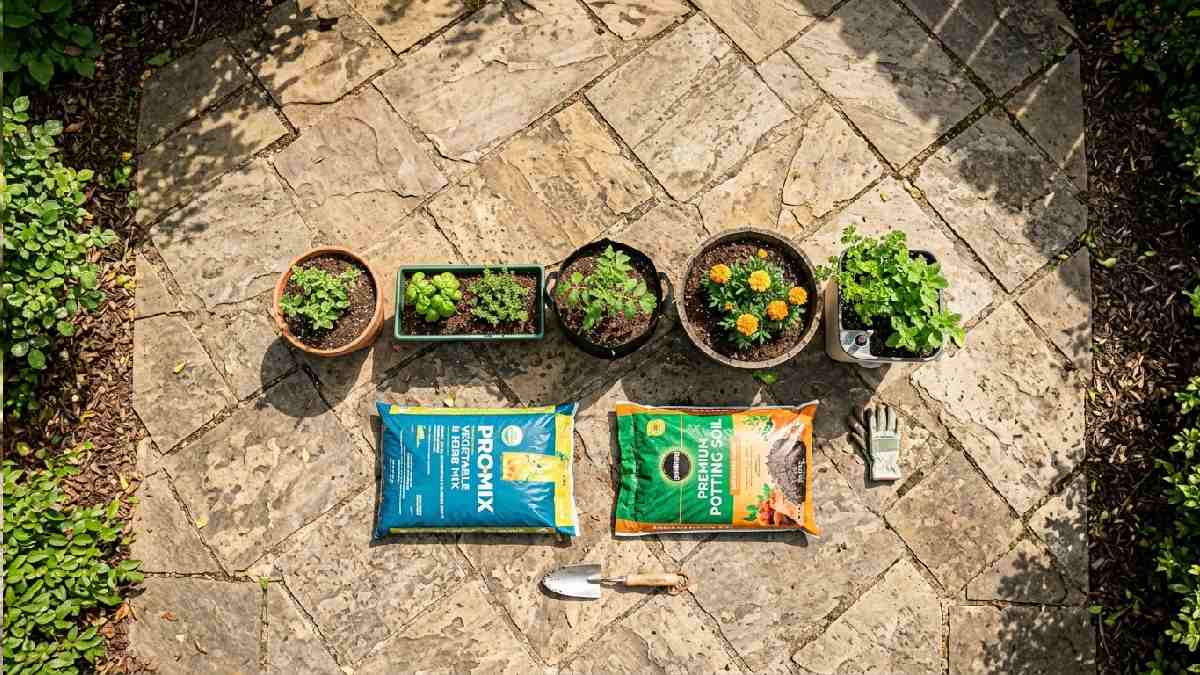
Choosing the right containers is one of the most important early decisions in container gardening for beginners. The container affects drainage, root development, plant health, and how long your setup lasts. Many beginners choose containers based on appearance rather than function, which leads to disappointing results.
Understanding the different types available, why drainage matters, and which sizes suit which plants helps you start your container garden on solid footing. These practical guidelines ensure your containers support healthy plant growth from the very first day you begin planting.
Types of Containers
Container gardening for beginners works with many different vessel types. Plastic pots are lightweight, affordable, and retain moisture well, which suits most herbs and vegetables. Terracotta clay pots are heavier but provide excellent airflow to roots and look attractive on balconies. Fabric grow bags are breathable and prevent roots from becoming pot-bound, which encourages healthier growth.
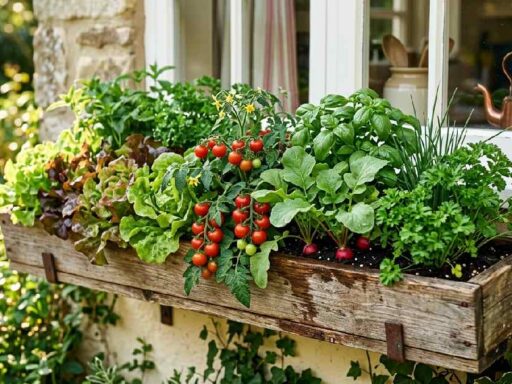
Wooden boxes work well for larger plantings and add a natural aesthetic to outdoor spaces. Each material has strengths depending on your plant type, climate, and available space. Choosing the right material for your specific situation makes a meaningful difference to your plants.
Importance of Drainage Holes
Drainage holes are non-negotiable in container gardening for beginners. Without them, water accumulates at the bottom of the pot and saturates the soil. Waterlogged roots cannot absorb oxygen and begin to rot within days. Root rot is one of the most common causes of plant death in containers, and it is almost always caused by poor drainage.
Always check that any container you buy or repurpose has sufficient holes in the base. If a container you want to use lacks drainage, drill holes before adding soil. Proper drainage is the single most important structural feature any container must have.
Best Container Sizes for Different Plants
Matching container size to plant type is essential in container gardening for beginners. Herbs like mint, basil, and coriander grow well in pots as small as 15 to 20 centimeters in diameter. Spinach and lettuce need slightly more room and do well in medium containers around 25 centimeters wide. Tomatoes and chilies develop large root systems and need containers at least 30 to 40 centimeters deep.
Undersized containers restrict root growth and reduce yields significantly. Oversized containers hold too much moisture for small plants and can cause root problems. Matching size to plant ensures the best possible growing conditions from the start.
Best Soil for Container Gardening
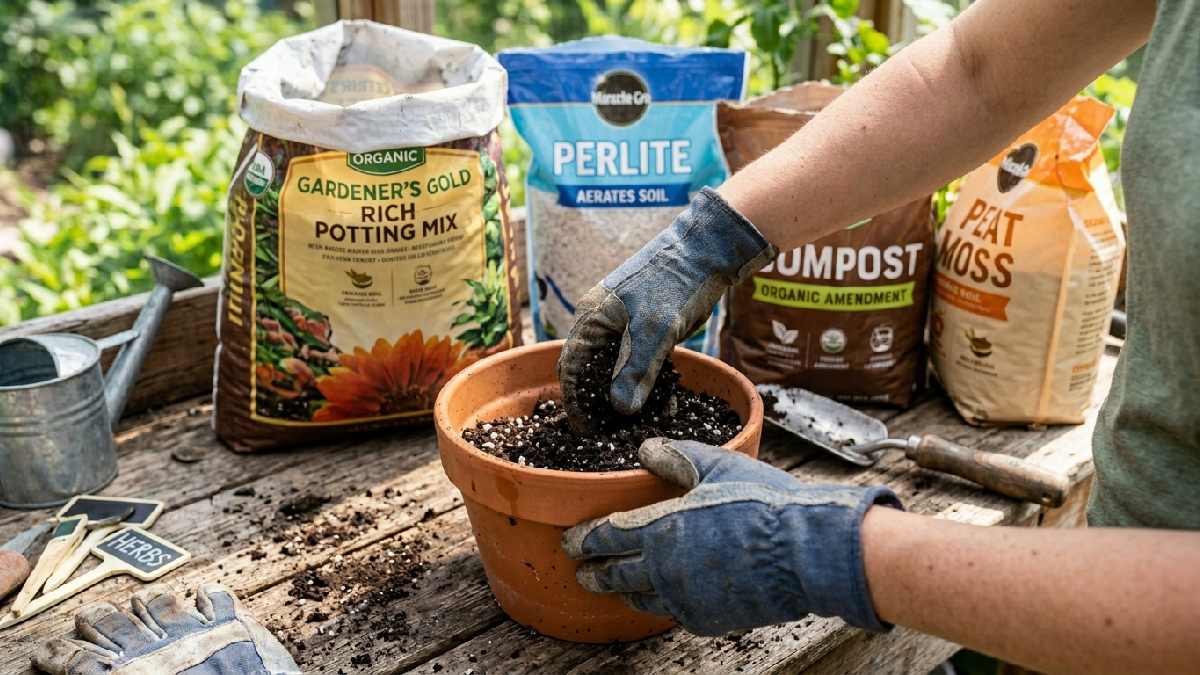
Soil choice is one of the most critical factors in container gardening for beginners. Many first-time growers make the mistake of using garden soil from their yard and then wonder why their plants struggle. Container plants depend entirely on the soil you provide because their roots cannot reach beyond the pot.
Getting the soil right creates the foundation for everything that follows. Understanding why garden soil fails in containers and what good potting mix actually contains helps you make the right choice before you plant anything in your first container garden.
Why Normal Garden Soil Doesn’t Work
Regular garden soil seems like a logical and free choice for container gardening for beginners. In practice, it creates serious problems. Garden soil compacts heavily when placed in a pot. Compacted soil drains poorly and suffocates roots over time. It also introduces weed seeds, fungi, and soil-dwelling pests into your containers.
The texture and structure that work in open ground are completely wrong for the confined environment of a pot. Roots in containers need looser, more breathable growing media than ground soil provides. Using garden soil in containers almost always leads to poor drainage, stunted growth, and frustrated beginners in their first season.
What Is Potting Mix
Potting mix is a specially formulated growing medium designed specifically for container gardening for beginners and experienced growers alike. It is lighter than garden soil, drains more freely, and provides a balanced environment for roots growing in a confined space. Good potting mix holds enough moisture for roots to absorb between waterings while draining excess water efficiently through the pot’s drainage holes.
It is usually sterilized, which means it contains no weed seeds or soil-borne pathogens. Potting mix is available at any garden center and is the single most important supply purchase any beginner should make before starting their container garden.
Ingredients of Good Potting Soil
Quality potting mix for container gardening for beginners typically contains several key ingredients. Coco coir or peat moss provides the base structure and retains moisture without becoming waterlogged. Perlite is a lightweight volcanic material that improves drainage and aeration throughout the mix. Compost adds natural nutrients that feed plants as they establish and grow.
Some mixes include slow-release fertilizer granules that feed plants for several weeks after planting. Sand is sometimes added to improve drainage in mixes intended for succulents and drought-tolerant plants. Combining these ingredients creates a growing environment that supports healthy root development and consistent plant performance throughout the entire growing season.
Step-by-Step Guide to Start Container Gardening
Following a clear process is the fastest way to succeed with container gardening for beginners. Each step prepares you for the next, and skipping any of them usually leads to avoidable problems. This five-step guide covers everything from choosing your location through to establishing a basic care routine.
It is designed to be simple and practical rather than overwhelming. Follow these steps in order for your first container garden setup, and you will give every plant the best possible start from day one of your home-growing journey.
Step 1: Choose the Right Location
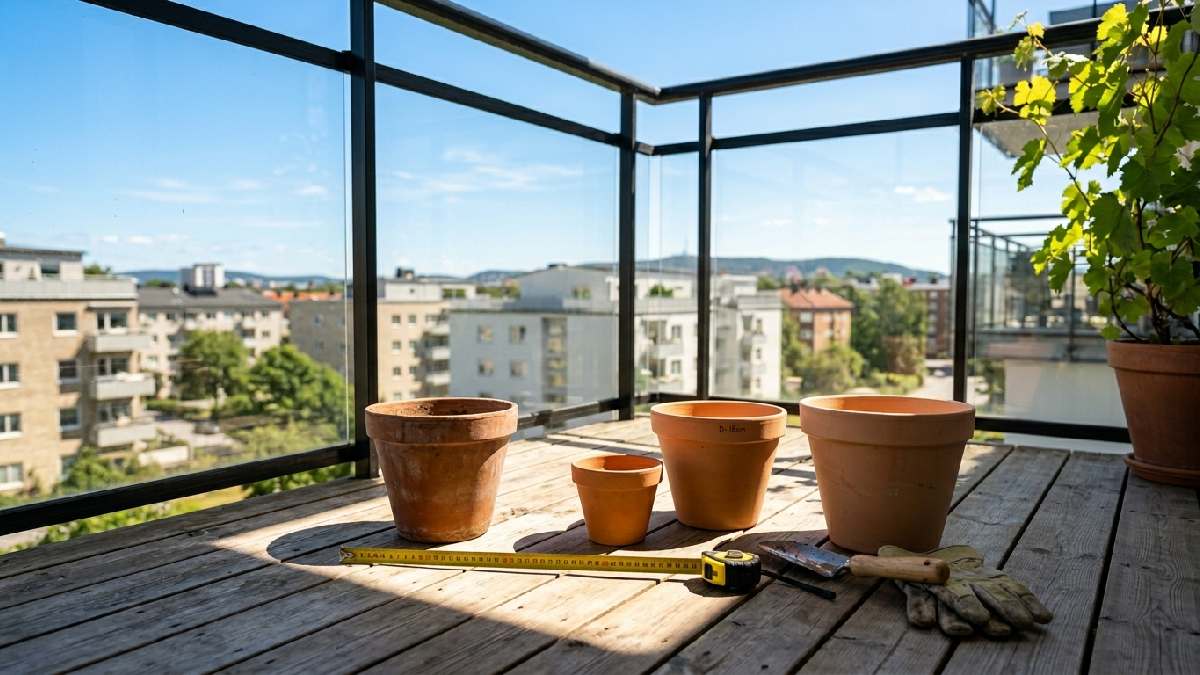
Location determines how well your plants grow in container gardening for beginners. Most vegetables and herbs need at least five to six hours of direct sunlight daily to thrive. Walk around your available spaces at different times of day and observe where sunlight falls and for how long. South and west-facing balconies and rooftops typically receive the most light.
Windowsills work for herbs that tolerate slightly lower light levels. Avoid spots that receive only reflected or indirect light for sun-demanding plants like tomatoes and chilies. Choosing the right location before buying containers or plants prevents the most common beginner disappointment of poor growth due to insufficient light.
Step 2: Select Suitable Containers
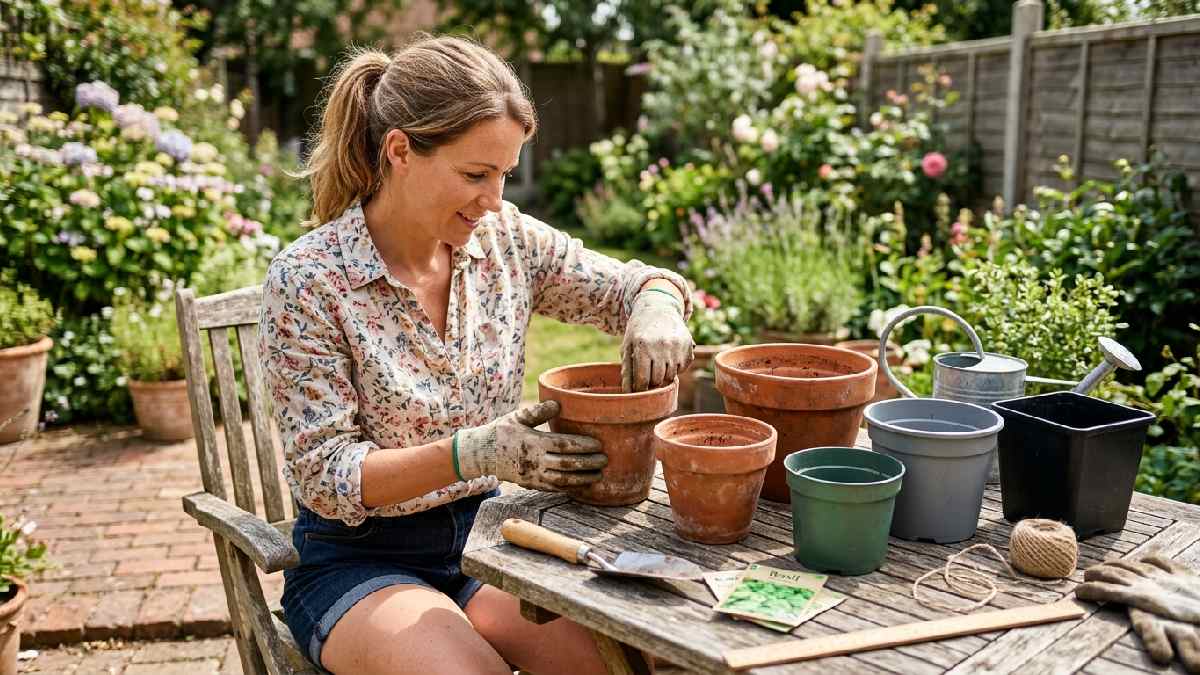
Once you know your location, choose containers that suit both your plants and your space in your container gardening setup for beginners. Consider the size requirements of the plants you want to grow. Match container depth to root depth requirements. Choose materials suited to your climate, lightweight options for balconies with weight limits, and breathable options for hot and humid environments.
Ensure every container has adequate drainage holes before you fill it with soil. Buy one or two extra containers at the start so you have room to expand as your confidence and enthusiasm for container gardening grow through the season.
Step 3: Prepare and Fill Soil Properly
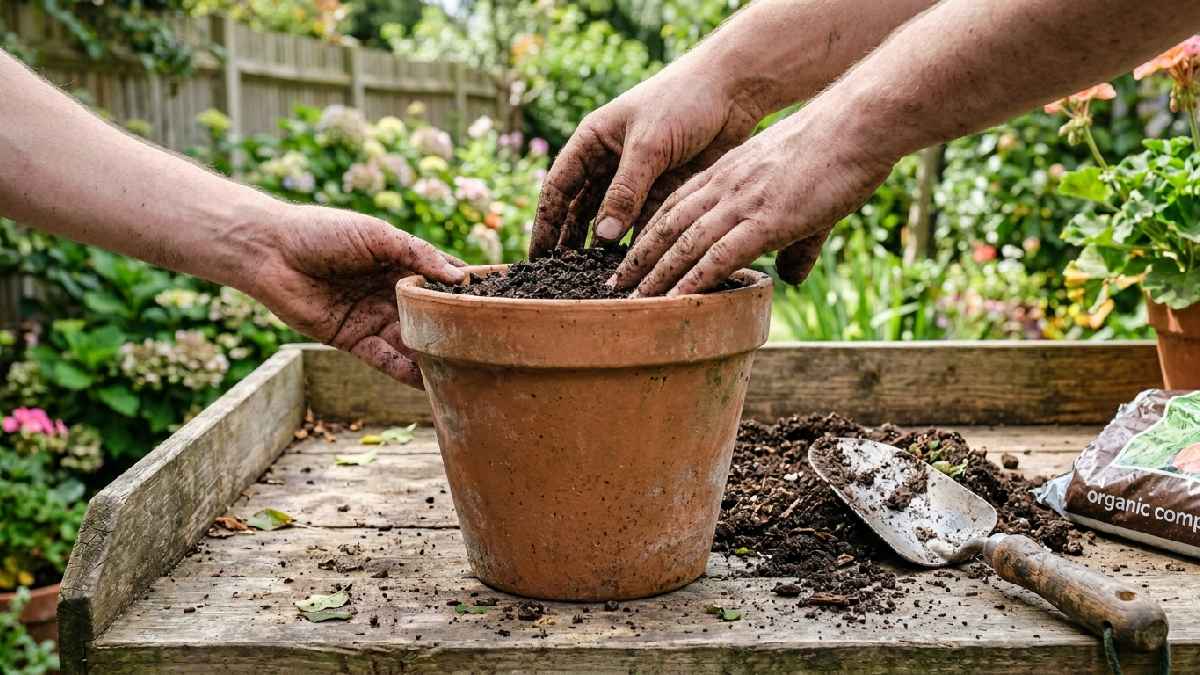
Preparing soil correctly is a foundational step in container gardening for beginners. Pour quality potting mix into a bucket or basin and moisten it slightly before filling your containers. Dry potting mix can repel water initially, so pre-moistening helps it absorb water evenly from the start.
Fill containers to within two to three centimeters of the rim to leave space for watering without overflow. Press the mix down gently to remove large air pockets but avoid compacting it heavily. Well-prepared soil gives roots an ideal environment to establish quickly and begin absorbing the nutrients they need for strong and healthy growth.
Step 4: Pick Beginner-Friendly Plants
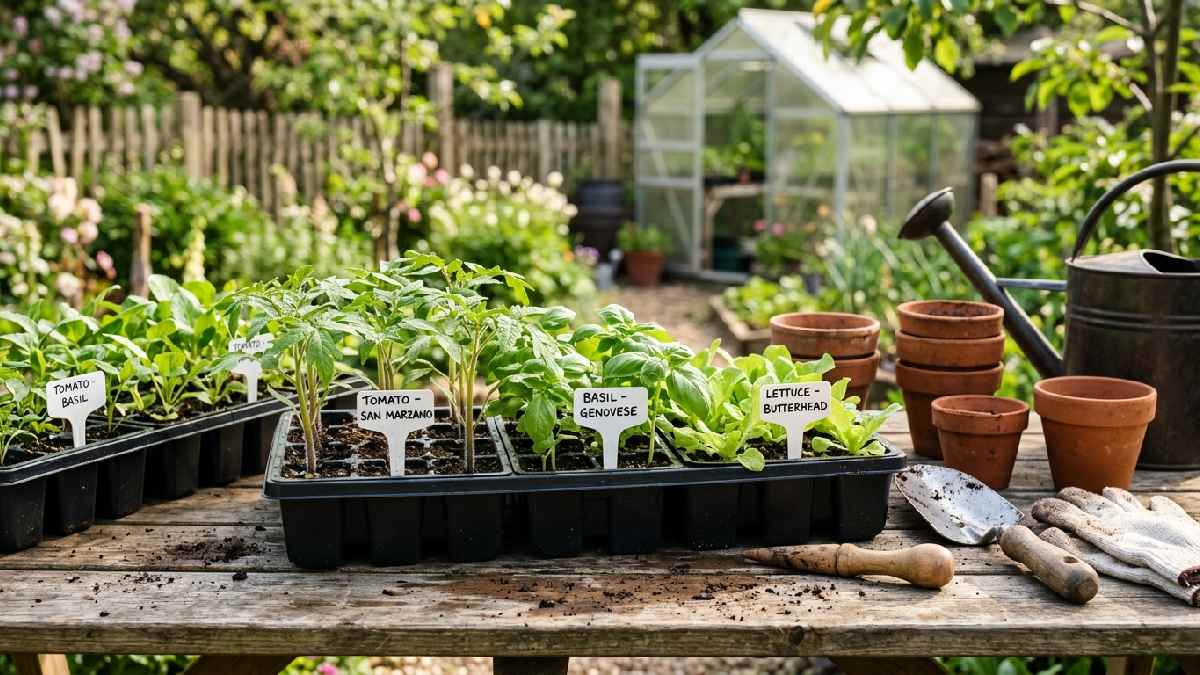
Plant selection makes a significant difference to early success in container gardening for beginners. Choose plants known for being forgiving, fast-growing, and productive in containers. Herbs like mint, basil, and coriander are ideal first choices because they germinate quickly and tolerate minor care mistakes. Spinach, lettuce, and radishes give fast, visible results, which keep motivation high during the early weeks.
Chilies and tomatoes are excellent second-stage plants once you have developed basic watering and care habits. Starting with plants suited to container gardening for beginners means your first growing experience is far more likely to be rewarding and encouraging rather than frustrating.
Step 5: Watering and Basic Care Routine
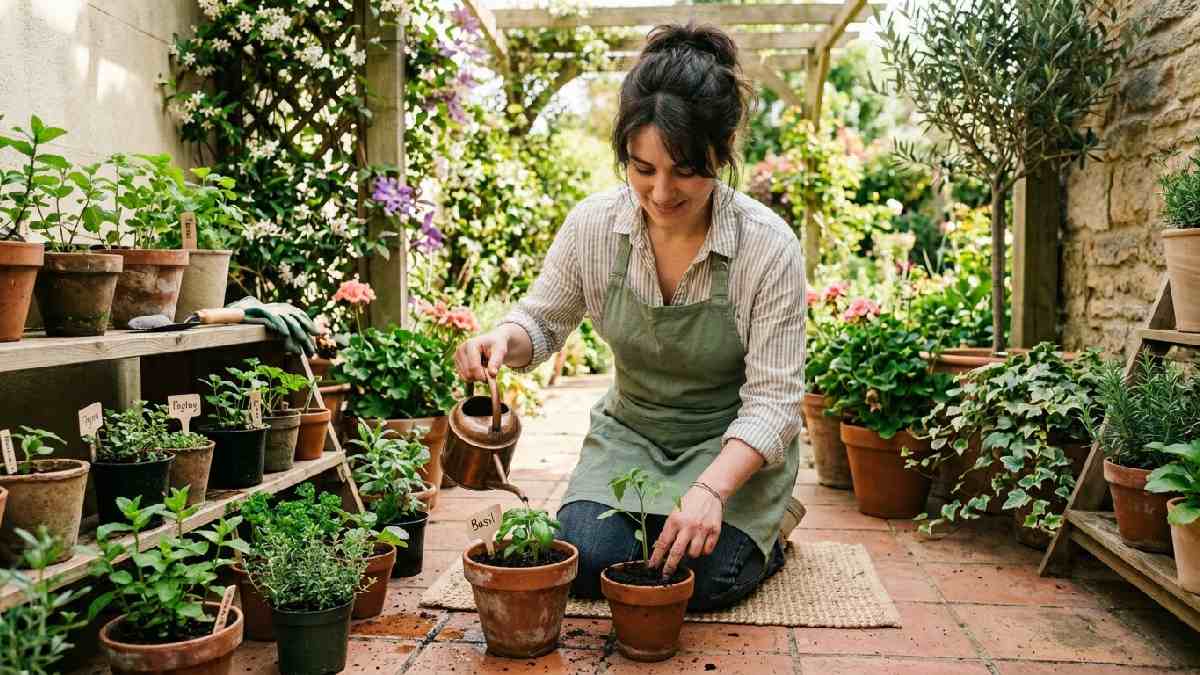
Establishing a consistent care routine is essential for successful container gardening for beginners. Check soil moisture daily by pressing your finger two centimeters into the soil. Water when the top layer feels dry rather than on a rigid schedule. Feed plants with a diluted liquid fertilizer every two weeks during the active growing period.
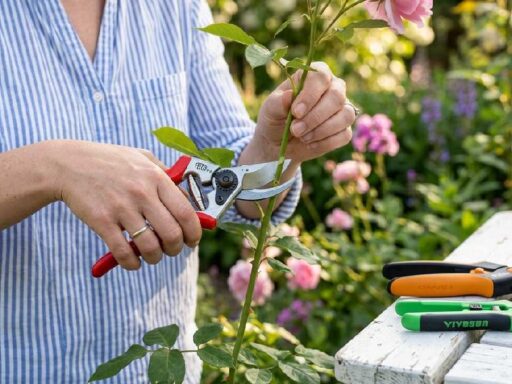
Remove dead or yellowing leaves promptly to keep plants healthy and productive. Check for pest activity every few days and act quickly if you spot any damage. A simple daily five-minute check covers most of what container plants need and builds the observational habits that make every beginner a better gardener over time.
Best Plants for Container Gardening Beginners
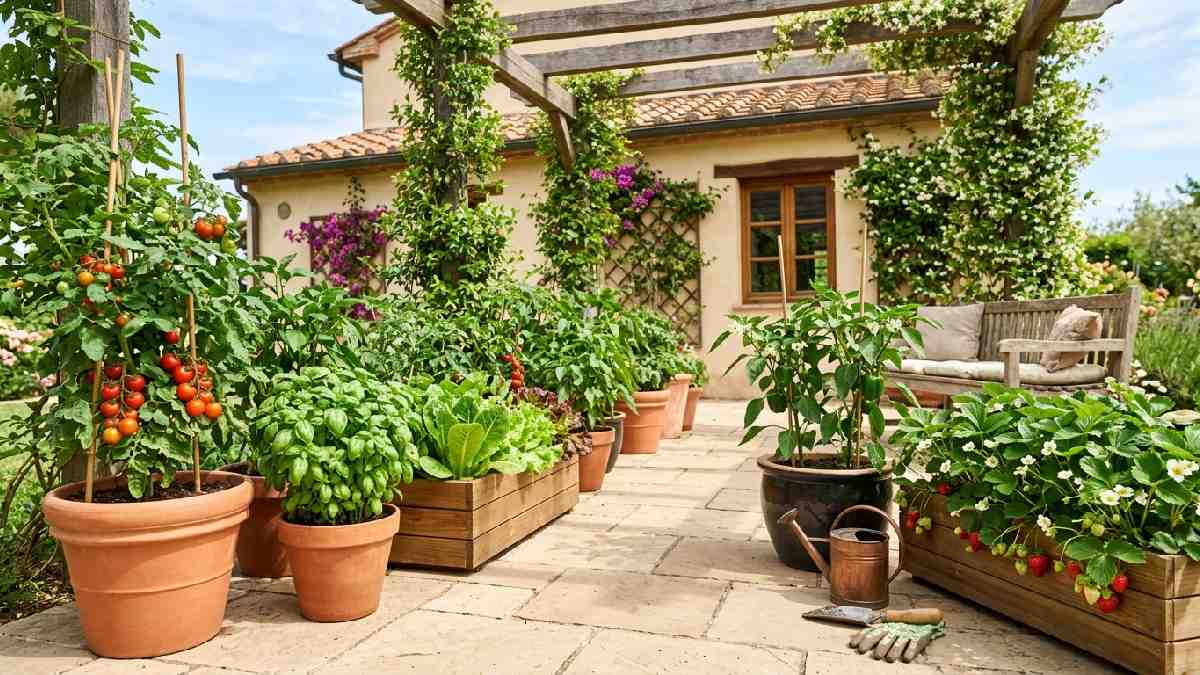
Choosing the right plants is as important as choosing the right containers in container gardening for beginners. Some plants thrive in pots with minimal fuss while others demand conditions that containers struggle to provide. Starting with plants known to perform well in containers dramatically improves your chances of a successful first season.
These three categories cover the most reliable and rewarding options for anyone just starting. Each one offers something slightly different so you can build a diverse and productive container garden from your very first planting session.
Easy Herbs (Mint, Basil, Coriander)
Herbs are the most recommended starting plants in container gardening for beginners for good reason. Mint is nearly impossible to kill and spreads enthusiastically in any container with moderate light and regular water. Basil germinates quickly on a sunny windowsill and rewards regular harvesting with continuous new growth throughout the season.
Coriander is ready to harvest within three to four weeks of sowing and suits both indoor and outdoor container setups. All three herbs are used regularly in cooking, which means your container garden immediately produces something useful and satisfying from the very first weeks after planting your seeds or seedlings.
Easy Vegetables (Tomatoes, Spinach, Chilies)
Vegetables are a natural next step in container gardening for beginners after initial herb success. Spinach is one of the fastest and most forgiving leafy vegetables for container growing, ready to harvest in about four weeks. Tomatoes take longer but produce abundantly in large containers placed in full sun and are one of the most rewarding crops any beginner can grow at home.
Chilies are compact, productive, and well-suited to warm climates where they can produce dozens of fruits from a single plant throughout a long growing season. These three vegetables give beginners a progression from quick results to longer-term productive growing.
Flowers Suitable for Containers
Flowers add beauty and practical benefits to container gardening for beginner setups. Marigolds are particularly valuable because they naturally deter common garden pests when planted near vegetables. Pansies and violas thrive in cooler months and fill containers with color when most vegetables are out of season.
Nasturtiums are edible, easy to grow, and attract beneficial insects that improve pollination for nearby vegetable plants. Growing flowers alongside herbs and vegetables in your container garden creates a more balanced and visually appealing setup. It also supports the natural ecosystem of your balcony or rooftop garden throughout the entire growing season.
Watering and Maintenance Tips
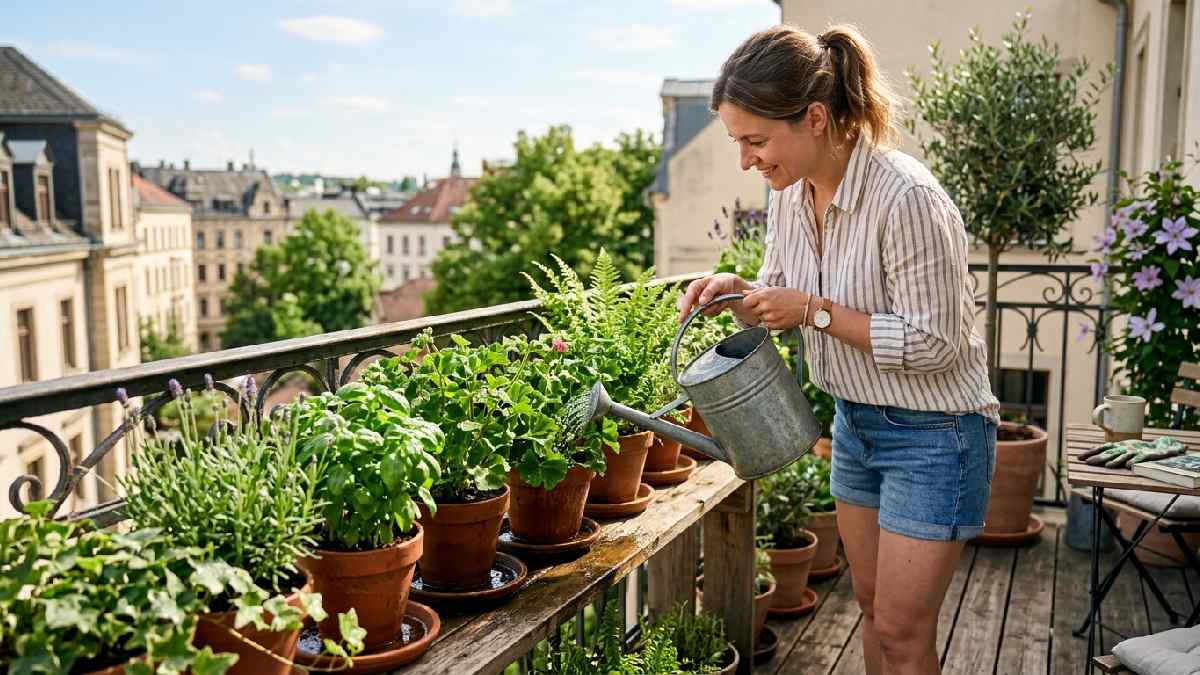
Proper watering and maintenance are what keep container gardening for beginners productive beyond the initial planting stage. Many beginners get the setup right but struggle with ongoing care. Containers dry out faster than garden beds and have no reservoir of nutrients in the surrounding soil to draw from.
Understanding how often to water, how much sunlight different plants need, and when to feed your plants prevents the most common problems that cause container plants to decline after a promising start. These practical tips help you maintain a healthy and productive container garden consistently throughout the season.
How Often to Water Container Plants
Watering frequency in container gardening for beginners depends on plant type, container size, and weather conditions. Smaller containers dry out faster than larger ones. Hot sunny weather increases how quickly soil loses moisture. Rather than following a fixed schedule, check soil moisture daily by pressing your finger into the top two centimeters of soil.
Water when that layer feels dry to the touch. Water thoroughly until it drains freely from the bottom holes rather than giving small, frequent sips. Deep, thorough watering encourages roots to grow downward, while shallow, frequent watering keeps roots near the surface where they are more vulnerable to heat and drought stress.
Importance of Sunlight
Sunlight is the energy source that drives all plant growth in container gardening for beginners. Most vegetables and fruiting plants need six to eight hours of direct sunlight daily to produce well. Herbs generally tolerate slightly less, around four to six hours depending on the variety. Insufficient sunlight leads to weak leggy growth, poor flavor in herbs, and failure to set fruit in tomatoes and chilies.
Observe your growing space before placing containers and choose plant varieties that match your available light. Moving containers to follow the best light throughout the day is one practical advantage that container gardening for beginners has over fixed traditional garden beds.
Fertilizer Schedule for Beginners
Container plants exhaust available nutrients faster than ground-planted ones because roots cannot explore beyond the pot. Feeding is therefore an important part of container gardening for beginners’ maintenance. Start feeding plants with a balanced liquid fertilizer two to three weeks after planting, once initial root establishment is underway.
Feed every two weeks during the active growing season. Use a fertilizer higher in nitrogen for leafy plants like spinach and herbs. Switch to a fertilizer higher in potassium and phosphorus when fruiting plants like tomatoes and chilies begin to flower. Consistent feeding keeps container plants healthy, productive, and visually vibrant throughout the growing season.
Common Mistakes to Avoid
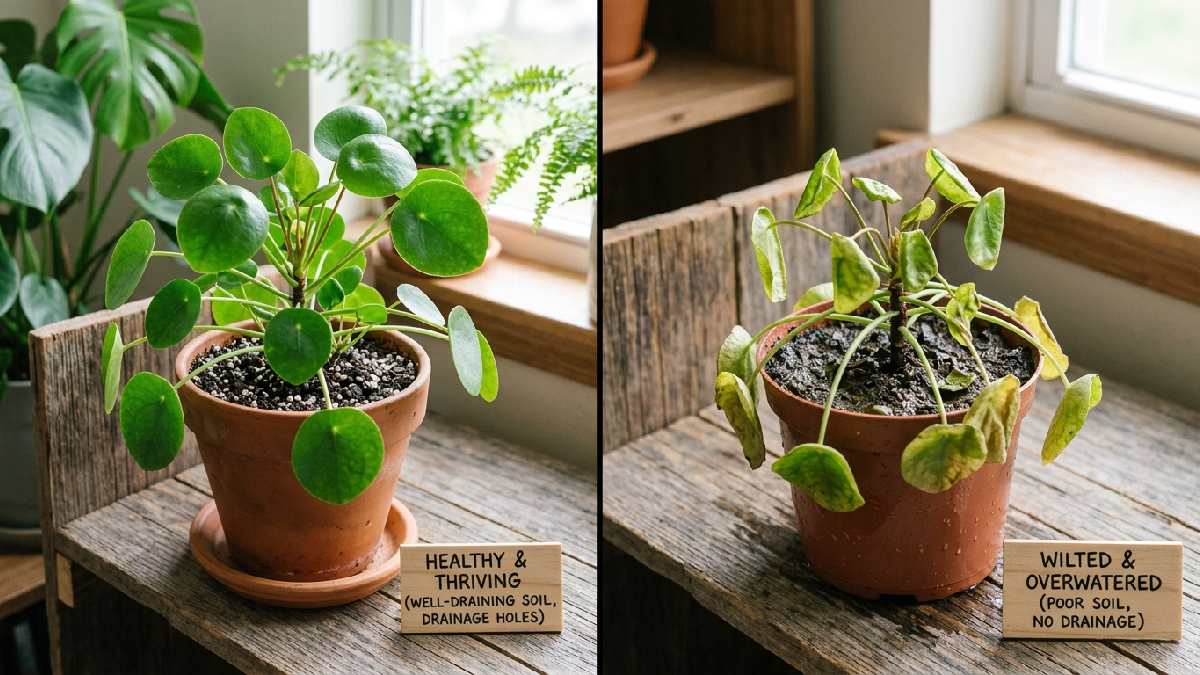
Even enthusiastic beginners make avoidable mistakes when starting container gardening for beginners for the first time. These errors are very common but also very easy to prevent once you know what to watch for. Most problems in container gardens trace back to one of these four mistakes.
Recognizing them before you start saves you the frustration of watching plants decline without understanding why. Learning what not to do is just as valuable as learning what to do when building your skills and confidence in container gardening for beginners during your very first growing season at home.
Overwatering Plants
Overwatering is the most frequent mistake in container gardening for beginners. It feels counterintuitive because watering seems like an act of care. But roots need both water and oxygen to function properly. Constantly wet soil starves roots of air and creates ideal conditions for root rot fungi to thrive.
The signs of overwatering, yellowing leaves, wilting despite moist soil, and a sour smell from the pot are often mistaken for underwatering by beginners who then add more water and worsen the problem. Always check soil moisture before watering. If the top two centimeters of soil still feel moist, wait another day before watering again.
Using the Wrong Soil Type
Using garden soil or very cheap potting mixes is a mistake that undermines container gardening for beginners from the very start. Garden soil compacts in pots, drains poorly, and introduces pests and pathogens that quality potting mix does not contain. Very cheap potting mixes often lack the structural materials like perlite and coco coir that keep soil loose and well-draining over time.
They break down and compact quickly with regular watering. Investing in a quality potting mix from a reputable brand is one of the most impactful decisions any beginner can make. Good soil makes almost every other aspect of container gardening easier and more successful.
Choosing the Wrong Container Size
Pot size has a direct and significant impact on plant health in container gardening for beginners. A container too small for the plant’s root system restricts growth and dries out too quickly between waterings. Plants become pot-bound, meaning roots circle the inside of the pot with nowhere to grow, which stunts development and reduces yield.
A container too large holds excess moisture around young roots and can cause root problems before the plant is established enough to use the available soil volume. Research the mature size and root depth of each plant you want to grow and match your container size accordingly before planting.
Ignoring Drainage
Skipping the drainage check is a surprisingly common mistake in container gardening for beginners. A beautiful pot without drainage holes or a container where holes have become blocked with compacted soil creates a waterlogged environment that kills roots quickly. Always inspect containers for adequate drainage before filling them with soil.
Place a small piece of mesh or a broken pot shard over the drainage holes to prevent soil from washing out while still allowing water to escape freely. Elevating containers slightly on pot feet or bricks improves drainage further by preventing holes from sitting directly on flat surfaces where they can become blocked or restricted over time.
FAQs About Container Gardening for Beginners
What is container gardening?
Container gardening for beginners means growing plants in pots instead of the ground. It works well in small spaces and offers full control over soil conditions.
Can I grow vegetables in small pots?
Yes, many vegetables like spinach, chilies, and cherry tomatoes grow well in small to medium containers. Choose compact varieties for the best results in limited space.
How often should I water container plants?
Water when the top inch of soil feels dry to the touch. Hot weather and smaller pots typically require more frequent watering throughout the week.
What is the easiest plant to grow in containers?
Mint and marigolds are among the easiest plants for beginners. They tolerate mistakes well, require minimal care, and grow successfully in most conditions.
Do container plants need special soil?
Yes, container plants need a lightweight potting mix rather than regular garden soil. This ensures proper drainage, aeration, and healthy root development over time.
Conclusion
Container gardening for beginners proves that anyone can grow beautiful plants regardless of space limitations. With the right containers, soil, and plant choices, success comes naturally and quickly. Avoiding common mistakes like overwatering and poor drainage ensures healthier, thriving plants overall.
Starting with easy herbs, vegetables, and flowers builds confidence for more advanced gardening later. Container gardening for beginners is a rewarding journey that connects people with nature daily. With patience and consistent care, your container garden will flourish and bring lasting joy into your home for years to come.