
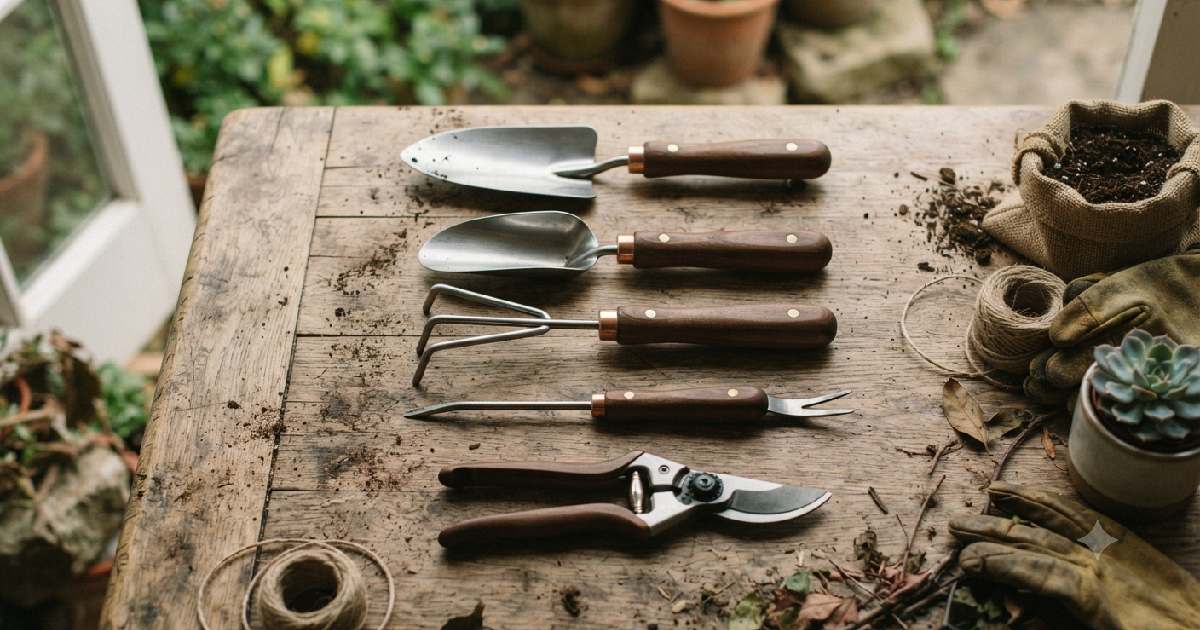

Best Barebones Gardening Tools for Every Gardener in 2026
Some gardening tools last a season, maybe two, then they end up at the back of a shed somewhere. Others just stay with you. You reach for them without thinking. Barebones has built its whole name around that second kind of tool, the kind that doesn’t try to impress you on day one but earns its keep over years of actual use.
If you’ve ever bent a cheap trowel halfway through compact soil, or fought with pruning shears that mash a stem instead of cutting it, you already know why this matters. A tool that works right saves your hands, your time, and honestly your patience too.
Barebones leans on old-fashioned build quality. Steel that holds an edge, walnut handles that feel warm instead of plasticky in your palm. These aren’t tools made for a display shelf, they’re made for dirt under your nails. And that’s really the whole appeal, once you get past the good looks.
This guide walks through seven Barebones tools worth knowing about in 2026. No recycled marketing lines here, just where each one actually shines, where it falls short, and who it’s really built for. Whether you’re planting your first raised bed or you’ve been growing vegetables for twenty years, something in this list should earn a spot in your shed.
Why Gardeners Keep Coming Back to Barebones
Walk down any garden aisle and the shelves look the same after a while. Steel blade, wood or plastic handle, a price tag. Most tools blur together until you’ve actually used them for a season, that’s when the differences show up.
Barebones pays attention to things that matter after the first few uses, not just on unboxing day. Their steel resists bending under real pressure, not the light pressure of a store demo.
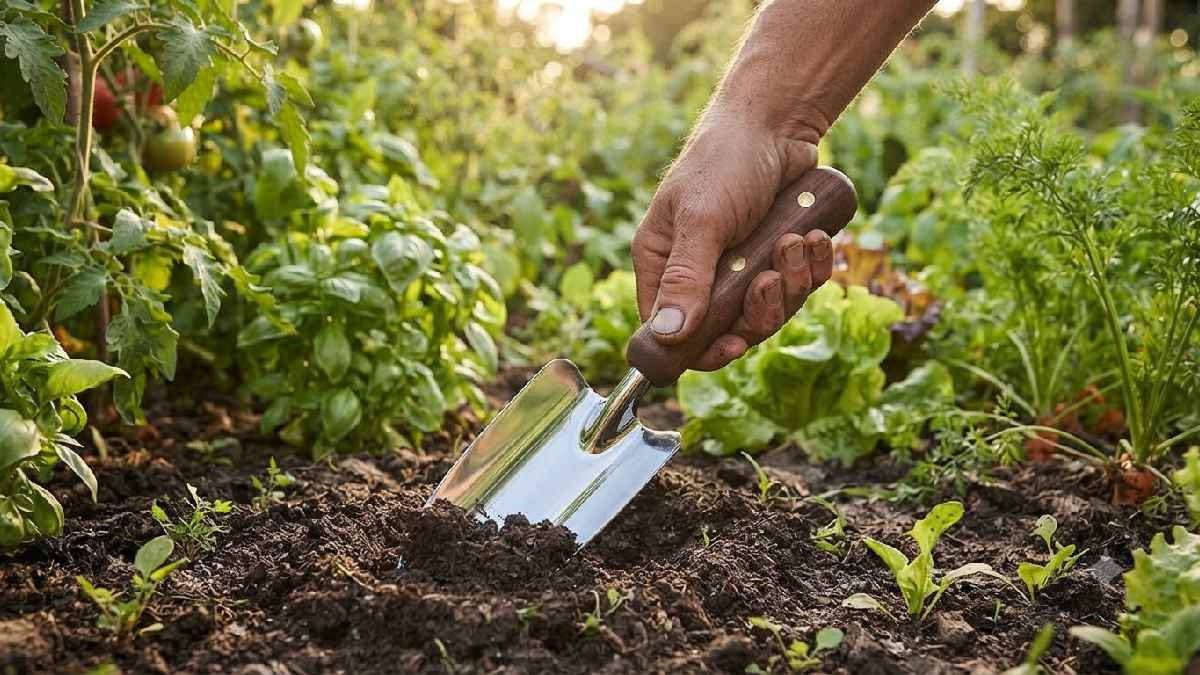
The handles feel natural in the hand instead of slipping around when your palms get sweaty in July. Balance matters more than people expect, and it shows during long stretches of weeding or planting.
Longevity is really the other half of the story. These tools are meant to be cared for, not tossed out after a rough season. Wipe them down, keep the blades dry, oil the wood once in a while, and they’ll outlast several cheaper replacements combined.
That’s the trade gardeners are making here. Pay more once, or pay a little every year for tools that quietly fall apart.
How We Picked These Tools
Not every gardener needs the same setup. Someone growing basil on an apartment balcony has very different needs than someone managing three raised beds and a compost pile out back. So we looked at a few practical things instead of just going by brand reputation.
Build Quality — Does the steel hold up, are the joints tight, is the finish actually going to survive weather and dirt.
Comfort — Gardening is repetitive work. A handle that rubs wrong after twenty minutes is a problem, even if the blade is great.
Versatility — Some tools do one job really well. Others cover five jobs adequately. Both have their place, but versatility often wins on value.
Value for Money — The priciest option isn’t automatically the best one. We wanted tools that earn their price tag through actual performance, not branding.
Best Barebones Gardening Tools in 2026
1. Barebones Hori Hori Ultimate Tool
If one product sums up what Barebones is about, it’s this one. Gardeners tend to describe it as the tool they grab first, before anything else, because honestly it replaces half a toolbox on its own.
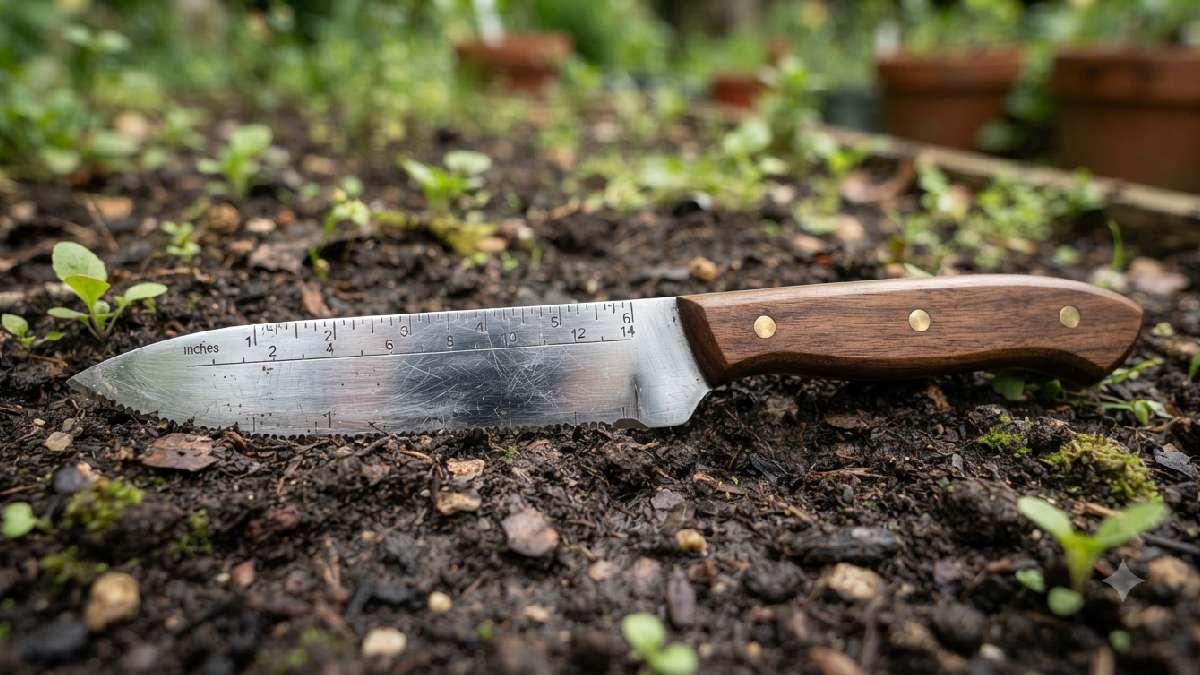
The blade carries both a straight edge and a serrated edge. That means it digs, cuts, transplants, divides plants, and slices through smaller roots, all without you switching tools mid-task. There’s measurement markings etched along the blade too, which helps a lot when you’re planting bulbs at a consistent depth and don’t want to eyeball it every time.
You notice the balance almost immediately once you start using it in real soil. It’s sturdy enough to push through compacted dirt but doesn’t wear out your wrist over a long session, which honestly surprised us a little given how much this tool is asked to do.
The walnut handle adds something plastic just can’t. It’s smooth, it grips well even with dirty gloves, and it stays comfortable hours into a planting day.
Best For:
digging planting holes, transplanting seedlings, removing weeds, dividing perennials, cutting roots, general garden work
Pros
- Handles several gardening tasks with one tool
- Durable stainless steel build
- Comfortable walnut handle
- Blade markings improve planting accuracy
- Cleans up easily after use
Cons
- Costs more than a basic garden knife
- A bit heavier than simple hand tools
Why We Recommend It:
A lot of gardeners eventually realize this is the one tool they reach for most, almost by accident. If you’d rather carry less gear and still get more done, this is worth the extra cost.
Barebones Hand Trowel
A trowel sounds simple enough. It’s still probably the tool you’ll use most weeks during the growing season, planting annuals, moving seedlings, filling containers, digging the small stuff that adds up fast.
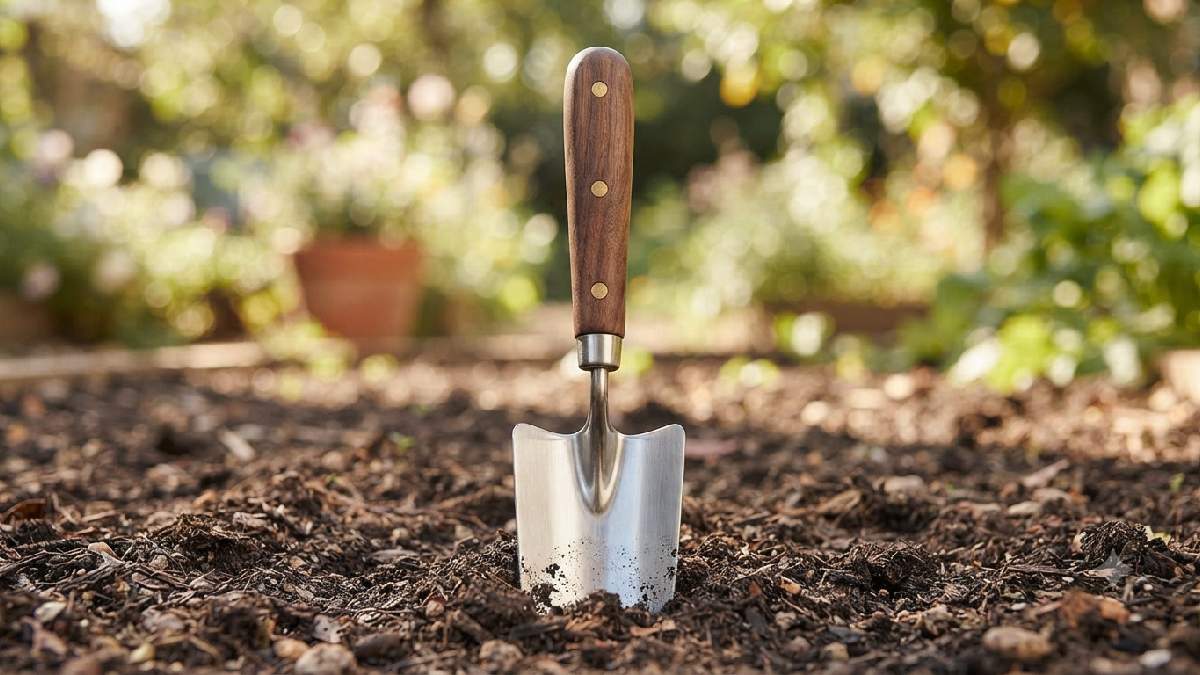
Barebones kept this one straightforward, no gimmicks, just a stainless steel blade that moves through loose soil without flexing the way cheaper trowels do. It stays rigid even in heavier beds, which matters more than people expect until they’ve used one that bends.
The blade shape holds soil reasonably well during transplanting too, so you’re not spilling compost everywhere around the new hole every single time.
Handle-wise, it’s the same walnut grip as the rest of the line, balanced, comfortable, doesn’t fight your hand during longer sessions.
Best For:
planting flowers, vegetable gardens, raised beds, container gardening, transplanting young plants
Pros
- Strong stainless steel blade
- Comfortable wood handle
- Well balanced
- Low maintenance
- Good for daily use
Cons
- Pricier than entry-level trowels
- Handle needs occasional oiling
Why We Recommend It:
Good trowels don’t really get noticed, bad ones do. Barebones built one that just works, every time, and that consistency is honestly the whole point.
What Actually Separates Barebones From Budget Tools
Budget tools solve today’s problem. Premium ones are built to solve the same problem five years from now, that’s really the difference in one sentence.
You see it after repeated use mostly. Thin blades start bending, handles work themselves loose, edges dull faster than they should. Barebones takes a different approach, durability and repairability come first, cutting manufacturing cost is not really the priority here.
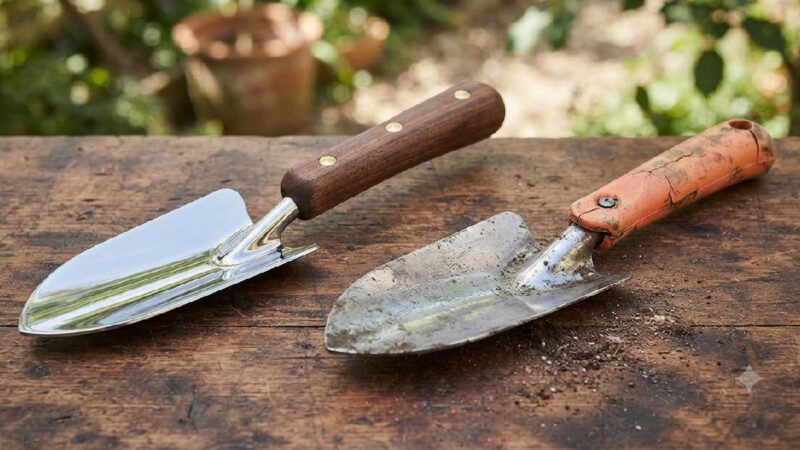
Comfort plays into this too. Anyone spending several hours a week outside notices pretty quickly the gap between a balanced wooden handle and a cheap plastic grip. One feels stable, natural even. The other starts bothering you within an hour.
If gardening is more than a once-a-month hobby for you, tools like these tend to pay for themselves over time.
Barebones Cultivator
Healthy plants start below the surface, before seeds even go in or compost gets mixed through, the soil needs room to breathe. That’s exactly the job this cultivator handles.
Three steel tines dig into compacted dirt without feeling weak or wobbly under pressure. It works well breaking up ground after a heavy rain, mixing compost through a bed, or prepping rows in a raised bed setup. The tines stay sharp enough to loosen soil while giving you enough control to work carefully around plants already established.
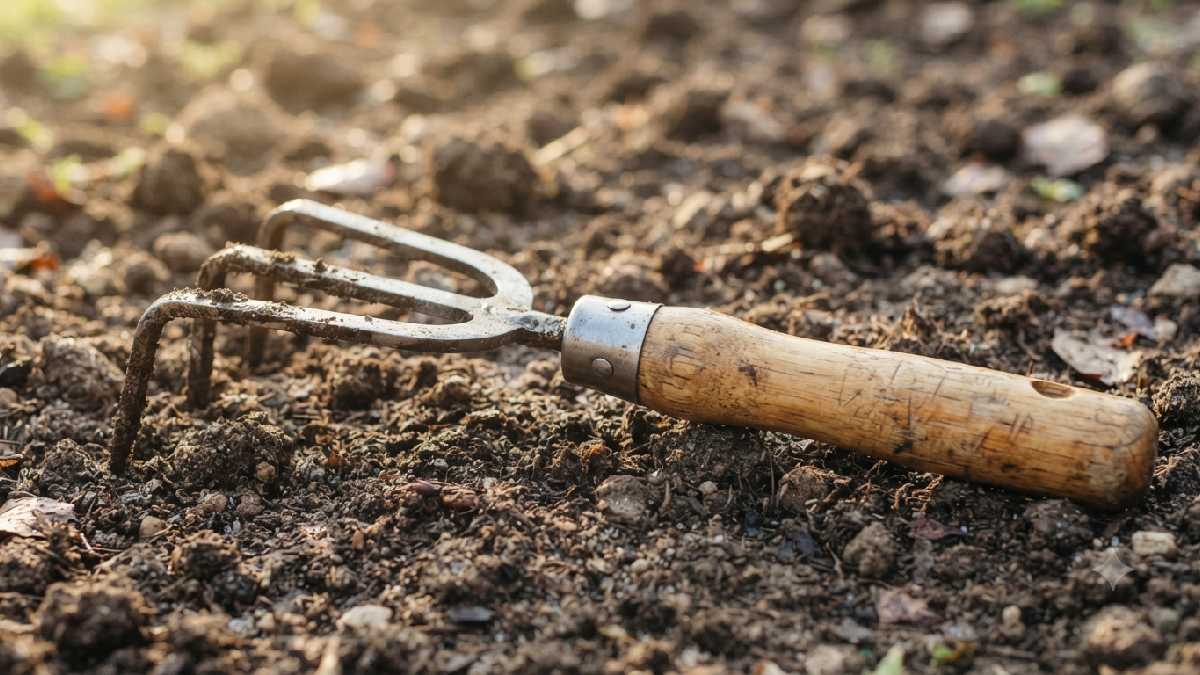
The walnut handle grips fine even through dusty gardening gloves, and after a while you notice how the balance just works with your movement instead of against it, which makes longer sessions less draining on the arm.
Best For:
breaking compacted soil, mixing compost, preparing seed beds, loosening raised beds, light weeding
Pros
- Strong steel tines
- Comfortable handle
- Excellent balance
- Built to last
Easy cleanup
Cons
- Not meant for rocky ground
- Sits at a premium price point
Why We Recommend It: Nobody buys a cultivator first, usually. But it becomes one of the more useful tools in the shed once you’re actually managing beds regularly.
Barebones Japanese Weeding Hoe
Weeding never really leaves the list. Good growing seasons somehow bring more weeds too, funny how that works, and pulling each one by hand gets exhausting fast in bigger beds.
This hoe takes a smarter route. Inspired by traditional Japanese tools, the sharp blade cuts weeds just under the surface instead of tearing up the whole planting area around them. Less effort for you, less root damage near whatever you’re actually trying to grow.
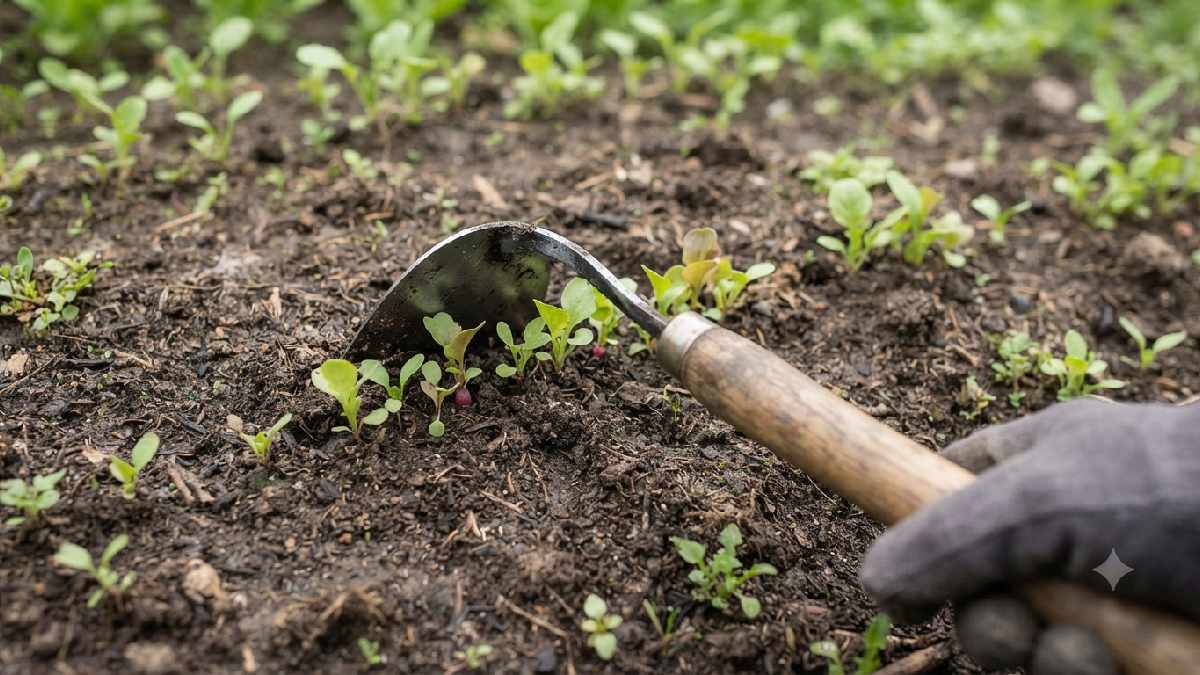
The narrow shape helps too, it slides between closely spaced plants where a bulkier hoe just won’t fit.
It looks almost too simple honestly, but plenty of gardeners end up reaching for it several times a week without really thinking about it.
Best For:
vegetable gardens, flower borders, raised beds, precision weeding, working near young plants
Pros
- Sharp cutting edge
- Lightweight feel
- Easy to control
- Durable steel blad
- Comfortable grip
Cons
- Needs sharpening occasionally
- Better for shallow weeds than deep taproots
Why We Recommend It:
Getting weeds out early saves you hours later in the season. This hoe makes that whole routine faster and honestly less annoying.
Barebones Hand Fork
Sometimes a shovel is overkill and a trowel doesn’t quite cut it either. That gap is exactly where a hand fork earns its place.
The Barebones Hand Fork loosens soil around plants that are already growing, without tearing up roots you’d rather protect. It also works well mixing fertilizer into beds or prepping containers before you plant anything new.
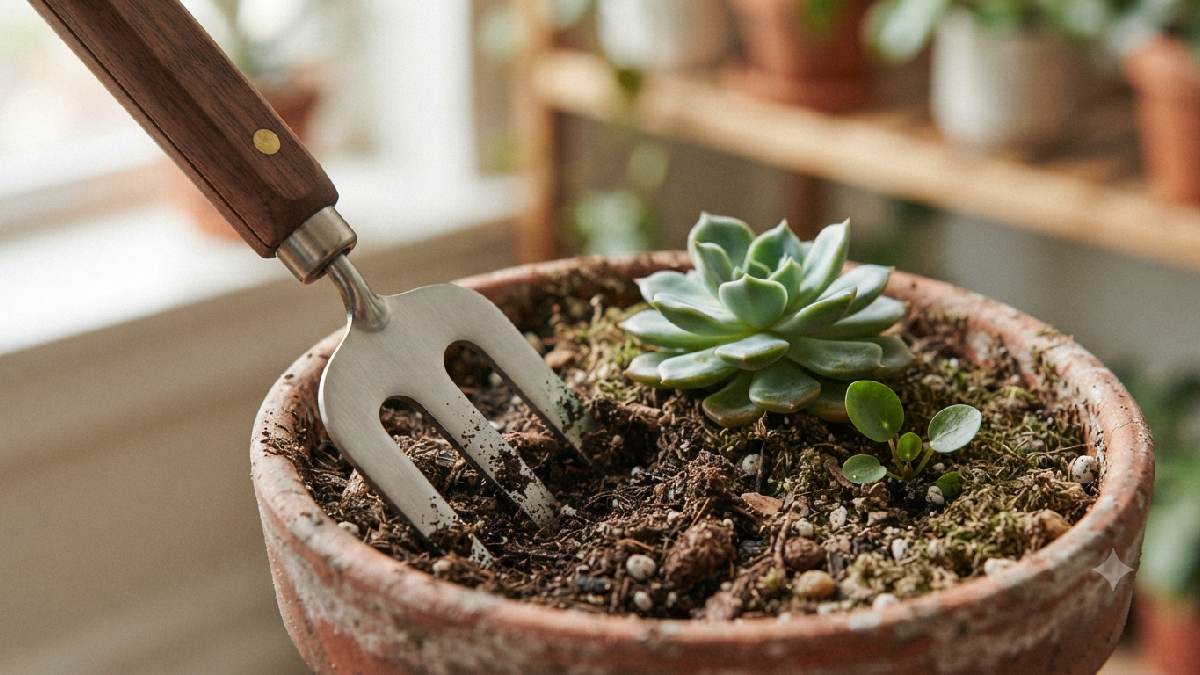
Steel tines push into soil easily while keeping control tight, even in cramped spaces the fork feels precise instead of clumsy, which is honestly not something you can say about every hand fork out there.
Vegetable growers especially seem to reach for this one all season, it handles dozens of the small jobs that bigger tools just aren’t built for.
Best For:
soil aeration, mixing compost, raised beds, container gardens, root separation
Pros
- Durable steel build
- Comfortable walnut handle
- Compact size
- Strong control
- Long-lasting
Cons
- Not for deep digging
- A bit pricey
Why We Recommend It: It’s not the flashiest tool on this list, not even close. But small maintenance jobs get a lot easier once you’ve got a dependable hand fork nearby.
Barebones Pruning Shears
Pruning isn’t only about keeping things tidy, it encourages healthier growth and better airflow, and it cuts down on disease spreading through a plant. Clean cuts genuinely matter more than most people realize.
These shears use hardened steel blades that stay sharp through regular use. Trimming roses, harvesting herbs, cutting away dead branches, the blade slices clean instead of crushing the stem, which weaker shears tend to do more than you’d like.
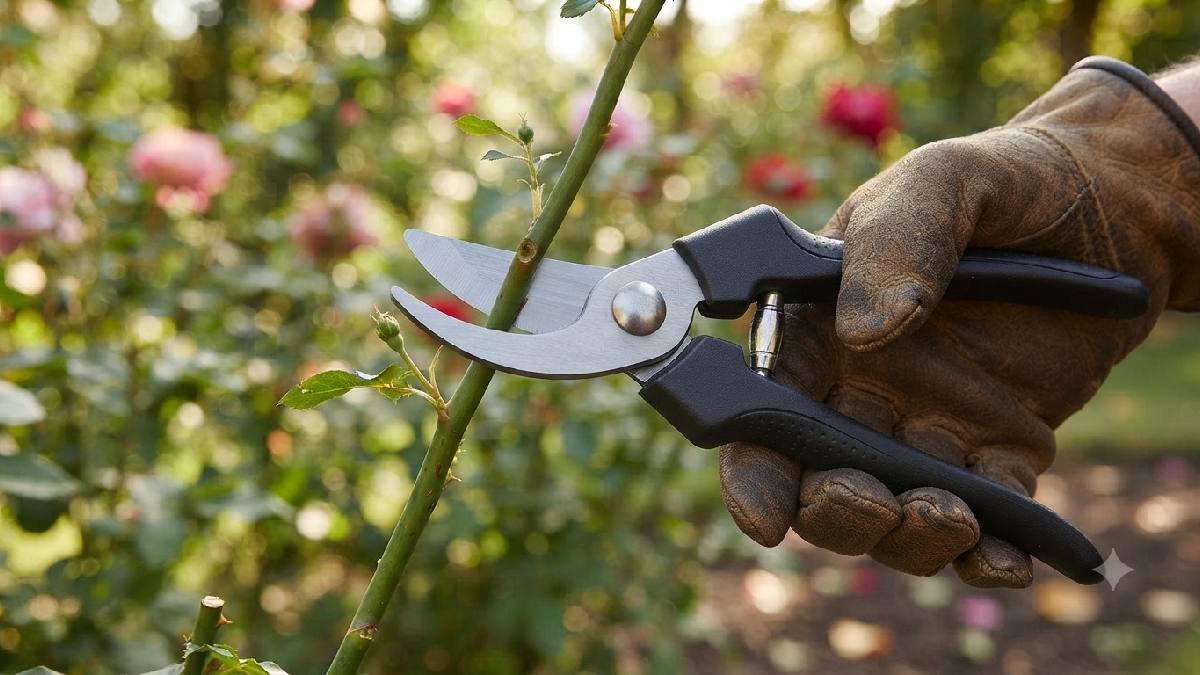
The spring mechanism feels smooth too, and that helps a lot with hand fatigue during longer pruning sessions. Paired with comfortable handles, they stay usable even after an hour or more of steady cutting.
Best For:
shrubs, roses, herbs, fruit trees, flower maintenance
Pros
- Sharp blades
- Comfortable handles
- Smooth cutting action
- Sturdy build
- Reliable locking system
Cons
- Not built for thick branches
- Blades need upkeep
Why We Recommend It: Clean cuts help plants bounce back faster. These shears deliver on that consistently, and they’re comfortable enough that frequent use doesn’t feel like a chore.
Barebones Garden Scissors
Some jobs call for precision, not power. Harvesting herbs, trimming flowers, snipping off a damaged leaf here or there, it needs a lighter touch than most tools offer.
Barebones Garden Scissors are built exactly for that. Narrow blades let you cut accurately without nicking nearby stems or flowers by accident.
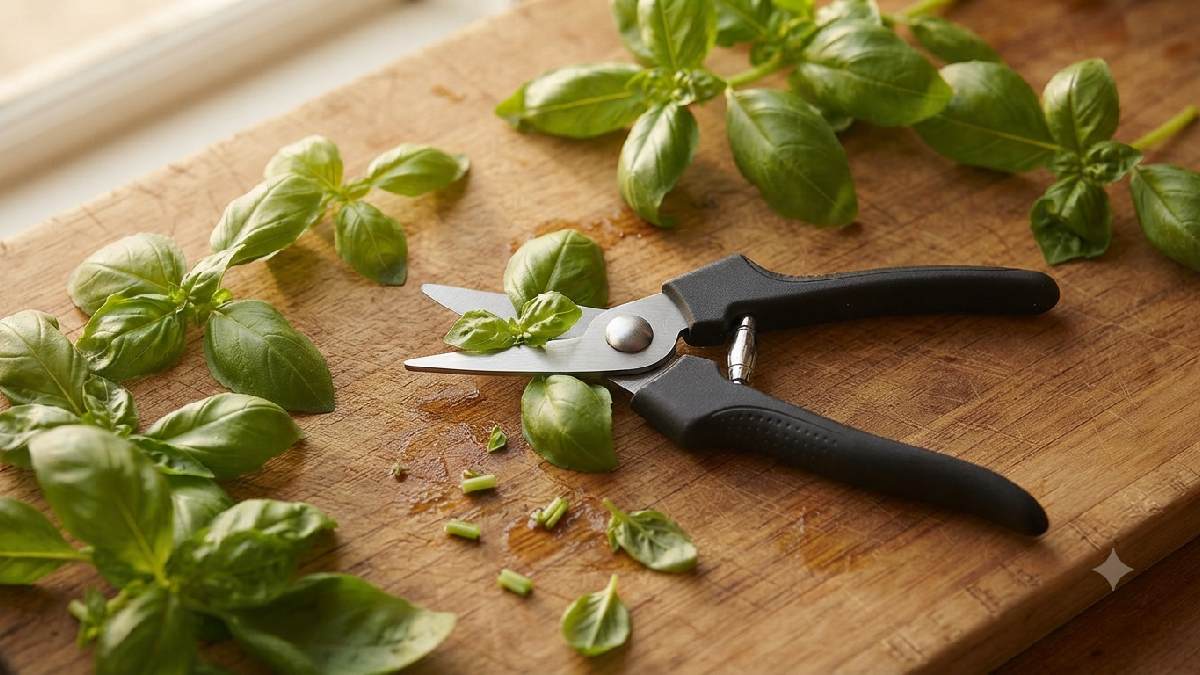
They’re small enough to fit in an apron pocket too, so you’re not walking back and forth to grab them every five minutes.
Cutting basil for dinner, snipping fresh flowers for a table, these scissors handle it better than you’d expect from something this small.
Best For:
herb harvesting, indoor plants, deadheading flowers, vegetable harvesting, detail trimming
Pros
- Lightweight
- Sharp blades
- Excellent precision
- Comfortable grip
- Easy to carry
Cons
- Not for woody stems
- Needs sharpening now and then
Why We Recommend It: Garden scissors are one of those things you don’t know you need until you own a pair. After that, they rarely make it back into the toolbox.
Quick Comparison
| Tool | Best For | Key Advantage |
|---|---|---|
| Barebones Hori Hori Ultimate Tool | Digging, cutting, transplanting | One tool covers multiple jobs |
| Barebones Hand Trowel | Planting | Strong blade, comfortable balance |
| Barebones Cultivator | Soil preparation | Breaks compacted soil efficiently |
| Barebones Japanese Weeding Hoe | Weeding | Minimal soil disturbance |
| Barebones Hand Fork | Soil aeration | Excellent control in tight spaces |
| Barebones Pruning Shears | Pruning | Clean, healthy cuts |
| Barebones Garden Scissors | Harvesting | Precise trimming for delicate plants |
How to Pick the Right Barebones Tool
Every gardener works a little differently. Someone with a few balcony planters doesn’t need the same gear as someone running several raised beds across a backyard.
If this is your first Barebones purchase, think about the job you do most often, that’s really the fastest way to decide.
- Planting flowers or vegetables regularly? Go with the Hand Trowel.
- Want one tool that does almost everything? The Hori Hori Ultimate Tool is it.
- Spend a lot of time pulling weeds? The Japanese Weeding Hoe will save you effort.
- Prepping soil often? The Cultivator earns its keep fast.
- Pruning shrubs and flowers regularly? The Pruning Shears are worth it.
- Harvesting herbs every week? The Garden Scissors become a habit fast.
Buying based on your actual routine usually beats buying the whole set at once, at least until you know what you’ll really use.
Caring for Barebones Gardening Tools
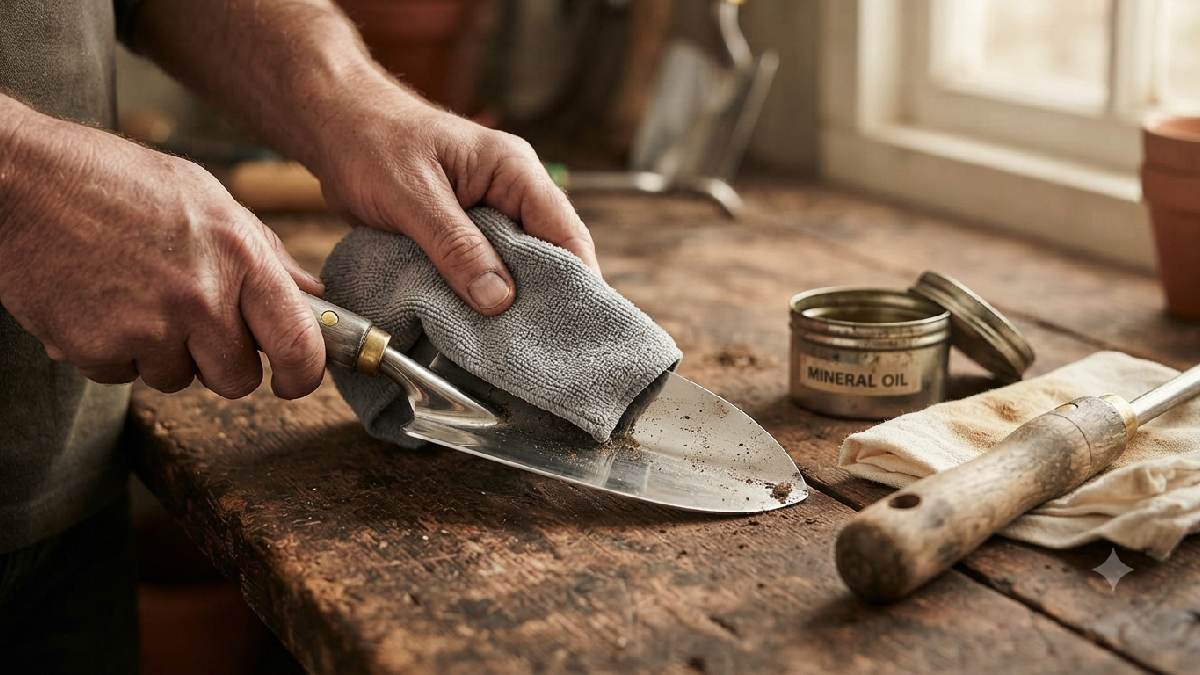
Well-made tools deserve a bit of attention after each use, it really doesn’t take long. Brush off soil before putting anything away. Wet dirt left sitting against steel is basically an invitation for rust. Dry everything with a soft cloth once it’s clean.
A light coat of mineral oil on the steel now and then helps protect the finish. Wooden handles like a bit of natural wood oil too, it keeps the walnut looking rich and helps stop it from drying out or cracking over time.
Sharp blades are safer than dull ones, worth remembering. Shears, scissors, the Hori Hori knife, all of them cut better and work safer with regular sharpening.
A few minutes of care here and there, and these tools can genuinely last years longer than they would otherwise.
Frequently Asked Questions
Are Barebones gardening tools worth buying?
Yes, They cost more than budget brands, but the quality, comfort, and durability make them a worthwhile investment for gardeners who spend time outdoors regularly.
Which Barebones gardening tool should I buy first?
The Hori Hori Ultimate Tool is the best starting point because it combines digging, cutting, planting, and weeding into one versatile tool.
Do Barebones tools rust?
They can if left wet for long periods. Cleaning and drying them after use greatly reduces the chance of rust.
Are Barebones tools suitable for beginners?
Absolutely. Their comfortable design and straightforward functionality make them easy to use regardless of gardening experience.
How long do Barebones gardening tools last?
With proper maintenance, these tools can provide reliable performance for many years.
Are Barebones gardening tools good for raised beds?
Yes, Their compact size and precise control make them an excellent choice for raised beds, container gardens, and smaller growing spaces.
Conclusion
Barebones has built a lineup that balances craftsmanship with actual everyday practicality, not just good looks on day one. These tools are made to keep working season after season, not just impress you during the unboxing.
If you want one tool that covers the widest range of jobs, the Hori Hori Ultimate Tool is the strongest overall pick, no real competition there. Gardeners focused mostly on planting will get more out of the Hand Trowel, and frequent pruning gets a lot easier with the Pruning Shears. Anyone fighting weeds all season will probably find the Japanese Weeding Hoe just as valuable, maybe more.
Whichever tool you end up choosing, reliability is really the whole point here. Gardening gets easier when your tools work with you instead of against you, and that’s the idea Barebones seems to understand better than most brands in this space.
Buy once, take care of what you buy, and these tools will keep helping your garden grow for a long time to come.