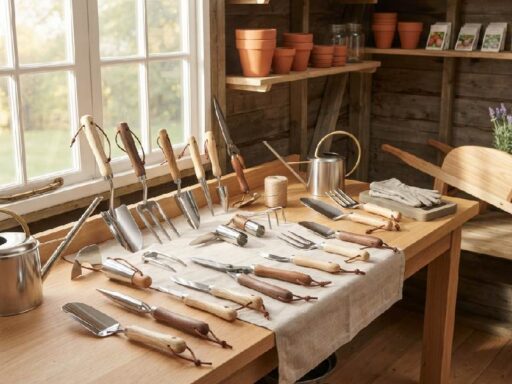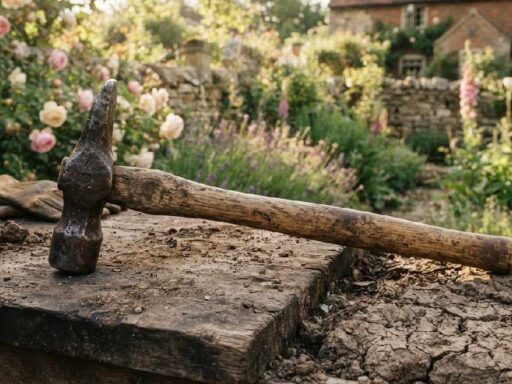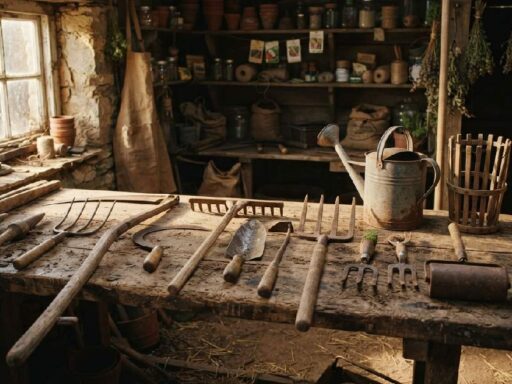

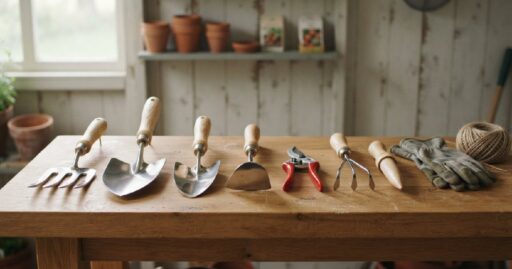
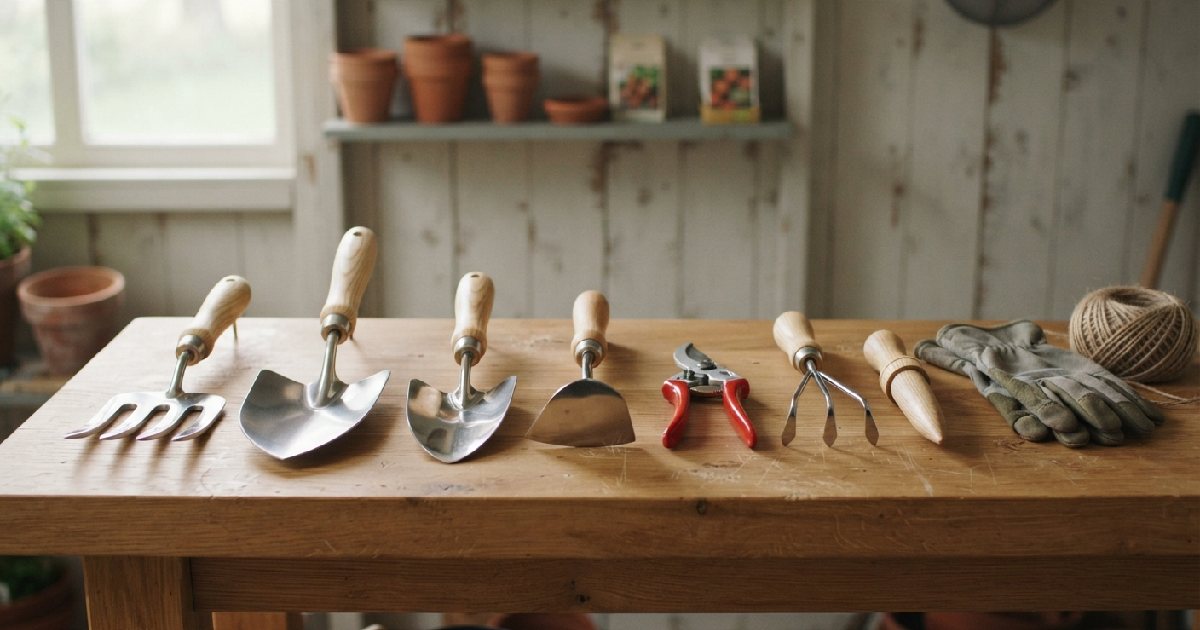

Pick up an old garden fork at an estate sale sometime one with a wooden handle worn smooth by years of hands holding it. You’ll notice something modern tools rarely have: weight balance. A quiet strength that comes from being built to last. Antique garden tools carry that quality. Once you notice it, it’s hard to look at a flimsy plastic-handled trowel the same way again.
These tools come from a different time in gardening. Equipment was often made by hand or in small shops, built from materials meant to survive decades of hard use. Many of them still work well today. Some even work better than their modern replacements. Others have become collector’s items, valued for their craft and history as much as for any real use in the garden.
This guide covers where garden tools came from, the different types you’ll find, what they were usually made of, how to spot a real antique, and how to care for one once you find it. Whether you’re a collector, a gardener who likes real character, or just curious about old tools, there’s plenty here worth knowing.
If you’re new to this, it can feel like a lot at first. There are terms to learn, maker’s marks to spot, and a lot of variety between tools that look alike but come from very different eras. This guide breaks it all down into something simple, giving you a good start before you hunt through estate sales or flea markets on your own.
A Brief History of Garden Tools
Garden tools have existed for thousands of years. But the tools most collectors call “antique” today mostly come from the 1800s through the mid-1900s. This time saw a shift from purely handmade tools, often made by local blacksmiths, toward tools made by growing companies. Many still relied on real skill, not just machines.
The Industrial Revolution changed garden tools a lot. Iron and steel became cheaper and easier to get. This let tool heads get made with more consistency than a blacksmith working alone could usually manage. Companies in England and the United States began making tools on a bigger scale. Quality still stayed high compared to a lot of what’s made today, since materials and labor both cost more back then.
Victorian-era gardening saw a real boom in tool types. This came partly from a growing love of fancy gardening among richer families. Special tools showed up for jobs that earlier gardeners handled with one all-purpose tool. This era gave us many tool designs that collectors still look for today. People loved them for their smart design and solid build.
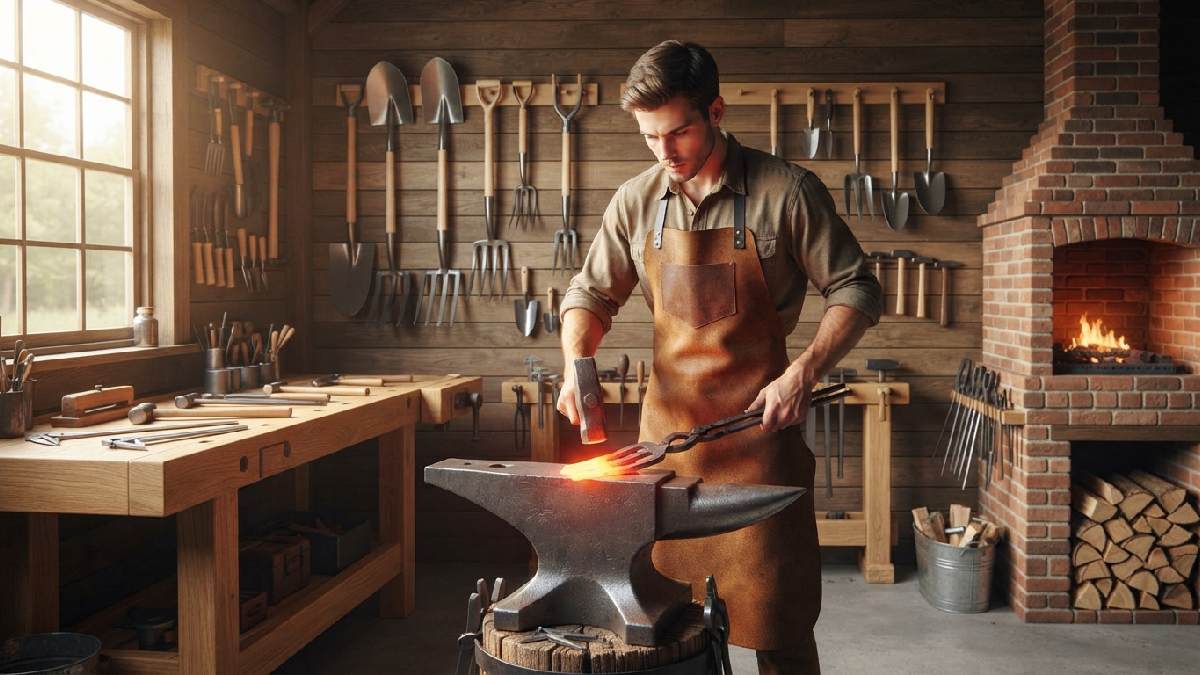
By the early to mid 1900s, garden tools became more standard. Good craftsmanship still mostly held up during this time. Tools from this era often carry maker’s marks, patent dates, or company stamps. These help collectors figure out a tool’s age. Mass production and cheaper materials became more common as the century went on. This is part of why tools made before roughly the 1950s draw more interest from serious collectors than later ones.
Two World Wars also shaped how garden tools changed. Metal shortages during the wars sometimes forced makers to use thinner materials or simpler designs. At the same time, home vegetable gardens grew more popular during and after both wars. People called these victory gardens. This actually raised demand for cheap, working tools. Tools made during these years sometimes carry small quirks tied to material shortages, something collectors use as another clue when dating a piece.
Regional differences shaped tool design too. British tools often favored heavier builds suited to damp, clay-heavy soil. American tools sometimes leaned lighter, built for the many soil types found across a bigger country. Spotting these regional traits can help you guess where a tool was likely made, even without a clear maker’s mark.
Common Types of Antique Garden Tools
Antique garden tools cover a wide range of jobs. Knowing the different types helps a lot when trying to identify or collect specific pieces.
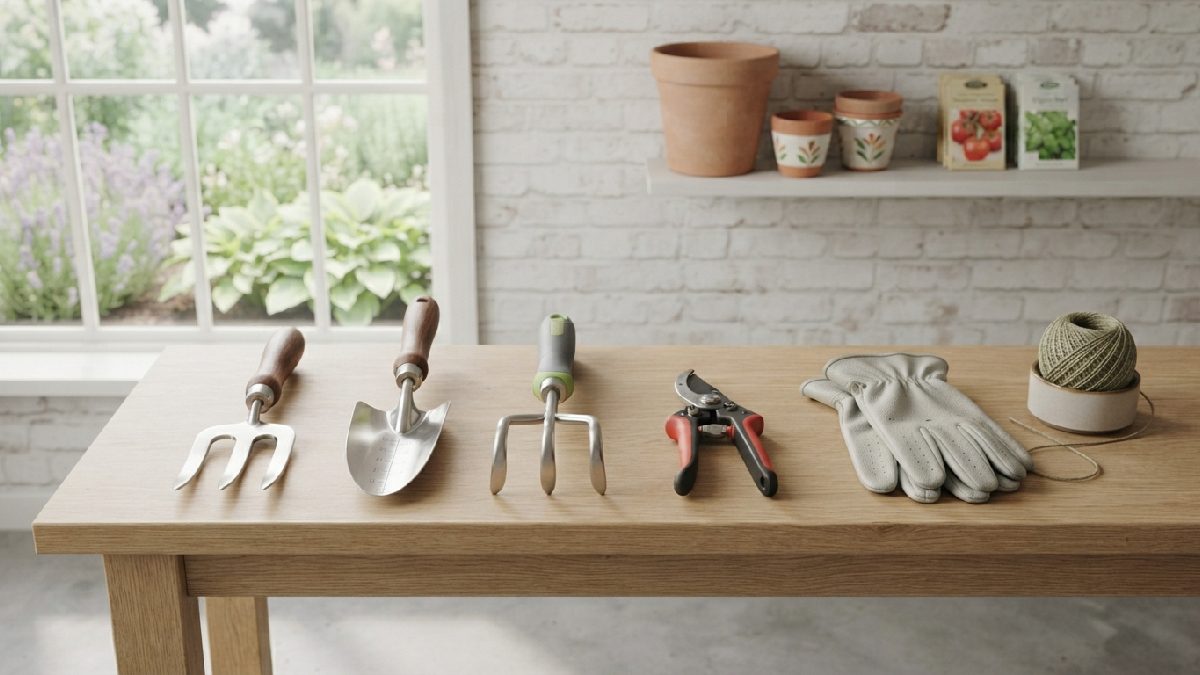
Digging and Cultivating Tools
Spades and shovels are some of the oldest and most common garden tools you’ll find. Antique versions often have forged steel heads riveted onto ash or hickory handles. These woods were chosen for strength and slight bend. Look closely, and you may spot a socket design where the handle meets the head. This is an older build method, different from the tang-and-ferrule style common on many modern tools.
Garden forks, sometimes called digging forks, were key for breaking up soil and turning compost. Antique examples usually have four sturdy tines forged from one piece of steel. This gives them much more strength than many mass-made modern forks, which often use thinner, stamped metal instead.
Hoes came in a lot of variety during the antique tool era. There were special designs for different soil types and jobs. Draw hoes, scuffle hoes, and warren hoes each served slightly different purposes. A real collection often includes several hoe styles, each shaped for one job rather than one tool trying to do everything.
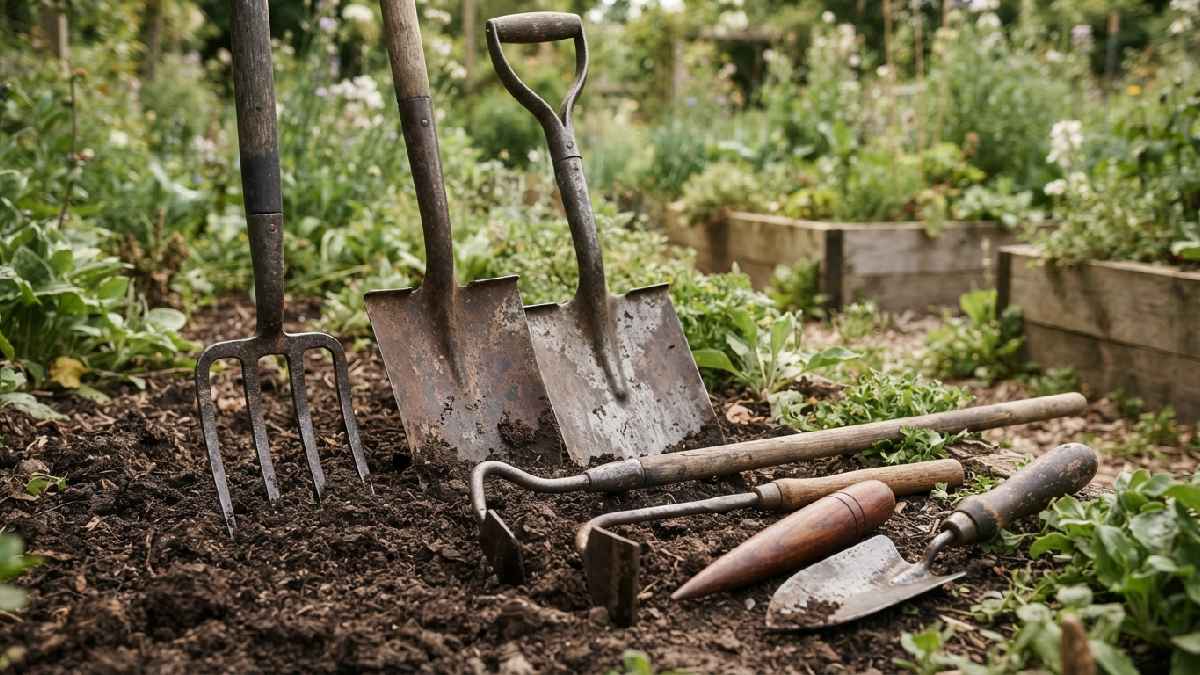
Dibbers are simple pointed tools used to make holes for planting seeds or bulbs. They’re among the smaller antique tools collectors like to track down. Older ones were often turned from a single piece of hardwood, sometimes with a metal tip added for strength. The wood grain and wear on a real antique dibber looks noticeably different from a modern copy.
Trowels rounded out most gardener’s basic toolkits. Antique versions often show nice variety in blade shape, some narrow and pointed for tight spots, others wider and scoop-shaped for general digging. Many older trowels were forged as one piece of metal with the handle running right through a wooden grip. This is a sturdier build than the riveted or molded plastic handles common on cheaper modern tools.
Pruning and Cutting Tools
Pruning shears and secateurs from the antique era often have forged steel blades and handles made for a firm, comfy grip. Many older designs used a simple spring, often made from a coiled piece of steel, rather than the more complex spring systems found in newer versions.
Hedge shears from this period tend to be noticeably heavier than modern ones. They were built with long, forged blades that stayed sharp through heavy use. That extra weight actually helped with cutting power, letting the tool’s own weight do more of the work instead of relying only on hand strength.
Sickles and scythes are more tied to farming than typical garden work. But they sometimes show up in garden tool collections, especially smaller versions made for trimming grass. These tools take real skill to use safely. This is part of why they’ve become more of a collector’s curiosity than a practical tool for most modern gardeners.
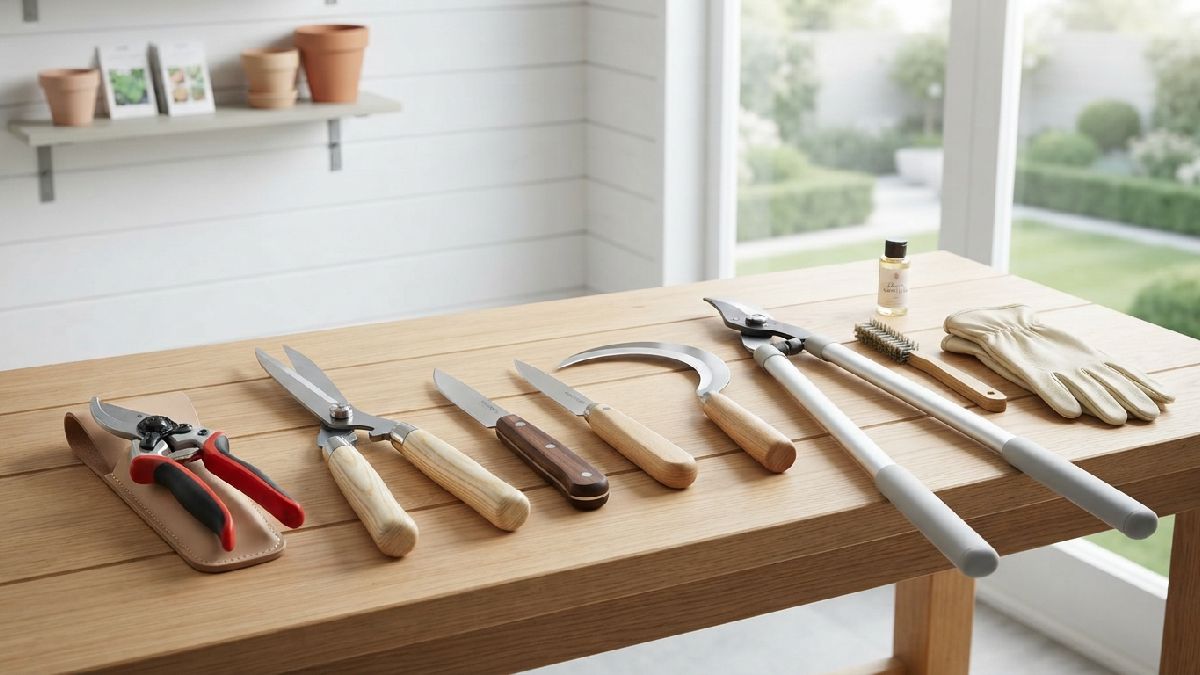
Grafting knives and special pruning knives are some of the more refined antique tools. They often have finely honed blades and handles made from bone, horn, or dense hardwood. These were precise tools meant for delicate work, and pieces that survived in good shape tend to be extra prized among serious collectors.
Loppers and long-handled pruners from the antique era relied on simple leverage rather than the geared or ratchet systems found in many modern versions. The simple design meant fewer parts to break. It also meant more hand strength was often needed to cut thicker branches compared to today’s more helpful tools.
Materials Used in Old Garden Tools
Knowing what antique garden tools were actually made from helps a lot when trying to date a piece or check its condition and value.
Wood, Iron, and Steel
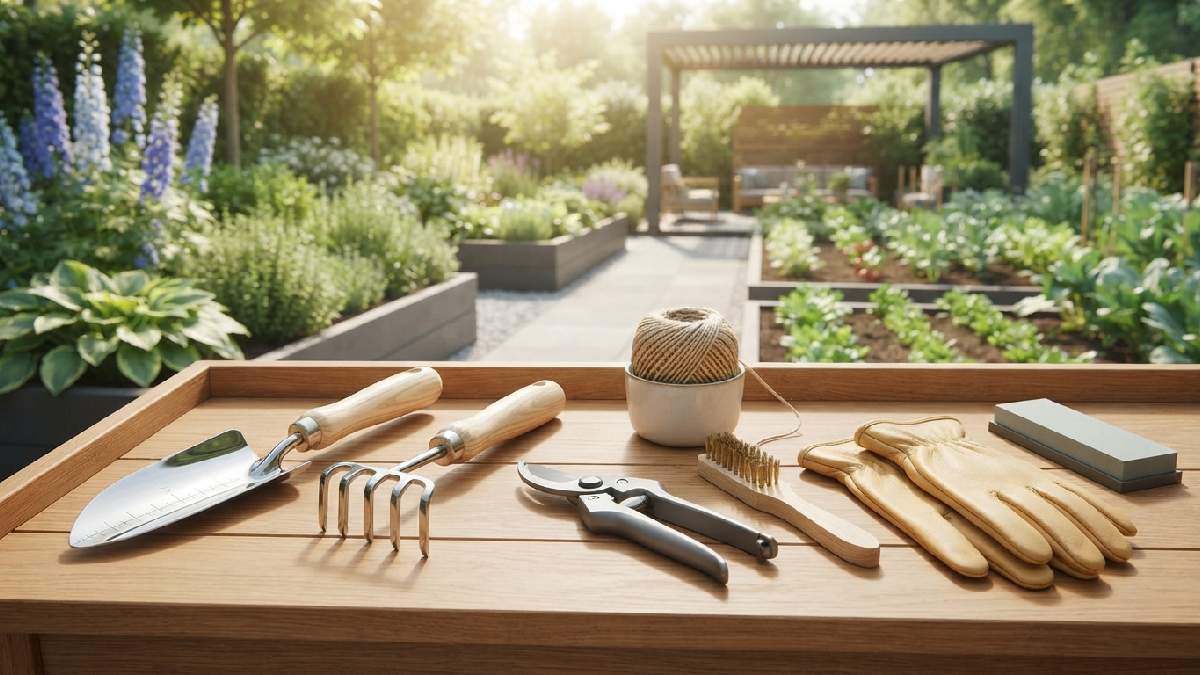
Handles on antique tools were almost always made from hardwood. Ash and hickory were especially common choices, thanks to their mix of strength and slight bend, which helped absorb shock during heavy use. Over decades of handling, these wooden handles often built up a smooth, polished patina from natural oils in human skin. This is something that just can’t be faked on a new copy.
Wrought iron was widely used for tool heads before steel became cheaper and more common. Wrought iron has a fibrous grain, visible if the metal has rusted a bit, that looks noticeably different from the more even grain of steel. Tools made from wrought iron tend to be a bit softer than steel ones. This meant they needed more sharpening but were often easier to fix using old blacksmith methods.
Steel slowly became the main material for tool heads through the late 1800s and into the 1900s. It gave better edge holding and toughness compared to wrought iron. Carbon steel was especially common, valued for holding a sharp edge well, though it needed more care to stop rust compared to later stainless steel options.
Brass and bronze fittings sometimes show up on higher-end antique tools. This was especially true for items meant for decorative or special garden work rather than heavy daily labor. These materials resist rust better than iron or steel. This is part of why fittings made from them often survive in surprisingly good shape, even on tools that are otherwise quite worn.
Leather also shows up on certain antique tools, especially as grip wraps on handles or as covers for pruning knives. Real leather ages in a certain way, cracking and softening in a manner that’s hard to fake. This makes it another useful clue when checking if a piece is genuinely old or a newer copy dressed up to look antique.
How to Identify Genuine Antique Tools
Interest in antique garden tools keeps growing, and copies styled to look old have become more common. Knowing how to spot the real thing matters a lot, whether you’re buying to collect or just want to know what you’re getting.
Maker’s Marks and Stamps
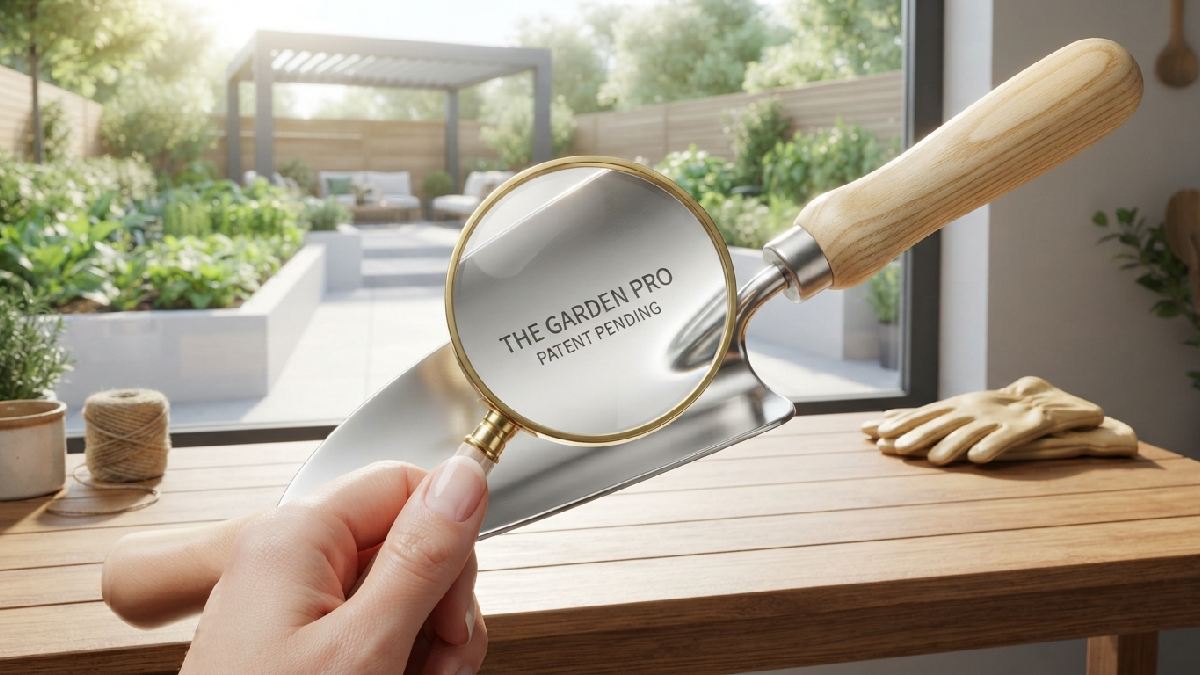
Many antique garden tools carry a maker’s mark, patent number, or company name stamped right into the metal. This is usually somewhere near the handle connection. These marks can help you figure out where a tool came from and roughly how old it is, since many companies only worked within certain date ranges.
Patent dates stamped on tools give a helpful clue too. But it’s worth remembering that a patent date shows when a design was patented, not necessarily the exact year that specific tool was made. Popular designs sometimes stayed in production for years or even decades after the original patent.
Looking up specific maker’s marks takes a bit of digging. This often means old trade catalogs, antique tool collector forums, or reference books about tool history. Some marks are well known and easy for experienced collectors to spot. Others need more careful research to properly identify and date.
No maker’s mark doesn’t mean a tool isn’t genuinely old. Many smaller blacksmith-made tools were never stamped at all. In these cases, build methods, wear patterns, and material clues matter more than any printed mark.
Beyond stamps, real wear patterns give some of the most reliable proof of true age. Genuine antique tools usually show wear that makes sense given how the tool was actually used. Smoothing shows up where hands would naturally grip. Edges wear unevenly in a way that matches years of digging or cutting. Fake-aged copies often show wear in spots that don’t quite match how a tool would realistically wear down. Experienced collectors learn to spot this fairly fast.
Build details matter just as much as marks and wear. Hand-forged tools often show slight unevenness or hammer marks that a machine-made tool simply wouldn’t have. Rivets on older tools tend to be hand-set and slightly uneven, while modern manufacturing makes far more even, machine-set fasteners. Learning to notice these small build differences takes practice. But it becomes second nature fast once you’ve handled a few real pieces next to newer copies for comparison.
Caring for and Preserving Antique Tools
Whether you plan to display an antique tool or actually put it back to work, proper care makes a big difference in how well it survives for the future.
Cleaning Without Losing Value
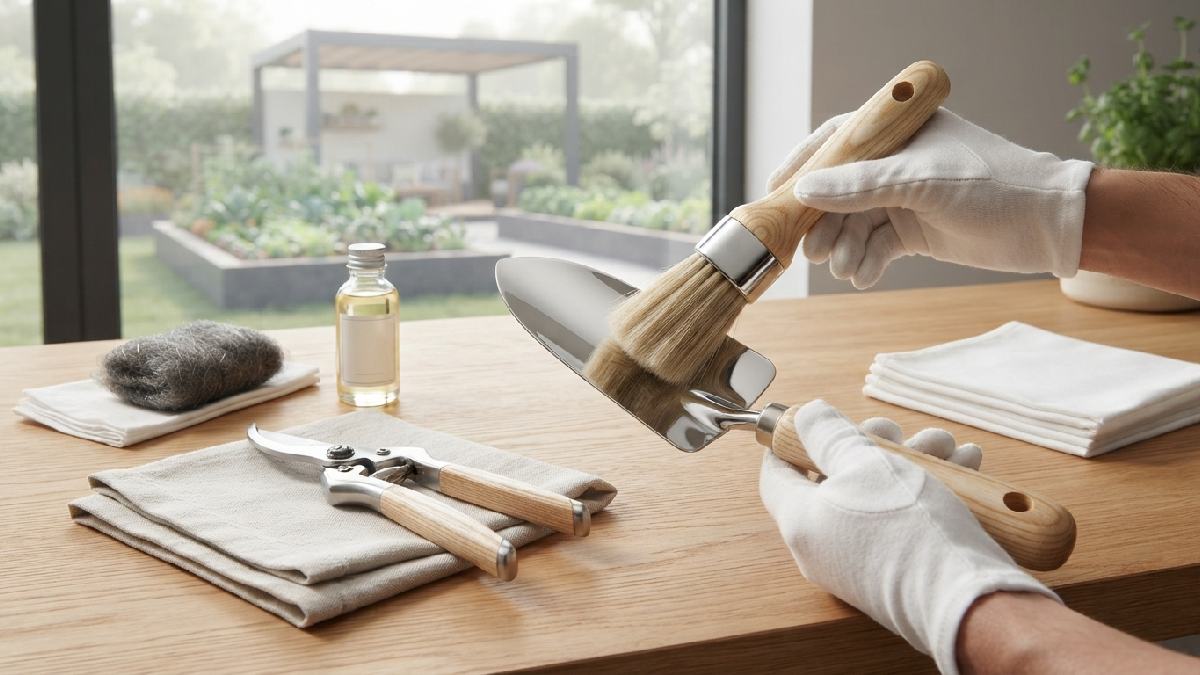
Rough cleaning can actually lower an antique tool’s value, especially if it strips away the natural patina that builds up on both wood and metal over decades. For most collectible pieces, a gentle approach works best. Use a soft brush to remove loose dirt, followed by a light wipe with a slightly damp cloth. Avoid harsh chemicals or rough scrubbing that could damage the surface.
Light surface rust on steel or iron tool heads can often be carefully removed using fine steel wool or a rust eraser. Work gently and stop well before you hit bright, shiny bare metal. A small amount of rust and general surface patina is usually seen as good on a genuine antique, since it confirms real age rather than a recently cleaned copy trying to look older than it is.
Wooden handles benefit from an occasional light coat of linseed oil. Put it on lightly and let it fully soak in before wiping away any extra. This helps stop the wood from drying out and cracking over time, especially if the tool sits somewhere with changing humidity through the year.
For tools you actually plan to use, keeping cutting edges properly sharp matters for real use and for stopping extra stress on old, possibly brittle metal. A dull blade needs more force to use. This raises the risk of snapping a handle or otherwise damaging a truly irreplaceable antique piece.
Storage matters a lot too. Somewhere dry, with fairly steady temperature and humidity, helps stop both rust on metal parts and cracking in wooden handles. Hanging tools rather than leaning them against a wall also helps stop extra stress on handles. It lowers the risk of damage from other items being stacked against them.
It’s worth deciding early whether a certain piece is meant for display or real use. This choice changes how you should clean and maintain it. A tool meant for a wall display can be left with more of its original patina intact. One you plan to genuinely use in the garden might need a sharper edge and a bit more cleaning, even if that means giving up a small amount of collector value for practical function.
What Makes These Tools Worth Collecting
Beyond simple practical use, antique garden tools appeal to collectors for reasons that go well beyond their original job. The craft on display, hand-forged steel, carefully fitted wooden handles, thoughtful design meant to make repeated work a bit easier, shows a level of care that’s become genuinely rare in most mass-made modern tools.
There’s also a link to history that comes with owning a tool that’s actually seen decades of real use. Unlike purely decorative antiques, garden tools were meant to work. Many surviving examples still show the honest wear of a life spent actually being useful, digging real soil for owners whose names and stories are now mostly lost to time.
Building a collection doesn’t have to happen fast or follow any strict plan. Many collectors start with a single tool that caught their eye, maybe inherited from a family member or picked up on a whim at a yard sale. They slowly grow their collection from there as their knowledge and interest build. There’s no wrong way to start. The learning itself- researching marks, comparing build styles, handling different materials- is often just as rewarding as the collecting.
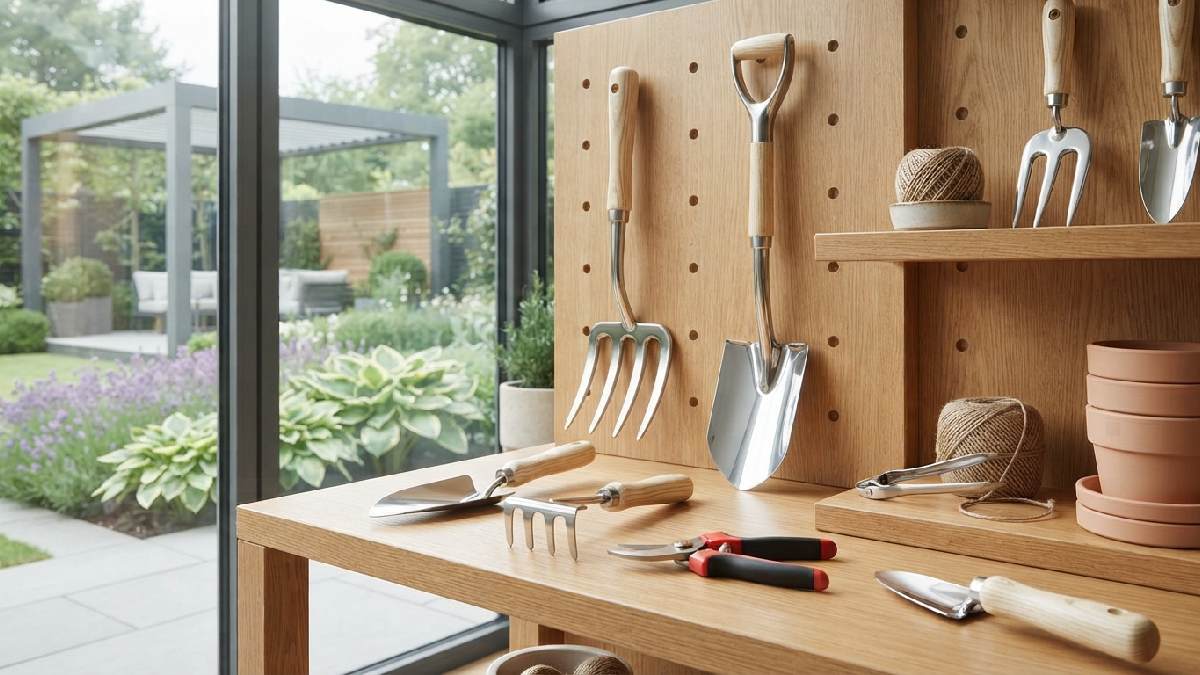
For gardeners rather than pure collectors, there’s also a practical case for antique tools. Many were built from higher-quality materials than what’s typically found in budget modern tools today. A well-kept antique spade or fork can genuinely outperform, and certainly outlast, a cheaply made modern equal picked up at a big box store.
There’s also something to be said for the waste-saving side, whether or not that was ever the original owner’s goal. Choosing a well-made antique tool instead of buying a new, throwaway version means one less item heading to a landfill somewhere down the line. It also means continuing to use something that’s already proven, over the course of many decades, that it was built to genuinely last.
If you’re interested in exploring specific tool types further, our guides covering old gardening tools and vintage garden forks go deeper into particular types worth looking for, along with more detailed identification tips for those tools.
FAQ
Are antique garden tools actually safe to use in the garden today?
Many are, especially well-kept pieces with solid handles and sharp edges. But it's worth checking any tool carefully for cracks or weak spots before putting real weight or force behind it
What time period do most collectible antique garden tools come from?
Most serious collector interest focuses on tools made from the 1800s through roughly the 1950s, when craft and material quality were generally higher than later mass-made tools.
Do all antique garden tools have maker's marks?
No. Many smaller or locally blacksmith-made tools were never stamped. So wear patterns, materials, and build methods often matter more for dating tools without a visible mark.
Should I sharpen an antique tool I plan to display rather than use?
Generally no. Keeping the original edge intact keeps more of the tool's real character and collector value. Sharpening only really matters if you plan actually to use the tool in the garden.
Can antique garden tools be fixed if a handle breaks?
Often yes, especially if you can find a period-matching replacement handle or a skilled woodworker willing to shape one to match the original style.
Conclusion
Antique garden tools offer something modern equipment often can’t quite match. A real sense of craft, history, and quiet toughness built into every handle and blade. Whether you’re drawn to them as a collector chasing rare maker’s marks, or simply as a gardener who likes a well-balanced tool that’s already proven it can last, there’s real value in learning to spot and care for these pieces properly.
Take your time with any piece you find. Look into its likely origin. Treat it with the kind of care that helped it survive this long in the first place. With a bit of attention, an antique garden tool found at an estate sale or tucked away in an old shed can keep right on working, or simply keep telling its story, for many more years to come. That’s a legacy worth keeping, one careful tool at a time.