



Gardening Tools for Arthritic Hands: 2026’s Best Comfort Guide
Gardening should feel calming, not painful, but arthritis can turn simple tasks like pruning or weeding into a real struggle. Gardening tools for arthritic hands are designed to ease that burden, using ergonomic handles, lightweight materials, and mechanisms that multiply hand strength instead of demanding it.
In 2026, newer models add auto-rotating handles, ratchet actions, and neoprene grips for extra comfort. This guide covers why these tools matter, the key features worth prioritizing, the best current styles, and how to choose tools that fit your hands and your garden.
Why Gardening Tools for Arthritic Hands Matter in 2026
Arthritis makes joints stiff, sore, and less flexible, turning ordinary gripping and twisting motions into sources of real pain. Standard garden tools often demand exactly the kind of repetitive squeezing and wrist rotation that aggravates these symptoms.

Gardening tools for arthritic hands remove much of that strain by using leverage, lighter materials, and softer grips. This shift lets people keep gardening comfortably rather than giving up a hobby that supports both physical activity and mental wellbeing well into later life.
Understanding How Arthritis Affects Grip
Arthritis reduces joint flexibility and often weakens grip strength, making it harder to hold small tool handles firmly for extended periods. Swelling and stiffness can also make twisting motions, like turning a trowel in soil, genuinely painful.
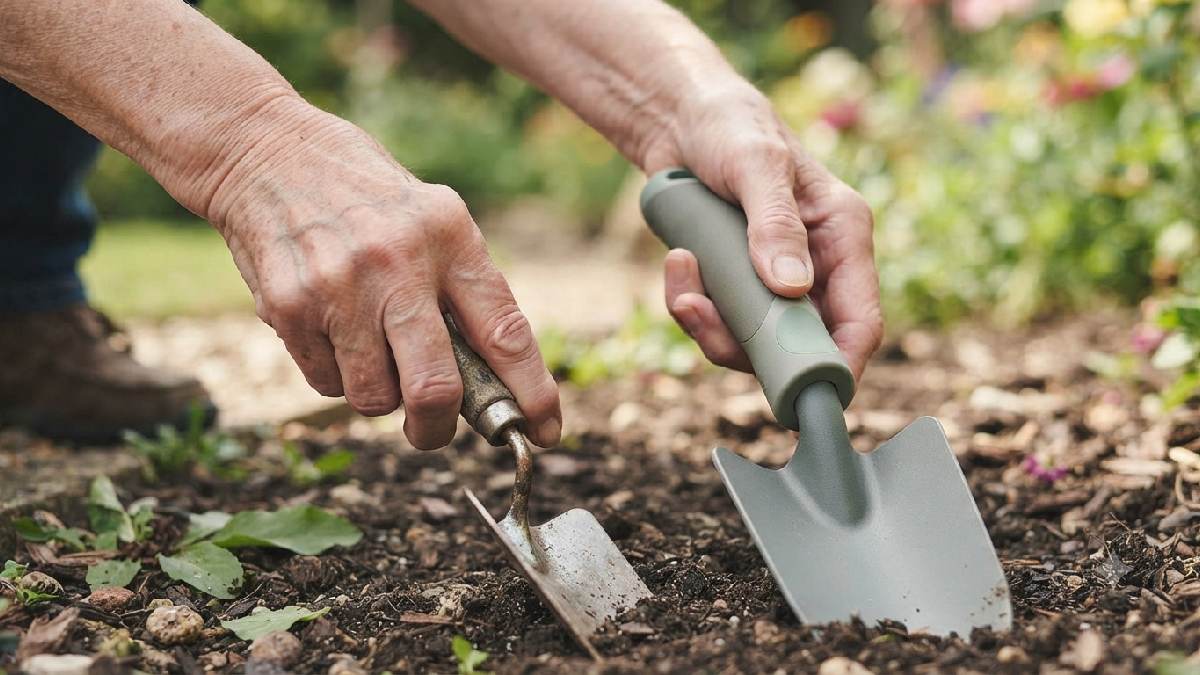
Understanding these specific limitations helps explain why standard tools feel so much more difficult than they used to. These arthritis-friendly tools are built specifically around these challenges, softening the physical demands of everyday garden tasks.
Reducing Joint Strain During Garden Work
Repetitive squeezing, gripping, and twisting compounds joint strain over the course of a single gardening session. Tools that rely on leverage rather than raw hand strength distribute effort more evenly across the arm and shoulder instead of concentrating it in the fingers.
Choosing gardening tools for arthritic hands with ratchet or geared mechanisms significantly cuts down on this repetitive stress, letting gardeners complete more tasks without triggering pain or stiffness afterward.
Preserving Independence in the Garden
Many people with arthritis quietly give up gardening tasks one by one as pain increases, eventually losing a hobby tied to both exercise and daily purpose. The right tools reverse that trend by making tasks achievable again without outside help.
The right tools let people keep managing their own beds, containers, and borders independently, preserving both physical capability and the simple satisfaction of tending a garden themselves.
Key Features to Look for in 2026 Gardening Tools for Arthritic Hands
Not all garden tools offer the same relief, and choosing poorly can leave hands just as sore as before. Look for cushioned, contoured grips, lightweight aluminum or composite construction, and mechanisms like ratchets or gears that reduce required force.
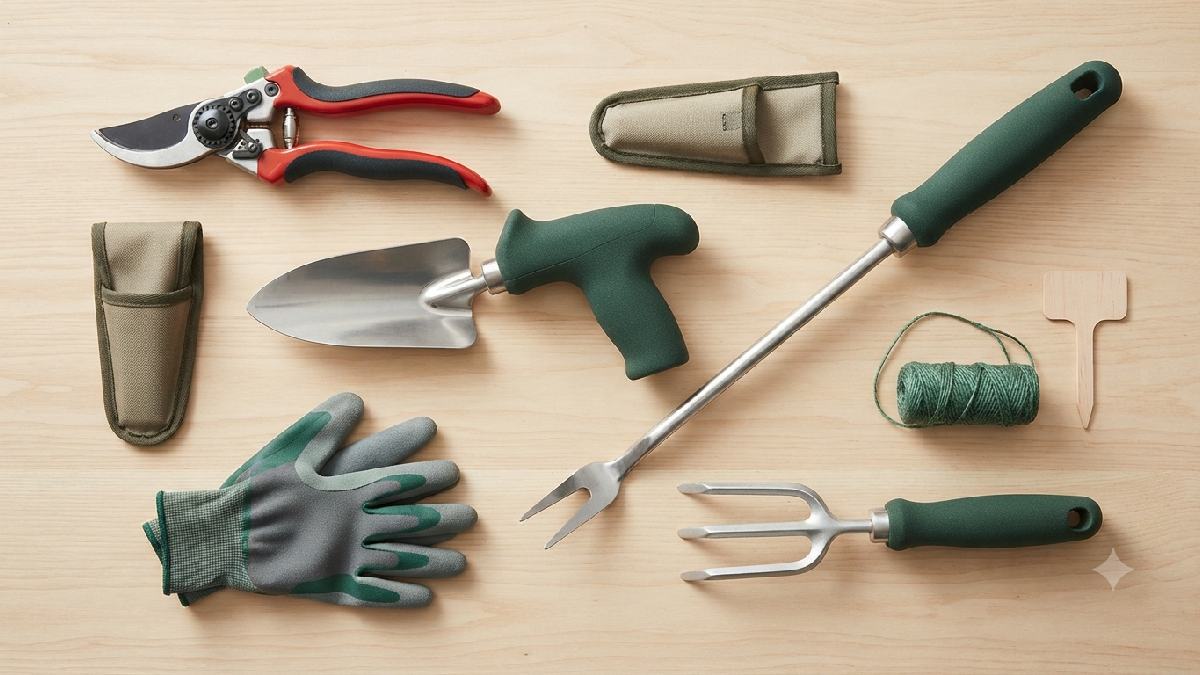
Pistol-grip designs and curved handles also help avoid awkward wrist twisting. The newest 2026 models combine several of these features at once, rather than offering just a single ergonomic upgrade.
Ergonomic and Cushioned Grips
Soft, contoured grips that sit naturally in the palm reduce pressure points that standard hard-plastic handles create. Cushioned foam or rubberized coatings absorb some of the shock from repetitive motion, easing strain on sensitive joints.
Pistol-grip designs let the wrist stay in a more neutral position during use. When comparing gardening tools for arthritic hands, grip comfort is often the single most noticeable feature difference between models.
Lightweight Materials
Steel tools are strong but heavy, requiring more muscle force to lift, swing, and maneuver throughout a gardening session. Aluminum, titanium, or high-quality composite tools weigh considerably less while still holding up to regular garden use.
Lighter tools reduce overall fatigue, letting gardeners work longer before hands and wrists start to ache. Prioritizing lightweight construction is one of the simplest ways to make garden tools genuinely easier to use for sore, tired hands.
Ratchet and Geared Mechanisms
Ratchet pruners and loppers cut in stages rather than requiring one hard squeeze, multiplying hand strength through mechanical leverage. This means cleaner cuts through thicker stems with noticeably less finger and wrist effort.
Geared mechanisms work similarly, distributing cutting force more evenly. For anyone managing reduced grip strength, ratchet-based tools consistently rank among the most effective upgrades available in 2026.
Long Handles for Reduced Bending
Long-handled rakes, hoes, and weeders let gardeners work while standing rather than kneeling or bending, which helps when arthritis affects hips, knees, or the lower back alongside the hands.
Extended reach also reduces the awkward wrist angles that come from working close to the ground. Pairing long-handled designs with cushioned grips makes these gardening tools for arthritic hands especially useful for gardeners managing joint pain in multiple areas.
Best Types of Gardening Tools for Arthritic Hands in 2026
Several tool categories consistently stand out for easing arthritis-related strain. Ratchet pruning shears reduce cutting effort dramatically, while pistol-grip trowels and cultivators ease wrist twisting during digging tasks.
Long-handled tools minimize bending, and electric or battery-powered options remove manual effort almost entirely. Below, we break down each category so you can match the right gardening tools for arthritic hands to your specific tasks and garden layout.
Ratchet Pruning Shears and Loppers
Ratchet pruning shears use a stepped cutting action, letting you close the blades gradually instead of relying on one hard squeeze. This dramatically reduces the force needed to cut through stems and small branches.
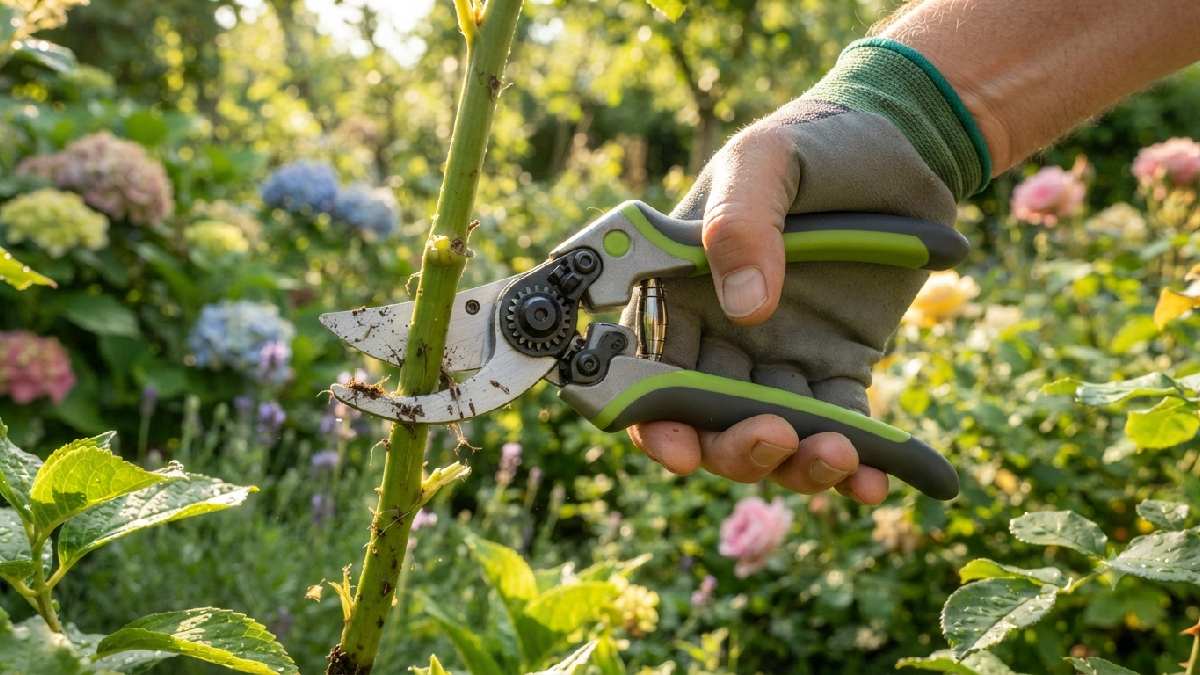
Many 2026 models add neoprene inserts that hold branches steady during the cut, reducing slipping. For pruning-heavy gardens, ratchet-based gardening tools for arthritic hands are often the single most impactful purchase available.
Pistol-Grip and Auto-Rotating Tools
Pistol-grip trowels and cultivators let the wrist stay in a more natural, neutral position while digging or turning soil, avoiding the twisting motion standard handles require. Some 2026 secateurs add auto-rotating handles that adjust automatically as you cut, further reducing wrist strain.

Finger protection guards on newer models add safety for sensitive joints. These design choices make pistol-grip gardening tools for arthritic hands especially popular among gardeners with wrist-specific pain.
Long-Handled Rakes, Hoes, and Weeders
Long-handled tools let gardeners rake, hoe, and weed from a standing position, cutting down on kneeling and bending that strain hips, knees, and backs alongside arthritic hands. Cushioned, wide grips on the handle end further reduce hand fatigue during extended use.
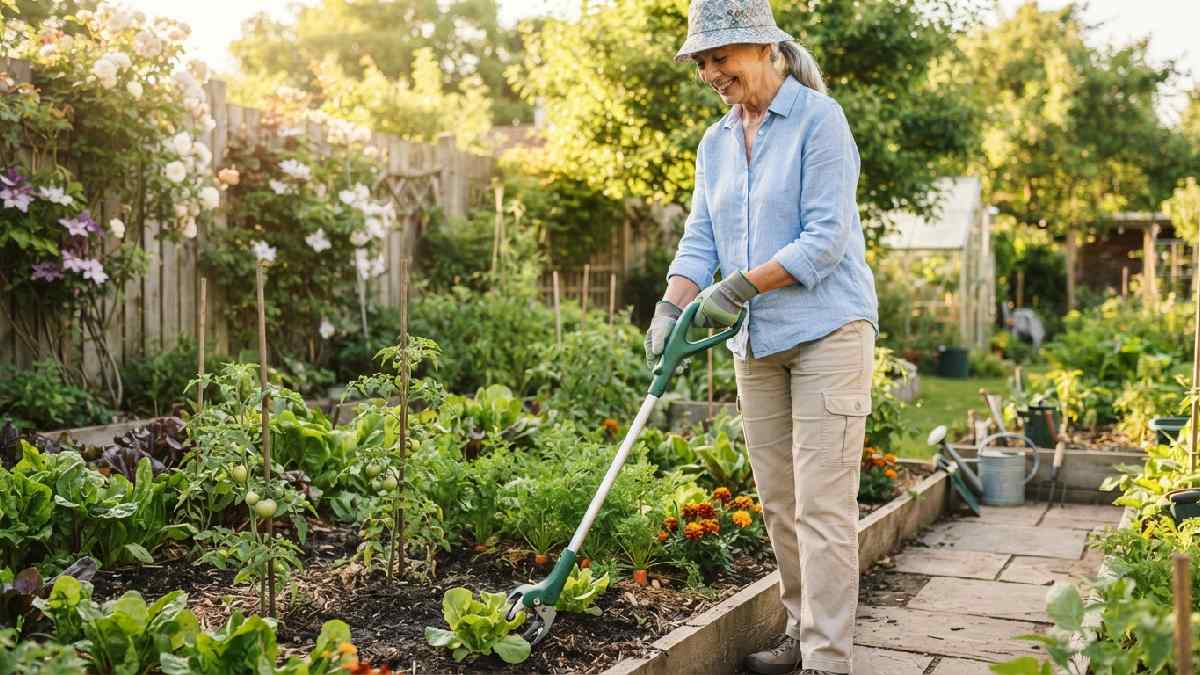
Many sets now come with interchangeable heads, letting one lightweight handle serve multiple tasks. This versatility makes long-handled tool sets a practical, space-saving choice for arthritic gardeners.
Electric and Battery-Powered Options
Battery-powered pruners, hedge trimmers, and cultivators remove manual squeezing or turning almost entirely, replacing it with the push of a button or trigger. This dramatically reduces hand fatigue for larger gardening projects like hedge trimming or extensive pruning.
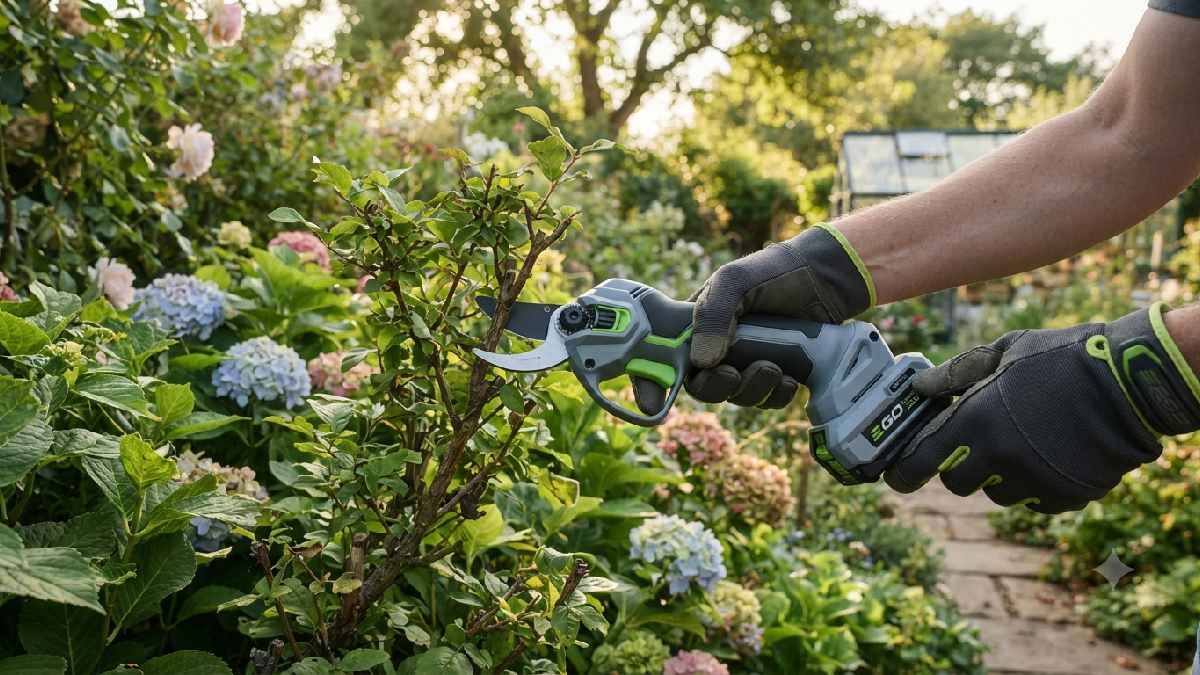
While pricier than manual tools, electric gardening tools for arthritic hands offer real relief for gardeners managing more significant grip limitations or larger garden areas that require sustained tool use.
Health Benefits of Using Arthritis-Friendly Garden Tools
Beyond simple comfort, these supportive tools offer measurable health benefits that extend well past a single afternoon outdoors. Reduced joint strain limits flare-ups triggered by repetitive motion, while continued activity supports overall joint mobility and strength.
Physiotherapists frequently note that staying gently active, with the right supportive tools, helps manage arthritis symptoms better than avoiding activity altogether, making these tools a meaningful part of long-term joint health.
Reducing Pain and Inflammation
Repetitive gripping and twisting can trigger inflammation flare-ups in already sensitive joints, sometimes lasting well beyond the gardening session itself. Tools that reduce required force limit this repetitive stress considerably.
Ratchet mechanisms, lightweight materials, and ergonomic grips all work together to lower the physical demand placed on fingers and wrists. Choosing supportive gardening tools for arthritic hands is one of the simplest ways to prevent unnecessary flare-ups during regular garden care.
Maintaining Grip Strength Over Time
Staying active, even gently, helps maintain grip strength and joint mobility better than avoiding hand use entirely. Supportive garden tools allow continued activity without the harsh strain that accelerates joint wear.
Regular, comfortable use keeps hands moving through a fuller range of motion. Over months and years, this consistent gentle activity can meaningfully support hand function compared to withdrawing from hands-on hobbies altogether.
Supporting Mental Wellbeing
Gardening offers purpose, routine, and a genuine connection to nature that supports mental wellbeing, particularly for people managing a chronic condition like arthritis. Losing that outlet to pain can affect mood and daily structure significantly.
Comfortable, supportive gardening tools for arthritic hands help preserve this connection, letting people keep engaging with a hobby that offers far more than physical exercise alone throughout the changing seasons.
Safety and Pacing Tips for Gardening with Arthritis
Even the best gardening tools for arthritic hands work best alongside smart pacing and technique. Just fifteen to thirty minutes of gentle gardening provides meaningful movement without overloading sore joints.

Warming up beforehand and resting when needed prevents flare-ups triggered by overexertion. Listening to your body throughout a session matters just as much as the tools themselves when it comes to gardening comfortably with arthritis.
Pacing Your Gardening Sessions
Working in short, focused bursts rather than long marathon sessions helps prevent the cumulative strain that triggers flare-ups. Fifteen to thirty minutes of gardening, followed by a rest period, offers meaningful activity without overloading joints.
Breaking larger projects into several shorter sessions across a few days often works better than pushing through in one sitting, even when good gardening tools for arthritic hands make tasks feel easier than usual.
Warming Up Before Garden Work
Gentle hand and wrist stretches before starting help loosen stiff joints and improve blood flow ahead of repetitive motion. A few minutes of warm-up reduces the risk of sudden strain once gardening begins.
Simple movements like wrist circles or finger stretches prepare the hands for tool use. Pairing this habit with supportive gardening tools for arthritic hands offers a noticeably more comfortable start to any session.
Recognizing When to Rest
Pushing through pain rather than stopping often leads to longer flare-ups afterward, undoing the benefit of using supportive tools in the first place. Learning to recognize early signs of overexertion, like increased stiffness or aching, allows for timely rest before symptoms worsen.
Even with the best gardening tools for arthritic hands, respecting these signals remains essential for staying comfortable and consistent over the long run.
How to Choose the Right Gardening Tools for Arthritic Hands
The right tools depend on which tasks cause the most discomfort and how significantly arthritis affects your grip and range of motion. Someone struggling mainly with pruning may prioritize ratchet shears, while someone affected by kneeling and bending might focus on long-handled options.
Testing grip comfort in person whenever possible helps confirm fit. Matching gardening tools for arthritic hands to your specific limitations leads to a far more useful purchase.
Assessing Your Grip Strength and Needs
Start by honestly identifying which specific motions cause the most pain, whether that’s squeezing, twisting, or gripping small handles for extended periods.
This self-assessment helps narrow down which features matter most, whether that’s a ratchet mechanism, a wider cushioned grip, or lighter overall weight. Choosing gardening tools for arthritic hands based on your actual limitations, rather than general popularity, leads to far more comfortable results.
Matching Tools to Your Garden Tasks
Consider which tasks you do most often, since pruning-heavy gardens benefit most from ratchet shears, while vegetable beds may call for pistol-grip trowels and cultivators instead.
Larger properties with hedges or extensive beds might justify investing in electric options. Matching specific tools to your actual garden layout and routine tasks ensures your purchases genuinely address the challenges you face most often.
Testing Tools Before You Buy
Whenever possible, hold and test a tool’s grip, weight, and mechanism before purchasing, since comfort varies significantly between models and brands. Pay attention to how much force the ratchet or gears actually require, and whether the handle shape suits your hand size.
Online shopping makes this harder, so prioritize retailers with generous return policies when buying gardening tools for arthritic hands sight unseen.
Top Gardening Tool Recommendations for 2026
While individual needs vary, a few standout categories consistently earn praise from arthritis sufferers and physiotherapists alike in 2026. Ratchet pruners remain the most universally recommended pick for cutting tasks.
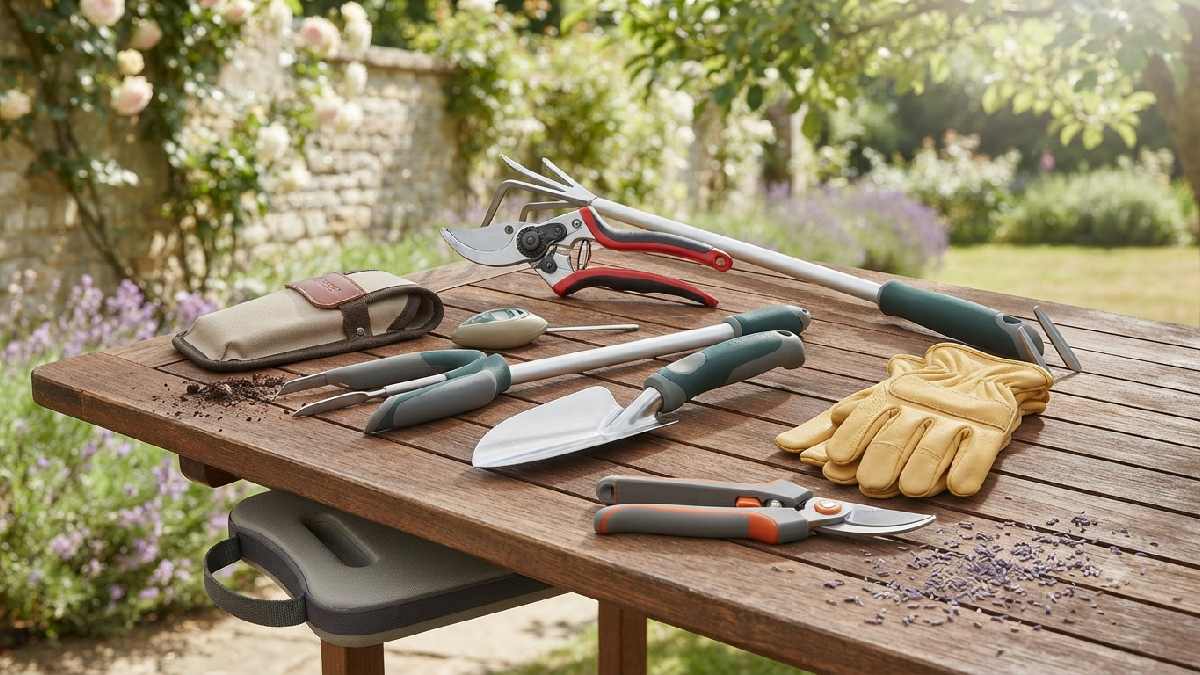
Ergonomic hand tool sets cover digging and weeding comfortably. Long-handled sets minimize bending for gardeners managing joint pain in multiple areas. Comparing these categories helps narrow down the right gardening tools for arthritic hands for your own routine.
Best Ratchet Pruners
Top-rated ratchet pruners for 2026 combine a stepped cutting mechanism with neoprene branch grips and cushioned, contoured handles. These models consistently earn praise for cutting cleanly through stems with minimal squeezing effort.
Many now include anvil designs suited for tougher trimming tasks. For pruning-focused gardeners, this category of gardening tools for arthritic hands typically delivers the most immediate, noticeable relief.
Best Ergonomic Hand Tool Sets
Ergonomic hand tool sets pair pistol-grip trowels, cultivators, and weeders with soft, cushioned handles designed for reduced wrist strain. Lightweight aluminum construction keeps overall tool weight low during digging and planting tasks.
Many sets include color-coded or oversized handles for easier identification and grip. These sets make excellent everyday options for sore hands, covering the bulk of routine bed and container maintenance comfortably.
Best Long-Handled Tool Set
Long-handled sets combining rakes, hoes, and weeders with interchangeable heads let gardeners work standing up, reducing strain on hands, knees, and backs simultaneously. Cushioned grip zones along the handle further ease hand fatigue during extended use.
Many 2026 models fold or telescope for easier storage. This category of gardening tools for arthritic hands suits gardeners managing joint pain beyond just their hands and wrists.
Maintenance and Care Tips for Arthritis-Friendly Tools
Keeping tools clean, sharp, and well-maintained reduces the extra force needed to use them, which matters even more for arthritic hands than for typical gardeners.
Dull blades demand harder squeezing, while rusted joints stick and resist movement. Regular care keeps these tools performing smoothly, minimizing unnecessary strain during every gardening session throughout the year.
Cleaning and Sharpening
Wipe blades clean after each use to prevent sap and soil buildup, which can make mechanisms stiffer over time. Regular sharpening keeps cutting tools working efficiently, since dull blades demand significantly more squeezing force.
A light coat of oil on metal joints prevents rust and keeps ratchet mechanisms moving smoothly. This simple routine keeps gardening tools for arthritic hands working as easily as the day they were bought.
Storage Tips
Store tools somewhere dry to prevent rust on blades and stiffness in moving joints, ideally hanging or in a dedicated tool rack rather than tossed in a bin. Keeping tools organized and visible also reduces unnecessary searching and gripping through cluttered storage.
Covering ratchet mechanisms or hinges protects them from dust buildup. Proper storage extends the working life of gardening tools for arthritic hands considerably.
Where to Buy Gardening Tools for Arthritic Hands
Specialty retailers focused on adaptive or senior gardening equipment often carry the widest selection of ergonomic options, alongside general garden centers and online marketplaces.

Reading recent 2026 reviews helps confirm current stock matches updated ergonomic features, since manufacturers frequently revise handle designs. Physiotherapy clinics sometimes offer recommendations too. Comparing a few sources makes it easier to find gardening tools for arthritic hands that genuinely fit your needs and budget.
Frequently Asked Questions
No schema found.Conclusion
Choosing the right gardening tools for arthritic hands can turn gardening back into a source of joy rather than pain, even with stiff or weakened joints. By prioritizing ergonomic grips, lightweight materials, and ratchet mechanisms, you can find tools that genuinely ease the strain of everyday tasks.
Whether you need better pruners, pistol-grip trowels, or long-handled sets, the right gardening tools for arthritic hands deliver real comfort, letting you keep planting, pruning, and tending the garden you love. Pair thoughtful tool choices with steady pacing and gentle warm-ups, and gardening can remain a source of calm rather than a struggle, season after season, no matter how your joints feel on any given day.