
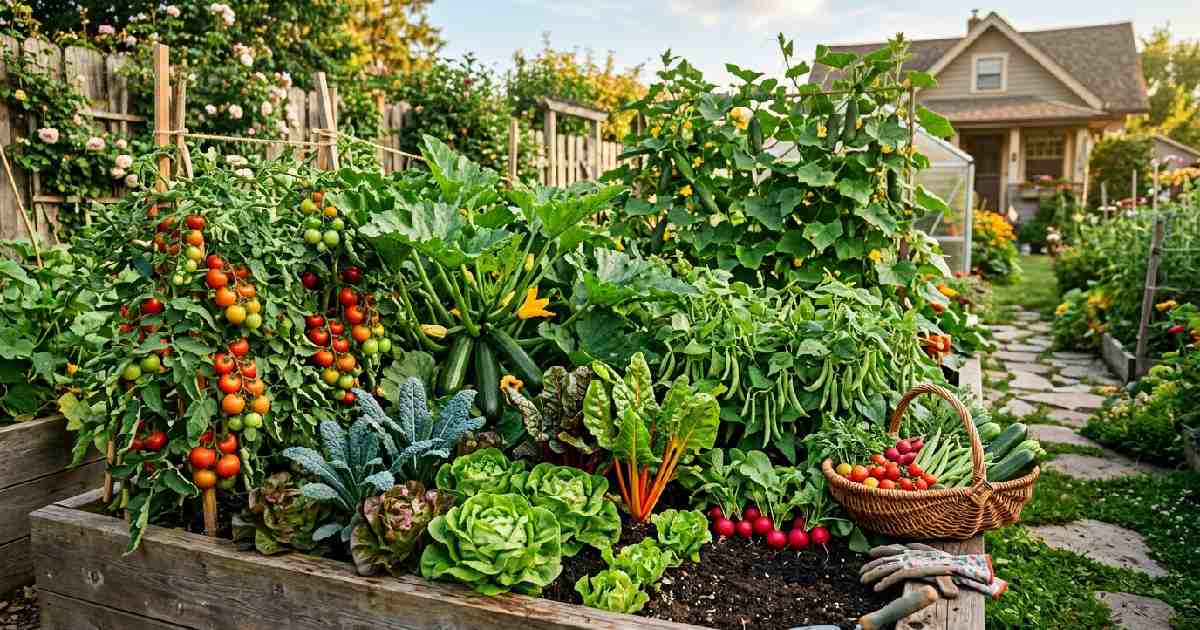

Best Vegetables to Grow at Home in 2026
Home gardening is rising fast in 2026. More people want fresh food at home. Growing vegetables at home saves money. It gives you clean, organic produce. You control what you eat.
Anyone can start, even in small spaces. All you need is sunlight, good soil, and the right plants. This guide covers the best vegetables to grow at home in 2026. Follow these tips and grow fresh food every day.
Introduction
Home gardening in 2026 is smarter and easier than ever. People are tired of expensive, chemical-heavy store vegetables. Growing your own food is the best solution. You get fresh produce right from your balcony or backyard.
Beginners can start with simple vegetables and grow fast. This guide helps you pick the best vegetables to grow at home in 2026. You will also learn what tools and tips you need to succeed from day one.
Why Home Gardening is Growing in 2026
Home gardening is booming in 2026 for good reasons. Food prices keep rising. People want more control over their food. Growing vegetables at home saves grocery costs every month. It also reduces chemical exposure from store-bought produce. More families are choosing home gardens for fresh, healthy meals.
Urban gardening tools have improved. Containers, grow bags, and vertical systems make it easy. Even apartment dwellers can grow food now. The trend of “grow what you eat” is stronger than ever in 2026.
Benefits of Growing Vegetables at Home
Growing vegetables at home has many benefits. You eat fresher food with better taste and nutrition. You save money on groceries every week. Gardening reduces stress and improves mental health. You know exactly what goes into your food. No harmful chemicals or pesticides.
Kids learn where food comes from. Home gardens are eco-friendly and reduce food waste. The best vegetables to grow at home in 2026 are easy to manage. Even small balconies can become productive mini gardens with the right setup.
Things You Need Before Starting a Home Vegetable Garden
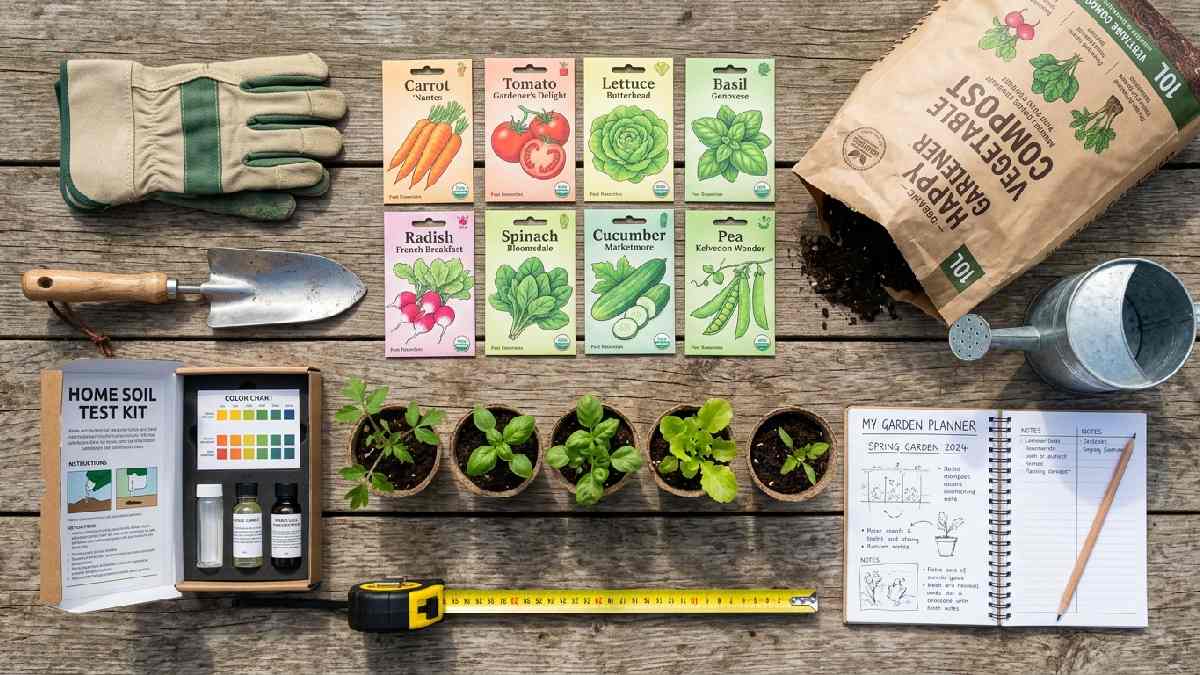
Before growing the best vegetables to grow at home in 2026, you need a few basics. Good sunlight, quality soil, proper containers, and smart watering are essential. Setting up these four things correctly gives your plants the best start.
Skip any one of them and your garden will struggle. Prepare well and your vegetables will grow healthy and strong. This section covers everything a beginner needs before planting the first seed at home.
Sunlight Requirements
Sunlight is the most important factor for home vegetables. Most vegetables need 6 to 8 hours of direct sunlight daily. Observe your balcony or garden space carefully. Find the brightest spots at home. South-facing windows and open balconies work best. If natural light is limited, use small grow lights.
Rotate pots regularly so all sides get even light. Plants like lettuce and spinach can grow in partial shade. But fruiting vegetables like tomatoes and cucumbers need full sun. Place your pots where sunlight is strongest for the best results.
Best Soil Mix for Vegetables
Never use plain garden soil for container vegetables. It is too heavy and drains poorly. Always use a high-quality potting mix. A good mix contains peat moss, coir, compost, perlite, or vermiculite. This ensures proper drainage and good aeration. Roots need oxygen to grow strong.
Add compost to boost nutrients naturally. Tomatoes and heavy feeders need rich, fertile soil. Leafy greens like spinach and lettuce prefer lighter mixes. Refresh your soil every season. Good soil is the foundation for growing the best vegetables to grow at home in 2026.
Pots, Containers & Drainage
Choosing the right container matters a lot. Use pots, fabric grow bags, wooden boxes, or plastic buckets. The key rule is: bigger is better for most vegetables. Small containers dry out fast and limit root growth. Every container must have drainage holes at the bottom. Without drainage, roots sit in water and rot quickly.
Terracotta pots breathe well but dry fast. Plastic pots hold moisture longer. Fabric grow bags are great for tomatoes and cucumbers. Match your container size to the plant. Larger vegetables need deeper pots for healthy root development.
Watering Basics
Watering correctly keeps your plants alive and healthy. Container plants dry out faster than in-ground plants. Check the top inch of soil daily. If it feels dry, water deeply until it drains from the bottom. In warm weather, water once a day. In cooler seasons, water every two to three days.
Avoid overwatering as it causes root rot. Use a gentle nozzle or watering can for even coverage. Water early in the morning when possible. Consistent watering is key to growing the best vegetables to grow at home in 2026 successfully.
Best Vegetables to Grow at Home in 2026
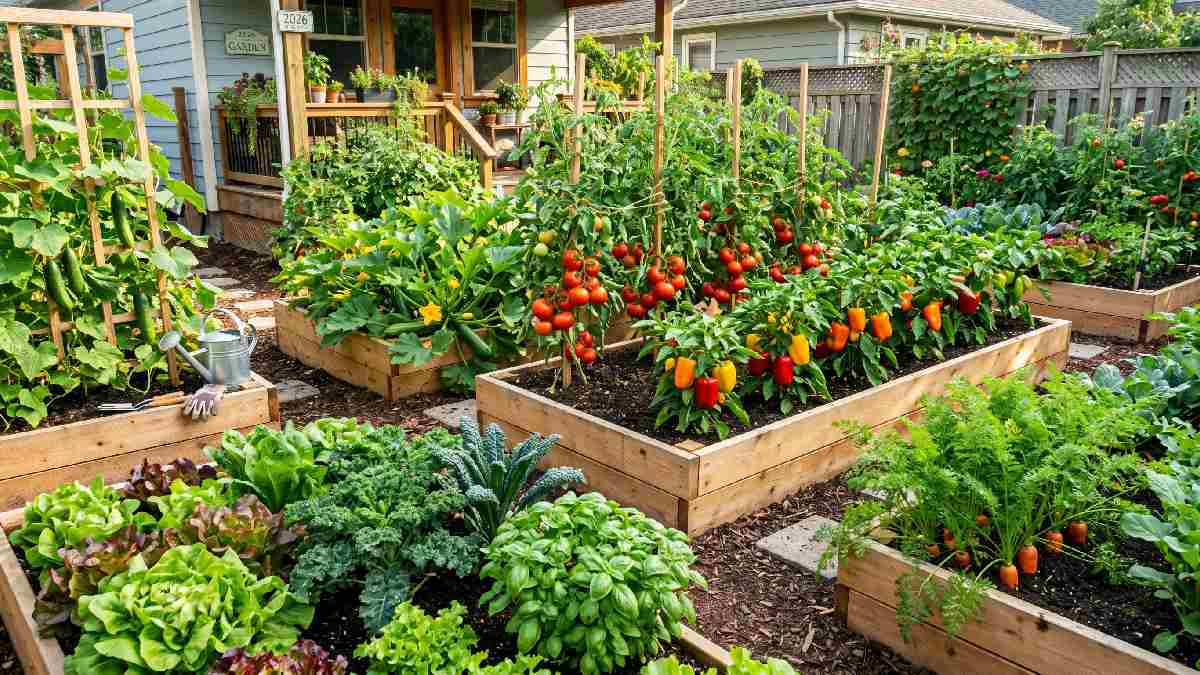
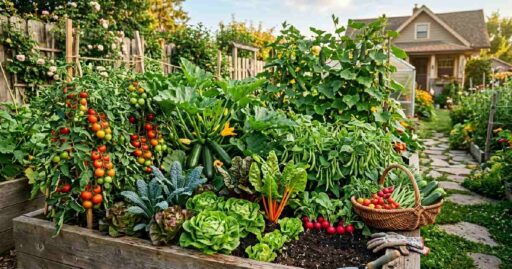
Choosing the right vegetables makes home gardening easy and rewarding. The best vegetables to grow at home in 2026 are productive, beginner-friendly, and perfect for containers. Tomatoes, spinach, coriander, green chilies, spring onions, radishes, cucumbers, and lettuce are top choices.
They grow well in small spaces and pots. Each one is useful in daily cooking. Food prices are rising fast in 2026, so growing at home saves a lot of money. You get fresh, chemical-free produce every single day. No big garden is needed at all. A sunny balcony and a few good pots are enough to start growing today.
Tomatoes
Tomatoes are one of the best vegetables to grow at home in 2026. They are easy, productive, and taste far better than store-bought. Give them at least 6 hours of sun daily. Use a deep pot with good drainage. Water consistently to avoid cracking. Compact varieties like cherry tomatoes work great on balconies.
They produce fruit for months. Support the plant with a small stake or cage. Tomatoes are heavy feeders, so add compost regularly. Homegrown tomatoes are sweeter, juicier, and full of flavor. Start seeds indoors and transplant after frost risk is gone.
Spinach
Spinach is a fast-growing leafy green that thrives at home. It grows well in small pots and partial shade. Spinach is one of the best vegetables to grow at home in 2026 for beginners. Seeds germinate quickly within 5 to 7 days. It prefers cool weather but can handle mild heat. Water regularly to keep soil moist.
Harvest outer leaves first so the plant keeps growing. Spinach is rich in iron, vitamins, and minerals. It is great for salads, smoothies, and cooking. Grow it on a sunny windowsill or balcony easily.
Coriander (Cilantro)
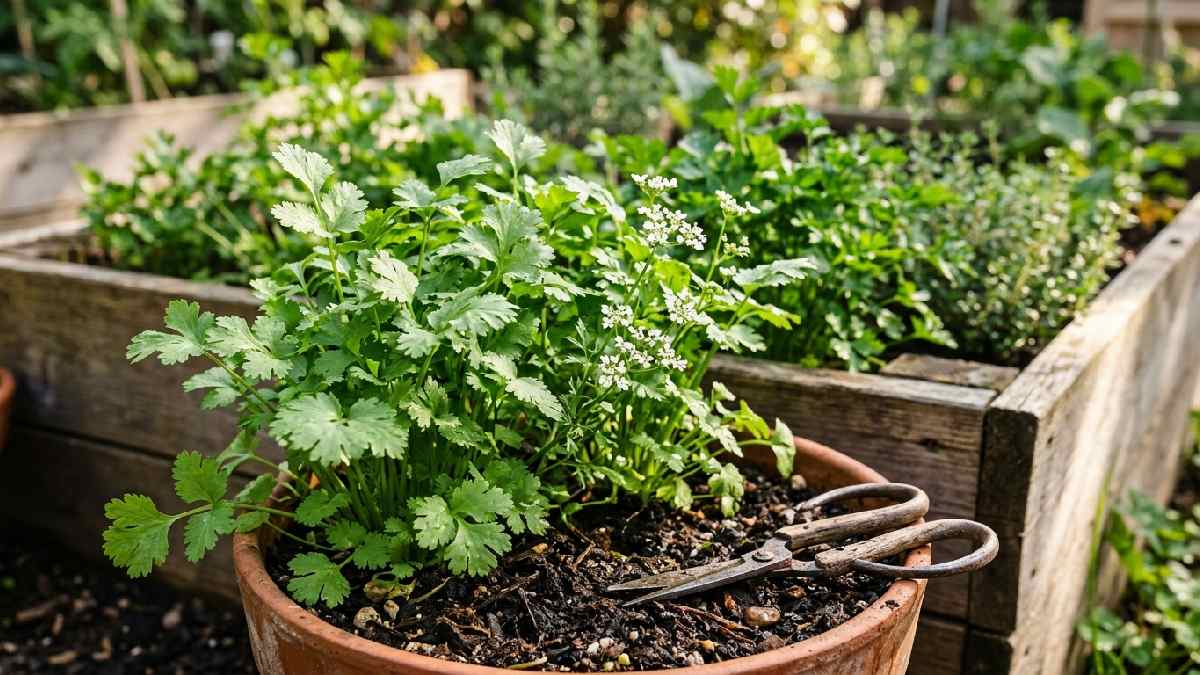
Coriander is a must-have herb for every home garden. It grows fast and takes very little space. Plant seeds in a small pot with good drainage. Place it near a bright window or on the balcony. Coriander prefers cool temperatures and moist soil. Harvest leaves regularly to encourage more growth.
It is one of the best vegetables to grow at home in 2026 for cooking lovers. Fresh coriander enhances every dish with strong flavor and aroma. Avoid overwatering as roots rot easily. Replant every few weeks for a continuous supply of fresh coriander leaves.
Green Chilies
Green chilies are easy to grow in containers at home. They love warm, sunny spots with at least 6 hours of light. Use a medium-sized pot with rich, well-draining soil. Water regularly but do not overwater. Chilies are one of the best vegetables to grow at home in 2026 for tropical and warm climates.
They produce heavily once established. Pinch early flowers to encourage bushy growth. Harvest chilies regularly to keep the plant producing more. They stay productive for many months. Fresh homegrown chilies have stronger flavor and more heat than store-bought ones.
Spring Onions
Spring onions are one of the fastest and easiest crops to grow at home. They are perfect for small pots and window boxes. Plant seeds or bulbs close together in a shallow container. They need regular watering and moderate sunlight. Spring onions are among the best vegetables to grow at home in 2026 for small spaces.
Harvest the entire plant or cut from the top and let it regrow. They are ready in just 3 to 4 weeks. Great for salads, soups, and garnishing. Regrow them in a glass of water after cutting. Very low maintenance and beginner-friendly.
Radishes
Radishes are the fastest vegetables you can grow at home. They are ready to harvest in just 3 to 4 weeks. Plant seeds directly in a pot or container. They need loose, well-drained soil to grow round and smooth. Radishes do not need much space or fertilizer. They are one of the best vegetables to grow at home in 2026 for impatient beginners.
Water consistently for best results. Harvest before they become woody in summer heat. They grow well alongside lettuce and spinach. Radishes are crisp, spicy, and great in salads and sandwiches.
Cucumbers
Cucumbers grow fast and produce heavily at home. They need full sun and warm temperatures to thrive. Use a large, deep pot with good drainage. Train vines to grow vertically on a trellis or stick. This saves space and improves airflow. Cucumbers are among the best vegetables to grow at home in 2026 for balcony gardeners.
Water deeply and consistently as they love moisture. Harvest cucumbers young for the best flavor and crunch. They produce new fruits continuously throughout the season. Fresh homegrown cucumbers are crisp, juicy, and far superior to store-bought ones.
Lettuce
Lettuce is one of the easiest vegetables for beginners to grow at home. It grows fast and needs little space. Shallow containers work perfectly for lettuce. It thrives in partial shade, making it ideal for balconies. Lettuce is one of the best vegetables to grow at home in 2026 for small urban spaces.
Harvest outer leaves first so the plant keeps producing. Water regularly to prevent wilting. Avoid planting in extreme heat as it causes bitterness. Grow multiple varieties for colorful, fresh salads daily. Lettuce is ready for harvest in just 4 to 6 weeks after planting.
Best Vegetables for Small Spaces (Balcony & Pots)
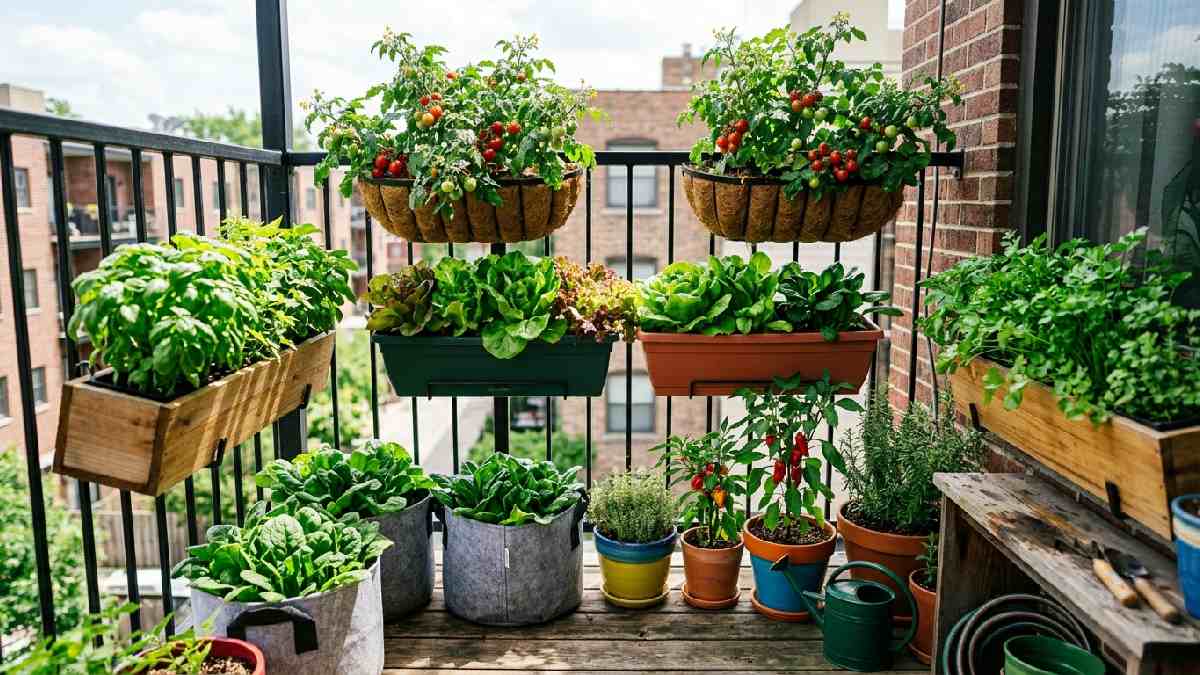
Not everyone has a big yard. Small balconies and tight spaces can still grow fresh food. Choosing the right plants and growing methods makes all the difference. The best vegetables to grow at home in 2026 can thrive even in the tiniest spaces.
Use smart container choices and vertical techniques to maximize every inch. You do not need a garden to grow fresh vegetables. A sunny balcony and a few good pots are all you need.
Container-Friendly Vegetables
Many vegetables grow beautifully in containers. Tomatoes, lettuce, spinach, coriander, spring onions, radishes, and chilies all do well in pots. Choose compact or dwarf varieties for best results. Match the container size to the plant’s root depth. Use high-quality potting mix for every pot. Place containers where sunlight is strongest.
Container plants dry out fast so check moisture daily. The best vegetables to grow at home in 2026 include many container-friendly options. Start small with 3 to 5 pots and expand as your confidence grows. Small containers can yield big harvests with the right care.
Vertical Gardening Options
Vertical gardening is perfect for small balconies and tight spaces. Grow cucumbers, chilies, and pole beans on a trellis or wire frame. Use hanging planters for lettuce, coriander, and spring onions. Stack tiered shelves to grow multiple plants in a single footprint. Vertical gardens improve airflow and sunlight for each plant. They also save floor space dramatically. Fabric pocket planters on walls work great for herbs and leafy greens. Vertical systems make growing the best vegetables to grow at home in 2026 much easier. Any blank wall becomes productive space with the right vertical garden setup.
Common Mistakes to Avoid in Home Gardening
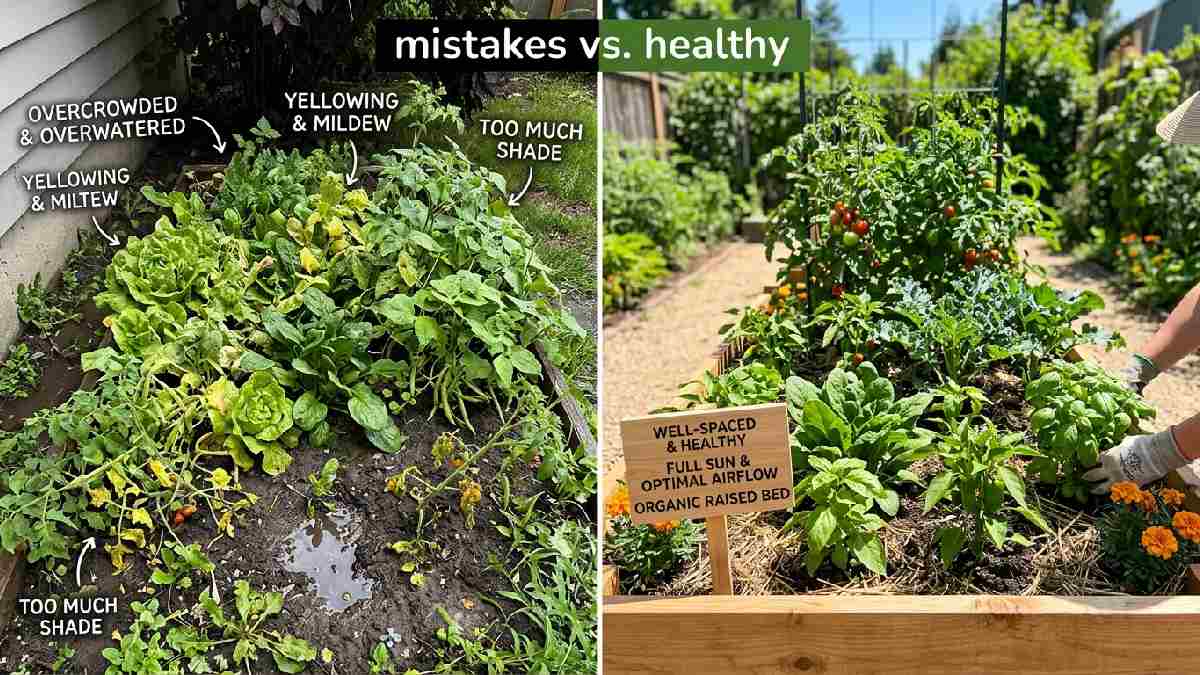
Many beginners make simple mistakes that ruin their home gardens. Knowing these mistakes helps you avoid them from the start. The best vegetables to grow at home in 2026 still fail if basic rules are ignored.
Overwatering, poor soil, lack of sunlight, and overcrowding are the most common problems. Fixing these four issues will dramatically improve your garden results. Learn from these common errors before you plant your first seed at home.
Overwatering Plants
Overwatering is the most common mistake beginners make at home. Too much water drowns the roots and causes root rot. Always check the soil before watering. Stick your finger one inch into the soil. If it feels moist, skip watering that day. Only water when the top inch feels dry.
Good drainage is essential to avoid waterlogging. Use pots with holes at the bottom always. Reduce watering in cooler weather and increase it during hot days. The best vegetables to grow at home in 2026 need consistent but careful watering, not excessive daily drenching.
Poor Soil Choice
Using the wrong soil kills plants before they even start growing. Never use heavy garden soil in containers. It compacts, drains poorly, and suffocates roots. Always choose a quality potting mix designed for containers. Add compost for nutrition and perlite for drainage. Poor soil leads to stunted growth, yellowing leaves, and weak plants. Refresh your soil every growing season. Healthy soil feeds healthy plants naturally.
Investing in good soil is the single most important step for any home gardener. The best vegetables to grow at home in 2026 all need proper, nutrient-rich, well-draining soil to thrive.
Lack of Sunlight
Many beginners underestimate how much sunlight vegetables need daily. Most vegetables need 6 to 8 hours of direct sunlight every day. Placing pots in dark corners or low-light rooms leads to failure. Plants become weak, leggy, and stop producing fruit or leaves. Move containers to the sunniest spot at home. Use south-facing balconies or windows for best results.
If sunlight is limited, try grow lights indoors. The best vegetables to grow at home in 2026 like lettuce and spinach tolerate partial shade. But most fruiting vegetables need full sun without compromise for good harvests.
Overcrowding Plants
Planting too many seeds or plants in one container is a major mistake. Overcrowding causes competition for water, nutrients, and light. Plants become weak and more prone to disease and pests. Always follow spacing guidelines for each vegetable variety. Give every plant enough room to grow freely.
Thin seedlings early so stronger plants can thrive. Use separate containers for different vegetable types when possible. Good airflow between plants also prevents fungal diseases. The best vegetables to grow at home in 2026 need space to grow healthy and produce a full, satisfying harvest throughout the season.
Frequently Asked Questions
What are the easiest vegetables to grow at home?
Lettuce, spinach, radishes, spring onions, and coriander are the easiest. They grow fast, need little space, and suit beginners perfectly.
Which vegetable grows the fastest?
Radishes grow the fastest. They are ready to harvest in just 3 to 4 weeks after planting at home.
Can I grow vegetables without a garden?
Yes, absolutely. Use pots, containers, or grow bags on your balcony or windowsill. No garden space is needed for most vegetables.
What vegetables grow all year round?
Spinach, coriander, spring onions, and lettuce can grow all year round in mild climates with proper care and sunlight.
How much sunlight do vegetables need?
Most vegetables need 6 to 8 hours of direct sunlight daily. Leafy greens like lettuce and spinach can manage with 4 to 6 hours.
Conclusion
Growing vegetables at home in 2026 is easy, rewarding, and smart. The best vegetables to grow at home in 2026 include tomatoes, spinach, coriander, chilies, cucumbers, lettuce, radishes, and spring onions. You do not need a big space or expensive tools. Start small with a few pots and good soil.
Give your plants enough sunlight and water them correctly. Avoid common mistakes like overwatering and poor soil. Use vertical gardening and containers to maximize small spaces. Fresh homegrown vegetables taste better and cost less. Start your home garden today and enjoy fresh, healthy produce every single day.