

Zero Waste Garden Tips for Beginners
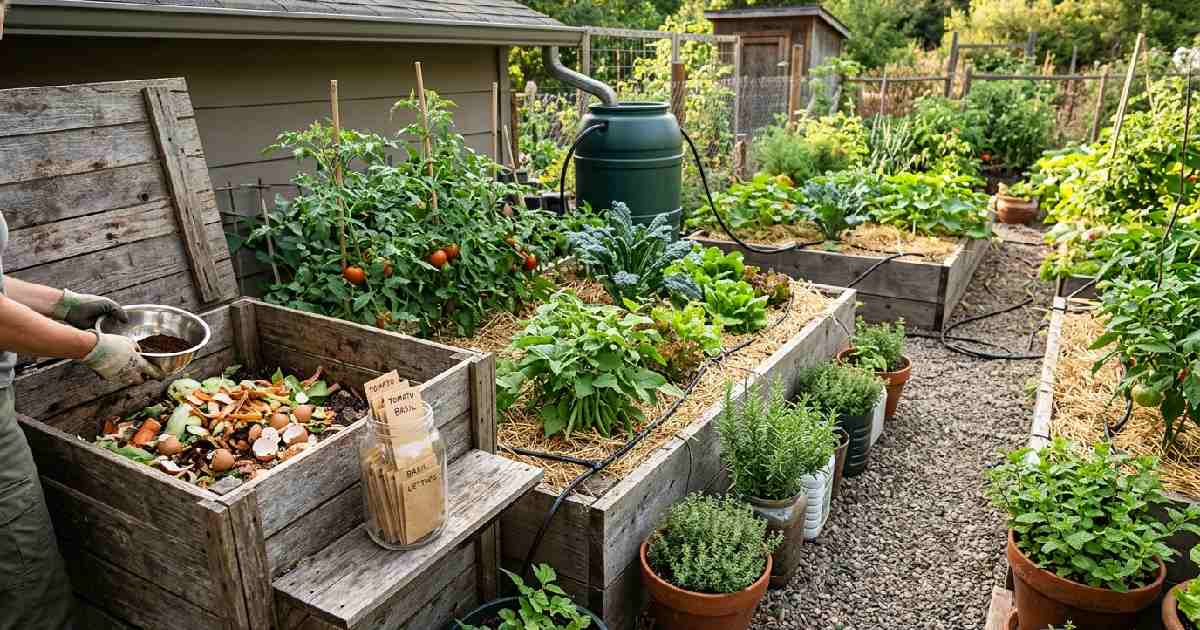
These zero-waste garden tips for beginners help you grow a garden while reducing household waste significantly. Zero waste gardening means reusing materials and minimizing trash throughout your growing process. It is becoming increasingly important as environmental concerns and landfill waste continue to rise globally.
These practices benefit both gardeners and the environment through smarter resource use overall. From composting to repurposing containers, this guide covers everything beginners need to know. Follow these zero-waste garden tips for beginners to build a sustainable garden that produces minimal waste.
Introduction
Learning zero waste garden tips for beginners starts with understanding the core idea behind this approach. Zero waste gardening means reducing what you throw away while reusing materials creatively. Many beginners assume this requires expensive tools, but simple household items work perfectly well.
These zero waste garden tips for beginners focus on composting, recycling, and natural resource use. The goal is to build a thriving garden while sending minimal waste to landfills. Understanding these basics helps anyone start their own zero waste gardening journey successfully today.
What Is Zero Waste Gardening?
Zero waste gardening means growing plants while minimizing trash, waste, and unnecessary resource consumption overall. These zero waste garden tips for beginners focus on reusing, recycling, and repurposing common materials. This approach avoids single-use plastics, synthetic fertilizers, and unnecessary packaging wherever possible.
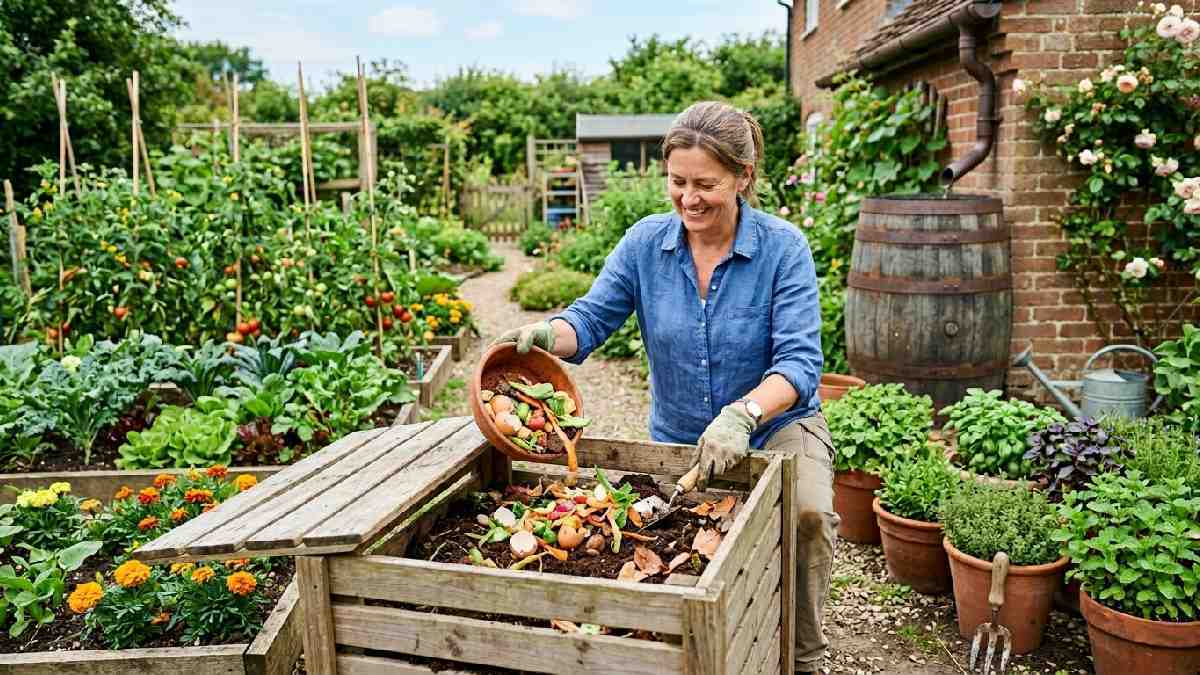
Composting organic waste and collecting rainwater are central practices within this gardening philosophy. Zero waste gardening also emphasizes growing native plants suited to local conditions naturally. Understanding these core principles helps beginners apply zero waste garden tips for beginners successfully.
Core Principles of Zero Waste Gardening
Zero-waste garden tips for beginners rely on several core principles guiding sustainable growing methods. These include composting organic waste, reusing containers, and avoiding single-use plastic products. Collecting rainwater and making natural mulch reduces reliance on external resources significantly.
Growing native plants reduces water needs while supporting local pollinators and wildlife populations. Sharing seeds and plants with neighbors also reduces unnecessary purchasing and packaging waste. These principles form the foundation for any successful zero waste gardening approach today.
Benefits for Home Gardeners
Following zero waste garden tips for beginners offers numerous practical benefits for everyday home gardeners. These methods reduce household trash significantly through composting and material reuse practices. Reusing containers and tools saves money compared to constantly purchasing new gardening supplies.
Composting provides free, nutrient-rich fertilizer instead of expensive store-bought chemical alternatives. Growing your own food using zero-waste methods reduces grocery store dependency considerably. These combined benefits make zero waste practices attractive for gardeners of every experience level.
Why Zero Waste Gardening Matters
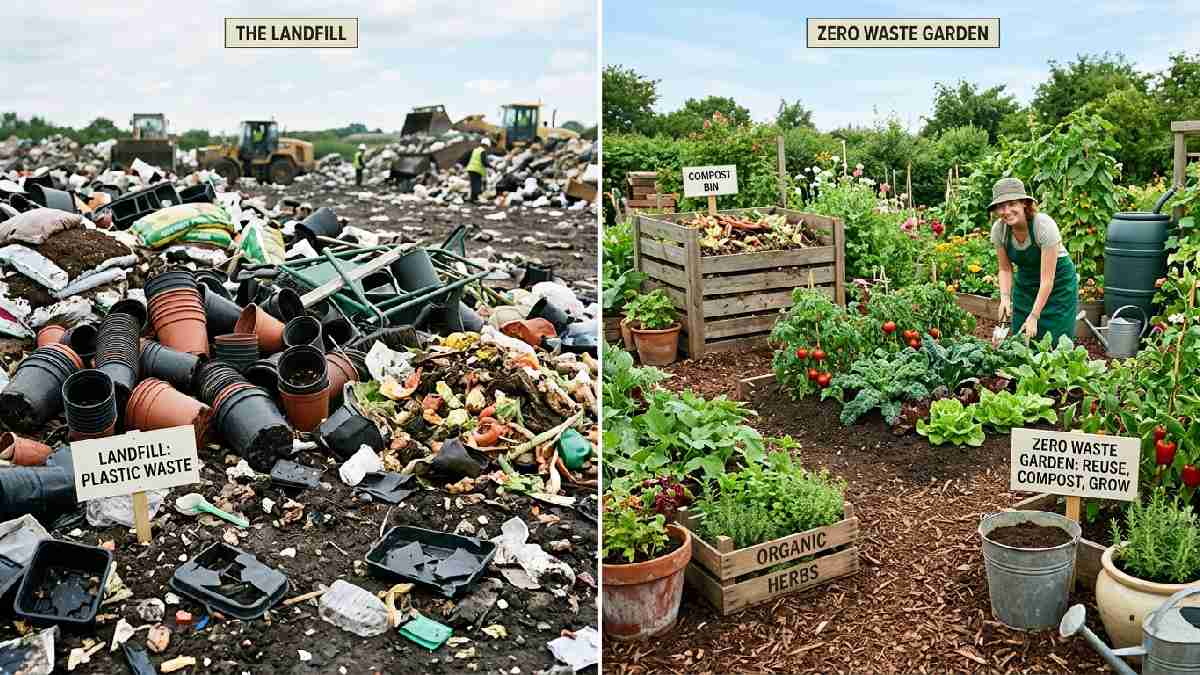
Zero waste garden tips for beginners matter significantly due to growing environmental concerns worldwide today. Reducing household waste helps decrease landfill contributions and harmful greenhouse gas emissions overall. Saving money through reused materials and homemade compost benefits budget-conscious gardeners everywhere.
Improving soil health naturally supports healthier plants without relying on synthetic chemical inputs. Conserving natural resources like water and materials protects the environment for future generations. These zero waste garden tips for beginners address pressing environmental challenges while improving garden success.
Reduces Household Waste
Zero waste garden tips for beginners significantly reduce the amount of trash sent to landfills. Composting kitchen scraps and yard waste diverts organic material from wasteful disposal methods. Reusing containers as planters eliminates the need for purchasing new plastic pots.
This reduction in waste benefits both your household and the broader environment. Implementing these zero waste garden tips for beginners creates measurable positive environmental impact quickly. Small daily actions add up to substantial waste reduction over time.
Saves Money
Zero waste garden tips for beginners significantly reduce gardening costs through smart reuse and recycling. Composting eliminates the need to purchase expensive synthetic fertilizers regularly throughout the year. Reusing household containers as plant pots saves money on new gardening supplies.
Saving seeds from healthy plants eliminates repeated seed purchases each growing season. These cost-saving strategies make gardening more accessible for budget-conscious beginners everywhere. Following zero waste garden tips for beginners proves that sustainability and affordability work together.
Improves Soil Health
Zero-waste garden tips for beginners naturally improve soil health through composting and organic practices. Homemade compost adds essential nutrients and organic matter to garden soil effectively. Avoiding synthetic chemicals protects beneficial soil organisms that support healthy plant growth.
Natural mulch from garden waste also improves soil structure and moisture retention. These zero waste garden tips for beginners create healthier growing conditions without expensive chemical inputs. Better soil health leads to stronger, more resilient plants throughout the season.
Conserves Natural Resources
Zero waste garden tips for beginners help conserve precious natural resources like water and raw materials. Collecting rainwater reduces dependence on treated municipal water supplies significantly. Reusing containers and materials reduces demand for new plastic and manufactured products.
Composting recycles organic matter instead of requiring new synthetic fertilizer production. These conservation-focused zero waste garden tips for beginners protect resources for future generations. Practicing resource conservation today supports a healthier planet for tomorrow’s gardeners.
15 Zero Waste Garden Tips for Beginners
These fifteen zero waste garden tips for beginners cover practical steps anyone can implement easily today. Starting with composting and container reuse builds a strong waste-reduction foundation quickly. Collecting rainwater and saving seeds further reduces resource consumption and unnecessary spending.
Repurposing household items and avoiding plastics minimizes environmental impact significantly throughout the season. Sharing plants locally and starting small ensures sustainable, manageable progress for beginners. These combined zero waste garden tips for beginners provide a comprehensive roadmap for waste-free gardening success.
1. Start Composting Kitchen Scraps
Starting to compost kitchen scraps is one of the easiest zero waste garden tips for beginners. This practice transforms food waste into nutrient-rich fertilizer for your garden naturally. A simple compost bin requires minimal space and basic kitchen and yard materials.
Composting reduces household trash while providing free nutrients for healthier plant growth. This foundational practice supports nearly every other zero-waste gardening method discussed here. Beginners should start composting immediately to see quick, rewarding results.
2. Reuse Containers as Plant Pots
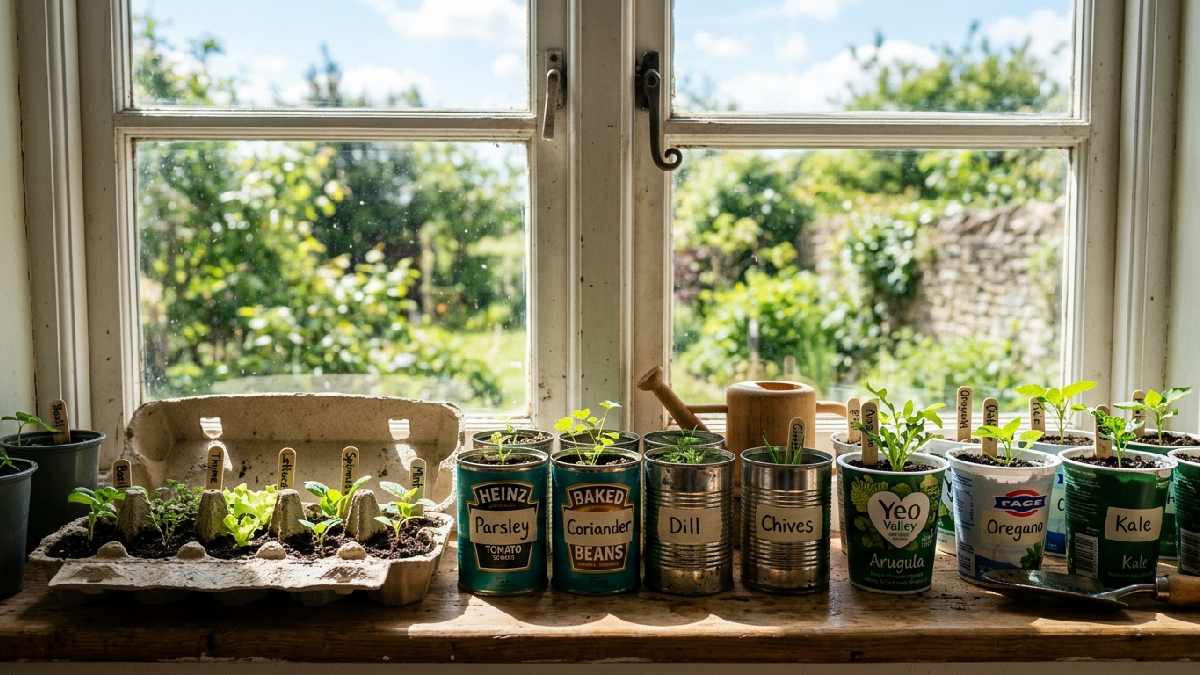
Reusing containers as plant pots is a smart zero waste garden tip for beginners. Old yogurt cups, tin cans, and plastic bottles work well as planters. This practice eliminates the need to purchase new plastic pots regularly.
Punching drainage holes in repurposed containers makes them suitable for healthy plant growth. This simple reuse strategy significantly reduces both costs and unnecessary plastic waste. Creative container reuse remains one of the easiest, beginner-friendly waste reduction methods.
3. Collect and Use Rainwater
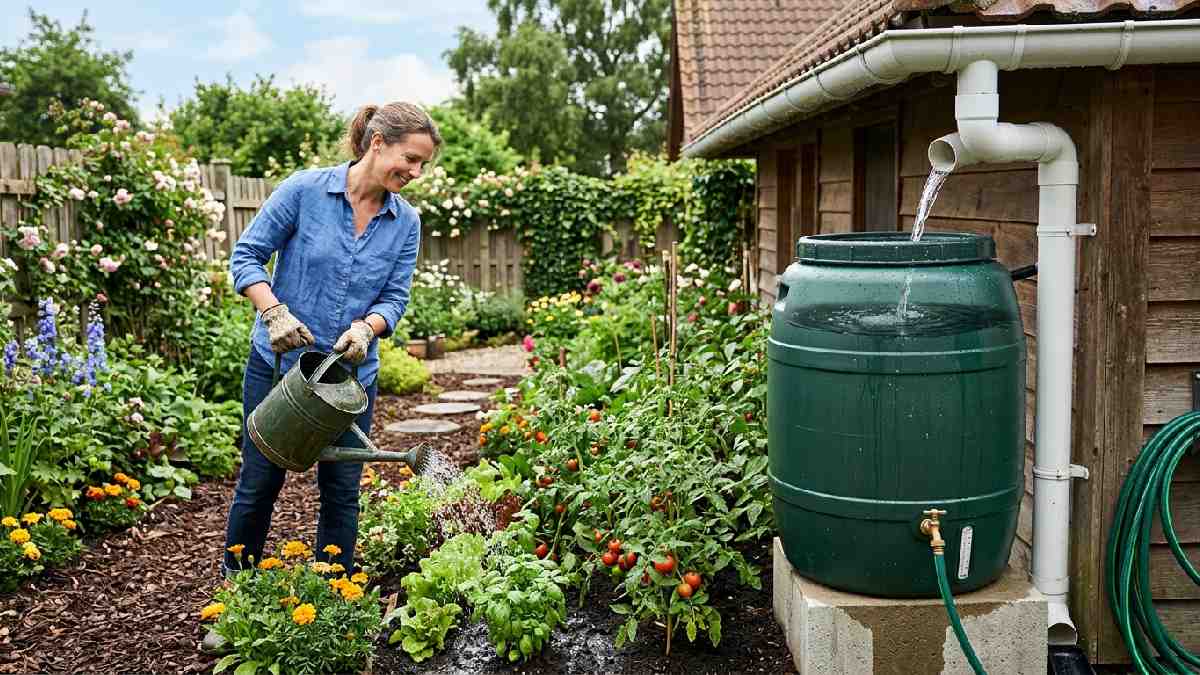
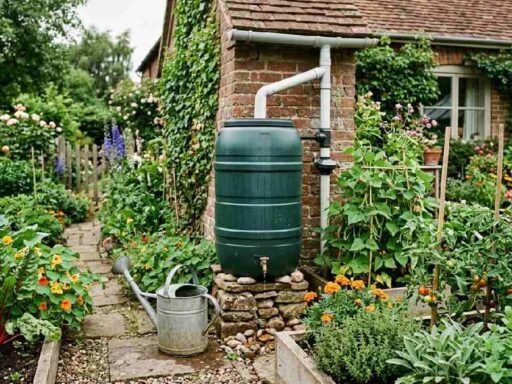
Collecting and using rainwater is a valuable zero waste garden tip for beginners to practice today. Rain barrels capture free water that would otherwise run off and be wasted. This collected water can then be used for watering plants during dry periods.
Rainwater is also chemical-free, making it healthier for sensitive garden plants overall. This simple system significantly reduces reliance on treated municipal water supplies. Rainwater harvesting remains essential for water-conscious, zero-waste gardening practices.
4. Save Seeds from Healthy Plants
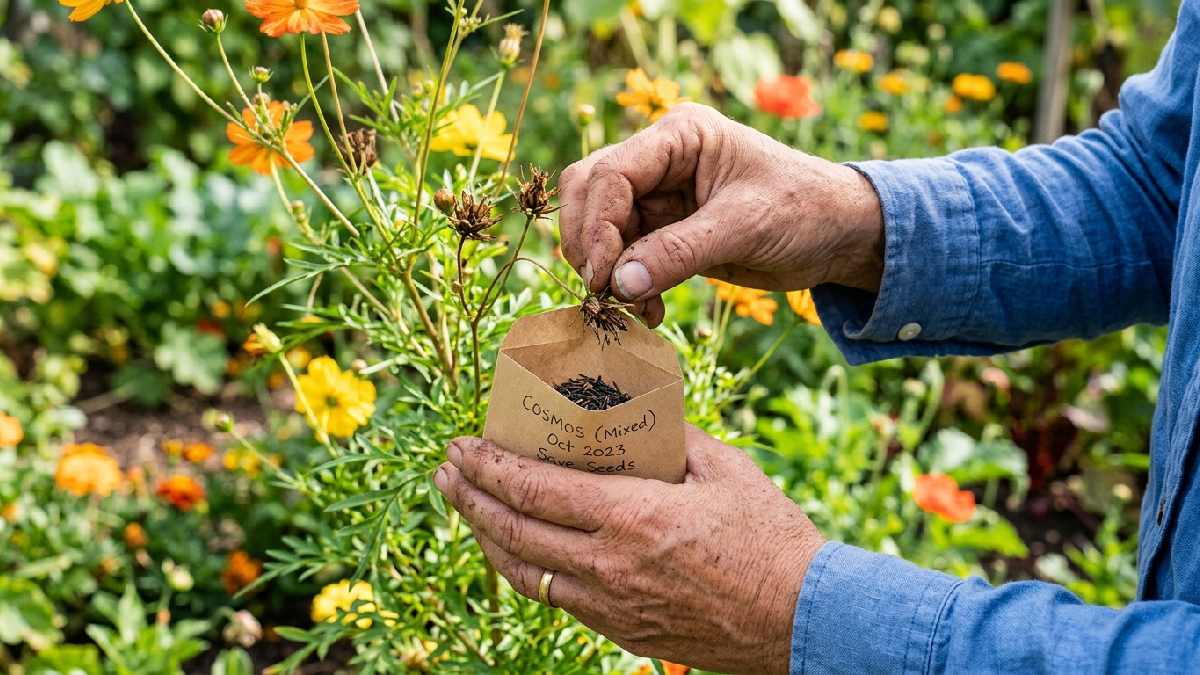
Saving seeds from healthy plants is a valuable zero waste garden tip for beginners. This practice eliminates the need to purchase new seeds every single season. Collecting seeds from your best-performing plants also improves future garden genetics naturally.
Proper seed storage in dry, cool conditions ensures viability for upcoming growing seasons. This self-sufficient practice reduces packaging waste and ongoing seed-buying expenses significantly. Seed saving connects gardeners more deeply with their garden’s natural growing cycle.
5. Make Mulch from Garden Waste
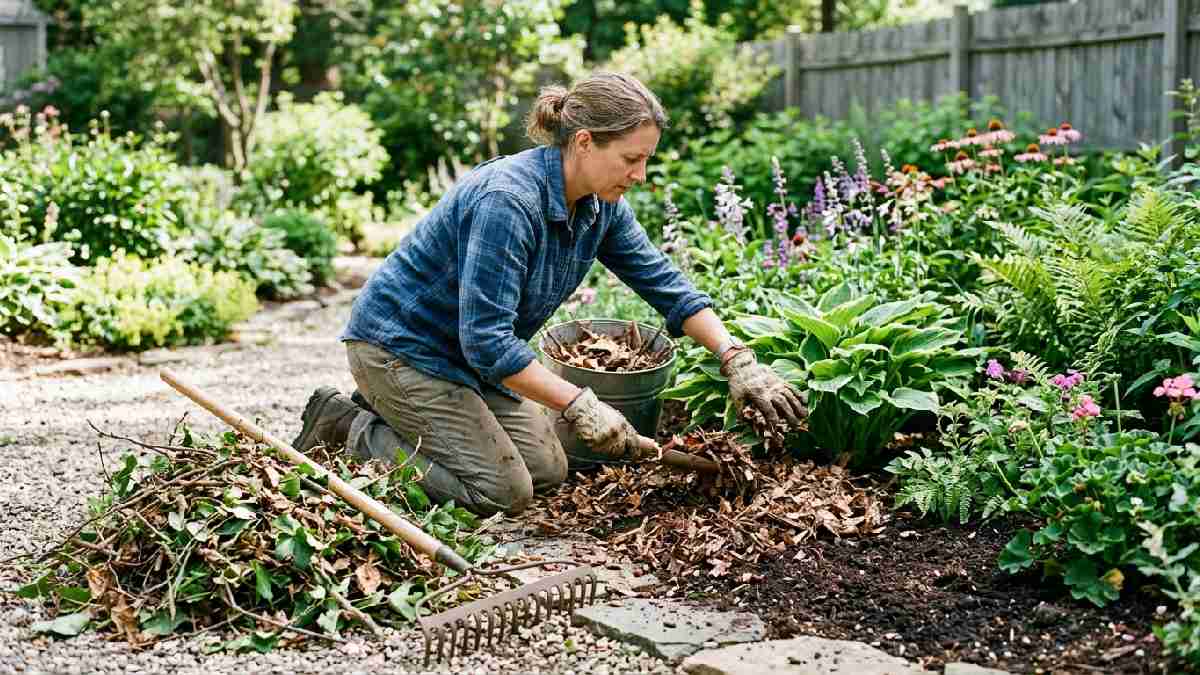
Making mulch from garden waste is a practical zero waste garden tip for beginners. Fallen leaves, grass clippings, and pruned branches all work well as natural mulch. This practice eliminates the need to purchase commercial mulch products regularly.
Homemade mulch also returns nutrients to the soil as it naturally decomposes. This simple recycling method reduces waste while improving overall soil health significantly. Using garden waste as mulch closes the loop on natural material cycles.
6. Grow Native Plants
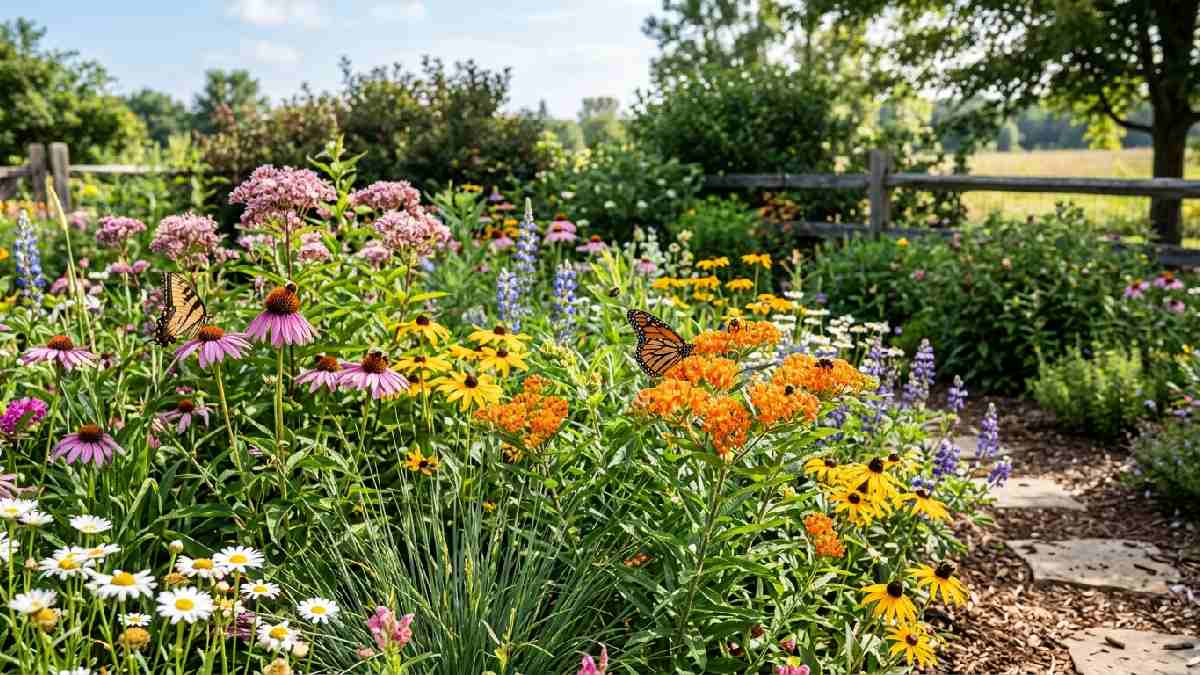
Growing native plants is among the most effective zero waste garden tips for beginners. Native species require less water, fertilizer, and ongoing maintenance than non-native alternatives. These plants also provide essential food and habitat for local pollinators and wildlife.
Native plants resist local pests and diseases better, reducing the need for treatments. Choosing native species significantly reduces resource consumption throughout the growing season. This simple choice supports both garden sustainability and local biodiversity simultaneously.
7. Repurpose Household Items for Gardening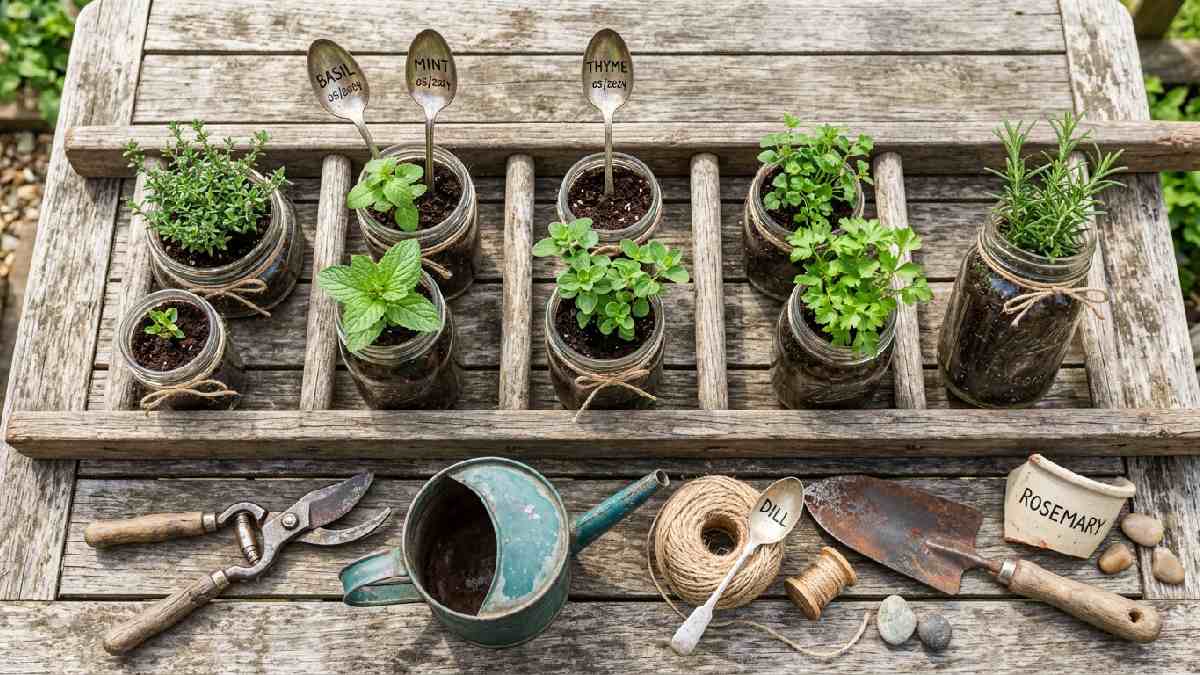
Repurposing household items for gardening is a creative zero waste garden tip for beginners. Old ladders become plant stands, while broken furniture transforms into raised garden beds. Wine corks, egg cartons, and newspapers all serve useful gardening purposes too.
This creative reuse reduces what would otherwise become household trash significantly overall. Repurposing items also adds unique character and personality to your garden space. This resourceful approach embodies the true spirit of zero waste gardening philosophy.
8. Avoid Single-Use Plastic Products
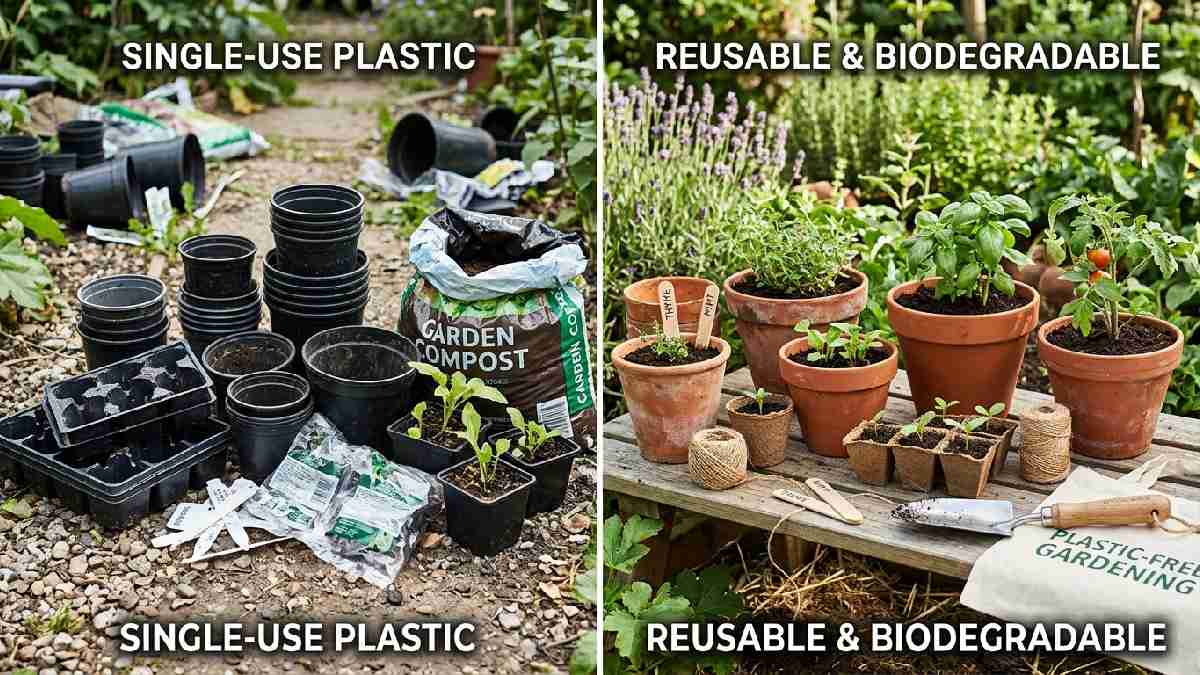
Avoiding single-use plastic products is a core zero waste garden tip for beginners. Choosing reusable tools, containers, and plant ties reduces ongoing plastic waste significantly. Biodegradable alternatives like jute twine replace plastic ties for supporting plants.
Buying in bulk reduces packaging waste compared to smaller, individually wrapped products. This conscious choice significantly reduces your garden’s overall environmental plastic footprint. Avoiding single-use plastics remains essential for truly sustainable, zero-waste gardening practices.
9. Use Organic Fertilizers
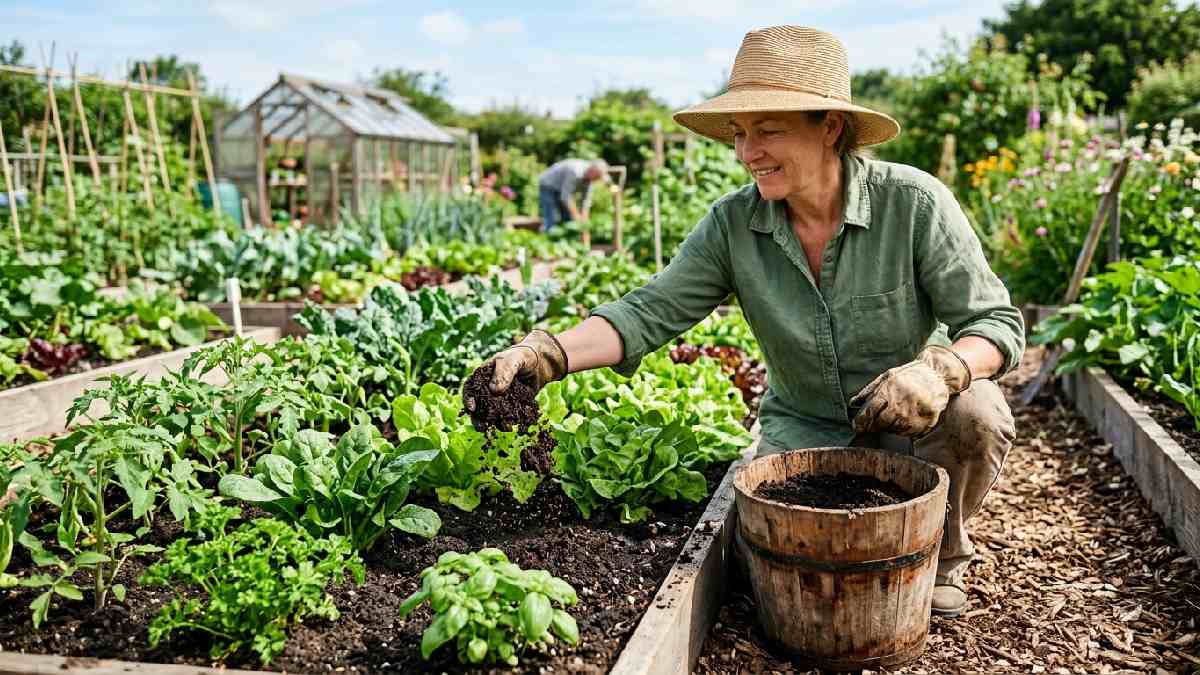
Using organic fertilizers instead of synthetic alternatives is an important zero waste garden tip for beginners. Compost, manure, and natural amendments provide nutrients without harmful chemical packaging waste. These organic options also improve long-term soil health and microbial activity significantly.
Avoiding synthetic fertilizers reduces plastic packaging and harmful chemical runoff into water sources. This natural approach keeps your entire growing process truly waste-conscious throughout. Organic fertilizers support both plant health and broader environmental sustainability goals.
10. Regrow Vegetables from Kitchen Scraps
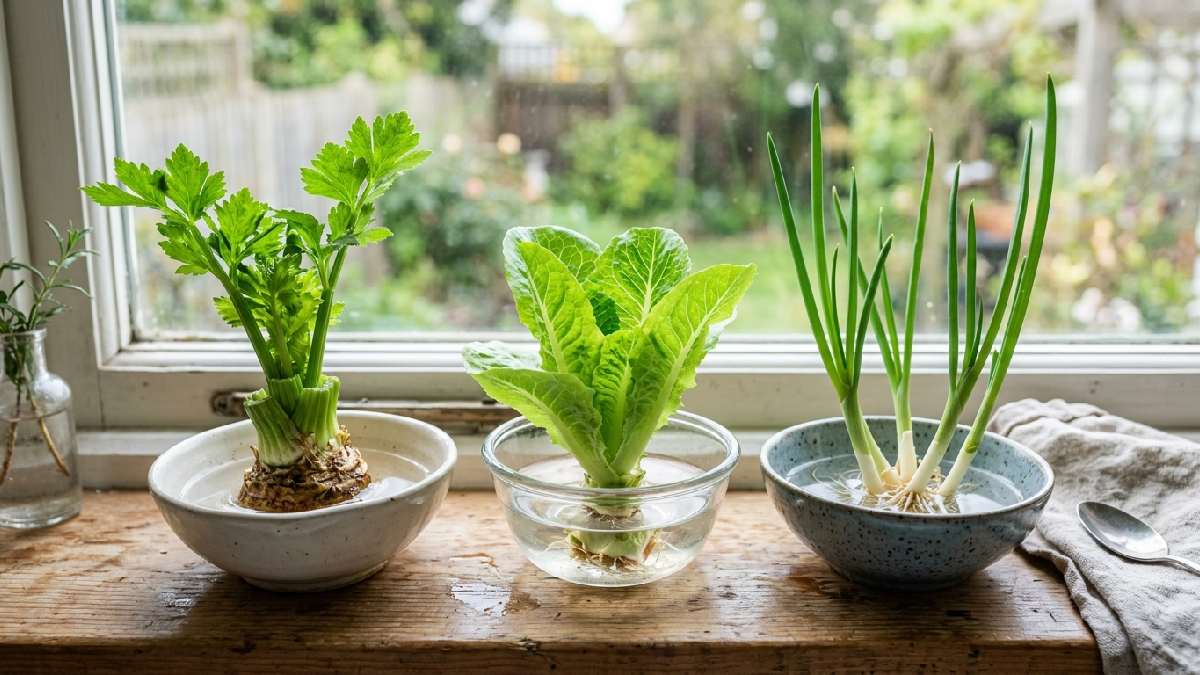
Regrowing vegetables from kitchen scraps is a fun zero waste garden tip for beginners. Green onions, celery, and lettuce can regrow from their cut bases easily. This practice reduces food waste while providing fresh produce without additional purchases.
Simply place scraps in water or soil and watch new growth emerge. This rewarding method teaches beginners about plant biology while reducing kitchen waste. Regrowing vegetables exemplifies the resourceful spirit central to zero waste gardening.
11. Create a Compost Tea Fertilizer
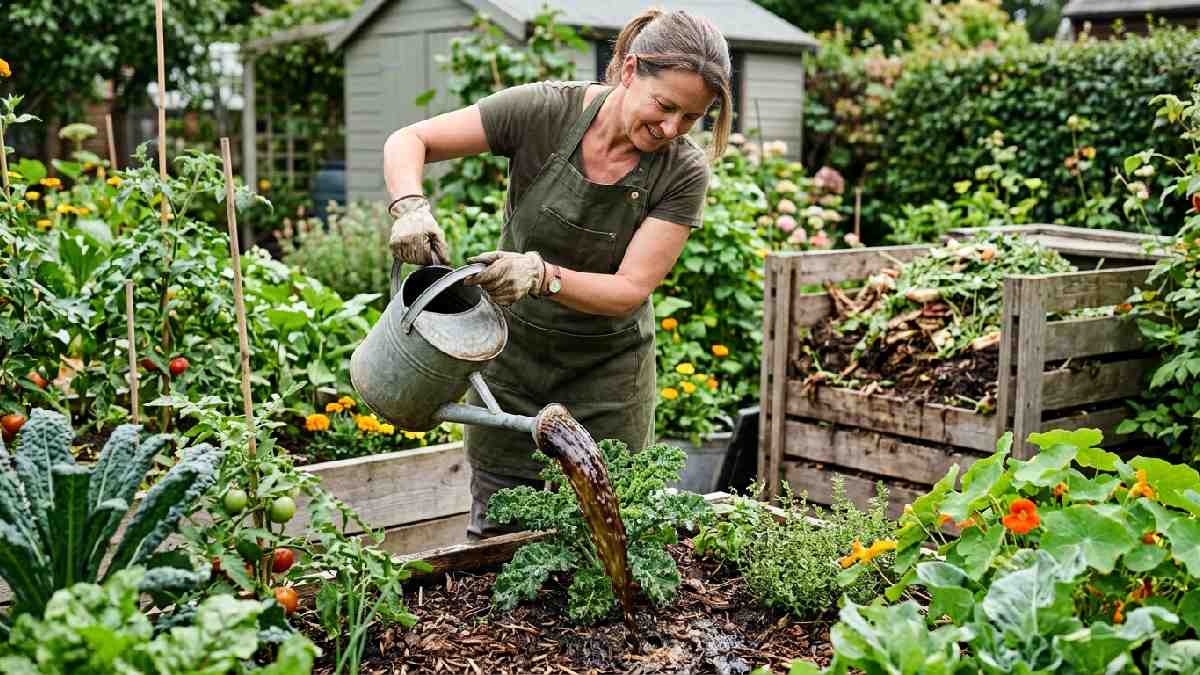
Creating compost tea fertilizer is a resourceful zero waste garden tip for beginners. This liquid fertilizer is made by steeping compost in water for several days. Compost tea provides concentrated nutrients that benefit plants without any packaging waste.
This practice maximizes the value of your existing compost while creating a versatile fertilizer. Applying compost tea regularly supports healthy plant growth using completely natural ingredients. This simple technique extends the benefits of composting throughout your entire garden.
12. Practice Water-Efficient Gardening
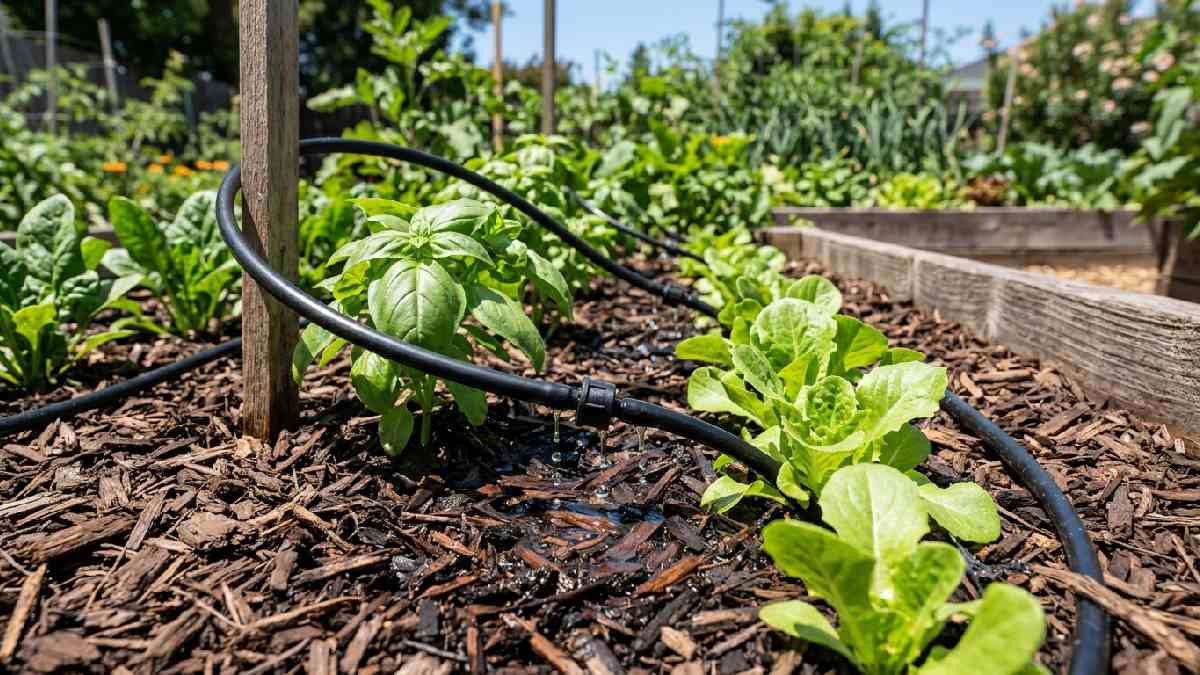
Practicing water-efficient gardening is an essential zero waste garden tips for beginners strategy overall. Drip irrigation and mulching significantly reduce water waste compared to traditional methods. Watering during cooler parts of the day reduces evaporation and water loss.
Choosing drought-tolerant plants further reduces the overall water demands of your garden. These water-saving strategies conserve this precious resource while reducing utility bills. Water efficiency remains a critical component of any zero waste gardening approach.
13. Share Seeds and Plants Locally
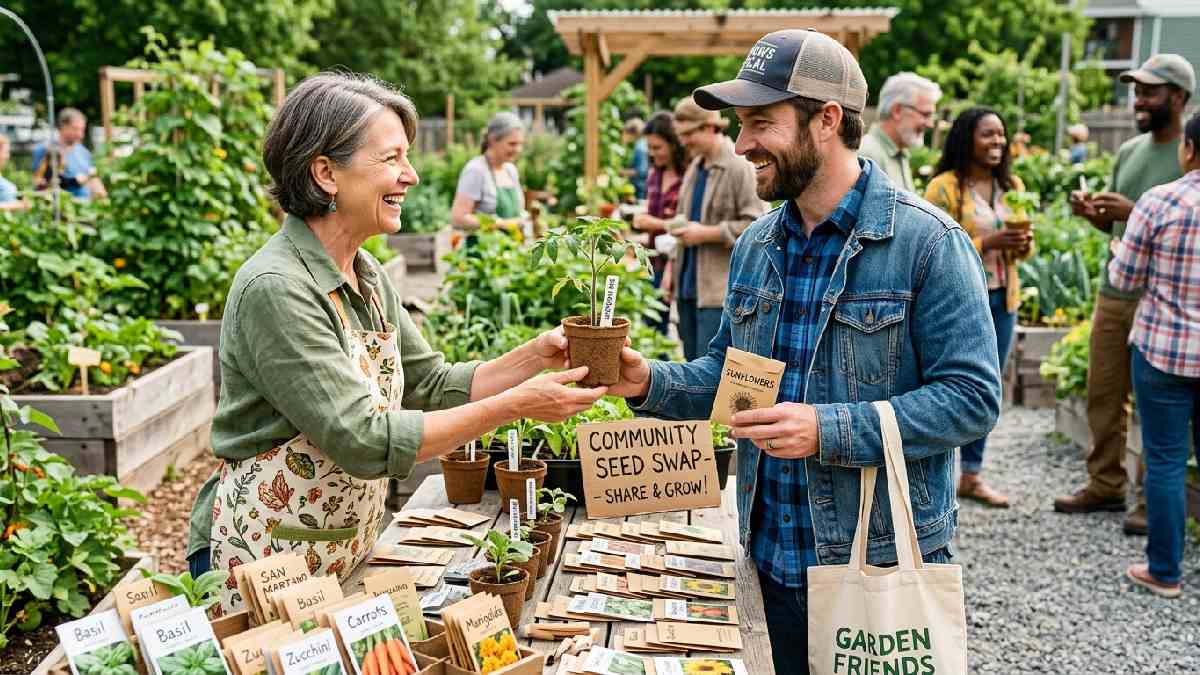
Sharing seeds and plants locally is a community-focused zero waste garden tips for beginners practice. Exchanging seeds and cuttings with neighbors reduces the need for new purchases. This practice also builds community connections while promoting biodiversity within your local area.
Local seed libraries and plant swaps provide excellent opportunities for sharing resources. This collaborative approach reduces packaging waste associated with commercial seed purchases. Sharing within your community embodies the cooperative spirit of zero waste living.
14. Recycle Garden Waste Naturally
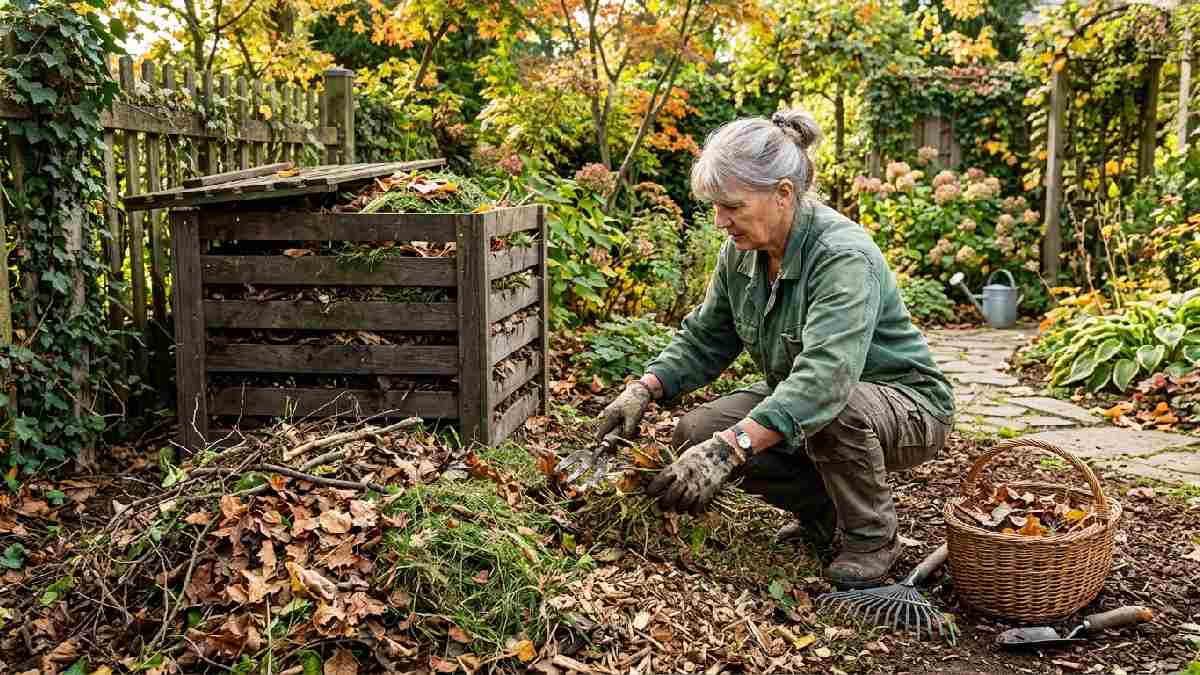
Recycling garden waste naturally is a fundamental zero waste garden tip for beginners to practice. Fallen leaves, pruned branches, and spent plants can all become valuable compost material. This natural recycling closes the loop, returning nutrients to your garden soil.
Avoiding the disposal of organic waste in landfills reduces harmful methane emissions. This simple practice transforms what others consider trash into valuable garden resources. Natural recycling remains central to achieving truly zero-waste gardening outcomes.
15. Start Small and Expand Gradually
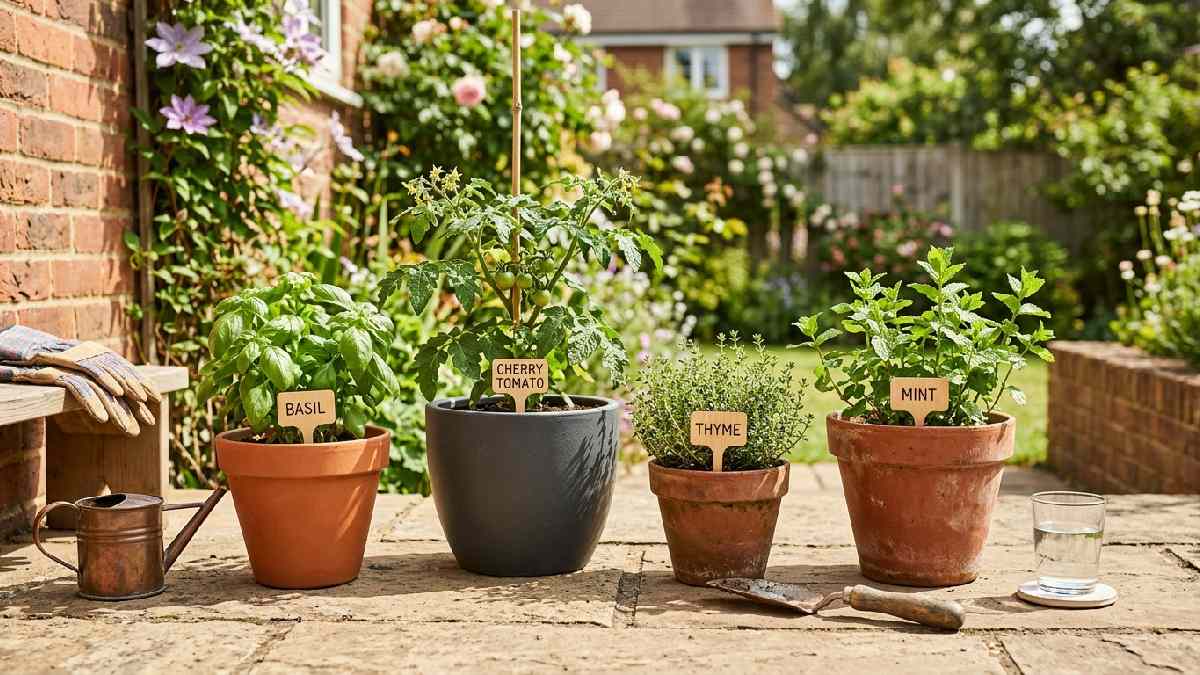
Starting small and expanding gradually is wise advice among zero waste garden tips for beginners. Beginning with simple practices like composting prevents overwhelming new gardeners unnecessarily. Adding new zero-waste techniques gradually allows time to build sustainable habits properly.
This measured approach prevents common burnout that affects overly ambitious beginning gardeners. Celebrating small successes along the way maintains motivation for continued improvement. Starting small ensures long-term success with zero waste gardening practices overall.
Common Zero Waste Gardening Mistakes to Avoid
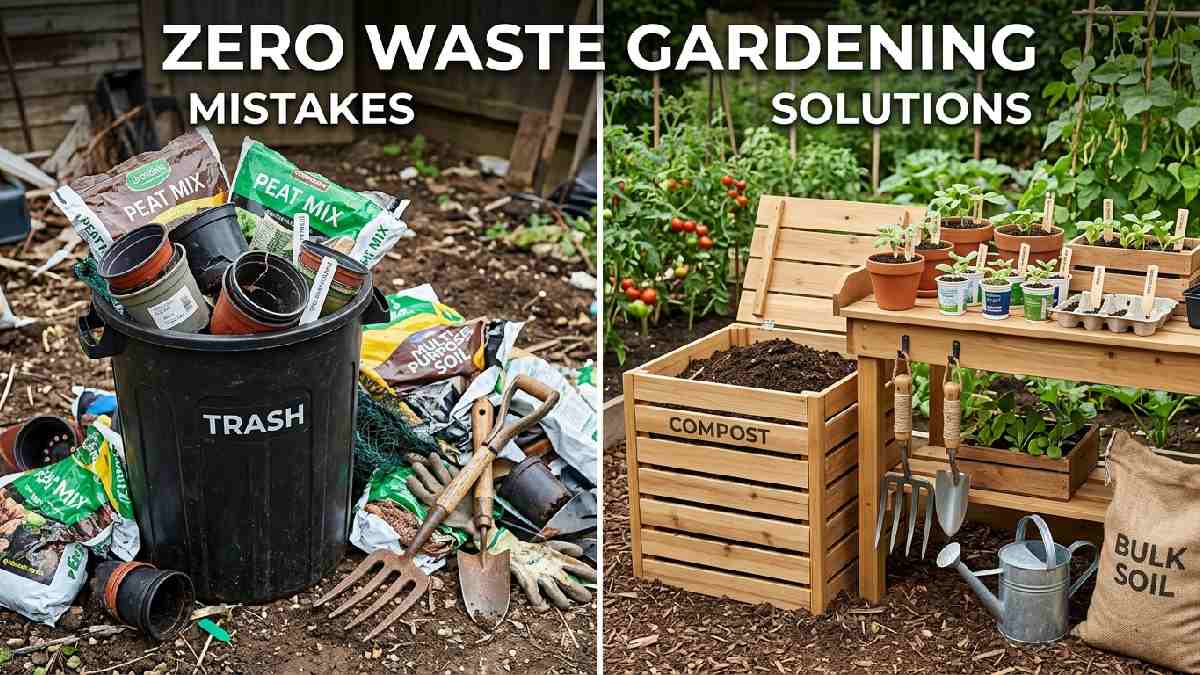
Avoiding common mistakes improves success when implementing zero waste garden tips for beginners throughout your garden. Overwatering plants wastes precious water resources while potentially harming root health. Throwing away compostable materials misses valuable opportunities for natural recycling and soil enrichment.
Using excess plastic in the garden contradicts core zero waste gardening principles significantly. Starting with too many plants overwhelms beginners and increases the risk of waste. Recognizing these pitfalls early ensures your zero-waste gardening efforts remain truly effective and sustainable.
Overwatering Plants
Overwatering plants is a common mistake that undermines zero waste garden tips for beginners’ conservation goals. Excess water wastes a precious resource while potentially damaging plant root systems. Always check soil moisture before watering instead of following a rigid schedule.
Drought-tolerant plants and proper mulching reduce overall watering needs significantly throughout the season. Correcting overwatering habits supports both water conservation and healthier plant growth overall. This simple adjustment aligns your practices with truly sustainable zero-waste principles.
Throwing Away Compostable Materials
Throwing away compostable materials is a wasteful mistake within zero waste garden tips for beginners practices. Many beginners accidentally discard valuable kitchen scraps and yard waste unnecessarily. This habit misses opportunities to create free, nutrient-rich fertilizer for your garden.
Learning what materials can be composted prevents this common and costly mistake. Setting up a convenient compost bin encourages consistent recycling of organic waste. Avoiding this mistake significantly improves your overall zero waste gardening success.
Using Excess Plastic in the Garden
Using excess plastic in the garden directly contradicts core zero waste garden tips for beginners principles. Many beginners unknowingly purchase unnecessary plastic tools, containers, and accessories regularly. Choosing reusable, biodegradable, or repurposed materials instead significantly reduces this common problem.
Being mindful of packaging when purchasing gardening supplies also helps reduce plastic waste. This conscious shopping habit supports genuine commitment to zero-waste gardening goals. Avoiding excess plastic remains essential for truly sustainable gardening practices overall.
Starting with Too Many Plants
Starting with too many plants is a common mistake among zero waste garden tips for beginners followers. Overambitious beginners often purchase or start more plants than they can properly maintain. This frequently leads to plant waste when seedlings fail from neglect or overcrowding.
Starting with a manageable number allows better care and reduces potential waste. Gradually expanding your garden as skills improve prevents this common beginner mistake. This measured approach supports long-term success with zero waste gardening methods.
Frequently Asked Questions
What is zero waste gardening?
Zero waste gardening means growing plants while minimizing trash through composting, reusing materials, and avoiding unnecessary packaging.
Can beginners start a zero waste garden?
Yes, beginners can start easily by composting kitchen scraps, reusing containers, and choosing native plants from the start.
What can I compost at home?
Fruit and vegetable scraps, coffee grounds, eggshells, and yard waste like leaves and grass clippings compost well.
How do I reduce plastic use in gardening?
Choose reusable tools, biodegradable plant ties, and repurposed containers instead of buying new plastic gardening products.
Is rainwater safe for plants?
Yes, rainwater is safe and beneficial for plants since it's naturally soft and free from added chemicals.
What are the best plants for a sustainable garden?
Native, drought-tolerant plants suited to your local climate require less water and support local pollinator populations effectively.
Conclusion
These zero waste garden tips for beginners prove that sustainable gardening benefits both your garden and the planet. From composting to container reuse, small changes create significant positive environmental impact over time. Avoiding common mistakes like overwatering and excess plastic use protects both plants and resources.
Starting small and expanding gradually makes implementing these zero waste garden tips for beginners manageable for everyone. As environmental concerns grow, these practices become increasingly important for sustainable, waste-free gardening. Start applying these zero waste garden tips for beginners today and enjoy a thriving, eco-friendly garden.