
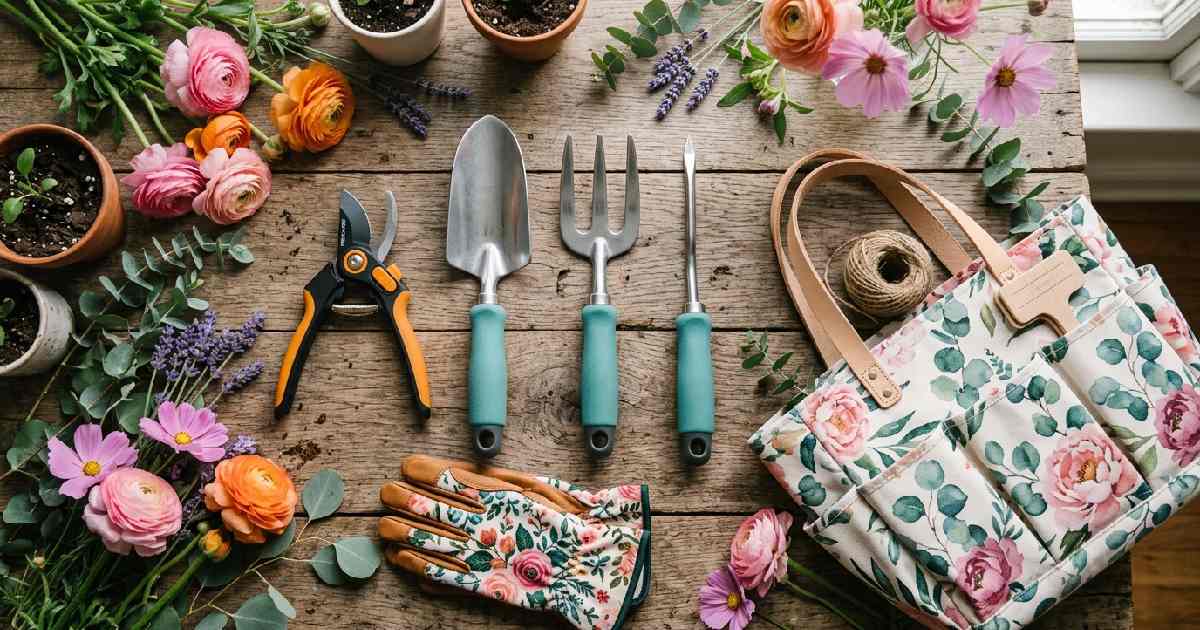

Lightweight Garden Tools for Women: Best Ergonomic Tools for Comfortable Gardening
Gardening should feel relaxing, not painful. But heavy tools make it hard on your hands, wrists, and back. Many women quit gardening simply because the tools wear them out. Lightweight garden tools change that completely.
They are easier to grip, control, and use for longer periods. This guide walks you through the best options available. You will learn what to look for, which tools matter most, and how to choose wisely. Garden smarter and enjoy every minute outside.
Introduction
Most garden tools were originally designed for men. They are heavy, bulky, and uncomfortable for smaller hands. Women need tools built around comfort and control. Lightweight garden tools fill that gap perfectly. They reduce strain without sacrificing performance.
Whether you are a beginner or an experienced gardener, the right tools make a real difference. This guide covers everything from essential tools to smart buying tips. By the end, you will know exactly what to buy and why it matters for your garden.
Why Lightweight Garden Tools Are Important for Women

Standard garden tools often weigh more than necessary. That extra weight adds up quickly during a long session. Hands tire out. Wrists ache. Shoulders feel the pressure too. Lightweight tools cut down that physical load significantly. They let you work longer with far less discomfort.
They also give you better control over what you are doing. For women of all ages and fitness levels, lighter tools simply make gardening more enjoyable. The right weight makes a bigger difference than most people realize before trying it.
Reduced Hand and Wrist Strain
Heavy tools force your hand muscles to work harder than needed. Over time, this leads to soreness and sometimes injury. Lightweight tools require much less gripping force to control.
Your hands stay relaxed instead of tense throughout the session. Wrists move more freely without fighting unnecessary weight. This matters especially for women who garden regularly or for long stretches at a time.
Better Control and Precision
A lighter tool responds more naturally to your movements. You can guide it exactly where you want without fighting the weight. Planting, pruning, and weeding all require accuracy.
A tool that feels balanced in your hand makes precise work much easier. Heavy tools shift your focus to managing the weight rather than the task itself.
Easier for Long Gardening Sessions
Fatigue builds fast when tools are too heavy. After thirty minutes, your grip weakens, and your arms feel heavy. Lightweight tools slow that fatigue down considerably.
You stay comfortable longer and get more done in each session. The difference becomes very clear during any session lasting over an hour.
Suitable for Beginners and Seniors
New gardeners are still building hand strength and technique. Seniors may have reduced grip strength or joint sensitivity. Both groups benefit greatly from tools that do not demand physical effort just to hold.
Lighter tools build confidence in beginners and protect joints in older gardeners. They make the hobby accessible at every stage of life.
Key Features to Look for in Lightweight Garden Tools
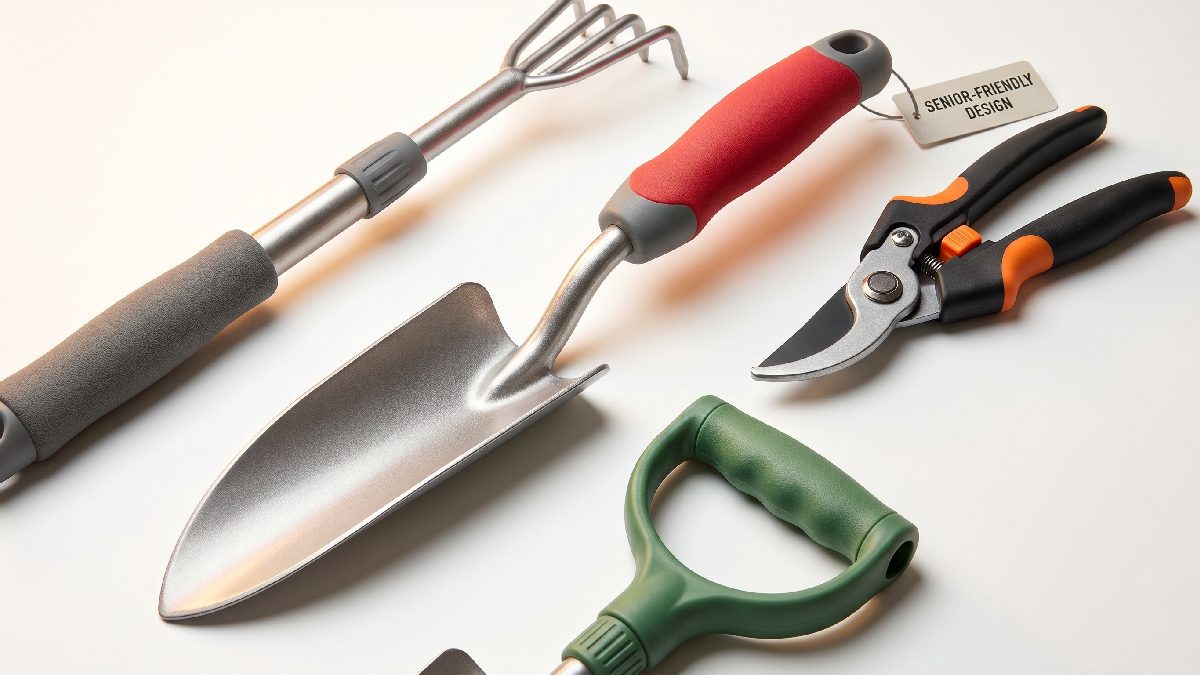
Weight is important, but it is not the only thing that matters. A tool needs to be light and well-built at the same time. Some cheap lightweight tools bend or break under normal use.
Knowing which features to prioritize helps you avoid wasting money. These five features separate a good lightweight tool from a poor one. Look for all of them before making any purchase decision.
Lightweight Materials (Aluminum, Carbon Steel)
Aluminum is one of the lightest metals used in garden tools. It is also naturally rust-resistant, which adds to its lifespan. Carbon steel is slightly heavier but holds a sharper edge longer.
Both materials offer a good balance of low weight and solid strength. Avoid tools with thick cast iron parts or unnecessarily heavy steel construction. The material choice directly affects how the tool feels during hours of use.
Ergonomic Handle Design
An ergonomic handle is shaped to match the natural curve of your hand. It reduces the awkward angles that put strain on your wrist. A straight handle forces your wrist into an unnatural position over time.
Ergonomic designs feel more intuitive from the very first use. They also reduce the amount of grip force you need to maintain control. This single feature makes a noticeable difference in comfort during longer sessions.
Non-Slip Grip Comfort
Wet hands and muddy gloves make slippery handles dangerous. A non-slip grip keeps the tool secure without requiring a tight squeeze. Rubber and foam coatings are the most common materials used.
They also soften the vibration that passes through the handle during digging. A comfortable grip lets your hand relax instead of constantly tensing up. Look for textured surfaces that hold firm even in damp conditions.
Rust and Weather Resistance
Garden tools face moisture, soil, and outdoor conditions constantly. A tool that rusts quickly becomes weak and unreliable fast. Stainless steel and aluminum naturally resist rust without much maintenance.
Powder-coated finishes add an extra layer of protection to the metal. Check that connections between the head and handle are sealed properly. Rust resistance directly affects how long your tools stay in good working condition.
Compact and Easy Storage Design
Lightweight tools are often more compact than heavy standard versions. Compact tools store easily in small sheds, bags, or wall-mounted racks. Many quality sets come with a canvas or nylon carry bag included.
This keeps everything organized and protected between gardening sessions. Easy storage also means you are more likely to keep tools clean and in good condition. A well-organized tool collection is easier to maintain long-term.
Best Lightweight Garden Tools for Women
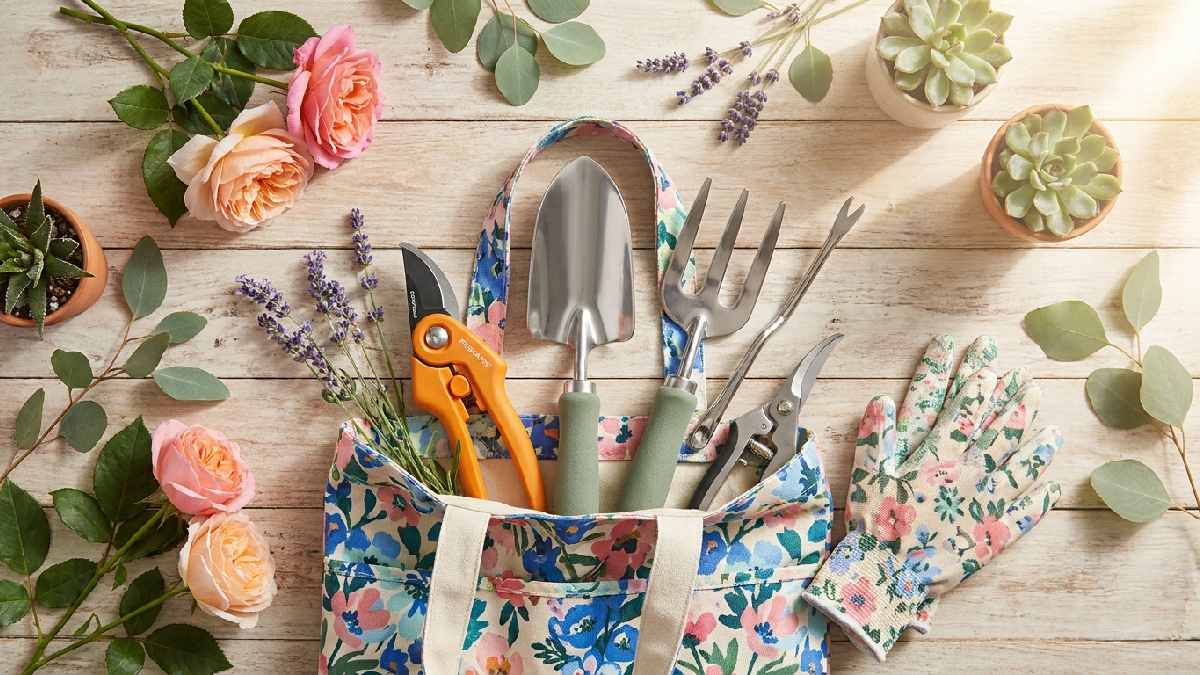
These five tools cover the most common gardening tasks any woman will face. Each one is chosen for its combination of low weight, comfort, and reliable performance.
You do not need dozens of tools to maintain a great garden. Start with these essentials and build from there as your needs grow. Quality matters more than quantity when building your first lightweight tool collection.
Lightweight Hand Trowel for Planting
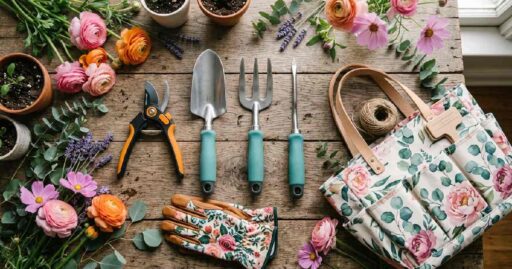
A hand trowel is the tool you will reach for most often. It digs planting holes, scoops soil, and helps with transplanting seedlings. Look for one with an aluminum or stainless steel blade and a cushioned rubber handle.
A trowel under 200 grams feels effortless during repeated digging. Depth markings on the blade are a useful bonus for planting at the correct depth. This one tool handles more garden tasks than almost anything else in your kit.
Lightweight Pruning Shears for Cutting Plants
Pruning shears need to cut cleanly without requiring a strong squeeze. Spring-loaded shears open automatically after each cut, which reduces hand fatigue significantly. Look for blades made from hardened stainless steel for long-lasting sharpness.
A good pair weighs under 200 grams and still cuts through stems up to half an inch thick. A safety lock keeps the blades closed safely during storage and transport. Sharp lightweight shears make pruning feel effortless rather than tiring.
Lightweight Garden Fork for Soil Work
A garden fork loosens compacted soil and lifts weeds without much effort. Four tines give better soil penetration than three in most ground conditions. Look for a fork with a carbon steel head and a fiberglass or aluminum handle.
It should feel balanced when held in the grip rather than heavy at the head. A well-designed fork makes aerating soil and working compost into beds much faster. It handles tasks that a trowel alone simply cannot manage effectively.
Lightweight Weeder for Weed Removal
A good weeder removes the entire root rather than just cutting the top. A forked or narrow V-shaped tip reaches deep into soil to grip and extract tap roots. Stainless steel construction keeps the tip sharp and rust-free through regular use.
Choose one with a cushioned handle that fits comfortably in a medium-sized hand. Removing weeds completely prevents regrowth and reduces future maintenance time. A dedicated weeder is far more effective than trying to weed with a trowel.
Complete Lightweight Garden Tool Set for Beginners
A complete set gives you everything needed without the effort of sourcing individual pieces. Most quality sets include a trowel, fork, weeder, pruners, and sometimes a rake or cultivator. All tools in a good set share a consistent handle design, which makes switching between them comfortable.
Sets generally cost less than buying each tool separately. Look for sets that include a carry bag for organized and protected storage. A well-chosen set is the smartest starting point for any woman new to gardening.
How to Choose the Right Lightweight Garden Tools
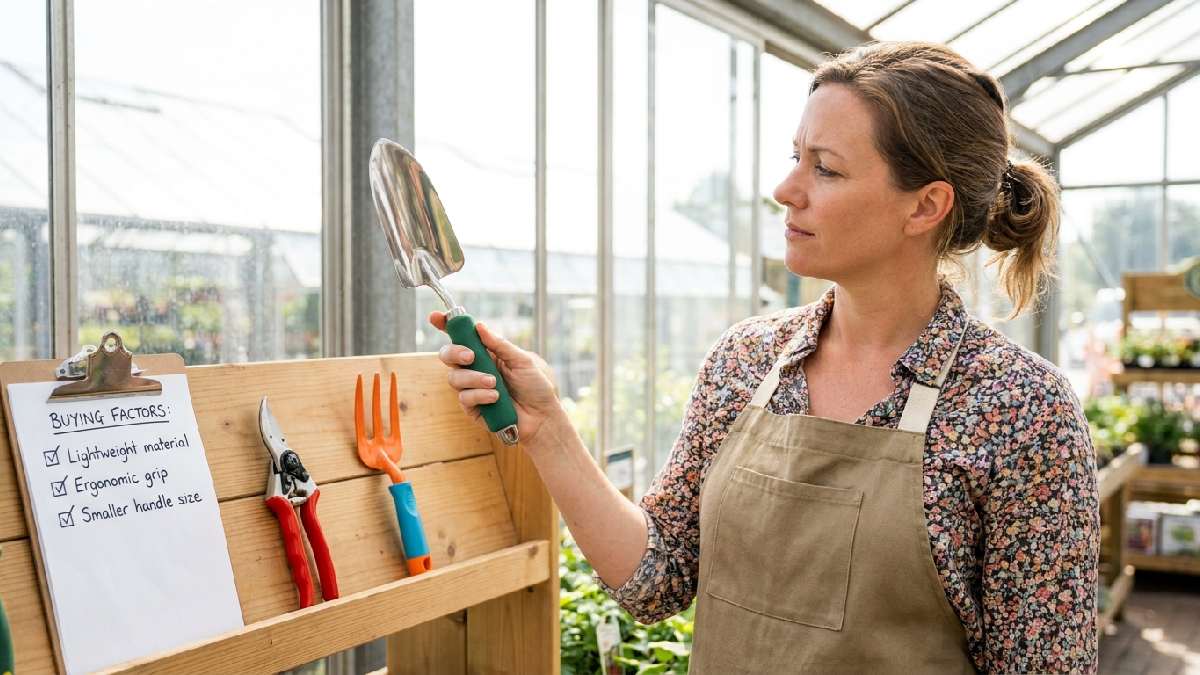
The right tool depends on more than just the weight printed on the label. Your garden type, hand size, and how you garden all affect the choice. A tool that works well for one person may feel wrong for another.
These four factors help you narrow down your options based on your actual situation rather than general advice. Think through each one before making a final decision on any tool purchase.
Based on Gardening Type (Indoor / Outdoor)
Indoor and container gardening calls for smaller, more precise tools. A narrow trowel and a compact fork work better in pots than full-sized versions. Outdoor gardens with open beds can accommodate slightly larger tool heads.
Vegetable gardens need tools that handle soil work between rows without damaging plants. Match the tool size to the space you are actually working in. Using a tool designed for outdoor beds in a small container often causes more damage than help.
Based on Tool Weight and Balance
The number on the label does not tell the full story. A tool with most of its weight in the head will feel heavier than one with balanced distribution. Hold the tool at the grip and notice whether the head pulls downward.
A well-balanced tool feels like a natural extension of your arm. Aim for tools under 300 grams for hand tools, and check the balance point before buying. Online shoppers should check reviews specifically mentioning balance and feel during use.
Based on Grip Comfort and Hand Size
Grip size matters more than most buyers realize. A handle too wide causes your hand to tense up just to maintain control. A handle too narrow gives you poor leverage and less control. Most women find medium-sized ergonomic grips the most comfortable option.
If possible, hold the tool before purchasing rather than buying based on description alone. Your hand should feel relaxed and natural around the grip, not stretched or cramped.
Based on Durability and Material Quality
Lightweight should never come at the cost of structural strength. Aluminum alloy tools are both light and very capable of handling regular garden work. Carbon steel holds up better in harder soil conditions.
Check that the connection between the handle and tool head feels solid and tight. A loose joint will worsen quickly with use and eventually fail. Reading verified customer reviews gives you a realistic picture of how a tool holds up after months of actual garden use.
Benefits of Using Lightweight Gardening Tools

Switching to lightweight tools brings changes you notice from the very first session. The physical difference is immediate, and the long-term benefits build over time. Your body thanks you after every session instead of aching.
Your garden gets more consistent attention because working in it feels good. These four benefits explain why so many women make the switch and never go back to heavy standard tools again.
Reduces Physical Fatigue
Fatigue from heavy tools forces you to stop working before your garden is finished. Lightweight tools extend how long you can work comfortably in a single session. Your arm and shoulder muscles are not fighting unnecessary weight with every movement.
You finish sessions feeling tired in a normal, healthy way rather than worn out and sore. That difference makes you more likely to get back out in the garden again the next day.
Improves Gardening Efficiency
When tools feel comfortable, you move faster and more confidently. Tasks like weeding, planting, and pruning get done in less time. You are not pausing to rest your hands or adjusting your grip constantly.
More work gets completed in each session without pushing your body harder. Better efficiency means your garden gets the consistent care it needs to thrive through the whole growing season.
Prevents Joint Pain and Injuries
Repetitive strain from heavy tools builds up slowly and quietly. Many gardeners do not notice the damage until pain becomes hard to ignore. Lightweight ergonomic tools keep your joints in natural positions throughout use.
The reduced weight lowers the stress placed on wrists, fingers, and elbows with every motion. Preventing injury is far easier than recovering from one. The right tools protect your ability to keep gardening for years to come.
Increases Gardening Enjoyment
Pain and exhaustion are the fastest ways to lose enthusiasm for any hobby. When tools feel good in your hands, gardening feels genuinely enjoyable. You look forward to time outside rather than dreading the soreness that follows.
Better results from more comfortable and controlled tool use add to that satisfaction. Gardening becomes something you want to do rather than something you push through. That shift in experience is what lightweight tools ultimately deliver.
Tips to Reduce Hand Strain While Gardening
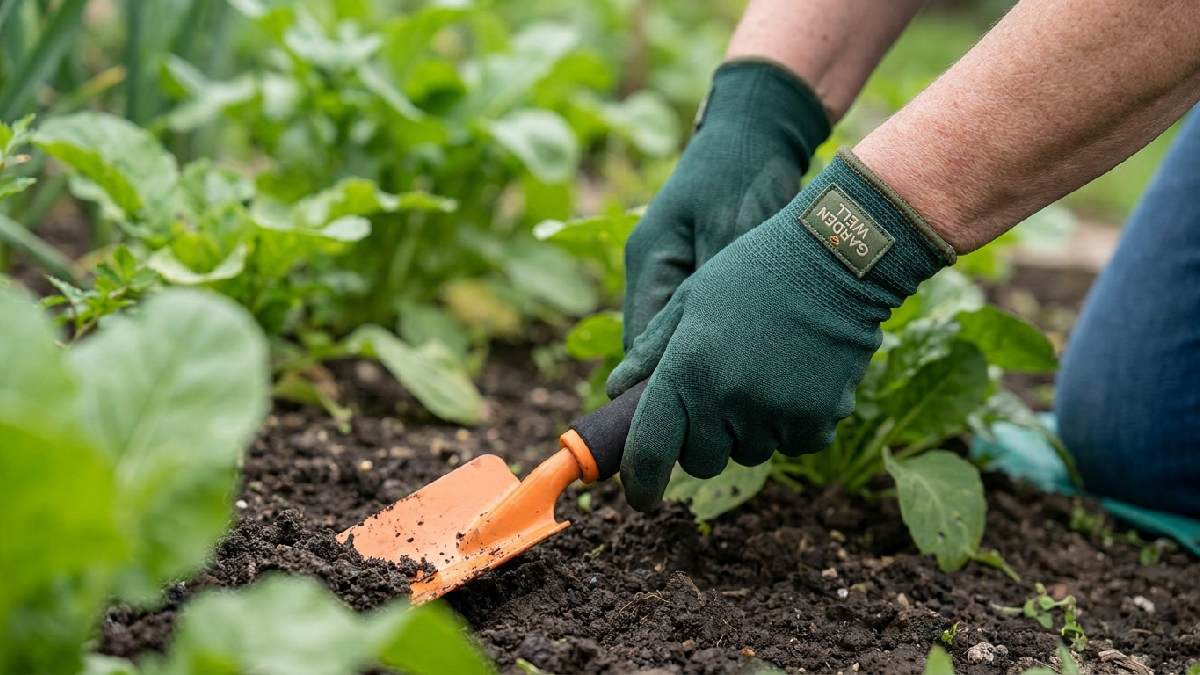
Good tools are a strong foundation, but your habits matter just as much. Small adjustments to how you work protect your hands over the long term. These tips pair well with any lightweight tool collection.
They take very little effort to adopt and make a noticeable difference quickly. Think of them as the other half of comfortable gardening alongside choosing the right equipment for your needs.
Use Ergonomic Gloves
Standard garden gloves protect your hands from dirt and cuts but offer little joint support. Ergonomic gloves add cushioning at the palm and base of the fingers where pressure concentrates most.
This reduces the impact transferred from tools to your joints during digging and gripping. Choose gloves that fit snugly without restricting movement. A glove that is too loose causes you to grip harder to compensate, which defeats the purpose entirely.
Take Frequent Breaks
Even with lightweight tools, your muscles need regular rest during longer sessions. A short break every thirty minutes lets your hands and forearms recover before fatigue sets in. Use that time to stretch, drink water, or simply step back and assess your progress.
Working through early signs of fatigue leads to soreness that lingers for days. Short breaks actually increase your total output by keeping your energy and focus consistent throughout the session.
Stretch Hands Before Gardening
Cold muscles are less flexible and more vulnerable to strain. A quick two-minute warm-up before you start makes a real difference. Spread your fingers wide and hold for a few seconds, then slowly close them into a fist.
Rotate your wrists gently in both directions several times. These simple movements increase blood flow and prepare your joints for the repetitive motions of gardening. It takes almost no time and noticeably reduces discomfort during and after your session.
Use Proper Posture While Working
Poor posture during gardening puts unnecessary strain on your back, neck, and shoulders. Keep your spine straight and avoid hunching over your work for extended periods. Bend at the knees when working close to the ground rather than rounding your lower back.
Position yourself close enough to your work area that you are not reaching and straining. Changing your body position every few minutes prevents any one muscle group from carrying too much load.
Common Mistakes to Avoid When Buying Garden Tools
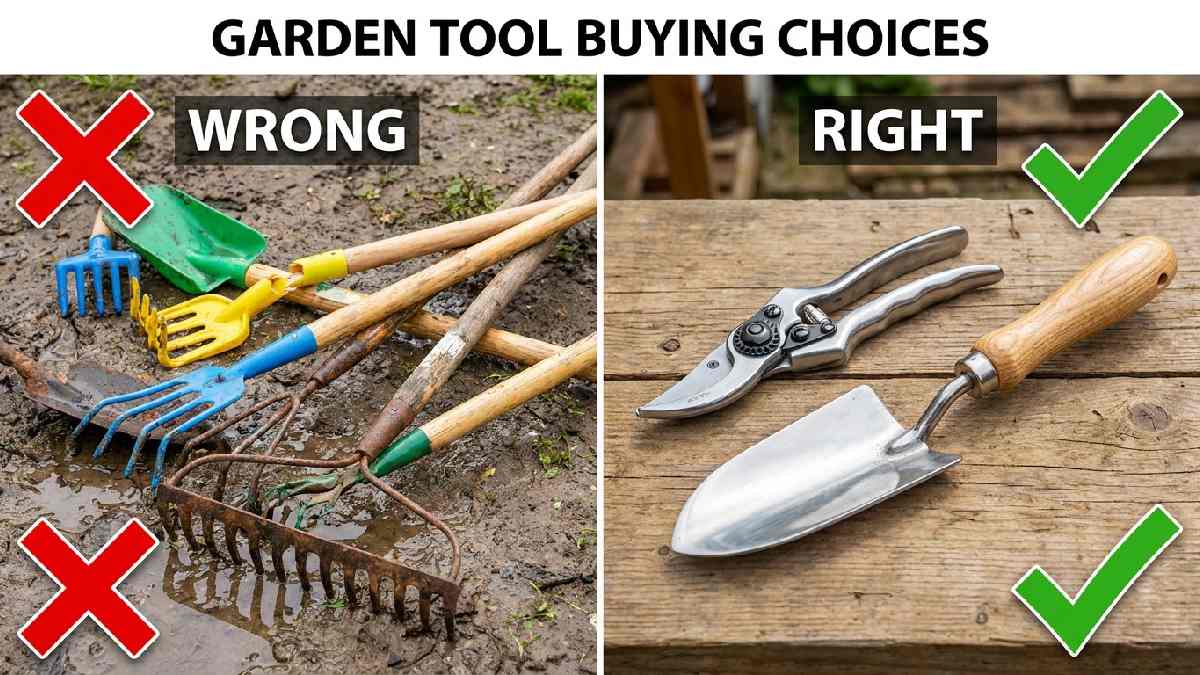
Even with the best intentions, many women end up with tools that do not serve them well. These mistakes are easy to make when shopping without clear guidance. Knowing what to watch out for saves you money and frustration.
Each of these four mistakes is common enough that addressing them directly is worth your time before you make any purchase decisions for your garden tool collection.
Choosing Heavy Tools Over Comfort
Some buyers assume heavier tools must be stronger and more effective. In reality, modern lightweight materials perform just as well as heavy ones for most garden tasks. Choosing a heavy tool because it feels more substantial is a costly mistake.
You will use a comfortable tool consistently and avoid a heavy one. Performance means nothing if the tool sits unused because it wears you out too quickly to make it worthwhile.
Ignoring Handle Grip Design
The blade or tine gets most of the attention during purchase decisions. But the handle is what your hand contacts for the entire session. A poorly designed grip causes blisters, slipping, and wrist strain regardless of how good the tool head is.
Always evaluate how the handle feels during use, not just how the tool looks on the shelf or in a product photo. Grip comfort is one of the most important factors in long-term satisfaction with any garden tool.
Buying Cheap Low-Quality Tools
Budget tools often use thin aluminum that bends under normal soil pressure. Handles crack after limited use, and connections between parts loosen quickly. The low upfront price becomes expensive when you replace tools every season.
A mid-range quality tool bought once outperforms and outlasts several cheap replacements. Read reviews from people who have used the tool for at least one full gardening season before committing to a purchase.
Not Matching Tools with Gardening Needs
A raised bed gardener and a vegetable patch gardener have very different tool requirements. Buying general-purpose tools without thinking about your specific situation often leads to tools that feel wrong for the job. Think about the tasks you perform most often and the space you work in.
Then choose tools sized and designed for those exact conditions. A well-matched tool feels intuitive from the first use, while a mismatched one always feels slightly off, no matter how good the quality is.
FAQ: Lightweight Garden Tools for Women
What are lightweight garden tools?
They are garden tools made from lighter materials like aluminum and carbon steel. They weigh less than standard tools and reduce hand and wrist fatigue during use.
Are lightweight gardening tools durable?
Yes. Modern aluminum alloy and carbon steel tools are strong enough for regular garden work. Quality lightweight tools last many seasons with basic cleaning and storage care.
Which tool is best for beginners?
A lightweight hand trowel is the best starting point. It handles planting, transplanting, and basic soil work which covers most tasks a beginner will face early on.
Do ergonomic tools really reduce pain?
Yes. Ergonomic handles keep your wrist in a more natural position during use. This reduces the strain that builds up during repeated gripping and digging motions over time.
What materials are best for lightweight tools?
Aluminum alloy is the lightest option and naturally resists rust. Carbon steel is slightly heavier but stays sharper longer. Either material works well depending on your soil type and how often you garden.
Conclusion
Lightweight garden tools are not just a convenience. They are a practical solution to a real problem that stops many women from enjoying their gardens fully. The right tools protect your joints, extend your sessions, and make every task feel more manageable.
Start with the essentials, choose quality materials, and pay attention to grip comfort. Your garden will get better care, and your body will feel the difference after every session. Gardening is meant to be enjoyed, and the right tools make that possible every time you step outside.