
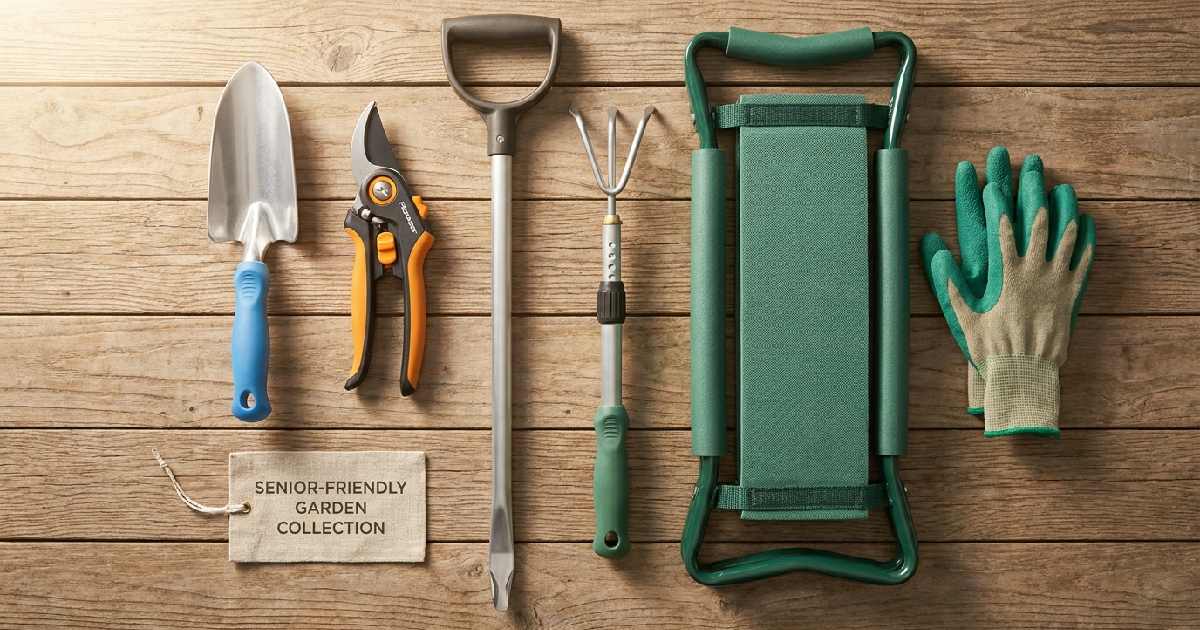

Ergonomic Garden Tools for Seniors
Gardening is a wonderful activity for seniors. But physical limitations can make it very challenging. Bending, kneeling, and gripping tools cause serious pain. Ergonomic garden tools solve these problems completely. They are specially designed for comfort and ease of use.
They reduce strain on joints, muscles, and the back. This guide covers everything seniors need to know. You will learn which tools matter most. You will learn how to choose them wisely and use them safely every single gardening season.
Introduction
Many seniors love gardening but struggle with physical discomfort. Standard garden tools are not designed for aging bodies. They cause joint pain, back strain, and hand fatigue. Ergonomic garden tools completely change everything for older gardeners.
They make gardening comfortable, safe, and enjoyable again. This guide explains why ergonomic tools matter so much. It covers key features, best tool types, and smart buying tips. Every senior gardener deserves tools that work with their body, not against it, every single day.
Why Ergonomic Garden Tools Are Important for Seniors

Seniors face unique physical challenges in the garden every day. Standard tools ignore these challenges completely. Ergonomic tools are specifically designed to address them. They significantly reduce pain and physical strain. They make gardening safer and more enjoyable for older adults.
Choosing the right ergonomic tools protects joints and muscles effectively. They allow seniors to keep gardening comfortably for many more years. Understanding why these tools matter helps seniors make much smarter and healthier tool choices every single gardening season.
Common Gardening Challenges for Older Adults
Aging bodies face many gardening challenges daily. Joint stiffness makes gripping tools very painful. Back pain worsens with bending and lifting tasks. Reduced grip strength makes standard handles very difficult. Knee pain makes kneeling on hard ground unbearable. Reduced stamina limits how long seniors can garden.
Arthritis makes repetitive hand movements extremely painful over time. These challenges discourage many seniors from gardening regularly. The right ergonomic tools address every one of these common and very real physical challenges effectively.
How Ergonomic Tools Reduce Physical Strain
Ergonomic tools are carefully designed to reduce physical strain. They distribute pressure evenly across the hand and wrist. Angled handles reduce awkward and painful wrist positions. Long handles eliminate the need for excessive bending. Lightweight materials reduce arm and shoulder fatigue significantly.
Non-slip grips require much less squeezing force during use. Padded handles absorb vibration and shock during soil work. Every ergonomic feature works together to protect the body. Seniors can garden much longer with significantly less pain and physical discomfort using properly designed ergonomic tools.
Benefits for Seniors With Arthritis and Joint Pain
Arthritis makes standard garden tools extremely painful to use. Ergonomic tools are specifically beneficial for arthritis sufferers. Wide cushioned grips reduce pressure on painful finger joints. Spring-loaded pruners open automatically after every single cut. This eliminates the need for repetitive, painful hand movements.
Lightweight tools reduce stress on swollen and inflamed joints. Angled handles keep wrists in a natural, comfortable position always. Seniors with arthritis can continue gardening comfortably with the right ergonomic tools. Pain reduces significantly, and gardening enjoyment increases dramatically every season. dailymoss. com, hobbr.com, urbangardensweb.com Results from the web
Key Features to Look for in Ergonomic Garden Tools
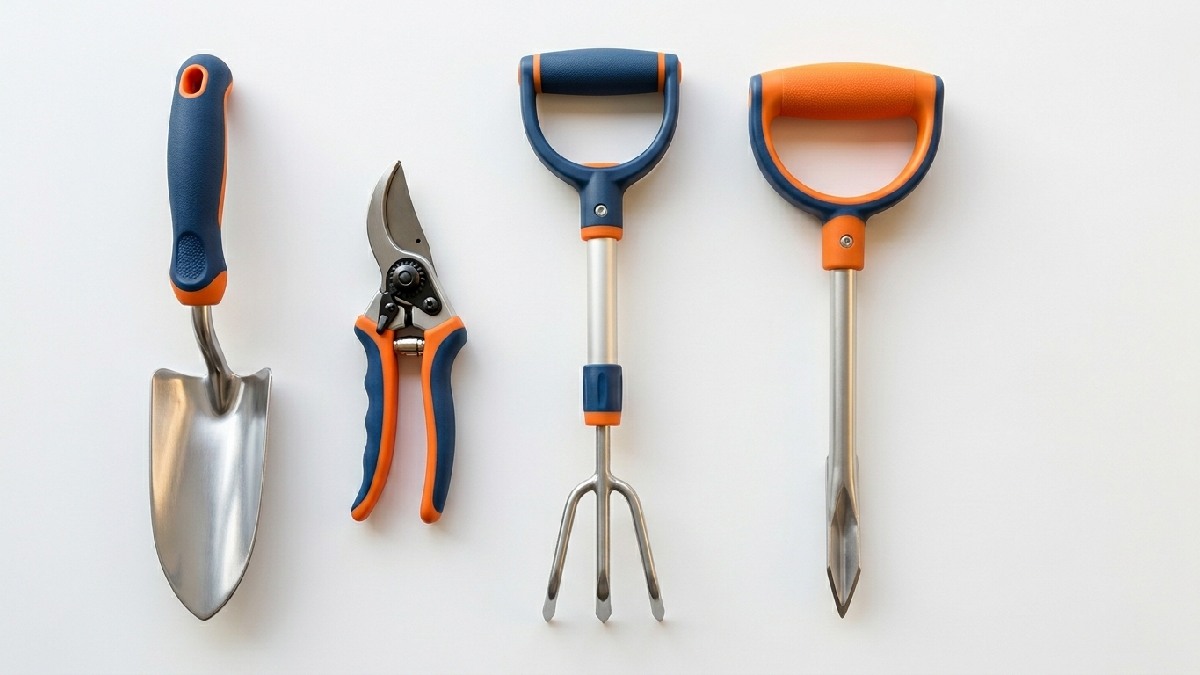
Not all ergonomic tools are created equally. Some features matter much more than others for seniors. Knowing what to look for saves money and prevents poor choices. The right features make an enormous difference in daily comfort. They protect joints, reduce fatigue, and improve control.
Always evaluate these key features before purchasing any tool. A tool with the right features feels completely natural and comfortable. Use this guide to identify the best ergonomic features for your specific physical needs and gardening situation.
Comfortable Non-Slip Handles
Handle comfort is the most important ergonomic feature. Non-slip handles give seniors secure and confident grip control. Rubber and foam grips feel soft and very comfortable. They prevent painful blisters during extended gardening sessions. Non-slip surfaces prevent dangerous tool slipping during wet conditions.
Textured grips require much less squeezing force to hold securely. Wide-diameter handles are much easier for arthritic hands to grip. Always prioritize handle comfort when choosing any ergonomic garden tool for regular senior gardening use.
Lightweight Materials
Heavy tools tire senior arms and shoulders very quickly. Lightweight materials make gardening much easier and more comfortable. Aluminum handles are very strong but extremely lightweight. Fiberglass handles offer excellent strength with minimal added weight.
Lightweight tools reduce muscle fatigue during longer gardening sessions. They are much easier to lift, carry, and maneuver precisely. Seniors can work much longer with lightweight tools without pain. Always check the total weight of any tool before purchasing it for regular senior gardening use throughout the season.
Long Handles for Better Reach
Long handles eliminate painful bending and awkward reaching completely. Seniors can work comfortably from a fully upright standing position. Back strain reduces dramatically with properly extended handle lengths. Long handles provide excellent leverage for difficult soil work tasks.
They allow seniors to reach across wide garden beds easily. Adjustable-length handles suit gardeners of different heights perfectly. Always choose handles that reach your hip height for best comfort. Long handles are one of the single most important ergonomic features for senior gardeners everywhere.
Easy-Grip Designs
Easy-grip designs accommodate reduced hand strength effectively. Pistol-grip handles fit naturally into the palm of your hand. They require much less squeezing force during all tasks. D-shaped handles provide excellent whole-hand grip control always. T-bar handles distribute pressure evenly across the entire palm.
Spring-loaded mechanisms on pruners eliminate repetitive closing motions. Easy-grip designs reduce hand and wrist fatigue significantly during use. They make every gardening task much more manageable for seniors with limited hand strength or painful arthritis conditions every day.
Durable Construction
Durable tools handle regular use without breaking down quickly. Quality construction protects your investment for many years ahead. Stainless steel blades resist rust and stay sharp much longer. Reinforced joints prevent wobbling and dangerous breakage during use. Strong handle connections withstand regular pressure without loosening over time.
Quality materials perform consistently in all weather conditions. Durable tools are ultimately much more cost-effective than cheap replacements. Always inspect construction quality carefully before purchasing any ergonomic garden tool for regular senior use throughout many gardening seasons ahead.
Best Types of Ergonomic Garden Tools for Seniors
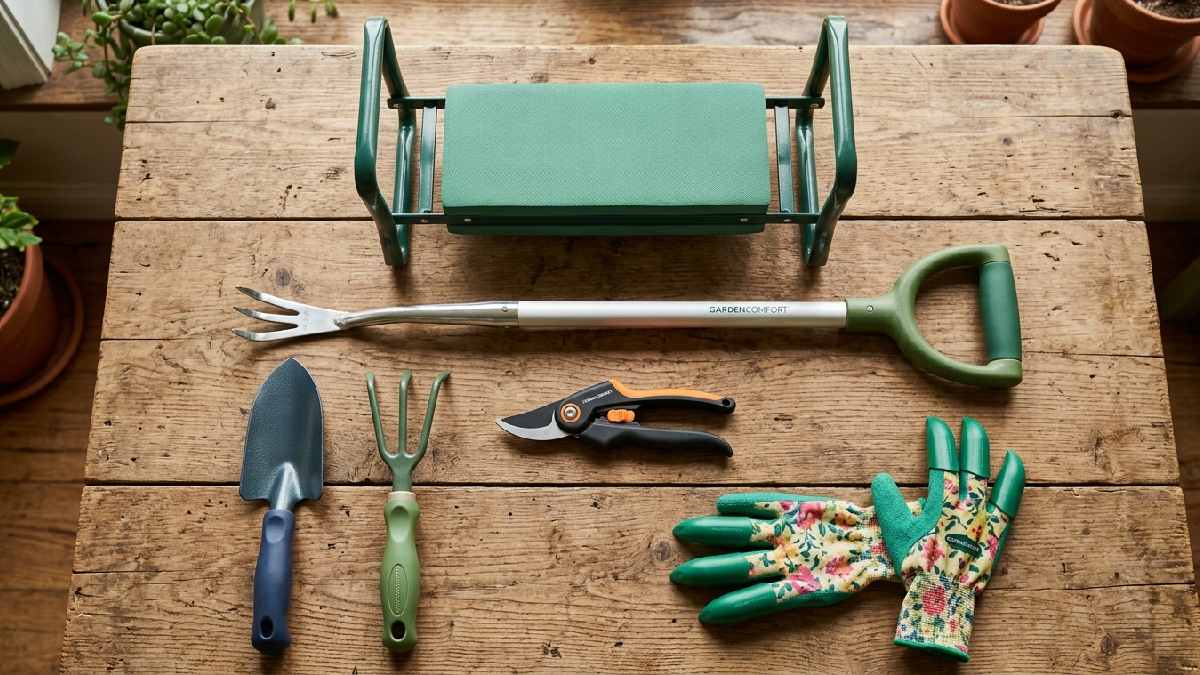
Many types of ergonomic garden tools exist for seniors today. Each type addresses specific gardening tasks and physical challenges. Knowing which tools work best helps seniors shop confidently. The right combination of tools covers all basic gardening needs.
You do not need every type available in stores. Choose tools that match your most common gardening tasks. These six types of ergonomic tools offer the greatest benefits for senior gardeners working in any size garden throughout the entire growing season.
Ergonomic Trowels
Ergonomic trowels have specially angled or cushioned handles. The angle keeps wrists in a natural and pain-free position. Wide foam grips reduce pressure on arthritic finger joints greatly. Stainless steel blades cut through soil very smoothly. They are lightweight and very easy to control during planting.
Some models have depth markings on the blade for accuracy. An ergonomic trowel makes planting and transplanting completely pain-free. It is the single most essential ergonomic tool for any senior gardener starting or maintaining their garden.
Easy-Grip Pruners
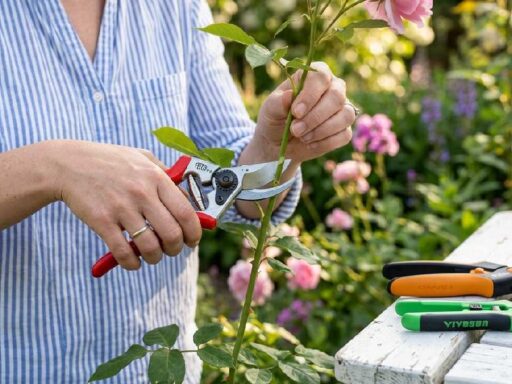
Easy-grip pruners are specially designed for arthritic hands. Spring-loaded mechanisms open the blades automatically after every cut. This eliminates painful repetitive squeezing and hand movements completely. Rotating handles reduce wrist twisting strain significantly during use. Cushioned grips absorb cutting shock and vibration very effectively.
Sharp bypass blades cut cleanly through stems without tearing them. Lightweight construction reduces hand fatigue during extended pruning sessions. Easy-grip pruners allow seniors with arthritis to prune plants comfortably and safely throughout the entire gardening season without pain.
Long-Handled Weeders
Long-handled weeders remove weeds without any bending required. Seniors work completely upright and comfortably at all times. The long handle provides excellent leverage for deep weed removal. Forked tips grip weed roots firmly and remove them completely. Some models use a foot pedal mechanism for easier operation.
They reach weeds in tight and awkward garden spaces easily. Lightweight construction makes them easy to use for extended periods. Long-handled weeders are essential for senior gardeners who struggle with back pain and limited bending ability every day.
Lightweight Garden Forks
Lightweight garden forks loosen soil without causing excessive strain. Aluminum or fiberglass construction keeps the total weight very minimal. Strong tines penetrate compacted soil very effectively and easily. Ergonomic handles reduce wrist and hand strain during soil work.
They aerate soil and remove weeds from established garden beds. Short-handled versions suit raised bed gardening situations perfectly. Long-handled versions eliminate bending in larger open garden spaces. Lightweight garden forks allow seniors to maintain healthy and productive soil without the physical strain of using heavy standard tools.
Ergonomic Watering Tools
Watering heavy cans causes serious wrist and shoulder strain. Ergonomic watering tools solve this common problem effectively. Lightweight watering cans with two handles distribute weight evenly. Pistol-grip hose nozzles require minimal squeezing force during watering. Trigger locks eliminate the need to hold triggers continuously during use.
Long-reach wands water hanging baskets and tall plants without stretching. Adjustable spray patterns suit different plants and watering needs. Ergonomic watering tools make daily plant care completely comfortable and much safer for senior gardeners with limited strength or joint pain.
Garden Kneelers and Seats
Garden kneelers protect knees during close ground-level work. Thick foam padding absorbs pressure on knee joints completely. Many models convert into a comfortable garden seat easily. Side handles help seniors stand up safely from the ground level. Sturdy frames support significant body weight safely and reliably.
Some models include side pockets for storing small tools. A garden kneeler reduces knee and back pain dramatically during close work. It is one of the most important comfort accessories any senior gardener can own for safe and comfortable gardening.
Benefits of Using Ergonomic Gardening Tools

Ergonomic gardening tools offer seniors many important benefits. They reduce pain and physical discomfort significantly during gardening. They improve overall comfort and gardening enjoyment greatly. They promote better posture and safer body movement always. They allow seniors to garden for much longer periods comfortably.
These benefits combine to dramatically improve the entire gardening experience. Seniors who switch to ergonomic tools notice the difference immediately. Investing in ergonomic tools is one of the best decisions any senior gardener can make for their health and happiness.
Reduced Joint and Muscle Strain
Ergonomic tools dramatically reduce joint and muscle strain. Angled handles keep joints in natural pain-free positions. Lightweight materials reduce arm and shoulder muscle fatigue greatly. Wide cushioned grips reduce pressure on finger and wrist joints. Spring-loaded mechanisms eliminate repetitive painful hand movements.
Less strain means less pain after every single gardening session. Seniors can garden much more frequently without suffering afterward. Reduced joint and muscle strain is the most important benefit ergonomic tools provide for older adults with arthritis or other joint conditions.
Improved Gardening Comfort
Comfort improves dramatically with properly designed ergonomic tools. Every feature works together to create a comfortable experience. Padded grips feel soft and pleasant during extended use. Lightweight tools feel effortless to carry and maneuver around. Long handles eliminate uncomfortable bending and awkward reaching positions.
Garden kneelers protect knees during close ground-level work. Overall comfort encourages seniors to garden more often and longer. Improved gardening comfort transforms what was once a painful chore into a deeply enjoyable and relaxing daily activity for senior gardeners.
Better Posture and Mobility
Poor posture during gardening causes serious back problems over time. Ergonomic tools naturally encourage much better posture during all tasks. Long handles keep the back straight and completely upright always. Lightweight tools reduce the tendency to hunch over during work. Better posture reduces back pain and muscle tension significantly.
Improved mobility follows naturally from reduced pain and better posture. Seniors move more freely and confidently throughout the garden. Better posture and mobility allow seniors to garden safely for many more years without suffering serious back or joint injuries.
Increased Gardening Time
Pain and discomfort limit how long seniors can garden comfortably. Ergonomic tools reduce pain and therefore extend gardening sessions significantly. Less fatigue means seniors can work for much longer periods. More gardening time means better-maintained and more productive gardens. Seniors enjoy their hobby for longer without stopping due to pain.
Increased gardening time improves mental and physical health simultaneously. Gardens stay healthier and more beautiful with more consistent, regular care. Ergonomic tools directly increase the amount of enjoyable quality gardening time available to every senior gardener each season.
How to Choose the Right Ergonomic Garden Tools
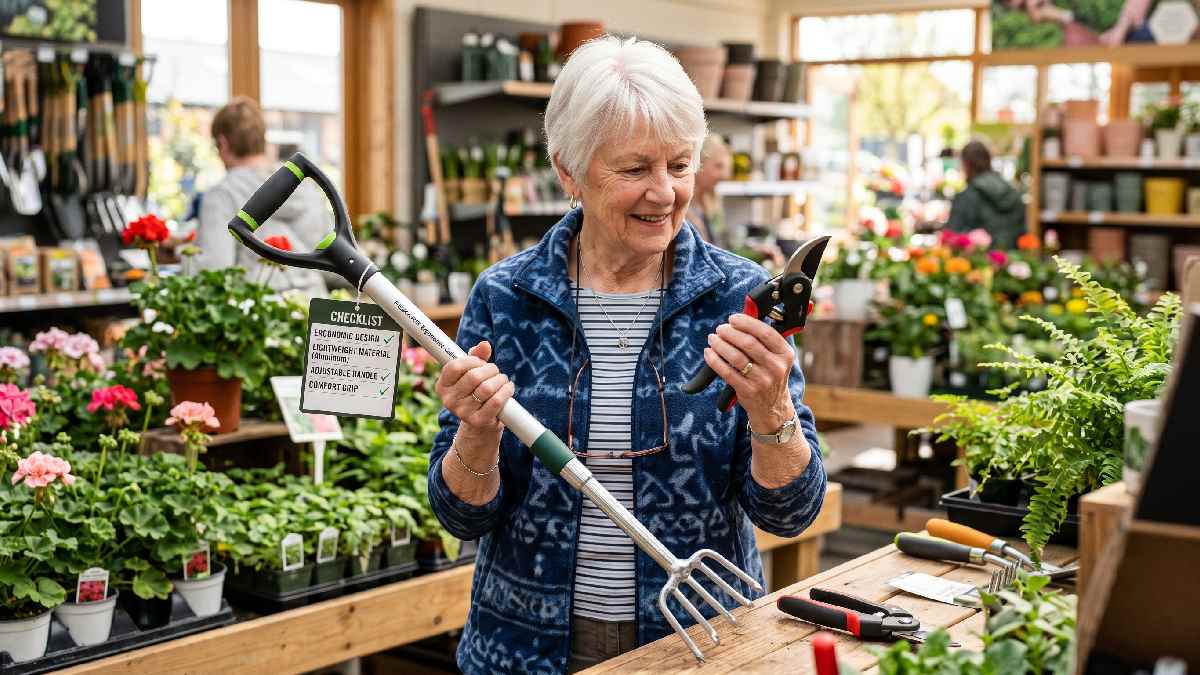
Choosing the right ergonomic tools requires careful personal consideration. Every senior has different physical needs and limitations. What works for one person may not work for another. Focus on your own specific challenges and requirements always. Consider your garden size and most common gardening tasks carefully.
Think about your budget and long-term tool investment wisely. These four key factors guide every senior toward the perfect ergonomic tool choices for their individual needs and gardening situation every single season.
Consider Your Physical Needs
Always start with your specific physical needs and limitations. Do you have arthritis in your hands or fingers? Do you suffer from chronic back or knee pain? Is your grip strength reduced or very limited currently? Do you have shoulder or wrist mobility restrictions daily? Identify your biggest physical challenges in the garden first.
Then choose tools that directly address those specific challenges. Tools designed for your exact needs provide the greatest comfort and benefit. Never buy tools without first considering your own unique physical situation and gardening requirements carefully.
Check Tool Weight
Tool weight directly affects senior comfort and fatigue levels. Always check the total weight before purchasing any tool. Pick up the tool and hold it for one full minute. Notice if it feels comfortable or causes immediate strain. Lightweight tools should feel almost effortless to hold and use.
Anything feeling heavy in the store will feel worse in the garden. Always choose the lightest option that still offers required durability. Reducing tool weight is one of the simplest and most effective ways to immediately improve senior gardening comfort and safety.
Evaluate Handle Design
Handle design determines daily comfort during all gardening tasks. Look for wide, cushioned grips that fill your entire hand. Check that the handle diameter suits your hand size perfectly. Angled handles should position your wrist naturally without strain. Test the grip surface for non-slip texture during dry and wet conditions.
D-grips and T-bar handles offer excellent palm support for seniors. Ensure the handle length matches your height for upright working comfort. A well-designed handle transforms a standard tool into a genuinely comfortable and effective ergonomic gardening experience for seniors.
Focus on Quality and Durability
Quality and durability determine the long-term value of your tools. Cheap ergonomic tools often fail very quickly under regular use. Quality tools maintain their comfort features for many years ahead. Check that all joints and connections feel completely solid and secure. Stainless steel components resist rust and maintain performance consistently.
Read genuine customer reviews from other senior gardeners carefully. Look for tools with manufacturer warranties included in the purchase price. Quality ergonomic tools cost more initially but provide far better long-term value and much greater consistent comfort for senior gardeners every season.
Common Gardening Mistakes Seniors Should Avoid
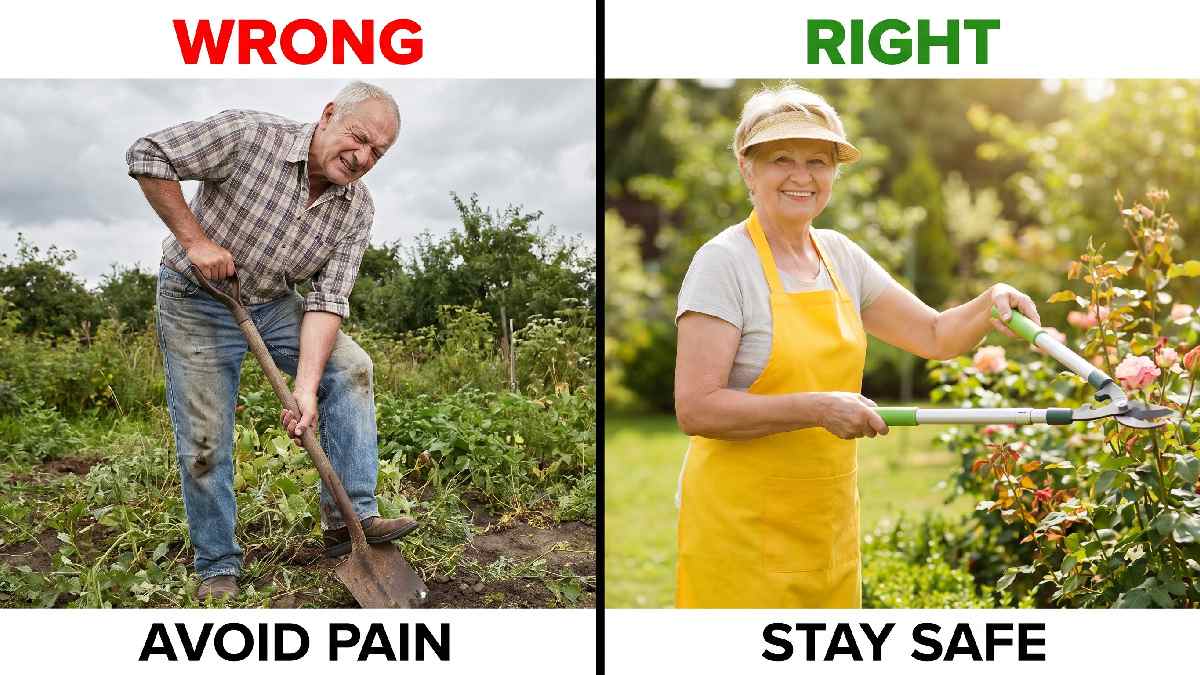
Many seniors make gardening mistakes that cause unnecessary pain. These mistakes lead to injury and gardening frustration quickly. Knowing what to avoid protects your body significantly every session. Simple changes in behavior make gardening much safer for seniors. Prevention is always better than dealing with injury afterward.
These four common mistakes are very easy to avoid with awareness. Making small adjustments protects joints, muscles, and your back effectively. Every senior gardener should read and remember these important safety warnings before starting any gardening session.
Using Heavy Tools
Heavy tools are one of the most common senior mistakes made. They cause rapid arm, shoulder, and wrist fatigue during use. Heavy tools increase the risk of dropping and causing injury. They make every gardening task feel much harder than necessary. Seniors often push through pain caused by heavy standard tools.
This leads to serious strain injuries over time with repeated use. Always replace heavy standard tools with lightweight ergonomic alternatives immediately. Switching to lighter tools is the single fastest way to reduce gardening pain and improve comfort for senior gardeners significantly.
Excessive Bending and Kneeling
Excessive bending strains the lower back very seriously over time. Repeated kneeling causes significant knee joint pain and swelling. Many seniors continue bending and kneeling out of pure habit. This causes unnecessary pain and potentially serious injury every session. Long-handled tools eliminate most bending requirements during gardening.
Garden kneelers with handles make kneeling much safer when needed. Raised garden beds reduce the need for bending significantly. Seniors should consciously avoid excessive bending and kneeling in the garden to protect their back and knee joints from long-term damage.
Ignoring Hand and Wrist Pain
Hand and wrist pain during gardening is a serious warning sign. Many seniors ignore this pain and continue working through it. Pushing through hand pain causes serious long-term joint damage. It worsens arthritis and creates chronic pain conditions over time. Stop immediately when you feel hand or wrist pain during gardening.
Switch to a more ergonomic tool that reduces that specific strain. Rest your hands and wrists completely between all gardening tasks. Never ignore persistent hand or wrist pain signals during any gardening activity. Listen to your body and protect your joints consistently and carefully.
Working for Long Periods Without Breaks
Working too long without rest causes serious physical strain and injury. Seniors tire more quickly than younger gardeners during physical activity. Muscles and joints need regular rest periods to recover properly. Schedule short breaks every fifteen to twenty minutes during gardening. Use break time to stretch hands, wrists, and back muscles gently.
Drink water regularly to stay properly hydrated during outdoor work. Set a timer to remind yourself to take regular breaks always. Shorter, more frequent gardening sessions protect your body far better than long, exhausting ones that cause pain and potentially serious injury. grayingwithgrace. com, mygardenlife.com, farmersdefense.com Results from the web
Frequently Asked Questions
What are ergonomic garden tools?
Ergonomic garden tools are specially designed to reduce strain. They feature comfortable grips, lightweight materials, and angled handles for seniors.
Are ergonomic tools suitable for arthritis sufferers?
Yes. Wide cushioned grips and spring-loaded pruners reduce joint pain and make gardening comfortable for arthritic hands.
Which gardening tools are easiest for seniors to use?
Long-handled weeders, ergonomic trowels, easy-grip pruners, and garden kneelers are easiest and most comfortable for seniors.
Do long-handled tools help reduce back pain?
Yes. Long-handled tools let seniors work upright. This eliminates bending and reduces lower back strain significantly during gardening.
Are ergonomic gardening tools worth the investment?
Yes. Ergonomic tools reduce pain, last many years, and make gardening enjoyable again for seniors with physical limitations.
Conclusion
Ergonomic garden tools completely transform gardening for seniors everywhere. They reduce pain and protect joints during every session. They improve comfort, posture, and overall gardening enjoyment greatly. They allow seniors to keep gardening safely for many more years. Choose lightweight tools with comfortable, non-slip ergonomic handles always.
Avoid heavy tools, excessive bending, and working without regular breaks. Start with the most essential ergonomic tools first and build gradually. Every senior deserves to garden comfortably, safely, and joyfully throughout every single beautiful gardening season ahead.