

Vintage Gardening Tools: Everything You Need to Know Before You Buy
Vintage gardening tools are manually operated garden implements manufactured before the 1980s, built with superior craftsmanship and lasting materials. True vintage tools are typically pre-World War II models made from hand-forged steel, cast iron, solid ash wood, and brass fittings. Unlike today’s mass-produced plastic and aluminum tools, vintage versions were designed to last for generations. They feature superior blade sharpness, ergonomic wooden handles, and solid construction that modern tools rarely match.
Gardeners and collectors worldwide are rediscovering these timeless tools for their durability, sustainability, and natural charm. Whether you want functional garden tools or beautiful collectibles, vintage gardening tools offer outstanding value, history, and performance that modern alternatives simply cannot replicate.
What Are Vintage Gardening Tools and Why Are They Popular?
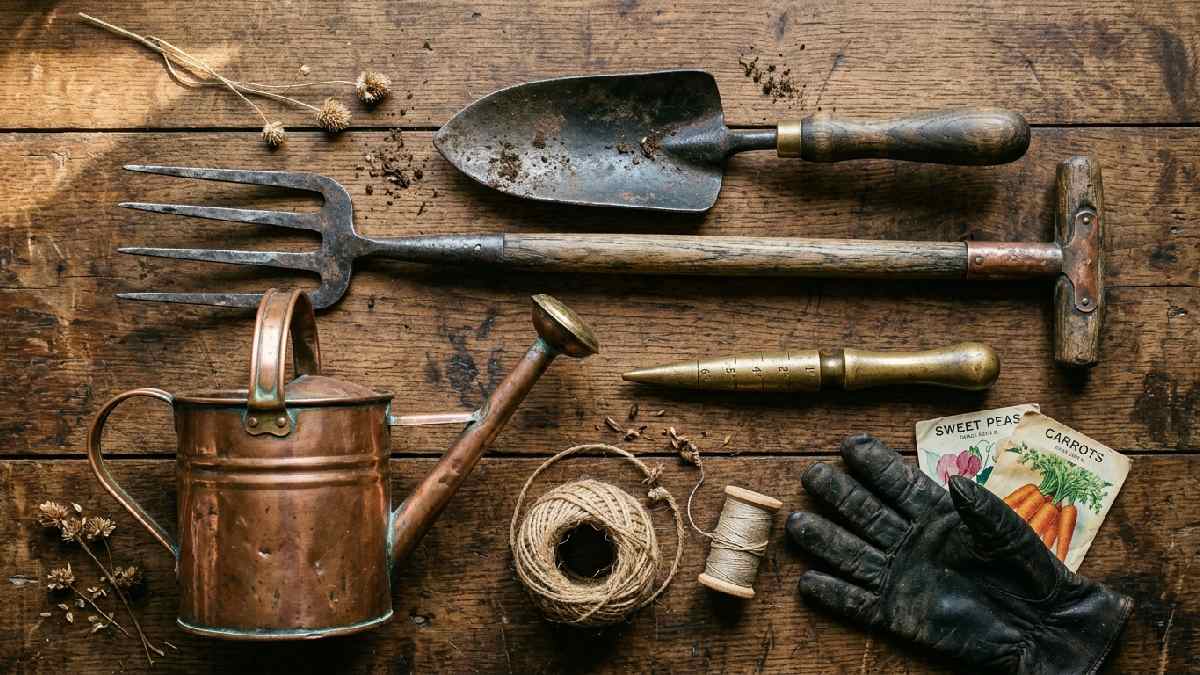
Vintage gardening tools are classic garden implements crafted before the 1980s using traditional manufacturing methods. They include trowels, hoes, rakes, spades, pruners, dibbers, weeders, and cultivators. These tools were made primarily from forged steel, wrought iron, hardwood, and occasionally copper or brass. Unlike disposable modern tools, vintage versions were built for decades of hard daily use.
Their popularity is growing rapidly in 2026 due to rising interest in sustainability, craftsmanship, and eco-conscious gardening. Many gardeners find that vintage tools outperform modern equivalents in blade quality and ergonomic balance. Collectors prize them for their historical value and authentic beauty. The combination of functionality and heritage makes vintage gardening tools highly desirable among serious gardeners worldwide.
The Definition of True Vintage Gardening Tools
True vintage gardening tools are generally those manufactured before the 1980s. Many collectors define genuine vintage as pre-World War II models made before 1945. These tools were crafted from hand-forged steel, cast iron, and solid hardwood handles made from ash, hickory, or beech. Minimal plastic components and no cheap aluminum parts were used.
Hand-forged construction meant every tool was unique, showing subtle hammer marks and handcrafted metalwork. Pre-1950s tools from European and American manufacturers represent the finest examples of vintage gardening tool craftsmanship available for collectors and serious gardeners today.
Why Vintage Gardening Tools Are Better Than Modern Tools
Vintage gardening tools often outperform modern equivalents in several important ways. Carbon steel blades found in vintage tools retain sharpness significantly longer than cheaper stainless steel versions used in modern tools. Solid hardwood handles absorb vibration better and last longer than hollow aluminum or plastic equivalents.
The weight and balance of vintage tools reduce user fatigue during long gardening sessions. Hand-forged construction creates stronger blade-to-handle connections that resist bending and breaking under heavy soil pressure. For serious gardeners who value performance over appearance, vintage gardening tools are a genuinely superior choice.
Growing Sustainability Trend Driving Vintage Tool Popularity
The growing sustainability movement is a major driver behind renewed interest in vintage gardening tools in 2026. Eco-conscious consumers are rejecting disposable, short-lived modern tools made from plastic and cheap aluminum. Buying vintage tools reduces manufacturing demand and keeps quality items out of landfills.
Vintage tools last decades when maintained properly, reducing the need for repeated replacement purchases. Using period-appropriate tools also enhances the experazience of heirloom gardening and seed-saving practices. Gardeners who care about their environmental footprint increasingly choose vintage gardening tools as the most sustainable and responsible option available.
Famous Vintage Gardening Tool Manufacturers to Know
Several historic manufacturers produced vintage gardening tools that are now highly prized by collectors. Spear and Jackson from the United Kingdom is among the most respected names in vintage garden tools. Burgon and Ball, also British, produced beautifully crafted hand tools throughout the nineteenth and early twentieth centuries.
The Union Fork and Hoe Company from the United States made durable, practical American-made vintage tools. Early Fiskars models from Finland are also collectible. Tools from Germany, the UK, Finland, and the USA made before 1970 consistently show the highest build quality and collector value available in the vintage gardening tools market today.
Types of Vintage Gardening Tools Every Collector Should Know
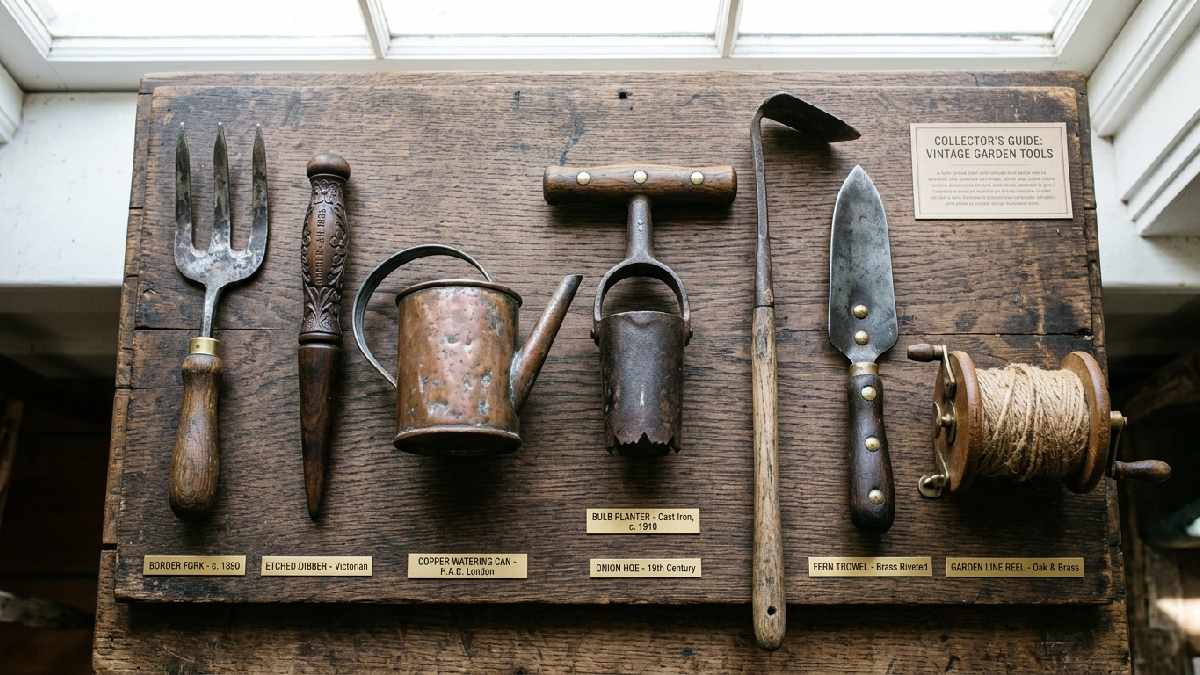
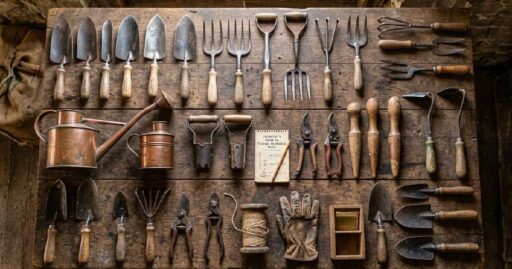
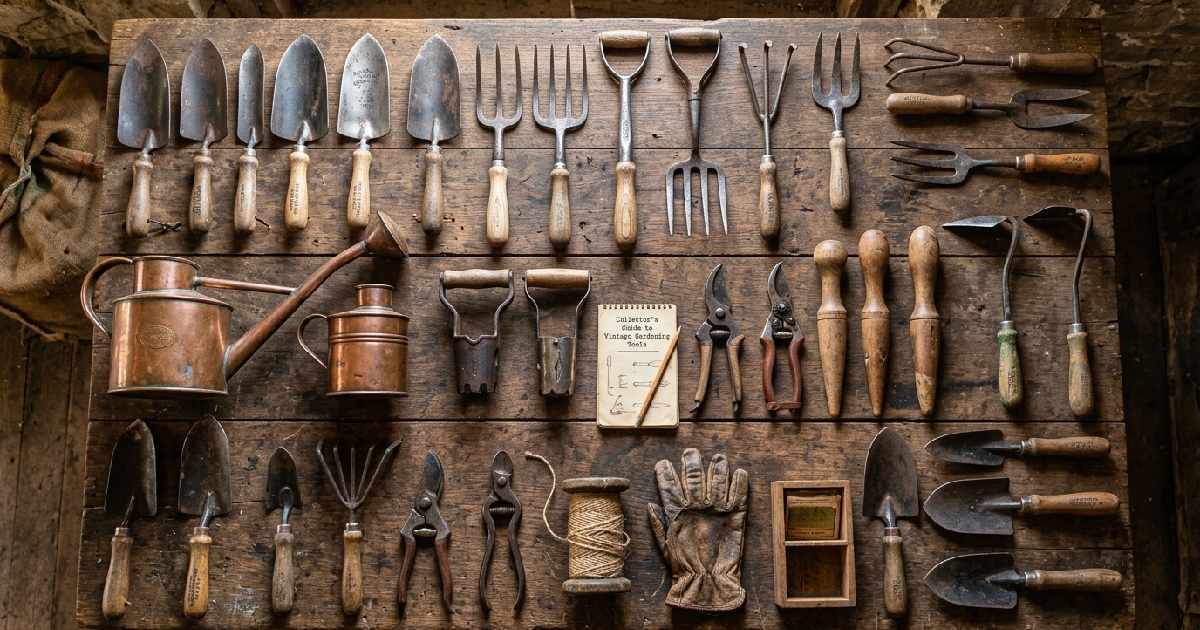
Vintage gardening tools cover a wide variety of implements used historically for planting, digging, weeding, and harvesting. Understanding different tool types helps collectors and gardeners identify valuable finds at estate sales, flea markets, and online auctions. Common vintage tool types include hand trowels, border forks, dibbers, hoes, cultivators, pruning shears, rakes, and watering cans.
Each type has specific characteristics that determine its collectibility and practical value. Older tools from the late 1800s and early 1900s are the most desirable among serious collectors. Knowing which types are most valuable helps buyers make smarter purchasing decisions when searching for quality vintage gardening tools at reasonable prices.
Vintage Hand Trowels and Small Planting Tools
Vintage hand trowels are among the most common and collectible vintage gardening tools available. Pre-1950s trowels often feature brass or nickel-plated blades resistant to corrosion and staining. Many have carved wooden handles with maker’s stamps or engraved measurement markings. A garden trowel made by Vaughan in the 1930s remains both practical and highly collectible today.
Fern trowels from around 1910 are especially fascinating for collectors because of their delicate design and rarity. These small tools were used for planting ferns and seedlings with great care and precision. Finding a vintage trowel in good original condition is a rewarding discovery at any estate sale.
Vintage Hoes, Cultivators, and Digging Tools
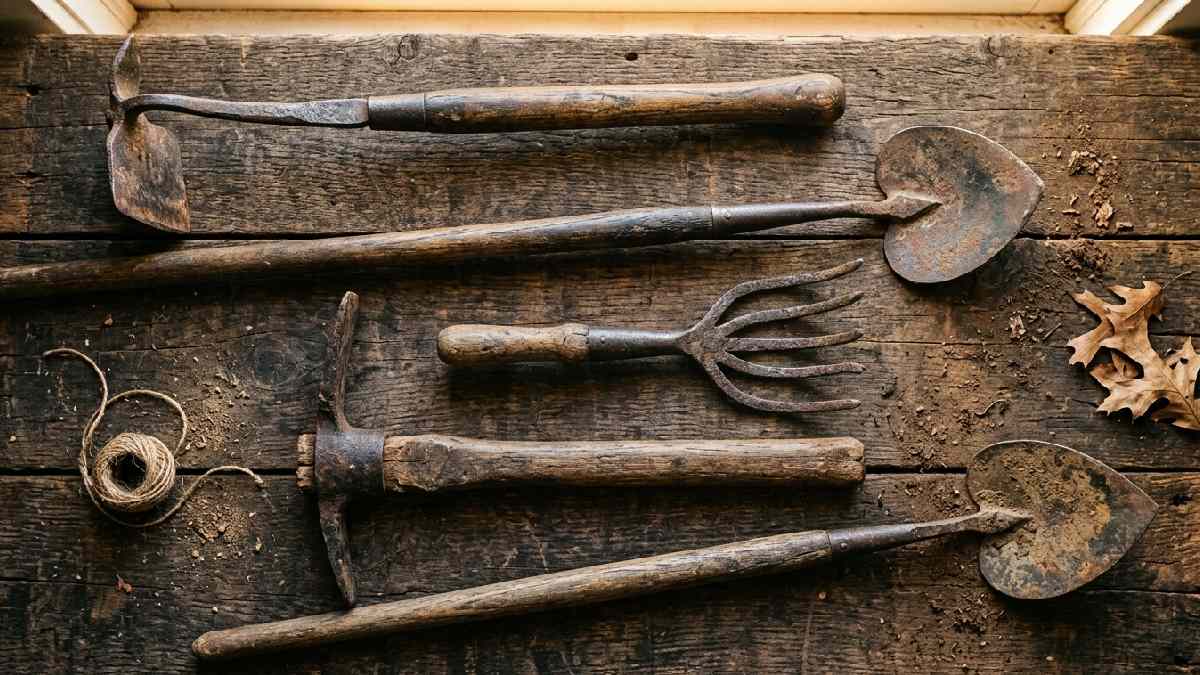
Vintage hoes and cultivators are highly practical vintage gardening tools that remain effective for modern garden use. Three-pronged cast iron cultivators from the early 1900s last decades when properly maintained and cleaned. Hand-forged spades from the late 1800s show subtle hammer marks that distinguish them from later mass-produced versions.
The small border fork, once called a ladies’ fork, is now one of the most desirable of all classic vintage garden tools among collectors. Cast iron weeding hoes with solid hardwood handles provide excellent leverage for breaking compacted soil without bending or breaking under pressure during heavy garden work.
Vintage Dibbers and Seed Planting Tools
Dibbers are pointed vintage gardening tools used for creating precise holes for seeds and bulbs in garden soil. They come in many shapes, ranging from long-handled blacksmith-made field dibbers to compact T-handle versions with steel tips. Hand-etched planting dibbers with notches marking planting depths are particularly fascinating for collectors because of their craftsmanship and historical significance.
Many vintage dibbers feature carved wooden handles that show signs of decades of careful use. Finding a dibber with original maker’s stamps or markings adds significant collectible value and historical interest for serious vintage gardening tool enthusiasts and collectors worldwide.
Vintage Watering Cans and Garden Accessories
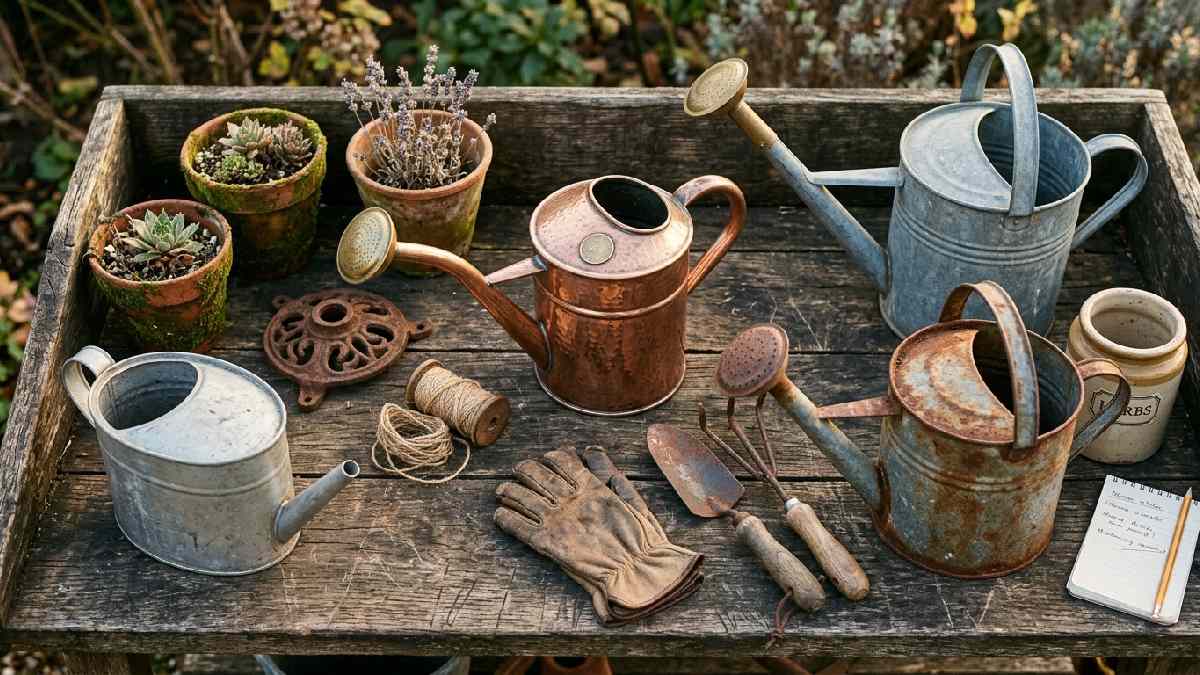
Vintage watering cans are among the most instantly recognizable and collectible vintage gardening tools at estate sales and antique markets. Older galvanized steel and copper watering cans feature thicker metal construction, hand-soldered seams, and unusual spout designs rarely seen in modern versions. Small dents from decades of use rarely hurt their collectible appeal if the overall structure remains sound.
Copper cans develop a beautiful natural patina over time that adds to their visual charm. Complete sets of matching vintage garden accessories, including watering cans, planters, and hand tools from the same era, are especially desirable and valuable among serious collectors of vintage gardening tools.
Benefits of Using Vintage Gardening Tools in Your Garden Today
Using vintage gardening tools in your garden today offers real practical advantages beyond simple nostalgia and aesthetic appeal. Carbon steel blades in vintage tools hold a sharper edge longer than modern stainless steel alternatives. Solid wood handles provide better grip and shock absorption during heavy digging tasks. The superior weight and balance of hand-forged vintage tools reduce physical fatigue during long gardening sessions.
Vintage tools are also more environmentally friendly since buying second-hand reduces manufacturing demand and waste. Many vintage gardening tools are still fully functional after decades of storage, with only basic cleaning and sharpening needed. They represent extraordinary long-term value compared to repeatedly buying cheap, short-lived modern garden tools every few seasons.
Superior Blade Quality and Edge Retention
The blade quality of vintage gardening tools is one of their greatest practical advantages over modern alternatives. Carbon steel used in pre-1980s tools is harder and retains a sharp cutting edge far longer than cheaper stainless steel found in today’s mass-produced garden tools. A sharp blade cuts through soil, roots, and weeds with far less physical effort from the gardener.
Vintage pruning shears and hoes sharpen easily with a standard file or whetstone. Regular sharpening keeps vintage blades performing at full effectiveness for many additional decades of productive garden use without any need for expensive replacement or repair work.
Ergonomic Design and Comfort Advantages
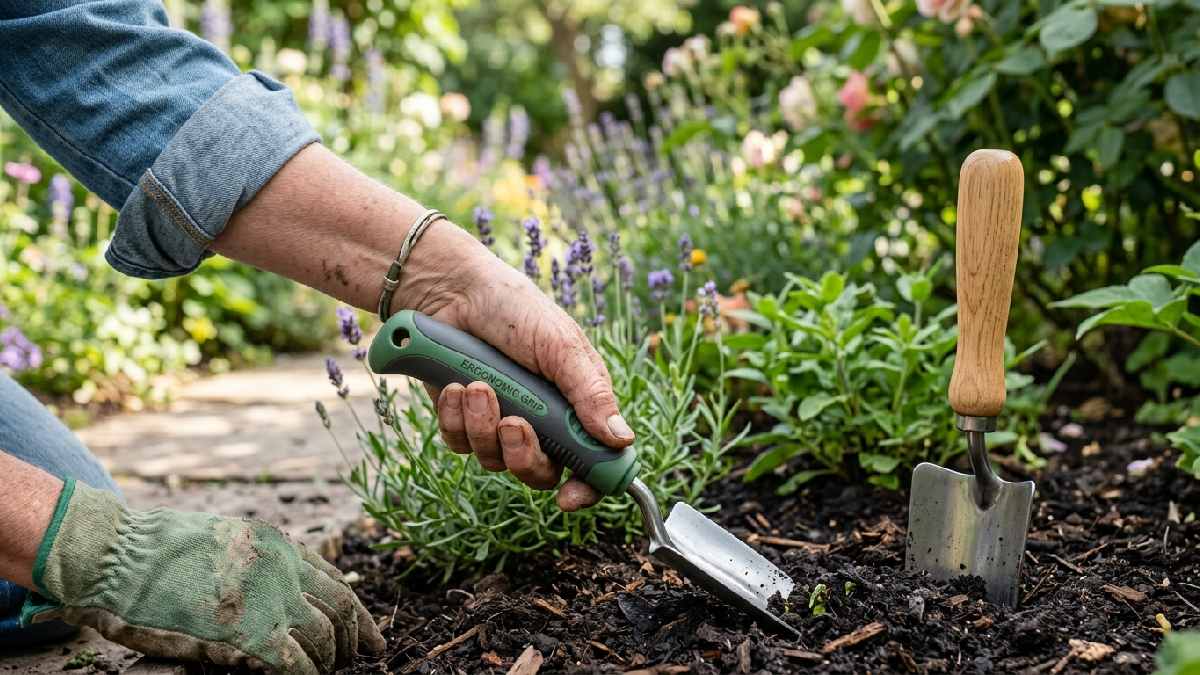
Many vintage gardening tools feature surprisingly ergonomic designs that reduce physical strain during garden work. Curved wooden handles on vintage spades and hoes align naturally with the body’s movement during digging. D-grip handles found on vintage border forks provide excellent leverage and a comfortable grip during heavy soil work.
Solid ash and hickory handles absorb vibration from rocky or compacted soil far better than hollow aluminum or fiberglass modern handles. Older tools were often slightly heavier than modern versions, but their superior balance distributes weight more naturally across the hand and wrist, reducing joint fatigue significantly during extended garden sessions.
Environmental and Sustainability Benefits
Choosing vintage gardening tools is one of the most environmentally responsible decisions a gardener can make in 2026. Manufacturing new garden tools consumes raw materials and energy and creates industrial waste. Buying vintage tools already in existence eliminates all of this environmental cost completely. Vintage tools last decades longer than modern disposable alternatives, reducing the cycle of repeated purchasing and disposal.
Solid steel and hardwood construction means vintage tools can be fully repaired and restored rather than discarded when worn. For eco-conscious gardeners who want to reduce their environmental footprint, vintage gardening tools represent the most sustainable gardening choice available today.
Decorative and Display Value in Garden Spaces
Vintage gardening tools are not only practical working tools but also beautiful decorative items for garden spaces and home interiors. Cleaned and displayed on a garden shed wall, vintage tools create an instantly charming and authentic rustic atmosphere. Old wooden-handled rakes, spades, and hoes arranged artistically on a wall create a living piece of gardening history.
Vintage tools can also be repurposed creatively; old shovel heads become unique bird feeders, and worn rakes transform into attractive wall-mounted coat racks. Their natural patina, aged wood, and hand-forged metalwork create a warmth and character that new tools can never replicate or achieve.
How to Find and Buy Vintage Gardening Tools
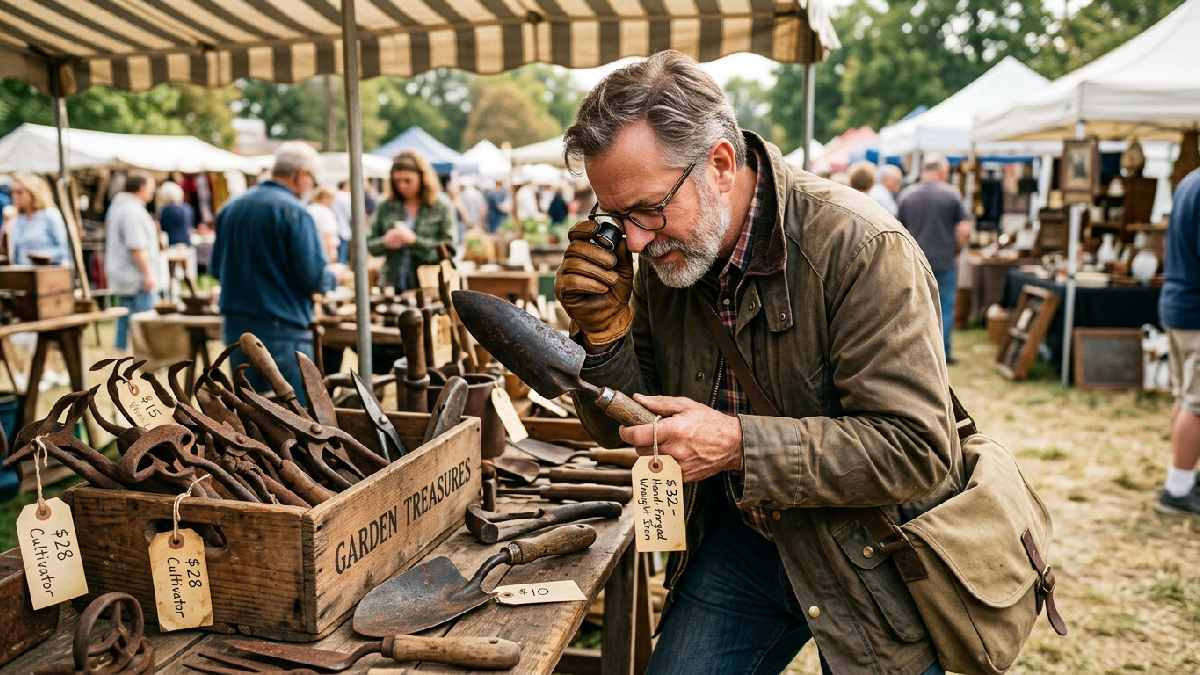
Finding quality vintage gardening tools requires patience, knowledge, and a willingness to search in unexpected places. Estate sales and rural auctions are among the best sources for authentic vintage tools at reasonable prices, especially outside major cities. Flea markets and car boot sales often have unrestored tools in need of cleaning and minor repair. Online marketplaces, including Etsy and eBay, offer large selections of vintage gardening tools from sellers worldwide.
Local Facebook Marketplace listings frequently offer great bargains from people clearing old sheds and garages. Antique tool fairs and specialty dealers carry premium restored pieces at higher but fair prices. Knowing where to look and what to inspect before buying ensures you find the best quality vintage gardening tools at the right price.
Best Places to Find Vintage Gardening Tools
Estate sales are consistently the best places to find vintage gardening tools at bargain prices. Rural estate sales particularly yield excellent finds since farming families often stored quality hand-forged tools for generations. Flea markets and antique fairs offer curated selections but usually at slightly higher prices.
Online platforms like Etsy specialize in vintage gardening tools and offer buyer protections for online purchases. eBay has thousands of vintage tool listings across all price ranges and conditions. Local garden clubs and horticultural societies sometimes hold tool swaps where excellent vintage pieces can be found for very little cost and minimum effort.
What to Inspect Before Buying Vintage Gardening Tools
Careful inspection before purchasing vintage gardening tools prevents costly mistakes and disappointing purchases. Always check blade condition first; look for deep pitting, cracks, or warping that cannot be corrected through basic restoration. Minor surface rust is acceptable and easily removed, but structural damage to blades is irreversible.
Inspect wooden handles for rot, cracks, woodworm holes, and loose ferrule connections at the blade junction. Check that the blade sits straight and firmly attached to the handle without wobbling. Request multiple clear photographs when buying online. A tool with its original handle is typically worth more to collectors than one with a replacement handle, even if the replacement is high quality.
Price Ranges for Vintage Gardening Tools in 2026
Vintage gardening tools vary widely in price depending on condition, age, brand, and rarity. Basic vintage trowels and small hand tools start from around fifteen dollars for lightly used common examples. Mid-range pieces in good original condition from reputable brands like Spear and Jackson typically sell for thirty to one hundred dollars.
Rare, mint-condition complete sets or unusual specialty tools from pre-1900 manufacturers can command prices of two hundred dollars or more. Disston hand saws with original rosewood handles and no rust typically fetch between one hundred and three hundred dollars. True bargains still exist at estate sales and rural auctions for buyers willing to invest time in searching and negotiating prices.
Red Flags to Avoid When Buying Vintage Tools
Certain warning signs indicate that a vintage gardening tool purchase is a bad investment and should be avoided. Beware of tools painted over to hide rust, damage, or poor repairs underneath. Loose tool heads that wobble on handles indicate damaged ferrule connections requiring expensive repair work. Cracked or splintered handles with woodworm holes significantly reduce both usability and collector value.
Improper welding repairs on vintage blades indicate past structural failure that may recur under garden use pressure. Blades with deep pitting throughout cannot be restored to usable sharpness regardless of the effort applied. When buying online, always request multiple clear photographs from different angles before committing to any purchase of vintage gardening tools.
How to Restore and Maintain Vintage Gardening Tools
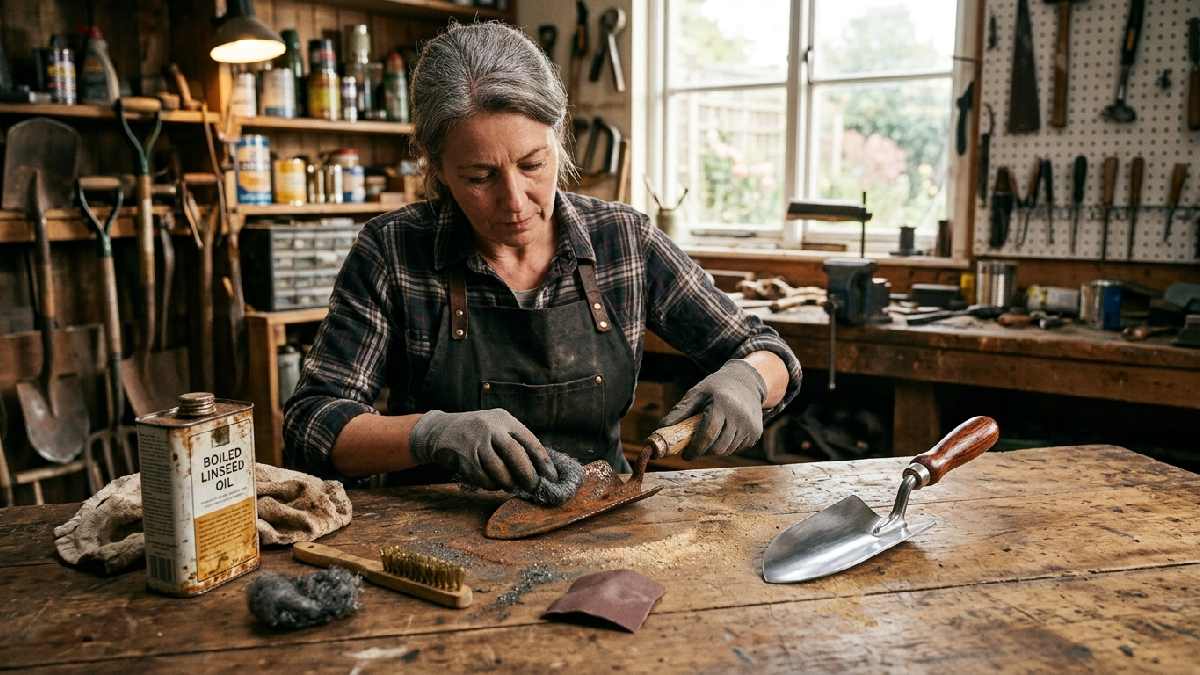
Restoring vintage gardening tools is a rewarding process that returns beautiful old pieces to full working condition. Basic restoration requires only a few common materials, including wire brushes, sandpaper, linseed oil, sharpening files, and replacement handles when necessary. Start by removing all surface rust using a wire brush and coarse sandpaper. Soak heavily rusted metal sections in white vinegar overnight to loosen stubborn rust effectively.
Sharpen blade edges using a metal file or sharpening stone until they cut cleanly through paper. Sand wooden handles smooth and apply raw linseed oil generously to restore and protect the wood from drying and cracking. Proper maintenance after restoration ensures vintage gardening tools perform beautifully for many more decades of regular use.
Removing Rust From Vintage Gardening Tools
Rust removal is the first and most important step in restoring vintage gardening tools to working condition. Light surface rust responds quickly to scrubbing with a wire brush or coarse steel wool. For heavier rust buildup, soak the metal parts in undiluted white vinegar for twelve to twenty-four hours. The acid in vinegar dissolves rust effectively without damaging the underlying steel.
After soaking, scrub remaining rust away with a wire brush and rinse thoroughly with clean water. Dry the metal immediately and completely to prevent new rust from forming. Apply a thin coat of linseed oil or mineral oil to all metal surfaces to protect against future corrosion and moisture damage during storage.
Restoring and Replacing Wooden Handles
Restoring wooden handles on vintage gardening tools extends their life significantly and maintains their original authenticity. Sand handles smoothly using medium-grit sandpaper to remove splinters, rough patches, and old varnish residue. Wipe away all dust thoroughly before applying raw linseed oil generously to the entire handle surface.
Linseed oil soaks deep into wood fibers, restoring flexibility and preventing future cracking during garden use. Apply two to three coats over several days for best results. If a handle is cracked, rotted, or eaten by woodworm, replacement is necessary. Matching the original handle wood species, typically ash or hickory, preserves authenticity and maintains the correct weight and balance of the restored tool.
Sharpening Vintage Garden Tool Blades
Keeping blades sharp is essential to getting full performance from restored vintage gardening tools. A sharp spade cuts through soil and roots with far less physical effort than a dull blade. Use a flat metal file to sharpen spade and hoe blades by working at a consistent angle along the cutting edge. Pruning shears and scissors require a fine whetstone for precise sharpening of curved cutting edges.
Test sharpness by running the blade lightly across a piece of paper; a sharp blade cuts cleanly, while a dull one tears and drags. Regular sharpening every few months keeps vintage gardening tools performing at peak efficiency throughout each growing season without requiring expensive professional sharpening services.
Storing Vintage Gardening Tools Properly
Proper storage is essential for protecting restored vintage gardening tools from rust, damage, and deterioration between uses. Always clean soil and moisture from metal blades thoroughly after each use before storage. Hang tools vertically on wall-mounted hooks rather than leaving them on damp ground or concrete floors.
Apply a thin protective coat of linseed oil or machine oil to all metal surfaces before long-term storage during the winter months. Store wooden-handled tools away from extreme dampness and direct sunlight, which cause handles to crack over time. A dry, well-ventilated garden shed or tool room provides the ideal storage environment for maintaining the condition and longevity of any vintage gardening tool collection.
FAQs
What are vintage gardening tools exactly?
Vintage gardening tools are manually operated garden implements manufactured before the 1980s using superior hand-forged steel and hardwood construction.
Are vintage gardening tools better than modern ones?
Yes, many vintage tools use higher quality carbon steel and solid wood handles, offering superior durability, sharpness, and balance than modern alternatives.
Where can I find vintage gardening tools for sale?
Estate sales, flea markets, Etsy, eBay, antique fairs, and local Facebook Marketplace listings are the best sources for vintage gardening tools.
How do I remove rust from vintage gardening tools?
Soak rusted metal in white vinegar overnight, then scrub with a wire brush and apply linseed oil to prevent future corrosion and moisture damage.
How much do vintage gardening tools cost?
Prices range from fifteen dollars for basic trowels to over two hundred dollars for rare, mint-condition pre-1900 specialty tools from respected manufacturers.
Which vintage gardening tool brands are most valuable?
Spear and Jackson, Burgon and Ball, Union Fork and Hoe, early Fiskars, and pre-1970 German and American manufacturers are the most collectible brands available.
Can vintage gardening tools be used in modern gardens?
Absolutely. Most vintage gardening tools work excellently in modern gardens after basic cleaning, rust removal, handle oiling, and blade sharpening restoration steps.
Conclusion
Vintage gardening tools offer a rare combination of superior craftsmanship, lasting durability, historical charm, and eco-friendly sustainability that modern tools cannot match. Whether you are a passionate collector hunting rare pre-1900 pieces or a practical gardener seeking better-performing hand tools, vintage options deliver outstanding value.
With basic restoration skills and proper maintenance, these timeless implements will serve your garden beautifully for many more decades. Seeking vintage gardening tools at estate sales, flea markets, and online marketplaces rewards patient buyers with authentic treasures. Investing in quality vintage gardening tools is one of the smartest and most rewarding decisions any dedicated gardener can make today.