

Gardening Mat: The Complete Guide to Cleaner and Easier Gardening
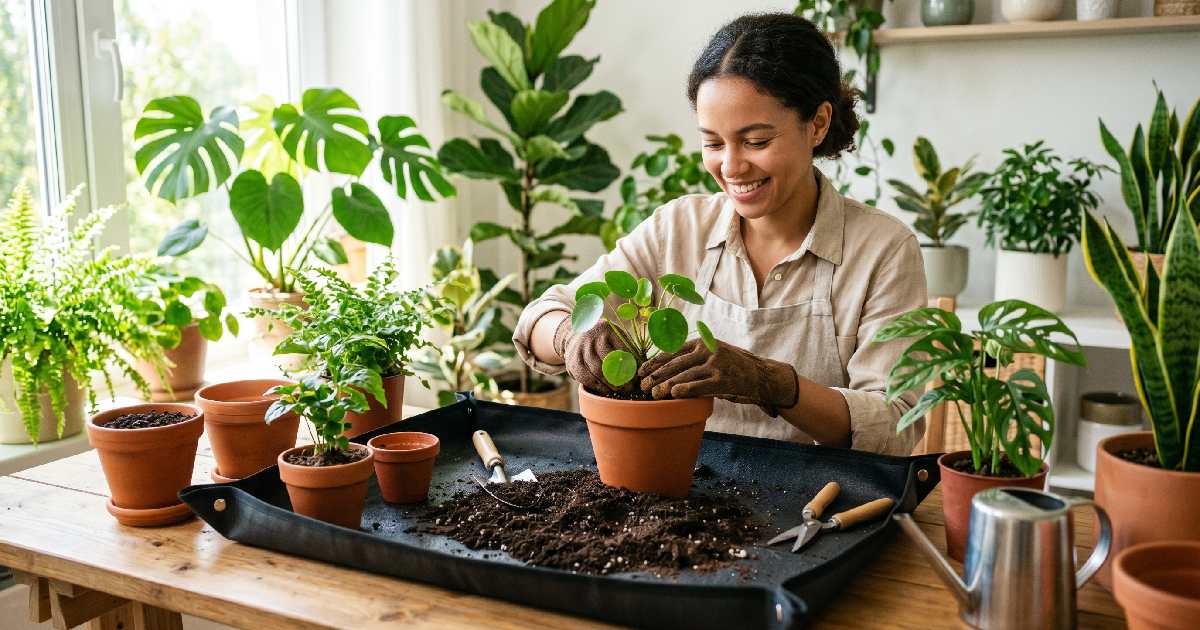
Gardening feels relaxing most of the time, but the mess shows up quickly. Soil drops everywhere, water splashes on the floor, and tools also get misplaced sometimes. A gardening mat solves this simply. It gives a clean space for planting work, nothing fancy, just practical use.
I remember repotting plants on a table, thinking it would be a quick job. It wasn’t. Soil went all over.
After that, I tried a gardening mat; things changed a bit. Cleanup became less painful, work felt more controlled, still a little messy, but manageable. This mat is used for potting, seed work, and pruning small plants. Indoor gardeners like it, balcony gardeners too. It folds, stores easily, sometimes waterproof also. Not a perfect tool, but it makes gardening feel more organized and less stressful in daily use.
What Is a Gardening Mat?
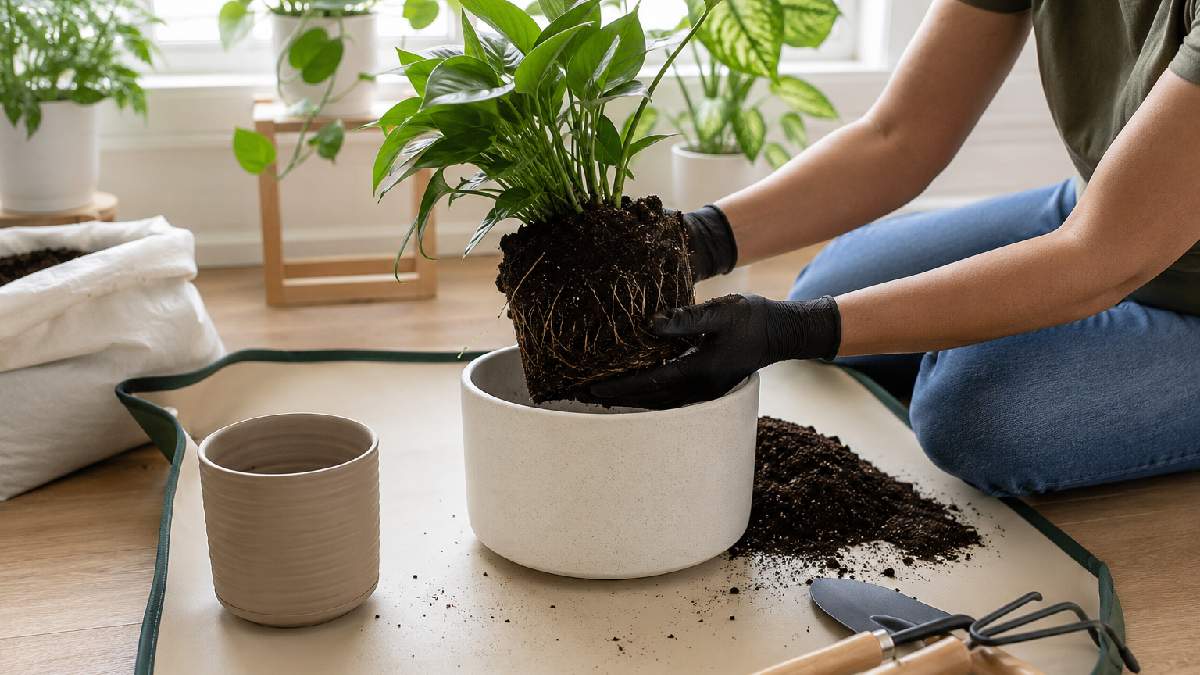
A gardening mat is a simple surface used for planting, repotting, and general garden work. It keeps soil, water, and plant debris in one controlled space. I first used one while working with indoor plants and noticed how much cleaner the process became.
Instead of soil spreading everywhere, everything stayed inside the mat area. It is useful for both beginners and experienced gardeners. A gardening mat makes gardening less messy and more organized, especially when working indoors or in small spaces at home.
Definition and Purpose of a Gardening Mat
A gardening mat is a waterproof or soil-resistant sheet designed to create a clean workspace for gardening tasks. Its main purpose is to prevent soil and water from spreading on floors or tables. I found it helpful during repotting when things usually get messy.
It provides a defined area where plants can be handled safely. The purpose is simple: to reduce mess and improve control. Gardeners use it for planting, trimming, and transplanting small plants without worrying about cleanup after work is done.
How Gardening Mats Work
Gardening mats work by creating a contained surface where soil and water stay inside boundaries. Most mats have raised edges or snap corners that prevent spills. I noticed this feature helped a lot when transferring soil from pots. Everything stays in one place, even when tools are used.
After finishing work, the mat can be folded and cleaned easily. It simplifies gardening by reducing scattered dirt. This makes plant care more controlled and less stressful, especially for indoor gardening setups.
Common Materials Used in Gardening Mats
Gardening mats are usually made from waterproof materials like PVC, polyester, or thick plastic fabric. These materials help stop water from soaking through surfaces. I have used a PVC mat that felt strong and easy to clean. Some mats are soft but durable, while others are more heavy-duty for outdoor use.
The material choice affects flexibility and strength. Good quality mats last longer and resist tearing. Most designs focus on easy cleaning and long-term use for regular gardening activities.
Benefits of Using a Gardening Mat
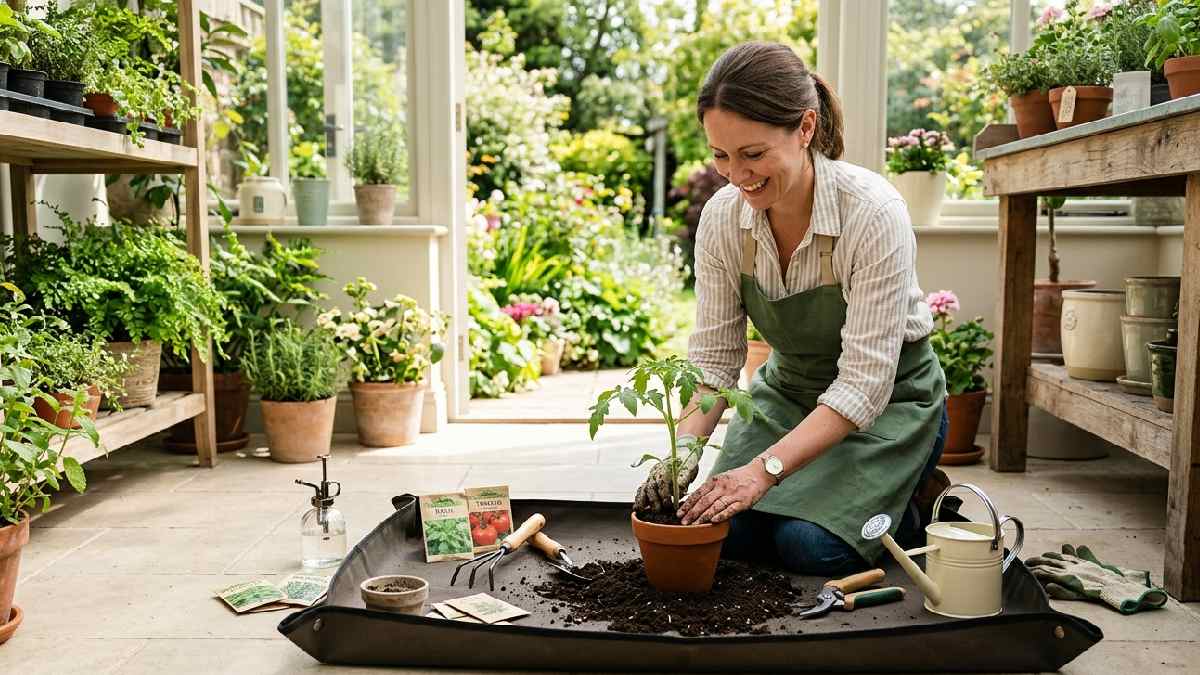
A gardening mat makes plant care cleaner and more organized. It reduces mess and helps control soil during gardening tasks. I realized its value after struggling with the cleanup many times. Instead of soil spreading everywhere, everything stays in one place.
It is useful for indoor and outdoor gardening. Beginners especially find it helpful because it keeps work simple. The benefits go beyond cleanliness; it also saves time and improves the overall gardening experience in daily plant care routines.
Keeps Soil and Water Contained
A gardening mat keeps soil and water within a fixed area while working. This prevents mess from spreading on floors or tables. I noticed this clearly when repotting plants indoors. Normally, soil falls everywhere, but the mat holds it together. Even water spills stay contained.
It makes gardening feel more controlled and less chaotic. This feature is especially useful for small homes or apartments where cleaning space is limited and keeping the surroundings tidy is important during plant work.
Protects Floors, Tables, and Countertops
Gardening mats protect surfaces from scratches, stains, and moisture damage. I once damaged a wooden table while repotting plants without protection. After that, I started using a mat regularly. It creates a barrier between soil and surfaces.
Floors and countertops stay clean even during messy gardening tasks. This protection helps extend the life of home furniture. It is a simple solution but very effective for anyone doing gardening indoors or on delicate surfaces that need extra care.
Makes Repotting Plants Easier
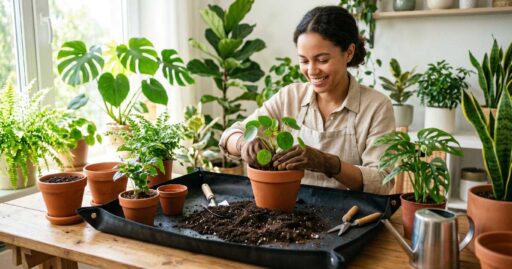
Repotting becomes easier when using a gardening mat because everything stays organized in one place. I found it much simpler to transfer soil and plants without worrying about a mess. The mat gives enough space to work comfortably. Roots, soil, and pots can be handled safely.
It reduces stress during the process. Instead of focusing on cleaning, you focus on the plant itself. This makes repotting smoother and faster, especially when dealing with multiple plants at once.
Reduces Cleanup Time
A gardening mat significantly reduces cleanup time after gardening work. I used to spend more time cleaning than planting earlier. After using a mat, most soil stays inside it. Once gardening is done, you just fold or empty it. No need for heavy floor cleaning every time.
This saves effort and energy. It makes gardening feel less like a chore. For busy people, this time-saving benefit is one of the most practical advantages of using a gardening mat.
Portable and Easy to Store
Most gardening mats are lightweight and easy to fold after use. I usually store mine in a small drawer when not in use. It does not take much space. This portability makes it useful for indoor gardeners and people with limited storage.
You can carry it anywhere easily. Some mats even come with small bags for storage. It is a simple tool but very convenient. Easy storage is one of the reasons gardeners prefer using mats regularly.
Different Types of Gardening Mats
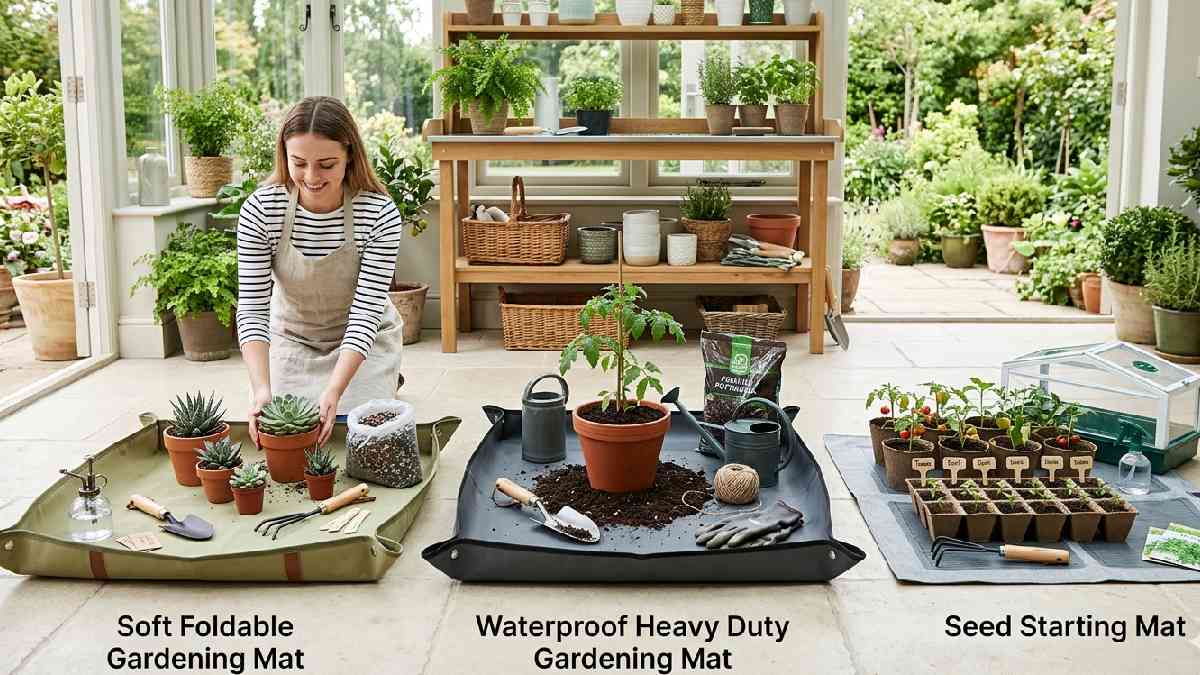
Gardening mats come in different types depending on use and gardening style. I noticed this when I started exploring indoor and outdoor gardening setups. Each type serves a specific purpose, like repotting, seed starting, or heavy gardening work.
Some are soft and foldable, others are strong and waterproof. Choosing the right type makes gardening easier and more comfortable. Understanding these variations helps gardeners pick a mat that matches their needs and working space properly.
Waterproof Gardening Mats
Waterproof gardening mats are designed to stop water from passing through to surfaces below. I used one during plant watering, and it worked very well. These mats are made from plastic or PVC materials. They are easy to clean and durable.
Water spills stay contained inside the mat area. This makes them perfect for indoor gardening. They protect tables and floors from moisture damage. Waterproof mats are one of the most commonly used types for daily gardening tasks.
Foldable Repotting Mats
Foldable repotting mats are designed for easy setup and storage. I like using them because they open quickly and fold after work. They usually have corner snaps to hold soil in place. These mats are ideal for repotting plants without making a mess.
After use, they can be cleaned and stored easily. Their flexible design makes them useful for small spaces. Many home gardeners prefer them because they combine convenience, portability, and mess control in one simple tool.
Heavy-Duty Outdoor Gardening Mats
Heavy-duty gardening mats are made for tougher outdoor work. They are thicker and more durable than regular mats. I used one while working in my backyard and noticed it handled rough soil easily. These mats resist tearing and heavy weight.
They are suitable for large plants and messy gardening tasks. Outdoor conditions do not damage them easily. They are best for gardeners who work in open soil areas and need stronger protection during heavy gardening activities.
Seed Starting Mats
Seed starting mats are designed for planting and growing seeds in controlled spaces. I used them for small herb seeds and saw good germination results. These mats help maintain moisture and organization during early growth stages.
They are often soft and easy to handle. Seeds stay in place and grow evenly. This type is useful for beginners starting plants indoors. It supports early plant development and makes seed management easier and more structured in home gardening setups.
Microgreens Growing Mats
Microgreens growing mats are specially used for growing microgreens in a clean and controlled way. I tried them once for broccoli microgreens, and it worked smoothly. These mats hold moisture and support fast germination. They are often soil-free or use minimal growing medium.
This makes harvesting cleaner and easier. Microgreens grow evenly on these mats. They are popular in indoor gardening because they save space and reduce mess while producing fresh greens quickly for daily use.
How to Choose the Best Gardening Mat
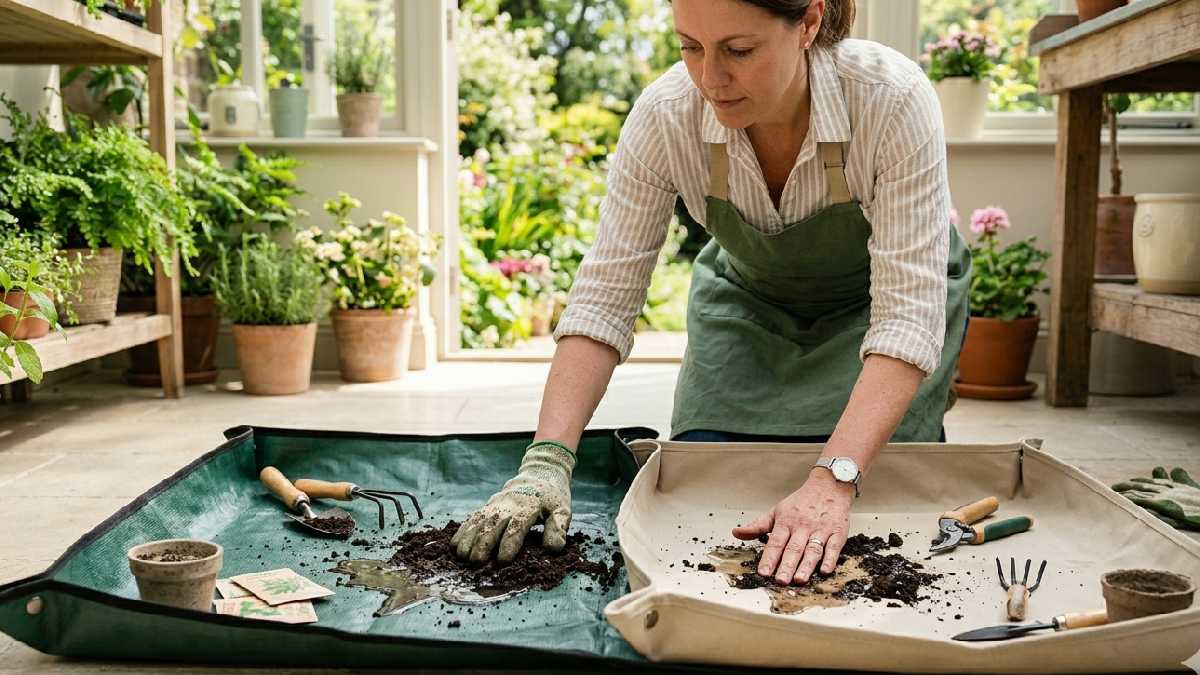
Choosing a gardening mat depends on your gardening style and space. I realized not all mats feel the same after trying a few different ones. Some are soft, others are strong and heavy-duty. The right choice makes gardening easier and cleaner.
A good mat should handle soil, water, and tools without tearing. It should also be simple to fold and store. Picking the right gardening mat improves comfort and reduces mess during everyday plant care and repotting work.
Consider the Material Quality
Material quality decides how long a gardening mat will last. I used a thin mat once, and it tore quickly during repotting. Better materials like thick PVC or waterproof fabric work more reliably. Good quality mats resist soil stains and water damage.
They also feel stronger when handling heavy pots. Cheap material may save money, but it breaks easily. A strong mat gives better support and lasts longer. Always check the material strength before buying for regular gardening use at home.
Choose the Right Size
Size matters a lot when selecting a gardening mat. I made a mistake once by buying a small mat, and soil kept falling outside. A larger mat gives more working space and control. It helps when repotting multiple plants together.
Small mats are fine for light tasks, but bigger ones are better for serious gardening. Always think about your workspace before choosing a size. The right size makes gardening more comfortable and reduces cleanup after every session.
Look for Waterproof Protection
Waterproof protection is very important in a gardening mat. I noticed that water leakage can damage tables if the mat is not waterproof. A good mat keeps water and soil inside without soaking through. This feature is especially useful for indoor gardening.
It protects furniture and floors from stains. Waterproof mats are also easier to clean after use. Just wipe and reuse. Without this feature, gardening becomes messy. So always check the waterproof quality before selecting a gardening mat.
Check Corner Snap Design
Corner snap design helps keep soil inside the mat while working. I found this feature very useful during repotting plants. The corners snap up and create small walls around the workspace. This prevents soil from spilling outside. It makes gardening more controlled and less messy.
Not all mats have this feature, but it improves usability a lot. It is especially helpful when working on tables or in small spaces. Corner snaps make the gardening mat more practical and user-friendly.
Evaluate Durability and Reusability
Durability decides how many times you can use a gardening mat without damage. I prefer mats that can handle repeated use without tearing. Reusable mats are better for long-term gardening. They save money and reduce waste.
Strong stitching and thick material improve durability. A weak mat may work for a few uses only. A good gardening mat should survive soil, water, and folding. Always choose one that feels strong and reusable for daily gardening tasks and long-term use.
How to Use a Gardening Mat Effectively
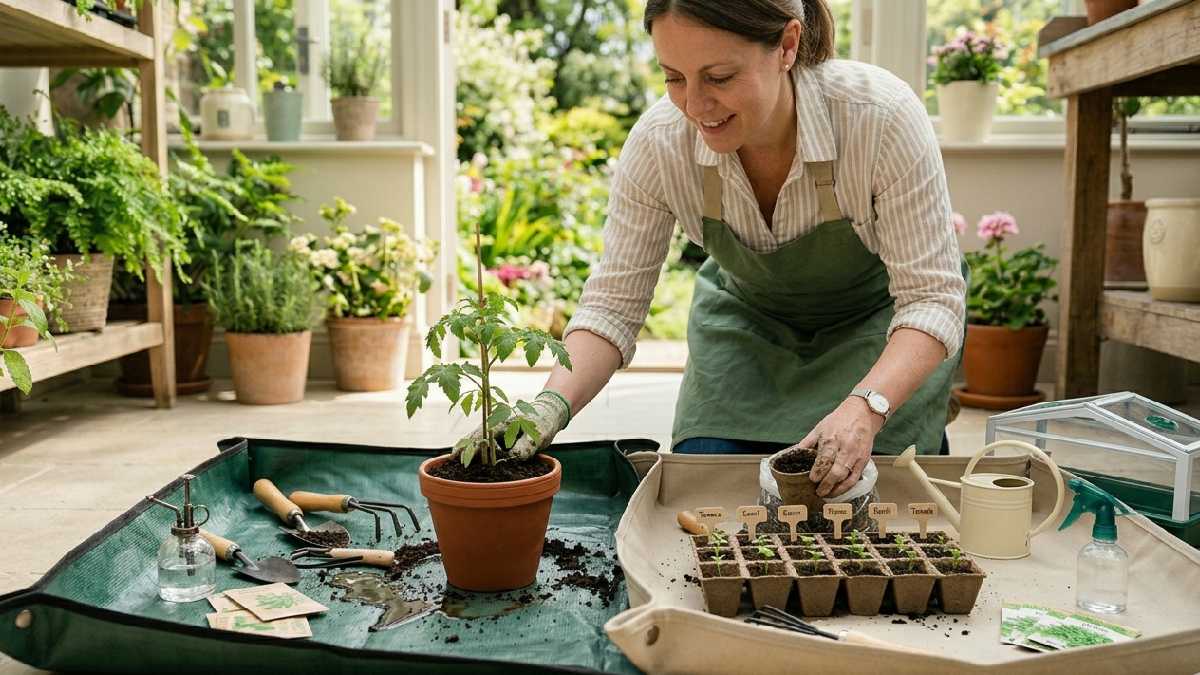
Using a gardening mat properly makes gardening smoother and cleaner. I noticed better results when I started using it in an organized way. Instead of rushing, setting it up correctly helps avoid a mess. It creates a controlled space for all plant work.
From repotting to seed starting, everything becomes easier. A simple setup can change the whole experience. When used correctly, a gardening mat saves time, reduces cleanup, and keeps your gardening area neat and manageable.
Setting Up the Mat
Setting up a gardening mat is very simple but important. I usually place it on a flat surface before starting any work. The mat should be fully opened without folds. Corner snaps, if available, should be locked properly. This creates a contained workspace.
A proper setup prevents soil from escaping. It also gives enough space to move tools and pots. Once set correctly, the mat becomes a clean working area. A good setup improves comfort and reduces mess during gardening tasks.
Repotting Plants Without Making a Mess
Repotting becomes much easier with a gardening mat. I remember struggling with soil everywhere before using one. Now everything stays inside the mat area. You can remove old soil, transfer plants, and refill pots without worry. It keeps the process controlled.
Even small spills stay contained. This makes cleanup very quick afterward. Repotting feels less stressful and more organized. A gardening mat helps you focus on the plant instead of cleaning the surrounding area repeatedly after every task.
Using a Gardening Mat for Seed Starting
A gardening mat is very useful for starting seeds. I tried it with herbs, and the process felt much cleaner. Seeds stay organized on the surface without scattering. Moisture and soil remain controlled in one place. It also helps during watering small seeds.
You don’t lose soil or disturb seed placement. This improves the germination setup. Seed starting becomes simple and neat. A gardening mat creates a stable environment for early plant growth and reduces mistakes in handling tiny seeds.
Cleaning and Storing the Mat
Cleaning a gardening mat is easy and quick. I usually shake off dry soil first and then wipe it with a damp cloth. If needed, a mild water wash works well. It should always be dried before storage.
Storing a wet mat can create odor or damage. After drying, I fold it and keep it in a small space. It does not take much room. Proper cleaning increases mat life and keeps it ready for the next gardening use without problems.
Gardening Mat vs Traditional Gardening Workspace
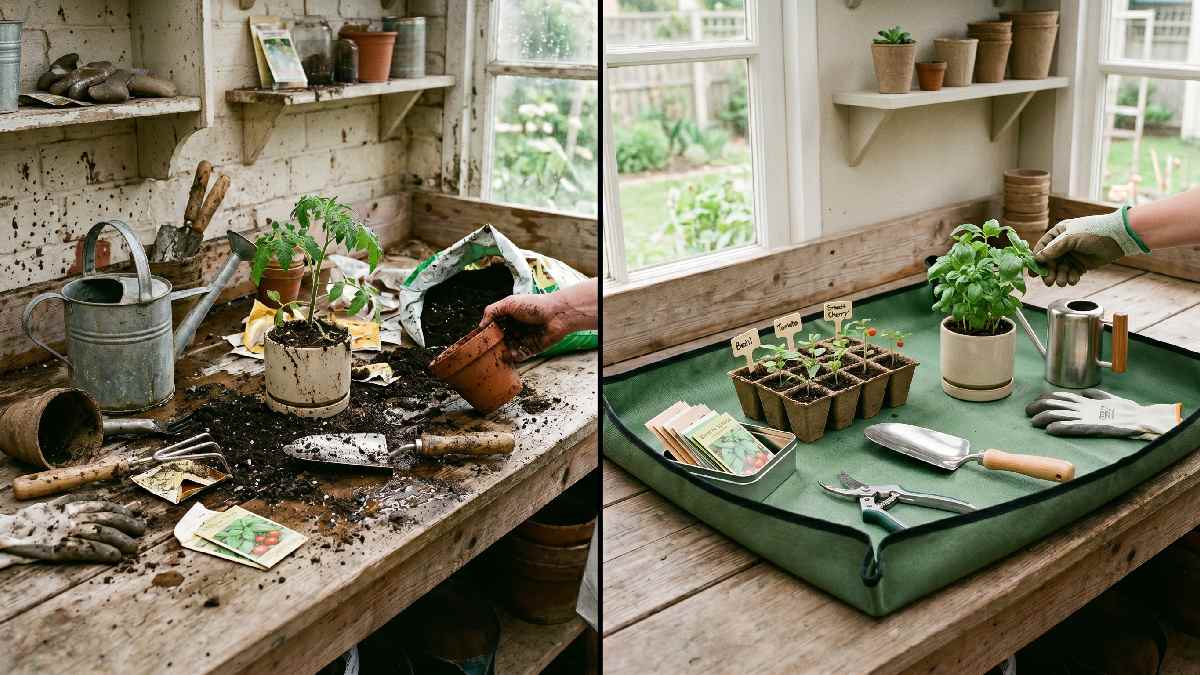
A gardening mat is very different from a traditional gardening setup. I used both methods and noticed clear differences in cleanliness and control. Traditional workspaces often get messy with soil and water spread. A gardening mat keeps everything contained in one area.
It improves efficiency and reduces stress. Comparing both helps understand why mats are becoming popular in home gardening. The difference is mostly about convenience, cleanup, and how organized your gardening process feels.
Ease of Cleanup
Cleanup is much easier with a gardening mat compared to traditional gardening. I used to spend a lot of time cleaning soil from tables and floors. With a mat, most dirt stays contained. After finishing work, you just fold or wipe it. No heavy cleaning needed.
Traditional setups require full area cleaning. A mat reduces effort significantly. This makes gardening more enjoyable. Less cleanup means more time for planting and caring for plants instead of handling the mess afterward.
Protection Against Water Damage
A gardening mat protects surfaces from water damage effectively. I once damaged a wooden surface before using a mat. Water spills can stain or weaken furniture over time. A mat blocks moisture from reaching surfaces. This is especially important for indoor gardening.
Traditional setups offer no protection, so the risk is higher. A waterproof mat prevents long-term problems. It keeps both floors and tables safe during watering and repotting tasks, making gardening safer for home environments.
Portability and Storage
Gardening mats are easy to move and store compared to traditional setups. I usually fold mine and keep it in a small drawer. It does not need permanent space. Traditional gardening workspaces stay fixed and take up more room. A mat can be used anywhere, even on tables or floors.
This flexibility is very useful in small homes. Easy storage and portability make gardening mats practical for daily use, especially for people with limited gardening space.
Cost and Long-Term Value
A gardening mat is affordable and gives good long-term value. I found it worth buying after using it multiple times. It reduces cleaning effort and protects furniture, which saves money over time. Traditional setups may not cost extra, but can lead to damage and more cleaning effort.
A good mat lasts long if used properly. It is a small investment with useful benefits. For regular gardeners, it provides better value compared to repeated cleanup costs and surface protection issues.
Best Uses for a Gardening Mat
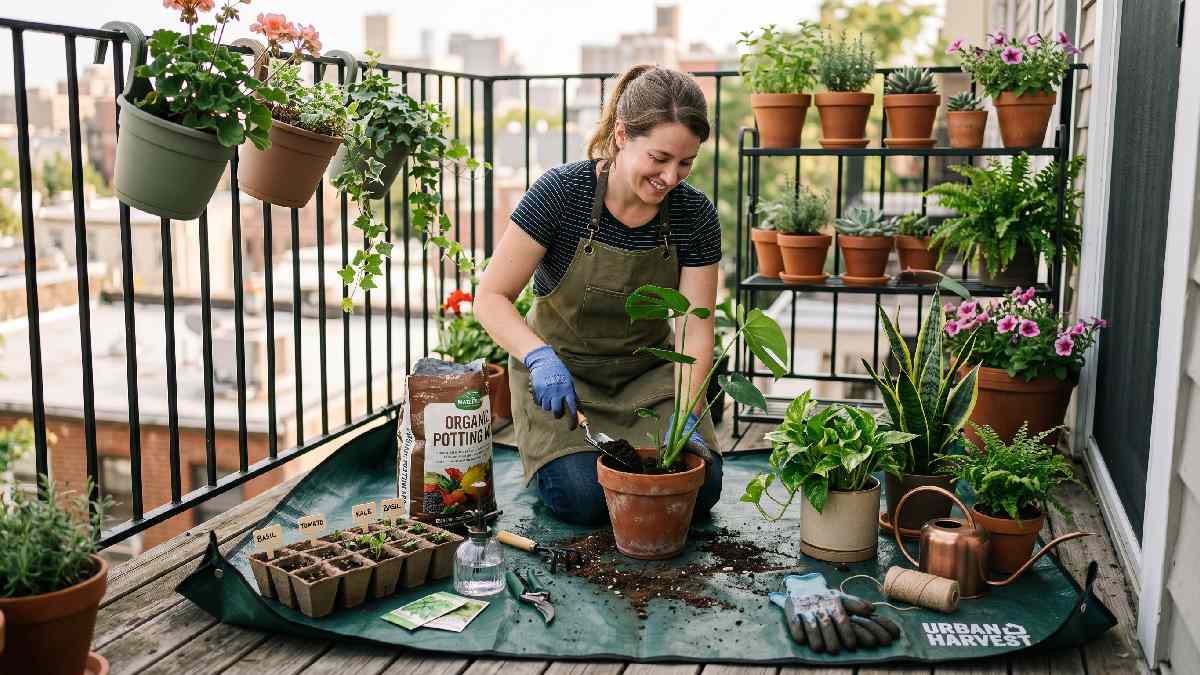
A gardening mat can be used in many gardening tasks. I discovered its usefulness in different situations over time. It is not just for repotting but also for planting, seed work, and indoor gardening. It makes every task cleaner and more organized.
Whether you have a small balcony or an indoor setup, it fits easily. The versatility of a gardening mat is what makes it a practical tool for everyday gardening activities.
Indoor Plant Repotting
Indoor plant repotting is one of the best uses of a gardening mat. I often repot plants inside my home using it. It keeps soil from spreading on floors and furniture. The process becomes clean and controlled. You can work comfortably without worrying about a mess.
Even if soil spills, it stays within the mat. This makes indoor gardening much easier. It is especially useful for apartment living where cleaning space is limited, and one must stay tidy.
Container Gardening
Container gardening works very well with a gardening mat. I use it when shifting plants between pots. It keeps soil organized and prevents waste. Handling multiple containers becomes easier on a flat surface. It also helps manage watering and mixing soil.
Everything stays in one place. This improves efficiency during gardening tasks. A mat makes container gardening less messy and more structured, especially when working with different plant sizes and soil types in one session.
Seed Starting Projects
Seed starting becomes simpler with a gardening mat. I used it for small herb seeds and found it very helpful. Seeds stay organized and do not scatter around. Soil and moisture remain controlled during the process. It helps maintain a clean setup for germination.
Even watering is easier without disturbing seeds. A mat supports better seed management. It creates a stable and neat environment for early plant growth and improves the success rate in small gardening projects.
Microgreens Growing Setups
Microgreens grow well on a gardening mat setup. I tried broccoli microgreens, and the process stayed clean and easy. The mat helps control moisture and soil placement. Harvesting also becomes simpler. You can cut greens without making a mess.
It supports quick growth cycles. Many indoor gardeners prefer mats for microgreens because of space-saving and cleanliness. It keeps the setup organized and reduces soil spread during growth and harvesting stages.
Balcony and Apartment Gardening
Balcony and apartment gardening is easier with a gardening mat. I use it in small spaces where mess control is important. It fits on floors or tables without a problem. Soil and water stay contained in one area. This keeps living spaces clean.
It is perfect for people without outdoor gardens. A mat makes small-space gardening practical and stress-free. It allows you to enjoy plants without worrying about cleaning or damaging home surfaces.
Common Mistakes to Avoid When Using a Gardening Mat
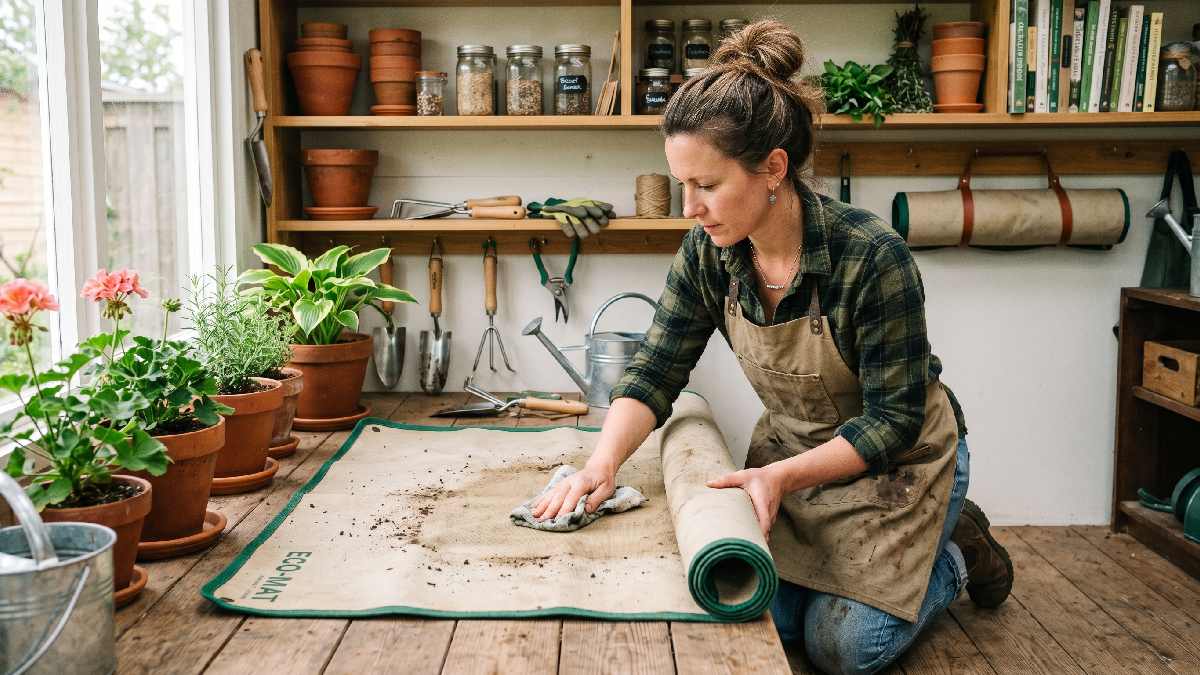
Using a gardening mat is simple, but mistakes can reduce its usefulness. I made a few early mistakes myself while learning. Small issues like size, cleaning, and storage affect performance. Avoiding these mistakes improves experience and mat life.
It also keeps gardening more organized and clean. A little care ensures better results and long-term use. Understanding common mistakes helps you use the mat properly and get the full benefit from it.
Choosing a Mat That Is Too Small
Choosing a small mat is a common mistake. I did this once, and it became frustrating during work. Soil kept falling outside the mat area. Small mats limit movement and reduce efficiency. A larger mat gives better control and space.
Always think about your gardening tasks before buying. Size should match your work style. A properly sized mat makes gardening smoother and reduces unnecessary cleanup and stress during plant care activities.
Ignoring Waterproof Features
Ignoring waterproof features can create problems later. I once used a non-waterproof mat, and it soaked through. Water damage reached the surface below. Waterproof protection is very important for indoor gardening. It prevents stains and moisture issues.
Without it, cleanup becomes harder. Always check the material quality before buying. Waterproof mats offer better protection and longer usability. This feature makes gardening safer and more convenient, especially in home environments.
Storing the Mat While Wet
Storing a wet gardening mat is a bad habit. I made this mistake once, and it created a bad smell. Moisture can also damage material over time. Always dry the mat completely before storing. Proper drying keeps it fresh and long-lasting.
Wet storage reduces durability and hygiene. Simple drying practice increases product life. Taking a few extra minutes after gardening helps maintain mat quality and avoids future problems.
Not Cleaning Soil Residue After Use
Not cleaning the soil after use reduces mat life. I noticed leftover soil can harden and become difficult to remove later. Regular cleaning keeps the mat ready for next use. It also prevents odor and buildup. A quick wipe or shake is enough after each session.
Proper cleaning improves durability. It is a small habit but very important. Clean mats work better and last longer in daily gardening routines.
Are Gardening Mats Worth It?
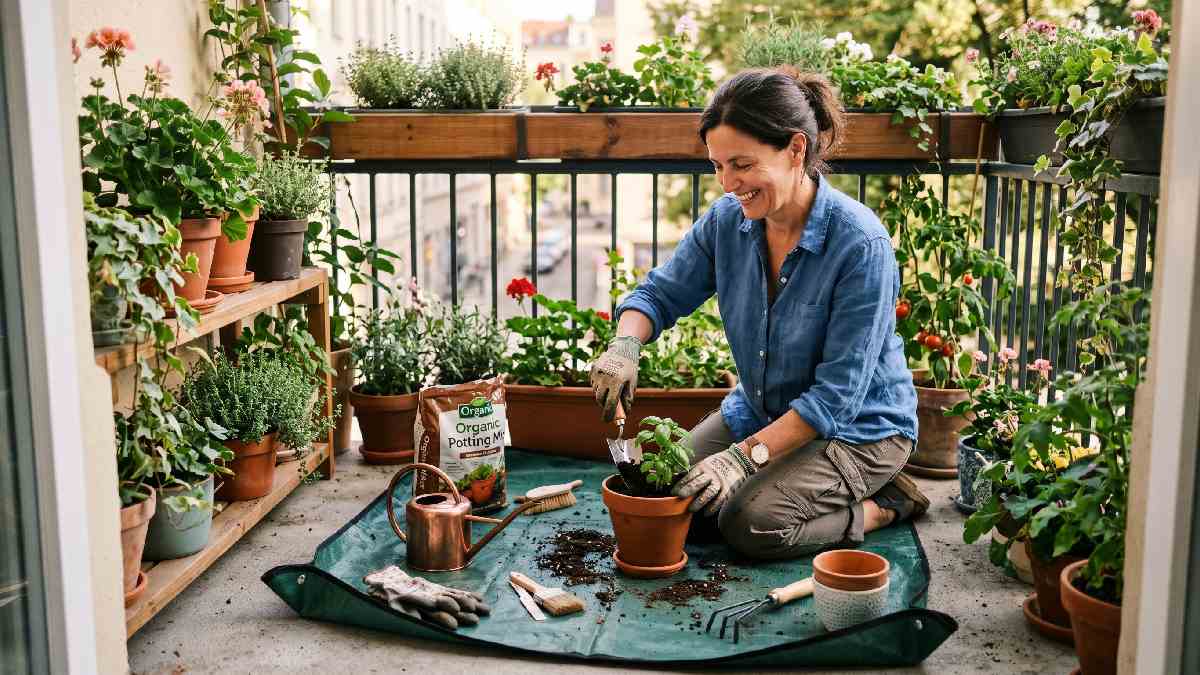
Gardening mats are worth using for most home gardeners. I realized this after using one regularly in different gardening tasks. They reduce mess, protect surfaces, and save time. The benefits are simple but useful in daily life.
They are especially helpful for indoor and balcony gardening. A small investment gives long-term convenience. For people who enjoy gardening but dislike cleanup, a mat becomes a very practical tool.
Who Should Buy a Gardening Mat?
Gardening mats are ideal for indoor gardeners, balcony growers, and beginners. I think anyone who works with pots or soil can benefit from it. It is especially useful in small spaces where mess is a problem. People who repot plants often will find it helpful.
It makes gardening easier and cleaner. Even experienced gardeners use it for convenience. It suits anyone who wants simple and organized plant care without extra cleaning effort.
Situations Where a Gardening Mat Is Most Useful
Gardening mats are most useful during repotting, seed starting, and indoor plant care. I use mine mainly for messy tasks where soil spreads easily. It is also helpful when working on tables or floors. Small apartments benefit the most from it.
Any situation involving soil, water, or plant handling becomes easier. It keeps everything controlled. This makes gardening smoother in daily practice and reduces cleaning time significantly.
Cost vs Benefits Analysis
A gardening mat is low-cost but offers good benefits. I found it valuable after repeated use. It protects surfaces, reduces mess, and saves time. These benefits outweigh its small price. Traditional gardening setups may cost less upfront but require more cleanup effort.
A mat is reusable and long-lasting if used properly. Overall, it provides better value for regular gardeners. It is a small investment that improves the daily gardening experience practically.
Frequently Asked Questions About Gardening Mats
What Is a Gardening Mat Used For?
Used for repotting plants, seed starting, soil mixing, keeping gardening work clean and organized in one place.
Are Gardening Mats Waterproof?
Most quality gardening mats are waterproof, preventing water and soil from leaking onto floors or tables during gardening work.
Can Gardening Mats Be Used Indoors?
Yes, gardening mats are perfect for indoor use, keeping homes clean while repotting or caring for plants easily.
What Size Gardening Mat Should I Choose?
Choose size based on workspace, bigger mats for multiple plants, smaller ones for quick single plant gardening tasks.
Are Gardening Mats Reusable?
Yes, most gardening mats are reusable, durable, and designed for repeated gardening use after simple cleaning and drying.
Can Gardening Mats Be Used for Microgreens?
Yes, gardening mats work well for microgreens, keeping soil, moisture, and harvest clean, organized, and easy to manage.
Conclusion
A gardening mat makes plant care simpler, cleaner, and more organized in daily use. I noticed a clear difference after I started using one during repotting and seed work. Soil stays in one place, and cleaning becomes much easier. It also protects tables, floors, and indoor spaces from mess and water damage.
For small homes, balconies, or indoor gardening, it feels very practical. A gardening mat is not a luxury tool, just a simple helper that saves time and reduces stress in regular gardening tasks while improving the overall experience.