

Complete Guide to Gardening Maintenance for a Healthy Garden All Year Round
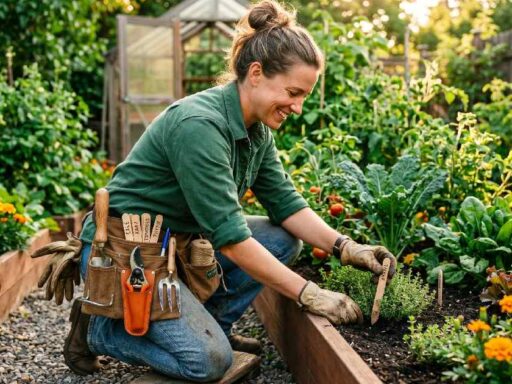
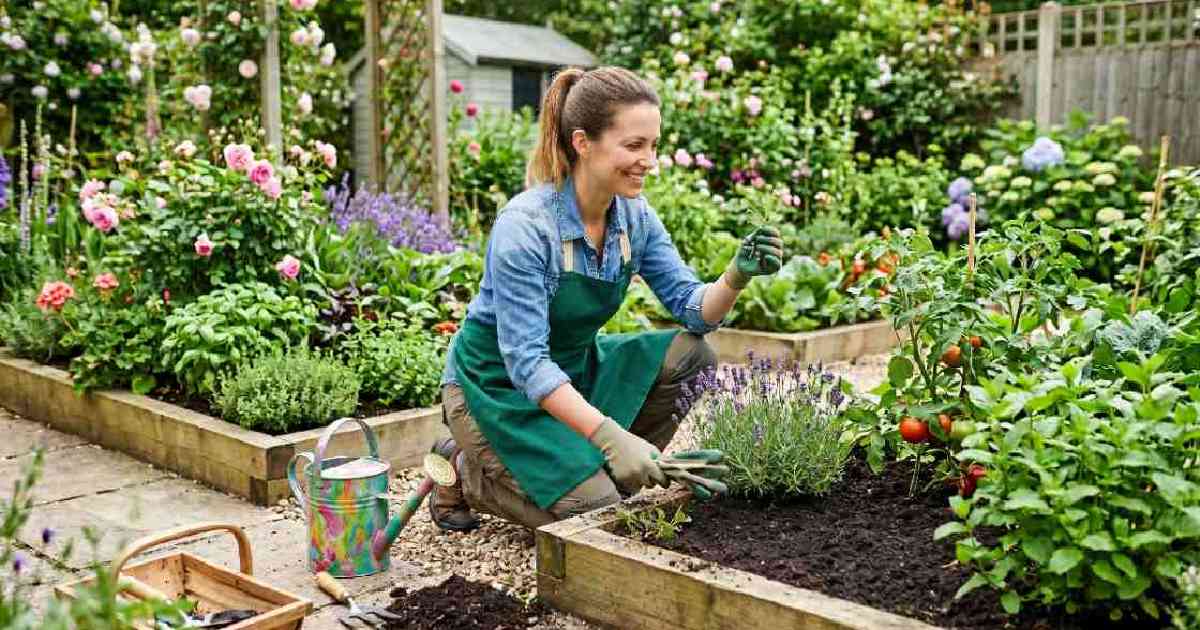
Gardening maintenance is not only about planting, but it’s also about keeping everything alive and steady throughout the whole year. Plants need regular care, such as watering, trimming, soil checking, and removing unwanted weeds. I learned this the hard way when some of my plants dried out just because I ignored them for a few days.
Small attention matters more than big effort. You don’t need expert-level skills, just a basic understanding and consistency. Sometimes I do quick checks in the morning, sometimes in the evening, depending on the time. The garden stays healthier when you stay connected with it in a simple daily routine.
Introduction to Gardening Maintenance
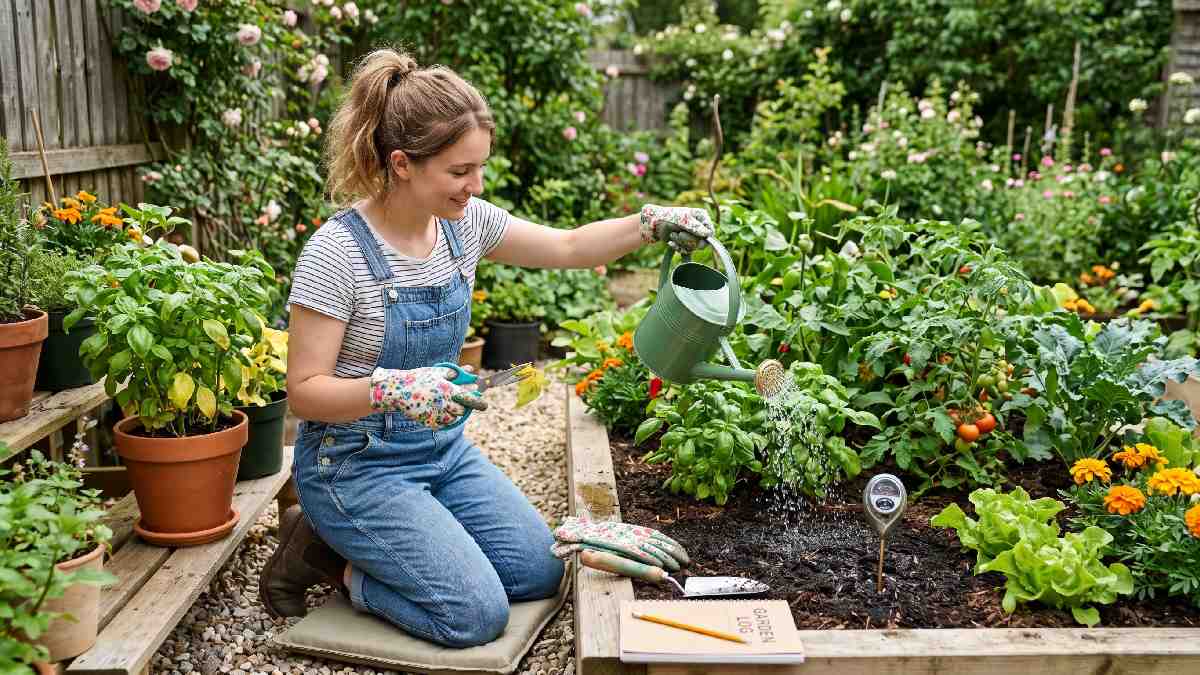
Gardening maintenance is the ongoing care that keeps plants healthy after planting. It includes watering, soil care, trimming, and checking plant health regularly. Many people think gardening is only planting seeds, but real work starts after that.
I noticed my plants grow better when I give them small attention every few days. Maintenance helps avoid plant stress and keeps the garden clean. It is not complicated, just consistent care that supports steady growth and a fresh-looking garden throughout the year.
What is gardening maintenance, and why does it matter
Gardening maintenance means taking care of plants on a regular basis. It includes watering, pruning, weeding, and checking soil condition. This matters because plants cannot stay healthy without support. I learned this when some plants stopped growing due to neglect.
Maintenance helps plants get proper nutrients and space to grow. It also prevents diseases and pest problems. A well-maintained garden looks better and stays productive. Even small daily actions can make a big difference in long-term plant health and growth.
Benefits of regular garden care for plant growth and health
Regular garden care improves plant growth, strength, and overall health. Plants get proper water, sunlight, and nutrients when maintained well. I noticed my garden became greener after following a simple routine. It also reduces the chance of pests and diseases.
Healthy maintenance keeps the soil active and fertile for a longer time. Plants grow faster and produce better results when cared for regularly. Even small efforts like checking leaves or watering properly help a lot. Consistency is the key to a strong and healthy garden.
Essential Gardening Maintenance Tasks
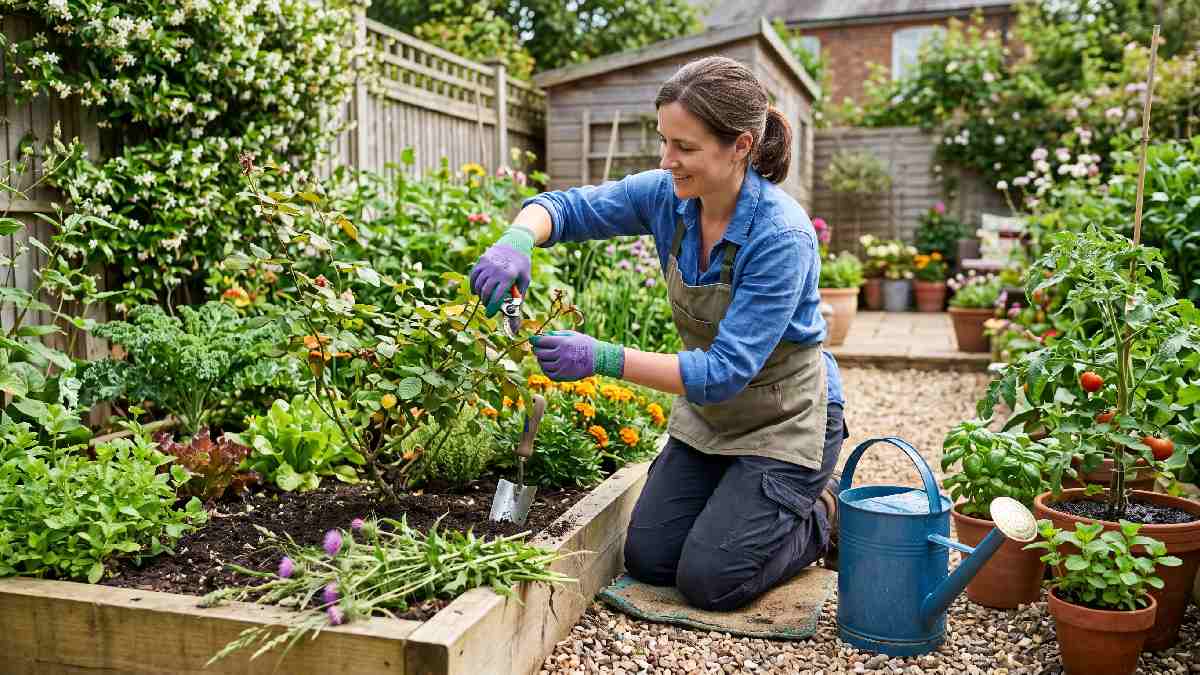
Essential gardening tasks include watering, soil care, weeding, and pruning. These activities keep plants healthy and the garden clean. I started following simple tasks daily and saw better plant growth. Each task supports a different part of plant life. Without proper care, plants can become weak or unhealthy.
These tasks are not difficult but need regular attention. A small routine is enough to maintain a balanced garden. Doing these basics helps plants stay fresh, green, and strong throughout different seasons of the year.
Watering plants properly and avoiding overwatering
Watering is one of the most important gardening tasks. Plants need water, but too much can damage roots. I made mistakes in the beginning by overwatering my plants. Proper watering depends on soil type and weather conditions. Checking the soil before watering helps avoid excess moisture.
Plants usually need more water in summer and less in cooler seasons. Good watering keeps roots healthy and supports growth. Balance is important because both dryness and overwatering can harm plants and reduce their overall strength.
Soil care and fertilization routines
Soil care is essential for healthy plant growth. Good soil provides nutrients that plants need to survive. I noticed plants improved after adding compost regularly. Fertilization helps replace lost nutrients in soil over time. Organic fertilizers are often better for long-term health. Soil should be checked occasionally to maintain quality.
Healthy soil improves root development and plant strength. Without proper soil care, plants become weak and slow-growing. Regular feeding keeps soil active and supports better plant performance in all seasons.
Weeding and pest control basics
Weeds and pests can damage plants if not controlled. Weeds take nutrients and space from healthy plants. I once ignored weeds and saw my plants struggle. Removing weeds regularly helps plants grow better. Pest control is also important for protecting leaves and stems.
Natural methods like neem spray can help reduce pests. Checking plants often helps catch problems early. A clean garden reduces the chances of disease. Simple control methods keep plants safe and support healthy growth without using harsh chemicals.
Pruning and trimming plants for better growth
Pruning helps plants grow in a healthy and controlled way. It removes dead or extra branches that block growth. I noticed a better shape in plants after regular trimming. Pruning also improves air circulation around plants. This reduces disease and supports new growth.
Cutting should be done carefully to avoid plant damage. Over-trimming can weaken plants, so balance is important. Regular pruning keeps plants strong and improves their appearance. It also helps plants focus energy on healthy parts instead of weak branches.
Seasonal Gardening Maintenance Guide
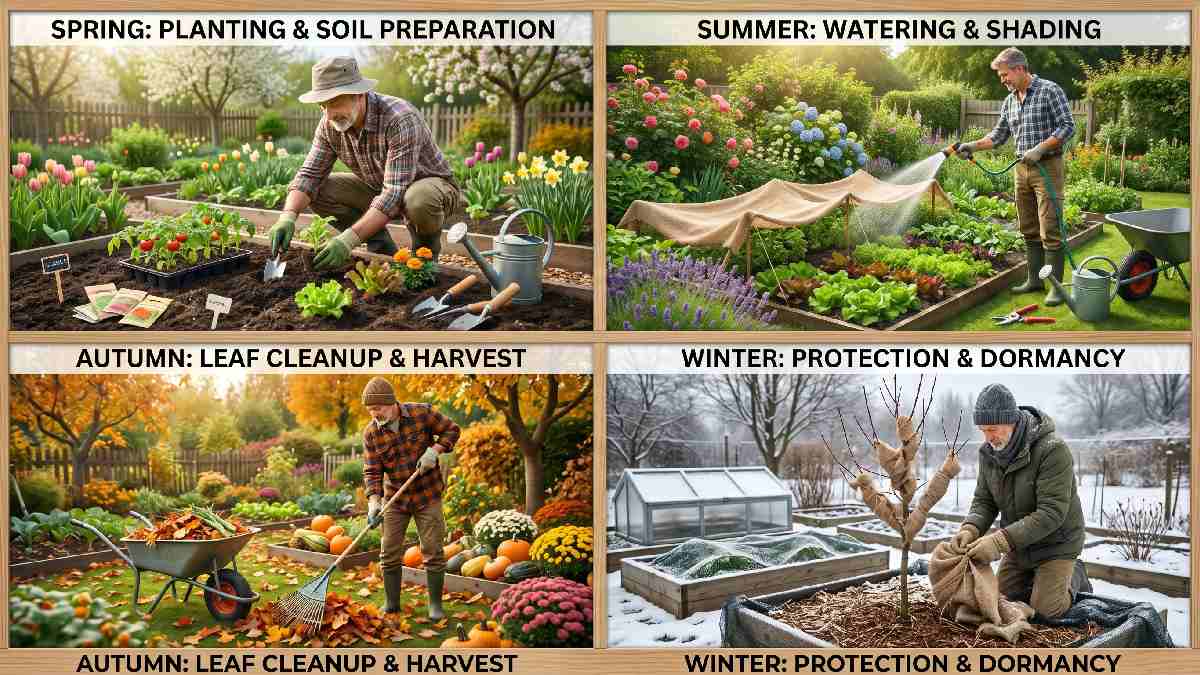
Seasonal maintenance helps plants adjust to changing weather conditions. Each season affects plant growth differently. I learned that ignoring seasons can damage plants quickly. Spring focuses on growth, summer needs protection, autumn is for cleanup, and winter requires care.
Understanding seasonal needs keeps the garden stable all year. Plants respond better when care matches weather changes. Simple seasonal planning improves survival and growth rate. A garden becomes more balanced when maintenance follows natural cycles throughout the year.
Spring garden preparation and planting care
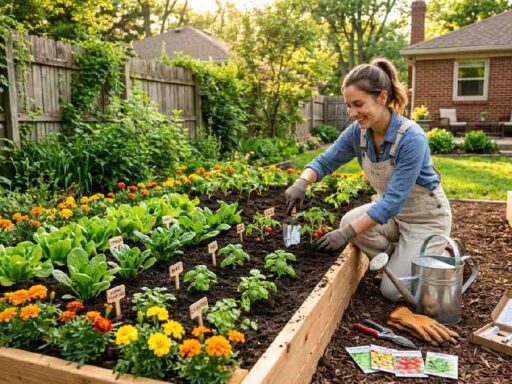
Spring is the best season for new plant growth and garden preparation. Soil becomes softer and more active, which helps seeds grow faster. I usually start by cleaning dry leaves, adding compost, and loosening the soil. This makes the garden ready for fresh planting. Seeds and young plants need regular watering in spring, but not too much.
Sunlight also plays an important role during this time. Plants grow quickly in this season, so small care makes a big difference. Proper preparation in spring creates a strong base for healthy plants and better growth throughout the coming months.
Summer maintenance tips for heat protection
Summer heat can stress plants and dry the soil quickly. Regular watering becomes very important in this season. I noticed plants need more shade during hot days. Mulching helps keep soil cool and moist. Watering early in the morning is better than midday.
Leaves should be checked for heat damage. Some plants may need extra protection from strong sunlight. Summer care focuses on preventing dryness and heat stress. Proper maintenance helps plants survive high temperatures and stay healthy during long, hot days.
Autumn cleanup and soil preparation
Autumn is a time for cleaning and preparing the soil for the next cycle. Dead leaves and waste should be removed from the garden. I usually clear old plants and refresh the soil in this season. Composting helps improve soil quality for future growth. It is also a good time to check plant health.
Cooler weather reduces plant stress. Proper cleanup prevents pests and diseases from spreading. Autumn maintenance prepares the garden for winter and improves soil conditions for the upcoming planting season.
Winter garden protection and indoor plant care
Winter requires extra care because cold weather slows plant growth. Some plants need protection from frost and low temperatures. I move sensitive plants indoors during the winter months. Watering should be reduced because the soil stays wet longer. Indoor plants still need light and basic care.
Covering plants or using mulch helps protect roots. Winter maintenance focuses on survival rather than growth. Proper protection ensures plants stay healthy until the warmer season returns and growth starts again naturally.
Tools You Need for Gardening Maintenance
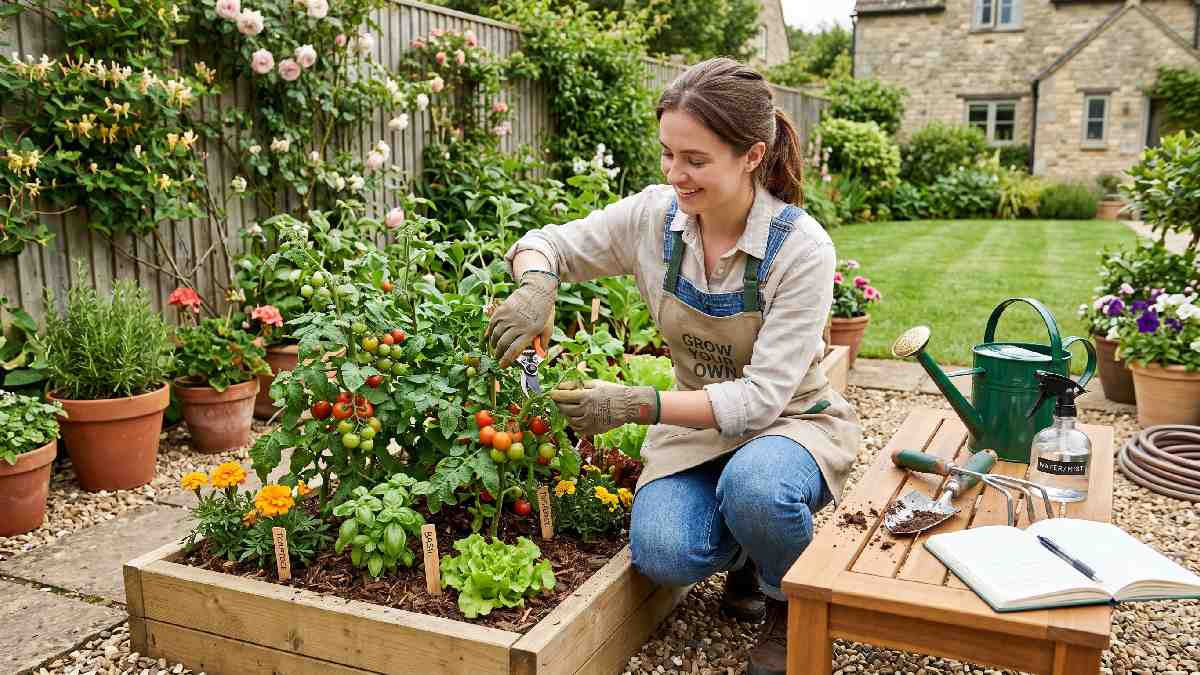
Gardening tools make maintenance easier and more effective. Basic tools help with watering, digging, and trimming. I started with simple tools and slowly added more. Good tools save time and effort in daily care. They also improve accuracy in gardening tasks.
Without proper tools, maintenance becomes difficult. Choosing the right equipment depends on garden size and plant type. Even small tools can make a big difference in plant care and overall garden management.
Basic hand tools for daily garden care
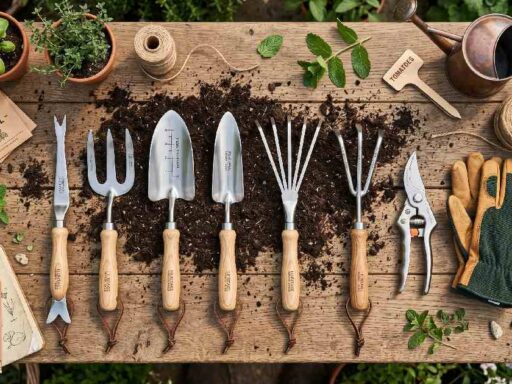
Basic hand tools are very important for daily garden care because they make work simple and faster. Common tools include gloves, a small trowel, pruning scissors, and a hand fork. I started gardening with just a few basic tools, and it was enough for small tasks. Gloves protect hands from soil and small cuts.
A trowel helps in digging and planting easily. Pruning scissors are useful for cutting dry leaves and shaping plants. These simple tools do not cost much but save a lot of effort. With proper care, they last long and make gardening maintenance easy and smooth.
Watering tools and irrigation systems
Watering tools and irrigation systems help keep plants healthy by giving them the right amount of water. Simple tools like watering cans are good for small gardens and daily use. I started with a basic can, and it worked fine for my plants. For larger gardens, hose pipes and drip irrigation systems are more useful.
They save time and distribute water evenly to all plants. Irrigation systems also reduce water waste if used properly. Choosing the right tool depends on garden size and plant needs. Proper watering setup makes gardening easier and keeps plants fresh and green with less effort.
Soil testing and fertilizing equipment
Soil testing tools help check soil health and nutrient levels. These tools show what nutrients are missing in soil. I used simple testing kits to understand my garden soil. Fertilizing equipment helps apply nutrients properly. Healthy soil improves plant growth and strength.
Without testing, plants may not get the required nutrients. Regular soil care ensures long-term productivity. Good equipment makes maintenance easier and more accurate. It helps gardeners make better decisions for plant care and soil improvement.
Common Gardening Maintenance Mistakes to Avoid
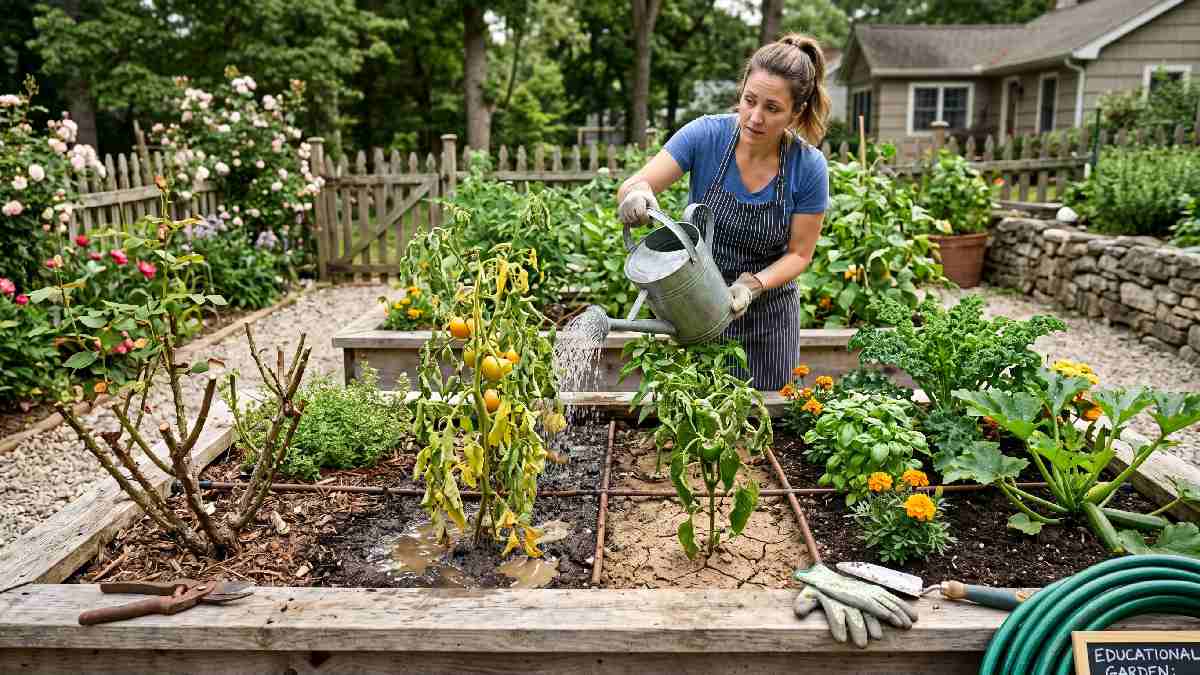
Gardening looks simple, but small mistakes can affect plant health a lot. Many beginners overwater plants or forget regular care, which slowly damages growth. I also made mistakes when I started gardening, like ignoring soil conditions and not checking plants daily. These errors seem small at first, but create bigger problems later.
Not using proper tools, poor pruning, and ignoring pests are also common issues. Sometimes people rush and do everything at once instead of following a routine. Avoiding these simple mistakes helps keep the garden healthy, balanced, and green throughout the year with steady and easy maintenance habits.
Overwatering and underwatering issues
Overwatering and underwatering are common gardening mistakes. Both conditions harm plant roots and growth. I once overwatered plants and saw leaves turn yellow. Underwatering makes plants dry and weak. Proper balance is important for healthy growth. Checking the soil before watering helps avoid mistakes.
Different plants need different water levels. The weather also affects watering needs. Understanding plant requirements improves watering routine and keeps plants healthy without stress or damage.
Ignoring pest control and plant diseases
Ignoring pest control and plant diseases is a common mistake that slowly damages the whole garden. Small insects or fungal spots often appear first, but people don’t notice them early. I also ignored tiny bugs on leaves once, and later the plant became weak and stopped growing. Pests spread quickly if not controlled on time.
Regular checking of leaves and stems helps catch problems early. Simple natural sprays or cleaning methods can reduce damage. Healthy plants recover better when action is taken fast. Careful observation and quick response keep the garden safe, green, and free from serious plant diseases.
Poor pruning and over-trimming plants
Poor pruning and over-trimming plants can seriously affect their growth and shape. Many beginners cut too many branches at once, thinking it will help plants grow faster, but it often weakens them. I made this mistake once, and my plant took a long time to recover. Pruning should be done carefully, only removing dry, dead, or extra branches.
Over-trimming reduces the leaves needed for photosynthesis and slows down growth. Each cut should have a clear reason. Proper pruning improves air flow and plant structure, but wrong cutting can stress the plant and reduce its overall health and strength.
Tips for Easy and Effective Gardening Maintenance
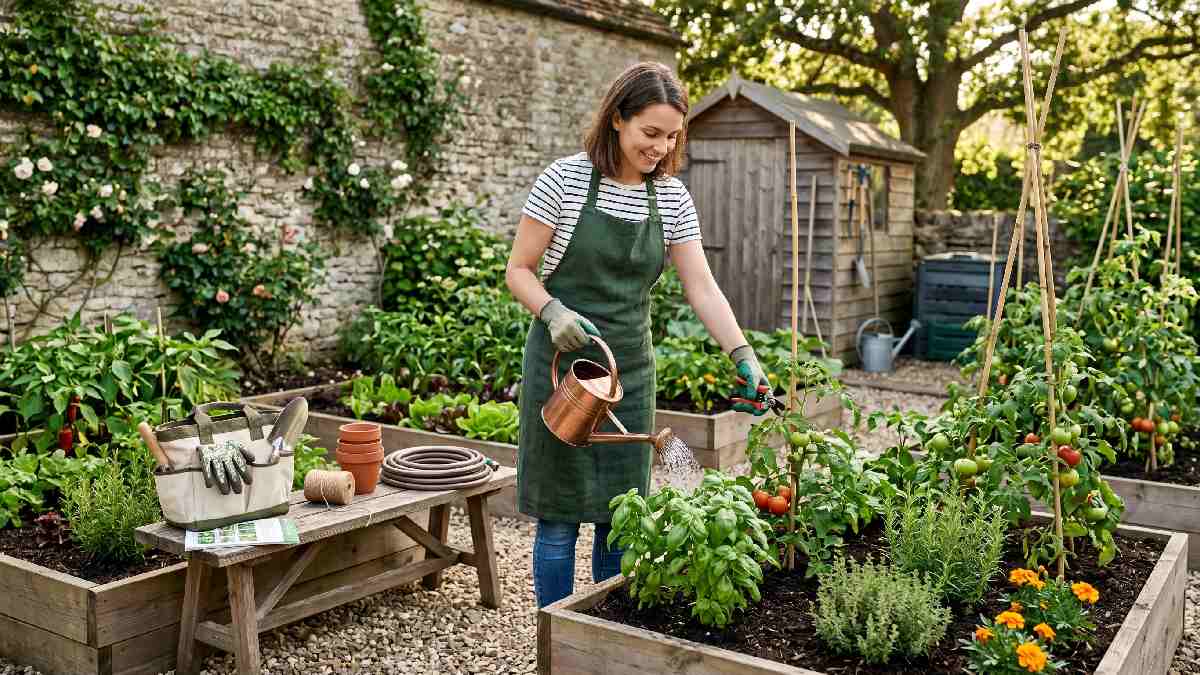
Simple gardening habits make maintenance easier and more effective. I found that small routines give better results than occasional effort. Regular care keeps plants healthy and the garden clean. Planning helps avoid confusion and mistakes. Even beginners can manage a garden with simple tips.
Consistency is more important than complex methods. A well-organized routine improves plant growth and reduces problems over time. Gardening becomes enjoyable when care is simple and steady.
Creating a weekly garden care routine
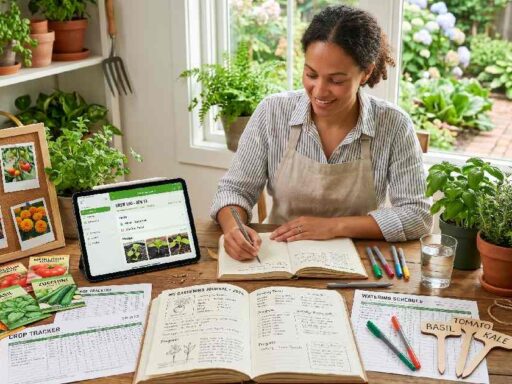
Creating a weekly garden care routine helps maintain plants without stress. A simple plan includes watering, checking leaves, removing weeds, and light pruning. I follow a weekly schedule, and it keeps my garden clean and balanced. Instead of doing everything at once, small tasks each week make care easy.
It also helps spot problems early, like pests or dry soil. A routine reduces confusion and saves time on busy days. Plants grow better when they receive regular attention. Even beginners can manage gardening easily with a fixed weekly plan that keeps everything organized and healthy throughout the year.
Using organic fertilizers and natural methods
Using organic fertilizers and natural methods is a safe and healthy way to improve garden soil. Compost, manure, and kitchen waste can slowly enrich the soil. I started using compost in my garden and saw better plant growth over time. These natural options improve soil structure and support long-term plant health.
Unlike chemical fertilizers, they do not harm the environment. Natural methods also attract helpful insects and reduce pests naturally. It takes a little patience, but the results are strong and steady. Overall, organic gardening keeps plants healthy and makes the garden more eco-friendly and sustainable for long-term use.
Keeping a seasonal gardening checklist
Keeping a seasonal gardening checklist helps you stay organized throughout the year. Each season has different plant needs, so a simple list makes care easier. I started using a basic checklist, and it reduced my mistakes a lot. It reminds me when to water, prune, fertilize, and clean the garden.
In spring, planting tasks are important, while summer focuses on watering and protection. Autumn is for cleanup and soil care, and winter needs plant protection. A checklist keeps everything clear and simple. It saves time, prevents confusion, and helps maintain a healthy garden in every season without missing important tasks.
FAQs About Gardening Maintenance
No schema found.Conclusion
Gardening maintenance is the key to keeping plants healthy, green, and productive all year round. It is not about doing hard work, but about doing small tasks regularly, like watering, pruning, and checking the soil. I noticed my garden improved when I stayed consistent with simple care routines.
Even beginners can manage a garden without stress if they follow basic steps. With the right tools, seasonal care, and attention to plant needs, gardening becomes easy and enjoyable. A well-maintained garden not only looks beautiful but also gives long-lasting, healthy growth and a peaceful, natural space at home.