
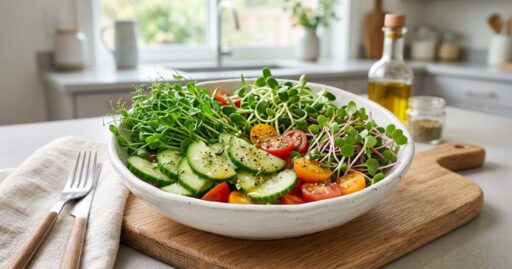
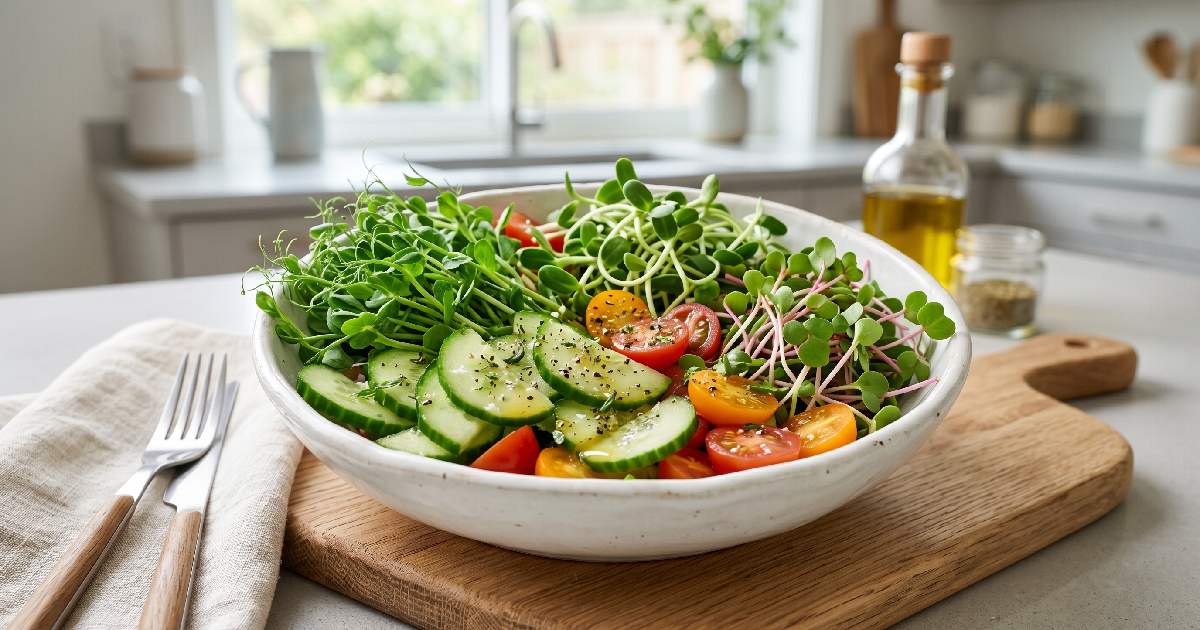

Microgreen Salad: Benefits, Recipes & Best Greens to Use
Microgreen salad looks small, almost like a garnish, but it hits different when you actually try it. These are young plant shoots, cut early, when flavor and nutrients are at their peak. People usually ignore them at first, then get surprised after tasting. Benefits are simple but real. Fresh vitamins, minerals, and antioxidants are packed in tiny leaves. Light on the stomach, no heavy feeling after eating.
I’ve seen someone add microgreens daily and feel lighter overall. It sounds small, but a noticeable change. Recipes stay very easy. Toss them in a bowl with lemon juice, olive oil, and maybe salt. Nothing fancy. Sometimes they go inside sandwiches or wraps, giving an instant, fresh bite. The best ones are broccoli, radish, mustard, and sunflower microgreens. Each has its own taste, some spicy, some mild, some nutty. Small leaves, but strong personality.
Introduction to Microgreen Salad
Microgreen salad is made from very young plants, harvested just after sprouting. These tiny greens look simple, but they carry strong flavor and high nutrition in every bite. People use them to add freshness and color to daily meals without much effort.
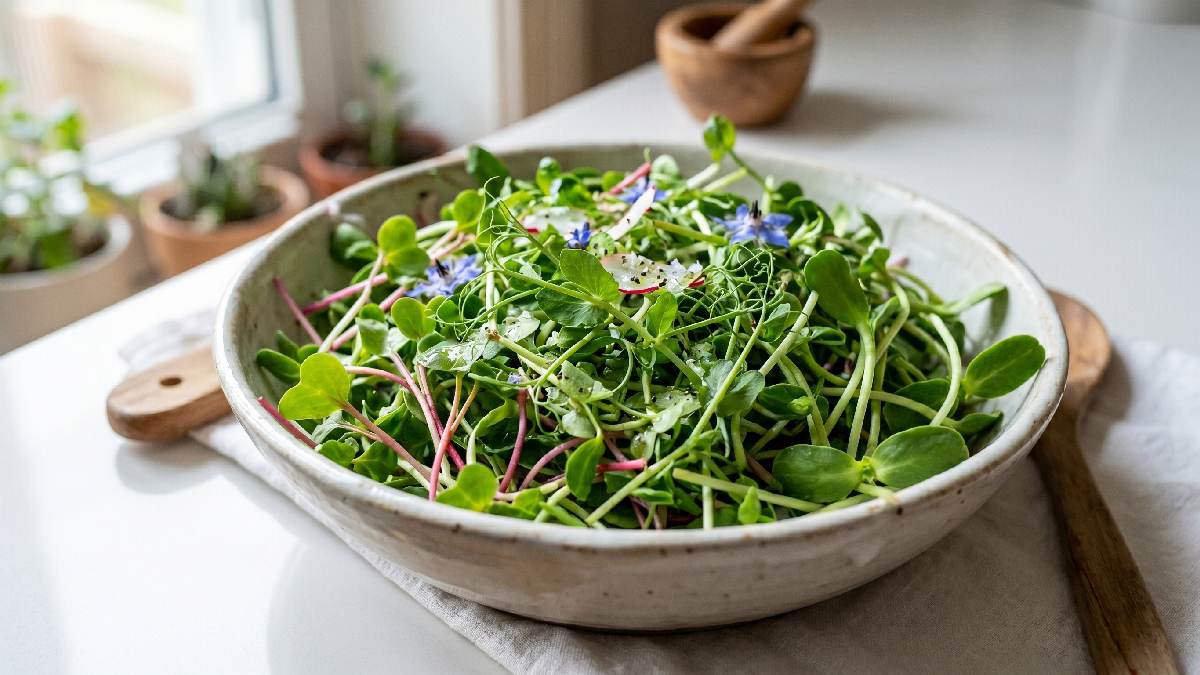
I once tried a small bowl and expected something mild, but the taste was sharp and fresh at the same time. They fit easily in salads, sandwiches, and even snacks. No heavy cooking needed, just a clean and quick eating style.
Why Microgreen Salads Are Becoming Popular
Microgreen salads are getting popular because people want quick, healthy food without complications. A busy lifestyle makes simple nutrition more attractive. These greens grow fast, need little space, and still give strong nutrients. Social media also plays a role; colorful plates look good in photos, so people try them at home.
I’ve seen friends adding them just for healthy vibes at first, and later, they actually liked the taste. Light texture and fresh flavor make them easy to include in daily meals.
What Makes Microgreens Different from Regular Greens
Microgreens are young plants harvested very early, just after sprouting. Regular greens are allowed to grow fully before being used. That simple difference changes everything. Flavor is stronger in microgreens, sometimes sharp or even slightly spicy. Regular greens like spinach or lettuce stay mild and familiar.
I tried radish microgreens once, and the taste was unexpectedly intense. Texture is lighter and softer in microgreens. Regular greens feel thicker and more filling. Microgreens look small, but the impact they add to food is actually quite noticeable.
What Is a Microgreen Salad?
A microgreen salad is a salad made from very young plants. These plants are harvested just after they start growing, when only small leaves appear. They are eaten fresh and mixed with other salad items like cucumber, lettuce, or a light dressing. The taste is fresh and slightly stronger compared to a normal salad.
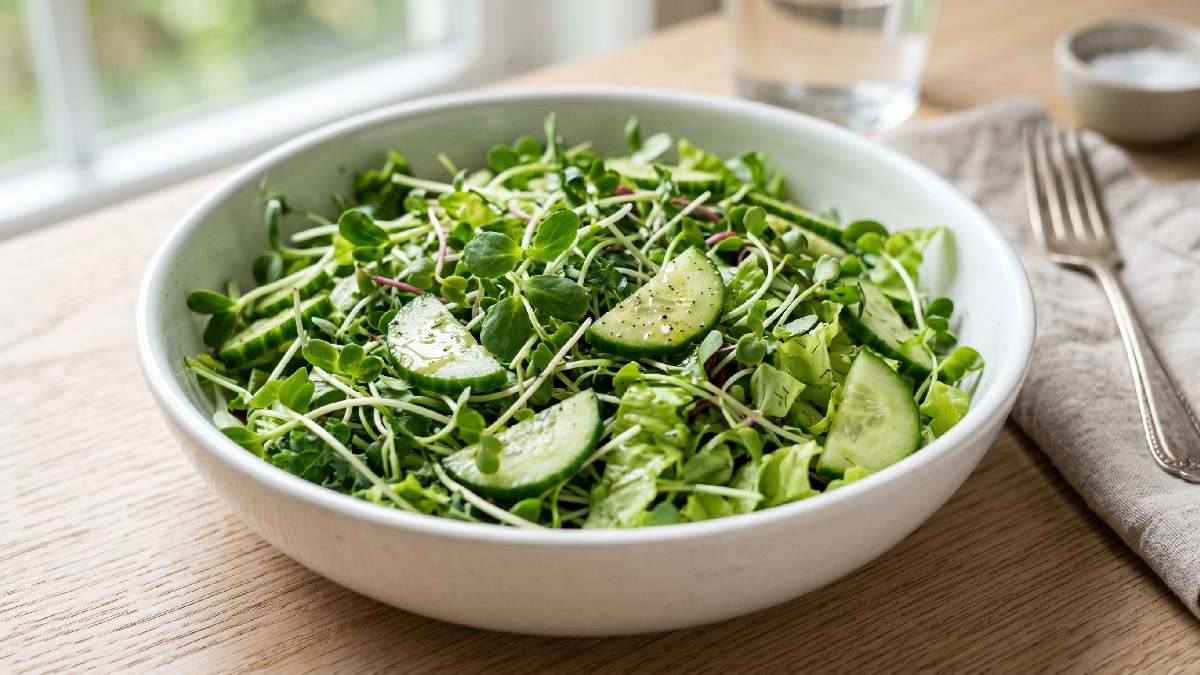
It is simple food and does not need cooking. People like it because it looks colorful and feels light to eat. I tried it once, and it felt different from regular salad, more fresh and natural. It is also used in healthy diets.
Definition of Microgreens
Microgreens are very small plants that are cut at an early growth stage. They are not fully grown vegetables, just the first stage after sprouting. These plants are usually grown in trays using soil or other growing mediums. Farmers harvest them within days or a couple of weeks.
Even though they are tiny, they contain strong flavor and good nutrients. They are used in salads, sandwiches, and sometimes as a topping on food. I first thought they were decorations, but later learned they are actually edible and very healthy for daily meals.
Difference Between Microgreens, Sprouts, and Baby Greens
Microgreens, sprouts, and baby greens are all different stages of plant growth. Sprouts are the youngest stage, grown in water and eaten whole, including the seed and root. Microgreens are a bit older, grown in soil, and cut after small leaves appear. Baby greens are more developed than microgreens,s but still not fully mature plants.
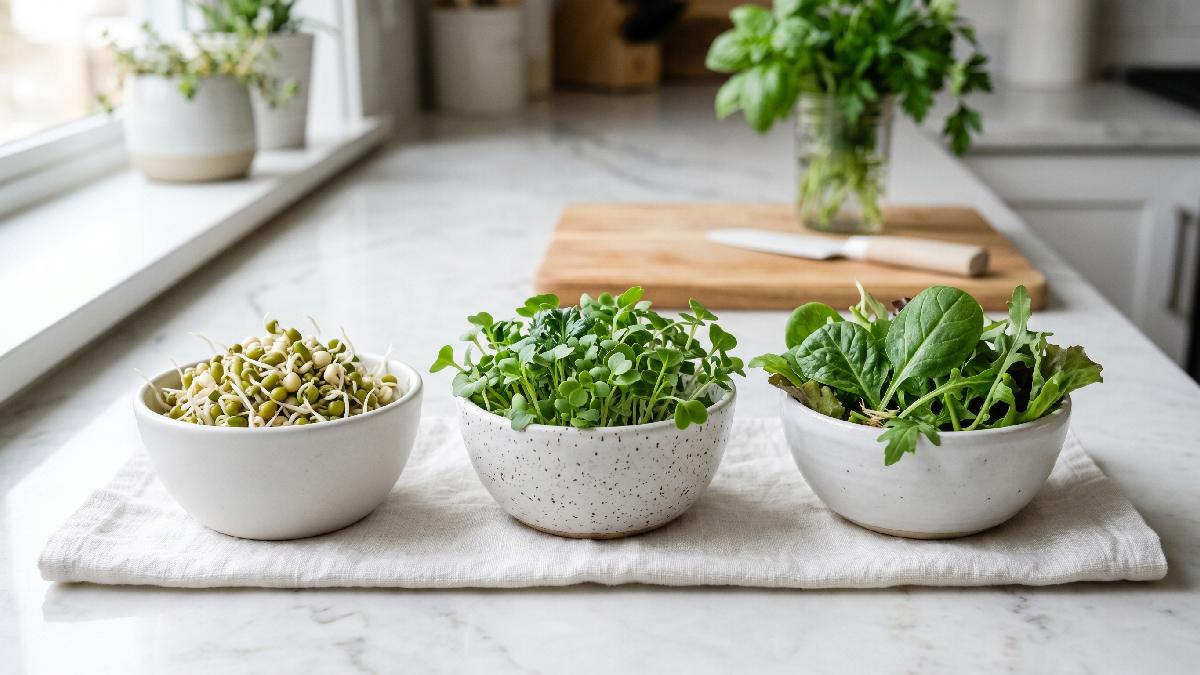
Sprouts are soft, microgreens have a stronger taste, and baby greens feel closer to normal salad leaves. Each one has a different texture and use in food. I once tried all three and noticed a clear difference in flavor and bite.
Why Microgreens Work Well in Salads
Microgreens fit well in salads because they add fresh taste and a light crunch. Even a small amount can change the flavor of a simple salad. They mix easily with other vegetables and do not need cooking. This makes them quick and easy for daily meals. Their natural taste makes food more interesting without adding anything heavy.
They also make salads look more colorful and fresh. I noticed even a basic salad becomes better when microgreens are added. People like them because they are simple, healthy, and easy to use in everyday food habits.
Health Benefits of Microgreen Salad
Microgreen salad is a simple food, but very healthy for daily life. It is light, easy to eat, and fits in almost every meal. People add it to improve nutrition without changing their diet too much. These tiny greens may look small, but they carry strong natural goodness inside them.
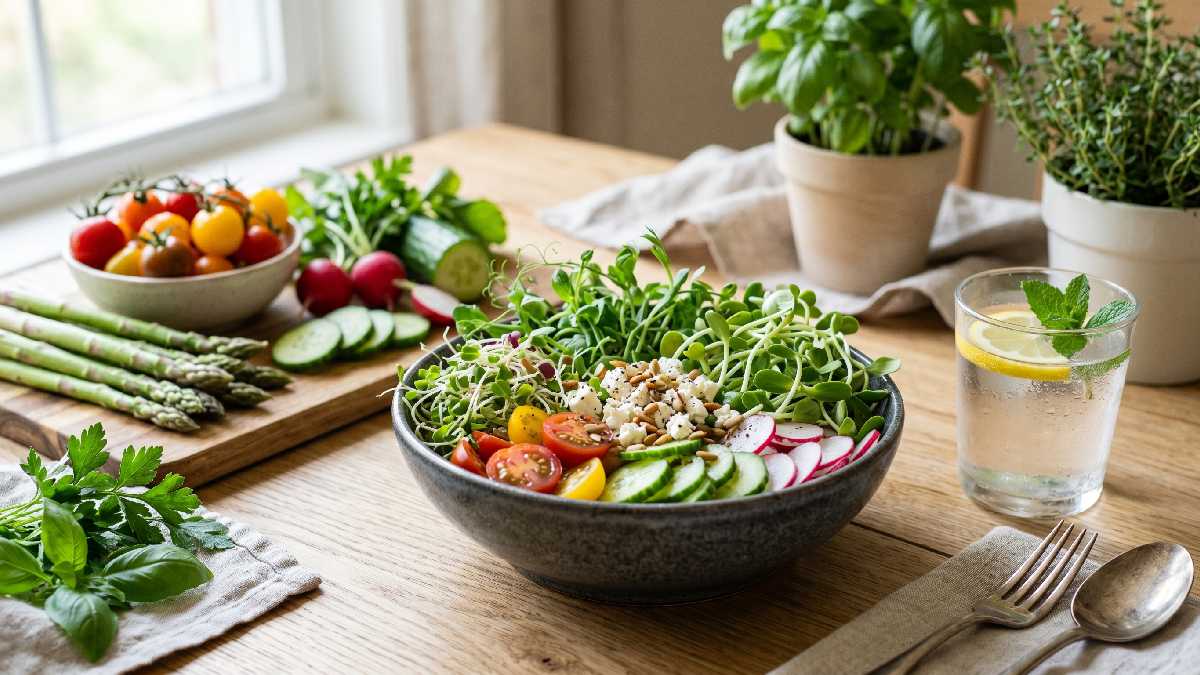
I tried them with normal food,d and it felt fresh and clean on the stomach. No cooking needed, just wash and mix. Regular use can support better health, more energy, and simple healthy eating habits over time in an easy, natural way.
Rich in Vitamins and Minerals
Microgreens are full of important vitamins like A, C, and K, along with useful minerals. Even a small amount gives good nutrition to the body. These nutrients help support daily energy and basic body functions. People include them in salads and sandwiches for a better diet balance.
I read about them first and then tried them in meals; it felt like a simple upgrade to normal food. They are small in size but strong in nutritional value. That is why many people use them for quick and healthy eating without extra effort or complicated cooking steps.
Packed with Antioxidants
Microgreens contain antioxidants that help protect body cells from damage. These natural compounds support overall health and help the body stay strong. They are formed during early plant growth, which makes them more concentrated. Eating them regularly can support better immunity simply.
I started adding them to meals sometimes and noticed food felt fresher. Nothing dramatic, just a small healthy change in daily eating. They work quietly in the background, supporting the body without any complicated process. That is why people consider them a good part of a healthy diet plan.
Supports Heart Health
Microgreens can support heart health because they are low in unhealthy fats and rich in plant nutrients. These nutrients help maintain better blood flow and overall body balance. Many people include them in healthy eating plans for this reason. They are a natural food choice that fits easily into salads and meals.
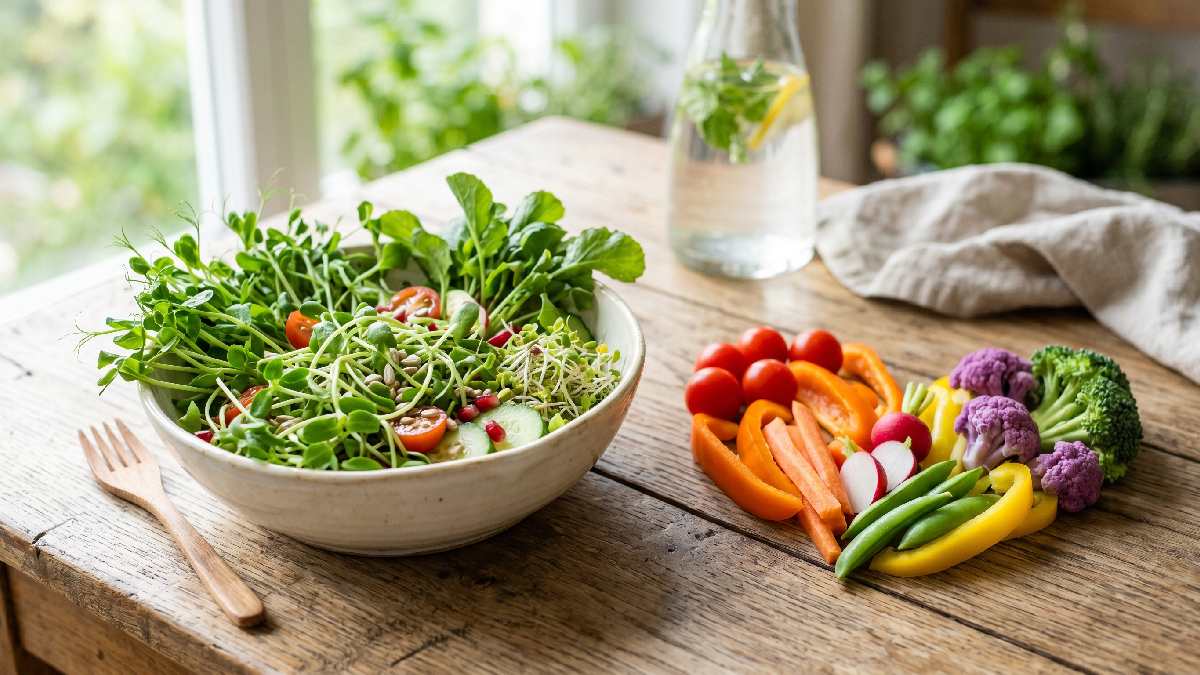
I saw people replacing heavy toppings with microgreens, and it slowly became a healthier habit. Small changes in diet like this can support long-term heart health. They are simple, fresh, and easy to use in everyday food without any difficulty.
Good for Digestion and Gut Health
Microgreens are easy to digest and gentle on the stomach. They contain fiber that helps improve digestion and supports gut health. Many people feel light after eating them in salads or meals. I also noticed food feels less heavy when microgreens are added. They do not cause discomfort like some heavy foods can.
Regular use can inherently support smooth digestion. They fit well with other fresh vegetables in daily meals. Simple additions like this can help improve eating habits without changing your diet completely or using any special preparation methods.
Low-Calorie but Nutrient-Dense Food
Microgreens are very low in calories but rich in nutrients. This makes them a good choice for people who want healthy food without weight gain concerns. Even a small portion gives useful vitamins and minerals. They are easy to add to meals without changing the taste too much.
I tried them in simple dishes, and they felt light but still filling in a healthy way. That balance of low calories and high nutrition makes them popular in modern diets. People can eat them daily and still maintain a simple, clean, and healthy eating style easily.
Best Microgreens for Salad
Microgreens come in many types, but some work better in salads because of taste and texture. Each one brings a different flavor; some are spicy, some are mild, and some are slightly nutty. People mix them to make salads more interesting and fresh. I tried different kinds and noticed that small changes can completely change the taste of food.
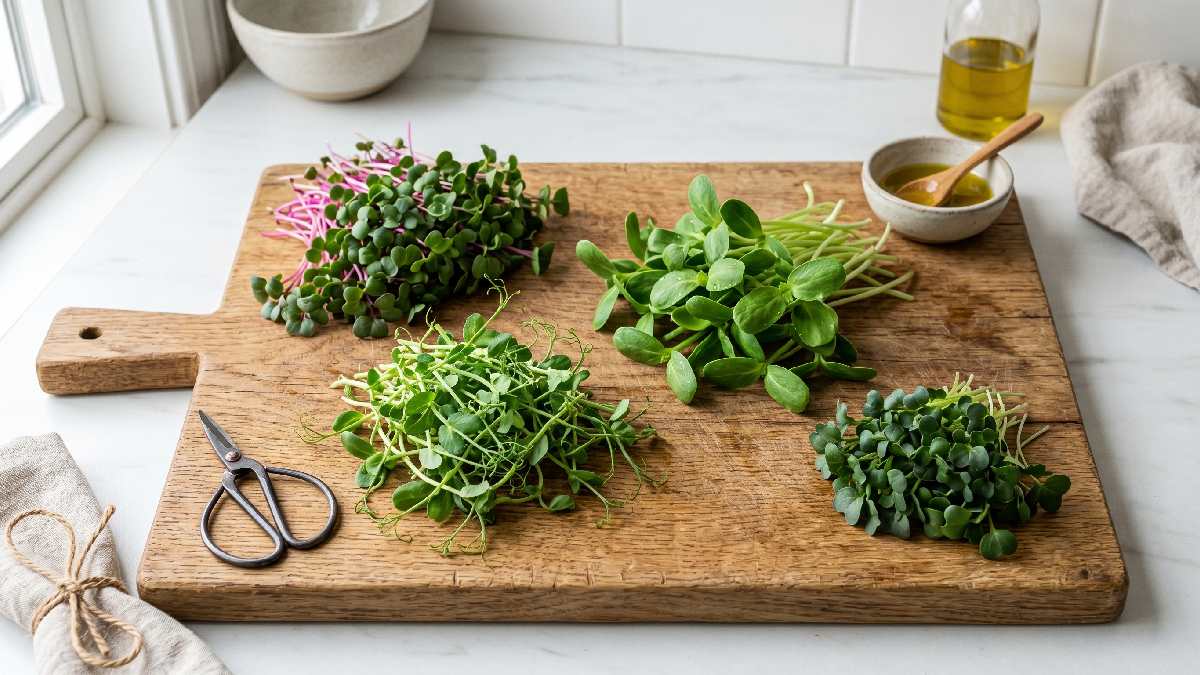
These greens are easy to use; no cooking is needed. Just wash and mix with vegetables. Choosing the right microgreens makes salad more enjoyable and healthy at the same time, in a very simple and natural way.
Radish Microgreens
Radish microgreens have a strong, slightly spicy taste that makes salads more flavorful. They are small but very powerful in flavor, almost like a mild pepper feel. Many people use them when they want a little kick in their food. I tried them once,e and it surprised me how sharp they tasted for such tiny leaves.
They also add a nice color to the plate. These microgreens grow quickly and are easy to use in daily meals. A small amount is enough because their flavor is already strong and noticeable in simple salads.
Sunflower Microgreens
Sunflower microgreens have a soft, nutty taste and a crunchy texture that works well in salads. They feel fresh and light when eaten. Many people like them because they are not too strong in flavor, making them easy to mix with other greens. I once added them to a simple salad, and it felt more filling and fresh.
They also look nice on the plate. These microgreens are rich in nutrients and give a mild, natural taste that suits everyday meals without making the flavor too heavy or overpowering in any way.
Pea Shoots
Pea shoots have a sweet and fresh taste that feels very light in salads. They are soft, tender, and easy to chew. Many people enjoy them because they don’t overpower other ingredients. I tried them in a salad once, and it felt like eating fresh garden greens.
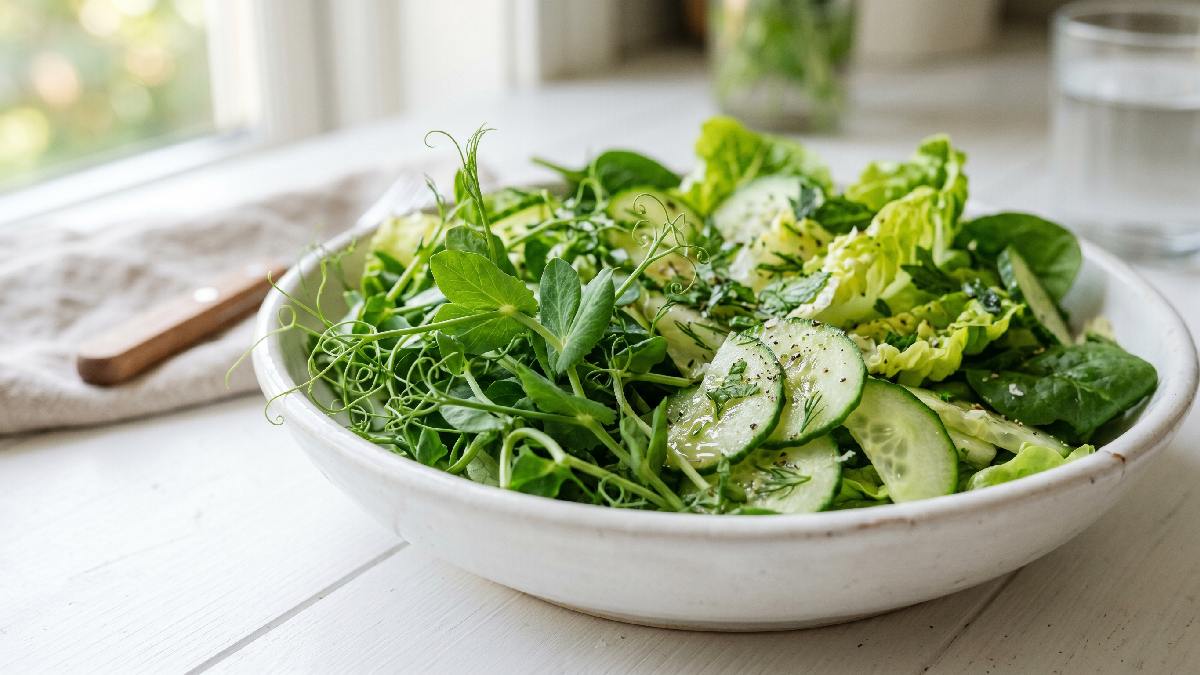
They mix well with other vegetables and add a clean flavor. Pea shoots also grow easily, which makes them popular for home use. Their gentle taste makes them suitable for beginners who are trying microgreens for the first time in simple meals.
Broccoli Microgreens
Broccoli microgreens are small but full of nutrition with a mild, slightly earthy taste. They are often used in salads because they are easy to mix with other ingredients. Many people add them for health benefits since they are rich in nutrients. I tried them, and they felt very light but still fresh in flavor.
They don’t have a strong taste, so they fit well with almost any salad combination. These microgreens are popular for daily use because they are simple, healthy, and easy to include in regular meals without changing the taste much.
Arugula Microgreens
Arugula microgreens have a peppery and slightly spicy taste that makes salads more interesting. They are stronger in flavor compared to many other greens. People use them when they want a bold taste in simple food. I tried them once, and they gave a sharp kick to the salad.
They also add a nice green color and a fresh smell. These microgreens are easy to mix with other mild greens to balance flavor. They are popular in salads because they bring a strong taste in a small amount without needing any cooking.
Basil and Cilantro Microgreens
Basil and cilantro microgreens have a strong aroma and fresh herbal taste that changes the flavor of salads. Basil is slightly sweet and aromatic, while cilantro has a fresh, slightly citrus-like taste. People use them to add extra flavor without much effort.
I once added both to a salad, and it felt more fragrant and fresh than usual. These microgreens are great for simple meals because they don’t need cooking. Just a small amount is enough to improve taste and give a fresh herbal feel to everyday salads.
How to Make a Simple Microgreen Salad
A microgreen salad is very easy to make and takes only a few minutes. It does not need cooking or complex steps. You just use fresh ingredients and mix them. I tried making it at home,e and it felt very quick, almost like assembling food rather than cooking.
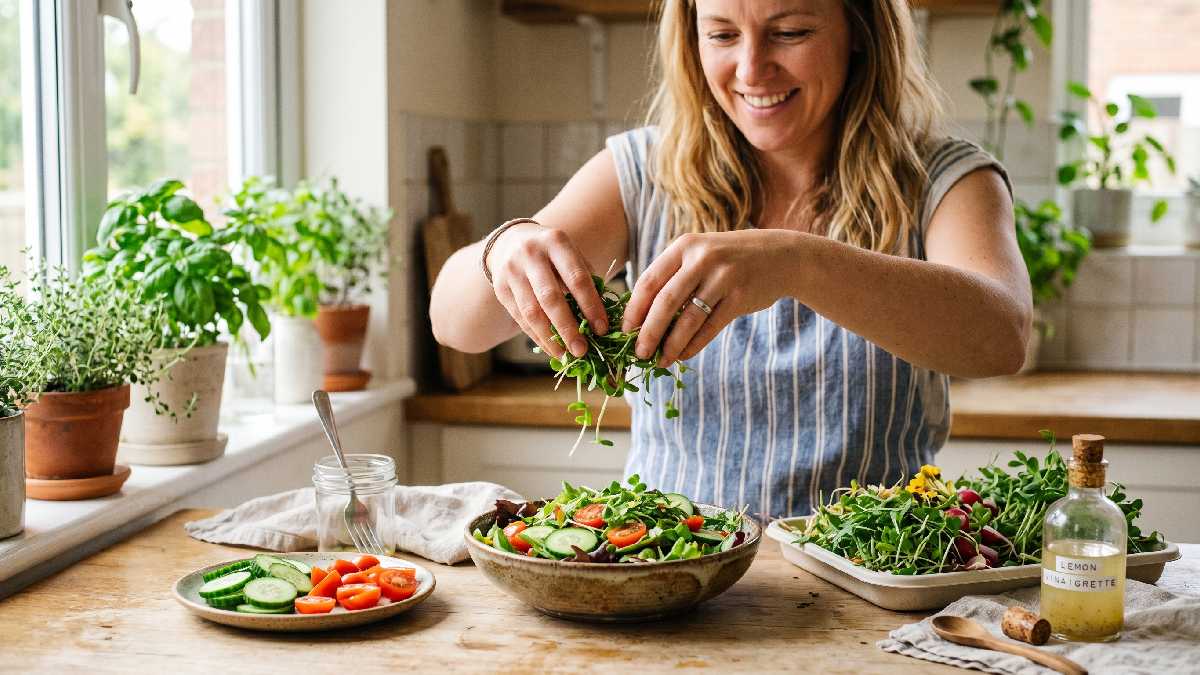
The result is light, fresh, and healthy. It works well as a side dish or even a small meal. The key is using fresh microgreens and a simple dressing so the natural taste stays clean and enjoyable.
Ingredients You Need
You need fresh microgreens as the main ingredient. A mix of cucumber, tomato, lettuce, and onion can also be added. For dressing, olive oil, lemon juice, salt, and black pepper work well. Some people also use yogurt or light sauces.
I usually keep it very simple because microgreens already have a strong flavor. Fresh ingredients make a big difference in taste. Everything should be washed properly before mixing. Nothing complicated, just basic and fresh items from the kitchen or the market.
Step, by, Step Instructions
First, wash all vegetables and microgreens carefully. Then chop the cucumber, tomato, and other vegetables into small pieces. Take a bowl and add everything together. Pour olive oil and lemon juice on top. Add a little salt and pepper for taste.
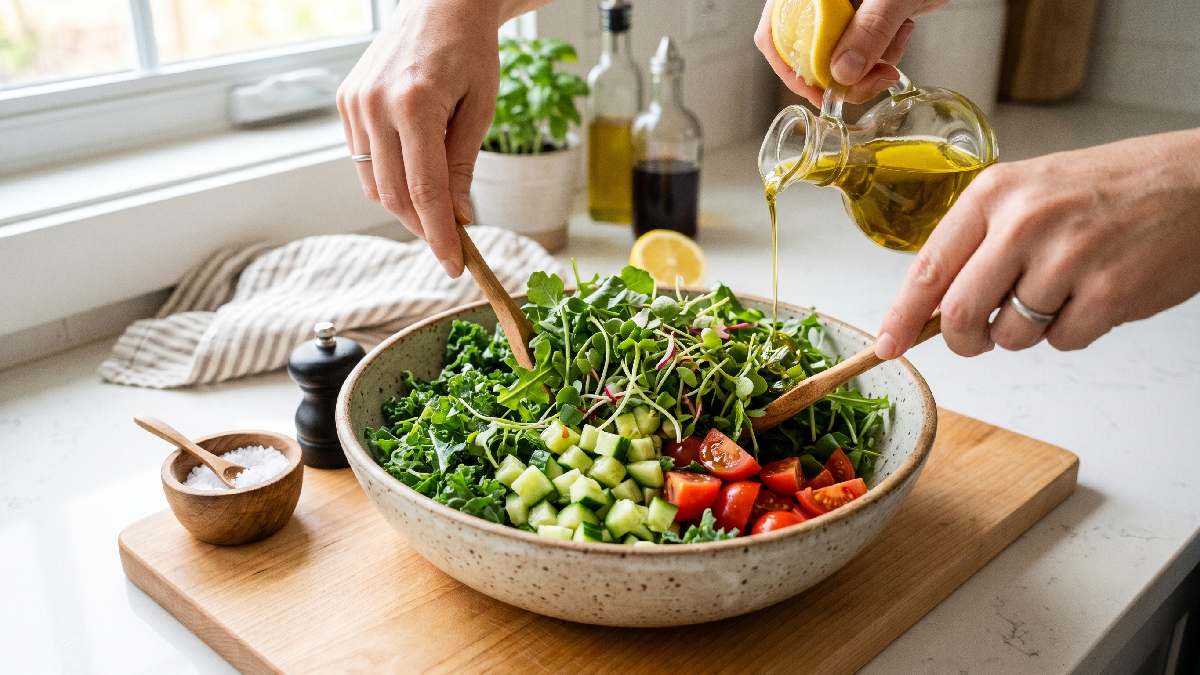
Mix everything gently so microgreens don’t get crushed. I usually prepare it in a few minutes, and it still tastes fresh. No cooking is required at any step. Serve immediately for the best flavor and texture. It is simple and quick food for daily use.
Optional Additions for Extra Flavor
You can add extra items if you want more flavor in your salad. Nuts like almonds or walnuts give crunch. Cheese, like fet, adds a creamy taste. Some people also add avocado for a smooth texture. I tried adding seeds once, and it made the salad more interesting.
Herbs like basil or mint also improve freshness. These additions are optional, not necessary. Even small changes can make the salad taste different. It depends on personal choice and what you like in your meals.
Best Protein Pairings
Microgreen salad goes well with simple protein foods. Grilled chicken, boiled eggs, and fish are common options. For a vegetarian choice, chickpeas or beans work well. I once had it with eggs, and it felt more filling than expected.
Protein makes the salad more balanced and turns it into a full meal. These pairings are easy to prepare and don’t need extra effort. You can choose anything based on your diet. The combination keeps the meal light but still satisfying and healthy.
Best Dressings for Microgreen Salad
Microgreen salad tastes better when a simple dressing is added. The right dressing can bring out the natural flavor of tiny greens without making them heavy. People usually keep it light because microgreens already have a strong taste.
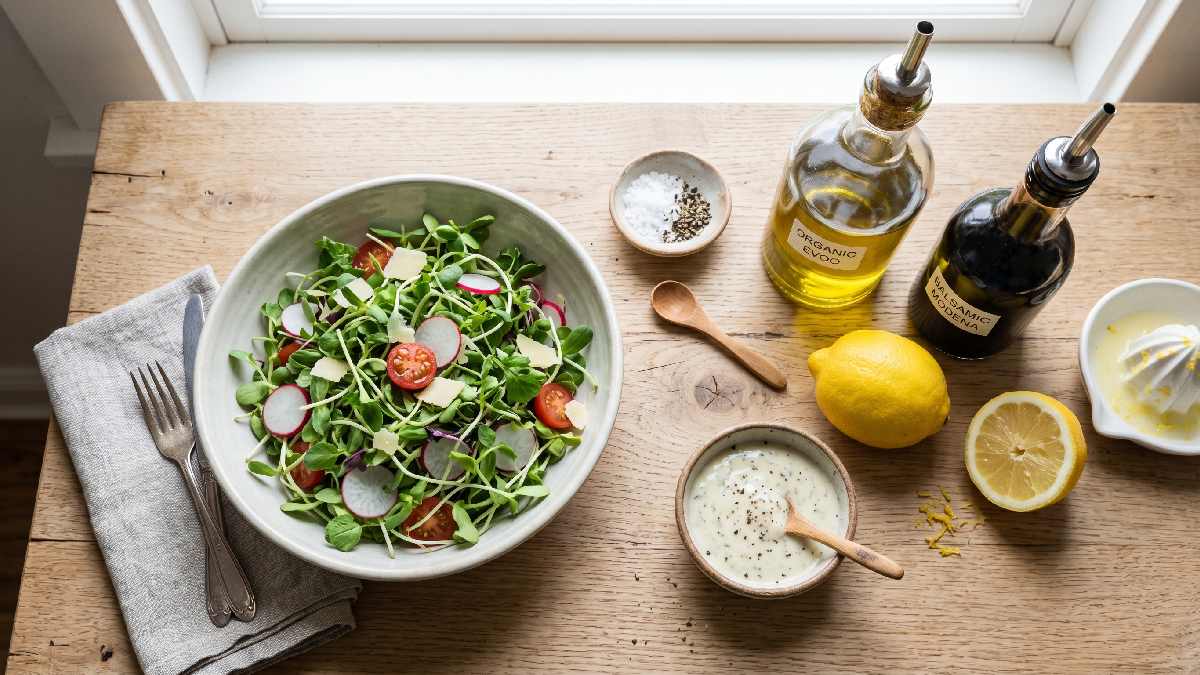
I tried different dressings at home and noticed small changes make a big difference. Some add freshness, some add richness, and some keep it creamy. Nothing complicated is needed, just basic ingredients mixed in the right way for a better taste.
Lemon Vinaigrette
Lemon vinaigrette is a light and fresh dressing that works very well with a microgreen salad. It is made with lemon juice, olive oil, salt, and a little pepper. The taste is slightly tangy and refreshing. I tried it once, and it made the salad feel very clean and fresh.
It does not cover the natural flavor of microgreens. Instead, it improves it simply. This dressing is easy to prepare and is mostly used for quick, healthy meals at home.
Balsamic Dressing
Balsamic dressing gives a slightly sweet and tangy taste to a microgreen salad. It is made with balsamic vinegar, olive oil, and a little seasoning. The flavor is stronger compared to lemon dressing. I once used it on a simple salad, and it made the taste deeper and richer.
Some people like this bold flavor, others prefer lighter options. It depends on personal choice. This dressing works well when you want a more intense taste without making the salad complicated.
Olive Oil and Herb Dressing
Olive oil and herb dressing is very simple and natural. It uses olive oil mixed with herbs like basil, oregano, or parsley. The taste is mild and earthy. I tried this combination, and it felt very smooth and balanced with microgreens. It does not overpower the salad.
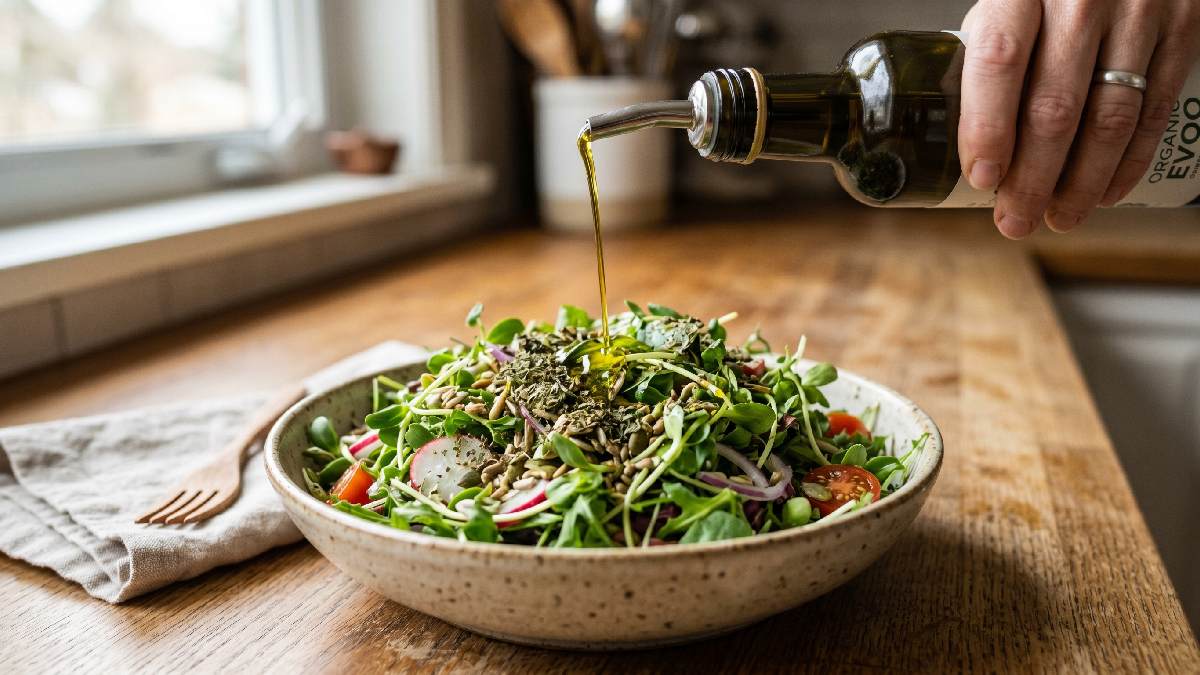
Instead, it keeps everything soft and fresh. This dressing is good for people who like simple food. It is easy to make and does not need many ingredients, just basic kitchen items.
Creamy Yogurt Dressing
Creamy yogurt dressing adds a soft and rich texture to the microgreen salad. It is made with yogurt, salt, pepper, and sometimes garlic or lemon. The taste is smooth and slightly tangy. I tried it once, and the salad felt more filling than usual.
It works well when you want something light but creamy at the same time. This dressing balances the strong flavor of microgreens. It is simple, homemade, and gives a different style to a regular salad without much effort.
How to Grow Microgreens for Fresh Salads at Home
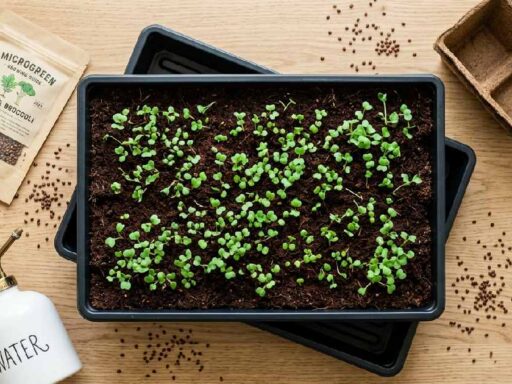
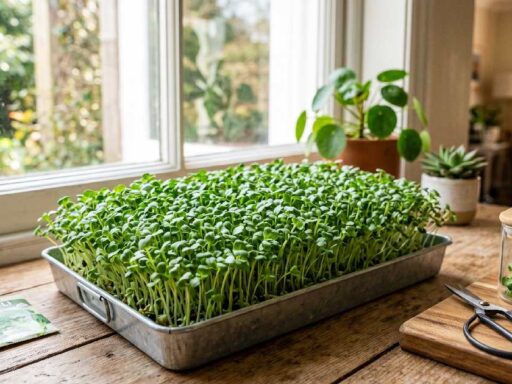
Growing microgreens at home is simple and does not need much space or tools. You can grow them in small trays near a window or balcony. They grow fast and can be used fresh in salads. I tried growing them once, and it felt easy even for beginners.
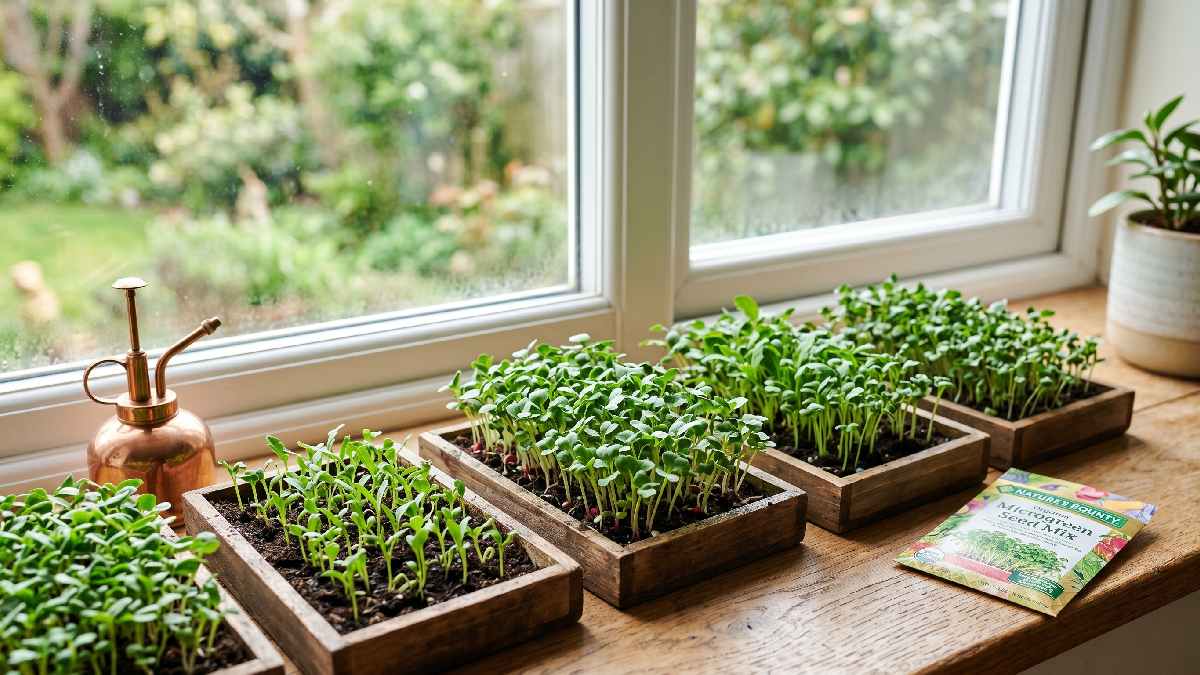
You just need seeds, soil, and a little care. No heavy gardening skills required. With regular watering and light, they grow quickly and stay fresh. Homegrown microgreens taste better and feel more natural in daily meals.
Choosing the Right Seeds
Choosing the right seeds is important for good microgreen growth. Popular options include radish, broccoli, mustard, and pea seeds. These grow quickly and give good flavor for salads. I once used mixed seeds and got different tastes in one tray.
Always use clean and chemical-free seeds for better results. Some seeds grow faster while others take more time. It depends on what taste and texture you want. Simple seeds work best for beginners because they are easy to manage and give quick results at home.
Lighting and Watering Tips
Microgreens need good light to grow healthy and green. A window with natural sunlight works fine for most homes. If light is low, simple LED lights can help. Watering should be light and regular, not too much. I made a mistake once by overwatering, and the soil became too wet.
That slowed growth. The soil should stay slightly moist, not soaked. Spray water gently instead of pouring. A good balance of light and water keeps microgreens fresh and strong for salads.
How Long Microgreens Take to Grow
Microgreens grow very fast compared to other plants. Most types are ready in 7 to 14 days. Some may take a little longer depending on the seeds and conditions. I remember checking them daily and seeing small changes quickly.
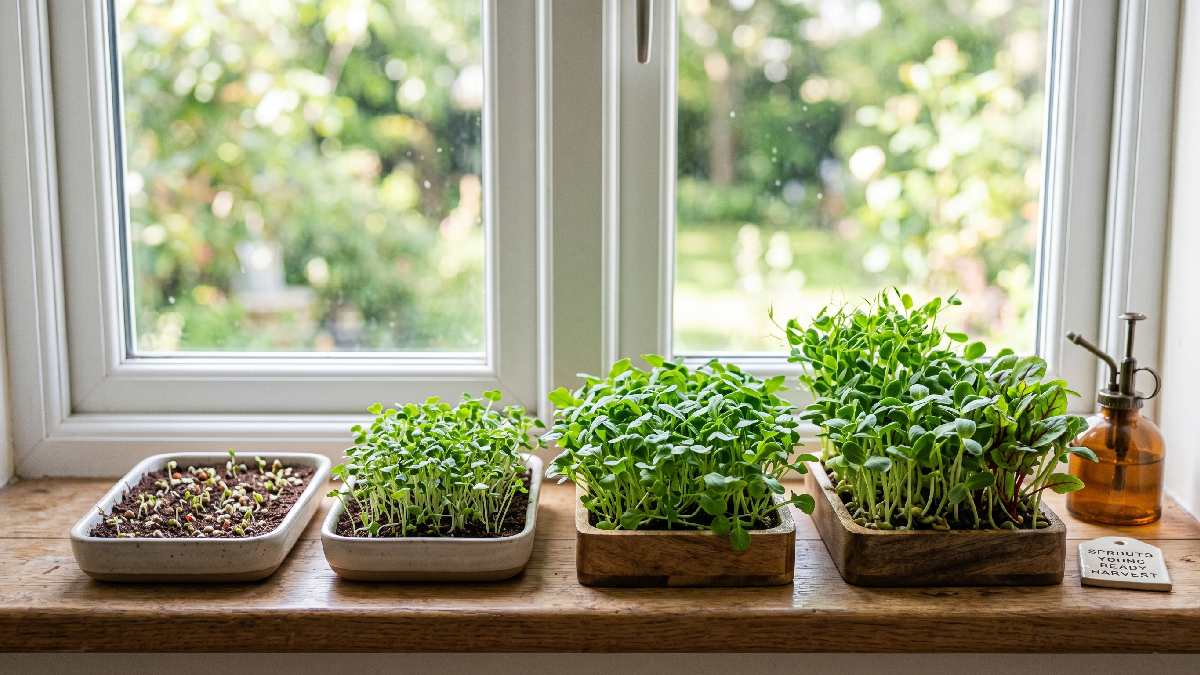
First leaves appear in just a few days, then they grow taller fast. After that, they are ready to harvest for salads. Timing is short, which makes them perfect for home growing. You don’t need to wait months for fresh food.
Best Containers for Indoor Growing
Microgreens grow well in shallow containers or trays. You don’t need deep pots because roots stay small. I used a simple plastic tray, and it worked fine. Drainage holes are important to avoid extra water. Some people also use recycled boxes or small containers from the kitchen.
Just make sure they are clean and safe for growing food. A flat surface helps seeds spread evenly. Simple containers are enough, no need for expensive gardening pots for healthy microgreens.
Common Mistakes When Making Microgreen Salad
Microgreen salad is simple, but small mistakes can affect taste and freshness. Many people rush the process or use too many ingredients together. I tried making it once without much care, and the flavor felt off. These greens are delicate, so handling them properly matters a lot.
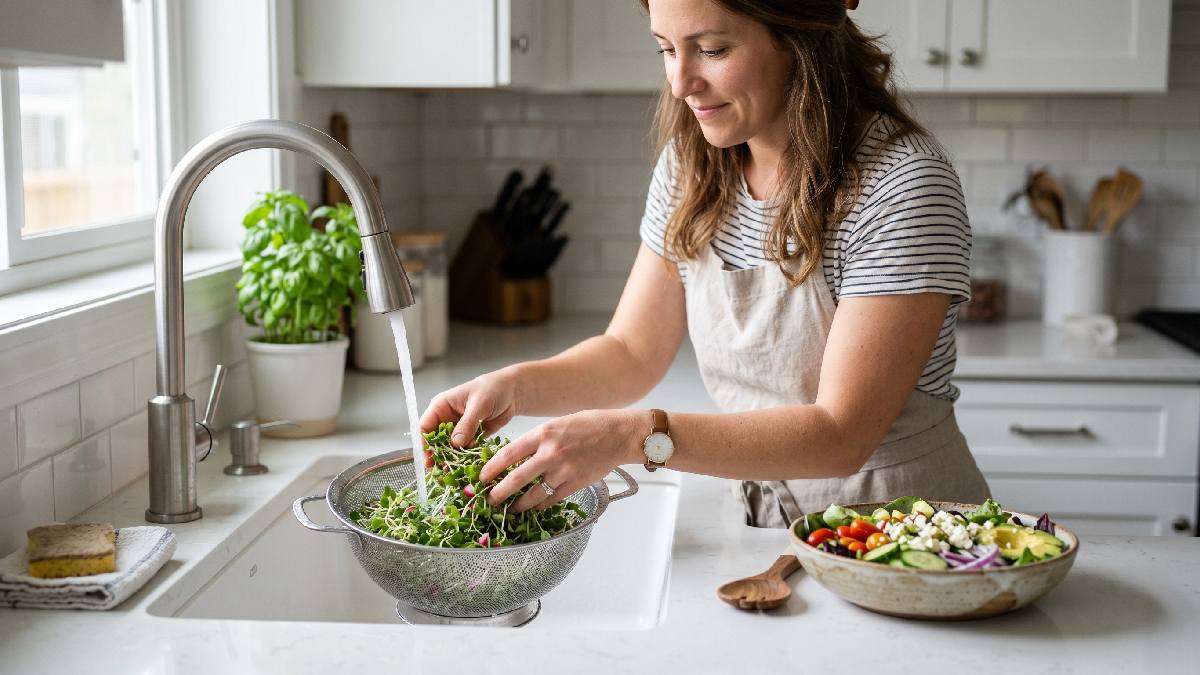
Washing, storage, and balance of ingredients all play an important role. If done wrong, the salad becomes either too strong or too soggy. Keeping things simple usually gives the best and freshest results in everyday meals.
Using Too Many Strong-Flavored Greens
Using too many strong microgreens can make the salad taste overpowering. Greens like radish and arugula have sharp flavors that dominate others. I once mixed several strong ones,s and the taste felt too spicy and unbalanced. It is better to mix mild and strong greens in balance.
This keeps the flavor smooth and enjoyable. Beginners often think more variety means better taste, but it can do the opposite. Simple combinations usually work best for a fresh and clean salad experience.
Overdressing the Salad
Adding too much dressing can ruin a microgreen salad easily. These greens are light and delicate, so heavy dressing hides their natural taste. I made this mistake once, and the salad turned soggy and too rich. A small amount of lemon or olive oil is enough.
The goal is to enhance flavor, not cover it. Many people pour dressing without measuring, which affects the texture. Keeping it light helps maintain freshness and crunch. Simple seasoning usually works better than heavy sauces or thick dressings.
Improper Washing and Storage
Microgreens need gentle washing because they are very soft. Rough handling can damage leaves and reduce freshness. I once washed them too fast, and they lost their shape. After washing, proper drying is also important. If stored wet, they spoil quickly.
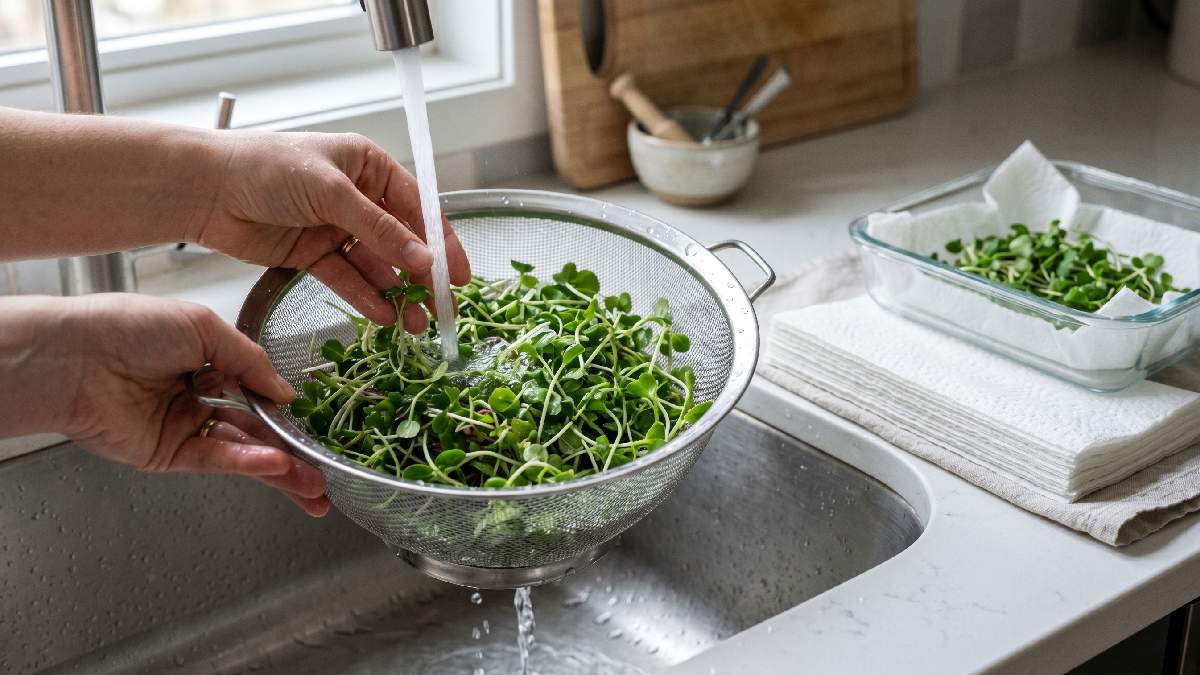
Many people keep them in closed containers without air, which affects the quality. They should be stored in a cool place with slight airflow. Clean handling keeps them fresh for longer and improves taste when used in salads later.
Using Old or Wilted Microgreens
Old or wilted microgreens should not be used in salads. They lose flavor, texture, and nutritional value over time. I once used slightly old greens, and the salad tasted dull and lifeless. Freshness is very important for good results. Many people ignore this and still use leftover greens from the fridge.
This affects both taste and quality. Always check the color and texture before using. Bright, crisp greens work best. Fresh microgreens always give a better and more enjoyable salad experience overall.
Frequently Asked Questions
No schema found.Conclusion
Microgreen salad is a simple way to add fresh and healthy food to daily meals. It does not need much effort, just clean ingredients and a little care. These tiny greens may look small, but they bring strong flavor and good nutrition.
I tried using them in normal food, and it made meals feel lighter and fresher. You can grow them at home or buy them easily from the market. They work well in many recipes and suit most diets. Overall, microgreens are an easy and natural choice for better eating habits.