

How to Make a Compost Bin at Home
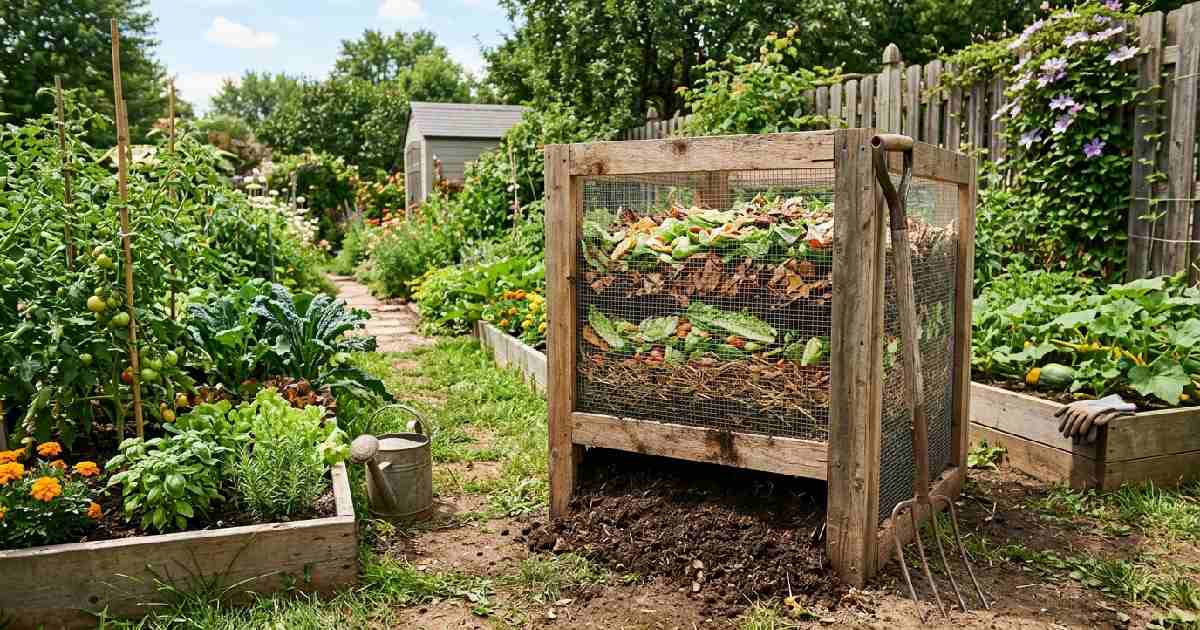
Learning how to make a compost bin at home is one of the easiest ways to reduce waste. It turns kitchen scraps and yard waste into rich, organic fertilizer for free. You do not need expensive tools or a large yard to get started easily. With simple materials like a plastic bin, wood, or wire mesh, anyone can build one.
This guide covers everything you need to know about how to make a compost bin at home, from choosing a location to maintaining the perfect mixture. Follow these steps to start composting and enjoy healthier soil today.
Introduction to Composting at Home
Knowing how to make a compost bin at home is a simple, eco-friendly skill anyone can learn. It involves breaking down organic waste into nutrient-rich material for garden soil. This process reduces household trash while creating free fertilizer for plants and gardens.
Many people want to learn how to make a compost bin at home because it benefits the environment. Understanding the basics makes starting a compost bin much easier for complete beginners. With patience and the right setup, this practice becomes a rewarding daily habit for any household.
What is composting?
Composting is the natural process of breaking down organic material into nutrient-rich soil. It involves combining green waste like food scraps with brown waste like dry leaves. Microorganisms, worms, and bacteria break this material down over time naturally.
The result is a dark, crumbly substance called compost that enriches garden soil. Composting mimics nature’s own recycling system in a controlled, faster home setting. This simple process transforms everyday waste into something valuable for your garden.
Why is composting important for the home and the environment
Composting plays an important role in reducing landfill waste and environmental pollution significantly. Food scraps sent to landfills produce harmful methane gas as they decompose slowly. Composting at home diverts this waste, reducing greenhouse gas emissions considerably overall.
It also reduces the need for chemical fertilizers, supporting healthier soil naturally. This practice benefits both individual households and the broader environment simultaneously. Composting is a small daily action with a meaningful positive environmental impact.
Benefits of making compost at home
Making compost at home offers numerous practical benefits for both gardens and households. It provides free, nutrient-rich fertilizer that improves soil structure and plant health. Composting also reduces the amount of household waste sent to landfills regularly.
This practice saves money on store-bought fertilizers and soil amendments significantly over time. It supports sustainable living by recycling organic materials naturally and efficiently. These combined benefits make composting a valuable habit for any home gardener.
What is a Compost Bin and How Does It Work
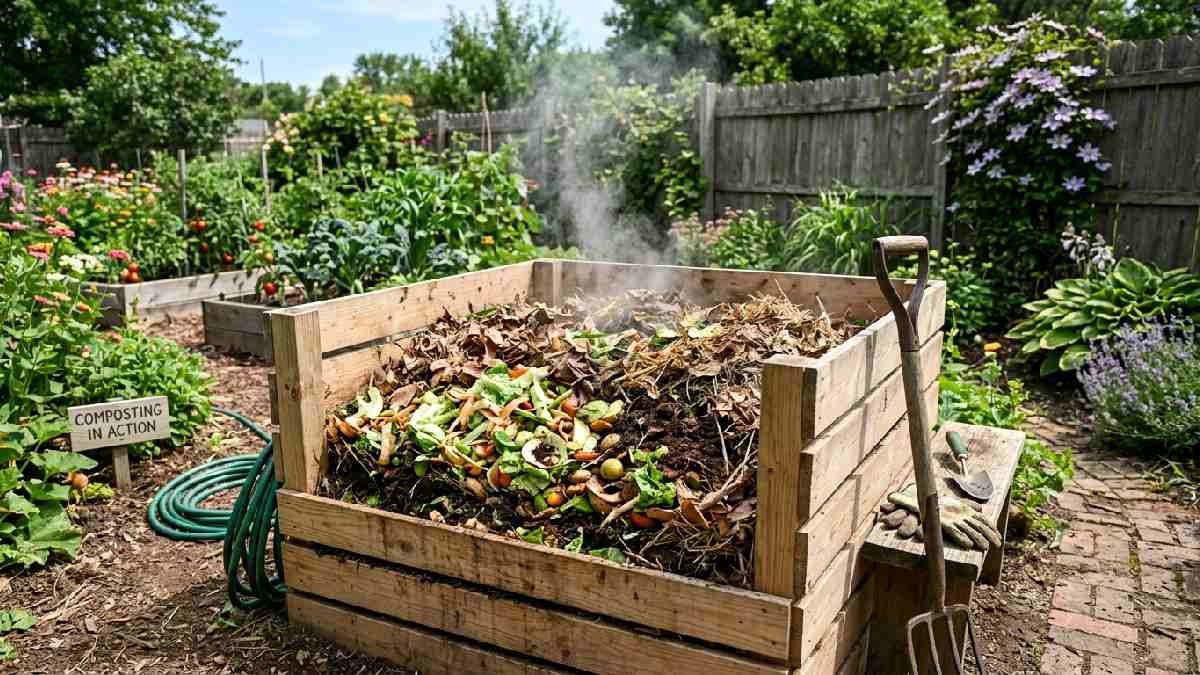
Understanding how to make a compost bin at home starts with knowing what a bin actually is. It is a contained structure used to hold and process organic waste materials properly. The bin provides a defined space for decomposition while keeping pests and odors controlled.
Compost bins typically include layers of green and brown waste materials for balance. Microorganisms inside the bin break down this material into rich, usable compost over time. Learning how to make a compost bin at home becomes easier once you understand this basic structure and process clearly.
Basic structure of a compost bin
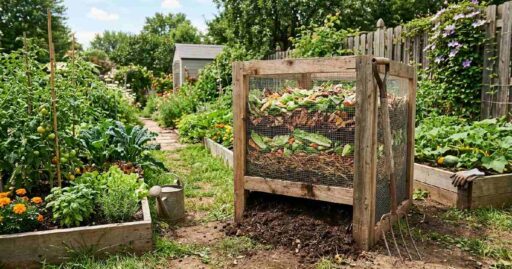
A basic compost bin consists of a container with adequate airflow and drainage holes. Many bins include a lid to control moisture and keep pests away effectively. The structure should allow air circulation while retaining enough heat for decomposition.
Materials like plastic, wood, or wire mesh all work well for building bins. Bins can be simple stationary boxes or rotating tumblers for easier mixing. This basic design supports the natural breakdown of organic waste materials efficiently.
How decomposition happens inside the bin
Decomposition happens inside a compost bin through the activity of microorganisms and bacteria. These organisms break down organic material, releasing heat as a natural byproduct. Oxygen, moisture, and the right balance of green and brown waste are essential.
Worms and insects may also contribute to breaking down larger waste materials. Over several weeks or months, this process produces dark, crumbly finished compost. Understanding this natural process helps you manage your bin more effectively.
Difference between a compost pile and a compost bin
A compost pile is simply organic waste stacked in an open outdoor area. A compost bin, however, contains this waste within a defined, enclosed structure. Bins offer better pest control, moisture retention, and a tidier appearance overall.
Piles are easier to build but can attract animals and look less organized. Bins are ideal for smaller yards or urban settings with limited space. Choosing between the two depends on your available space and personal preference.
Materials Required to Make a Compost Bin
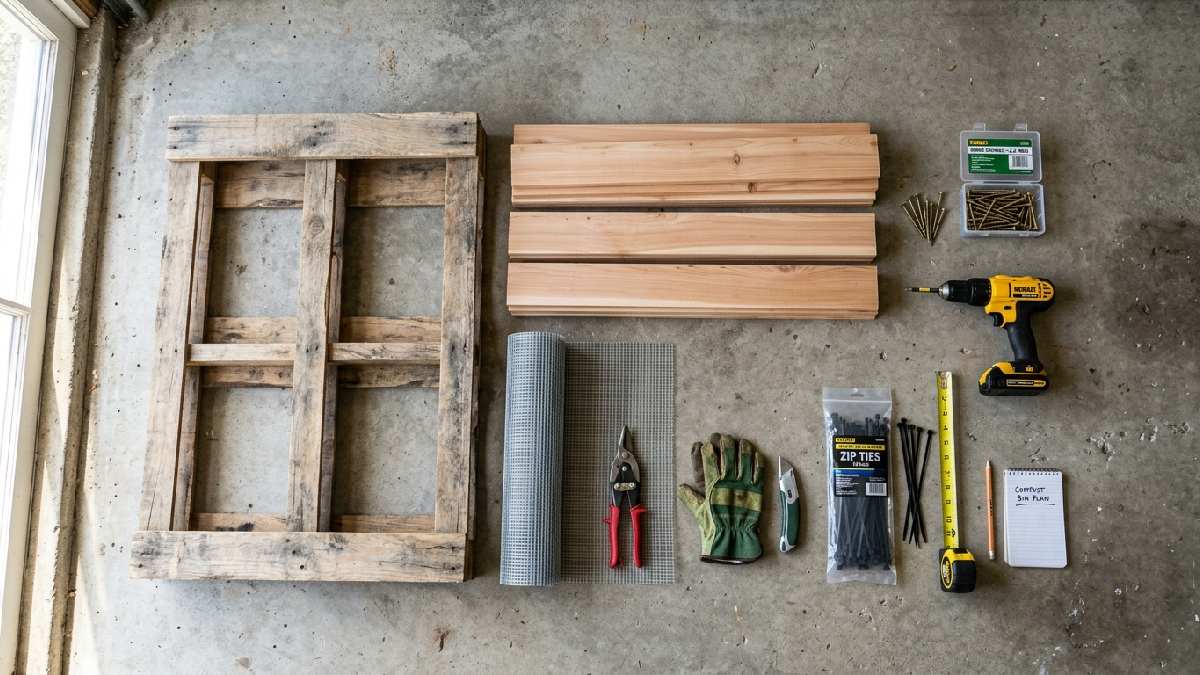
Before learning how to make a compost bin at home, gather the right materials first. Container options include plastic bins, wooden boxes, or simple wire mesh structures. Organic waste materials consist of green waste like vegetable scraps and brown waste like leaves. Basic tools such as a drill, shovel, and gloves make the process easier.
Having these materials ready ensures a smooth setup, making how to make a compost bin at home a simple weekend project. Whether you choose a simple container or build a custom structure, preparation matters greatly.
Container options (plastic bin, wood, wire mesh)
Choosing the right container is an important step in building your compost bin. Plastic bins are affordable, lightweight, and widely available at most stores. Wooden boxes offer a natural look and good insulation for heat retention.
Wire mesh structures provide excellent airflow, which speeds up the decomposition process. Each container option has unique benefits depending on your space and budget. Selecting the right material ensures your compost bin functions efficiently and effectively.
Organic waste materials (green & brown waste)
Organic waste materials form the foundation of any successful compost bin setup. Green waste includes fruit and vegetable scraps, coffee grounds, and fresh grass clippings. Brown waste consists of dry leaves, cardboard, straw, and small twigs or branches.
Balancing green and brown materials ensures proper decomposition and prevents unpleasant odors. A general ratio of three parts brown to one part green works well. Using the right waste materials keeps your compost bin healthy and productive.
Tools needed (drill, shovel, gloves)
Having the right tools makes building and maintaining your compost bin much easier. A drill helps create necessary airflow holes in plastic or wooden containers. A shovel or pitchfork is useful for turning and mixing compost materials regularly.
Gloves protect your hands while handling waste materials and turning the compost. A thermometer can also help monitor internal temperature for faster decomposition. These simple tools ensure your composting process runs smoothly from start to finish.
Step-by-Step Guide to Make a Compost Bin at Home
This step-by-step guide on how to make a compost bin at home covers the entire process clearly. First, choose the right location with good drainage and partial sunlight exposure. Next, prepare a base layer using twigs or straw for proper airflow underneath.
Then set up or build your bin structure using your chosen container materials. Add alternating layers of green and brown waste materials for balanced decomposition. Maintain proper moisture and airflow throughout, then let the compost mature before using it in your garden beds.
Step 1: Choose the Right Location
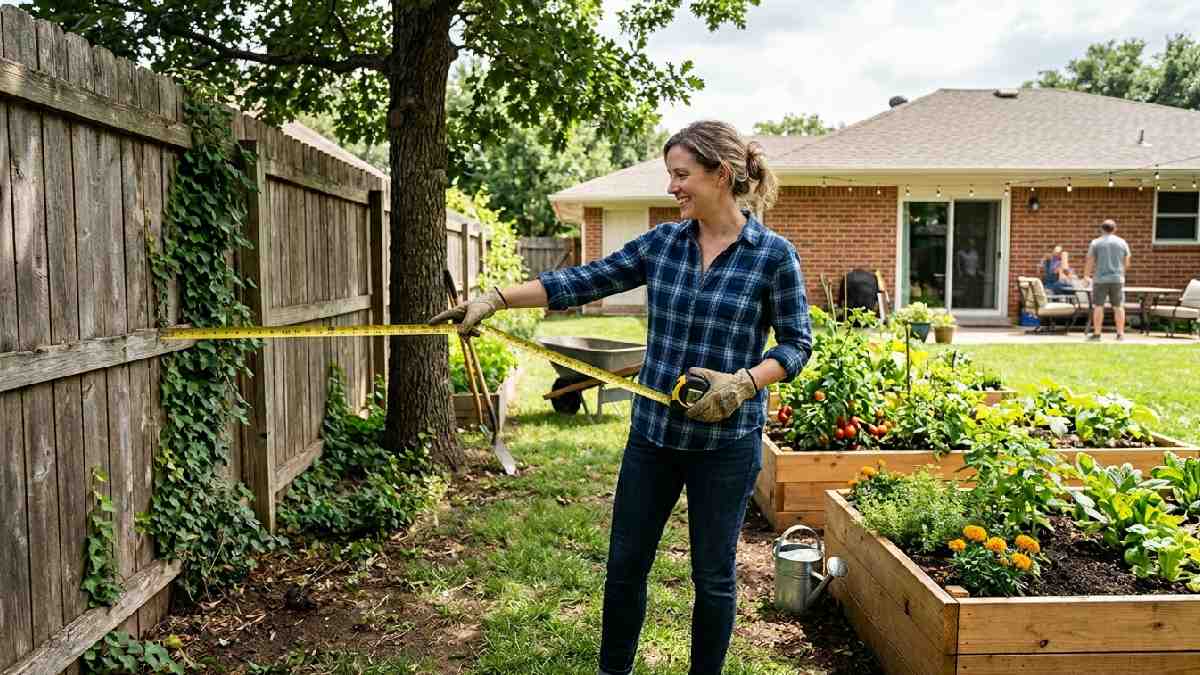
Choosing the right location is the first step in building your compost bin. Select a spot with good drainage to prevent waterlogging and bad odors. Partial sunlight helps maintain warmth, which speeds up the decomposition process naturally.
Ensure the location is easily accessible for adding waste and turning compost regularly. Avoid placing bins too close to windows due to potential smell concerns. The right location sets a strong foundation for successful home composting.
Step 2: Prepare the Base Layer
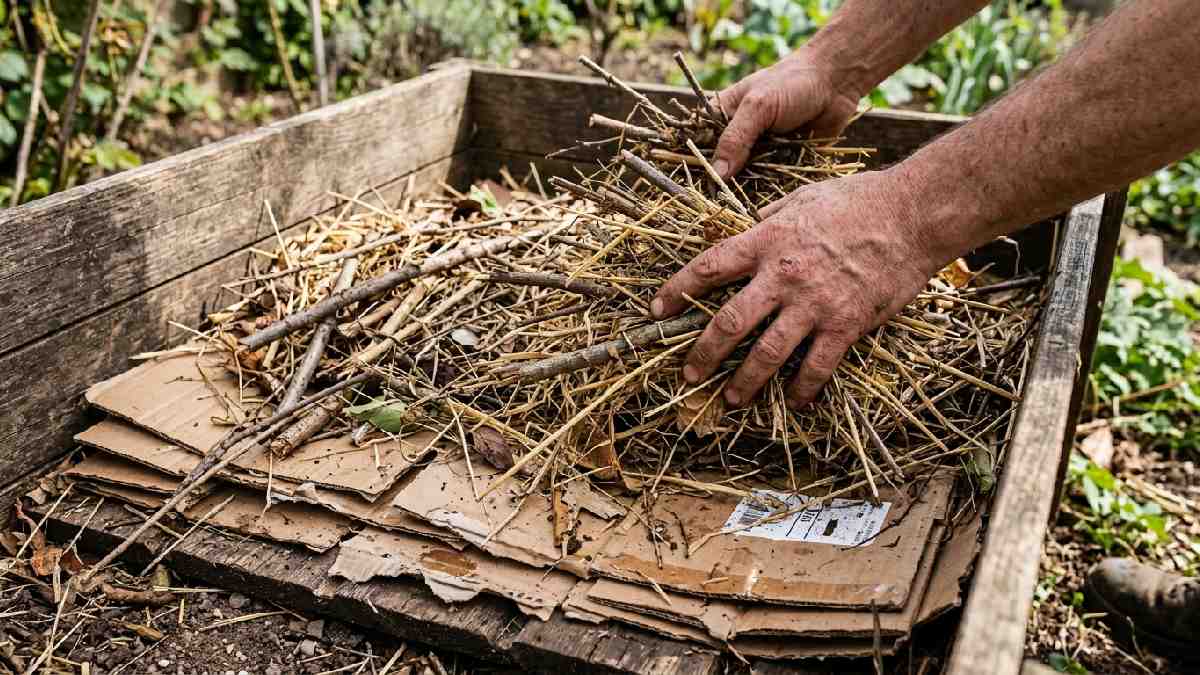
Preparing the base layer is essential for proper airflow within your compost bin. Start with a layer of twigs, straw, or coarse brown material at the bottom. This base layer prevents compaction and allows air to circulate from below.
Good airflow at the base supports faster, more efficient decomposition throughout the bin. This step also helps with drainage, preventing excess moisture from accumulating. A solid base layer ensures your compost bin functions properly from the start.
Step 3: Set Up or Build the Bin Structure
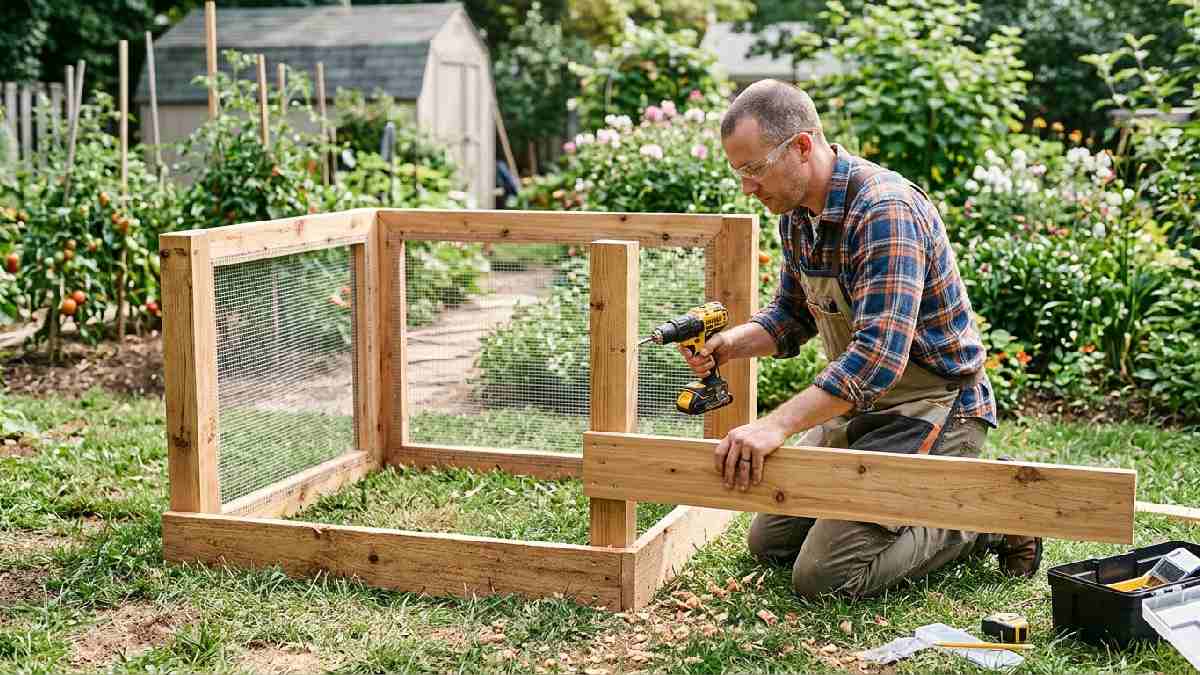
Setting up or building your bin structure comes next in the composting process. Choose a pre-made plastic bin or build one using wood or wire mesh. Ensure the structure has adequate ventilation holes for proper airflow throughout.
The size should match your available space and the amount of waste produced. A secure lid helps control pests, moisture, and unpleasant odors effectively. This structure becomes the container where all your composting activity takes place.
Step 4: Add Green and Brown Waste Layers
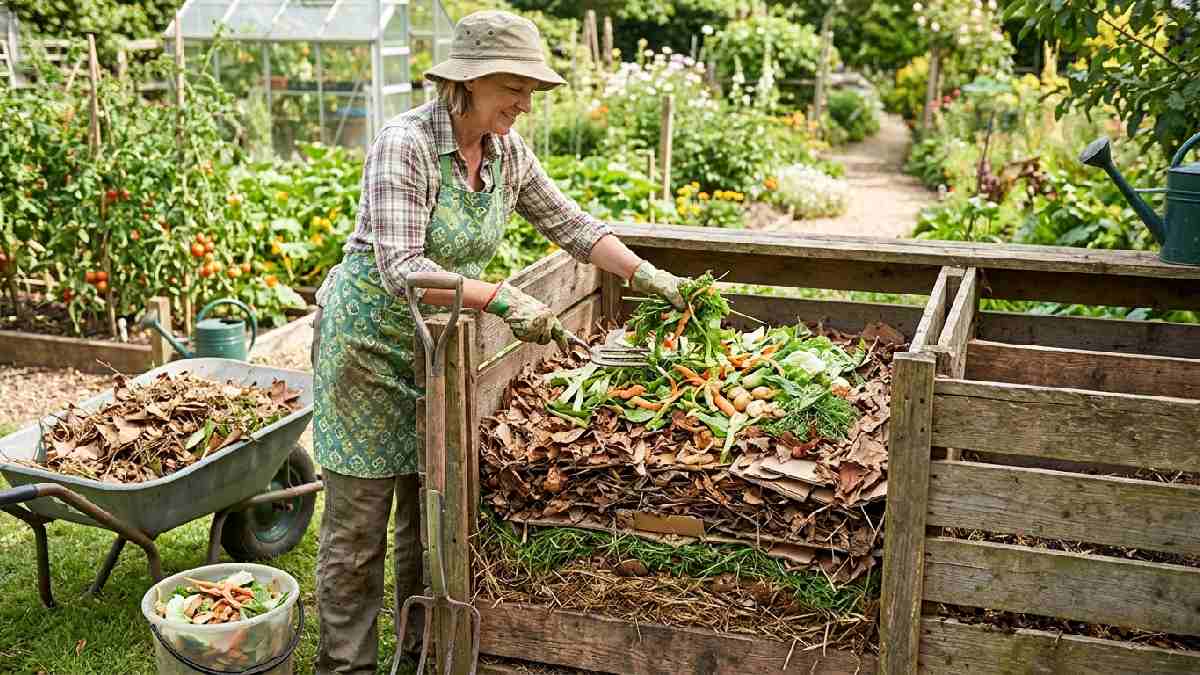
Adding green and brown waste layers is crucial for balanced compost bin decomposition. Alternate layers of green waste, like food scraps, with brown waste, like leaves. This layering technique provides the right carbon-to-nitrogen ratio for healthy breakdown.
Avoid adding meat, dairy, or oily foods, which can attract pests and odors. Chop larger materials into smaller pieces to speed up the decomposition process. Proper layering ensures your compost bin breaks down waste efficiently and effectively.
Step 5: Maintain Moisture and Airflow
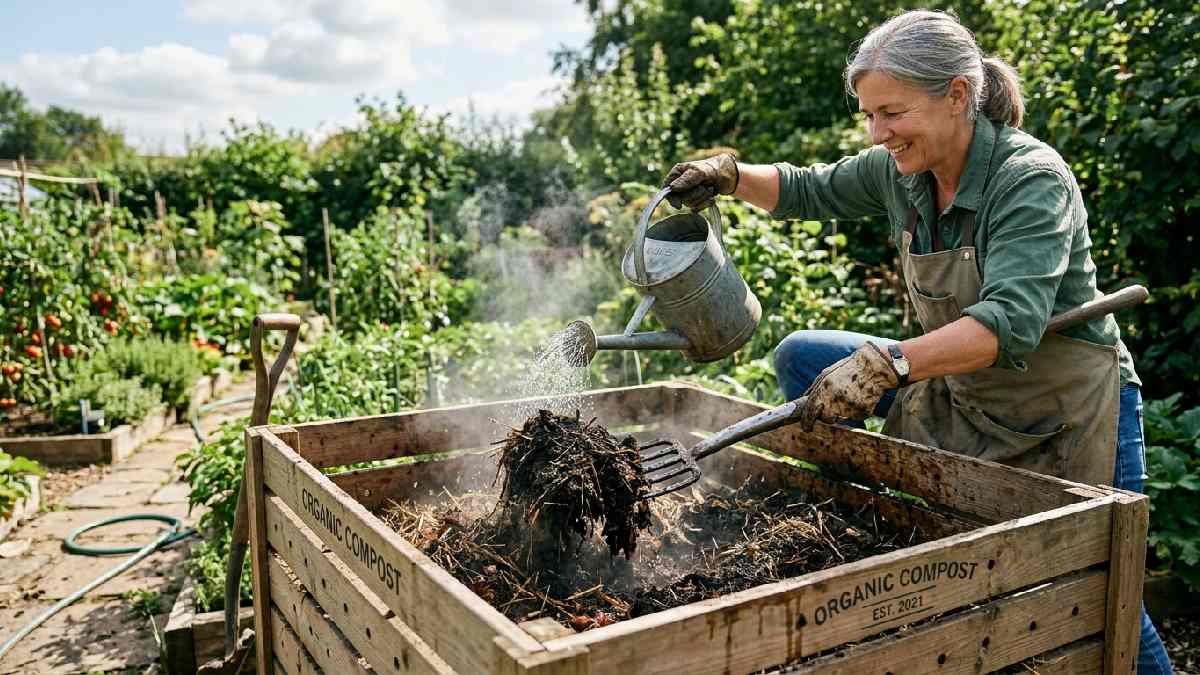
Maintaining proper moisture and airflow is essential for successful compost bin management. The compost should feel like a damp sponge, neither too wet nor too dry. Turning the pile regularly introduces oxygen, which speeds up the decomposition process significantly.
Add water during dry periods and dry brown material if it becomes too wet. Proper airflow prevents bad odors and encourages beneficial microorganism activity inside the bin. Consistent maintenance ensures your compost develops properly without unpleasant smells or pests.
Step 6: Let the Compost Mature
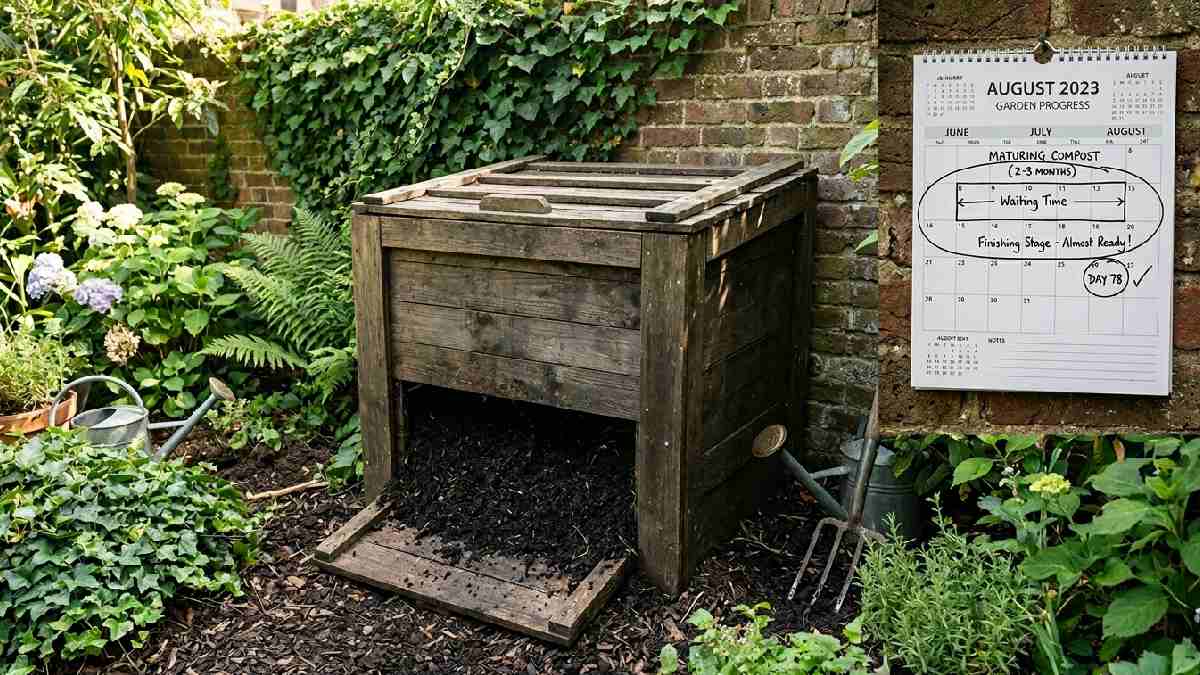
Letting the compost mature is the final step in the composting process. This maturation period typically takes anywhere from two to six months, depending on conditions. During this time, the material breaks down into dark, crumbly, finished compost.
You will know it’s ready when it has an earthy smell and texture. Avoid using compost before it’s fully mature, as it can harm young plants. Mature compost is now ready to enrich your garden soil naturally.
Common Mistakes to Avoid
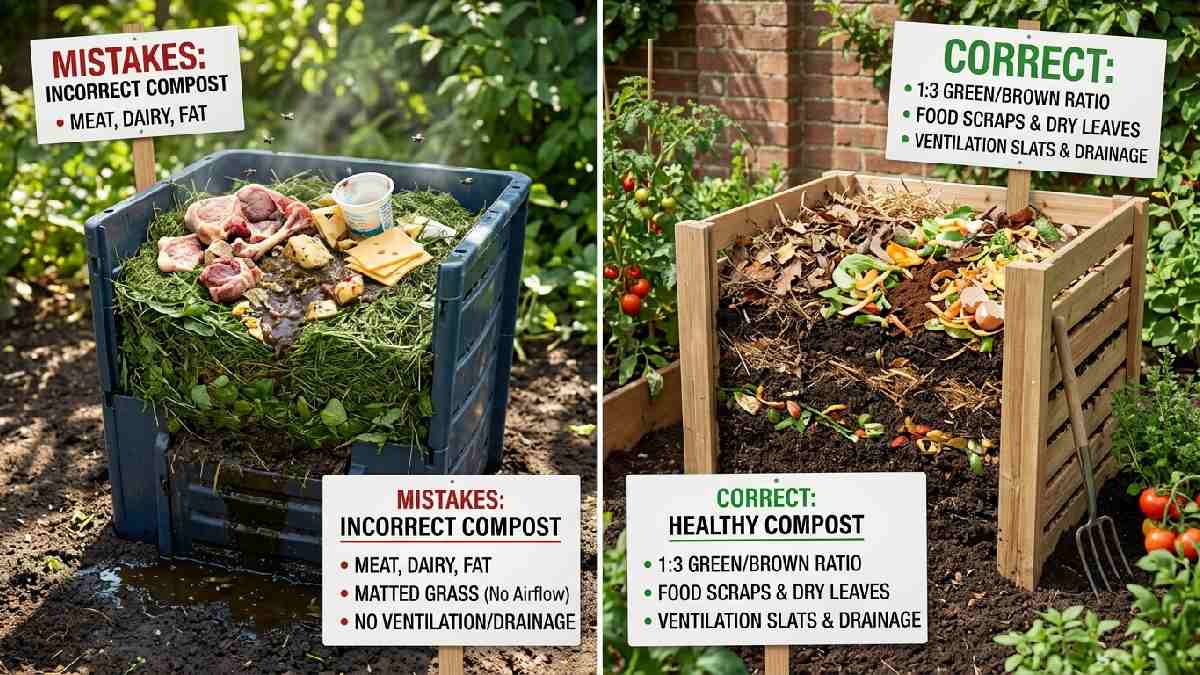
Even after learning how to make a compost bin at home, beginners often make avoidable mistakes. Adding wrong waste materials like meat or dairy can attract pests and odors. Lack of airflow in the bin slows decomposition and creates unpleasant smells. Overwatering or under-watering compost disrupts the balance needed for proper breakdown.
Not turning compost regularly prevents oxygen from reaching all parts of the pile. Recognizing these pitfalls early ensures that making a compost bin at home remains a smooth, odor-free process throughout every stage.
Adding wrong waste materials
Adding the wrong waste materials is a common mistake in compost bin management today. Meat, dairy, and oily foods attract pests and create unpleasant odors quickly. Diseased plants can also introduce harmful pathogens into your finished compost material.
Always stick to appropriate green and brown waste materials for healthy decomposition. Avoiding these problematic materials keeps your compost bin functioning properly and odor-free. This simple awareness prevents many common composting problems before they start.
Lack of airflow in bin
Lack of airflow is a frequent issue affecting the compost bin decomposition speed significantly. Without proper ventilation, the pile can become compacted and develop unpleasant smells. Insufficient oxygen slows down the beneficial microorganisms responsible for breaking down waste materials.
Regularly turning the compost and ensuring adequate ventilation holes solves this problem easily. Good airflow keeps the decomposition process efficient and prevents anaerobic, smelly conditions. Proper ventilation is essential for healthy, fast-working compost bin systems.
Overwatering or under-watering the compost
Overwatering or under-watering compost disrupts the delicate balance needed for proper decomposition. Too much water creates soggy, smelly conditions that slow down the breakdown process. Too little water prevents microorganisms from functioning properly, halting decomposition significantly.
The compost should maintain a consistency similar to a damp, wrung-out sponge. Regularly checking moisture levels helps maintain this important balance throughout the process. Proper watering ensures your compost bin breaks down materials efficiently and effectively.
Not turning compost regularly
Not turning compost regularly is a common oversight that slows the decomposition process. Turning introduces fresh oxygen, which beneficial microorganisms need to break down waste. Without regular turning, the pile can become compacted and develop anaerobic conditions.
This often leads to unpleasant odors and significantly slower composting results overall. Aim to turn your compost every one to two weeks for best results. Regular turning ensures faster, more efficient, and odor-free composting outcomes.
Benefits of Making Compost at Home
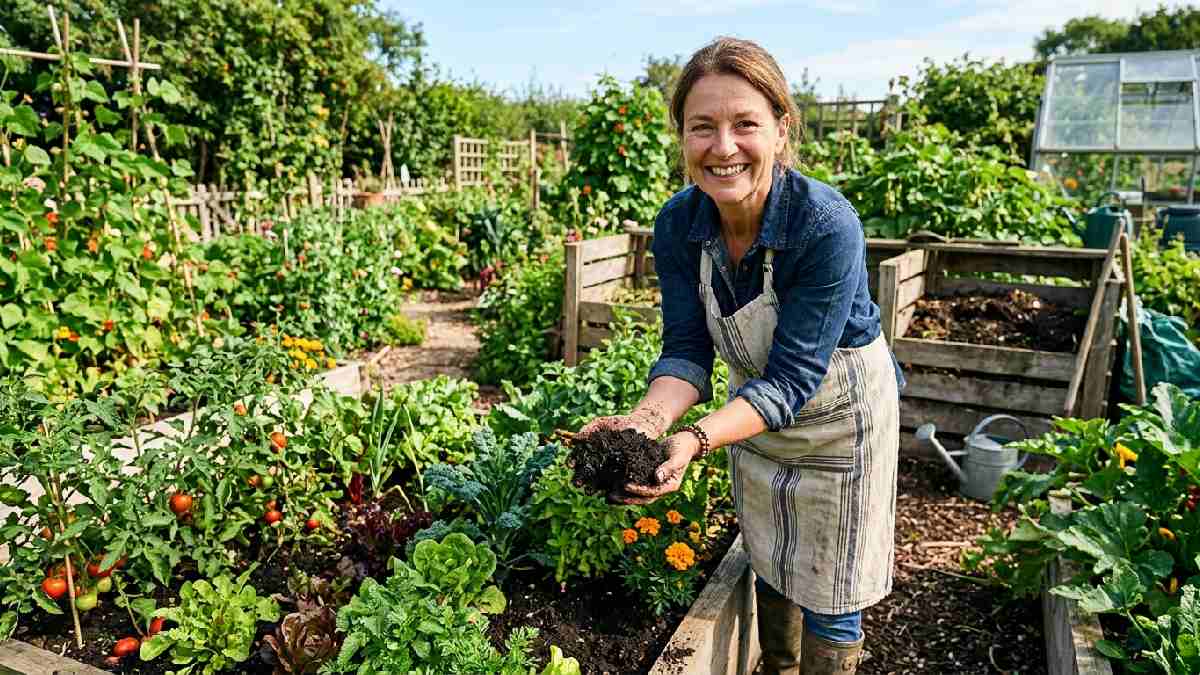
Once you master how to make a compost bin at home, the benefits become very clear. It reduces household waste by diverting food scraps and yard debris from landfills. Composting produces free organic fertilizer that enriches garden soil naturally and effectively. This practice also improves overall soil quality, structure, and water retention significantly.
Supporting sustainable living, composting reduces reliance on chemical fertilizers and store-bought products. These combined benefits explain why how to make a compost bin at home remains a valuable, rewarding skill for households seeking to reduce waste while improving their garden’s overall health.
Reduces household waste
Composting significantly reduces the amount of household waste sent to local landfills. Food scraps and yard debris that would otherwise be trashed get recycled instead. This practice can divert a substantial portion of total household waste annually.
Reducing landfill waste also decreases harmful methane emissions from decomposing organic material. Composting transforms what was once considered garbage into a valuable resource. This benefit makes composting an environmentally responsible choice for any household.
Produces free organic fertilizer
Composting produces free, nutrient-rich organic fertilizer for gardens and potted plants alike. This finished compost contains essential nutrients that support healthy plant growth naturally. Using homemade compost eliminates the need to purchase expensive store-bought fertilizers regularly.
This natural fertilizer also improves soil structure, helping plants develop stronger root systems. Many gardeners notice improved plant health and yield after using their own compost. This free resource makes composting a financially smart gardening practice overall.
Improves soil quality
Compost significantly improves soil quality by adding essential organic matter and nutrients. It enhances soil structure, allowing better water retention and improved drainage simultaneously. Compost also introduces beneficial microorganisms that support healthy root development in plants.
This improved soil quality leads to stronger, more resilient plants overall. Regular compost application gradually transforms poor soil into rich, fertile growing material. This benefit makes composting essential for long-term garden health and productivity.
Supports sustainable living
Composting supports sustainable living by recycling organic waste into a valuable resource. It reduces dependence on chemical fertilizers, promoting more natural gardening practices overall. This eco-friendly habit also lowers your household’s overall environmental footprint significantly.
Composting aligns with broader sustainability goals that many environmentally conscious individuals now prioritize. It demonstrates how small daily actions can contribute to meaningful environmental change. This practice makes sustainable living accessible and practical for any household.
FAQs
How long does it take to make compost at home?
Composting typically takes two to six months depending on materials, moisture, and how often you turn it.
What materials should not be added to a compost bin?
Avoid meat, dairy, oily foods, and diseased plants, as these attract pests and create unpleasant odors.
Do I need a special container to start composting?
No, you can use plastic bins, wooden boxes, wire mesh, or even a simple outdoor pile to start.
How often should I turn my compost?
Turn your compost every one to two weeks to introduce oxygen and speed up decomposition significantly.
Can I make compost without a backyard?
Yes, small compost bins or tumblers work well on balconies, patios, or other limited outdoor spaces.
Conclusion
Learning how to make a compost bin at home is a simple, rewarding step toward sustainable living. It transforms everyday waste into valuable organic fertilizer while reducing landfill contributions significantly. With the right materials, proper layering, and consistent maintenance, success comes naturally for beginners.
Avoiding common mistakes like poor airflow or wrong waste materials ensures faster, odor-free decomposition. Once you understand how to make a compost bin at home, your garden, household, and the environment all benefit together. Start your own compost bin today and enjoy richer soil and a greener lifestyle for years to come.