

Growing Microgreens Indoors for Beginners
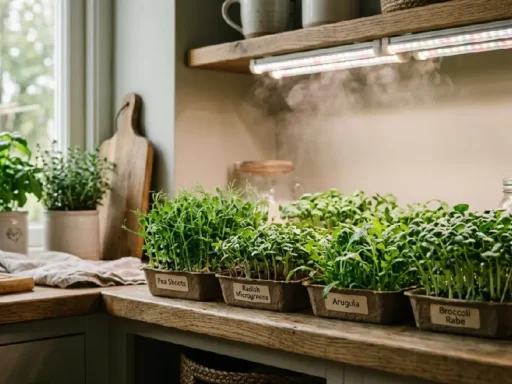
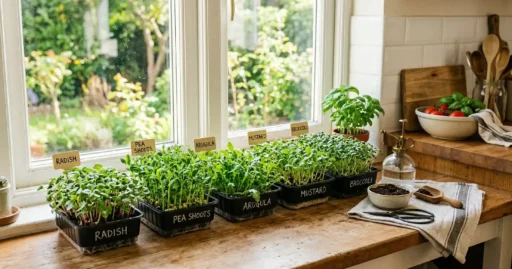
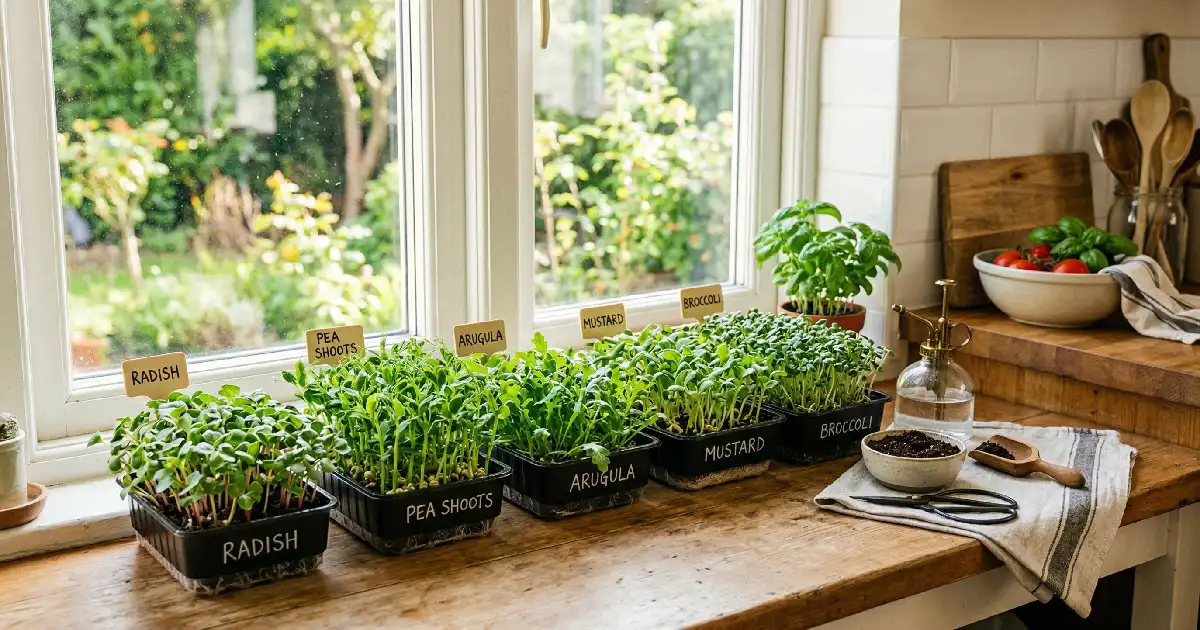
Microgreens are tiny but powerful; you start with seeds. Tray ready, medium fluffed water lightly. Watch closely, the leaves will peel soon. Sun or LED helps windowsill work, balcony works, and energy feels real. Beginners notice shoots pop fast, tiny effort, big reward, the kitchen feels alive. Flavor hits sharply, vitamins stacked radish grows quickly, broccoli steadily, and kale more slowly.
Mist carefully, roots grab medium small mistakes, fixable, rotate trays sometimes. Airflow matters, fan optional, but useful every tray tells a story: harvest early, eat fresh. Sprinkle salads, eggs, and pasta with microgreens, lift meals watching leaves stretch feels fun. Learning feels natural, effort is small, reward is big, and you peek at daily growth surprises often. Microgreens indoors teach patience when kitchen corners turn green. Simple care, huge impact, start tray, finish smiling.
What Are Microgreens?
Microgreens are tiny but powerful. Young shoots of vegetables, herbs, and sometimes grains. Leaves soft, stems tender, flavor hits strong. Nutrition stacked inside, vitamins A, C, and K are packed tight, antioxidants hiding. Grow fast, usually in one to two weeks, color bright, texture crisp.
Easy indoors, windowsill, balcony, or kitchen corner works. Seeds sprout quickly, shoots push up, and every tray surprises. Beginners peek daily, tiny effort, big reward, meals feel fresh. Energy is subtle but real; watching growth is fun. Indoor gardening: simple, tiny leaves, huge impact.
Microgreens vs Sprouts vs Baby Greens
Microgreens are tiny, with leaves that are small, stems that are firm, and are grown in soil or mats. Harvest after true leaves appear, flavor sharp, nutrients stacked. Easy to eat, add to meals, sprouts are even younger. Seeds soak, roots appear, and shoots are tiny. Often eaten whole, quick, crunchy, less nutritious, dense than microgreens.
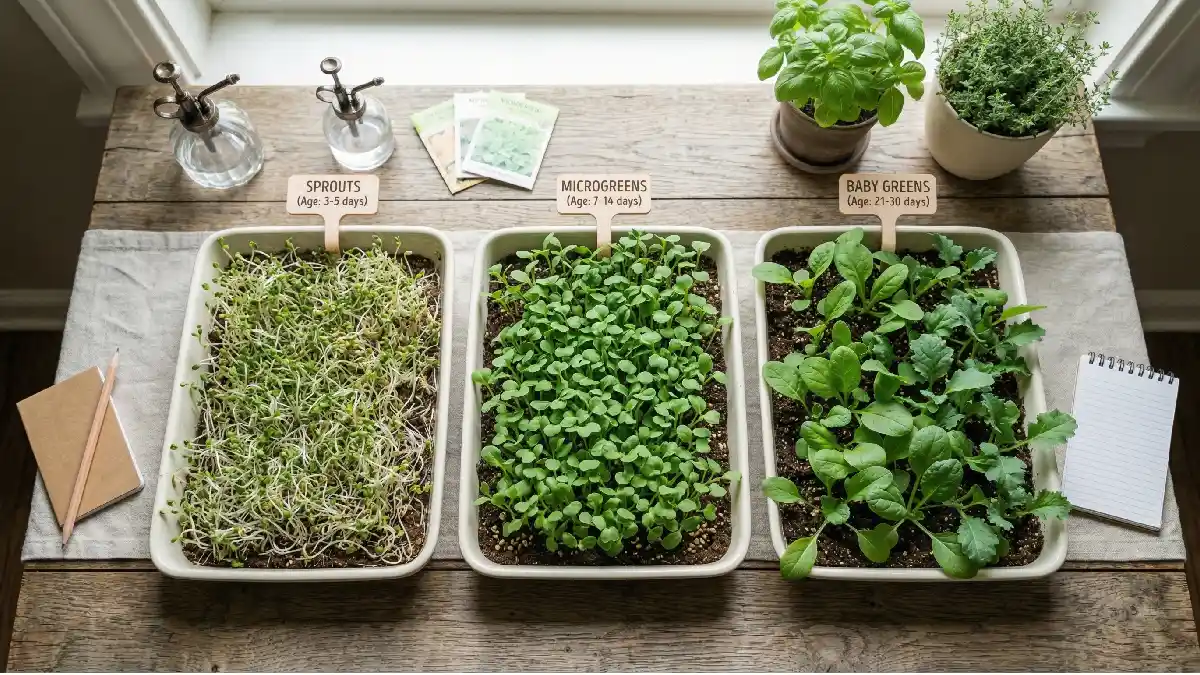
Baby greens are bigger, leaves are mature, and stems are stronger. Salad, ready, longer shelf life. Flavor milder, growth slower. Microgreens hit nutrient power fast, sprouts fastest. Baby greens take time; each works, each different. Beginners notice tiny changes. Every tray, every batch tells its own story, taste, and energy, subtle, exciting.
Why Microgreens Are Ideal for Indoor Growing
Microgreens fit anywhere: windowsill, kitchen corner, balcony, or small. No big garden needed, light hits leaves, the sun, or aworks. Trays stay cozy, growth quick, tiny leaves pop green. Energy feels alive, kids notice, beginners smile. Space is tiny, harvest big, every tray tells a story.
Plants react fast, leaves stretch firm. Indoor air is gentle, mold risk is low. Effort small, reward big, kitchen corners turn lively. Flavor fresh, nutrition stacked. Watching sprouts push up surprises daily. Microgreens teach patience, tiny care, big impact.
Benefits of Growing Microgreens Indoors
Microgreens are tiny but packed. Leaves pop bright, flavor hits sharp. Nutrition stacked inside, vitamins A, C, and K wait quietly. Freshness stays strong; store-bought fades fast. Kitchen corners turn alive. You peek daily, tiny shoots push green. Effort small, reward big, harvest when you want.
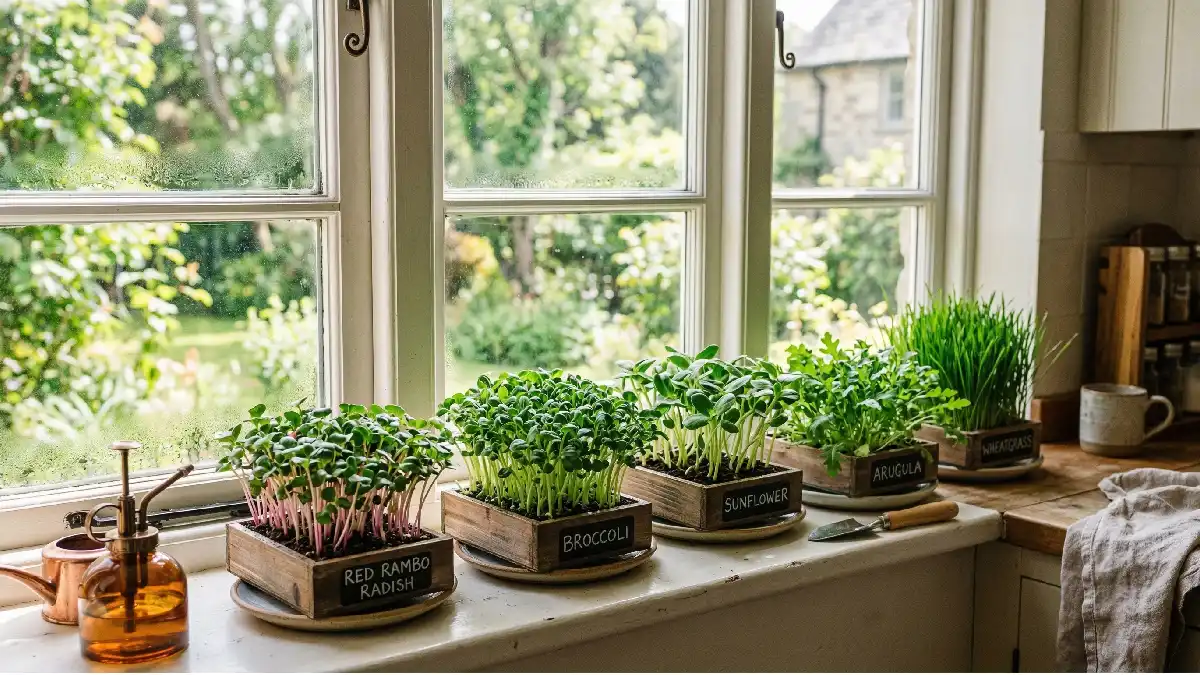
Cheap seeds, small trays, tiny space. Indoor growth works on winter, summer, and rainy days. Plants react to light, and leaves stretch firm, energy feels real. Beginners smile, kids notice, growth surprises daily. Meals are brighter, flavor pops, and microgreens lift dishes. Patience teaches that every tray tells a story.
Perfect for Small Spaces
Microgreens love tiny spots. Shelf, counter, or balcony corner, works anywhere. No big garden needed, trays fit snugly, leaves turn green fast. Sunlight or LED; both work. Airflow matters. Plants react quickly; beginners peek daily.
Growth surprises often, effort small, reward big, meals pop fresh. Space is tiny, impact huge, even small apartments feel alive. Watching shoots stretch feels fun, energetic, subtle, but real. Indoor gardening turns corners into green zones.
Fast Growth Cycle (7to21 Days)
Microgreens don’t wait; seeds sprout quickly, seven days, sometimes three, radish fastest. Broccoli, a bit longer, leaves pop green, stems firm. You peek daily, growth excites beginners. Kitchen corners turn alive, energy feels real.
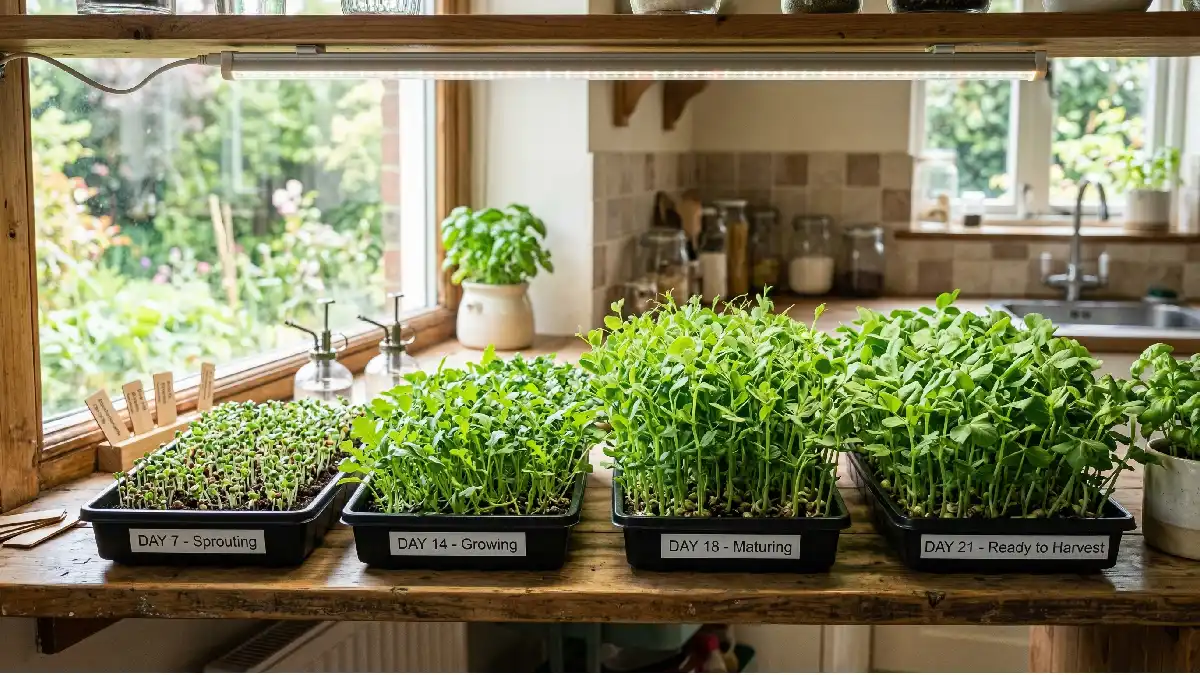
Patience was needed a little; the water is just right. Light steady, tiny effort, big reward. Harvest comes fast, meals taste fresh. Watching shoots push up feels fun. Even small tweaks show results; indoor gardening never feels slow.
Budget, Friendly Setup
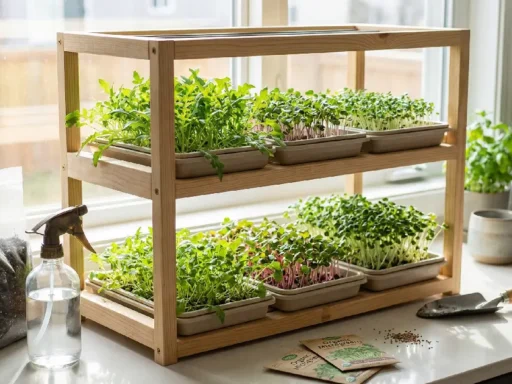
You don’t need fancy gear, shallow trays, plastic or metal, that hold seeds fine. Paper towels, coir mats, and old containers work. LED lights help if the sun is weak. The spray bottle keeps the medium damp. Cheap seeds sprout just as well, and reuse trays after washing. Fan optional, window sill, kitchen counter, shelf, all fit.
Beginners start small, mist, watch, and adjust. Tiny mistakes happen; each tray teaches something. Leaves push up fast, effort low, reward high. Energy feels real, microgreens make space alive. Quick growth motivates, and handling small shoots is fun. Tiny greens surprise daily.
Year-Round Growing
Microgreens don’t care about the season much. Indoors, you control light and temperature. Windowsill works in winter, LED helps when the sunlight is weak. In summer, watch the water; the mats dry fast. Rainy days? Keep trays inside. A small fan helps with airflow anytime. Beginners notice tiny changes daily.
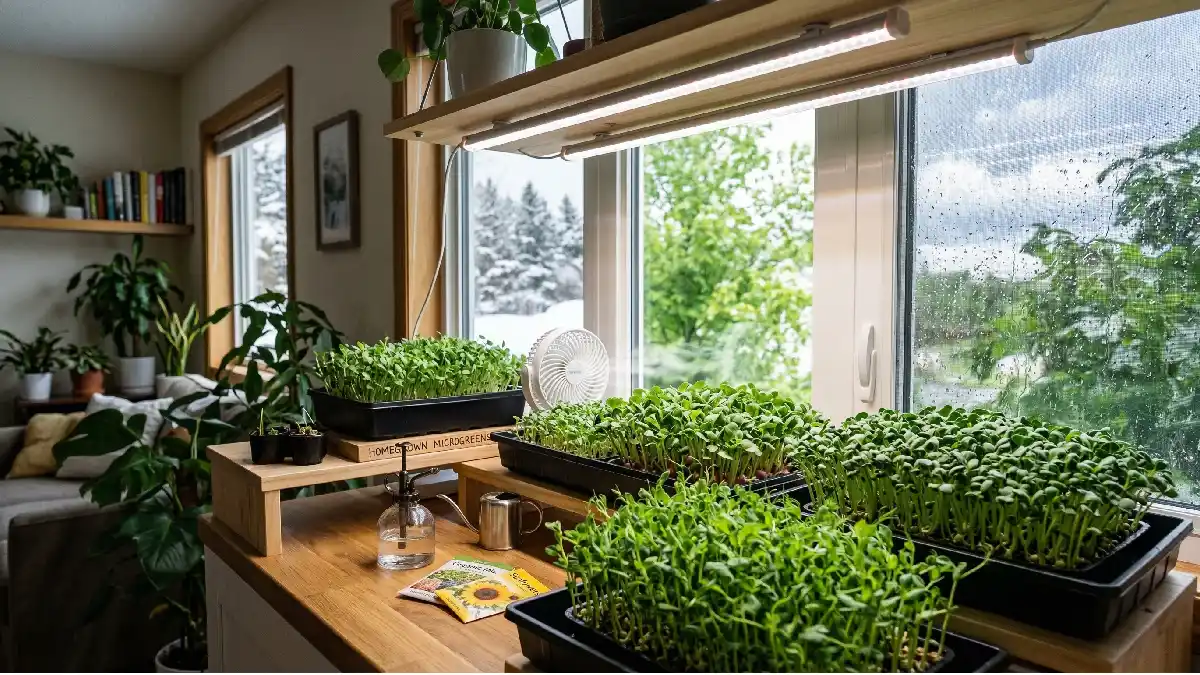
Sprouts push up no matter the month. You harvest fresh produce every week. Energy feels real. Kitchen corners turn alive. Every tray surprises, effort is small, reward is big, learning comes quickly. Indoor growing makes microgreens possible all year. Tiny leaves, huge flavor, constant nutrition.
Best Microgreens for Beginners
Some microgreens are easier than others. Radish fast, pops green in 4to 5 days. Broccoli steady, shoots firm, flavor sharp. Mustard and arugula slow down, teach patience. Kale takes longer, but it’s worth it; seed size matters. Tiny seeds sprout quickly, easy to manage. Large seeds like peas or sunflowers need support. Watch closely, mats or coir help hold them upright. Beginners start small. First tray? Radish or broccoli, watch moisture, spacing, and light.
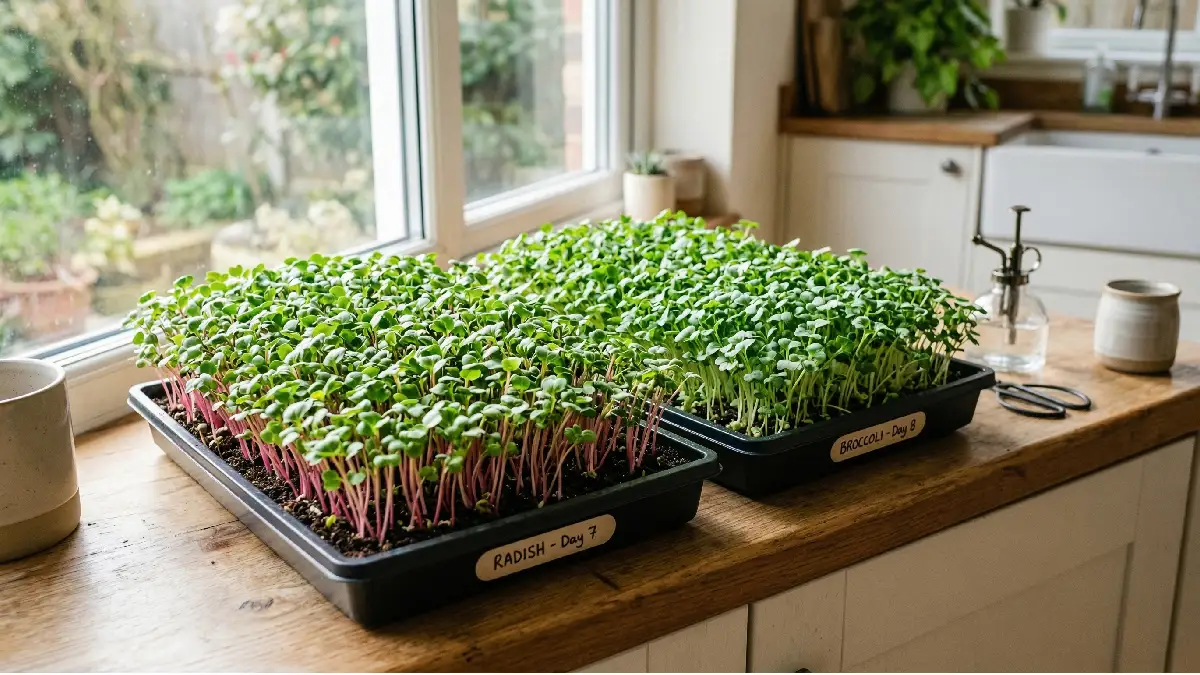
Adjust slowly, each tray surprises, Tiny leaves, huge impact. Flavor hits fresh, energy feels real. Peeking daily excites beginners, effort small, reward big. Kitchen corners are alive, every tray tells a story. Learning feels natural, grow, harvest, taste, repeat, confidence builds fast. Microgreens indoors teach care and observation, start tray, finish happy.
Radish Microgreens
Radish microgreens grow fast, faster than you expect. Seeds sink into the soil and start sprouting in a few days. Leaves stretch green, stems firm but tender. Flavor sharp, crisp, bites pop, harvest early, texture alive. Tiny shoots pack vitamins A, C, and K, with quiet power inside. Sprinkle on eggs, saland ads, and sandwiches, and the kitchen smells fresh.
Beginners peek daily, growth excites them. Water just enough, light hits the leaves right. Trays fill quickly, energy feels real, taste strong, leaves soft. Watching sprouts stretch teaches patience. Indoor trays work all year. Tiny leaves, big impact, every tray surprises, effort small, reward high.
Broccoli Microgreens
Broccoli microgreens grow steadily, and seeds pop in five to seven days. Leaves are soft, stems are crisp, flavor is mild, slightly sweet. Beginners love them, trays turn green fast, mist gently. Roots grab medium, light matters, sun or LED works fine. Crowded seeds slow growth, harvest when the first true leaves appear.
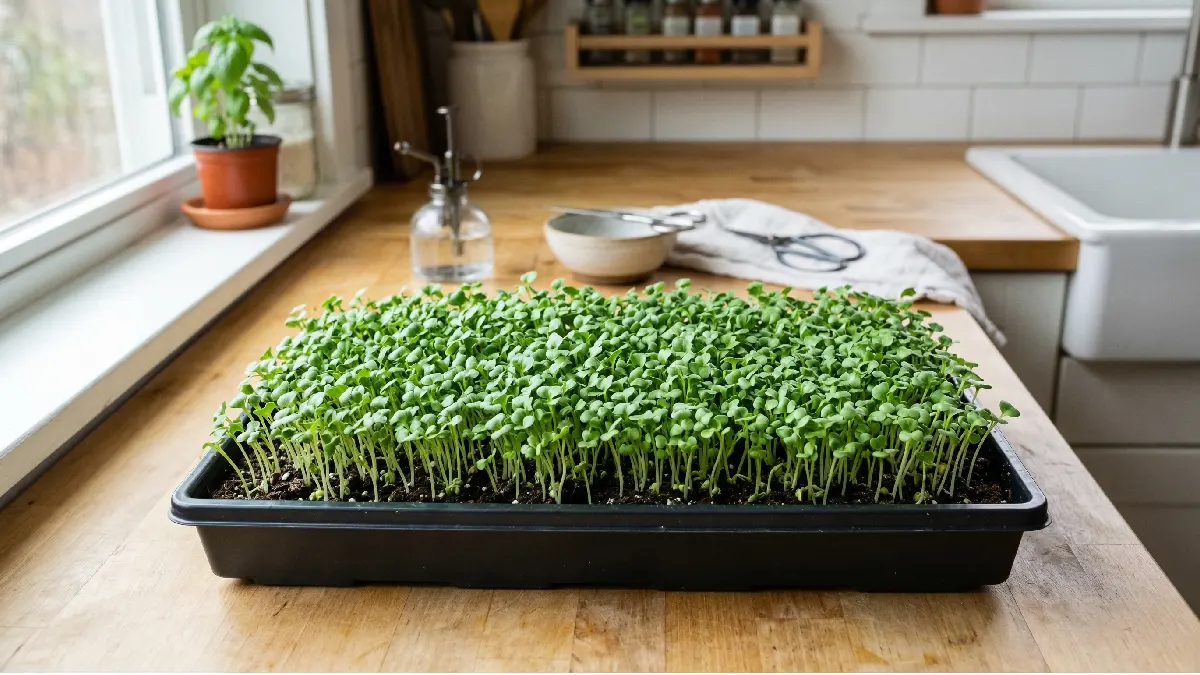
Cut above the roots with scissors, Quo llick, tidy. Sprinkle on salads, sandwiches, and eggs, energy feels subtle, real. Watching shoots stretch excites, small effort, big reward, Kitchen corners look alive. Each tray tells a story, and growth surprises daily.
Pea Shoots
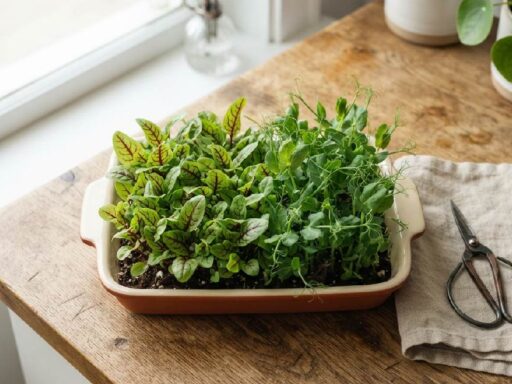
Pea shoots grow quickly and reach up tall, seeds sit snug, roots grab gently. Leaves are green, stems are crisp, flavor is sweet, fresh on the tongue. Harvest ten to fourteen days, shoots tender. Tiny leaves pack vitamins A and C, protein, and ahideing quietly. Sprinkle on salads, sandwiches, and pasta.
Kitchen corners feel alive, energy hits subtly. Beginners watch daily, growth excites. Water just enough, light touches leaves right. Indoor trays work on winter, summer, and rainy days. Tiny leaves, big impact. Every tray surprises, effort small, reward high. Microgreens show patience matters; small care changes everything.
Sunflower Microgreens
Sunflower microgreens grow tall and strong, seeds sit snug, roots hold soil gently. Leaves push green, stems thick, flavor: nutty, fresh, slightly mild. Harvest ten to fourteen days, shoots stay crisp. Tiny leaves pack vitamins A, E, and minerals, hiding quietly. Sprinkle on salads, wraps, and sandwiches, and kitchen corners turn alive.
Energy feels subtle, beginners peek daily, and shoots push up. Water just enough, light touches leaves fine, indoor trays work in any season. Tiny leaves, big impact, every tray surprises. Effort small, reward high. Microgreens show patience matters; tiny care changes everything.
What You Need to Grow Microgreens Indoors
A shallow tray works fine, plastic or metal, anything clean. Soil or cocopeat holds moisture, and roots grab gently. Seeds matter most; cheap packs sometimes fail. A spray bottle is useful. Water lightly, don’t soak. Light hits leaves, sun works, and LED works too. Small enough corner, the kitchen counter fits.
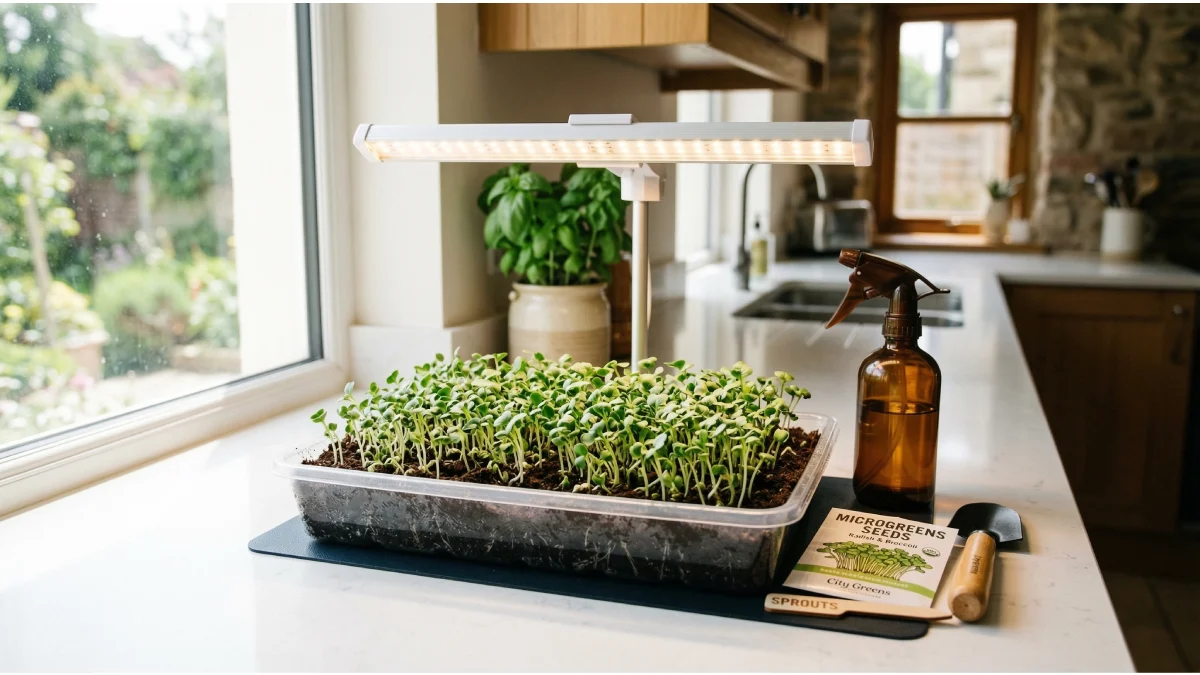
Temperature cozy, not hot, not cold. Hands clean, tiny tweaks change everything, trays fill with green fast. Watch sprouts push through soil, leaves pop bright. Energy feels alive, beginners peek daily, and growth excites. Effort small, reward high, microgreens teach patience. Every tray surprises, the home feels lively.
Growing Trays or Containers
Trays matter. Shallow works best, plastic, metal, whatever is available. Drainage holes help roots breathe. Small or large, a windowsill fits both. Keep clean. Old dirt kills sprouts; soil or coir fluffs nicely.
Seeds spread evenly, mist lightly, roots grab fast. Leaves pop bright; beginners notice small changes daily. Trays tell a story, reuse carefully, and every setup feels alive. Tiny effort, big reward, watching microgreens grow excites me.
Growing Medium (Soil or Coco Coir)
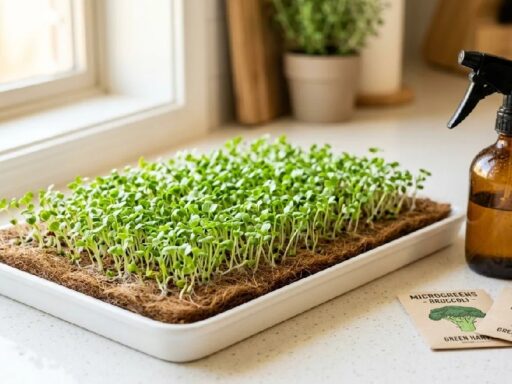
Medium matters; soil is simple, grabs roots fast, and organic works best. Coir is soft and holds water well; seeds sit snug. Roots spread gently, mist lightly, too much drowns roots.
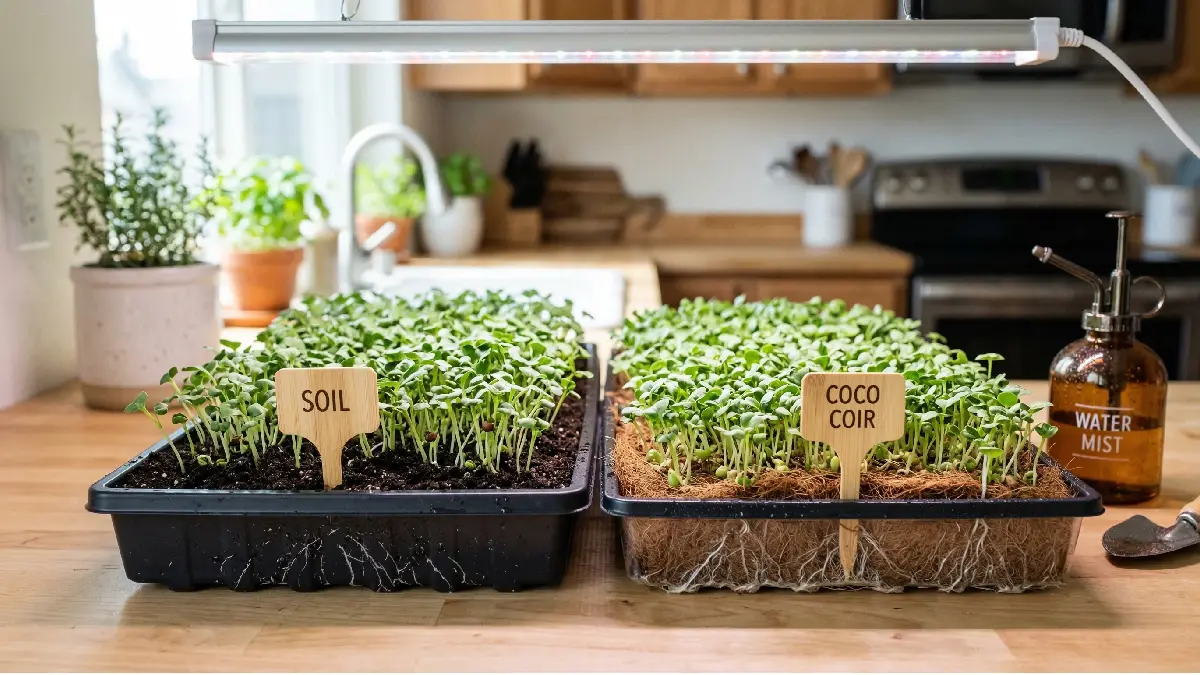
Too little slows growth, every tray teaches, tiny leaves push green. Beginners peek daily, energy feels real, leaves firm, shoots pop bright. Set up easy, reward big, watching sprouts grow excites me.
Microgreen Seeds
Seeds tiny, power huge, radish fast, broccoli steady. Pea shoots playfully, mustard, and arugula are slower. Spread evenly. Don’t crowd, crowding kills growth; cheap packs sometimes fail. Non-GMO safer, food-grade better.
Energy hits fast when sprouts pop, beginners peek daily. Mist lightly, roots grab medium, leaves stretch firm. Each seed teaches patience, watching trays of green feels alive. Tiny effort, big reward, microgreens surprise often.
Lighting Setup (Natural or LED)
Light matters, sun works, and window spots are okay. LED better indoors, keep 6to 12 inches above shoots. Too far, stems leggy, too close, leaves burn. 12to 16 hours daily is ideal, rotate trays sometimes.
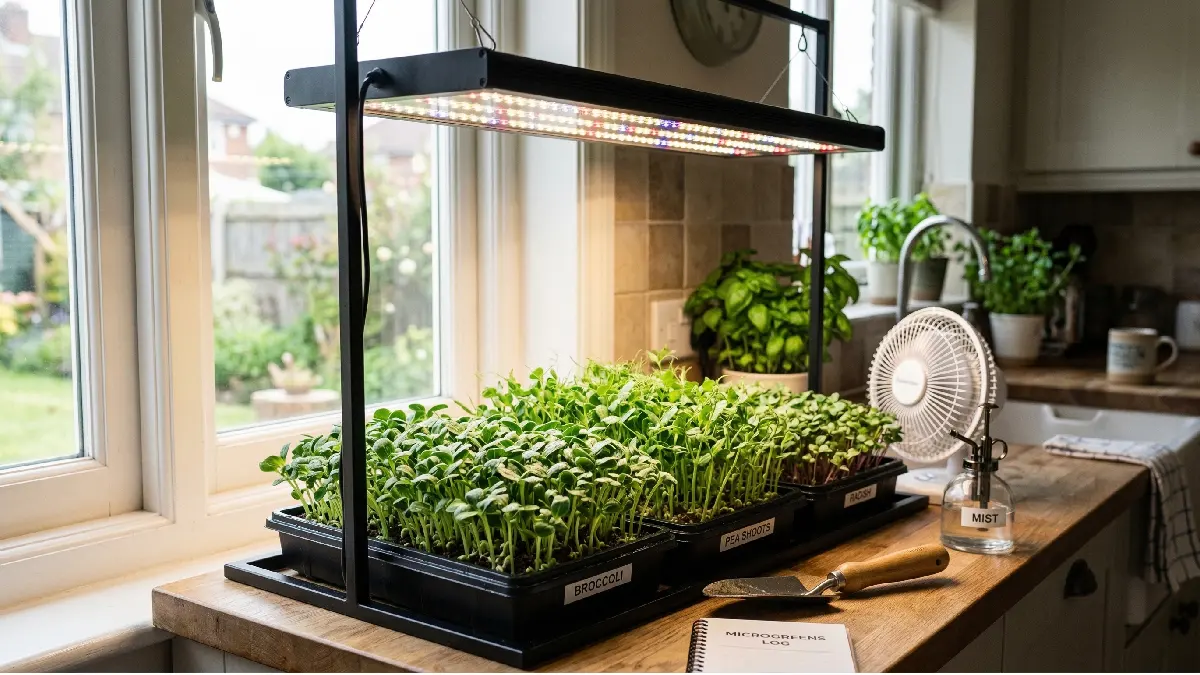
Tiny shoots react fast; beginners notice changes. Light makes leaves firm, energy feels alive, and growth surprises daily. Microgreens pop green, care simple, reward big.
Watering Tools
Watering matters, spray bottles handy, mist leaves gently. Roots drink slowly, too much drowns seeds. Too little dries them out; small watering cans work too. Some use bottom watering trays.
Beginners notice quick changes, tiny tweaks save trays. Every tray teaches, water right, leaves pop firm, growth feels alive. Effort small, reward big, microgreens smile back.
Step-by-Step Guide to Growing Microgreens Indoors
Microgreens start tiny, tray ready, soil fluffed. Seeds scattered gently, roots grab soil fast. Mist lightly, and leaves will soon turn green. Sun hits leaves, LED works in dark corners. Check daily, tiny shoots stretch firm. Rotate trays sometimes; patience matters.
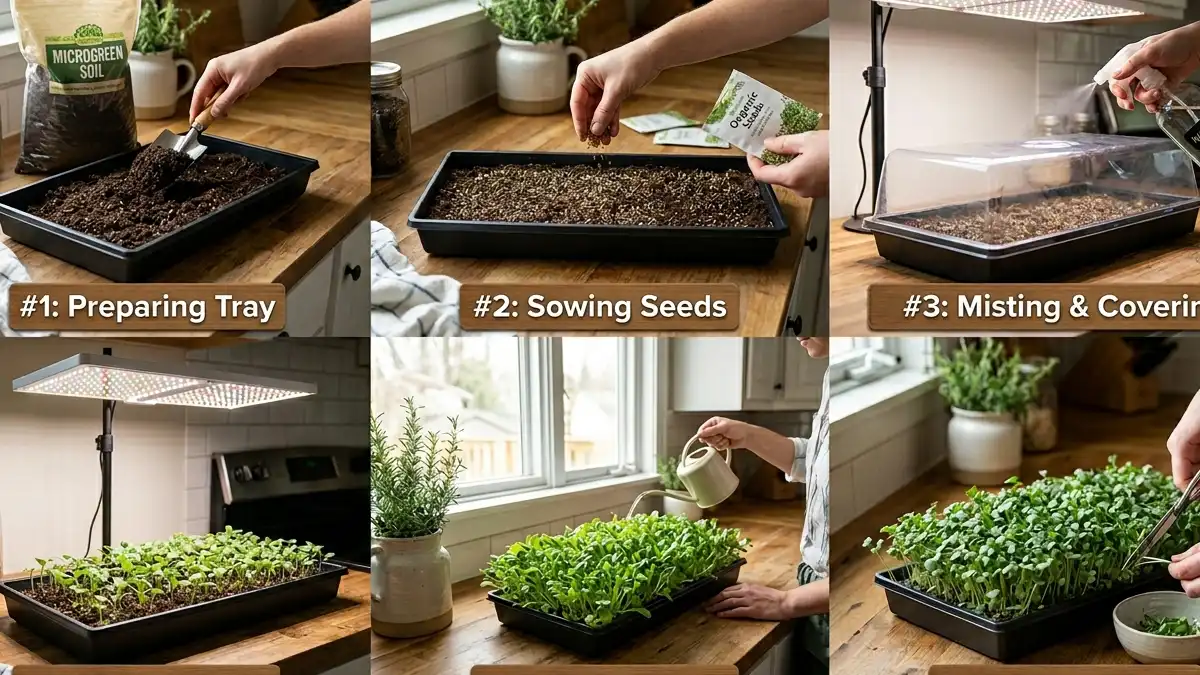
Beginners notice subtle changes; energy feels real. Kitchen corners come alive, effort small, reward big. Harvest fast, sprinkle on salads or eggs, every tray teaches something new. Growth surprises daily, tiny leaves, huge impact.
Step 1: Prepare the Tray
Pick a tray; shallow works best, clean it first; old dirt kills sprouts. Add soil or coco coir, fluff it gently, and spread it evenly. Seeds like cozy spots, mist lightly, soil stays moist, not wet, roots grab fast.
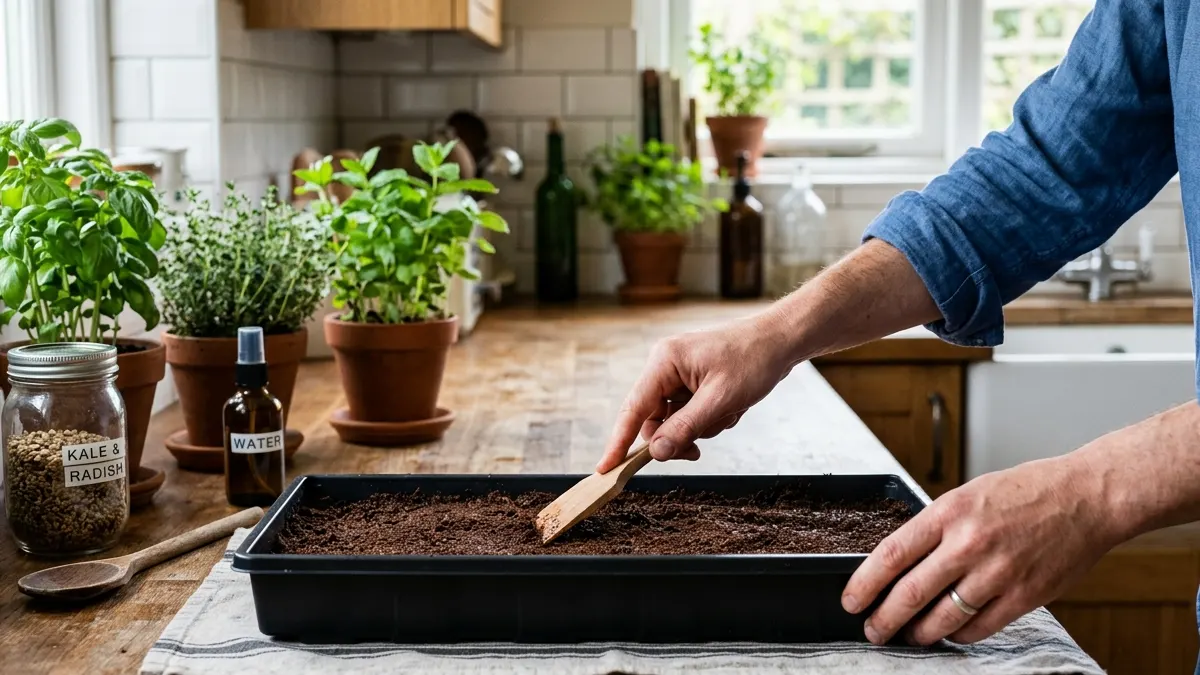
Beginners peek daily, tiny leaves start pushing soon. Small tweaks matter; every tray feels alive. Patience helps, mist again if dry. Watching growth excites, effort small, reward big.
Step 2: Sow the Seeds Evenly
Grab s; eds, work best, scatter gently. Crowding kills growth; every seed needs room. Press softly, some seeds hide under the soil. Others sit out, roots grab quietly, mist edges if dry.
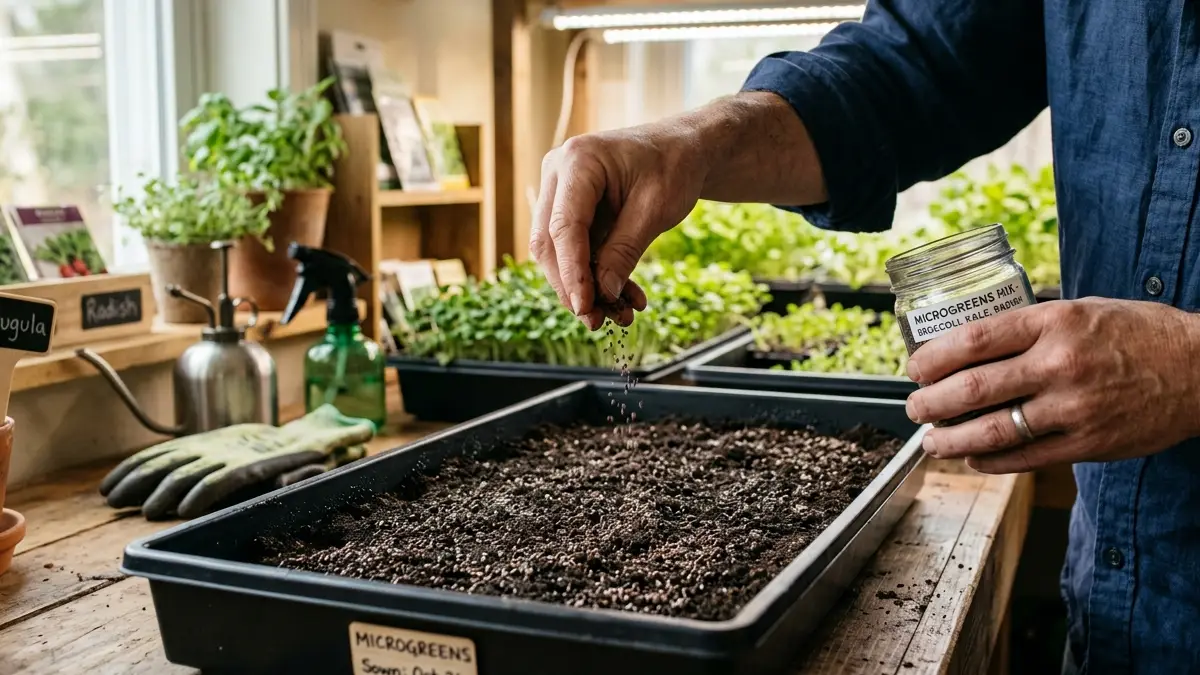
Shoots push green fast, beginners peek daily. Soil stays cozy, tiny surprises happen. Growth excites, mist again if dry. Trays teach patience, energy feels real.
Step 3: Water and Cover for Germination
Spray lightly, soil stays damp, not soaked, too much drowns seeds. Too little slows them; cover the tray gently, keeping humidity high. Dark helps sprouts wake, peek daily, mist again if dry.
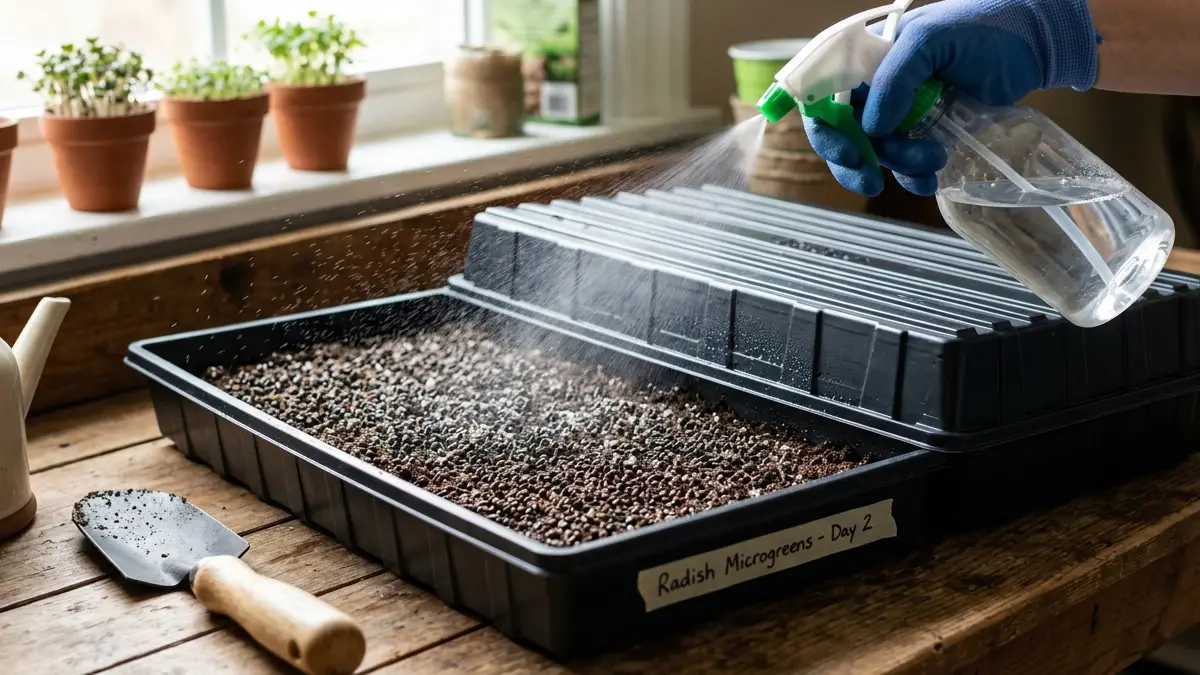
Tiny leaves push up. Roots grab quietly. Air moves slowly under cover. Growth surprises often. Beginners notice small changes. Every tray teaches. Energy feels real. Harvest quickly.
Step 4: Provide Proper Lighting
Light matters, sun works, windowsill okay. LED works better indoors, keep 6to 12 inches above shoots. Too far? Stems stretch. Too close? Leaves burn. Twelve to sixteen hours daily.
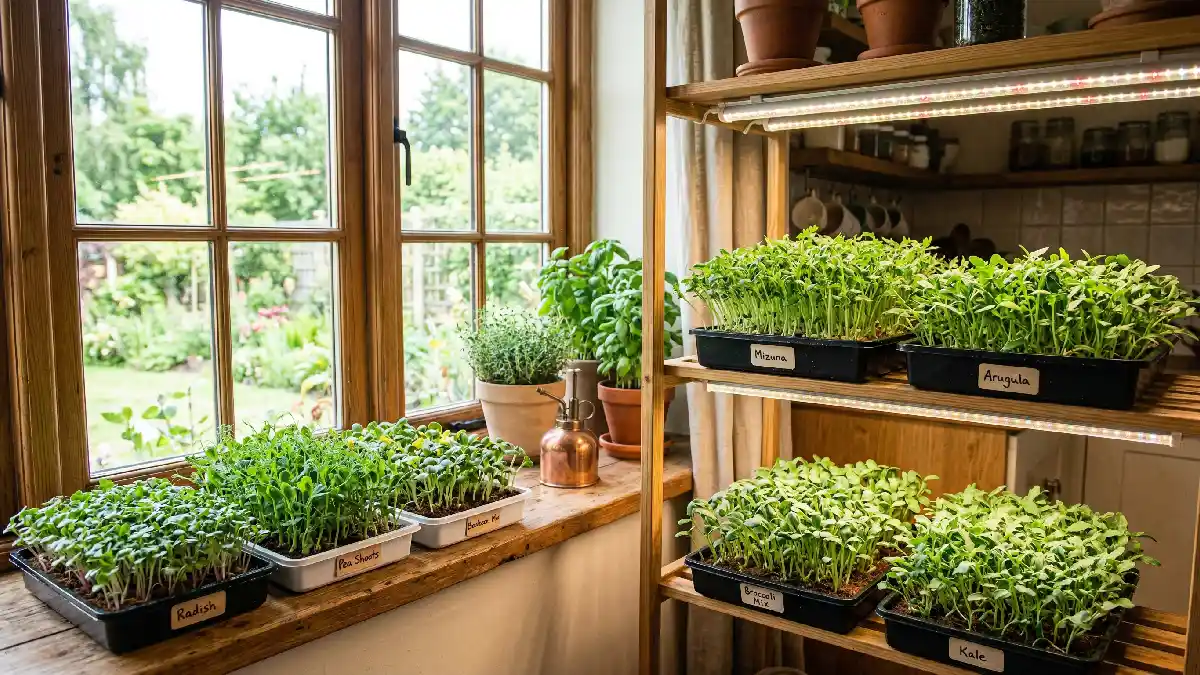
Rotate trays sometimes; tiny shoots react fast. Beginners notice changes; leaves pop green. Growth excites, energy feels alive. Care simple, reward big, microgreens smile back.
Step 5, Daily Care and Maintenance
Check trays daily, mist lightly, soil stays cozy, roots drink slowly. Too much water drowns sprouts, too little slows them. Rotate trays sometimes, watch tiny shoots pop, air moves gently, keeps leaves firm.
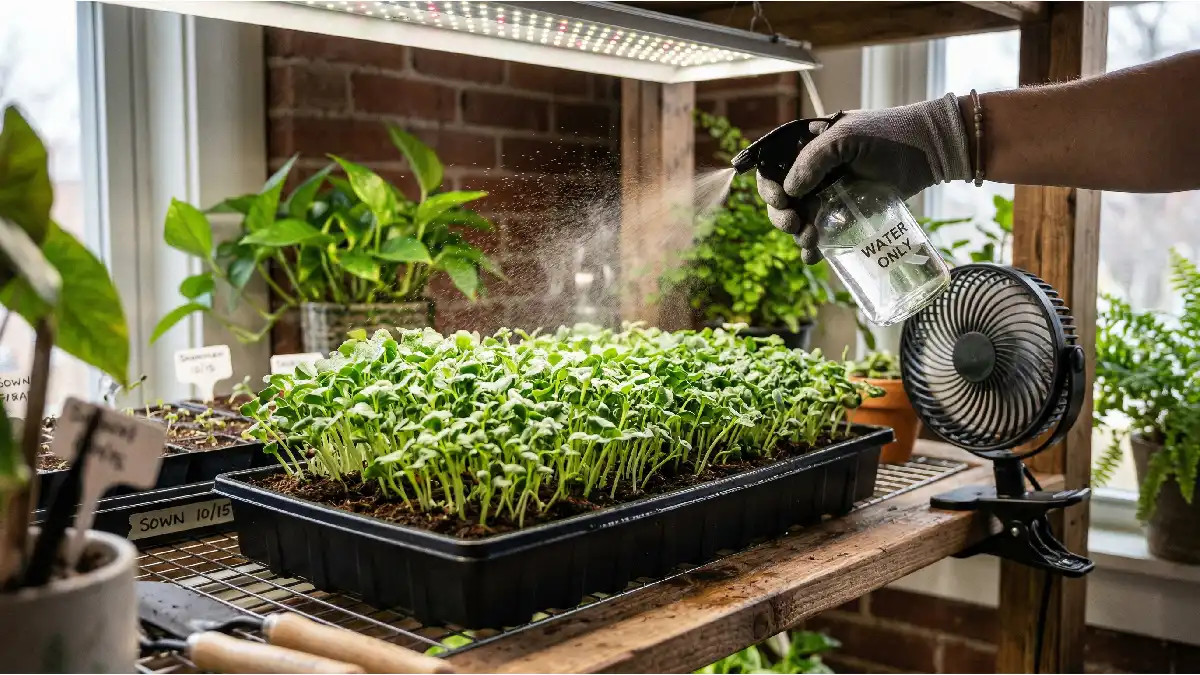
Beginners notice every change; small tweaks save trays. Energy feels real, growth surprises daily. Every tray teaches patience. Tiny effort, big reward, microgreens smile back.
Step 6: Harvest at the Right Time
Microgreens are ready fast, usually seven to fourteen days. True leaves appear first, stems firm, leaves bright. Grab scissors, cut above the soil. Don’t pull roots, keep the tray clean, harvest gently.
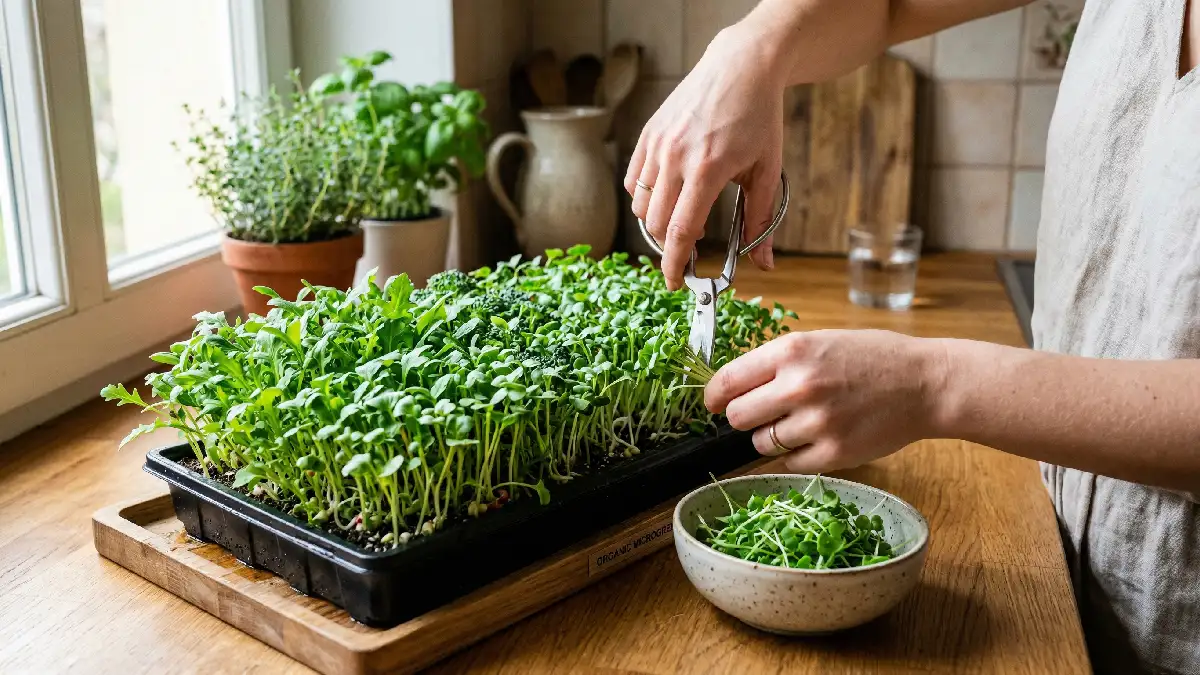
Eat fresh; some varieties regrow a bit. Pea shoots sometimes surprise, radish and sunflower pop fast. Beginners get excited, tiny leaves, big flavor. Energy feels real, every tray tells a story, effort small, reward huge.
Lighting Requirements for Indoor Microgreens
Light decides how your microgreens behave. Place trays near a bright window if sunlight enters steadily. South or west, facing spots are usually stronger. Leaves lean toward brightness. Rotate trays daily so stems stay balanced. Weak light makes them stretch, and color fades slightly.
Growth slows; strong, indirect light keeps leaves compact. LED grow lights work well indoors. Keep them a few inches above the trays. Too far and stems thin out, too close and the heat builds. Microgreens don’t need intense beams like mature plants. Around twelve to sixteen hours of light feels enough for most varieties.
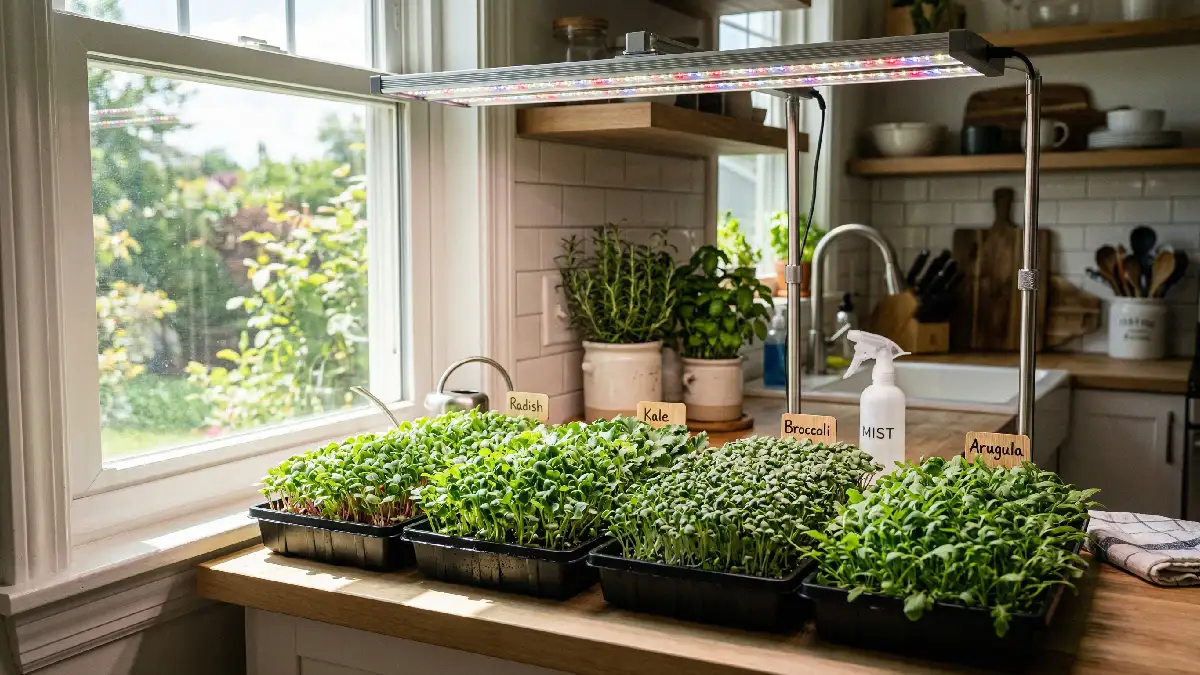
The dark period is important too; plants rest then. Watch how they respond, and adjust height slowly. Every room is different; observe daily. A small shift in position changes the results. Lighting is not complicated; consistency matters more. Tiny leaves react quickly to what you give them.
How Many Hours of Light Do Microgreens Need?
Microgreens need light; twelve to sixteen hours of light daily works best. Too little? Stems stretch, leaves pale. Too much? Leaves can burn. Sunlight is okay if strong, LED lights are better indoors, and keep the light six to twelve inches above the shoots.
Rotate trays sometimes, tiny changes matter, beginners notice fast. Leaves pop bright green, growth feels alive, energy hits subtly. Every tray surprises, care simple, reward big.
Best Distance Between Light and Plants
Keep lights close, not too near, six to twelve inches above the shoots works best. Too far? Stems stretch, weak leaves. Too close? Leaves burn fast. LED or sun, same rule, rotate trays sometimes.
Tiny shoots react quickly; beginners notice small changes daily. Leaves pop bright, energy feels real, growth surprises often. Effort small, reward big, watching shoots stretch excites, every tray tells a story.
Can You Grow Without Grow Lights?
Yes, you can; a windowsill works best, and the sun hits it directly. Some days are bright, some weak; microgreens notice. Growth slows if light is low, leaves stretch, and stems thin. Indoor corners are tricky; LED helps, keeps light steady. 12to 16 hours daily work, cheap LED fine. Rotate trays, watch closely, leaves pop green.
Beginners notice fast. Light far? Shoots leggy. Too close? Leaves burn, airflow matters. A small fan helps; microgreens respond quickly. Tiny tweaks fix stuff; patience counts, energy from greens feels real. Even without grow lights, small batches grow. Kitchen corners are alive, harvest comes fast, and learning is fun.
How Often Should You Water Microgreens?
Watering microgreens feels simple,mple but timing matters. The growing medium should stay slightly moist, not soaked. Roots hate standing water; most trays need water once a day. Some need less; climate changes everything. Warm rooms dry trays faster, cooler corners stay damp longer. Touch the surface gently; if it feels dry, water lightly. Bottom watering works better; roots drink from below.
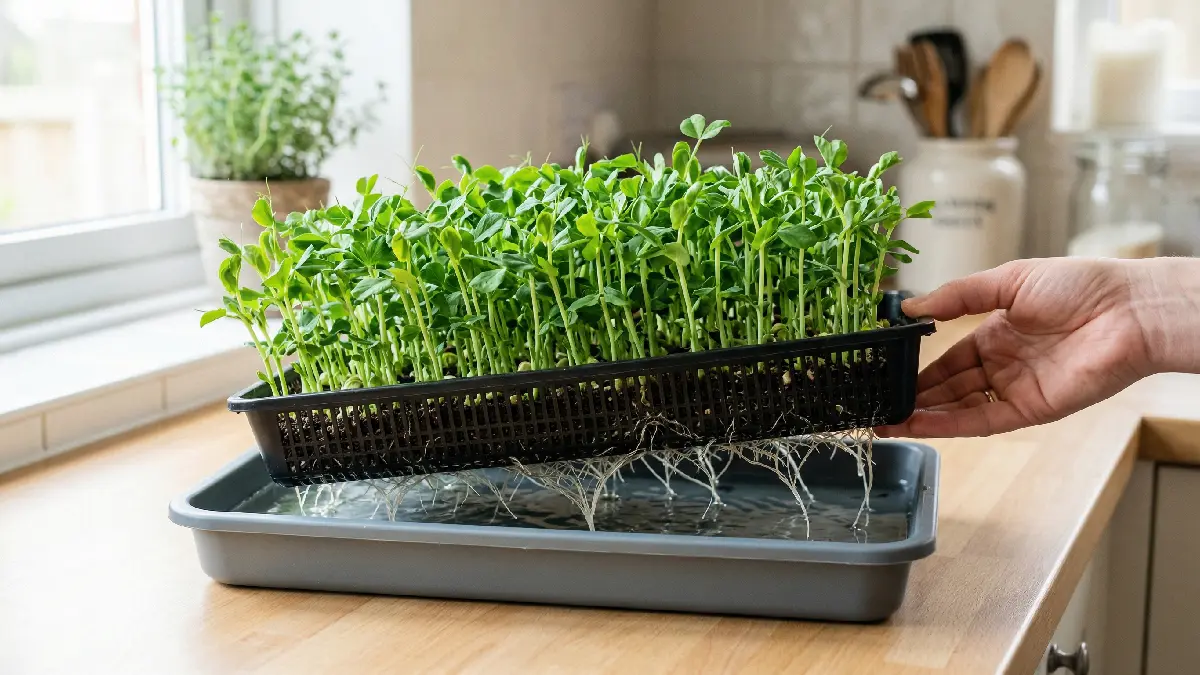
Leaves stay dry, mold hates that, spray bottles look easy. They trick beginners, too much mist suffocates seeds, watch daily. Microgreens react quickly, leaves droop when thirsty. Overwatered trays smell odd; small adjustments fix most issues. Light, air, flow, moisture balance, simple habit. Check, water, observe, tiny greens teach rhythm slowly.
Signs of Overwatering
Overwatered microgreens struggle, leaves curl or turn yellow. Stare at the ems soft and weak, the roots may rot. Mold can appear fast, trays feel soggy, and soil or mats stay too wet. Growth slows down, beginners panic sometimes, and tiny shoots droop. Smell can turn sour, water pools on the surface, and leaves look limp.
Plants stop pushing up, adjust quickly, and mist less. Check trays daily, airflow helps, roots recover slowly. Energy feels low if ignored; small tweaks matter. Overwatering teaches patience; kitchen corners stay messy if ignored. Every tray tells a story; observing closely saves the next batch.
Signs of Underwatering
Underwatered microgreens struggle, too; their leaves curl upward. Stems look thin and weak, and growth slows down. Soil or mats feel dry, tiny shoots barely push up. Beginners notice color pale, leaves droop lightly, and roots shrink. Plants gasp for moisture; harvest may come late.
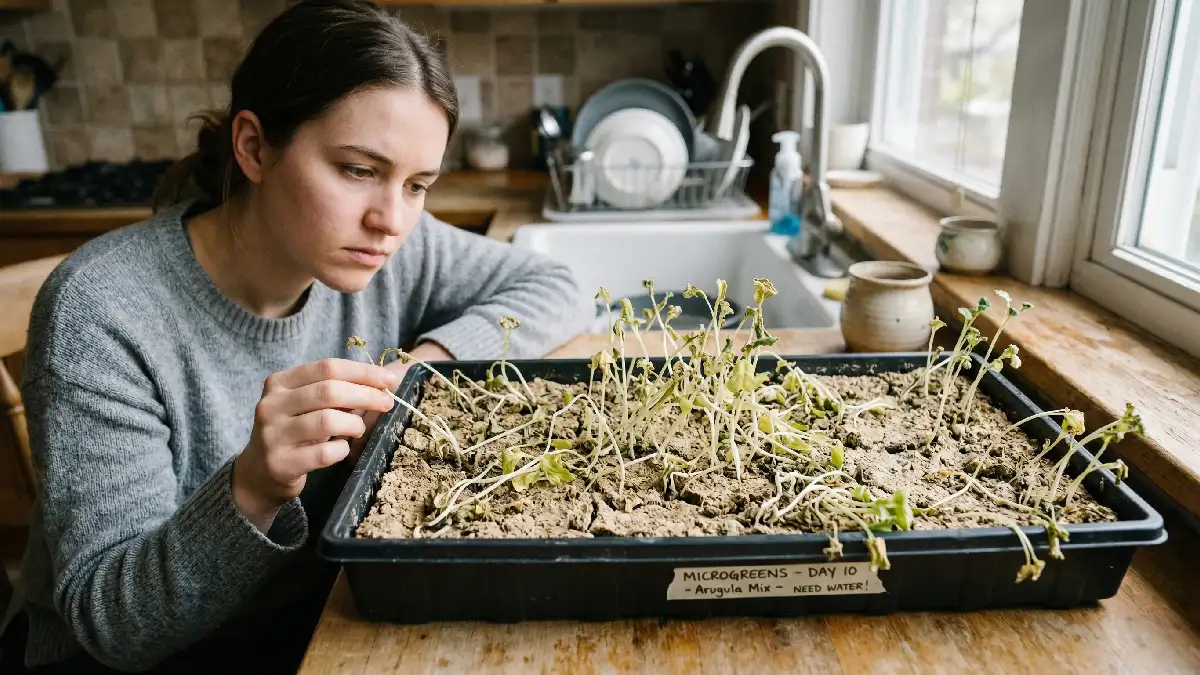
Mist lightly to revive, check trays daily, airflow helps, but it can dry faster. Energy feels low; small tweaks fix problems. Kitchen corners stay dull if ignored, tiny changes matter, every tray tea lls story. Watching shots bounce back is satisfying, effort small, reward visible.
Best Watering Method (Bottom Watering vs Top Misting)
Watering microgreens can be tricky; bottom watering keeps roots happy. Trays hold water, roots drink slowly, and soil or mats stay evenly moist. Less chance of mold, shoots stay strong, and top misting works too. Spray lightly on leaves and soil, good for small trays. Easy for beginners. Too much mist? Leaves droop.
Too little? Growth slows. Both methods need attention; check trays daily. Roots grab water, shoots pop green, some mixes work best. Energy feels real, kitchen corners turn lively. Watching shots react is fun; small tweaks save trays. Every tray tea lls story, growth surprises daily.
Common Mistakes Beginners Make
Beginners get excited fast, seeds are poured too thickly, and trays are crowded. Air can’t move properly, and mold shows up quietly. Overwatering happens a lot; the surface looks dry, so more water was added. Roots sit soaked, growth slows, and light is placed too far. Stems stretch weakly, some keep the lights too close, and leaves are stressed. Dirty tare rays are reused without washing, old roots are left behind, and problems repeat.
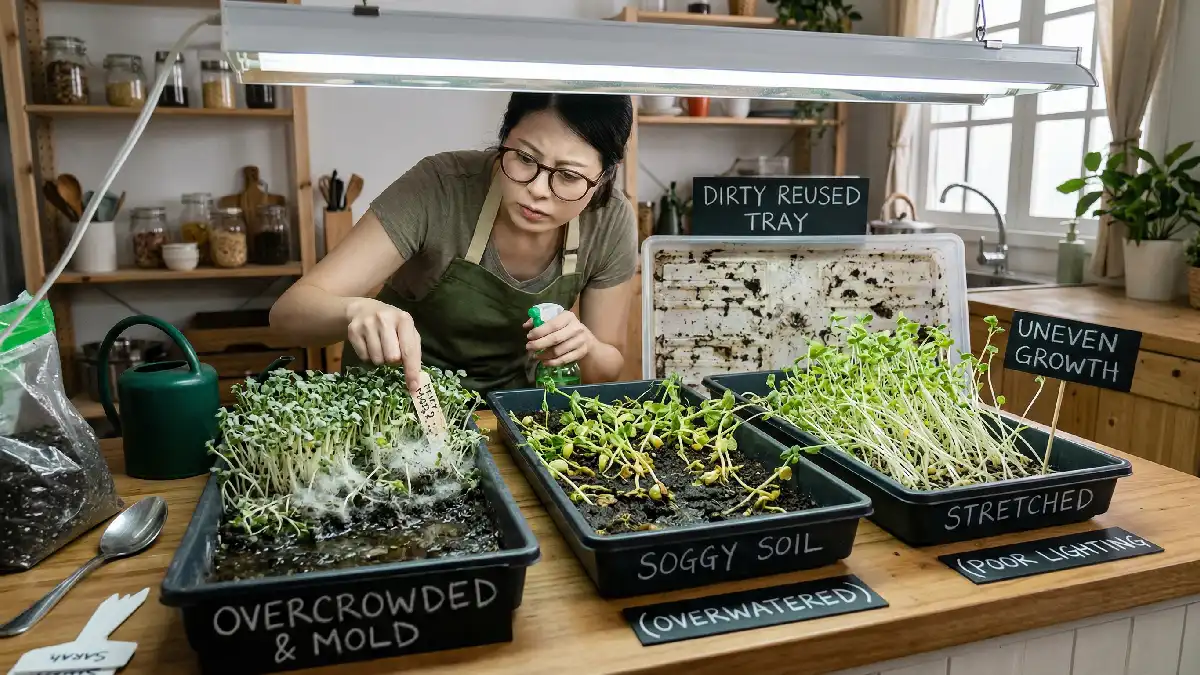
Cheap seeds sometimes have low quality, Germination uneven. Temperature ignored, Room too cold. Sprouting delayed. Patience runs out early, harvest too late, leaves tough, flavor changes. Every tray becomes a lesson; small corrections matter. Watch daily, adjust gently, and microgreens respond quickly. Mistakes are normal, learn slowly, steadily, tiny greens teach focus.
Overcrowding Seeds
Overcrowded seeds fight for space. tiny shoots stretch thin, leaves pale, stems weak, roots tangle. Growth slows down, and beginners often crowd trays. Trays look full, but energy is low; mold risk rises, and some seeds fail quietly. Airflow suffers. Light doesn’t reach every shoot.
Harvest unevenly, mist lightly, helps, but not enough, think carefully early. Space seeds properly, roots grab the medium, and shoots push strongly. Kitchen corners turn lively, watching growth spreads excitement. Tiny tweaks save trays; each tray teaches patience. Effort small, reward big, every batch tells a story.
Overwatering
Overwatering kills microgreens fast, leaves curl, and turn yellow. Sare tems soft, flopp, roots rot quietly. Soil, or are the mats soggy? Mold shows up. Growth slows down, shoots droop, and beginners panic sometimes. Water pools on the surface, plants stop pushing up, and kitchen corners get messy.
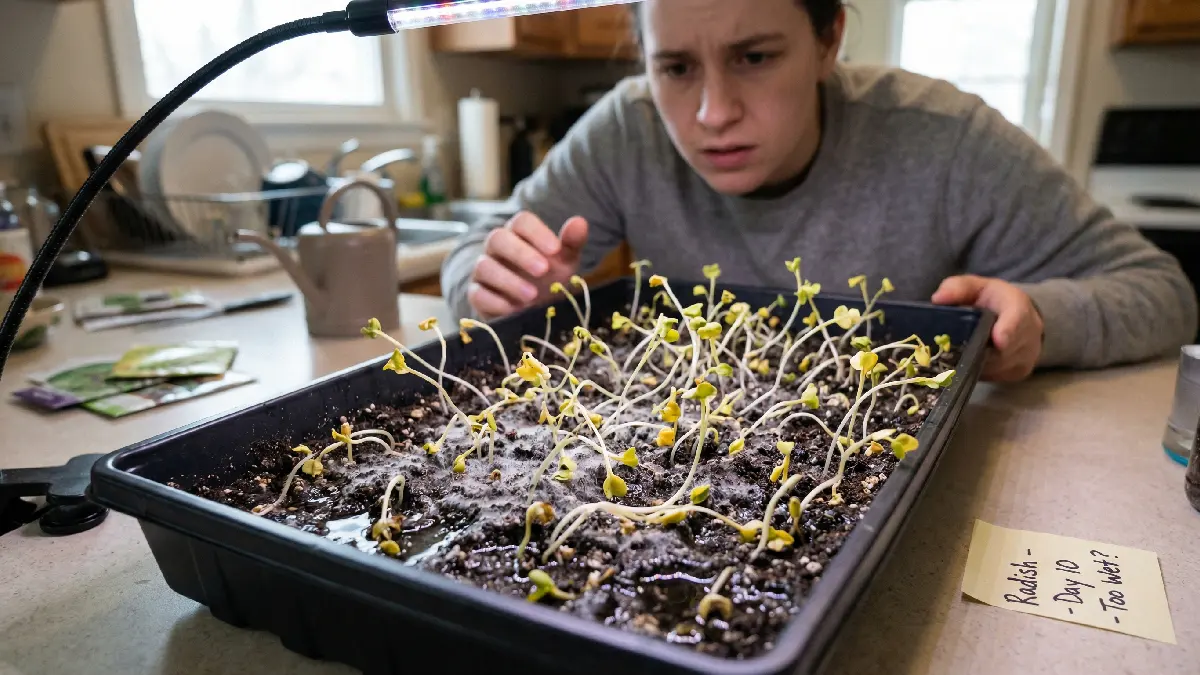
Small changes matter. Mist lightly next time. Check trays daily. Airflow helps. Roots recover slowly if you adjust fast. Energy feels when ignored. Each tray teaches patience. Watcshotshoots bounce back excites. Tiny effort, big reward. Microgreens forgive small mistakes. Every tray tells a story.
Poor Air Circulation
Air moves slowly, plants suffer, leaves stay damp, and plants are weak. Tiny shoots droop, and mold can appear fast. Microgreens gasp for fresh air; beginners often forget fans. Kitchen corners feel stuffy, and growth slows down. Roots struggle, leaves pale, mist li,ghtly but airflow still matters.
Small breeze keeps plants strong. Rotate trays sometimes; tiny tweaks make a difference. Shoots pop healthy, energy feels alive, every tray teaches patience. Observing daily saves mistakes, microgreens recover when air flows. Effort small, reward big, watching trays thrive excites beginners.
Using Treated Seeds
Treated seeds can hurt microgreens, as they block growth. Tiny shoots may not sprout, leaves stay pale, roots struggle quietly. Beginners often grab cheap packs without checking, and kitchen corners look empty. Flavor weak, energy feels off, some seeds fail fast, watering or light can’t fix it.
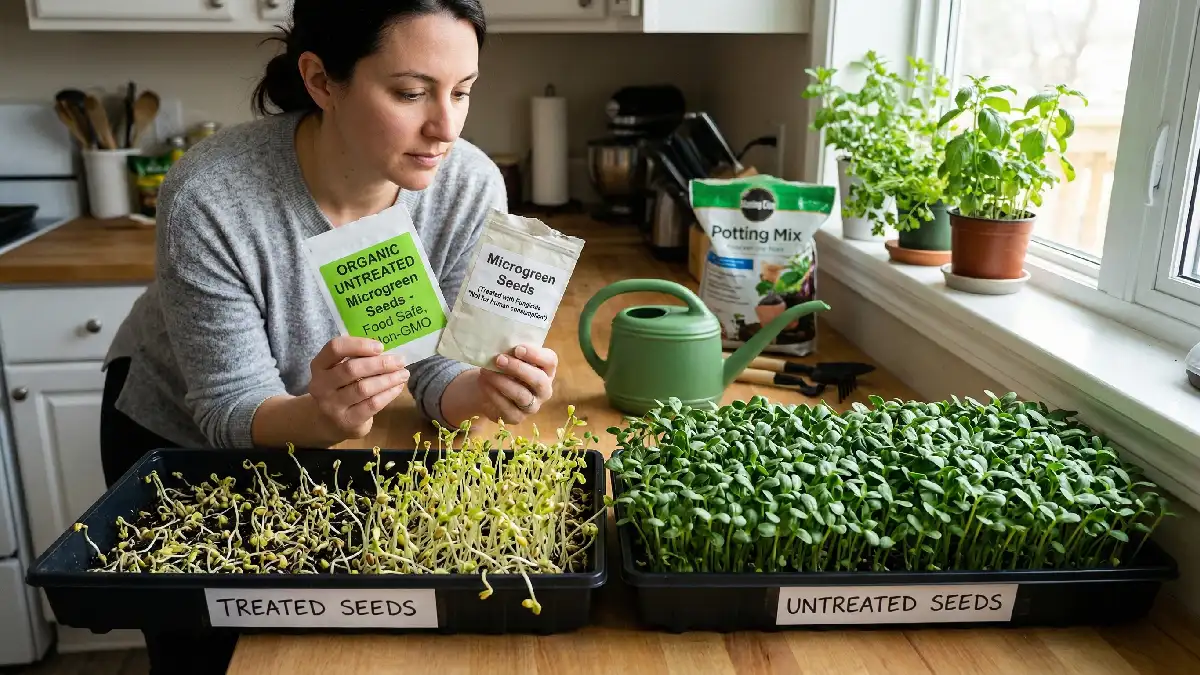
Always pick food-safe, untreated seeds. Small batch tests help, spread evenly, mist gently. Roots grab medium, shoots push strongly, every tray tells a story. Growth surprises daily, tiny effort, big reward. Observing closely saves mistakes, and beginners learn fast. Healthy seeds make the kitchen lively.
Harvesting Too Late
Many wait too long, leaves are big, stems are thick, looks ready. Taste dull, texture weak, microgreens lose crunch. Flavor fades fast, nutrients drop, even tiny trays show a difference. Beginners are excited, cut late, and regret quickly; some shoots wilt. Others overgrow, harvest timing matters, check true leaves, first leaves not enough.
Stems firm? Color bright? Good. Cut just the above roots. Scissors work best, pull the ling ruins tray, small batches. The kitchen smells fresh, eat fast, and storage is limited. Even one extra day changes taste, tiny attention, big difference. Microgreens teach patience; learning grows along with the shoots. Every tray tells a story.
How to Harvest and Store Microgreens
Microgreens ready? Check true leaves. Not baby leaves, stems firm, color bright. Grab scissors, cut the above mat or soil. Pull the ling ruins tray, keep your hands clean. Small snips, work section by section, eat fresh fast. Leaves are fragile, store short, and airtight containers work. a Add a dry paper towel inside.
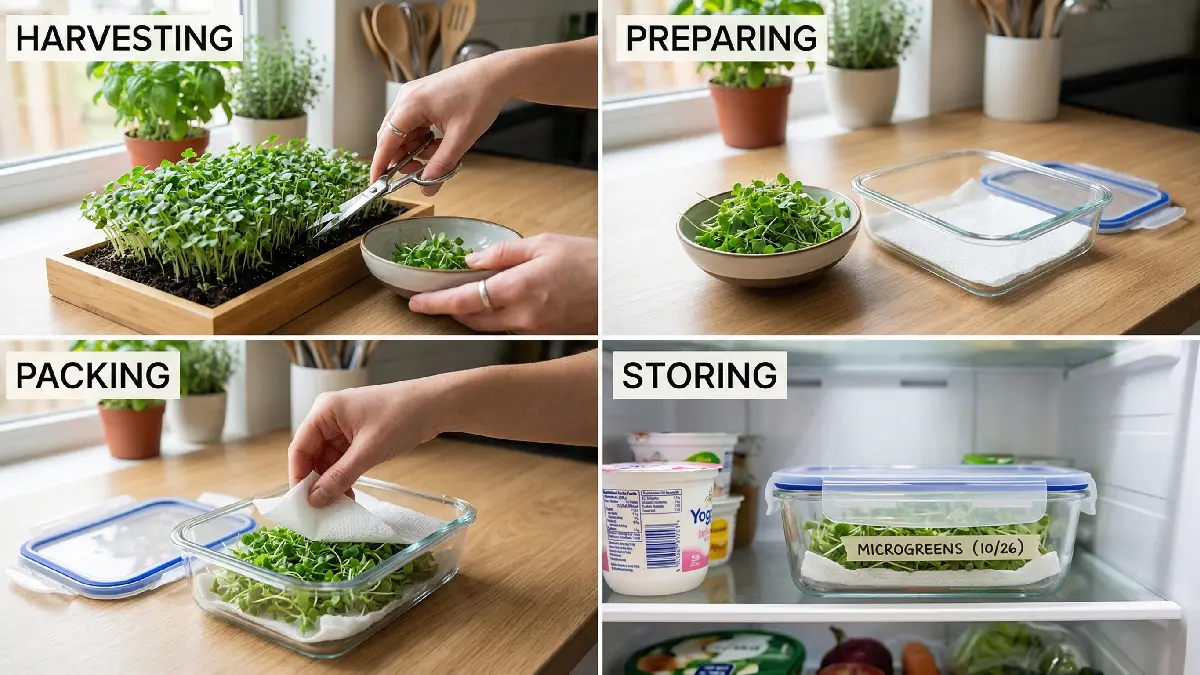
Prevents moisture, fridge best, not freezer, cold burns leaves. Check daily, mist if dry. Overcrowded containers? Leaves limp. Flavor dulls, small batches are easier, kitis chen alive with greens. Harvest teaches patience. Every tray tells a story, tiny care, big reward, learning fun, energy from greens, real.
When to Harvest
Microgreens tell you when ready; look for the first true leaves. Not tiny baby leaves, stems firm, color bright, growth fast, but timing matters. Beginners check daily, shoots peek above the soil or mat. Tiny changes show up quickly. Harvest too early? Flavor mild. Wait too long? Tough stems, faded nutrition.
Scissors work best; cut the above roots, and keep the tray clean. Kitchen corners feel alive, watching growth surprises. Each tray teaches patience, tiny effort, and big reward. Energy hits shotshoots pothe p at the right time. Every batch tells a story. Harvesting properly keeps meals fresh and exciting.
How to Cut Microgreens Properly
Scissors work best, pulling the ruins stems, leaves tear. Tray messy, cut just the above roots, tiny snips, careful hands. Beginners rush sometimes, results suffer, and hold the tray steady. Slice evenly, don’t dig. Soil, free mats are easier. Paper towels are tricky, cut into sections. Eat fresh fast.
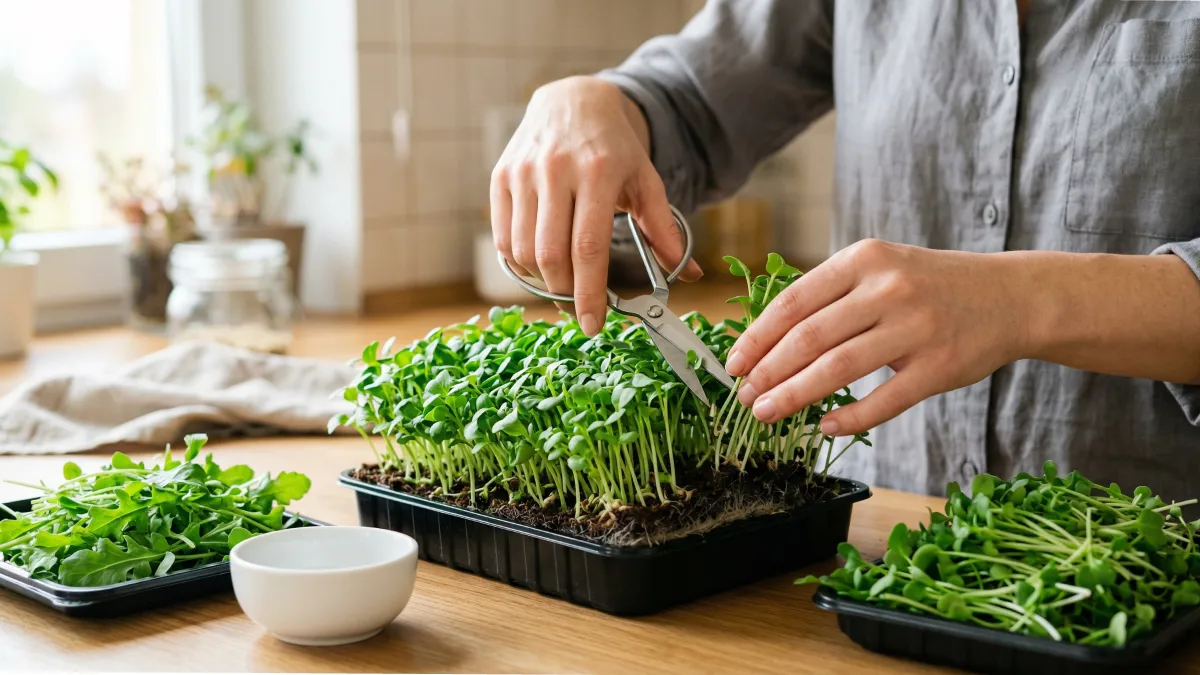
Storage short, leaves crisp, flavor sharp, small mistakes noticeable. Watch closely, energy from greens feels real, microgreens quickly. Every tray tells a story, learn with each harvest. Small effort, big reward, kitchen alive. Tiny leaves, huge impact, patience counts, learning is fun.
How to Store for Maximum Freshness
Microgreens stay fresh when stored right. Use an airtight container, and add a dry paper towel inside. Absorbs extra moisture, the fridge works best. not too close to the freezer. Leaves crisp, stems firm, don’t pack tightly. Shake gently before closing; beginners forget this, leaving the leaves limp fast.
Mist if needed, check daily, Use within a week. Some varieties last less; cutting just before meals is best. Energy feels real while eating, every tray teaches care matters. Tiny effort, big reward. Kitchen corners stay lively. Growth surprises daily, microgreens taste sharp, and they stay nutritious.
Can Microgreens Regrow?
Some microgreens try to regrow; pea shoots often bounce back. Radish, sunflower rarely, cut too low, no second chance. Leaves may pop again if the stems are intact, and roots hold tiny amounts of energy. Beginners hope every tray will regrow. Kitchen corners sometimes surprise, water lightly.
Mist gently, airflow matters, growth is slow the second time, flavor is weaker. Nutrition drops slightly; tiny tweaks help success. Watch closely, every tray teaches patience, tiny effort, big reward. Energy feels real when shoots push green again. Microgreens forgive small mistakes; learning comes daily.
FAQs: Frequently Asked Questions
How long does it take to grow microgreens indoors?
Microgreens pop up fast, usually 7to 14 days. Radish shoots appear first, sunflower slower. Leaves stay tiny. Watching trays grow excites beginners. Energy feels alive.
Do microgreens need direct sunlight?
Sunlight optional. LED lights work for 12 to 16 hours fine. Leaves stretch evenly, trays stay cozy, and growth surprises daily. Indoor microgreens still feel fresh and lively.
What are the easiest microgreens for beginners?
Radish, broccoli, peas, sunflower. Seeds sprout fast, leaves pop green, and care is simple. Tiny shoots excite beginners. Every tray feels alive, and energy hits quickly.
Can I reuse the soil?
Reusing soil is risky, as mold forms. Nutrients drop, roots stay behind. Fresh medium keeps microgreens strong. Leaves pop fast, and watching growth feels satisfying.
Conclusion
Growing microgreens indoors for beginners feels alive. Seeds rest in soil, quiet, water lightly, not too much. Shoots push green, leaves firm, stems strong. Sun hits leaves, LED works too. Radish sprouts fast, broccoli slower, harvest when ready. Eat fresh, sprinkle on eggs, salads, and pasta.
Flavor pops, vitamins packed, beginners notice tiny changes. Every tray teaches patience, energy feels subtle but real. Kitchen corners turn green, tiny effort, big reward. Microgreens surprise me daily; learning is easy. Start tray, finish smiling, meals taste bright, tiny leaves, huge impact.