

Ask most gardeners what a clay mule is, and you’ll get a blank stare. Ask an old-tool collector, and their eyes light up. That gap says a lot. This is one of those tools that quietly did some of the hardest work in a garden, yet somehow slipped out of common knowledge. Once you see one, you won’t forget it. The shape alone makes you stop and look twice.
A clay mule isn’t flashy no fancy carvings no famous name stamped on it. What makes it special is simpler than that. It was built to solve one very real, very stubborn problem. Heavy, sticky clay soil that just wouldn’t cooperate with a normal spade. If you’ve ever tried digging a hole in dense clay after a dry spell, you already get why a tool like this needed to exist.
This guide covers what a clay mule actually is, where it came from, how it was built, and why it still grabs the attention of gardeners and collectors today. Whether you found one at a flea market or you’re just curious about a name you’ve never heard, there’s a good story here.
By the time you finish reading, you’ll know exactly what to look for if you ever come across one yourself, and you’ll understand why this humble tool earned such a loyal following among people who care about old garden gear.
What Exactly Is a Clay Mule?
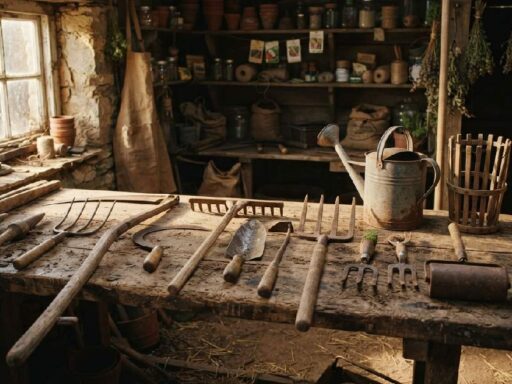
A clay mule is an old digging tool, part spade and part fork, made specifically for working heavy clay soil. Some versions look like a narrow spade with a flat blade. Others take the shape of a two-pronged fork, sometimes called a clay fork or mule fork. Both share the same goal. Cutting into thick, wet clay that would stop a normal digging spade cold.
The name itself gives a hint. Clay soil has a reputation for being stubborn. A mule has a reputation for being strong and hardworking. Put those two together and you get a name based on exactly what the tool needed to beat. Simple, honest, no marketing spin, just like a lot of old working tools.
Not every gardener owned one of these. It showed up mostly in places where clay soil was a real, everyday headache, and it usually belonged to someone who worked the land seriously, not a casual weekend gardener. That narrow use is part of why it never got as well known as tools like the standard spade or garden fork.
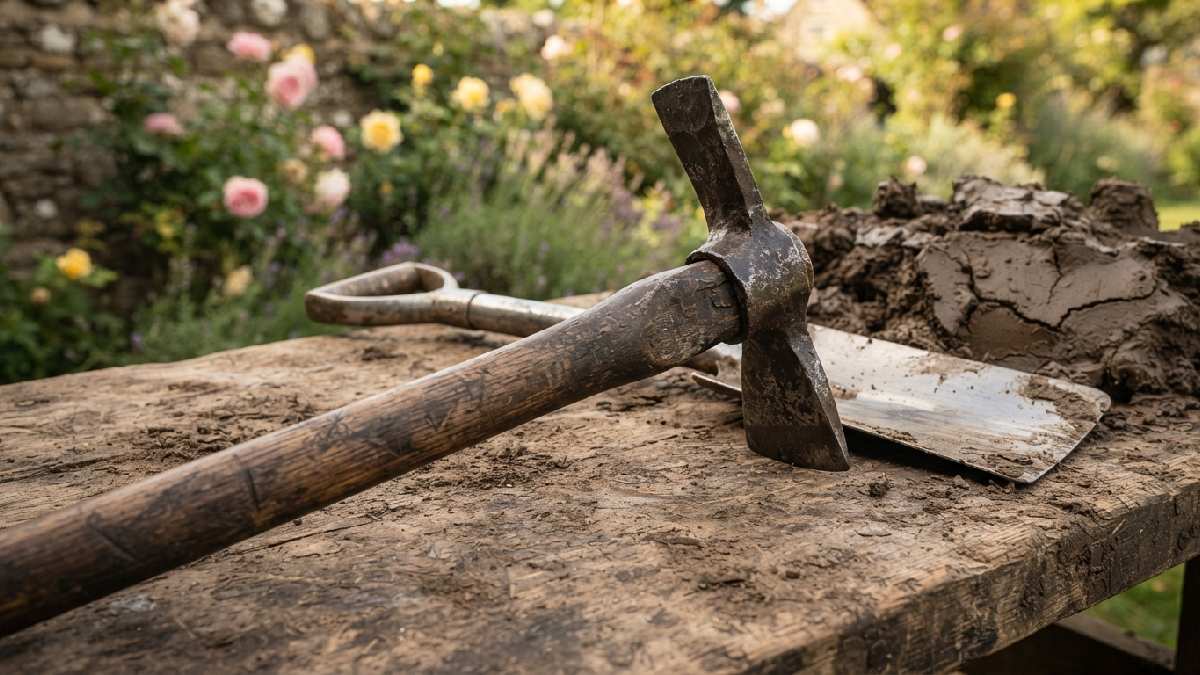
Think about it this way. Most gardeners owned a spade because they just needed to dig. Fewer gardeners owned a clay mule, because fewer gardeners had soil bad enough to justify a second, specialized tool. Owning one meant you had a real, ongoing fight with your ground, not just an occasional annoyance.
It’s a bit like the difference between owning a regular kitchen knife and owning a special bread knife. Everyone has a basic knife, but only bakers really need the specialized one. A clay mule fits that same idea, useful to a specific group facing a specific problem, while most other gardeners simply never needed to own one at all.
Where the Clay Mule Came From
The clay mule traces back to English gardening and farming traditions, especially from areas where clay-heavy soil made regular digging tools nearly useless. England has a lot of clay-rich ground, and gardeners there needed something tougher than a normal spade to get through it year after year.
Old catalogs and surviving pieces suggest the clay mule, sometimes called a mule spade or mule fork, was already around by the 1800s. Blacksmiths and small workshops built these by hand, shaping each one for local soil. Since clay soil changes a lot from region to region, the shape and weight of a clay mule sometimes shifted depending on where it came from.
This kind of local, hands-on tool-making was normal before big companies standardized designs across whole countries. A blacksmith in one clay-heavy village built tools based on what actually worked for that ground, learning through years of feedback from the farmers who kept coming back for repairs. This close relationship between maker and user gave early clay mules their real, purpose-built feel.
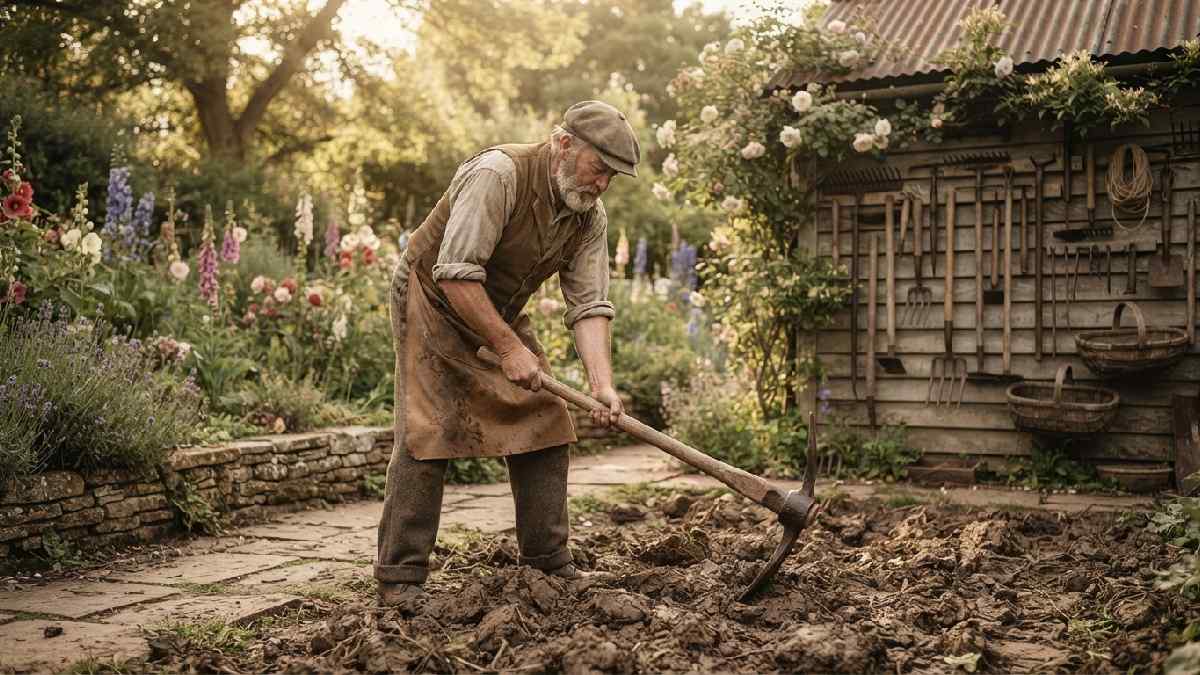
By the early 1900s, clay-specific tools like the mule had earned a spot in gardening catalogs, sitting right next to standard spades and forks as a specialty pick for anyone stuck with truly rough ground. It wasn’t a tool every gardener needed. But for those who did, nothing else came close.
The tool’s name and exact shape also drifted a bit depending on where you were. Some old records list it simply as a mule spade, others as a clay fork, and some just describe it plainly, a heavy tool for digging clay. This kind of loose, informal naming was pretty common for working tools of this era, since they got built and used locally long before any single company tried to standardize a name or design across a wider market.
How a Clay Mule Was Built
The design wasn’t random at all. Every part of it was shaped around one job. Cutting into heavy, wet, sticky soil without getting stuck or bending under the strain.
The Blade and Head
The head of a clay mule was almost always forged from solid carbon steel, picked for its strength. A blade this thick could push through packed, wet clay without folding or chipping the way a thinner, cheaper blade might. Flat-bladed versions worked more like a narrow, heavy-duty spade, made to slice cleanly into dense ground.
Fork-style clay mules used two sturdy, closely spaced prongs instead of one solid blade. This let the tool push into thick clay with less resistance, since the prongs pushed less material aside as they went in. Once buried, the fork could get levered to break up and lift heavy soil in a way a flat spade sometimes struggled to do cleanly.
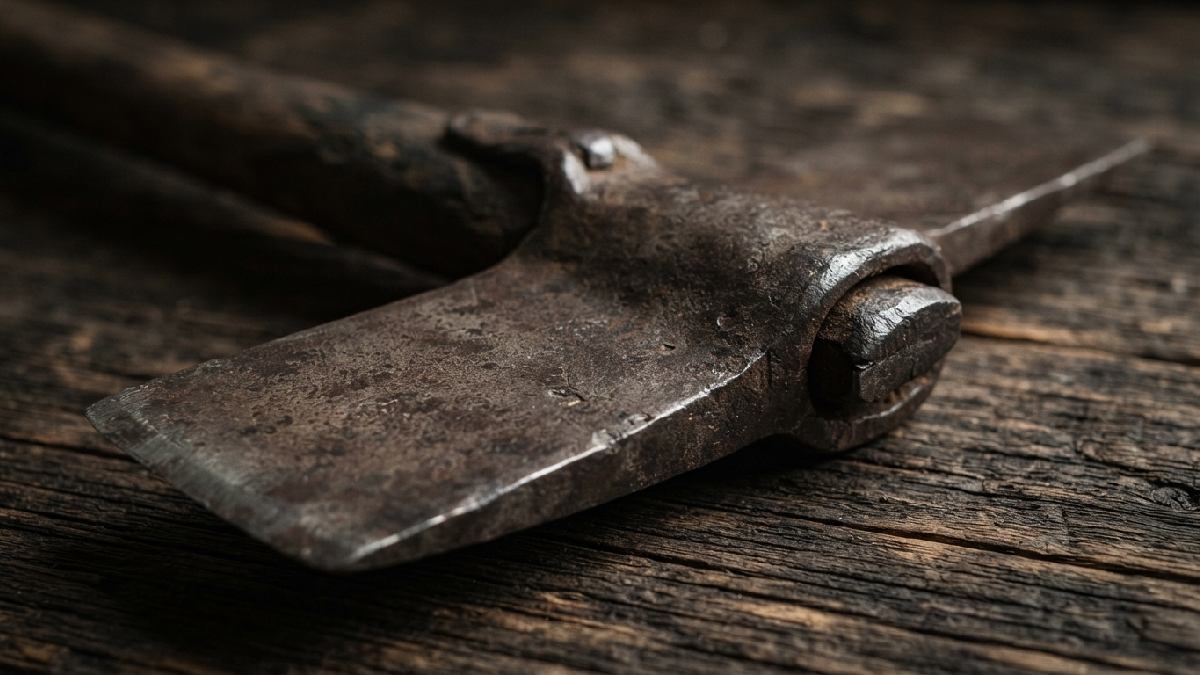
Either way, the blade on a real clay mule tends to be noticeably thicker than on a standard garden spade. That extra thickness added weight, sure, but it also added the strength needed to survive years of prying against ground that just wouldn’t quit.
Some versions also had a slightly narrower blade width compared to a standard spade. A narrower blade meant less surface area pushing against the clay at once, which made that first cut into the ground noticeably easier, even before the added thickness and weight came into play. Every part of the design worked toward the same simple goal, getting through soil that fought back.
The Handle and Grip
Handles on a clay mule were usually made from ash wood, split and shaped into a traditional Y or D grip. This gave the user a firm, steady hold, which mattered a lot when working against soil that fought back with every push. A slipping grip on heavy clay work risked more than wasted effort. It risked real injury.
The shank connecting the handle to the metal head was often extended and reinforced compared to a standard spade, adding strength right where it mattered most. Clay soil puts a lot of leverage-based stress on this joint, since gardeners often had to rock and pry the tool loose rather than simply pushing straight down.
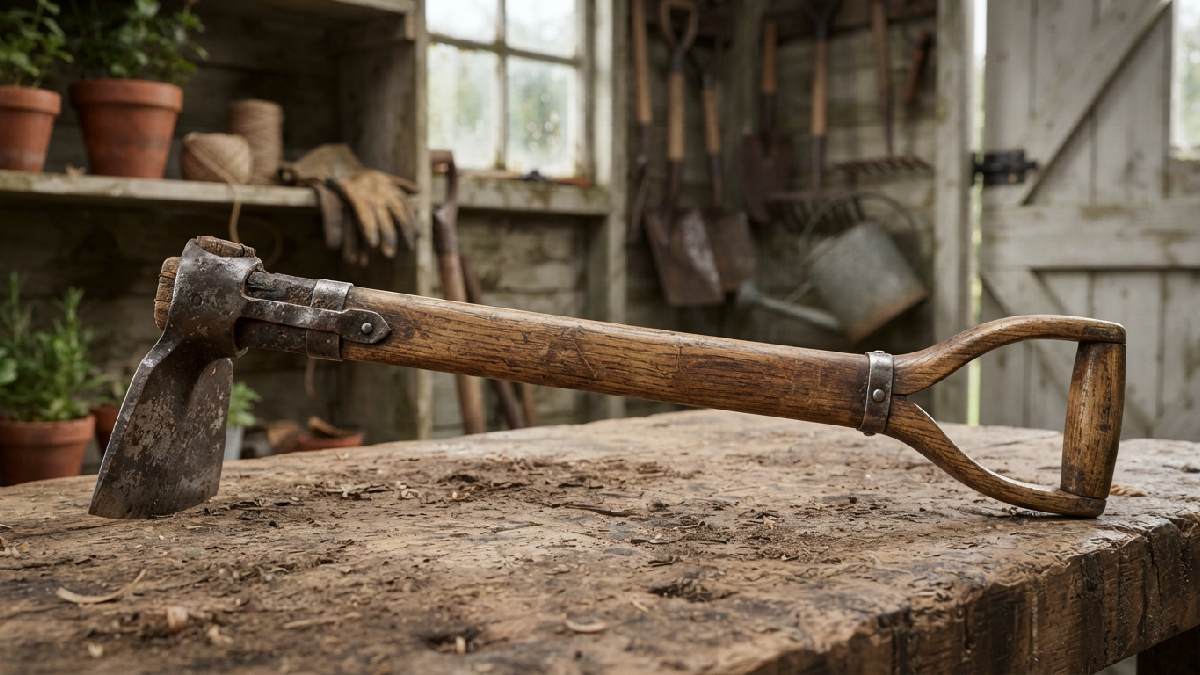
Length mattered too. Many clay mules were built a bit shorter than a standard digging spade. This gave the user more control and leverage for the twisting, prying motion clay soil often demanded, instead of the smoother, straight-down push that looser soil calls for.
Ash wood earned its place here for good reason. It’s strong enough to handle real stress, yet flexible enough to soak up some of the shock from repeated prying and levering without snapping outright. A brittle wood just wouldn’t have survived the kind of twisting force a clay mule regularly dealt with over years of hard use.
What Made the Clay Mule Different From Other Tools
At a glance, a clay mule might look like just another old spade or fork sitting in a box somewhere. A closer look tells a different story.
Clay Mule vs Standard Spade
A standard garden spade gets built for general use across many soil types. Its blade tends to be thinner, lighter, and shaped for smooth, even digging in fairly loose soil. Push a standard spade into thick, dry clay, and it’s likely to bend, struggle, or just refuse to go in cleanly.
A clay mule trades some of that general usefulness for raw strength and focus instead. Its thicker blade, reinforced shank, and shorter handle all point toward one specific job rather than a dozen different ones. It wasn’t meant to be your only garden tool. It was meant to be the one you grabbed specifically when the ground refused to cooperate with anything else in the shed.
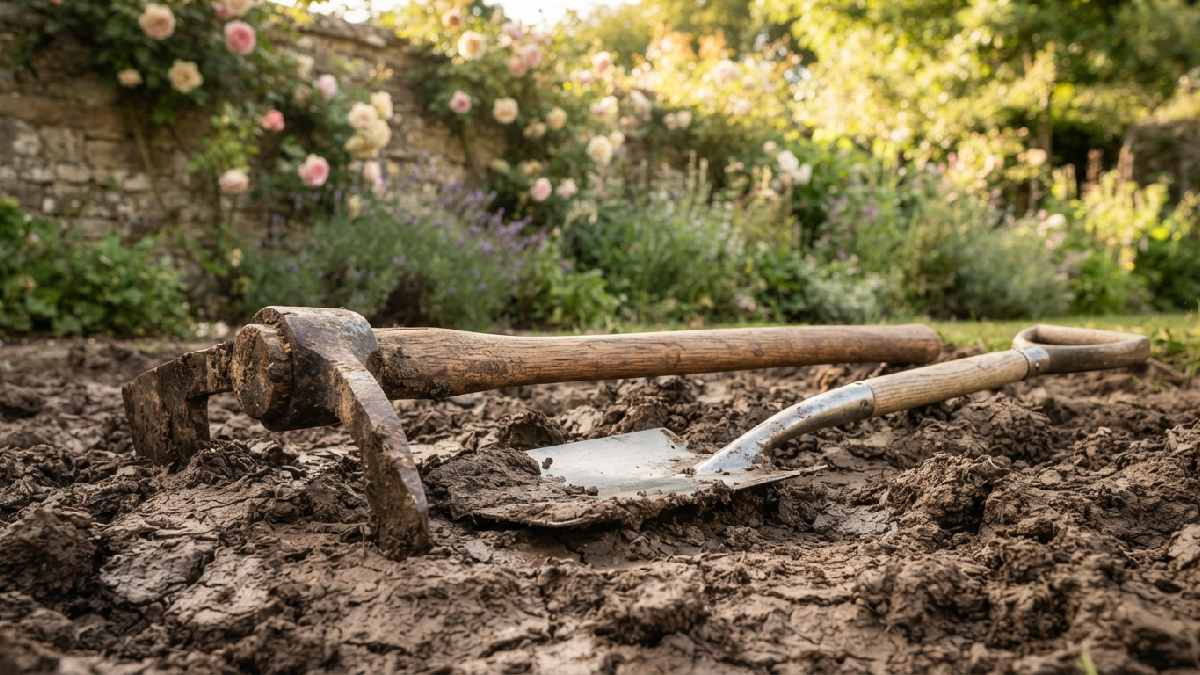
Weight is another clear difference. A clay mule is noticeably heavier than a standard spade of the same size, and that weight isn’t a flaw. It’s part of the design, giving the tool the mass it needs to break through compacted clay that a lighter tool would just bounce off of.
Handling technique differs too. A standard spade usually gets pushed straight down, then levered back to lift soil in one smooth motion. A clay mule often needs more of a rocking, working motion, wiggling and prying the blade or prongs deeper into resistant ground before finally levering it free. Slower, more deliberate work, but exactly what heavy clay actually demands.
Why the Clay Mule Is Considered Rare Today
A few things came together to make the clay mule genuinely uncommon compared to more familiar antique garden tools. First, it was always a specialty tool, built for one soil problem rather than everyday general use. That narrow purpose meant fewer got made in the first place, compared to something like a standard spade or trowel that pretty much every gardening household owned.
Second, changes in gardening and farming methods over the last hundred years cut down how often anyone needs to attack clay soil by hand with a heavy forged tool. Modern soil amendments, mechanical tillers, and different approaches to breaking up heavy ground have all shrunk the everyday need for this kind of tool. As the real need faded, so did the number still being actively used, fixed up, and passed down.
Gardeners today have far more options than they used to. A rented tiller, a bag of soil conditioner, or even just switching to raised beds filled with better soil can all sidestep the clay problem entirely, without ever needing a specialized digging tool at all. That shift alone explains a lot of why the clay mule slipped out of everyday use over the past few generations.
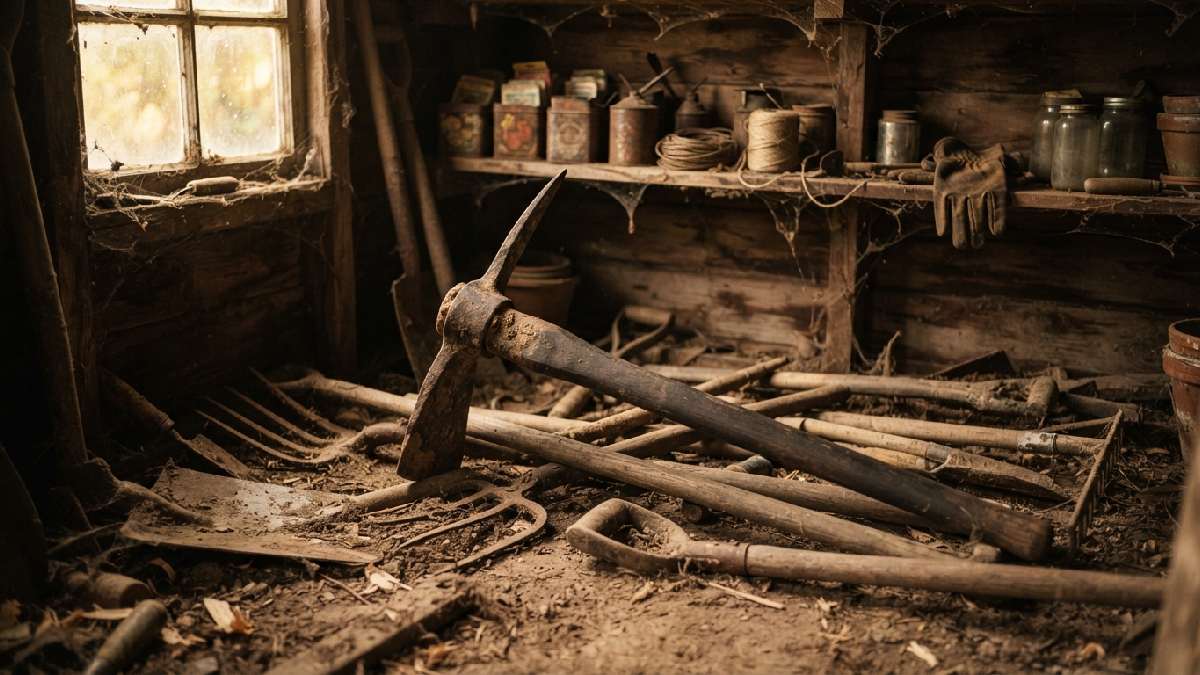
Third, a lot of surviving clay mules simply didn’t make it through in usable or recognizable shape. A tool built for such tough, demanding work often wore out hard, and worn-out tools get scrapped or lost way more easily than decorative pieces that spent their whole life just sitting on a shelf.
Fourth, awareness itself plays a part. A lot of people who inherit or stumble onto an old clay mule just don’t recognize what they have. Without a clear label or an obvious modern match, these tools sometimes get tossed out, sold cheap as unlabeled scrap, or mistaken for just another old spade, quietly shrinking the number that ever land in the hands of someone who actually values them.
Put it all together, and you get a tool that was never especially common to start with, fell out of practical use over time, and had a rough, demanding job that shortened the life of a lot of surviving pieces. That mix is exactly why a real old clay mule gets serious attention whenever one shows up at an estate sale or auction today.
Using a Clay Mule in the Garden
For gardeners dealing with genuinely tough clay soil, a clay mule isn’t just a museum piece sitting behind glass. It’s still a genuinely useful tool, and modern versions are still made today for exactly this reason.
When a Clay Mule Still Makes Sense
If your garden sits on heavy clay that turns rock-hard when dry and sticky when wet, a clay mule can save you real effort compared to fighting the same job with a standard spade or fork. Its thicker blade and extra weight make cutting into compacted ground noticeably easier, especially for bigger digging jobs like new garden beds or drainage trenches.
It’s less useful for lighter or looser soil types though, where all that extra weight just becomes a burden instead of a benefit. A clay mule isn’t meant to replace your everyday spade for general planting and light digging. It’s meant to sit in the shed, waiting for the specific days when the ground genuinely fights back.
Gardeners preparing a brand new bed in previously unworked, clay-heavy ground often find a clay mule especially useful during that first rough round of digging, before the soil’s been amended and loosened up through regular gardening over time. Once a bed’s been properly worked and improved, a lighter, more general tool usually takes over for ongoing care.
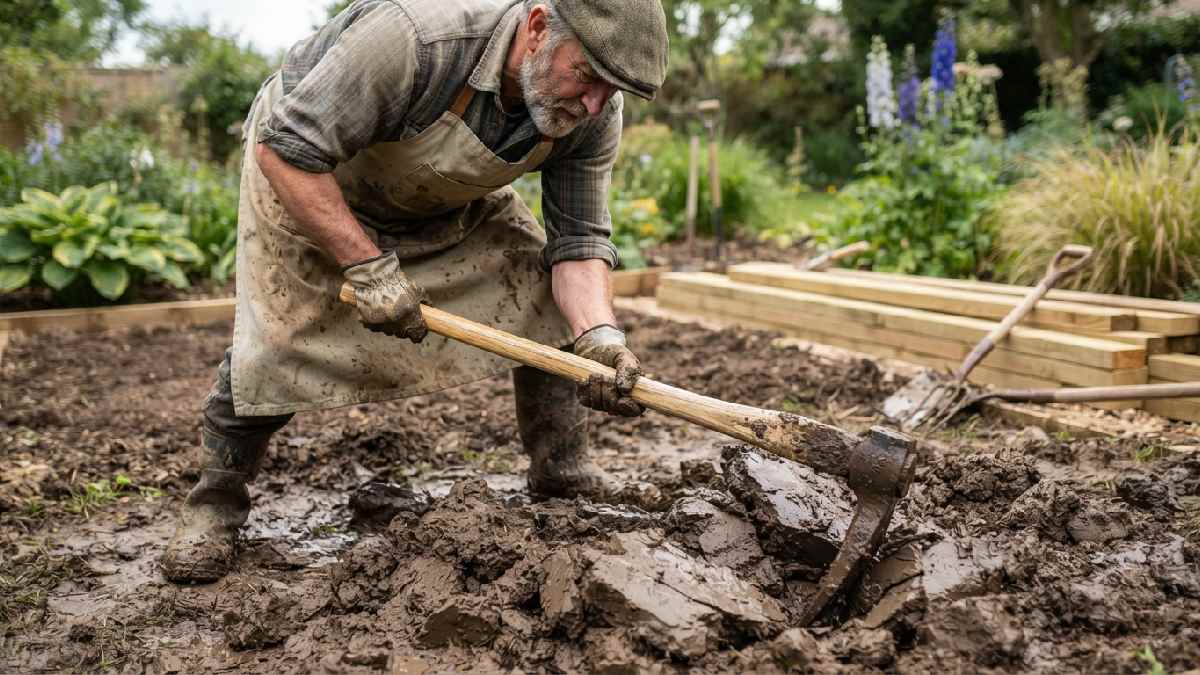
It also pairs nicely with proper soil improvement over time. Using the tool to break through the worst of the compacted ground, then mixing in compost or other organic matter, slowly improves the soil’s texture. This means the same bed often needs less aggressive digging each season after that. In a way, a clay mule does its heaviest work early on, then gets called on less and less as the ground itself gets better.
Some gardeners keep a clay mule around specifically for this reason, using it just once or twice a year for the toughest jobs, then switching back to lighter, more general tools for everything else. It’s not about using it constantly. It’s about having the right tool ready for the handful of moments when nothing else will do the job properly.
Why Collectors Want One
Beyond real garden use, the clay mule has become a genuine point of interest for antique tool collectors, and it’s not hard to see why once you know the backstory. Rarity alone grabs attention, but the tool’s clear, purpose-built design adds a layer of appeal that purely decorative antiques often lack.
Spotting a Genuine Old Clay Mule
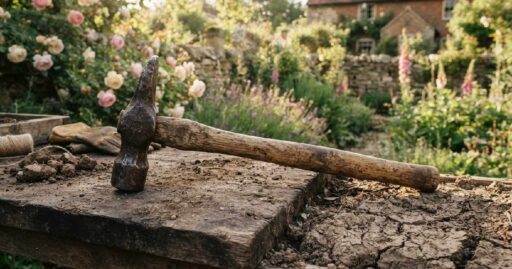
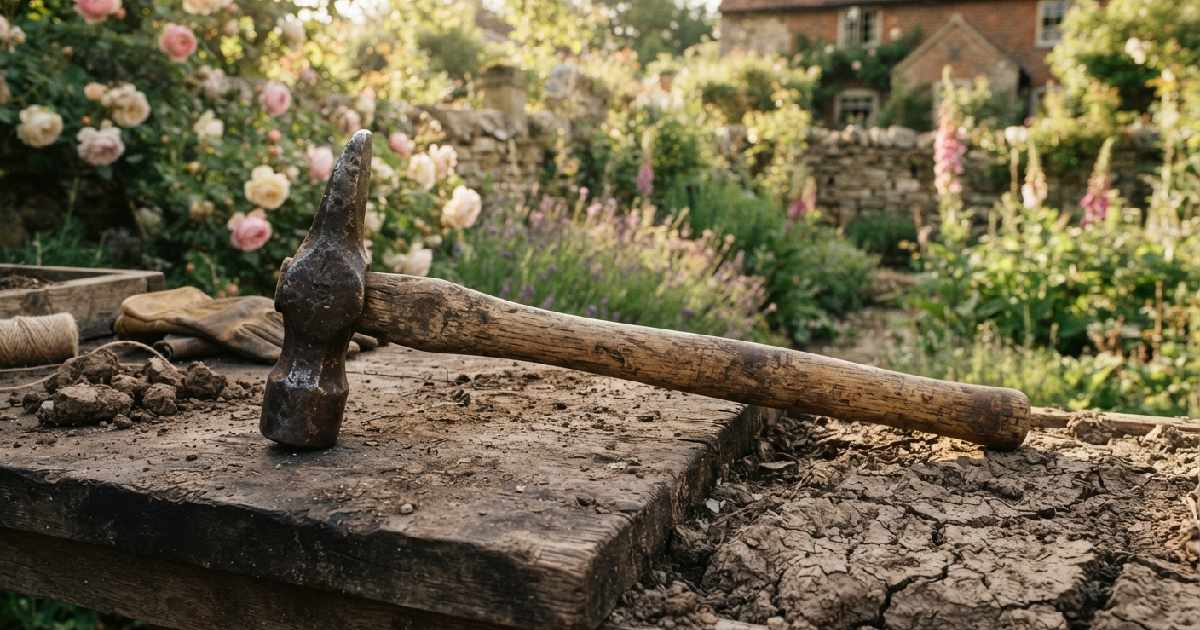
A real antique clay mule shows a few telltale signs. Look for a thick, forged steel head that’s noticeably heavier than a standard spade or fork of the same size. Genuine pieces often show real wear too, smoothed edges, worn wood, a bit of surface rust, matching decades of hard, honest use rather than gentle decorative handling.
Regional differences are another clue worth knowing. Since clay mules were often shaped by local blacksmiths to suit local soil, you might find small differences in blade width, prong spacing, or handle length between pieces from different areas. This variety isn’t confusing; it’s actually part of the appeal for serious collectors, since it reflects real hands-on problem-solving instead of mass-produced sameness.
Comparing weight against a similar-sized standard spade helps confirm you’re looking at the real thing too. If a tool feels dramatically heavier than a normal spade of the same length, that’s a good sign you’ve found a genuine clay-working tool rather than an ordinary digging spade that got mislabeled over the years.
Because real antique clay mules are less common than everyday tools like trowels or standard spades, finding a genuine, well-kept piece feels like a real discovery rather than a routine flea market find. That rarity, plus the tool’s clear, purposeful design, is exactly what keeps collectors on the hunt for one.
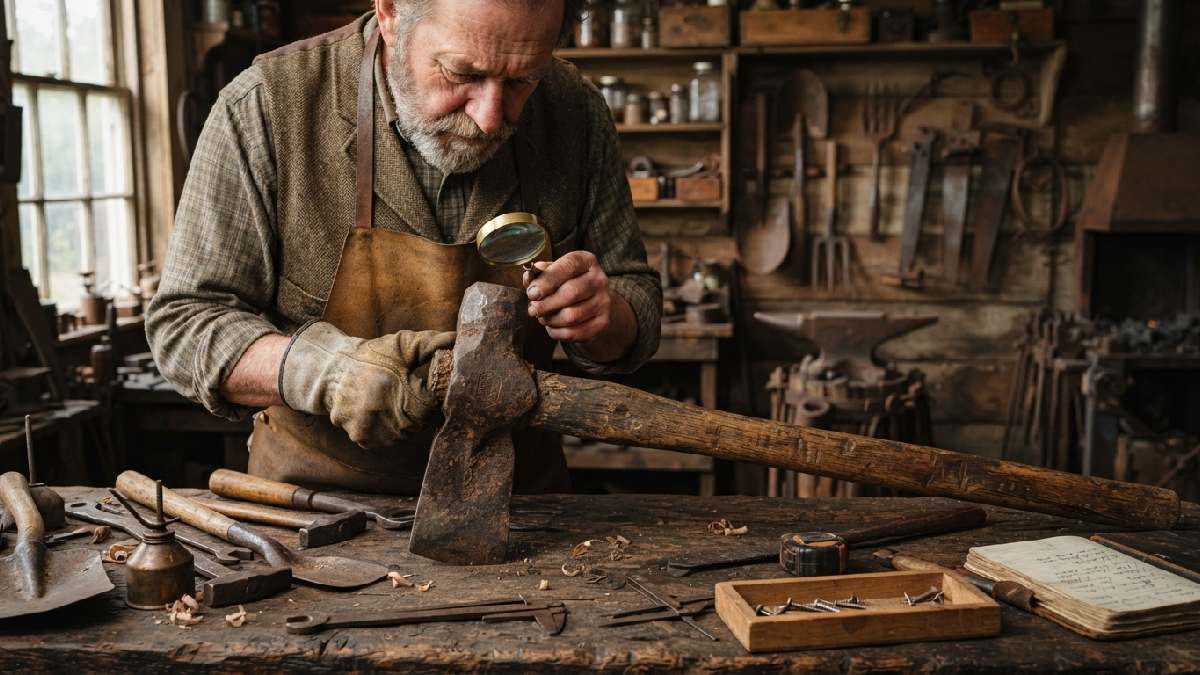
Owning a clay mule offers something a little different from most antique tool collections too. It’s not just old. It’s a tool built around solving one very specific, very real problem, and that focused purpose gives it a story that’s easy to explain and easy to appreciate, even for someone who’s never dealt with a single ounce of clay soil themselves.
That storytelling part matters more than people might expect. A collection full of tools nobody can explain quickly turns into a room full of confusing clutter. A clay mule, on the other hand, comes with a built-in explanation, a real reason for existing that makes it instantly interesting to anyone who hears the story, gardener or not.
It’s the kind of tool that sparks a real conversation the moment someone spots it on a shelf. Most people who see one for the first time end up asking the same question. What on earth is that, and what was it for? Having a good, true answer ready is part of what makes collecting these old tools so satisfying in the first place.
FAQ
What is a clay mule used for?
A clay mule is a heavy-duty digging tool built specifically for breaking up thick, compacted clay soil that a standard spade or fork would struggle to handle.
Is a clay mule the same as a garden fork?
Not exactly, though some clay mules take a two-pronged fork shape. The key difference is the extra weight, thicker build, and reinforced construction meant specifically for clay soil.
Why is the clay mule considered rare?
It was always a specialty tool made in smaller numbers, and its demanding job meant a lot of surviving examples wore out or got tossed rather than kept over the decades.
Can you still buy a clay mule today?
Can you still buy a clay mule today?
Yes, some tool makers still build modern versions along the same traditional design, especially for gardeners dealing with genuinely heavy clay soil.
Is a clay mule worth using if I don't have clay soil?
Probably not for everyday gardening, since its extra weight doesn't offer much benefit in lighter soil, though it might still appeal to collectors interested in its history and design.
Conclusion
The clay mule might not be a household name, but it earned its place in gardening history the hard way, quite literally, by taking on some of the toughest ground a gardener could ever face. Its thick blade, reinforced handle, and no-nonsense design tell the story of a tool built for one job and built to do it well.
Whether you’re drawn to it as a working tool for genuinely tough soil, or as a rare and interesting piece for a growing antique collection, the clay mule offers something a little different from the usual lineup of old garden tools. Next time you spot an unfamiliar, heavy-headed spade or fork at an estate sale, take a closer look. It might just be the tool that once made stubborn clay soil finally give in.
There’s a real satisfaction in understanding exactly why a tool looks the way it does, rather than just admiring it as some odd old object with no clear purpose. Once you know the story behind the clay mule, its thick blade and reinforced handle stop looking strange and start looking exactly like what they were always meant to be. A smart, honest fix for a genuinely hard problem. That’s a story worth remembering the next time you’re digging through a dusty box of old garden tools.
And if you ever do come across one, whether it’s sitting quietly in an old shed or tucked in a box at an estate sale, give it a real look. Feel the weight. Notice the wear. That little bit of attention is often all it takes to spot a piece of gardening history that most people would simply walk right past.