


Have you ever made regular basil pesto and wondered if there was a fresher, brighter way to do it? There is it’s called microgreen pesto, and once you try it, you may never go back to the old way.
Microgreen pesto uses tiny, young greens instead of full-grown herbs. These little greens are packed with flavor, color, and nutrients. They blend into a smooth, vibrant sauce that works on pasta, sandwiches, pizza, and so much more.
In this guide, we’ll walk through everything you need to know. What microgreen pesto is, why it’s worth trying, what ingredients you need, and how to make it step by step. No confusing steps. No hard-to-find ingredients. Just a simple, tasty recipe anyone can follow.
Let’s get started.
What Is Microgreen Pesto?
Traditional pesto is made with fresh basil leaves, pine nuts, garlic, olive oil, cheese, and a pinch of salt. It’s a classic Italian sauce loved all over the world.
Microgreen pesto takes that same idea but swaps out some or all of the basil for microgreens. Microgreens are young plants harvested just days after sprouting, while they’re still small and tender.

Because microgreens grow so fast and pack such strong flavor into a tiny leaf, they make an amazing base for pesto. Some varieties, like basil microgreens, taste just like the herb but even more intense. Others, like arugula or radish microgreens, bring a peppery or spicy twist that regular pesto never had.
This isn’t just a fancy twist for restaurants. It’s an easy way for anyone with a small tray of microgreens at home to turn their harvest into something delicious.
Why Try Microgreen Pesto?
You might be wondering if this is really worth the extra effort. Here’s why so many home cooks and chefs are switching to microgreen pesto.
Bigger flavor in a small package. Microgreens are known for having stronger, more concentrated flavor than their full-grown versions. A small handful can bring a big taste to your pesto.
More nutrients. Studies have shown that many microgreens contain higher levels of vitamins and antioxidants compared to mature plants. That means your pesto isn’t just tasty, it’s also more nutritious.
Bright, vibrant color. Fresh microgreens often blend into a deep, rich green sauce that looks stunning on a plate. This makes your pesto perfect for photos, dinner parties, or simply making a weeknight meal feel special.
Great way to use extra microgreens. If you grow your own microgreens or buy more than you can eat fresh, turning them into pesto is a smart way to avoid waste.

Fun flavor variety. Since there are so many types of microgreens, you can experiment with different flavors every time. One batch might taste peppery and bold. The next might be sweet and mild.
Quick to make. Once you have your ingredients ready, microgreen pesto comes together in just a few minutes using a blender or food processor.
If you love pesto but want something fresher, brighter, and more nutritious, this recipe is worth adding to your kitchen routine.
Choosing the Right Microgreens for Pesto
Not all microgreens taste the same, so picking the right one or the right mix makes a big difference in your final pesto.
Basil microgreens. These are the closest match to traditional pesto flavor. If you want a familiar taste with a fresher twist, this is the top choice.
Arugula microgreens. These bring a peppery, slightly spicy flavor. Great if you want your pesto to have a little kick.
Sunflower microgreens. These add a nutty, mild flavor and blend smoothly, making them a good base if mixed with a stronger green.
Pea shoots. Sweet and mild, pea shoots can soften the intensity of stronger greens like arugula or radish.

Radish microgreens. Spicy and bold. Best used in smaller amounts mixed with milder greens, unless you love strong heat.
Kale microgreens. Slightly earthy and hearty, these work well in heartier pesto recipes meant for warm pasta dishes.
A great starting mix for beginners is half basil microgreens and half sunflower microgreens. This gives you a familiar pesto taste with a fresh, mellow twist.
Ingredients You’ll Need
Here’s a simple, classic microgreen pesto recipe using easy-to-find ingredients.
Main ingredients:
- 2 cups fresh microgreens (basil, arugula, or a mix)
- 1/3 cup nuts (pine nuts, walnuts, or almonds all work well)
- 2 cloves garlic
- 1/2 cup grated parmesan cheese
- 1/2 cup olive oil
- Salt and pepper to taste
- A small squeeze of lemon juice (optional, but adds brightness
Optional add-ins:
- A pinch of red pepper flakes for heat
- A tablespoon of nutritional yeast for a dairy-free version
- A few sun-dried tomatoes for a deeper, richer flavor

You don’t need fancy or expensive ingredients. Most of these are things you likely already have in your kitchen, aside from the microgreens themselves.
Tools You’ll Need
Making pesto doesn’t require special equipment. Here’s what helps:
- A food processor or blender
- A cutting board and knife (for prepping garlic and nuts)
- A rubber spatula for scraping down the sides
- A small jar or airtight container for storage
- A measuring cup and spoons
If you don’t have a food processor, a simple blender works fine too. Some people even make a rougher, chunkier pesto using a mortar and pestle for a more traditional texture.
Step-by-Step: How to Make Microgreen Pesto
Now let’s get into the actual recipe. This whole process usually takes less than fifteen minutes from start to finish.

Step 1: Wash your microgreens. Gently rinse your microgreens under cool water. Pat them dry with a clean towel or use a salad spinner. Extra water can make your pesto watery, so make sure they’re mostly dry before blending.
Step 2: Toast your nuts (optional but recommended). Place your nuts in a dry pan over medium heat for two to three minutes, stirring often. This brings out a deeper, richer flavor. Let them cool slightly before using.
Step 3: Add microgreens, nuts, and garlic to your food processor. Combine the microgreens, toasted nuts, and garlic cloves in the bowl of your food processor. Pulse a few times to break everything down into small pieces.
Step 4: Slowly add the olive oil. With the processor running, slowly pour in the olive oil in a thin stream. This helps the pesto blend into a smooth, creamy texture instead of turning chunky or separated.
Step 5: Add cheese and seasoning. Add the grated parmesan cheese, a pinch of salt, and a bit of pepper. Blend again until fully combined.
Step 6: Taste and adjust. Give your pesto a taste. If it needs more brightness, add a small squeeze of lemon juice. If it needs more salt, add a small pinch at a time until it tastes right to you.
Step 7: Store or serve. Transfer your pesto into a jar or airtight container. If storing, drizzle a thin layer of olive oil on top to help keep it fresh longer.
That’s it. In just a few simple steps, you have a fresh, homemade microgreen pesto ready to use.
Tips for the Best Microgreen Pesto
A few small tricks can take your pesto from good to great.
Don’t over-process. Blending too long can heat up the pesto and dull its bright green color. Pulse in short bursts instead of running the blender nonstop.
Use fresh, dry microgreens. Wet greens water down the flavor and texture. Always dry them well before blending.
Balance strong flavors. If using a spicy green like radish or arugula, balance it out with a milder green or extra nuts to avoid an overwhelming taste.

Adjust the oil slowly. Adding oil too fast can make your pesto oily instead of creamy. Pour it in slowly while the blender runs for the best texture.
Taste as you go. Every batch of microgreens can taste slightly different depending on freshness and variety, so always taste and adjust seasoning at the end.
Make it dairy-free if needed. Simply swap the parmesan cheese for nutritional yeast. It gives a similar savory flavor without the dairy.
How to Store Microgreen Pesto
Fresh pesto doesn’t last forever, but a few simple storage tips can help it stay fresh longer.
Refrigerator storage. Store your pesto in an airtight jar with a thin layer of olive oil on top. This helps prevent the pesto from turning brown due to air exposure. It should stay fresh for about five to seven days in the fridge.
Freezer storage. Pesto freezes very well. Spoon it into an ice cube tray, freeze until solid, then transfer the cubes into a freezer bag. This way, you can pop out just the amount you need whenever you’re cooking.

Avoid metal containers. Some ingredients in pesto can react with metal over time, affecting flavor. Stick to glass or plastic containers for storage.
Freezing in small portions is especially helpful since it lets you enjoy fresh-tasting pesto for months without wasting any.
Creative Ways to Serve Microgreen Pesto
Once you’ve made your pesto, the fun part is figuring out all the ways to use it. Here are some ideas to get you started.
Classic pasta. Toss your pesto with warm pasta for a quick, flavorful meal. Add a sprinkle of extra parmesan on top.
Sandwich spread. Use microgreen pesto instead of mayonnaise or mustard on sandwiches and wraps for an instant flavor boost.
Pizza base. Spread a thin layer of pesto on pizza dough instead of tomato sauce for a fresh, herby twist.
Dip for vegetables or bread. Serve pesto as a dip alongside sliced vegetables, crackers, or warm crusty bread.
Salad dressing base. Mix pesto with a little extra olive oil and lemon juice to create a quick, flavorful salad dressing.
Topping for grilled meats or fish. A spoonful of pesto on top of grilled chicken, salmon, or steak adds a fresh, herby finish.

Egg dishes. Swirl a small spoonful of pesto into scrambled eggs or an omelet for extra flavor.
Soup swirl. Add a small dollop of pesto on top of a warm bowl of soup for a fresh, colorful garnish.
The versatility of pesto means you’ll likely find new ways to use it every time you make a batch.
Common Mistakes to Avoid
Even a simple recipe like this can go wrong if you’re not careful. Here are common mistakes and how to avoid them.
Skipping the drying step. Wet microgreens dilute the flavor and can make the pesto watery instead of creamy.
Adding too much garlic. Garlic flavor gets stronger over time as pesto sits. Start with less than you think you need, then taste and adjust.
Using low-quality olive oil. Since olive oil makes up a big part of the flavor, using a fresh, good-quality oil makes a noticeable difference.
Not tasting as you go. Every batch of microgreens can vary slightly, so tasting throughout the process helps you get the balance just right.
Storing without oil on top. Skipping the oil layer on top before refrigerating can cause your pesto to brown faster.
Overloading with strong greens. Using only spicy greens like radish or mustard microgreens can overpower the dish. Mixing with a milder green balances the flavor better.
Health Benefits of Microgreen Pesto
Beyond great taste, microgreen pesto also brings some nice health perks to the table.
Rich in nutrients. Many microgreens are known to carry higher concentrations of vitamins and minerals compared to their mature counterparts.
Healthy fats. Olive oil and nuts provide heart-healthy fats that support overall wellness when eaten in moderation.
Low in added sugar. Unlike many store-bought sauces, homemade pesto contains no added sugar, making it a cleaner option for your meals.

Customizable for diets. Whether you’re vegetarian, dairy-free, or watching your sodium intake, this recipe is easy to adjust to fit your needs.
Fresh, whole ingredients. Since you’re making it yourself, you control exactly what goes into your pesto, avoiding preservatives or artificial additives often found in store-bought versions.
Fun Pesto Variations to Try
Once you’re comfortable with the basic recipe, try mixing things up. Small changes can create a whole new flavor experience.
Spicy microgreen pesto. Use radish or mustard microgreens as your main green, and add a pinch of red pepper flakes for extra heat. Great for those who love bold flavors.
Nut-free pesto. Swap out the nuts for toasted sunflower seeds or pumpkin seeds. This works well for anyone with nut allergies while keeping a similar creamy texture.
Vegan pesto. Replace the parmesan cheese with nutritional yeast and use a plant-based option if needed. The flavor stays rich and savory without any dairy.
Lemon herb pesto. Add extra lemon zest along with the juice for a brighter, more citrusy version. This pairs beautifully with grilled fish.
Sweet pea pesto. Use mostly pea shoots with a small amount of mint leaves mixed in. This creates a lighter, slightly sweet pesto that works great as a spring dish topping.
Smoky pesto. Add a small spoonful of smoked paprika or a few roasted red peppers for a deeper, smoky flavor profile.
Trying different variations is a fun way to keep your meals interesting while still using the same basic method every time.
Pairing Ideas for Microgreen Pesto
Pairing your pesto with the right dishes and drinks can turn a simple meal into something special.
With pasta dishes. Light pasta shapes like linguine or fusilli hold onto pesto sauce nicely without overwhelming the dish.
With roasted vegetables. Drizzle pesto over roasted zucchini, potatoes, or carrots for an easy, flavorful side dish.
With fresh bread. Serve alongside warm, crusty bread as a simple appetizer for guests.
With a light white wine. A crisp white wine, such as a light Sauvignon Blanc, pairs nicely with the fresh, herby notes of microgreen pesto.
With grilled seafood. The bright, fresh flavor of pesto complements grilled shrimp, salmon, or white fish beautifully.
With a simple green salad. Use pesto as part of a homemade salad dressing for a fresh, herby finish to any salad.
These pairings aren’t strict rules, just helpful starting points. Feel free to experiment based on what you enjoy most.
Making It Kid-Friendly
If you’re cooking for kids, a few small adjustments can make microgreen pesto more approachable for younger taste buds.
Choose milder greens. Stick to basil or pea shoot microgreens instead of spicier varieties like radish or mustard.
Reduce the garlic. A smaller amount of garlic makes the flavor gentler and less sharp for young palates.
Serve with familiar foods. Try mixing a small amount of pesto into macaroni and cheese or spreading a thin layer on a cheese sandwich.
Let kids help. Washing microgreens or pressing the blender button (with supervision) can make kids more excited to try the finished dish.
Introducing new flavors slowly and pairing them with familiar meals often helps picky eaters warm up to new ingredients like microgreens.
Meal Prep Ideas Using Microgreen Pesto
Microgreen pesto isn’t just for special occasions. It can become a handy part of your regular meal prep routine.
Pesto pasta salad. Make a batch of pasta salad with pesto, cherry tomatoes, and mozzarella balls for an easy grab-and-go lunch throughout the week.
Pesto grain bowls. Mix pesto into cooked quinoa or rice, then top with roasted vegetables and a protein of your choice for a balanced meal.
Pesto marinade. Use pesto as a quick marinade for chicken or tofu before grilling or baking.
Freezer-friendly portions. As mentioned earlier, freezing small pesto cubes lets you add a burst of flavor to any meal without needing to make a fresh batch every time.
Pesto toast. Spread pesto on toasted bread and top with a fried egg for a quick, flavorful breakfast.
Having a batch of microgreen pesto ready in your fridge or freezer makes it much easier to add fresh flavor to meals throughout a busy week.
Where Pesto Came From
Pesto has a long history that started in Genoa, a city in Italy. The name comes from an old word meaning “to pound” or “to crush,” which refers to how the sauce was traditionally made using a mortar and pestle.
Classic pesto used fresh basil, pine nuts, garlic, olive oil, and two types of cheese. Over time, cooks around the world began adjusting the recipe to fit local ingredients and personal taste. Some regions swapped pine nuts for walnuts. Others added different herbs or greens depending on what was fresh and available.
Microgreen pesto is really just the newest step in that long tradition of adapting the recipe. Instead of relying only on fully grown herbs, this version uses the young, tender stage of the plant, which brings a fresher, brighter twist to a sauce that has been loved for centuries.
Knowing a bit of the history can make cooking feel more meaningful. You’re not just making a quick sauce. You’re taking part in a tradition that has been passed down and reshaped for generations, one small kitchen at a time.
Choosing Quality Ingredients
The quality of your ingredients has a big impact on how your final pesto tastes. A few small choices can make a noticeable difference.
Fresh microgreens matter most. Since microgreens are the star of this recipe, always choose the freshest ones available. Look for bright color, crisp texture, and no wilting or yellowing.
Good olive oil goes a long way. Since olive oil makes up a large part of the sauce, choosing a fresh, good-quality extra virgin olive oil will noticeably improve the final flavor.
Fresh garlic over jarred. Freshly peeled garlic cloves have a brighter, sharper flavor compared to pre-minced or jarred garlic, which can taste flat after sitting for a while.
Real cheese when possible. Freshly grated parmesan cheese melts and blends more smoothly than pre-shredded cheese, which often contains anti-caking agents that affect texture.
Toasting nuts properly. Lightly toasting your nuts before blending brings out a deeper, richer flavor that raw nuts simply can’t match.
Small upgrades like these don’t cost much extra time or money, but they can turn a good pesto into a truly great one.
Troubleshooting Texture Problems
Sometimes a batch of pesto doesn’t turn out quite right. Here’s how to fix some common texture issues.
Pesto is too thick. Add a small amount of extra olive oil, one tablespoon at a time, while blending until you reach a smoother consistency.
Pesto is too watery. This usually happens if the microgreens weren’t dried well before blending. Next time, make sure to pat them completely dry. For a current batch, adding a bit more cheese or nuts can help thicken it slightly.
Pesto separated or looks oily. This can happen if oil was added too quickly. Try blending again in short bursts to help bring it back together.
Pesto tastes bitter. Over-blending can sometimes bring out bitterness, especially with certain greens. Try using shorter pulses instead of running the blender continuously.
Pesto turned brown too quickly. This is usually caused by exposure to air. Always store your pesto with a thin layer of olive oil on top and keep it sealed tightly in the fridge.
Most texture problems are easy to fix once you know the cause, and each batch you make will help you get a better feel for the right balance.
Growing Your Own Microgreens for Fresh Pesto
If you really want the freshest pesto possible, consider growing your own microgreens at home. It’s easier than most people expect, and it means you always have a fresh supply ready whenever a pesto craving hits.
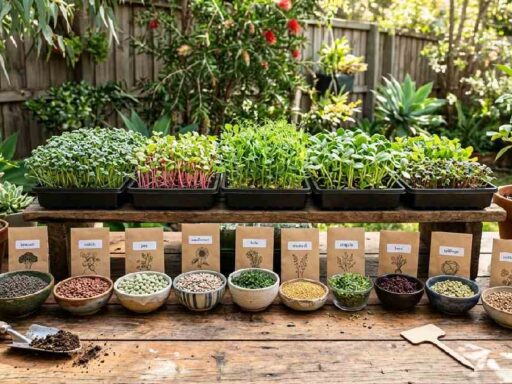
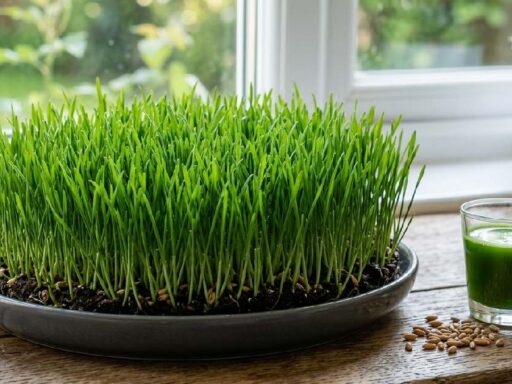
All you need is a small tray, some growing medium, seeds, and a sunny windowsill or a simple grow light. Basil, sunflower, and pea shoot seeds are great choices for beginners since they grow quickly and taste great in pesto.
Most microgreens are ready to harvest within seven to fourteen days, which means you can plant a new tray every week and always have a fresh batch ready for your next pesto recipe. This also saves money over time, since a small packet of seeds can produce many batches of greens compared to buying pre-packaged microgreens from a store.
Growing your own also lets you experiment freely. You can try new flavor combinations without worrying about extra grocery trips, simply by planting a new tray whenever inspiration strikes.
Frequently Asked Questions
No schema found.Conclusion
Microgreen pesto is a simple, fresh twist on a classic sauce that anyone can make at home. With just a handful of easy ingredients and a few short steps, you can turn a small batch of microgreens into a flavorful, versatile pesto that works on pasta, sandwiches, pizza, and so much more.
The best part is how easy it is to customize. Try different microgreen combinations, adjust the seasoning to your taste, and discover new ways to serve it with every batch you make.
So the next time you have a tray of fresh microgreens on hand, why not turn them into something delicious?