

The Complete Guide to Indoor Shrimp Farming
Indoor shrimp farming has turned into one of the more interesting ways to grow your own seafood without needing a pond out back or acres of land. Maybe your goal is just fresh shrimp for the dinner table, or maybe you’re thinking bigger, a small business built around it. Either way, an indoor setup hands you a level of control that outdoor ponds simply can’t match.
Ponds depend on the weather, that’s just the nature of them. An indoor system doesn’t. You manage temperature, filtration, oxygen, feeding schedules, all of it, all year round. That usually means healthier shrimp, fewer losses, and harvests you can actually plan around instead of hoping for.
Sustainable food production has been getting more attention lately, and shrimp fit into that conversation pretty well. They need far less land than most livestock, and a properly run indoor system can produce solid yields in a surprisingly small footprint.
That said, success here isn’t just filling a tank and dropping shrimp in. Healthy shrimp need stable water, decent feed, close attention, and honestly a fair bit of patience through every stage of growth.
This guide covers what beginners actually need, picking equipment, keeping water quality where it should be, and avoiding the mistakes that trip up most first-timers. Should be enough to get you started with some confidence.
What Is Indoor Shrimp Farming?
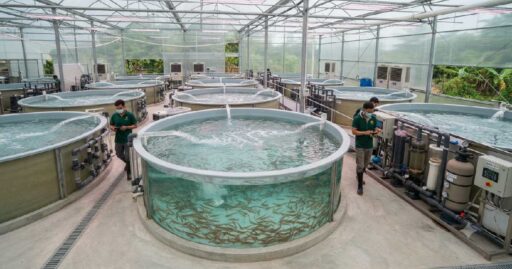
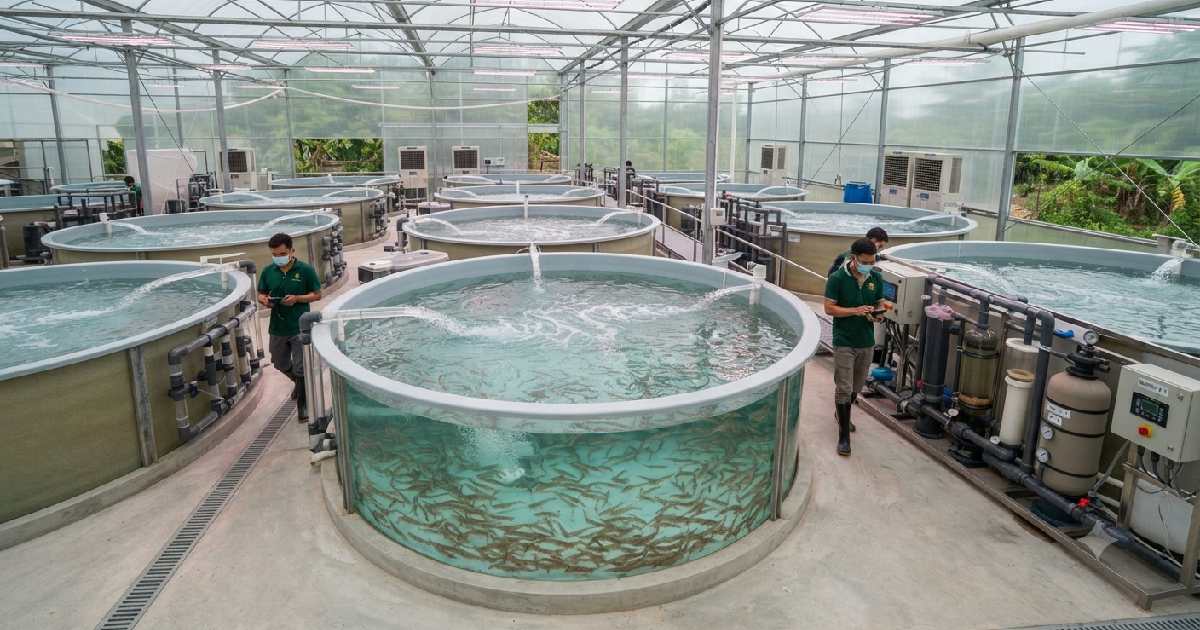
Indoor shrimp farming means raising shrimp inside a controlled space, could be a garage, a basement, a warehouse, a greenhouse, or a facility built specifically for it. Instead of relying on a natural pond, farmers use tanks with filtration, aeration, and temperature control built in.
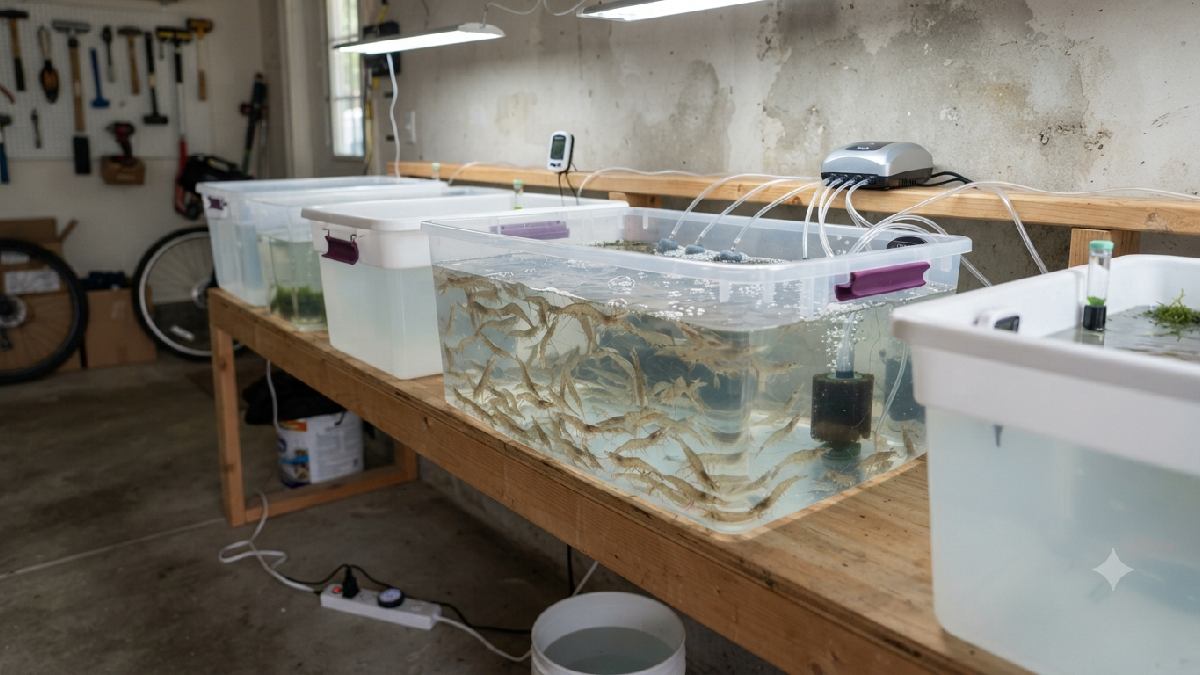
Since almost every environmental factor can be watched and adjusted, shrimp deal with fewer sudden shifts, the kind that usually trigger disease or stress outdoors.
A few species show up often in indoor setups:
- Pacific White Shrimp
- Freshwater Prawns
- Cherry Shrimp (aquarium trade)
- Amano Shrimp
- Ghost Shrimp
Commercial growers tend to lean toward Pacific White Shrimp. They grow fast, handle recirculating systems well, and the market demand stays strong.
Why More People Are Choosing Indoor Shrimp Farming
Indoor setups bring a handful of real advantages,
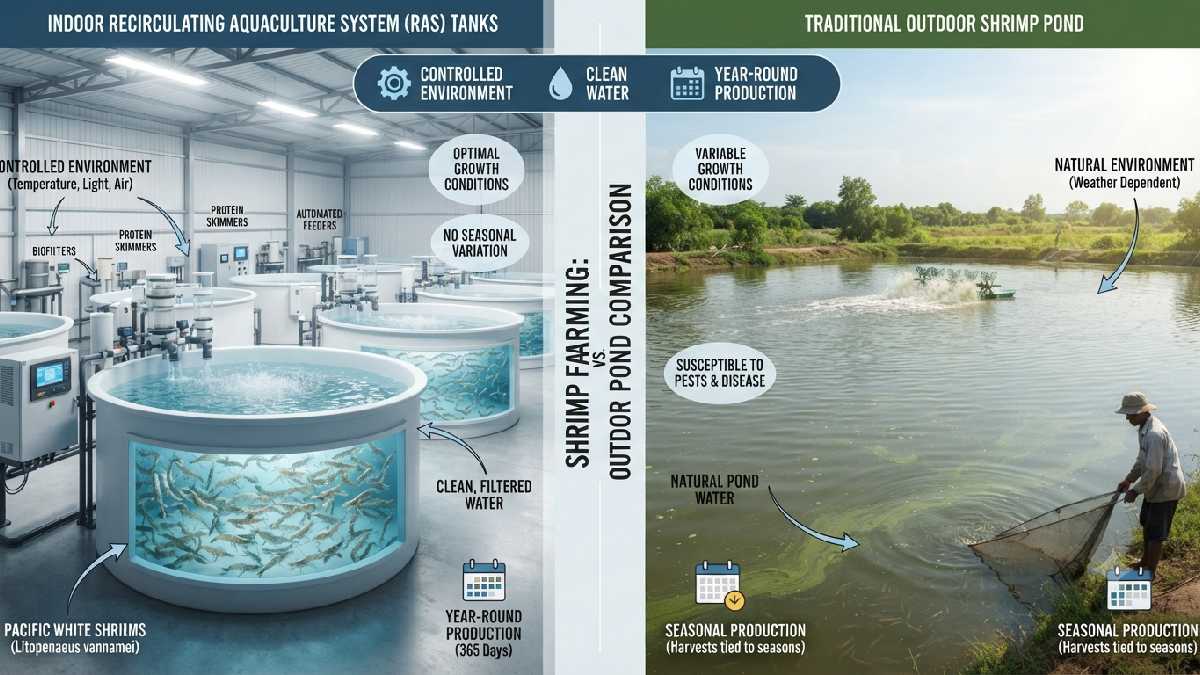
and they matter whether you’re brand new to this or you’ve been farming shrimp for years already.
Better Environmental Control
Outdoor ponds live and die by the weather basically. Heavy rain, a drought, a sudden cold snap, any of it can knock shrimp health sideways fast.
Indoor tanks don’t have that problem, not really. Temperature stays stable, oxygen stays consistent, water chemistry stays where you set it, which cuts down environmental stress by a lot.
Year-Round Production
Weather barely touches an indoor tank, so shrimp grow all year long. That opens the door to multiple harvests annually, and honestly makes the whole production schedule far more predictable than pond farming ever is.
Reduced Disease Risk
Diseases still happen indoors, no system is immune. But you’re limiting exposure to a lot of the parasites, predators, and contaminants that outdoor ponds deal with constantly.
Regular monitoring helps too, catching problems early before they spread through the whole tank.
Efficient Use of Space
Indoor systems need way less land than a traditional shrimp pond. A spare room, even an insulated garage, can turn into a genuinely productive shrimp operation.
Easier Water Management
Recirculating systems reuse most of the water through biological and mechanical filtration. Water consumption drops a good deal compared to pond farming, which matters more than people expect once utility bills come into play.
Is Indoor Shrimp Farming Profitable?
Profitability comes down to several things, production costs, which species you pick, local demand, electricity bills, and honestly your own management skills matter just as much.
A lot of small hobby setups exist purely for personal consumption, not profit. Commercial farms are a different story though, they can generate solid income when run efficiently.
Common expenses to expect:
- Tanks
- Filtration equipment
- Aeration systems
- Heating
- Water testing supplies
- Shrimp feed
- Juvenile shrimp
- Electricity
- Maintenance
Profits climb when survival rates stay high and operating costs stay under control, that combination is really the whole game. Beginners should focus on learning good management first, expansion can wait.
Choosing the Right Shrimp Species
Not every species does well indoors, some just aren’t built for it.
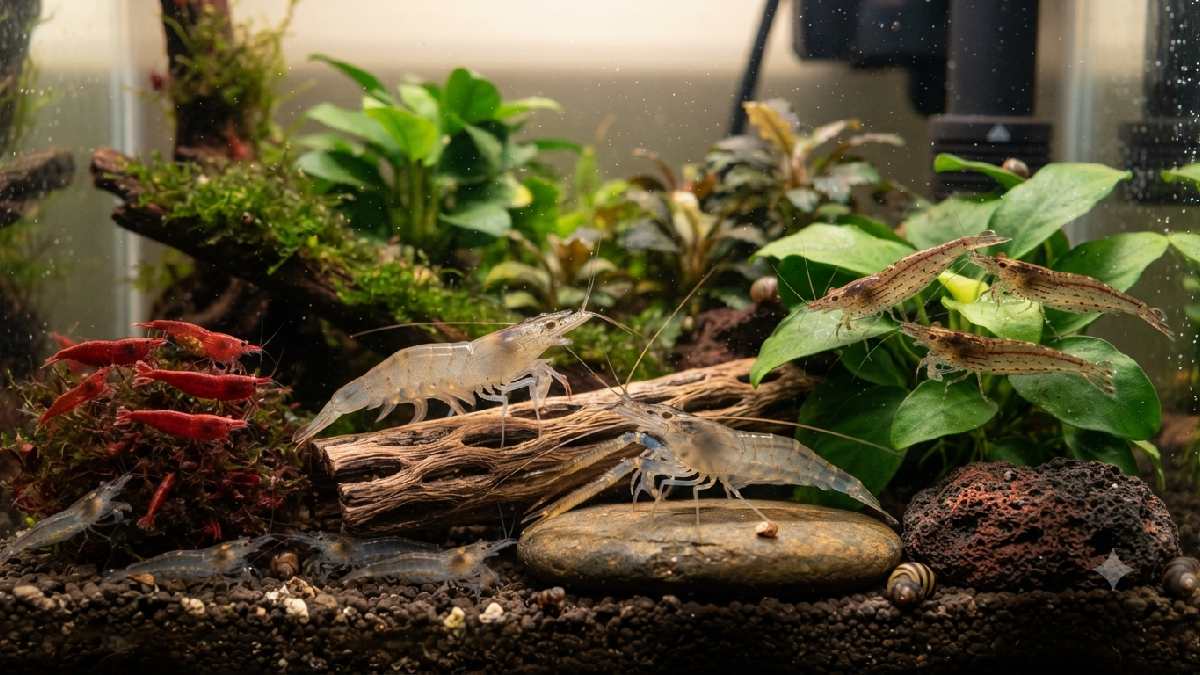
Picking the right one is one of the bigger decisions you’ll make early on.
Pacific White Shrimp
The most popular commercial shrimp species worldwide, by a good margin.
Why growers pick it:
- Fast growth
- Excellent feed conversion
- High survival rates
- Strong market demand
- Works well in recirculating systems
Freshwater Prawns
Another solid option for indoor setups.
What they offer:
- Easier freshwater management
- Larger harvest size
- Good market value
- Strong adaptability
Ornamental Shrimp
If food production isn’t really the goal and the aquarium trade is more your interest, Cherry Shrimp or Amano Shrimp open up a decent niche of their own.
Equipment You’ll Need for Indoor Shrimp Farming
Reliable equipment is where success actually starts. Cutting corners here tends to cost more later, in dead shrimp and headaches both.
Shrimp Tank
Food-grade plastic or fiberglass tanks show up most often, they’re durable, easy to clean, and don’t corrode. Tank size depends on what you’re aiming for, but 200 to 500 gallons is a common starting range for beginners.
Avoid overcrowding. Too many shrimp in too little space leads to stress and water quality that falls apart fast.
Water Filtration System
Filtration pulls waste, uneaten feed, and harmful compounds out of the water. Most farms combine a few types:
Mechanical filtration
- Biological filtration
- Fine particle removal
Beneficial bacteria living inside biofilters convert toxic ammonia into nitrate, which is far less harmful, creating a healthier environment overall.
Aeration System
Shrimp need high oxygen levels around the clock, not just during the day.
Air pumps connected to diffusers or air stones keep oxygen circulating continuously. Without that, shrimp get stressed, eat less, and growth slows down noticeably.
Water Heater
Temperature stability matters a lot here, maybe more than people expect. A dependable heater keeps water in the right range even through colder months. Rapid swings should be avoided at basically all costs.
Water Testing Kit
Routine testing catches problems before they turn serious, that’s really its whole value.
Key parameters to track:
- pH
- Ammonia
- Nitrite
- Nitrate
- Dissolved oxygen
- Temperature
- Salinity (for marine shrimp)
Testing a few times a week lets you adjust before shrimp start showing stress.
Backup Power Supply
Power failures rank among the biggest threats to an indoor system, full stop. Without electricity, aeration and filtration stop almost immediately.
A backup generator or a battery-powered air pump can save an entire population during an unexpected outage, worth the investment honestly.
Creating the Ideal Water Conditions
Water quality is the foundation here, nothing else really matters if this part is off. Even great feed can’t fix bad water.
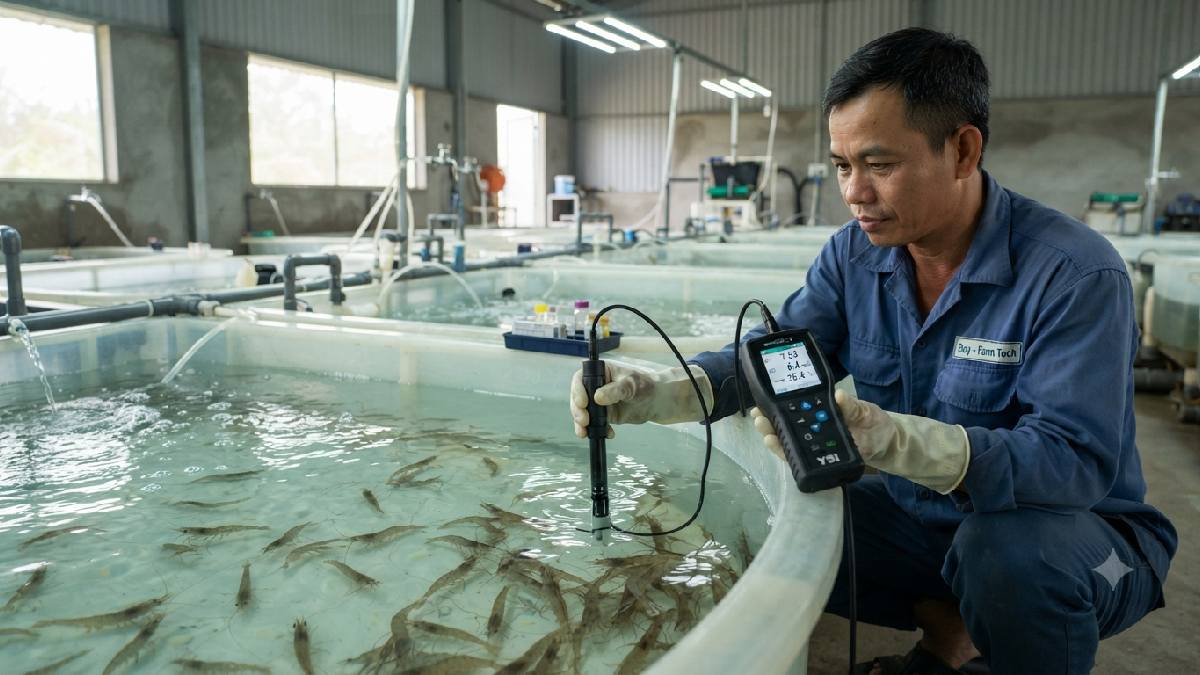
Healthy shrimp want stable conditions, not water that swings around constantly.
| Water Parameter | Recommended Range |
|---|---|
| Temperature | 27–30°C (80–86°F) |
| pH | 7.5–8.5 |
| Dissolved Oxygen | Above 5 mg/L |
| Ammonia | 0 ppm |
| Nitrite | Near 0 ppm |
| Salinity (Marine Species) | Species-dependent |
Experienced farmers tend to make small adjustments over time rather than big corrections all at once. Big swings stress shrimp more than slightly imperfect numbers ever do.
Cycling Your Tank Before Adding Shrimp
One of the most common beginner mistakes, dropping shrimp into a tank that’s freshly filled. A new tank hasn’t developed the beneficial bacteria needed to process ammonia from shrimp waste yet.
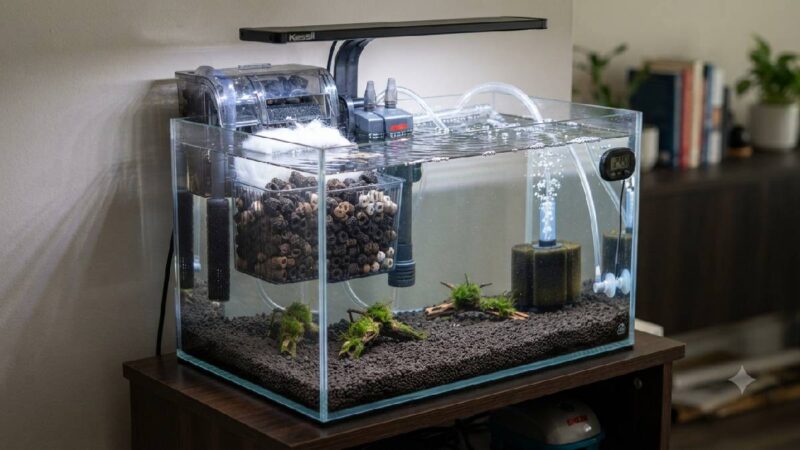
Cycling gives those bacteria time to establish themselves before any livestock goes in. The process usually takes a few weeks, depending on your filtration setup and the environment around it.
Waiting can feel like a waste of time, sure. But cycling improves survival rates dramatically and cuts down on early losses, so it’s worth the patience.
How to Stock Your Shrimp the Right Way
Once cycling wraps up, it’s finally time to add shrimp. Exciting step, but rushing it can undo weeks of prep work pretty easily. Shrimp are sensitive to sudden shifts in temperature, salinity, and pH, so acclimation really isn’t optional.
Instead of pouring shrimp straight into the tank, float the transport bag on the surface for 20 to 30 minutes first, that equalizes temperature. After that, mix in small amounts of tank water over the next hour, gradually. This slow approach cuts down stress and helps shrimp settle into the new environment.
Stocking density matters too. Overcrowding leads to poor water quality, slower growth, and higher disease risk down the line. Beginners should start moderate and build up experience before scaling production.
Healthy juveniles look active, have clean shells, and respond quickly to movement nearby. Buy from a reputable hatchery, one with a track record of disease-free stock.
Feeding Indoor Shrimp for Healthy Growth
Nutrition plays a bigger role than people expect. Even with perfect water, bad feeding habits can slow growth and pile up waste inside the tank fast.
Commercial shrimp feed is built to balance protein, vitamins, minerals, and other essentials. Young shrimp need more protein than adults, they’re growing quickly and burning through it.
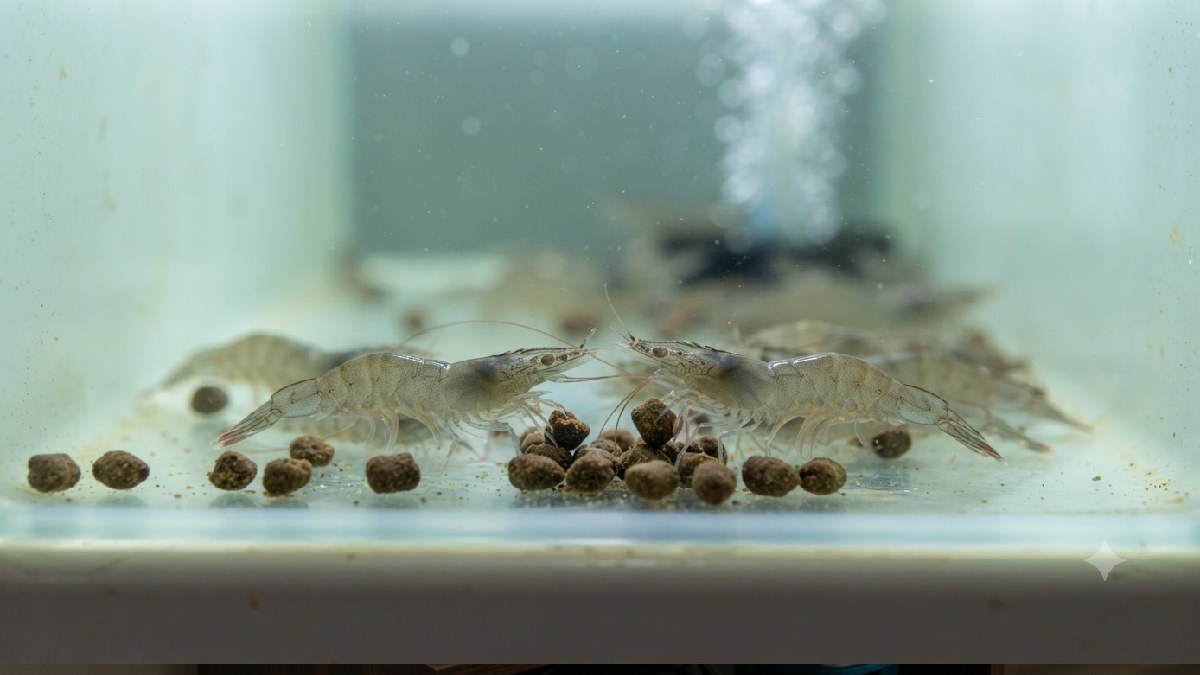
Most farmers feed two to four times daily. Smaller meals spread through the day tend to digest better and leave less food sitting around uneaten.
Some supplement commercial pellets with natural foods, things like:
- Algae
- Biofilm
- Duckweed
- Spirulina
- Small aquatic organisms
These should round out a balanced commercial diet though, not replace it entirely.
Avoid Overfeeding
One of the biggest mistakes new farmers make, feeding too much, plain and simple. Leftover food breaks down fast, producing ammonia and dragging water quality down with it. Stressed shrimp and thriving harmful bacteria tend to follow close behind.
Watch shrimp during feeding time. If food’s still sitting there after about two hours, cut back the next feeding a little. Active feeding behavior is honestly one of the easiest signals to judge whether your schedule is working.
Daily Maintenance Routine
Indoor shrimp farming doesn’t demand constant hovering, but consistency counts for a lot. A simple daily routine catches problems early, before they snowball.
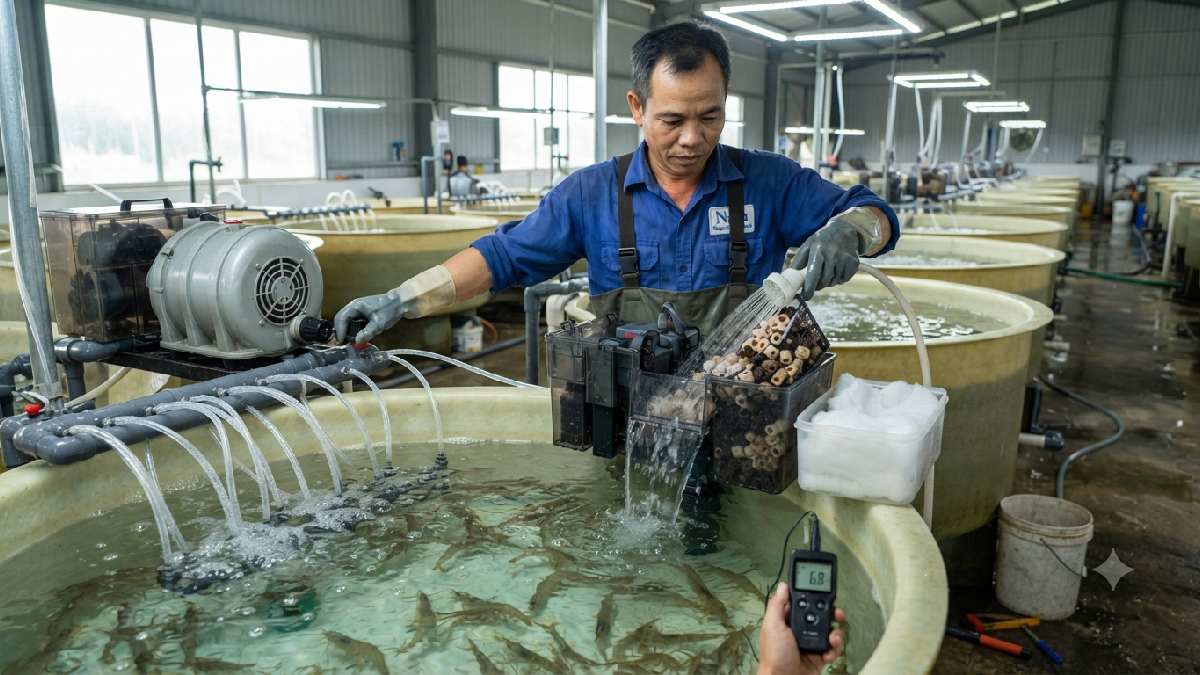
Each day, check on:
- Water temperature
- Shrimp behavior
- Uneaten feed removal
- Aeration function
- Filter blockages
- Dead or weak shrimp
- Oxygen stability
Healthy shrimp stay active, responsive, searching for food regularly. Shrimp sitting motionless, gathering near the surface, or looking pale, that’s usually a water quality issue brewing.
Weekly Maintenance Tasks
Beyond the daily checks, weekly maintenance keeps the whole system running smoothly.
Weekly tasks worth doing:
- Test ammonia, nitrite, nitrate, and pH
- Clean mechanical filters
- Partial water changes if needed
- Check heaters and air pumps
- Remove debris from the tank bottom
- Inspect plumbing for leaks
Keeping records helps a lot here too. A simple notebook or spreadsheet tracking feeding amounts, test results, growth rates, and maintenance dates makes patterns easier to spot before they turn into expensive problems.
Maintaining Excellent Water Quality
Water quality probably matters more than any other single factor in this whole process.
Shrimp constantly release waste into the water. Uneaten feed decomposes too, producing ammonia, which is toxic even in tiny amounts.
A healthy biofilter converts ammonia into nitrite, then nitrate, through beneficial bacteria doing their job. Nitrate’s less toxic, sure, but high levels still need managing through water changes and solid filtration.
Stability beats perfection here. Big swings in pH or temperature stress shrimp more than water that’s slightly imperfect but consistent.
Common Problems in Indoor Shrimp Farming
Every farmer runs into trouble eventually, that’s just how it goes. Catching warning signs early prevents the bigger losses.
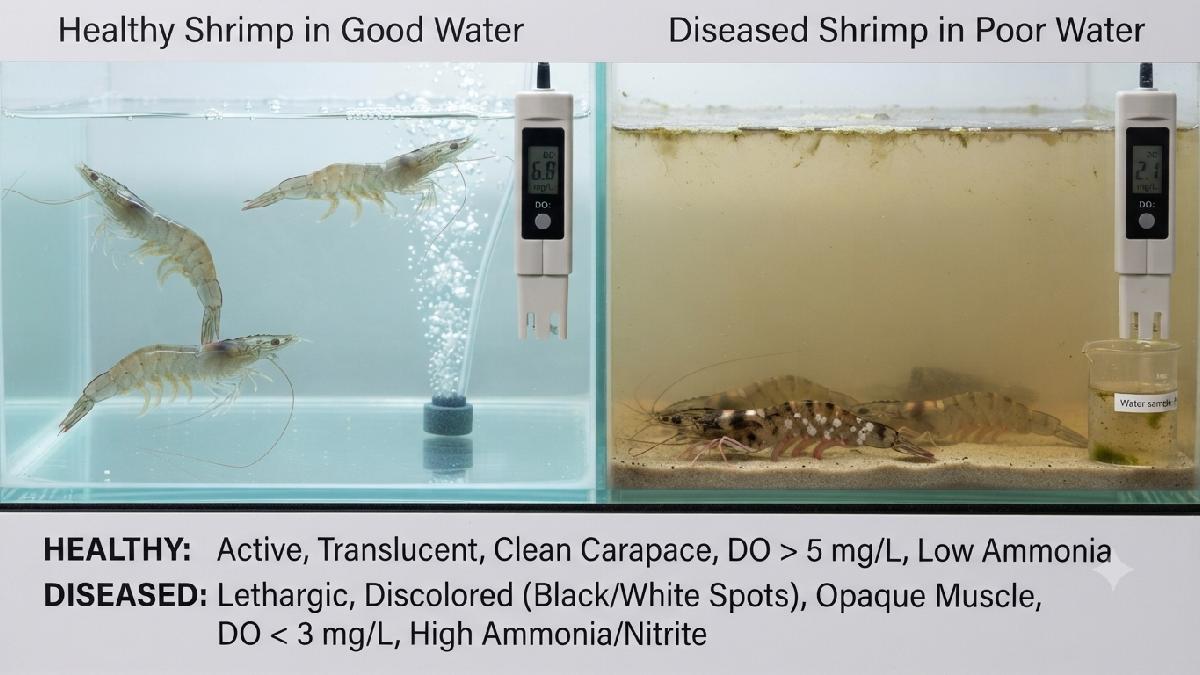
Poor Water Quality
Watch for:
- Slow growth
- Weak appetite
- Shrimp gathering near air stones
- Rising mortality
Regular testing and maintenance usually fix this before it gets out of hand.
Low Oxygen Levels
Shrimp need well-oxygenated water, especially in tanks stocked densely.
Low oxygen often traces back to:
- Power outages
- Equipment failure
- Overstocking
- Excess organic waste
Backup aeration equipment is one of the smarter investments you can make here.
Disease Outbreaks
Disease spreads fast in crowded systems, faster than most people expect.
Warning signs to watch for:
- White patches
- Discoloration
- Unusual swimming
- Loss of appetite
- Soft shells
- Sudden deaths
Prevention is really the only good defense. Healthy stock, clean water, low stress, that combination cuts disease risk down significantly.
Molting Problems
Shrimp shed their shells regularly as they grow, it’s a normal part of the process. During molting they’re vulnerable, and stable water with adequate minerals matters a lot right then. Avoid handling shrimp mid-molt, and don’t remove freshly shed shells right away either, shrimp often eat them back to recover minerals.
Beginner Mistakes to Avoid
Most failures in indoor shrimp farming trace back to avoidable mistakes, not bad equipment.
Skipping Tank Cycling — Adding shrimp before bacteria develop leads to dangerous ammonia spikes, almost always.
Overstocking — More shrimp doesn’t mean more profit automatically. Crowding just raises stress, competition, and disease risk.
Ignoring Water Testing — Water can look crystal clear while ammonia quietly climbs underneath. Testing is really the only way to know what’s happening.
Overfeeding — Extra food turns into waste, dragging water quality down and raising costs at the same time.
Buying Low-Quality Shrimp — Weak juveniles usually mean poor survival no matter how good the system around them is.
How Long Does It Take to Grow Shrimp?
Growth time depends on species, water temperature, nutrition, and how well the system’s managed overall.
Under good indoor conditions, many commercial shrimp reach market size in roughly 4 to 6 months.
Steady feeding, clean water, stable temperatures, these usually produce faster growth than conditions that keep shifting around.
Patience matters here too. Shrimp growing steadily and healthily are worth more, always, than shrimp rushed to size at the cost of higher mortality.
Harvesting Your Shrimp
Harvest day is the payoff after months of careful work.
Most farmers stop feeding about 24 hours before harvest, that cuts down waste during handling.
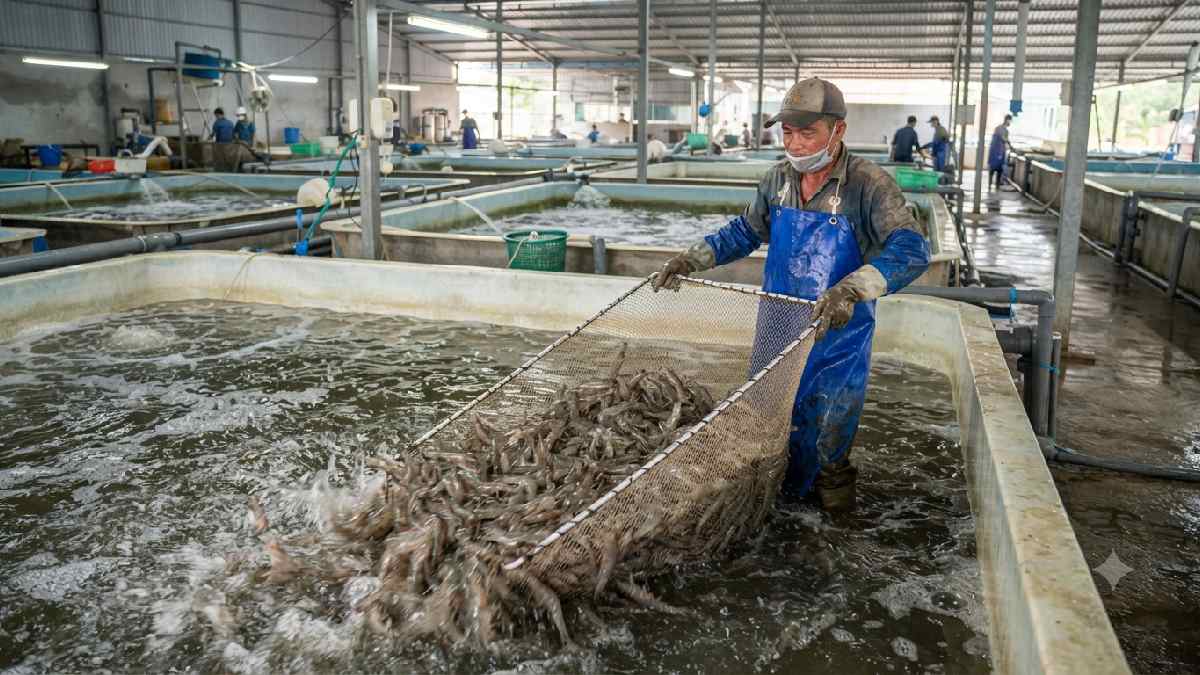
- Depending on tank design, shrimp get harvested by:
- Draining part of the tank
- Using harvest nets
- Guiding shrimp into collection baskets
Handle them gently, damaged shells lower quality fast. If you’re selling fresh, chill shrimp right after harvest to keep freshness intact.
Can Indoor Shrimp Farming Be a Business?
Yes, it can, but success depends on careful planning, not just growing large numbers and hoping for the best.
Commercial growers usually focus on:
- High survival rates
- Efficient feed management
- Reliable filtration systems
- Consistent water quality
- Local market demand
- Operating cost control
Restaurants, seafood markets, grocery stores, direct-to-consumer sales, all of these are realistic customers for fresh, locally grown shrimp. Starting with a small pilot system lets you build experience before sinking money into something bigger.
Sustainability Benefits of Indoor Shrimp Farming
Indoor shrimp farming supports more sustainable seafood production, mostly by cutting reliance on large outdoor ponds.
Modern recirculating systems use water efficiently, keep environmental impact lower, and reduce the need for antibiotics when they’re managed well.
Because conditions stay closely controlled, farmers produce healthier shrimp while using less land than most traditional methods require.
As the technology keeps improving, indoor aquaculture is turning into a genuinely attractive way to grow high-quality seafood closer to where people actually live.
Frequently Asked Questions
Is indoor shrimp farming suitable for beginners?
Yes, Beginners can do well with a small, well-managed system by learning water quality, filtration, and feeding basics before scaling up.
What is the best shrimp species for indoor farming?
Pacific White Shrimp is generally considered the top pick for commercial indoor production, fast growth and strong adaptability to controlled environments.
How often should shrimp be fed?
Most indoor systems feed two to four times daily, small portions eaten within a short window.
Do shrimp need heated water?
Most farmed shrimp do best in warm, stable water. Keeping temperature right supports healthy growth and better survival overall.
Is indoor shrimp farming expensive?
Startup costs vary a lot depending on system size and equipment. Small hobby setups stay fairly affordable, commercial operations need a bigger investment obviously.
Conclusion
Indoor shrimp farming offers a genuinely exciting way to produce fresh, high-quality shrimp in a space you control completely. It takes planning, decent equipment, and consistent upkeep, sure, but the payoff can be significant. Focus on stable water, balanced nutrition, and management that doesn’t cut corners, and even beginners can build something healthy and productive.
Whether the goal is homegrown seafood for the family or a real commercial venture down the line, success really comes down to learning the fundamentals and improving as you go. Start small, keep an eye on the system regularly, let your experience grow right alongside your shrimp. Patience and attention to detail go a long way, and indoor shrimp farming can end up being both a satisfying hobby and a genuinely promising long-term investment.