

Common Gardening Words and Their Meanings
Gardening has its own simple language that helps people understand plants, soil, and care routines better. When I first started gardening, many words felt confusing, like “pruning,” “mulching,” or “germination.” I had to look them up again and again. Over time, I realized these terms are not difficult, just practical.
They describe basic actions in gardening. Learning common gardening words makes it easier to follow guides, videos, and instructions. It also helps you communicate better with other gardeners. In this guide, you will learn the simple meanings of important gardening terms used in daily plant care and home gardening.
What Are Gardening Words?
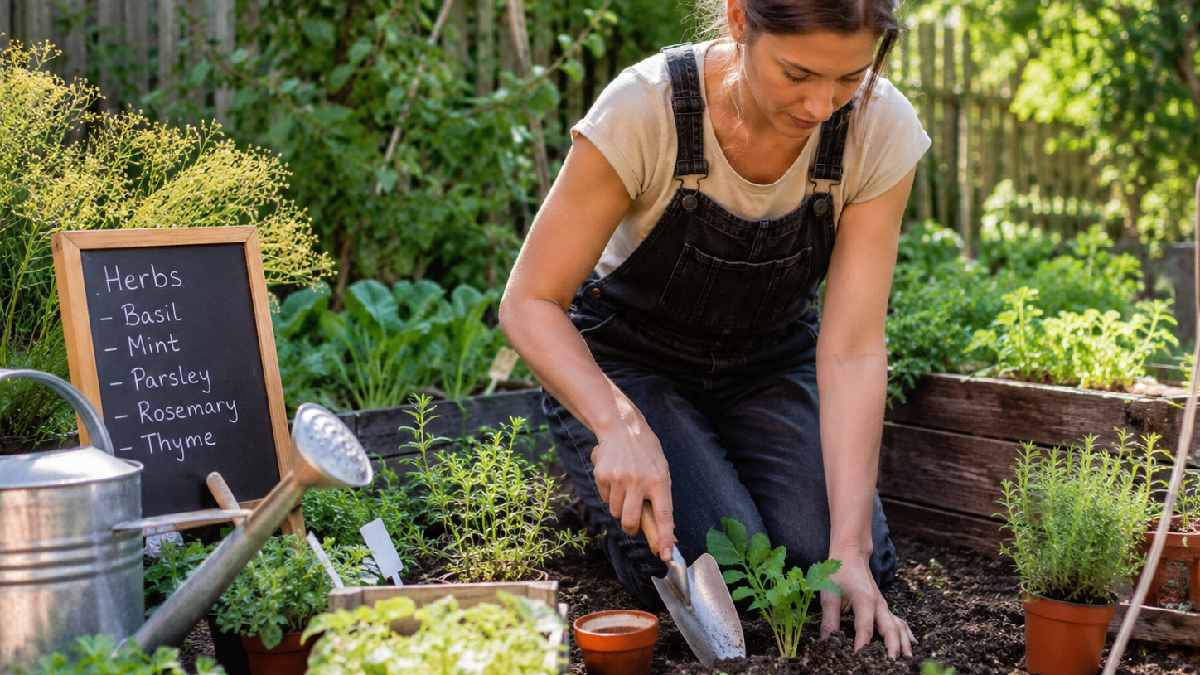
Gardening words are basic terms used to describe plants, soil, tools, and everyday garden work. These words help people understand instructions in a simple way. I remember when I first started gardening, many terms felt confusing and a bit overwhelming. Pruning, compost, and germination all sounded new at that time.
Slowly, things started making sense when I used them in real garden work. Gardening words work like a small language for plant care. Once you understand them, reading guides and doing tasks become clearer and less stressful, even for beginners at home.
Understanding Basic Gardening Vocabulary
Basic gardening vocabulary includes simple words like seed, soil, water, compost, pruning, and harvest. These are used in daily plant care activities. I first picked up these terms from gardening videos and small home experiments. At the beginning, it felt slightly confusing, not gonna lie.
Later, it became natural with practice and repetition. Each word connects directly to plant life and growth. Knowing them helps you understand what to do in the garden without guessing. It makes small tasks more structured and easier to follow for anyone starting gardening at home.
Why Gardening Terms Are Important for Beginners
Gardening terms are important for beginners because they reduce confusion during learning. Without knowing basic words, even simple instructions feel unclear. I faced this issue at the start when everything looked complicated. After learning basic terms, things became easier to manage.
These words explain plant needs and gardening actions in a direct way. Mistakes happen less when you understand instructions properly. It also helps you follow guides without hesitation. Beginners feel more confident when they know what each term means in real gardening practice and daily plant care routines.
How Learning Gardening Words Helps You Garden Better
Learning gardening words improves your overall gardening experience. It helps you understand instructions, tips, and plant care steps more clearly. I noticed better results in my plants after I started learning basic terms properly. Tasks like pruning, watering, and fertilizing became easier to handle.
It also helps in talking with other gardeners without confusion. You start making fewer mistakes and saving time in daily care. Gardening feels more organized and less random when you understand the language behind it. Small knowledge creates better control over plant growth and garden maintenance at home.
Gardening Words Starting With A
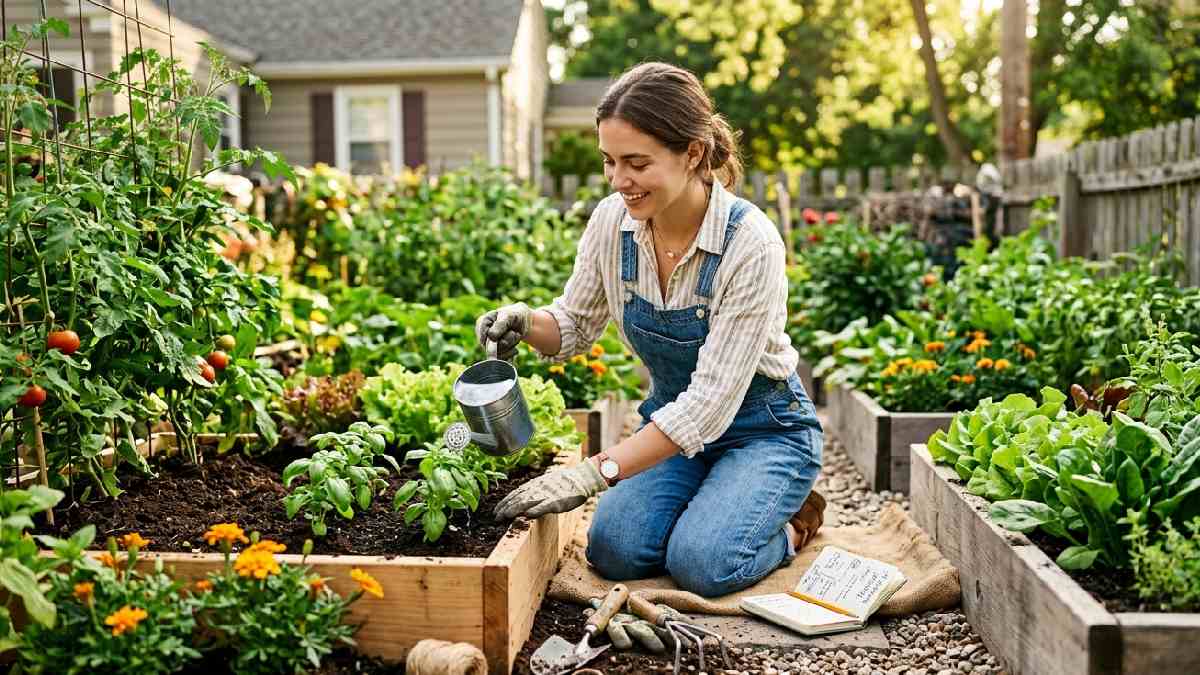
Gardening words starting with A are commonly used in plant care and garden learning. These terms help describe plant types, soil conditions, and pests in simple language. I remember when I first started gardening, these words felt new but became easy with practice.
They are often used in guides and instructions for beginners. Understanding them makes gardening less confusing and more practical. Each word connects directly to real garden activities like planting, watering, and pest control, helping gardeners improve their skills step by step.
Annual
Annual plants complete their life cycle in one growing season. They grow, flower, produce seeds, and then die within a year. I planted some annual flowers once and noticed they grew quickly, but did not last long. These plants are popular because they give fast results and bright colors in gardens.
Gardeners often replant them every year for fresh growth. Annuals are easy to manage and good for beginners who want quick gardening results without long-term maintenance or complicated care routines.
Aeration
Aeration means improving air flow in soil, so plant roots can breathe better. It helps water and nutrients move easily through the ground. I learned this when my plants stopped growing due to compact soil. After loosening the soil, growth improved noticeably.
Aeration can be done using simple tools or by digging lightly. It prevents soil from becoming too hard. Healthy soil aeration supports stronger roots, better absorption, and overall plant health in both small and large garden spaces.
Acidic Soil
has a low pH level. Some plants grow better in this type of soil, while others do not. I once used soil without checking the pH, and plant growth was weak. Later, I learned that different plants need different soil conditions. Acidic soil is common in certain garden areas.
Testing soil helps understand its nature before planting. Proper soil balance improves plant health and ensures better growth results in home gardening and outdoor planting environments.
Aphids
Aphids are small insects that feed on plant sap and damage leaves. They usually appear on soft stems and young leaves. I noticed them once on my plants, and the leaves started curling. They spread quickly if not controlled early. Natural sprays like neem oil can help reduce them.
Regular checking of plants is important to prevent infestation. Aphids weaken plants by taking nutrients, so quick action is necessary. Healthy plants and clean gardens reduce the chances of aphid attacks.
Gardening Words Starting With B
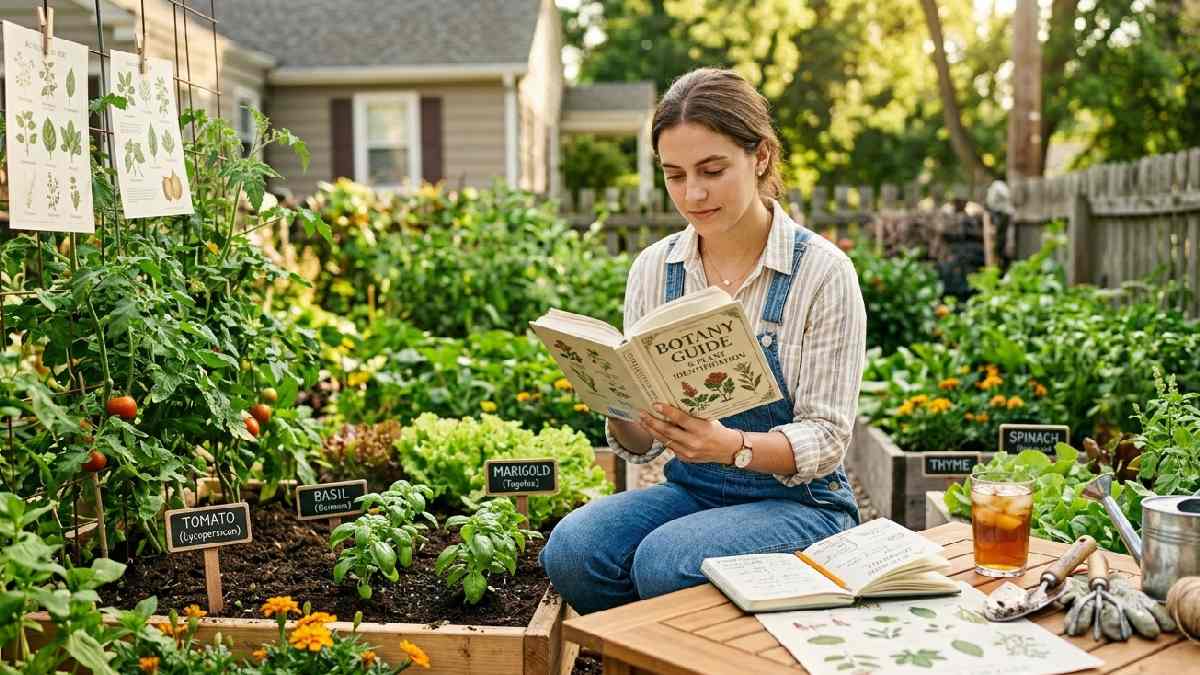
Gardening words starting with B describe plant types, structures, and scientific names used in gardening. These terms help understand plant classification and growing methods. I found these words useful when reading plant guides and gardening books.
At first, they seemed technical, but with time, they became easy to understand. They help gardeners identify plants correctly and choose proper care methods. Knowing these words improves communication and makes gardening knowledge more structured and clear for everyday use.
Biennial
Biennial plants complete their life cycle in two years. In the first year, they grow leaves and roots, and in the second year, they flower and produce seeds. I once grew a biennial plant and noticed slow but steady development. These plants need patience compared to annuals. They are useful for long-term gardening planning. Understanding their cycle helps gardeners manage planting time better. Biennials are less common in home gardens but still important in plant classification and gardening studies.
Bulb
A bulb is an underground storage part of a plant that helps it grow again. It stores nutrients and energy for future growth. I planted bulbs in my garden, and they produced flowers after some time. Common examples include onions and tulips. Bulbs are easy to plant and maintain. They are popular in gardening because they regrow season after season. Proper soil and watering help bulbs develop healthy shoots. They are simple and useful for both beginners and experienced gardeners.
Botanical Name
A botanical name is the scientific name of a plant used worldwide. It helps identify plants accurately without confusion. I noticed plant labels often include both common and botanical names. This system is useful because common names can vary in different places.
Botanical names are usually in Latin and follow a standard format. Learning them helps gardeners understand plant types better. It also improves communication in gardening and plant science. These names ensure correct identification in gardening guides and studies.
Bed Gardening
Bed gardening means growing plants in raised or defined soil beds instead of open ground. It helps organize plants and improves soil control. I tried bed gardening at home and found it easier to manage watering and spacing. It also reduces weed problems and improves drainage.
Beds can be small or large, depending on space. This method is popular in home gardening because it keeps plants structured. It also makes maintenance simpler and improves overall plant growth and garden appearance.
Gardening Words Starting With C
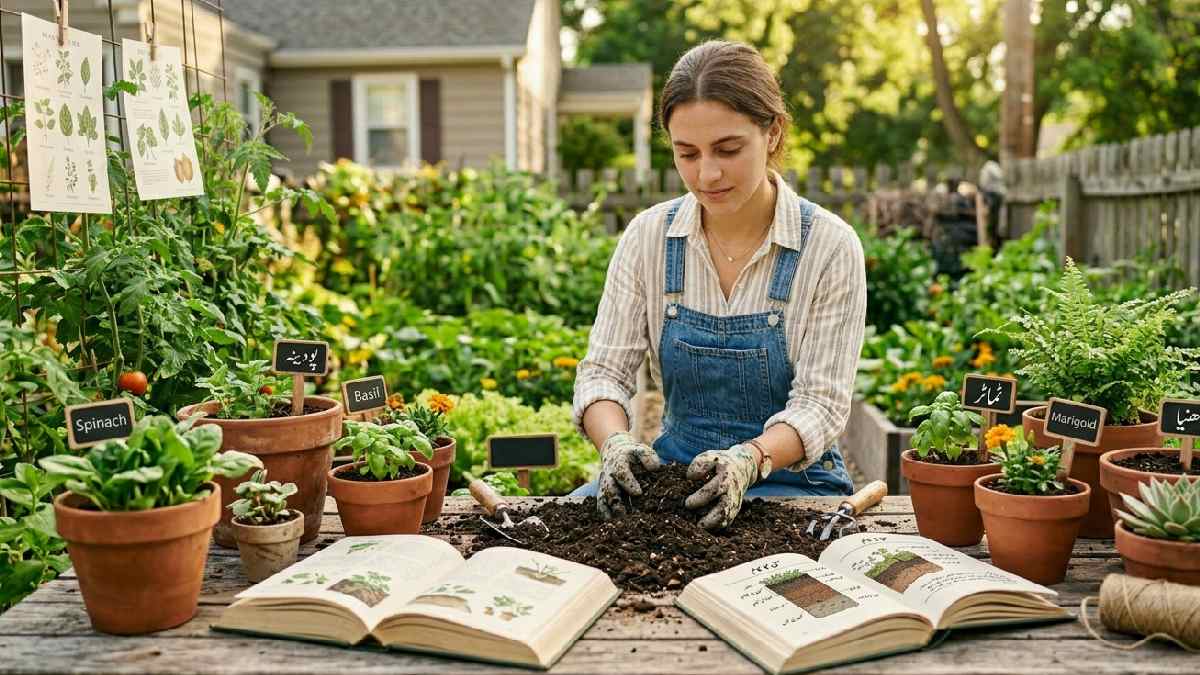
Gardening words starting with C include common terms related to soil, planting methods, and plant types. These words are widely used in gardening guides and learning materials. I first came across them while trying to understand how plants grow in different environments.
They help explain important gardening concepts in simple language. Knowing these terms makes it easier to follow instructions and improve gardening skills over time. They are useful for both beginners and experienced gardeners.
Compost
Compost is a natural fertilizer made from decomposed organic waste like food scraps and leaves. It improves soil quality and supports plant growth. I started using compost in my garden and noticed better plant health over time. It is an eco-friendly way to recycle waste.
Compost adds nutrients to soil and improves its texture. It is widely used in organic gardening. Making compost at home is simple and cost-effective. It helps reduce chemical use and keeps the garden healthy naturally.
Companion Planting
Companion planting is a method where different plants are grown together for mutual benefit. Some plants protect others from pests or improve growth. I tried this method with tomatoes and basil and saw better results. It helps create a balanced garden ecosystem.
Certain combinations improve soil health and reduce insect problems. This method is popular in organic gardening. It also saves space and increases productivity. Understanding plant relationships helps gardeners plan better and grow healthier plants naturally.
Cultivar
A cultivar is a plant variety that has been specially selected or bred for certain traits. These traits can include color, size, or resistance to disease. I noticed many garden plants are labeled as cultivars in nurseries. They are developed to improve plant performance and appearance.
Cultivars are widely used in agriculture and home gardening. They help gardeners choose plants with specific qualities. Understanding cultivars makes plant selection easier and more effective for different gardening needs and environments.
Container Gardening
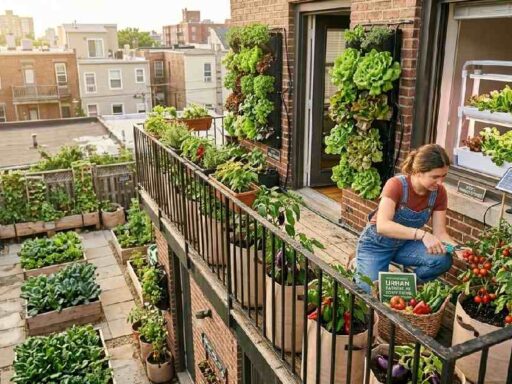
Container gardening means growing plants in pots or containers instead of soil. It is useful for small spaces like balconies or indoors. I started container gardening at home and found it very flexible. It allows easy movement and control of soil conditions.
Many vegetables and flowers grow well in containers. Proper drainage and watering are important in this method. It is popular in urban gardening because it saves space and still allows healthy plant growth.
Gardening Words Starting With D
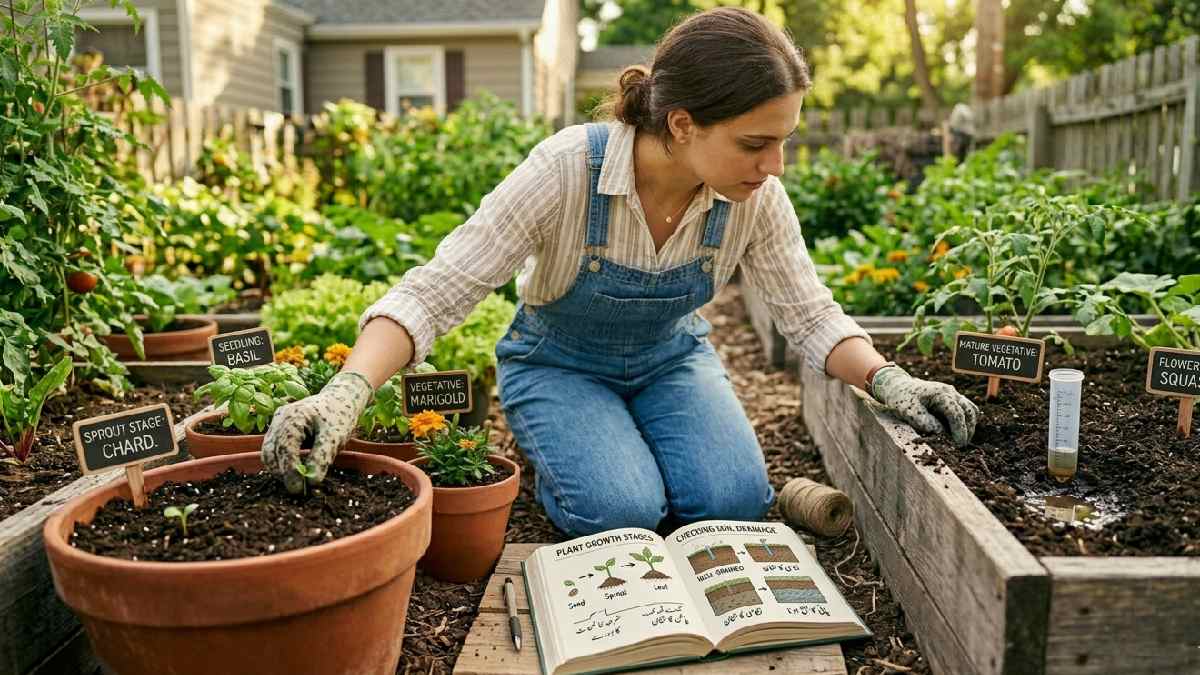
Gardening words starting with D explain plant processes, soil conditions, and plant care stages. These terms help us understand how plants grow and respond to their environment. I learned many of these words while studying basic gardening guides.
They make gardening knowledge more structured and easier to apply. Understanding them helps avoid common mistakes and improves plant care. These words are commonly used in both home gardening and professional gardening practices.
Deadheading
Deadheading means removing dead or faded flowers from plants. This helps encourage new growth and keeps plants looking healthy. I tried deadheading in my garden and noticed more flowers growing afterward. It also prevents plants from wasting energy on old blooms. This simple practice improves plant appearance and growth. It is commonly used in flower gardening. Regular deadheading supports longer blooming periods and better plant health with minimal effort.
Drainage
Drainage refers to how well water flows through soil. Good drainage prevents water from staying too long around plant roots. I once had poor drainage, and my plants started wilting. After improving soil structure, the problem reduced.
Proper drainage is important for root health and prevents root rot. It can be improved using a soil mix or containers with holes. Healthy drainage supports strong plant growth and balanced moisture levels in the garden environment.
Dormancy
Dormancy is a resting stage in plants when growth slows down or stops. It usually happens in winter or extreme conditions. I noticed some plants stop growing during cold weather. This is natural and helps plants conserve energy.
Once conditions improve, growth starts again. Dormancy is an important survival process in plant life cycles. Understanding it helps gardeners avoid unnecessary worry. It ensures better seasonal care and proper timing for watering and fertilizing plants.
Gardening Words Starting With E
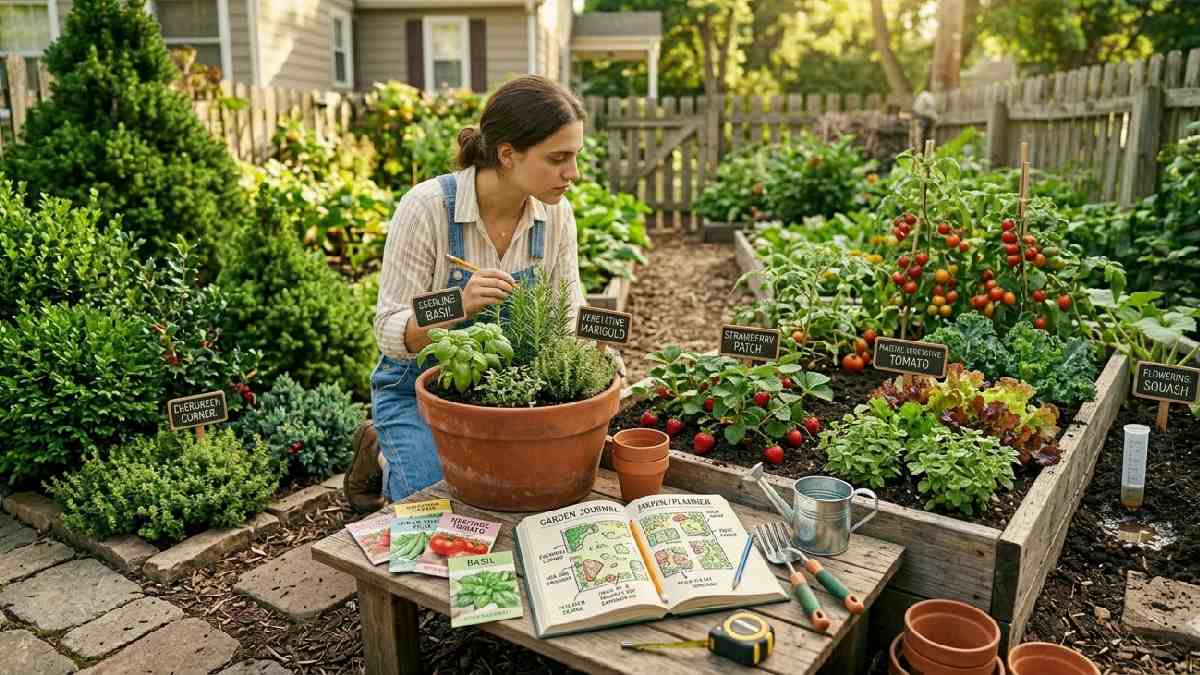
Gardening words starting with E describe plant types and gardening concepts related to growth and food production. These terms are useful for understanding plant behavior and garden planning. I found them helpful when learning about different plant categories.
They are commonly used in gardening books and guides. Knowing these words makes gardening more organized and easier to understand. They also help in planning edible and decorative gardens effectively.
Evergreen
Evergreen plants stay green throughout the year and do not lose all their leaves in any season. I noticed these plants keep gardens looking fresh even in winter. They are low-maintenance and provide constant greenery. Evergreen plants are commonly used in landscaping and home gardens.
They grow slowly but remain stable over time. These plants are useful for decoration and structure in gardens. They add year-round beauty and require less seasonal care compared to other plant types.
Edible Garden
An edible garden is a garden where plants are grown for food. It includes vegetables, herbs, and fruits. I started a small edible garden at home and enjoyed fresh produce. It promotes healthy eating and reduces grocery costs. These gardens can be grown in small or large spaces.
Proper care is needed for a good yield. Edible gardens are popular in home gardening because they provide fresh and organic food. They also encourage sustainable living and better food awareness.
Gardening Words Starting With F
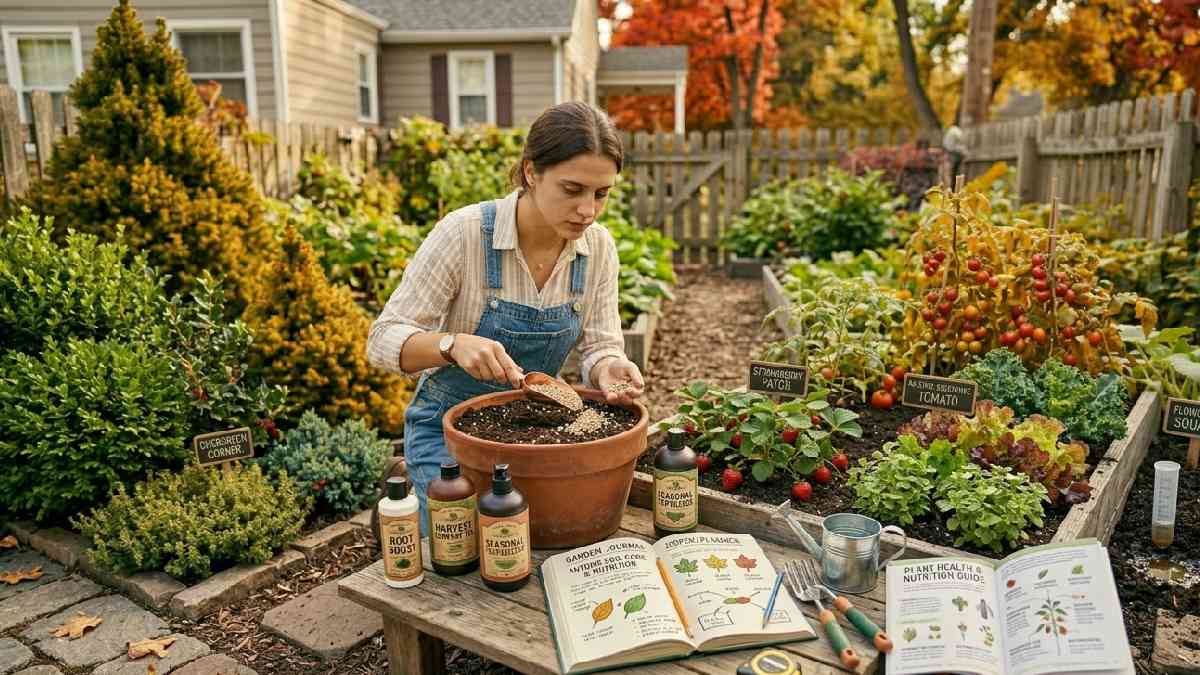
Gardening words starting with F are important for understanding plant nutrition and seasonal care. These terms are often used in gardening guides and daily plant maintenance. I first learned them when my plants were not growing properly, and I started reading more about soil care and plant health.
They help explain feeding, weather effects, and plant treatment methods. Knowing these words makes gardening easier and more structured. They connect directly to how plants grow, survive, and respond to environmental changes in simple home gardening practice.
Fertilizer
Fertilizer is a substance added to soil to help plants grow better. It provides essential nutrients like nitrogen, phosphorus, and potassium. I noticed my plants improved after using simple organic fertilizer at home. It helps weak plants recover and grow stronger leaves and roots.
Fertilizer can be natural or chemical, but organic options are safer for long-term use. The proper amount matters because too much can damage plants. Regular feeding keeps the soil rich and supports healthy plant growth throughout different stages.
Frost Date
Frost date refers to the time when cold weather can damage plants due to freezing temperatures. It is important for planning planting seasons. I learned this after some of my plants got damaged during early winter.
Frost dates help gardeners decide when to plant or protect crops. Plants sensitive to cold need extra care before frost arrives. Understanding this timing improves garden survival rates. It is widely used in seasonal gardening planning and helps avoid unnecessary plant loss during weather changes.
Foliar Spray
Foliar spray is a method of applying nutrients or water directly to plant leaves. It helps plants absorb nutrients quickly through leaf surfaces. I tried foliar spray when my plants looked weak and saw improvement in a short time.
It is useful when the soil does not provide enough nutrients. Sprays should be light and evenly applied. Overuse can harm leaves. This method is common in gardening for quick recovery and better plant health, especially during growth stress or nutrient deficiency periods.
Gardening Words Starting With G
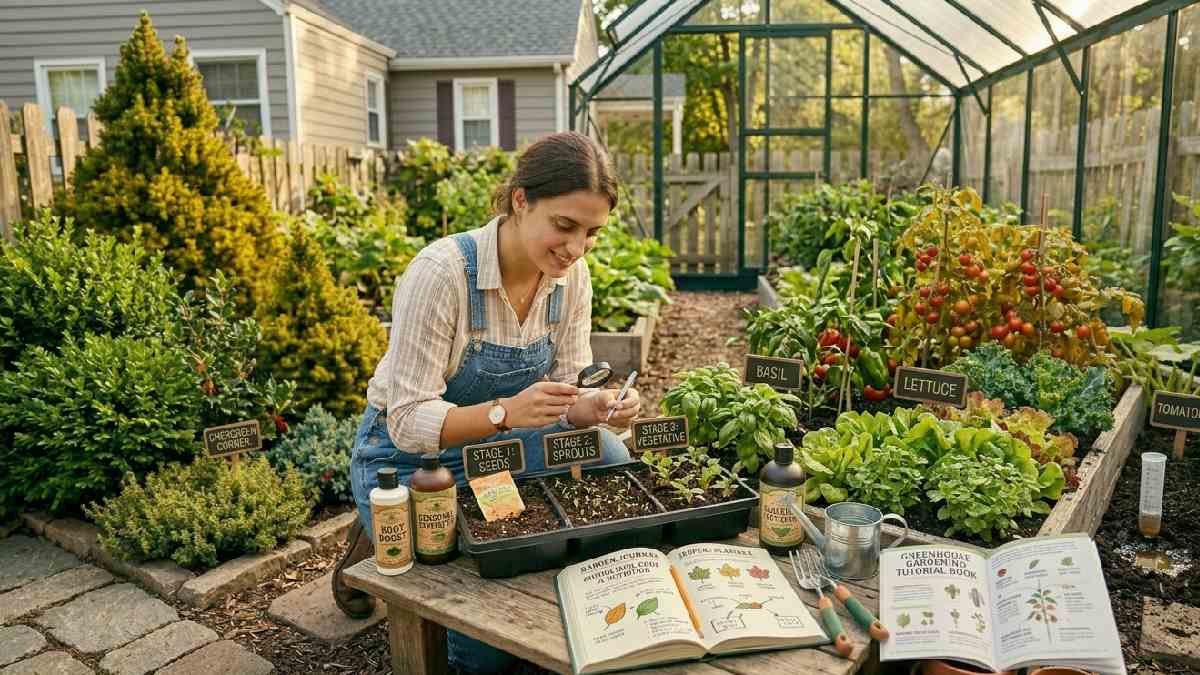
Gardening words starting with G describe plant growth stages, structures, and gardening environments. These terms are commonly used in gardening books and tutorials. I came across them while learning how plants develop from seeds to full growth.
They make gardening concepts easier to understand. Knowing these words helps in better plant care and garden planning. They also explain how plants respond to different conditions and growing spaces simply.
Germination
Germination is the process by which a seed starts to grow into a plant. It begins when the seed absorbs water and sprouts. I still remember watching my first seeds sprout after a few days of waiting. It feels simple but important in gardening.
Proper moisture, warmth, and soil help germination succeed. Without good conditions, seeds may not grow. This stage is the beginning of plant life and is essential for all gardening activities, whether indoor or outdoor.
Greenhouse
A greenhouse is a structure made of glass or plastic where plants are grown in controlled conditions. It helps protect plants from harsh weather. I saw one at a local nursery and noticed how healthy the plants looked inside.
Greenhouses maintain temperature and humidity for better growth. They are useful for growing plants year-round. This system is popular in commercial farming and home gardening. It allows gardeners to grow plants that may not survive in normal outdoor conditions.
Ground Cover
Ground cover refers to low-growing plants that spread over the soil and protect it. These plants reduce weed growth and help maintain soil moisture. I used ground cover plants in my garden and noticed fewer weed problems.
They also improve garden appearance by filling empty spaces. Ground cover plants are easy to maintain and useful in landscaping. They protect soil from erosion and keep it cool. This makes them an important part of balanced and healthy garden design.
Gardening Words Starting With H
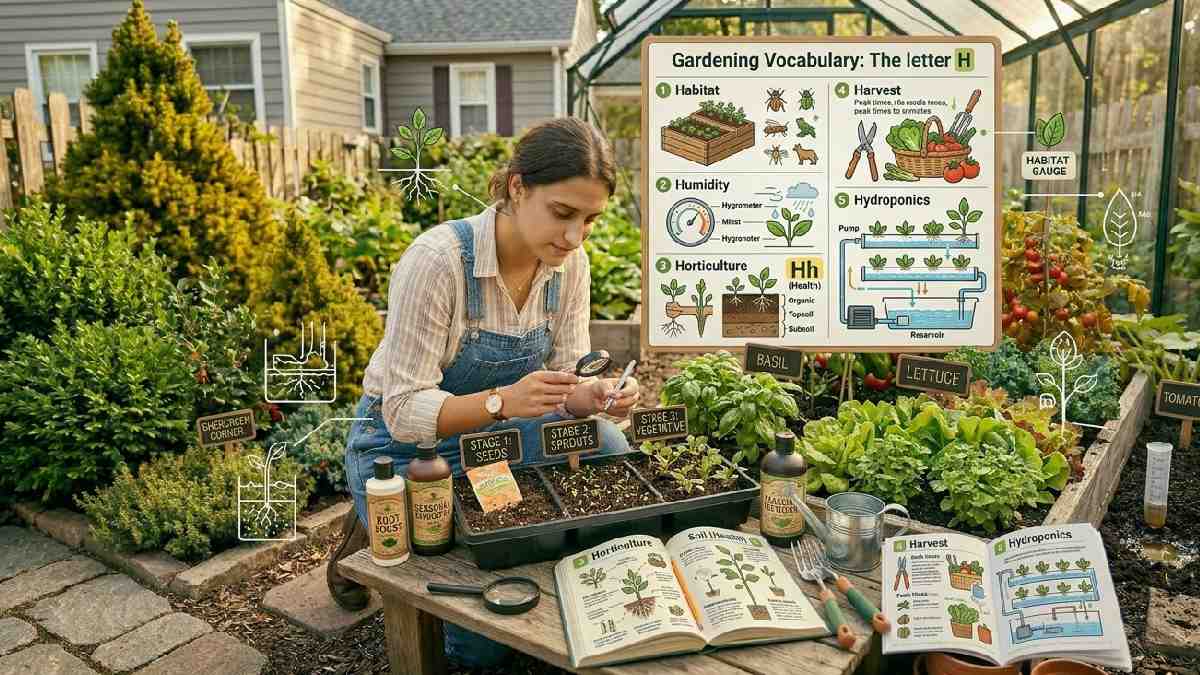
Gardening words starting with H explain plant environments, soil quality, and growing methods. These terms are useful in understanding how plants adapt to conditions. I learned many of them while studying different gardening techniques.
They help gardeners choose better methods for planting and care. These words are commonly used in both home gardening and professional farming. Understanding them improves plant health and garden management in simple and practical ways.
Hardiness Zone
Hardiness zone is a system that shows which plants can survive in certain climate areas. It is based on temperature conditions. I found this useful when choosing plants for my garden. Some plants grow well in cold areas, while others need warm climates.
This system helps avoid planting mistakes. It guides gardeners in selecting suitable plants for their region. Understanding hardiness zones improves success rates in gardening and helps plants survive seasonal temperature changes more effectively.
Hydroponics
Hydroponics is a method of growing plants without soil, using water and nutrients instead. Plants grow in a controlled water system. I saw this method in a small setup, and it looked very efficient. It saves space and uses less water compared to traditional gardening.
Plants receive nutrients directly through water. Hydroponics is popular in modern farming and indoor gardening. It allows faster growth and clean production. This method is useful for areas with limited soil availability.
Heirloom Seeds
Heirloom seeds are traditional seeds passed down through generations without genetic modification. They produce plants with natural traits. I tried heirloom seeds in my garden and noticed a strong flavor in vegetables. These seeds are valued for purity and biodiversity.
They are often open-pollinated and can be reused for planting. Heirloom varieties help preserve plant history. They are popular in organic gardening because they maintain natural growth patterns and are free from modern hybrid modifications.
Humus
Humus is dark, organic matter formed when plants and animals decompose in soil. It improves soil fertility and structure. I noticed healthier plant growth after adding compost that turned into humus over time.
It helps soil retain moisture and nutrients. Humus is important for long-term soil health. It makes soil soft and rich, supporting strong root development. It is a natural part of soil and plays a key role in sustainable gardening and plant nutrition cycles.
Gardening Words Starting With I
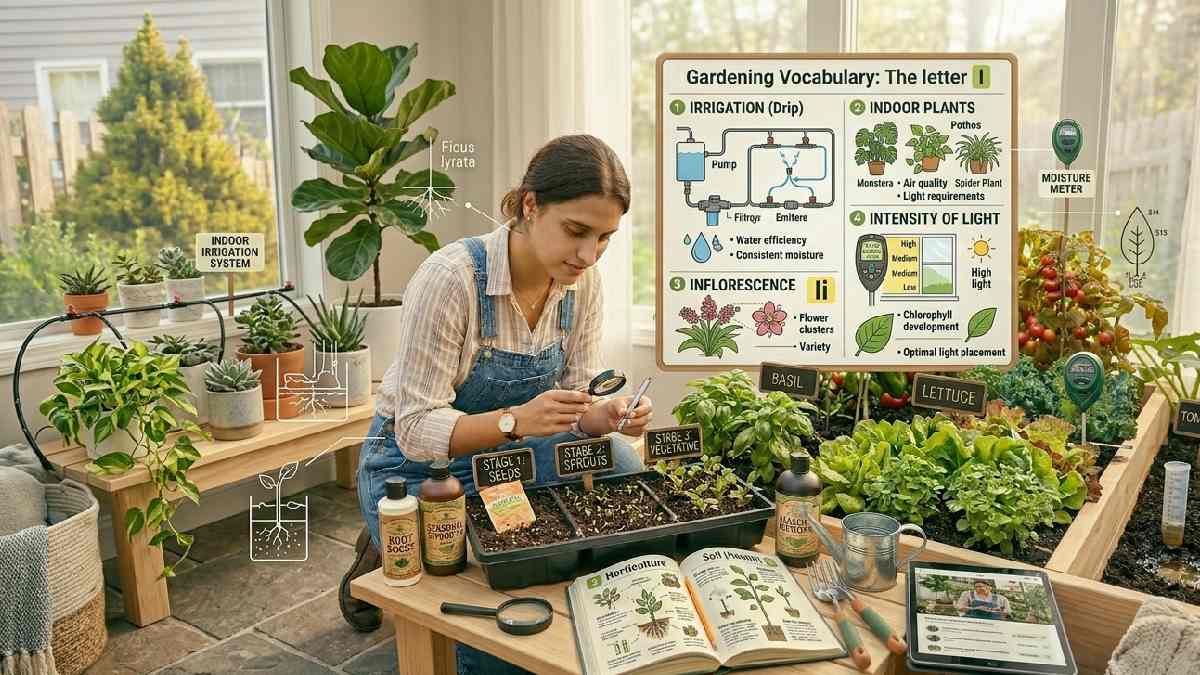
Gardening words starting with I explain watering systems and indoor plant care methods. These terms are useful in managing plant growth efficiently. I first learned them while setting up a small indoor garden.
They help describe how plants receive water and adapt to indoor environments. Understanding these words improves gardening control and makes plant care more organized. They are commonly used in both home and commercial gardening systems.
Irrigation
Irrigation is the process of supplying water to plants in a controlled way. It helps maintain soil moisture for healthy growth. I used simple irrigation methods in my garden and noticed better plant consistency. It can be manual or automatic, depending on the garden size.
Proper irrigation prevents both overwatering and underwatering. It is essential in agriculture and home gardening. This system ensures plants receive water regularly, especially in dry conditions or hot weather periods.
Indoor Gardening
Indoor gardening means growing plants inside homes or buildings instead of outdoor soil. It is popular in small living spaces. I started indoor gardening with small pots near a window. It allows people to grow herbs, vegetables, and decorative plants easily.
Light, water, and space control are important in this method. Indoor gardening is useful for people with limited outdoor space. It also improves air quality and brings greenery inside homes in a simple and practical way.
Gardening Words Starting With K
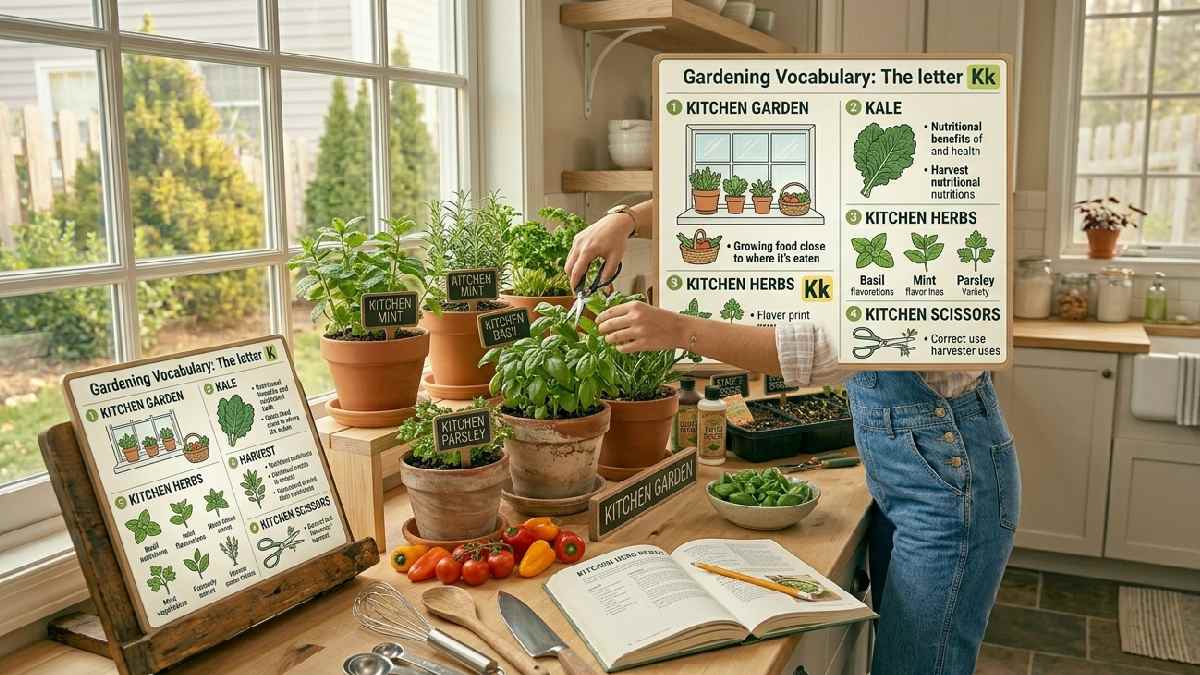
Gardening words starting with K are limited but useful in understanding kitchen-based gardening methods. These terms often relate to small home gardens used for cooking ingredients.
I learned about them while growing herbs at home. They are practical and easy to apply in daily life. These words help explain how small spaces can be used for growing fresh food and plants.
Kitchen Garden
A kitchen garden is a small garden where herbs, vegetables, and spices are grown for home use. It is usually located near the kitchen or home space. I started a small kitchen garden and enjoyed using fresh herbs in cooking.
It is simple to maintain and saves money. Kitchen gardens promote healthy eating and fresh food habits. They are popular in home gardening because they require little space and provide daily useful ingredients easily.
Gardening Words Starting With L
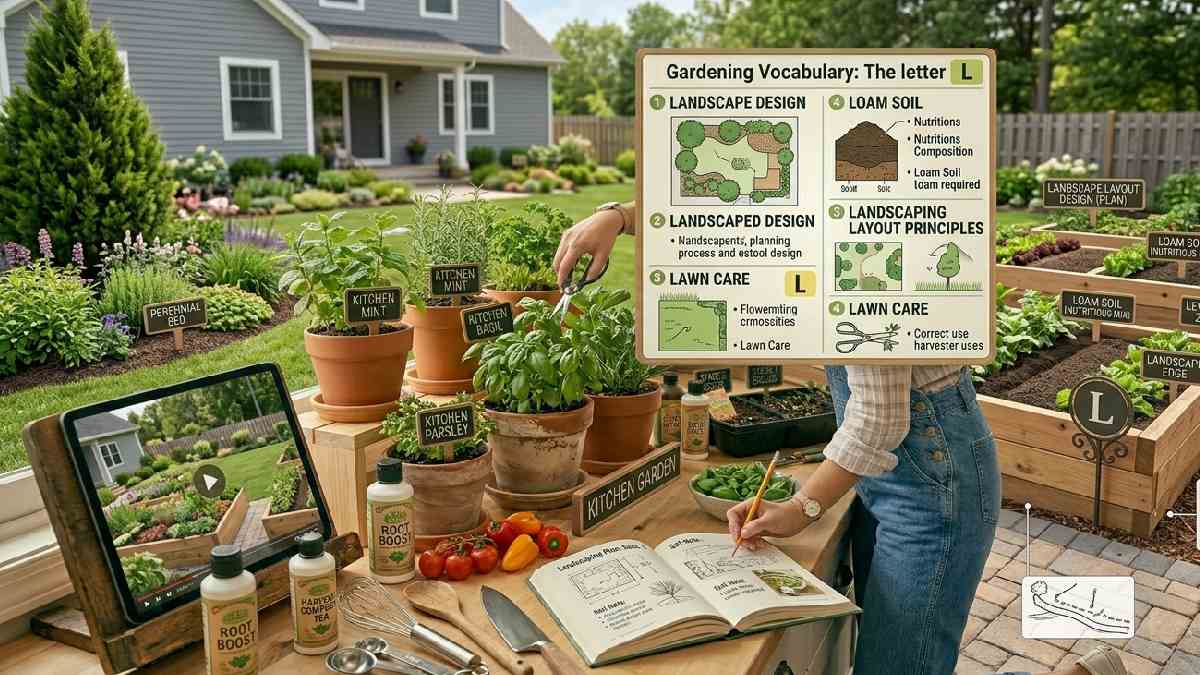
Gardening words starting with L describe soil types and garden design methods. These terms help gardeners understand plant growth environments. I came across them while learning soil science and landscape planning.
They are important for creating healthy and organized gardens. Understanding them helps improve soil quality and garden structure. These words are commonly used in both home gardening and professional landscaping.
Loam Soil
Loam soil is a balanced mixture of sand, silt, and clay. It is considered ideal for plant growth. I noticed my plants grew better in loam soil compared to other types. It holds moisture but also drains well.
This balance makes it perfect for gardening. Loam soil supports strong root development and healthy plant growth. It is widely recommended for home gardens due to its rich nutrient content and easy working texture.
Landscape Gardening
Landscape gardening is the art of designing outdoor spaces with plants and natural elements. It focuses on both beauty and functionality. I saw landscape gardens in parks and noticed their organized design. It includes trees, flowers, and pathways arranged carefully.
This type of gardening improves the outdoor appearance and environment. It requires planning and plant selection. Landscape gardening is popular in homes, parks, and commercial spaces for creating attractive green areas.
Gardening Words Starting With M
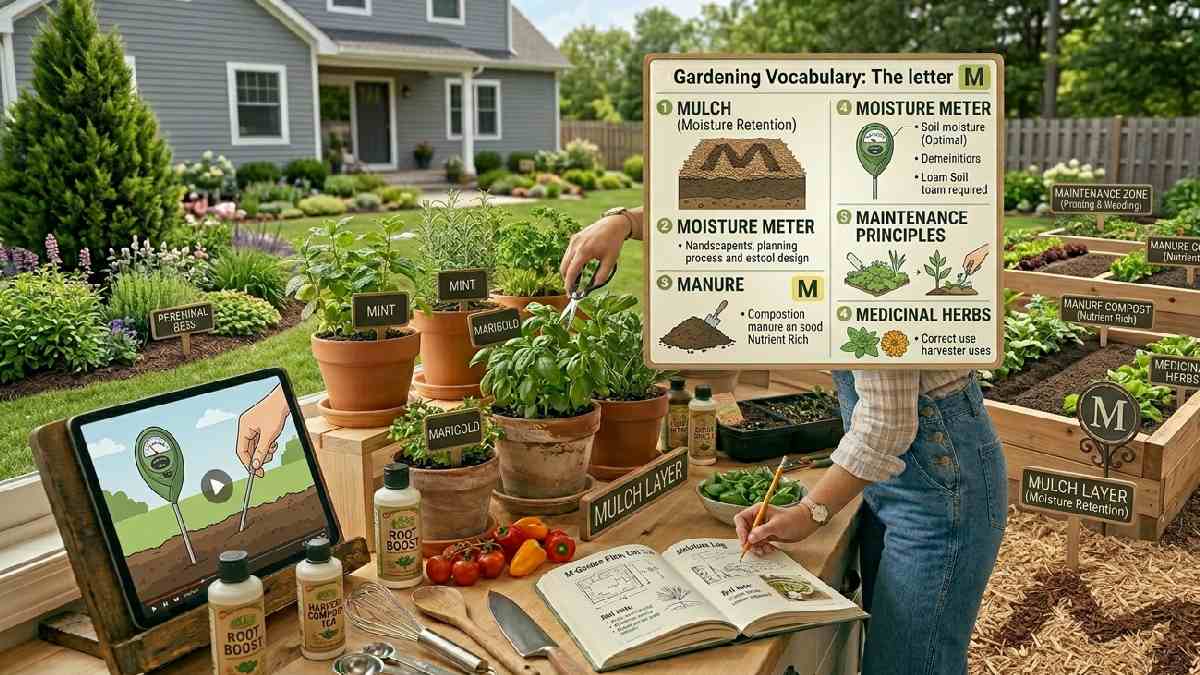
Gardening words starting with M describe soil protection, plant types, and moisture control methods. These terms are important for maintaining healthy plant environments.
I learned them while improving my garden care routine. They help explain how plants stay healthy in different conditions. These words are widely used in gardening guides and practical plant care.
Mulch
Mulch is a protective layer placed over soil to retain moisture and reduce weed growth. It can be made from leaves, straw, or wood chips. I used mulch in my garden and noticed the soil stayed moist for longer. It also improved soil temperature control.
Mulch reduces watering needs and supports healthy plant roots. It is widely used in organic gardening. This simple method improves soil quality and helps plants grow in a stable environment.
Microgreens
Microgreens are young vegetable greens harvested early after germination. They are small but highly nutritious. I started growing microgreens at home and found them easy to maintain. They grow quickly and are used in salads and sandwiches.
Microgreens require little space and basic care. They are popular in healthy diets due to their high nutrient content. These tiny plants provide fresh flavor and are simple to grow indoors or outdoors with minimal effort.
Moisture Retention
Moisture retention refers to the soil’s ability to hold water for plant use. Good moisture retention helps plants stay hydrated for a longer time. I noticed better growth when the soil retained moisture properly. Mulch and compost help improve this property.
It reduces frequent watering needs. Moisture balance is important for plant health. Proper retention supports steady growth and prevents soil from drying too quickly, especially in hot weather conditions.
Gardening Words Starting With O
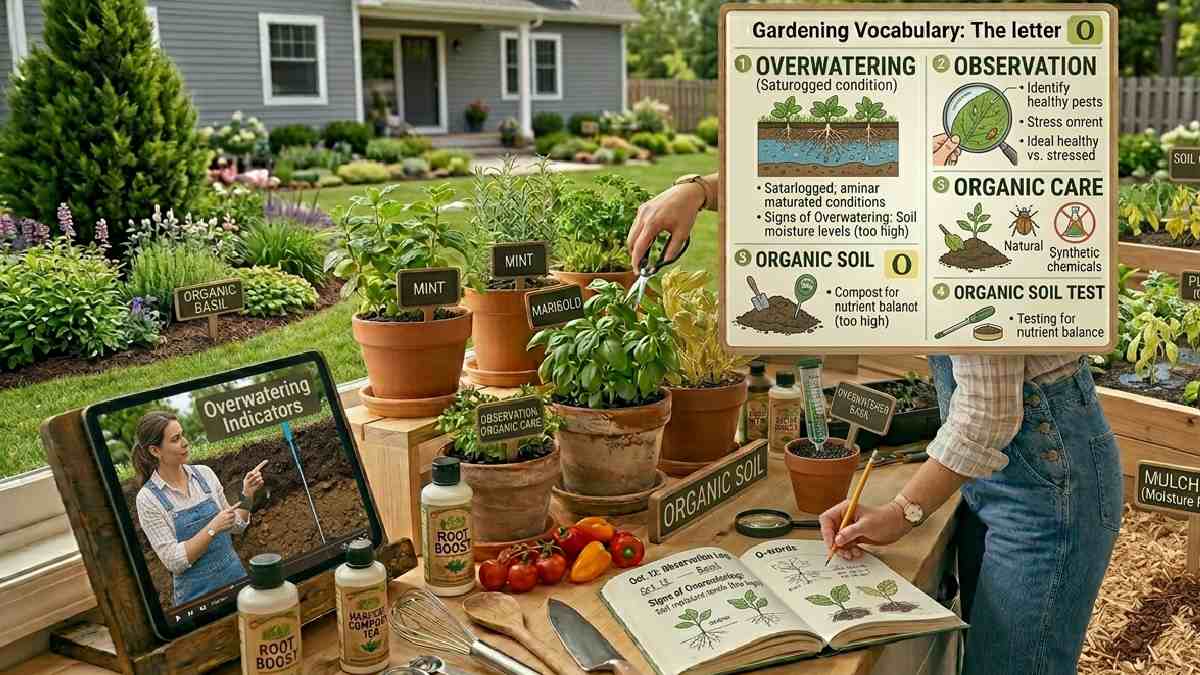
Gardening words starting with O explain soil management and plant care mistakes. These terms are useful in understanding plant health problems.
I learned them while fixing common gardening issues at home. They help identify what harms or supports plant growth. These words are widely used in gardening discussions and guides.
Organic Gardening
Organic gardening is a method of growing plants without chemical fertilizers or pesticides. It uses natural materials like compost and manure. I started organic gardening and noticed healthier plants over time.
It is safe for the environment and soil health. This method supports long-term sustainability. Organic gardening focuses on natural growth and balanced ecosystems. It is widely used in home gardens for safe and chemical-free food production.
Overwatering
Overwatering happens when plants receive too much water, causing root damage. I made this mistake in the beginning, and some plants became weak. Excess water reduces oxygen in the soil. It can lead to root rot and yellow leaves.
Proper watering balance is very important. Checking the soil before watering helps avoid this issue. Overwatering is one of the most common gardening mistakes and can seriously affect plant health if not controlled.
Gardening Words Starting With P
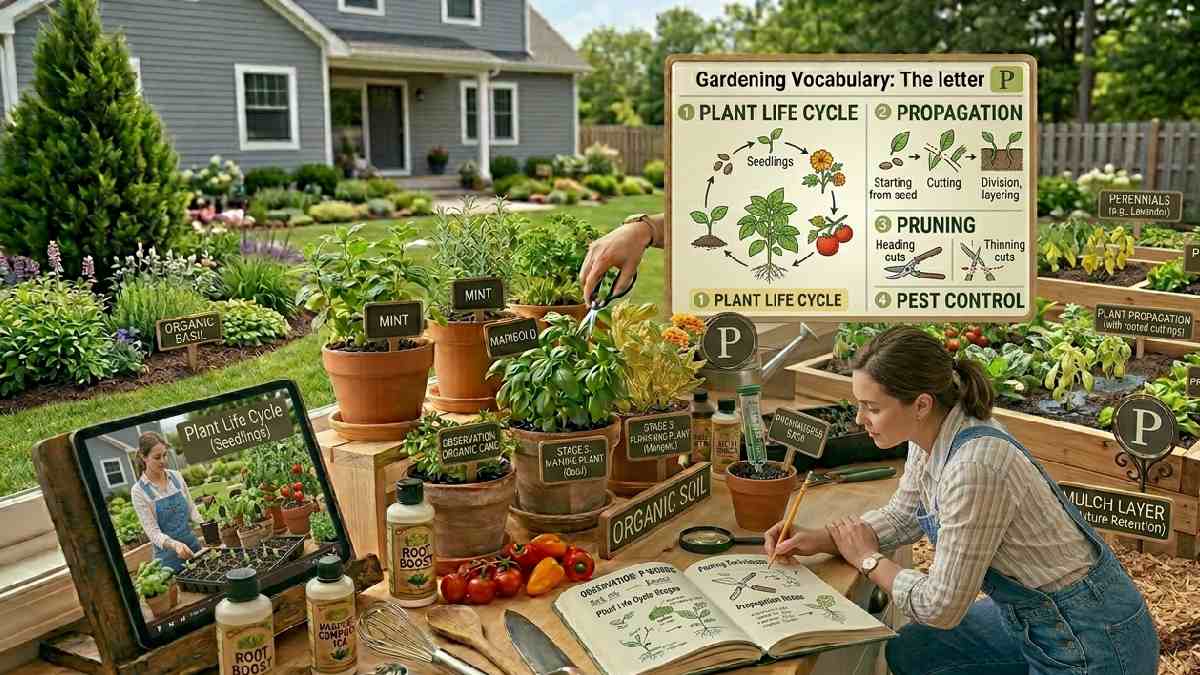
Gardening words starting with P describe plant life cycles, growth methods, and care techniques. These terms are essential for understanding gardening basics.
I learned many of them while practicing home gardening. They help explain how plants grow and reproduce. These words are widely used in gardening education and practical plant care.
Perennial
Perennial plants live for more than two years and grow repeatedly every season. I planted perennials in my garden, and they kept coming back every year. They are low-maintenance compared to annual plants.
Perennials are popular in home gardens for long-term growth. They save time and effort in replanting. These plants provide consistent greenery and are important in landscaping and garden design.
Pollination
Pollination is the process by which pollen is transferred from one flower to another for reproduction. It helps plants produce fruits and seeds. I noticed bees play an important role in my garden’s pollination. Wind and insects often help in this process.
Pollination is essential for food production and the plant life cycle. Without it, many plants cannot reproduce. It is a natural and important part of gardening and agriculture.
Propagation
Propagation is the process of growing new plants from seeds, cuttings, or other plant parts. I tried propagation with small cuttings, and it worked well. It is a cost-effective way to grow more plants.
Propagation is widely used in gardening and farming. It helps multiply plants quickly. This method is useful for maintaining plant varieties and expanding gardens without buying new plants.
Pruning
Pruning is the process of cutting unwanted branches or leaves to improve plant growth. I regularly prune my plants and notice better shape and health. It helps remove dead parts and encourages new growth. Proper pruning improves air circulation.
It should be done carefully to avoid damage. Pruning is essential in gardening for maintaining plant structure and supporting healthy development.
Gardening Words Starting With R
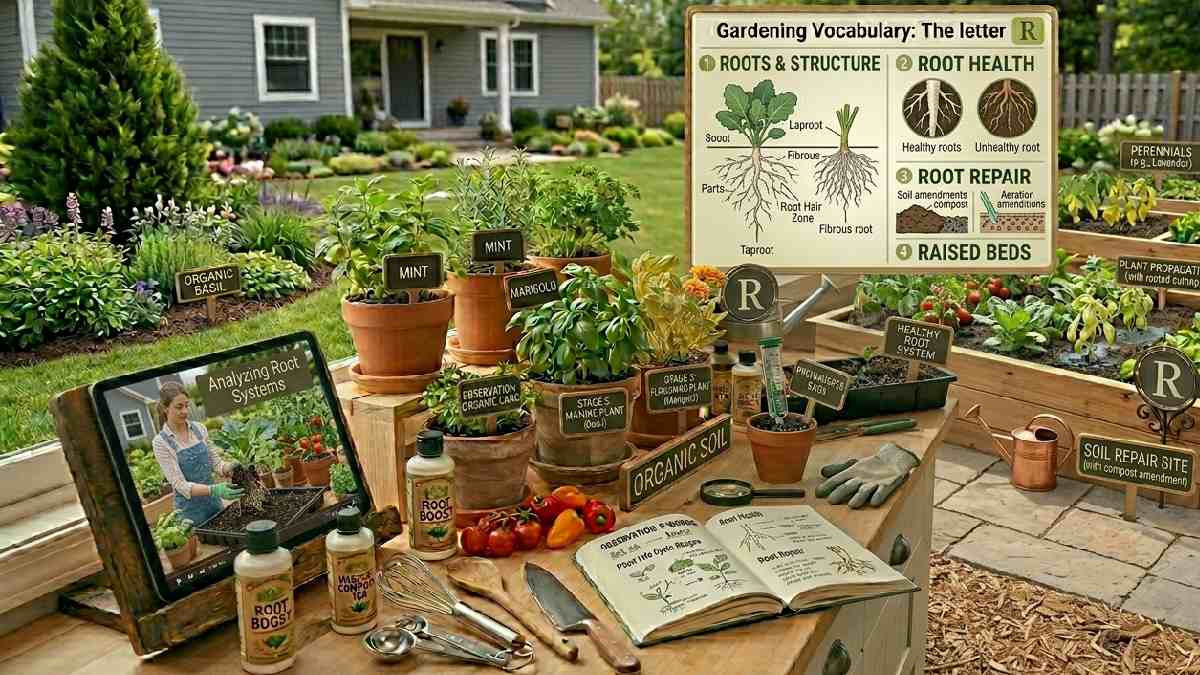
Gardening words starting with R help explain root health, soil care, and planting methods in simple terms. I first came across these words while fixing problems in my garden. They made it easier to understand why plants were not growing properly.
These terms are useful for both beginners and experienced gardeners. They explain how roots behave and how soil should be managed. Learning them improves plant care and makes gardening more organized and practical in everyday home gardening work.
Raised Bed
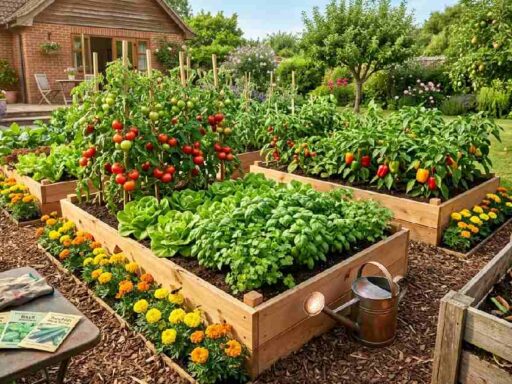
A raised bed is a gardening method where soil is placed above ground level inside a framed structure. I tried raised beds in my garden and noticed better drainage and cleaner planting space. It also makes gardening easier because you don’t have to bend too much.
Raised beds help control soil quality and reduce weed growth. Plants grow in a more organized way. This method is very popular in home gardening because it improves soil management and supports healthier plant growth.
Root Bound
Root bound is a condition where plant roots grow tightly inside a pot and run out of space. I once noticed a plant growing slowly and later found its roots were packed tightly. This condition stops proper water and nutrient absorption.
It makes plants weak over time. The simple solution is repotting into a larger container. Root-bound problems are common in container gardening. Regular checking of plant roots helps avoid this issue and supports healthy long-term growth.
Rotating Crops
Rotating crops means changing plant positions in the garden every season. I used this method and saw improvement in soil health and plant growth. It helps prevent nutrient loss in soil and reduces pest problems. Different plants use different nutrients, so rotation keeps soil balanced.
This method is widely used in farming and gardening. It improves long-term productivity and keeps soil fertile. Crop rotation is a simple but effective technique for maintaining a healthy and sustainable garden system.
Gardening Words Starting With S
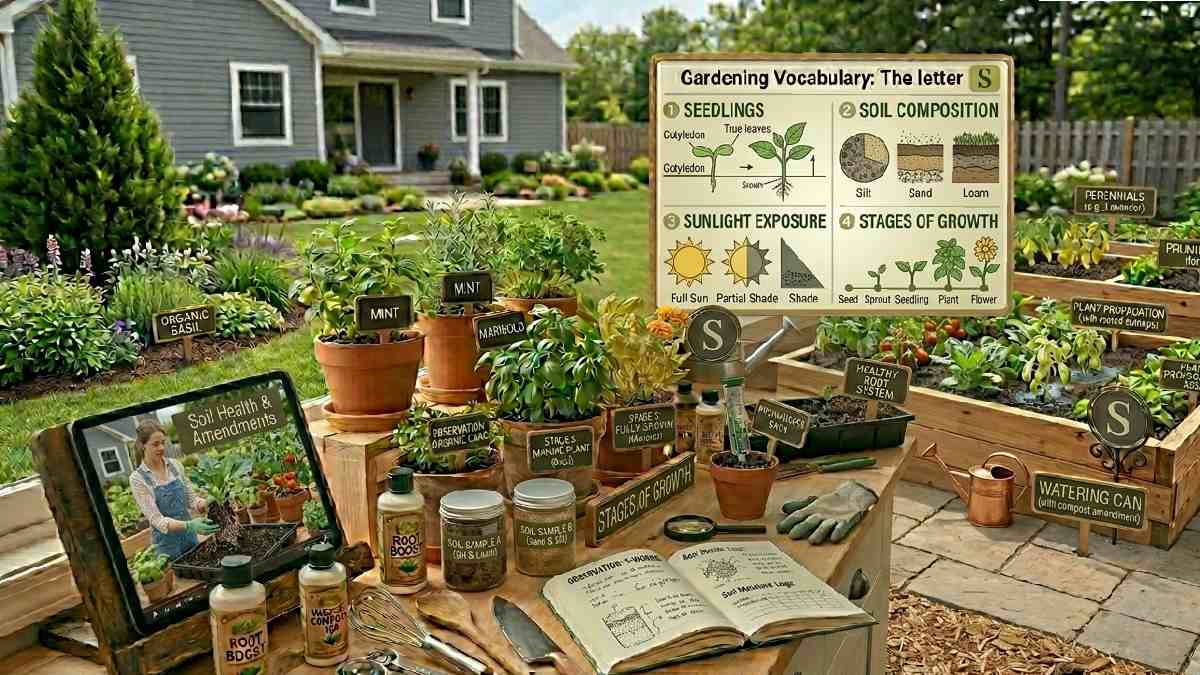
Gardening words starting with S explain plant growth stages, soil conditions, and environmental needs. I learned many of these terms while improving my home garden. They help understand how plants develop and what conditions they need to survive.
These words are commonly used in gardening guides and make plant care easier to follow. Knowing them improves gardening skills and helps avoid common mistakes in plant maintenance and care routines.
Seedling
A seedling is a young plant that grows from a seed after germination. I still remember watching my first seedlings appear in the soil after a few days. They are very delicate and need proper care in the early stages. Water, light, and temperature affect their growth.
Seedlings are the beginning stage of plant life. With proper care, they grow into strong plants. This stage is important in gardening because it determines how healthy the plant will be later.
Soil pH
Soil pH shows whether the soil is acidic, neutral, or alkaline. It affects how plants absorb nutrients. I tested my garden soil once and found a slight imbalance in pH. After adjusting, plant growth improved. Different plants need different pH levels for best growth.
Understanding soil pH helps avoid planting mistakes. It is an important part of gardening because healthy soil leads to healthy plants. Simple testing tools can help gardeners manage soil conditions better.
Succulent
Succulents are plants that store water in their leaves and stems. I started growing succulents at home because they need very little care. They survive in dry conditions easily. These plants come in many shapes and are popular for decoration.
Succulents are perfect for beginners because they do not require frequent watering. They grow well in small pots and indoor spaces. Their unique appearance and low maintenance make them a favorite in modern home gardening.
Sunlight Requirements
Sunlight requirements describe how much light a plant needs to grow properly. I noticed some plants grow better in full sun while others prefer shade. Without proper sunlight, plants become weak and pale. Light is important for photosynthesis and growth.
Understanding sunlight needs helps place plants in the right location. It improves plant health and growth rate. Every plant has different light requirements, so observing and adjusting placement is an important part of gardening care.
Gardening Words Starting With T
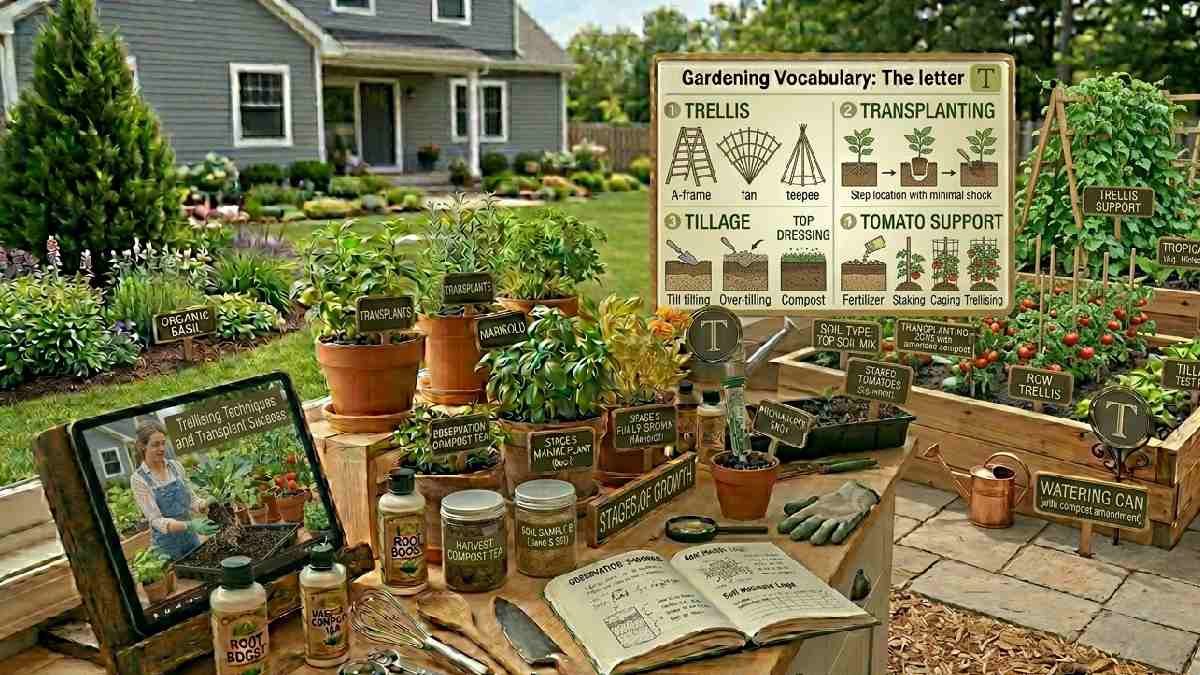
Gardening words starting with T explain soil types, support systems, and plant handling methods. I learned these terms while organizing my garden better. They help improve plant structure and care techniques.
These words are useful in both home gardening and professional gardening. Understanding them makes gardening tasks easier and more effective.
Topsoil
Topsoil is the upper layer of soil that contains most nutrients needed for plant growth. I noticed better plant results after improving my garden topsoil. It supports strong root development and healthy plant growth.
Good topsoil is rich in organic matter and helps retain moisture. It is very important for successful gardening. Without quality topsoil, plants may struggle to grow properly. Maintaining healthy topsoil improves overall garden performance and productivity.
Transplanting
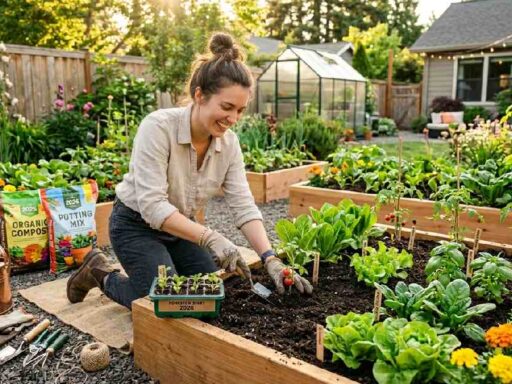
Transplanting means moving a plant from one place to another. I transplanted small seedlings in my garden and saw good results after some time. It must be done carefully to avoid damaging roots. Transplanting helps plants grow in better spaces and conditions.
It is commonly used when plants outgrow their containers. Proper watering after transplanting is important for recovery. This method helps improve plant spacing and supports healthier growth in gardens.
Trellis
A trellis is a support structure used for climbing plants. I used a trellis for beans in my garden, and it worked very well. It helps plants grow upward instead of spreading on the ground. Trellises save space and improve air circulation.
They also make harvesting easier. This system is commonly used in vegetable gardening. It supports healthy plant growth and keeps garden space organized and efficient.
Gardening Words Starting With V
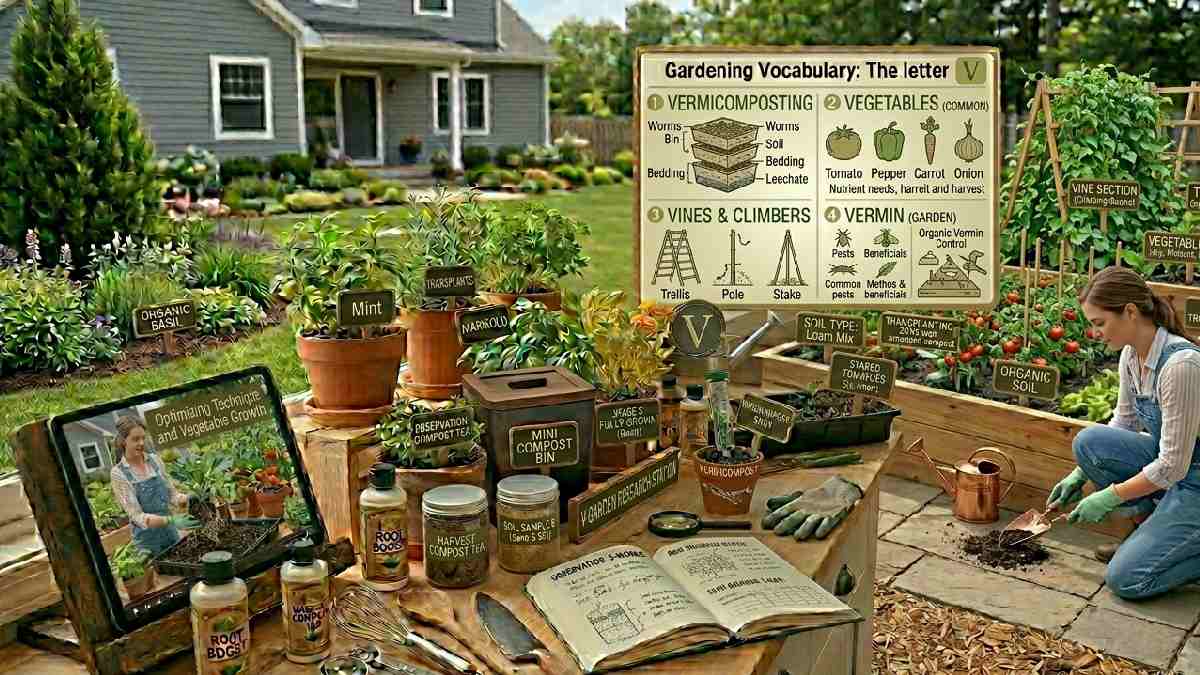
Gardening words starting with V explain soil improvement methods and natural fertilizers. I learned about them while exploring organic gardening practices.
These terms are important for maintaining soil health and plant nutrition. They are commonly used in eco-friendly gardening systems and help improve soil quality naturally.
Vermicompost
Vermicompost is organic compost made using earthworms that break down waste. I started using vermicompost in my garden and saw faster plant growth. It improves soil fertility and structure.
This natural fertilizer is rich in nutrients and safe for plants. Vermicompost is widely used in organic gardening. It helps reduce waste and improve soil health over time. This method supports sustainable gardening and healthy plant development without chemical use.
Gardening Words Starting With W
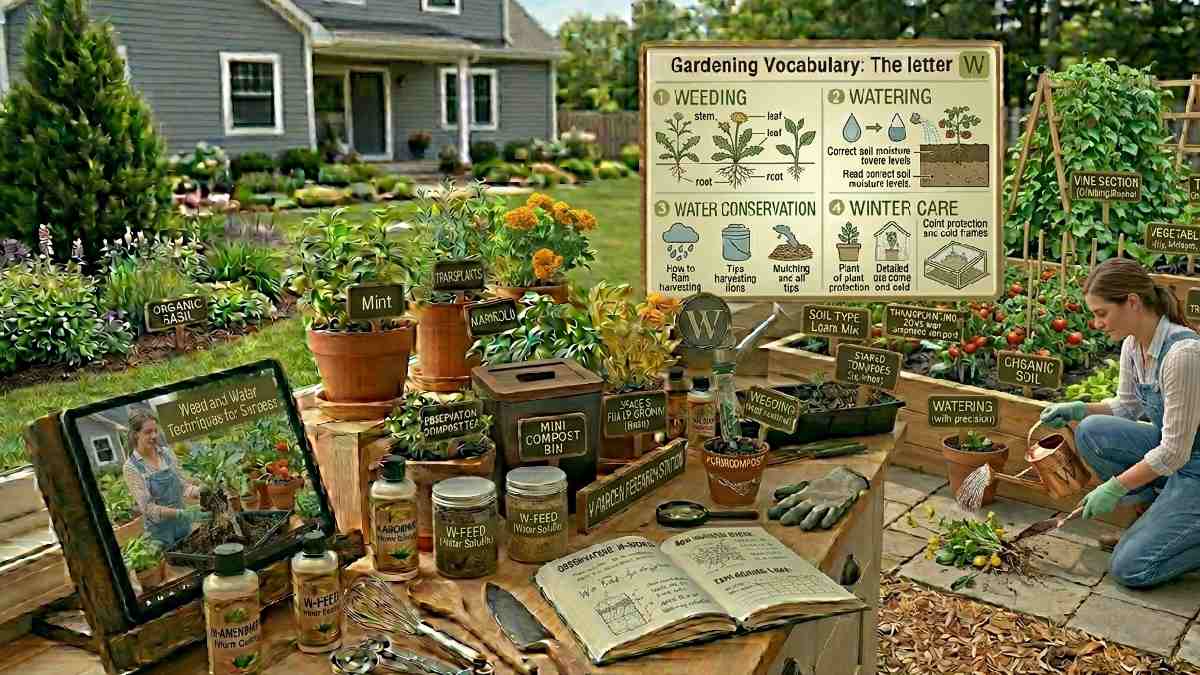
Gardening words starting with W explain watering methods and weed management techniques. I learned these terms while improving my garden care routine.
They are essential for maintaining plant health and garden cleanliness. These words help gardeners manage water and unwanted plants effectively.
Watering Schedule
A watering schedule means planning when and how often plants should be watered. I follow a simple watering schedule in my garden, and it keeps plants healthy. It prevents both overwatering and underwatering problems.
Different plants need different watering routines. The weather also affects watering needs. A proper schedule helps maintain soil moisture balance. It is an important part of gardening care and improves plant growth consistency over time.
Weed Control
Weed control means removing unwanted plants that grow in the garden. I remove weeds regularly to protect my plants from competition. Weeds take nutrients, water, and space from useful plants.
If not controlled, they spread quickly. Simple methods like hand pulling or mulching help manage weeds. Weed control keeps the garden clean and healthy. It improves plant growth and reduces garden maintenance problems over time.
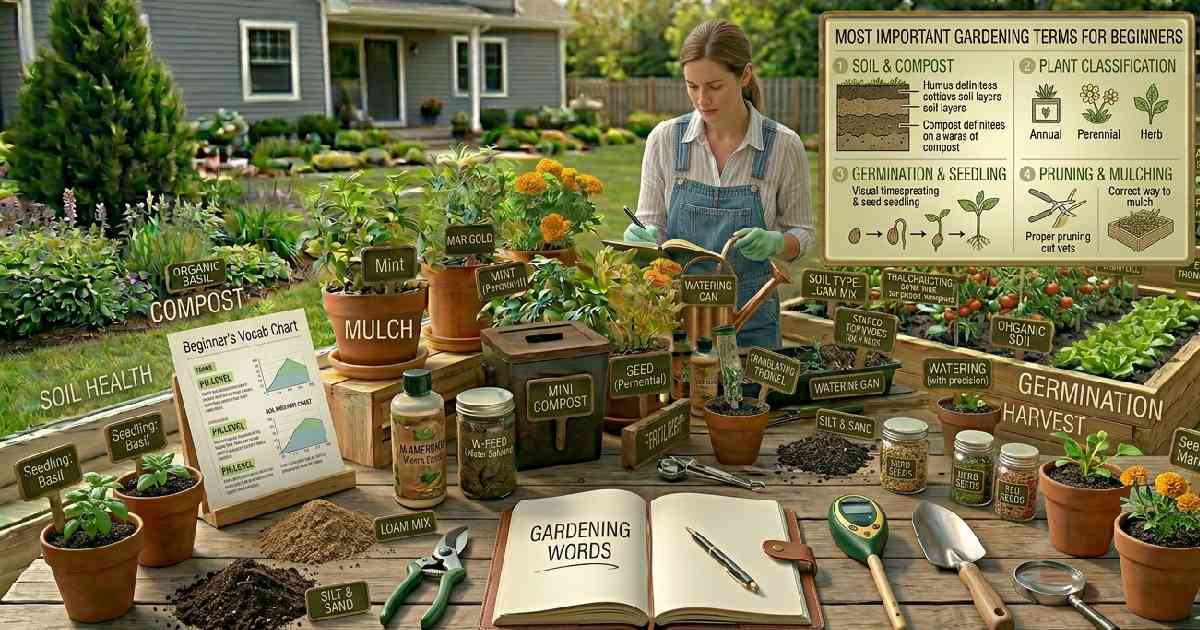
Most Important Gardening Terms for Beginners
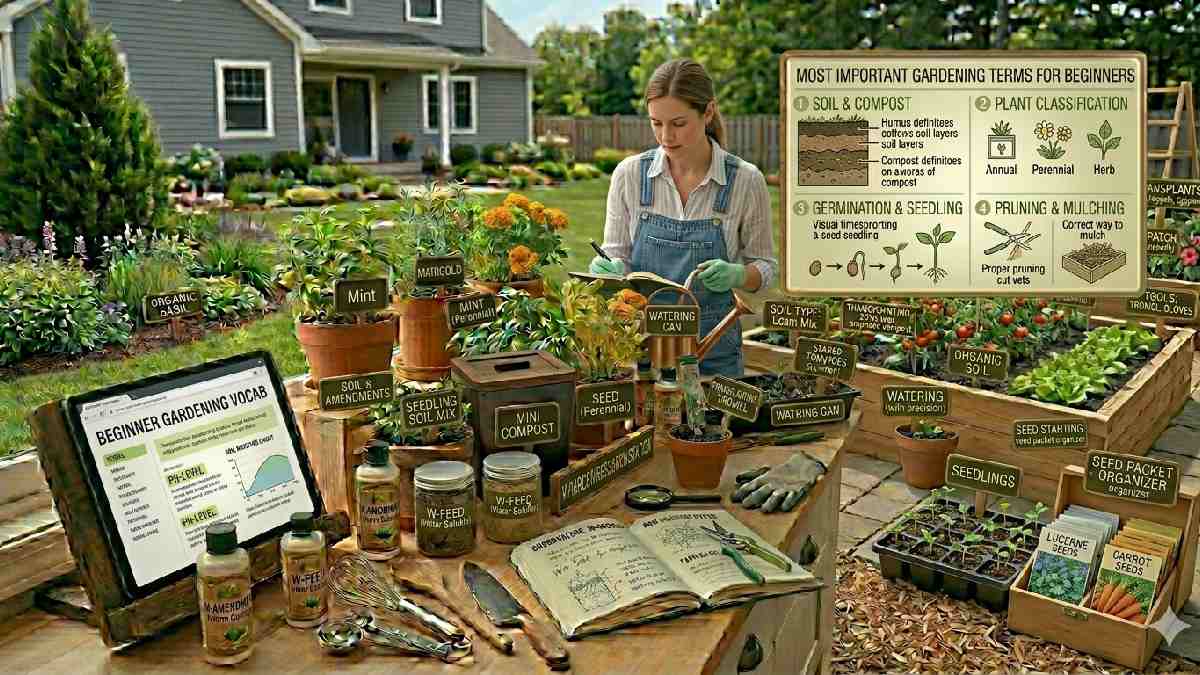
Gardening becomes much easier when beginners understand the basic terms used in plant care. I remember starting gardening and feeling confused by simple instructions in guides. Words like soil, compost, and pruning looked difficult at first. After learning them slowly, everything became clearer and more practical.
These terms help explain how plants grow, what they need, and how to maintain them. Knowing basic gardening vocabulary reduces mistakes and builds confidence. It also helps beginners follow instructions properly and take better care of their plants in a simple and organized way at home.
Essential Soil and Composting Terms
Soil and composting terms are very important for healthy plant growth. Soil is the natural base where plants grow, while compost is decomposed organic material that improves soil quality. I noticed better plant growth when I started adding compost regularly to my garden soil.
Terms like humus, mulch, and fertilizer also fall in this category. These words explain how nutrients are added and stored in soil. Understanding them helps beginners improve soil health naturally. Good soil knowledge leads to stronger roots, better moisture balance, and overall healthier plants in home gardening.
Common Plant Care Vocabulary
Common plant care vocabulary includes words like watering, pruning, germination, and transplanting. These terms describe daily plant care activities. I learned these words while watching my plants grow step by step. At first, they seemed technical, but real practice made them easy. Each word explains a specific action that affects plant health.
For example, pruning helps shape plants and watering supports growth. Knowing this vocabulary helps beginners avoid confusion. It also makes gardening instructions easier to follow and improves plant care skills in simple home gardening routines.
Gardening Maintenance Terms
Gardening maintenance terms explain how to keep plants healthy over time. Words like weeding, fertilizing, trimming, and pest control are included here. I learned their importance after facing issues with overgrown and weak plants in my garden. These terms describe regular care tasks that protect plants from damage.
Maintenance is not one-time work; it is continuous care. Understanding these words helps beginners manage gardens more effectively. It also reduces plant stress and improves long-term growth. Simple maintenance knowledge keeps the garden clean, organized, and healthy throughout the year.
Organic Gardening Words Beginners Should Learn
Organic gardening words help beginners understand natural and chemical-free plant care. Terms like compost, vermicompost, organic fertilizer, and natural pest control are commonly used. I started using organic methods and noticed healthier soil and stronger plants over time. These words explain how to grow plants without harmful chemicals.
Organic gardening focuses on natural balance and soil improvement. Learning these terms helps beginners choose safer and more eco-friendly methods. It also supports long-term soil health and sustainable gardening practices, making plant care simple, natural, and environmentally friendly at home.
Frequently Asked Questions About Gardening Words
What are the most common gardening words?
Soil, compost, watering, pruning, fertilizer, seeds, germination, mulch, transplanting, and harvesting basics.
Why should beginners learn gardening terminology?
Helps understand guides, reduces mistakes, improves plant care confidence, and makes gardening easier.
What is the difference between annual and perennial plants?
Annuals live one season, perennials return yearly, and growing cycles differ clearly.
What does mulch mean in gardening?
Mulch covers the soil layer, retains moisture, stops weeds, and improves soil health slowly.
What is compost used for in gardening?
Compost enriches soil nutrients, improves structure, and boosts plant growth naturally and safely.
Conclusion
Gardening words like compost, mulch, pruning, and germination make gardening easier to understand for beginners. Once you learn these gardening words, plant care feels less confusing and more practical in real life. I also noticed that simple instructions become clearer when you know the terminology properly.
These words connect directly with soil, plants, and maintenance work in the garden. With time, you start using gardening words naturally while caring for plants. It slowly builds confidence and improves results in home gardening without making things complicated or stressful.