

Gardening Near Me: Find Local Gardens & Start Growing Today
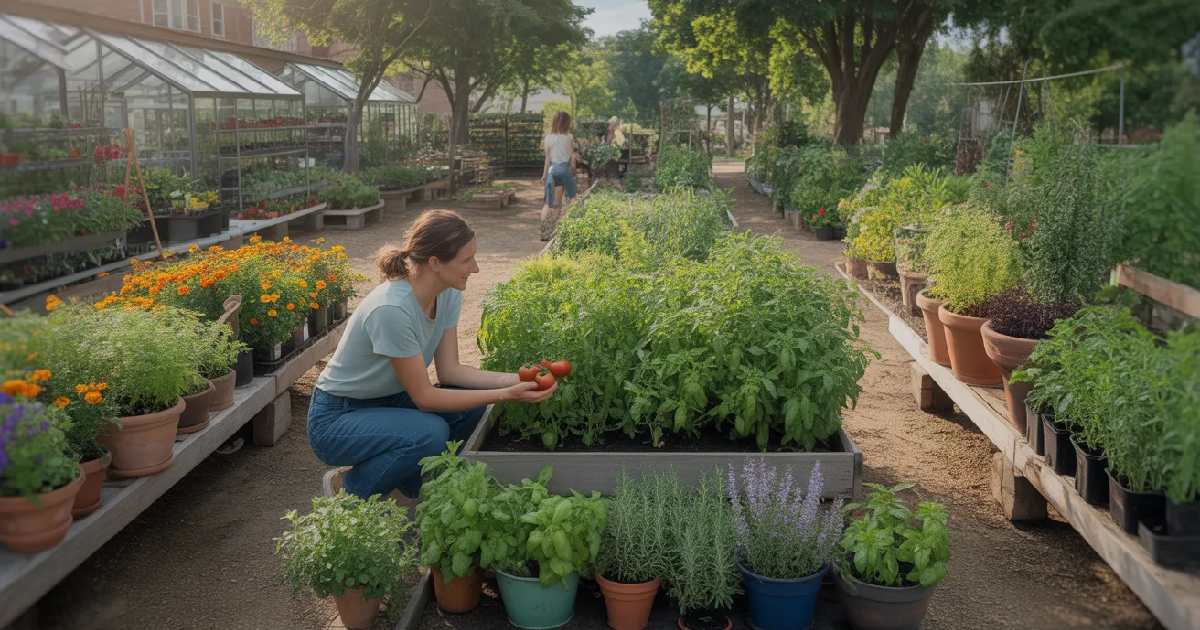
Gardening near me is becoming a popular search for people who want fresh air, green spaces, and a simple way to connect with nature. Many cities now have community gardens, small urban farming spots, and shared growing areas where beginners can learn easily. I once visited a local garden, and it felt calm, almost like a break from daily stress.
You do not need to be an expert to start gardening today. Even small balcony setups or community plots are enough to begin. The idea is simple: grow something, learn slowly, and enjoy fresh plants right around your local area.
What Does Gardening Near Me Mean?
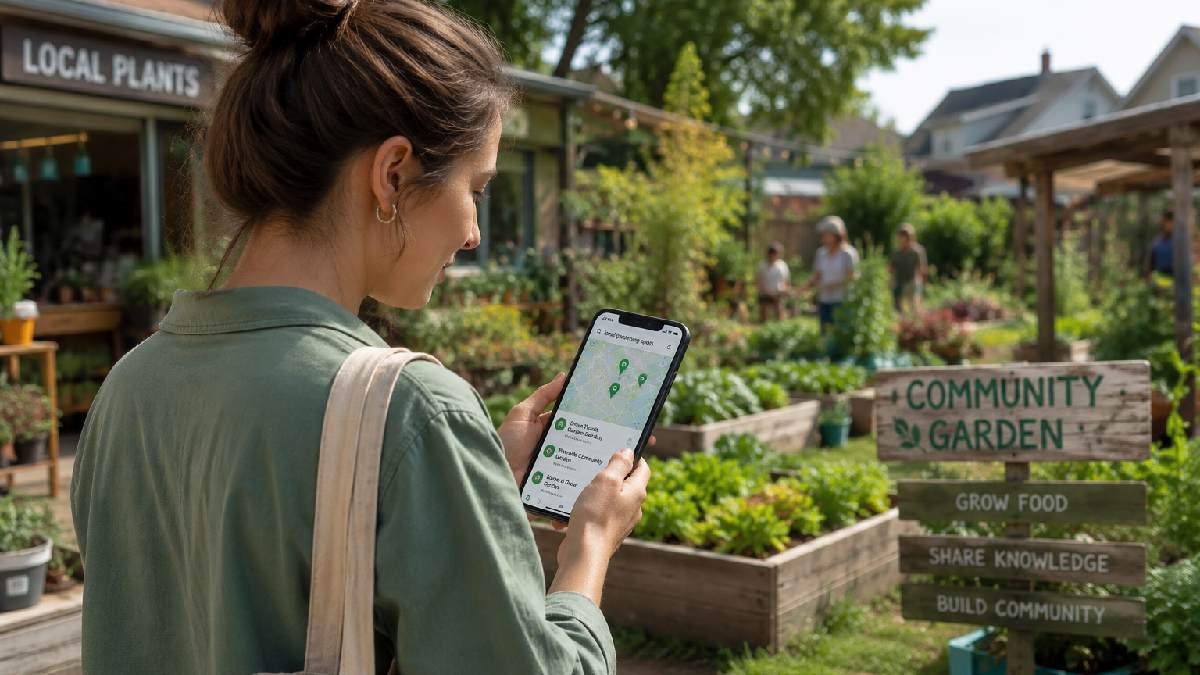
Gardening near me means finding local places, groups, and resources where you can grow plants close to your home. It is about connecting with nearby community gardens, plant shops, and people who enjoy gardening. I first searched for it when I wanted to start growing plants, but I had no space at home.
It helped me discover shared gardens and local support. This idea makes gardening easier for beginners because you can learn, share tools, and get guidance nearby. It is not just planting, it is also about being part of a local green community and learning together in simple ways.
Community Gardens
Community gardens are shared spaces where people grow plants together. Each person usually gets a small plot to grow vegetables, flowers, or herbs. I visited one community garden and saw people of all ages working together. It felt friendly and peaceful. These gardens help people who do not have space at home.
Tools and water are often shared among members. Community gardens also teach basic gardening skills to beginners. They are a great way to meet people, learn planting methods, and enjoy fresh home-grown food in a local shared environment.
Gardening Clubs
Gardening clubs are groups of people who meet regularly to share gardening knowledge and experiences. Members discuss plants, soil, and growing methods in simple ways. I once joined a small local gardening club and learned many basic tips. These clubs often organize plant exchanges and group activities.
Beginners find them helpful because they can ask questions and get advice from experienced gardeners. Gardening clubs also build friendships among people with similar interests. They make gardening more social and less confusing for newcomers who want to improve their skills step by step.
Local Plant Nurseries
Local plant nurseries are shops where you can buy plants, seeds, soil, and gardening tools. They are very helpful for beginners starting their gardening journey. I often visit a nearby nursery to pick small plants and ask basic care questions. Staff usually guide you about watering, sunlight, and soil types.
These nurseries also sell seasonal plants that grow well in your area. You can see plants before buying, which makes selection easier. They are an important part of gardening near me because they provide everything needed to start and maintain a healthy garden.
Urban Gardening Groups
Urban gardening groups are communities in cities where people grow plants in small spaces like rooftops, balconies, and shared areas. I saw one rooftop garden where vegetables were growing in containers, and it looked very creative. These groups help people use limited space in smart ways.
Members often share tips, seeds, and gardening ideas. Urban gardening is popular in busy cities where land is limited. It shows that you do not need a big garden to grow plants. Even small areas can become green and productive with the right planning and support.
Gardening Workshops
Gardening workshops are short training sessions where experts teach basic and advanced gardening skills. These workshops can be held in parks, nurseries, or community centers. I attended a workshop and learned how to prepare soil and plant seeds properly. They are very useful for beginners because everything is explained step by step.
People also get a chance to practice during the session. Workshops often cover topics like watering, composting, and plant care. They help build confidence in gardening and make it easier to start your own garden at home or in local spaces.
Best Places to Find Gardening Near You
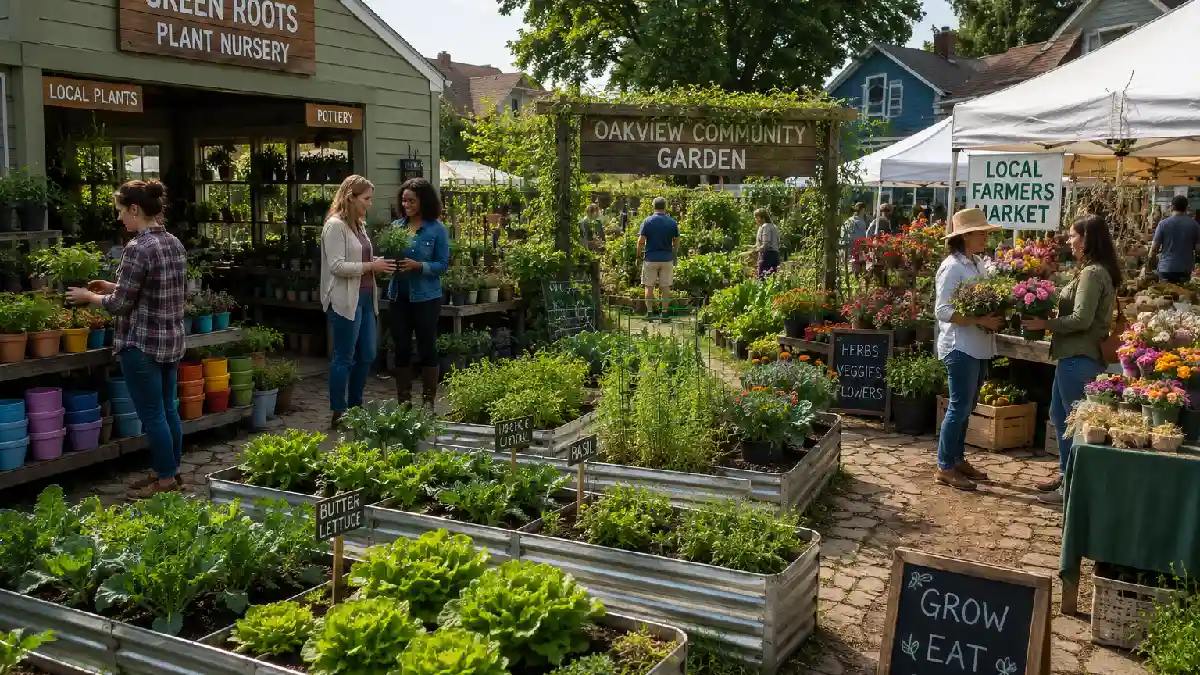
Finding gardening near you is easier than many people think because most cities already have green spaces and plant communities. You just need to know where to look. I first started searching locally and discovered places I never noticed before. Community gardens, nurseries, markets, and online groups all help beginners start growing plants.
These places offer tools, plants, and guidance for learning gardening step by step. Whether you want to grow vegetables or flowers, local options make it simple. You can learn faster when you connect with nearby gardeners and real growing environments.
Community Gardens Near You
Community gardens near you are shared spaces where people grow plants together. Each person usually gets a small area to grow vegetables, herbs, or flowers. I visited one in my area and saw people working together and sharing tools. It felt friendly and calm. These gardens are great for beginners who do not have space at home.
You can learn planting, watering, and soil care from others. Many cities support these gardens to encourage green living. They are also a good way to meet people who enjoy gardening and nature in your local area.
Local Garden Centers
Local garden centers are shops where you can find plants, seeds, soil, and gardening tools. They are very helpful when starting gardening for the first time. I often visit one near my home to buy small plants and ask basic care questions. Staff usually give simple advice about watering and sunlight.
You can see plants before buying, which helps in choosing the right ones. These centers also sell seasonal plants that grow well in your region. They make gardening easier by providing everything you need in one place for your home or garden setup.
Farmers Markets
Farmers’ markets are places where local growers sell fresh vegetables, plants, and seeds. They are a good option for finding gardening items near you. I visited a farmers’ market once and saw many fresh plants and homemade gardening products. You can also talk directly to growers and learn simple tips.
These markets often have organic and locally grown items. They are not only for buying food but also for learning about planting. Farmers’ markets support local gardening and help beginners get fresh and healthy plants for their home gardens.
Botanical Gardens
Botanical gardens are large green spaces where many types of plants are grown and displayed. They are open for visitors and are great for learning about different plant species. I visited one and saw plants I had never seen before. It felt peaceful and educational at the same time.
These gardens often have guides who explain plant care and growth methods. They are useful for beginners who want to understand gardening better. You can get inspiration for your own garden by observing plant arrangements and learning how different plants grow in one place.
Facebook Gardening Communities
Facebook gardening communities are online groups where people share gardening tips, photos, and questions. You can join local groups to find gardening help near you. I joined one and found many useful ideas from experienced gardeners. People often post about plant care, seed exchange, and local gardening events.
It is a simple way to connect with others who enjoy gardening. Beginners can ask questions and get quick answers. These online groups make gardening more social and help you stay updated with what is happening in your local gardening community.
Local Gardening Events
Local gardening events are activities like plant fairs, workshops, and community planting days. These events are often organized in parks, schools, or community centers. I attended one event where people shared seeds and gardening tips. It was a great learning experience for beginners.
You can see different plants and meet local gardeners. These events also help you discover new gardening methods. They are a good way to get inspired and start your own garden. Many events are free or low-cost, making them easy to join for anyone interested in gardening.
How to Start Gardening at Home
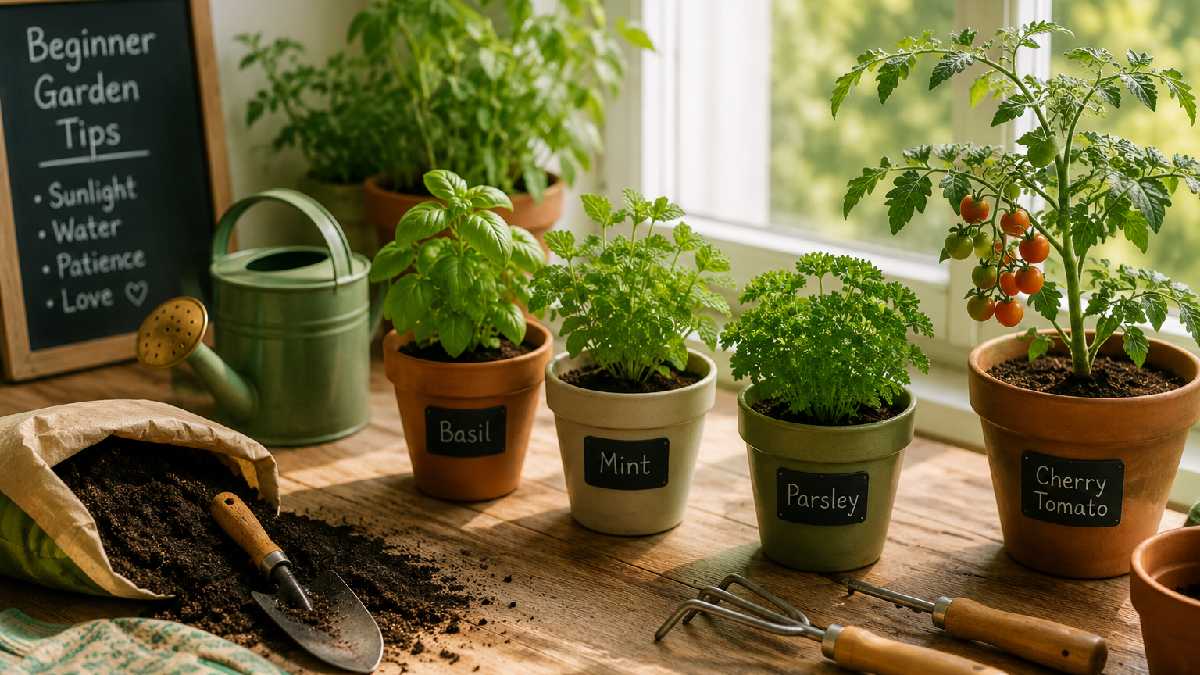
Starting gardening at home is easier than most people think. You don’t need a big yard or expensive tools. I began with just a few pots near a window and slowly learned how plants grow. The key is choosing the right space, using good soil, and giving plants regular care.
Even small areas can become green and productive. Home gardening helps reduce stress and gives fresh plants for daily use. With simple steps and patience, anyone can start growing herbs, vegetables, or flowers right at home.
Apartment Gardening
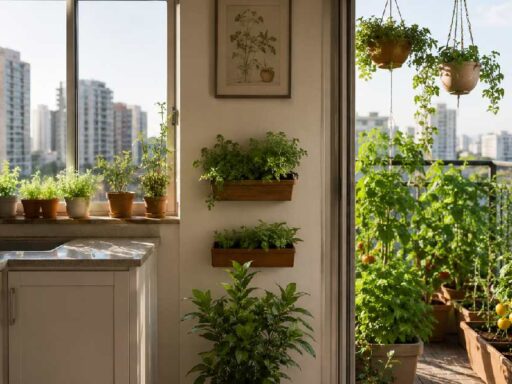
Apartment gardening is perfect for people who live in flats with limited space. You can grow small plants on windowsills, shelves, or corners. I started with herbs like mint and basil in my apartment, and it worked well. Good lighting is important, so place plants near natural light.
Lightweight pots and proper drainage help avoid mess. Even a small setup can bring greenery into your home. Apartment gardening is simple, affordable, and a great way to enjoy nature without needing a garden outside.
Balcony Gardening
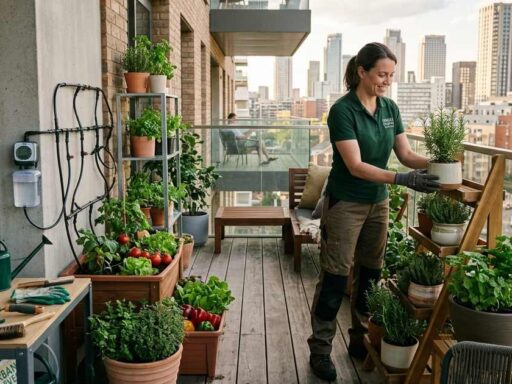
Balcony gardening uses outdoor balcony space to grow plants in pots or containers. It is one of the most popular home gardening methods. I saw a neighbor turn a small balcony into a mini garden with vegetables and flowers. You can use railings, shelves, and hanging pots to save space.
Sunlight is usually good in balconies, which helps plants grow faster. Regular watering and proper soil are important. Balcony gardening makes your home feel fresh and green while still using small urban spaces effectively.
Indoor Gardening
Indoor gardening means growing plants inside your home using pots, containers, or trays. It is ideal for people with no outdoor space. I tried growing small herbs indoors near a window, and it worked nicely. You just need proper light, water, and air circulation.
Some people also use LED grow lights. Indoor plants help improve air quality and make rooms look fresh. It is important not to overwater plants inside the house. This method is simple and works well for beginners starting their gardening journey.
Container Gardening
Container gardening is growing plants in pots, buckets, or any suitable containers. It is flexible and can be done anywhere, like on balconies, patios, or indoors. I used simple plastic pots at first and slowly added more plants. Drainage holes are very important to prevent water buildup.
You can grow vegetables, herbs, or flowers depending on container size. It is easy to move plants if needed and manage soil quality. Container gardening is beginner-friendly and allows you to grow plants even in very small spaces.
Beginner-Friendly Plants to Grow
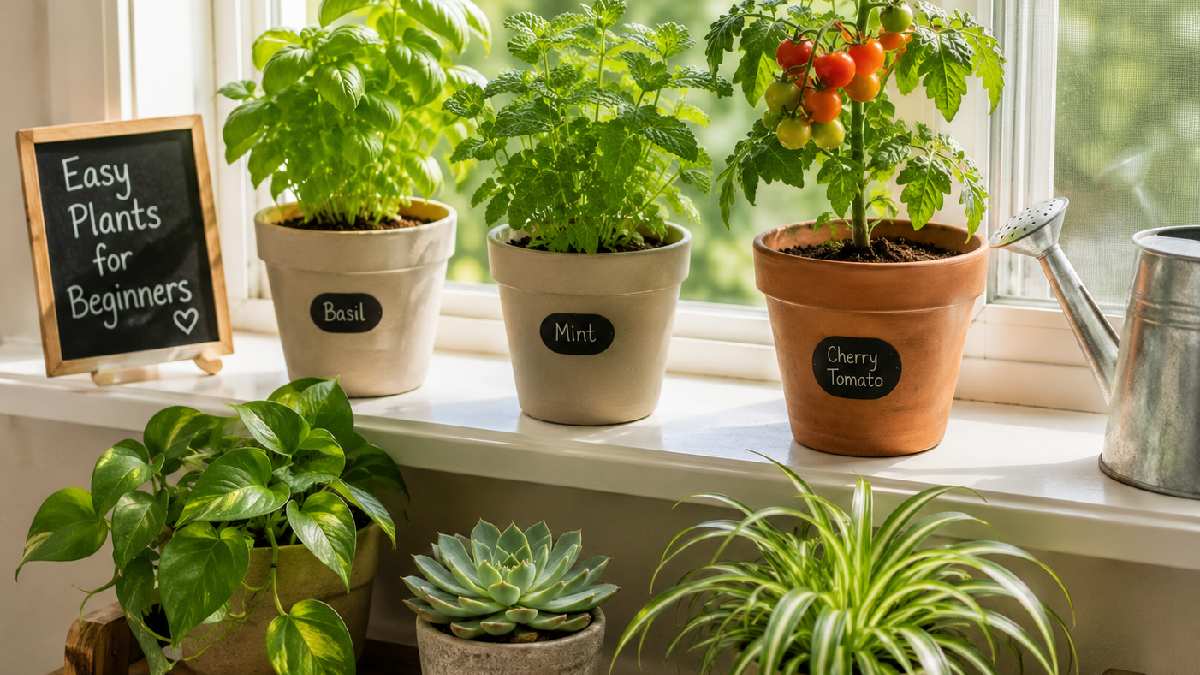
Starting gardening is much easier when you choose beginner-friendly plants. These plants do not need advanced care and can grow in small spaces with simple maintenance. I started my gardening journey with easy herbs and small vegetables, and it helped me learn basic plant care step by step.
The best plants for beginners are low-maintenance, fast-growing, and forgiving if you make small mistakes. Whether you have a balcony, an indoor space, or a small pot setup, these plants can grow well and give you confidence in gardening.
Herbs for Beginners
Herbs are one of the easiest plants for beginners to grow at home. Mint, basil, coriander, and parsley grow quickly and need very little care. I started with mint in a small pot, and it kept growing again and again. Herbs do not need a large space and can grow indoors or on balconies.
Regular watering and sunlight are enough for healthy growth. You can use fresh herbs in cooking, which makes them very useful. They are perfect for beginners who want simple and practical gardening results.
Easy Vegetables to Grow
Some vegetables are very easy to grow, even for beginners. Tomatoes, spinach, radish, and green onions are good options. I tried growing tomatoes in a small container,r and it worked better than expected. These vegetables do not require complicated care but do need regular watering and sunlight.
They grow well in pots or garden beds. Fresh homegrown vegetables taste better and are healthier. Starting with easy vegetables helps you understand plant growth and build confidence in gardening step by step,p without stress or difficulty.
Indoor Plants
Indoor plants are great for beginners who do not have an outdoor space. Plants like snake plant, pothos, and peace lily are easy to care for. I kept a snake plant in my room, and it needed very little attention. These plants improve air quality and make indoor spaces look fresh.
They do not need frequent watering and can survive in low light. Indoor plants are perfect for busy people or small homes. They bring greenery inside and help beginners simply learn plant care.
Microgreens
Microgreens are very small plants that grow quickly and are easy to manage. They can be grown in trays on a kitchen counter or near a window. I tried growing microgreens once, and they were ready in just a few days. They need little space and a simple car,e like watering and light.
Microgreens are also very nutritious and can be used in salads or sandwiches. They are perfect for beginners who want fast results and a simple gardening experience at home without much effort.
Small Space Plants
Small space plants are ideal for people living in apartments or homes with limited space. Plants like herbs, small peppers, and leafy greens grow well in pots. I used small containers on my balcony, and it worked perfectly. These plants do not require large gardens and can grow in tight spaces.
Proper sunlight, watering, and soil are enough for healthy growth. Small space gardening helps beginners start easily and make use of every corner in their home. It is simple, practical, and very beginner-friendly.
Essential Gardening Tools & Supplies
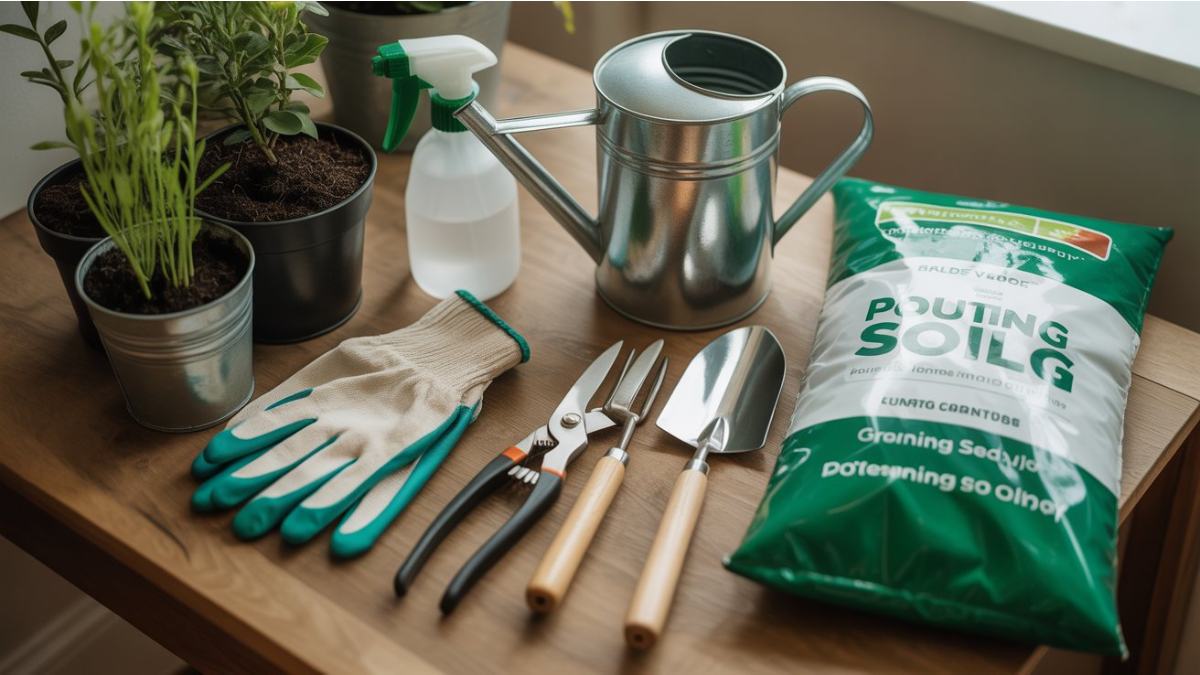
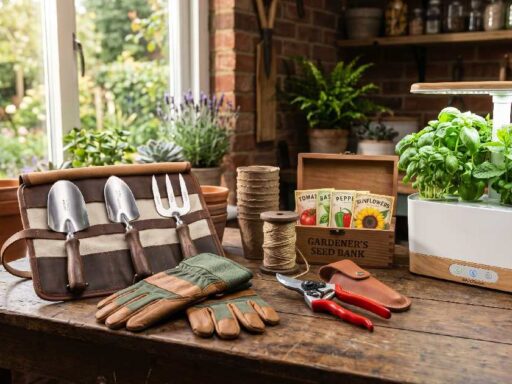
Starting gardening becomes much easier when you have the right tools and supplies. You don’t need expensive equipment at the beginning, just a few basic items to support plant growth. I started with very simple tools and slowly added more as I learned.
Good soil, proper containers, and watering tools make a big difference in plant health. Even small setups can work well if the basics are correct. These essential items help beginners avoid mistakes and make gardening smoother, simpler, and more enjoyable at home.
Gardening Soil
Garden soil is one of the most important parts of plant growth. Healthy soil provides nutrients, moisture, and support for roots. I once used regular soil from outside and later learned that proper potting soil works much better. Good soil should be soft, airy, and well-draining. It helps plants grow faster and reduces problems like root rot.
Many beginners mix compost with soil for better results. Choosing the right soil makes a big difference in gardening success, especially for indoor and container plants.
Seeds & Starter Kits
Seeds and starter kits are the beginning of every gardening journey. Starter kits are helpful for beginners because they include everything in one package. I used a simple herb starter kit,t and it made learning very easy. Seeds should be fresh and suitable for your climate and space.
Some kits also include soil and small pots. They reduce confusion and help you start quickly. Growing from seeds is rewarding because you can see the full plant growth process from the very beginning.
Pots & Containers
Pots and containers are needed when you don’t have a garden space. They come in different sizes and materials like plastic, clay, or ceramic. I started with simple plastic pots because they were lightweight and easy to move. Good drainage holes are very important to avoid water buildup.
Containers allow you to grow plants in balconies, indoors, or in small spaces. Choosing the right size pot helps plants grow properly. Even recycled containers can work if they are clean and safe for planting.
Watering Tools
Watering tools help you give plants the right amount of water without overdoing it. Simple watering cans or spray bottles are enough for beginners. I used a small spray bottle for indoor plants, and it worked well. Overwatering is a common mistake, so gentle watering is better.
These tools help control water flow and protect plant roots. Different plants need different watering levels, so tools make it easier to manage. Proper watering keeps plants healthy, green, and strong in all types of gardening setups.
Grow Lights
Grow lights are useful when natural sunlight is not enough for plants. They provide artificial light that helps plants grow indoors. I tried using a small LED grow light for herbs, and it improved growth. These lights are especially helpful in apartments or rooms with low sunlight.
They support photosynthesis and keep plants healthy. Grow lights come in different sizes and strengths depending on plant needs. For beginners, they are a great solution to grow plants all year round, even without outdoor sunlight.
Benefits of Local Gardening
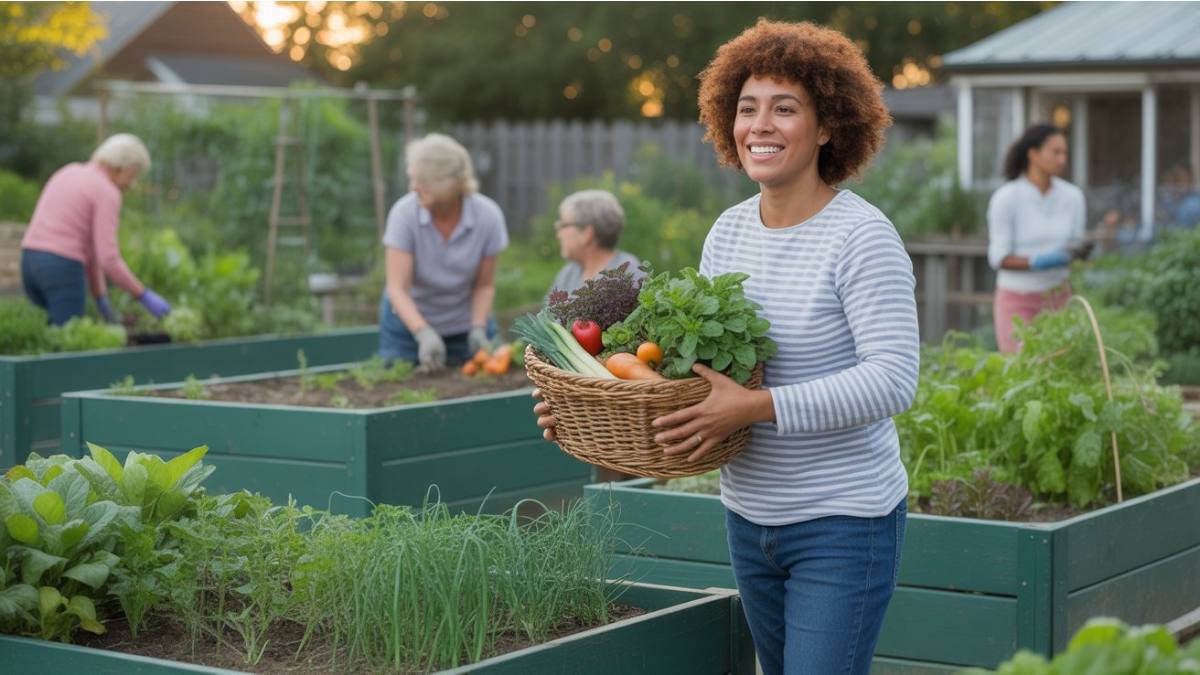
Local gardening brings many simple but powerful benefits to everyday life. It is not only about growing plants but also improving health, lifestyle, and community connections. I started small with a few plants and slowly noticed positive changes in my routine.
Fresh food, less stress, and more outdoor activity became part of daily life. Gardening locally also helps people live more naturally and reduce dependence on store-bought food. It is an easy way to stay healthy, active, and connected with nature and people around you.
Fresh Organic Food
One of the biggest benefits of local gardening is getting fresh organic food at home. You can grow vegetables and herbs without chemicals or preservatives. I grew mint and tomatoes at home, and the taste was much better than store-bought ones.
Freshly picked food also has better nutrients and flavor. You know exactly what goes into your plants, which makes it safer and healthier. Local gardening gives you direct access to clean, fresh ingredients anytime you need them.
Better Mental Health
Gardening is very helpful for mental health because it reduces stress and creates a calm feeling. Spending time with plants gives a break from screens and busy routines. I noticed I felt more relaxed after watering and caring for plants daily.
Even a small garden space can improve mood and focus. The simple act of watching plants grow brings satisfaction and peace. Local gardening helps people feel more connected to nature, which supports emotional balance and reduces anxiety in everyday life.
Sustainable Living
Local gardening supports a more sustainable lifestyle by reducing food waste and transport needs. When you grow food at home, you depend less on packaged and shipped products. I started growing small herbs and realized I was buying fewer store items. It also reduces plastic packaging and carbon footprint.
Gardening encourages natural and eco-friendly habits. Even small efforts like balcony or container gardening can support sustainability. It is a simple step toward living more environmentally friendly and responsible.
Community Connection
Local gardening helps people positively connect with their community. Community gardens and gardening groups bring people together with shared interests. I visited a local garden and saw people exchanging seeds and tips. It felt friendly and welcoming. These connections help beginners learn faster and stay motivated.
Gardening becomes more social instead of a solo activity. It also builds friendships and teamwork among neighbors. Local gardening strengthens community bonds and creates a sense of belonging in a natural and healthy environment.
Physical Activity
Gardening is a simple form of physical activity that keeps the body active without heavy exercise. Activities like digging, planting, watering, and trimming plants involve movement. I noticed even short gardening sessions helped me stay active during the day.
It improves flexibility, strength, and overall energy levels. Unlike gym workouts, gardening feels natural and relaxing. It is suitable for all age groups and fitness levels. Local gardening helps people stay physically active while also enjoying fresh air and outdoor time.
Common Gardening Mistakes Beginners Make
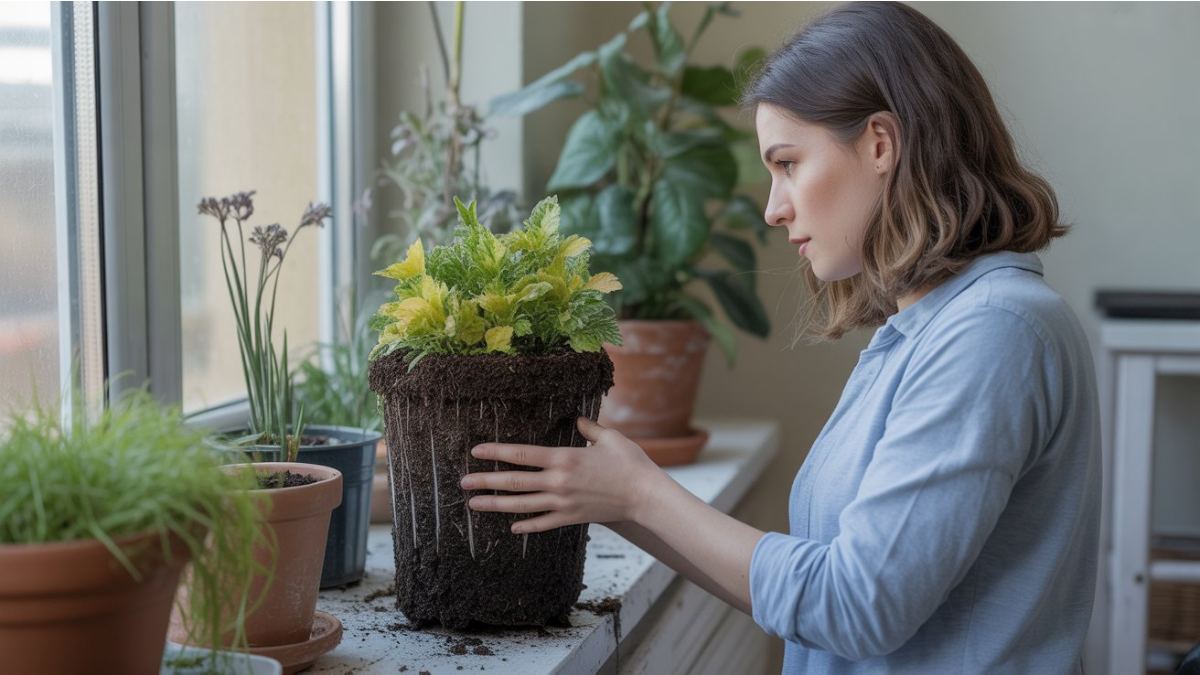
Beginners often make small gardening mistakes that affect plant growth, but most of them are easy to fix once you understand them. I also made many of these mistakes when I started gardening at home. Plants looked weak or stopped growing, and I did not know why at first.
With time, I learned that simple issues like water, light, and soil make a big difference. Avoiding these common mistakes helps plants grow healthier and makes gardening more successful and less frustrating for beginners.
Overwatering Plants
Overwatering is one of the most common mistakes in gardening. Many beginners think more water means better growth, but it can harm plants. I once watered my plants daily and noticed leaves turning yellow. Too much water blocks oxygen from reaching roots and can cause root rot.
Most plants only need watering when the soil feels slightly dry. It is better to water less but properly. Learning the right balance helps plants stay strong, green, and healthy without unnecessary damage.
Poor Sunlight Placement
Incorrect sunlight placement can stop plants from growing properly. Some plants need direct sunlight, while others prefer shade or indirect light. I placed a plant in a dark corner once, and it slowly became weak. Without proper light, plants cannot make enough food through photosynthesis.
It is important to understand each plant’s light needs. Moving plants closer to windows or sunny areas often improves growth. Good sunlight placement keeps plants healthy, green, and active throughout their growing cycle.
Using the Wrong Soil
Using the wrong soil can seriously affect plant health. Regular outdoor soil is often too heavy or lacks nutrients for container plants. I once used normal soil, and my plants did not grow well. Good gardening soil should be loose, rich, and well-draining.
It allows roots to breathe and absorb nutrients properly. Many beginners mix compost or potting mix for better results. Choosing the right soil type is one of the most important steps for successful gardening at home.
Overcrowding Plants
Overcrowding plants means placing too many in a small space, which reduces growth. Plants need space for roots and leaves to spread properly. I once planted seeds too close together, and they grew weak and thin. When plants compete for light, water, and nutrients, they do not develop well.
Proper spacing helps air circulation and healthy growth. It is better to grow fewer plants with enough space than many plants crowded together. This simple step improves overall garden health.
Inconsistent Plant Care
Inconsistent plant care is another common mistake for beginners. Plants need regular attention, such as watering, checking the soil, and trimming. I sometimes forgot to water my plants for days, and they became dry and weak. Irregular care affects plant growth and health.
Creating a simple routine helps maintain consistency. Even a few minutes daily can make a big difference. Plants grow better when they receive steady care and attention. Consistency is key to successful gardening and long-term plant health.
Quick Gardening Tips for Beginners
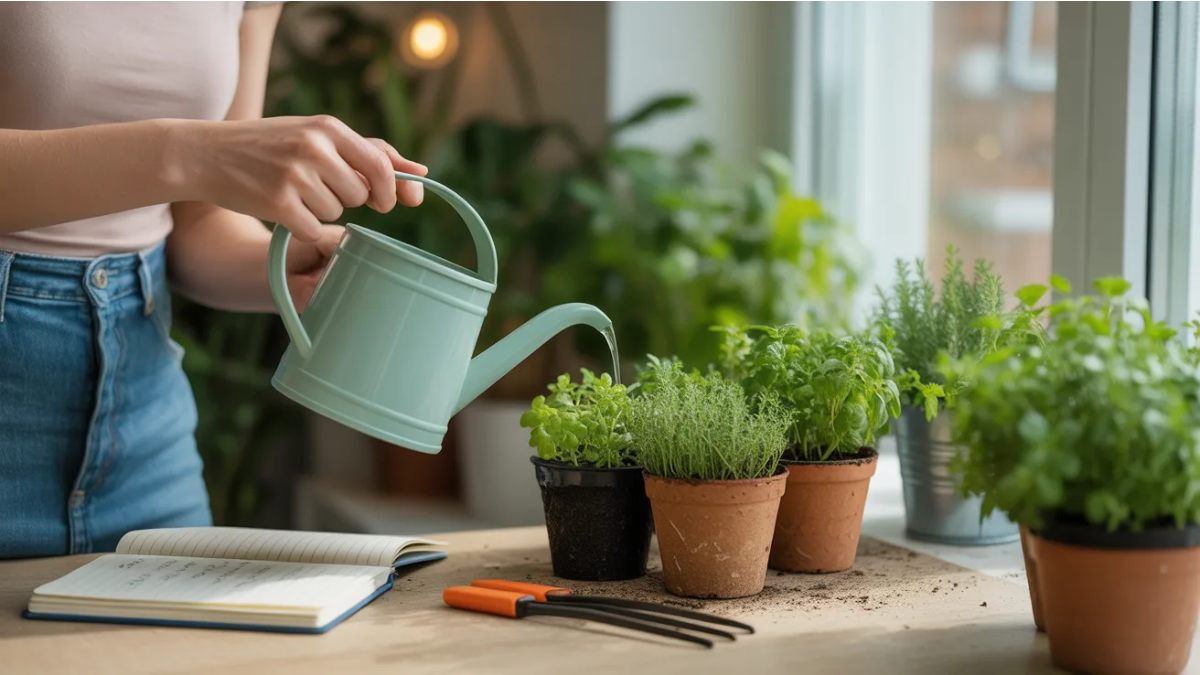
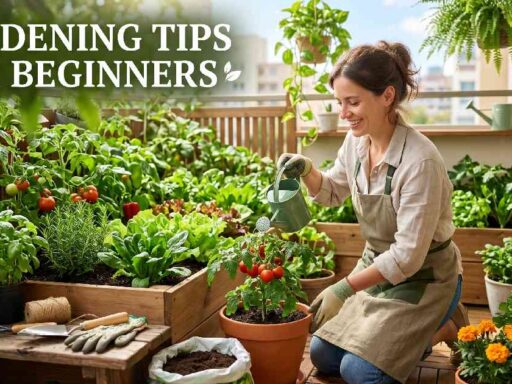
Starting gardening can feel confusing at first, but a few simple tips make it much easier. I also started with basic steps and slowly improved over time. You don’t need expert knowledge, just consistency and patience. Small changes like choosing the right plants and watering correctly can make a big difference.
Gardening becomes enjoyable when you keep things simple. These quick tips help beginners avoid mistakes and build confidence while growing healthy plants at home.
Start Small
Starting small is the best way for beginners to learn gardening. Many people make the mistake of trying too many plants at once. I also started with just two small pots, and it was much easier to manage.
When you start small, you can focus on plant care without feeling overwhelmed. It also helps you understand watering, sunlight, and growth patterns better. Once you gain confidence, you can slowly add more plants and expand your garden step by step.
Choose Easy Plants
Choosing easy plants makes gardening simple and less stressful for beginners. Plants like mint, basil, and snake plant are low-maintenance and grow well in most conditions. I started with mint, and it kept growing without much effort. Easy plants help you learn basic care without worrying too much about mistakes.
They also grow faster, which keeps you motivated. Once you understand these plants, you can try more advanced ones. Starting with simple plants builds a strong gardening foundation.
Use Good Soil
Good soil is very important for healthy plant growth. It provides nutrients, support, and proper drainage for roots. I once used regular soil, and my plants did not grow well. After switching to potting mix, the difference was clear. Good soil should be soft and airy so roots can breathe easily.
Adding compost can also improve soil quality. Beginners should always choose quality soil because it reduces many common plant problems and helps plants grow stronger and healthier.
Track Sunlight
Tracking sunlight helps you place plants in the right spot for healthy growth. Some plants need direct sunlight, while others prefer shade or indirect light. I noticed one of my plants grew better after moving it closer to a window.
Without enough light, plants become weak and slow. It is important to observe how sunlight moves in your home. Adjusting plant positions based on light improves growth and keeps plants green, strong, and active throughout the day.
Water Consistently
Watering consistently is important for healthy gardening. Plants do not like too much or too little water. I once forgot to water my plants for days, and they became dry and weak. Later, I learned that a simple watering routine works best. Check the soil before watering and keep it slightly moist, not soaked.
Consistent watering helps plants grow steadily and stay healthy. Building a routine makes gardening easier and ensures plants always get the care they need for proper growth.
FAQs About Gardening Near Me
How do I find gardening near me?
Search local community gardens, nurseries, or gardening groups online. Check maps, Facebook groups, and nearby parks offering shared gardening spaces.
Are community gardens free?
Some community gardens are free, but many charge small fees for maintenance or plot use. It depends on location and local rules.
Can I garden in an apartment?
Yes, apartment gardening is possible using pots, containers, or balcony space. Many people grow herbs and small vegetables indoors easily.
What are the easiest plants for beginners?
Mint, basil, spinach, tomatoes, and snake plants are easy for beginners. They grow fast and need low-maintenance care.
Do indoor plants need direct sunlight?
Not all indoor plants need direct sunlight. Many grow well in indirect light or low-light conditions near windows or shaded areas.
What gardening tools do beginners need?
Beginners need basic tools like pots, soil, a watering can, gloves, a spray bottle, and small hand tools for planting and care.
Conclusion
Gardening near me is a simple way to start growing plants, even if you have limited space or experience. From community gardens to balcony setups, there are many easy options for beginners to explore. I started small and slowly learned how plants respond to care, sunlight, and water.
Local gardening also helps you find support, tools, and fresh ideas nearby. Whether you choose indoor plants, containers, or outdoor spaces, consistency matters most. With patience and regular care, anyone can build a small green space and enjoy the benefits of fresh plants, better health, and a more natural lifestyle every day.