

Indoor Hydroponic Gardens: The Complete Beginner’s Guide to Growing Food at Home
Indoor feels a bit unusual at first. No soil, just water, nutrients, and plants growing in a controlled setup. I remember my first system looking almost too simple to work. A small container, tubes, and a pump humming quietly in the background. Then the plants started growing faster than expected. That moment changes your thinking.
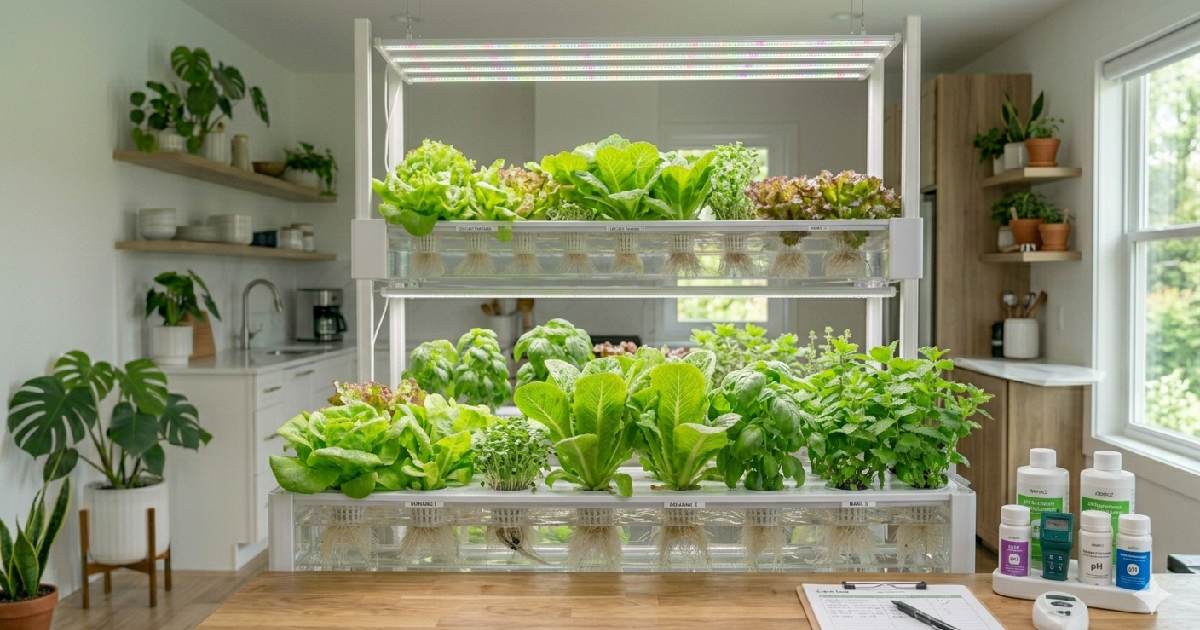
Hydroponics is basically growing food indoors using water instead of soil. It fits well in apartments, small homes, and spaces where traditional gardening is not possible. With the right setup, you can grow herbs, leafy greens, and even small vegetables at home, all year round.
What Are Indoor Hydroponic Gardens?
Indoor hydroponic gardens are a way of growing plants inside your home without using soil. I first saw it as something technical, almost complicated, but in reality, it is quite simple once you understand the flow.
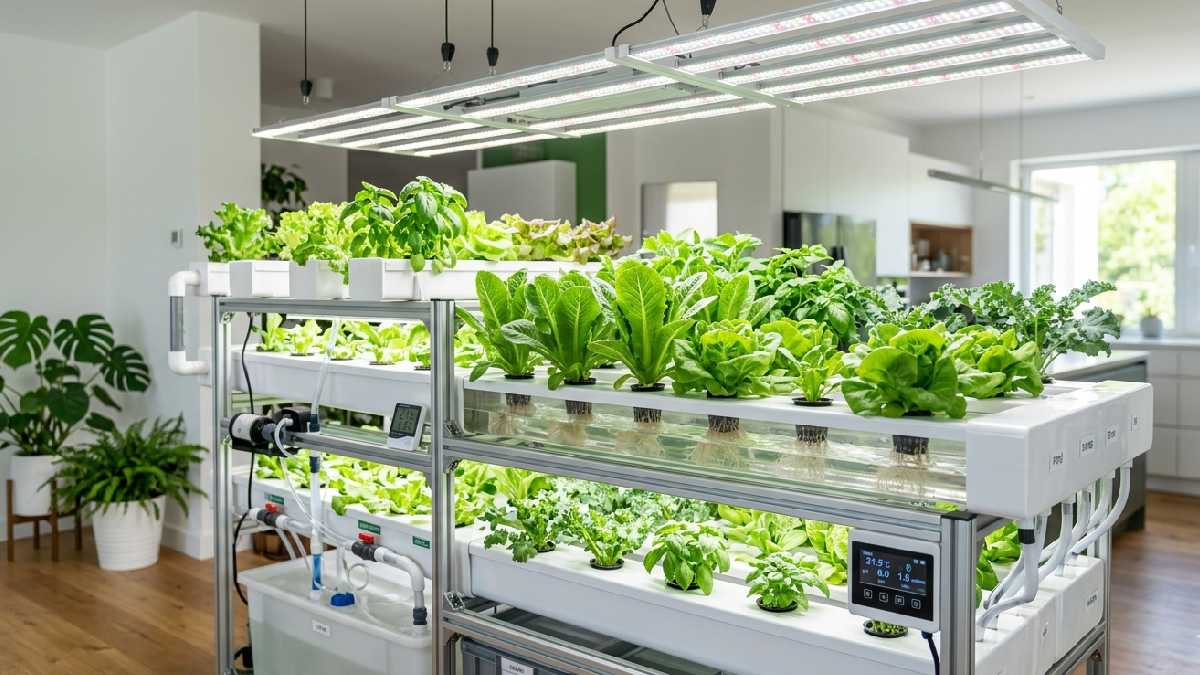
Plants grow using water mixed with nutrients, placed in a controlled indoor setup. It feels different from traditional gardening, but the goal is the same: healthy plants growing in a stable environment inside your home.
Meaning of Hydroponics
Hydroponics means growing plants without soil, using water as the main growing medium. Nutrients are directly added to the water so roots can absorb them easily. I found this concept strange at first because soil always felt necessary.
But plants actually don’t need soil itself; they need nutrients, water, and support. In hydroponics, everything is provided in a controlled way, which gives plants a more direct and efficient feeding system indoors.
How Indoor Hydroponic Systems Work
Indoor hydroponic systems work by circulating nutrient-rich water around plant roots. I remember setting up my first small system, which had a reservoir, tubes, and a small pump. The pump keeps water moving so roots stay oxygenated and nourished.
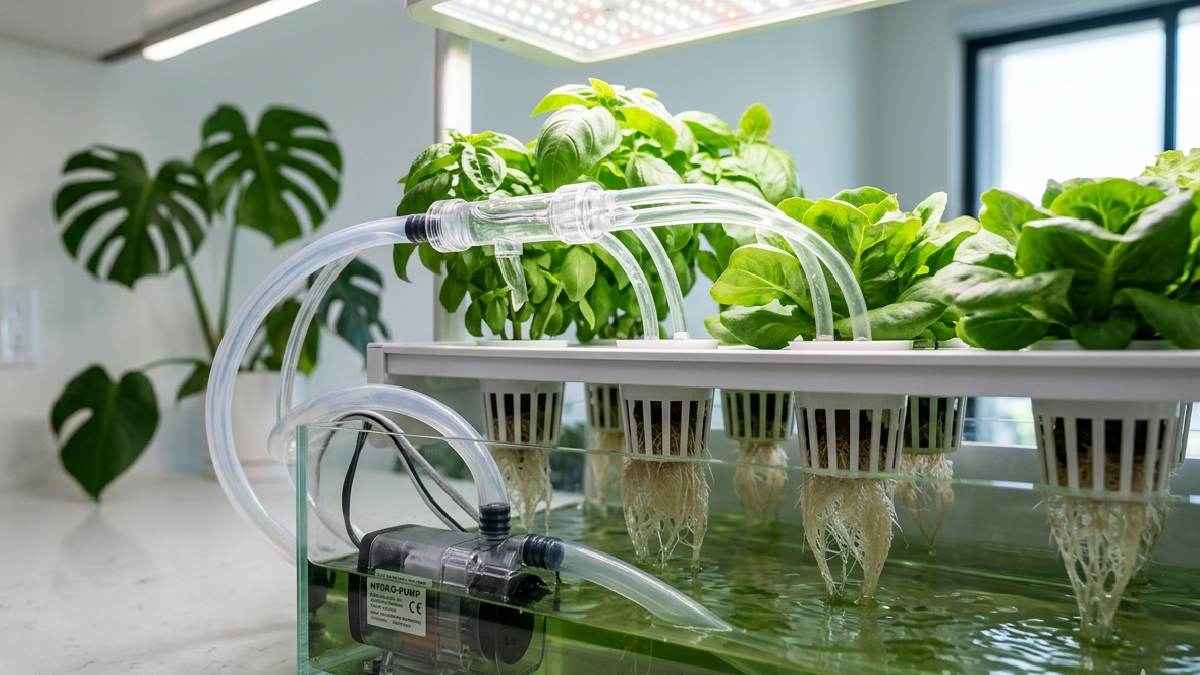
Plants are placed in net pots or trays, not soil. Light is provided through windows or grow lights. Everything works together in a loop: water, nutrients, light, and roots interacting in a controlled indoor environment.
Why People Choose Indoor Hydroponics
People choose indoor hydroponics because it saves space and gives faster growth compared to soil gardening. I noticed this myself when leafy greens started growing quicker than expected. It also allows year-round farming inside apartments or small homes.
No soil mess, no outdoor space needed. Just a clean setup indoors. Many people like the control it gives over plant nutrition and water use. It feels modern, efficient, and practical for growing fresh food at home.
Benefits of Indoor Hydroponic Gardening
Indoor hydroponic gardening feels simple once you see results. I started it thinking it was complicated, but the benefits became clear very quickly. Plants grow differently here: a cleaner setup, controlled environment, and steady output.
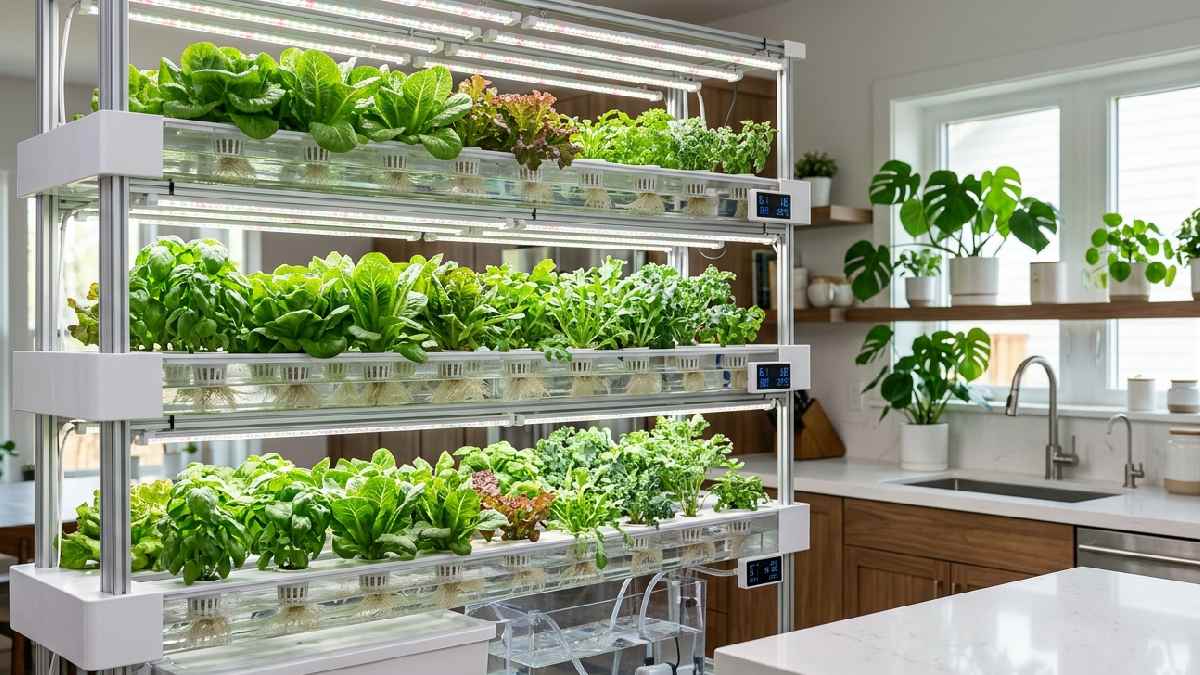
It is not just about growing food; it is about doing it more smartly in a limited space. Over time, you notice how efficient the system becomes compared to traditional soil gardening at home.
Faster Plant Growth
Plants in hydroponic systems grow faster because nutrients go directly to the roots through water. I noticed leafy greens developing more quickly than in soil pots. There is no waiting for soil breakdown or uneven feeding. Everything is already available in liquid form.
Growth feels more consistent and predictable. Some plants even mature earlier than expected. This speed makes hydroponics attractive for people who want quick harvests indoors without depending on outdoor conditions or seasonal changes.
Saves Water Compared to Soil Gardening
Hydroponic gardening uses less water compared to traditional soil methods. I observed this when my water usage dropped noticeably after switching systems. Water is recirculated instead of being lost in the soil. Plants absorb only what they need, and excess water returns to the system.
This closed-loop setup reduces waste. It feels efficient and controlled. For indoor setups, especially in small homes, this water-saving method becomes a practical advantage over regular gardening practices.
No Soil or Mess Required
One of the first things I liked was the clean setup. No soil bags, no muddy pots, no mess on the floor. Plants grow in water-based systems, so everything stays organized. Maintenance becomes easier because there is no soil replacement or digging involved.
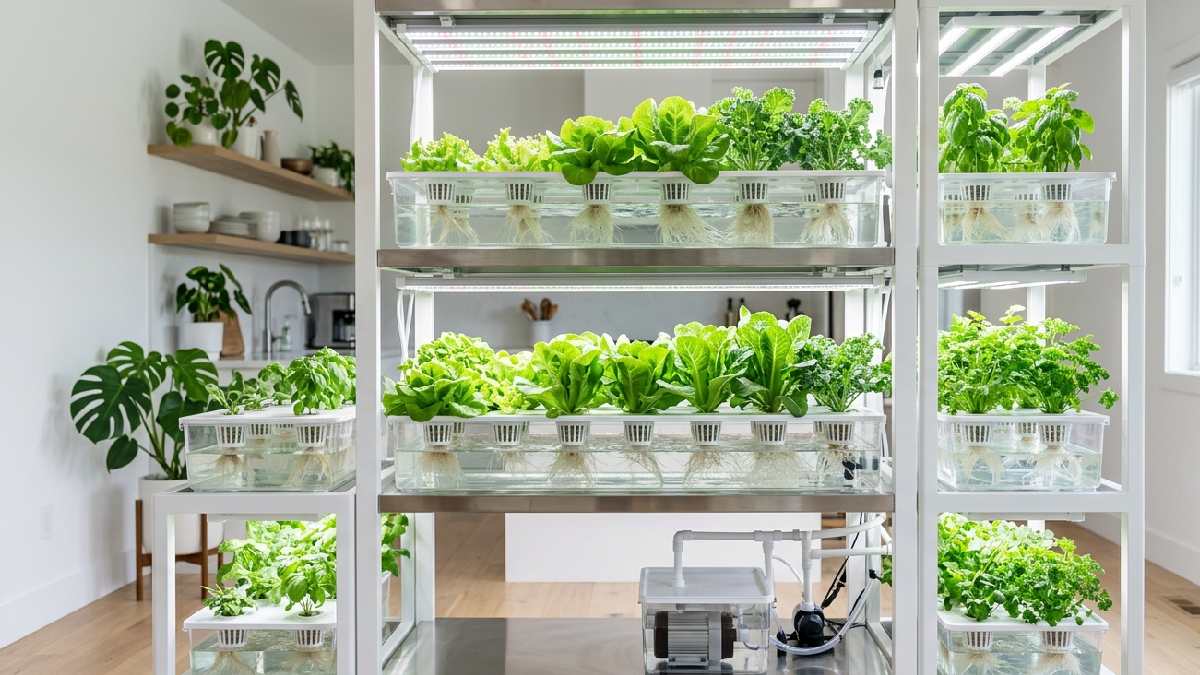
I found cleaning the system much simpler compared to traditional gardening. This makes hydroponics ideal for indoor spaces where cleanliness matters. It feels more structured and less chaotic overall.
Perfect for Small Spaces (Apartments & Homes)
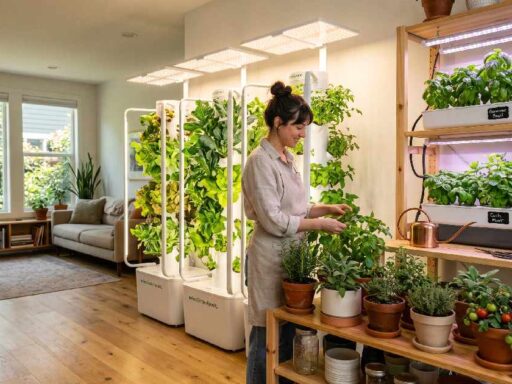
Hydroponic systems work very well in small spaces. I tried it in a corner of my room, and it still performed well. You don’t need a garden or outdoor area. Vertical setups or compact trays fit easily in apartments. Even limited space can produce fresh greens regularly.
This flexibility makes it suitable for urban living. Plants grow upward or in small containers, making efficient use of available indoor areas without taking much room.
Year-Round Food Production
Hydroponic gardening allows food production throughout the year. I noticed that growth does not depend on seasons anymore. With proper light and nutrients, plants continue growing indoors regardless of the weather outside. This stability is useful for herbs and leafy vegetables.
You can harvest regularly without waiting for natural cycles. It creates a steady supply of fresh produce at home, making indoor gardening more reliable and consistent over long periods of time.
Types of Indoor Hydroponic Systems
When I first explored hydroponics, I didn’t realize there were different system types. I thought it was just water and plants in one container. Later, I saw each system works differently, with its own flow and maintenance style.
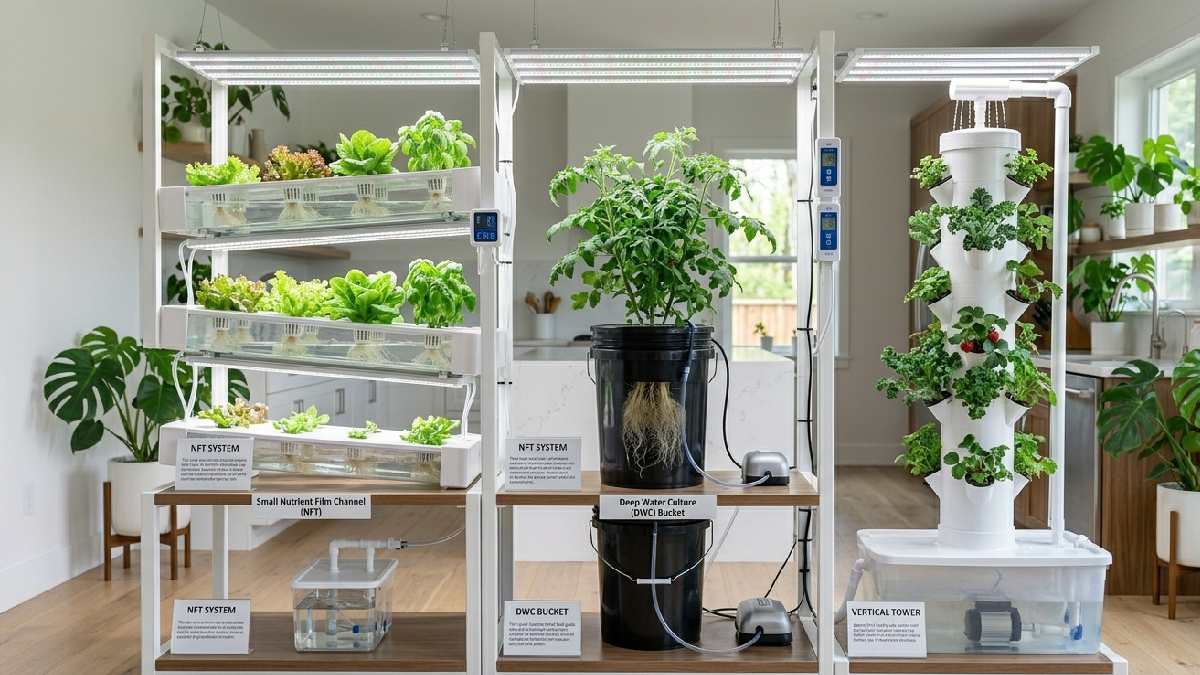
Some are simple for beginners, others feel more technical but give better control. Choosing the right type depends on space, budget, and how much effort you want to put into daily care.
Deep Water Culture (DWC)
Deep Water Culture is one of the simplest hydroponic systems I tried early on. Plants sit in net pots while roots stay directly in oxygenated nutrient water. A small air pump keeps the water active so roots don’t suffocate.
I noticed fast and steady growth in leafy greens using this method. Setup is basic, but water balance matters a lot. If oxygen levels drop, plants can struggle quickly. It works well for beginners who want visible results without complex equipment.
Nutrient Film Technique (NFT)
NFT systems use a thin layer of nutrient water flowing continuously over plant roots. I found this method more structured compared to DWC. Plants are placed in channels, and water keeps moving in a loop. It saves nutrients and keeps roots exposed to both water and oxygen.
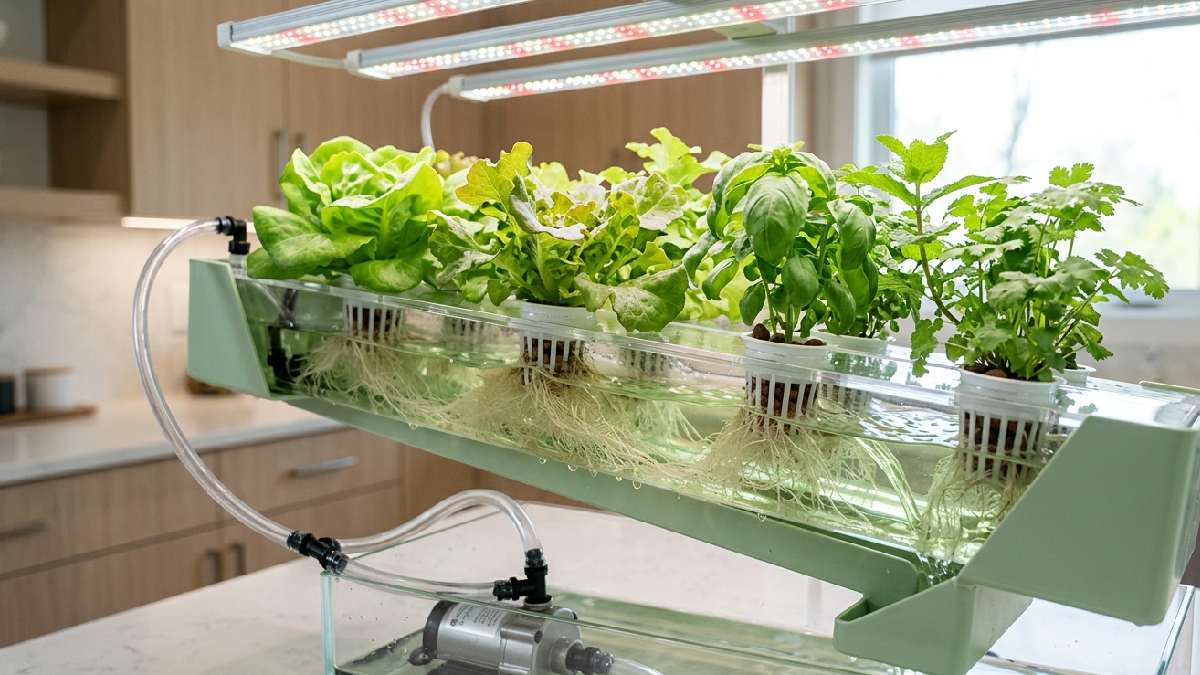
I noticed it works best for lightweight crops like lettuce and herbs. The setup needs a proper slope and pump balance. If the flow stops, plants can dry quickly, so monitoring is important in this system.
Drip System
Drip systems deliver nutrients slowly through small tubes directly to each plant. I used this when I wanted more control over individual plant feeding. Each plant gets a steady drip of nutrient solution based on timing. It feels more precise but slightly more complex than other setups.
I noticed strong growth when watering was balanced correctly. Overdripping or clogging can create issues. This system works well for mixed crops and larger indoor hydroponic setups with multiple plant types.
Wick System (Beginner Friendly)
Wick system is the simplest hydroponic method I’ve used. No pumps, no electricity, just basic capillary action. A wick pulls nutrient water from a reservoir to the plant roots. I liked how low-maintenance it was. Setup is easy, and the cost is very low.
Growth is slower compared to advanced systems, but it is stable. It works best for herbs and small plants. Beginners often start here because it teaches hydroponic basics without technical pressure or complicated equipment.
How to Build an Indoor Hydroponic Garden at Home
Building an indoor hydroponic garden feels complicated at first, but once you break it into steps, it becomes manageable. I remember my first setup looked messy, pipes everywhere, and water levels confusing. Slowly, I learned each part has a purpose.
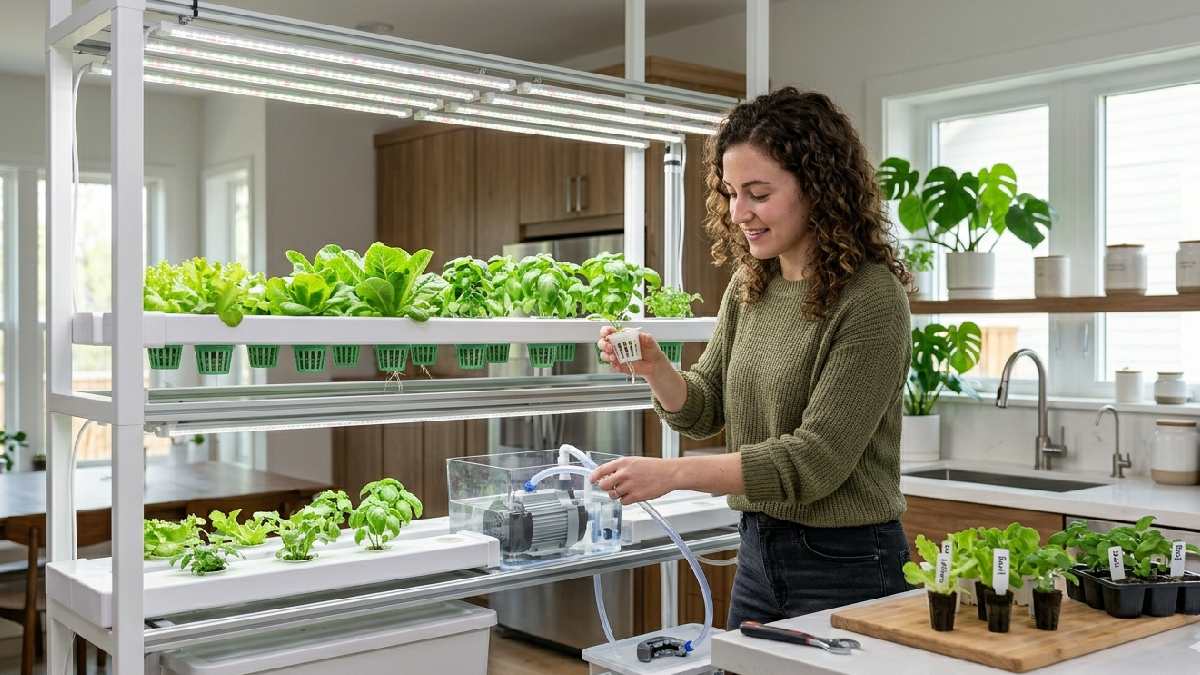
A system, a reservoir, light, nutrients, and plants all work together. When arranged properly, everything starts running like a small indoor ecosystem.
Choosing the Right System
The first step is selecting a hydroponic system that matches your space and experience. I started with a simple wick system because it required no electricity. Later, I tried DWC for faster growth. Beginners usually do better with simple setups before moving to advanced ones.
Your choice depends on budget, maintenance time, and plant type. A stable system makes everything easier, especially when you are still learning indoor hydroponic basics at home.
Setting Up the Water Reservoir
The water reservoir is the heart of the system. I used a basic plastic container in my first setup, nothing fancy. It holds nutrient solution and supplies water to the plants. The key is keeping it clean and covered to avoid algae growth.
Water level should stay consistent so roots don’t dry out. I learned that even small changes in reservoir conditions can affect plant health, so checking it regularly becomes a simple but important habit.
Installing Grow Lights
Grow lights are essential when natural sunlight is not enough indoors. I placed LED lights above my hydroponic setup and noticed better leaf color and growth. Distance matters, too close can stress plants, too far reduces light strength.
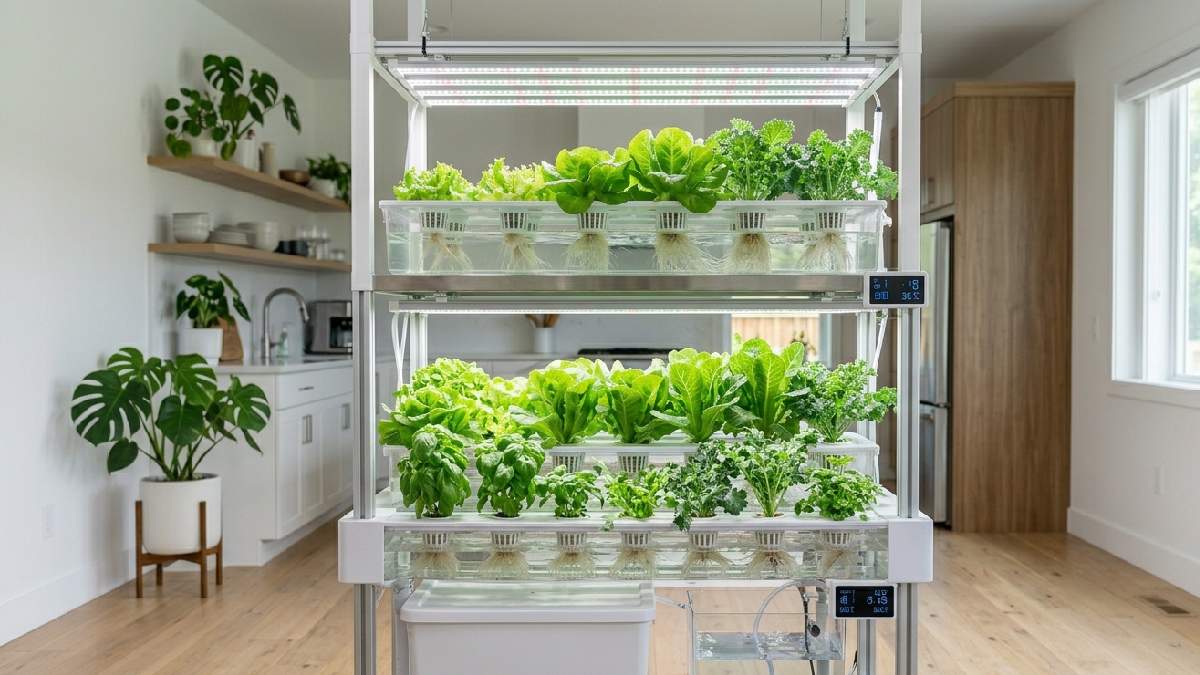
I prefer LED lights because they are energy-efficient and stable. Lighting schedules also matter. Plants need consistent light hours daily. Once lighting is balanced, the whole system feels more controlled and predictable for indoor growing.
Adding Nutrient Solution
Nutrient solution is what replaces soil in hydroponics. I mix water with plant nutrients based on simple instructions at first. It feeds roots directly and supports growth. Too strong a mix can damage plants, too weak slows them down.
I learned balance is important here. The solution should stay fresh and clean, not old or contaminated. Regular checking helps maintain plant health and keeps growth steady in indoor hydroponic systems.
Selecting the Right Plants
Not all plants perform well in hydroponics. I started with lettuce and basil because they grow fast and adapt easily. Leafy greens usually work best for beginners. Larger plants need more space and stronger systems. I noticed herbs give quick results and build confidence early.
Choosing the right plants reduces failure and keeps motivation high. Simple crops are better at the start before experimenting with advanced varieties or fruiting plants indoors.
Monitoring pH and Water Levels
pH and water levels affect plant health more than I expected. I ignored them in the beginning and faced weak growth. Late,r I used a basic pH meter to keep the balance. The ideal range helps plants absorb nutrients properly. The water level should also stay steady in the reservoir.
If it drops too low, roots get stressed. Monitoring these small details keeps the hydroponic system stable and prevents hidden problems from affecting plant growth over time.
Best Plants for Indoor Hydroponic Gardens
Choosing the right plants makes indoor hydroponic gardening much easier. I learned this after trying a few difficult crops early on and failing because they needed more space and stronger control. Once I switched to simpler plants, results improved quickly.
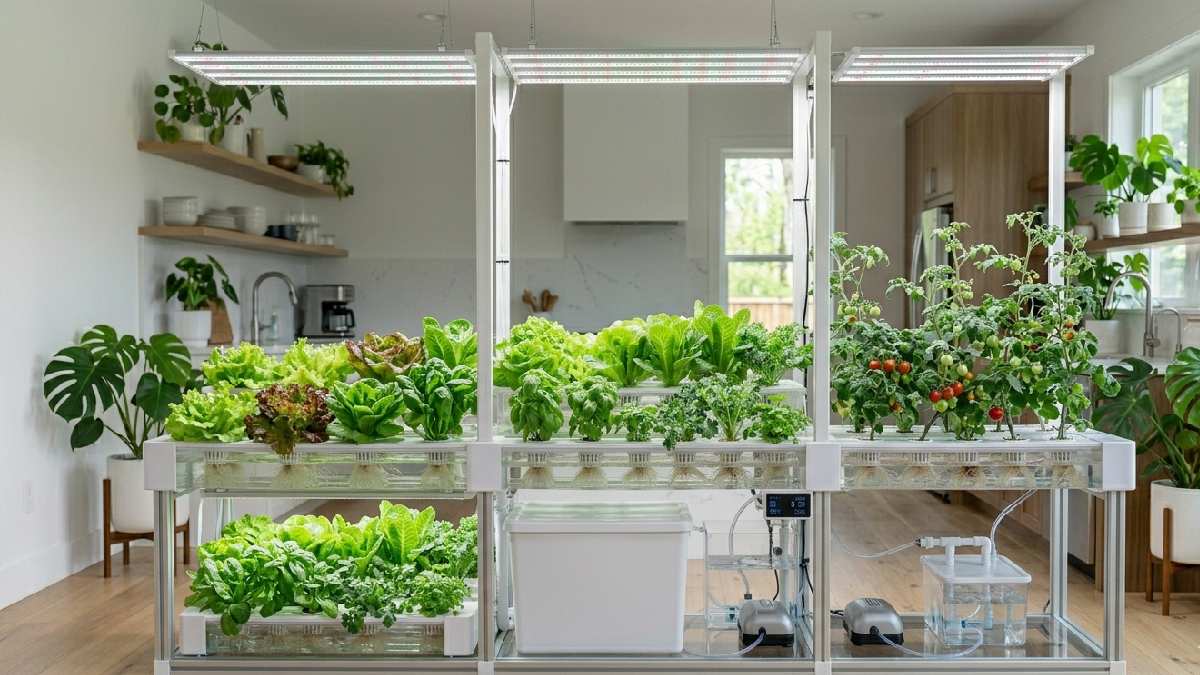
Some plants naturally adapt better to water-based systems, especially leafy greens and herbs. Fruits and vegetables also work, but they need more attention and stable conditions.
Leafy Greens (Lettuce, Spinach, Kale)
Leafy greens are the easiest and most reliable plants for hydroponics. I started with lettuce and noticed fast, clean growth without much effort. Spinach also performs well and grows steadily in water-based systems. Kale takes a little longer but stays strong once established.
These plants don’t need complex support and respond well to nutrient solutions. They are perfect for beginners because they grow quickly, give frequent harvests, and adapt easily to indoor hydroponic environments with stable lighting and water supply.
Herbs (Basil, Mint, Coriander)
Herbs are my favorite part of hydroponic gardening because they are small, useful, and grow fast. Basil grows quickly with proper light and gives regular harvests. Mint spreads easily and stays strong even with minor mistakes. Coriander needs a bit more care, but still adapts well indoors.
I noticed herbs respond quickly to nutrient changes, which makes them ideal for learning. They also add fresh flavor to cooking, making hydroponic gardening more practical in daily life.
Fruits (Strawberries)
Strawberries are possible in hydroponic systems but need more attention. I tried them once and realized they require stable lighting and balanced nutrients. Growth is slower compared to leafy greens, but the results are rewarding. They also need enough space for runners and proper support.
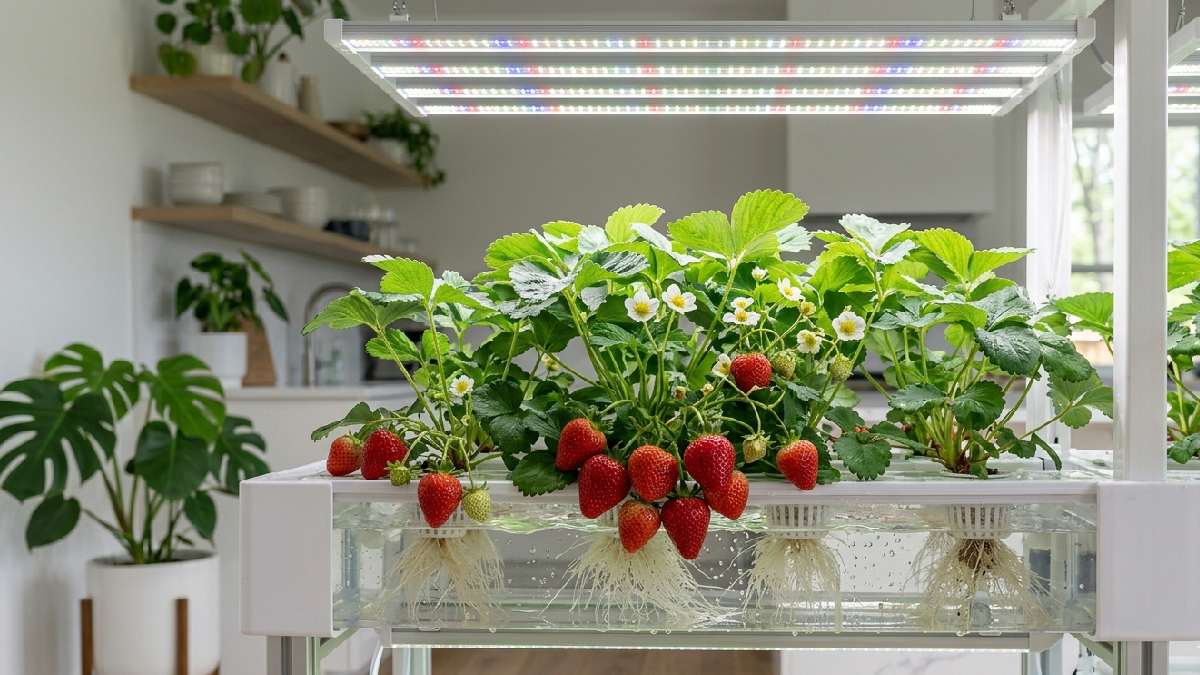
I found them more sensitive to environmental changes. Still, growing fresh strawberries indoors feels special. With proper care and patience, they can produce fruit consistently in a controlled hydroponic setup at home.
Vegetables (Cherry Tomatoes, Peppers)
Cherry tomatoes and peppers are more advanced crops for hydroponic gardening. I noticed they need stronger light, more nutrients, and longer growing cycles. Unlike herbs or greens, they take time before producing fruit. Support structures are also required because plants grow taller and heavier.
Once established, they can give good yields. I found them rewarding but slightly challenging for beginners. These vegetables work best in stable systems where conditions like light, nutrients, and water are carefully maintained over time.
Cost of Indoor Hydroponic Systems
When I first looked into hydroponics, the cost confused me more than the setup itself. Some systems looked cheap, others felt like a serious investment. Over time, I understood that pricing depends on size, automation, lighting, and plant capacity.
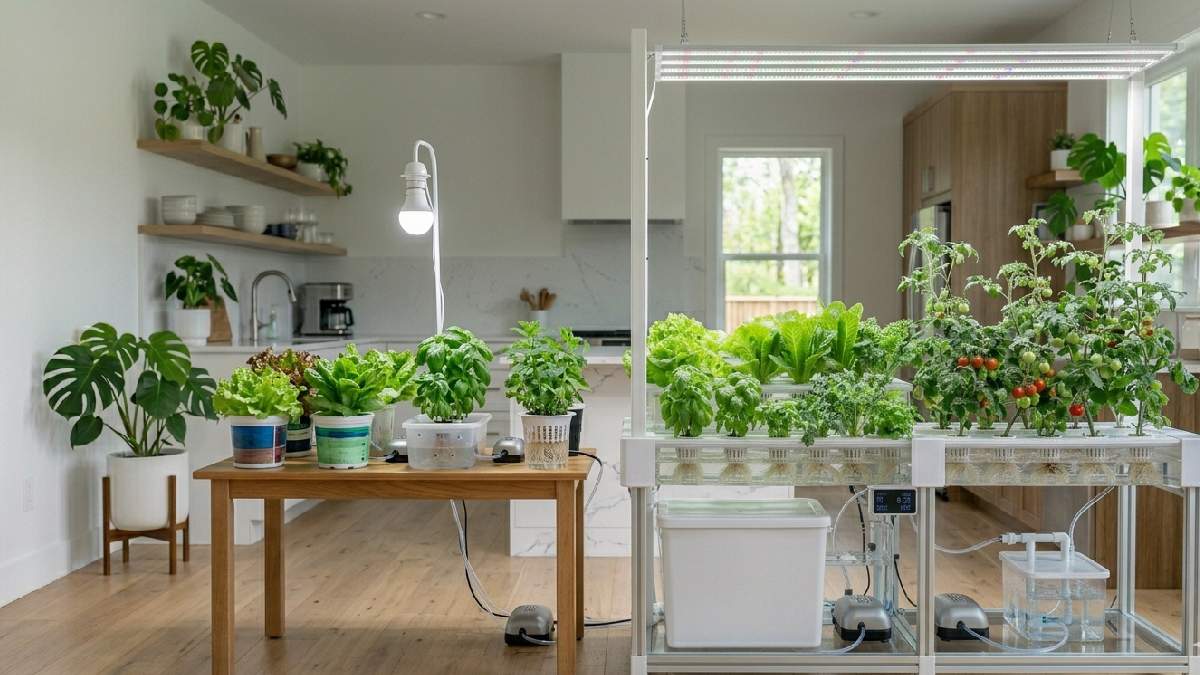
You can start very small indoors or build a more advanced system for higher yield. I also noticed one thing clearly: better systems cost more upfront but reduce problems later.
Budget Setup ($50, $150)
Budget hydroponic setups are where most beginners start. I began with a simple DIY kit, and it worked surprisingly well for herbs and lettuce. These systems usually include basic containers, net pots, and sometimes a small pump or none at all.
Lighting is often simple LED bulbs or basic grow lights. The setup is compact and easy to manage in small rooms. It is not highly advanced, but good enough to learn hydroponics without spending much money at the start.
Mid-Range Setup ($200, $500)
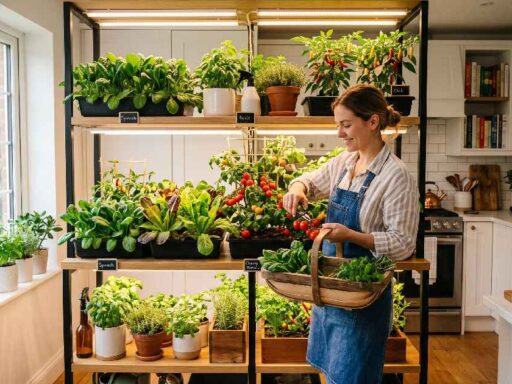
Mid-range systems feel more stable and organized. I upgraded to this level after my first trial and noticed better growth consistency. These setups often include proper grow lights, better reservoirs, timers, and sometimes vertical stacking.
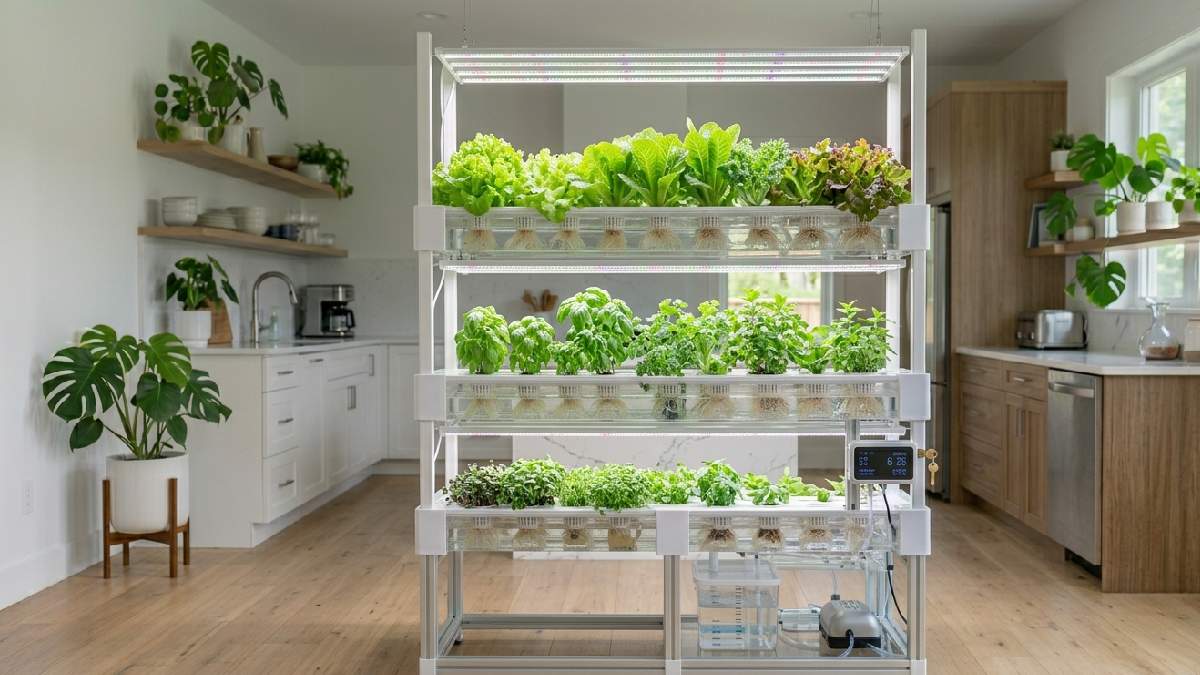
They support more plants at once and reduce manual effort. You also get more control over water flow and nutrients. I found this range ideal for serious hobby growers who want regular harvests without moving into complex commercial systems.
Advanced Systems ($500+)
Advanced hydroponic systems are designed for high efficiency and larger production. I explored one late,r and it felt more like a controlled indoor farm than a hobby setup. These systems include automation, sensors, strong LED lighting, and multi-layer growing racks.
They can grow many plants at once with minimal manual input. Maintenance is easier in the long run, but initial setup is expensive. This level is best for experienced growers who want consistent output and long-term indoor food production.
Common Mistakes Beginners Make
When I started indoor hydroponics, I thought it would run smoothly once everything was set up. That wasn’t true. Small mistakes kept showing up again and again. Plants looked fine at first, then slowly started struggling without obvious reasons.
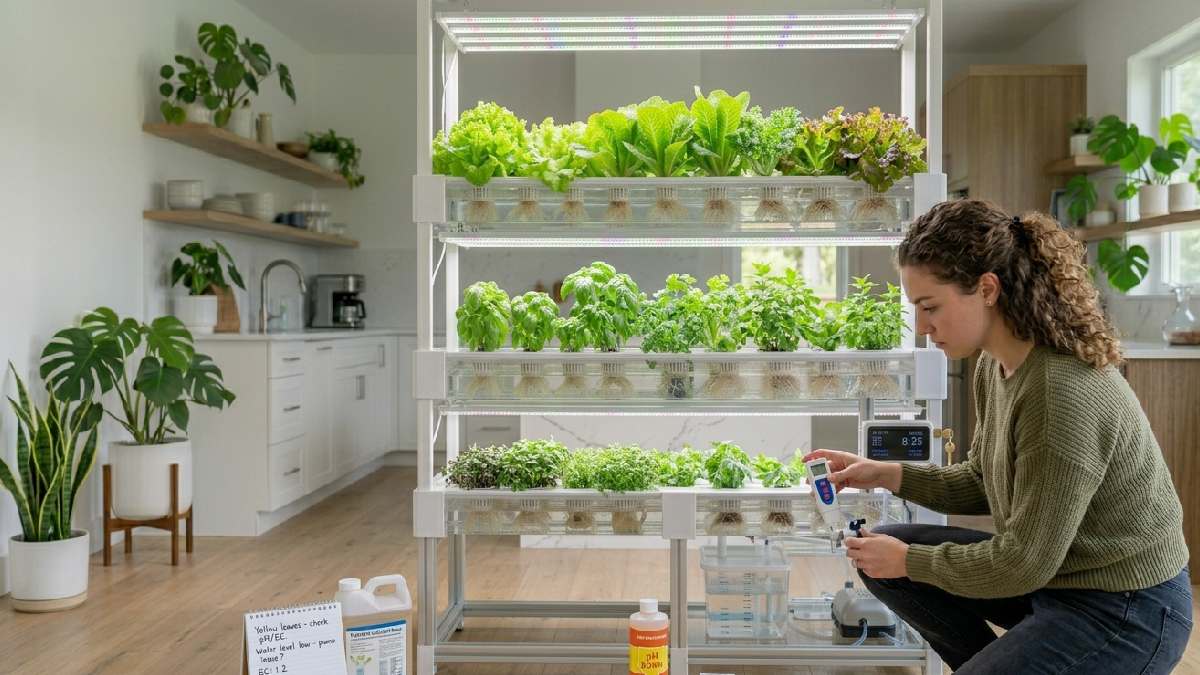
Late,r I realized most problems were basic care errors, not system failure. Hydroponics reacts quickly to imbalance, so even minor mistakes can affect growth. Understanding these issues early makes the whole process much easier and more stable.
Overfeeding Nutrients
Overfeeding nutrients is one of the most common beginner mistakes. I did this early because I thought more nutrients would mean faster growth. Instead, plants started showing burnt tips and weak leaves. Hydroponic systems deliver nutrients directly, so balance is very important.
Too strong a solution stresses the roots and slows development. I learned to follow simple mixing instructions and avoid guessing. Plants grow better with steady, moderate feeding rather than heavy nutrient concentration in water.
Wrong Lighting Setup
Lighting mistakes affect hydroponic plants more than people expect. I once placed lights too far away, and plants became tall and weak. Late,r I tried keeping the lights too close, and the leaves got stressed. Distance and intensity both matter.
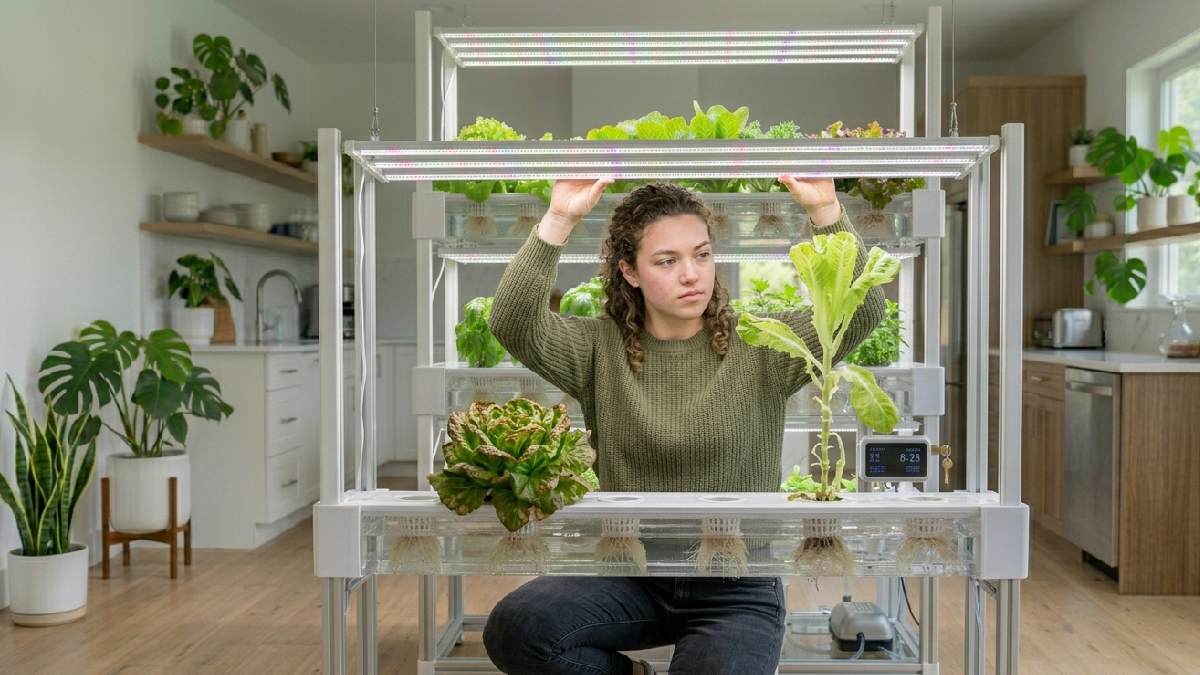
LED grow lights should match plant needs and stay at a balanced height. I also learned that inconsistent lighting schedules disturb growth patterns. Proper lighting keeps plants compact, green, and stable in indoor hydroponic environments.
Ignoring pH Balance
Ignoring pH balance caused several problems in my early hydroponic setup. Plants looked healthy but stopped growing properly. Later, I learned nutrient absorption depends on correct pH levels. If water is too acidic or too alkaline, roots cannot take up nutrients effectively.
I started using a simple pH meter to monitor levels regularly. Keeping the balance improves plant health quickly. It is a small step, but very important for stable hydroponic growth indoors over time.
Poor Water Maintenance
Poor water maintenance can silently damage an entire hydroponic system. I once left water unchanged for too long, and algae started forming. Roots became unhealthy, and growth slowed. Water should stay clean, oxygenated, and regularly refreshed.
I also learned to check water levels frequently so roots don’t dry out or stay submerged incorrectly. Good water management keeps the system stable. It is simple care, but it directly affects plant health and long-term productivity indoors.
Maintenance Tips for Healthy Growth
Indoor hydroponic gardening does not stop at setup. I learned this the hard way when my early system started losing performance after a few weeks. Everything looked fine on the surface, but plants slowly slowed down.
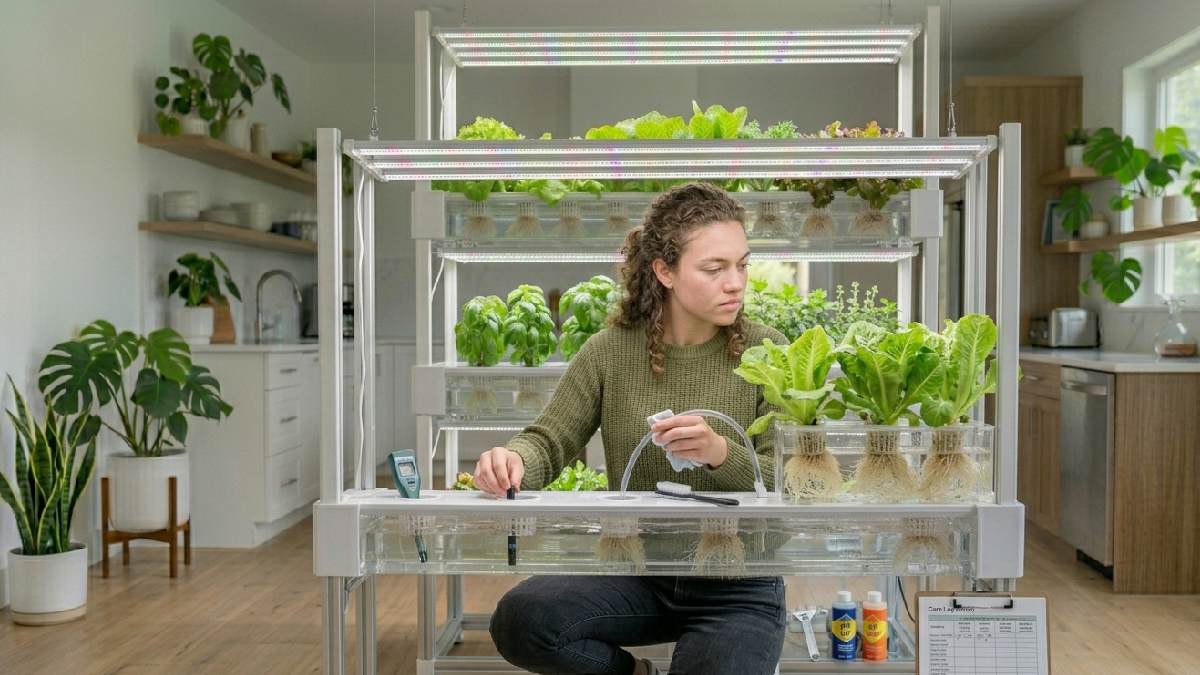
Maintenance is what keeps the system stable. Small weekly actions make a big difference. It is not heavy work, just consistent care. Once I built a routine, my plants stayed healthier, and growth became more predictable over time.
Weekly Nutrient Check
Checking nutrients every week keeps the system balanced. I used to ignore this and assumed the mix would stay fine on its own. Later, I noticed plants reacting slowly and showing weak growth. Nutrient levels can change as plants absorb them.
Water also evaporates slightly indoors. I now test and adjust the solution weekly. This keeps feeding stable and prevents deficiencies. Simple checking helps avoid sudden plant stress and keeps hydroponic growth steady.
Cleaning the System Regularly
Cleaning is something I underestimated at first. After some time, algae and residue started building inside tubes and containers. It affected water flow and plant health. Now I clean the reservoir and pipes regularly. Even a simple rinse makes a difference.
Clean systems reduce blockages and prevent unwanted growth inside water lines. It also keeps roots healthier. A clean setup always performs better and reduces long-term maintenance problems in indoor hydroponic gardens.
Adjusting Light Distance
Light distance changes as plants grow. I learned this after seeing plants stretch unevenly. Lights that are too far reduce growth quality, and too close can stress leaves. I adjust height based on plant stage and response. LED lights are flexible, but still need monitoring.
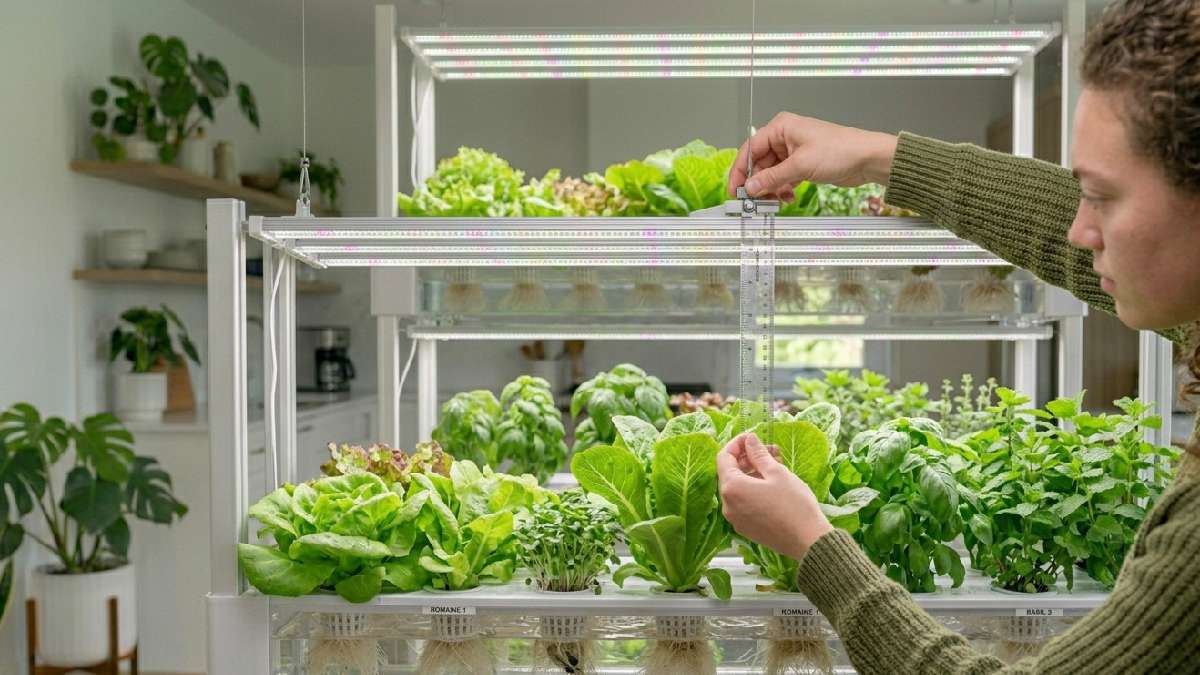
Balanced distance ensures plants receive enough energy without damage. This small adjustment improves structure, color, and overall health in hydroponic setups where natural sunlight is limited indoors.
Monitoring Plant Health
Monitoring plants regularly helps catch problems early. I check leaf color, root condition, and overall growth pattern. Small changes often signal nutrient or light issues. In my early setup, I ignored these signs, and the problems grew bigger.
Now I observe plants daily, even for a short time. Healthy plants show steady growth and strong leaves. Regular monitoring builds understanding of how each plant reacts inside a hydroponic system, making long-term care much easier.
Indoor Hydroponic Gardens vs Soil Gardening
When I compared hydroponics with soil gardening, I noticed both have value, but work very differently. Soil gardening feels traditional and simple at first, while hydroponics feels more controlled and technical. After trying both, I saw clear differences in growth speed, water use, space needs, and maintenance effort.
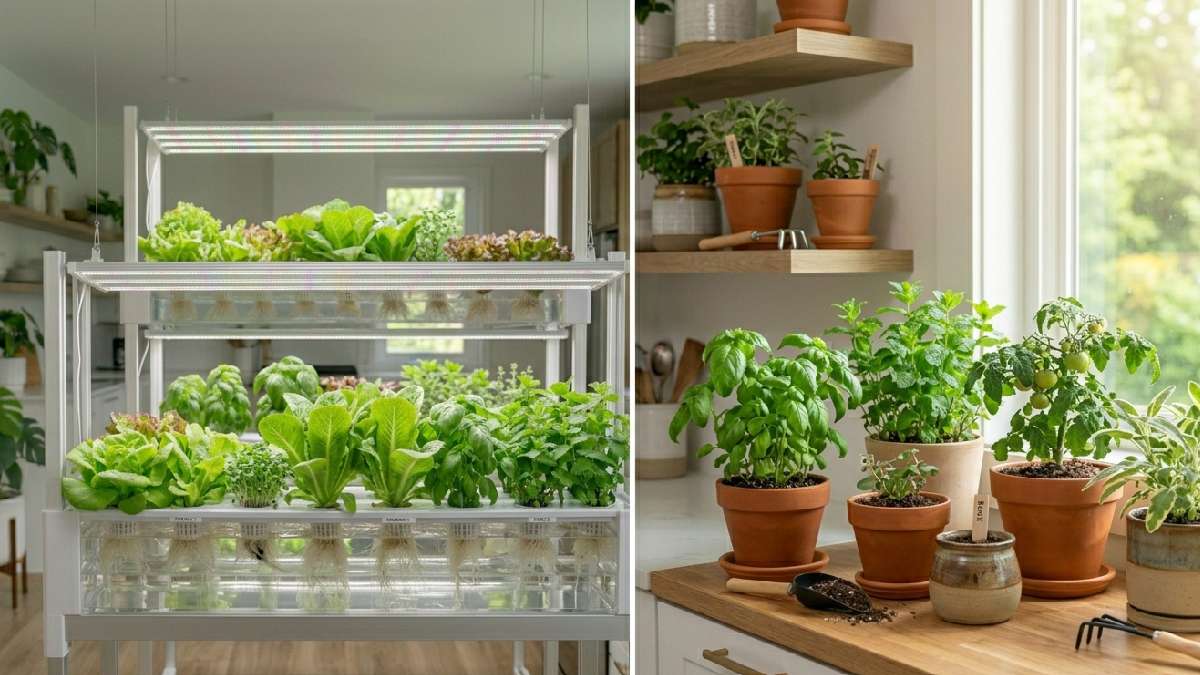
The choice depends on what you want: a natural process or controlled indoor production. My experience showed that each method has strengths, but results vary depending on setup and consistency.
Growth Speed Comparison
Hydroponic plants usually grow faster because nutrients reach the roots directly. I noticed lettuce and basil in hydroponics developed more quickly compared to soil pots. Soil gardening depends on nutrient breakdown and soil conditions, which slow early growth.
Hydroponics removes that delay. Plants get instant access to food and water, which supports faster development. Soil still works well, but speed is less predictable. For quick harvests indoors, hydroponics clearly has an advantage in growth rate.
Water Usage Difference
Water usage is very different between the two systems. Soil gardening often loses water through drainage and evaporation. I used to water plants more frequently in soil setups. Hydroponics recycles water within the system, which reduces waste significantly.
Plants absorb only what they need, and unused water stays in circulation. This makes hydroponics more efficient in terms of water conservation. Soil gardening still works, but it requires more frequent watering and higher overall water usage indoors.
Space Efficiency
Hydroponic systems use space more efficiently compared to soil gardening. I could grow more plants in a smaller area using vertical hydroponic setups. Soil gardening needs more surface area for pots and trays. Hydroponics allows stacking and compact arrangements, which is useful in apartments.
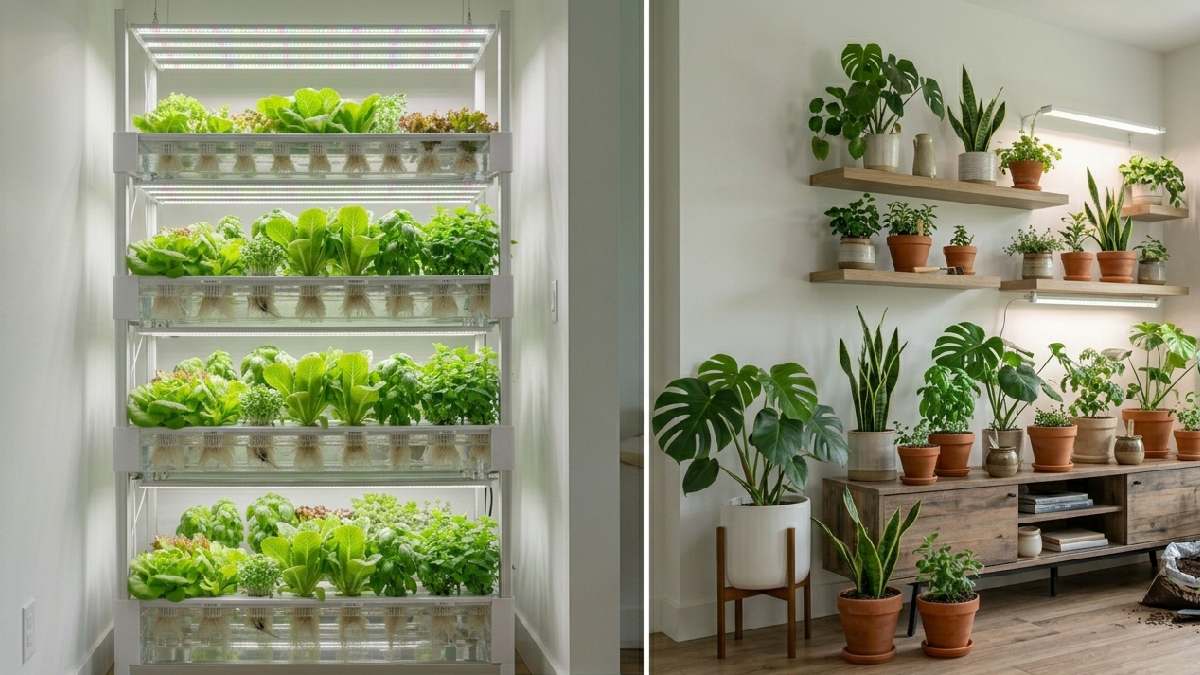
I noticed better organization and higher plant density in hydro systems. Soil setups feel more spread out and require additional space for movement and maintenance. For small homes, hydroponics is more space-friendly.
Maintenance Level
Maintenance is different in both systems. Soil gardening requires regular watering, soil replacement, and occasional repotting. I found it more manual and sometimes messy. Hydroponics needs monitoring of nutrients, pH, and water levels instead. It feels more technical but less physically messy.
Once systems are stable, hydroponics can be easier to manage daily. Soil gardening is simpler in concept but requires more frequent hands-on care. Each method has its own type of maintenance workload depending on the setup style.
Frequently Asked Questions (FAQ)
Are indoor hydroponic gardens worth it?
Yes, indoor hydroponic gardens are worth it if you want fast growth, a clean setup, and fresh food at home. I found the results very satisfying.
What is the easiest hydroponic system for beginners?
The Wick system is easiest for beginners. No pumps needed, simple setup, low cost, and works well for herbs and small leafy plants indoors.
Do hydroponic plants grow faster indoors?
Yes, hydroponic plants usually grow faster indoors because nutrients reach roots directly. I noticed quicker growth in lettuce and basil compared to the soil.
Can I grow vegetables indoors without soil?
Yes, vegetables like lettuce, spinach, tomatoes, and peppers can grow indoors without soil using hydroponic systems with proper light and nutrients.
How much electricity does hydroponics use?
Electricity use depends on grow lights and pumps. I found LED lights use less power, making small indoor hydroponic setups fairly energy efficient overall.
What plants grow best in hydroponics?
Leafy greens like lettuce, spinach, basil, and mint grow best. I also had good results with herbs because they adapt quickly to water systems.
Conclusion
Indoor hydroponic gardening starts confusing, then slowly becomes clear with practice. I began with a simple setup and honestly didn’t understand how nutrients, water, and light actually work together. Plants reacted in unexpected ways; some grew fast, some struggled without a clear reason.
Mistakes were normal in the beginning, such as wrong nutrient mix, pH imbalance, or light issues. Some plants survived, some didn’t. That part taught me most things. Later, it becomes routine. You just check the water, adjust the light, observe the plants, and move on. Growth remains steady in the background when balance is properly maintained indoors.