
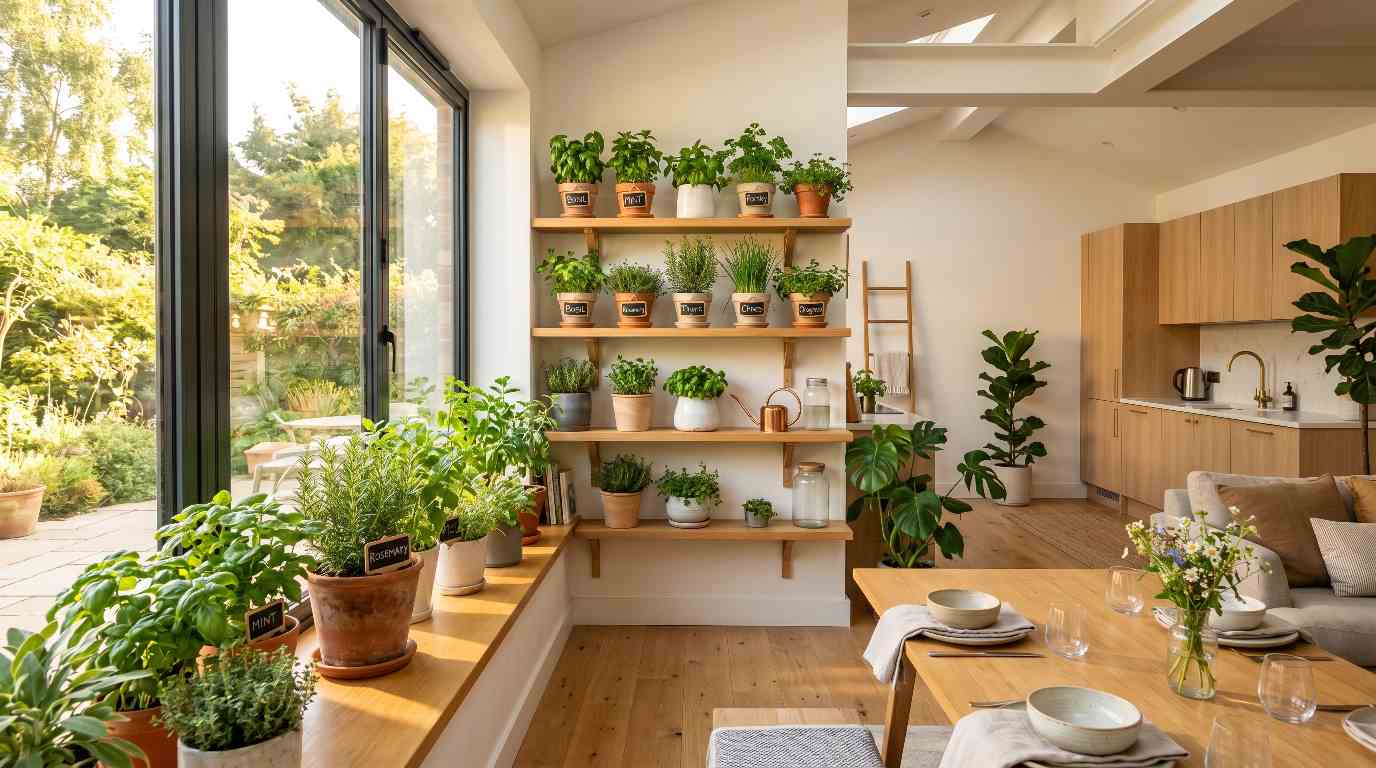

Indoor Herb Gardening: A Complete Beginner’s Guide to Growing Fresh Herbs at Home
Indoor herb gardening feels simple at first, but once you begin, it changes the mood of a home. I remember keeping a tiny basil plant near my kitchen window. It was small, nothing fancy, but every fresh leaf I picked felt rewarding. Growing herbs indoors is not only about food, but it also becomes part of daily living.
Fresh flavors, green leaves, better air. Small effort, real results. Even in apartments or tight spaces, herbs grow well. Indoor herb gardening makes gardening possible where outdoor options don’t exist.
What Is Indoor Herb Gardening?
Indoor herb gardening means cultivating herbs inside your living space using pots, soil, and available light. Sounds technical, but really it is practical home growing. I first tried it during winter when outdoor plants failed.
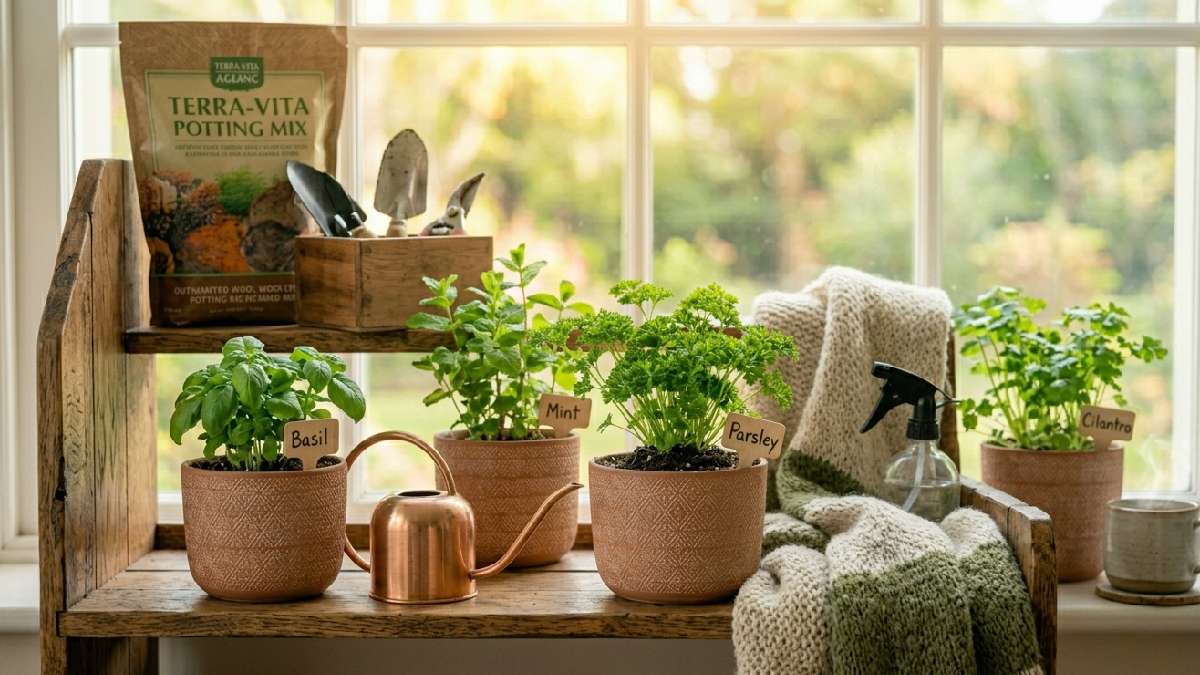
Herbs survived inside, and that was enough to keep me going. Basil, mint, parsley, and cilantro all fit into indoor life easily. It is less about farming, more about creating a working green corner at home. Useful, fresh, and honestly kind of addictive once you start.
How Indoor Herb Gardening Works
The process is basic, though many overcomplicate it. Herbs need light, water, air, and nutrients. That’s all. I placed mine near a bright window, used containers with drainage, and kept the soil slightly moist. Not wet. Big difference there. Indoor setups replace outdoor conditions on a smaller scale.
Grow lights help when sunlight is weak. Good soil matters more than people think. Once balance is found, herbs respond fast. Healthy growth becomes visible in days, sometimes even quicker than expected.
Why It’s Ideal for Small Spaces
Small spaces are actually perfect for indoor herbs. A shelf, windowsill, or corner table can support several plants. I once grew mint and basil on a narrow ledge in a rented apartment. Worked fine. Herbs don’t demand much territory. Vertical racks or hanging pots can increase space without clutter.
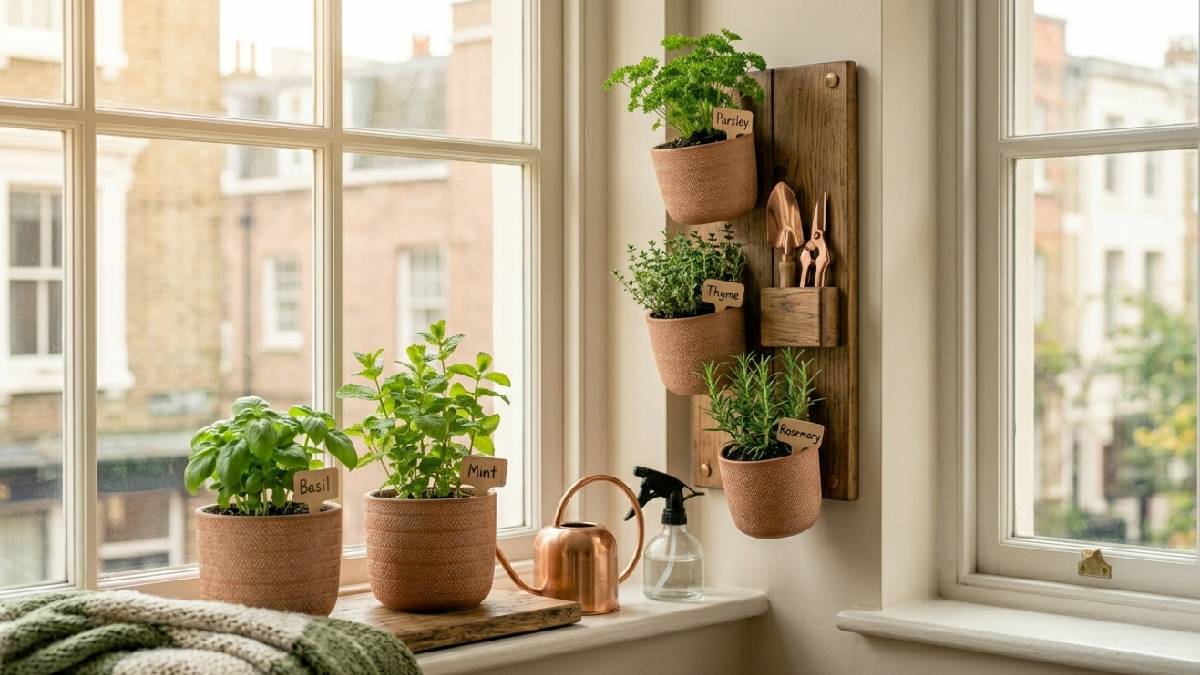
That flexibility makes indoor herb gardening practical for city living. No backyard needed. No balcony required. Limited space stops being an excuse when herbs can grow almost anywhere indoors.
Indoor vs Outdoor Herb Gardening
Outdoor gardening gives herbs more freedom, natural sunlight, and stronger airflow. Indoor gardening offers control. That control changes everything. I noticed fewer pests indoors and better year-round consistency. Outdoor plants grow bigger sometimes, yes, but the weather can ruin progress fast.
Indoors, conditions stay stable if managed properly. Light and watering become the main focus. Both methods work, but indoor gardening fits modern living better for many people, especially when convenience matters more than scale.
Benefits of Indoor Herb Gardening
Indoor herb gardening brings many practical and personal benefits. I started it for fresh cooking ingredients, but it quickly improved my daily routine. Fresh herbs are always available at home, which saves time and money. It also adds natural greenery to indoor spaces, making rooms feel fresher and more alive.
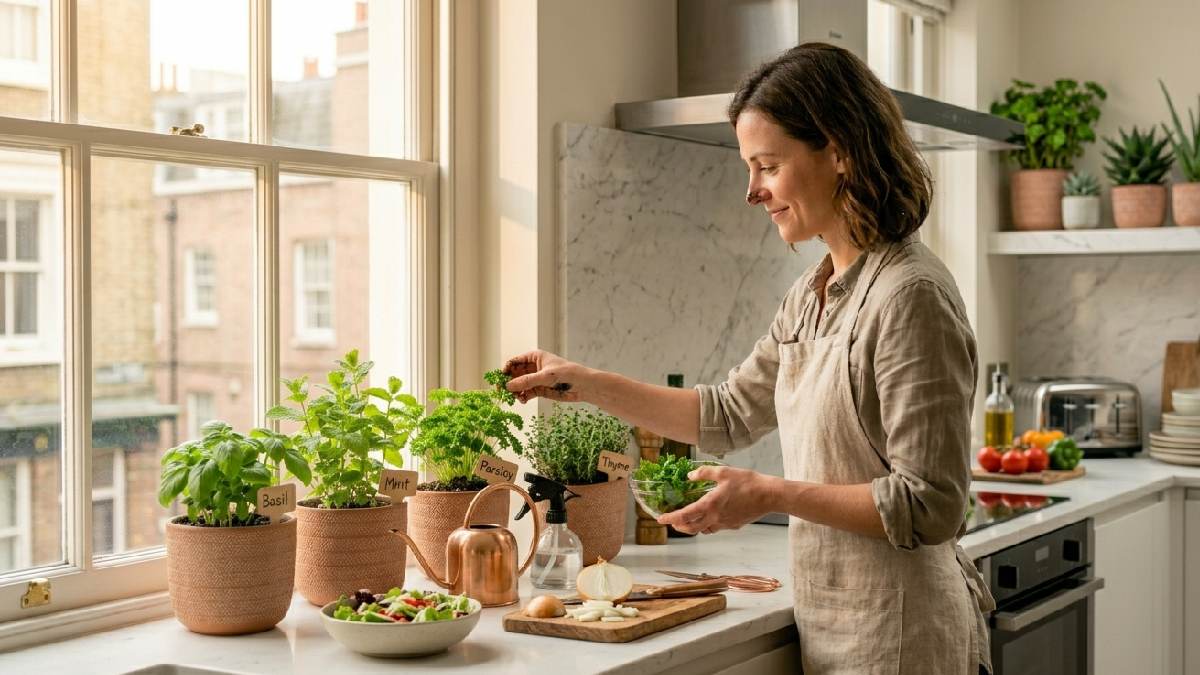
Caring for plants reduces stress and creates a calming habit. Even small setups can be useful, making indoor herb gardening simple, sustainable, and rewarding for everyday living.
Fresh Herbs Available Year-Round
One of the biggest benefits is having fresh herbs all year. I don’t depend on seasons or market availability anymore. Basil, mint, and parsley grow indoors steadily with proper light and care. Even in winter or hot summers, plants keep producing leaves.
This constant supply makes cooking easier and more enjoyable. I noticed meals taste better when herbs are freshly picked. Indoor gardening removes the stress of running out of essential kitchen ingredients.
Saves Money on Store-Bought Herbs
Indoor herb gardening also helps reduce grocery expenses. I used to buy small herb packs from stores, and they often went bad quickly. Growing them at home changed that completely. A few seeds produce multiple harvests over time.
Even a small setup replaces regular store purchases. The initial cost is low, but the long-term savings are noticeable. It is a practical way to get fresh herbs without repeatedly spending on short-lived packaged options.
Enhances Home Décor Naturally
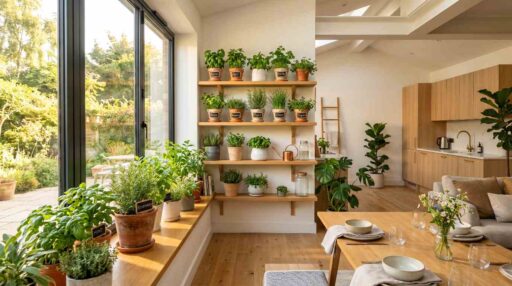
Herbs also improve the home’s appearance naturally. I placed small pots on shelves and windowsills, and the room instantly felt more alive. Green plants add color and softness to indoor spaces without artificial decoration. Each plant brings a fresh, calming look.
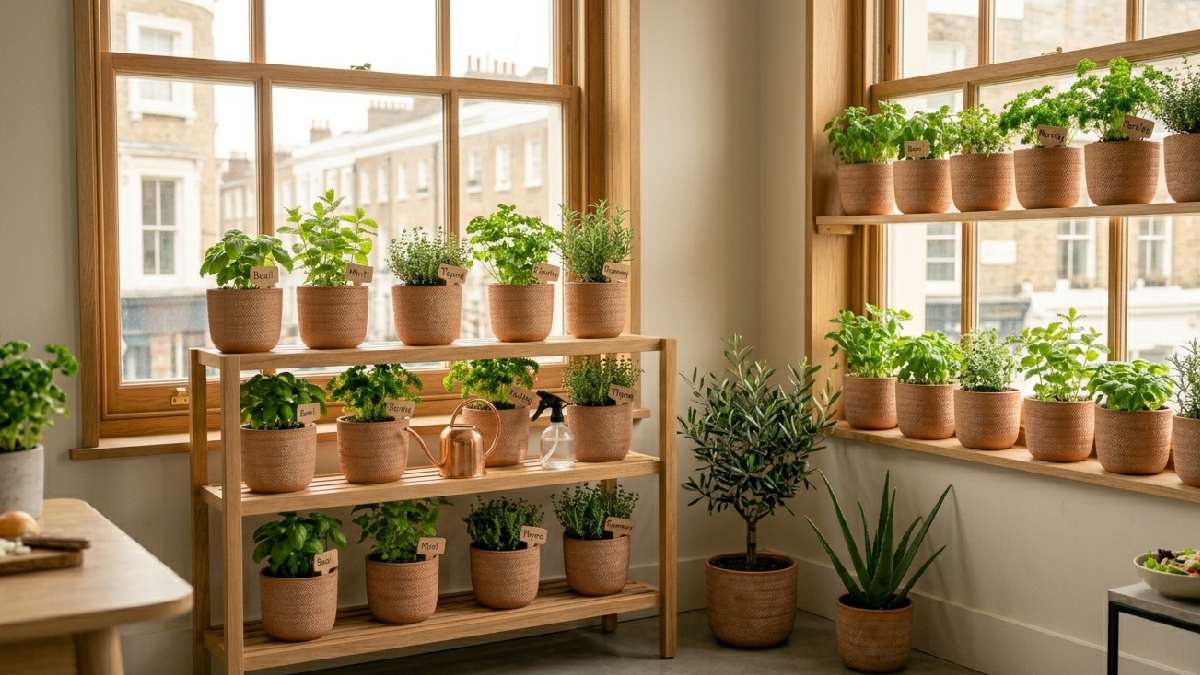
It is simple but effective. Indoor herbs blend function with beauty. They don’t just sit there; they grow, change, and enhance the overall atmosphere of the home over time.
Supports Sustainable Living
Growing herbs indoors supports a more sustainable lifestyle. I noticed less waste from store packaging and fewer trips to buy fresh ingredients. Herbs grown at home reduce dependency on commercial supply chains. It also encourages mindful use of resources like water and soil.
Even small indoor gardens contribute to greener habits. Over time, this small change creates a positive environmental impact. It feels good knowing that daily cooking choices are a bit more eco-friendly and self-sufficient.
Best Herbs to Grow Indoors for Beginners
Starting with the right herbs makes indoor gardening much easier for beginners. I learned this after trying difficult plants first and facing slow growth. Simple herbs adapt quickly to indoor conditions and don’t require complex care. Basil, mint, parsley, cilantro, thyme, rosemary, and chives are all reliable choices.
They grow well in small pots and can survive in typical home environments. Once these herbs are established
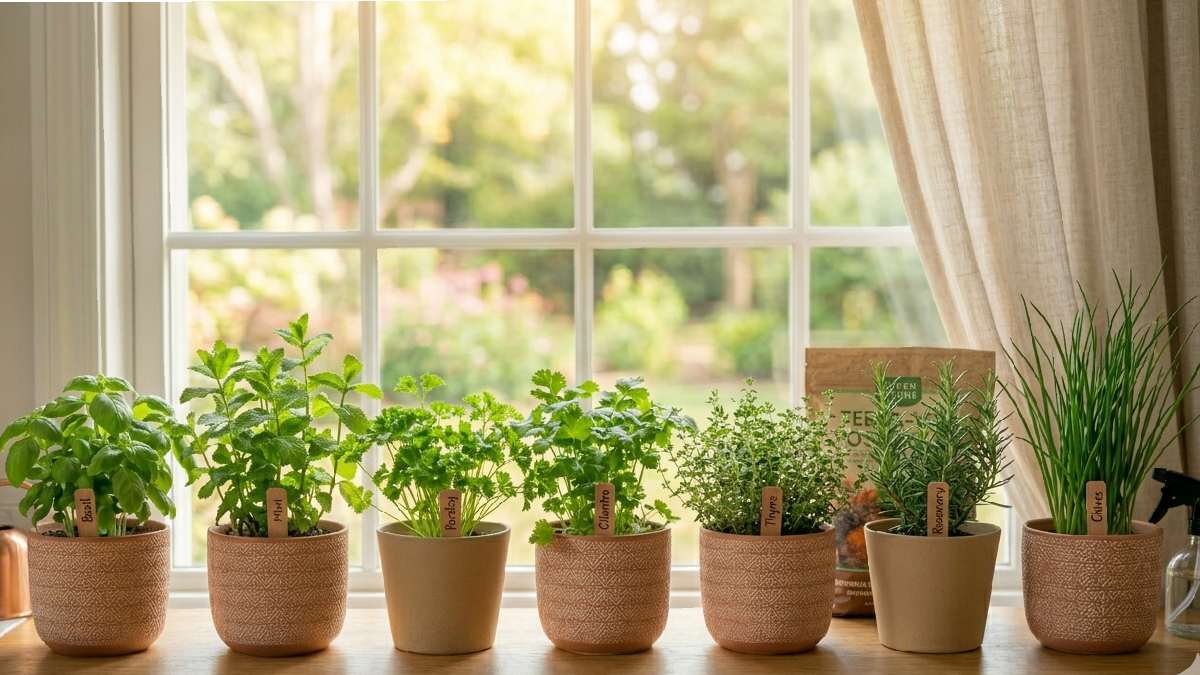
Head, maintaining them becomes simple and rewarding for everyday cooking and fresh use.
Basil
Basil is one of the easiest herbs to grow indoors. I started with it and saw quick results within days of planting. It needs bright light and regular watering, but not too much moisture. The leaves grow fast and can be harvested often.
Basil is sensitive to cold, so indoor conditions help it stay healthy. I use it frequently in cooking, which makes it very practical. It’s a perfect herb for beginners who want visible growth quickly.
Mint
Mint grows very fast and spreads easily,y even in small pots. I noticed it becomes strong with minimal care. It prefers indirect light and slightly moist soil. Overwatering can still cause issues, so balance is important. Mint is very forgiving compared to other herbs.
I often trim it regularly, and it keeps growing back. Its strong aroma makes indoor spaces fresh. It’s ideal for beginners because it survives small mistakes and still produces plenty of leaves.
Parsley
Parsley takes a bit more time to grow, but it is very reliable indoors. I started it from seeds, and germination was slow at first. Once established, it grows steadily with proper light. It prefers moderate watering and well-drained soil.
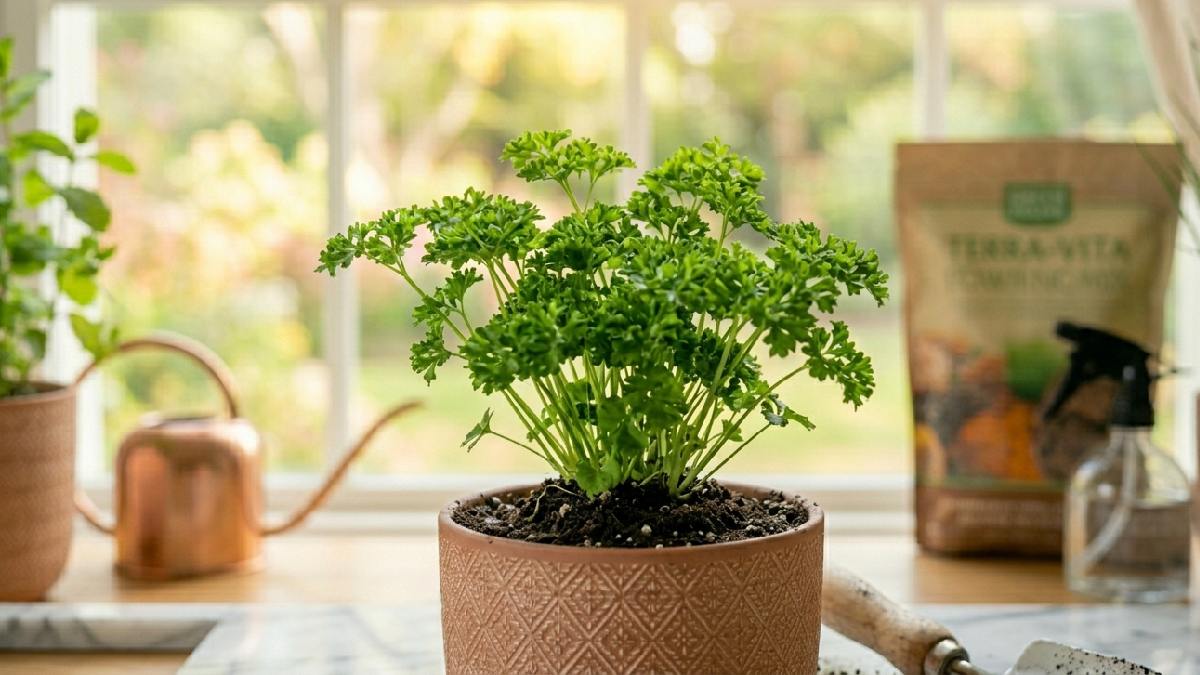
Parsley is often used in cooking, so having it at home is useful. I found it less sensitive than expected. It is a good choice for beginners who want a steady and long-lasting herb plant indoors.
Cilantro
Cilantro grows quickly but prefers cooler indoor conditions. I learned it can bolt if exposed to too much heat. It needs good light and regular watering without soaking the soil. The leaves are widely used in cooking, making it practical for kitchen use.
I often replant it after harvest because it grows in cycles. Cilantro is slightly tricky but still manageable for beginners. With proper care, it provides fresh, flavorful leaves for everyday meals indoors.
Thyme
Thyme is a low-maintenance herb that grows well indoors. I found it very slow, growing, and extremely hardy. It prefers dry soil and bright light. Overwatering is the main issue to avoid. Once established, thyme requires very little attention.
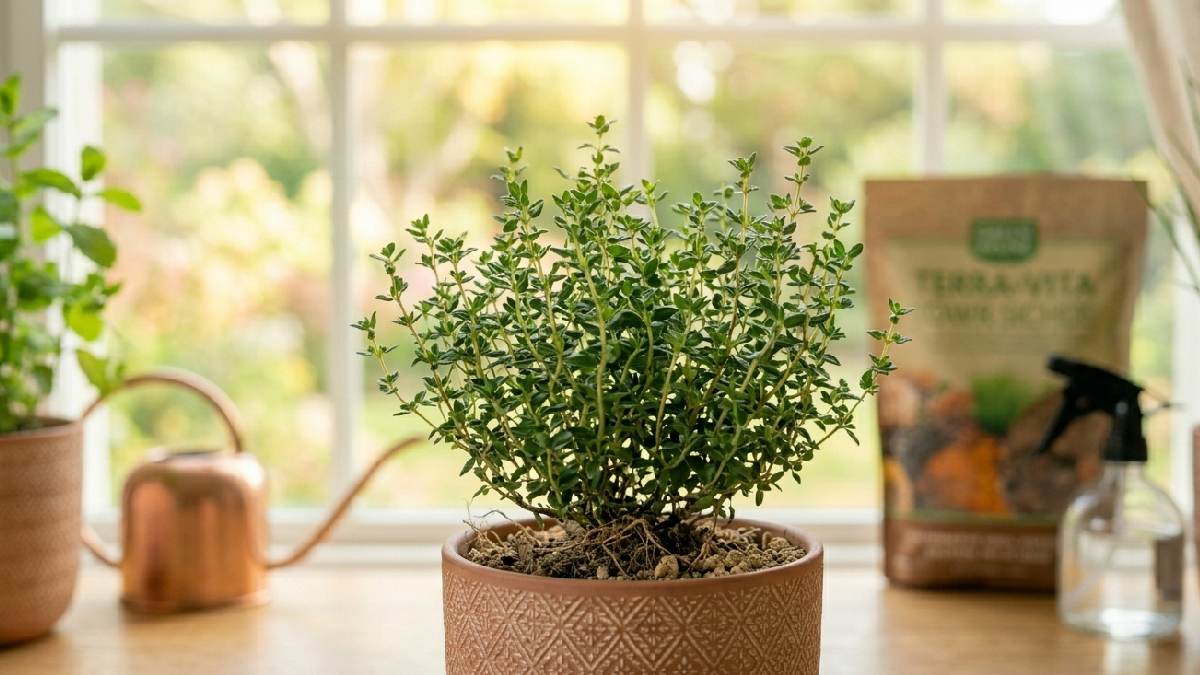
I like using it in cooking because the flavor is strong. It is perfect for beginners who prefer easy-care plants. Thyme adds variety to an indoor herb garden without demanding constant maintenance or complex growing conditions.
Rosemary
Rosemary is a woody herb that grows well indoors with enough light. I struggled initially because it needs more sunlight than most herbs. Once placed near a bright window, it improved. It prefers dry soil and does not like frequent watering.
Rosemary grows slowly but lasts long when healthy. I use it in small amounts for cooking. It is slightly advanced compared to other herbs, but still manageable with proper care and stable indoor conditions.
Chives
Chives are one of the easiest herbs for indoor gardening. I planted them in a small pot and saw steady growth without much effort. They need moderate light and regular watering. Cutting them encourages new growth, which makes them very practical.
I often harvest them frequently for cooking. Chives are resilient and adapt well to indoor environments. They are perfect for beginners who want a simple, fast-growing herb that keeps producing throughout the year.
What You Need to Start an Indoor Herb Garden
Starting an indoor herb garden does not need complicated tools. I began with very basic items and still got good results. The key is setting up the right foundation from the start. Containers, soil, lighting, and plant choice all work together.
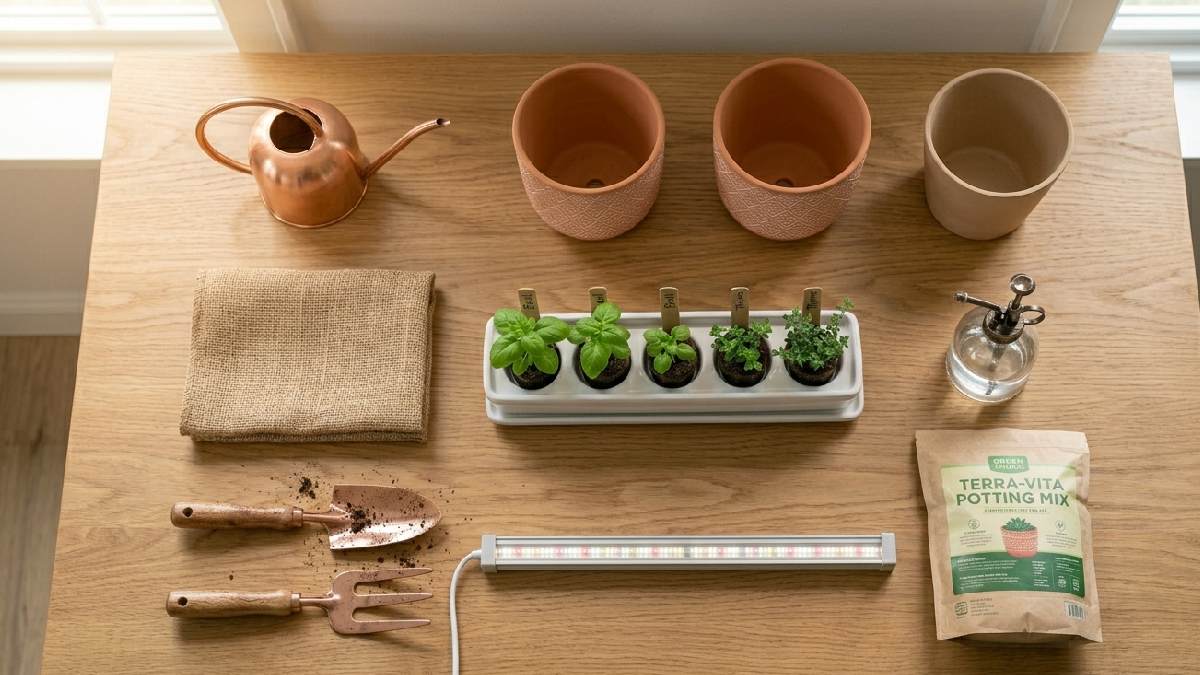
When these are balanced, herbs grow smoothly indoors. You don’t need expensive equipment, just simple, practical materials that support steady growth and healthy roots in a controlled home environment.
Best Soil for Indoor Herbs
Soil quality directly affects herb growth indoors. I noticed poor soil leads to weak plants and slow development. The best soil is light, well-draining, and rich in nutrients. It should hold moisture but not stay soggy. I sometimes mix coco peat or compost to improve texture.
Good soil supports healthy root growth and better absorption of nutrients. Beginners should avoid heavy garden soil, as it often causes drainage issues in indoor herb setups.
Grow Lights vs Natural Sunlight
Natural sunlight is ideal for herbs, but not always available in every home. I used window light at first, which worked for some plants but not all. Grow lights became useful in low-light areas. LED grow lights provide consistent brightness and help herbs grow evenly.
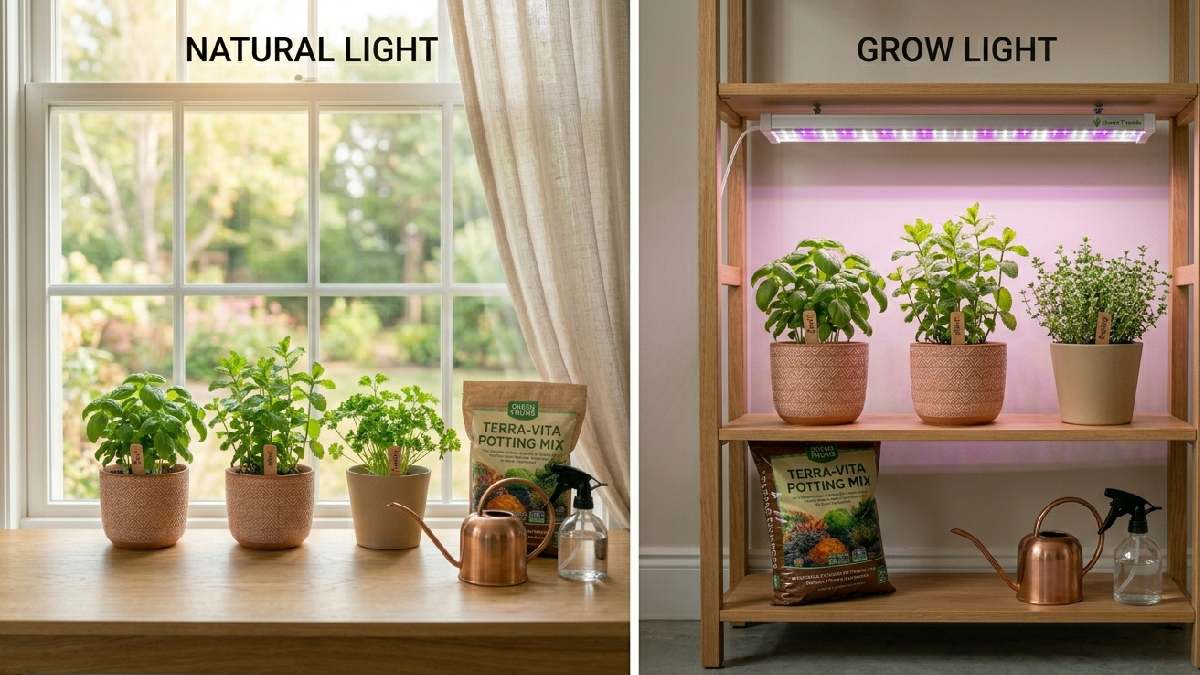
Natural sunlight is free but depends on the weather and location. I use a mix of both depending on conditions. Proper lighting ensures steady growth and healthy green leaves indoors.
Seeds or Starter Plants?
Both seeds and starter plants work for indoor herb gardening. I started with seeds, which take more time but are cheaper. Starter plants grow faster and are easier for beginners. Seeds require patience and proper care during germination.
Starter plants skip that stage and give quicker results. I use both depending on availability. Beginners can start with starter plants for easy success, then try seeds later for a more hands-on growing experience indoors.
How to Start Indoor Herb Gardening Step by Step
Starting indoor herb gardening becomes easy when you follow a simple step-by-step process. I learned this after many early mistakes, like wrong placement and overwatering. Herbs need the right location, proper containers, good soil, and balanced care.
Once these basics are set correctly, growth becomes steady. Indoor gardening is more about consistency than complexity. A clear setup plan helps beginners avoid confusion and build a healthy herb garden at home.
Step 1: Select the Best Location
Choosing the right location is the first important step. I first placed herbs in random spots, and growth was uneven. Later,r I moved them near a bright window, and the results improved. Herbs need good light for healthy leaves.
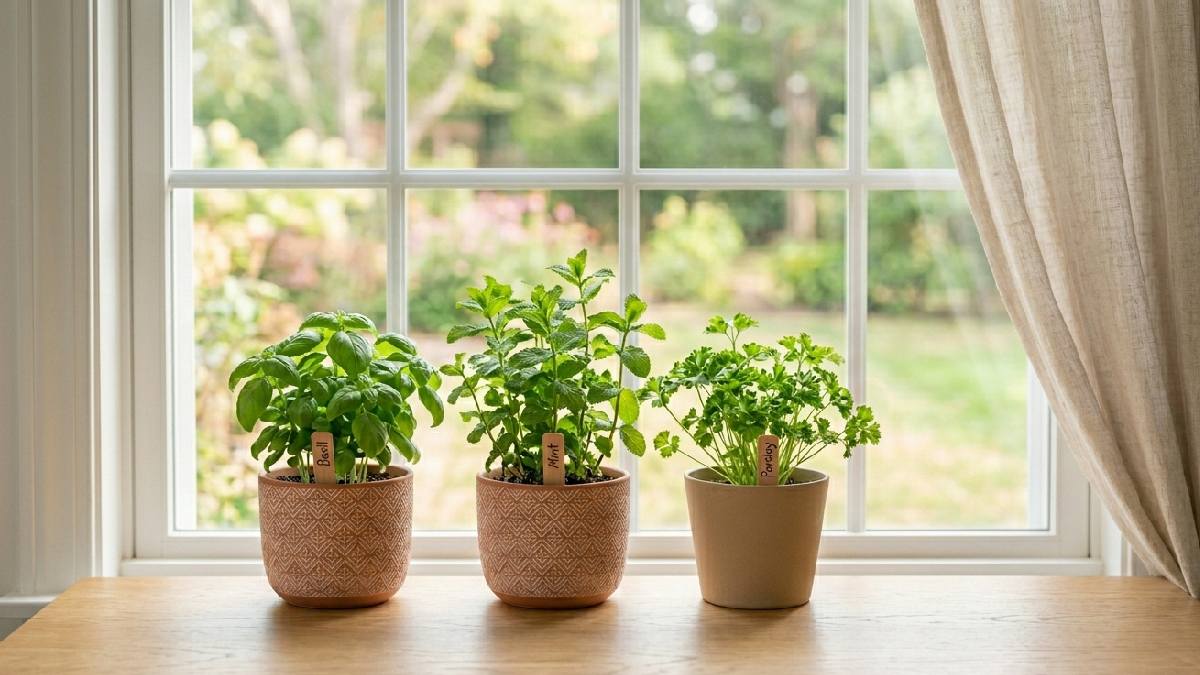
A place with indirect sunlight works best for most herbs. Avoid dark corners or areas with no airflow. Stable temperature also helps plants adjust better. A good location creates the foundation for successful indoor herb growth.
Step 2: Prepare Your Pots and Soil
Preparing pots and soil correctly makes a big difference. I used simple containers with drainage holes to avoid water buildup. Good drainage keeps roots healthy and prevents rot. Soil should be light, airy, and rich in nutrients.
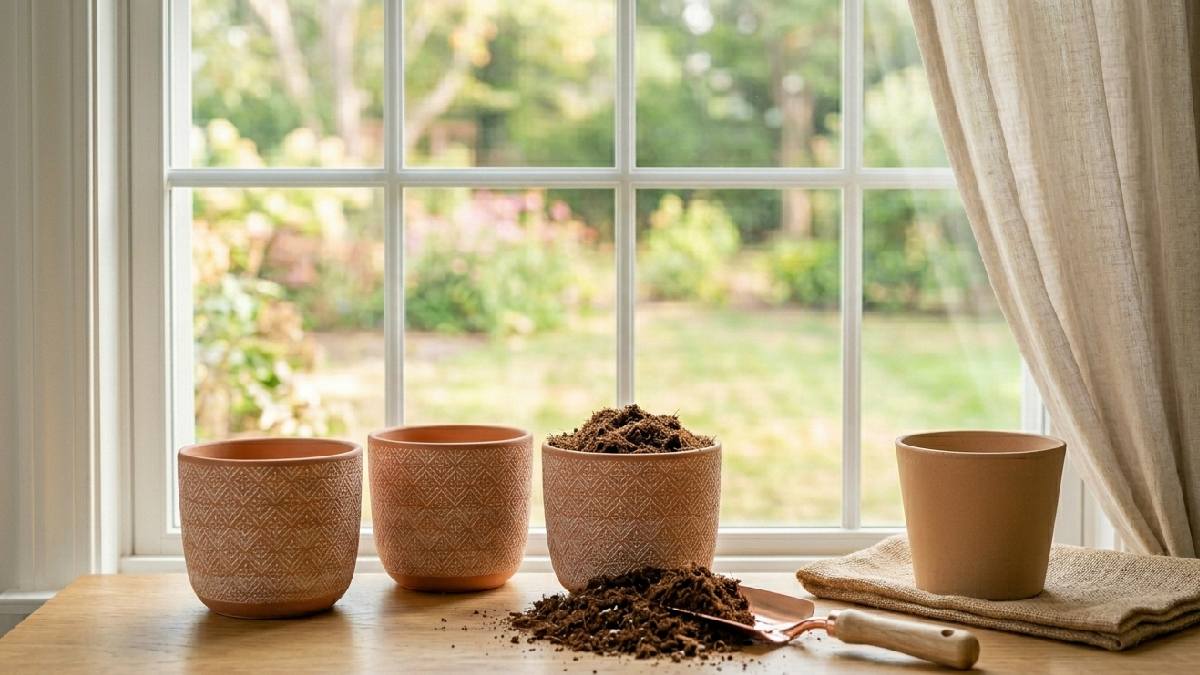
I sometimes mix coco peat with potting soil for a better texture. Avoid heavy garden soil because it holds too much water. Proper pot and soil preparation gives herbs a strong base for healthy indoor growth.
Step 3: Plant Your Herbs Properly
Planting herbs correctly helps them grow faster and stronger. I learned not to plant seeds too deeply, as it slows germination. A light covering of soil works best for most herbs. If using starter plants, gently loosen roots before placing them in pots.
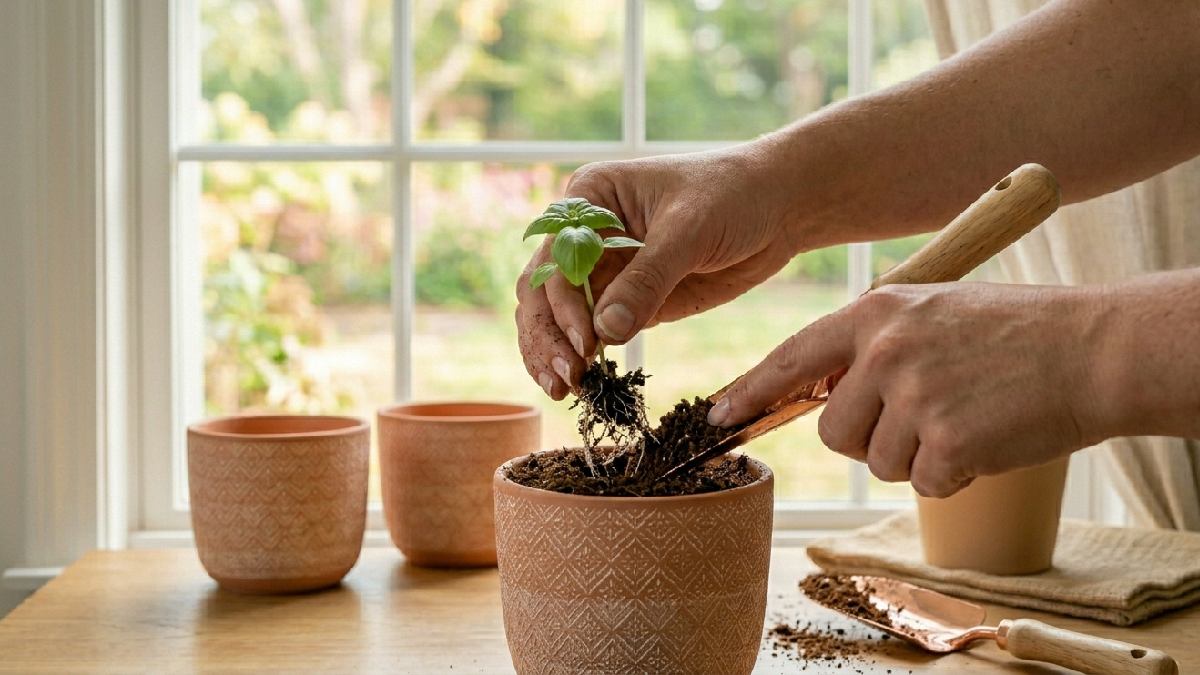
Spacing is also important so plants don’t compete for nutrients. After planting, press the soil lightly to stabilize the roots. Proper planting technique improves growth success and reduces early plant stress in indoor setups.
Step 4: Watering and Drainage Tips
Watering is one of the most important steps in indoor herb gardening. I used to overwater, which caused weak plants. Now I check the soil before watering and keep it slightly moist, not wet. Good drainage is essential to prevent root damage.
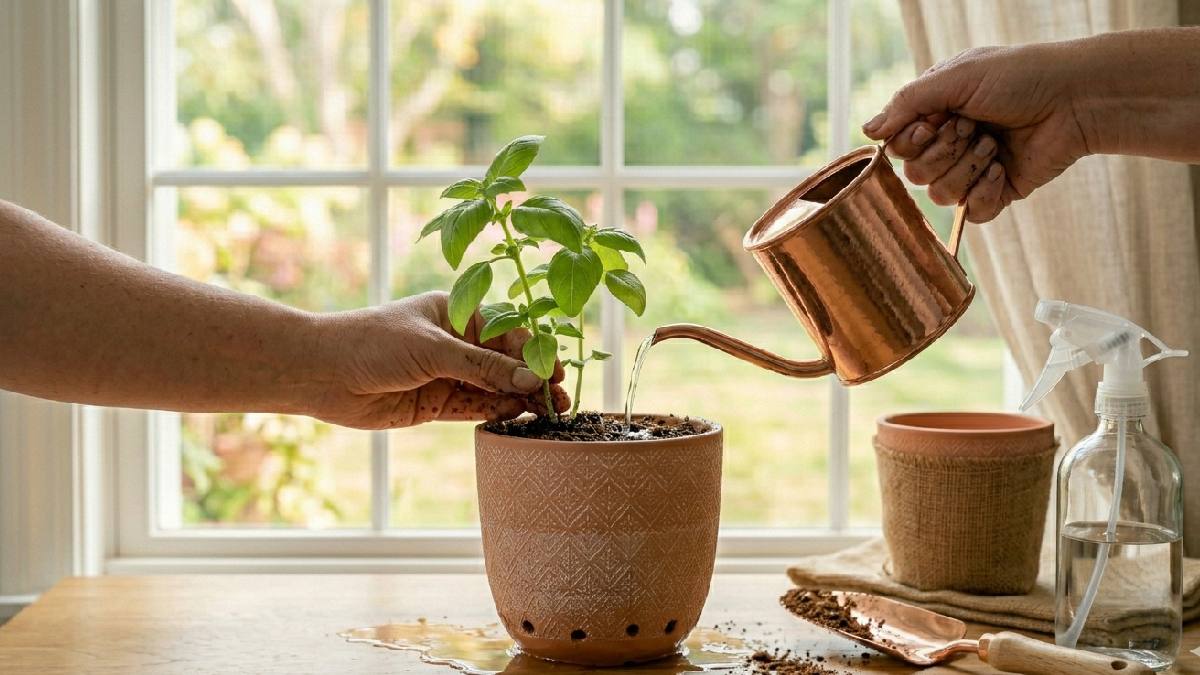
Excess water should always drain out easily from pots. Spray bottles help control moisture for delicate herbs. Balanced watering keeps plants healthy and avoids common indoor gardening problems related to root rot or fungal growth.
Step 5: Monitoring Growth and Health
Monitoring plants regularly helps catch problems early. I check leaves, soil, and overall plant condition every few days. Yellow leaves or slow growth usually signal care issues. Adjusting light or watering quickly improves results. I also rotate pots so all sides get equal light exposure.
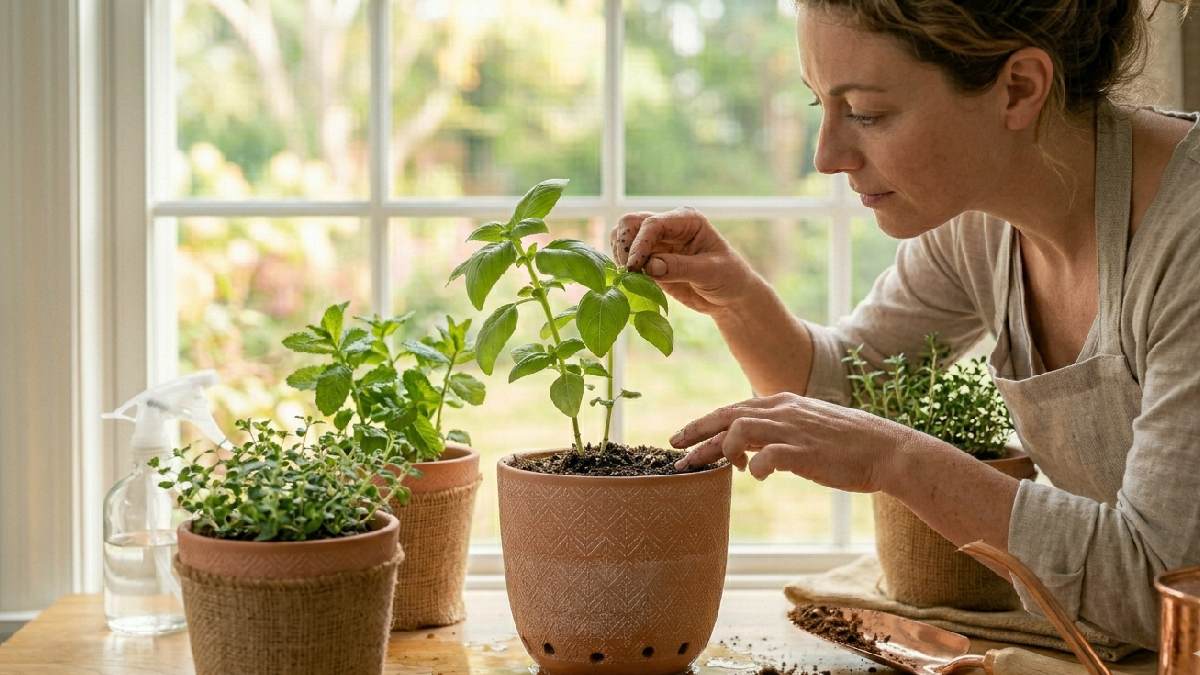
Healthy herbs show steady green growth and strong stems. Regular observation makes indoor herb gardening easier and more successful over time, especially for beginners learning plant behavior.
Common Indoor Herb Gardening Problems and Solutions
Indoor herb gardening is simple, but I faced many small problems in the beginning. Plants looked healthy at first, then issues started slowly, like yellow leaves or weak growth. Most of these problems come from light, water, or environmental imbalance.
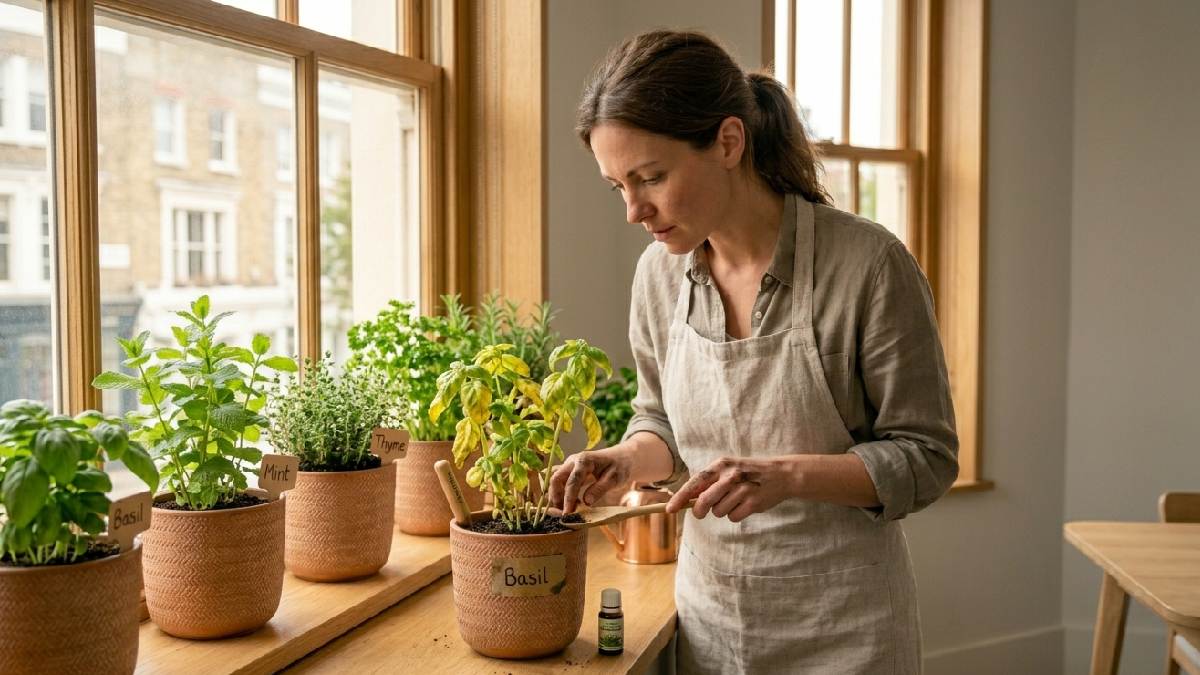
Once I learned the causes, fixing them became easy. Herbs usually respond quickly to corrections, so small adjustments can bring plants back to health without much effort or complex treatment indoors.
Yellowing Leaves
Yellow leaves were one of the first issues I noticed in my herbs. I used to think it was normal, but it usually signals watering or nutrient problems. In my case, overwatering was the main reason. Too much water weakens roots and affects leaf color.
Sometimes, a lack of light also causes yellowing. I now check the soil before watering and move plants closer to the light. Correcting these basics usually brings leaves back to healthy green over time indoors.
Weak or Leggy Growth
Weak or leggy growth happens when herbs stretch toward light. I saw this with basil when I kept it in a darker corner. Plants grow tall but become thin and weak. The main reason is insufficient light exposure. Moving plants to brighter spots or using grow lights fixes this issue.
I also rotate pots regularly so all sides get equal light. Once light conditions improve, herbs become stronger, fuller, and more compact in indoor setups.
Overwatering Issues
Overwatering is a very common indoor herb gardening problem. I made this mistake often in the beginning. Soil stayed wet too long, and roots became weak. Plants started drooping even though I thought I was caring for them well.
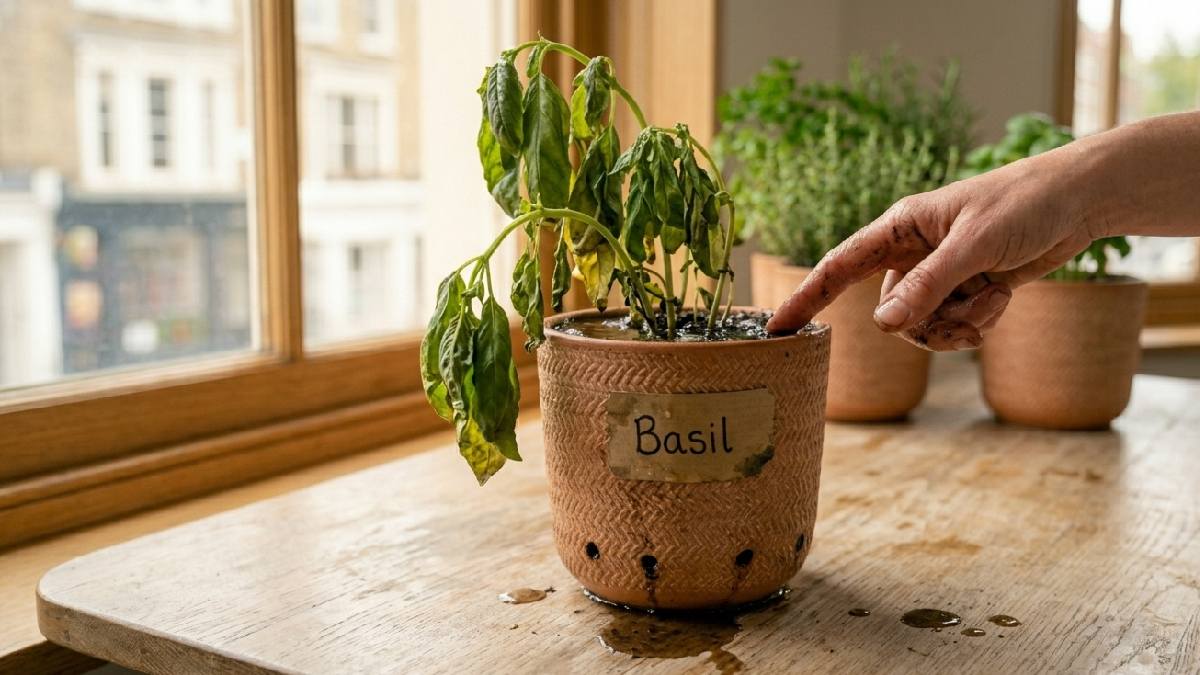
Now I always check soil moisture before watering. Herbs prefer slightly dry conditions rather than constant moisture. Good drainage also helps prevent water buildup. Balanced watering keeps roots healthy and improves overall plant stability indoors.
Indoor Pests
Indoor pests can still appear even in controlled environments. I noticed small insects on leaves during the early stages of my herb garden. They usually come from overwatering or poor air circulation. Cleaning leaves regularly and improving airflow helps reduce pest problems.
I also use mild natural sprays when needed. Checking plants frequently helps catch pests early before they spread. Healthy plants with proper care are less likely to attract pests in indoor gardening setups.
Slow Growth
Slow growth is common when indoor conditions are not ideal. I experienced this when herbs did not get enough light or nutrients. Low temperature and poor soil can also slow development. Once I improved the lighting and used better soil, growth became faster.
Herbs need stable conditions to grow steadily indoors. Regular care, proper light, and balanced watering help solve this issue. With the right setup, most herbs recover and grow normally over time.
Indoor Herb Gardening Tips for Small Apartments
Indoor herb gardening in small apartments feels challenging at first, but I learned that it becomes simple with smart space use. I started with just one windowsill and slowly expanded using shelves and hanging pots. Small spaces actually work well for herbs if arranged properly.
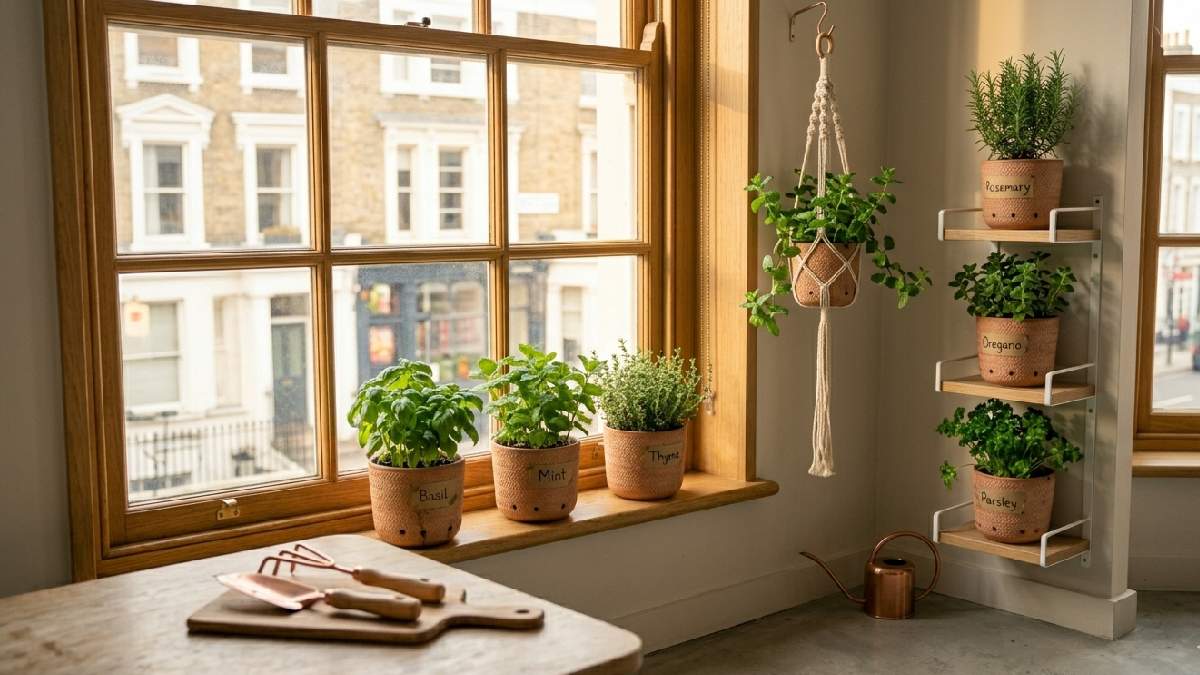
The key is using vertical space, natural light spots, and compact setups. Even limited areas can support a healthy herb garden when planned carefully and kept organized.
Using Vertical Space Efficiently
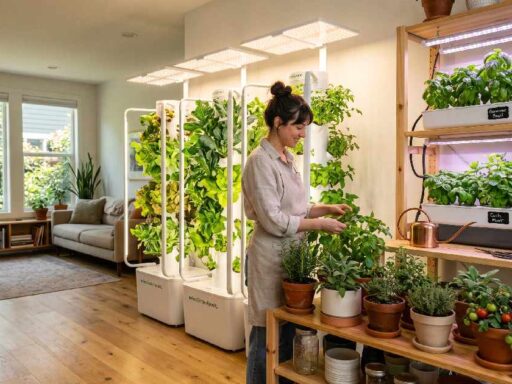
Vertical space changed everything in my small apartment gardening. Instead of spreading pots on the floor, I started using wall shelves and stacked racks. This saved space and allowed more plants in the same area.
Herbs grow well in vertical arrangements if they still get enough light. I also used simple wall hooks for small pots. It keeps the area clean and organized while maximizing plant count in very limited indoor space without clutter.
Kitchen Windowsill Setups
Kitchen windowsills are one of the easiest places for herb gardening. I placed basil and mint there because they get natural light during the day. It also keeps fresh herbs close while cooking. Small pots fit perfectly in narrow window spaces.
I noticed herbs grow faster when they receive consistent daylight. This setup is simple, requires no extra equipment, and works very well for beginners living in apartments with limited gardening space indoors.
Hanging Herb Planters
Hanging planters are useful when floor and shelf space is limited. I started using them for trailing herbs and small leafy plants. They hang from ceilings or wall brackets, saving valuable space below. Watering needs care to avoid dripping, but setup is easy.
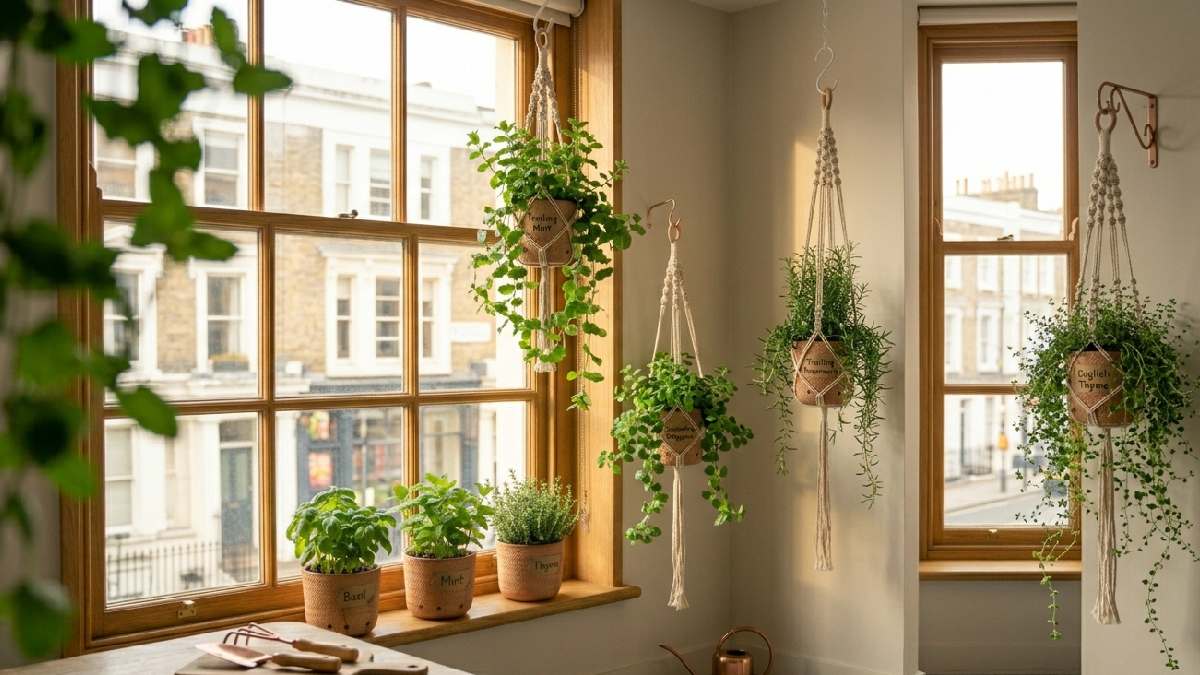
Hanging pots also adds a nice green look to rooms. I found this method helpful in small apartments where every inch of space matters for indoor herb gardening setups.
Compact Shelf Gardens
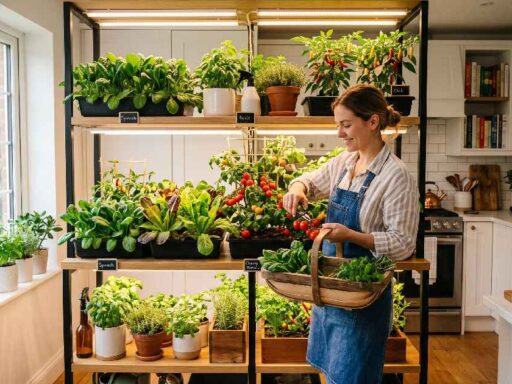
Compact shelf gardens help organize multiple herbs in a small area. I used a simple multi-layer shelf to place different pots on each level. Upper shelves get more light, while lower ones can use small grow lights. This setup keeps everything neat and accessible.
It also makes watering and maintenance easier since all plants are in one place. I found shelf gardening very practical for apartment living, especially when space is limited, but plant variety is desired.
How to Harvest and Store Indoor Herbs
Harvesting and storing indoor herbs properly makes a big difference in their flavor and growth. I learned this after cutting herbs too early and not getting good regrowth. Timing, technique, and storage all matter. When done correctly, herbs keep producing for a long time.
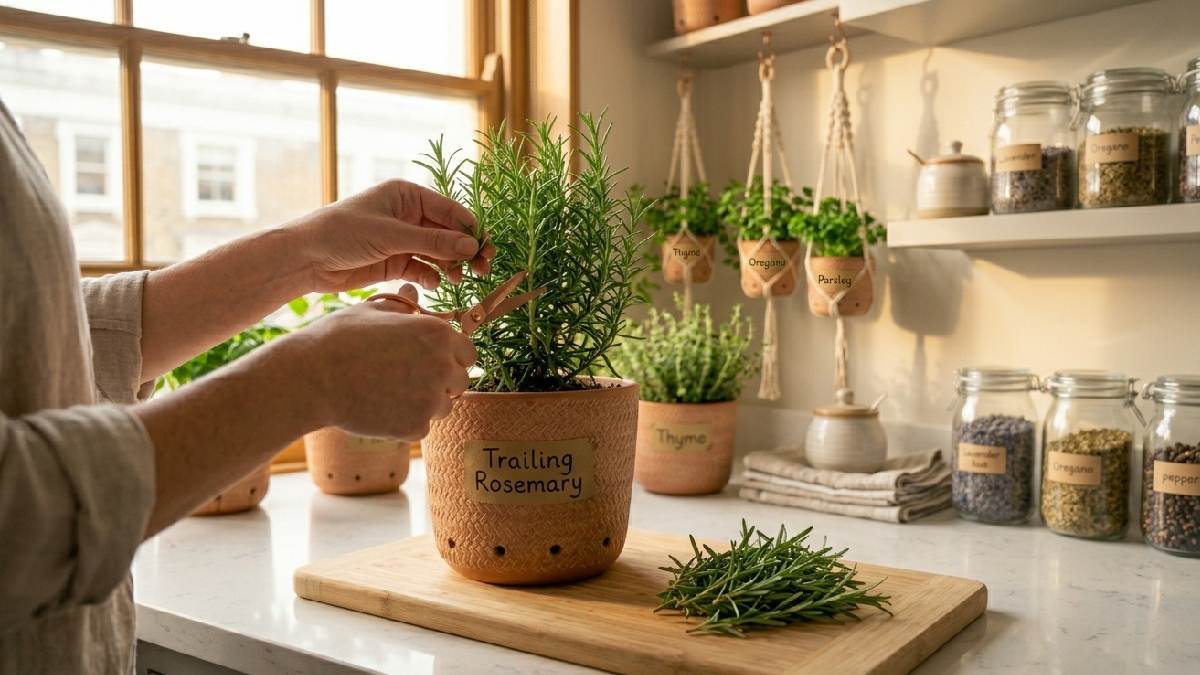
Indoor plants respond well to careful harvesting, and proper storage ensures you always have fresh or preserved herbs ready for cooking without losing quality or aroma.
When to Harvest
Knowing the right time to harvest is very important. I usually wait until herbs have enough healthy leaves before cutting anything. Basil, mint, and parsley grow best when at least a few sets of leaves are fully developed. Early harvesting can slow plant growth.
I prefer picking in the morning when leaves are fresh and full of moisture. Careful timing helps maintain plant strength and ensures continuous production in indoor herb gardening setups.
How to Encourage Regrowth
Encouraging regrowth is simple when you harvest correctly. I always avoid cutting the entire plant at once. Instead, I trim only the top leaves or outer stems. This allows the plant to continue growing from lower nodes.
Regular light trimming also keeps herbs bushy instead of tall and weak. I noticed faster regrowth when I gave plants enough light and water after harvesting. Proper cutting techniques keep indoor herbs productive for a longer time.
Storing Fresh Herbs Properly
Fresh herbs need proper storage to maintain flavor and freshness. I usually place them in a glass of water or wrap them in a slightly damp paper towel. Then I store them in the refrigerator. This keeps herbs fresh for several days.
I avoid washing them before storage unless necessary, as extra moisture can cause spoilage. Proper storage helps reduce waste and ensures herbs stay usable for cooking even after harvesting from indoor plants.
Drying Herbs for Later Use
Drying herbs is a good way to store them for long-term use. I hang small bundles in a dry, dark place until they lose moisture completely. Another method is using a low-heat oven or air, drying indoors. Once dried, herbs are stored in airtight containers.
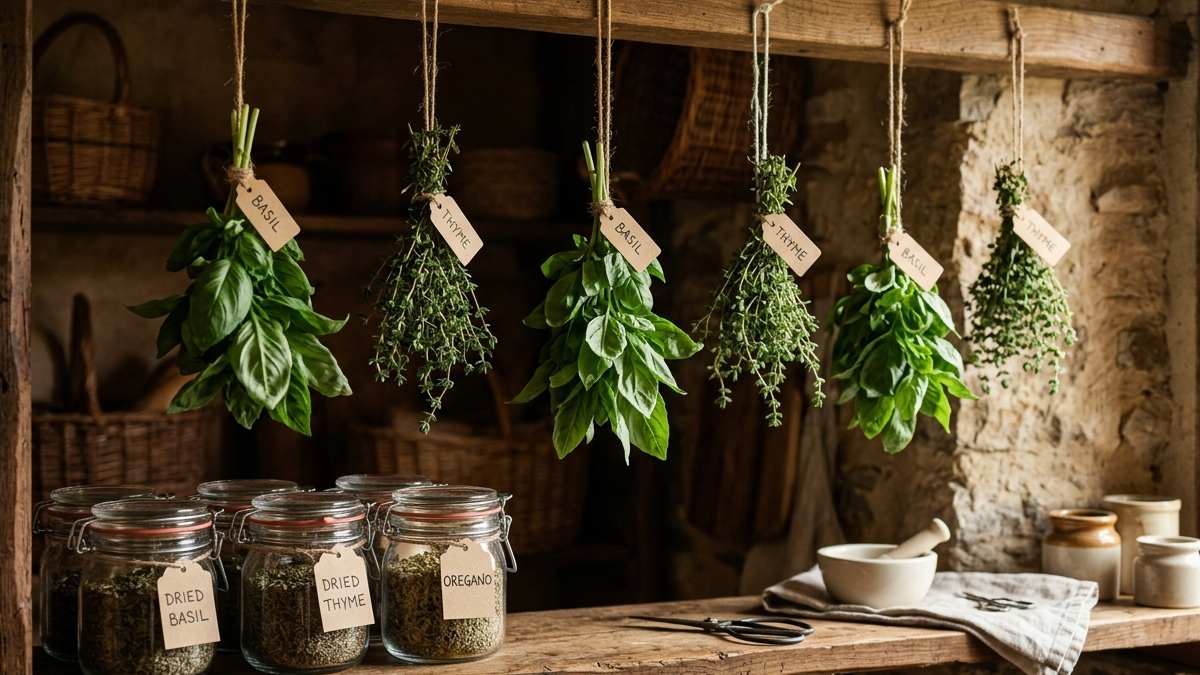
I use dried basil and thyme for cooking when fresh ones are not available. Drying preserves flavor for a long time and reduces dependency on daily harvesting from indoor gardens.
Frequently Asked Questions About Indoor Herb Gardening
What are the easiest herbs to grow indoors?
Easy herbs include basil, mint, parsley, and chives. They adapt well indoors and grow fast with simple care and basic lighting conditions.
Can herbs grow indoors without sunlight?
Yes, herbs can grow without sunlight if you use LED grow lights. These lights replace natural light and support healthy indoor plant growth.
How often should I water indoor herbs?
Water indoor herbs when the soil feels slightly dry. Usually two to three times a week, depending on temperature and humidity levels.
What is the best soil for herbs?
The best soil is light, well, draining potting mix. It should retain some moisture but not stay soggy to avoid root rot issues.
Can I grow herbs indoors all year?
Yes, herbs can grow indoors all year if they get proper light, water, and temperature. Grow lights help maintain steady growth in any season.
Conclusion
Indoor herb gardening is one of the easiest and most rewarding ways to grow fresh plants at home. I started with a few small pots and slowly learned how light, water, and space work together. With the right care, herbs grow steadily and provide fresh ingredients all year.
Even in small apartments, a simple setup can be very effective. Mistakes are normal in the beginning, but they help you improve. With patience and consistency, indoor herb gardening becomes simple, practical, and a part of daily life.