
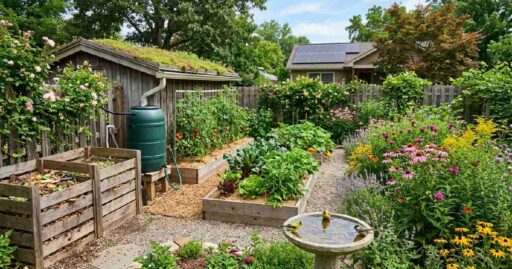
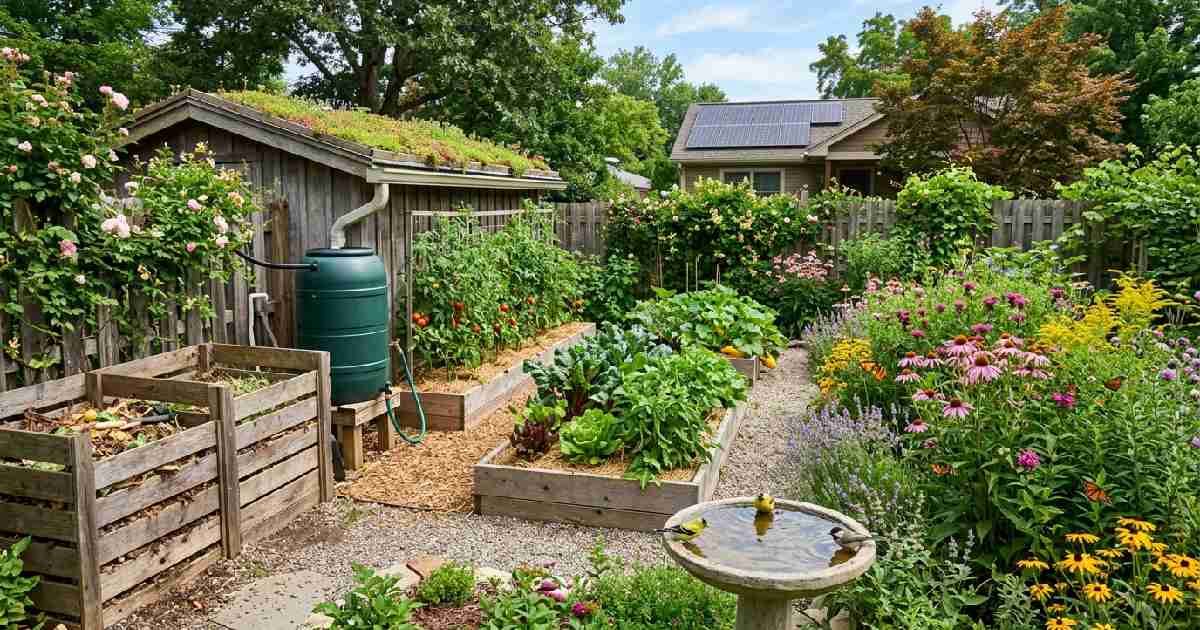

Sustainable Gardening Tips 2026
These sustainable gardening tips 2026 help you create a healthier garden while protecting the environment. Sustainable gardening means growing plants using methods that conserve resources and reduce waste. It is becoming more important in 2026 as climate change and water scarcity increase.
These practices benefit both gardeners and the wider environment through reduced chemical use. From composting to native plants, this guide covers everything beginners need to know. Follow these sustainable gardening tips for 2026 to build an eco-friendly garden that thrives for years to come.
Introduction
These sustainable gardening tips for 2026 help you create a healthier garden while protecting the environment. Sustainable gardening means growing plants using methods that conserve resources and reduce waste. It is becoming more important in 2026 as climate change and water scarcity increase.
These practices benefit both gardeners and the wider environment through reduced chemical use. From composting to native plants, this guide covers everything beginners need to know. Follow these sustainable gardening tips for 2026 to build an eco-friendly garden that thrives for years to come.
What Is Sustainable Gardening?
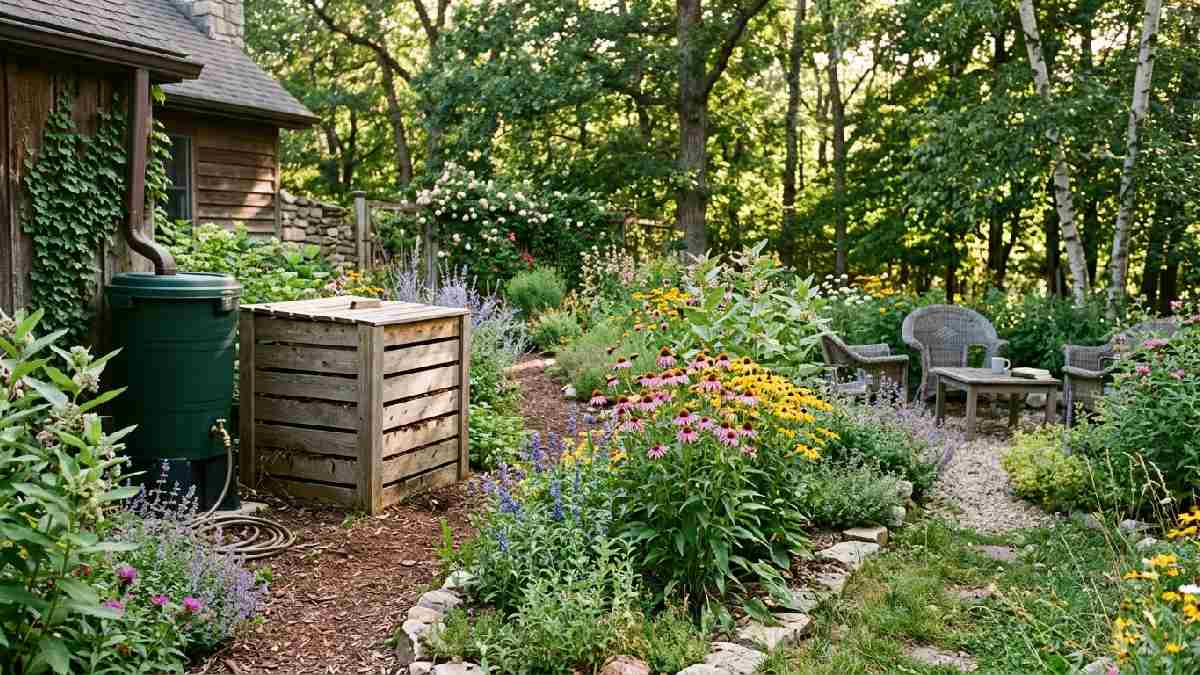
Understanding sustainable gardening tips 2026 starts with knowing what this practice actually involves. Sustainable gardening means growing plants while minimizing harm to the environment and resources. It focuses on conserving water, improving soil health, and reducing chemical pesticide use.
These sustainable gardening tips 2026 emphasize working with nature instead of against it. Benefits include healthier soil, lower water bills, and support for local wildlife populations. Learning these key principles helps any gardener transition toward more eco-friendly growing methods.
Key Principles of Sustainable Gardening
Sustainable gardening tips 2026 rely on several core principles that guide eco-friendly growing methods. These include conserving water, improving soil naturally, and avoiding harmful synthetic chemicals. Composting and recycling organic waste reduce landfill contributions while enriching garden soil.
Choosing native plants reduces water needs and supports local pollinator populations effectively. Practicing companion planting naturally deters pests without requiring chemical intervention methods. These principles form the foundation for any successful sustainable gardening approach today.
Benefits for Home Gardeners
Following sustainable gardening tips in 2026 offers numerous practical benefits for everyday home gardeners. These methods reduce water bills significantly through smarter irrigation and plant choices. Healthier soil leads to stronger, more productive plants requiring less ongoing maintenance.
Avoiding chemical pesticides means safer food and a healthier home environment overall. Composting reduces household waste while providing free, nutrient-rich fertilizer for gardens. These combined benefits make sustainable practices attractive for gardeners of every experience level.
How Sustainable Gardening Supports the Environment
Sustainable gardening tips 2026 contribute significantly to broader environmental protection and conservation efforts. Reducing chemical pesticide use protects pollinators, soil organisms, and nearby water sources. Water conservation methods help preserve this increasingly scarce resource for future generations.
Native plants support local biodiversity by providing food and habitat for wildlife. Composting reduces methane emissions from landfills while improving soil carbon storage. These environmental benefits make sustainable gardening an important practice for our changing planet.
Why Sustainable Gardening Matters More in 2026
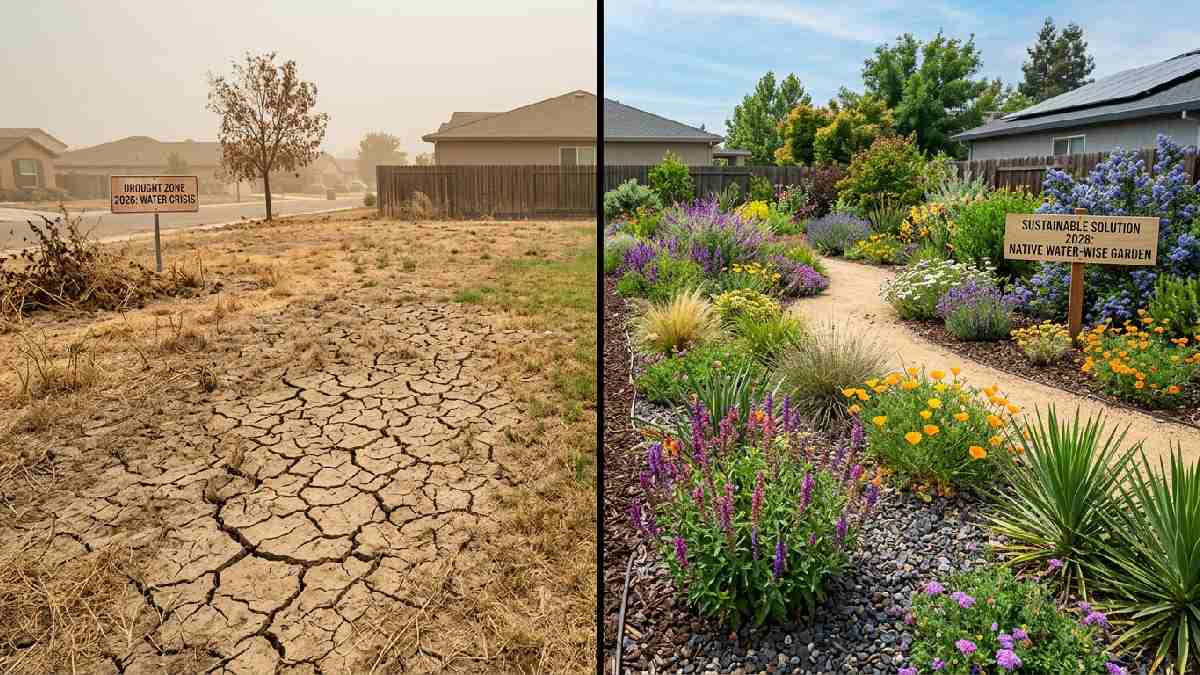
Sustainable gardening tips 2026 are more relevant now than ever due to growing environmental challenges. Climate change continues to bring unpredictable weather, making resilient gardening practices essential. Water conservation needs have increased as droughts become more frequent in many regions.
Protecting pollinators and biodiversity has become urgent as their populations continue declining significantly. These sustainable gardening tips 2026 help gardeners adapt to these pressing environmental concerns. Understanding why these practices matter now motivates more people to adopt eco-friendly gardening methods.
Climate Change Challenges
Climate change presents significant challenges that make sustainable gardening tips 2026 increasingly important today. Unpredictable weather patterns require more resilient, adaptable gardening approaches than ever before. Extreme heat and irregular rainfall stress plants that aren’t suited to changing conditions.
Drought-tolerant plants and smart watering systems help gardens withstand these climate challenges. Building healthy, resilient soil also helps plants better tolerate environmental stress factors. Addressing these challenges through sustainable methods ensures gardens remain productive despite changing conditions.
Water Conservation Needs
Water conservation has become a critical focus within sustainable gardening tips 2026 due to increasing scarcity. Many regions face more frequent droughts and stricter water usage restrictions annually. Rainwater harvesting and drip irrigation significantly reduce water waste in home gardens.
Choosing drought-tolerant plants further reduces the overall water demands of any garden. Mulching helps retain soil moisture, reducing how often plants need watering. These water-saving strategies are essential components of any sustainable gardening approach today.
Protecting Pollinators and Biodiversity
Protecting pollinators and biodiversity is a key focus among sustainable gardening tips 2026 today. Bee, butterfly, and other pollinator populations continue declining due to habitat loss. Planting native flowers provides essential food sources for these crucial pollinator species.
Avoiding chemical pesticides protects beneficial insects that support healthy garden ecosystems. Creating diverse plantings supports a wider range of wildlife throughout the garden. These conservation efforts help reverse troubling biodiversity declines affecting ecosystems worldwide.
15 Sustainable Gardening Tips for 2026
These fifteen sustainable gardening tips for 2026 cover practical steps anyone can implement today easily. Starting with composting and native plants builds a strong, eco-friendly garden foundation. Collecting rainwater and using organic mulch significantly reduces water waste and chemical use.
Attracting pollinators while avoiding pesticides supports a healthier garden ecosystem naturally. Growing your own food and trying vertical gardening maximizes space and resources efficiently. These combined sustainable gardening tips 2026 provide a comprehensive roadmap for eco-friendly gardening success this year.
1. Start Composting at Home
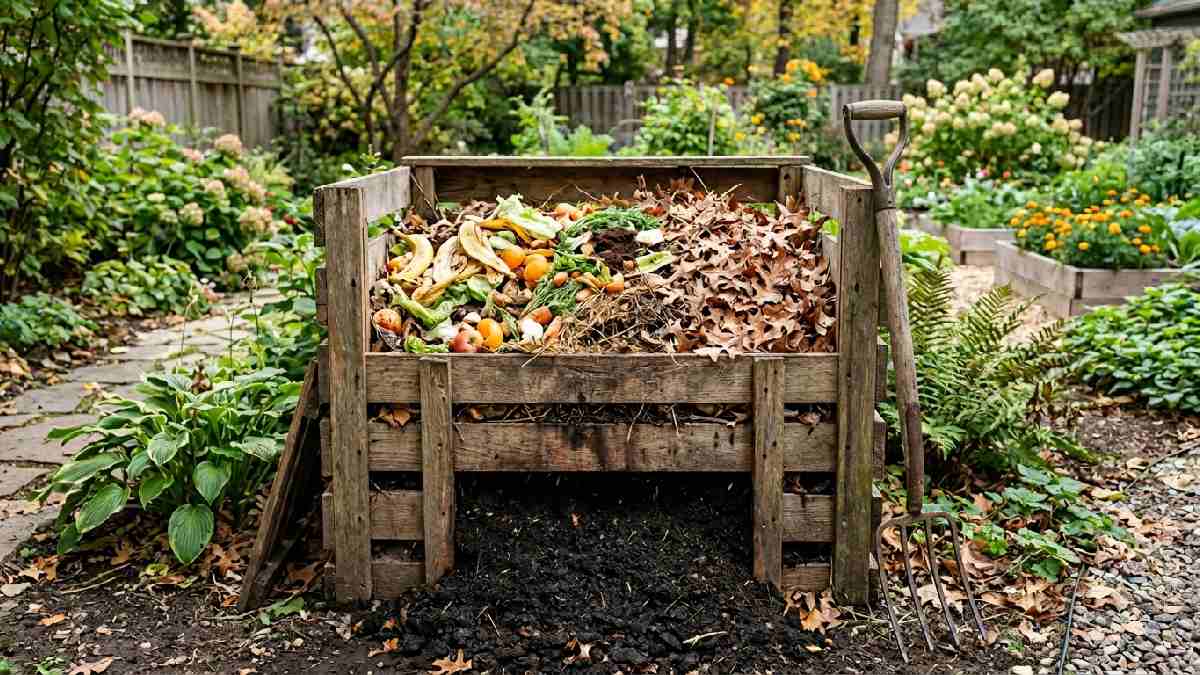
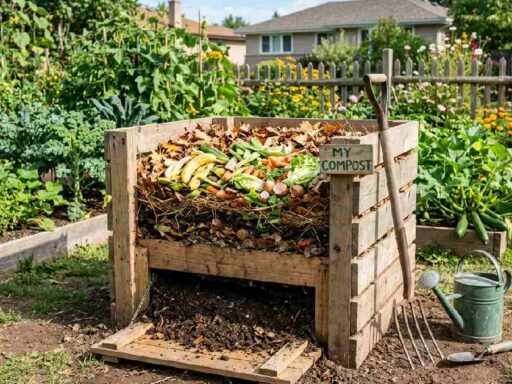
Starting a compost bin is one of the easiest sustainable gardening tips for 2026 to implement. Composting transforms kitchen scraps and yard waste into nutrient-rich garden fertilizer naturally. This practice reduces household waste sent to landfills while enriching your soil.
A simple compost bin requires minimal space and basic materials to start. Regular composting provides free, organic nutrients for healthier plant growth overall. This foundational practice supports nearly every other sustainable gardening method discussed here.
2. Grow Native Plants
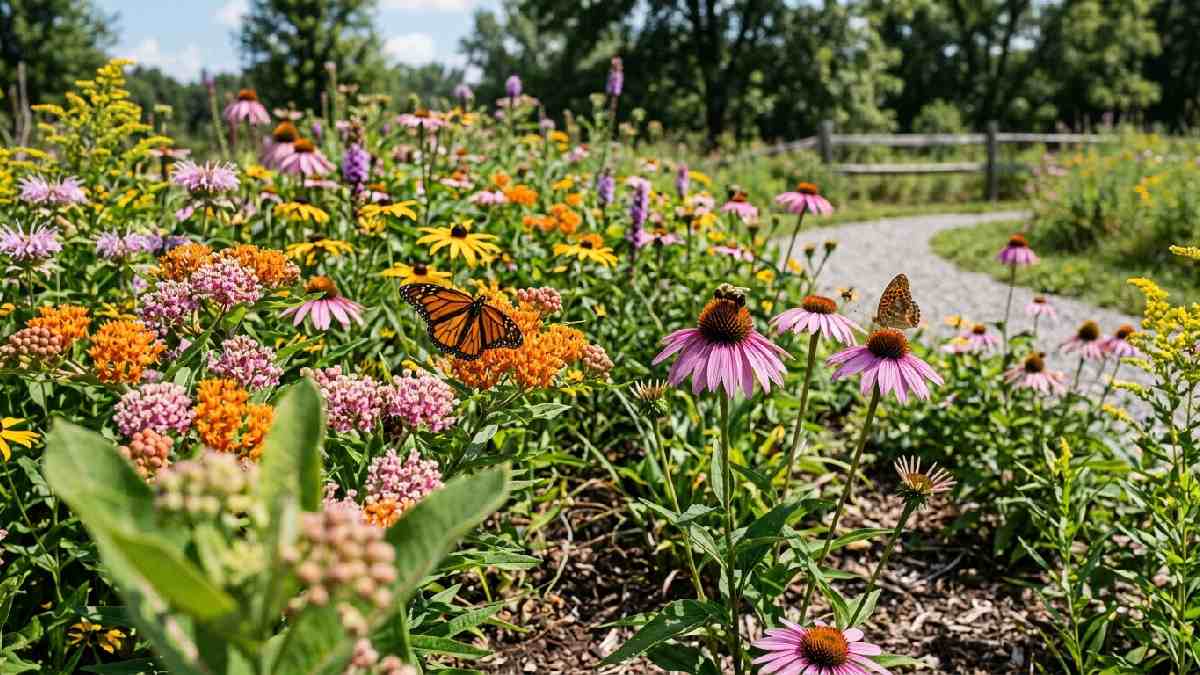
Growing native plants is among the most effective sustainable gardening tips 2026 recommends strongly. Native species require less water and maintenance since they suit local conditions. These plants also provide essential food and habitat for local pollinators and wildlife.
Native plants resist local pests and diseases better than non-native alternatives typically. Choosing native species reduces the need for chemical fertilizers and pesticides significantly. This simple choice supports both garden health and local biodiversity simultaneously.
3. Collect Rainwater for Irrigation
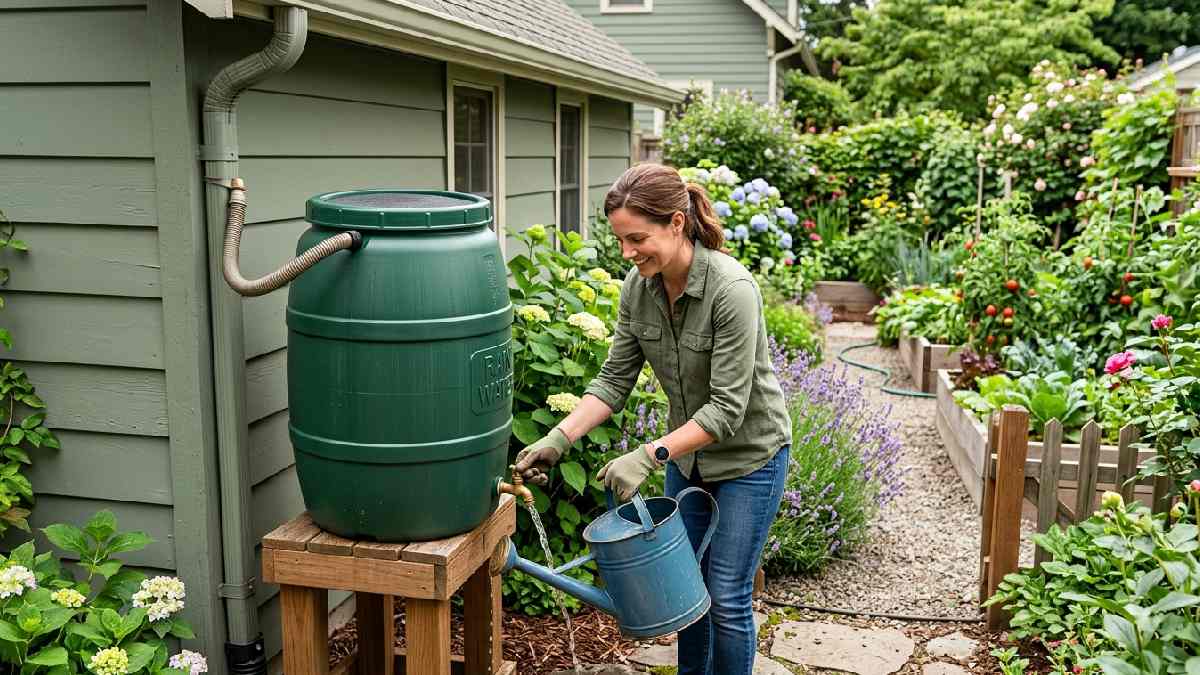
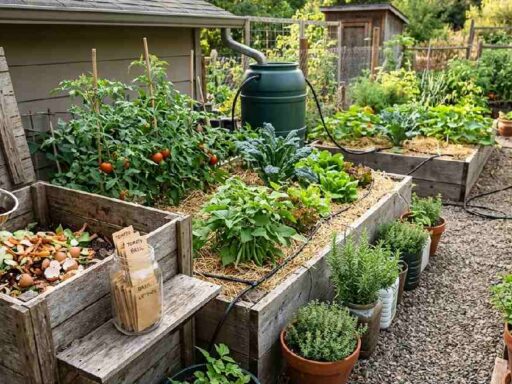
Collecting rainwater is a valuable practice among sustainable gardening tips 2026 for water conservation. Rain barrels capture free water that would otherwise run off and be wasted. This collected water can then be used for irrigation during dry periods.
Rainwater is also chemical-free, making it healthier for sensitive garden plants. This simple system significantly reduces reliance on treated municipal water supplies. Rainwater harvesting remains an essential strategy for sustainable, water-conscious gardening today.
4. Use Organic Mulch
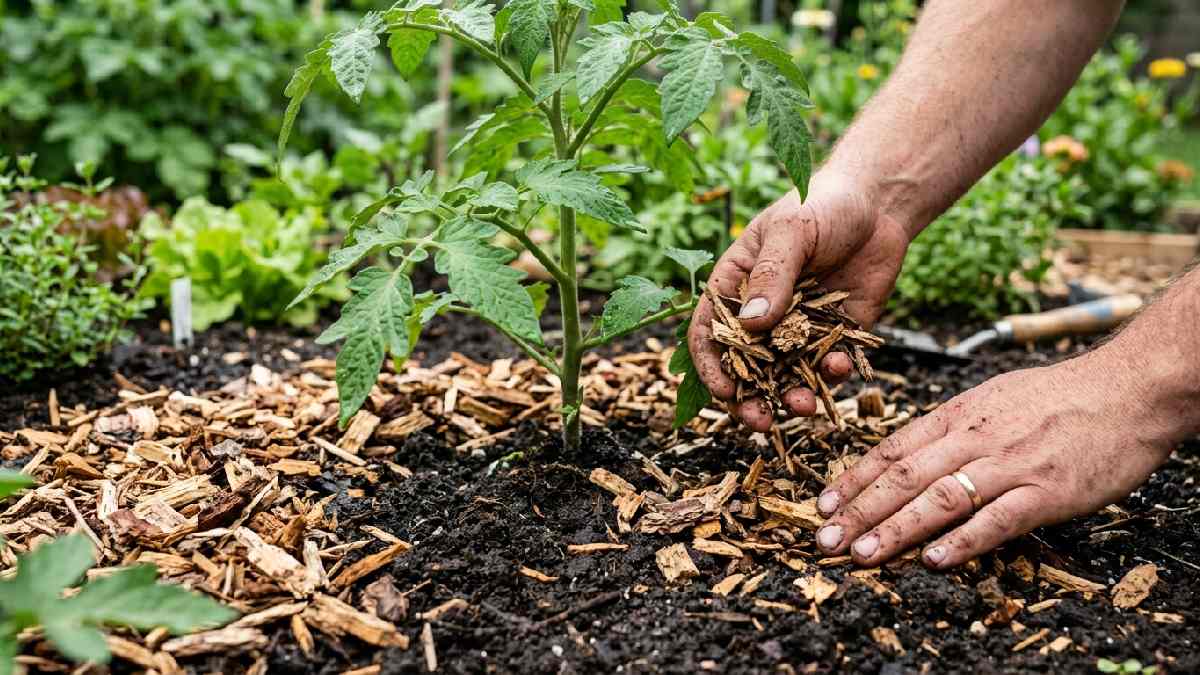
Using organic mulch is a simple yet powerful sustainable gardening tips 2026 recommendation. Mulch retains soil moisture, reducing how frequently you need to water plants. It also suppresses weeds naturally, reducing the need for chemical herbicides significantly.
Organic materials like straw, leaves, or wood chips break down and enrich soil. This practice improves soil structure while providing essential nutrients over time. Mulching remains one of the easiest ways to support sustainable garden health.
H5. Attract Pollinators Naturally
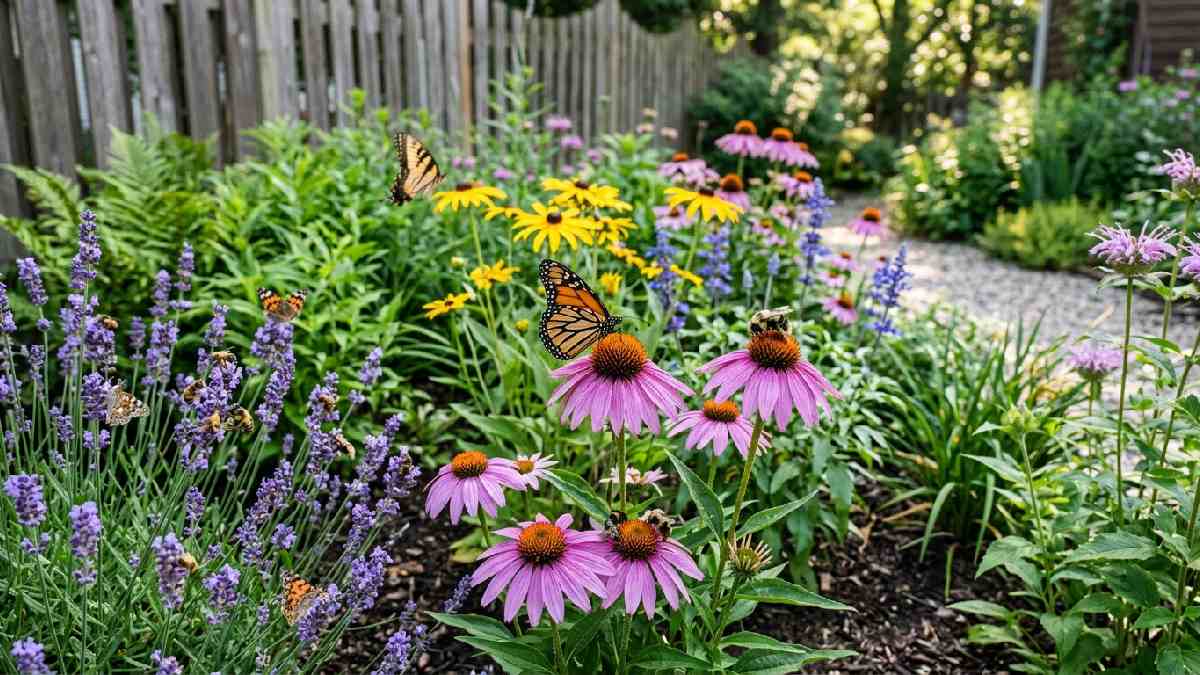
Attracting pollinators naturally is an important focus within sustainable gardening tips 2026 strategies. Planting flowers rich in nectar and pollen draws bees and butterflies. Avoiding pesticides protects these beneficial insects that support healthy plant reproduction.
Providing diverse blooming periods ensures pollinators have food throughout the entire season. Adding water sources like shallow dishes also supports local pollinator populations effectively. This natural approach benefits both your garden and broader local ecosystems.
6. Avoid Chemical Pesticides
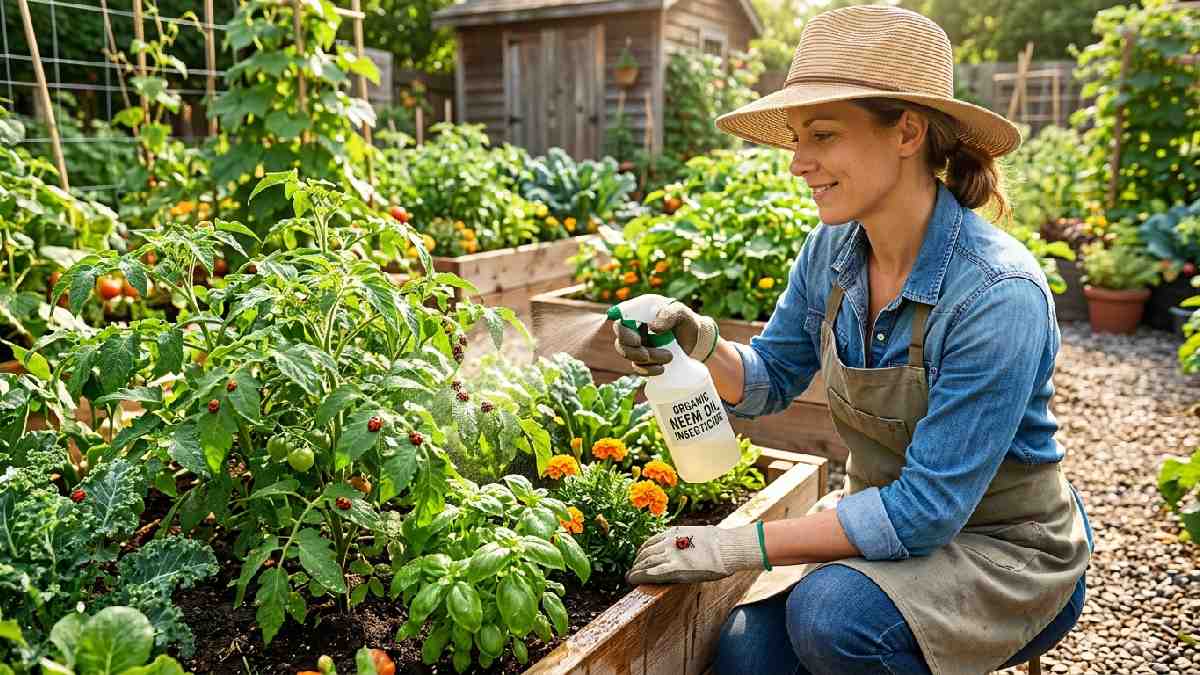
Avoiding chemical pesticides is a core principle among sustainable gardening tips that 2026 emphasizes consistently. Synthetic pesticides harm beneficial insects, soil organisms, and nearby water sources significantly. Natural alternatives like neem oil and companion planting control pests effectively instead.
Encouraging beneficial insects like ladybugs provides natural, chemical-free pest management solutions. Healthy soil and proper plant care also reduce susceptibility to pest problems. This chemical-free approach protects both garden health and the surrounding environment.
7. Practice Companion Planting
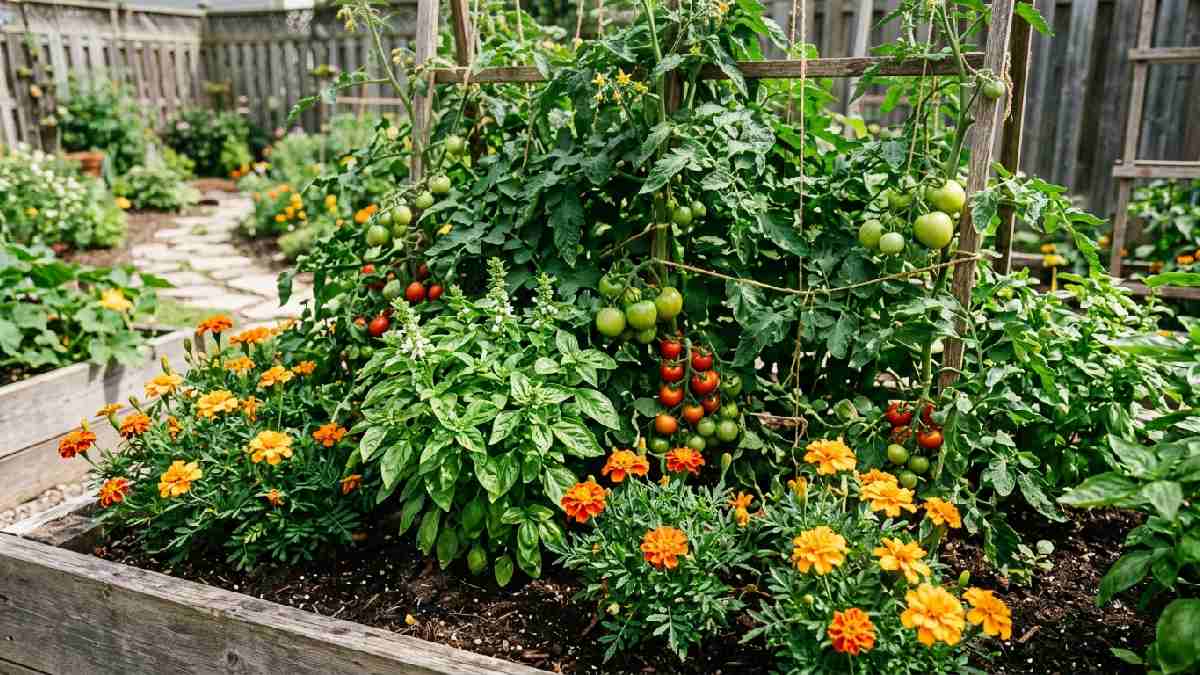
Companion planting is a smart technique highlighted among sustainable gardening tips 2026 for natural pest control. This method involves growing certain plants together for mutual benefit and protection. Marigolds, for example, naturally repel many common garden pests when planted nearby.
Basil planted near tomatoes can improve growth while deterring harmful insects. This strategy reduces the need for any chemical pest control products significantly. Companion planting supports a healthier, more balanced garden ecosystem naturally.
8. Grow Your Own Food
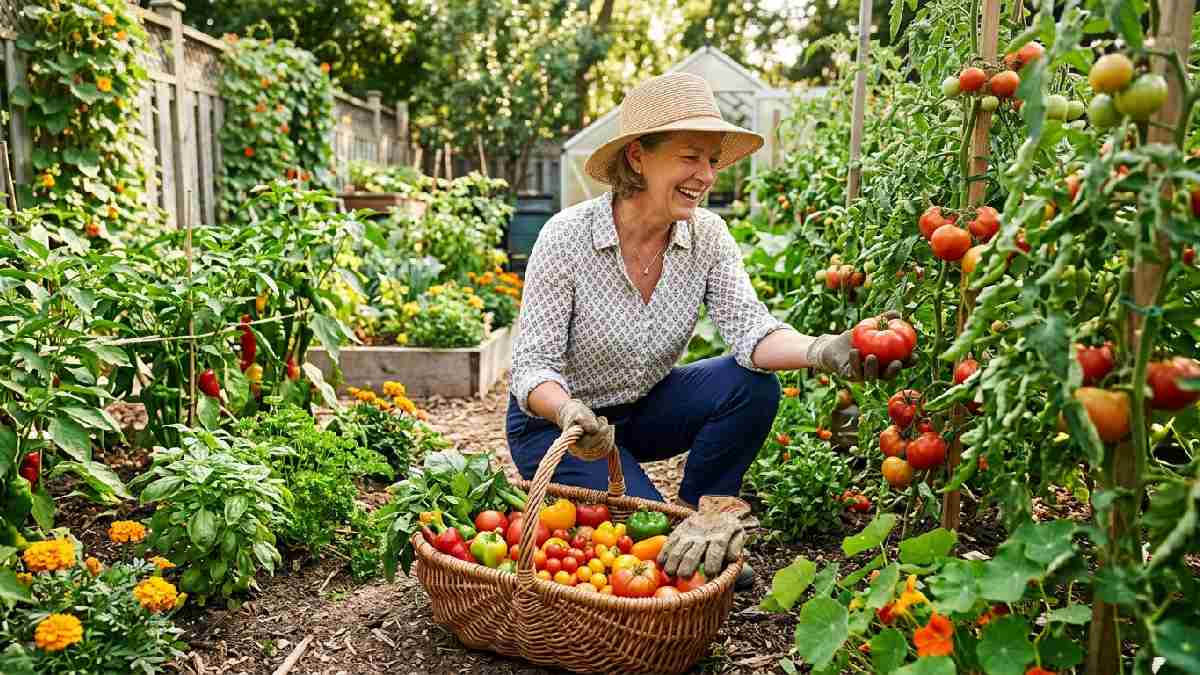
Growing your own food is a rewarding practice among sustainable gardening tips 2026 for self-sufficiency. This reduces dependence on store-bought produce that requires transportation and packaging. Homegrown vegetables and herbs are often fresher and more nutritious overall.
This practice also reduces your household’s carbon footprint significantly through local production. Growing food at home supports both personal health and environmental sustainability simultaneously. This combination of benefits makes food gardening especially valuable in 2026.
9. Try Vertical Gardening
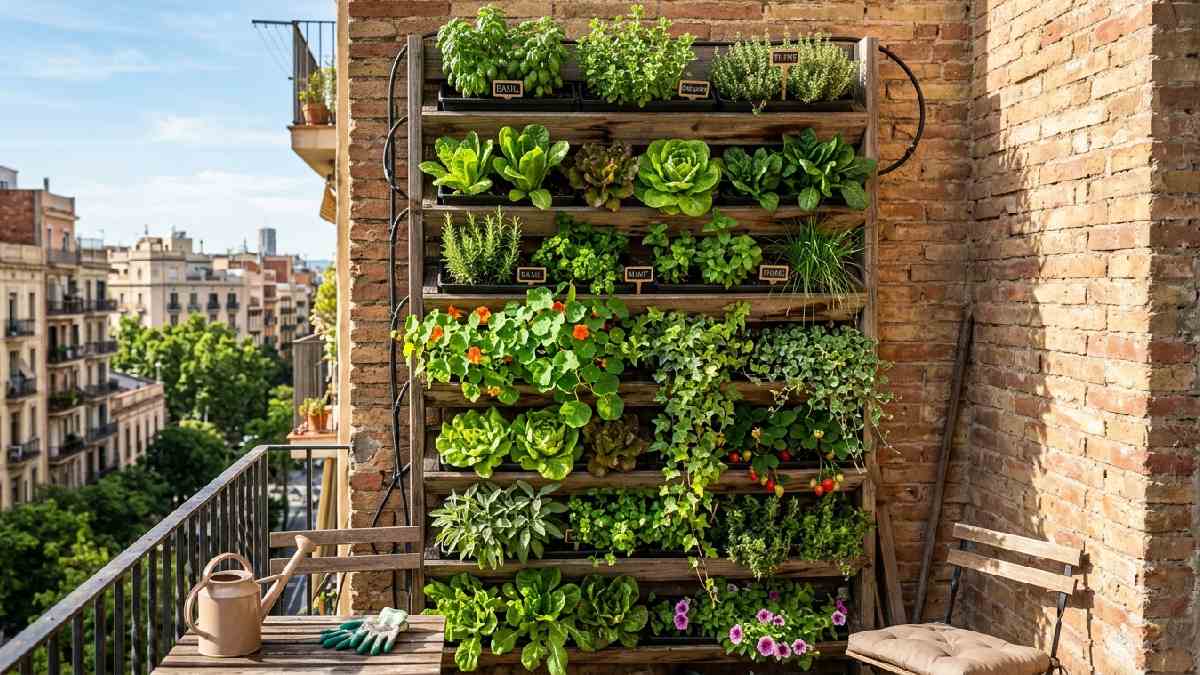
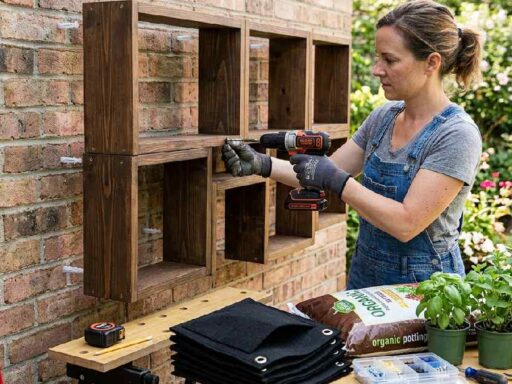
Vertical gardening is an innovative approach included among sustainable gardening tips 2026 for small spaces. This method maximizes growing space by utilizing walls instead of ground area. Vertical gardens work especially well in urban environments with limited yard space.
This technique allows more plants to grow in smaller, more efficient footprints. Vertical setups also improve air circulation, reducing certain plant disease risks. This space-saving strategy makes sustainable gardening accessible even in tight urban areas.
10. Choose Drought-Tolerant Plants
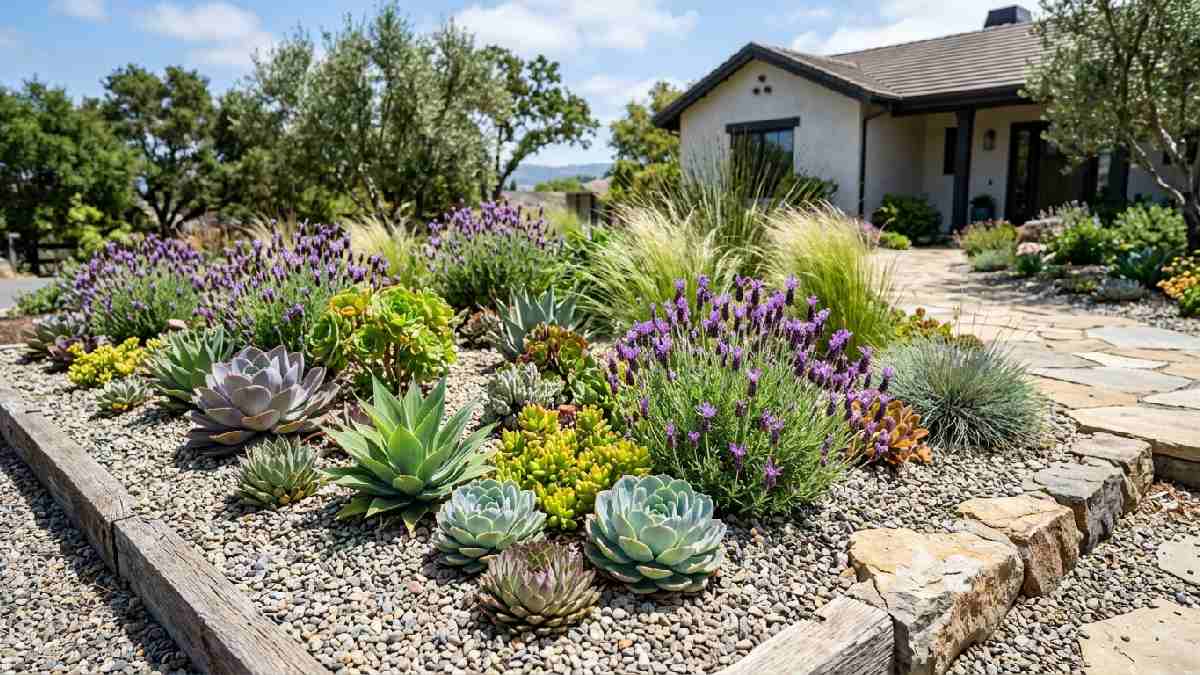
Choosing drought-tolerant plants is essential among sustainable gardening tips 2026 for water conservation. These plants require significantly less water than traditional, thirstier garden varieties. Succulents, lavender, and native grasses thrive with minimal watering once established.
This choice reduces water bills while ensuring garden survival during dry periods. Drought-tolerant plants also require less ongoing maintenance compared to thirstier alternatives. This smart plant selection supports water conservation goals throughout the growing season.
11. Improve Soil Health Naturally
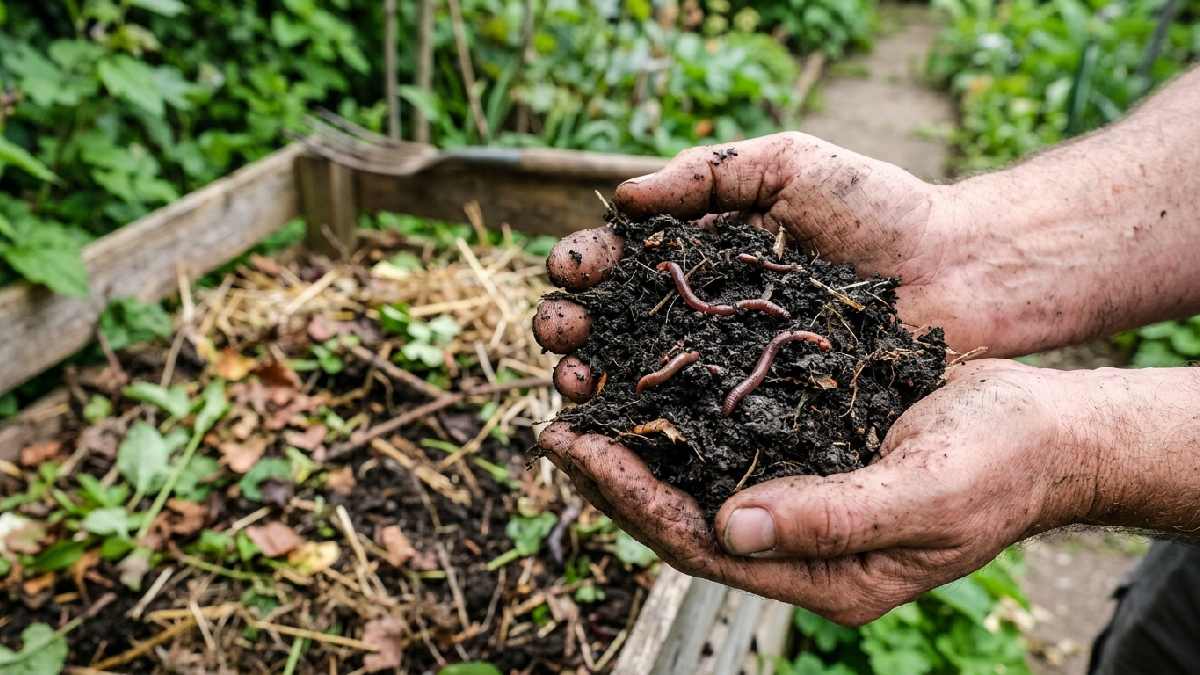
Improving soil health naturally is fundamental among sustainable gardening tips 2026 for long-term success. Adding compost and organic matter enriches soil without synthetic chemical fertilizers. Healthy soil retains moisture better, reducing overall watering needs throughout the season.
Avoiding excessive tilling preserves beneficial soil organisms and natural soil structure. Cover crops can also improve soil health during off-season growing periods. This foundational practice supports nearly every other sustainable gardening goal effectively.
12. Create Wildlife-Friendly Spaces
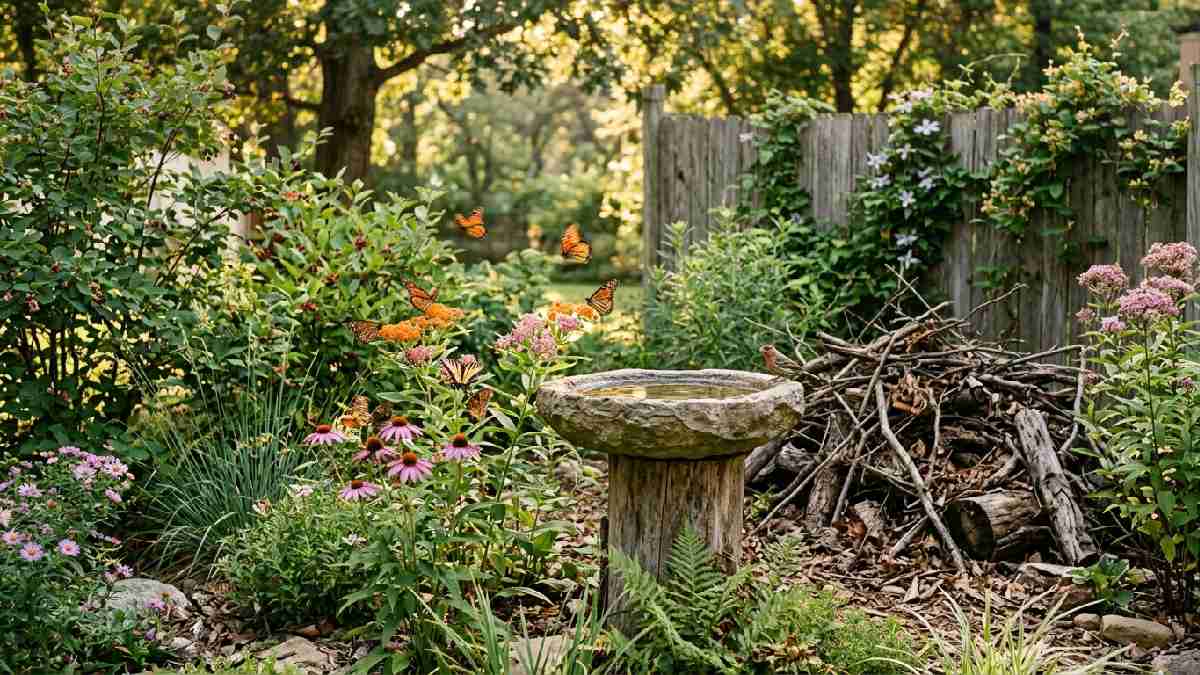
Creating wildlife-friendly spaces is an important goal among sustainable gardening tips 2026 for biodiversity. Adding birdhouses, bee hotels, and water features attracts beneficial wildlife naturally. Leaving some areas slightly wild provides habitat for insects and small creatures.
Native plants further support local wildlife by providing food and shelter. These spaces help restore biodiversity that has declined due to urban development. Supporting wildlife creates a healthier, more balanced garden ecosystem overall.
13. Reduce Plastic Use in the Garden
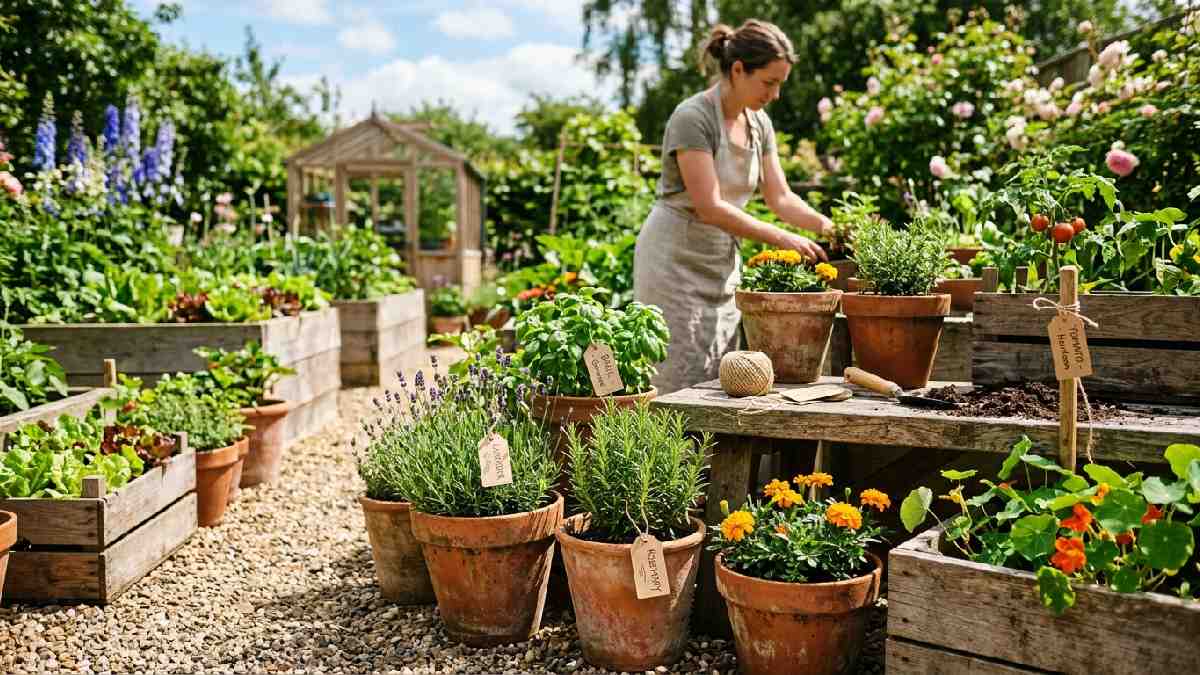
Reducing plastic use is a practical recommendation among sustainable gardening tips 2026 for waste reduction. Choosing biodegradable pots and natural materials reduces long-term environmental plastic waste. Reusing containers and tools instead of buying new ones also helps significantly.
Natural alternatives like clay pots or wooden planters replace plastic options effectively. This conscious choice reduces your garden’s overall environmental footprint considerably. Small changes like this contribute to broader sustainability goals within gardening practices.
14. Keep a Gardening Journal
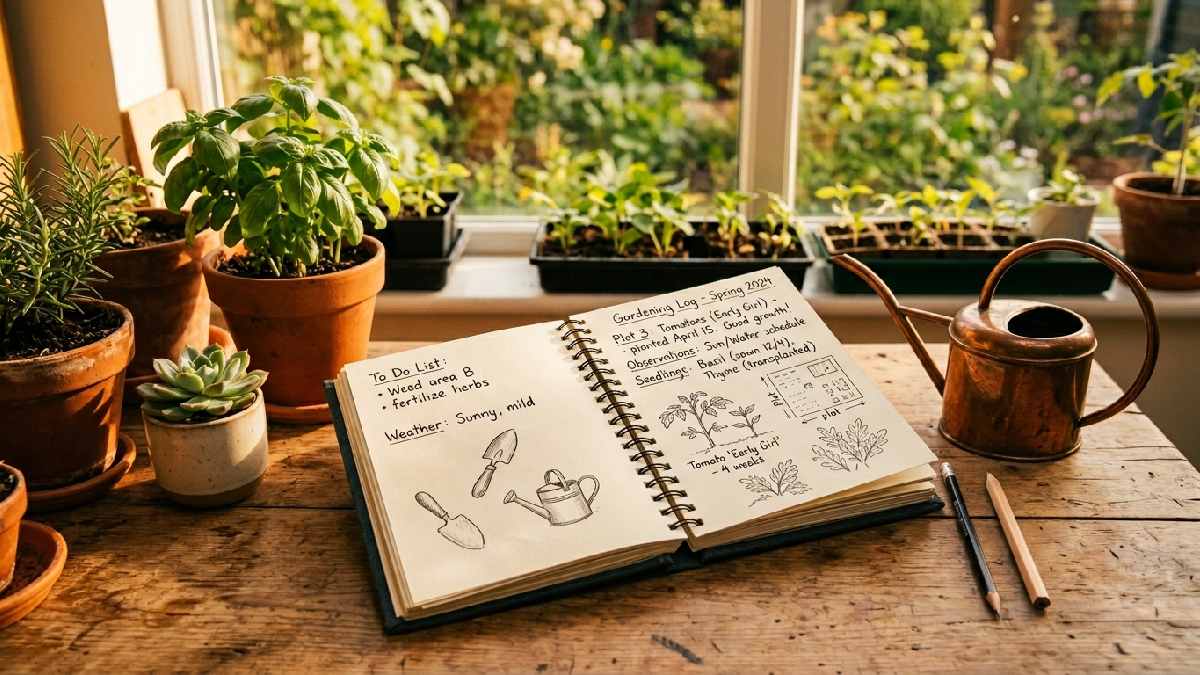
Keeping a gardening journal is a helpful habit among sustainable gardening tips 2026 for tracking progress. Recording planting dates, weather patterns, and plant performance improves future decisions. This practice helps identify what works well and what needs adjustment annually.
A journal also tracks water usage, helping you spot conservation opportunities. Documenting successes and failures supports continuous improvement in sustainable gardening practices. This simple habit makes your garden more efficient and productive over time.
15. Adopt Regenerative Gardening Practices
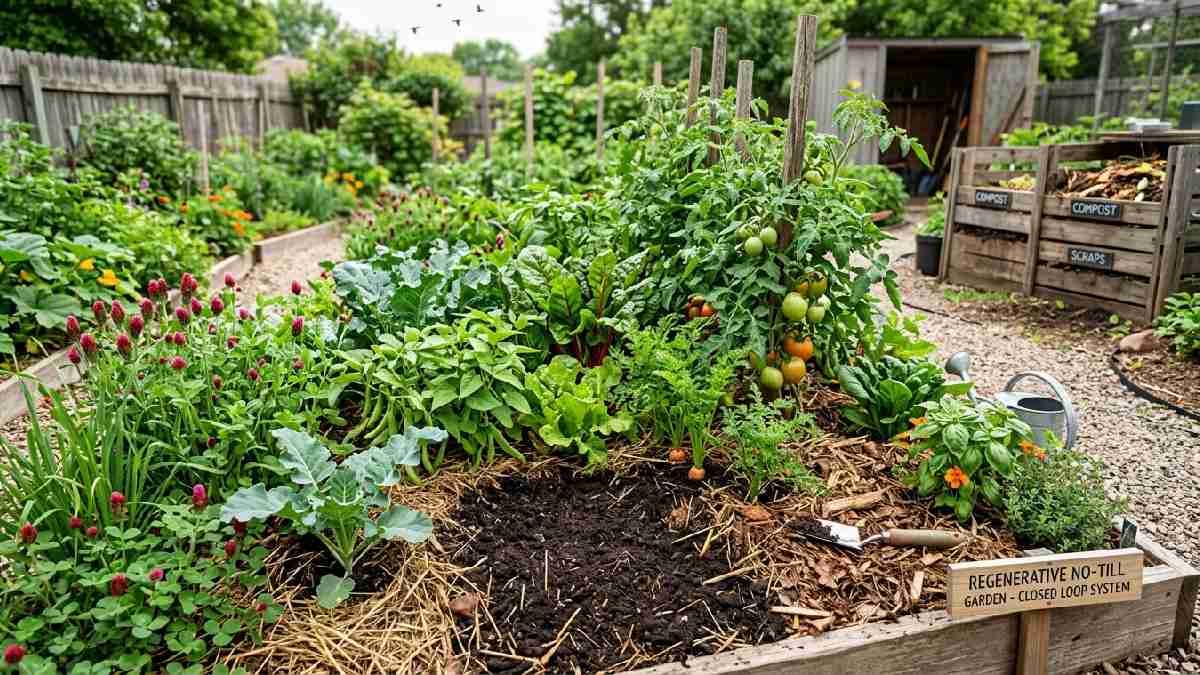
Adopting regenerative gardening practices represents an advanced approach within sustainable gardening tips 2026 strategies. This method focuses on actively improving soil health beyond simple maintenance. Techniques include no-till gardening, cover cropping, and diverse plant rotations regularly.
Regenerative practices restore soil carbon while improving long-term garden productivity significantly. This approach goes beyond sustainability by actively healing damaged ecosystems over time. This advanced practice represents the future direction of truly eco-friendly gardening.
Common Sustainable Gardening Mistakes to Avoid
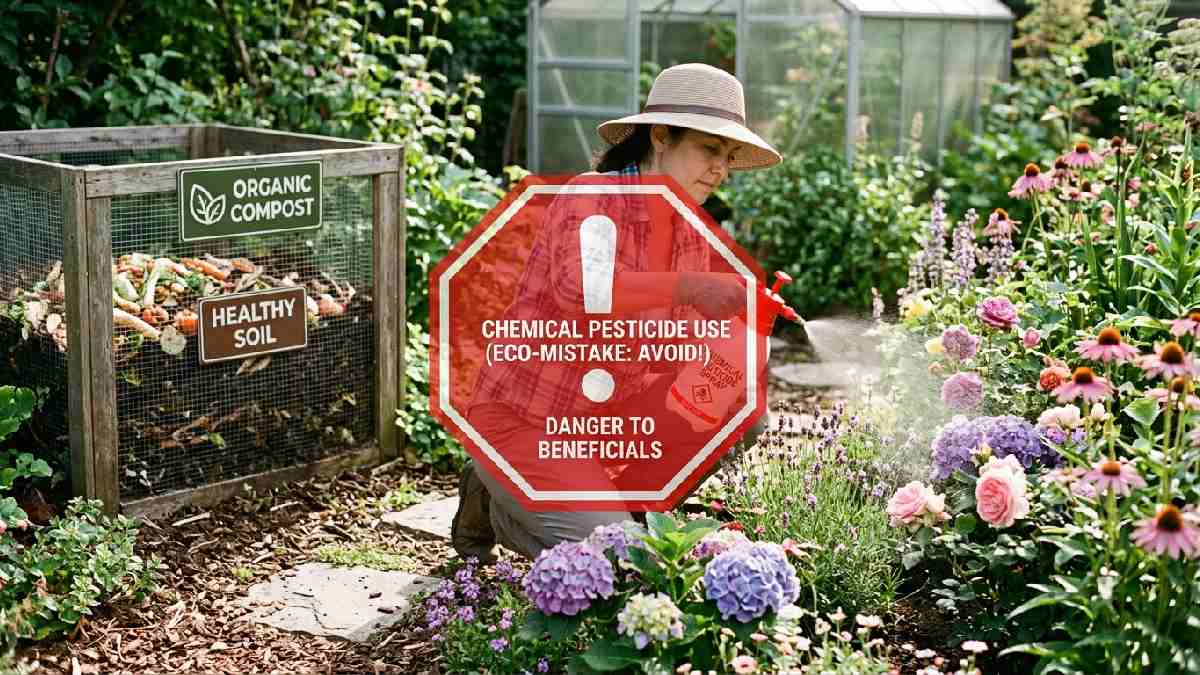
Avoiding common mistakes improves success when implementing sustainable gardening tips in 2026 throughout your garden. Overwatering plants wastes water while potentially harming root health and growth. Using excessive fertilizers can pollute water sources and disrupt natural soil balance.
Ignoring soil health leads to weaker plants requiring more chemical intervention overall. Planting invasive species can harm local ecosystems and outcompete native plant varieties. Recognizing these pitfalls early ensures your sustainable gardening efforts remain truly effective and environmentally responsible.
Overwatering Plants
Overwatering plants is a common mistake that undermines sustainable gardening tips and 2026 water conservation goals. Excess water wastes a precious resource while potentially damaging plant root systems. Always check soil moisture before watering instead of following a rigid schedule.
Drought-tolerant plants and proper mulching reduce overall watering needs significantly. Correcting overwatering habits supports both water conservation and healthier plant growth. This simple adjustment aligns your practices with truly sustainable gardening principles.
Using Excessive Fertilizers
Using excessive fertilizers contradicts the core principles found within sustainable gardening tips 2026 guidance. Overapplying fertilizers can pollute nearby water sources through harmful runoff. This practice also disrupts natural soil biology and beneficial microorganism populations.
Using compost and organic alternatives provides nutrients without these harmful environmental impacts. Testing the soil before fertilizing helps determine actual nutrient needs accurately. Avoiding excessive fertilizer use protects both your garden and the wider environment.
Ignoring Soil Health
Ignoring soil health undermines the long-term success of any sustainable gardening tips 2026 approach. Poor soil leads to weaker plants requiring more water, fertilizer, and pest control. Regular composting and organic matter additions significantly improve soil structure and fertility.
Avoiding excessive tilling preserves beneficial organisms that support healthy soil ecosystems. Testing soil periodically helps identify and address nutrient deficiencies proactively. Prioritizing soil health supports nearly every other sustainable gardening goal effectively.
Planting Invasive Species
Planting invasive species can seriously undermine the goals behind sustainable gardening tips 2026 recommendations. These plants often outcompete native species, disrupting local ecosystem balance significantly. Invasive species can spread beyond your garden, harming surrounding natural areas.
Researching plants before purchasing helps avoid accidentally introducing invasive species locally. Choosing native or non-invasive alternatives supports genuine biodiversity and ecosystem health. Avoiding this mistake protects both your garden and the broader environment.
Sustainable Gardening Checklist for Beginners
This sustainable gardening tips 2026 checklist helps beginners get started with eco-friendly practices easily. Essential first steps include starting a compost bin and choosing native plants. Setting up rainwater collection and switching to organic mulch follow naturally afterward.
Monthly sustainability tasks include checking soil health and monitoring water usage regularly. Following this structured checklist makes implementing sustainable gardening tips 2026 manageable and achievable. This organized approach ensures beginners build strong, lasting eco-friendly gardening habits from the start.
Essential Steps to Get Started
Essential first steps for implementing sustainable gardening tips in 2026 include several manageable beginner actions. Start a simple compost bin to begin recycling kitchen and yard waste. Research and plant a few native species suited to your local climate.
Set up a basic rainwater collection system using a simple barrel setup. Switch to organic mulch instead of synthetic alternatives for your garden beds. These foundational steps create a strong base for continued sustainable gardening success.
Monthly Sustainability Tasks
Monthly sustainability tasks help maintain progress with sustainable gardening tips 2026 throughout the year. Check soil moisture and adjust watering schedules based on seasonal weather changes. Turn your compost pile regularly to ensure proper decomposition and nutrient development.
Inspect plants for pests and address problems using natural, chemical-free methods. Review your gardening journal to track progress and plan upcoming seasonal tasks. These regular tasks keep your sustainable gardening practices consistent and effective year-round.
Future Trends in Sustainable Gardening for 2026
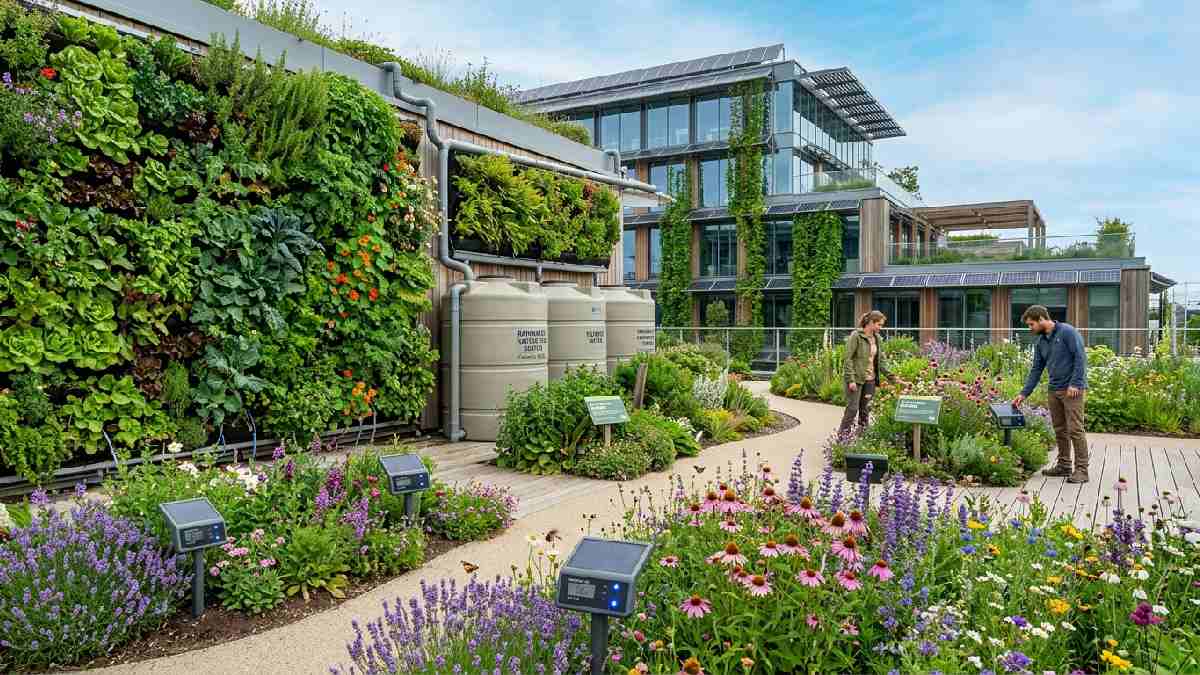
Several emerging trends are shaping sustainable gardening tips 2026 and influencing future gardening practices significantly. Smart watering systems use technology to optimize irrigation and reduce water waste. Organic and regenerative gardening continue gaining popularity among environmentally conscious gardeners worldwide.
Pollinator-friendly landscapes are becoming more common as biodiversity awareness increases substantially. These trends reflect a growing commitment to environmentally responsible gardening methods. Staying informed about these developments helps gardeners adopt the most effective sustainable practices available.
Smart Watering Systems
Smart watering systems represent an exciting trend within sustainable gardening tips 2026 technology adoption. These systems use sensors to monitor soil moisture and weather conditions automatically. This technology significantly reduces water waste by watering only when actually needed.
Smart systems can be programmed remotely, offering convenience alongside conservation benefits. This innovation makes sustainable water management more accessible to everyday home gardeners. Smart watering technology continues to become more affordable and widely available throughout 2026.
Organic and Regenerative Gardening
Organic and regenerative gardening practices continue to grow within sustainable gardening tips 2026 discussions widely. More gardeners are moving beyond simple organic methods toward actively healing soil. Regenerative techniques focus on building soil carbon and improving long-term ecosystem health.
This shift reflects growing awareness of gardening’s potential positive environmental impact. Educational resources and communities supporting these methods continue expanding significantly. This trend represents a deeper commitment to truly sustainable, ecosystem-restoring gardening practices.
Pollinator-Friendly Landscapes
Pollinator-friendly landscapes are becoming increasingly popular within sustainable gardening tips and 2026 design trends. More gardeners are intentionally planting native flowers to support declining pollinator populations. This trend includes reducing lawn areas in favor of diverse, flowering plant beds.
Communities and municipalities are also encouraging pollinator-friendly landscaping through various initiatives. This growing awareness reflects a deeper concern for biodiversity and ecosystem health. Pollinator-friendly designs will likely continue expanding throughout residential and public spaces.
FAQs
What is sustainable gardening?
Sustainable gardening means growing plants using methods that conserve water, improve soil, and protect the environment naturally.
How can beginners start sustainable gardening?
Beginners should start composting, choose native plants, and reduce chemical pesticide use for an easy eco-friendly start.
What are the best sustainable gardening practices?
Composting, rainwater collection, organic mulch, and native plants are among the most effective sustainable gardening practices available.
How does sustainable gardening save money?
It reduces water bills, fertilizer costs, and pesticide expenses while providing free compost and homegrown produce regularly.
Which plants are best for sustainable gardens?
Native, drought-tolerant plants suited to your local climate require less water and support local pollinator populations effectively.
Conclusion
These sustainable gardening tips 2026 prove that eco-friendly gardening benefits both your garden and the planet. From composting to native plants, small changes create a significant positive environmental impact over time. Avoiding common mistakes like overwatering and excessive fertilizer use protects both plants and ecosystems.
Following the beginner checklist makes implementing these sustainable gardening tips 2026 manageable for everyone. As climate challenges grow, these practices become increasingly important for resilient, thriving gardens. Start applying these sustainable gardening tips in 2026 today and enjoy a healthier garden for years to come.