

Ever stand in a garden store staring at a seed packet, not knowing what half the words mean? You’re not alone. Gardening has its own little language, and nobody hands you a dictionary before you plant your first tomato. Words like “deadheading” get thrown around a lot, and most people nod along without really knowing what it means.
This guide breaks it all down in plain words, no fancy science talk needed. Just simple answers for terms you’ll actually run into, whether it’s on a seed packet, from someone at the nursery, or in a gardening video you watched last night. By the end, a lot of this should start to make sense.
We’ll cover soil words, plant words, pruning words, watering words, and general care words. Think of it as a starter pack you can come back to whenever something trips you up. Nobody remembers all of this after one read, and that’s completely normal.
Why Gardening Terms Matter
You might wonder why you’d even bother learning all this. Can’t you just plant stuff and hope for the best? Sure, plenty of people do exactly that, and sometimes it works out fine. But knowing the words saves you real trouble down the line, whether that’s wasted time, wasted money, or a plant that dies for reasons you never quite understood.
Say a plant tag says “full sun.” If you don’t know that means at least six hours of direct light, you might plant it in the shade and wonder why it’s struggling two weeks later. Or a bag of soil says “acidic,” and you have no clue whether that’s good or bad for your blueberries. These small gaps add up fast, especially when you’re just starting.
There’s a confidence side to this too. Walking into a garden store and actually understanding what someone’s telling you feels a lot better than nodding along and hoping for the best. Once the vocabulary clicks, gardening stops feeling like guesswork and starts feeling like something you’re genuinely good at.
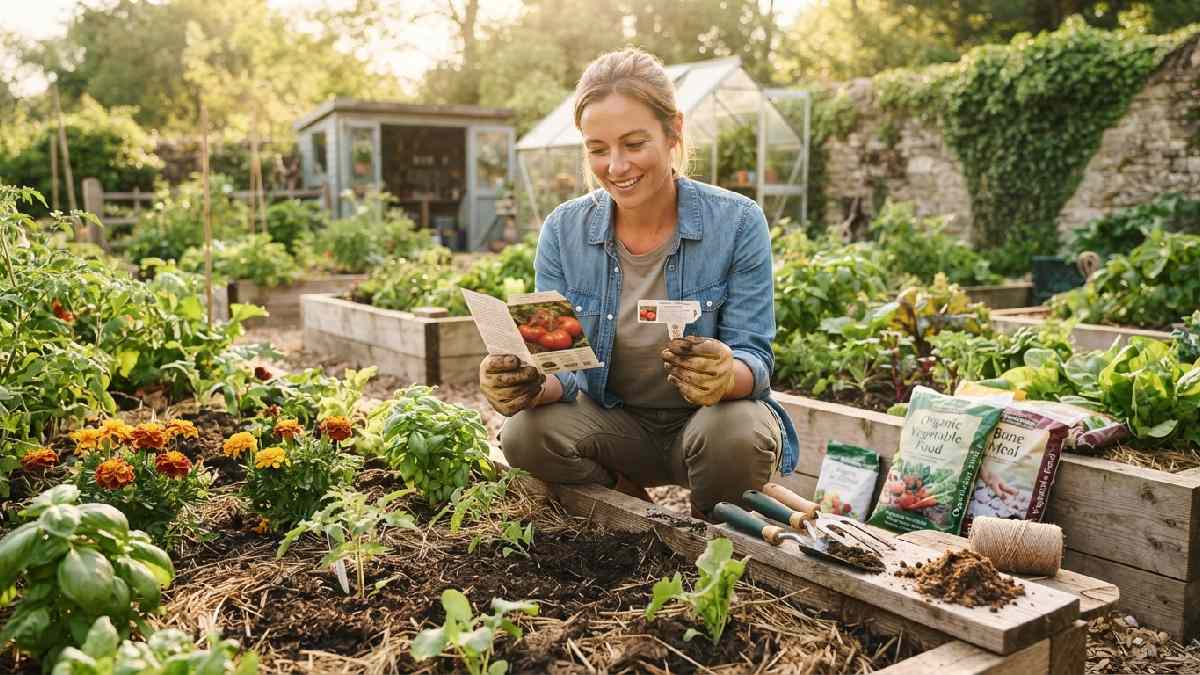
It also helps with shopping. Standing in front of a wall of fertilizer bags, actually knowing what those three numbers on the front mean, saves you from grabbing the wrong one just because the packaging looked nice. The same goes for plant tags. A tag might say “partial shade” or “zone 6,” and without knowing what that means, you’re basically guessing at the checkout counter.
These words show up everywhere once you start noticing them, on seed packets, plant tags, gardening books, YouTube videos, even a quick chat with a neighbor over the fence. Learning the basics once saves you from googling the same handful of words every single spring. And once a few terms click, the rest tends to fall into place on its own, since one word usually leads naturally into the next.
Common Soil Terms
Soil is where everything starts, and it’s also where a lot of confusing vocabulary lives. Here’s a rundown of the words you’ll see most often.
Soil Types and Texture
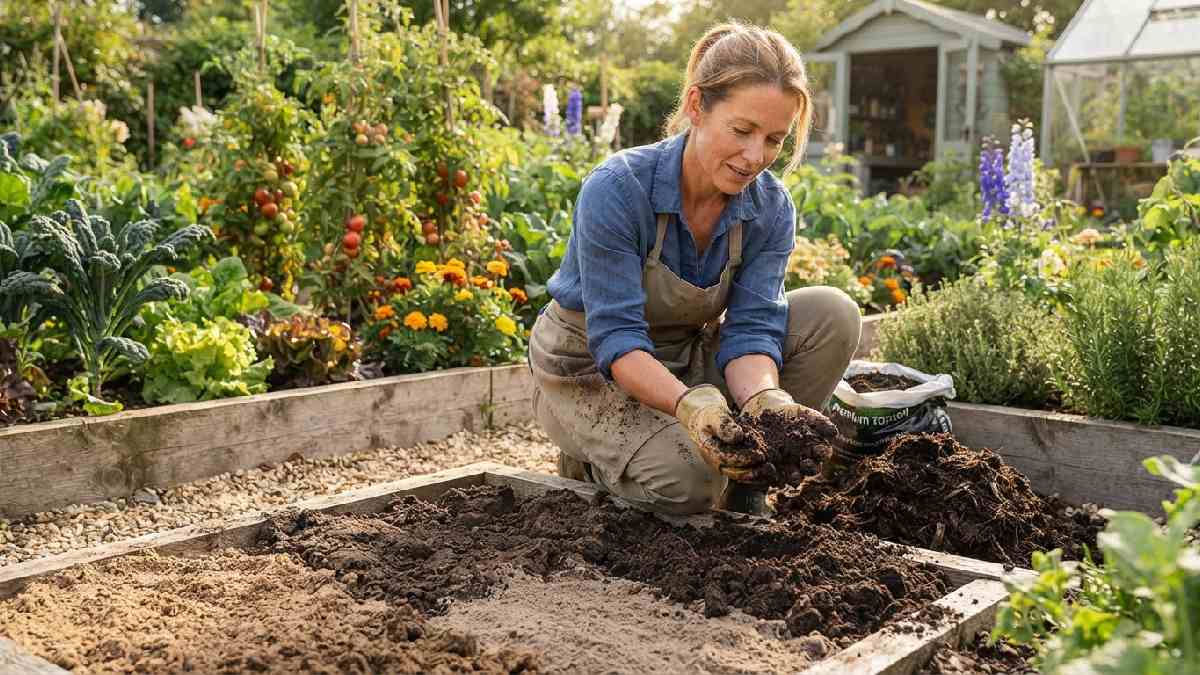
Soil generally comes in a few basic types: sandy, clay, silty, and loamy. Sandy soil feels gritty and drains water fast, sometimes too fast for thirsty plants. Clay soil feels sticky when wet and holds onto water tightly, which can drown roots if you’re not careful. Silty soil sits somewhere in between, smooth and fine, holding moisture reasonably well.
Loamy soil is basically the dream. It’s a mix of sand, silt, and clay, giving you good drainage, good moisture retention, and plenty of nutrients all at once. If someone tells you your garden has loamy soil, take that as a genuine compliment.
You’ll also hear “well-drained soil” mentioned constantly. This just means water moves through the soil at a decent pace instead of pooling on top or draining away instantly. Most plants like this middle ground, since sitting water rots roots while soil that drains too fast leaves plants thirsty most of the time.
“Amending soil” is another phrase that comes up a lot. It basically means adding something to your existing soil to improve it, like compost, manure, or sand, depending on what your soil is missing. Heavy clay usually gets amended with compost to loosen it up, while sandy soil often needs organic matter to help it hold water better.
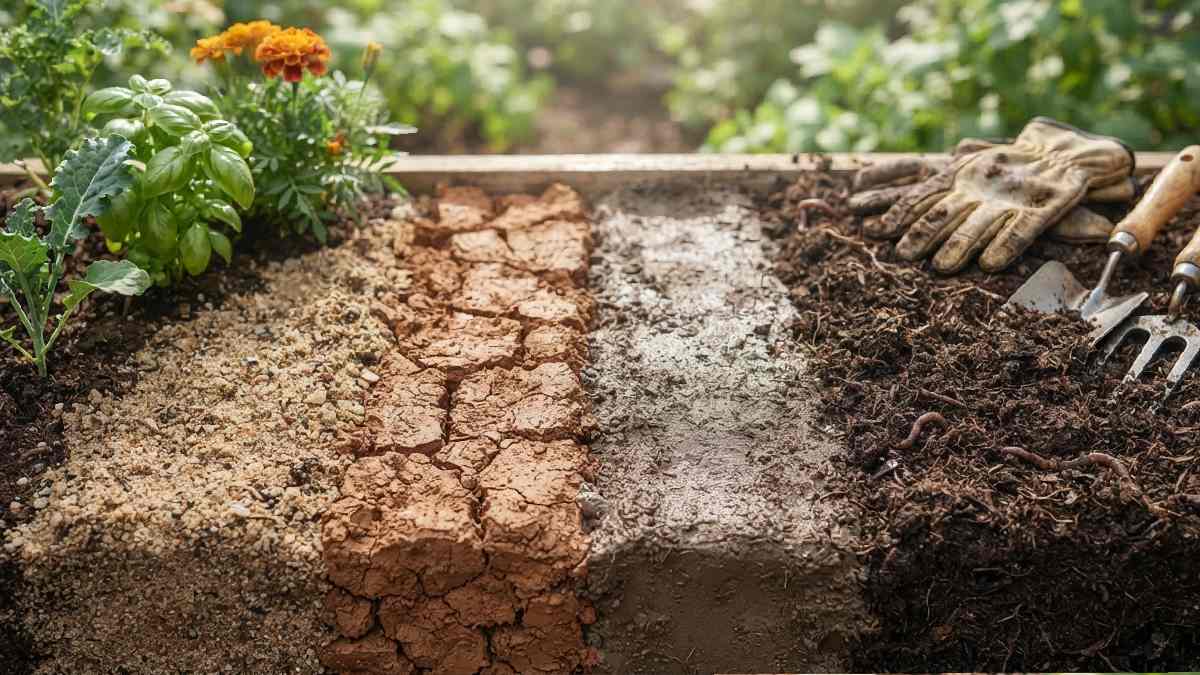
Want to check your own soil at home? Try the jar test. Fill a clear jar about a third full with soil, add water near the top, shake it up, and let it sit overnight. The soil settles into layers, sand on the bottom, silt in the middle, and clay on top, giving you a rough idea of what you’re actually working with.
Two more soil words worth knowing here are “topsoil” and “subsoil.” Topsoil is the top layer of ground, usually just the first few inches, and it’s where most roots live and where most of the nutrients sit. Subsoil sits underneath, with far less life and fewer nutrients, so it’s worth protecting your topsoil whenever you’re digging or building something new in the yard.
pH and Nutrients
Soil pH measures how acidic or alkaline your soil is on a scale from 0 to 14. Seven counts as neutral, anything below that leans acidic, and anything above leans alkaline. Most garden plants prefer something close to neutral, maybe slightly acidic, usually somewhere around 6 to 7.
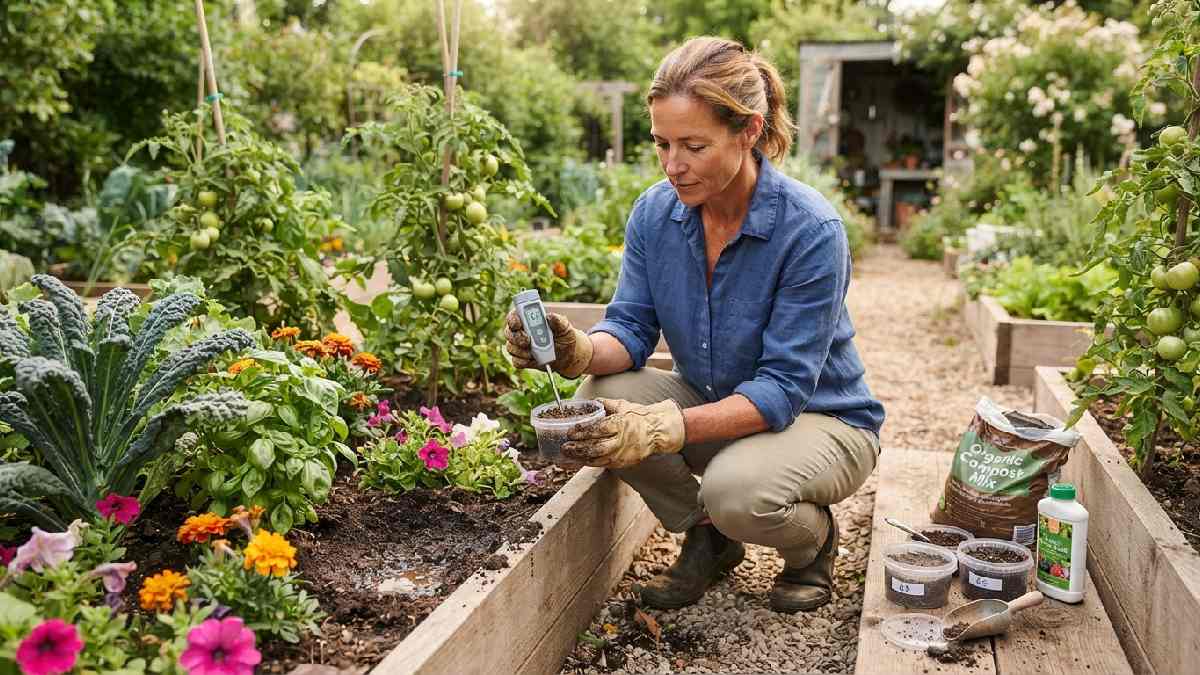
Some plants are pickier though. Blueberries love acidic soil, closer to 4.5 or 5.5, while lavender tends to prefer the opposite, leaning more alkaline. A cheap soil test kit from any garden store tells you exactly where you stand before planting something fussy about its conditions.
Nutrients matter just as much as pH does. The big three you’ll see on fertilizer labels are nitrogen, phosphorus, and potassium, usually shown as three numbers like 10-10-10. Nitrogen helps leafy growth, phosphorus supports roots and flowers, and potassium helps overall plant health while fighting off disease. A balanced fertilizer has roughly equal parts of each, while specialized ones lean heavier toward whatever nutrient a particular plant needs most.
“Compost” gets mentioned constantly too, and for good reason. It’s just decomposed organic matter- food scraps, leaves, grass clippings- that breaks down over time into something rich and useful for your soil. Mixing compost into your beds is one of the easiest ways to improve soil quality without buying a bunch of separate products.
You might also hear “micronutrients” mentioned, things like iron, zinc, and magnesium. These are needed in tiny amounts but still matter a lot. Most decent fertilizers already include a mix of them, so you usually don’t need to think about it unless a plant shows clear signs of trouble, like yellow leaves with green veins, which often points to low iron.
“Organic” gets used a lot around soil and fertilizer too, and it trips people up. In gardening, it usually just means something that comes from a living source, plant or animal, rather than a lab-made chemical. Compost is organic, bone meal is organic, but a synthetic fertilizer made in a factory isn’t, even if it works perfectly well on your plants.
Plant and Growth Terms
Once your soil’s sorted, the next confusing bit usually shows up right on the plant labels themselves. Here’s what a few common terms actually mean.
Annual, Perennial, and Biennial
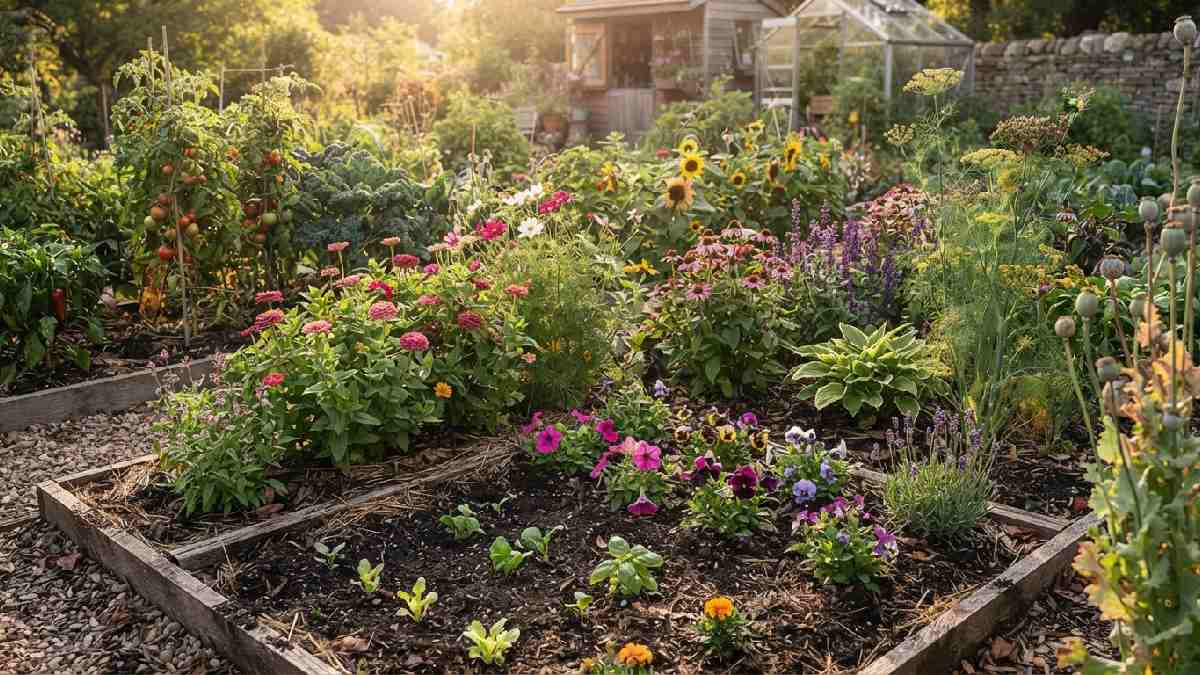
These three words describe how long a plant lives. An annual finishes its whole life cycle in one season, growing, flowering, making seeds, and dying, all within a single year. Marigolds and zinnias both work this way, so you’ll need to replant them every year if you want them back.
A perennial comes back on its own year after year. The top part might die back over winter, but the roots survive underground and send up new growth again once spring rolls around. Hostas, daylilies, and a lot of herbs fall into this category, which makes perennials the better long-term buy for a lot of gardeners.
Biennials sit somewhere in the middle. These plants take two years to complete their cycle, growing leaves and roots in year one, then flowering and setting seed before dying in year two. Foxgloves and most parsley work this way. It’s a bit less common than the other two, but you’ll still spot it on seed packets from time to time.
One more term worth knowing here is “self-seeding.” Some annuals drop seeds at the end of their life that sprout on their own the following year, no replanting needed. It can feel like magic the first time it happens, a plant you thought was completely gone showing up again in spring on its own.
Mixing up annual and perennial can waste real money too. Buying a tray of annuals expecting them to return next spring, only to find an empty patch of dirt in April, is a mistake almost every new gardener makes at least once.
Native vs Invasive Plants
Native plants are species that grow naturally in your area without any human help. They’ve evolved alongside local insects, birds, and soil conditions for a long time, which usually makes them easier to grow and better for local wildlife. Planting natives often means less watering, less fuss, and more bees and butterflies showing up in your yard.
Invasive plants tell a very different story. These are species, often brought in from somewhere else, that spread aggressively and crowd out native plants, sometimes causing real damage to local ecosystems along the way. English ivy is a well-known example in a lot of regions. Before planting something new, it’s worth checking whether it’s considered invasive in your area, since some stores still sell plants that cause problems once they escape into the wild.
There’s also “cultivar,” a word you’ll see constantly on plant tags. A cultivar is a plant variety that’s been deliberately bred or selected for specific traits, maybe a certain flower color or a shorter, bushier shape. It’s not quite the same as a wild species, and not exactly a hybrid either, though people sometimes mix up the terms.
“Hybrid” refers to a plant created by crossing two different varieties or species, usually to combine the best traits from both parents. Hybrid seeds often produce strong, uniform plants the first year, but seeds saved from a hybrid won’t reliably grow into the same thing the next season. This trips up a lot of new gardeners who try saving seeds from a hybrid tomato and end up with something unexpected instead.
Pruning and Trimming Terms
Pruning has its own little vocabulary, and getting it wrong can genuinely hurt your plants. Here’s what the common terms actually mean.
Deadheading and Thinning
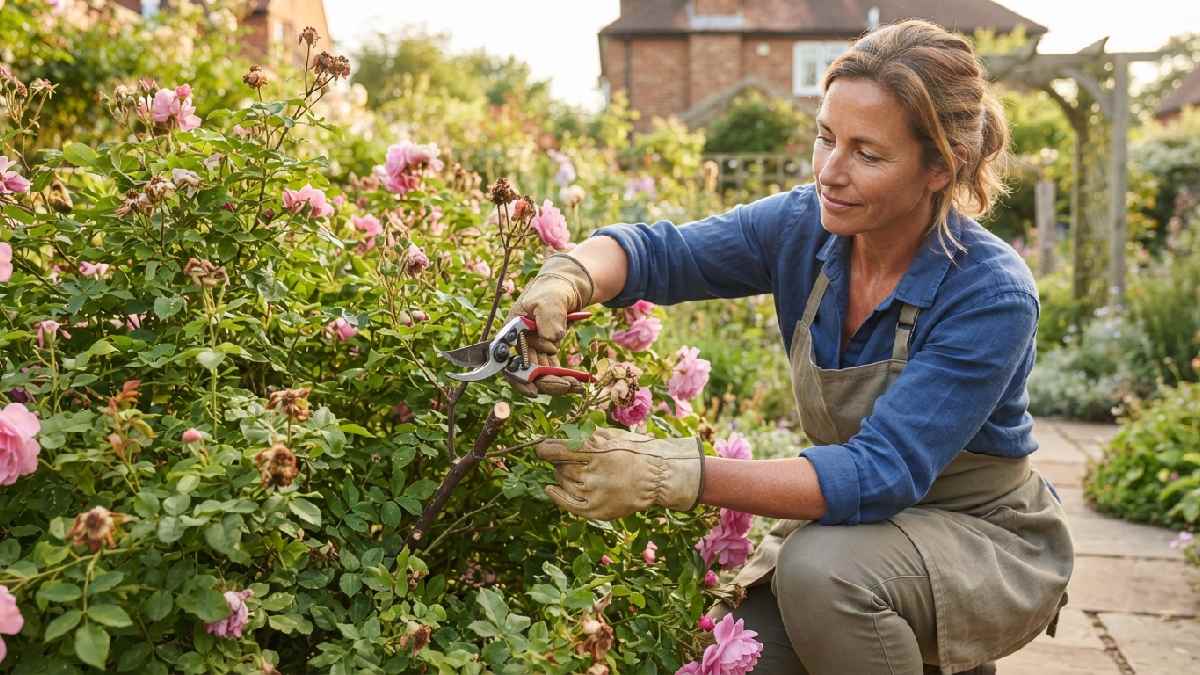
Deadheading means removing dead or dying flowers from a plant. It’s not just about looks either, though that helps too. Removing old blooms often pushes a plant to produce more flowers, since it stops wasting energy on making seeds and redirects it toward new growth instead. Roses, marigolds, and petunias all respond well to regular deadheading through the season.
Thinning works a bit differently. It means removing whole stems or branches, usually to let more air and light through. This helps prevent disease, since crowded, damp foliage tends to attract fungus fast. Thinning shows up a lot with fruit trees and dense shrubs, where too much growth can actually hurt how well a plant produces overall.
Thinning also applies to seedlings, not just full-grown plants. If you plant carrot seeds too close together, you’ll need to pull some out once they sprout, giving the rest enough room to grow properly. It feels a bit wasteful the first time you do it, tossing perfectly healthy little seedlings, but crowded roots just end up small and twisted otherwise.
“Pinching” is another term worth knowing. It just means removing the very tip of a stem, usually with your fingers rather than shears. This makes a plant branch out sideways instead of growing tall and leggy. Basil especially loves this treatment, staying bushy instead of stretching into one long, floppy stalk.
You’ll also hear “hard pruning” versus “light pruning.” Hard pruning means cutting back a significant portion of a plant, sometimes down to just a few inches from the ground, usually done to rejuvenate something overgrown or neglected. Light pruning is more about small, regular maintenance cuts, tidying up rather than a dramatic overhaul. Knowing which one a plant actually needs is honestly one of the trickier parts of gardening to get right.
There’s also “coppicing,” a more extreme version of hard pruning where a tree or shrub gets cut almost all the way to ground level. This pushes out a burst of fresh new growth from the base. It’s not something you’d do to most garden plants, but a few shrubs genuinely benefit from this drastic treatment every few years.
Watering Terms
Watering sounds simple, and mostly it is, but a few terms still trip people up along the way.
“Deep watering” means soaking the soil thoroughly so moisture reaches down to the roots, rather than just wetting the surface. This pushes roots to grow deeper in search of water, making the plant tougher during dry spells. A quick daily sprinkle actually does less good than a deep, less frequent soak most of the time.
“Drought-tolerant” describes plants that can go a long stretch without water once they’re properly settled in. Succulents, lavender, and a lot of native plants fall into this category, making them great picks if you want a garden that doesn’t demand constant attention, especially somewhere hot.
You’ll also hear “overwatering” and “underwatering” thrown around, and these trip people up more than you’d expect. Overwatering usually isn’t about giving too much water at once, it’s more often about watering too frequently and not letting the soil dry out between sessions. That suffocates roots and invites rot. Underwatering is the opposite problem, where a plant simply doesn’t get enough moisture to function properly, showing up as wilting, crispy leaves, or stunted growth.
A quick trick helps with all this. Stick a finger into the soil about an inch or two deep. If it’s dry down there, it’s time to water. If it’s still damp, wait another day or two before checking again. This simple habit saves more plants than any rigid watering schedule ever could.
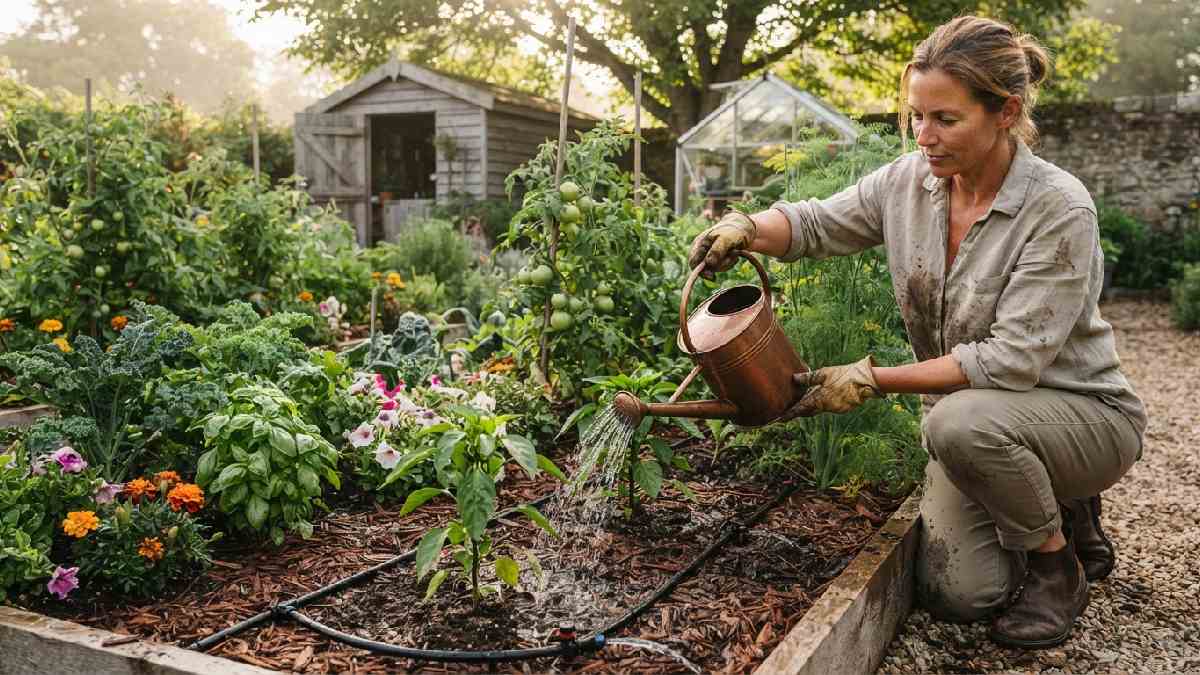
“Mulching” ties into watering too, even though it’s technically its own separate task. Mulch is a layer of material- wood chips, straw, or shredded leaves, spread over soil to help retain moisture, block weeds, and keep soil temperature steady. A well-mulched bed needs watering far less often than bare soil sitting exposed to sun and wind.
Drip irrigation is worth knowing about too, especially if you’re moving toward a more hands-off watering setup. It’s a system of tubes with small emitters that deliver water slowly, right at the base of each plant, cutting down on waste compared to a sprinkler spraying water everywhere, including spots with no plants at all.
“Xeriscaping” comes up a lot alongside drought-tolerant planting, especially in drier climates. It’s a landscaping approach built around using less water overall, combining drought-tolerant plants, efficient irrigation, and materials like gravel or mulch instead of a thirsty lawn. It’s not just for desert regions either, since plenty of gardeners in wetter areas borrow the idea just to cut down on watering chores during dry summer stretches.
General Garden Care Terms
A few more terms round out the basics, ones that don’t quite fit neatly into soil, plants, pruning, or watering, but come up constantly anyway.
“Hardening off” refers to gradually getting seedlings used to outdoor conditions before transplanting them for good. Plants started indoors are used to steady temperatures and no wind, so moving them straight outside can shock them badly. Hardening off usually means setting them out for a few hours a day, increasing the time gradually over a week or two, before finally planting them in the ground. Skip this step and you’ll often see sad, droopy seedlings within a day or two of transplanting.
“Companion planting” means growing certain plants near each other because they benefit one another somehow, whether that’s repelling pests, improving flavor, or just making good use of garden space. Tomatoes and basil are a classic pairing, partly because basil is thought to help keep certain pests off tomatoes. Marigolds get planted near vegetables for similar reasons, since their strong smell is thought to deter some pests, though results tend to vary depending on who you ask.
“Hardiness zone” tells you which plants can survive winters where you live. These zones are based on average minimum winter temperatures, and checking your zone before buying a perennial or shrub saves you from planting something that simply can’t handle your local winters. It’s printed on most plant tags, usually as a range like “zones 4 through 8.”
“Bolting” happens when a plant, usually a vegetable like lettuce or spinach, suddenly shoots up a flower stalk and goes to seed early, often triggered by heat or stress. Once a plant bolts, its leaves usually turn bitter, which is why gardeners try to harvest leafy greens before the hot weather really sets in. Some gardeners plant a bit later in the season on purpose just to dodge the worst of the heat and stretch out their harvest window.
“Top dressing” means adding a thin layer of compost or fertilizer to the surface of the soil around existing plants, rather than digging it in. It’s a gentler way to feed established plants without disturbing their roots, and it’s usually done once or twice a growing season.
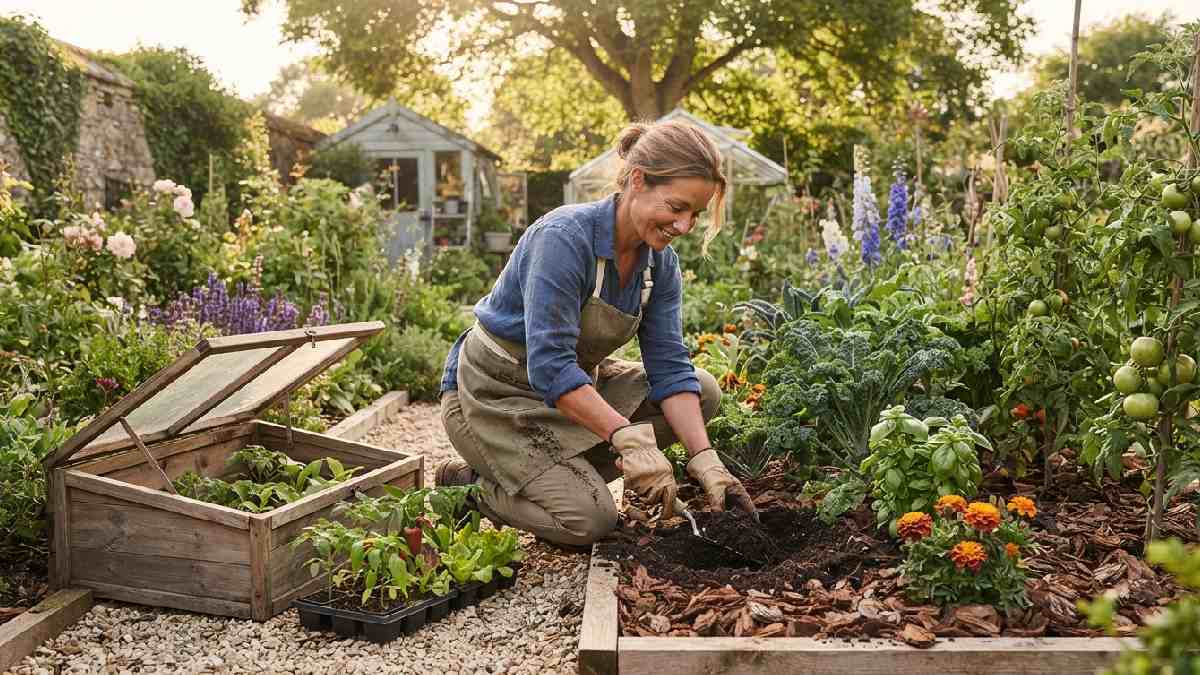
“Deadwooding” comes up a lot with trees and shrubs, referring to the removal of dead or dying branches. It’s not just about looks either, since dead wood can attract pests and disease, and in trees it can even become a safety hazard if a branch snaps off unexpectedly. Regular deadwooding keeps a plant healthier and your yard a bit safer too.
“Transplanting” simply means moving a plant from one spot to another, whether that’s from a pot into the ground or from one part of the garden to a different one. Timing matters more than people expect here, since most plants transplant best in cooler weather, early spring or fall, when they’re not under heat stress and have time to settle their roots first.
One last term worth knowing is “root bound.” This happens when a plant’s roots outgrow its pot and start circling around and around with nowhere left to go. If you pull a plant out and see a tight tangle of roots instead of visible soil, it’s root bound. Gently loosening those roots before planting helps them spread out properly instead of staying stuck in that same circular shape forever.
FAQ
What does "well-drained soil" actually mean?
It means water moves through the soil at a steady pace instead of pooling on the surface or running straight through, giving plant roots enough moisture without drowning them.
What's the difference between a perennial and an annual?
An annual lives for one growing season and needs replanting every year, while a perennial comes back on its own year after year from the same root system.
Is deadheading really necessary?
It's not strictly required, but it usually encourages more blooms and keeps a plant looking tidier throughout the season, so most gardeners find it worth the effort.
What does hardiness zone actually tell me?
It tells you the average coldest winter temperatures in your area, helping you pick plants that can actually survive your local climate long term.
Why do plants bolt?
Bolting usually happens because of heat or stress, causing the plant to rush into flowering and seed production earlier than normal, which often makes leafy vegetables taste bitter.
Conclusion
Gardening terms feel like a whole new language at first, but honestly, most of it clicks pretty fast once you start using the words yourself. You don’t need to memorize a textbook, just the basics: soil types, plant life cycles, a bit of pruning and watering vocabulary. The rest falls into place naturally the more time you spend with your hands in the dirt.
Next time you read a seed packet or chat with someone at a nursery, a lot of this should sound a lot more familiar. That’s really the whole point of learning this stuff: helping you make better choices for your plants without needing a degree just to figure out what everyone’s talking about.
Keep this guide close if you want. Nobody expects you to remember every single word after one read-through, and it’s fine to come back whenever something trips you up. Bit by bit, the whole thing stops feeling like a foreign language and starts feeling like something you actually understand.
And don’t stress if you mix up a term now and then. Even gardeners who’ve done this for years still forget the exact difference between thinning and pruning on a random Tuesday. What matters more is getting your hands in the dirt and learning as you go, since the vocabulary tends to catch up on its own once you’re actually doing the work.