

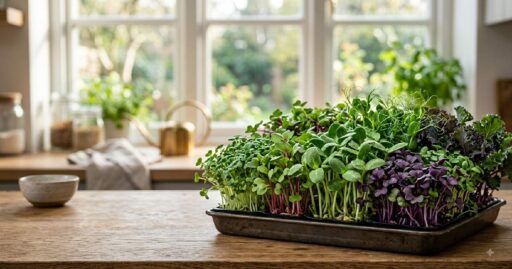
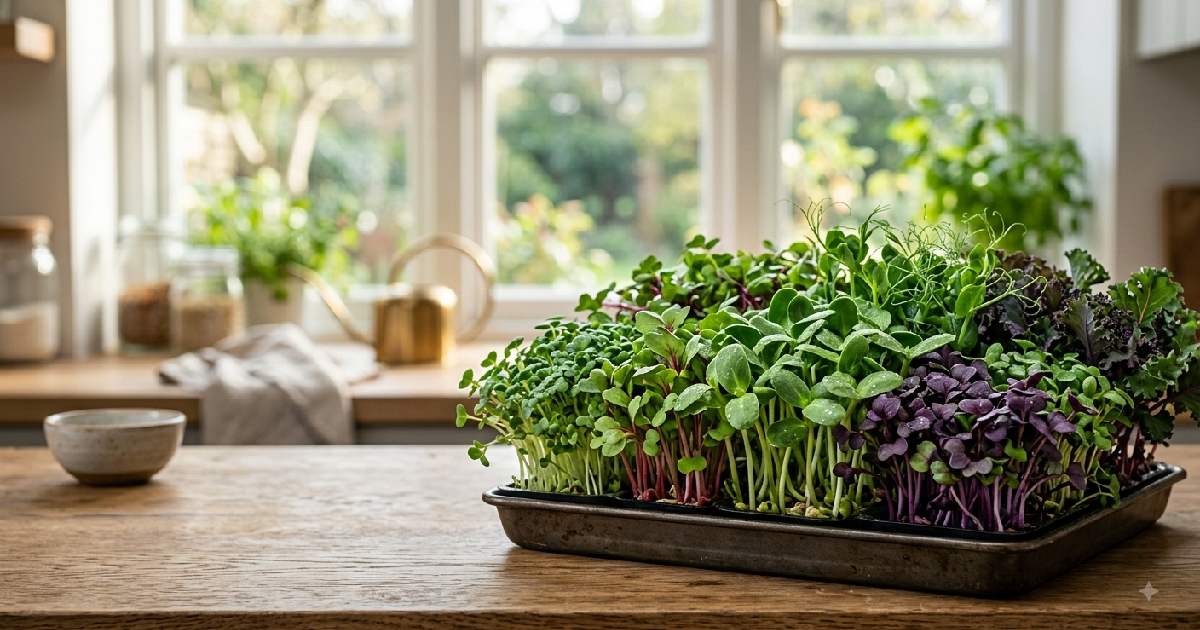

There’s a small tray sitting on my kitchen windowsill right now: just soil, a few seeds, and some water. In about a week, that tray turns into a tiny green forest. No fancy tools, no big garden, no green thumb needed. Just a bit of patience and some sunlight. That’s the whole magic behind microgreens. And once you taste them fresh, you start to understand why people call them a superfood.
Microgreens are not some new trend that popped up out of nowhere. Chefs have used them for years to add flavor, texture, and color to their plates. Fancy restaurants would sprinkle them on top of dishes to make the food look nicer. But now, home cooks and health-conscious people are catching on for a different reason. These tiny greens hold a surprising amount of nutrition in a very small size. That’s the whole idea behind calling it a microgreen superfood.
People often confuse microgreens with sprouts, or think they’re just a garnish with no real value. That’s not true at all. What looks like a small pile of baby leaves is actually one of the most nutrient-dense foods you can grow at home. And the best part is, you don’t need land, money, or years of gardening experience to grow them yourself.
In this article, we will go through what microgreens really are, why people give them the superfood title, which types are worth trying, how you can start adding them to your meals, and even how to grow your own batch at home. No hard rules. No complicated steps. Just simple, practical information you can use starting today.
What Are Microgreens?
Microgreens are young vegetable greens. They get picked just after the first true leaves show up. They sit somewhere between sprouts and baby greens in terms of age. Sprouts get eaten within a few days of germination, often without any real leaves at all. Baby greens get picked a bit later, once the plant has grown more. Microgreens sit right in the middle, picked at a stage where nutrition seems to peak.
Most microgreens are ready in 7 to 21 days after planting, depending on the type of seed used. You can grow them from all kinds of seeds, including broccoli, radish, kale, sunflower, cabbage, mustard, and pea. You simply cut them once the first set of real leaves appear above the seed leaves. That’s it. No need to wait months for a full grown plant to mature in a field.
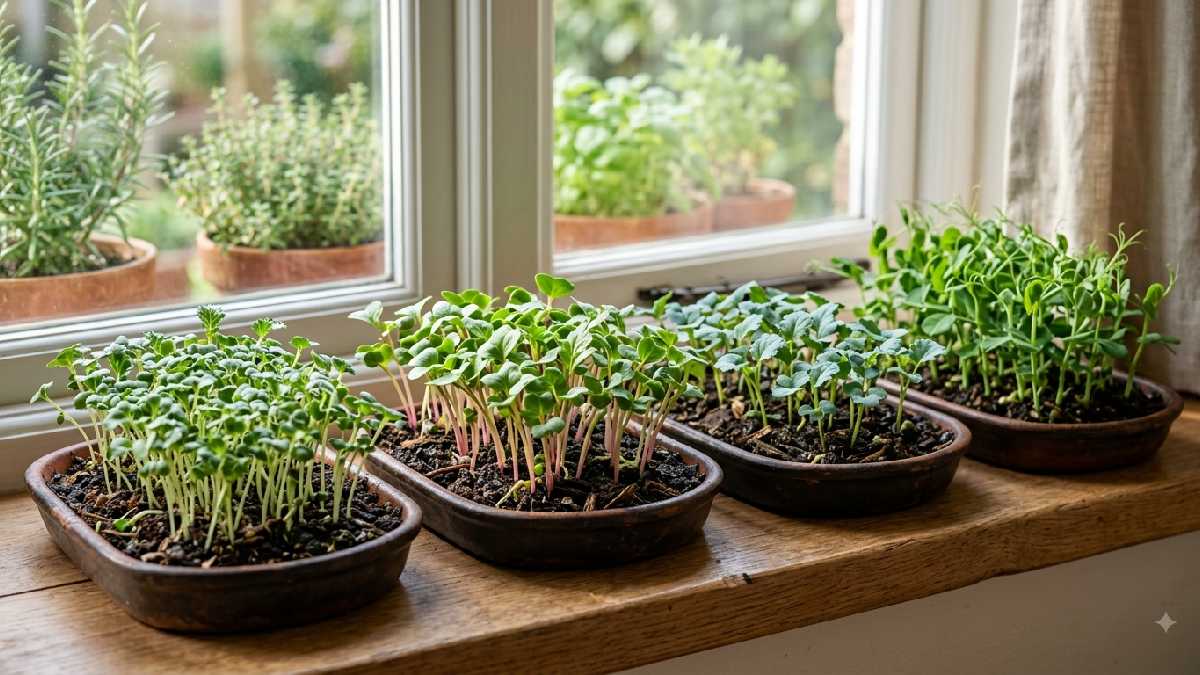
Since they get picked so early in their life cycle, microgreens carry a strong dose of vitamins and minerals. In many cases, even more than the same vegetable once it reaches full size. A tiny broccoli microgreen can carry more nutrients than a full head of broccoli, gram for gram. That part surprises a lot of people the first time they hear it, and honestly, it surprised me too when I first read about it.
They also grow fast, which brings a few practical perks. Less waiting time, less risk of pests or disease, and less water use compared to a full outdoor vegetable garden. For people short on space, time, or gardening skill, this makes microgreens an easy win. You don’t need a backyard. A sunny windowsill or balcony works just fine.
Why Microgreens Are Called a Superfood
The word “superfood” gets thrown around a lot these days. Sometimes it’s just clever marketing with little science behind it. But with microgreens, the research actually supports the claim, which is rare for a lot of trending health foods.
Packed With Nutrients
A well-known study from the University of Maryland looked at several types of microgreens and compared them to their fully grown versions. The results were surprising. Many microgreens held four to forty times higher levels of key nutrients compared to the mature vegetable. Vitamins like C, E, and K showed up in much bigger amounts in the tiny greens than in the full grown plant.
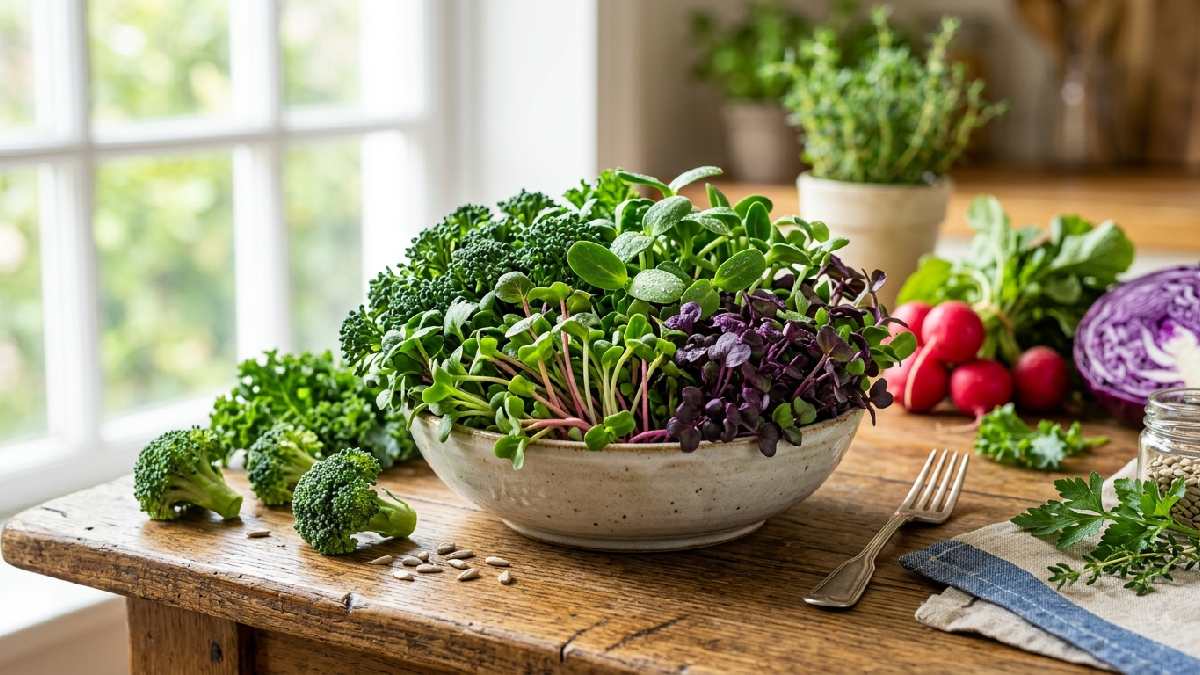
This is really the heart of the microgreen superfood claim. You get more vitamins and more minerals packed into a smaller bite of food. For people who struggle to eat enough vegetables each day, this becomes a simple and practical fix. You don’t need a huge plate of salad to get real benefit. A small handful sprinkled on your meal can already do more than you’d expect.
Some microgreen varieties also carry decent amounts of plant protein, along with natural plant compounds called polyphenols. These compounds are linked to lower inflammation in the body over time. Chronic inflammation has been tied to a long list of health problems, so any natural food that may help lower it is worth paying attention to. Research in this area is still growing, but early signs point in a good direction.
Minerals like iron, calcium, magnesium, and zinc also tend to show up in higher amounts in microgreens compared to the mature plant. This matters a lot for people following plant-based diets, since getting enough iron and calcium from plant sources alone can sometimes be tricky. A daily habit of adding microgreens to meals could help close that gap over time.
Loaded With Antioxidants
Microgreens are full of antioxidants. These are natural compounds that fight off free radicals building up inside your body. Free radicals come from everyday stress, pollution, sun exposure, and even normal body processes like digestion. Over time, too many free radicals get linked to faster aging and a higher risk of certain health problems.
Red cabbage microgreens, for example, show antioxidant levels far higher than the fully grown red cabbage plant sitting in your fridge. This is one big reason dietitians and nutrition researchers keep talking about these tiny greens. You don’t need a giant bowl of salad to get a solid antioxidant boost. A small sprinkle on your food can already do a good bit of work behind the scenes.
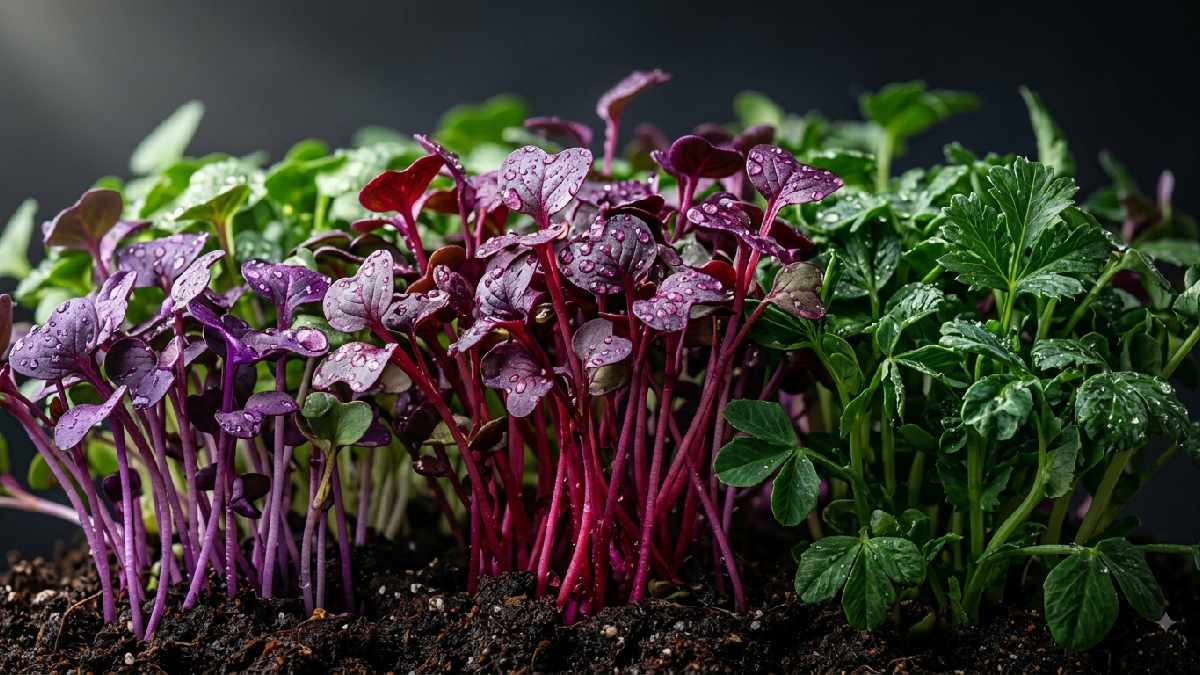
Beyond red cabbage, other colorful microgreens like purple radish or amaranth tend to carry higher antioxidant levels too. As a general rule, the more colorful the microgreen, the more antioxidants it usually holds. This makes it easy to guess which ones might offer the biggest boost, just by looking at their color on your plate.
Health Benefits of Microgreen Superfood
Now let’s talk about what really matters to most people reading this.
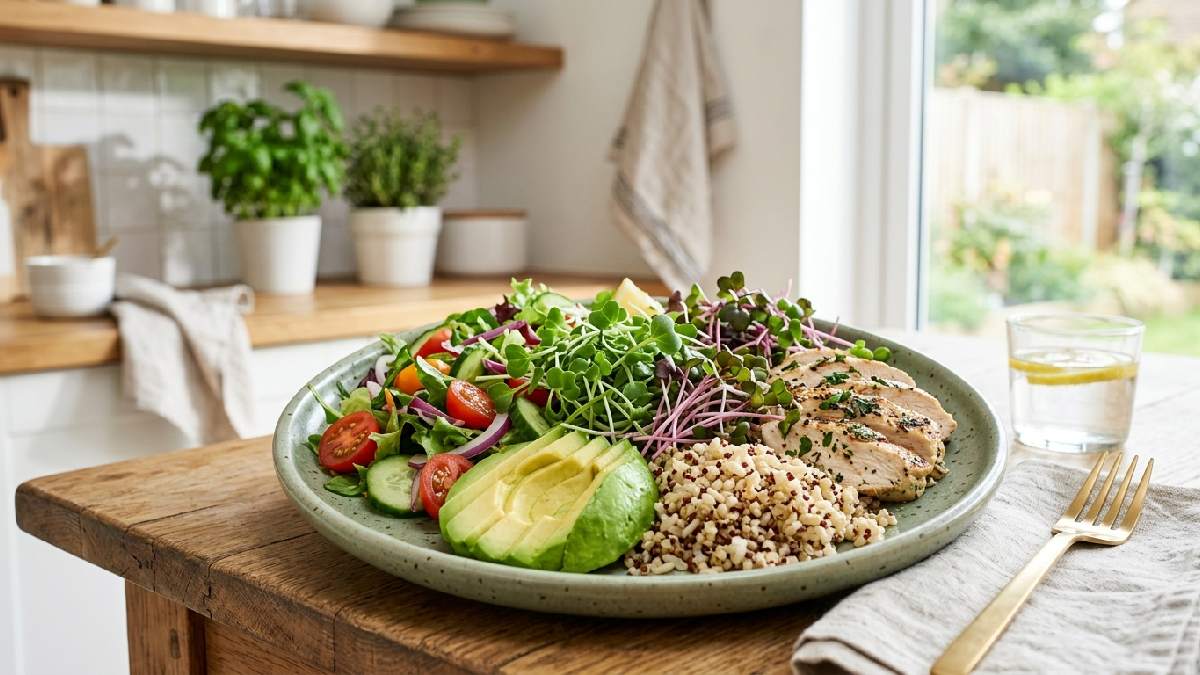
How do these tiny greens actually help your body in everyday life? Here’s a simple, honest breakdown.
Good For Your Heart
Some microgreen types, especially red cabbage and broccoli, hold natural compounds that may support healthy cholesterol levels. A few animal studies showed lower LDL cholesterol, often called the “bad” cholesterol, after regular use of microgreens in the diet. Human studies are still catching up on this front, but the early results look promising for anyone trying to keep their heart in good shape.
Along with cholesterol support, some microgreens may help with healthy blood pressure too. This likely comes from their potassium and magnesium content, both known to support a steady, healthy heart rhythm. It’s not a cure, and it won’t replace medication if you already have heart issues. But as a small daily habit added to an already healthy lifestyle, it can be a helpful piece of a bigger health puzzle.
Helps Your Gut and Skin
Microgreens carry a good amount of fiber along with natural plant enzymes. These support healthy digestion. They’re light on the stomach too, which makes them easy to eat without feeling heavy or bloated after a meal. Some people say their digestion feels noticeably better within a few weeks of eating microgreens daily. That’s not hard clinical proof, but it lines up well with what we already know about fiber-rich plant foods in general.
There’s a skin side to this too, one that often gets overlooked. The antioxidants and vitamin E found in microgreens may help protect skin cells from damage caused by sun exposure and pollution. Paired with good sleep, enough water, and a balanced diet, this small daily addition could support healthier looking skin over time. It’s not a miracle fix, and no single food will erase years of poor habits. But small, consistent steps tend to add up in ways people underestimate.
Beyond digestion and skin, some microgreens support a stronger immune system as well. Broccoli and radish microgreens carry decent vitamin C levels, a nutrient known for playing a key role in keeping your body’s natural defense system strong. Adding a small serving of these greens daily could give your immune system a helpful boost, especially during cold and flu season when your body needs extra support.
Best Microgreen Varieties to Try
Not every microgreen tastes the same. Some are peppery and sharp. Some are sweet and mild. Some are nutty, almost buttery in flavor. Here’s a helpful list worth starting with if you’re new to all this.
Broccoli microgreens are probably the most studied type out there, and for good reason. They carry a compound called sulforaphane, which early studies link to strong cancer-fighting properties. The taste stays mild and a bit earthy, so it mixes well into almost any dish without overpowering the other flavors.
Radish microgreens bring a sharp, peppery kick that wakes up a boring sandwich in seconds. They also carry good vitamin C levels and add a nice crunch to salads, wraps, and even avocado toast if you’re into that.
Sunflower microgreens taste nutty, almost buttery, and carry a satisfying crunch. They’re bigger than most other microgreen types, which makes them work well as a salad base rather than just a light topping. Kids also tend to enjoy these more since the flavor stays gentle and familiar.
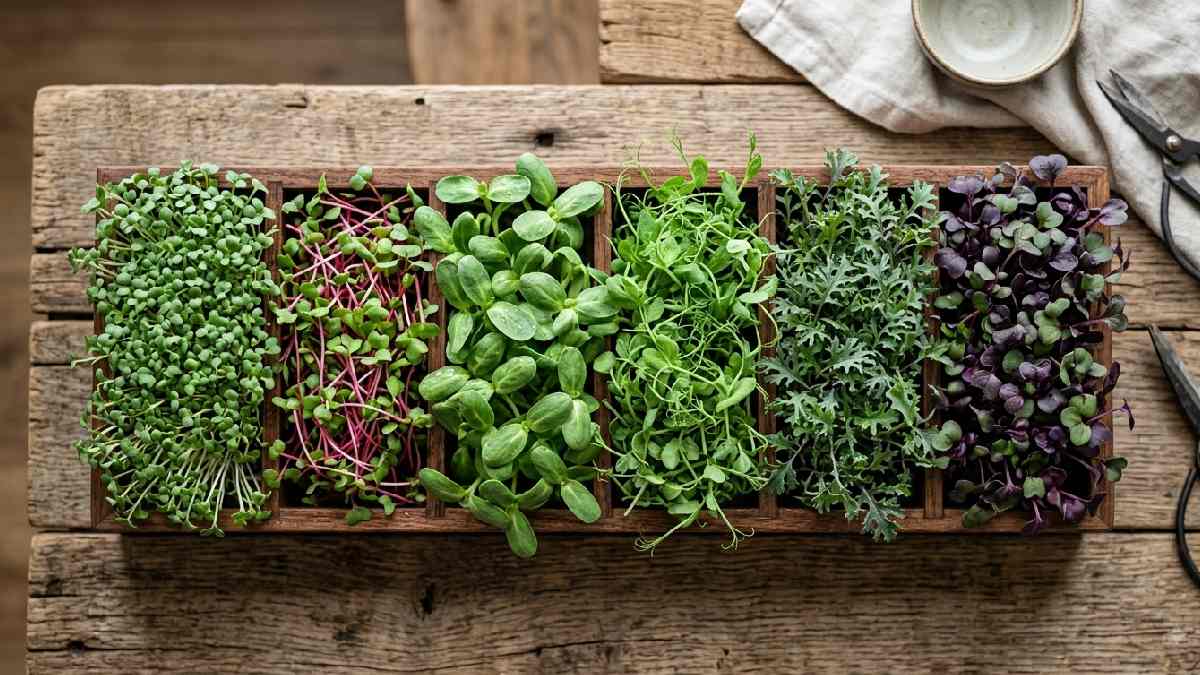
Pea shoots taste sweet and stay tender, almost like a mild version of fresh peas. They make a great starting point if you’re new to microgreens and don’t want something too strong or bitter right away. They pair really well with stir-fries, noodle bowls, and light soups.
Kale microgreens carry a slightly bitter, earthy taste, close to the full grown kale plant but noticeably softer. They work well blended into smoothies, where the bitterness fades quietly into the background while the nutrients still shine through.
Mustard and cabbage microgreens bring a spicy, almost wasabi-like kick. They’re not for everyone, but if you enjoy bold flavors, they add a fun twist to sandwiches, tacos, and rice bowls.
Trying a mix of two or three types together often gives the best overall result. You get different textures, different flavors, and a much wider range of nutrients, all packed into one small bowl sitting on your kitchen counter.
How to Add Microgreens to Your Daily Meals
Knowing microgreens are healthy is one thing. Actually using them daily without it feeling like a chore is another. Here’s how to make that part simple and stress-free.
Start with your regular salad. Toss in a handful of microgreens for extra crunch, color, and flavor. No extra prep needed, no special tools required. For sandwiches, layer them in the same way you’d normally use lettuce. It works better than most people expect, especially with radish or sunflower microgreens adding that extra bite.
Smoothies are another easy option that most people overlook. A small handful blended into your morning drink won’t change the taste much, but it does boost the nutrition quietly in the background. Pea shoots or broccoli microgreens work best here since their flavor stays mild and won’t take over the whole smoothie.
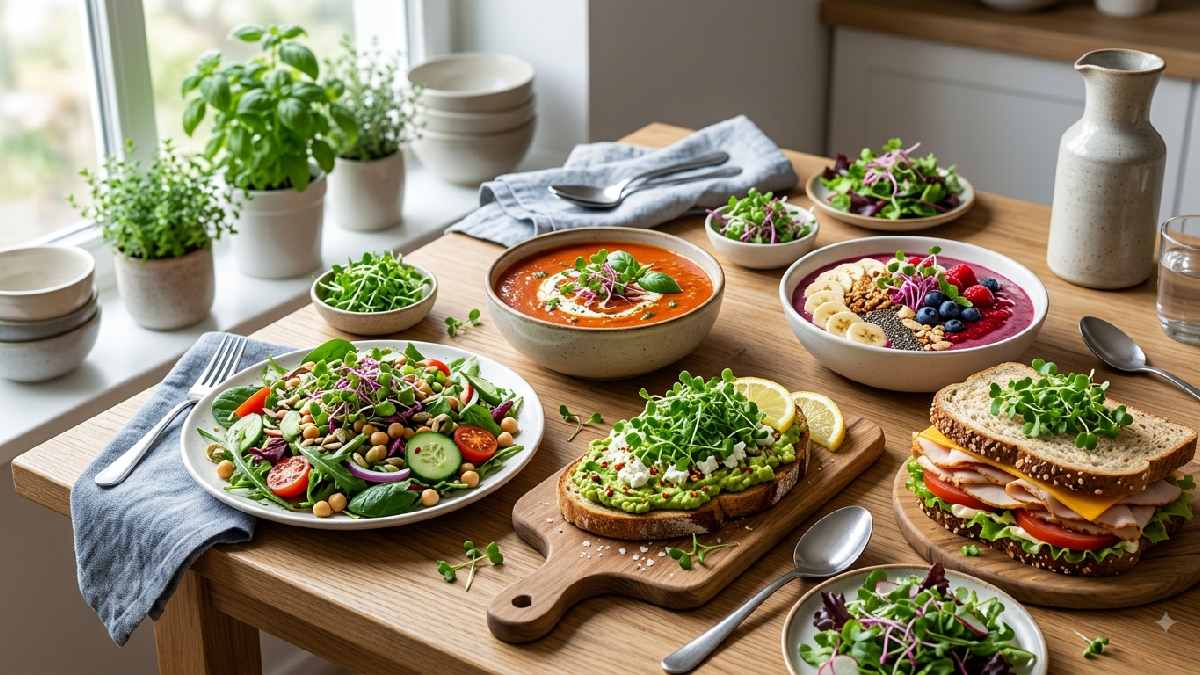
You can also use microgreens as a simple topping. Sprinkle a bit over soups, curries, or even scrambled eggs right before serving. Adding them at the very end, after the cooking is done, helps keep more of the nutrients intact since heat can break down some vitamins. It also makes your plate look fresh and colorful, almost like something served at a nice restaurant.
Some people even add microgreens to pizza right after it comes out of the oven, or mix them into a wrap along with hummus and grilled vegetables. There’s really no wrong way to use them once you get comfortable. Once you have a fresh batch ready, they fit into almost any meal without much extra thought or planning.
Growing Microgreens at Home
You don’t need a garden or expensive grow lights to start growing your own microgreens.
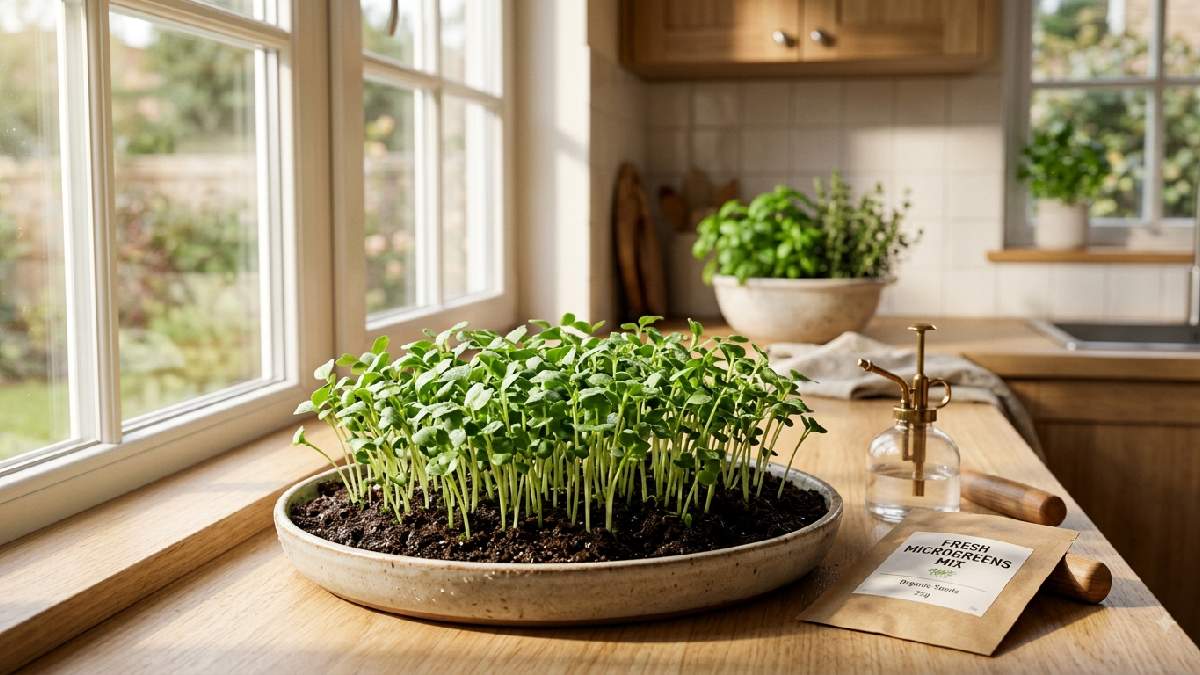
A shallow tray, some potting soil, a packet of seeds, and a sunny windowsill are really all you need to get going.
Simple Steps to Start
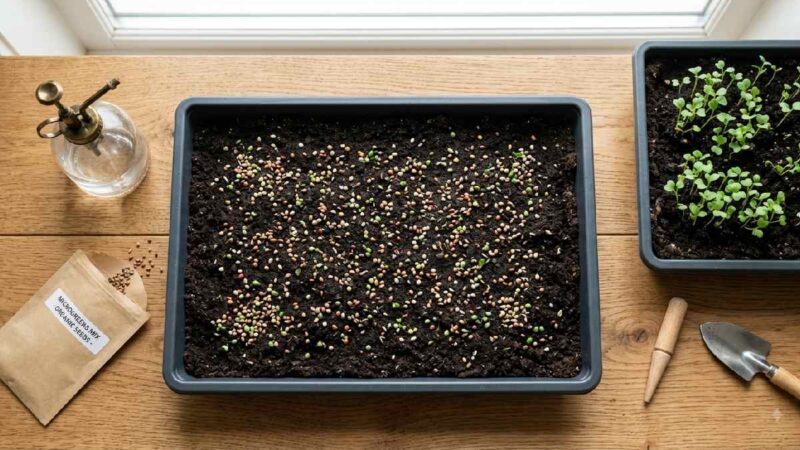
Fill a shallow tray with about an inch of soil, spreading it evenly across the bottom. Scatter your seeds across the top in a fairly even layer, close together but not stacked on top of each other. Don’t bury the seeds too deep. A light press into the soil surface works just fine for most varieties.
Mist the seeds with water once or twice a day, keeping the soil moist but never fully soaked or sitting in water. Too much water can lead to mold, which ruins the whole batch. Keep the tray somewhere with good natural sunlight, but away from harsh direct heat that could dry the soil out too fast.
Within a few days, you’ll start noticing tiny sprouts pushing up through the soil. Within one to three weeks, depending on the seed type, your microgreens will grow tall enough to harvest. Use a clean pair of scissors to cut them right above the soil line, and give them a quick rinse before eating.
This is honestly one of the best parts about the whole microgreen superfood idea. It’s one of the few genuinely healthy foods you can grow yourself at home, cheaply, without needing a big yard or a fancy setup. A single packet of seeds costs very little and can give you several harvests over time if you keep planting new batches every couple of weeks.
Things to Keep in Mind
Microgreens are healthy, but they aren’t a magic replacement for a full, balanced diet. Think of them as a helpful daily add-on, not the main course of every single meal. Since they’re usually eaten raw and grown quickly, make sure you use clean seeds and take proper care while growing them at home.
Rinse store-bought microgreens well before eating them, just like you would with any leafy green vegetable. If you’re growing your own, keep the tray and tools clean, and avoid letting water sit too long in the tray, since standing water can lead to mold growth pretty quickly.
If you’re pregnant, on blood thinning medication, or managing a specific health condition, it’s worth checking with a doctor before making any big changes to your diet. Even something as small as microgreens can matter here, mostly because of their vitamin K content, which can interact with certain medications used for blood clotting.
Also, try not to go overboard eating huge amounts at once just because they’re healthy. A small daily serving works better in the long run than one giant portion eaten occasionally. Consistency tends to matter far more than quantity when it comes to actual nutrition and long-term health.
FAQ
Do microgreens taste bitter?
Some do, like mustard or radish, but many are mild and easy to enjoy, especially pea shoots and sunflower greens.
Can you eat microgreens every day?
Yes, a small daily serving is generally safe for most healthy adults and fits easily into regular meals.
Are microgreens better than regular vegetables?
They're not a full replacement, but they offer more nutrients per bite, making them a great addition alongside your regular vegetables.
How long do microgreens last after harvest?
Fresh microgreens usually stay good for about a week when stored in the fridge inside a sealed container with a paper towel to absorb extra moisture.
Conclusion
Microgreens are tiny, but they carry a lot of nutrition for their small size. From supporting your heart to helping digestion to giving your skin and immune system a small boost, these little greens earn their superfood title in more than one way. The best part is how easy they are to grow and add into daily meals without much effort or planning.
No complicated diet plan is needed. No expensive supplements either. Just a small tray, a sunny windowsill, and a bit of patience while you wait for those first tiny leaves to appear. Start small if you’re unsure. Add a pinch to your next sandwich or blend a handful into your morning smoothie. Once you notice the fresh taste and the extra crunch, going back to meals without them starts feeling like something is missing.
Think of this whole thing as a small experiment rather than a strict health rule you have to follow perfectly. Grow one tray. Try one variety. See how it fits into your normal routine before adding more. Some weeks you might forget about them completely, and that’s fine too. Health habits that last are usually the simple ones, not the ones that demand perfection every single day.
At the end of the day, a microgreen superfood habit is really just a small, low-effort way to eat a bit better without turning your whole kitchen upside down. No strict rules, no expensive gear, just a tray of tiny greens quietly doing more for your body than their size would ever suggest.