
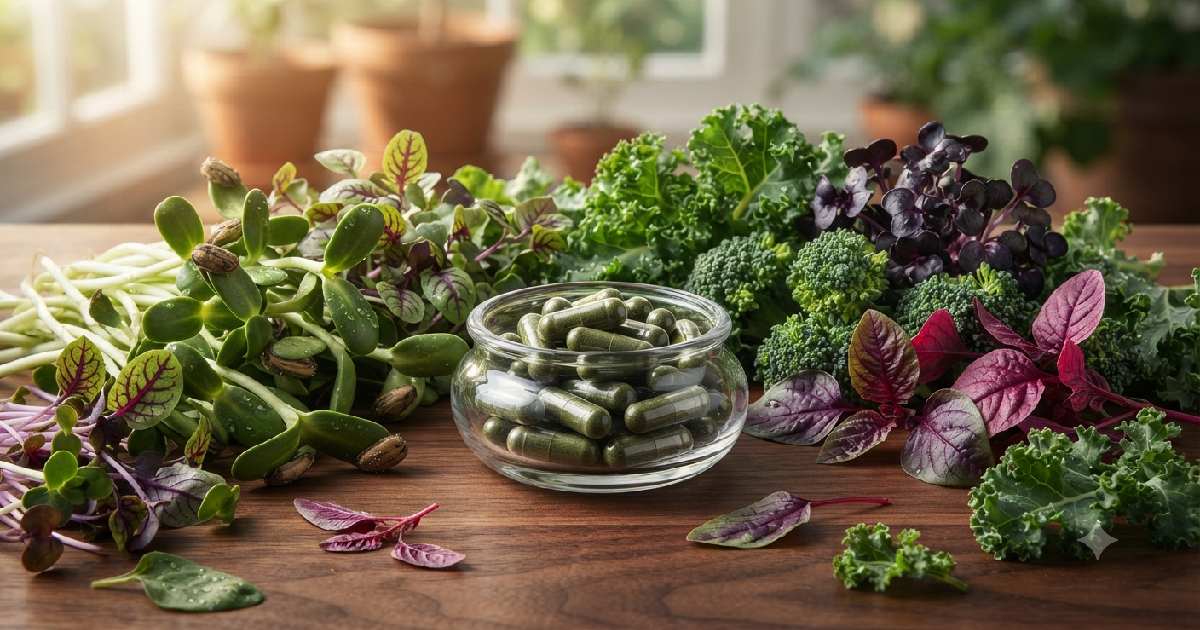

So you saw a little bottle at the store labeled “microgreen capsules.” Maybe you picked it up, turned it over, read the label twice, and put it back down. Not sure if it’s worth the money? That’s a normal reaction, honestly. Half the wellness aisle looks like it’s trying to sell you a miracle, and after a while you stop believing any of it.
Here’s the thing though: we all know we should eat more greens. Life just doesn’t always cooperate. Some mornings you barely have time to find matching socks, let alone chop a salad. So a company somewhere thought, why not just dry the baby vegetables, grind them up, and stuff them into a capsule? Swallow it with water, and you’re done. No blender, no mess, no guilt trip from your mother about eating your vegetables.
Sounds too easy, which makes people suspicious- fair enough. When something promises convenience and health at the same time, most of us squint a little before buying in.
This article walks through what these capsules actually are, whether the science holds up, and what to look for if you decide to try one. No sales pitch. Just a straight look at the topic, based on what research says and what’s worth being careful about.
What Exactly Are Microgreen Capsules?
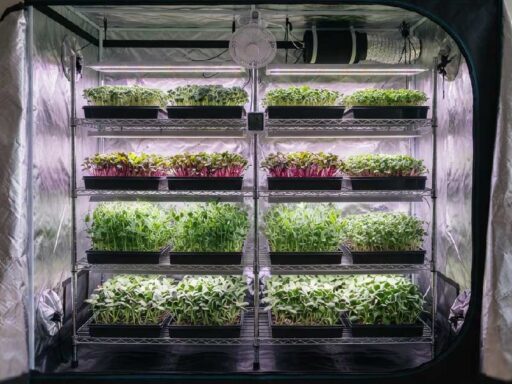
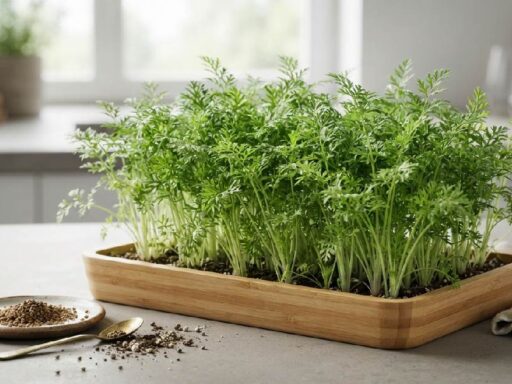
Microgreens are baby plants, picked young. Broccoli, kale, radish, that sort of thing, harvested about one to two weeks after they sprout. Small, sure. But surprisingly loaded with nutrition for their size.
A microgreen capsule takes that same baby plant, dries it out, and grinds it into powder. That powder goes inside a capsule you swallow like any other pill. No chopping boards, no trays of dirt on your windowsill. Just a quick capsule in the morning, and that’s the whole routine.
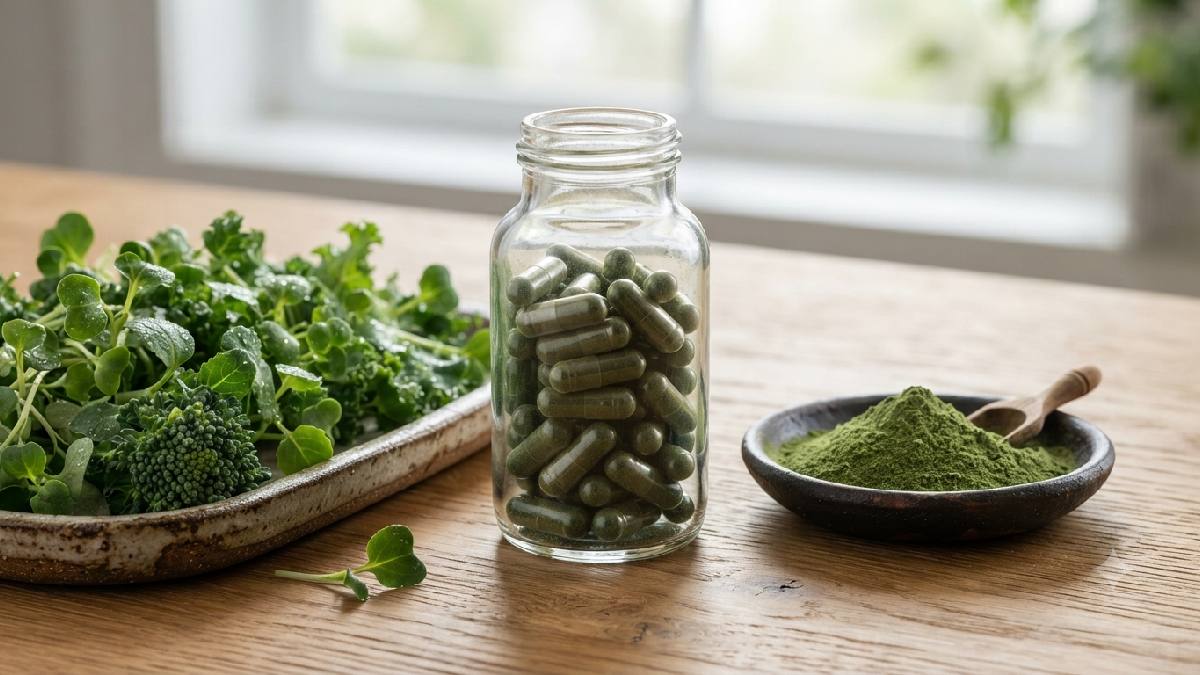
Which is really the appeal here: busy parents. Office workers eating lunch at their desk. College students living off instant noodles and caffeine. Anyone who wants more plant nutrients but doesn’t have the time, or honestly the patience, to cook them.
How Do Companies Actually Make These Capsules?
The process isn’t a big mystery. But how it’s done matters more than people assume. Farmers grow the microgreens and harvest them at the right stage, not too early, not too late.

Workers wash off the dirt and debris. Then comes drying, and this is where quality really gets decided.
The Drying Step Matters More Than You’d Think
Too much heat, and you cook away a chunk of the good stuff before it even reaches the capsule. That’s the truth once dried, the greens get crushed into a fine powder, which fills the capsules. Some brands use gelatin shells. Others go plant-based for people avoiding animal products.
Freeze-drying keeps far more nutrients intact than fast heat-drying does, and cheaper brands often skip it because it costs more to do properly. So check the label. If freeze-dried isn’t mentioned anywhere, that’s worth asking about before you buy.
Why Microgreens Pack Such a Punch
This part genuinely surprised me the first time I read about it. Some studies found microgreens can hold up to forty times more nutrients than the full-grown version of the same plant. Forty times, a tiny radish sprout, small as it is, can beat a full-grown radish on vitamin C content, which sounds backwards but apparently isn’t.
Why does that happen? Young plants work overtime. They’re building enzymes and vitamins fast, racing to grow before anything eats them or the weather turns against them. Right at that stage, growers pick them.
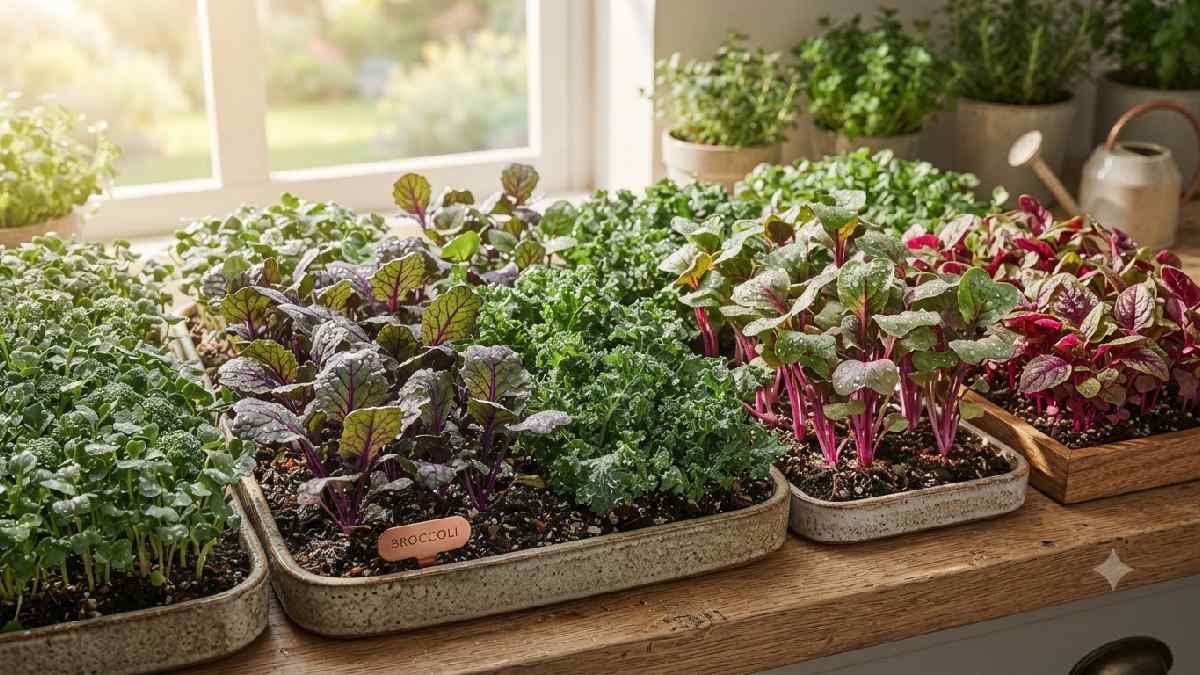
So basically you’re catching the plant at its most nutrient-packed moment, and when that gets turned into a capsule, you’re carrying all of that in something the size of a vitamin pill.
Common Microgreens Found in These Capsules
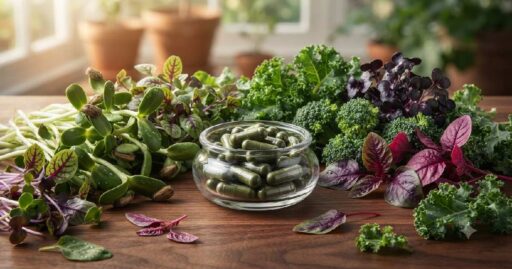
Most brands don’t stick to just one plant. They blend several types into a single capsule, and there’s a real reason behind that. Each microgreen brings something different to the table; one might be strong in vitamin C, another in antioxidants, another in healthy fats.
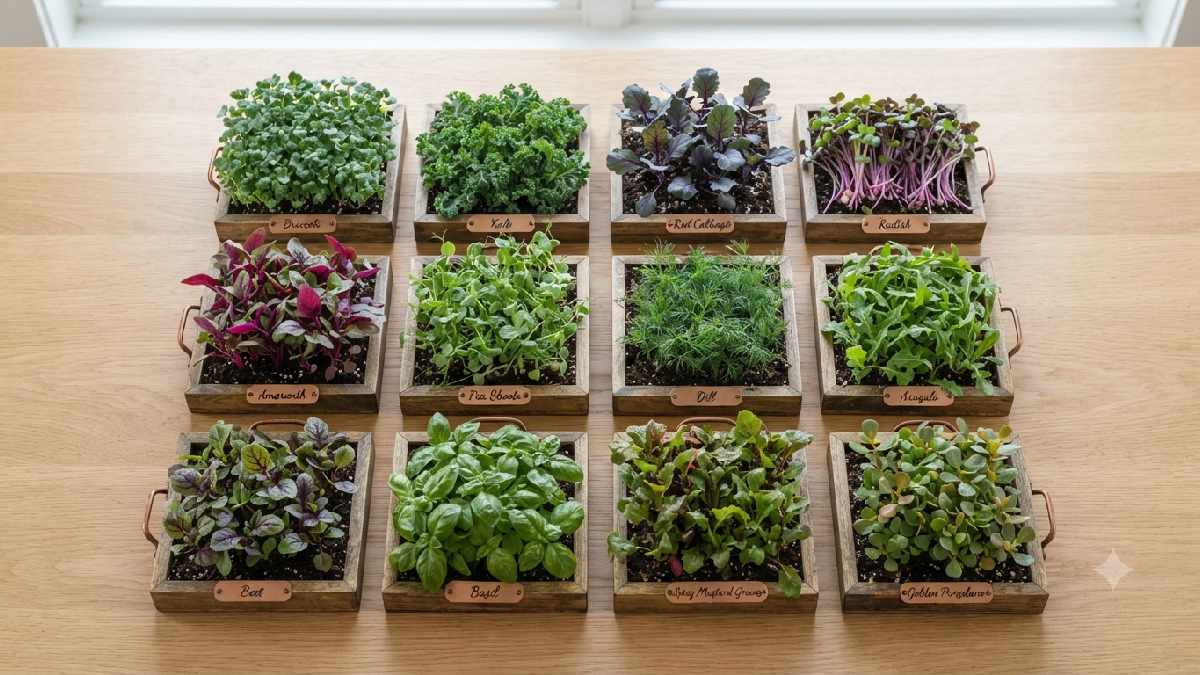
Relying on a single plant would mean missing out on that range. So companies pick a handful of greens that complement each other, then combine them into one formula. That’s usually what you’re actually swallowing when you take one of these capsules, not just one plant, but a small team of them working together.
Broccoli, Kale, and Radish
Broccoli microgreens show up a lot, mostly because of a compound called sulforaphane that researchers have studied fairly closely. Kale is already considered a superfood in its grown form, and the baby version carries even more vitamin A, C, and K per bite, which is honestly a little unfair to regular kale. Radish microgreens bring a slight peppery kick along with decent vitamin C.
Pea shoots taste mild, almost sweet, and add a bit of plant protein into the mix. Sunflower microgreens bring healthy fats and vitamin E, sometimes linked to skin health. Wheatgrass gets thrown in too, mostly for its chlorophyll content, that deep green pigment people associate with detox claims (whether those claims hold up is a separate conversation).
Good brands rarely rely on just one plant. They mix several so you’re not putting all your nutritional eggs in one basket, so to speak.
What Benefits Are People Actually Looking For?
Let’s go through why people reach for these capsules in the first place results vary person to person.
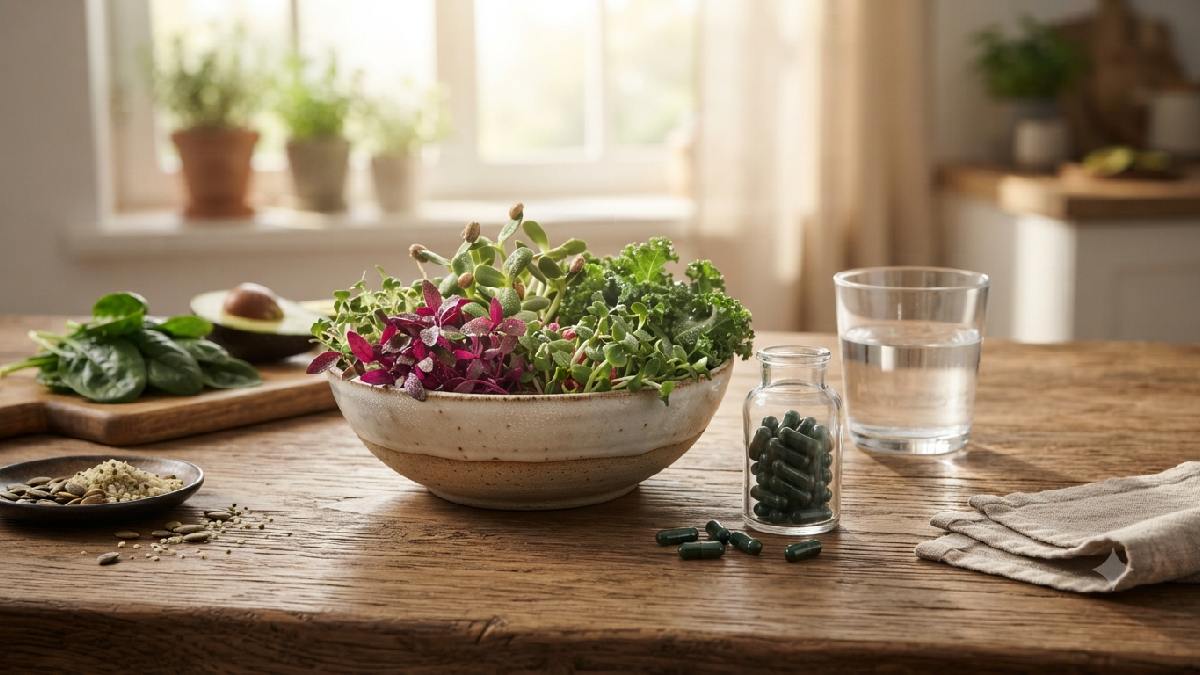
That part’s important to say upfront, because supplements affect everyone a little differently.
Saving Time, Mostly
This tops the list for most people, and it’s really the whole draw. No prep, no cooking, just water and a capsule, done in under ten seconds. Compare that to washing, chopping, and plating a salad on a weekday morning. There’s no contest.
Then there’s the antioxidant angle. Broccoli and red cabbage microgreens carry a fair amount of antioxidants, compounds that help fight cellular damage over time. Some blends support digestion too, since certain greens carry fiber known to help gut health, which can mean less bloating in the long run.
Immune Support and a Few Other Perks
Vitamins C and E, both common in these blends, play a role in keeping your immune system functioning properly. That doesn’t replace a healthy diet; it never will, but it can be a useful piece of a bigger puzzle.
For picky eaters, capsules solve a genuine problem. Not everyone likes the taste or texture of vegetables. That’s fine, capsules sidestep that issue entirely. And some users report feeling a bit more energetic after a few weeks, though it’s hard to say for certain if that’s the microgreens directly or just an overall improved routine. People mention it enough that it’s worth noting anyway.
A Normal Day, and Where Capsules Actually Fit In
Picture a regular Tuesday. Your alarm didn’t go off, or maybe it did, and you just ignored it, we’ve all been there. No time for eggs. Definitely no time for a salad. You grab coffee, forget your lunch entirely, and rush out the door already running late.
This is exactly the kind of morning where a capsule earns its place. Keep the bottle near your toothbrush or your coffee mug, swallow one before you leave. Ten seconds, and you’ve added something to a day that otherwise had zero vegetables in it whatsoever.
Compare that to squeezing a fresh salad into that same rushed morning. Not going to happen, realistically, on most weekdays. This is really the value capsules bring; they don’t ask for time you don’t have.
Weekends look different though. When you’ve got breathing room, cooking an actual meal with fresh greens still wins, no question. Capsules work best as a backup plan, not the whole strategy.
Does the Science Actually Hold Up?
Let’s be honest here, because this part matters more than the marketing copy.
Fresh microgreens are well-researched. Multiple studies confirm they carry more nutrients than their mature counterparts. Solid ground, no real debate there.
Capsules get murkier. Drying and grinding the greens into powder means some nutrients weaken along the way, especially heat-sensitive vitamins. How much you actually absorb depends on the brand, the drying method, and your own body chemistry too, which nobody can really predict in advance.
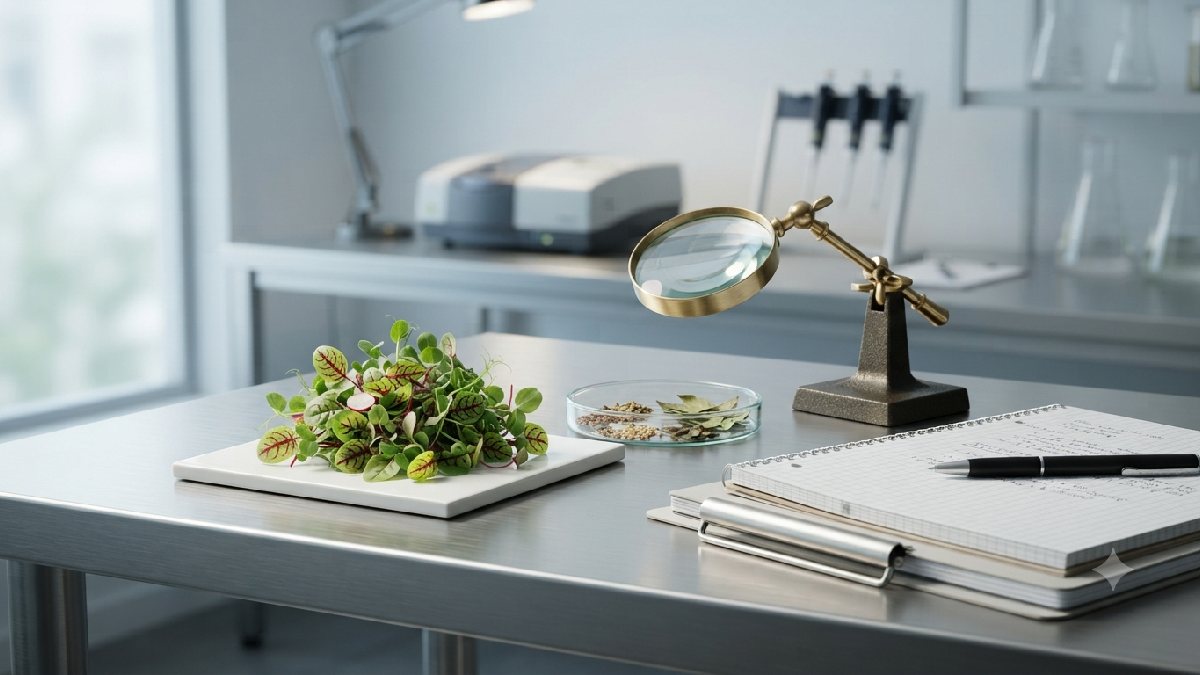
So the fair answer, capsules can help. They’re not fake, not useless. But they’re not a magic fix either. Think of them as a support tool sitting next to a decent diet, not replacing one entirely.
And if any brand claims their capsules cure diseases or can replace prescribed medication, walk away. Fast. That’s not a supplement claim, that’s a warning sign.
Safety, and What to Watch For
For most healthy adults, these capsules are safe. They’re made from actual vegetables, just reshaped into a different form.
A few things worth flagging. If you’re allergic to vegetables like broccoli or mustard greens, check the ingredient list carefully first. Some greens carry high vitamin K, which can interfere with blood-thinning medication, so talk to a doctor if that applies to you. Pregnant or breastfeeding?
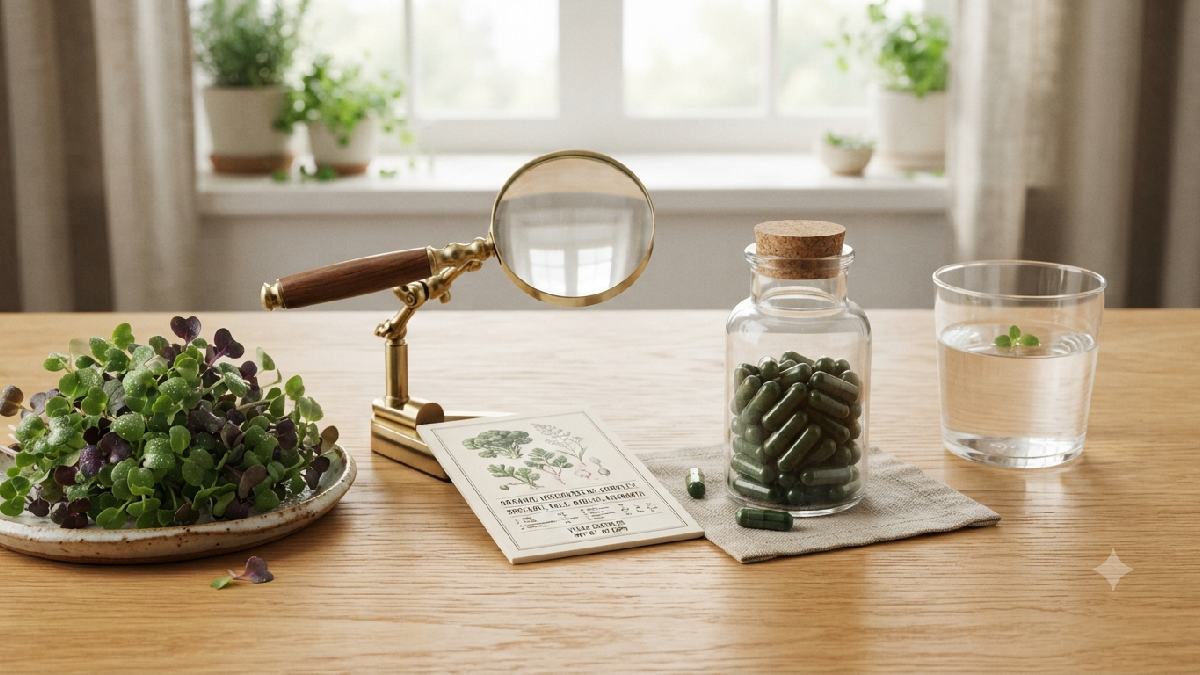
Same advice applies: check with a doctor before starting anything new. And quality varies a lot between brands; cheap ones sometimes cut corners with fillers or lower-grade sourcing that you’d never know about just from the label.
None of this means avoid them entirely. It just means don’t skip the label-reading step, ever.
Who Should Probably Steer Clear
A few groups should be more cautious. People with known vegetable allergies. Anyone on blood thinners without medical clearance. People with weakened immune systems. Young kids, unless a pediatrician gives the go-ahead first. And anyone with a sensitive digestive system, since concentrated plant powders can sometimes cause discomfort that fresh vegetables wouldn’t.
If you fall into one of these categories, a quick chat with your doctor beats guessing every single time.
Picking a Brand That Isn’t Cutting Corners
What to Actually Check Before Buying
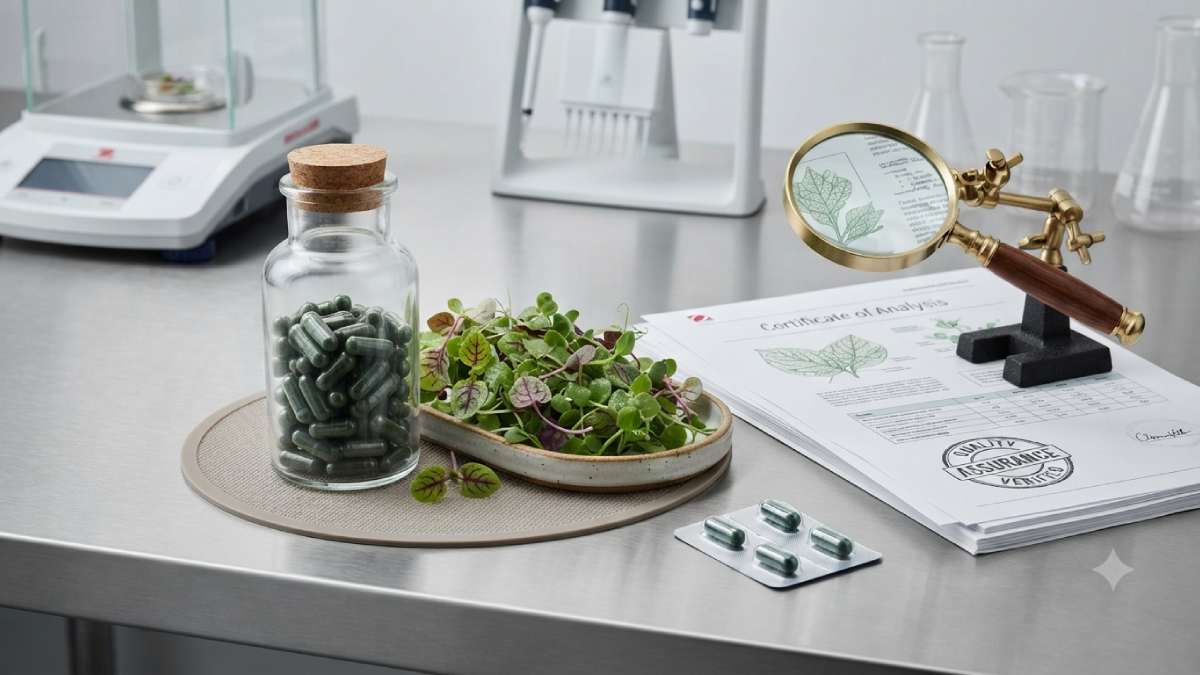
Check the drying method first; freeze-dried beats heat-dried almost every time, with no real exception there. Look for third-party lab testing too, which checks for heavy metals, pesticides, or contamination- something a responsible brand won’t hide from you if you ask.
Read the ingredient list. Shorter is usually better: fewer fillers, fewer artificial additions nobody asked for. Check where the microgreens were grown; organic sourcing tends to mean fewer pesticide concerns overall.
Reviews Tell You More Than the Packaging Does
Don’t skip real customer reviews either. They’ll tell you more about actual taste and side effects than any marketing page ever will, because marketing pages are written to sell, not inform.
One last thing worth remembering. If a brand promises instant miracle results, be skeptical immediately. Real changes take weeks, never overnight, no matter what the label says.
Storing Them Properly
This part gets overlooked constantly, but storage genuinely affects how well these capsules end up working. Keep the bottle somewhere cool and dry, away from direct sunlight. Skip the bathroom cabinet; the steam and humidity in there does more damage than most people realize.
Close the lid tightly after every use, and keep the bottle away from kids, same as any other supplement in the house. Check the expiry date before buying, then glance at it again before you take one, especially if the bottle’s been sitting around untouched for a while. Small habits like these keep the product actually doing what it’s supposed to do.
Is the Price Actually Worth It?
Cost matters; let’s not pretend otherwise. Microgreen capsules usually run more expensive than a basic multivitamin, mostly because growing and drying microgreens takes more effort and time than manufacturing a regular pill on an assembly line.
Whether that price feels fair depends entirely on what you expect from it. If you’re using these as a genuine stand-in for the greens you’re missing during a busy week, the cost feels reasonable to most people. If you’re expecting some dramatic health transformation overnight, you’ll probably end up disappointed, and that’s on the expectation, not the product.
Subscriptions Aren’t Always the Smart First Move
A decent way to judge the price is comparing it to what you’d spend buying fresh microgreens or extra vegetables weekly. Close enough, and it saves real time; that’s a fair trade. Way higher, fresh greens probably make more sense instead.
Subscription models are common with these brands too. They often knock the price down if you commit to monthly deliveries. That can help your wallet, sure, but only commit once you’re sure the product actually works for you personally. Buying a single bottle first, before locking into a subscription, is almost always the smarter move.
Capsules or Fresh Microgreens, Which One Wins?
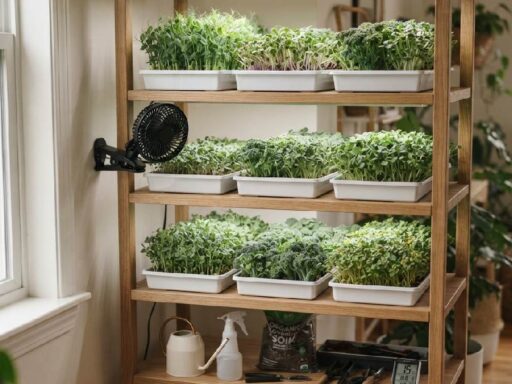
Depends on your life, honestly, there’s no universal answer here. Fresh microgreens give you complete nutrition, nothing lost in processing, and they add real crunch and flavor to actual meals. But they need space, some gardening effort, and consistency to keep growing week after week without giving up halfway through.
Capsules skip all that. No growing, no prep, just swallow and move on with your day like normal. The tradeoff is some nutrient loss during drying, plus you miss the fiber content that comes from eating the whole plant, capsule or not.
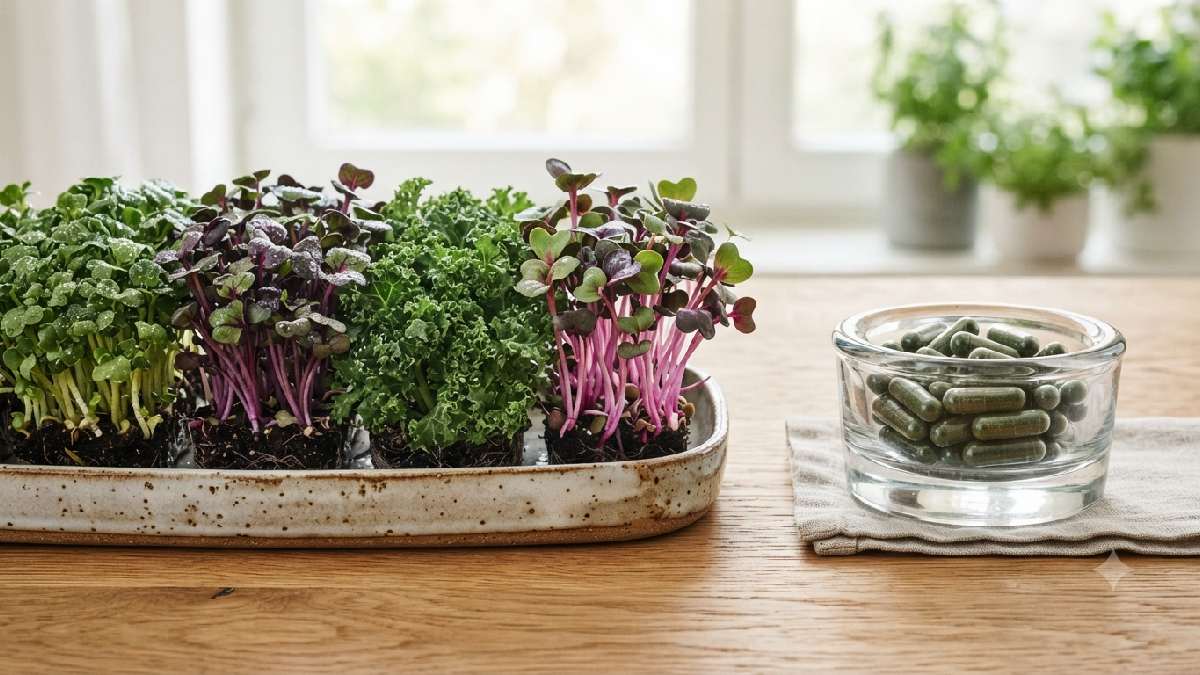
If you’ve got time and patience, fresh wins on paper. If your schedule barely allows for breakfast most days, capsules are the more realistic option, and there’s no shame in that.
A Few Myths Worth Clearing Up
The Biggest Myth of All
The biggest one, that capsules can fully replace vegetables in your diet. They can’t, not entirely, since they lack the fiber and water content whole veggies naturally provide. No powder fixes that.
Another myth: every brand is basically the same. False, quality swings wildly depending on sourcing and processing methods. Some people also think taking more capsules speeds up results. It doesn’t, and it might just upset your stomach instead of helping anything. Plenty of people expect overnight changes too, which rarely happens with any supplement, these included, no matter what the bottle promises.
My Honest Take on the Whole Thing
Here’s where I land on this, for what it’s worth. These capsules aren’t a scam. But they’re not a miracle either, and anyone telling you otherwise is probably selling something.
If your diet already includes plenty of greens, you probably don’t need them. But if vegetables consistently fall off your plate during busy weeks, they can genuinely help fill that gap. Think of them as a backup, not your main meal plan. Pair them with actual food, decent sleep, some movement, and that combination will always outperform a capsule sitting alone on your kitchen counter.
So, Are Microgreen Capsules Worth Trying?
Short answer: they can help, but only as part of a bigger picture. They won’t fix a poor diet single-handedly; nothing does. If you’re short on time, though, and need an easy way to add nutrients, they’re worth trying. Pick a solid brand, use them consistently, and give it a few weeks before judging the results either way.
And if you’re managing a health condition or taking daily medication, check with your doctor first. Better to ask than to guess and regret it later.
At the end of the day, no capsule replaces real food, real sleep, or an actual healthy routine. But used the right way, these little capsules can be one small tool that gets you a bit closer to the diet you actually want. Start small. Stay consistent. Give your body time before deciding whether it’s working or not.
Frequently Asked Questions
How long before I notice anything?
Varies by person. Most people report small changes after a few weeks of steady use, not days.
Are they suitable for vegans?
Many brands now offer plant-based capsule shells instead of gelatin ones. Double check the label anyway, just to be sure.
Can children take these?
Best to ask a pediatrician first before giving any supplement to a child, no matter how natural it sounds.
Do microgreen capsules expire?
Yes, same as most supplements. Check the bottle and store it somewhere cool and dry, away from sunlight.
Can I combine them with other vitamins?
Usually fine, but if you're already taking several supplements, running it by your doctor first is a smart move.
Conclusion
Short answer: they can help, but only as part of a bigger picture. They won’t fix a poor diet single-handedly; nothing does. If you’re short on time, though, and need an easy way to add nutrients, they’re worth trying. Pick a solid brand, use them consistently, and give it a few weeks before judging the results either way.
And if you’re managing a health condition or taking daily medication, check with your doctor first. Better to ask than to guess and regret it later.
At the end of the day, no capsule replaces real food, real sleep, or an actual healthy routine. But used the right way, these little capsules can be one small tool that gets you a bit closer to the diet you actually want. Start small. Stay consistent. Give your body time before deciding whether it’s working or not.