

Gardening in an Apartment: Everything You Need to Know to Get Started
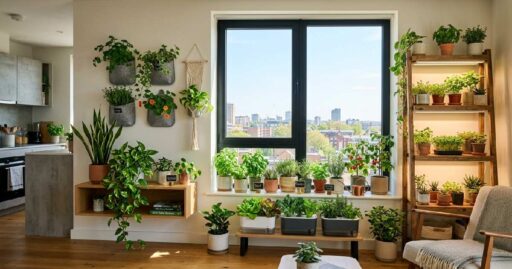
Gardening in an apartment is easier than most people think. You do not need a backyard, large outdoor space, or years of experience to grow beautiful plants, fresh herbs, or even vegetables indoors. A sunny windowsill, a small balcony, or a kitchen shelf is all the space required to begin. This practice has grown rapidly in 2026 as more city dwellers discover how rewarding and accessible indoor growing truly is.
Whether your goal is fresh food, cleaner air, or simply a calmer, greener home environment, this guide covers everything needed to start confidently. Small spaces are no barrier when the right plants, containers, and setup choices are made from the very beginning of your growing journey.
Why Gardening in an Apartment Is Worth Starting Today
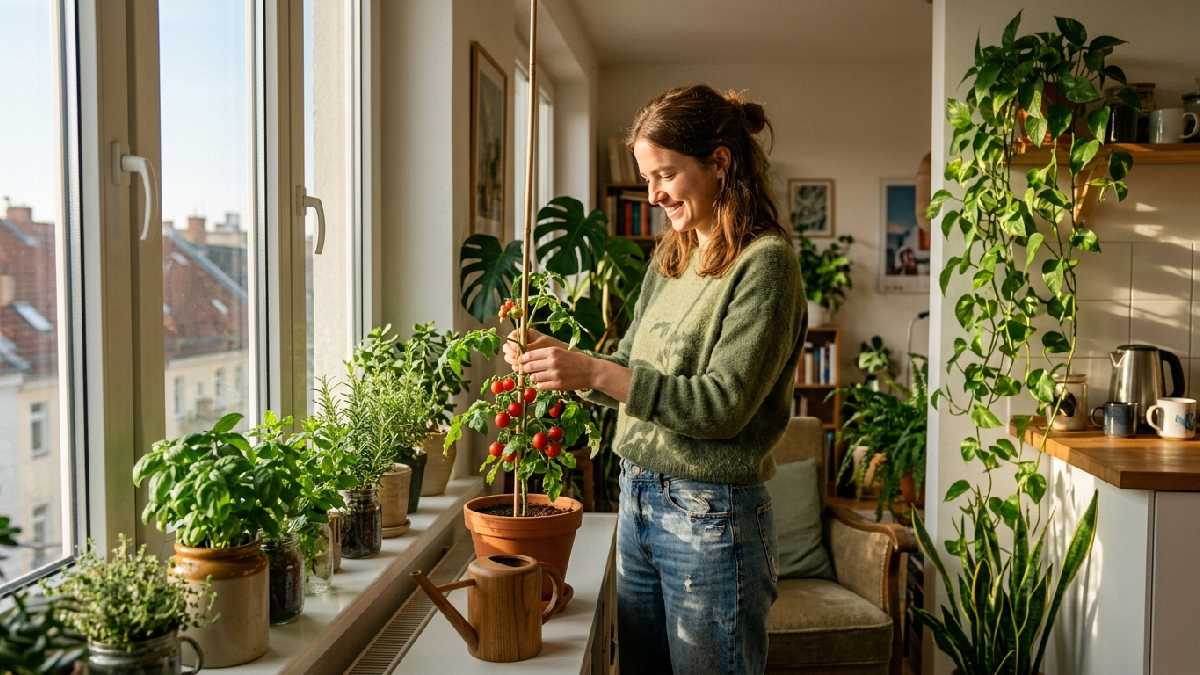
Gardening in an apartment delivers real benefits that go far beyond just having pretty plants on a shelf. Growing herbs and vegetables at home reduces grocery bills significantly over time. Studies show that indoor plants remove up to 87 percent of air toxins within 24 hours, improving overall air quality noticeably. The mental health benefits are equally powerful.
Interacting with living plants reduces stress, lowers anxiety, and brings a genuine sense of calm to busy urban lifestyles. Beyond health, this practice builds practical life skills including patience, responsibility, and mindfulness. Anyone living in a city apartment can enjoy these rewards without needing any outdoor garden space at all throughout the entire year.
Fresh Food at Home Without a Garden
- One of the strongest reasons to start gardening in an apartment is access to fresh, chemical-free food grown at home. Herbs like basil, mint, parsley, and thyme grow easily on kitchen windowsills and provide months of fresh leaves for cooking. Salad greens, spinach, and cherry tomatoes can all be grown successfully in containers indoors with the right setup.
A single basil plant saves the cost of multiple expensive supermarket herb packets that wilt before fully used. Growing edible plants at home connects people directly to their food source while delivering superior freshness compared to anything purchased from a grocery store shelf.
Mental Health and Wellbeing Benefits
Research consistently links plant care with improved mental wellbeing, making gardening in an apartment a genuinely therapeutic daily habit. Tending to plants creates a simple, satisfying routine that anchors the day positively. The act of watering, pruning, and watching new growth emerge provides a calming rhythm that reduces daily stress effectively. Rooms filled with greenery feel warmer, more inviting, and less sterile than empty urban spaces. Many apartment dwellers report sleeping better and feeling more grounded since adding plants to their living space. The connection to nature that indoor plants provide is especially valuable for city residents surrounded by concrete and screens daily.
Improving Indoor Air Quality Naturally
Plants are natural air purifiers, and gardening in an apartment contributes directly to a healthier indoor environment. Common houseplants like snake plants, peace lilies, and pothos actively filter harmful compounds, including formaldehyde, benzene, and carbon monoxide, from indoor air. NASA research found that certain houseplants remove up to 87 percent of air toxins within a single day.
Apartments with multiple plants consistently have fresher, cleaner air than those without. Adding even a few well-chosen plants to a living space creates measurable improvements in air quality that benefit everyone sharing the home, including children, elderly residents, and pets sensitive to poor indoor air conditions year-round.
Building a Green and Sustainable Urban Lifestyle
Gardening in an apartment supports a more sustainable and environmentally conscious lifestyle without requiring large lifestyle changes. Growing herbs and salad greens at home reduces packaging waste from store-bought produce significantly. Composting kitchen scraps into worm castings creates natural fertilizer that feeds container plants without chemical products.
Choosing drought-tolerant plants and drip watering systems conserves water efficiently in small indoor spaces. Every plant grown at home means one fewer item transported long distances from farm to supermarket shelf. Small choices inside a single apartment, multiplied across millions of urban households, create meaningful positive environmental impact across the entire food supply chain.
Best Plants for Gardening in an Apartment
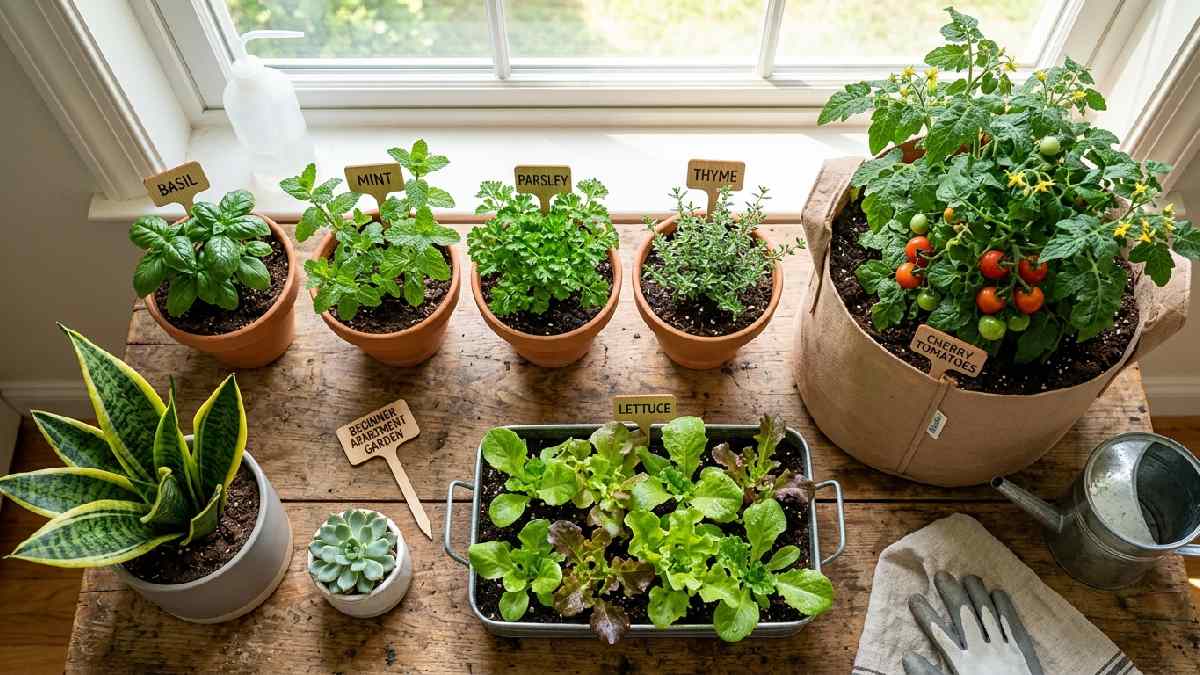
Choosing the right plants is the single most important decision when starting gardening in an apartment. Not every plant thrives in limited indoor space with restricted light and controlled temperatures. The best choices are compact, low-maintenance varieties that adapt well to container growing and indoor conditions.
Herbs are universally recommended for beginners because they grow fast, require minimal space, and deliver practical everyday value in the kitchen. Salad greens and cherry tomatoes work well for edible gardening in containers placed near sunny windows. Decorative houseplants including pothos, snake plants, and peace lilies thrive in lower light conditions typical of most urban apartments without requiring much attention or specialized care.
Best Herbs to Grow Indoors
Herbs are the ideal starting point for anyone beginning gardening in an apartment for the first time. Basil, chives, oregano, parsley, rosemary, and thyme all grow well in small pots on sunny kitchen windowsills. These plants are fast-growing, low-maintenance, and immediately useful in everyday cooking. Mint grows vigorously but should be kept in its own separate container since it spreads aggressively and crowds other plants.
Most culinary herbs need at least six hours of bright light daily. A south-facing windowsill provides the best natural conditions for herb growing indoors. Fresh homegrown herbs deliver far superior flavor compared to dried supermarket alternatives purchased in small, expensive packets.
Vegetables and Fruits for Small Spaces
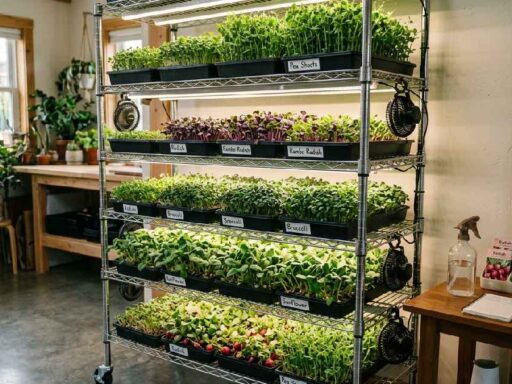
Growing vegetables is absolutely possible when gardening in an apartment with adequate light access. Compact determinate tomato varieties like Tiny Tim and Tumbling Tom produce fruit successfully in containers under good light conditions. Lettuce, spinach, arugula, and baby kale grow quickly in shallow trays and can be harvested repeatedly throughout the season.
Radishes mature in as few as three weeks, making them one of the fastest edible crops available for impatient beginners. Dwarf citrus trees and strawberries are achievable once basic growing skills are established. Choosing patio-ready, compact vegetable varieties specifically bred for container growing dramatically increases success rates for indoor food production.
Low-Light Houseplants for Darker Apartments
Not every apartment receives abundant natural sunlight, but this does not prevent successful gardening in an apartment. Several excellent houseplants actually prefer lower light conditions typical of north-facing rooms and darker corners. Snake plants tolerate very low light and infrequent watering, making them nearly impossible to kill for beginners. Pothos trails beautifully from shelves and hanging baskets in moderate to low light conditions.
ZZ plants are hardy, adaptable, and handle irregular care routines without complaint. Peace lilies add elegant white flowers to shaded corners while also purifying indoor air. These low-light champions allow even the darkest city apartments to support thriving, beautiful greenery throughout every season of the year.
Air-Purifying Plants Worth Growing
Certain plants are especially valuable for gardening in an apartment because of their powerful air-purifying properties. Spider plants remove formaldehyde and xylene from indoor air while producing attractive cascading foliage in hanging planters. Boston ferns filter pollutants effectively and add lush texture to shelves and stands near windows.
Dracaena plants are striking in appearance and remove multiple airborne toxins simultaneously with minimal maintenance required. Aloe vera is doubly useful; it purifies air and provides natural soothing gel for minor burns and skin irritations. Growing a collection of these functional plants creates a cleaner, healthier, and more beautiful indoor environment in any apartment regardless of size or light availability.
Essential Tools and Setup for Gardening in an Apartment
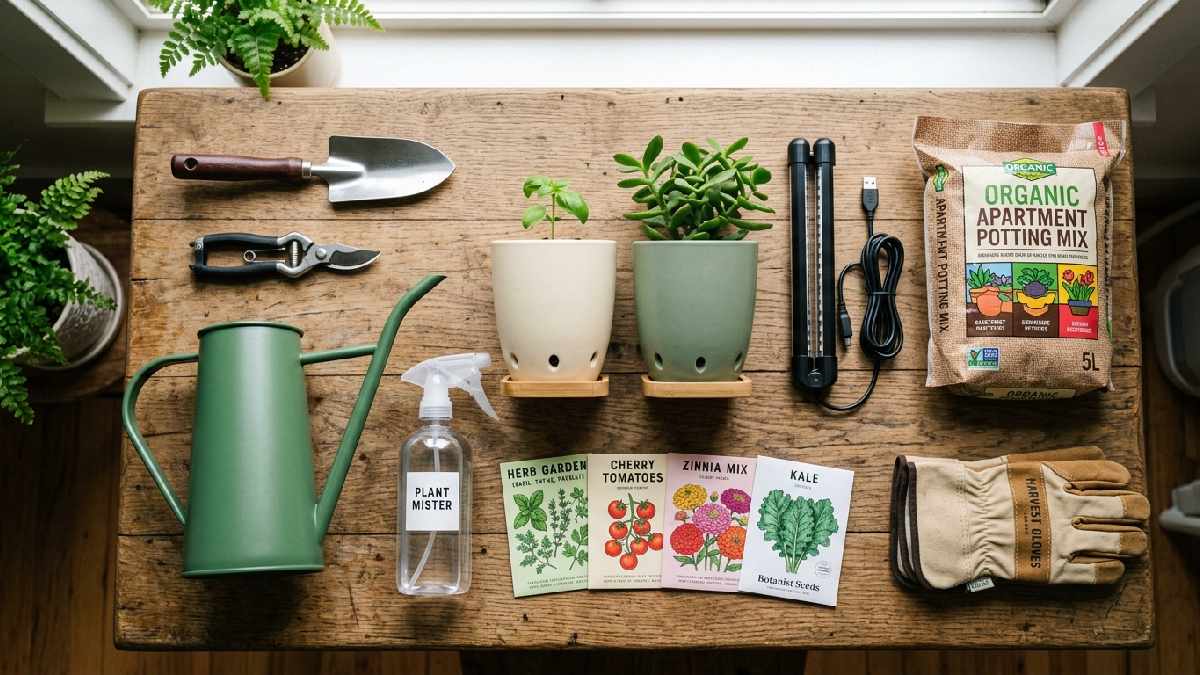
Having the right tools and setup makes gardening in an apartment far more enjoyable and successful from the very beginning. The good news is that indoor growing requires very few items compared to traditional outdoor gardening. Basic containers with drainage holes are the most essential starting investment. A small watering can with a narrow spout gives precise control over water delivery without flooding delicate roots.
A spray bottle maintains humidity around moisture-loving plants between regular watering sessions. A mini trowel and a pair of pruning scissors handle the majority of daily plant care tasks efficiently. Good-quality potting mix specifically formulated for container use gives roots the drainage, aeration, and nutrition they need to thrive.
Choosing the Right Containers and Pots
Container selection directly impacts plant health and success when gardening in an apartment. Every pot must have drainage holes at the bottom to prevent water from pooling around roots and causing rot. Lightweight plastic or fabric containers are ideal for upper-floor apartments where carrying heavy materials up staircases creates practical challenges.
Self-watering planters with built-in water reservoirs are excellent for busy people who sometimes forget regular watering schedules. Vertical wall planters, hanging baskets, and railing planters maximize growing space without using valuable floor area. Matching container sizes to plant mature sizes prevents root crowding that stunts growth and reduces yields over time significantly.
Lighting Solutions for Indoor Plants
Light management is the most critical technical aspect of gardening in an apartment, particularly in spaces with limited window access. South-facing windows receive the strongest and most consistent natural light throughout the day in the northern hemisphere. East-facing windows provide good morning light suitable for herbs and greens.
North-facing rooms receive the weakest natural light and require supplemental grow lights for most plant types. LED grow lights are energy-efficient, affordable, and provide full-spectrum light that closely mimics natural sunlight. Positioning grow lights six to twelve inches above plants and running them twelve to sixteen hours daily delivers excellent results for herbs, vegetables, and flowering plants in darker apartments.
Soil and Fertilizer Choices
Correct soil selection is fundamental to healthy plant growth when gardening in an apartment. Standard garden soil is unsuitable for container use because it compacts heavily in pots, cutting off oxygen flow to roots over time. High-quality indoor potting mix with added perlite provides the drainage, aeration, and nutrient balance container plants require. Cactus mix suits succulents and drought-tolerant plants.
Orchid mix works best for tropical flowering varieties needing a loose, bark-rich growing medium. Organic fertilizers like worm castings and fish emulsion feed container plants gently without chemical burn risk. Feeding plants every two to four weeks during active growing seasons keeps foliage lush, growth strong, and fruiting plants producing consistently.
Watering Techniques to Keep Plants Healthy
Overwatering kills more apartment plants than any other single cause, making proper watering technique essential knowledge. The most reliable watering method is checking the top inch of soil before adding any water. When that top inch feels dry to the touch, water thoroughly until excess drains freely from the bottom drainage holes.
For most plants, this means watering every two to five days, depending on pot size, plant type, and ambient room temperature. Self-watering containers with bottom reservoirs regulate soil moisture automatically, removing the most common point of failure for new growers entirely. Bottom watering by placing pots in a tray of water and allowing soil to absorb moisture upward also prevents overwatering effectively.
Space-Saving Ideas for Gardening in an Apartment
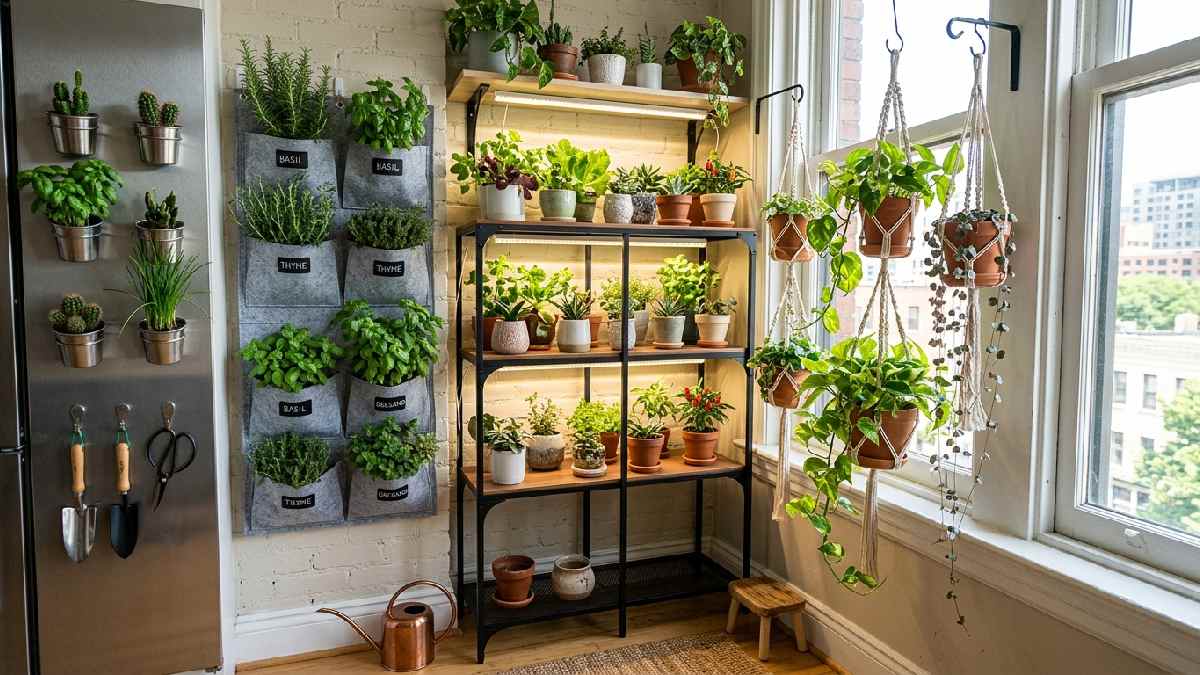
Limited floor space is the most common challenge faced when gardening in an apartment, but creative space-saving solutions turn even the smallest studio into a productive growing environment. Thinking vertically rather than horizontally is the most powerful mindset shift any indoor gardener can make.
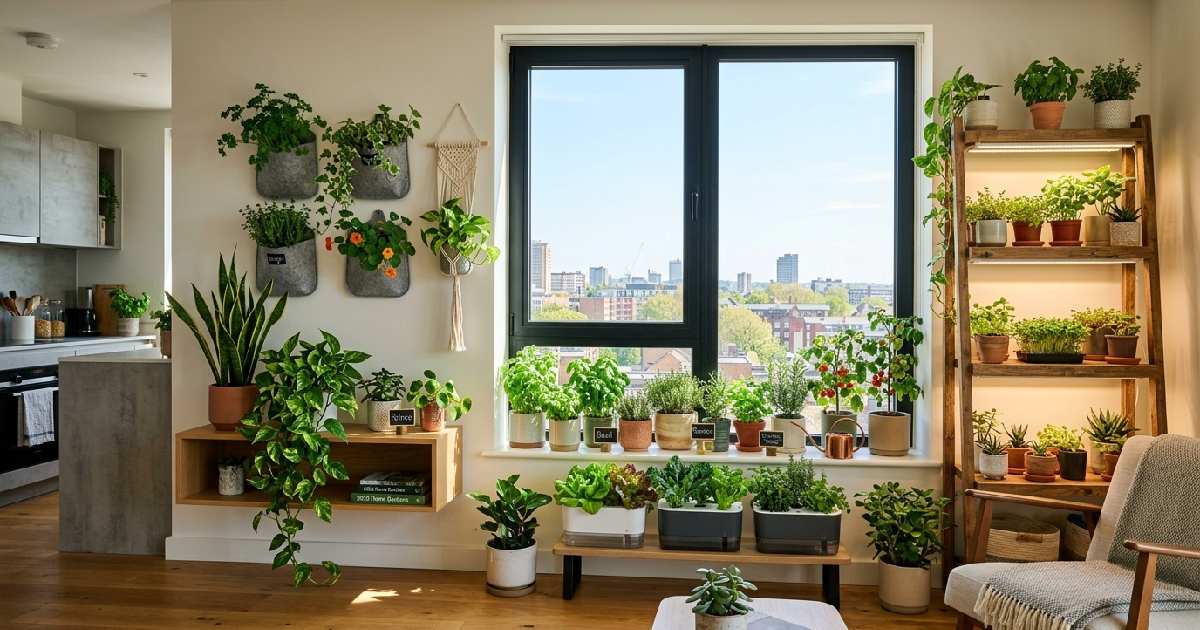
Wall-mounted planters, tiered shelves, and ladder plant stands multiply growing surface area without consuming valuable floor space. A standard four by six foot balcony can realistically house twenty-five to thirty-five plants when growing in multiple vertical layers. Magnetic planters mounted on steel panels work beautifully in rental kitchens without requiring any drilling or permanent wall damage that might affect security deposits.
Vertical Gardens and Wall Planters
Vertical gardening is the ultimate space-saving strategy for gardening in an apartment with minimal floor area available. Wall-mounted pocket planters hold multiple herb plants in a single vertical column, delivering impressive growing capacity from a tiny wall section. IKEA shelving units fitted with grow lights underneath each shelf turn empty corners into productive growing towers capable of holding twenty or more plants simultaneously.
Pegboards with adjustable hooks support various planter sizes and can be rearranged freely as plant collections grow and change over time. Freestanding trellis systems and ladder shelves achieve similar results for renters concerned about making permanent wall modifications in their apartment spaces.
Balcony Gardening Ideas
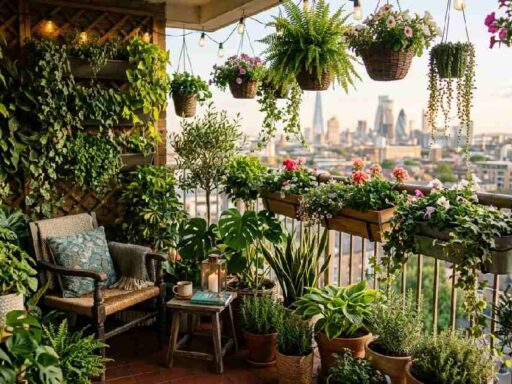
A balcony transforms gardening in an apartment from a purely indoor activity into a more expansive and productive outdoor growing experience. Balconies receive stronger natural light than most indoor spaces, making them ideal for fruiting vegetables like tomatoes, peppers, and eggplant. Railing planters attach directly to balcony railings, adding growing space without reducing standing room on the floor.
Tall potted plants like dwarf citrus trees or climbing beans on trellises make effective windbreaks that also protect smaller, more delicate plants behind them. In windy locations, choosing wide, low containers anchors plants securely against gusts that might otherwise topple lightweight pots onto neighboring properties below.
Windowsill and Kitchen Counter Growing
Windowsills and kitchen counters are the most practical and convenient growing spots when gardening in an apartment without balcony access. A south-facing windowsill bathed in afternoon sunlight is the ideal location for herbs, cherry tomatoes, and compact salad greens. Tiered windowsill planters stack multiple small pots vertically within a single window opening, dramatically multiplying the number of plants that fit without blocking light.
Kitchen counter herb gardens placed near the cooking area provide immediate access to fresh ingredients during meal preparation. Hydroponic countertop systems require no soil at all and grow herbs and greens faster than traditional containers using nutrient-rich water solutions in compact, self-contained units.
Hydroponics and Soil-Free Growing Systems
Hydroponic systems are a highly efficient and space-saving option for gardening in an apartment without any outdoor space available. These systems grow plants in nutrient-rich water solutions rather than soil, typically producing faster growth and higher yields in smaller spaces. Compact countertop hydroponic units designed specifically for apartments are widely available in 2026 and require minimal setup.
They include built-in grow lights, automated nutrient delivery, and self-contained water reservoirs that need refilling only once every one to two weeks. Herbs, salad greens, and small fruiting plants like strawberries perform especially well in hydroponic systems. Soil-free growing also eliminates the mess of potting mix in indoor living spaces entirely.
Common Mistakes to Avoid When Gardening in an Apartment
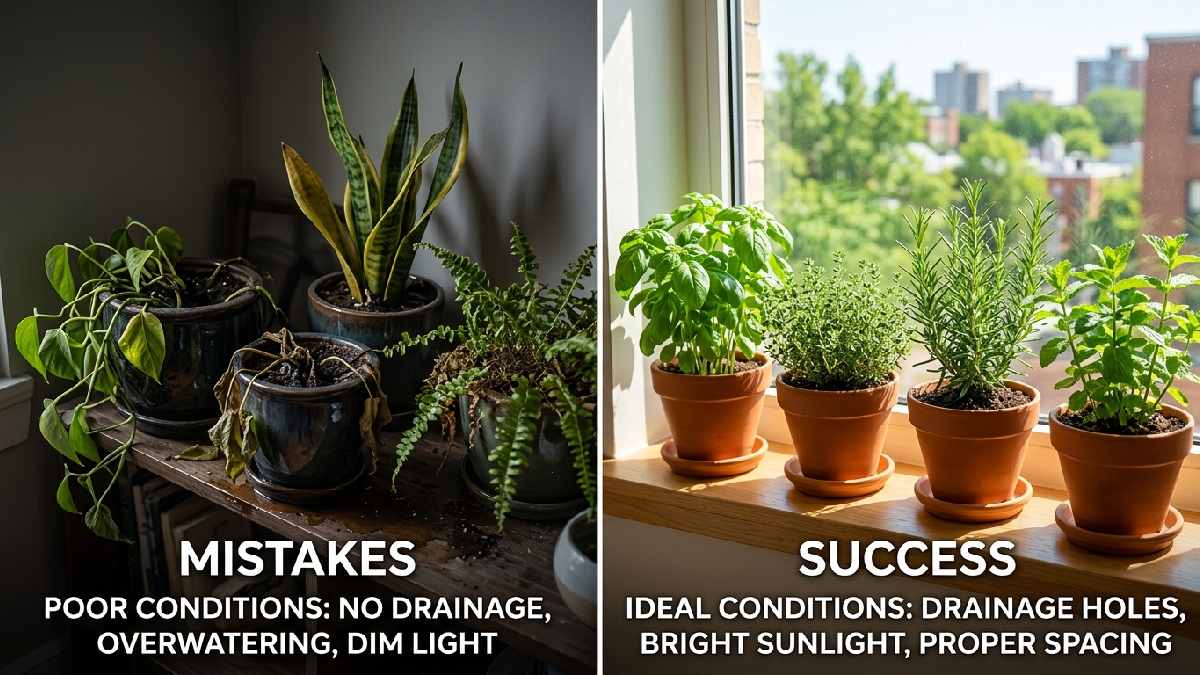
Even enthusiastic beginners make avoidable mistakes when starting gardening in an apartment for the first time. The most common error is overwatering, more plants die from too much water than from any other cause. Choosing the wrong plants for available light conditions is equally damaging, as placing sun-loving vegetables in dark corners leads to weak, leggy growth and disappointing results.
Using heavy garden soil in containers is another frequent mistake that causes severe root compaction and drainage failure over time. Starting with too many plants simultaneously overwhelms beginners and makes consistent care difficult to maintain. Beginning with just two or three easy varieties and expanding gradually as skills grow leads to far better long-term results.
Overwatering and Poor Drainage Problems
Overwatering is the most widespread and damaging mistake made when gardening in an apartment. Roots sitting in waterlogged soil cannot access oxygen and quickly develop fatal root rot disease. Always ensure every container has functional drainage holes allowing excess water to escape freely after each watering session.
Placing pots on saucers catches drainage water and prevents floor damage, but empty saucers regularly so roots do not sit in standing water. Learning to read plant signals such as yellowing lower leaves or mushy stem bases helps identify overwatering early before permanent damage occurs. When in doubt about whether to water, always wait one more day and check soil moisture again before adding any water.
Choosing Plants That Do Not Match Available Light
Matching plants to actual available light conditions is critical to success when gardening in an apartment. Many beginners purchase sun-loving fruiting plants for dark apartments and wonder why growth is weak and disappointing. Before buying any plant, honestly assess how many hours of direct sunlight each potential growing spot receives daily throughout the year.
South-facing locations offering six or more hours of direct sun support vegetables, fruiting plants, and most herbs well. East- and west-facing spots with three to five hours suit many herbs and leafy greens adequately. North-facing areas with minimal direct light should be reserved exclusively for shade-tolerant houseplants that thrive in low-light indoor conditions.
Using Wrong Soil in Containers
Garden soil taken directly from outdoor beds is one of the most damaging choices made when gardening in an apartment. Outdoor soil compacts densely inside pots, blocking air circulation around roots and preventing proper water drainage through the growing medium. This quickly creates anaerobic conditions where harmful bacteria thrive and beneficial root growth becomes impossible.
Always use high-quality indoor potting mix specifically formulated for container use. Adding perlite or vermiculite to standard potting mix improves drainage and aeration further, creating ideal root conditions for most common apartment plants. Refreshing potting mix annually prevents nutrient depletion that causes slow growth and pale, weak foliage in established container plants.
Starting With Too Many Plants Too Quickly
Enthusiasm is wonderful, but overextending is a common pitfall for new practitioners of gardening in an apartment. Buying dozens of plants before understanding their individual care needs creates an overwhelming situation where nothing receives adequate attention. Plants suffer from neglect when the responsibility feels too large to manage alongside daily work and life commitments.
Starting with two or three beginner-friendly varieties like pothos, basil, and lettuce allows new growers to understand watering rhythms, light requirements, and soil moisture management without feeling overwhelmed. Adding new varieties gradually as existing plants thrive builds confidence, skill, and genuine enjoyment from the practice of growing food and greenery indoors sustainably.
FAQ: Gardening in an Apartment
What is gardening in an apartment?
Gardening in an apartment is growing plants, herbs, and vegetables indoors using containers, windowsills, balconies, and vertical space-saving setups.
What plants are best for apartment gardening beginners?
Herbs like basil and mint, salad greens, pothos, and snake plants are the easiest starting choices for any beginner indoors.
Can I grow vegetables when gardening in an apartment?
Yes. Compact tomatoes, lettuce, radishes, and spinach all grow successfully in containers with adequate light and proper care.
Do I need grow lights for apartment gardening?
If your apartment receives fewer than six hours of natural sunlight daily, LED grow lights significantly improve plant growth and health.
How often should I water plants in an apartment garden?
Check the top inch of soil first. Water only when it feels dry, typically every two to five days depending on plant type.
Can I garden in an apartment without a balcony?
Absolutely. Windowsills, kitchen counters, vertical wall planters, and hydroponic countertop systems all work excellently without any outdoor space.
What soil should I use for gardening in an apartment?
Always use high-quality indoor potting mix with perlite added for drainage. Never use outdoor garden soil inside apartment containers.
Conclusion
Gardening in an apartment is one of the most rewarding and accessible hobbies available to urban dwellers in 2026. Fresh herbs, edible vegetables, cleaner air, and a calmer home environment are all achievable from a single windowsill or small balcony space. Choosing the right plants for available light, using proper potting mix, watering correctly, and maximizing vertical space are the four pillars of consistent indoor growing success.
Starting small with two or three easy varieties and expanding gradually builds genuine skill and lasting confidence. No backyard, large budget, or prior experience is required. Anyone willing to begin with a few containers and basic care attention can transform any apartment into a thriving, beautiful green space.