
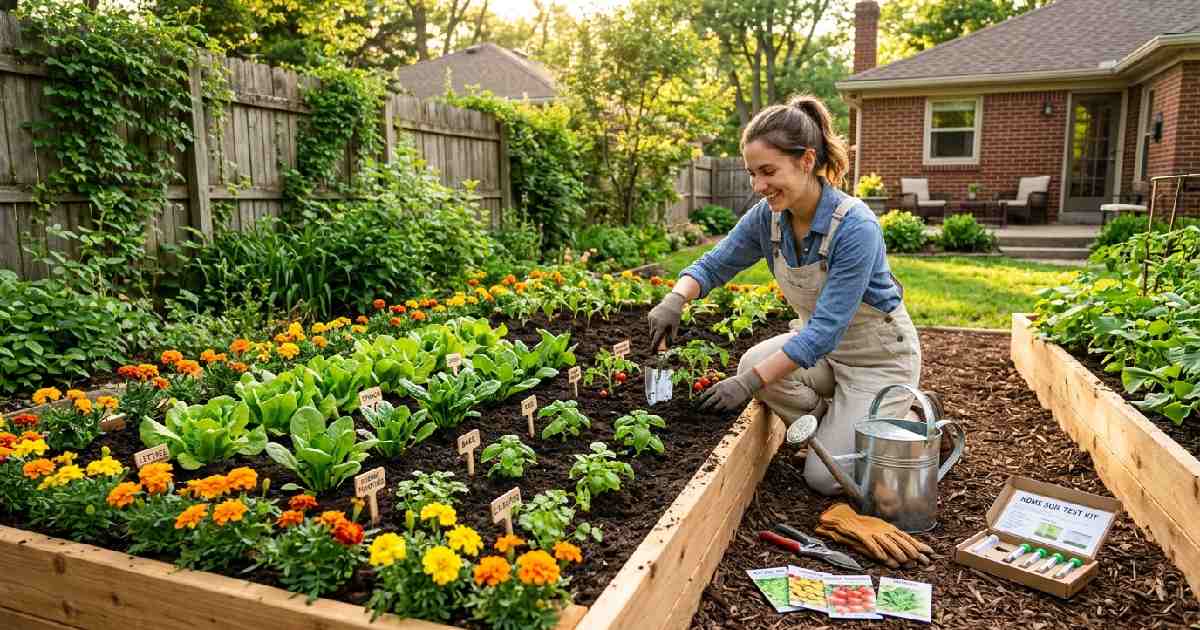

How to Start a Home Garden from Scratch: Complete Beginner Guide to Growing Fresh Food at Home
Learning how to start a home garden from scratch is one of the most rewarding decisions you can make. You do not need gardening experience, a large space, or a big budget to begin. How to start a home garden from scratch is simpler than most beginners think at first.
A small balcony, backyard, or windowsill is enough to grow fresh herbs and vegetables daily. This complete guide on how to start a home garden from scratch covers space selection, soil, plants, tools, and care routines. Start today and enjoy homegrown food every single day.
Introduction to Home Gardening
How to start a home garden from scratch is a question millions of beginners ask every year. Home gardening is growing rapidly in popularity across cities and towns worldwide today. More people want fresh food, a connection with nature, and a sustainable lifestyle at home. Learning how to start a home garden from scratch gives you full control over what you eat.
It is affordable, therapeutic, and deeply satisfying for people of all ages and backgrounds. How to start a home garden from scratch requires only basic knowledge, simple tools, and genuine enthusiasm. This guide gives you everything you need to begin your home gardening journey confidently and successfully today, always.
Why Home Gardening Is Becoming Popular
Home gardening is becoming popular because people want fresher and healthier food every day. Rising grocery prices are pushing more families to learn how to start a home garden from scratch. Growing your own food reduces dependence on stores and processed packaged produce significantly.
The pandemic encouraged millions of people worldwide to try gardening at home for the first time. Social media has spread beautiful home garden inspirations, making it feel accessible and very achievable. How to start a home garden from scratch has never been more relevant or more popular than today.
Benefits of Starting Your Own Garden at Home
Learning how to start a home garden from scratch offers many incredible personal benefits. You grow fresh, chemical-free food that is healthier than most store-bought produce available. Home gardening saves money on vegetables and herbs every single month consistently over time.
Gardening reduces stress, improves mood, and provides gentle daily physical activity outdoors naturally. It connects you with nature and creates a calming and productive daily routine at home. How to start a home garden from scratch also teaches patience, responsibility, and deep respect for nature always.
What You Will Learn in This Guide
This guide covers everything beginners need to know about how to start a home garden from scratch. You will learn how to choose the right space and sunlight for your garden setup. We cover the best soil mixes, essential tools, and beginner-friendly plant selections for everyone.
Step-by-step planting techniques, watering routines, and pest control methods are explained clearly always. How to start a home garden from scratch becomes simple when you follow this structured guide. By the end, you will feel completely confident and ready to begin your own home garden today.
Choosing the Right Space for Your Garden
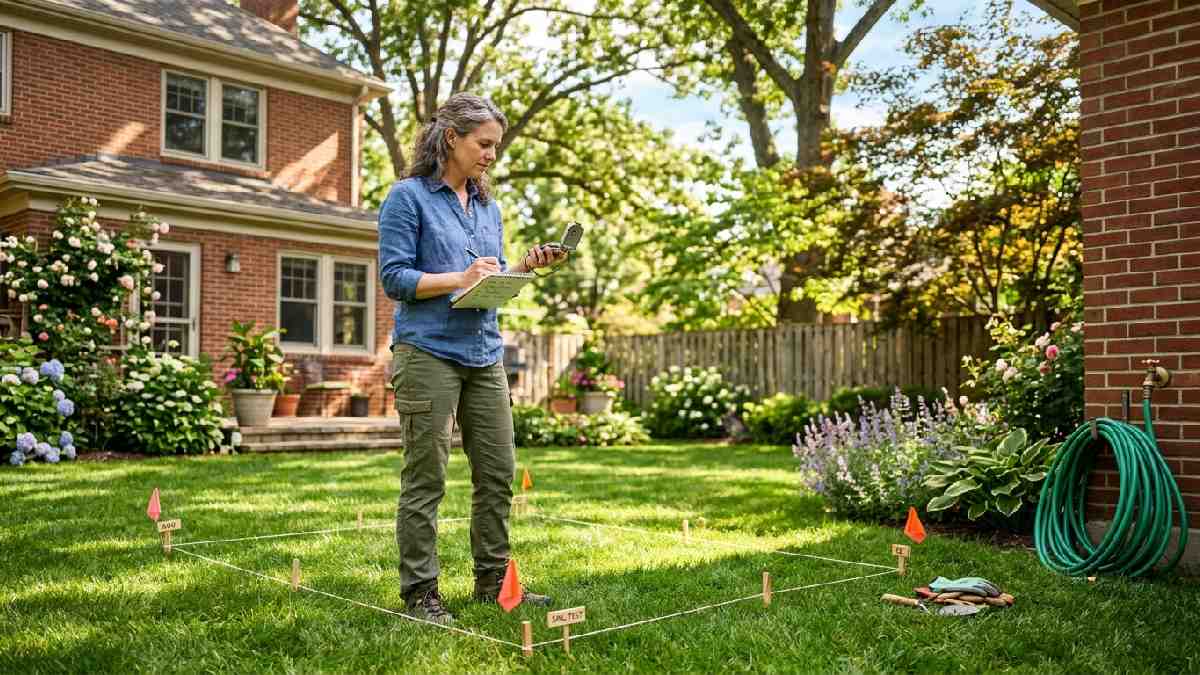
Choosing the right space is the very first step in how to start a home garden from scratch. Not all spaces are equal, and sunlight, drainage, and accessibility matter greatly for plant success. Balconies, backyards, windowsills, and rooftops can all work well as garden spaces outdoors. Observe your available space throughout the day to understand its sunlight and wind patterns fully.
Good drainage prevents waterlogging, which is one of the biggest causes of plant failure. How to start a home garden from scratch successfully begins with choosing the right growing location. A well-chosen space sets the foundation for a healthy, productive, and truly beautiful home garden today.
Balcony Gardening vs Backyard Gardening
Balcony and backyard gardening are both excellent options for how to start a home garden from scratch. Balcony gardens use containers, vertical planters, and railing boxes to grow plants in small spaces. Backyard gardens have more ground space, allowing raised beds and direct soil planting outdoors.
Balconies are better for beginners who want a small, manageable, and low-cost starting setup. Backyards offer more growing capacity and are ideal for larger vegetable and herb gardens. Both options work well when you understand how to start a home garden from scratch properly.
How Much Sunlight Your Space Needs
Sunlight is the most important factor when learning how to start a home garden from scratch. Most vegetables and herbs need a minimum of six hours of direct sunlight every single day. Observe your chosen space from morning to evening to map the available daily sunlight accurately.
South-facing spaces receive the most sun and are ideal for vegetable and herb growing outdoors. Shaded areas are only suitable for low-light plants like ferns, mint, and leafy greens. Matching your plants to your space’s sunlight is essential for starting a home garden from scratch.
Checking Soil, Drainage, and Ventilation
Before learning how to start a home garden from scratch, always check soil, drainage, and airflow. Good soil is loose, dark, and rich in organic matter for healthy plant root development. Poor drainage causes waterlogging and root rot, which kill plants very quickly without warning.
Dig a small hole and fill it with water to test how fast your soil drains. Good ventilation prevents humidity buildup, which causes fungal diseases in crowded garden plants. Checking these three factors before planting gives your home garden the strongest possible start, always today.
Types of Home Gardens You Can Start
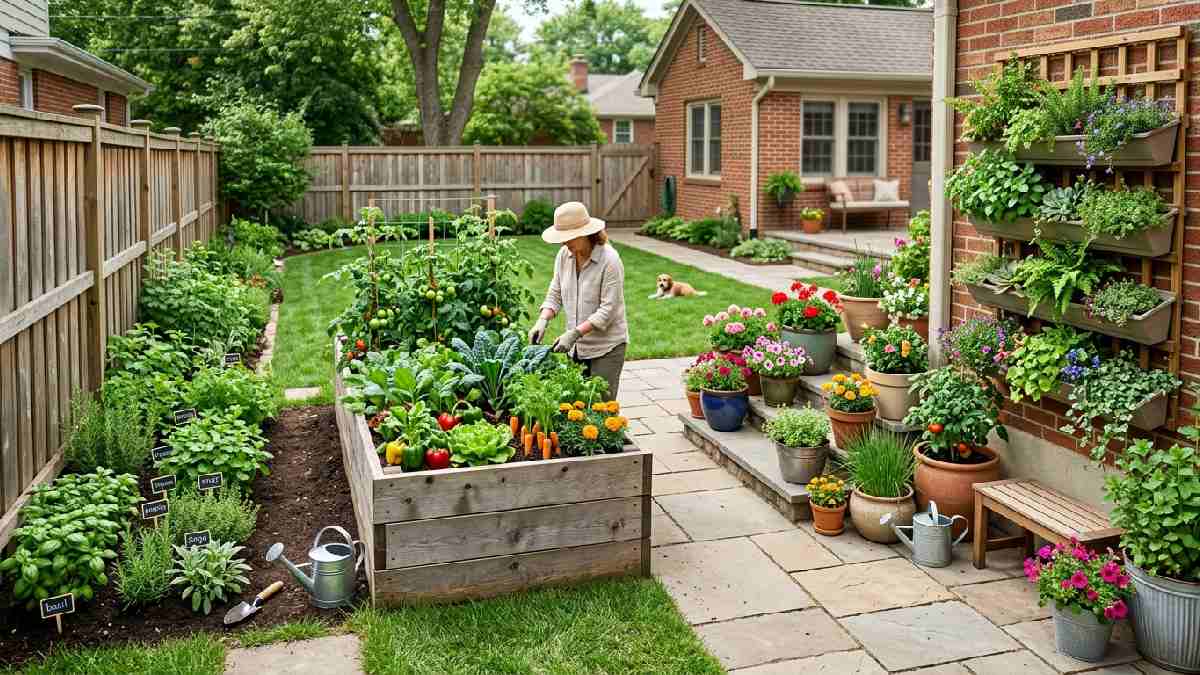
There are several types of home gardens to consider when learning how to start a home garden from scratch. Container gardening uses pots and buckets and works in any space, including small balconies easily. Raised bed gardening creates organized and productive growing areas with better soil control. Directly planting plants into the ground works best in backyard spaces outdoors.
Each type has unique advantages depending on your available space, budget, and experience level. How to start a home garden from scratch becomes easier when you choose the right garden type. Understanding each option helps every beginner make the smartest and most suitable gardening choice today.
Container Gardening (Pots and Buckets)
Container gardening is the most popular type for beginners learning how to start a home garden from scratch. Pots, buckets, grow bags, and recycled containers all work well for growing plants anywhere. Containers can be placed anywhere with good sunlight and moved easily as needed.
They give you complete control over soil quality, drainage, and watering for every plant. Container gardening works on balconies, rooftops, patios, and even indoors near bright windows. It is the most flexible and affordable way to begin how to start a home garden from scratch today.
Raised Bed Gardening
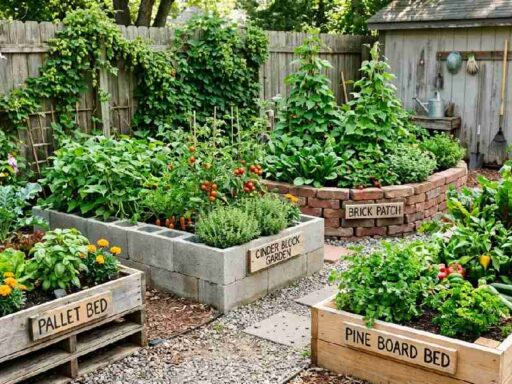
Raised bed gardening is an excellent option for how to start a home garden from scratch outdoors. Raised beds are elevated frames filled with quality soil mix that drain very well always. They warm up faster in spring, allowing earlier planting than direct ground soil gardening.
Raised beds reduce back strain and make weeding, watering, and harvesting much more comfortable daily. They keep soil loose and uncompacted, which encourages strong and healthy root development always. Raised bed gardening gives beginners better yields and more organized gardens than traditional ground planting.
Direct Soil Gardening
Direct soil gardening means planting directly into the existing ground soil in your backyard. It is the most natural and traditional method of starting a home garden from scratch. Direct soil gardens are low-cost as they require no containers or raised bed structures outdoors.
However, ground soil quality varies and may need significant improvement with compost before planting. Weeds are more common in direct soil gardens and require more regular attention and effort. Direct soil gardening works best in backyards where ground space and soil quality are always available.
Which Type Is Best for Beginners
Container gardening is the best starting point for beginners learning how to start a home garden from scratch. It is affordable, manageable, and works in the smallest spaces like balconies and windowsills. Beginners can start with just two or three containers and expand gradually over time.
Containers teach all the essential gardening skills without overwhelming new gardeners at the beginning. How to start a home garden from scratch is most successful when beginners start simple and small. As confidence grows, beginners can explore raised beds and direct soil gardening methods outdoors naturally.
Essential Tools You Need to Start Gardening
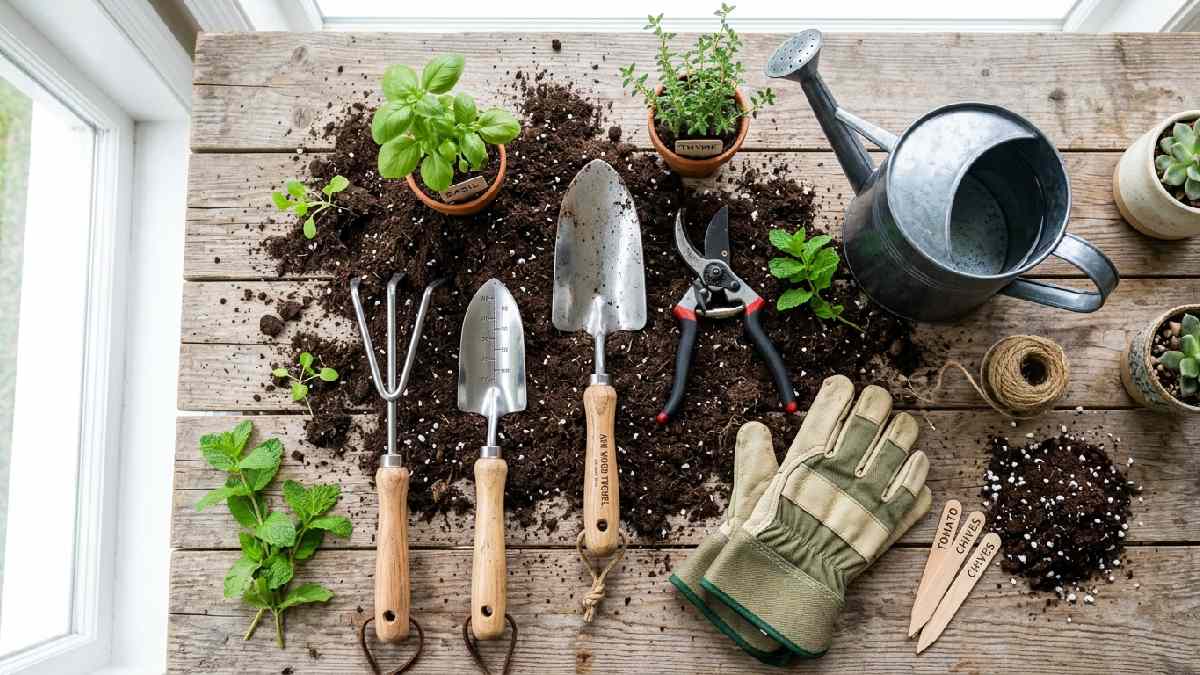
Having the right tools makes starting a home garden from scratch much easier and enjoyable. You do not need expensive professional equipment to begin a successful home garden today. A few basic and affordable tools are enough to plant, water, and maintain any beginner garden. Quality tools save time, reduce effort, and make every gardening task more efficient and productive.
Investing in even a small set of basic tools dramatically improves your home gardening experience. How to start a home garden from scratch requires minimal tool investment, but the right choices matter. This section covers all the essential, budget-friendly, and optional tools every beginner gardener needs today.
Basic Gardening Tools List
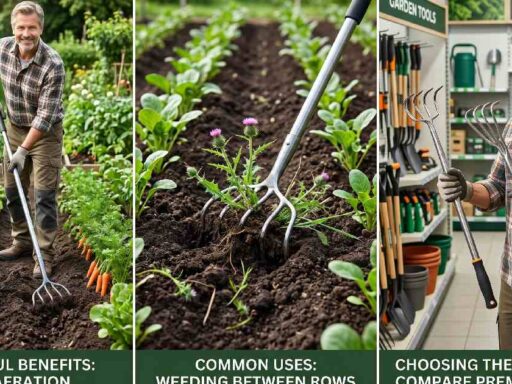
Every beginner learning how to start a home garden from scratch needs a few essential tools. A hand trowel is used for digging small holes and transplanting seedlings into containers. A watering can or hose with a gentle spray nozzle waters plants without damaging them.
Garden gloves protect your hands from dirt, thorns, and sharp objects while working outdoors. A small hand fork loosens soil and removes weeds from around your growing plants. These four basic tools are enough to successfully begin any beginner home garden from scratch today.
Budget-Friendly Tools for Beginners
How to start a home garden from scratch does not always require expensive tools or equipment. Look for basic gardening tool sets at local hardware stores or affordable online marketplaces. Repurpose household items like old spoons, cups, and bottles as budget garden tools creatively.
A simple plastic watering can costs very little and works perfectly for small container gardens. Grow bags are cheaper than plastic pots and perform equally well for growing vegetables. Budget-friendly tools prove that starting a home garden from scratch is accessible to everyone.
Optional Tools for Better Growth
Optional tools help improve results as you advance in how to start a home garden from scratch. A soil moisture meter tells you exactly when your plants need watering, very accurately, always. A garden thermometer helps monitor temperature changes that affect plant growth and health outdoors.
A spray bottle is useful for misting seedlings and applying liquid fertilizers or pest sprays. Plant labels help you track which seeds were planted where in your home garden. These optional tools are not essential to start, but they greatly improve your overall gardening results.
Preparing Soil for Home Gardening
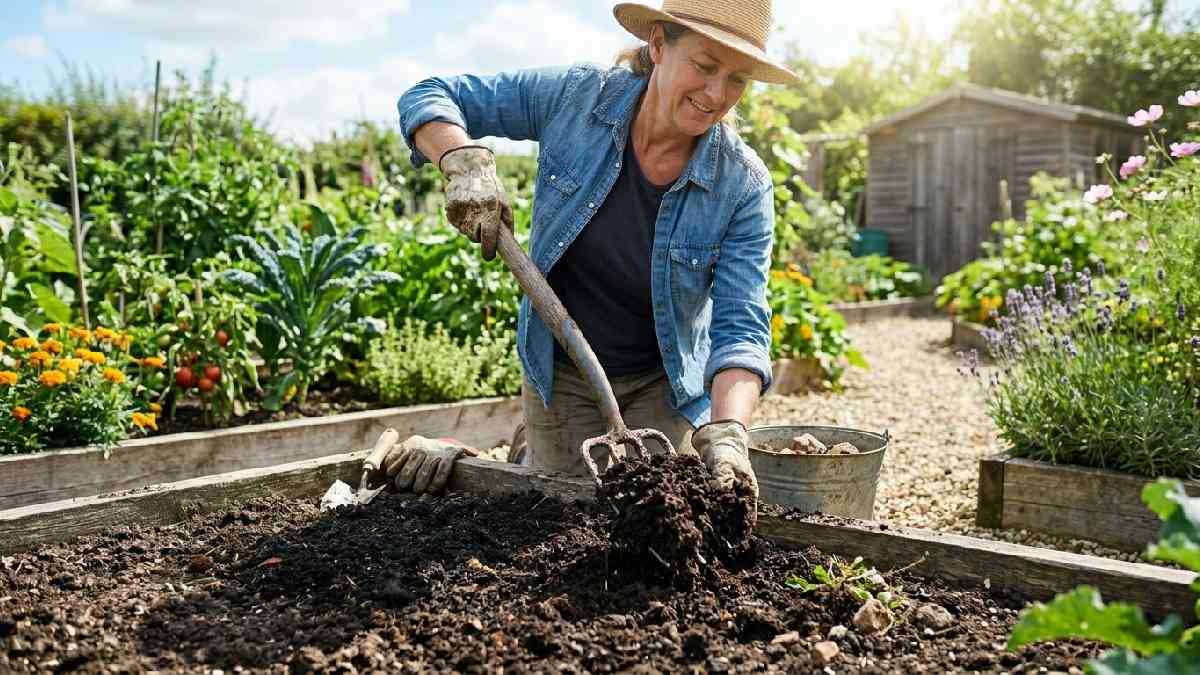
Preparing good soil is one of the most critical steps in how to start a home garden from scratch. Healthy soil provides the nutrients, drainage, and structure that plant roots need to thrive. Poor quality soil is the most common reason why beginner home gardens fail early on. Never use compacted heavy garden soil in containers as it prevents proper water drainage.
A quality potting mix is the best starting soil for any beginner home gardening setup. How to start a home garden from scratch successfully depends heavily on getting the soil right first. Investing in good soil from the beginning saves plants, money, and significant frustration over time, today.
Why Healthy Soil Is Important
Healthy soil is the foundation of every successful home garden, whether started from scratch or not. Plant roots need loose, nutrient-rich, and well-draining soil to grow strong and productive. Poor soil compacts around roots, preventing oxygen and water from reaching them effectively.
Nutrient-deficient soil produces weak plants that grow slowly and fail to produce good harvests. How to start a home garden from scratch successfully requires prioritizing soil health above everything else. Good soil produces healthy plants that are more resistant to pests, disease, and weather stress.
Best Soil Mix for Beginners
The best soil mix for how to start a home garden from scratch is a quality potting mix. A good beginner potting mix contains peat moss or coco coir for moisture retention and lightness. Add perlite or vermiculite to improve drainage and prevent soil from compacting in containers.
Mix in compost to provide essential natural nutrients that feed plants throughout the season. This combination creates a light, airy, and nutrient-rich growing medium perfect for beginner gardens. A good soil mix is the single most important investment when learning how to start a home garden from scratch.
How to Improve Soil Using Compost
Compost is the best and most natural way to improve soil for how to start a home garden from scratch. Compost adds essential nutrients, beneficial microorganisms, and organic matter to any soil type. Mix compost into your potting mix or garden bed at a ratio of one part compost to three parts soil.
Homemade compost from kitchen scraps and garden waste is free and very effective outdoors, always. Apply a fresh layer of compost on top of existing soil every new growing season. Regular composting keeps your home garden soil rich, healthy, and productive year after year.
Choosing the Right Plants for Beginners
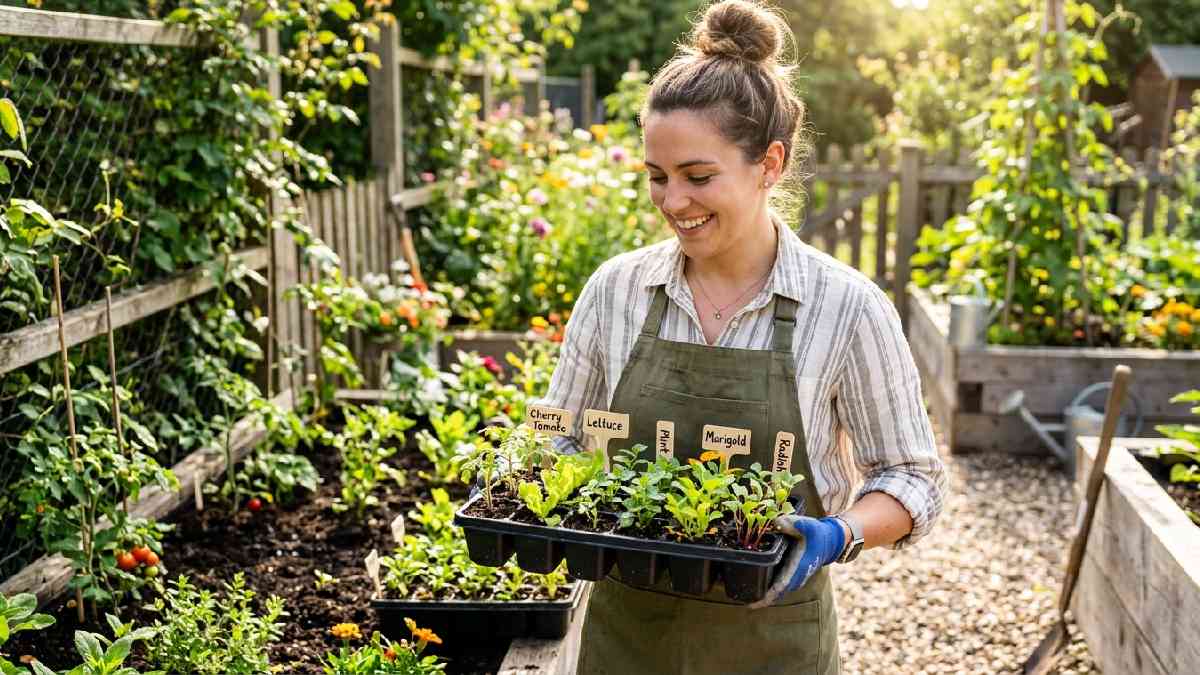
Choosing the right plants is essential for beginners learning how to start a home garden from scratch. Not all plants are easy to grow, and beginners should start with forgiving and fast-growing varieties. Easy plants give quick results that build confidence and motivation to keep gardening always. Herbs are the most popular starting plants because they grow fast and are very useful daily.
Vegetables like spinach, lettuce, and cherry tomatoes are beginner-friendly and highly productive outdoors. How to start a home garden from scratch is most successful when plant selection matches your skill level. Start simple, enjoy early success, and expand your plant collection gradually as experience grows, always today.
Easy Vegetables to Grow at Home
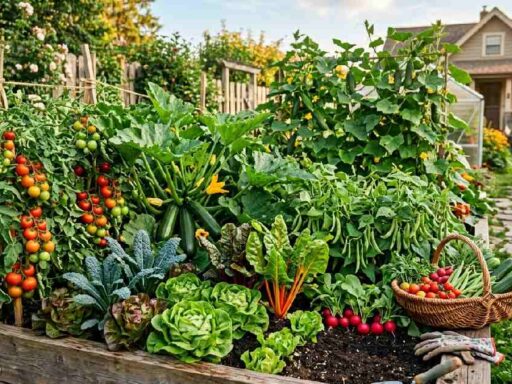
Easy vegetables are the best choice for beginners learning how to start a home garden from scratch. Spinach and lettuce grow very fast and can be harvested within just four to six weeks. Cherry tomatoes are productive and rewarding in containers with good sunlight and regular watering.
Radishes mature in as little as three weeks, making them perfect for impatient beginners. Chilies and green beans are low-maintenance and produce abundantly throughout the entire growing season. These easy vegetables give beginners fast, satisfying, and confidence-building results right from the very start.
Best Herbs for Home Gardening
Herbs are the most practical plants for starting a home garden from scratch today. Basil, mint, coriander, parsley, and chives grow very well in small containers anywhere. They are fast-growing, low-maintenance, and provide fresh daily cooking ingredients right at home.
Most herbs need only five to six hours of sunlight and regular moderate watering to thrive. Herbs are lightweight, compact, and perfect for balcony and windowsill home garden setups. Starting with herbs is the easiest and most rewarding way to begin how to start a home garden from scratch.
Seasonal Plants You Should Consider
Choosing seasonal plants is important for starting a home garden from scratch successfully. Cool-season plants like spinach, peas, and lettuce grow best in the spring and autumn months. Warm-season plants like tomatoes, peppers, and cucumbers thrive during hot summer growing conditions.
Planting according to the season ensures plants grow in their optimal natural conditions always. Check your local planting calendar to know exactly which plants to grow each month. Seasonal planting maximizes productivity and ensures your home garden is always growing something fresh and useful.
How to Plant Your Seeds or Saplings
Planting correctly is a crucial step in how to start a home garden from scratch. The method, depth, spacing, and timing of planting directly affect plant health and productivity. Seeds can be sown directly into containers or started indoors as seedlings before transplanting. Saplings purchased from nurseries are a faster option for beginners who want quicker results always.
Proper spacing between plants ensures good airflow, light access, and healthy root development outdoors. How to start a home garden from scratch requires understanding basic planting techniques for every plant type. Following correct planting methods gives every seed and sapling the best possible start in life, always today.
Step 1: Direct Sowing vs Transplanting
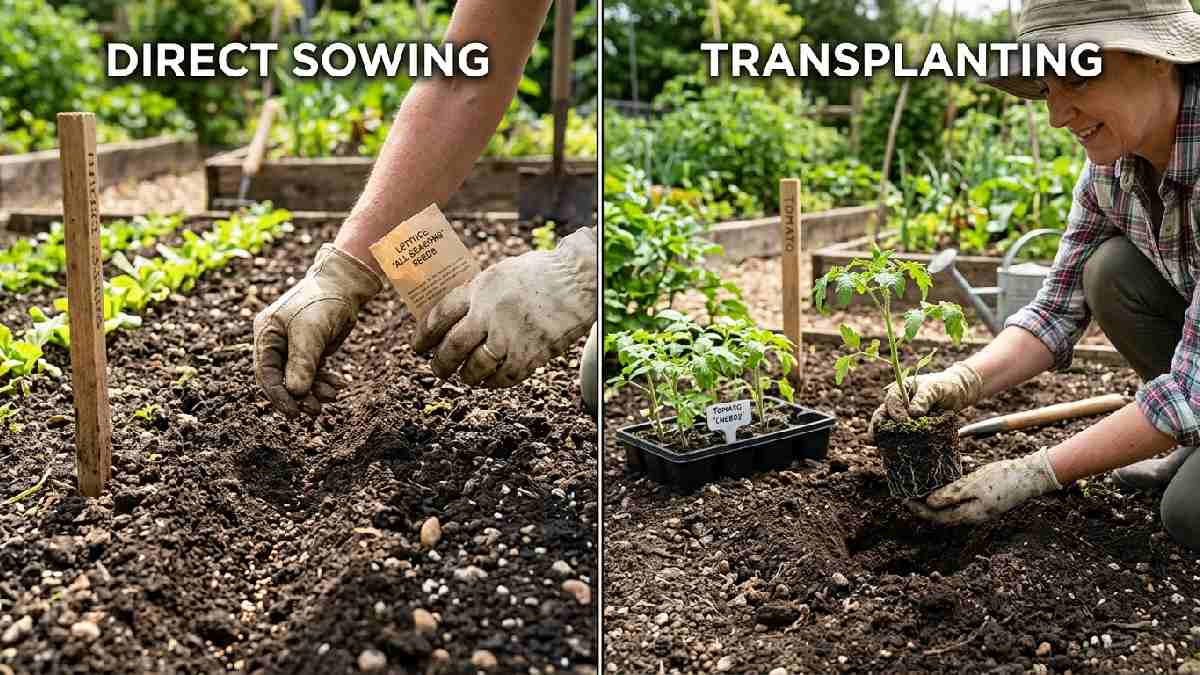
Direct sowing means planting seeds directly into the final container or garden bed outdoors. Transplanting means starting seeds indoors first, then moving grown seedlings to their final location. Direct sowing is simpler and works well for fast-growing plants like radishes and lettuce.
Transplanting gives a head start to slow-growing plants like tomatoes and peppers outdoors. How to start a home garden from scratch often combines both methods for maximum garden productivity. Choose the method that best suits each plant variety and your available time and space.
Step 2: Proper Spacing Between Plants
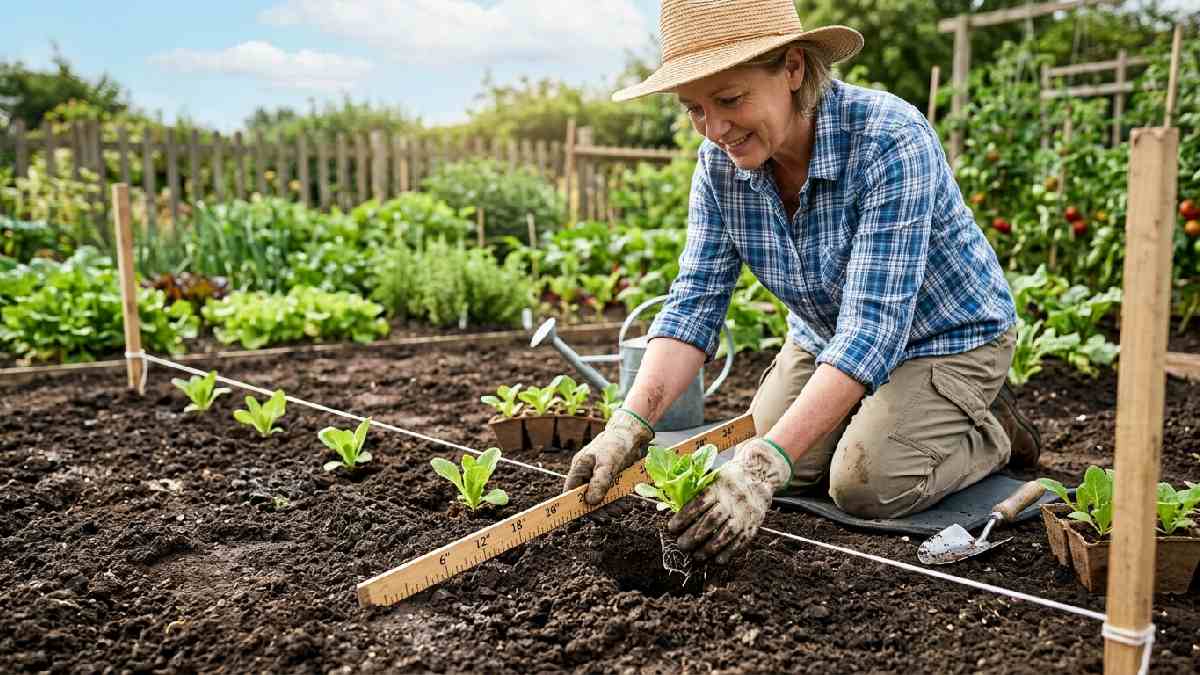
Correct spacing is very important when learning how to start a home garden from scratch. Overcrowded plants compete negatively for nutrients, water, sunlight, and airflow. Poor spacing leads to weak plants, increased disease risk, and significantly reduced harvests outdoors.
Always read the seed packet or plant label for the recommended spacing for each variety. Leafy greens need four to six inches of space, while tomatoes need at least twelve inches. Proper spacing ensures every plant grows strong, healthy, and produces its maximum possible yield always.
Step 3: Depth and Planting Technique
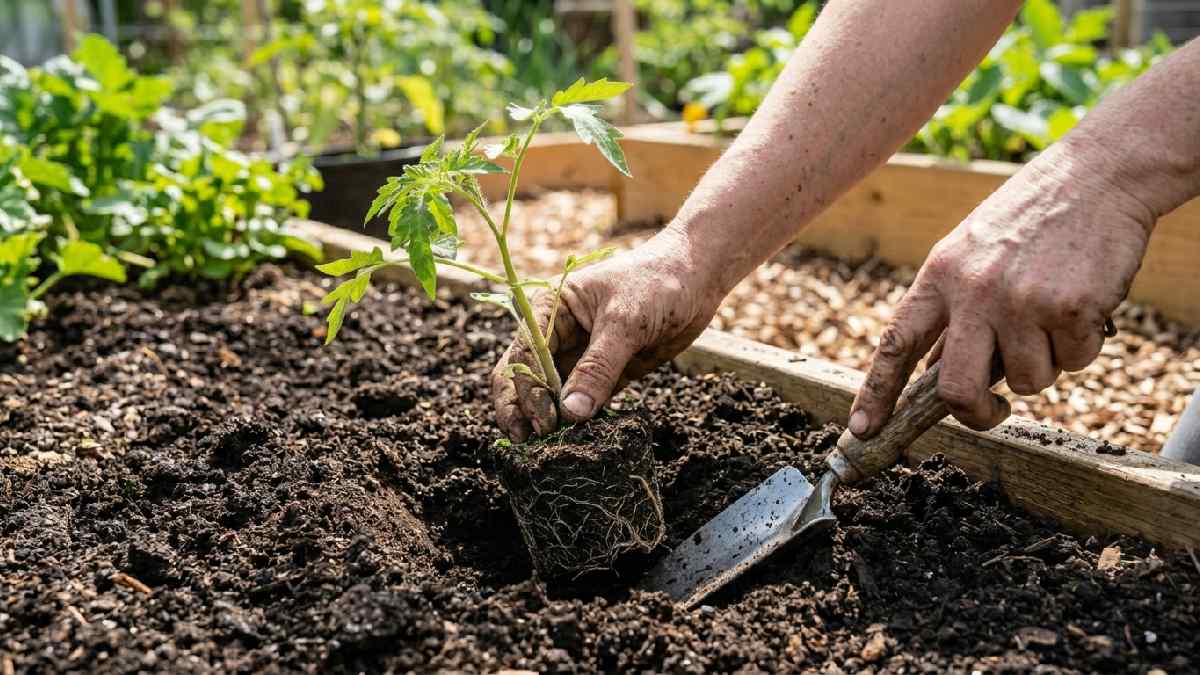
Planting at the correct depth is essential for how to start a home garden from scratch successfully. Seeds planted too deep struggle to germinate and reach the soil surface in time. Seeds planted too shallow dry out quickly and fail to develop strong enough root systems.
A general rule is to plant seeds at a depth twice their own diameter size always. Press soil gently around seeds and water lightly to ensure good soil-to-seed contact outdoors. Correct planting depth and gentle technique give every seed the best possible germination start.
Watering and Daily Care Routine
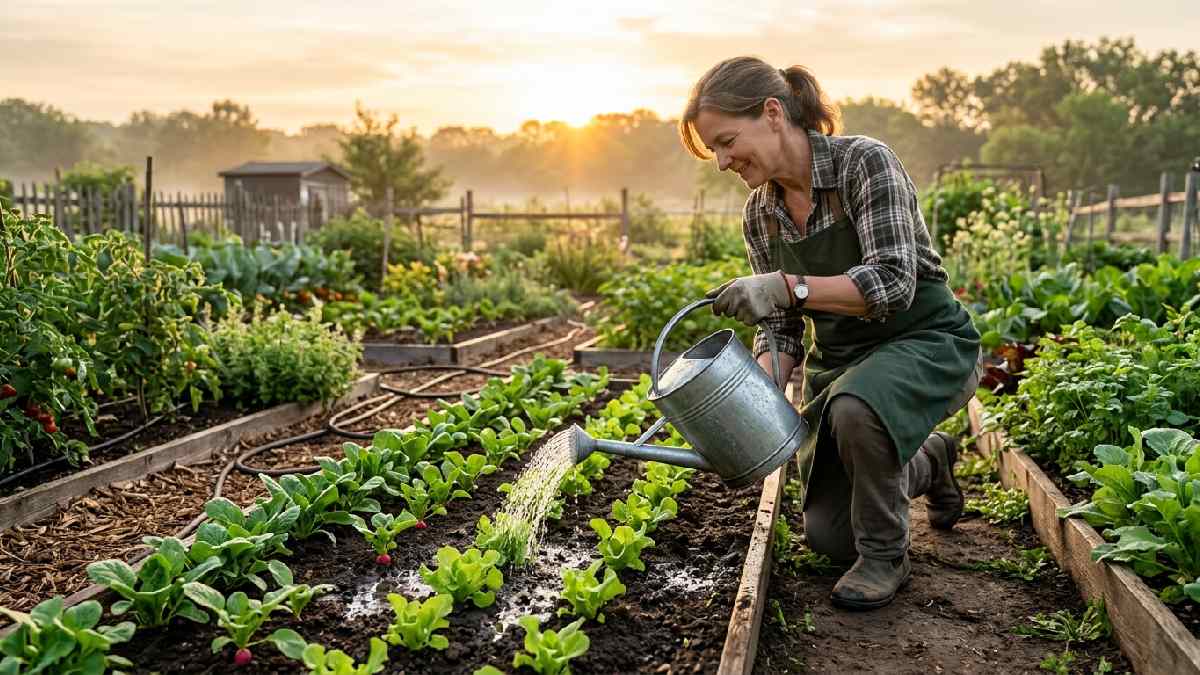
A consistent watering and care routine is essential for starting a home garden from scratch. Container plants dry out faster than ground plants and need more frequent attention every day. Check soil moisture daily by pressing your finger one inch into the potting mix. Water thoroughly until it drains freely from the container holes at the base.
A daily care routine also includes removing dead leaves, checking for pests, and feeding plants regularly. How to start a home garden from scratch successfully depends on consistent daily attention and care. Simple daily habits keep your home garden healthy, productive, and thriving throughout the entire growing season, always today.
How Often Should You Water Plants
Watering frequency depends on plant type, container size, and current weather conditions outdoors. How to start a home garden from scratch requires learning to read your plants and soil daily. Check soil moisture every day and water only when the top inch feels dry to the touch.
Most container plants need watering once daily and twice daily during very hot summer weather. Ground garden plants need less frequent watering as soil retains moisture much longer outdoors. Consistent and correct watering is one of the most important skills in home gardening today.
Signs of Overwatering and Underwatering
Recognizing watering problems is very important when learning how to start a home garden from scratch. Overwatered plants show yellowing leaves, wilting despite wet soil, and a musty smell from containers. Underwatered plants show dry, crispy leaf edges, wilting, and a very dry and cracked soil surface.
Both problems are common mistakes for beginners and can damage or kill plants very quickly. Always check soil moisture before watering and never water on a fixed schedule blindly. Learning these signs early helps you correct watering habits and keep your home garden healthy always.
Best Time to Water Your Garden
Timing your watering correctly is an important part of how to start a home garden from scratch. Early morning is the best time to water, as plants absorb moisture before the heat begins. Morning watering gives leaves time to dry, reducing the risk of fungal diseases throughout the day.
Avoid watering in the middle of the day, as the hot sun causes rapid evaporation of water. Evening watering is acceptable, but wet leaves overnight can encourage mold and fungal problems outdoors. Watering in the early morning gives your home garden plants the best daily start, always today.
Common Mistakes Beginners Should Avoid
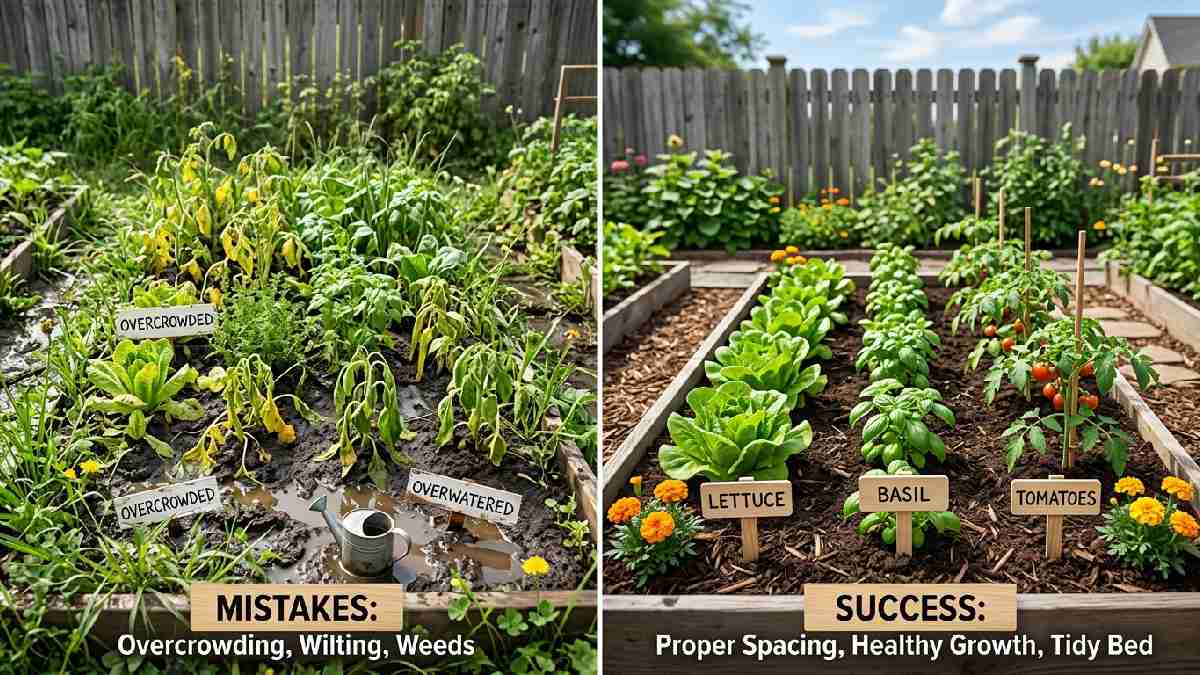
Avoiding common mistakes is essential for anyone learning how to start a home garden from scratch. Overwatering is the number one cause of plant death in beginner home gardens everywhere. Using poor-quality heavy soil prevents proper drainage and suffocates plant roots very quickly. Planting too many crops at once overwhelms beginners and makes garden management very difficult.
Starting a home garden from scratch is much more successful when mistakes are avoided early. Ignoring sunlight requirements and skipping fertilizing are also very common beginner errors outdoors. Learning these mistakes before starting saves time, money, and significant frustration throughout your entire home gardening journey today.
Overwatering Plants
Overwatering is the most common and damaging mistake when learning how to start a home garden from scratch. Too much water fills soil air pockets and suffocates plant roots, causing rapid decline. Yellow leaves, mushy stems, and a bad soil smell are all signs of overwatering problems.
Always check soil moisture before watering and never follow a rigid watering schedule blindly. Let the top inch of soil dry out completely before watering again for best results. Learning to water correctly is the most important skill in starting a home garden from scratch.
Using Poor Quality Soil
Using poor-quality soil is a very costly mistake for beginners learning how to start a home garden from scratch. Heavy garden soil compacts in containers and prevents proper water drainage and root growth. Nutrient-poor soil produces weak, stunted plants that fail to thrive or produce good harvests.
Always invest in a high-quality lightweight potting mix specifically designed for container gardening outdoors. Never use soil taken directly from the ground for container or raised-bed home gardens. Good soil is the most important investment when learning how to start a home garden from scratch today.
Planting Too Many Crops at Once
Planting too many crops at once is a very common beginner mistake in home gardening. Beginners feel excited and want to grow everything immediately at the very beginning. Too many plants create an unmanageable workload that quickly leads to neglect and plant failure.
How to start a home garden from scratch works best when you start with just three to five plants. Master the basics of watering, feeding, and care before expanding your home garden further. Starting small builds confidence and makes the home gardening journey enjoyable and truly sustainable today.
Pest Control and Plant Protection
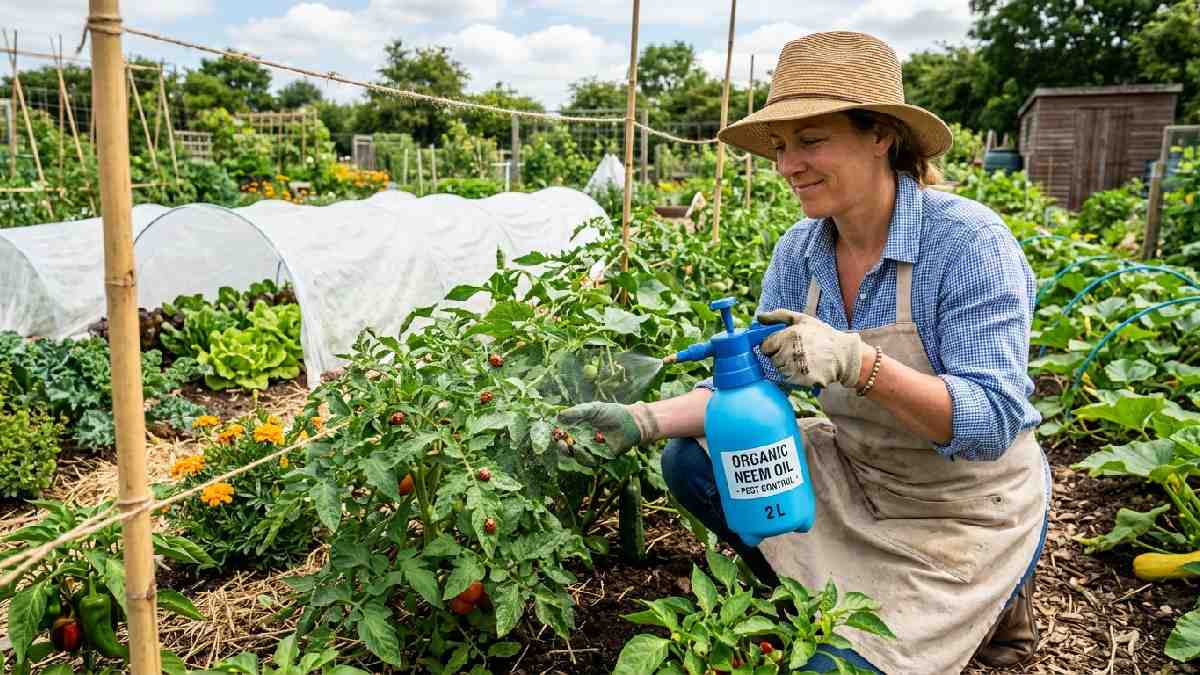
Pest control is an important part of how to start a home garden from scratch successfully. Common garden pests like aphids, whiteflies, and caterpillars can damage plants very quickly. Regular inspection of plants helps catch pest problems early before they spread and cause serious damage. Natural and organic pest control methods are the safest options for home garden beginners.
Chemical pesticides should be avoided as they harm beneficial insects and contaminate homegrown food. How to start a home garden from scratch requires learning basic pest prevention and treatment techniques. Protecting your plants from pests and diseases ensures a healthy, productive, and thriving home garden today.
Natural Pest Control Methods
Natural pest control is the safest approach for starting a home garden from scratch. Companion planting uses plants like marigolds and basil to naturally repel common garden pests. Hand-picking large pests like caterpillars from plants is simple and very effective for beginners.
Introduce beneficial insects like ladybugs that naturally feed on harmful aphid populations outdoors. Strong water sprays from a hose can dislodge aphids and other small insects from plant surfaces. Natural pest control methods keep your home garden safe, chemical-free, and healthy for everyone, always today.
Organic Sprays You Can Use at Home
Organic sprays are excellent tools for pest control in how to start a home garden from scratch. Neem oil mixed with water and dish soap is one of the most effective organic sprays available. Diluted garlic spray repels many common garden pests without harming plants or beneficial insects.
Chili pepper spray deters caterpillars, aphids, and other soft-bodied garden pests very effectively outdoors. Apply organic sprays in the early morning or evening to avoid harming beneficial pollinating insects. Homemade organic sprays are cheap, safe, and very effective for any beginner home garden from scratch.
Preventing Plant Diseases
Preventing plant diseases is very important when learning how to start a home garden from scratch. Overwatering and poor airflow are the two main causes of fungal disease in home gardens. Water plants at the base and avoid wetting leaves unnecessarily to reduce fungal disease risk.
Remove and dispose of any diseased leaves immediately to prevent spreading to healthy plants outdoors. Rotate plant varieties in the same containers each season to prevent soil-borne disease buildup. Healthy, well-fed plants with good spacing are naturally more resistant to common plant diseases today.
Harvesting Your Home Garden
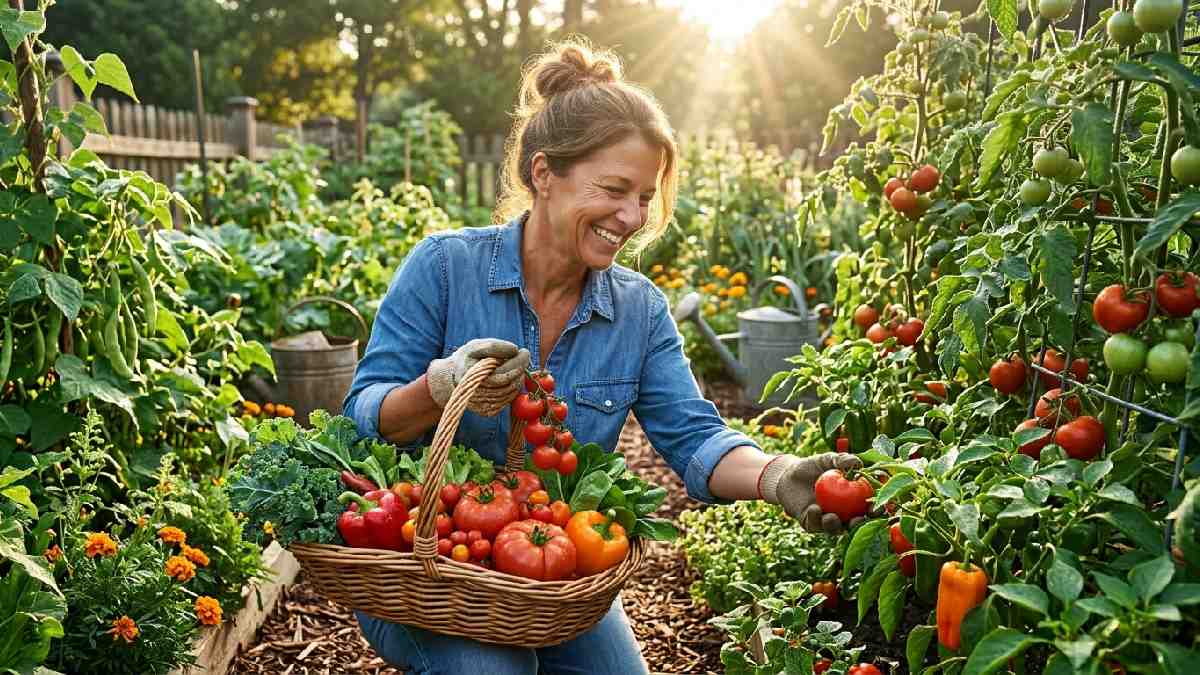
Harvesting is one of the most rewarding parts of how to start a home garden from scratch. Knowing when and how to harvest ensures the best flavor and encourages continued plant productivity. Most vegetables are ready to harvest when they reach full size, but before they overripen always. Herbs should be harvested regularly to encourage bushy and continuous new leaf growth outdoors.
Correct harvesting techniques prevent plant damage and extend the productive life of every plant. How to start a home garden from scratch is most rewarding when you learn to harvest properly. Fresh homegrown food harvested at peak ripeness is far superior to anything bought from stores today.
When to Harvest Vegetables and Herbs
Knowing when to harvest is an important skill in how to start a home garden from scratch. Lettuce and spinach can be harvested when leaves reach a usable size, usually within weeks. Tomatoes are ready when they are fully colored, firm, and detach easily from the stem.
Herbs like basil and mint are best harvested before they flower for the strongest flavor. Radishes are ready in three to four weeks when the root reaches a finger-width diameter. Regular harvesting at the right time ensures plants continue producing fresh food all season.
How to Harvest Without Damaging Plants
A gentle harvesting technique is very important for starting a home garden from scratch. Use clean, sharp scissors or pruning shears to cut herbs and leafy greens cleanly always. Never pull or rip stems, as this can damage the main plant and expose it to disease.
Harvest tomatoes and peppers by twisting gently or cutting the stem just above the fruit. Always harvest in the morning when plants are fresh and full of natural moisture outdoors. Careful and clean harvesting keeps plants healthy, productive, and growing well for much longer.
Encouraging Continuous Growth
Encouraging continuous growth is an important goal in how to start a home garden from scratch. Regular harvesting of leafy greens and herbs actually stimulates new and faster growth. Remove spent flowers from vegetable plants to redirect energy back into fruit and leaf production.
Feed plants with liquid fertilizer every two weeks to maintain energy and nutrient levels outdoors. Pinch back leggy growth on herbs to encourage bushy and productive new growth regularly. A regularly harvested and well-fed home garden produces fresh food continuously throughout the entire growing season today.
FAQs About Starting a Home Garden
Can I Start a Garden With No Experience?
Yes, How to Start a Home Garden from Scratch is designed for complete beginners with no experience. Start with easy plants like herbs and lettuce, and learn gradually every single day.
How Much Space Do I Need for Gardening?
Very little space is needed to start a home garden from scratch successfully. A small balcony, windowsill, or rooftop with good sunlight is more than enough to begin with.
What Is the Easiest Plant to Grow at Home?
Mint, basil, and lettuce are the easiest plants for starting a home garden from scratch. They grow fast, need minimal care, and produce results within just a few short weeks.
How Long Does It Take to Grow Vegetables?
Most beginner vegetables take four to eight weeks to harvest. Fast growers like radishes and lettuce are ready in three to four weeks when learning how to start a home garden from scratch.
Can I Grow Plants Indoors?
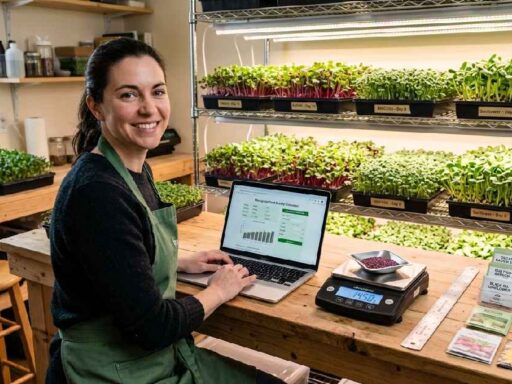
Yes, how to start a home garden from scratch works indoors too, with a bright, sunny window. Herbs, lettuce, and microgreens grow very well indoors with adequate light and regular watering.
Conclusion
How to start a home garden from scratch is simpler and more rewarding than most beginners expect. With the right space, soil, tools, and plants, anyone can grow fresh food successfully at home. How to start a home garden from scratch requires only basic knowledge, consistent care, and genuine enthusiasm.
Avoid common mistakes, choose beginner-friendly plants, and follow a simple daily care routine always. Harvest regularly, feed your plants, and enjoy watching your home garden grow and thrive every day. How to start a home garden from scratch today is the first step toward a healthier, greener, and more self-sufficient lifestyle.