

How to Grow Organic Food at Home: Step-by-Step Beginner Guide
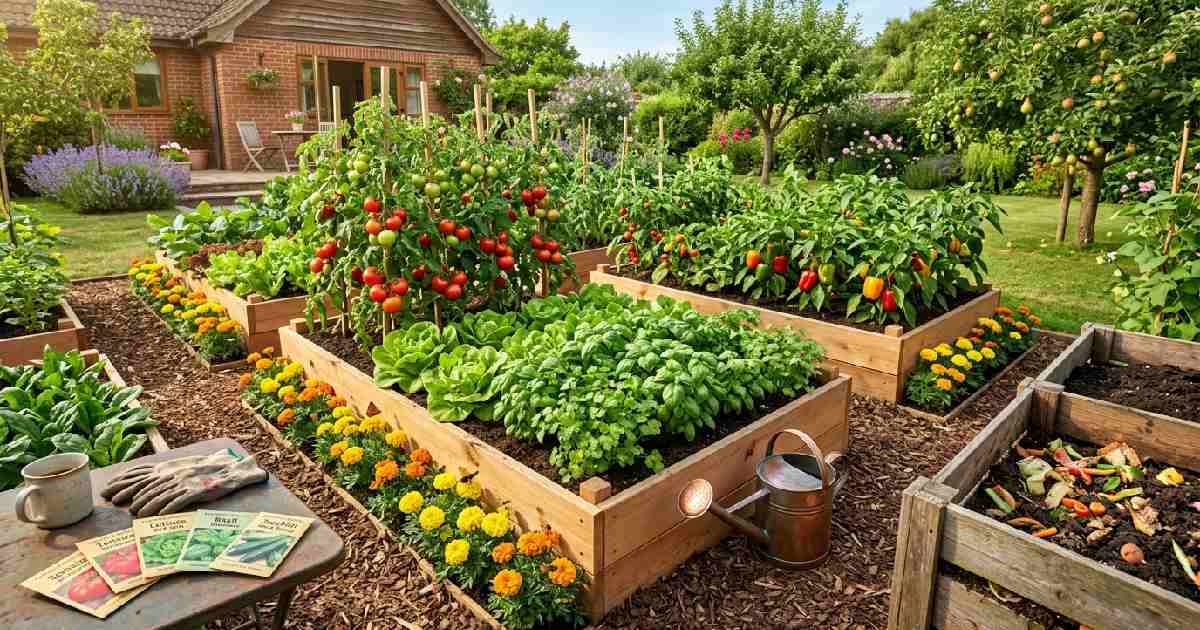
Learning how to grow organic food at home is one of the best ways to eat healthier. It allows you to control exactly what goes into your soil and onto your plants. You do not need a large yard or expensive equipment to get started easily.
With simple tools, the right soil, and basic planning, anyone can succeed quickly. This guide covers everything from choosing the right space to natural pest control methods. Follow these steps to start growing fresh, chemical-free food in your own home today.
Introduction to Organic Food Gardening
Organic food gardening is a natural method of growing fruits, vegetables, and herbs without using synthetic fertilizers, pesticides, or harmful chemicals. It focuses on improving soil health, protecting the environment, and producing fresh, nutritious food. Learning how to grow organic food at home allows individuals to have complete control over what they eat while reducing dependence on store-bought produce.
Whether you have a backyard, balcony, rooftop, or indoor space, organic gardening can be started with simple tools and proper planning. It is a sustainable practice that promotes healthier lifestyles and environmentally friendly food production.
What is Organic Food?
Organic food refers to fruits, vegetables, herbs, and other crops grown without synthetic pesticides, chemical fertilizers, or genetically modified organisms (GMOs). Instead, organic farming relies on natural methods such as composting, crop rotation, and biological pest control to maintain plant health.
Organic food is considered healthier because it contains fewer chemical residues and is often harvested fresh. It also supports environmental sustainability by protecting soil quality and reducing pollution.
Why Growing at Home Matters
Growing organic food at home provides fresh, chemical-free produce while giving you full control over the growing process. It helps reduce grocery expenses, especially on costly organic products, and ensures access to nutritious food whenever needed.
Home gardening also supports environmental conservation by reducing transportation and packaging waste. Additionally, it encourages healthier eating habits, promotes physical activity, and creates a stronger connection with nature, making it a rewarding and sustainable lifestyle choice.
Benefits of Growing Organic Food at Home
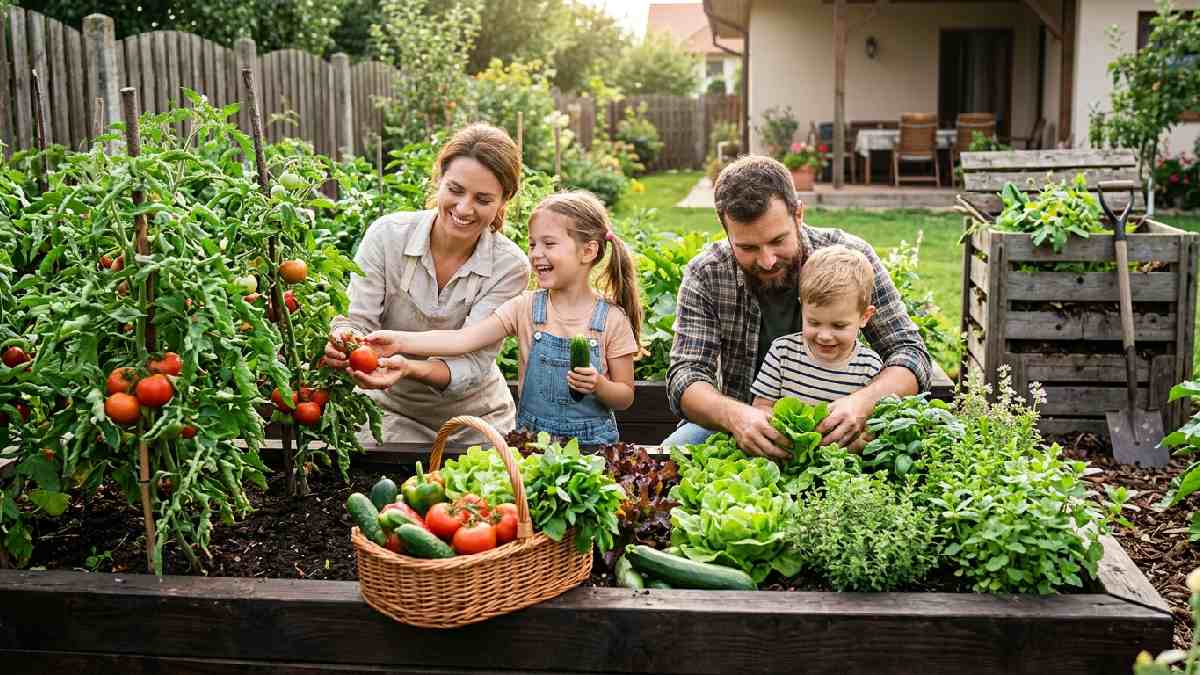
Learning how to grow organic food at home offers numerous benefits for individuals and families alike. It provides healthier meals free from harmful pesticides and synthetic chemical residues. Growing your own food also saves significant money on expensive organic grocery store purchases. This practice supports environmental sustainability by reducing transportation and packaging waste considerably.
Homegrown produce often tastes fresher and contains more nutrients than store-bought alternatives. These combined advantages explain why how to grow organic food at home continues growing in popularity among health-conscious households everywhere today.
Health Benefits
How to grow organic food at home directly connects to better health outcomes for your family. Organic produce avoids harmful pesticide residues commonly found on conventionally grown vegetables. Homegrown food often contains higher nutrient levels due to fresher harvesting practices.
Growing your own food also encourages healthier eating habits and more vegetable consumption. This control over growing methods ensures your family eats truly chemical-free produce. These health benefits make learning how to grow organic food at home worthwhile for everyone.
Cost-Saving Benefits
Understanding how to grow organic food at home significantly reduces your monthly grocery expenses overall. Organic produce at supermarkets is often much more expensive than conventional alternatives. Growing your own vegetables and herbs eliminates these recurring high grocery store costs.
Initial investment in seeds, soil, and tools pays off quickly through reduced shopping bills. Over time, these savings add up substantially for dedicated home gardening households. This financial benefit makes how to grow organic food at home an attractive option.
Environmental Benefits
Learning how to grow organic food at home supports a more environmentally friendly lifestyle overall. Growing food locally reduces the carbon footprint associated with transportation and packaging waste. Organic methods avoid harmful chemical fertilizers and pesticides that can pollute soil and water.
This practice also reduces food waste since produce is harvested fresh as needed. Composting and natural fertilizers further support sustainable, eco-friendly growing practices at home. These environmental advantages make organic gardening valuable beyond just personal health benefits.
Better Taste and Quality
Many people who learn how to grow organic food at home notice significantly improved taste quality. Homegrown vegetables and fruits often taste fresher than their store-bought counterparts. This improvement comes from harvesting produce at peak ripeness instead of early picking.
Organic growing methods also allow plants to develop fuller, more natural flavors. Many gardeners report that homegrown tomatoes and herbs taste noticeably better overall. This superior taste makes the effort of organic gardening especially rewarding.
Best Space for Home Organic Gardening
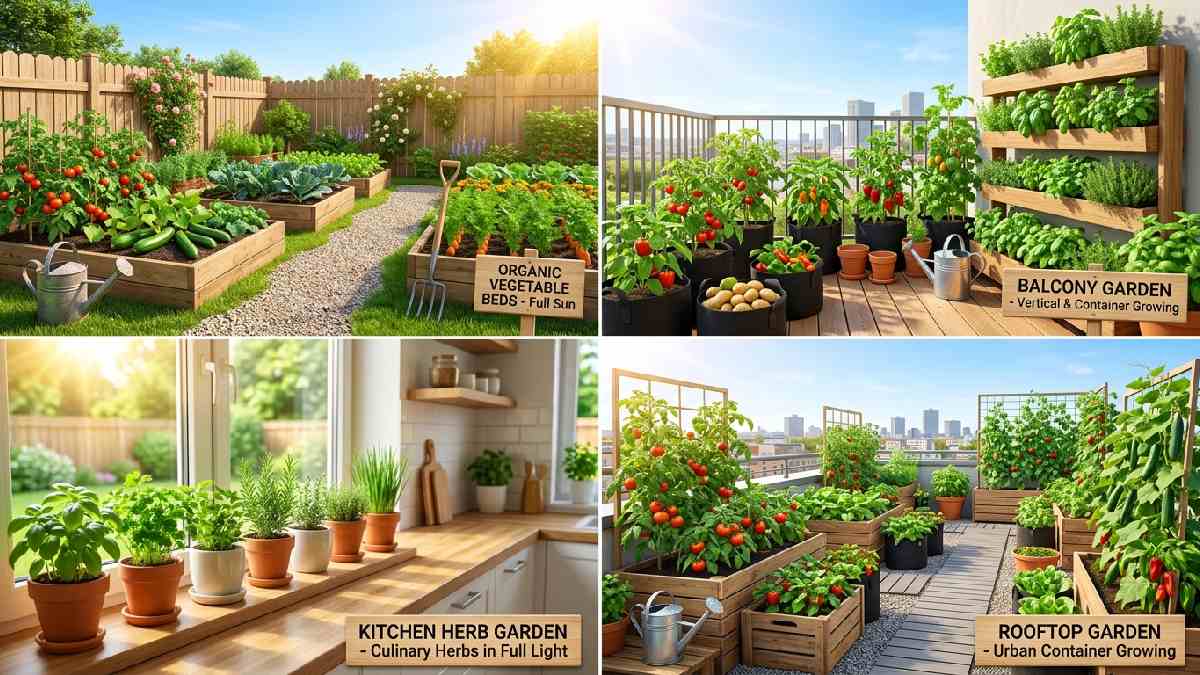
Choosing the right space is essential for successfully learning how to grow organic food at home. Balconies work well for container gardens, herbs, and small vegetable plants easily. Rooftops offer larger areas suitable for bigger containers and raised garden beds. Kitchen gardens provide convenient access to fresh herbs and vegetables for cooking daily.
Indoor gardening options support year-round growing regardless of outdoor weather conditions. Selecting the best location based on sunlight and accessibility ensures long-term success for anyone learning how to grow organic food at home.
Balcony Gardening
Balconies are excellent spaces for those learning how to grow organic food at home in apartments. They typically receive good sunlight, making them ideal for vegetables and herbs. Container gardens, hanging planters, and railing pots all work well on balconies.
Vertical shelves can maximize limited balcony space for additional plant growth opportunities. Proper drainage and weight considerations matter when setting up balcony organic gardens. This space proves that even small areas support productive organic food growing.
Rooftop Gardening
Rooftops provide larger growing areas for anyone serious about how to grow organic food at home. They often receive abundant sunlight throughout the day, benefiting most plant varieties. Raised beds, large containers, and even small greenhouses work well on rooftops.
Checking structural support before adding heavy containers prevents potential safety issues later. Wind protection and proper drainage systems are essential for rooftop organic gardening success. This space allows for more ambitious organic growing projects compared to balconies.
Kitchen Garden Setup
A kitchen garden setup makes learning how to grow organic food at home wonderfully convenient daily. Placing herbs and small vegetables near your kitchen door simplifies harvesting significantly. This setup encourages frequent cooking with fresh, homegrown organic ingredients regularly.
Small pots on windowsills or countertops work well for limited kitchen garden spaces. Easy access motivates more consistent care and harvesting of your organic plants. This convenient arrangement supports a sustainable, daily organic cooking lifestyle effectively.
Indoor Gardening Options
Indoor gardening offers year-round opportunities for those learning how to grow organic food at home. Sunny windowsills work well for herbs, small vegetables, and leafy greens easily. Grow lights help supplement natural sunlight in areas with limited light exposure.
Hydroponic systems are particularly suited for indoor organic growing without traditional soil. Indoor gardening protects plants from harsh weather and seasonal temperature fluctuations effectively. This option benefits apartment dwellers without outdoor balcony or rooftop access.
Best Soil for Organic Gardening
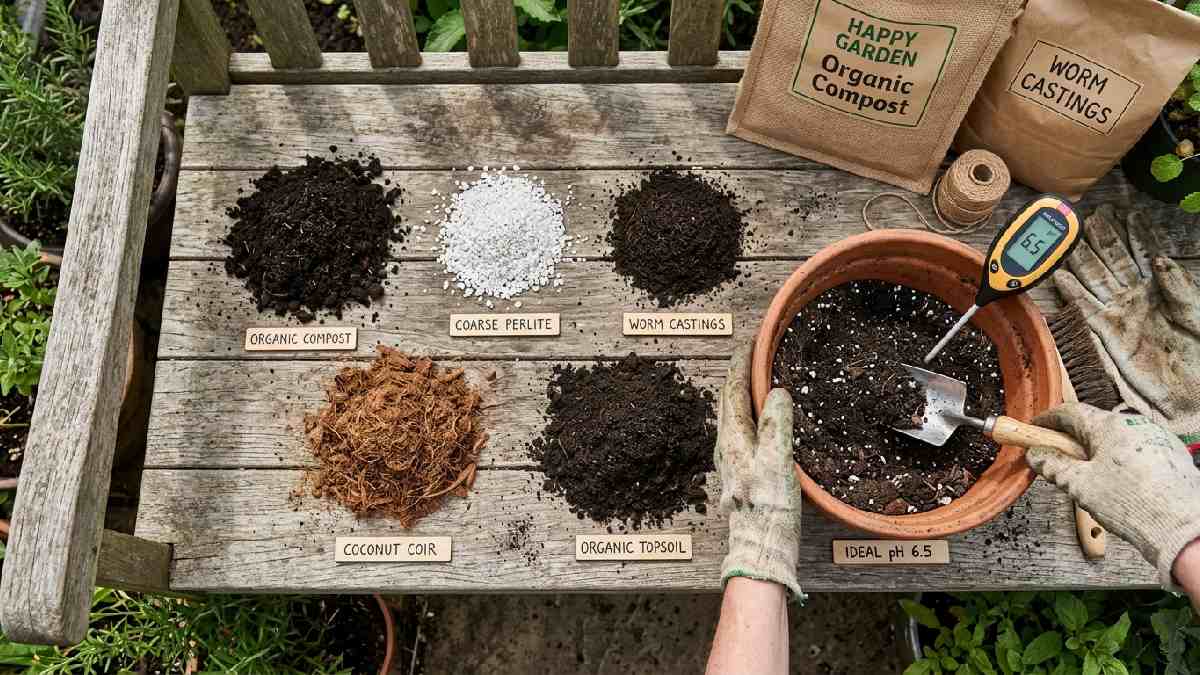
Selecting the right soil is crucial for successfully learning how to grow organic food at home. An ideal soil mix combines compost, organic matter, and proper drainage materials. Good drainage prevents waterlogged roots, which commonly damage plants in container gardens.
Avoiding chemical fertilizers keeps your growing medium truly organic and chemical-free throughout. Using natural compost and organic amendments supports healthy soil biology and plant growth. Understanding these soil basics ensures success for anyone learning how to grow organic food at home this season.
Ideal Soil Mix Composition
The ideal soil mix for learning how to grow organic food at home includes several key ingredients. Combine garden soil with compost for essential organic nutrients and structure. Add perlite or vermiculite to improve aeration and prevent soil compaction issues.
Peat moss or coconut coir helps retain moisture without becoming overly soggy. This balanced combination supports healthy root development for organic vegetables and herbs. Getting this mix right significantly improves your overall organic gardening success.
Importance of Drainage
Proper drainage is critical when learning how to grow organic food at home successfully. Without adequate drainage, excess water collects at the roots causing dangerous root rot. Always choose containers with sufficient drainage holes before adding any soil inside.
Adding gravel to the container bottom further improves drainage significantly overall. Well-draining soil mixes prevent waterlogging while still retaining necessary moisture for plants. This simple consideration prevents many common problems for organic home gardeners.
Avoiding Chemical Fertilizers
Avoiding chemical fertilizers is essential for anyone serious about how to grow organic food at home. Synthetic fertilizers can leave harmful residues on your homegrown fruits and vegetables. Natural alternatives like compost, manure, and organic fertilizers provide nutrients safely instead.
These organic options also improve long-term soil health and microbial activity significantly. Choosing natural fertilizers keeps your entire growing process truly chemical-free throughout. This commitment to organic methods ensures genuinely healthy, pesticide-free homegrown produce.
Step-by-Step Guide to Growing Organic Food
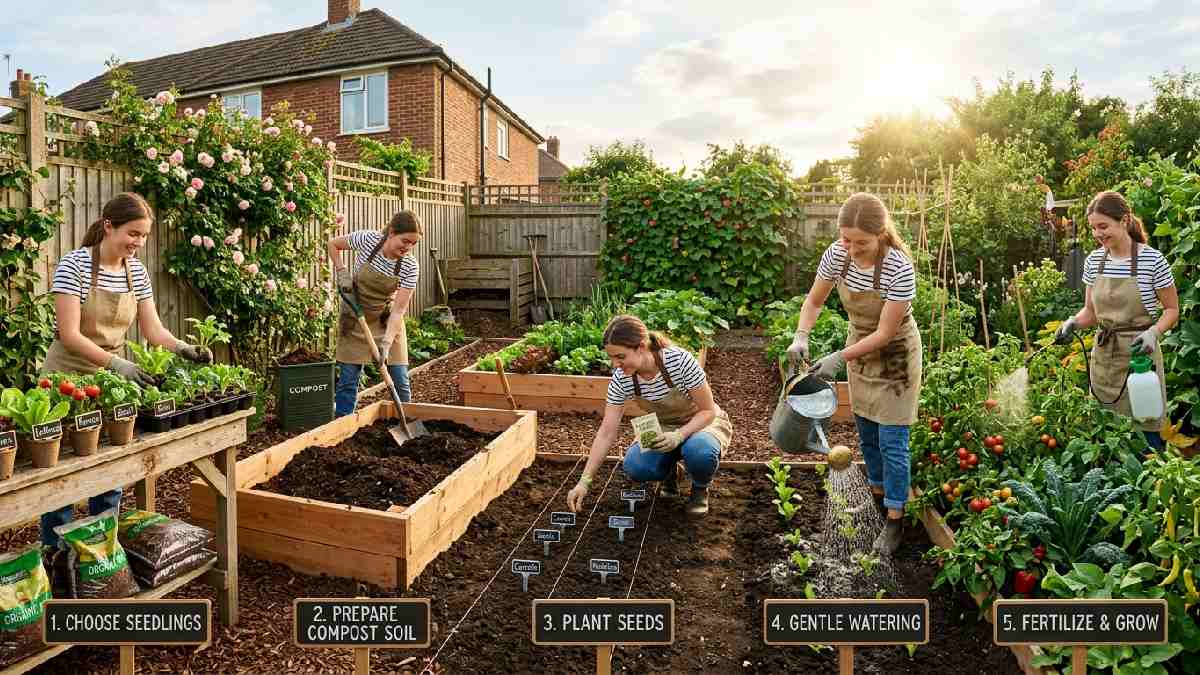
This step-by-step guide on how to grow organic food at home covers the entire process clearly. First, choose vegetables suited to your space, climate, and personal preferences carefully. Next, prepare your soil with compost and proper drainage materials for healthy growth. Then plant seeds properly at the correct depth and spacing for each variety.
Use appropriate watering techniques to keep soil consistently moist without overwatering plants. Finally, apply natural fertilizers regularly to support continued healthy growth throughout the season. Following these steps makes learning how to grow organic food at home approachable for complete beginners.
Step 1: Choosing the Right Vegetables
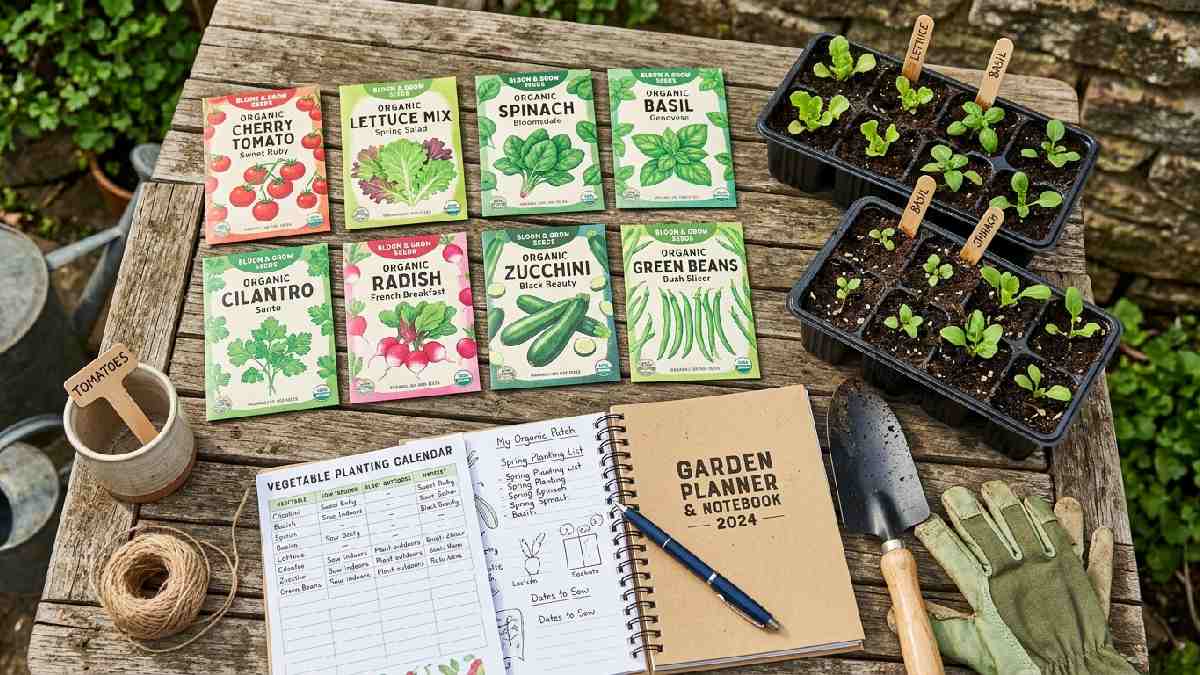
Choosing the right vegetables is the first step in learning how to grow organic food at home. Beginners should start with easy crops like lettuce, spinach, and tomatoes. Consider your available sunlight and space when selecting specific vegetable varieties carefully.
Fast-growing vegetables provide quicker, more satisfying results for new organic gardeners. Research each vegetable’s specific growing requirements before purchasing seeds or seedlings. The right vegetable choices make organic gardening enjoyable and successful from the start.
Step 2: Preparing the Soil
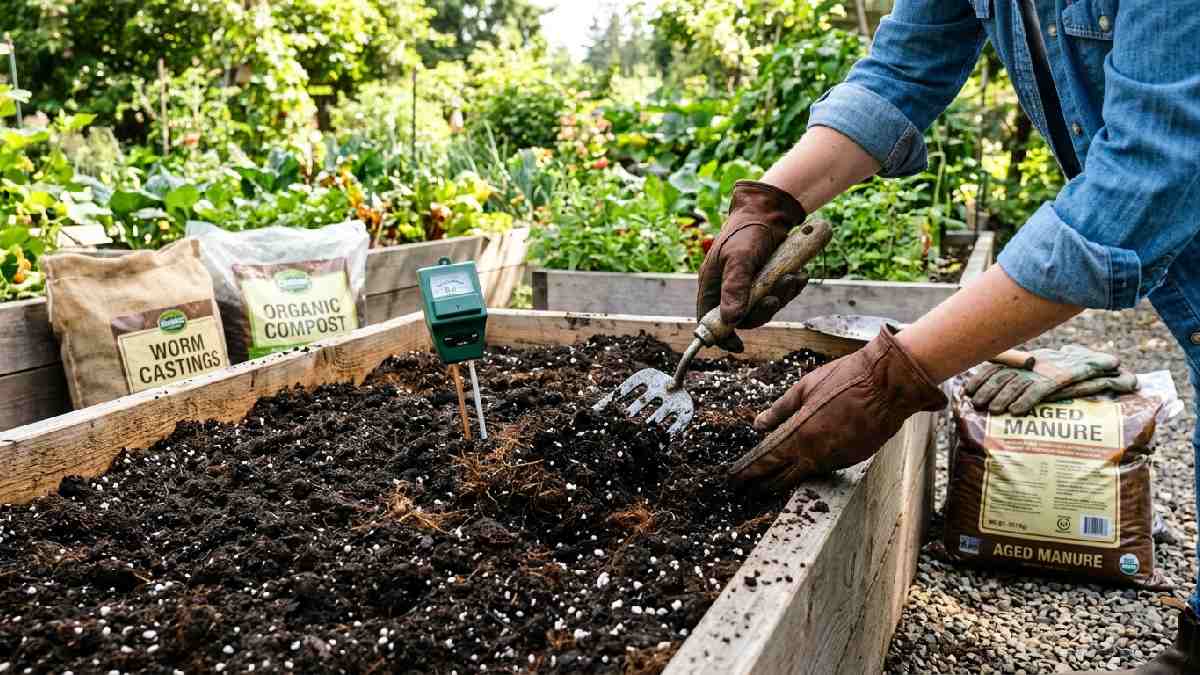
Preparing the soil properly is essential when learning how to grow organic food at home. Mix compost into your garden soil or potting mix for added nutrients. Ensure proper drainage by adding gravel or perlite to your growing containers.
Remove weeds and debris from the planting area before adding any seeds. Moisten the soil slightly before planting to help seeds settle naturally. This preparation step creates the ideal foundation for healthy organic plant growth.
Step 3: Planting Seeds Properly
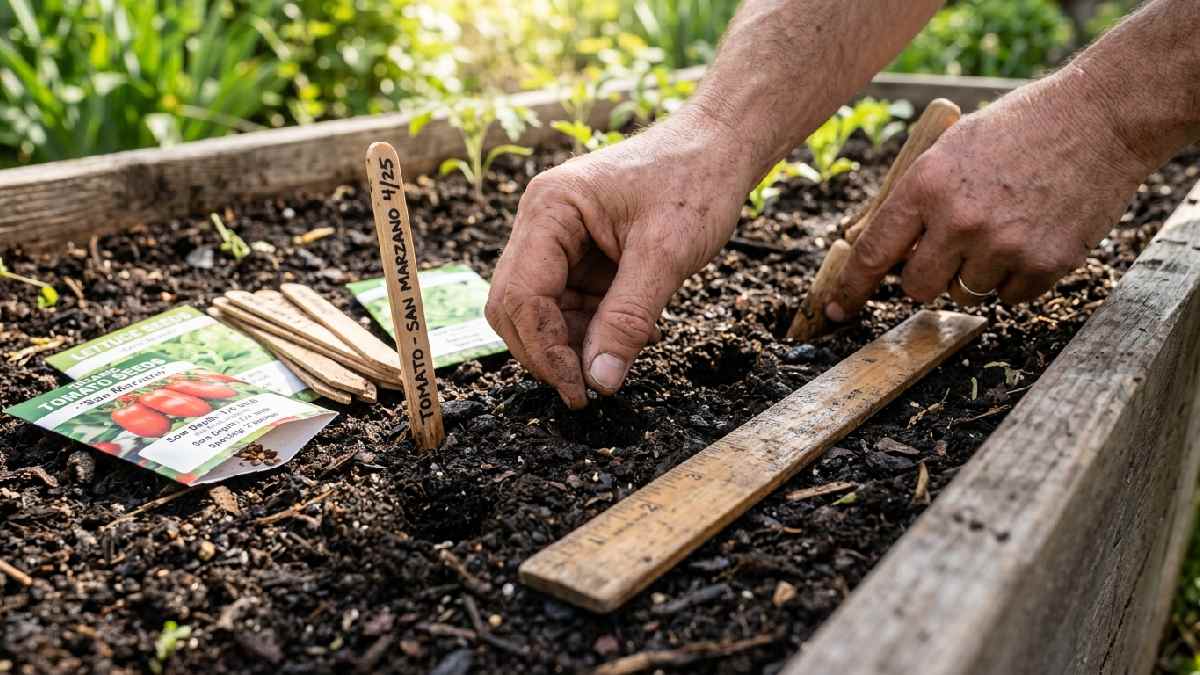
Planting seeds properly is a crucial step in how to grow organic food at home successfully. Follow seed packet instructions for proper planting depth and spacing requirements.
Most seeds need to be planted at a depth roughly twice their size. Water gently after planting to help seeds settle and begin germination properly. Label your plantings to keep track of different vegetable varieties easily. Correct planting techniques significantly improve germination rates and overall plant success.
Step 4: Watering Techniques
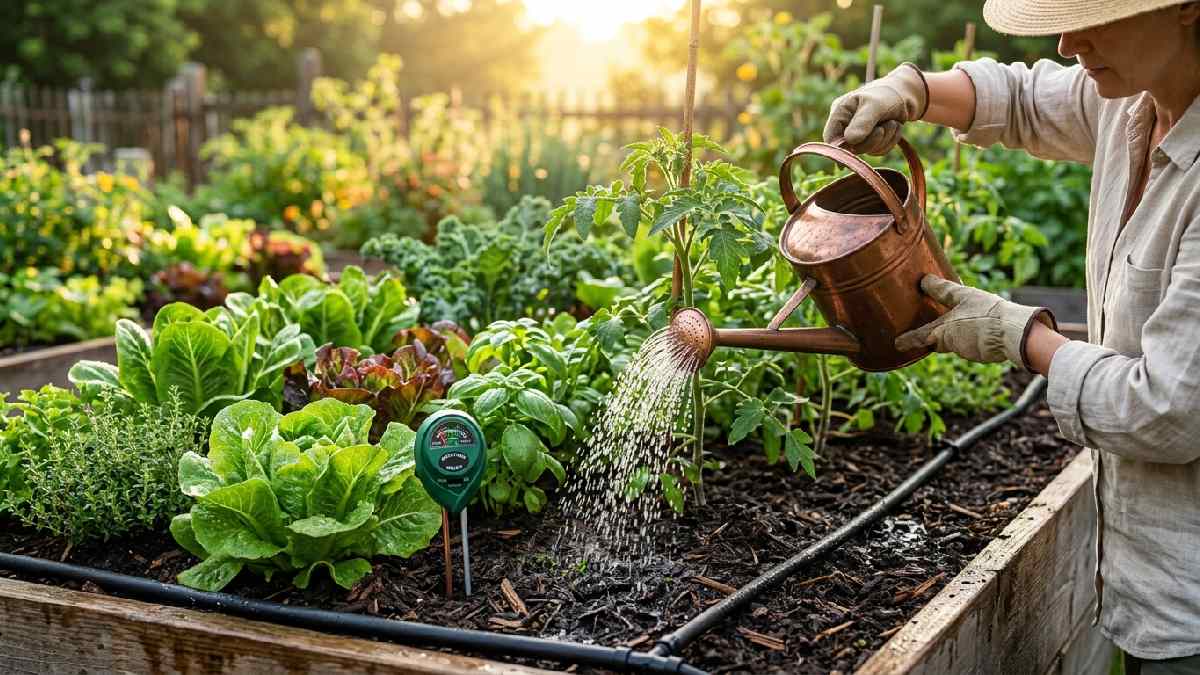
Proper watering techniques are essential for successfully learning how to grow organic food at home. Check soil moisture daily by inserting a finger about one inch deep. Water thoroughly but avoid creating waterlogged conditions that can harm plant roots.
Morning watering allows plants to absorb moisture before the heat of the day. Consistent watering schedules support healthy growth without stressing your organic plants. This simple habit significantly improves success rates for organic home gardeners.
Step 5: Natural Fertilizers
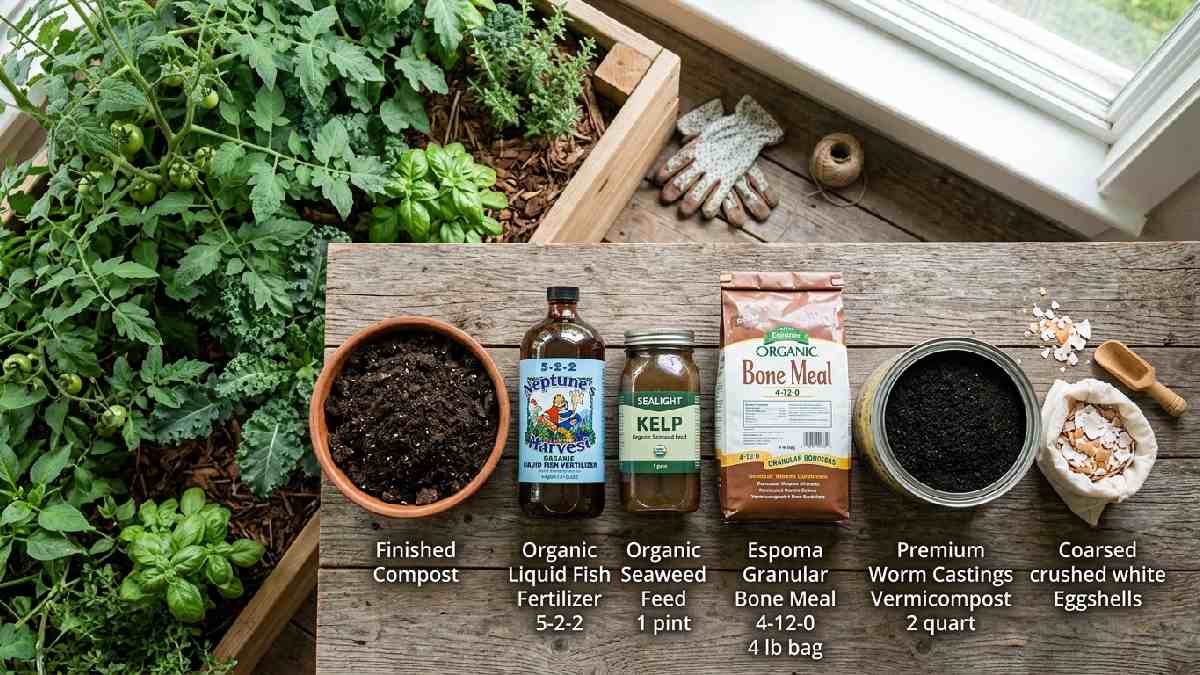
Using natural fertilizers supports healthy growth for anyone learning how to grow organic food at home. Compost provides essential nutrients while improving overall soil structure and health. Manure, fish emulsion, and seaweed extracts offer additional organic nutrient options.
Apply natural fertilizers according to each plant’s specific growth stage and needs. Avoiding synthetic alternatives keeps your entire growing process genuinely organic throughout. These natural inputs ensure healthy, chemical-free produce from your home garden.
Natural Ways to Protect Plants
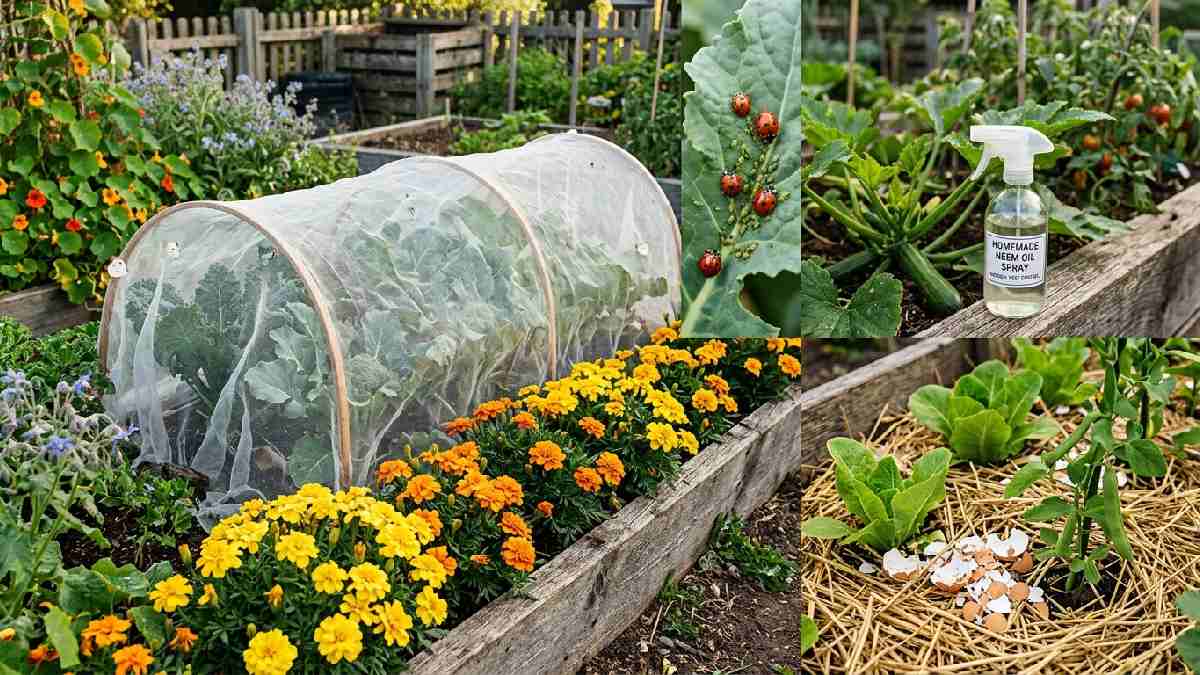
Protecting plants naturally is essential for anyone learning how to grow organic food at home. Neem oil spray effectively controls common pests without using harmful synthetic chemicals. Garlic spray creates a natural deterrent that many insects find unappealing and avoid.
Companion planting techniques use plant combinations that naturally repel pests and diseases. Various organic pest control tips help maintain healthy plants without compromising their organic status. These natural protection methods ensure your organic garden remains pest-free using only safe, chemical-free approaches.
Neem Oil Spray Method
Neem oil spray is a popular natural method for anyone learning how to grow organic food at home. This oil comes from the neem tree and effectively repels many common pests. Mix neem oil with water and a small amount of natural soap for spraying.
Apply this solution directly to affected plants, focusing on the undersides of leaves. Regular application helps prevent pest infestations before they become significant problems. This natural remedy keeps your organic garden healthy without synthetic chemical pesticides.
Garlic Spray Method
Garlic spray offers another effective natural solution for those learning how to grow organic food at home. Blend garlic cloves with water and strain the mixture before spraying plants. This strong-smelling spray naturally deters many common garden pests and insects.
Apply the solution to leaves and stems where pests typically gather and feed. Regular application provides ongoing protection without introducing harmful synthetic chemicals. This simple, homemade remedy supports truly organic pest control methods effectively.
Companion Planting Technique
Companion planting is a valuable technique for anyone learning how to grow organic food at home. This method involves planting certain crops together to naturally repel pests. Marigolds, for example, deter many common garden pests when planted near vegetables.
Basil planted near tomatoes can improve growth while repelling certain harmful insects. This natural strategy reduces the need for any chemical pest control products. Companion planting supports a healthier, more balanced organic garden ecosystem overall.
Organic Pest Control Tips
Various organic pest control tips help anyone successfully learning how to grow organic food at home. Handpicking visible pests remains one of the simplest, chemical-free control methods. Introducing beneficial insects like ladybugs helps naturally control harmful pest populations effectively.
Regular plant inspection allows early detection before infestations become serious problems. Maintaining healthy soil and proper watering also reduces plant susceptibility to pests. These combined tips ensure effective pest management while keeping your garden truly organic.
Common Mistakes to Avoid in Home Gardening
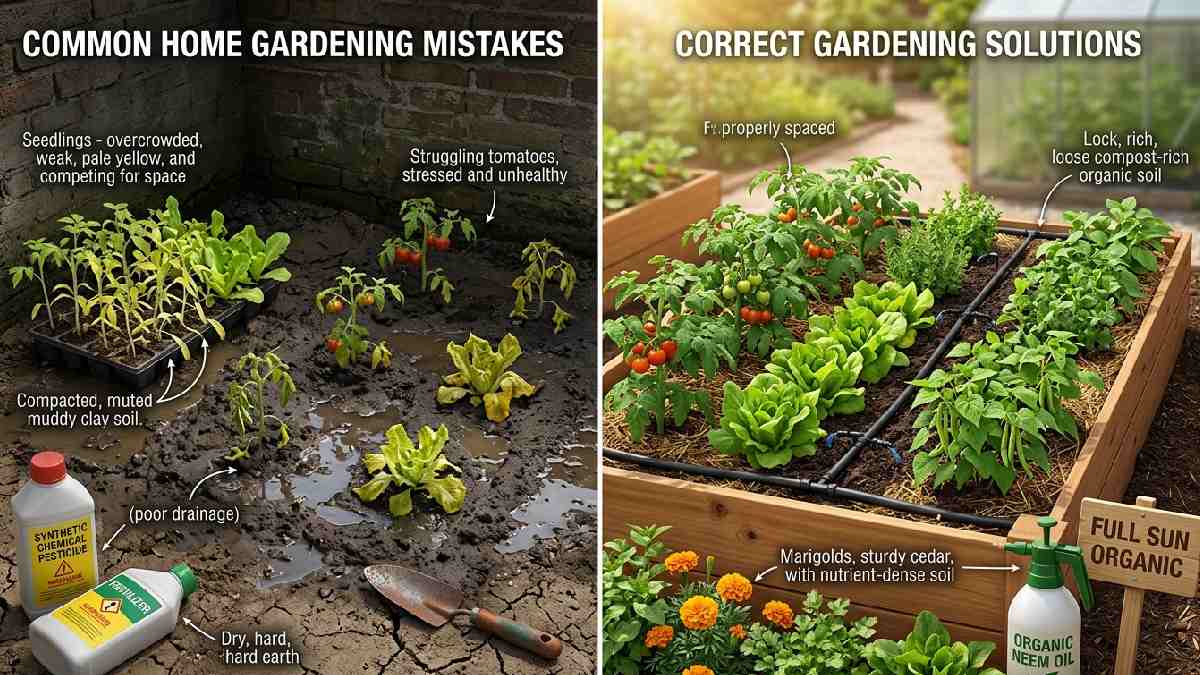
Avoiding common mistakes significantly improves success for anyone learning how to grow organic food at home. Overwatering plants remains one of the most frequent errors among new organic gardeners. Wrong soil selection leads to poor drainage and unhealthy root development overall.
Insufficient sunlight results in weak, leggy growth for many sun-loving vegetable plants. Ignoring pest problems allows infestations to spread and damage your organic garden significantly. Recognizing these pitfalls early ensures continued success throughout your organic food growing journey.
Overwatering Plants
Overwatering is one of the most common mistakes when learning how to grow organic food at home. Too much water deprives roots of oxygen and encourages dangerous root rot. Always check soil moisture before watering instead of following a fixed schedule.
Containers with poor drainage are especially vulnerable to overwatering related problems. Allowing soil to dry slightly between waterings benefits most organic vegetable plants. Correcting this habit significantly improves plant health in organic home gardens.
Wrong Soil Selection
Wrong soil selection frequently causes problems for those learning how to grow organic food at home. Heavy garden soil compacts inside containers, restricting drainage and healthy root growth. This often leads to waterlogged conditions and eventual plant decline or death.
Always choose a proper potting mix combined with organic compost for containers. Avoiding dense, compacted soils ensures adequate air circulation for healthy root systems. Quality soil selection makes a significant difference in organic gardening success.
Insufficient Sunlight
Insufficient sunlight is a frequent mistake affecting those learning how to grow organic food at home. Most vegetables need at least six hours of direct sunlight daily. Placing sun-loving plants in shaded areas results in weak, leggy, unproductive growth.
Observing your growing space throughout the day helps identify the sunniest spots. Matching each plant’s light requirements to your available space prevents many problems. Getting sunlight placement right ensures thriving plants throughout the growing season.
Ignoring Pest Problems
Ignoring pest problems can seriously harm anyone’s efforts at how to grow organic food at home. Small infestations can quickly spread and damage entire plants or harvests. Regular inspection helps catch pest problems early before they become unmanageable.
Natural remedies like neem oil or companion planting address issues without chemicals. Addressing pest problems promptly protects your investment of time and growing effort. This proactive approach ensures healthier, more productive organic plants overall.
FAQs About Growing Organic Food at Home
No schema found.Conclusion
Learning how to grow organic food at home is a rewarding journey toward healthier, more sustainable living. With the right space, soil, and natural pest control methods, success comes naturally for beginners. Avoiding common mistakes like overwatering and wrong soil selection ensures thriving, productive organic plants.
Starting with easy vegetables builds confidence before exploring more advanced organic gardening techniques later. This practice connects people with nature while providing fresh, chemical-free food for the family. With patience and consistent care, your organic home garden will flourish for years to come.