

Long Handle Garden Cultivator: Complete Guide for Gardeners
A long-handle garden cultivator is a must-have tool for every gardener. It makes soil work simple and fast. It reduces back and knee strain completely. It removes weeds without any chemicals. It aerates soil for better plant growth.
This guide covers everything you need. You will learn about types, uses, and benefits. You will also learn how to choose and maintain the best cultivator. Whether you are a beginner or an expert gardener, this guide helps you work smarter and garden better every single day.
Introduction
A long-handle garden cultivator is an essential tool for every gardener. It makes soil work much easier. It reduces physical strain greatly. It saves valuable time in the garden. This guide covers everything you need to know.
You will learn what a cultivator is. You will learn how to use it correctly. You will also learn how to choose and maintain the best one for your specific gardening needs and garden size.
What Is a long-handle garden cultivator?
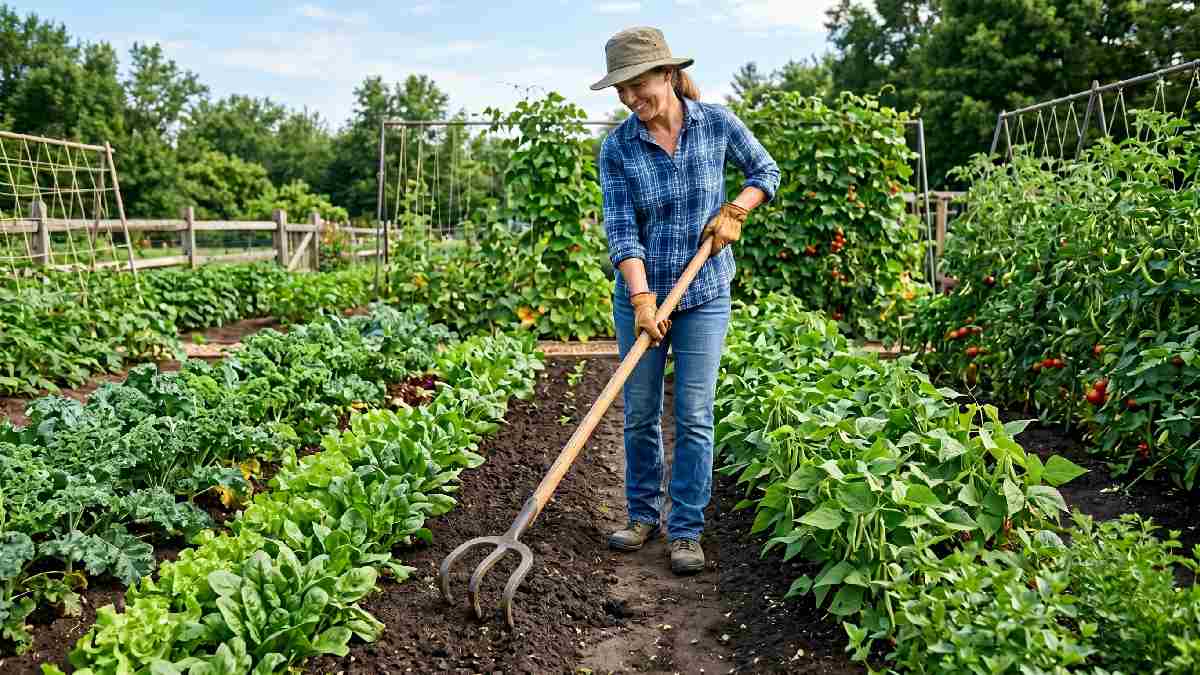
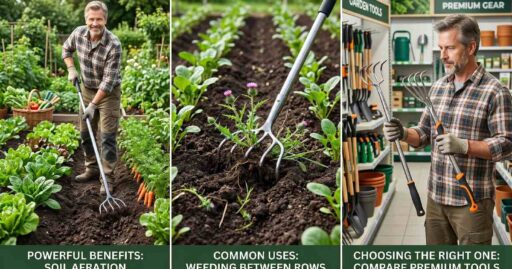
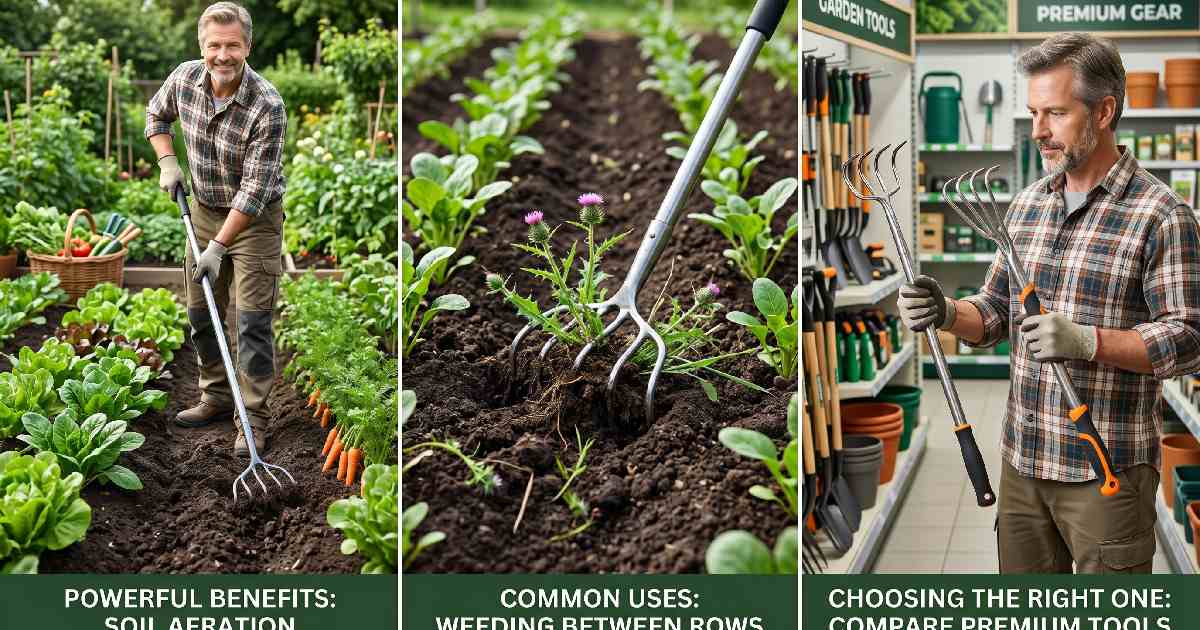
A long-handle garden cultivator is a manual gardening tool. It has metal tines attached to a long handle. It loosens and aerates soil effectively. It removes weeds from the root easily. Gardeners use it standing upright.
No bending or kneeling is needed. It works in garden beds, vegetable patches, and raised beds. It is one of the most versatile and useful tools any gardener can own for regular garden maintenance.
Main Parts of a Garden Cultivator
A cultivator has three main parts. The handle provides length and control during use. It is usually made of wood, fiberglass, or steel. The head holds the tines firmly in place. The tines are the curved metal prongs.
They dig into the soil and break it up. Some models have adjustable heads. Good quality parts make the tool last much longer and perform much better in all soil types.
How It Works
A cultivator works by pushing and pulling through soil. The tines penetrate the surface easily. They break up hard and compacted soil. They cut through weed roots effectively. You push the tool forward into the soil.
Then pull it back toward you. Repeat this motion across the garden bed. The tines loosen soil with every pass. This simple action aerates soil, removes weeds, and prepares the ground for planting seeds or new plants.
Long Handle vs Hand Cultivator
A long-handle cultivator lets you work standing up. A hand cultivator requires kneeling on the ground. Long handle versions cover more area faster. They significantly reduce back and knee strain. Hand cultivators offer more precision in tight spaces.
Long-handle tools are better for large garden areas. Hand cultivators suit container gardens and small beds. Most gardeners benefit from owning both types for different situations and gardening tasks.
Benefits of Using a Long Handle Garden Cultivator
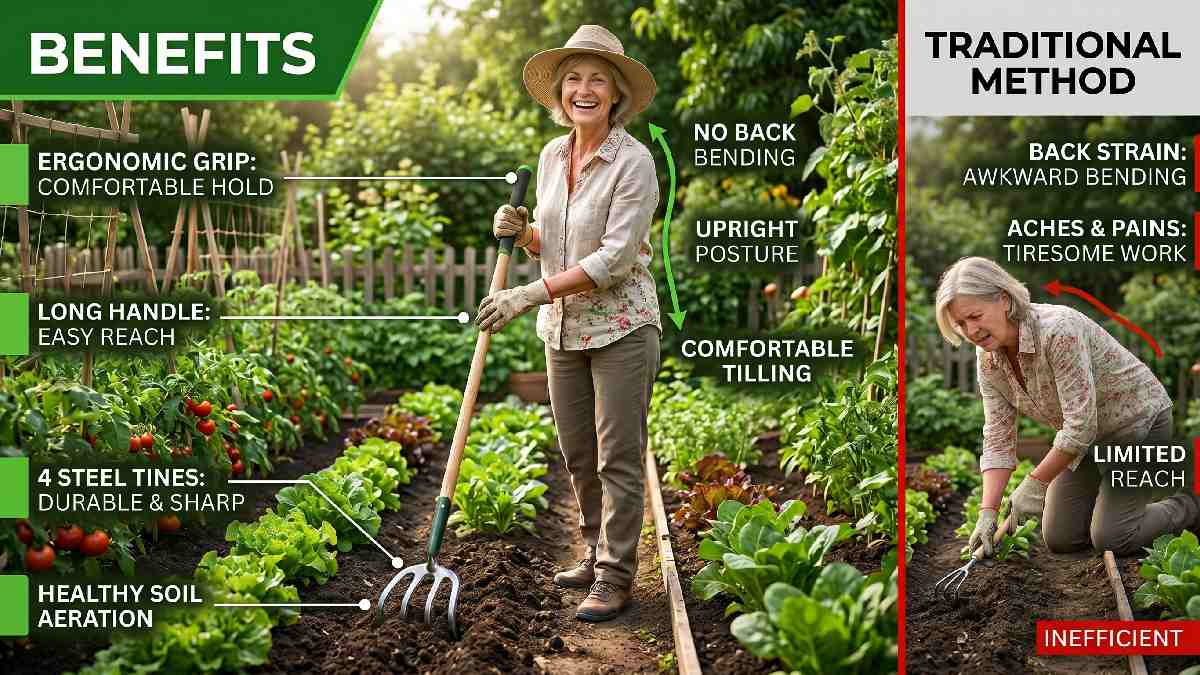
A long handle garden cultivator offers many important benefits. It protects your back and knees during work. It loosens soil better than hand tools alone. It removes weeds faster and more effectively. It saves significant time during garden maintenance sessions.
It works well in many different garden types. Every gardener who uses one notices the difference immediately. It is a smart investment that makes gardening more enjoyable and far less physically demanding every single day.
Reduces Back and Knee Strain
Working bent over causes serious back pain. Kneeling for long periods hurts your knees badly. A long handle cultivator solves both problems completely. You stand upright while working the soil. Your back stays straight and comfortable.
Your knees stay off the ground always. This makes gardening much more comfortable for everyone. Older gardeners especially benefit from this feature. You can work longer without pain or physical discomfort during any garden session.
Improves Soil Aeration
Soil needs air to stay healthy and productive. Compacted soil blocks air from reaching plant roots. A long-handle cultivator breaks up compacted soil easily. The tines create small channels in the ground. Air enters the soil through these channels quickly.
Plant roots breathe better and grow stronger. Water also drains more effectively through loose aerated soil. Regular cultivation keeps soil healthy, loose, and ready to support strong and productive plant growth all season.
Makes Weeding Easier
Weeds compete with plants for nutrients and water. Removing them quickly is very important. A long-handle cultivator cuts weed roots effectively. The tines slice through roots just below the surface. Weeds cannot regrow without healthy roots intact.
You remove many weeds in one single pass easily. No chemicals are ever needed for this process. Regular cultivation keeps weeds under control naturally. Your garden stays cleaner and your plants grow much stronger without weed competition.
Saves Time in Garden Maintenance
Manual weeding by hand is very slow work. Digging soil by hand takes a very long time. A long-handle cultivator speeds up both tasks significantly. You cover large areas in very little time. The wide head treats more soil with every pass.
Maintenance sessions become much shorter and more efficient. You spend less time on hard labor. You spend more time enjoying your beautiful garden. A cultivator makes regular garden maintenance fast, easy, and much more manageable for busy gardeners.
Suitable for Raised Beds and Vegetable Gardens
Raised beds need regular soil loosening between plants. Vegetable gardens need frequent weeding throughout the season. A long-handle cultivator handles both tasks very well. The tines work between plant rows without causing damage.
The long handle gives excellent reach across wide raised beds. You never need to step into the bed at all. Soil stays loose and healthy between all your plants. It is the perfect tool for raised bed and vegetable garden maintenance every season.
Common Uses of a Long Handle Garden Cultivator
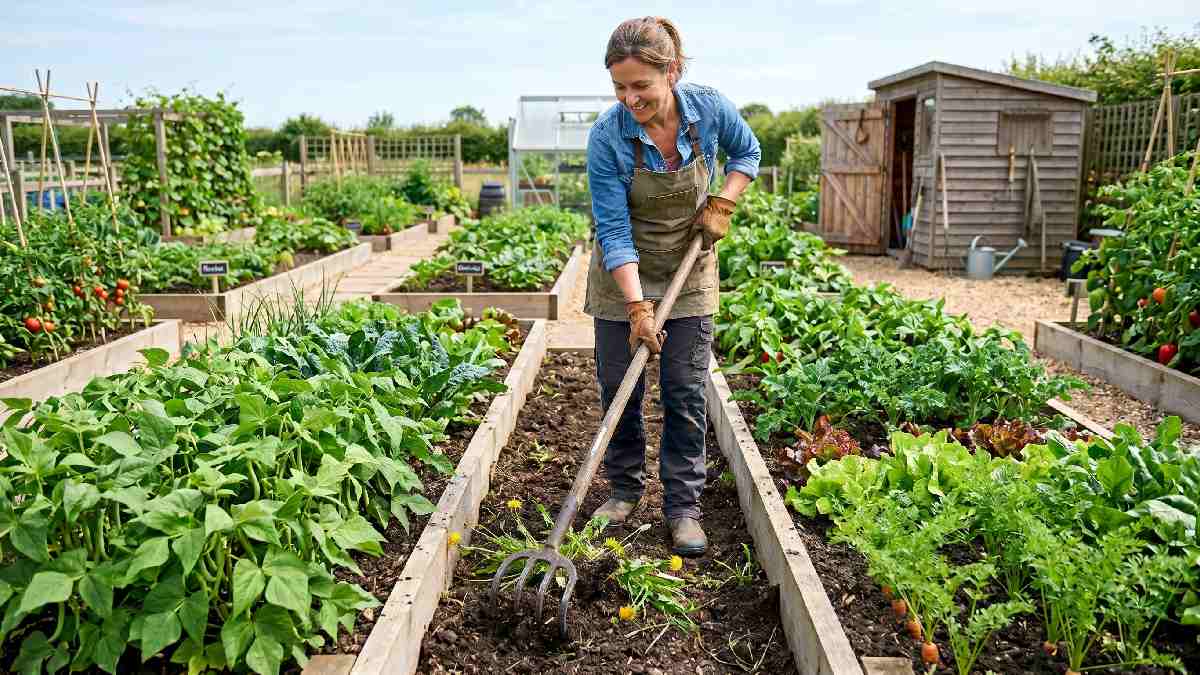
A long-handle garden cultivator has many practical uses in the garden. It breaks up hard soil quickly. It removes stubborn weeds effectively. It mixes compost into garden beds thoroughly. It prepares seed beds for planting new crops.
It loosens soil around existing plants safely. Every gardener can use it for multiple tasks daily. Knowing all its uses helps you get maximum value from this one very versatile and highly effective garden tool.
Breaking Up Compact Soil
Compact soil is very hard and difficult to work. Roots cannot grow through compacted ground easily. A cultivator breaks up hard soil quickly and effectively. Push the tines firmly into the surface. Pull them back through the soil repeatedly.
The tines break clumps apart with every pass. Soil becomes loose and easy to work with. Plants grow much better in loose aerated soil. Always cultivate compacted soil before planting anything new in your garden beds.
Removing Weeds
Weeds grow fast and spread very quickly. They steal nutrients and water from your plants. A cultivator removes weeds very efficiently in large areas. The tines cut through weed roots just below the soil surface. Weeds dry out and die without intact roots. Work between plant rows carefully to avoid damage.
Remove loosened weeds from the bed afterward. Regular weekly cultivation prevents weed populations from growing out of control. Your garden stays much cleaner and healthier with consistent cultivation throughout the entire growing season.
Mixing Compost Into Soil
Compost improves soil quality and plant nutrition greatly. Mixing it in properly is very important for results. Spread compost evenly over your garden bed surface. Use the cultivator to work it into the soil. The tines mix compost deep into the ground effectively.
Nutrients spread evenly throughout the soil this way. Plants access compost nutrients much more easily when mixed in. This simple process improves soil structure and fertility significantly. Do this before planting for the very best gardening results.
Preparing Seed Beds
Seeds need loose and fine soil to germinate properly. Hard or clumpy soil prevents good seed germination. A cultivator prepares seed beds very quickly and efficiently. Work the tines through the soil multiple times. Break up all large clumps thoroughly and completely.
Create a smooth and even surface for seeds. Fine loose soil helps seeds make good contact with the ground. Germination rates improve significantly in well-prepared seed beds. Always cultivate thoroughly before sowing any seeds in your garden.
Loosening Soil Around Plants
Plants need loose soil around their roots to thrive. Compacted soil around plants restricts healthy root growth. A cultivator loosens soil between plants very carefully. Work the tines gently near plant stems always. Avoid disturbing shallow roots during this process.
Loose soil allows water to reach roots easily. It also allows fertilizer to penetrate the ground better. Regular loosening around plants improves their overall health and growth significantly throughout the entire gardening season.
Types of Long Handle Garden Cultivators
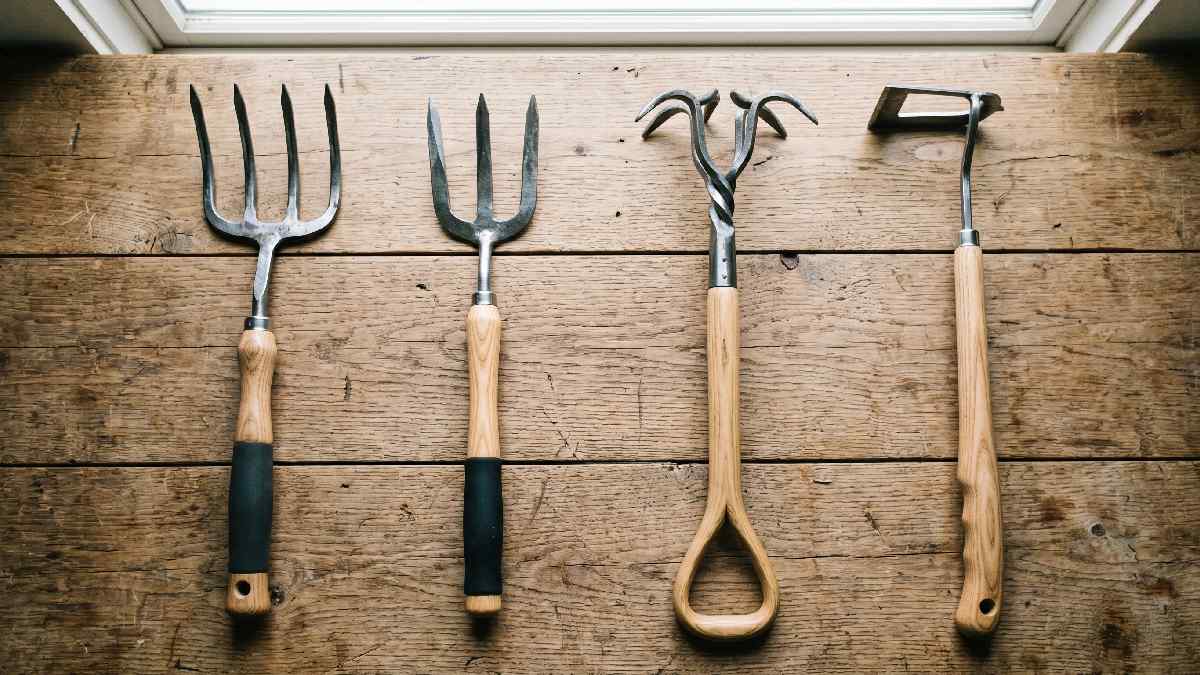
Many different types of long handle cultivators exist today. Each type serves slightly different gardening purposes. Knowing the differences helps you choose the right one. Some work better for weeding tasks. Others are better for soil aeration.
Some combine multiple functions in one tool. Understanding each type saves you money and frustration. Choose the type that best matches your specific garden size, soil type, and most common gardening tasks throughout the season.
Three-Tine Cultivators
Three-tine cultivators are the most common type available. They have three curved metal prongs on the head. They work very well in most standard garden soils. They are lightweight and very easy to maneuver. They fit easily between plant rows without causing damage.
Good for weeding, aerating, and general soil cultivation tasks. Three-tine models are affordable and widely available everywhere. They are perfect for beginner and home gardeners who need a reliable and versatile everyday cultivating tool.
Four-Tine Cultivators
Four-tine cultivators offer slightly more soil coverage per pass. The extra tine improves soil breaking efficiency greatly. They work very well in heavier and harder soil types. They are slightly heavier than three-tine models. But they cover more ground with every single pass.
Great for large garden beds and vegetable patches. Four-tine cultivators are ideal for gardeners who deal with compacted or clay-heavy soil regularly. They provide excellent results in tough soil conditions every time.
Rotary Cultivators
Rotary cultivators have spinning wheel-like tines on the head. The wheels rotate as you push the tool forward. They break up soil very efficiently with minimal effort. They work especially well in loose and sandy soils. They are very easy to push across large areas.
Rotary models reduce physical effort significantly during use. They are great for preparing large seed beds quickly. Rotary cultivators are popular with home gardeners who maintain medium to large sized garden plots regularly.
Stirrup Cultivators
Stirrup cultivators have a loop-shaped blade on the head. The blade cuts weeds on both push and pull strokes. This double-action makes weeding twice as fast always. They slice cleanly through weed roots just below surface. They work best in lighter and well-maintained soil types.
Stirrup cultivators are excellent dedicated weeding tools for gardeners. They are also called hula hoes by many experienced gardeners. A stirrup cultivator is the best choice when weeding speed is your main priority in the garden.
Combination Cultivators
Combination cultivators include multiple tool heads in one. They may combine tines, blades, and rakes together. Some models have interchangeable and removable heads. You switch heads depending on your current task easily. They offer maximum versatility for all garden tasks.
One tool handles weeding, aerating, and soil preparation. Combination models cost slightly more than single-purpose tools. But they replace multiple tools completely. They are perfect for gardeners who want one complete and highly versatile tool for all their garden maintenance needs.
How to Use a Long Handle Garden Cultivator
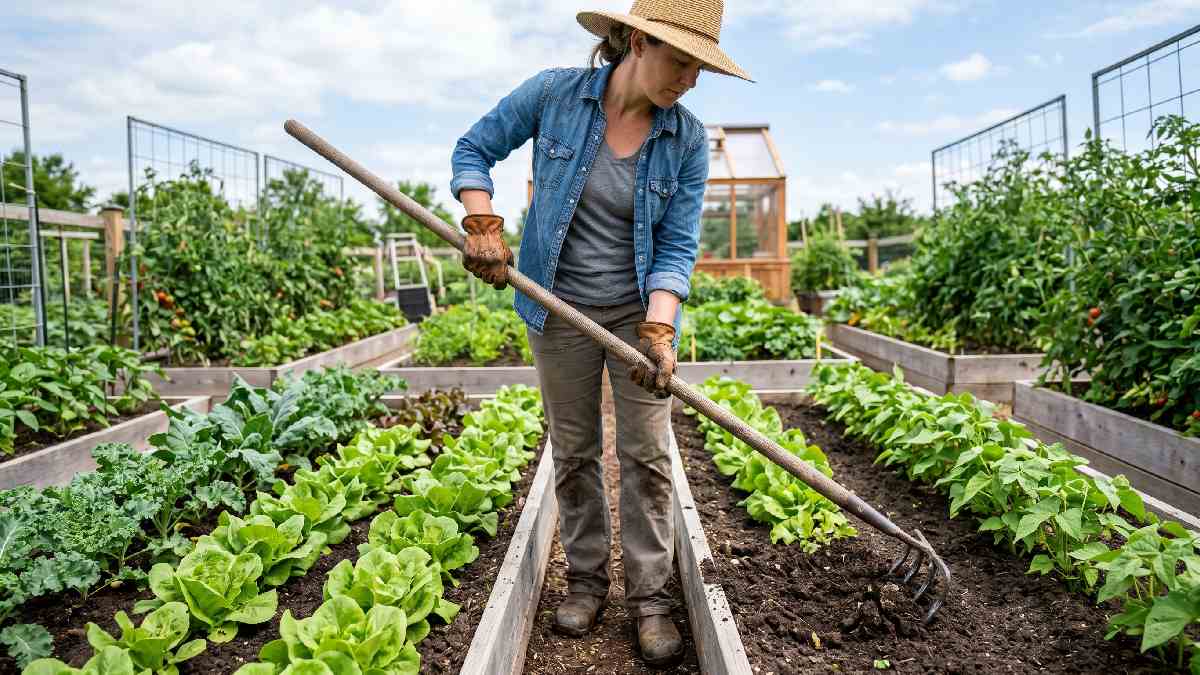
Using a long handle cultivator correctly gives the best results. Follow these simple steps every time you cultivate. Proper technique protects your plants from damage. It also makes your work much more effective. Good technique reduces physical strain on your body.
Take your time with each step always. Work systematically across the entire garden bed. Following these steps consistently produces the best possible results in your garden throughout the entire growing season every time.
Step 1: Clear the Area
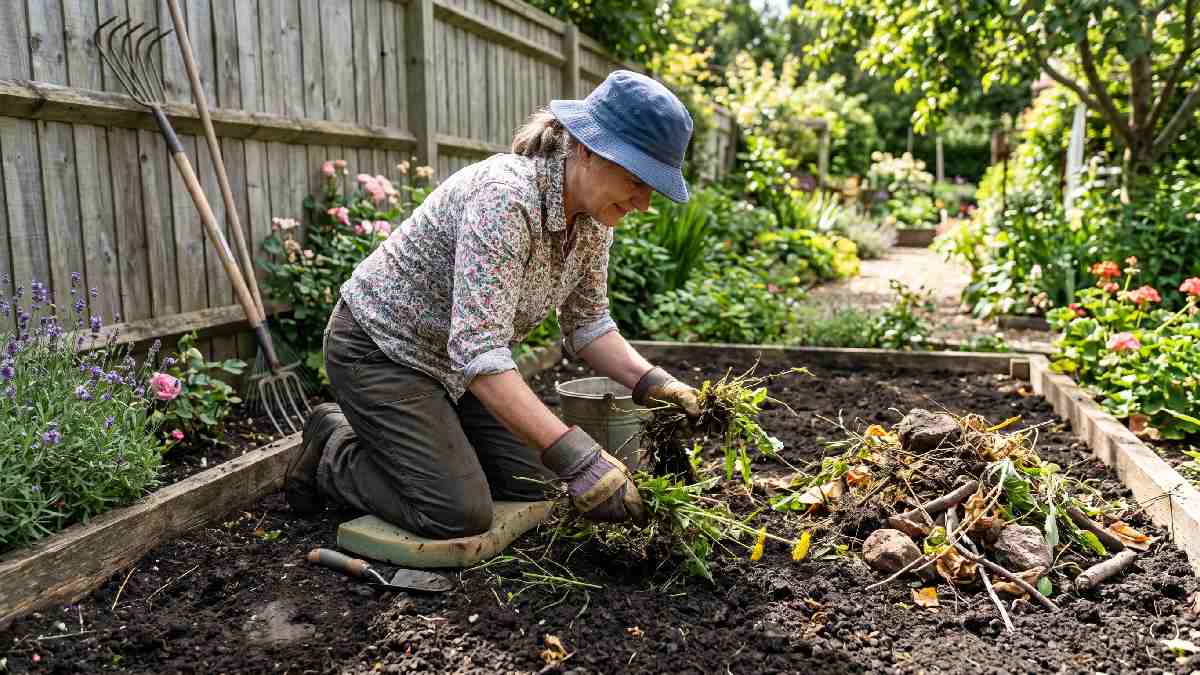
Start by clearing the garden area completely. Remove any large rocks from the bed. Pull out any visible large weeds by hand first. Clear away fallen leaves and garden debris. Remove any obstacles that might block the tines.
A clear area allows the cultivator to work freely. It also prevents damage to the tool during use. Clearing first makes the entire cultivation process much faster, safer, and more effective for your garden beds.
Step 2: Work the Soil
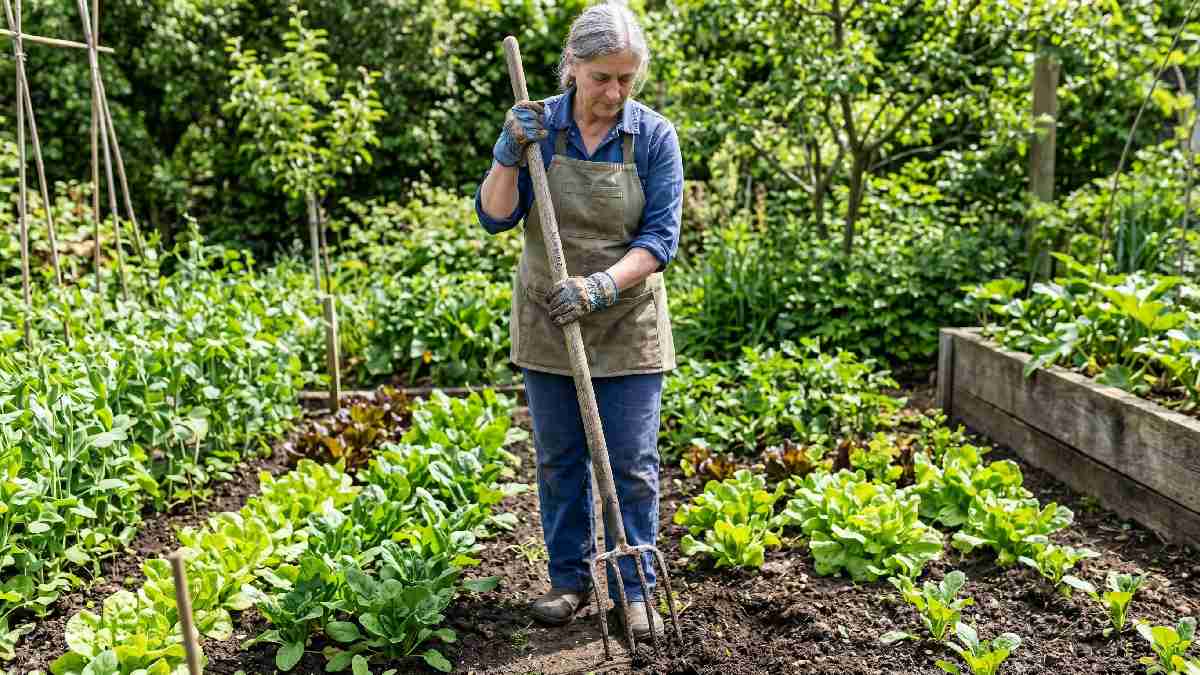
Push the tines firmly into the soil surface. Drive them about three to four inches deep. Pull the cultivator back toward your body slowly. Work in straight rows across the entire bed. Overlap each row slightly for complete coverage. Break up all visible clumps of hard soil.
Work the entire bed area systematically and thoroughly. Repeat passes over very hard or compacted areas. Properly worked soil should feel loose and crumbly. This prepares it perfectly for weeding or planting tasks.
Step 3: Remove Weeds
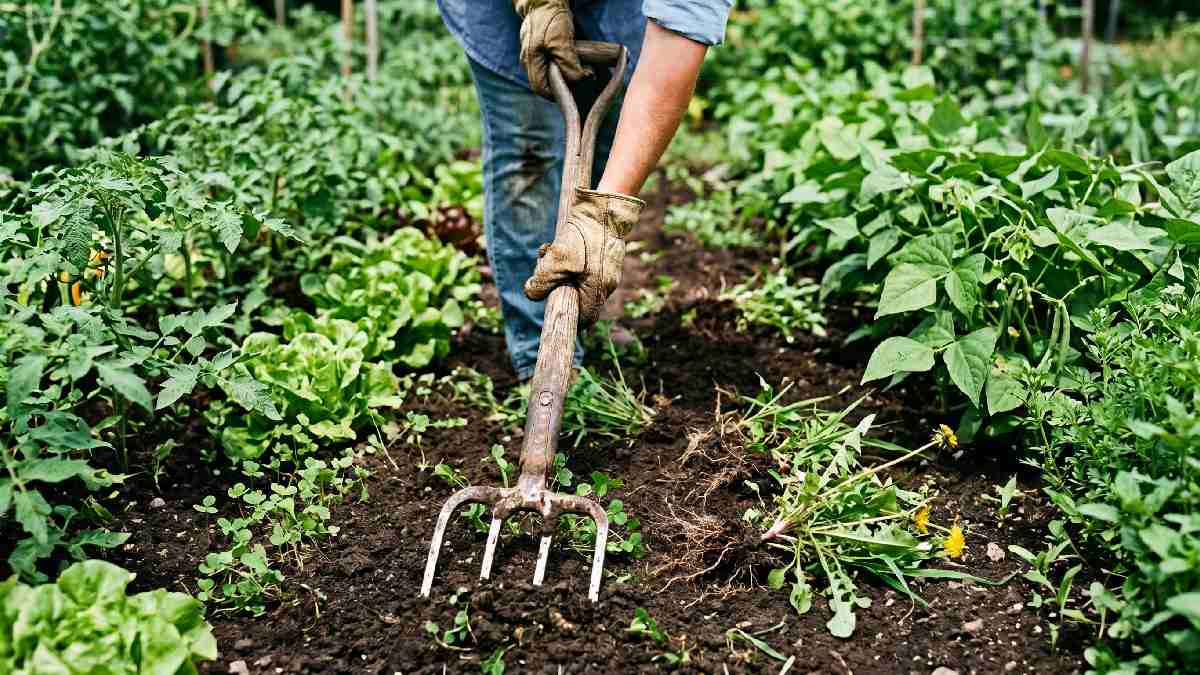
After loosening the soil, weeds become very easy to remove. The tines cut through weed roots during cultivation. Loosened weeds come out of soil very easily now. Use the cultivator to push weeds to the surface. Collect all loosened weeds from the bed carefully.
Place them in a garden waste bag or compost. Do not leave pulled weeds on the soil surface. Some weeds can re-root themselves in moist soil quickly. Remove all weeds completely for best long-term weed control results.
Step 4: Mix Compost
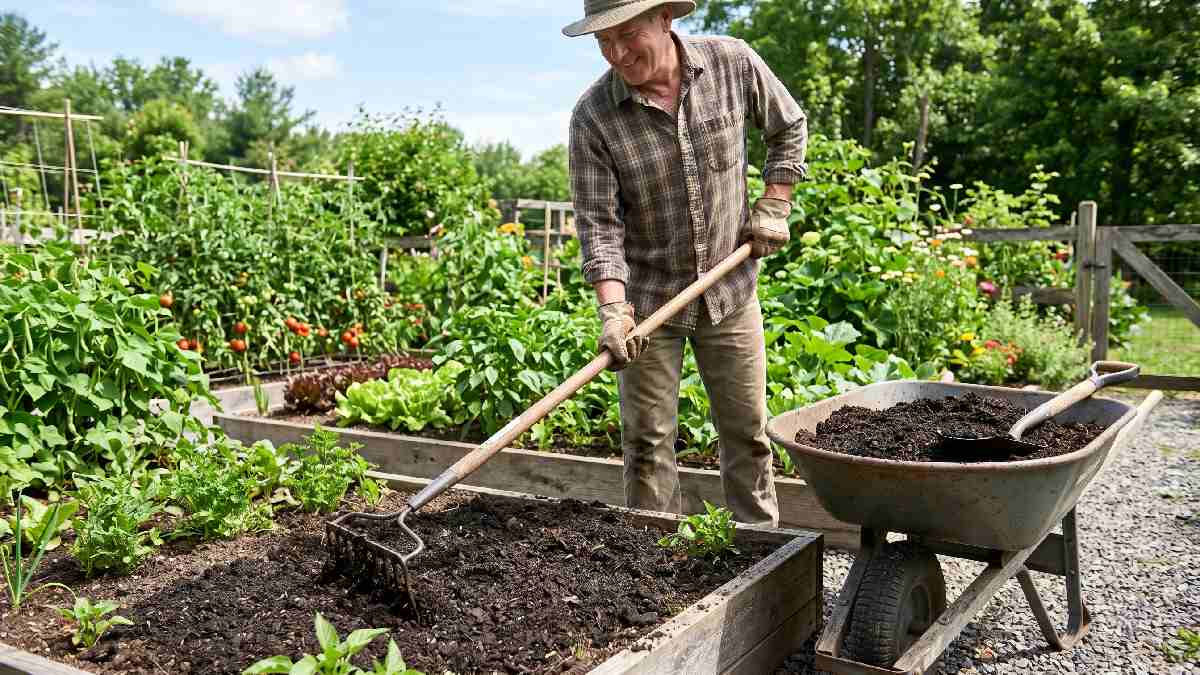
Spread your chosen compost evenly over the cultivated bed. Work the cultivator tines through the compost layer. Mix it thoroughly into the top soil layer always. Make multiple passes to blend everything evenly together. The tines combine compost and soil very effectively.
Nutrients from compost spread evenly throughout the soil this way. Mixing improves soil structure and overall fertility greatly. Well-mixed compost gives your plants the best possible nutrition. Always mix compost after cultivation for maximum benefit to plants.
Step 5: Prepare for Planting
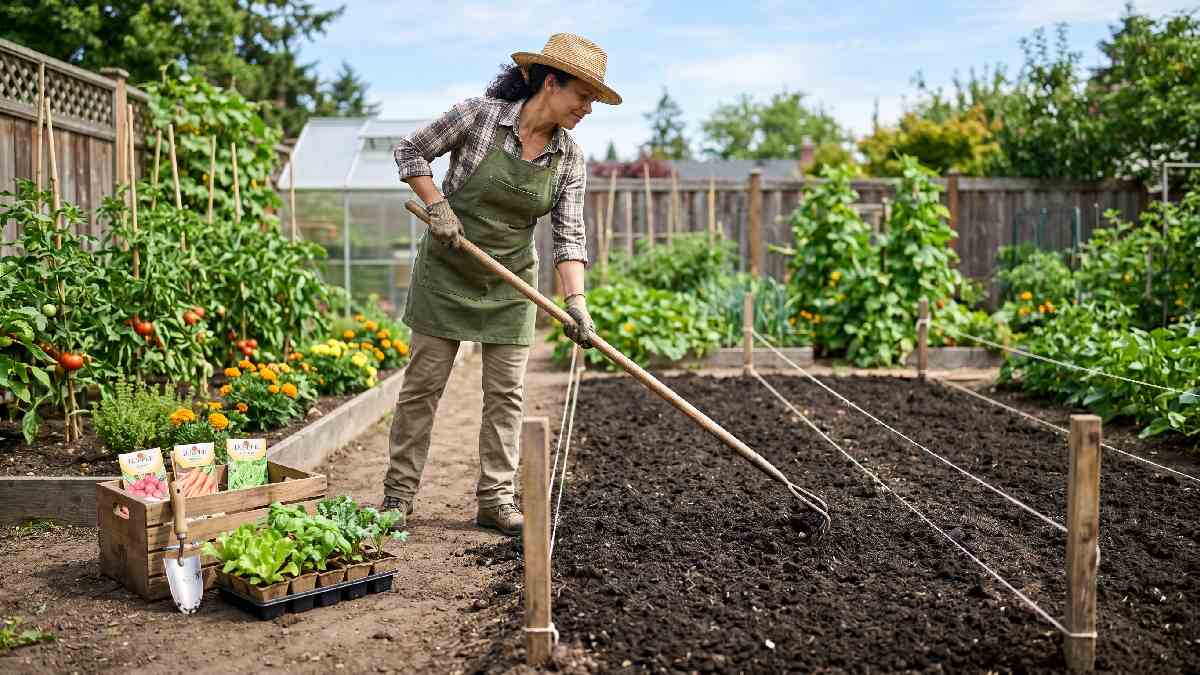
After cultivation and compost mixing, prepare the bed for planting. Make final passes with the cultivator to smooth the surface. Break up any remaining small clumps in the soil. Create an even and level planting surface throughout the bed.
Check soil depth and consistency across the entire area. Mark out your planting rows or sections clearly. The bed is now ready for seeds or transplants. Well-prepared soil gives every plant the very best possible start for healthy and productive growth.
Long Handle Garden Cultivator vs Hand Cultivator
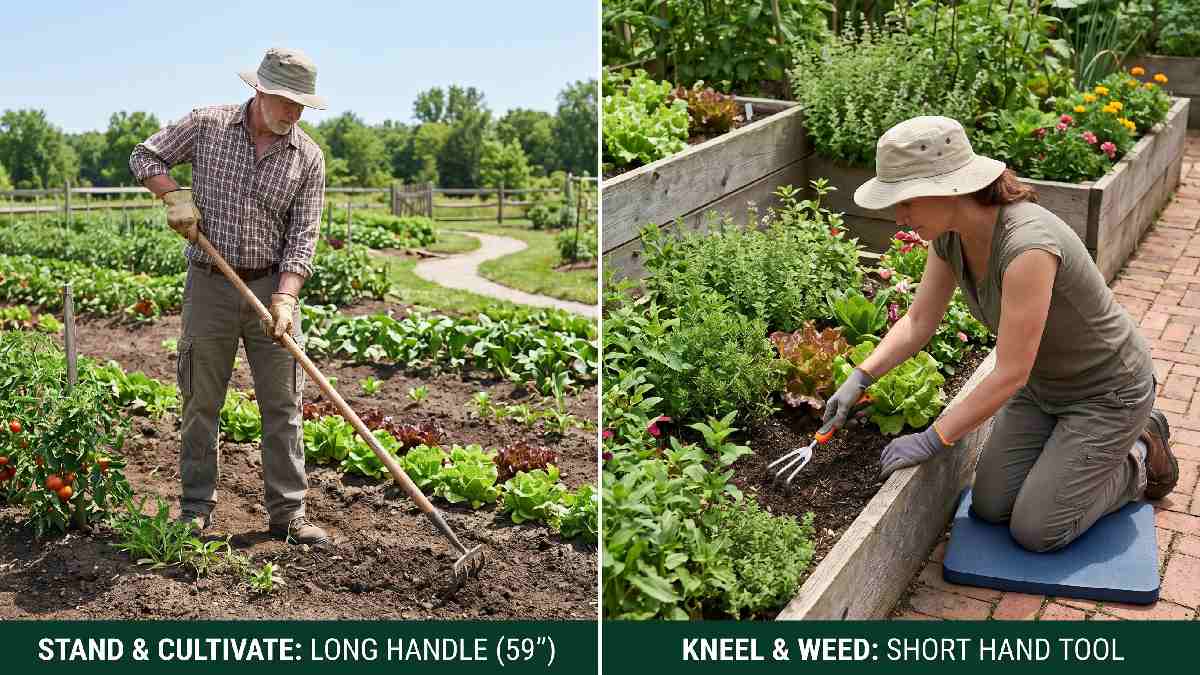
Both types of cultivators serve important purposes in the garden. Each one has clear strengths and specific weaknesses. Understanding the differences helps you choose correctly. Long handle versions suit larger garden spaces very well. Hand cultivators suit smaller and more detailed work better.
Many experienced gardeners own and regularly use both types. Comparing them helps you decide which tool to buy first and which tasks each one handles most effectively in your specific garden situation.
HReach and Comfort
A long handle cultivator lets you work while standing upright. Your back stays straight and completely pain free. You reach across wide garden beds very easily. A hand cultivator requires you to kneel on the ground. It causes back and knee strain during long sessions.
Long handle versions are far more comfortable for most gardeners. They allow much longer working sessions without physical discomfort. Comfort is the biggest advantage of long handle cultivators over small hand-held versions for regular garden use.
Soil Cultivation Efficiency
Long handle cultivators cover more soil area per pass. They work faster across large open garden spaces. They require less time to cultivate entire garden beds. Hand cultivators work more precisely in very tight spaces. They reach between closely spaced plants without causing damage.
Long-handle tools are more efficient for general cultivation work. Hand cultivators are more efficient for detailed and precision work. Efficiency depends entirely on the specific task and garden size you are working with at any time.
Best Use Cases
Long handle cultivators work best in large open garden beds. They are ideal for vegetable gardens and wide raised beds. They suit gardeners who work for long extended periods regularly. Hand cultivators work best in container gardens and small beds.
They suit work between closely spaced plants very well. They are ideal for detailed weeding in tight confined spaces. Use long handle tools for general maintenance and large areas. Use hand cultivators for precision work in small and detailed spaces always.
How to Choose the Best Long Handle Garden Cultivator
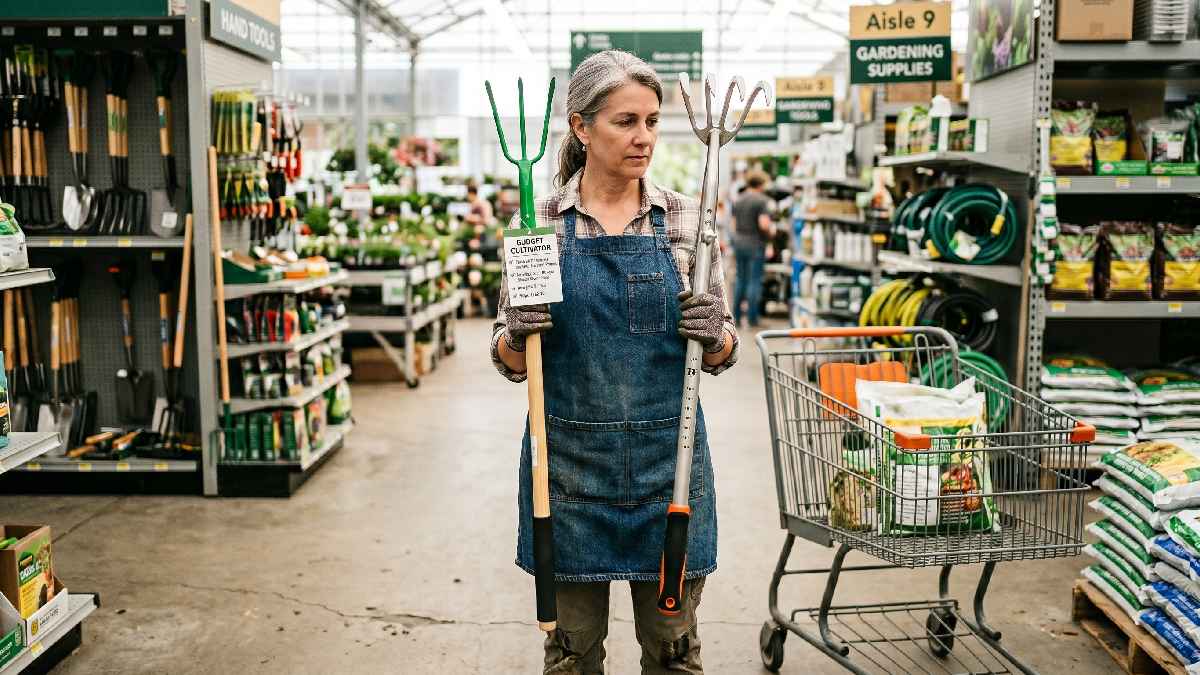
Choosing the right cultivator requires careful consideration of several factors. Not all cultivators work equally well in all gardens. Your garden size matters greatly in this decision. Your soil type also affects your tool choice significantly. Consider how often you will use the tool regularly.
Think about your physical strength and comfort needs. A good cultivator should feel balanced and easy to control. Use these important factors to find the perfect long handle garden cultivator for your specific gardening needs.
Handle Material
Handle material affects weight, durability, and comfort greatly. Wood handles feel natural and comfortable in your hands. But wood can crack or rot over time with heavy use. Fiberglass handles are very strong and very lightweight. They resist moisture and weather damage extremely well.
Steel handles are the most durable option available. But they are heavier than wood or fiberglass options. Choose fiberglass for the best balance of strength and light weight. Always check handle quality carefully before making any purchase decision.
Tine Design
Tine design determines how well the tool cultivates soil. Curved tines penetrate hard soil more effectively than straight ones. Sharp tines cut through weed roots much more cleanly. Wider tines cover more soil area with every single pass.
Narrow tines work better between closely spaced plants always. Stainless steel tines resist rust and stay sharp much longer. Check that tines are firmly attached to the head always. Loose tines bend and break under pressure very quickly during use.
Weight and Durability
Tool weight affects how comfortable it is to use daily. Very heavy cultivators cause arm and shoulder fatigue quickly. Choose a tool that feels well balanced in your hands. Lightweight models are much easier to use for long periods. But they must still be durable enough for regular hard use.
Check the overall build quality of the entire tool. Quality cultivators use strong materials throughout their construction. A well-built cultivator lasts many years with proper care and regular maintenance after every single use.
Grip Comfort
The grip directly affects your comfort during long work sessions. Rubber grips reduce hand vibration and improve control greatly. Foam grips feel soft and very comfortable during extended use. Bare wood or metal handles can cause painful blisters over time.
Look for ergonomic grip designs that fit your hand naturally. Non-slip surfaces are very important for safe tool control. Always test how the grip feels before you buy. A comfortable grip makes every gardening session more enjoyable and much less physically demanding on your hands.
Garden Size Considerations
Your garden size should guide your cultivator choice significantly. Small gardens need compact and lightweight cultivators always. A basic three-tine model works perfectly for small spaces. Medium gardens benefit greatly from four-tine or combination cultivators. Large gardens need wider heads and very durable construction.
Professional gardens require heavy-duty commercial-grade tools always. Match your tool size to your actual garden size carefully. Buying a tool that is too large or too small for your garden creates unnecessary frustration and wasted money.
Maintenance and Storage Tips
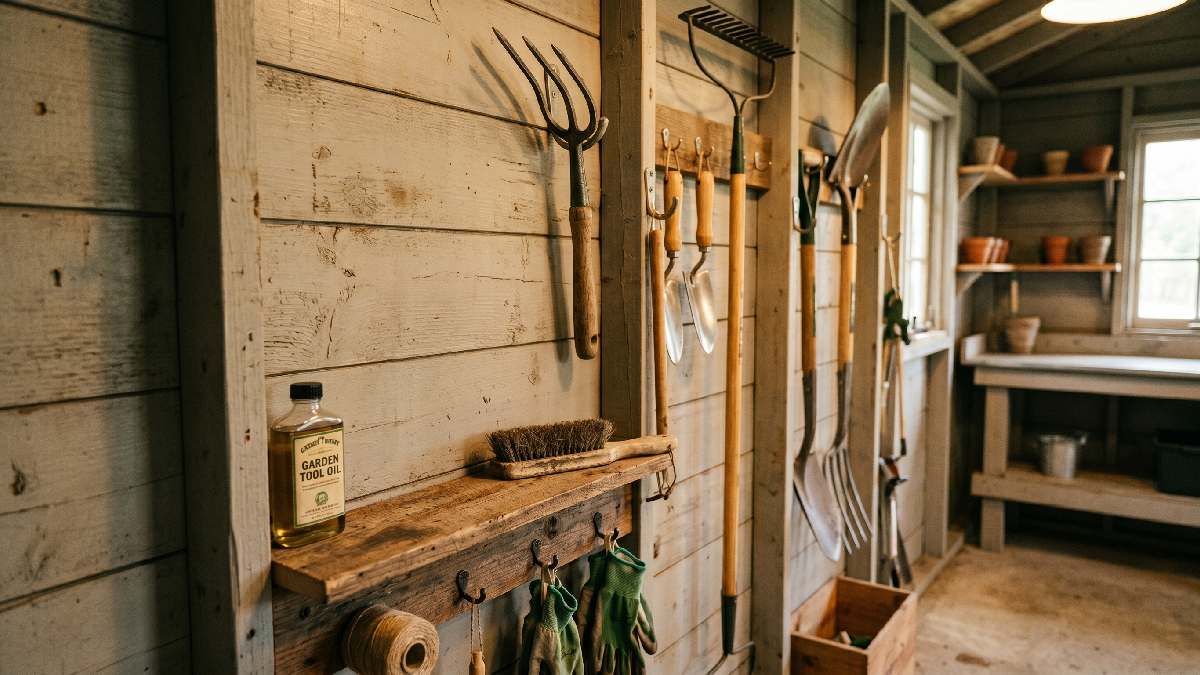
Proper maintenance keeps your cultivator working perfectly for years. Neglected tools rust and break down very quickly. A few minutes of care after each use makes a huge difference. Clean tools always perform better than dirty neglected ones. Stored tools stay in much better condition over time.
Following simple maintenance steps protects your investment completely. A well-maintained cultivator lasts many years without needing replacement. These easy tips keep your long handle garden cultivator in perfect working condition every single gardening season.
Cleaning After Use
Clean your cultivator immediately after every single use. Remove all soil from the tines completely. Use a stiff wire brush to scrub the tines clean. Rinse with clean water to remove remaining dirt. Dry the entire tool completely before storing it away.
Never store a wet or dirty cultivator in storage. Moisture causes rust and weakens metal tines very quickly. A quick clean after every use takes only a few minutes. This simple habit extends your tool’s life significantly over many years of regular garden use.
Preventing Rust
Rust is the biggest enemy of any metal garden tool. Always dry your cultivator completely after cleaning it. Apply a thin coat of linseed oil to all metal parts. Use a clean, dry cloth to spread oil evenly. Oil creates a protective barrier against moisture and rust.
Do this after every cleaning session without fail. Store tools away from rain and damp conditions always. Check metal parts regularly for any early signs of rust. Treat rust spots immediately with steel wool and protective oil coating.
Proper Storage
Proper storage protects your cultivator from all weather damage. Store it in a dry shed or covered garage always. Never leave it outside overnight or during rainy weather. Hang the cultivator on a wall hook or a mounted rack. Keeping it off the ground prevents moisture damage effectively.
Store it away from other sharp garden tools always. A dedicated tool storage area keeps everything organized and protected. Proper storage is the easiest and most effective way to significantly extend the working life of your long-handle garden cultivator.
Frequently Asked Questions
What is a long handle garden cultivator used for?
It loosens soil, removes weeds, mixes compost, and prepares garden beds for planting quickly and efficiently without bending.
Is a cultivator better than a hoe?
A cultivator aerates soil and removes weeds better. A hoe is better for making furrows and moving large amounts of soil.
Can a cultivator remove weeds?
Yes. The tines cut through weed roots effectively. Regular cultivation keeps weeds under control without using any chemicals.
Are long handle cultivators good for raised beds?
Yes. They provide excellent reach across wide raised beds. You work comfortably while standing without stepping into the bed.
How often should garden soil be cultivated?
Cultivate soil every two to three weeks during the growing season. Cultivate more often during periods of heavy weed growth.
What type of cultivator is best for vegetable gardens?
A three-tine or four-tine long handle cultivator works best. It fits between plant rows and loosens soil without damaging roots.
Conclusion
A long-handle garden cultivator is one of the most valuable tools any gardener can own. It protects your back and knees from strain. It loosens soil quickly and effectively. It removes weeds naturally without chemicals. It prepares beds for planting with ease.
Choose the right type for your garden size. Maintain it properly after every use. A quality cultivator lasts many years with good care. Invest in one today and make every gardening session easier, faster, and far more enjoyable.