

Urban Gardening Services: Complete Guide for Modern Homes
Urban gardening services help people grow plants in small urban spaces such as balconies, rooftops, and indoor corners. Not everyone has land, so these services step in. Setup happens, plants get chosen, and care plans are shared. Simple idea, but it changes how a home feels. I once saw a tiny apartment balcony turn into a green jungle. Nothing fancy, just pots, herbs, and some climbing plants.
The owner didn’t know much, but still, everything was arranged by a service team. Looked easy, but small details mattered. Plants get selected based on light, space, and even lifestyle. Maintenance comes later, not heavy work, just regular checks. Some days watering, some days pruning. Fresh herbs, vegetables, and decorative plants all grow in the same space. City life feels a bit slower there. A bit calm.
What Are Urban Gardening Services?
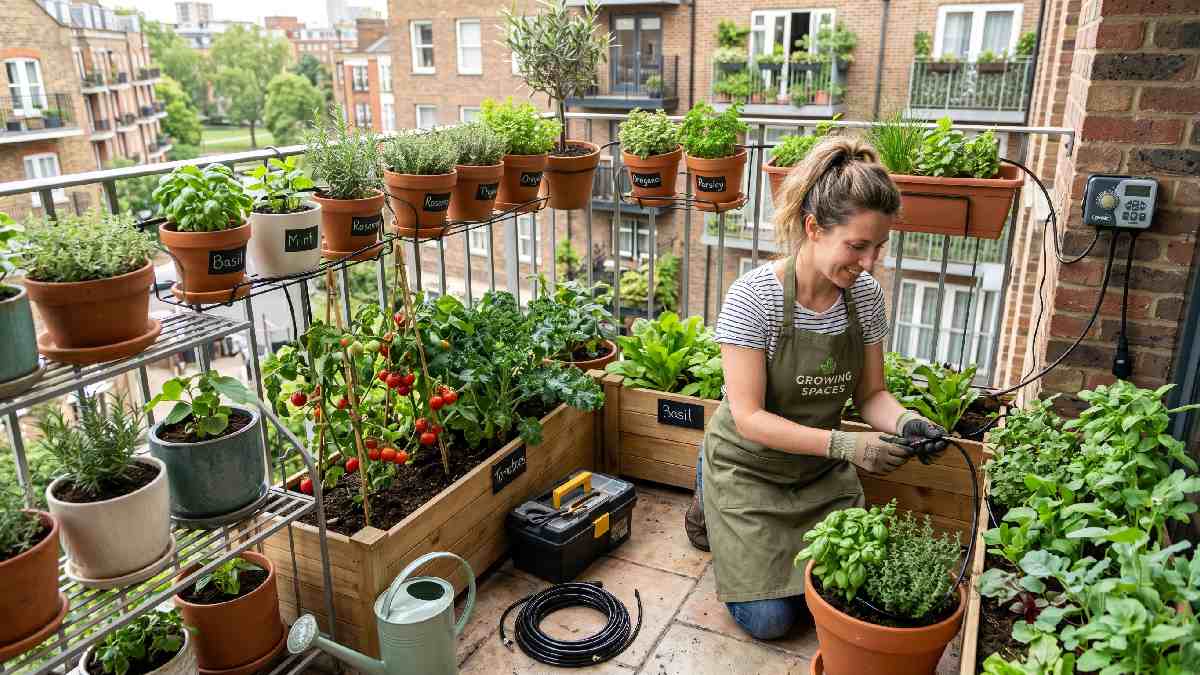
Urban gardening services are basically plant setup and care help for city homes. People bring in experts, and they design small green spaces in tight areas. Balconies, rooftops, and even corners inside rooms get used. It’s not only decoration, but there are also food plants too.
Herbs, veggies, and small fruit plants sometimes. Services handle planning, soil, pots, and irrigation. Some clients stay involved, some just watch things grow. It feels simple on paper, but small details decide success. Light, water, spacing, all quietly managed in the background.
Indoor Gardening Solutions
Indoor gardening solutions focus on growing plants inside homes, where sunlight is limited. Professionals set up shelves, grow lights, and right containers. Plants like herbs, snake plants, and small vegetables work best. I saw one setup in a living room corner that looked like a mini forest.
Not a perfect arrangement, a little messy also. But plants were healthy. Service teams guide watering routine, light timing, and soil choice. People learn slowly, not overnight. Even beginners manage after setup. Space becomes green, air feels lighter somehow.
Balcony Garden Setup
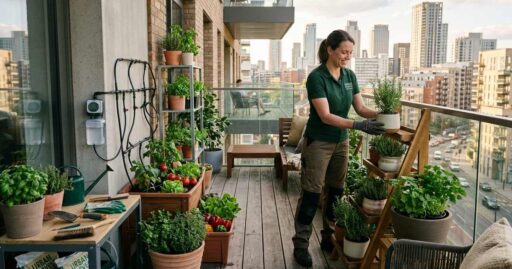
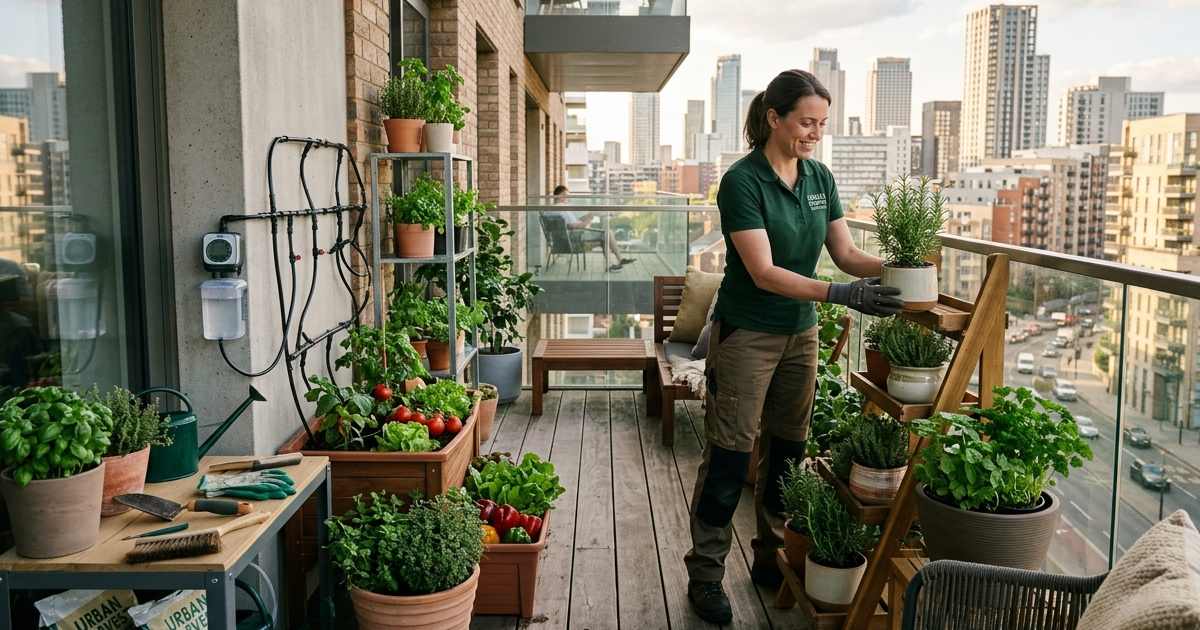
Balcony garden setup uses open apartment space for plants. Workers measure sunlight first, then choose plants. Pots, railing planters, and vertical stands are often used. Some balconies turn into a full green wall, some stay minimal. Depends on taste. I remember one small balcony, two chairs, and tomatoes hanging above.
Not fancy but felt alive. The setup includes soil mix, drainage, and irrigation ideas. Maintenance instructions will be given later. Watering schedule matters; plants suffer fast. A small space still gives food, flowers, calm feeling. City noise stays outside mostly.
Rooftop Gardening Services
Rooftop gardening services turn empty roofs into usable green areas. Soil beds, containers, and sometimes hydroponic systems are installed. Weight checked first, safety is important. Then the layout design happens. Vegetables often grown here include spinach, chillies, and cucumbers.
One rooftop I saw had uneven tiles, but they managed it somehow. Not perfect, but functional. Water systems are sometimes automated. Wind protection added. People use it for fresh food and evening sitting. Heat reduces a bit under plants. Space feels different after setup.
Garden Maintenance Services
Garden maintenance services keep plants alive after setup. Regular visits happen, watering is checked, and pruning is done. Soil health monitored, pests controlled. Some days everything looks fine, other days problems appear suddenly. That’s normal. Teams adjust light, replace weak plants, and fix drainage.
Homeowners usually relax while work continues outside. I noticed even small neglect shows quickly in plants. Yellow leaves, drooping stems. Maintenance keeps the balance steady. Without it, even good setups fail slowly. Simple care, repeated often, makes everything work long term.
Benefits of Hiring Professional Gardening Services
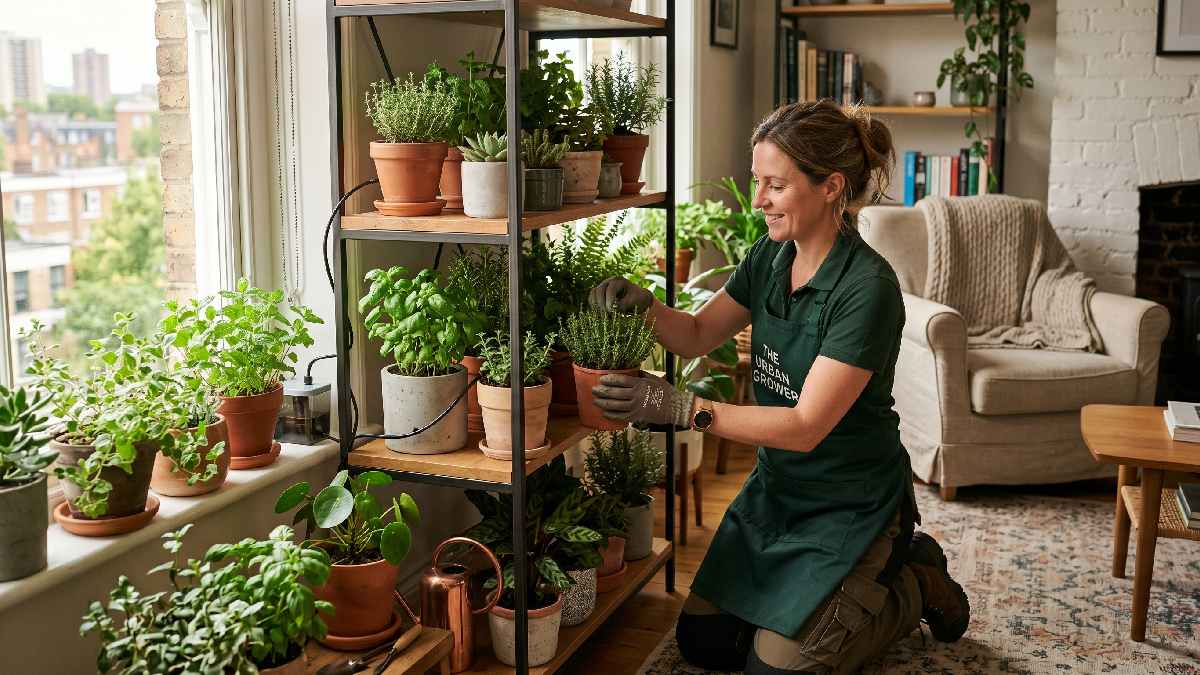
Hiring professional gardening services makes urban plant care easier for busy people. Experts handle planning, setup, and regular care so you don’t struggle with trial and error. Plants grow in a more stable way because light, soil, and water are managed properly.
Small homes also get better use of space with smart design ideas. It feels less stressful, more organized. Even beginners can enjoy greenery without deep knowledge. Homes slowly turn into calm, green spaces with consistent care and better plant survival overall.
Saves Time and Effort
Time matters in city life. Gardening takes effort, daily attention, and small adjustments that people often forget. Professionals handle all of it, so routine stress drops. You don’t wake up worrying about watering or pests. They come, check, and fix things quietly.
I saw one friend try DIY gardening, but after two weeks, he gave up. Later, service people set it up properly. Now he just enjoys plants, no effort. It feels simple from the outside, but real work is already done by experts.
Better Plant Health
Plants stay healthier when experts manage them. Wrong watering or light mistakes usually damage growth early. Professionals notice small issues before they become big problems. Leaves stay green, roots stronger, growth steady. I remember a small indoor setup, plants looked weak at first.
After the service visit, changes were slow but visible. Better soil mix, correct spacing, and proper light timing helped. Not magic, just experience. Plants respond fast when conditions are right. Health improves naturally when care is consistent and monitored properly.
Maximizes Small Spaces
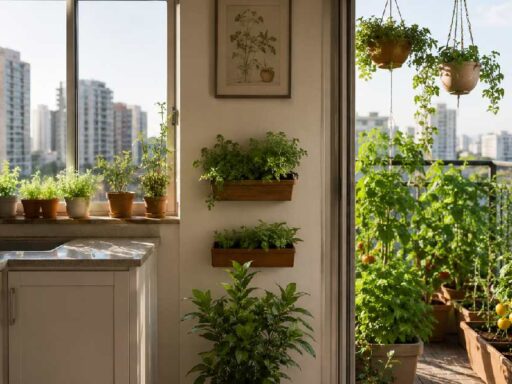
Urban homes don’t have much space, but gardening works if planned well. Professionals use walls, corners, railings, and even unused roof areas. I saw a tiny balcony turned into a layered green setup, which felt surprising. Space looked small, but every corner had purpose.
Vertical stands, hanging pots, and compact trays are used smartly. It doesn’t feel crowded, more like an organized green zone. Without planning, space stays wasted. With design, even one small room or balcony feels bigger and alive at the same time.
Sustainable and Eco-Friendly Living
Gardening services support a more sustainable lifestyle in cities. Plants improve air, reduce heat, and create natural balance in small areas. Some setups even use composting and water-saving methods. It’s not perfect everywhere, but small changes matter. I noticed homes with plants feel less artificial, more grounded.
Food waste sometimes becomes compost, wand ater use gets controlled. These habits build slowly. Nothing dramatic, just steady improvement in daily living. The environment feels a bit cleaner, the lifestyle a bit calmer over time.
Types of Gardening Services for Urban Homes
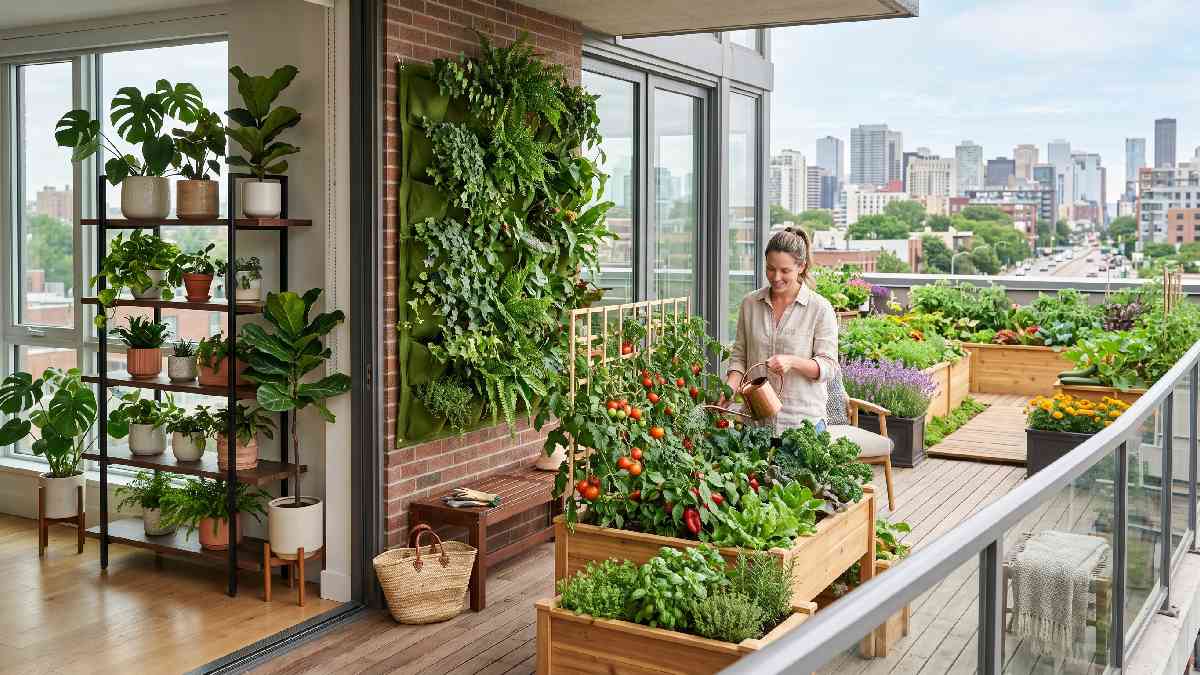
Urban gardening services come in different forms depending on space and need. Some focus indoors, others use balconies or rooftops. Vertical systems and microgreens setups are also common in small apartments. Each service has a different approach but the same goal, using the limited space better.
Professionals adjust design based on sunlight, budget, and usage. It’s flexible, not one fixed method. Even tiny homes can support greenery if setup is done properly with the right planning and care system in place.
Indoor Gardening Services
Indoor gardening services help people grow plants inside homes where natural light is limited. Experts install shelves, grow lights, and choose suitable plants. Herbs, small vegetables, and decorative plants are common choices. I once saw a living room corner turned into a green section, simple but peaceful.
Not a perfect design, a bit uneven setup, still, the plants looked healthy. Service teams guide watering schedule, light timing, and soil type. Over time, people learn how to manage it without stress or confusion.
Balcony Gardening Services
Balcony gardening services turn small outdoor spaces into usable green areas. Professionals check the sunlight direction first, then select plants. Pots, railing planters, and vertical stands are commonly used. One balcony I saw had tomatoes hanging above a small seating area, which looked simple but fresh.
The setup includes soil mix, drainage, and watering plan. Maintenance instructions are shared later. Even small balconies start producing herbs or vegetables. Space feels more alive, and city noise becomes less noticeable while sitting there.
Rooftop Gardening Services
Rooftop gardening services use empty roof space for plants and food growth. Experts first check weight and safety, then the ignition layout. Soil beds, containers, and sometimes hydro systems are installed. Vegetables like spinach, chilies, and cucumbers grow commonly.
I remember one rooftop setup with an uneven surface, s, till they managed it carefully. Wind protection and water systems are added where needed. It creates usable green space and sometimes a small relaxation area. The roof feels cooler and more functional after setup.
Vertical Gardening Solutions
Vertical gardening solutions focus on growing plants upward instead of outward. Walls, racks, and layered stands are used to save space. It works well in small apartments. I saw a narrow wall filled with her, which, bs, looked compact but useful.
Setup includes support frames, drip systems, and light planning. Maintenance is simple once installed. Plants grow in layers, not spread out. This method is practical for tight spaces where the ground area is almost fully occupied already.
Microgreens Setup Services
Microgreens setup services focus on fast-growing edible greens in trays. These setups are small, often indoor, and easy to manage. Professionals provide trays, seeds, lighting, and guidance. Radish, broccoli, and li, mustard grow quickly and are harvested in days.
I have a one-kitchen corner setup producing fresh greens weekly. It doesn’t take much space or effort after installation. People like it for fresh food access at home. Simple system, but surprisingly productive for daily use in small homes.
How to Choose the Right Gardening Service
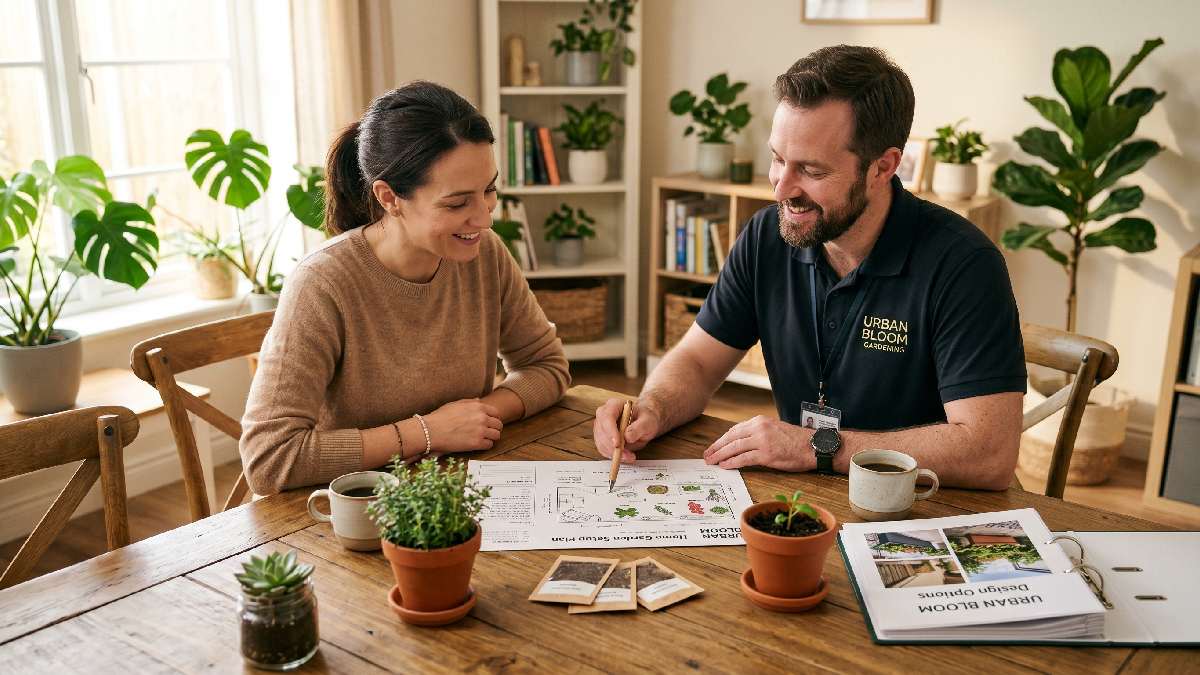
Choosing the right gardening service depends on experience, pricing, and support offered. Not all services work the same way. Some focus on design, others on maintenance. It’s important to understand what you actually need before hiring. Small homes need different planning than larger spaces.
Asking questions before starting helps avoid confusion later. A good service should guide clearly, not complicate things. Simple communication and clear plans usually lead to better results in the long run.
Check Experience and Portfolio
Experience matters a lot in gardening services. Companies with past work usually handle problems better. Portfolio shows what they can actually do, not just promises. I once saw a team that looked good online but struggled in a real setup.
Another team had simple examples, but the work was solid. Photos, previous projects, and real results help decision-making. If they have handled similar spaces before, the chances of success are higher. It reduces risk and gives more confidence.
Compare Pricing and Packages
Pricing is not always the same across services. Some include full setup, others charge separately for maintenance. Comparing packages helps avoid hidden costs later. I saw people choose the cheap option first, then spend more fixing mistakes. It’s better to understand what is included.
Soil, plants, installation, visits, all matter. Clear pricing saves confusion. Expensive doesn’t always mean better, but extremely cheap can lack quality. A balanced package with a clear breakdown usually works best for most urban homes.
Read Customer Reviews
Customer reviews give real insight into service quality. Marketing shows the best side, but reviews show experience. Look for repeated feedback patterns, not single opinions. If many people mention the same issue, it’s usually real. I once ignored reviews and faced delay issues later.
Honest reviews help set expectations. They also show how the company handles problems. Good service usually responds to complaints properly. Reading reviews takes little time but saves a lot of trouble later.
Ask About Maintenance Plans
Maintenance is where most gardening setups succeed or fail. Always ask what happens after installation. Some services include regular visits, others don’t. Plants need ongoing care, not just setup. I saw a beautiful balcony garden fail within months because no maintenance plan existed.
Watering schedules, pruning, and pest control should be clear. Good companies offer flexible plans. Knowing this early avoids confusion. Long-term support matters more than just initial setup in most urban gardening cases.
Cost of Urban Gardening Services
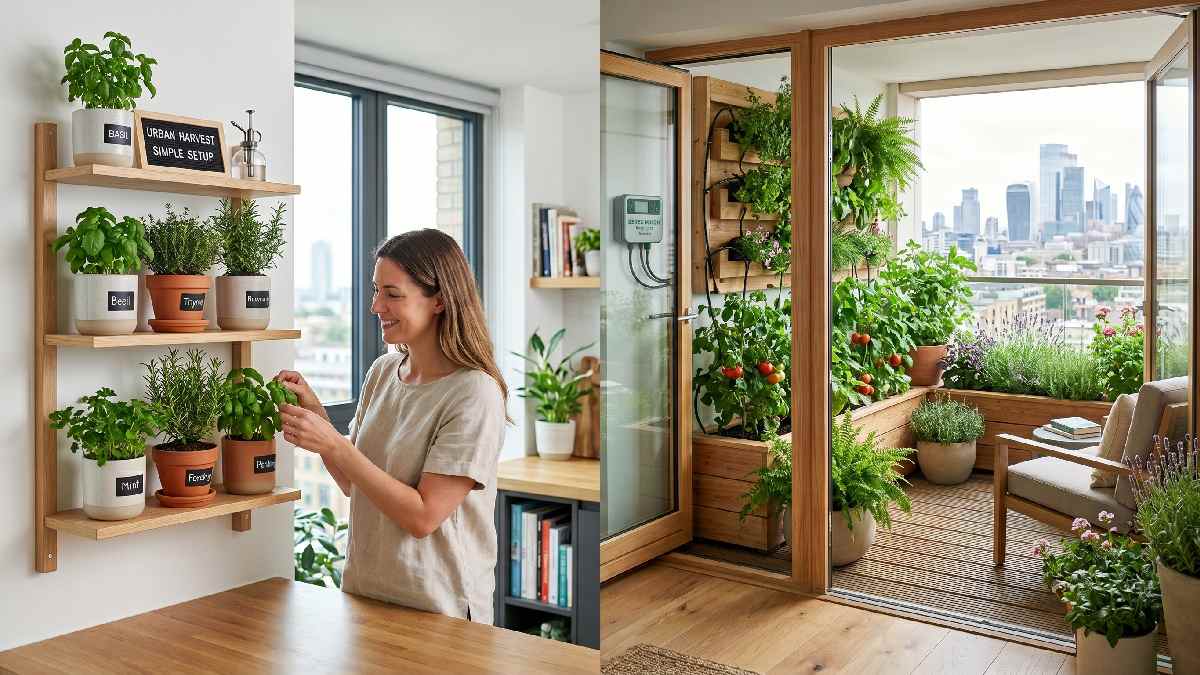
Urban gardening service cost depends on space, design, and plant selection. Small indoor setups are cheaper, while rooftops and full balcony transformations cost more. Pricing also changes based on materials, labor, and maintenance needs. Some people start small and expand later.
I’ve seen cases where a simple balcony setup grew into a full green corner over time. Costs are flexible, not fixed. It really depends on how much greenery you want and how detailed the setup becomes in your home.
Indoor Garden Installation Costs
Indoor garden installation is usually the most affordable option. It includes basic trays, soil, a few plants, and sometimes grow lights. Prices vary depending on size and design. Small apartment setups stay simple and budget-friendly.
I once saw a living room corner turned green with just a few pots and shelves. The cost was low, but the effect was big. More advanced systems with lighting and automation cost more. Still, indoor setups remain popular because they fit easily into small city homes.
Balcony Gardening Costs
Balcony gardening costs more than indoor setups because it needs more materials and planning. Pots, vertical stands, railing planters, soil mix, and irrigation all add up. Sunlight planning also affects cost. Some balconies stay minimal, others become full green spaces.
I remember one setup with tomatoes and herbs, not very expensive but well arranged. Price changes depending on plant types and design complexity. Maintenance is usually separate. Overall, it gives good value if space is used properly.
Rooftop Garden Pricing
Rooftop gardening is the most expensive among urban setups. It involves structural checks, waterproofing, soil beds, and sometimes irrigation systems. Safety and weight distribution also increase cost. I once visited a rooftop garden that looked simple but had heavy base work underneath.
Pricing depends on size and design level. Some rooftops are turned into full vegetable gardens, others into sitting areas with plants. It’s a bigger investment but offers more space and long-term benefits if maintained properly.
Maintenance Service Charges
Maintenance charges are usually recurring and depend on service frequency. Weekly or monthly visits include watering, pruning, pest control, and plant health checks. Some people skip maintenance to save money, but plants suffer quickly. I saw a balcony garden fail just because no one checked it regularly.
Costs are lower than installation, but important for long-term survival. Good maintenance keeps plants healthy and stable. Without it, even expensive setups can slowly lose their freshness and structure over time.
Common Urban Gardening Mistakes to Avoid
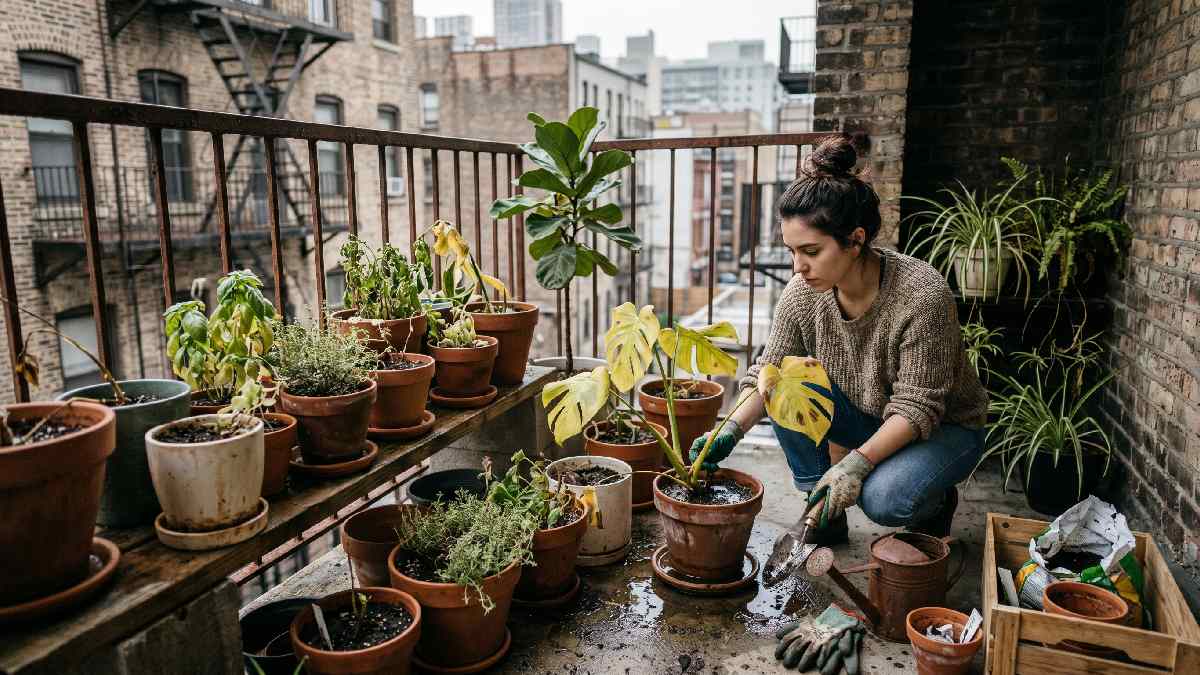
Urban gardening looks simple, but small mistakes can affect plant health quickly. Most issues come from overwatering, wrong plant choices, or poor sunlight planning. Even drainage problems can damage entire setups. I’ve seen beautiful gardens fail just because the basics were ignored.
These mistakes are common for beginners and even some experienced growers. Understanding them early helps keep plants healthy and stable. Small corrections make a big difference in long-term growth and overall garden success in city homes.
Overwatering Plants
Overwatering is one of the biggest mistakes in urban gardening. People think more water means better growth, but roots actually need air too. Too much water makes the soil soggy and leads to root rot. I’ve seen plants droop within days because of this habit.
Watering should depend on conditions, not fixed timing. Checking moisture before watering helps a lot. Small adjustments can save plants and keep them healthy for longer periods in indoor and balcony setups.
Poor Sunlight Planning
Sunlight planning is often ignored in city homes. Plants placed in the wrong spots struggle to grow properly. Some get too much direct sun, others get almost none. I remember a balcony where plants kept failing until they were shifted slightly to another corner.
Light direction changes everything. Even small adjustments help. Using shade, loving plants indoors or outdoors, and loving plants outdoors improve results. Proper placement is more important than expensive tools in most urban gardening setups.
Choosing the Wrong Plants
Wrong plant selection leads to disappointment. Not all plants grow well in small or shaded spaces. Some need more sunlight, others need more room. Beginners often pick plants based on looks, not conditions. I’ve seen people try growing sun-loving vegetables indoors and fail quickly.
Choosing plants based on available light and space is important. Herbs, small vegetables, and hardy plants usually perform better in urban settings. The right plant choice makes gardening easier and more successful.
Ignoring Drainage Systems
Drainage is often overlooked but very important. Without proper drainage, excess water stays in the soil and damages roots. Many beginners skip drainage holes or proper tray systems. I once saw a balcony setup where water kept collecting under pots, and plants slowly died.
A simple drainage setup can prevent this problem. Gravel layers, holes in pots, or proper trays help control water flow. Good drainage keeps soil balanced and roots healthy, especially in small urban gardening spaces.
Best Plants for Urban Gardens
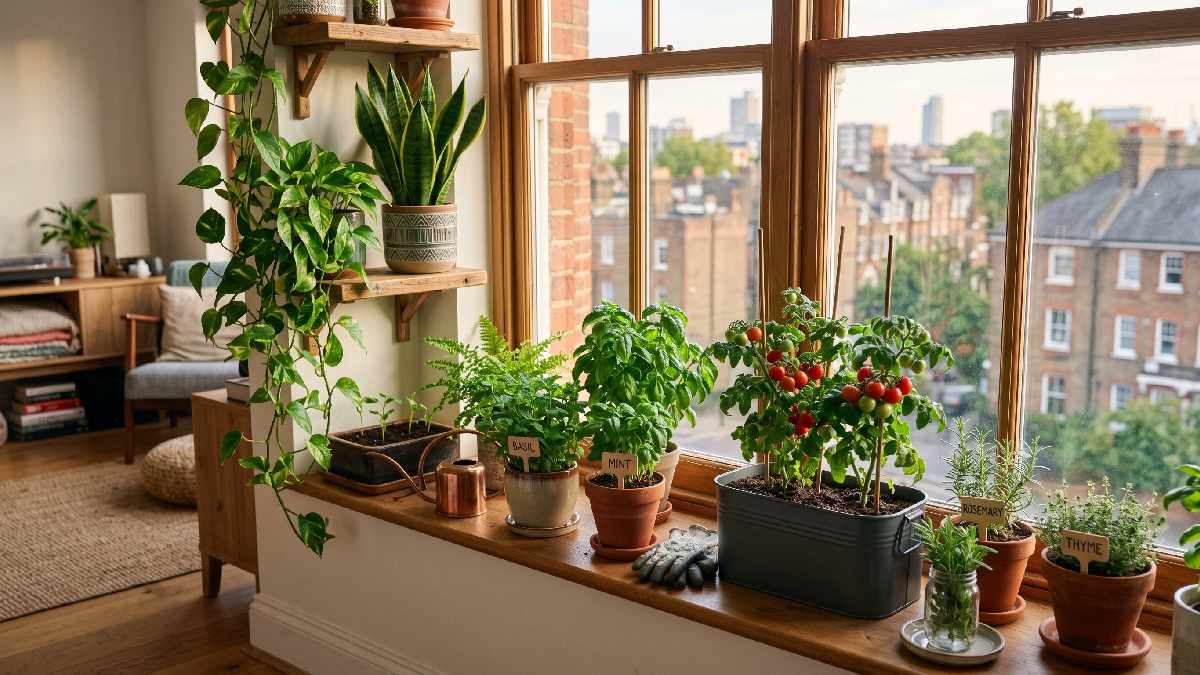
Urban gardens work best when plants match the space conditions. Small homes need plants that grow well in limited light and containers. Herbs, vegetables, and air-purifying plants are popular choices. I’ve seen simple setups look beautiful just because the right plants were chosen.
It’s not about quantity, but suitability. When plants fit the environment, maintenance becomes easy, and growth stays consistent. Urban gardening becomes more enjoyable when plant selection is practical and based on real home conditions.
Herbs for Indoor Gardening
Herbs are perfect for indoor gardens because they grow in small spaces. Basil, mint, coriander, and parsley are common choices. They don’t need large pots or strong sunlight. I once saw a kitchen window filled with herbs, simple but very useful daily.
Fresh herbs also improve cooking. Regular watering and light care are enough. They grow quickly and can be harvested multiple times. Herbs make indoor gardening easy, practical, and useful for everyday home use.
Vegetables for Small Urban Spaces
Small vegetables work well in balconies and compact gardens. Tomatoes, chilies, spinach, and radish are common options. These plants grow in containers and don’t need large soil beds. I’ve seen balcony setups producing fresh vegetables regularly in small apartments.
They need sunlight and basic care. Growth is steady when conditions are right. Even limited space can support food production. Choosing compact vegetable varieties makes urban gardening more productive and rewarding for city dwellers.
Low-Maintenance Balcony Plants
Low-maintenance plants are ideal for busy people. Snake plant, money plant, and pothos grow easily with minimal care. They don’t need frequent watering or strict sunlight. I’ve noticed these plants survive even in less active households.
They are forgiving and adapt well to different conditions. Balcony spaces look greener without much effort. These plants are perfect for beginners who want greenery without daily stress. Simple care is enough to keep them healthy and attractive.
Air, Purifying Indoor Plants
Air purifying plants improve the indoor environment naturally. Peace lily, spider plant, and areca palm are popular choices. They help clean the air and add freshness to rooms. I saw a small apartment where these plants made the space feel lighter and more open.
They don’t require heavy maintenance. Just regular watering and indirect light work well. These plants are useful for city homes where the air quality is often lower. They combine beauty with practical health benefits.
Frequently Asked Questions
What do urban gardening services include?
Urban gardening services include design, installation, maintenance, irrigation setup, plant selection, and regular care support.
How much does balcony gardening cost?
Balcony gardening costs vary depending on size, plants, design complexity, and maintenance requirements location chosen.
Can I grow vegetables in a small apartment?
Yes, you can grow vegetables in small apartments using containers, lights, and compact gardening systems.
Which plants are best for urban homes?
Herbs, leafy greens, tomatoes, peppers, succulents, and air-purifying plants grow well in urban homes indoors.
Conclusion
Urban gardening services make city living more green and practical. They help people turn small spaces into productive gardens with professional planning and care. From balconies to rooftops, every corner can grow plants with the right setup. These services save time, improve plant health, and support sustainable living.
Even beginners can enjoy fresh herbs and vegetables at home. With expert help, maintenance becomes easier, and results are more reliable. Urban gardening is not just a trend; it is a lifestyle shift toward healthier, greener living in modern cities every single day.